YOYOGI PARK: ELVIS?


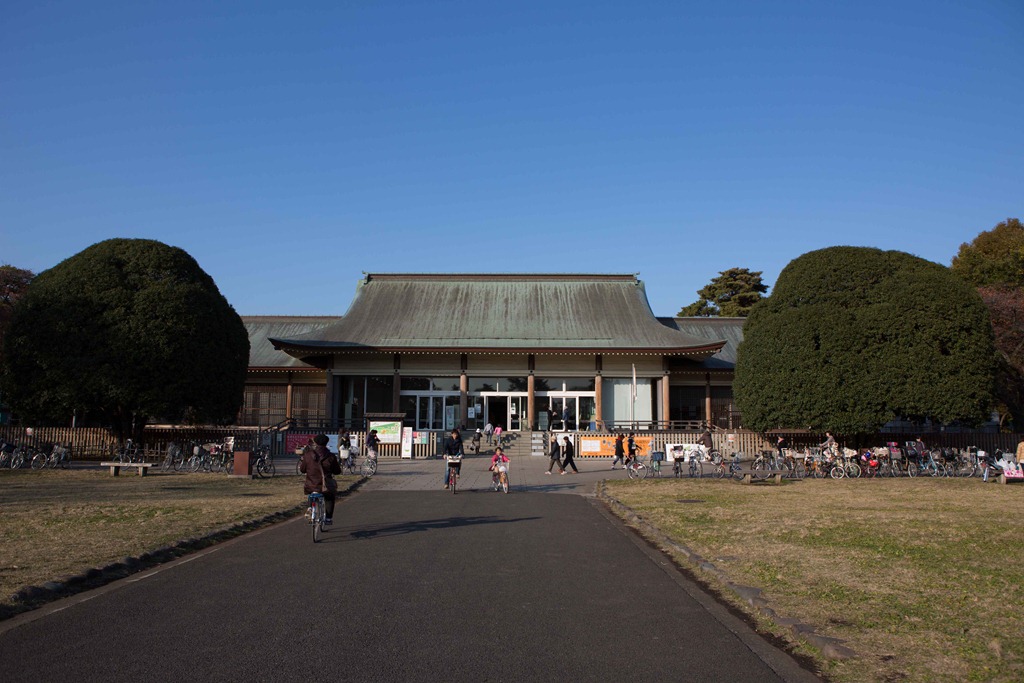
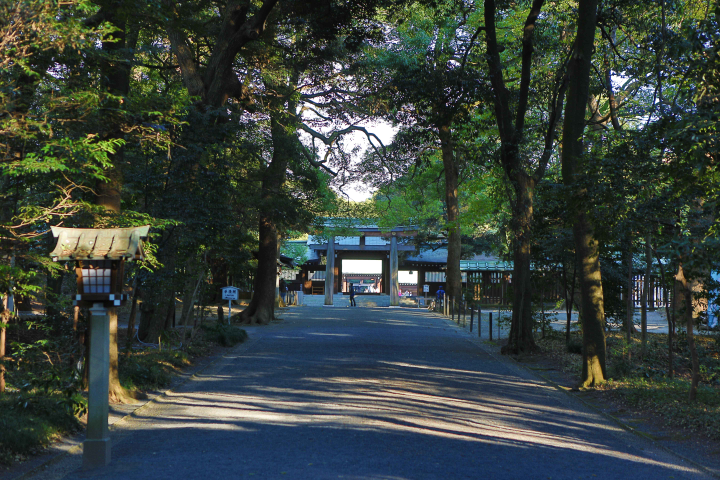
Yoyogi park is a park that is commonly written up in books on visiting Tokyo. Filled with eclectic people, right beside one of the most famous shrines in Tokyo, it is worth a visit.

What is now Yoyogi Park was the site of the first successful powered aircraft flight in Japan, on December 19, 1910, by Captain Yoshitoshi Tokugawa,[1] after which it became an army parade ground. During the post World War II Allied occupation of Japan, it was the site of the Washington Heights residence for U.S. officers.[2]

It was later the site for the main Olympic athletes village of the 1964 Summer Olympics[3] and the swimming, diving, and basketball venues. The distinctive Yoyogi National Gymnasium which hosted swimming, diving, and basketball was designed by Kenzo Tange for the Olympics,[4] and is still in use, but most of the area north of the gymnasium complex and south of Meiji Shrine was turned into a city park in 1967.[5]

Today, the park is a popular hangout, especially on Sundays, when it is used as a gathering place for rock music fans.[5] The park has a bike path, a public basketball court,[6] and bicycle rentals are available.

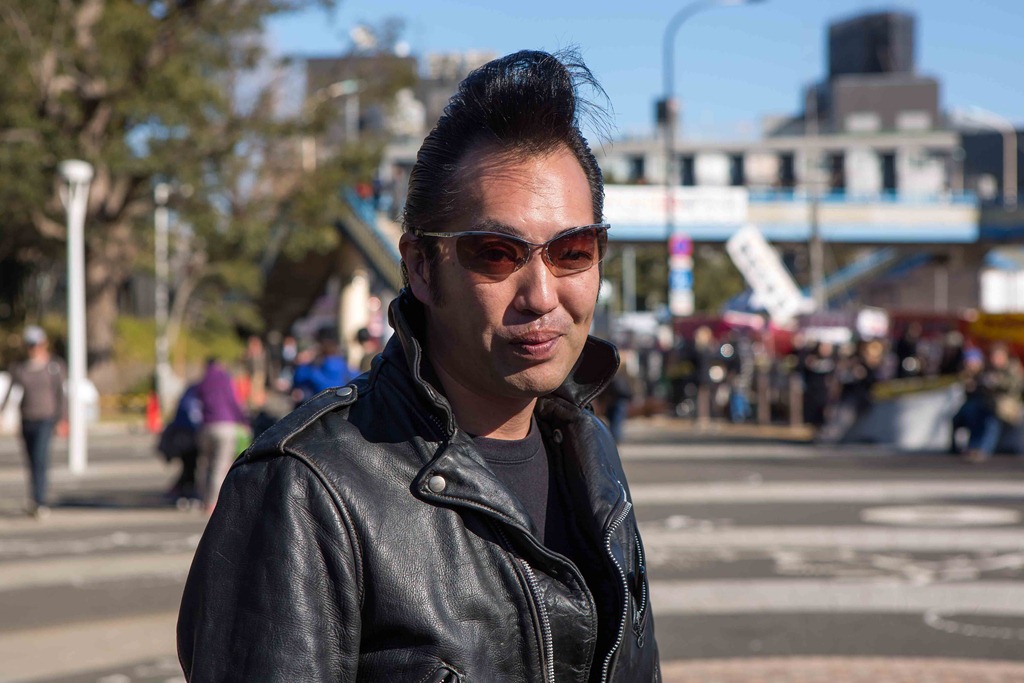
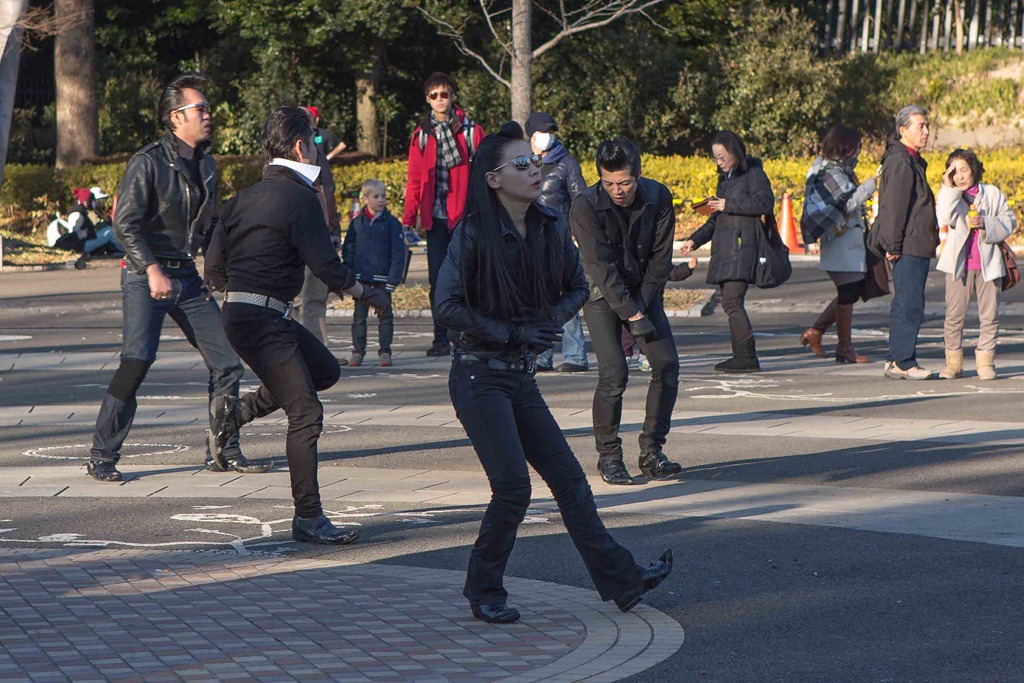
A few weekends ago we dropped over for Earth Day, which is a farmers market. We did not think that the bands would be there, they were. They were REALLY enjoying themselves.
2013 01 27 Yoyogi Park_-91

2013 01 27 Yoyogi Park_-81

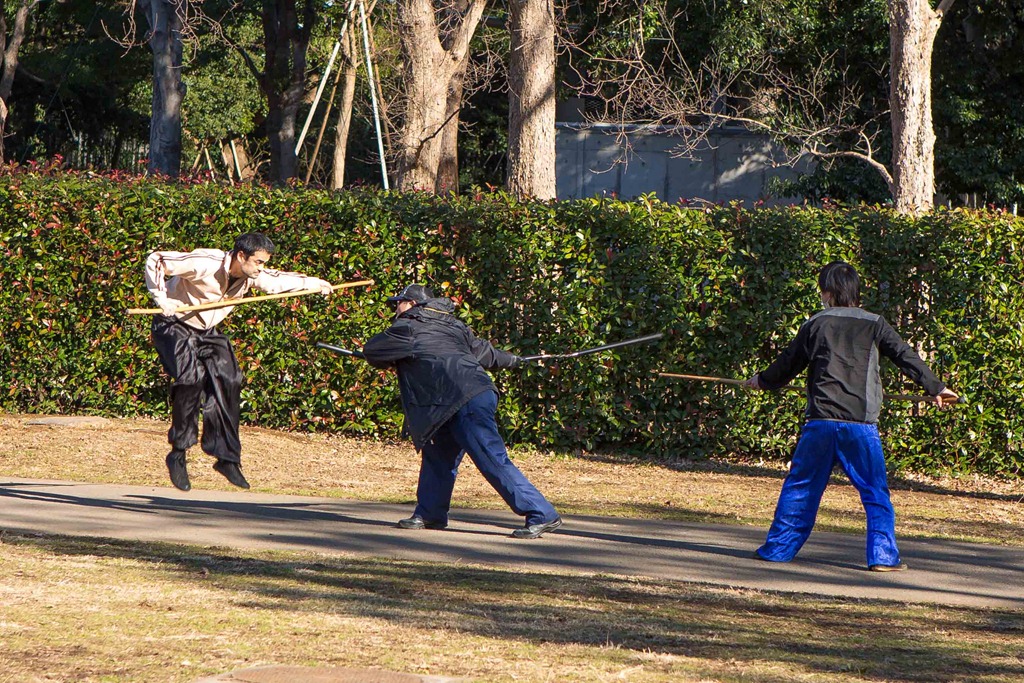
It was a beautiful sunny day, and people were out in droves enjoying themselves. These lads were having fun with sticks.
2013 01 27 Yoyogi Park_-97

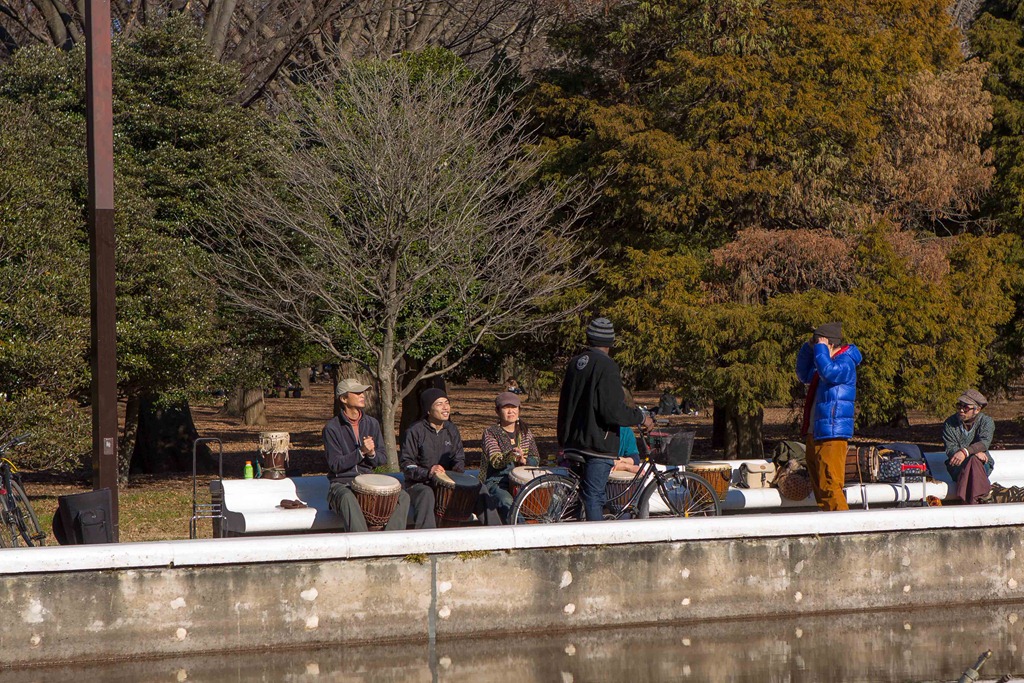
Drummers.

2013 01 27 Yoyogi Park_-15

Not really sure what these women were up to?

image

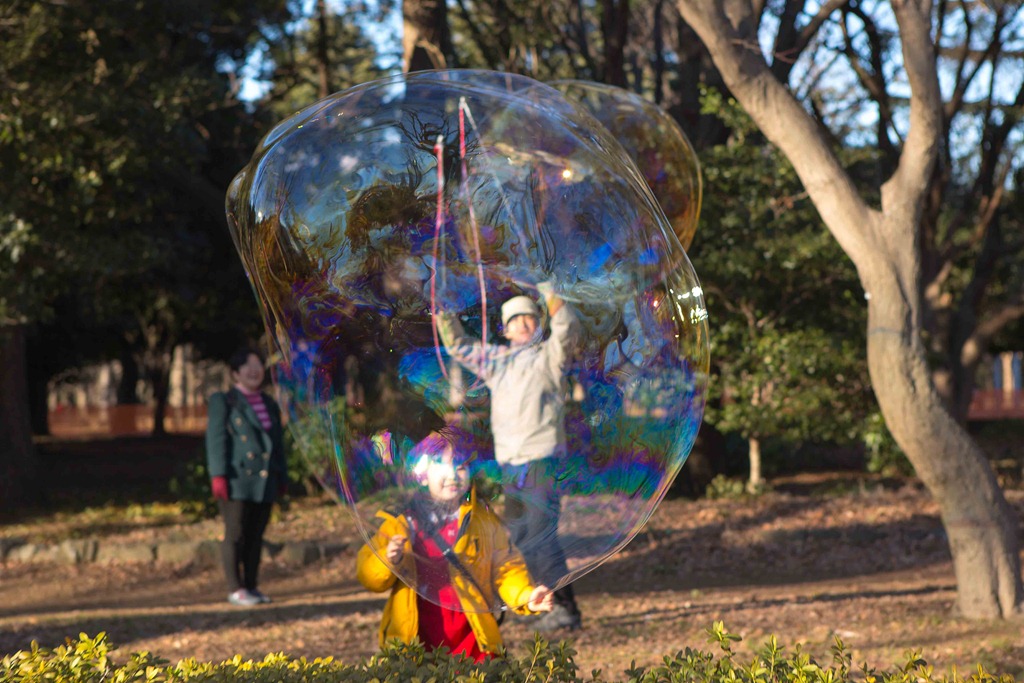
This man was entertaining people with his bubbles.
2013 01 27 Yoyogi Park_-70

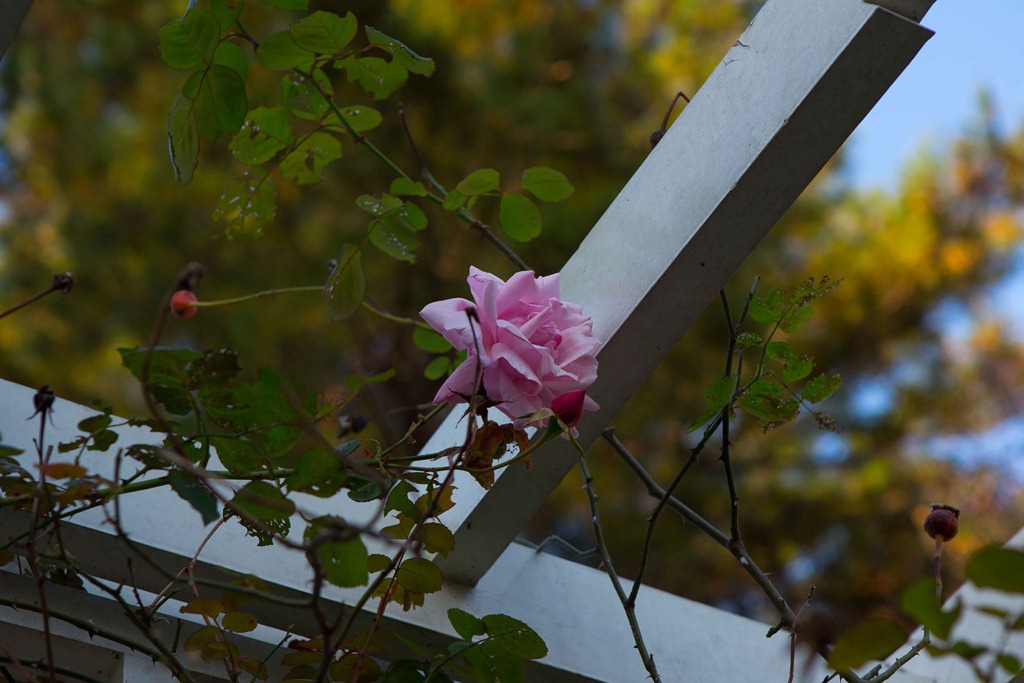
It is still the winter (ish). So no roses.
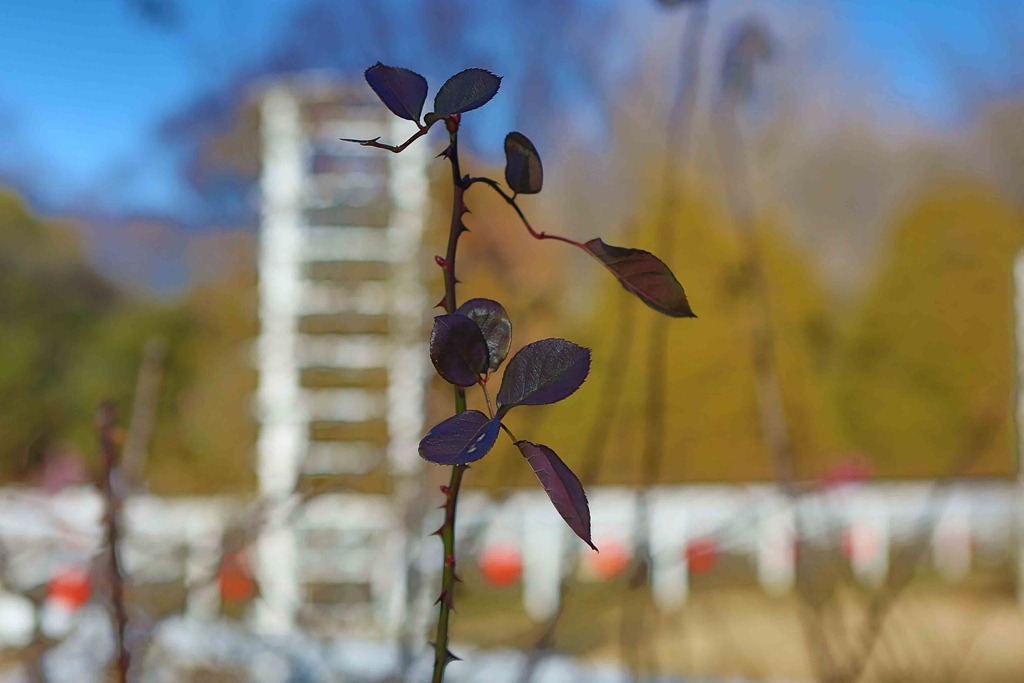
2013 01 27 Yoyogi Park_-25

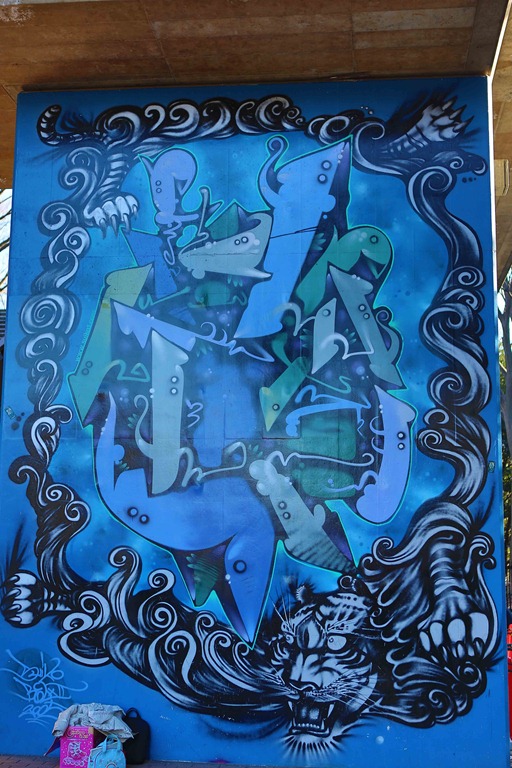
Some brilliantly colored graffiti under the bridge.
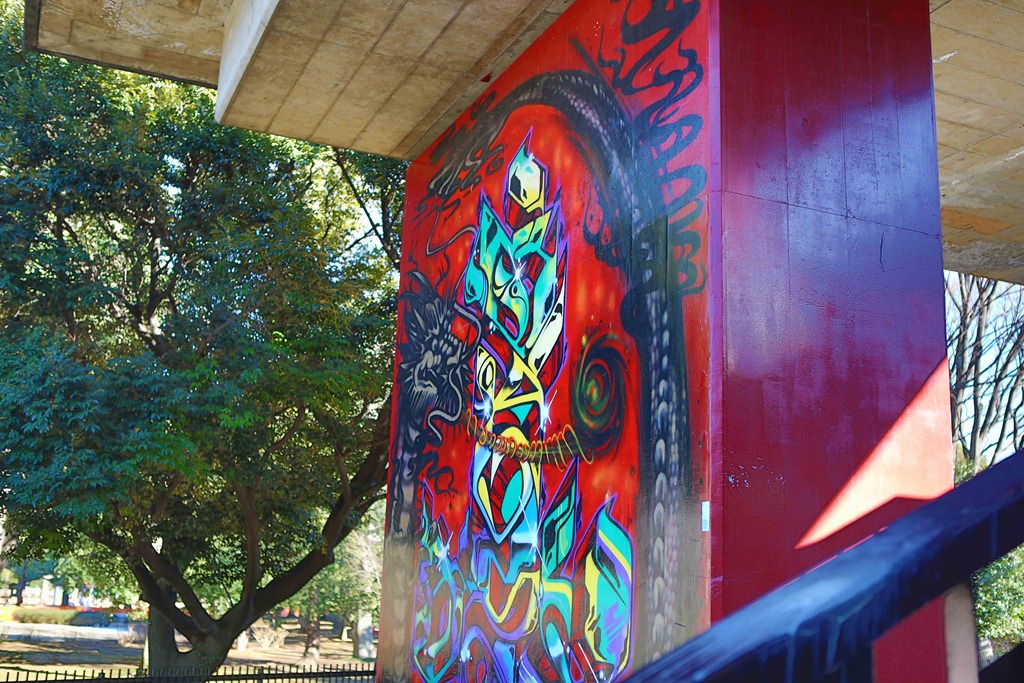
2013 01 27 Yoyogi Park_-27

2013 01 27 Yoyogi Park_-26

Cool place. Can’t wait to go for a wander in the spring.

THEY SELL A LOT OF HUMIDIFIERS IN JAPAN


The concept of central heating is not one that the Japanese have caught on to. The common heating model is to have independent heating and cooling units in each room.
The benefit is that you gain room by room control which can be more energy efficient. The downside is that each room is different and there is no ability to add a central humidifier as you do in a forced air system.

As the weather moved from insane scalding hot (August) to a beautiful warm fall and now into their winter the humidity has changed (Insert Canadian scoff at 8C winter .. The other day I walked to a restaurant without a jacket and everyone around me must have thought I was nuts as they were bundled like it was -10).

Returning from holiday it became very apparent that we had a problem with humidity, as the apartment had become unbearably dry. A brief conversation with the building manager brought out that every gaijin complains about it each year and then goes out and buys more humidifiers. The Japanese can figure out how to store data on glass for 10’s of millions of years, but when it comes to central humidity it is a no go.

The only option? Buy a few humidifiers. In our case 6. What a pain.

Ultrasonic humidifier aroma Apice Apikkusu SHIZUKU PLUS +] [Aqua Blue AHD-012-BL

JAPAN POST AND A 5”6” MAN


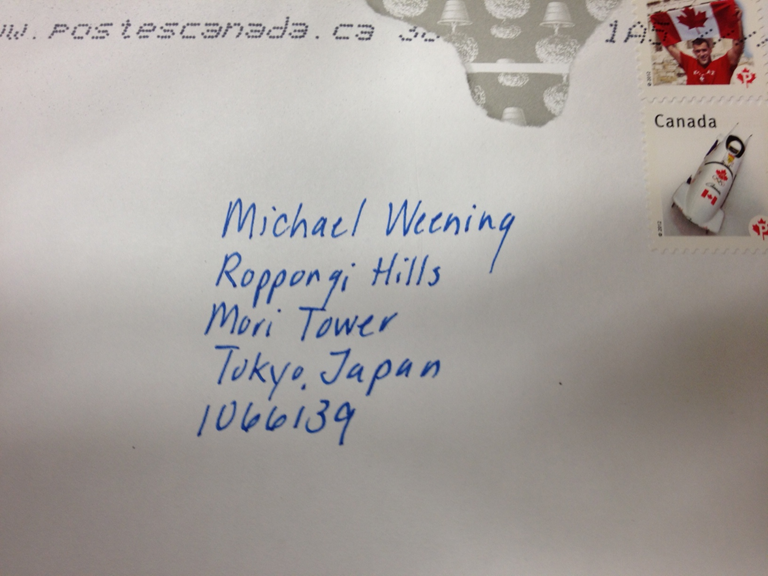
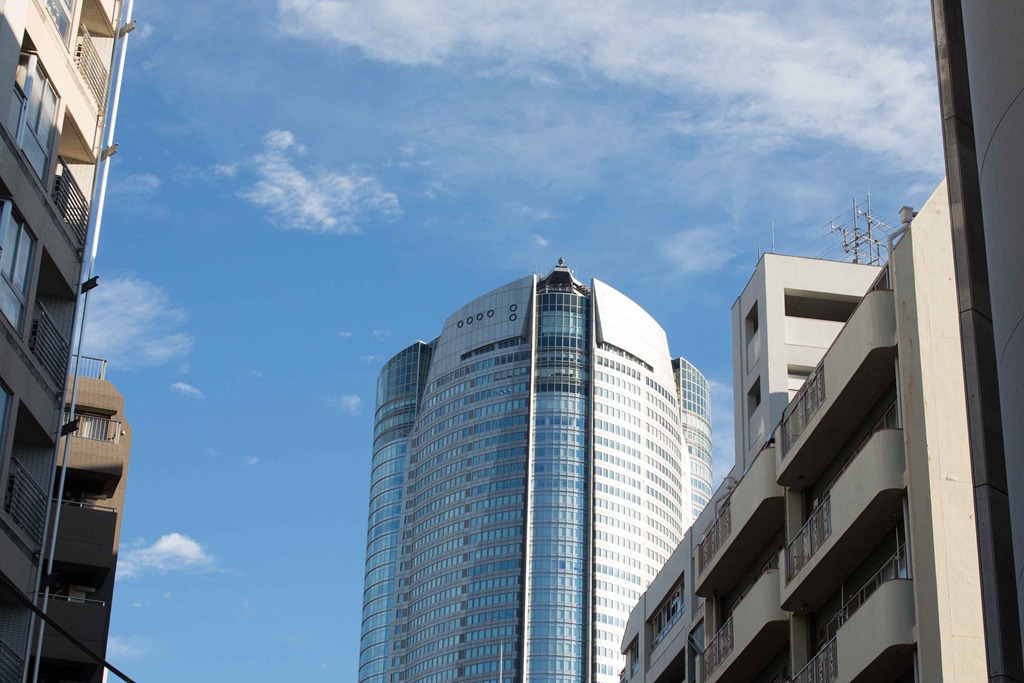
Two quick pictures from my iPhone. I sent out less Christmas/holiday cards than I usually do this year (it has been manic), only 300 or so. I sent a few old colleagues a card and one sent a note back. My assistant handed it to me last week with a comment “I have no idea how this actually got to you, look at the address” … no company, title, street address or prefecture and for the record – Mori Tower is 40 stories.

 image

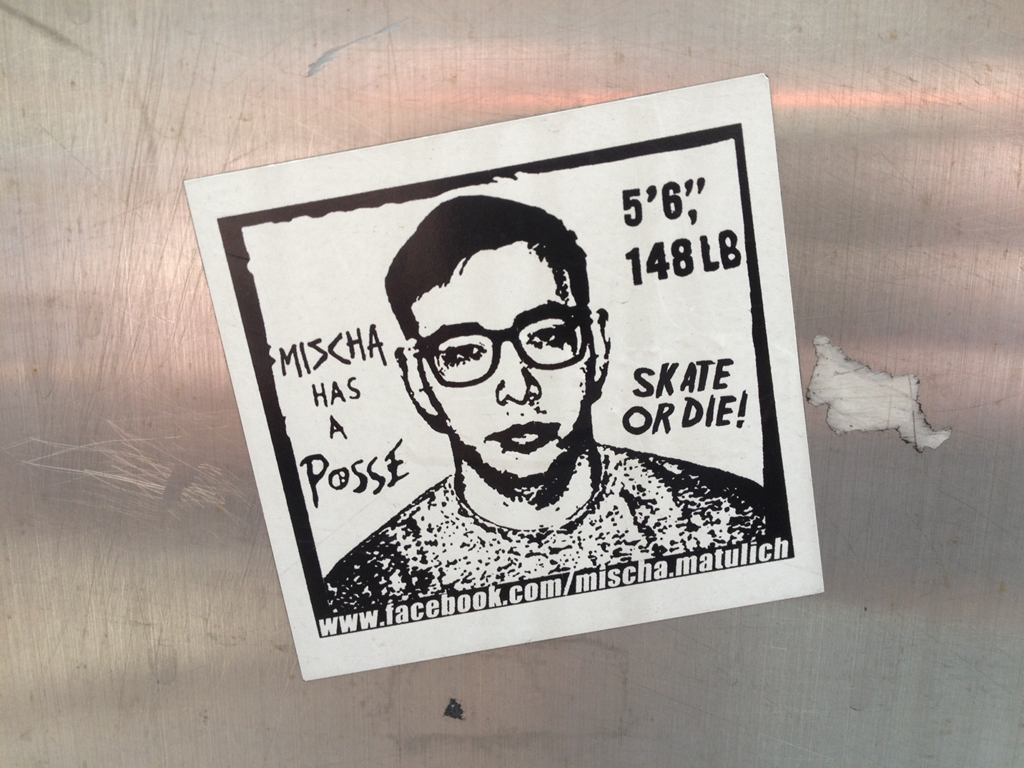
This was stuck to a metal pole in Minato-ku. Is it just me or is the height and weight reference odd?

image

But the dude has a posse.

FROGS, 1,000 CRANES and A BLACK CAT: GHOST WALK (Pt 2)


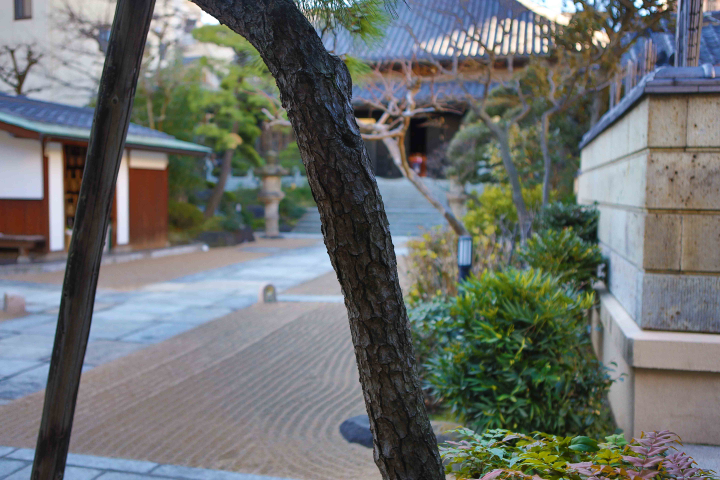
Our next stop was a Zen temple. Everything is so neat.

image

Orderly.

image

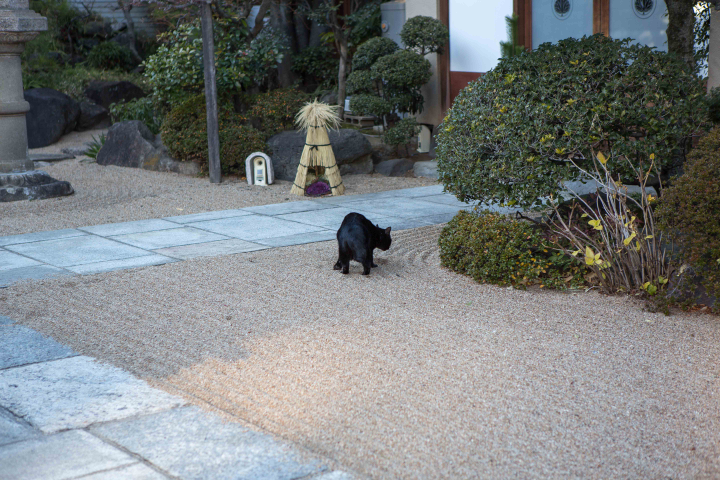
Until that doggone cat from next door shows up again ….

image

I can see the monk the next morning, starting to fume and then stopping himself. Ok, remember, deep breaths, stay calm. Now where is my rake and a plastic bag?

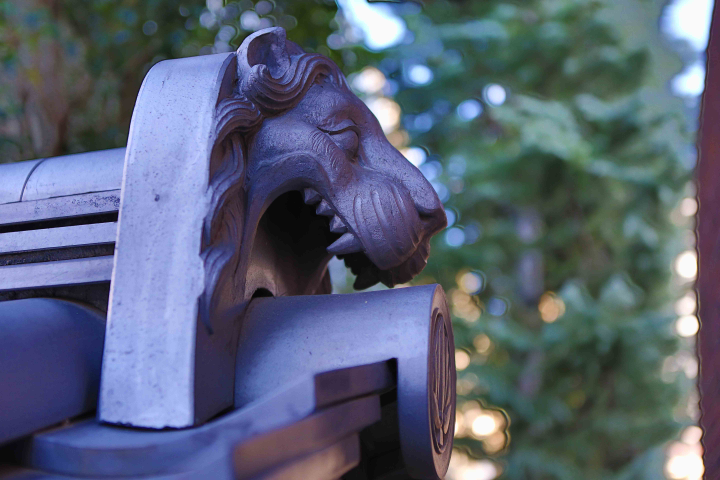
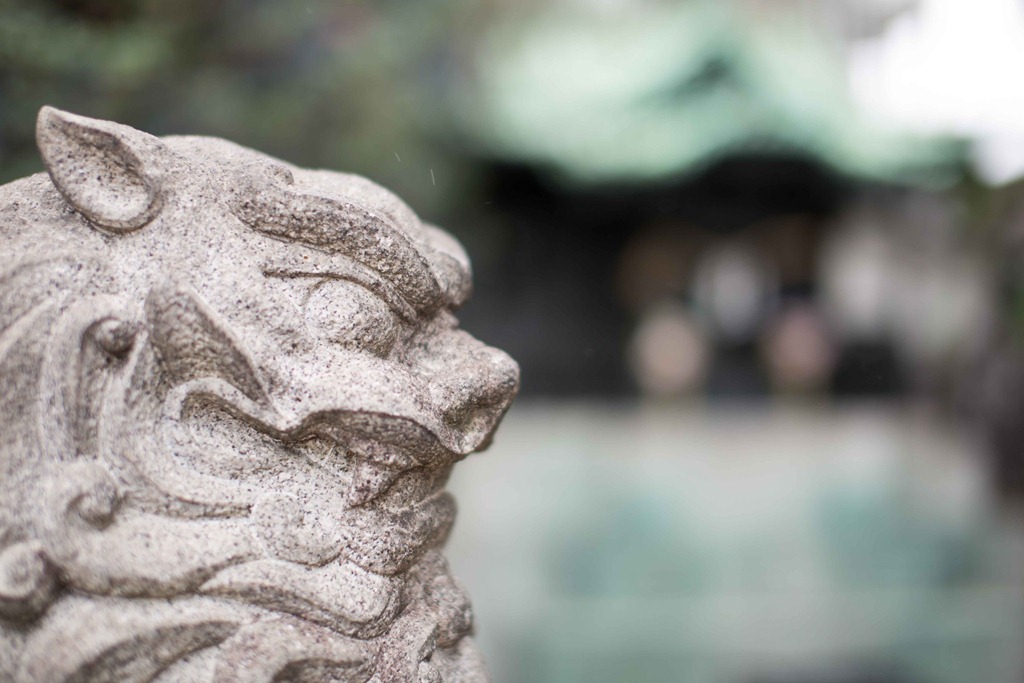
I am sure that he wished that the lions served as a cat scarecrow.

image

Our next stop was a Buddhist temple where they chant and pray 24×7. In the courtyard are several mini-shrines.

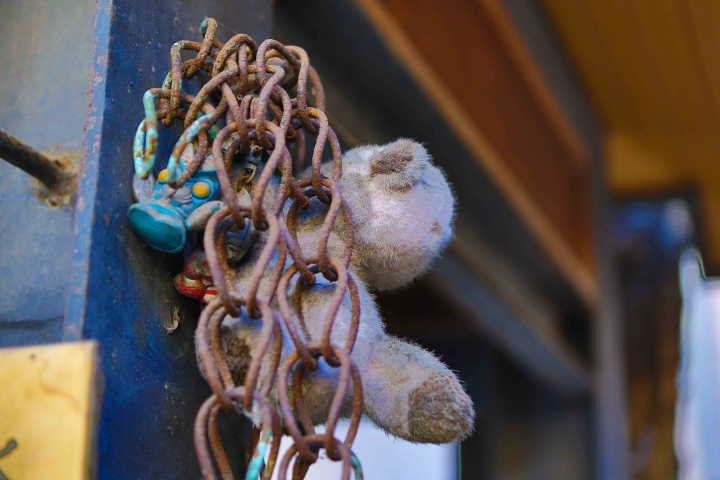
The heartbreaking shine was to children who had passed on. Parents left remnants around the shrine to their children. I found this stuffed animal a sad reminder of someone’s loss.

image

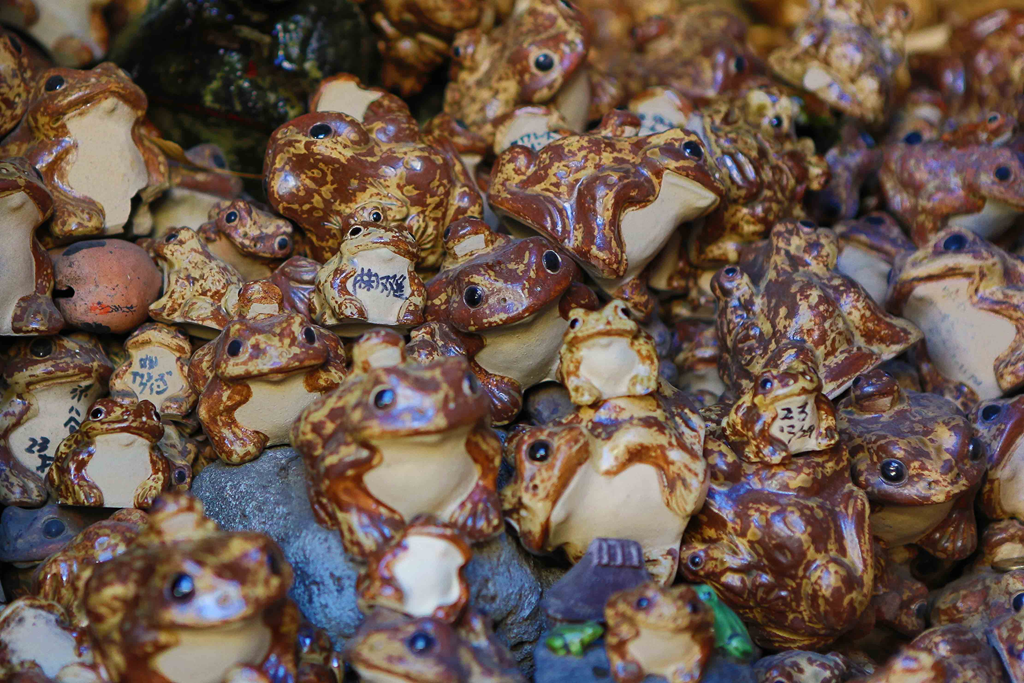
Next to this shrine is a vanity shrine, where you leave a frog as an offering and request for good “skin”. Japans answer to Clearasil. Lots of frogs …

image

image

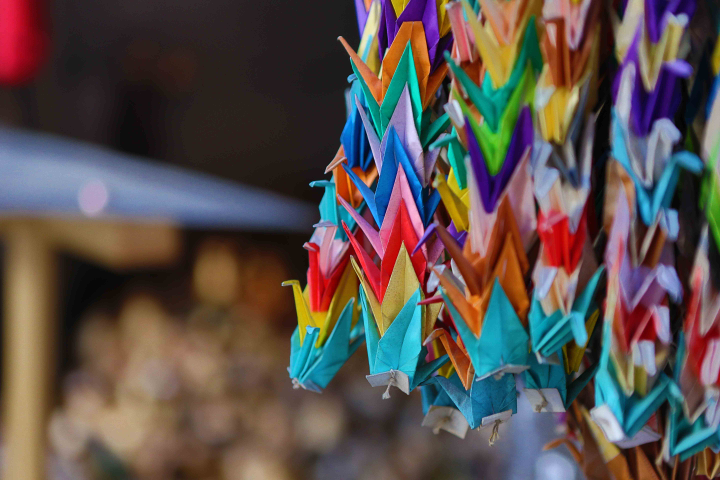
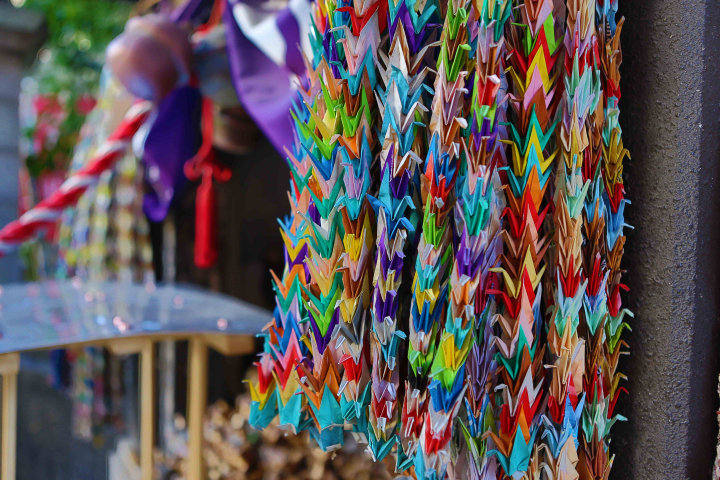
There were paper cranes all over the shrines .. and I now admire the dedication that it takes to finish 1,000 paper cranes:

Thousand origami cranes (千羽鶴 Senbazuru?) is a group of one thousand origami paper cranes (鶴 tsuru) held together by strings. An ancient Japanese legend promises that anyone who folds a thousand origami cranes will be granted a wish by a crane. Some stories believe you are granted eternal good luck, instead of just one wish, such as long life or recovery from illness or injury. This makes them popular gifts for special friends and family. The crane in Japan is one of the mystical or holy creatures (others include the dragon and the tortoise) and is said to live for a thousand years: That is why 1000 cranes are made, one for each year. In some stories it is believed that the 1000 cranes must be completed within one year and they must all be made by the person who is to make the wish at the end. Cranes that are made by that person and given away to another aren’t included: All cranes must be kept by the person wishing at the end.

image

image

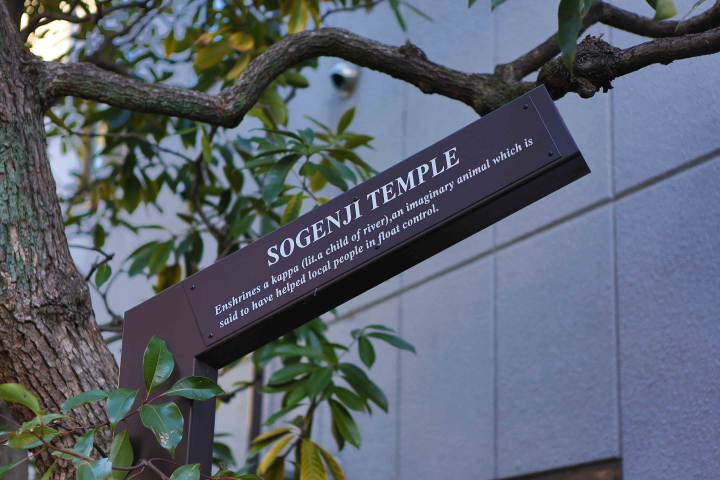
Our last shrine was to the Kappa. I didn’t take a lot of shots as we had to bolt, but we did hear of the dangers of the Kappa:

As water monsters, kappa have been frequently blamed for drownings, and are often said to try to lure people to the water and pull them in with their great skill at wrestling.[12] They are sometimes said to take their victims for the purpose of drinking their blood, eating their livers or gaining power by taking their shirikodama (尻子玉?), a mythical ball said to contain their soul which is located inside the anus.[12][14][15][16] Even today, signs warning about kappa appear by bodies of water in some Japanese towns and villages. Kappa are also said to victimize animals, especially horses and cows; the motif of the kappa trying to drown horses is found all over Japan.[17] In these stories, if a kappa is caught in the act, it can be made to apologize, sometimes in writing.[17] This usually takes place in the stable where the kappa attempted to attack the horse, which is considered the place where the kappa is most vulnerable.[3]

image

A fascinating tour. Looking forward to doing another.

I DID NOT SEE A GHOST ON THIS TOUR (Part 1)


As previously mentioned, we went on a Ghost Walk tour on the last day of the New Year holiday. One of the frustrating things about Japan is that they are not that interested in sharing their rich and diverse history. Everything is either hidden away or only in Japanese. They really don’t care about sharing. This is not a stretch, just look at their history, foreigners have never been popular in Japan.

However, there are a few gaijin who have been here long enough to assemble the history. If you are in Japan, I would highly recommend taking one of Haunted Tokyo’s tours. The tour we were on was positioned as a ghost tour, but it quickly became obvious that it was more of  a shrine tour filled with history, culture and Japanese mythology. We loved it and will definitely take their other tours.

We wandered around Tokyo FINALLY learning the history (beyond what we have dug up on our own). We started here … a building that she is convinced is haunted with pulled curtains and odd sculptures. Not sure. But I think someone was looking out at our group through the curtains …

2013 01 04 Ghost Walk_

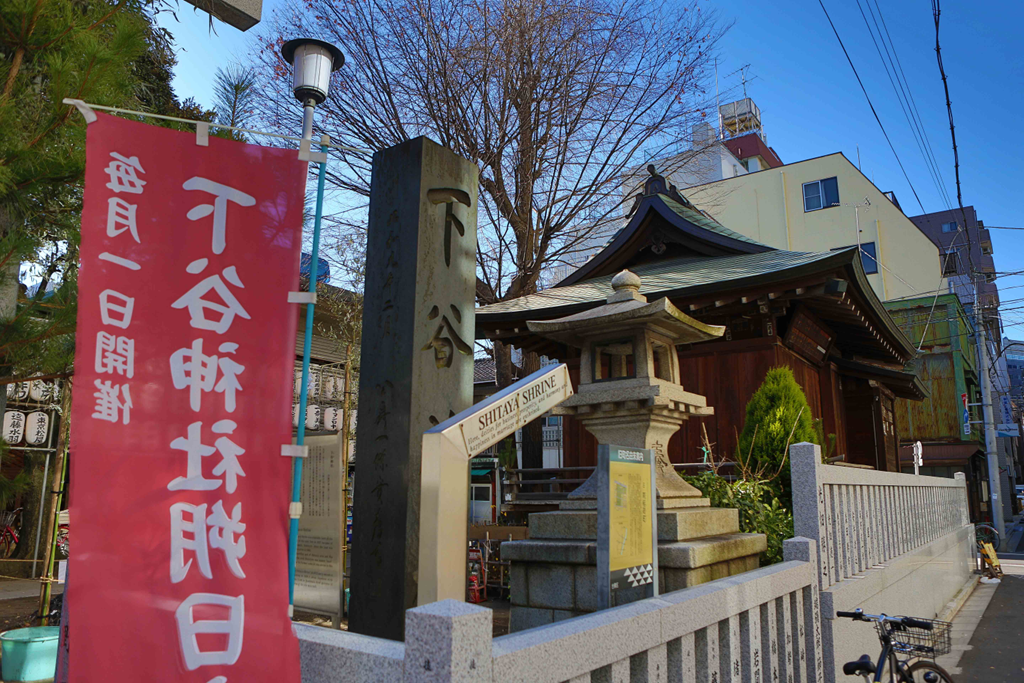
We stopped off at Shitaya shrine, where our guide explained how the corner is guarded by foxes as there is only one location that the demons and bad spirits can enter from. A beautiful shrine .. with a demon entrance.

image

image

image

While looking at the shrine we were told that many of the shrines are being disassembled and stored by developers and the government. If you want to bring a shrine to your home, you simply need to agree to reassemble it and pay for transport (although I can find no reference to this on the web).

image

Still amazes me to see berries and flowers in January (especially after that snow fall)

image

As we wandered the streets we came through an area which was home to many geishas at one point in time. One of the few areas in Tokyo where very old buildings remain.

image

image

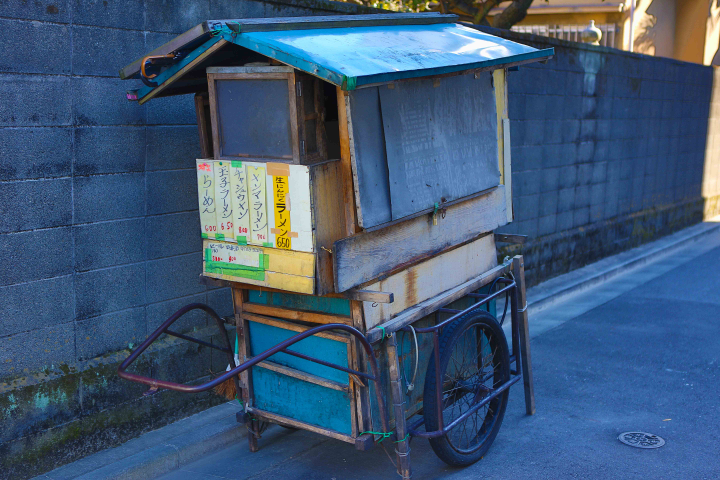
And very old vending carts …

image

DID YOU HEAR THAT BANG? CONSTRUCTION IN TOKYO


I have been meaning to blog about construction in Tokyo and last weeks “event” prompted me to write.

Construction in Japan is very different than in Canada and probably everywhere else in the world. When we first moved here I noticed a few things; security guards with glowing light sticks at every construction site, well constructed enclosures around each site and crazy levels of cleanliness.

It seems that Japanese construction starts with the enclosure. When a building is set to be demolished the building is scaffolded and enclosed so you cannot see anything. The building comes down piece by piece and parts of the scaffolding remain.

image

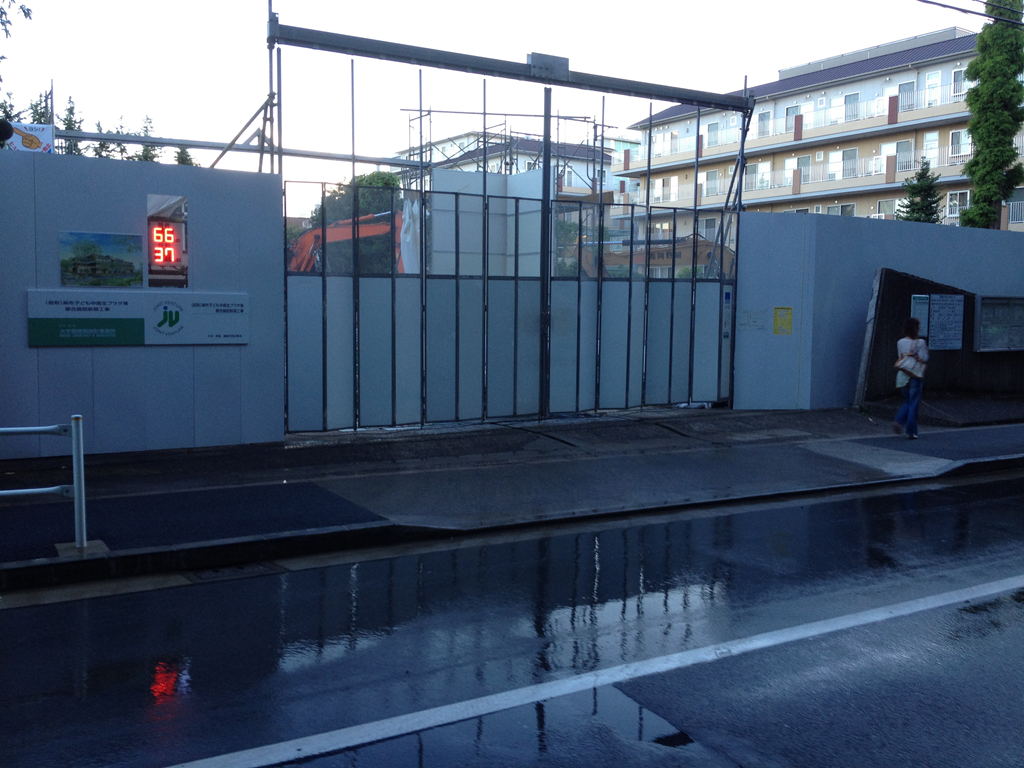
The above photo from my iPhone has 2 interesting elements to it. The first is the wet pavement. As every single vehicle leaves the site, a group of workmen hose down the truck so that it comes out as clean as if it went into a carwash. They then clean and sweep the street (multiple times a day).

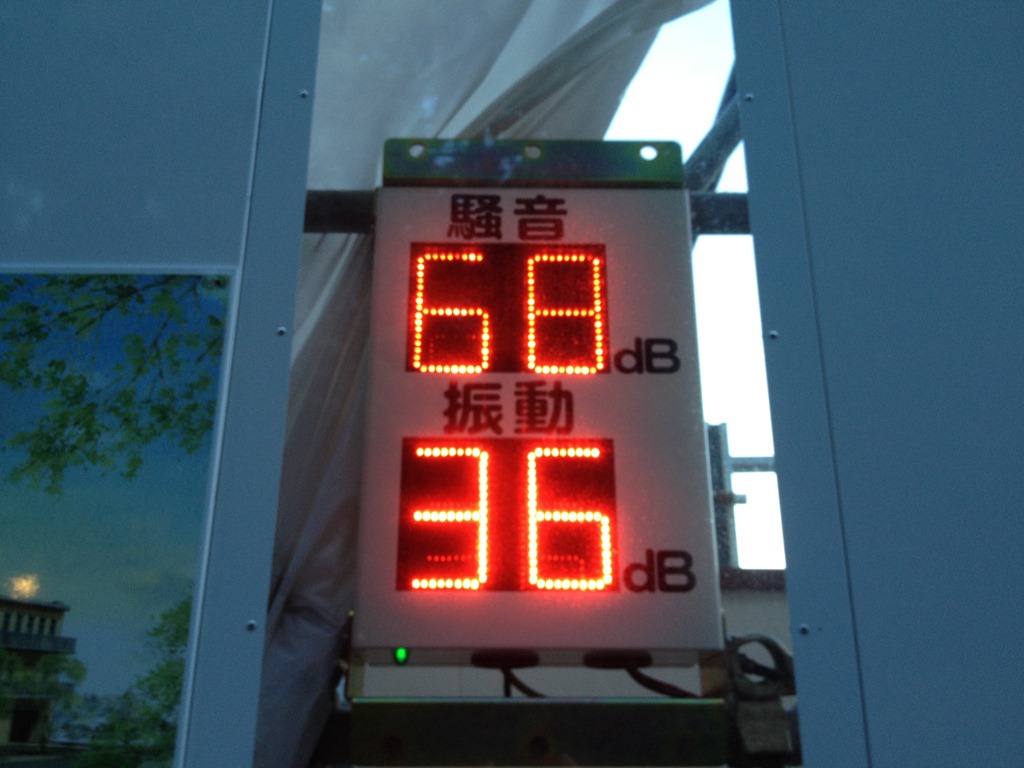
The other interesting element is the LED screen on the left.

2012-08-21 18.08.27

A decibel meter to measure site noise. I have yet to hear a lot of noise out of one of these sites. They could use a few of these at some of the vacation resorts I have been too.

But it doesn’t always go right. Near our home the “demolition screen” went up a week ago and they started tearing down a building. One of the boys sent me a text that there had been an accident …. demolitions are tricky stuff. After getting home I grabbed my camera and had a look.

2013 01 29_

Whoops. That is a big wall.

2013 01 29_-3

There were a lot of guys with brooms (smile). Luckily, no one was hurt.

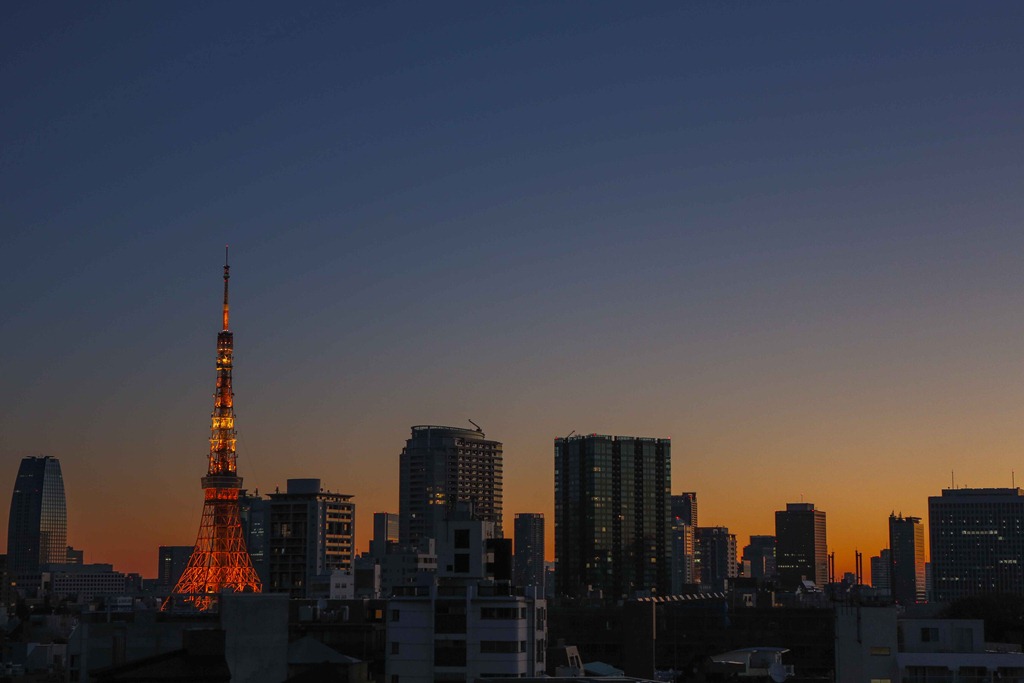
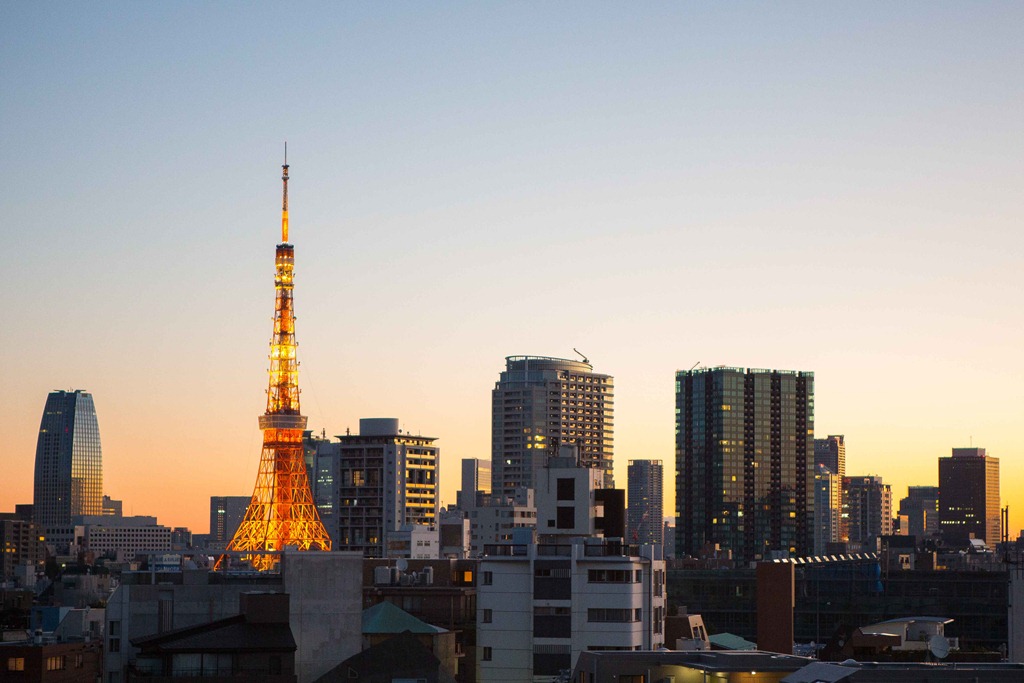
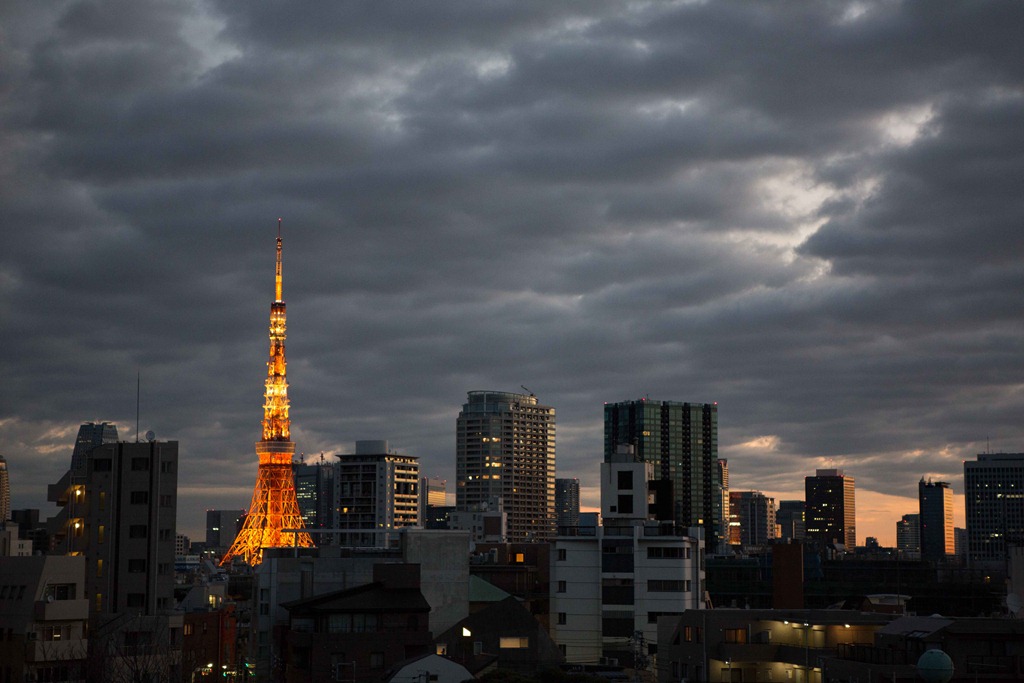
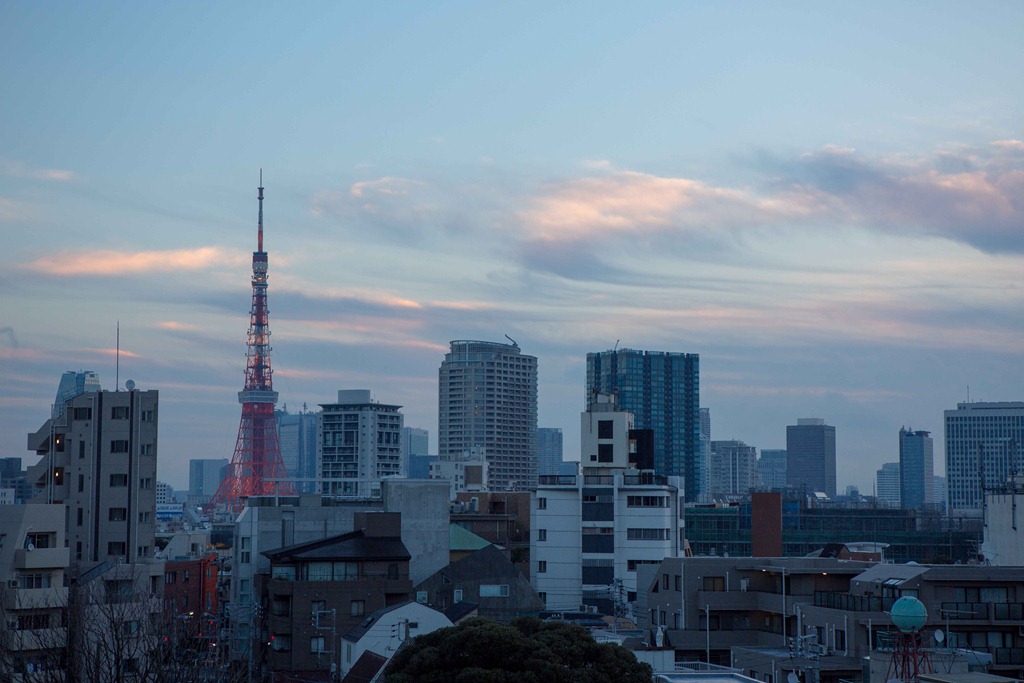
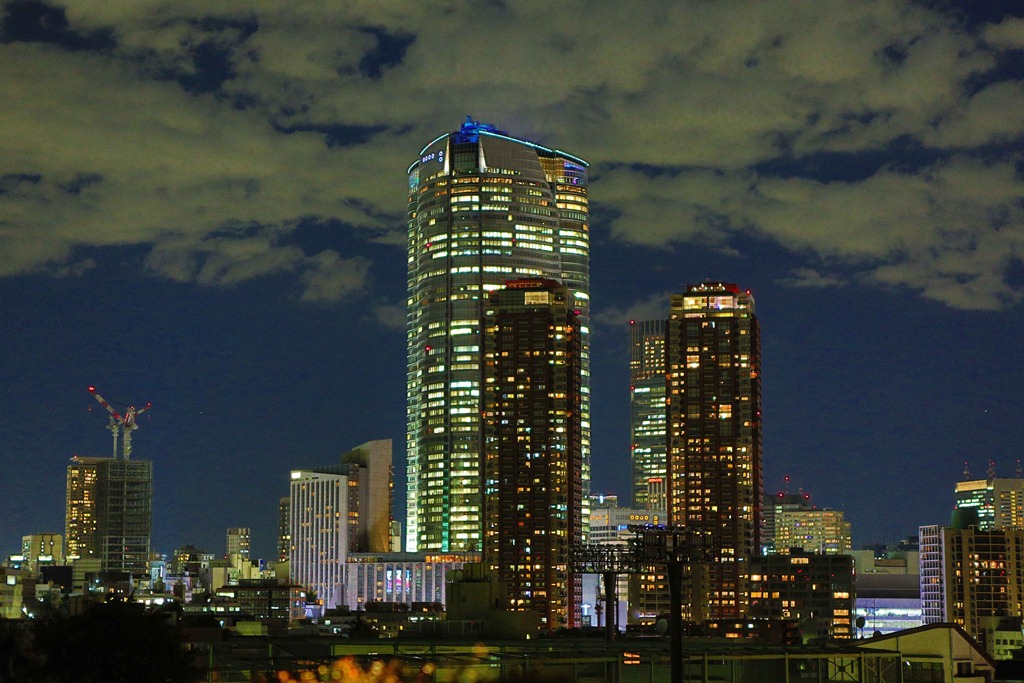
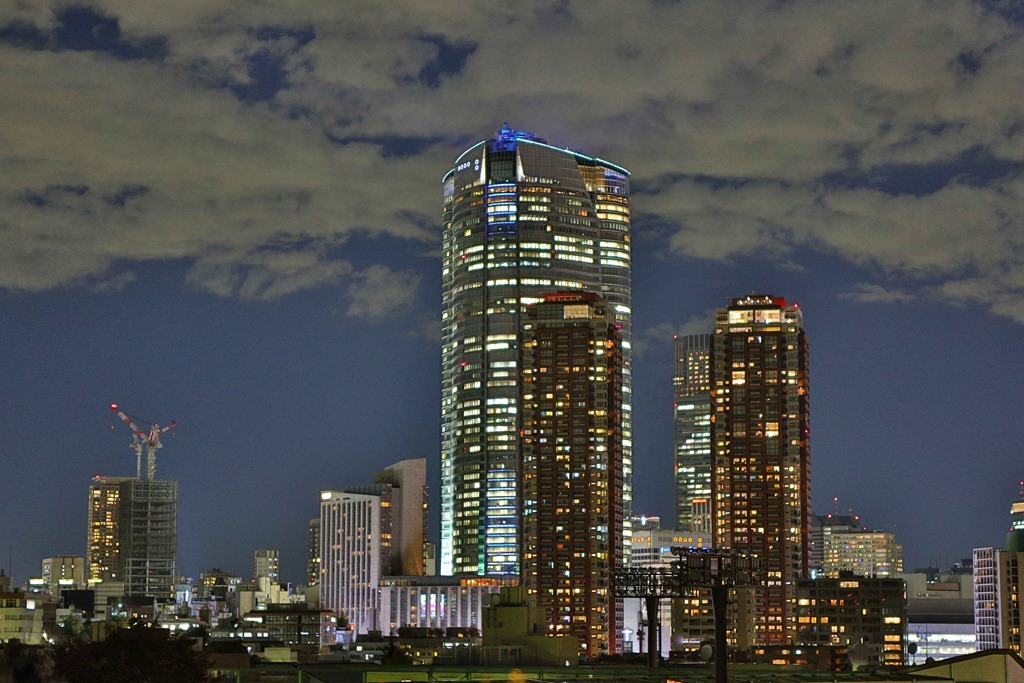
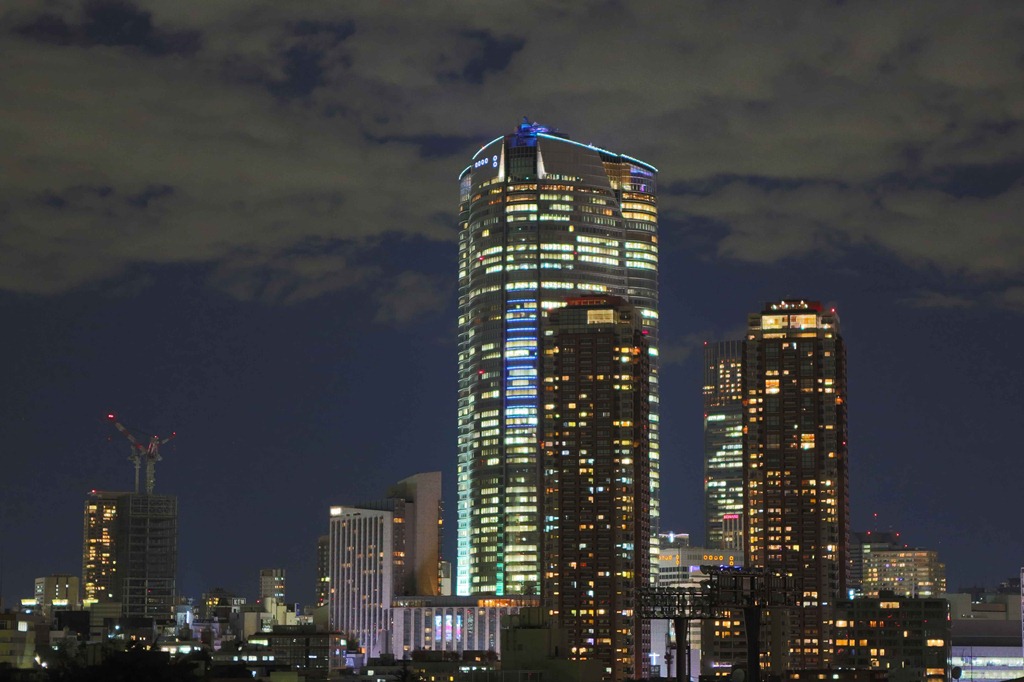
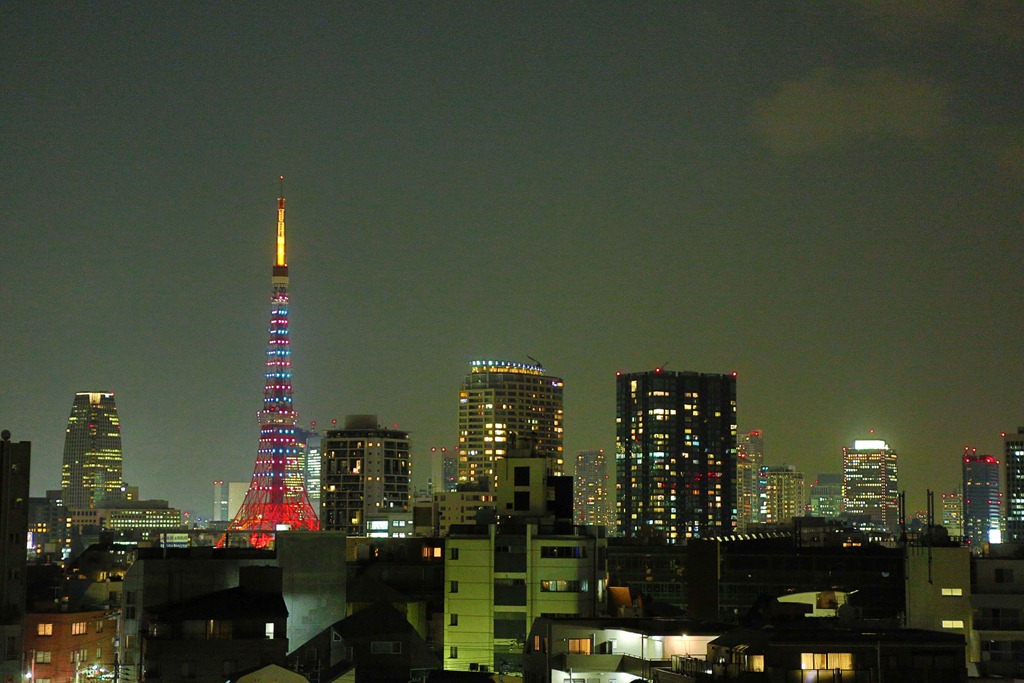
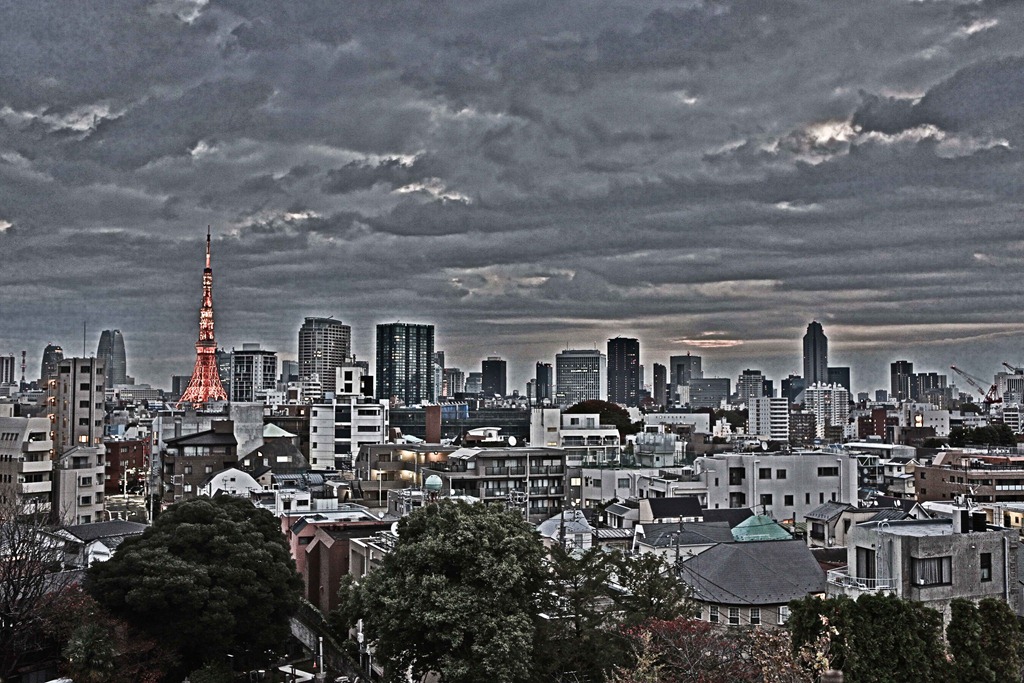
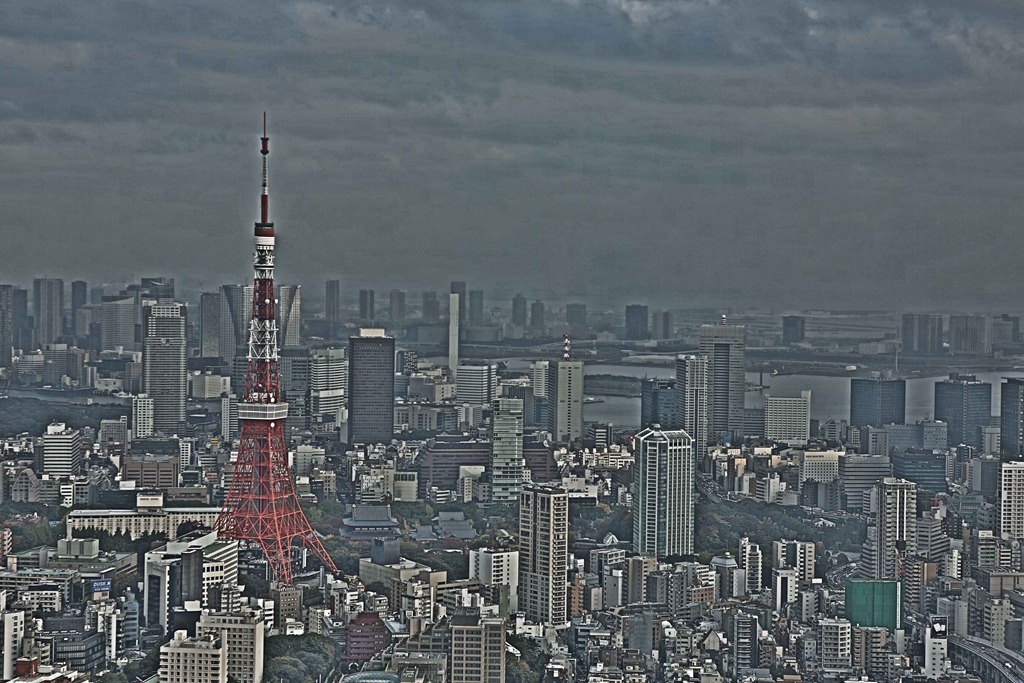
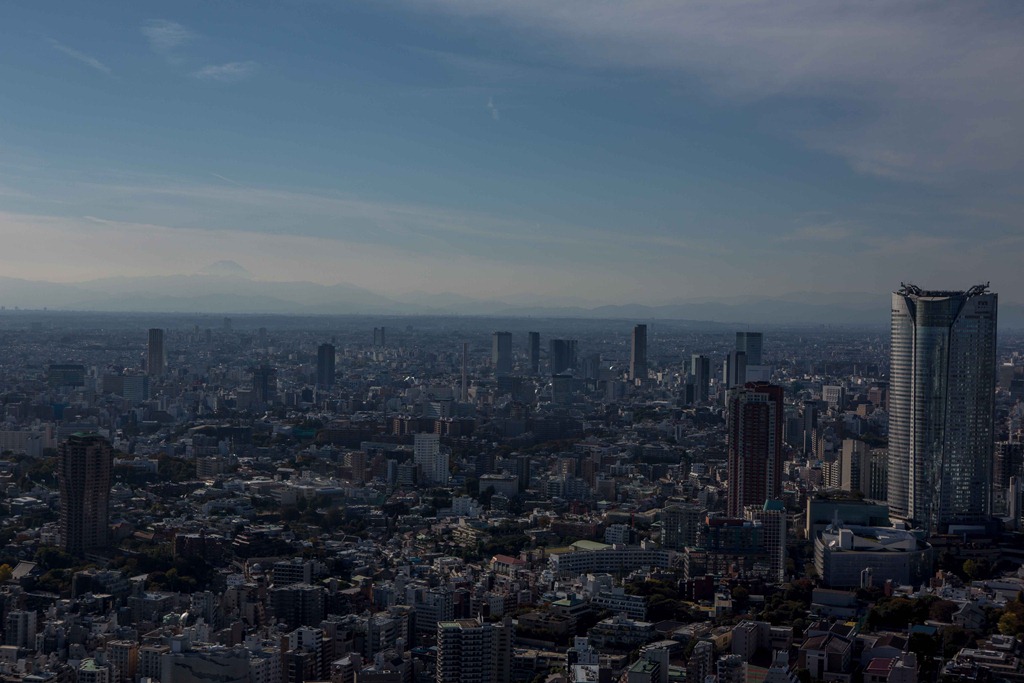
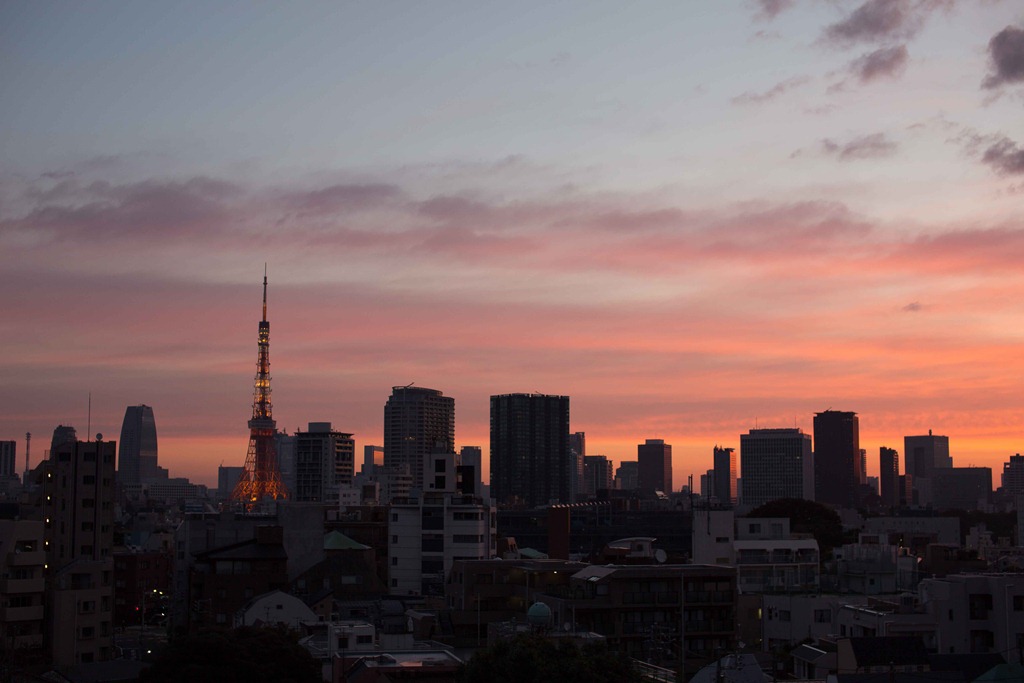
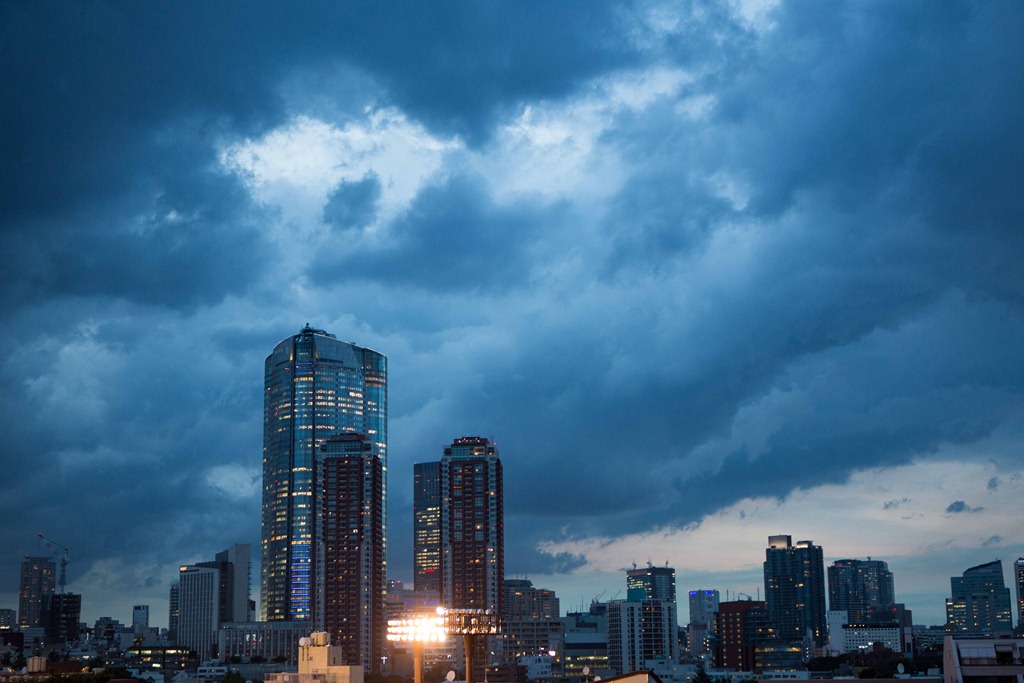
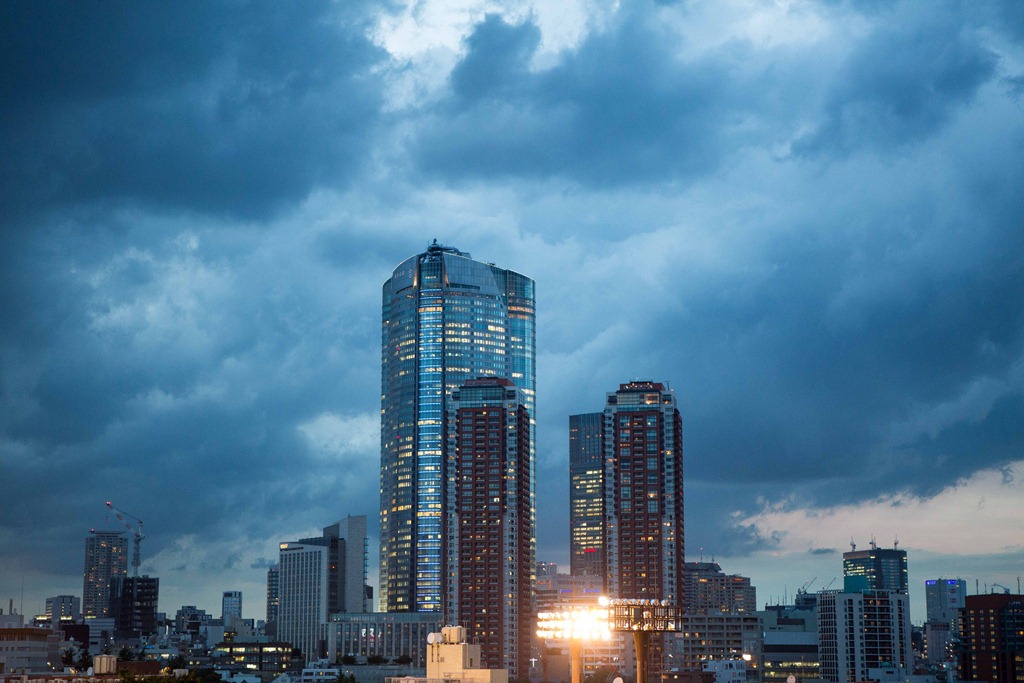
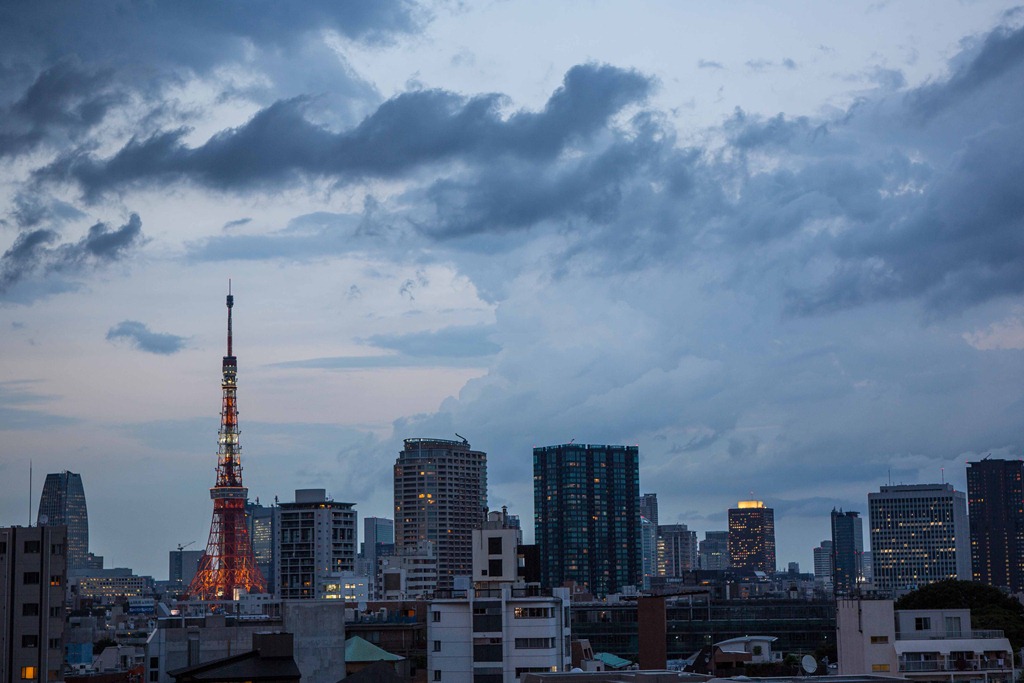
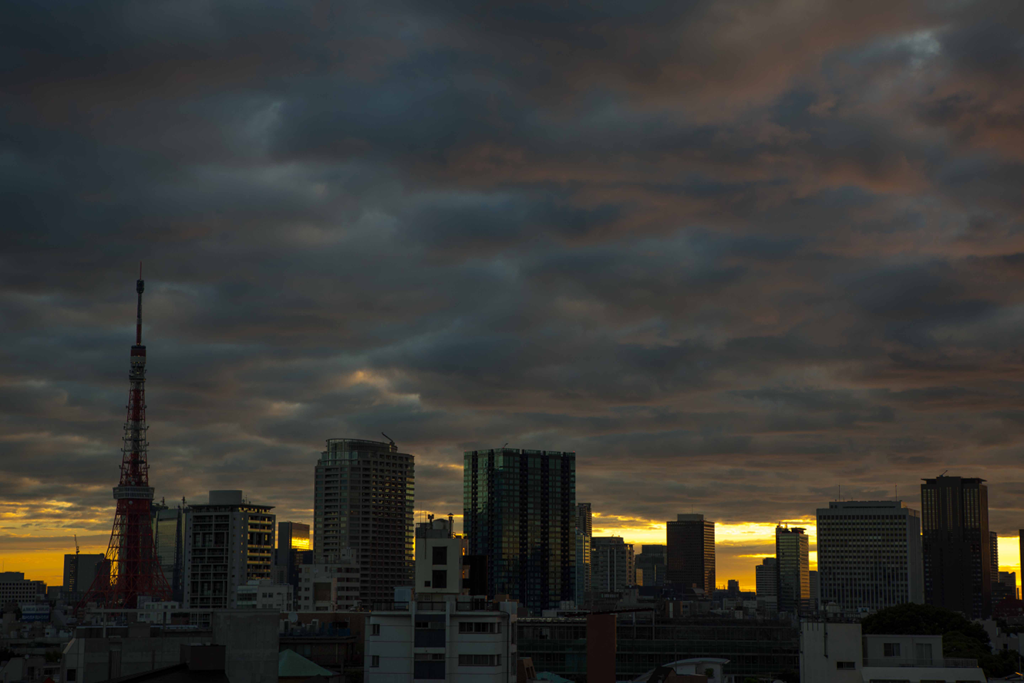
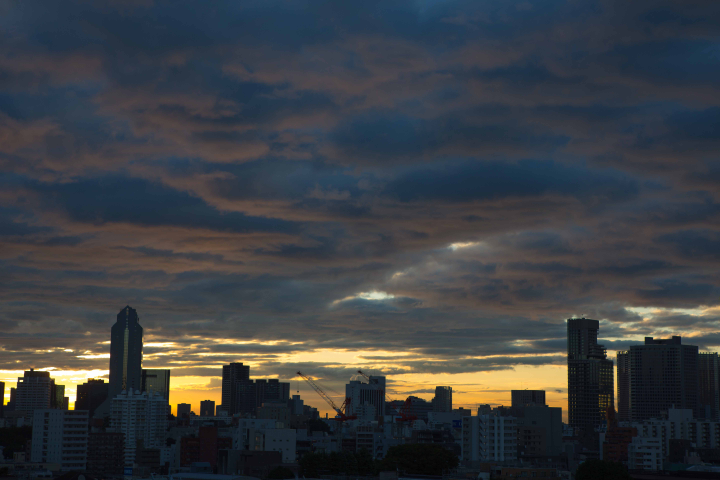
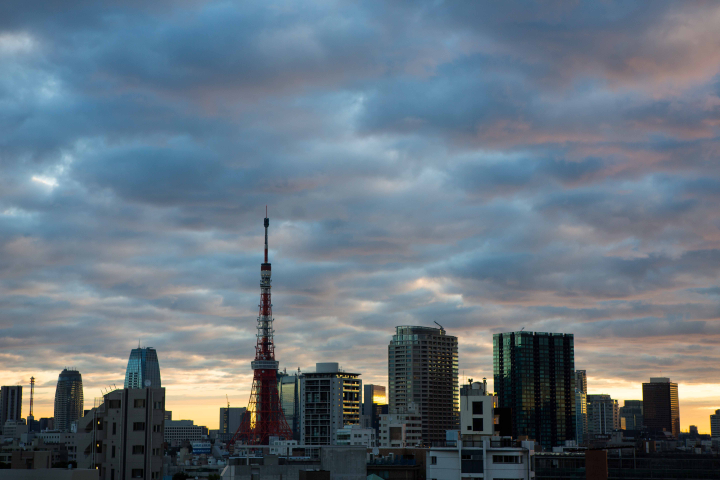
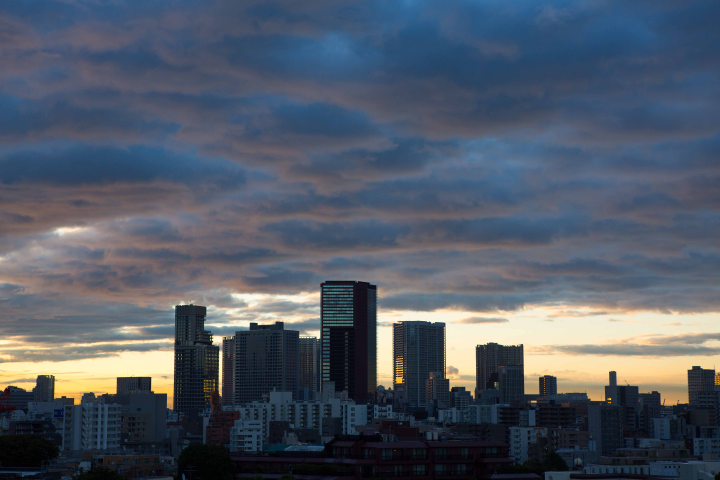
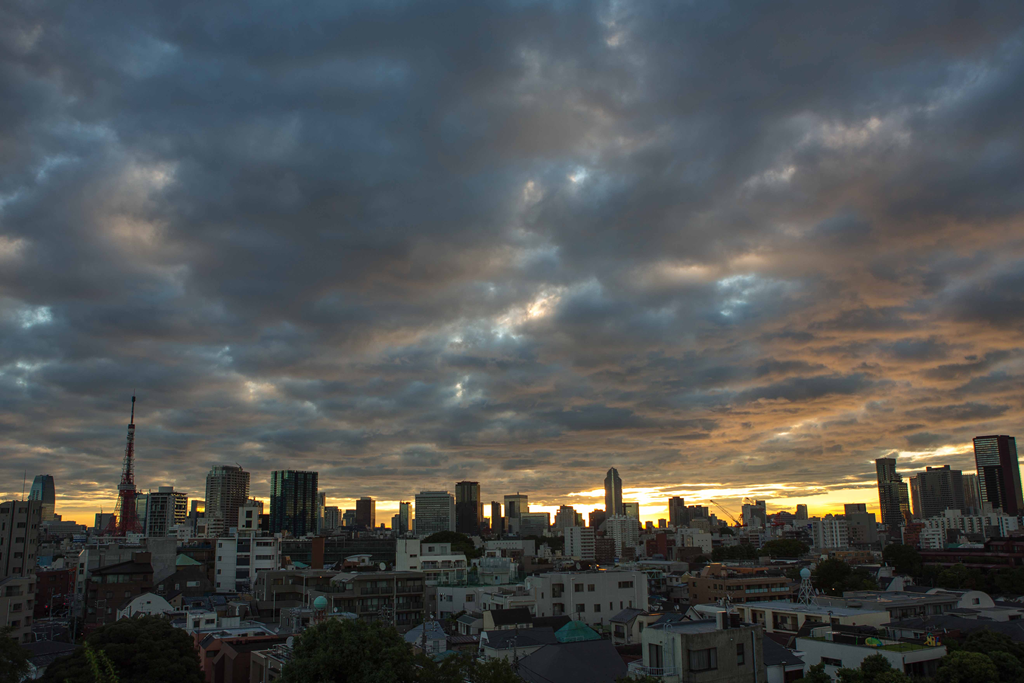
A FEW TOKYO SKYLINE PHOTOS


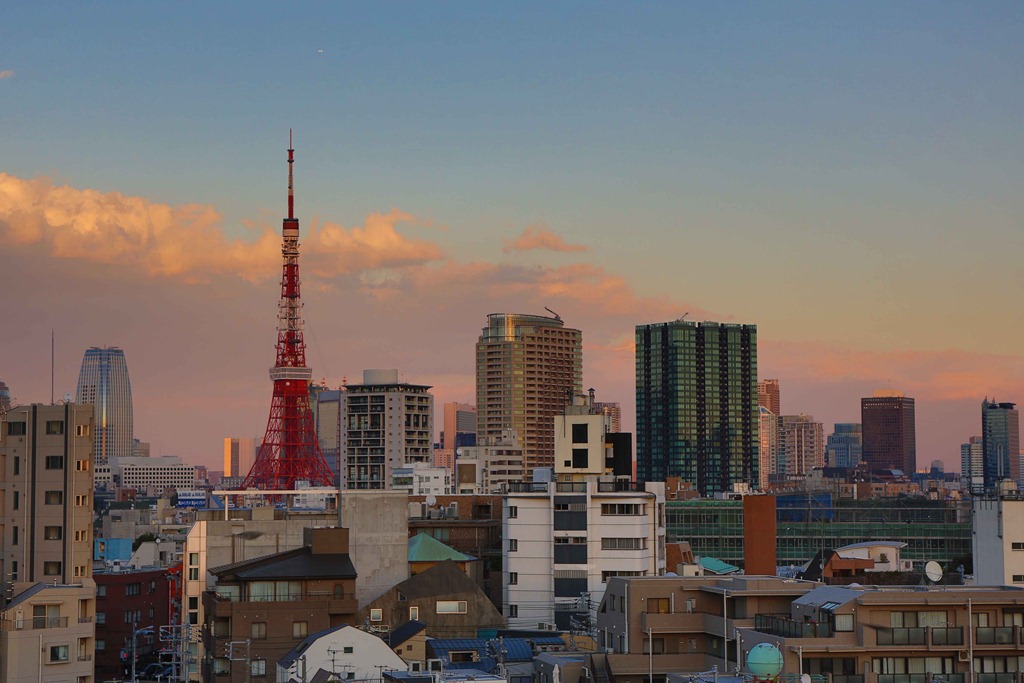
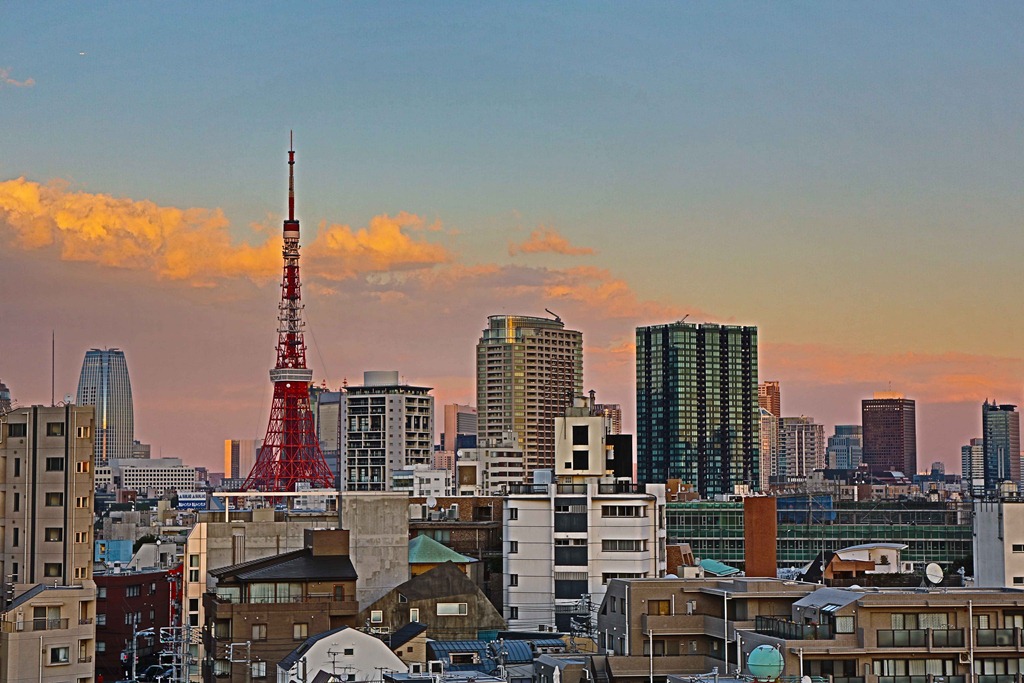
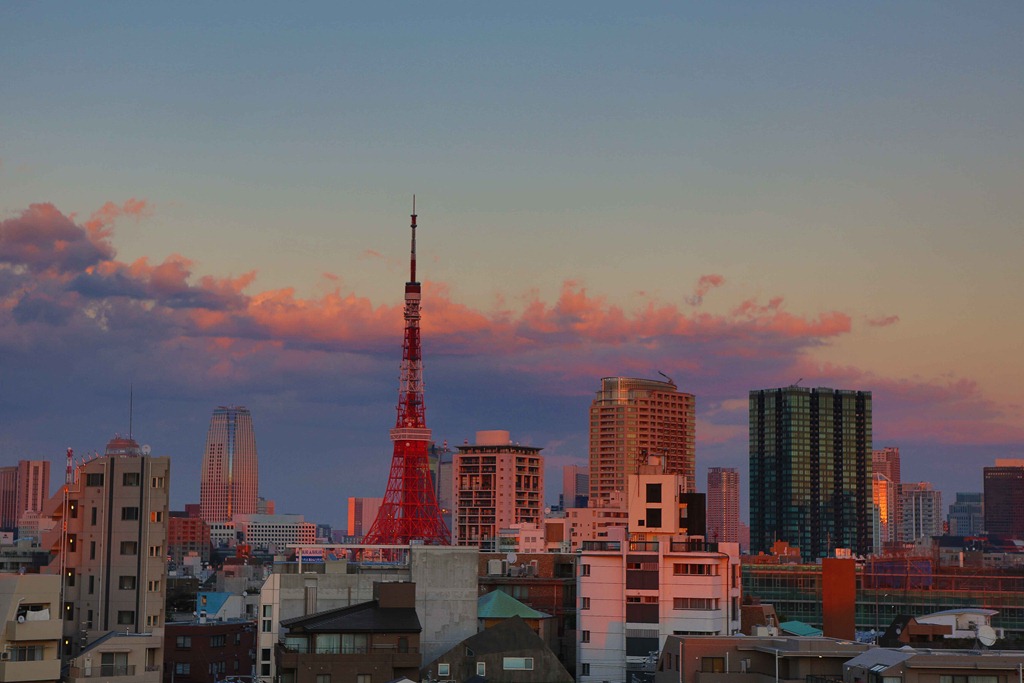
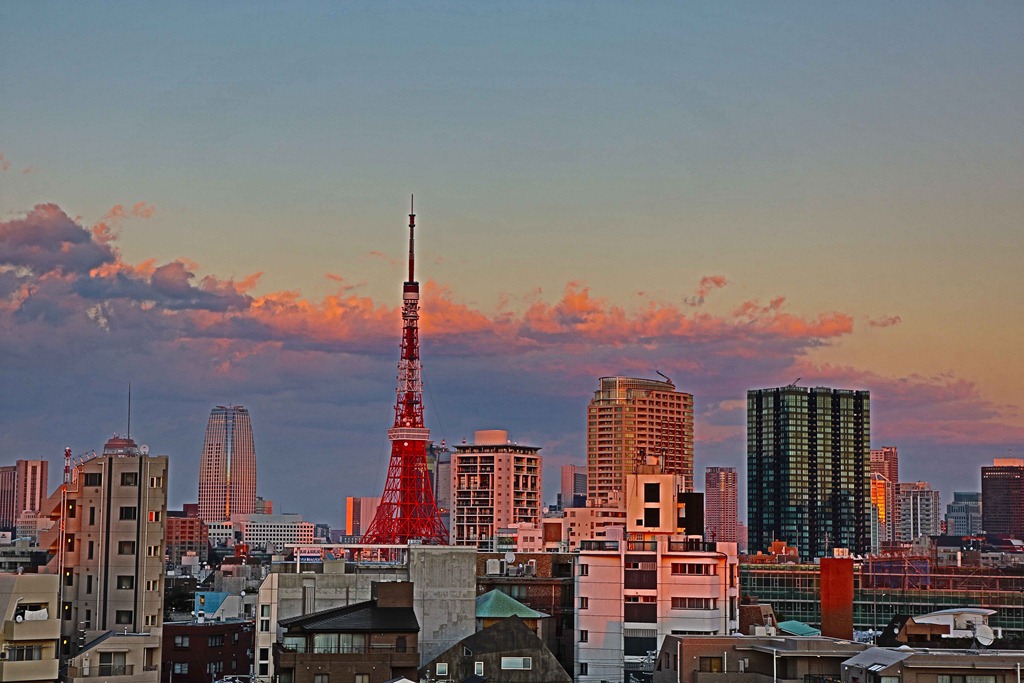
.. continuing on the theme. Canon 5D Mark III with my 24-70mm lens.

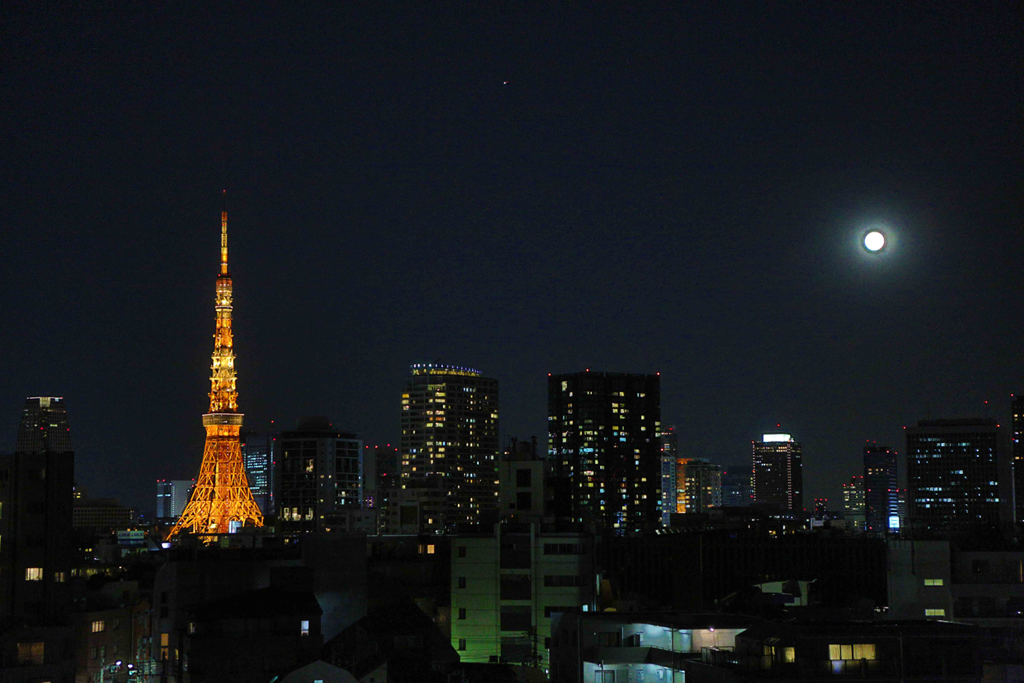
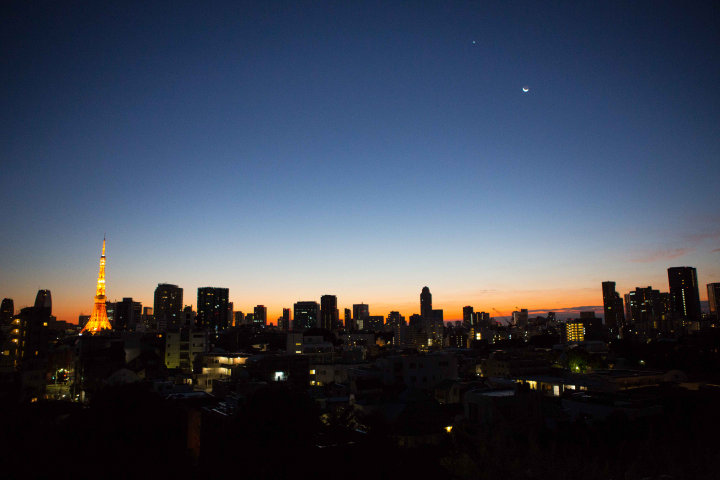
A full moon over Tokyo.

image

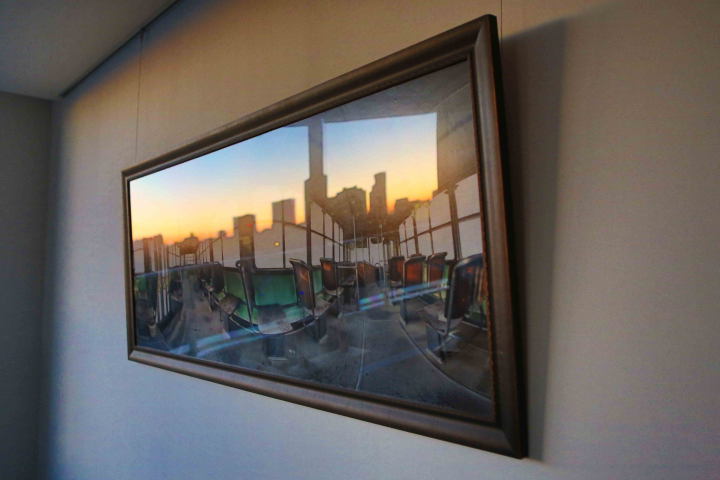
Sunrise off of a picture I love by Christos Palios.

image

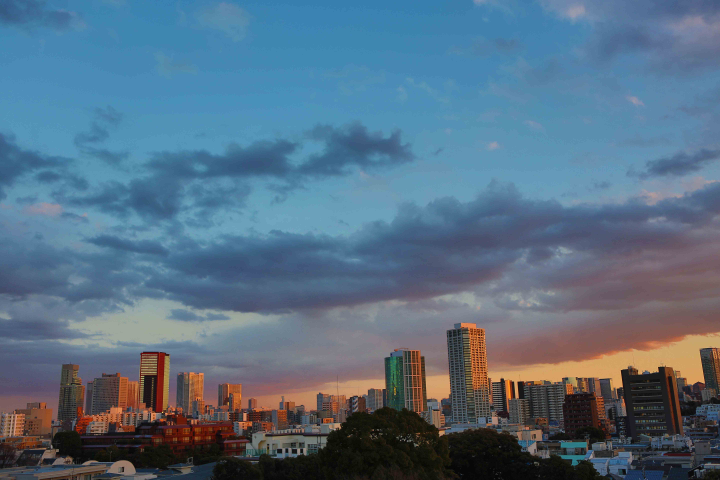
Sunset reflections on Tokyo.

image

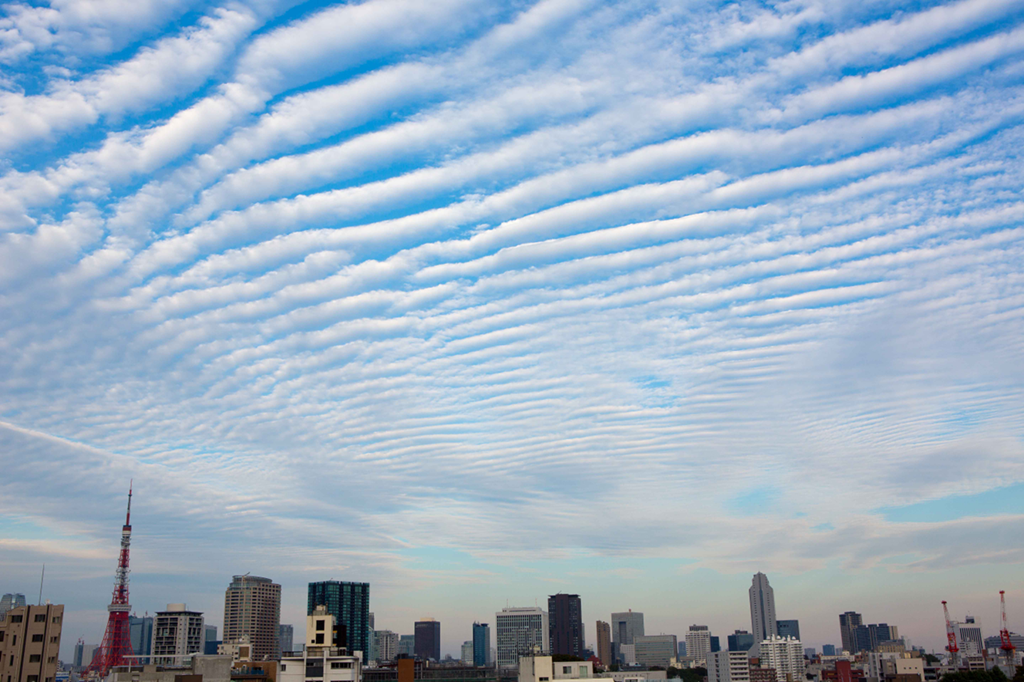
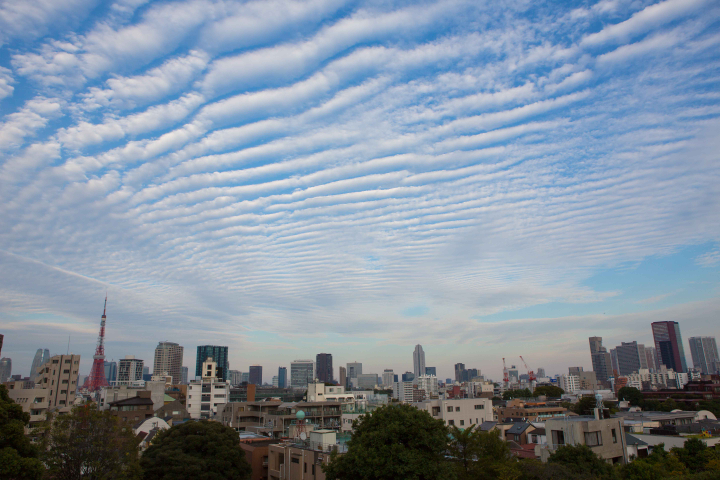
A cool sky that morning.

image

image

A not so cool sky the morning of the big storm. Getting to the airport was a nightmare.

image

But most often, Tokyo skies are clear. Especially this time of year. This weekend? 17C in February. Excellent.

image

AKIHABARA AT NIGHT


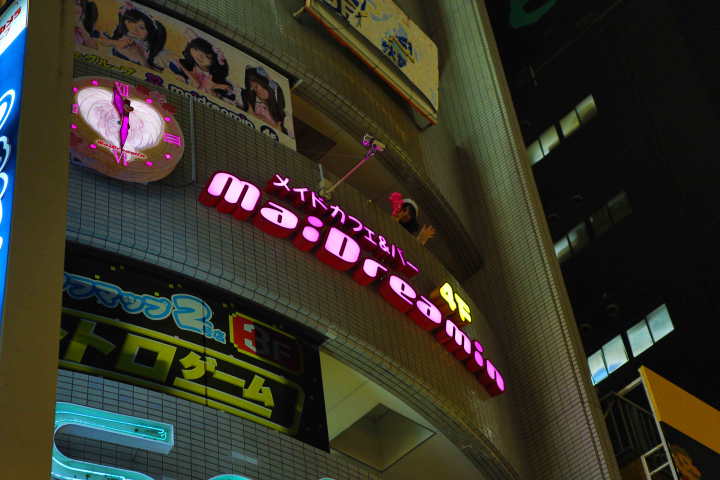
We had to hop back to Akihabara the other night. In the evening it is filled with young women dressed in (how to describe it?) manga/frilly/high school girl/tailor moon/prostitute outfits trying to get men to head to their various “retail” locations such as MaiDreamin (below). We found the whole things creepy.

image

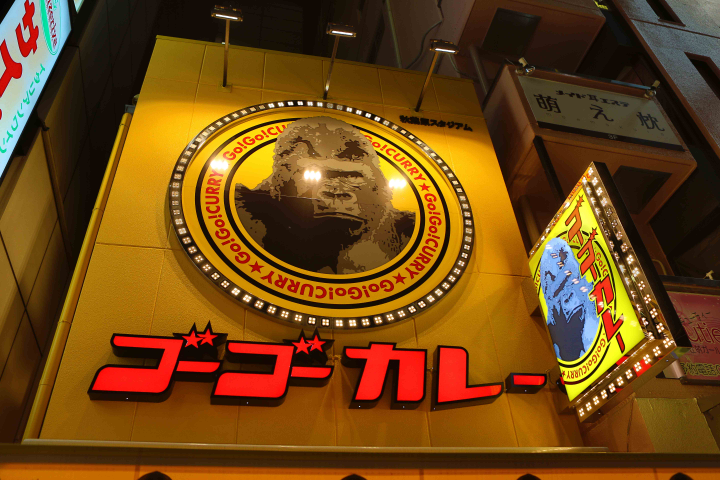
The lights are cool though.

image

image

image

A FEW FLOWERS


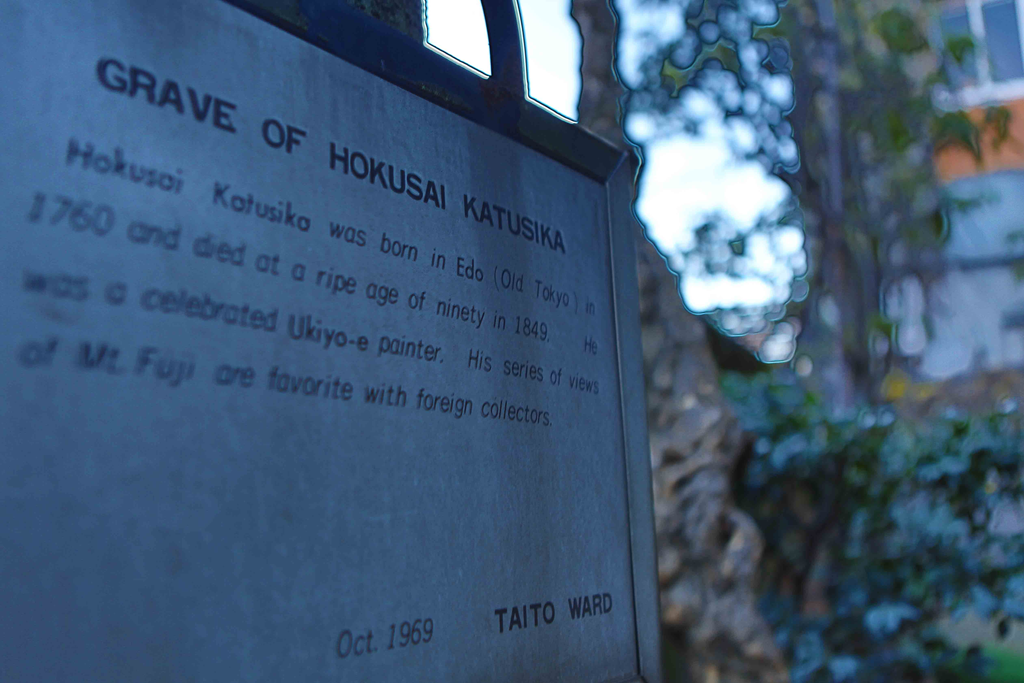
We took the Haunted Tokyo Tour on the last day of the New Year week with one of the stops being a cemetery that houses one of Japan’s most famous painters Hokusai Katusika. I picked one of his most famous pieces The Great Wave off Kanagawa for my New Years cards this year.

image

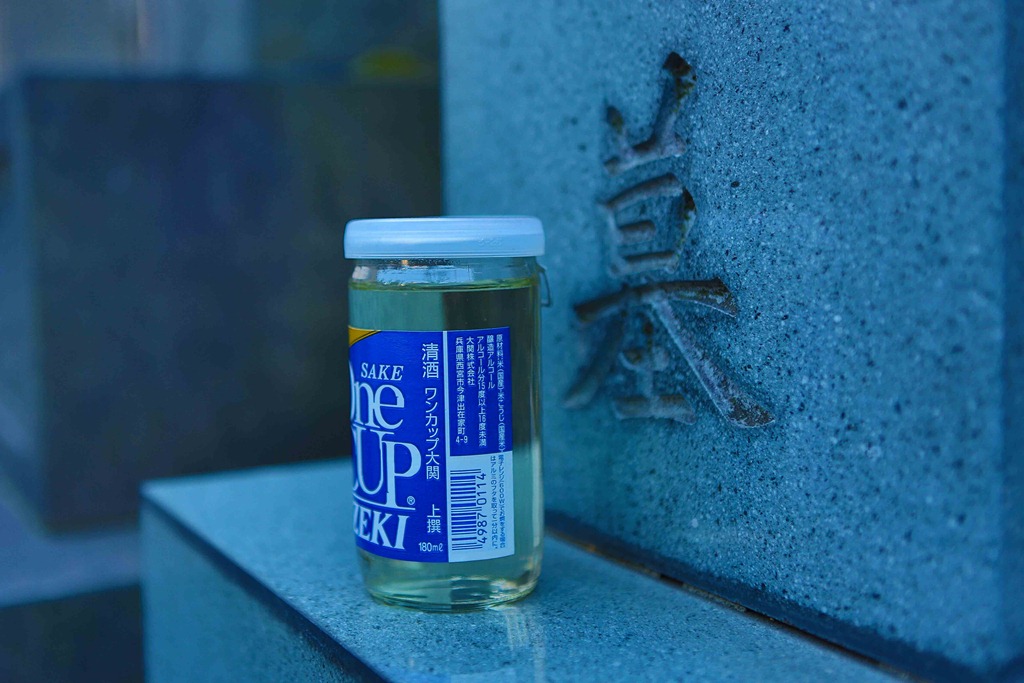
The cemetery was filled with stories (thanks to a great guide). Many had paid tribute to their ancestors with sake …

2013 01 04 Ghost Walk_-69

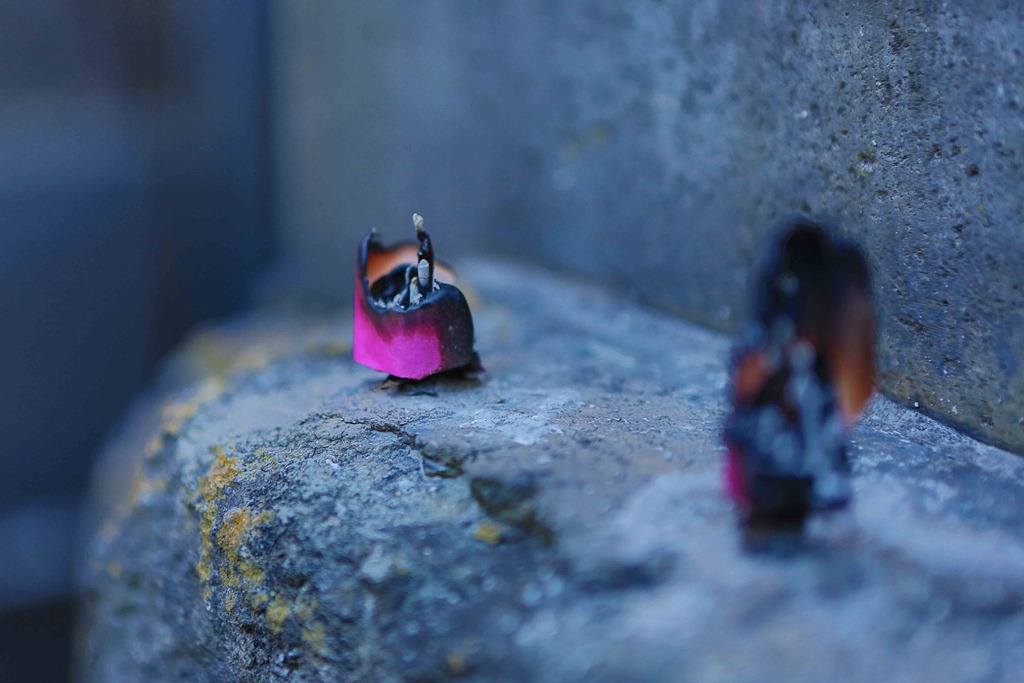
and incense …

2013 01 04 Ghost Walk_-72

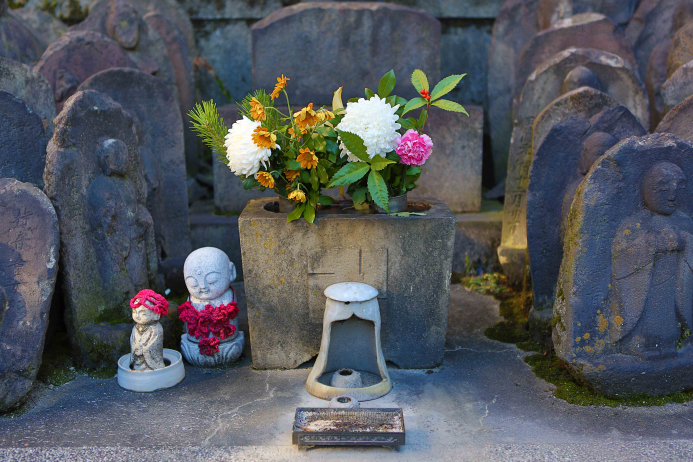
and flowers.

image

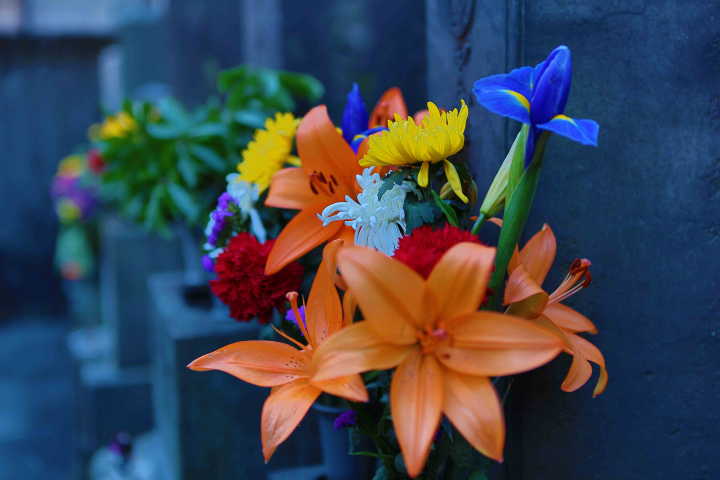
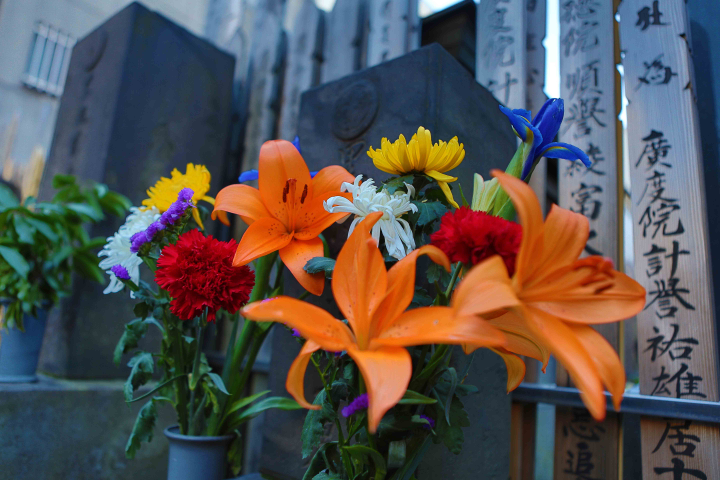
These flowers caught my eye, a stark contrast to the headstones they adorned.

image

One more angle.

image

A solemn place brought alive with color.

SNOWING IN TOKYO

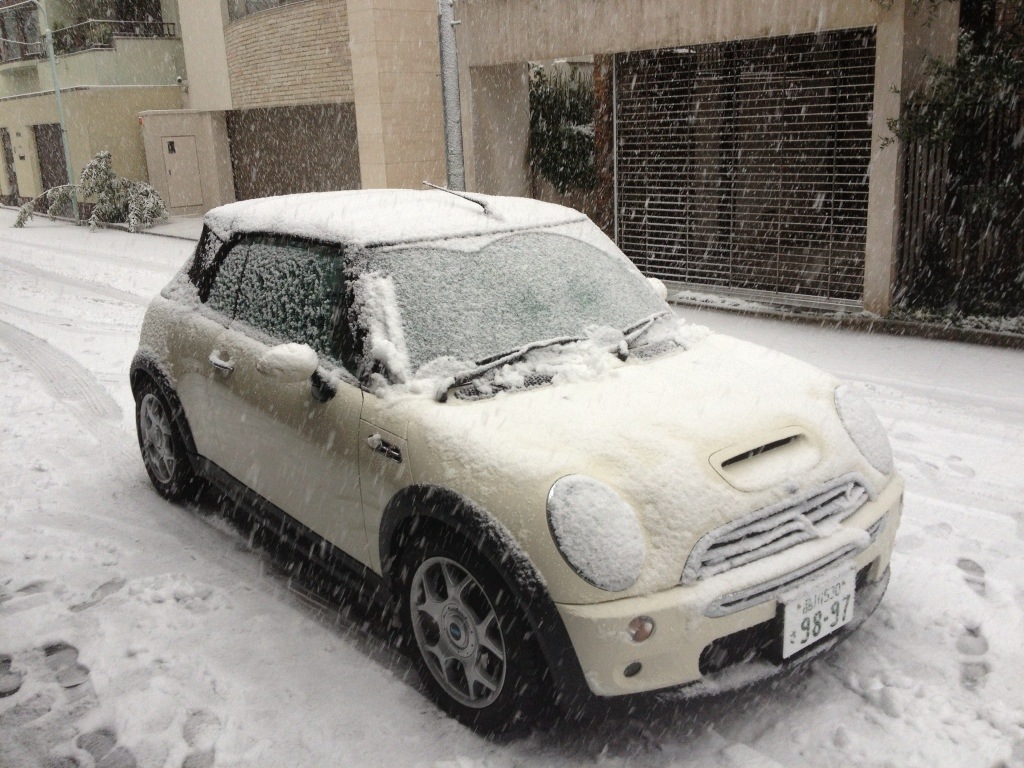
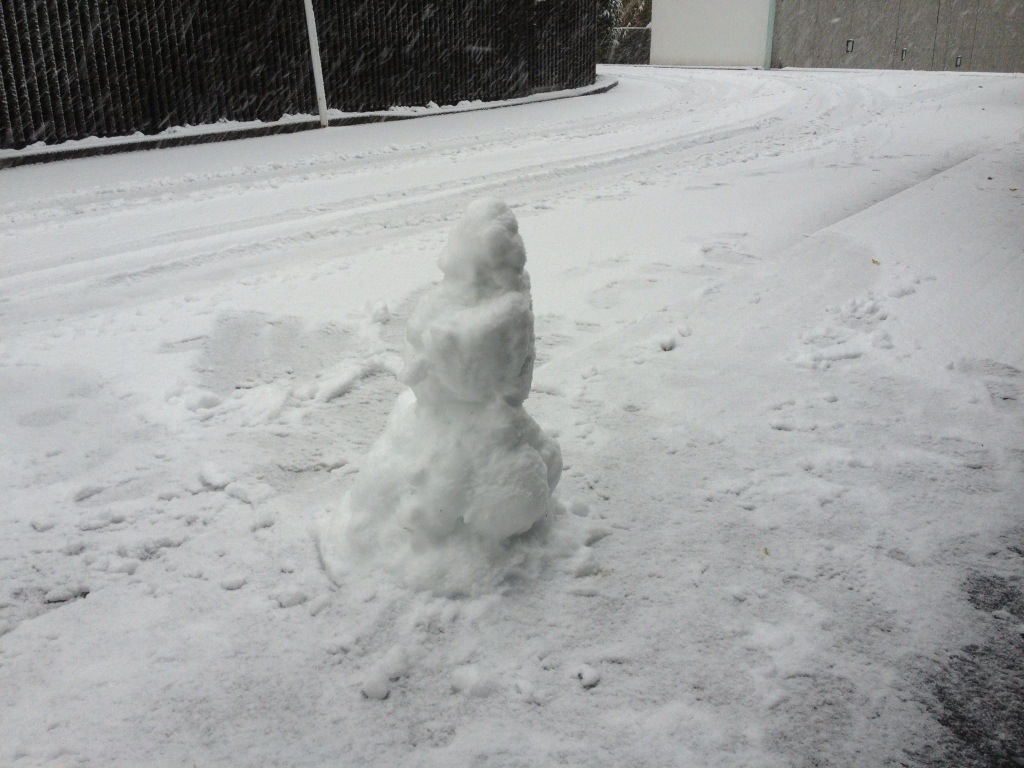
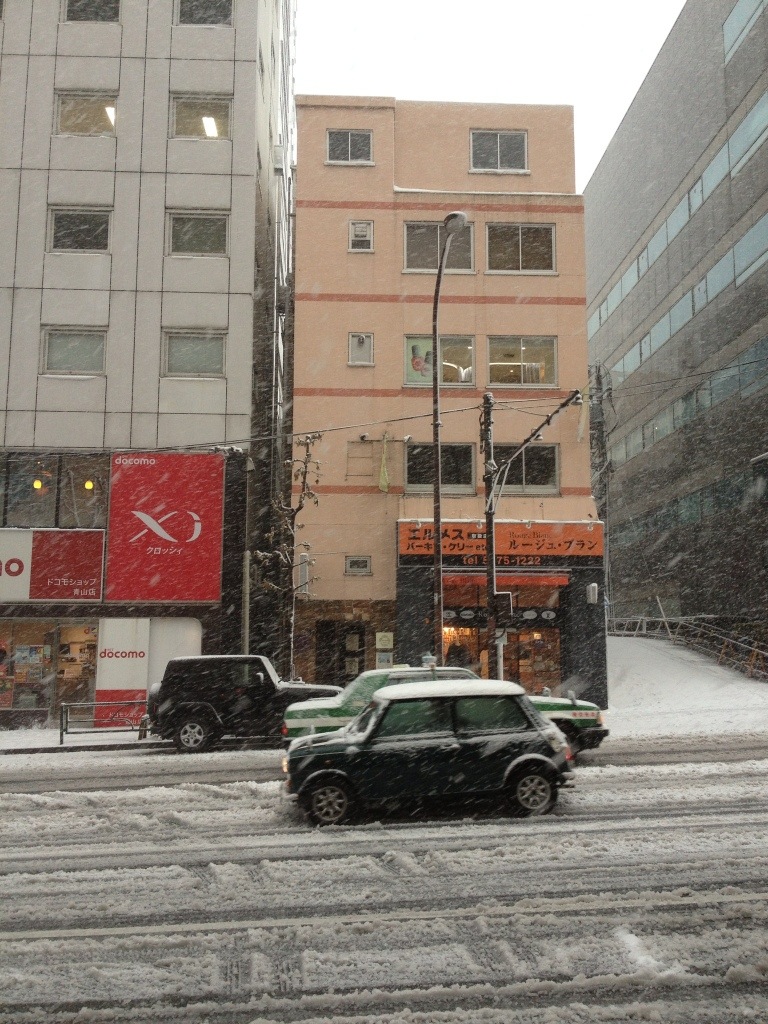
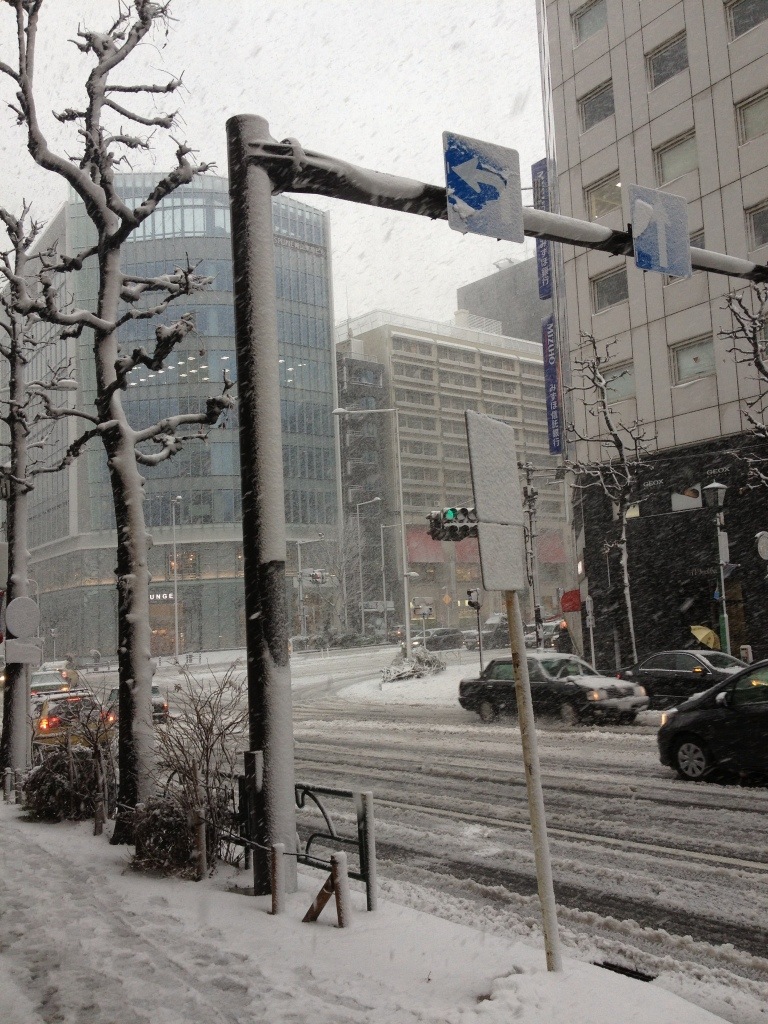
A snow storm is hitting Tokyo. A world class, inches on the ground, can’t see very far snow storm in a city with a) no snow plows b) no piles of salt for the roads and c) not many snow shovels.

Looking at the little trucks sliding around with their pencil thin wheels I would also wager there are not many snow tires on the road either.

Manic. Particularly crazy if you consider that I was on the deck yesterday afternoon with a beer enjoying the 13C sun on my face.

Reminds me of when NYC got a big dump and they called out the National Guard a few years ago. Where is the Tokyo National Guard when you need them?

20130114-173238.jpg

20130114-173307.jpg

It also reminds me of our time in England. Snow shut the place down. Tokyo isn’t a lot different, all forms of transportation are pretty much shut down.

The really bad thing is that today is a national holiday, adult day. This is where people who are 20 dress up and celebrate becoming an adult. It is a big deal and a snow storm has to be messing with a lot of celebrations.

20130114-174058.jpg

20130114-174110.jpg

AKIHABARA


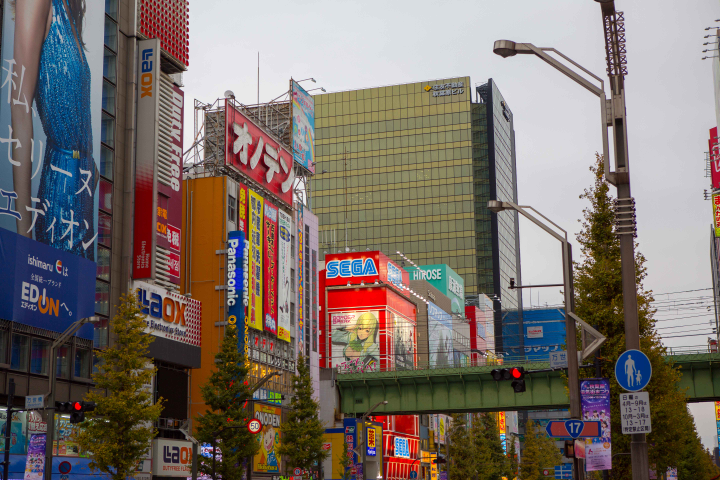
The infamous Akihabara, home to electronics shops, video games, manga, women in French maid outfits and a lot of single men. We decided to head there one afternoon with the boys. The word “subculture” does not do it justice.

Akihabara (Japanese: 秋葉原?), also known as Akihabara Electric Town (Japanese: 秋葉原電気街 Hepburn: Akihabara Denki Gai?), is a district ofTokyo, Japan. It is located less than five minutes by rail from Tokyo Station. Its name is frequently shortened to Akiba (アキバ?) in Japan. While there is an official locality named Akibahara, which is also 秋葉原 in kanji, nearby (as part of Taitō-ku), the area known to most people as Akihabara (including the railway station of the same name) also include Soto-Kanda, a part of Chiyoda-ku.[citation needed]

Akihabara is a major shopping area for electronic, computer, anime, games and otaku goods, including new and used items. New items are mostly to be found on the main street, Chūōdōri, with many kinds of used items found in the back streets of Soto Kanda 3-chōme. New parts for PC-building are readily available from a variety of stores. Tools, electrical parts, wires, microsized cameras and similar items are found in the cramped passageways of Soto Kanda 1-chōme (near the station). Foreign tourists tend to visit the big name shops like Laox or other speciality shops near the station, though there is more variety and lower prices at locales a little further away. Akihabara gained some fame through being home to one of the first stores devoted to personal robots and robotics.[citation needed]

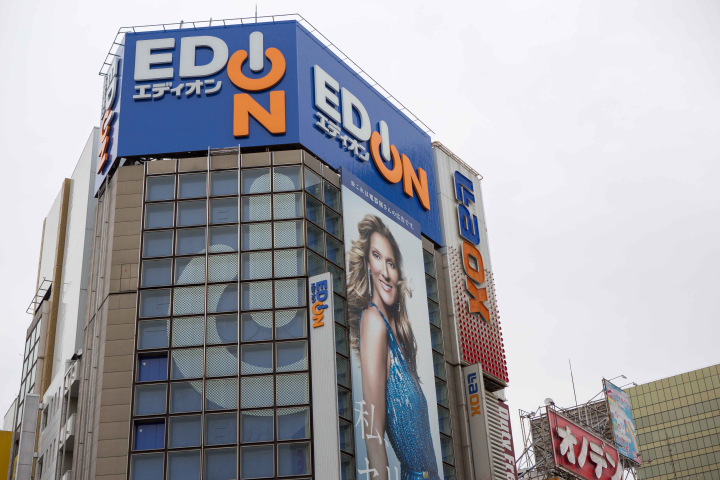
The first billboard to attack us. Celine .. really? There is no accounting for taste. On behalf of Canada, I apologize to Japan.

image

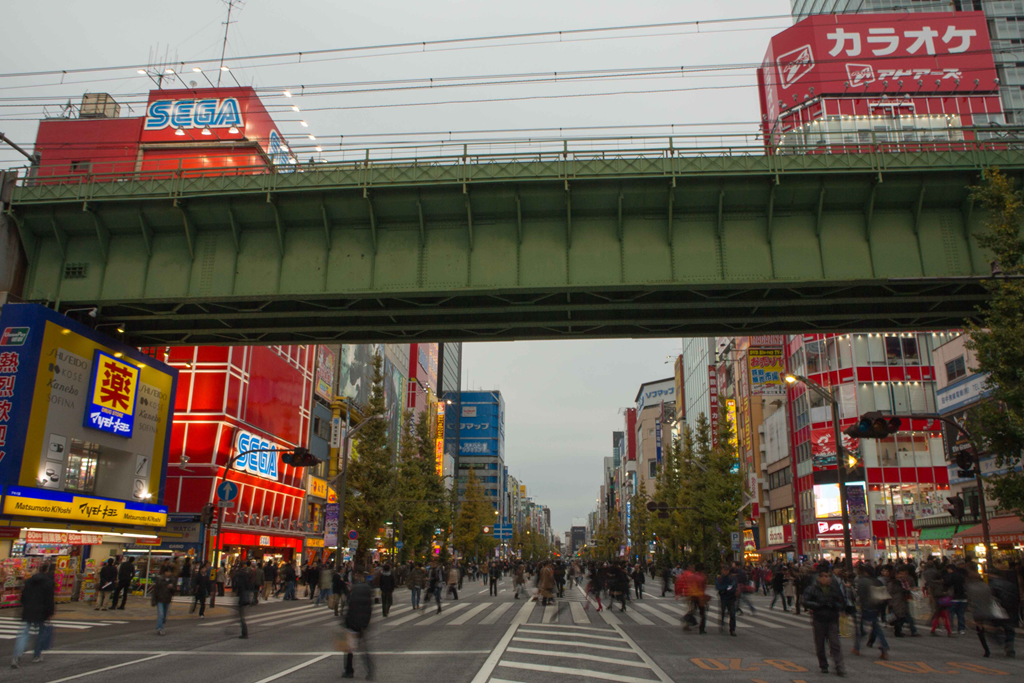
The street was closed (it was the weekend) and the throngs of predominately male shoppers crowded the streets (insert “very single males” joke here).

image

image

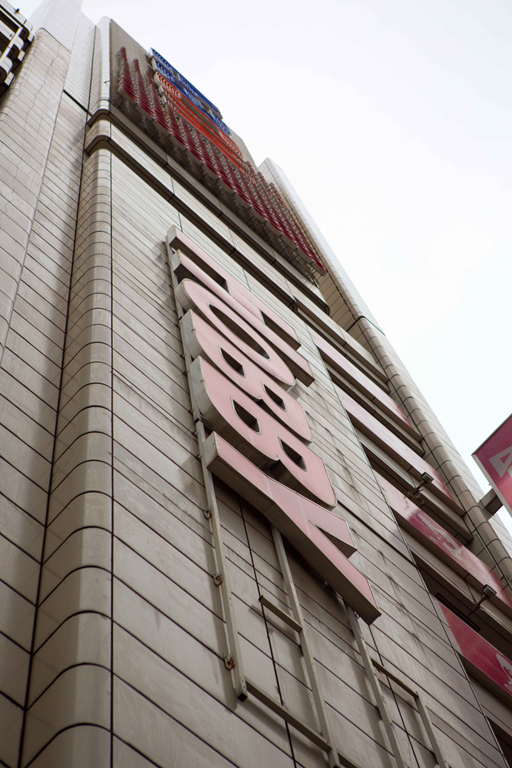
One of our first stops was a “hobby shop”. How do I know it was a hobby shop? The sign said so ….

image

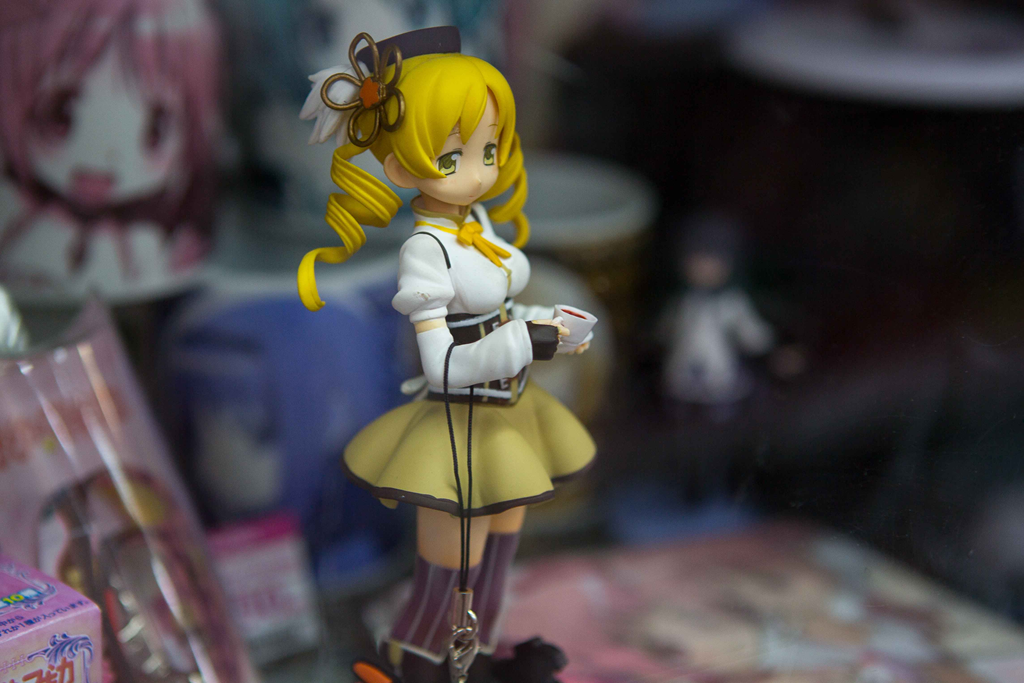
In a Canadian hobby shop you would buy RC cars or models or maybe a model train. In a Japanese hobby shop you buy manga (graphic novels that are for every age .. it is still odd for me to see a 50 year old man reading one on the subway) or these, which I assume are some form of collectable.

image

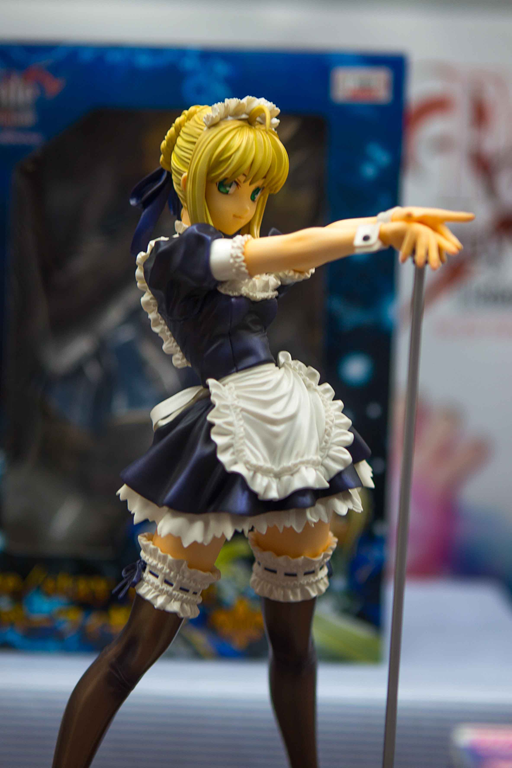
This one made me laugh. Yes, she is wielding a broom. I wondered, why are they all white and blonde?

image

Candidly, we all found the overt sexuality of the manga and cartoon characters disconcerting and more than a little bit creepy. It was everywhere and clearly targeted at an older male demographic.

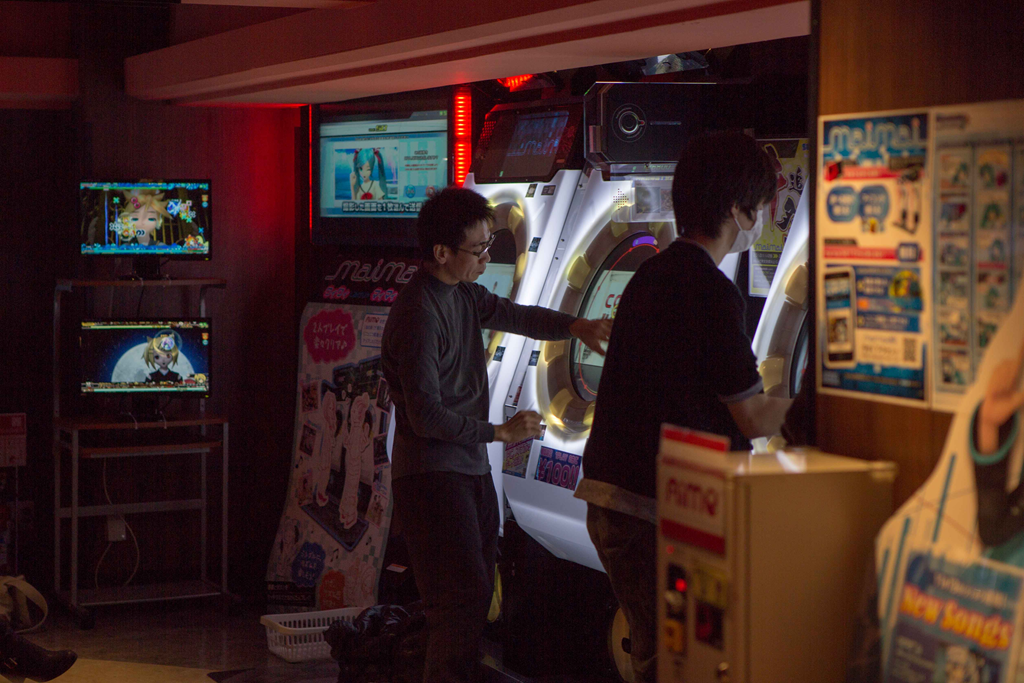
These three men were playing a dancing game together. I don’t think that you would see that in Canada. For the record, they were having a ton of fun and quite good at it.

image

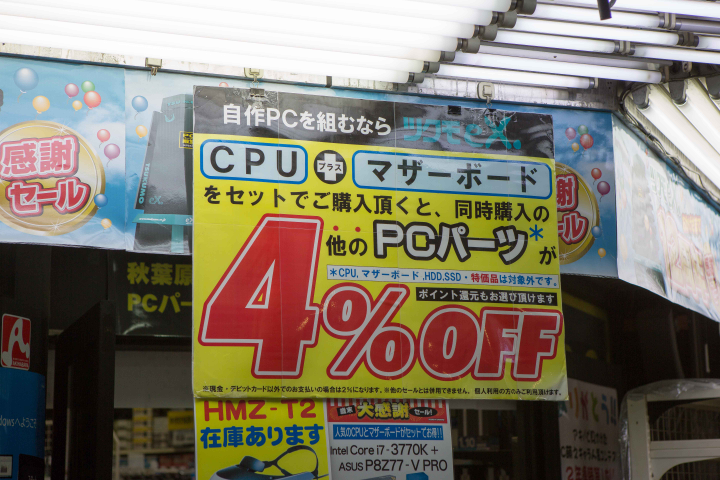
This sign made me wish that I needed a new computer. After all, who can resist 4% off?

image

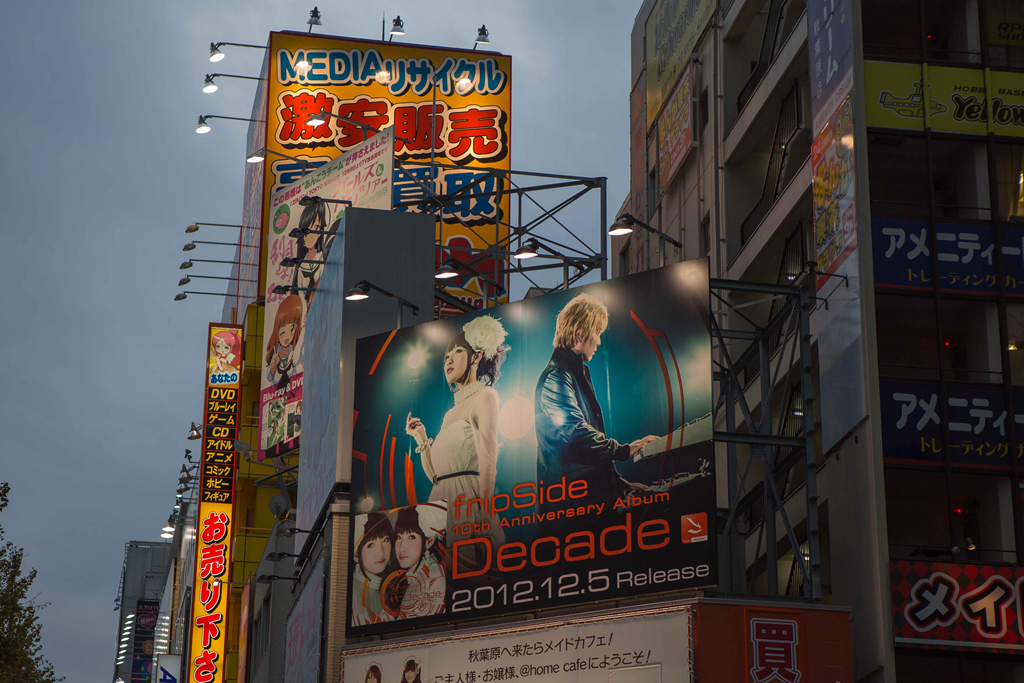
I assume this is Japanese English … see you on the fripside …

image

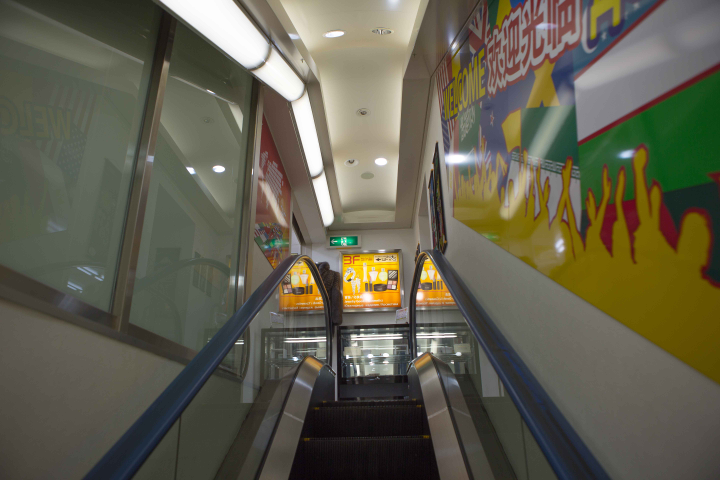
We entered a multi-story tourist shop. Swords, dolls, rice cookers, chop sticks, you name it.

image

And of course, cartoon dolls that danced.

image

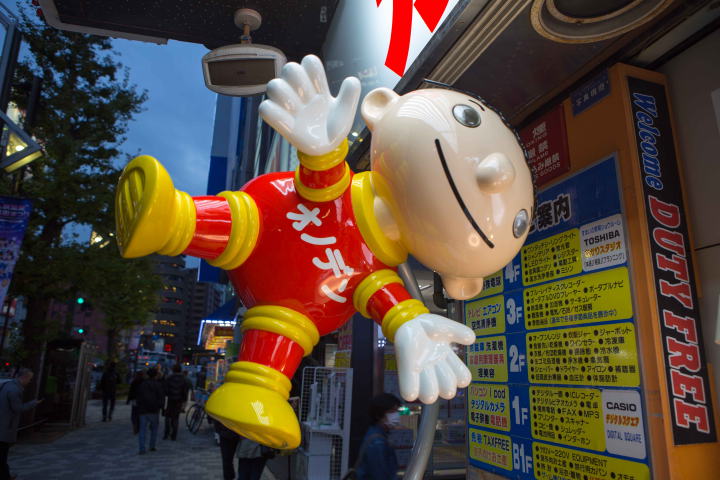
My last shot as we left. He looks happy.

image

Another Japan top to-do complete.

AN OPEN AIR ARCHITECTURAL MUSEUM

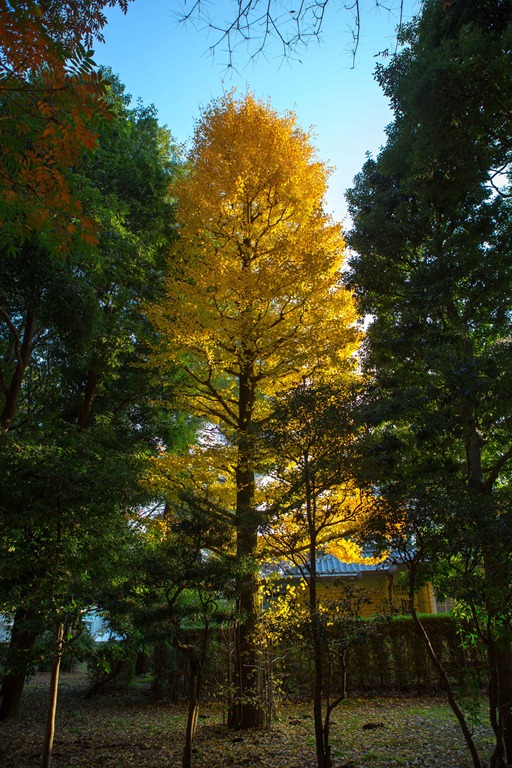
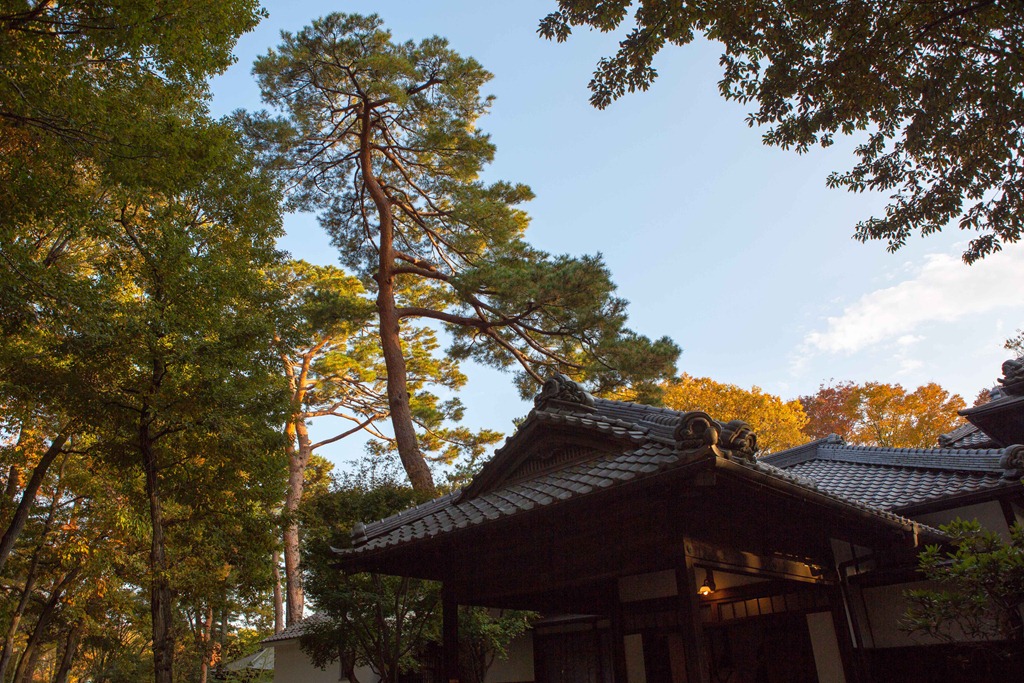
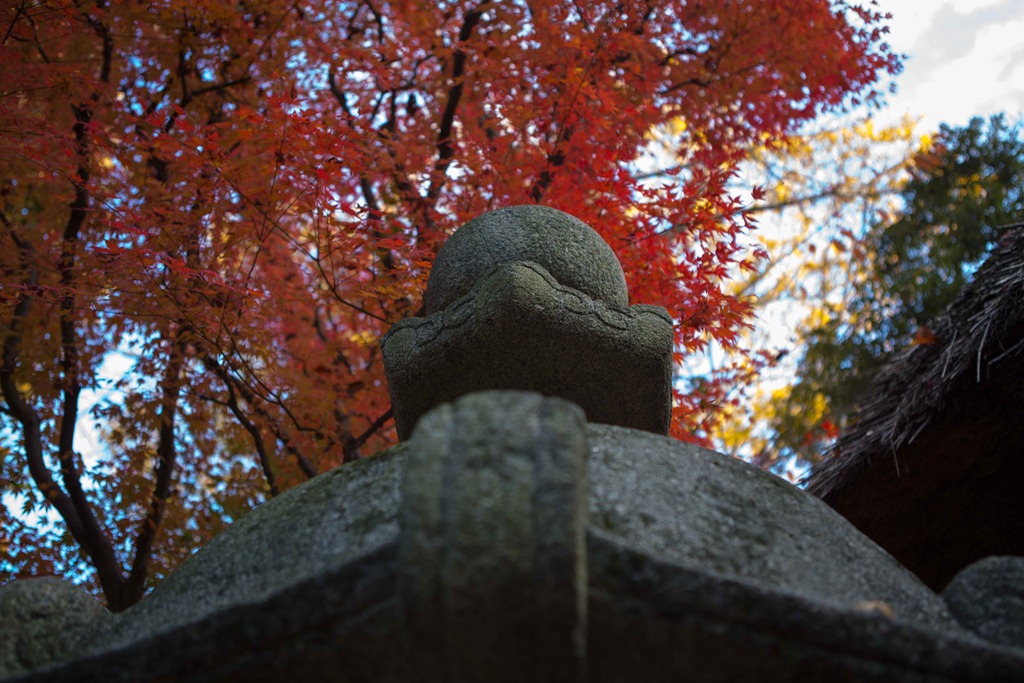
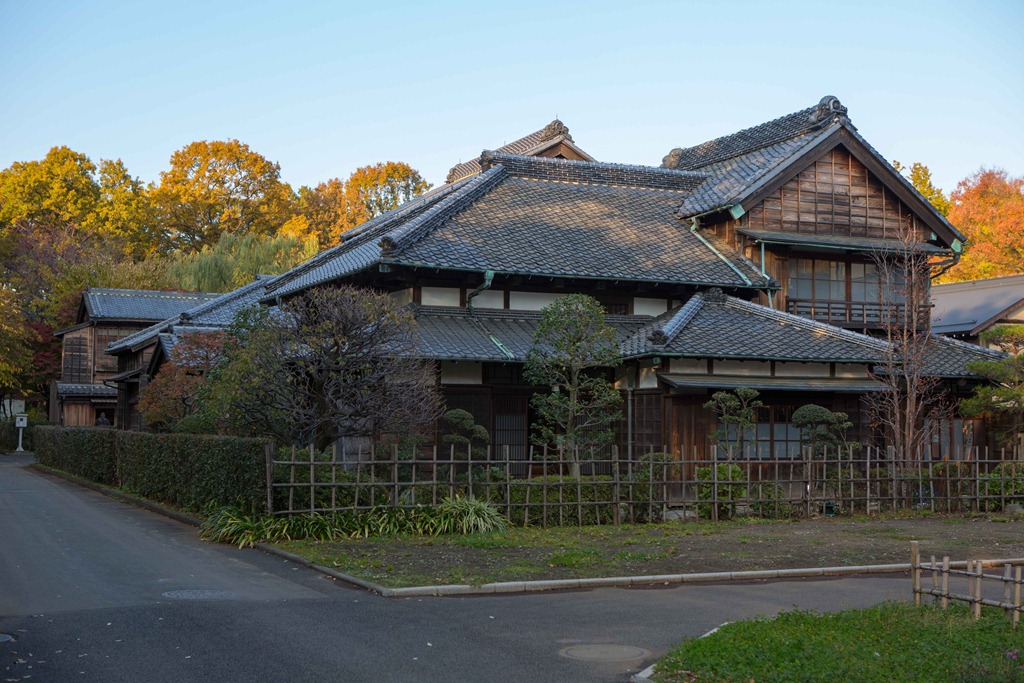
I came across a suggestion that the Edo Open Air Architectural Museum was a worthwhile tourist destination. In retrospect, I would say it was “5/10” and better enjoyed if you can enjoy the park around the museum. It is a beautiful park.

The museum is filled with buildings from around around Japan, primarily from this century. A couple impressions; the houses have always been small and the doorways low. What Japan considers a big house is definitely different than North America. This is probably due to the fact that roughly 20% of Japan is habitable with the population crammed into 8% of the island’s landmass.

A few (non-HDR) photos. Prior to entering we grabbed lunch at the little restaurant in the park. This is Japanese “fast-food”, it was fantastic. I love Japan’s food.

2012 11 24 Open Air museum_-100

The museum entrance.

2012 11 24 Open Air museum_-11

It is December, and flowers are still blooming. No snow (smile).

2012 11 24 Open Air museum_-14

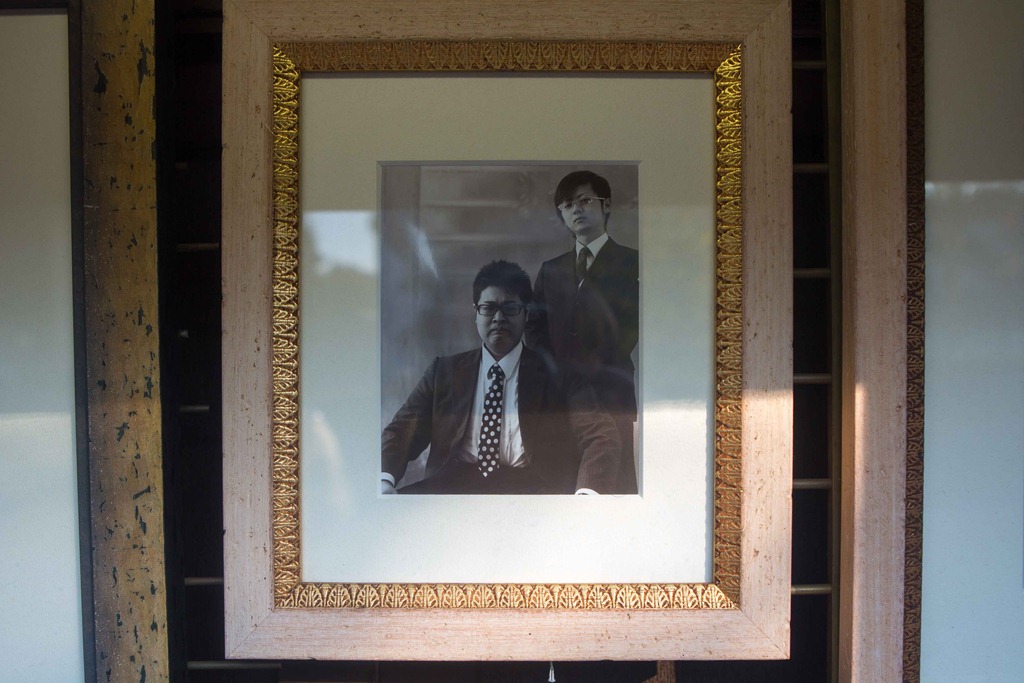
The had moved the studio of a photographer. Outside were a number of his family portraits. This one caught my eye.

2012 11 24 Open Air museum_-16

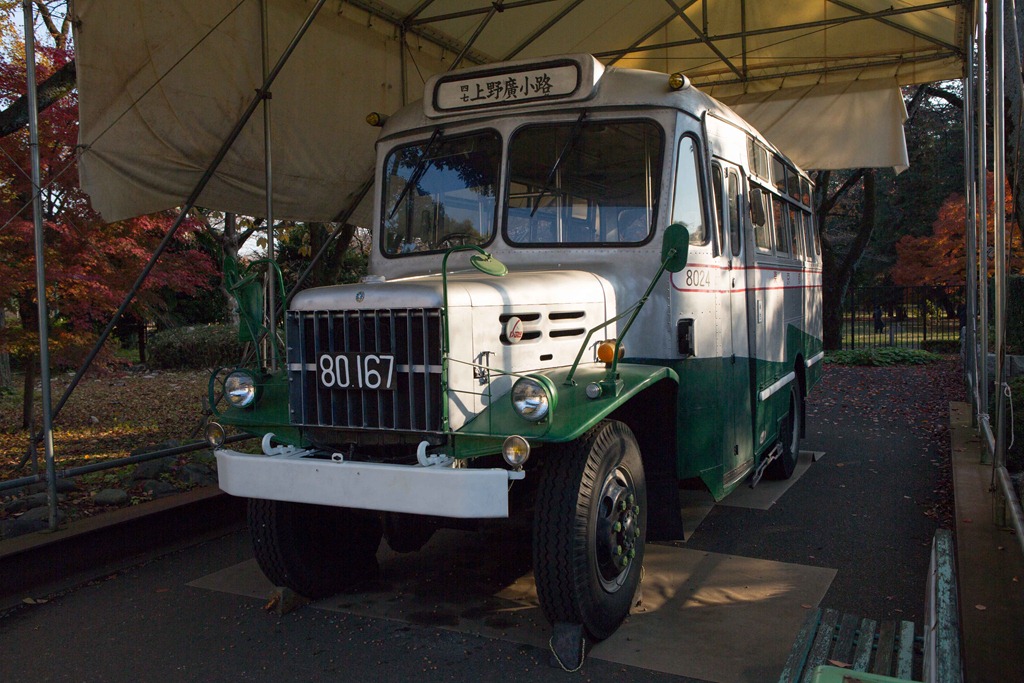
An old bus in Japan, looks like an old bus from everywhere else.

2012 11 24 Open Air museum_-17

This opulent home was donated by the super wealthy Mitsui family, built in 1897. I would guess it at under 2,000 square feet.

2012 11 24 Open Air museum_-22

I don’t think that I could sleep in this guest bed.

2012 11 24 Open Air museum_-25

2012 11 24 Open Air museum_-27

A farm house had an operating oven where they were making rice cakes. The interesting thing was that this particular house did not seem to have a ventilation system. I looked at the other old farmhouses and they had a chimney or open top to let out the smoke – it was very smoky as a roof that think isn’t letting the smoke out.

2012 11 24 Open Air museum_-31

2012 11 24 Open Air museum_-30

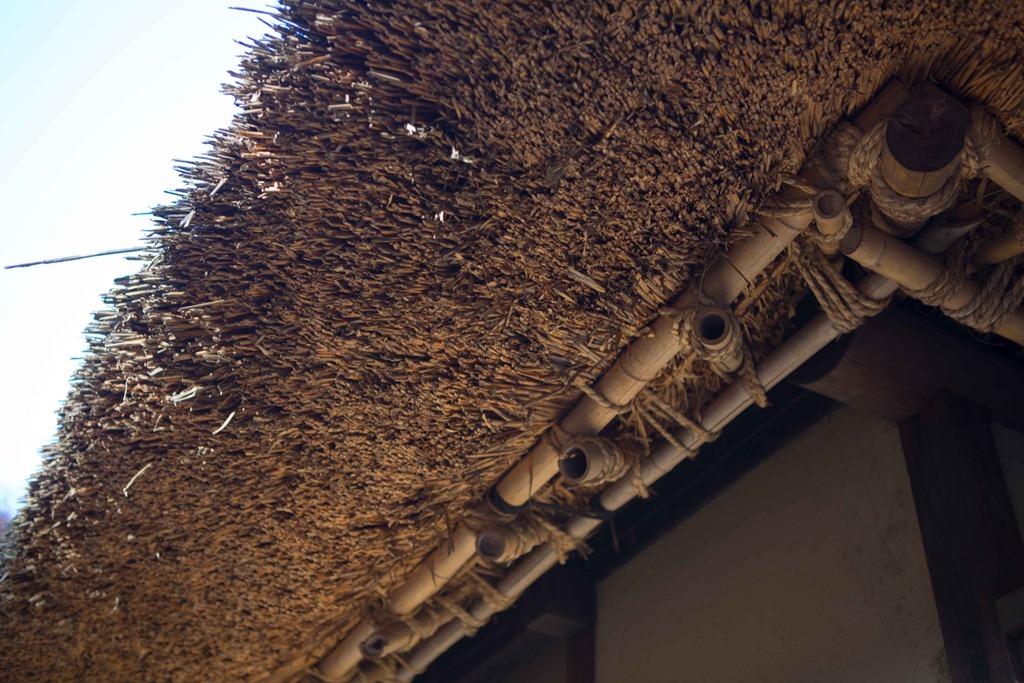
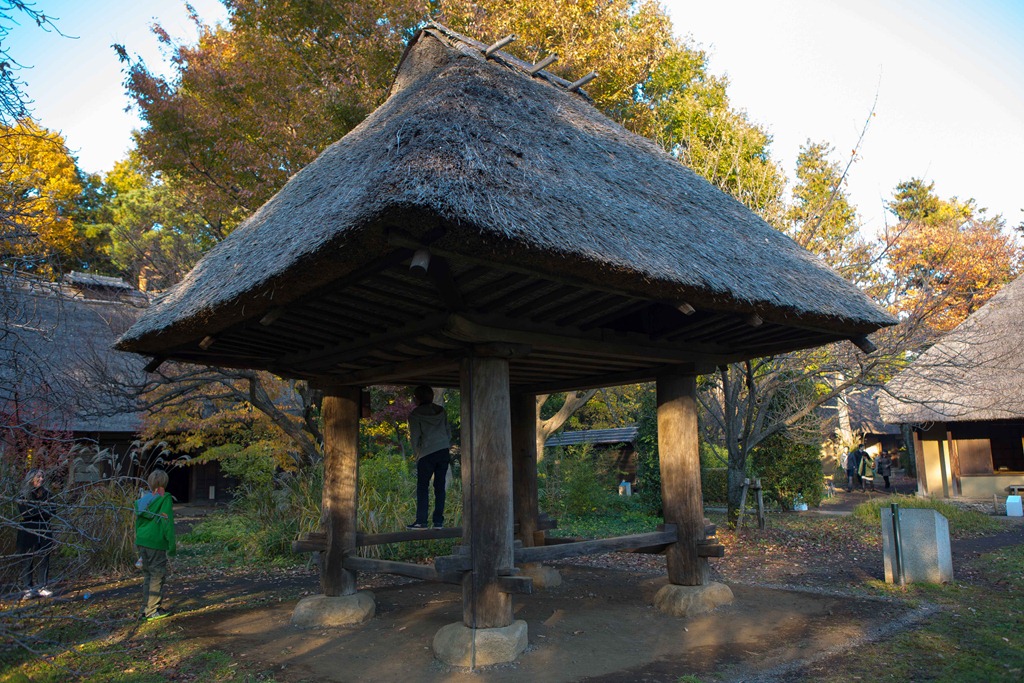
The Japanese stored their wheat off the ground to keep it dry and keep pests out. Smart.

2012 11 24 Open Air museum_-34

I happened by 5 photographers with their tripods set up. They were shooting this tree.

2012 11 24 Open Air museum_-43

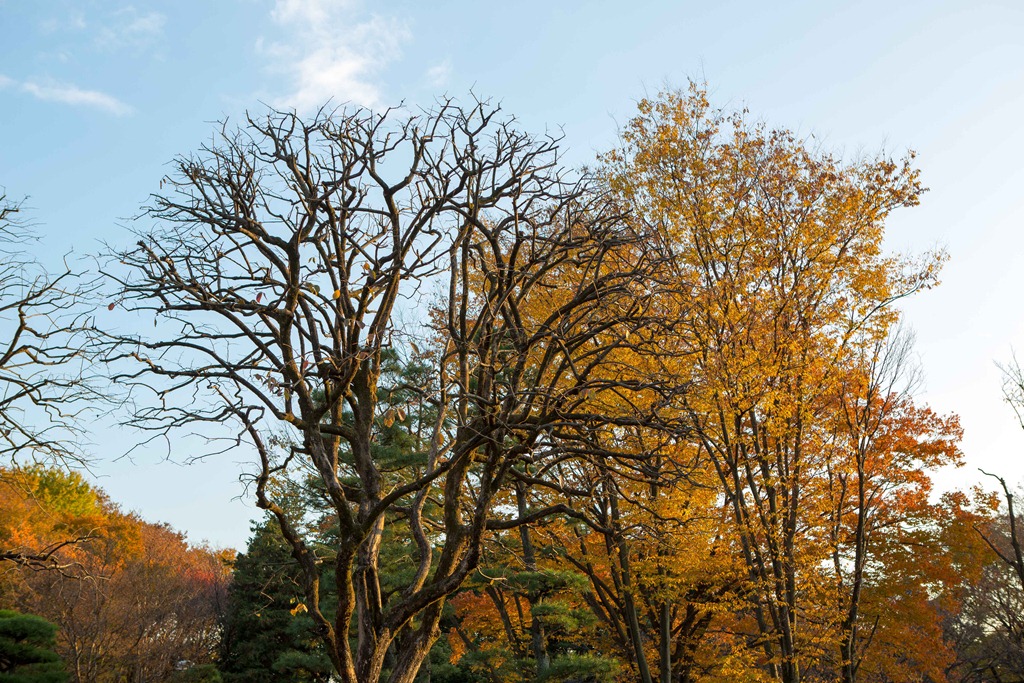
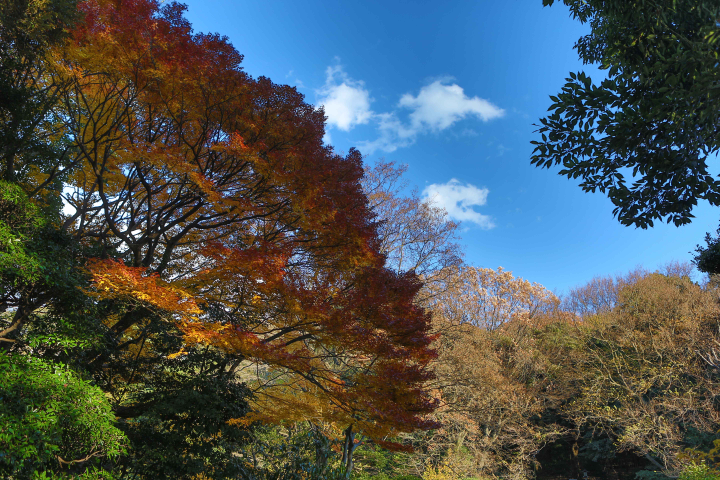
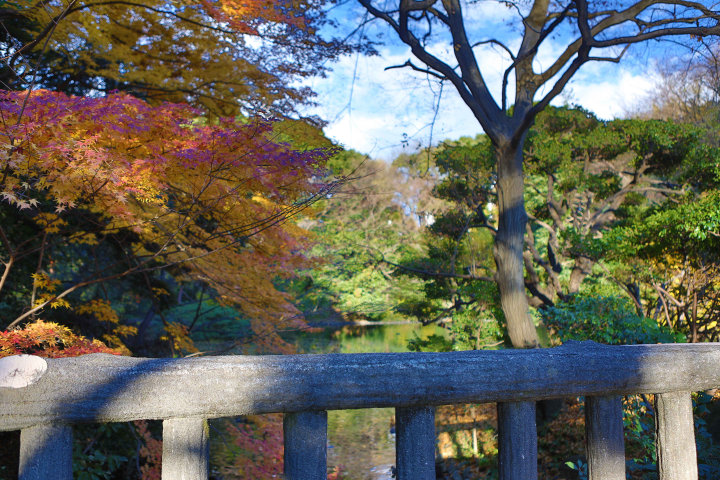
The fall colors were in full bloom.

2012 11 24 Open Air museum_-47

2012 11 24 Open Air museum_-54

2012 11 24 Open Air museum_-56

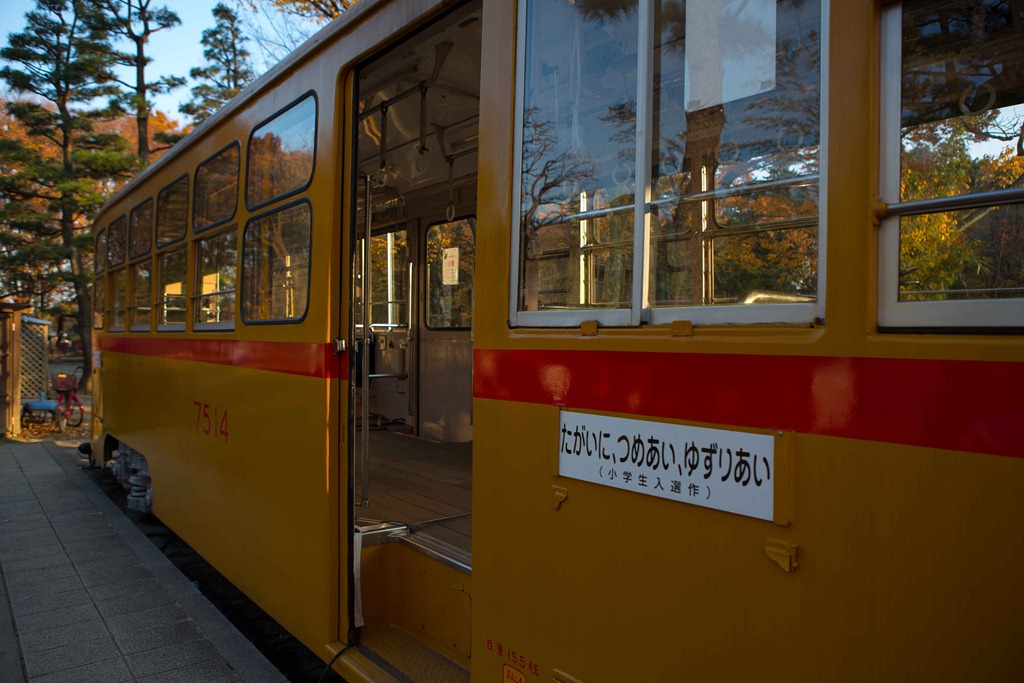
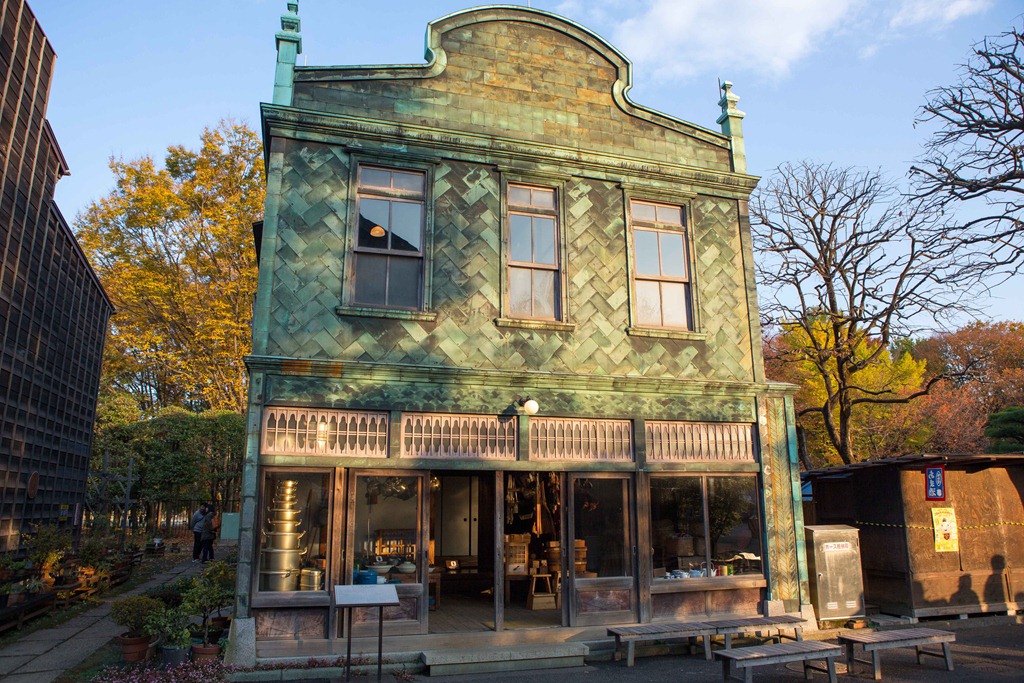
They also have a “street” set up with shops, and of course, a subway car.

2012 11 24 Open Air museum_-58

2012 11 24 Open Air museum_-61

2012 11 24 Open Air museum_-66

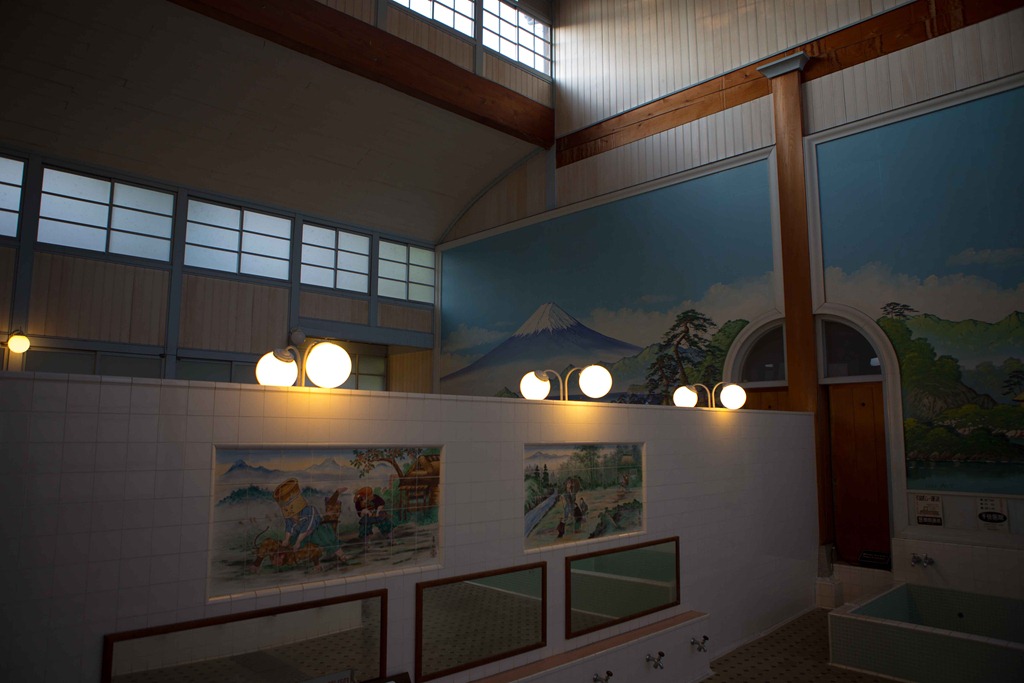
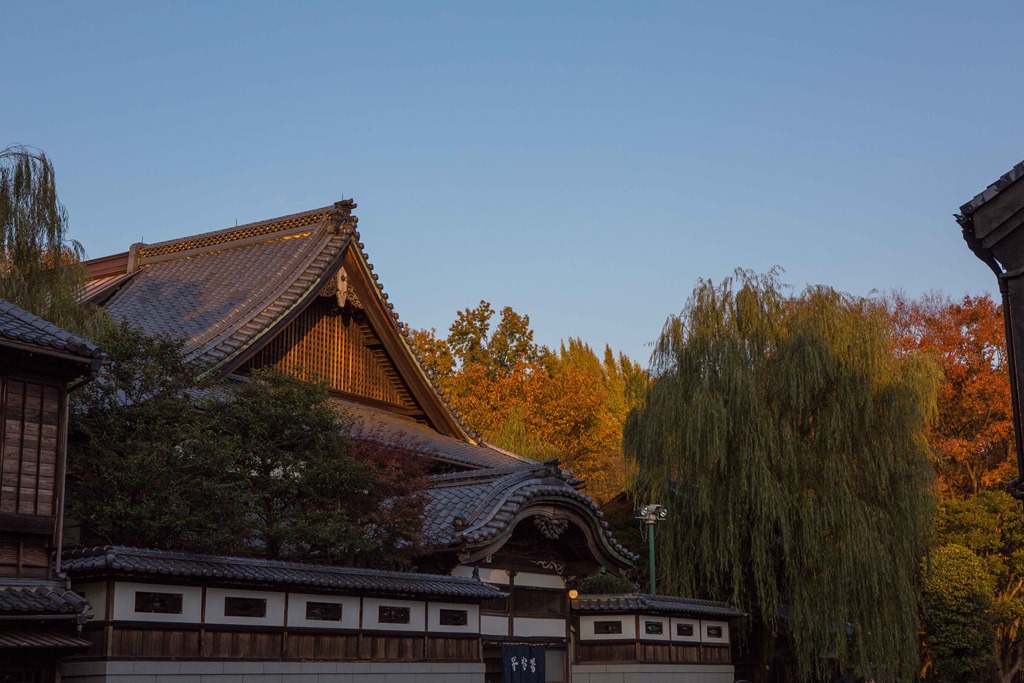
They also moved a 1929 era public bathhouse.

2012 11 24 Open Air museum_-71

2012 11 24 Open Air museum_-76

I could not believe it, a cosmo in late November.

2012 11 24 Open Air museum_-80

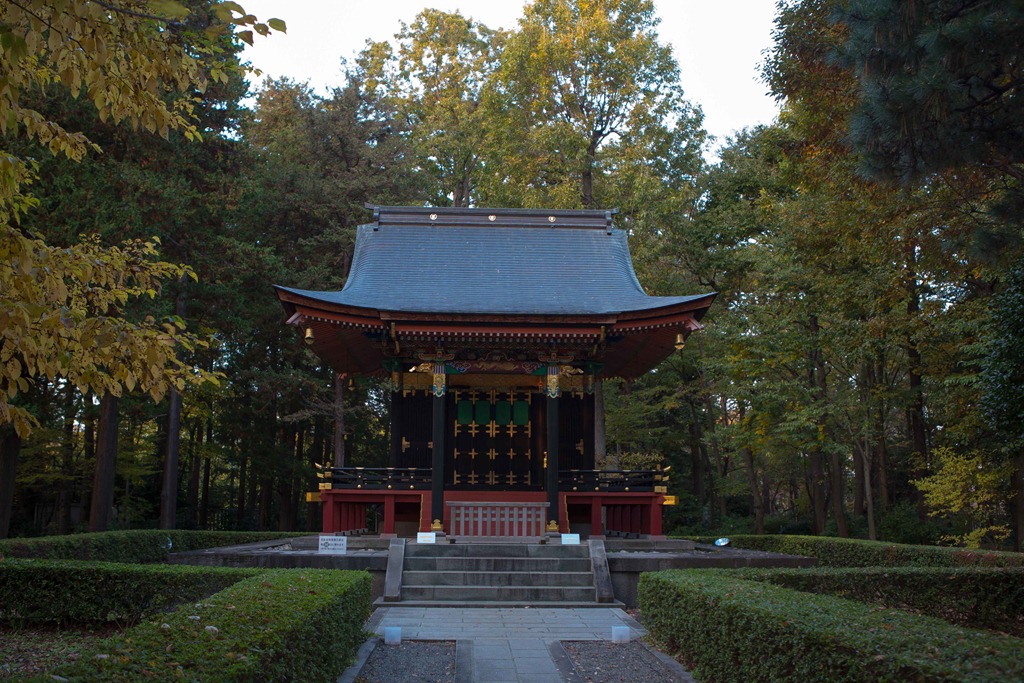
And of course, a shrine. Jisho-in Mausoleum (Otama-ya) was constructed for princess Chiyo, wife of the Owari lord Tokugawa, to hold a service for her mother Ofuri-no-kata, wife of the third shogun, Iemitsu Tokugawa (1652).

2012 11 24 Open Air museum_-3

One thing I will hand to the museum, they have done a fantastic job of providing an English hand-out so that you can actually learn as you walk (which is missing in many places in Japan).

A good afternoon walk.

A FEW MORE MEIJI SHRINE HANDHELD HDRs

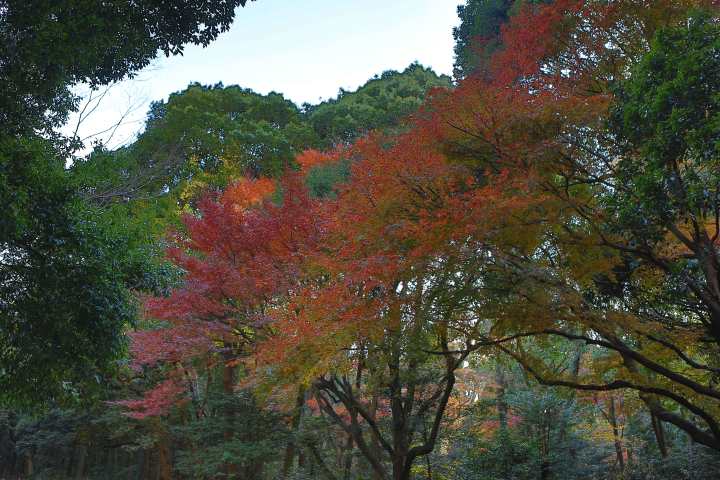
A flowering bush in December. In December! No snow …. –4 in Toronto today. Don’t miss the snow.

image

Lots of fall colors. Amazing that the HDR has zero ghosting even though I am not using a tripod. Well done Canon.

image

image

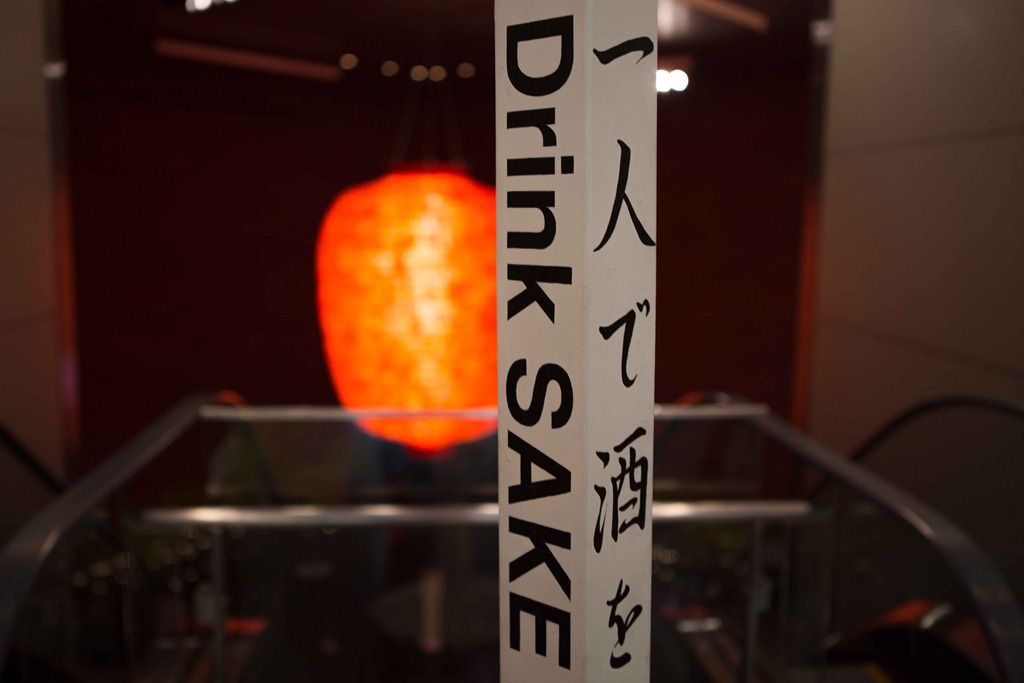
The sake barrels. The guide told me they are empty.

image

The downside of the HDR, look at the edges of the trees. As it takes the 3 quick photos, if the trees are moving it creates what looks like a halo.

image

One final barrel shot.

image

MEIJI SHRINE THE HDR WAY

We headed over to Meiji shrine again this weekend as we had a friend in town. I was excited about trying out a few shots with my new found HDR method on the camera.

The first bit of luck was at the gate. I saw the volunteer tour guides and last time they had just finished for the day. This time they had time and took us on the tour and we learned a few new things about the shrine – such as the road to the shrine dips down and then back up as a sign of respect and the road turns at 88 degrees as the number 9 is bad luck.

Of course it is nice that it was not raining, 13 degrees and sunny in December? Two thumbs up.

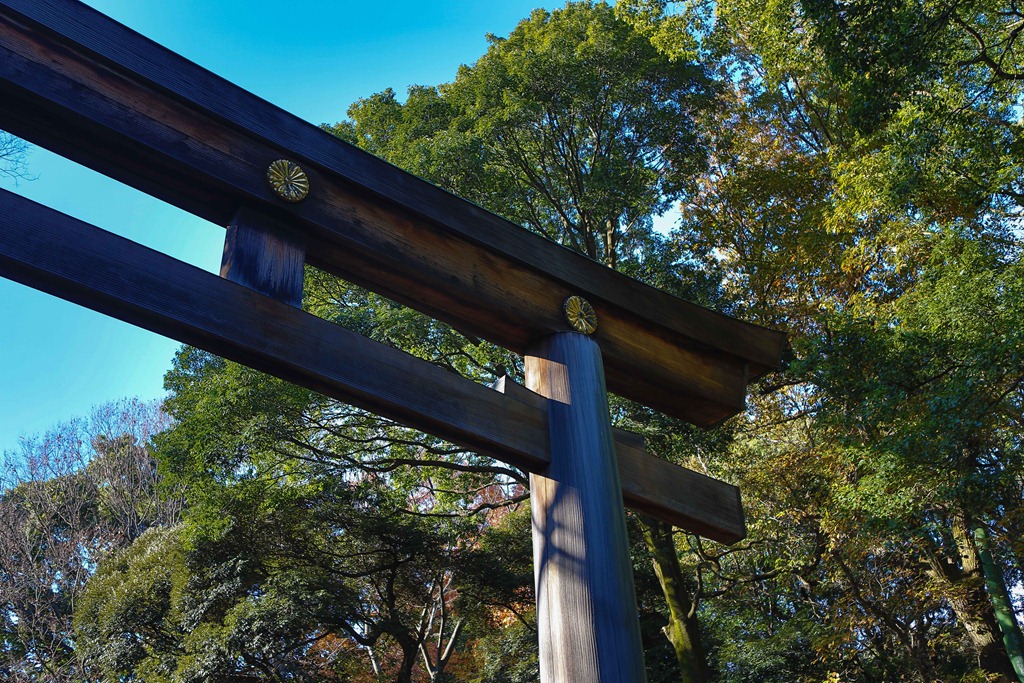
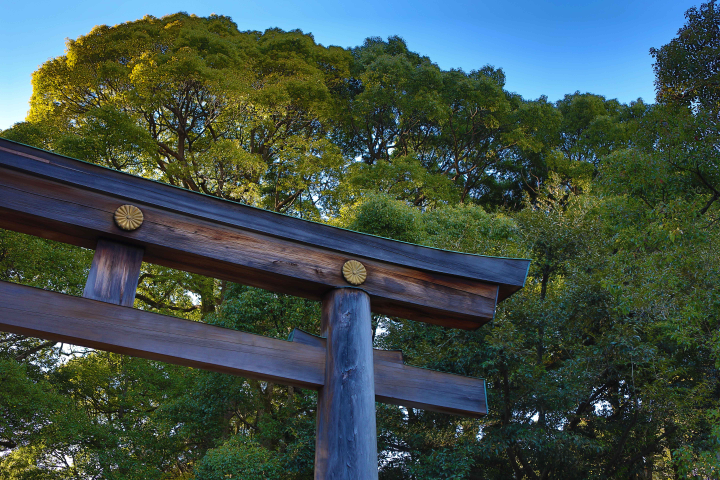
The Tori gate. This is the 2nd one you pass through and the largest in Japan. (all photos are handheld – and in HDR – artistic vivid).

2012 12 09 Meiji Shrine_-26

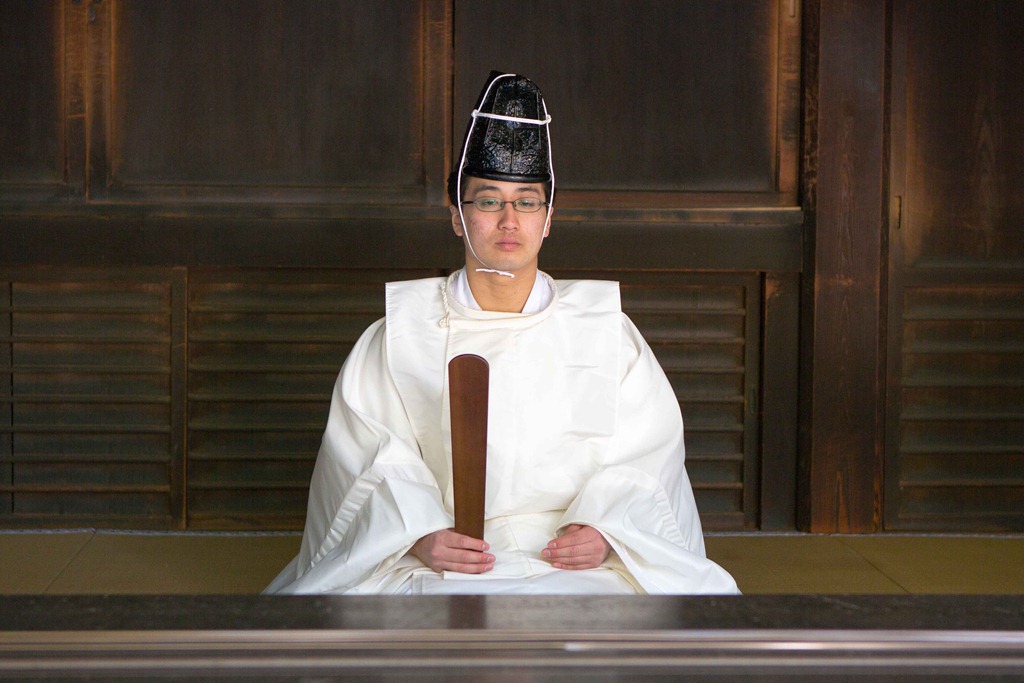
OK, not all photos. This priest was very solemn, but he said I could take his photo.

2012 12 09 Meiji Shrine_-52

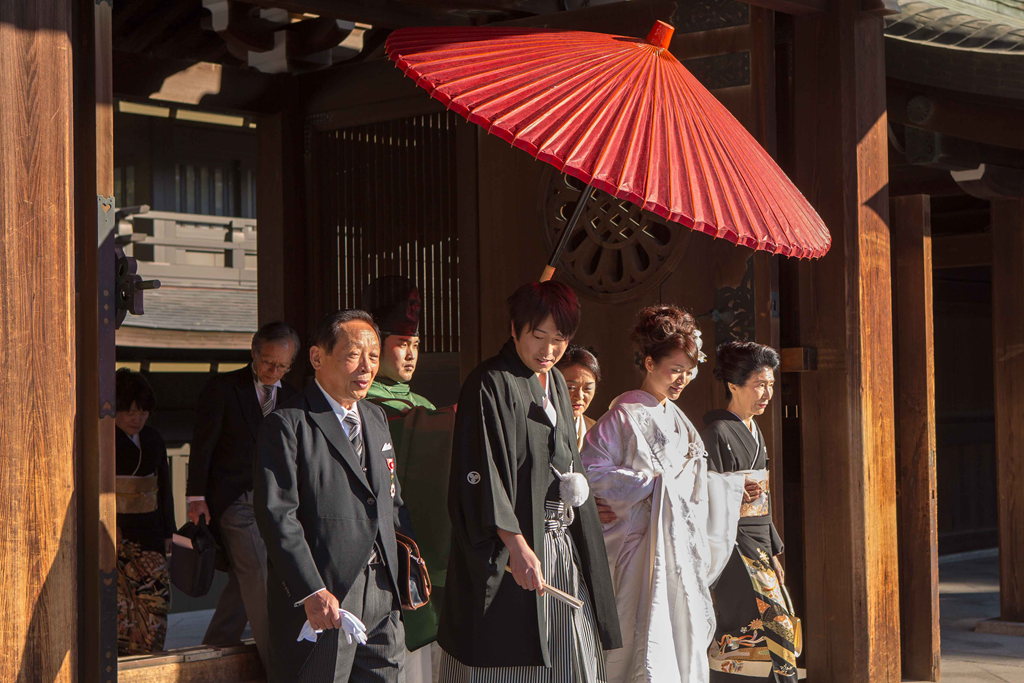
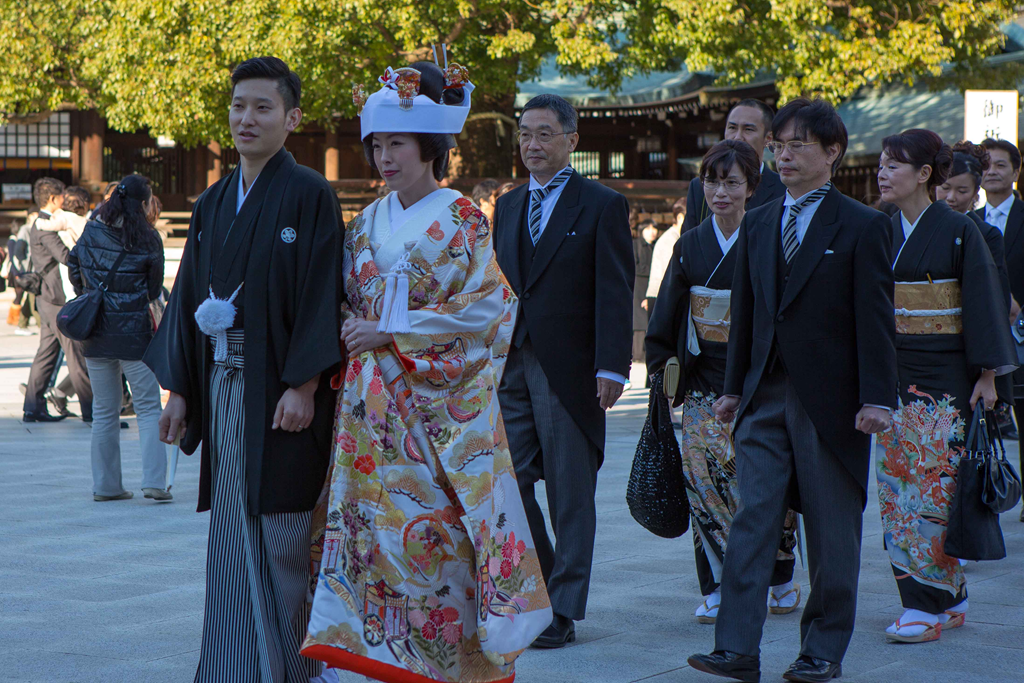
I like having a guide with us. She explained this Japanese wedding party and why this bride was wearing the head garment – to cover her “horns”. Seriously.

Two choices of headgear exist. One, the watabōshi, is a white hood; the other, called the tsunokakushi, serves to hide the bride’s ‘horns of jealousy.’ It also symbolizes the bride’s intention to become a gentle and obedient wife.

image

There were a few weddings going on.

image

image

image

We headed over to the tree, filled with wishes. I am not sure if Ja is a male or female name. If it is a woman’s name then the request below might need a lot more help as she is in serious trouble in Japan according to this article:

Asked whether they think they can marry, only 27.8 percent said they want to marry and think they will, while 35.3 percent said they don’t want to get married yet.

Of those who would like to get married, 36.9 are afraid they won’t.

At the top of the reasons for this was economic insecurity, cited by 60.8 percent, compared with 48.2 percent who said they are not popular with women. More than one answer was permissible.

image

A beautiful tree, back to the HDRs.

image

image

image

image

The colors with the HDR mode are amazing compared to a standard photo.

image

image

image

The museum at the back of the park.

image

MORI TOWER

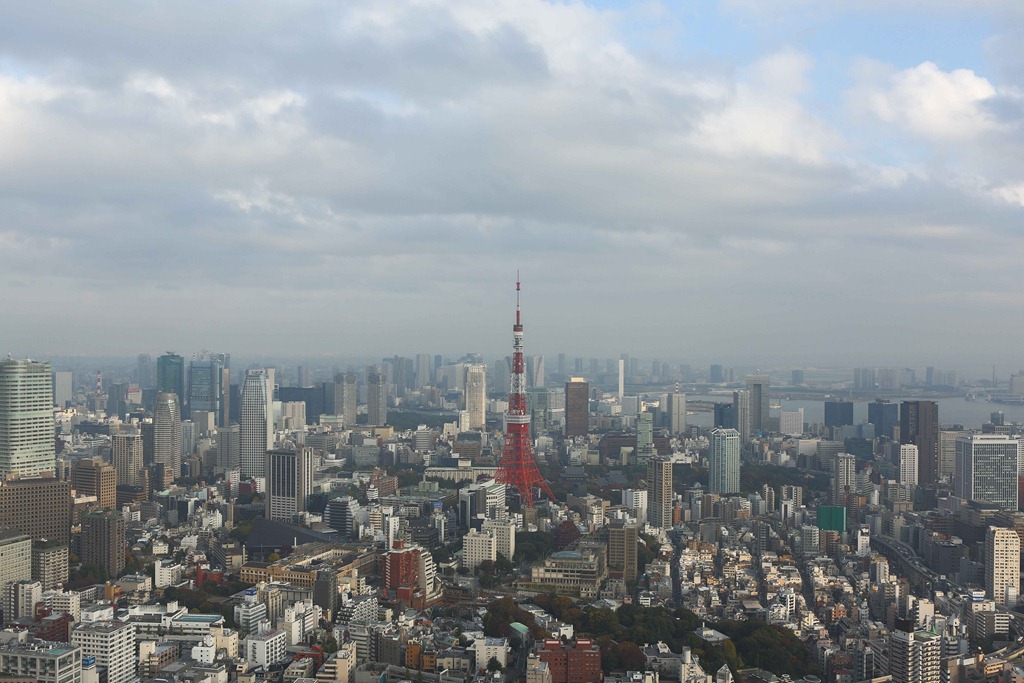
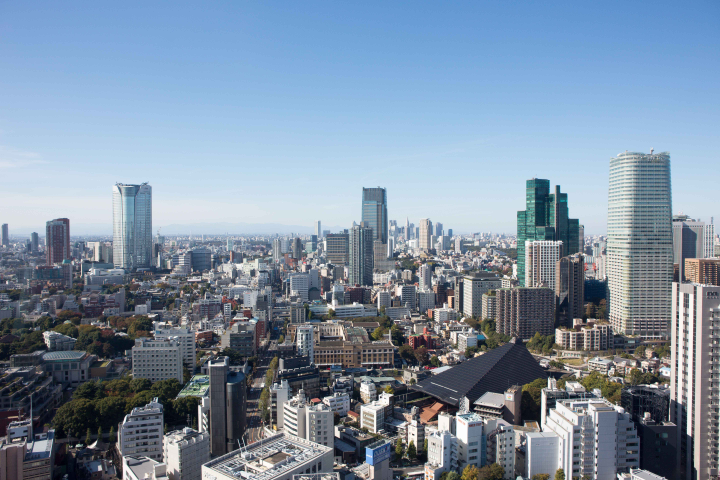
The top of the Mori Tower in Tokyo has the museum, a viewing deck (of the city), a Disney exhibit and restaurants. After the museum we took a look around. It is a great view.

We looked at these apartments (Roppongi Hills) when we were trying to find an apartment in the summer. It has a wonderful gym and pool but your kids have to be 16 or older. I could not imagine saying “see you in a bit boys, heading downstairs for a workout and swim” so we moved on.

2012 11 19 Mori Tower_-20

Hey, there is my apartment! Up and to the left, or is it the right and down?

2012 11 19 Mori Tower_-19

I almost never get into the pictures. As it was just Narda and I, a photo was taken.

2012 11 19 Mori Tower_-14

The tower from a different angle.

2012 11 19 Mori Tower_-37

2012 11 19 Mori Tower_-8

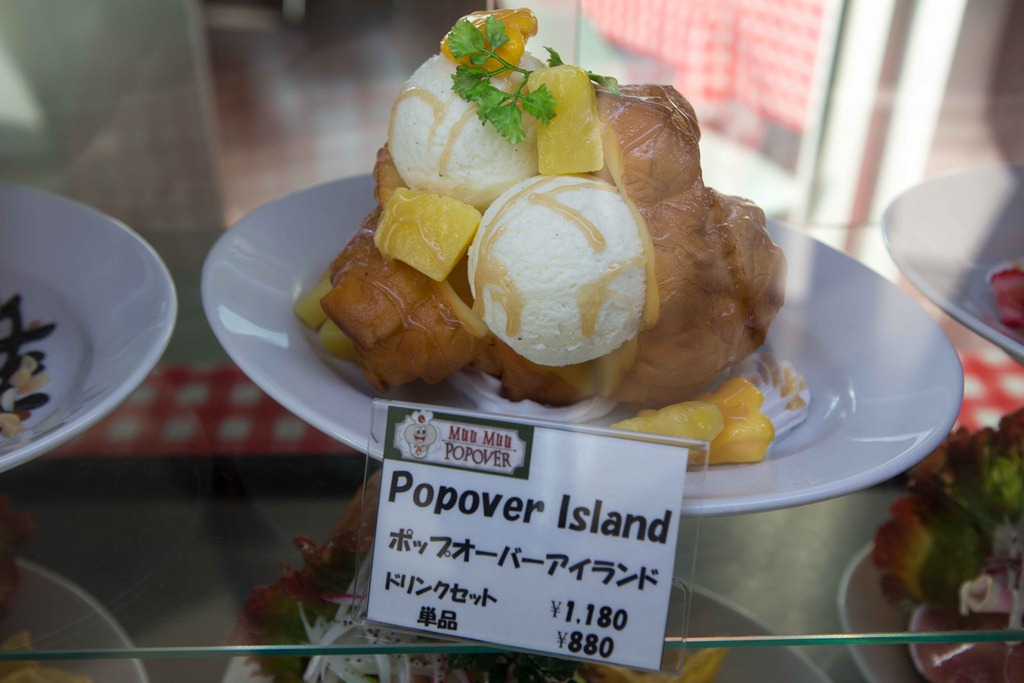
They make plastic food of everything. At least you know what you are ordering.

2012 11 19 Mori Tower_-65

If you happen to be in Tokyo, I would put the Mori Tower on the list.

A FEW MORE HDRs

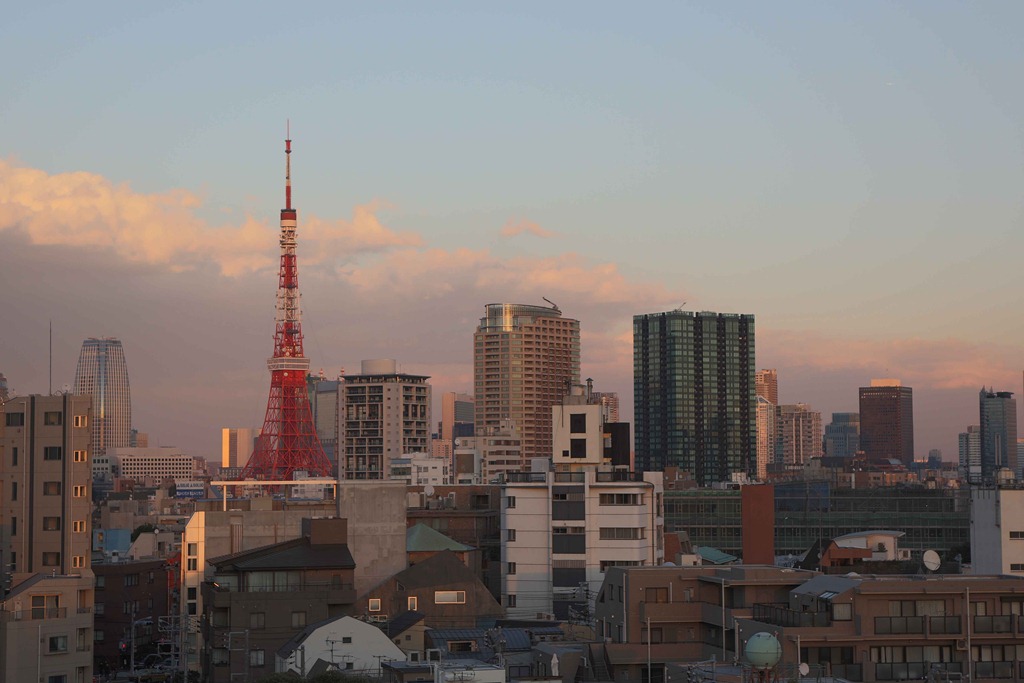
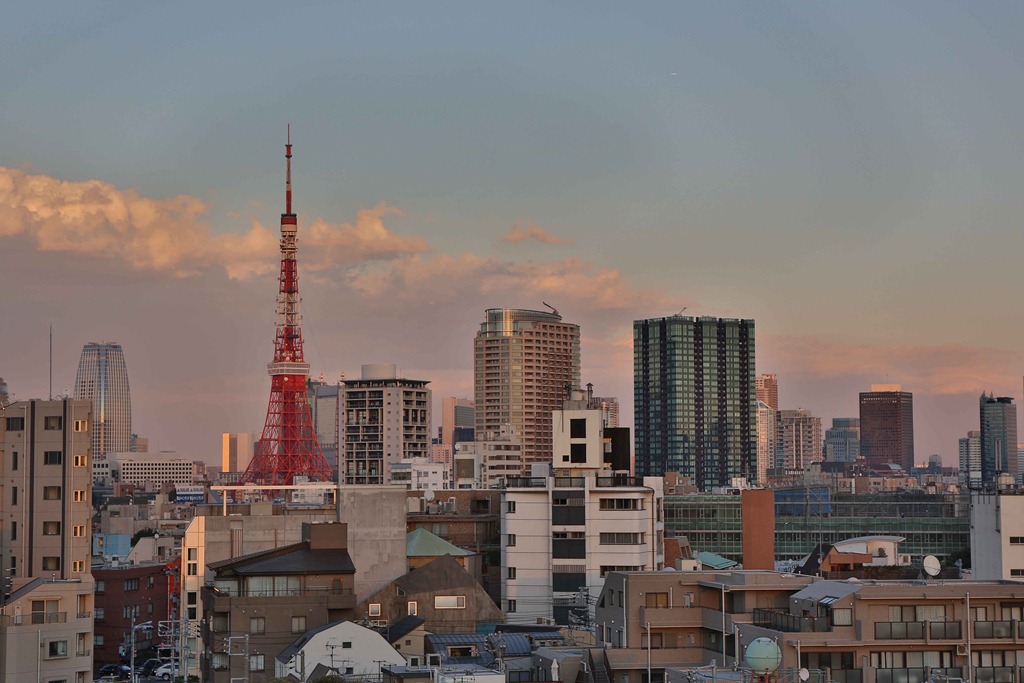
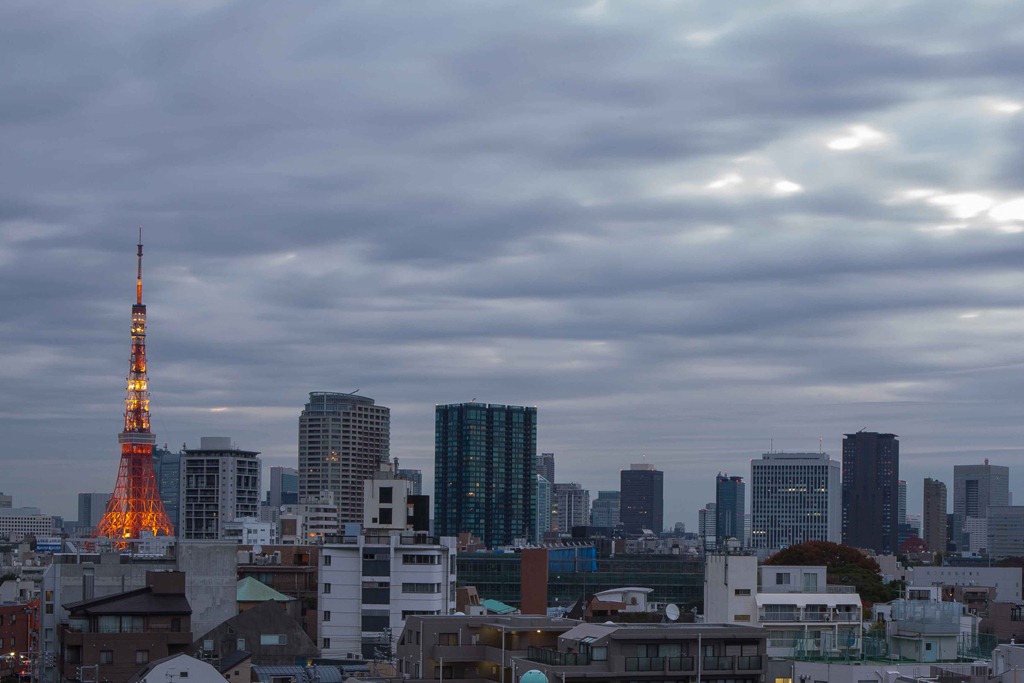
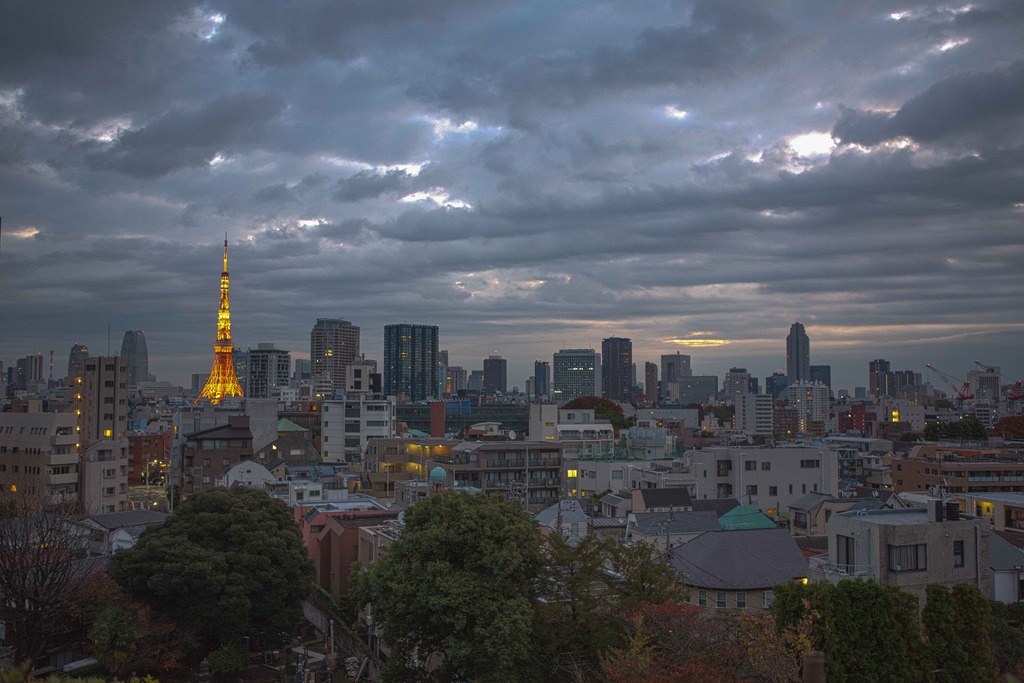
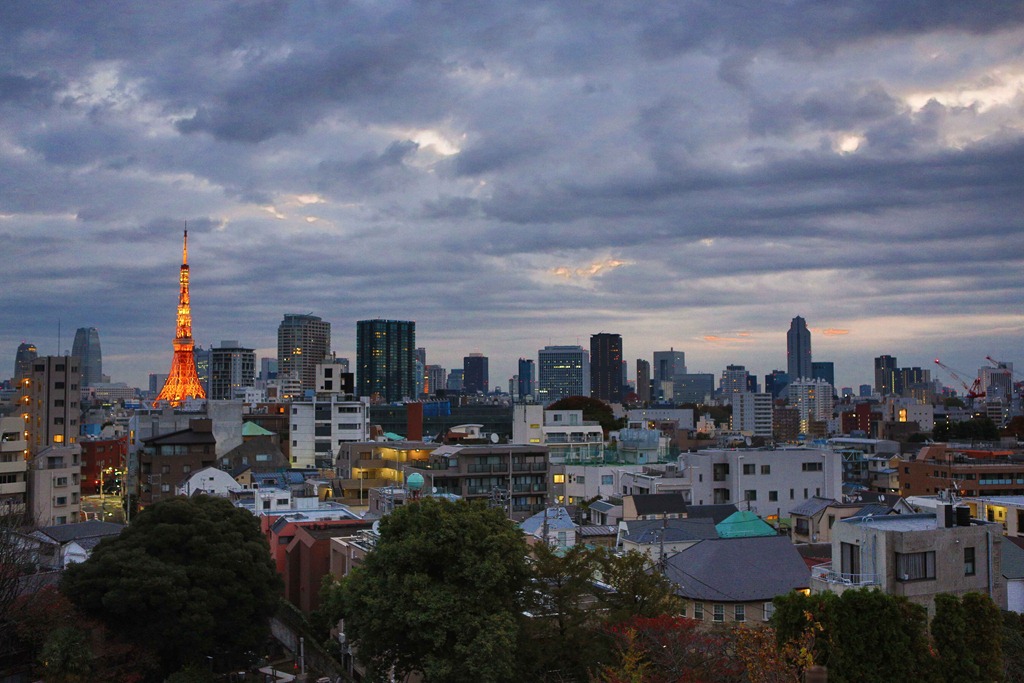
I have been “playing” around with the HDR on my 5D Mark III. I definitely do not like the embossed setting, but the “natural”, “vivid” and “artistic” settings are interesting. I am torn between “vivid” and “bold”. All were taken with a 2 second delay (to avoid shaking), resting on a railing (I really need to replace my tripod). I did not mirror-lock.

HDR natural. It looks a little washed out.

2012 12 08_-3

Artistic standard.

2012 12 08_-4

Artistic vivid

2012 12 08_-5

Artistic bold

2012 12 08_-6

A new set. HDR natural …

2012 12 08_-7

Artistic standard

2012 12 08_-8

Artistic vivid

2012 12 08_-9

And last, bold. I don’t like the bold.

2012 12 08_-10

It definitely gives some cool effects, without the protracted editing phase. I figured out how to turn off the setting which keeps all of the originals (as it shoots 3 shots) which were filling my camera quickly.

2012 12 07_-2

2012 12 07_

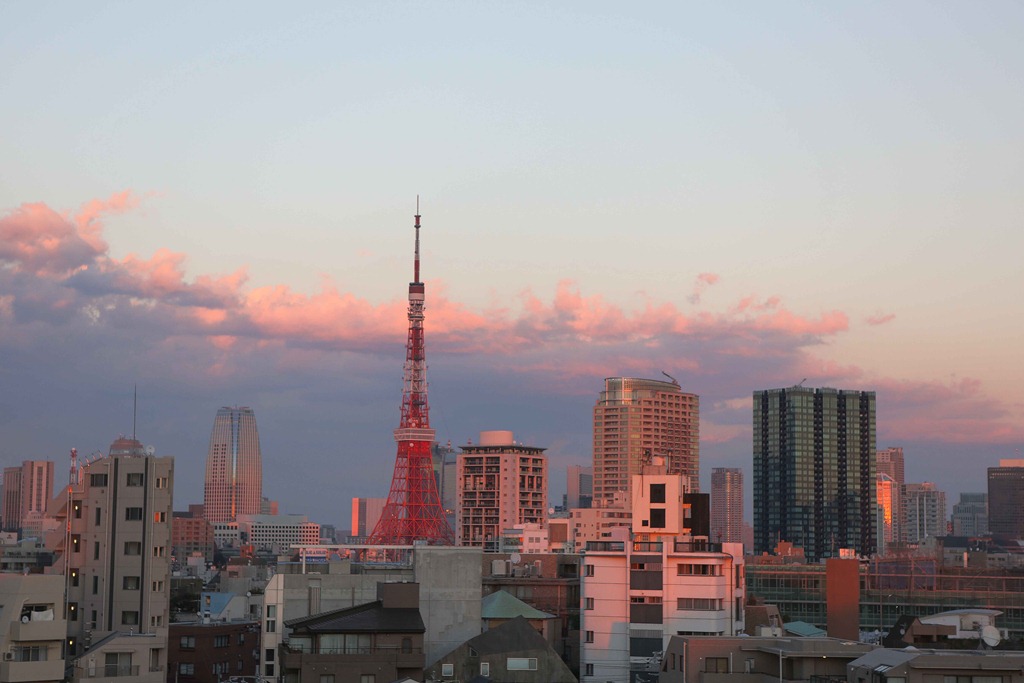
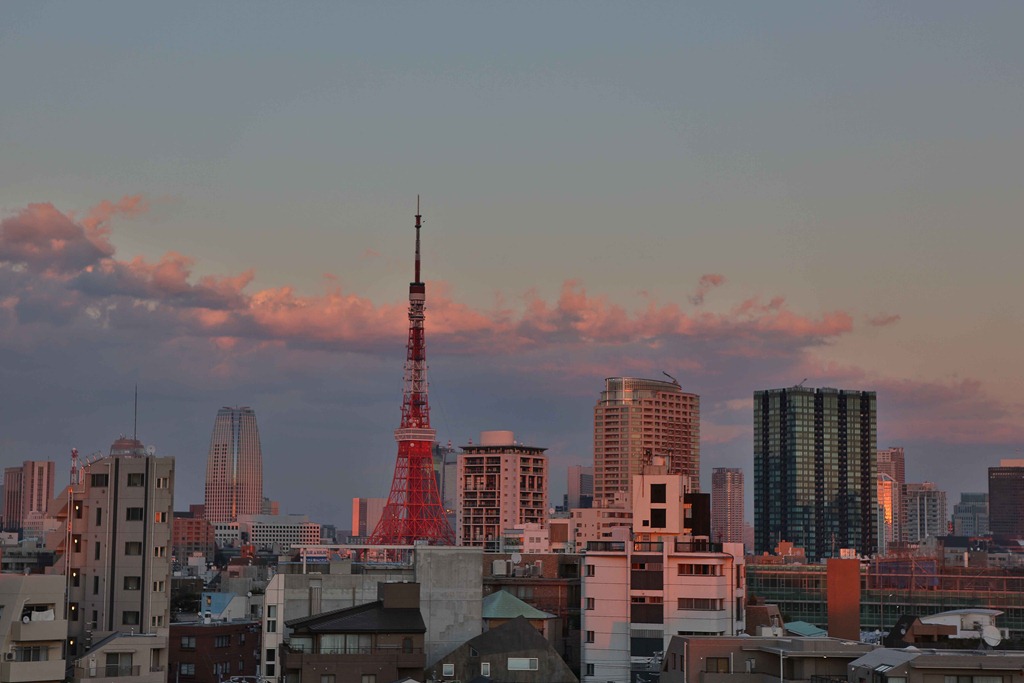
A few more. The sunrise.

2012 12 05_

2012 12 05_-2

The sunrise clouds ….

2012 12 07_-4

The pink in the clouds is from the sunset behind me.

2012 12 06_

One more test, of Roppongi Hills and the Mori Tower (I deleted the embossed). I like the 2nd photo the best but I did not record the setting (smile).

2012 12 04_-9

2012 12 04_-10

2012 12 04_-11

We have come a long way on the camera front. Now if they would just build in the GPS ….

SO WE HEADED TO THE MUSEUM

A few weekends ago I was reading through the Japan Times and found a write-up on the controversial exhibit at the Mori Art Museum at the top of my office building, the Mori Tower.

It so happened that the boys were on a school trip and I took a few days off to explore with Narda, so we put the exhibit of Makto Aida on our list and headed over for a Monday afternoon viewing. I love the entrance.

2012 11 19 Mori Tower_

2012 11 19 Mori Tower_-12

This ends the photos as it is a museum, and photography is not allowed. I will admit that I was drawn to Aida’s work due to the write-up which suggested he was unique, contentious and an adventurer. His work spanned traditional pieces such as his Roman bust charcoal that is breathtaking and “traditional” – it must have been 10’ high and was a testament to his underlying skill as an artist – significant.

For the art explorer, you will not be disappointed by the breadth of art – using all kinds of mediums – video, photographs, repurposed newspaper and brochures and on and on. It was fun to explore and of course I loved his rather twisted pieces such as the salary man mountain (read about it in the article). I thoroughly enjoyed 95% of the exhibit and enjoyed his talent, even though I found the room by room narrative where he explained his “motivations/inspirations” filled with the usual artist pretentiousness.

But I was also disappointed. In the “you must be 18” area it is filled with rather disturbing images, the worst being a pornographic, intensely offensive, graphic and perverse anti-American manga around WWII, Okinawa and rape.

I get the shock factor and testing the limits, but some things just do not need to be displayed and “in the name of my art” has limits. This Canadian left disgusted and of the opinion that Aida should be ashamed of himself.

TOKYO VIEW

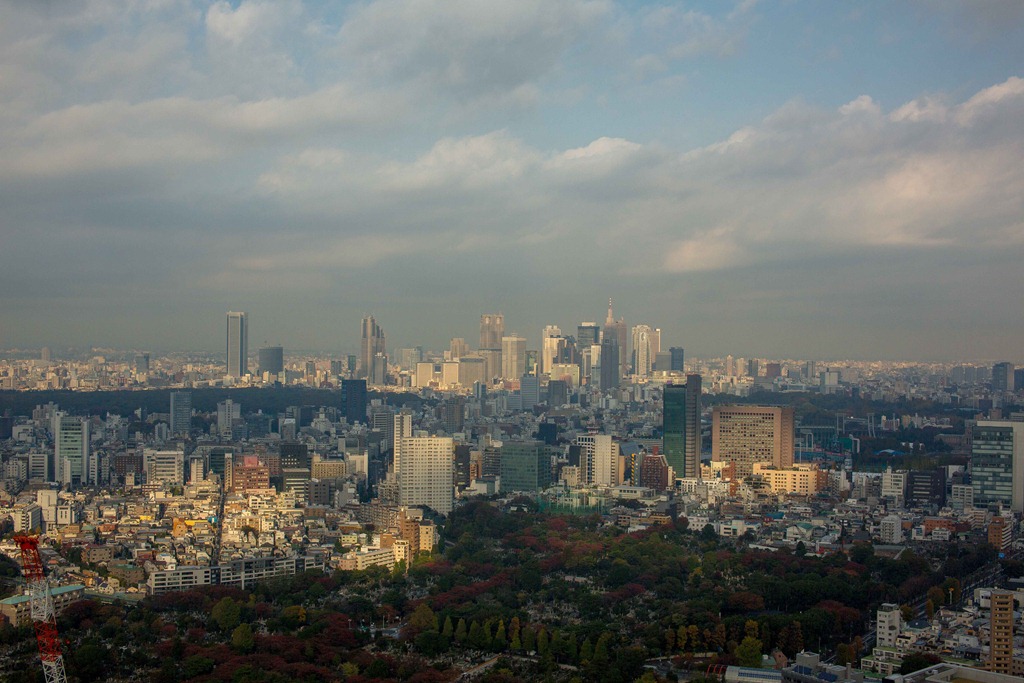
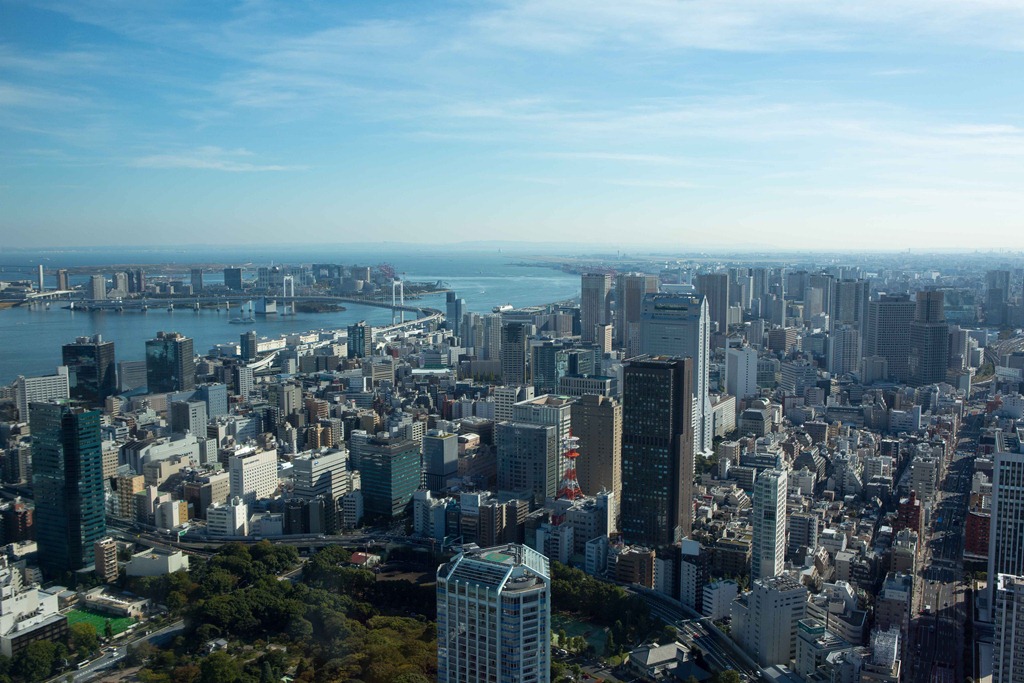
I have the good fortune to have a nice view of Tokyo from our apartment and from my office. A few photos from the office in the Mori Tower, Roppongi.

2012 11 13 Tokyo_

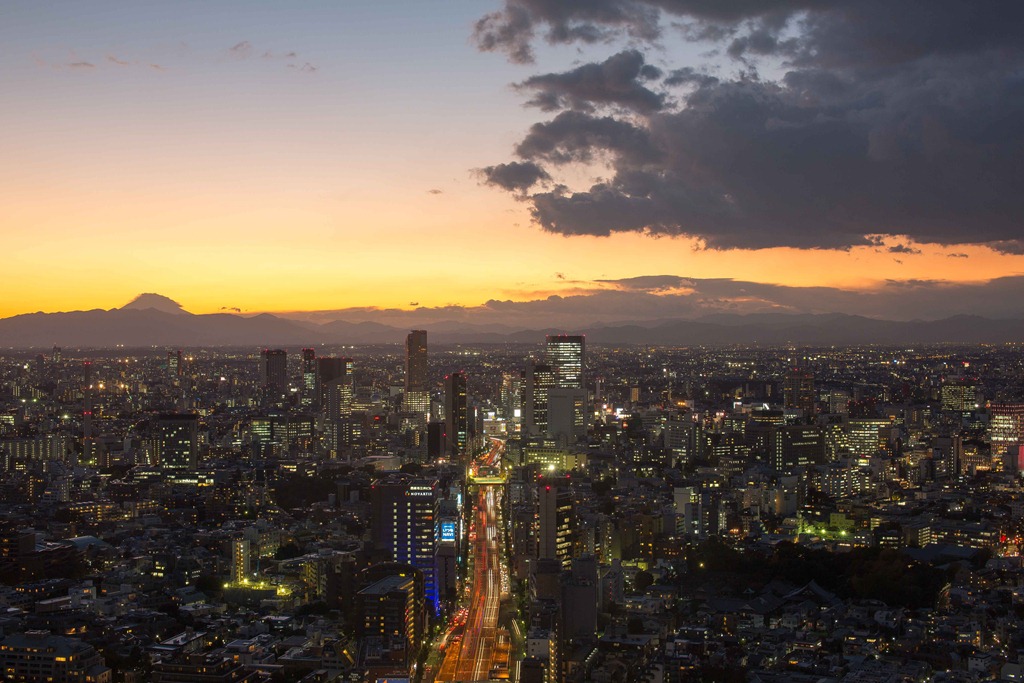
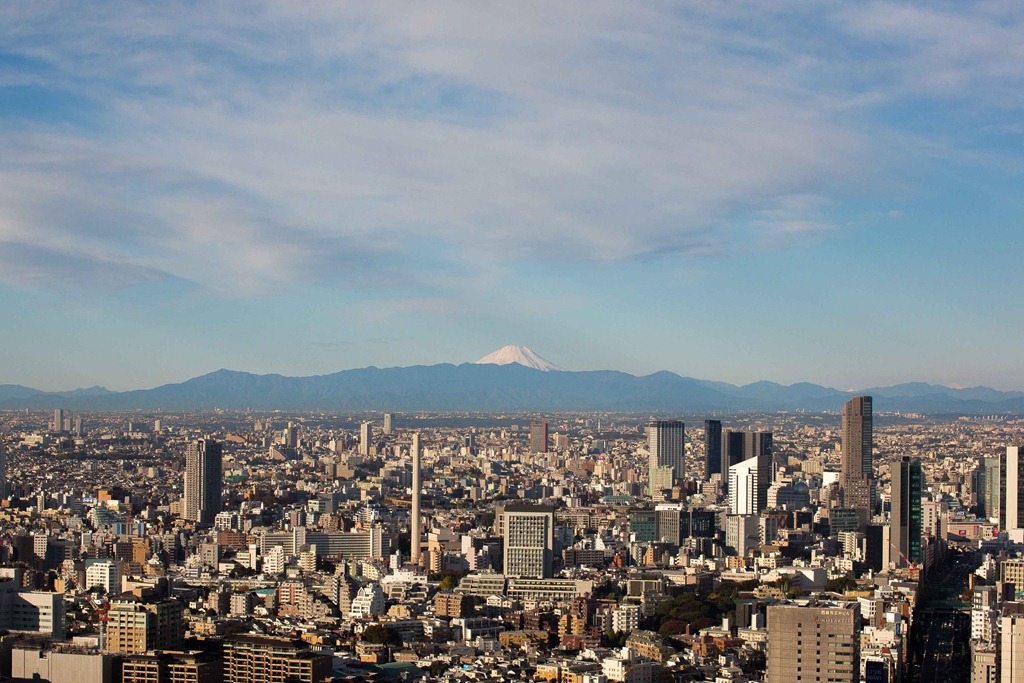
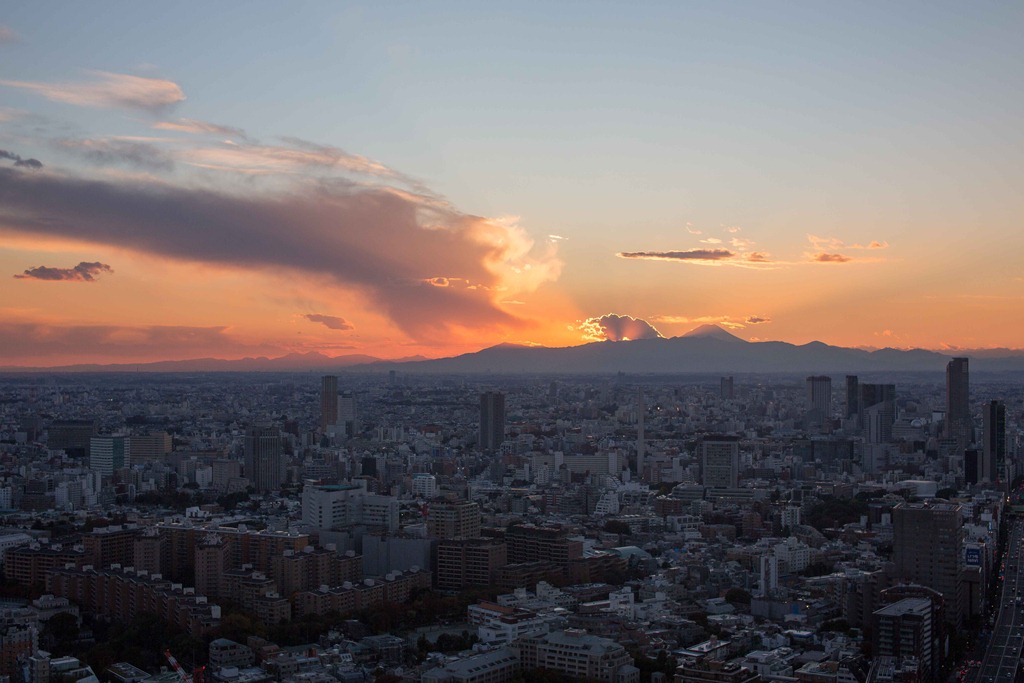
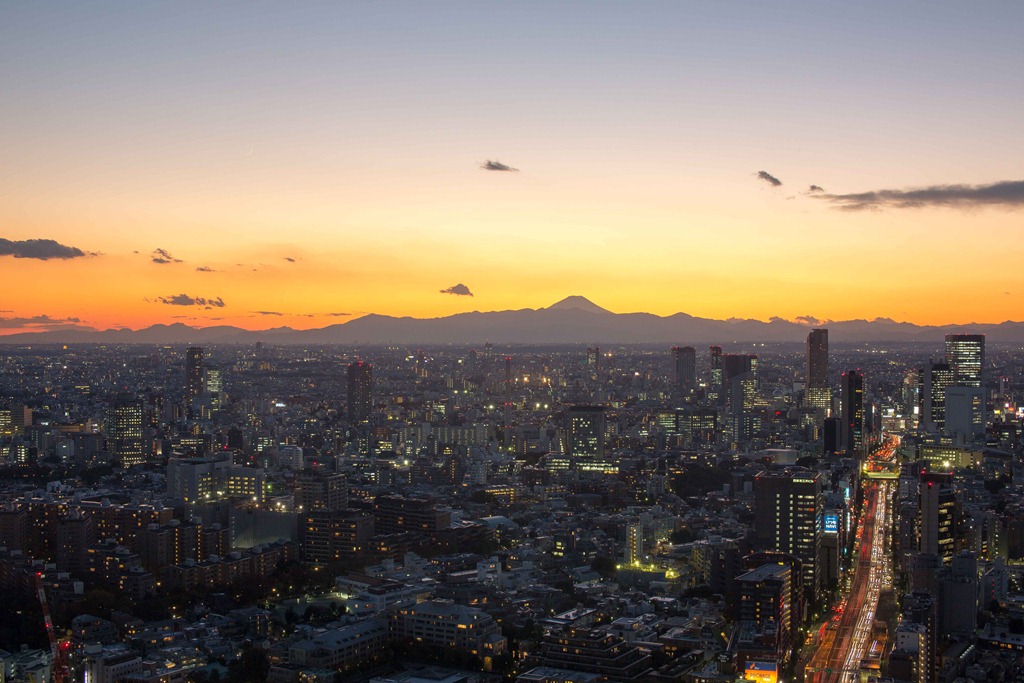
Looking toward Mt. Fuji at different times of the day. I am glad I do not have an office with a window, as I would find it hard to not stare out the window for hours on end (Fuji-san is the bump on the left overlooking the city)

2012 11 14_-7

2012 11 14_-13

Or in this case, the “bump” in the middle.

2012 11 15_-26

2012 11 15_-29

2012 11 15_-41

A JAPANESE PROTEST

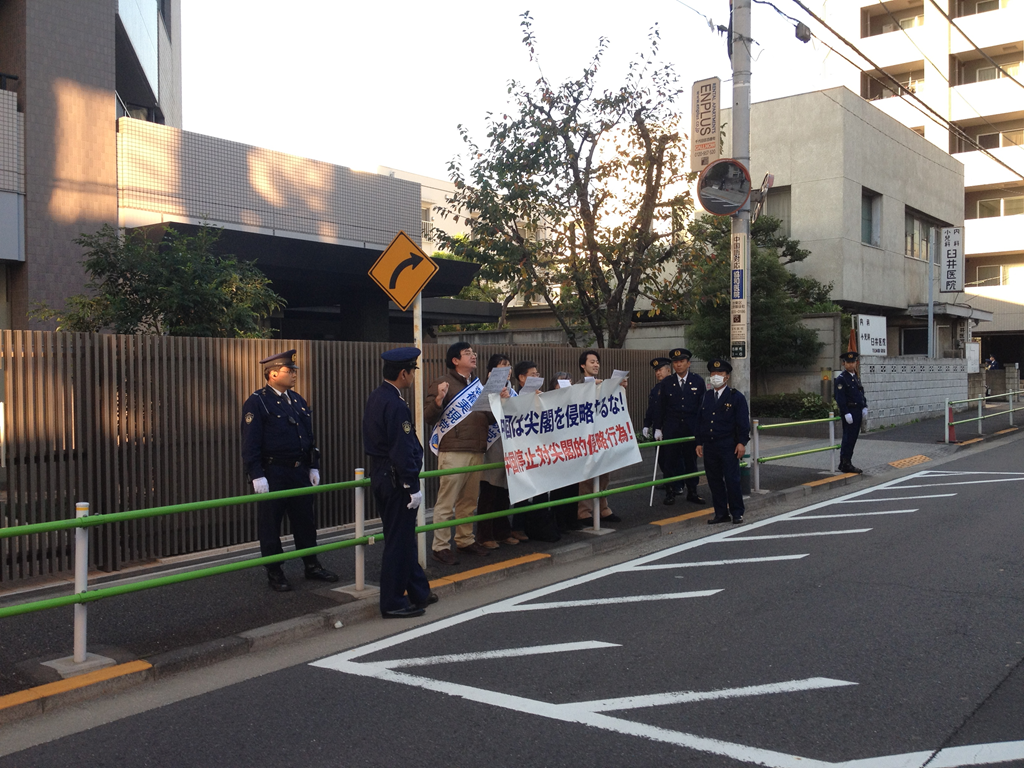
I walk past the Chinese embassy on the way to to work and it is always guarded by 4 or 5 permanently stationed police officers.

The other day I had to run to a meeting and was walking by just as a protest began. It made me smile, as it was “very Japanese”. Here were the steps in the protest:

1. Protesters lined up in an orderly manner with a number of police officers beside them on a side street so they would not disrupt traffic. One police officer had a flag. To be that well organized, they must have called ahead as there were police everywhere.

2. At the appointed moment the “protesters” march in single file to an appointed spot.

3. Protesters unfurl their banner, with one of the ends dropping and a police officer rushing to help the protester and get the banner properly displayed.

image

4. Protesters line up behind the fence and banner with lead protester reading out some statements and stopping for the other protestors to raise their fists in unison and yell something. Repeat.

image

I wish I would have had my camera … and count the police to protestor ratio (smile). There were another 10 police officers on the other side of the street.

AROUND

I carried my camera with me to work the other day/week. It is interesting how you start noticing things differently when you have your camera in your hand. A few photos from the “walks to work”

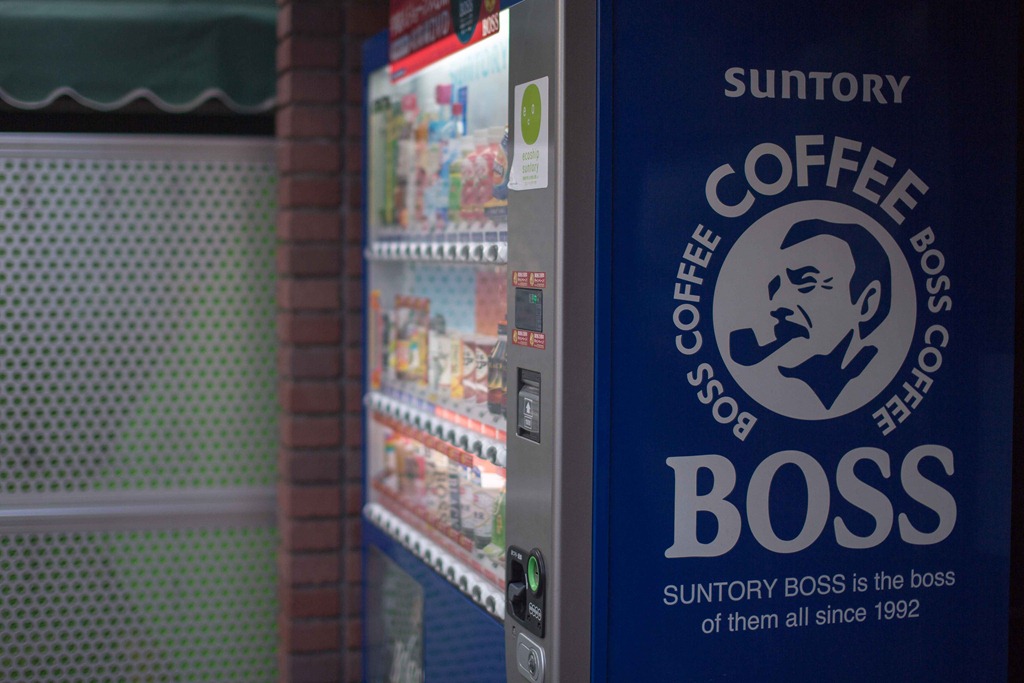
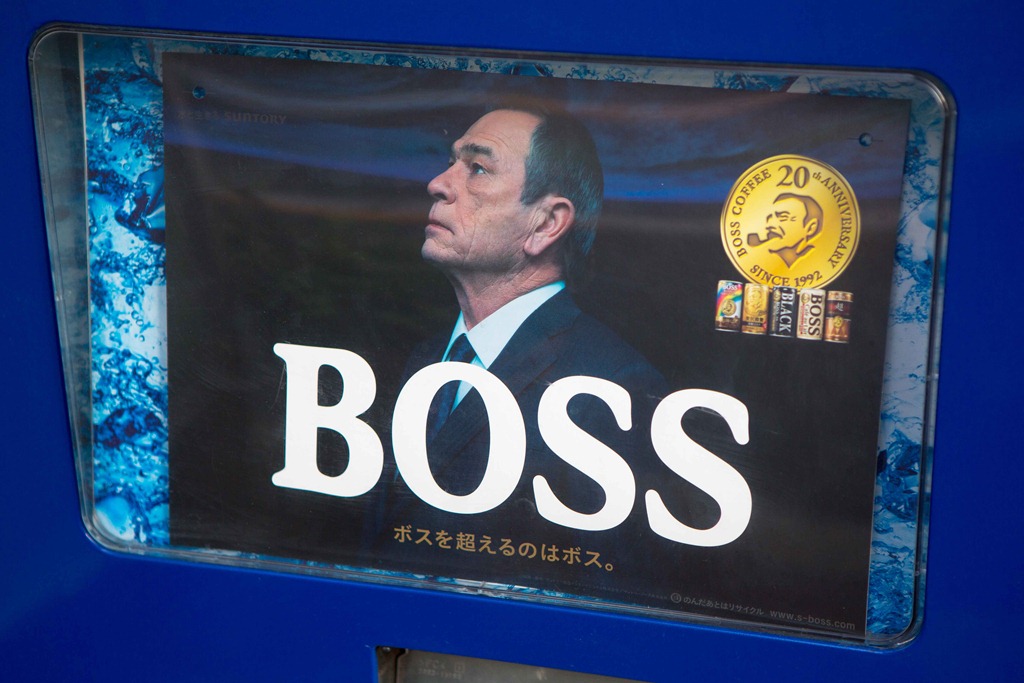
I wonder who is the boss?

2012 11 15_-10

Of course.

2012 11 19_-47

Is it the right name if the courts are clay?

2012 11 15_-7

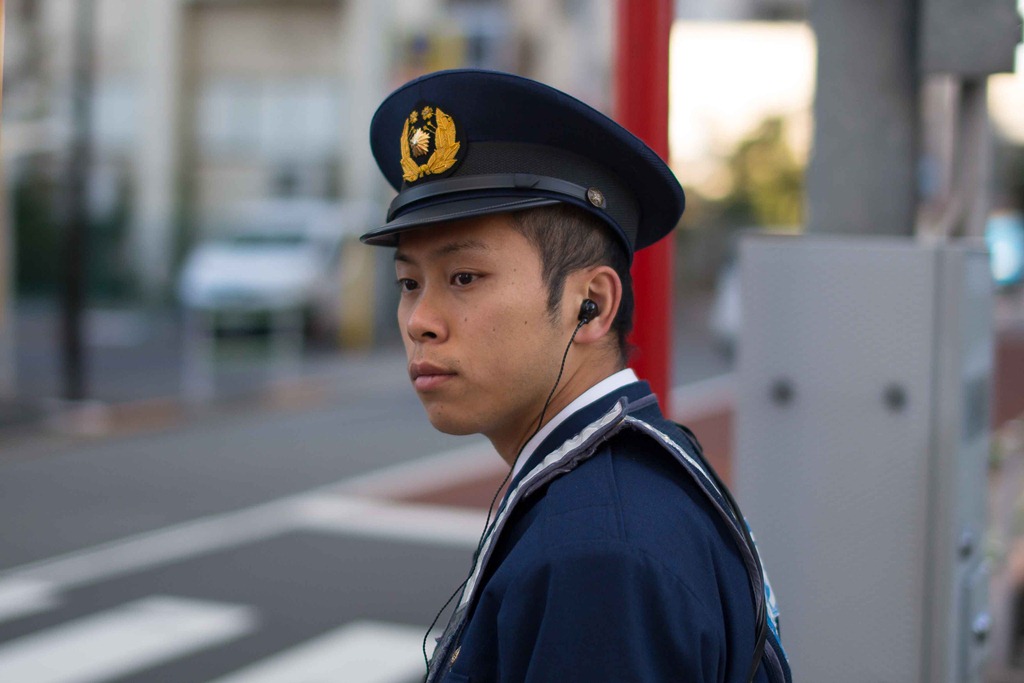
I walk past the Chinese embassy. There are always lots of policemen.

2012 11 15_-8

I also walk past the firehouse. Like firemen everywhere, they spend a lot of time cleaning their trucks till they shine.

2012 11 15_-13

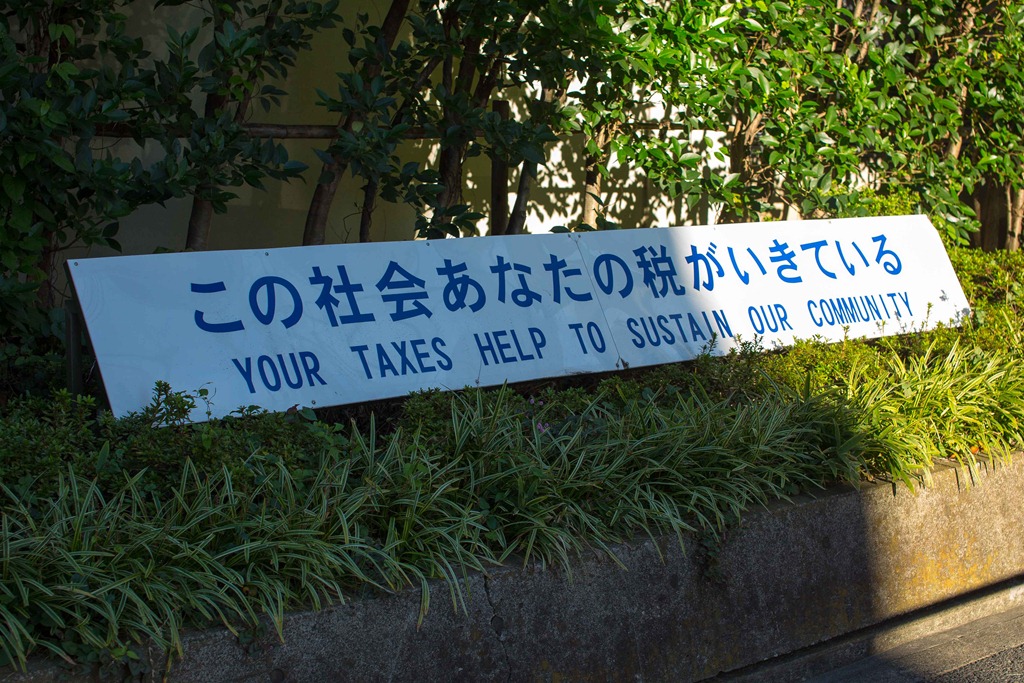
This sign caught my attention; a universal government slogan worldwide I would wager.

2012 11 15_-15

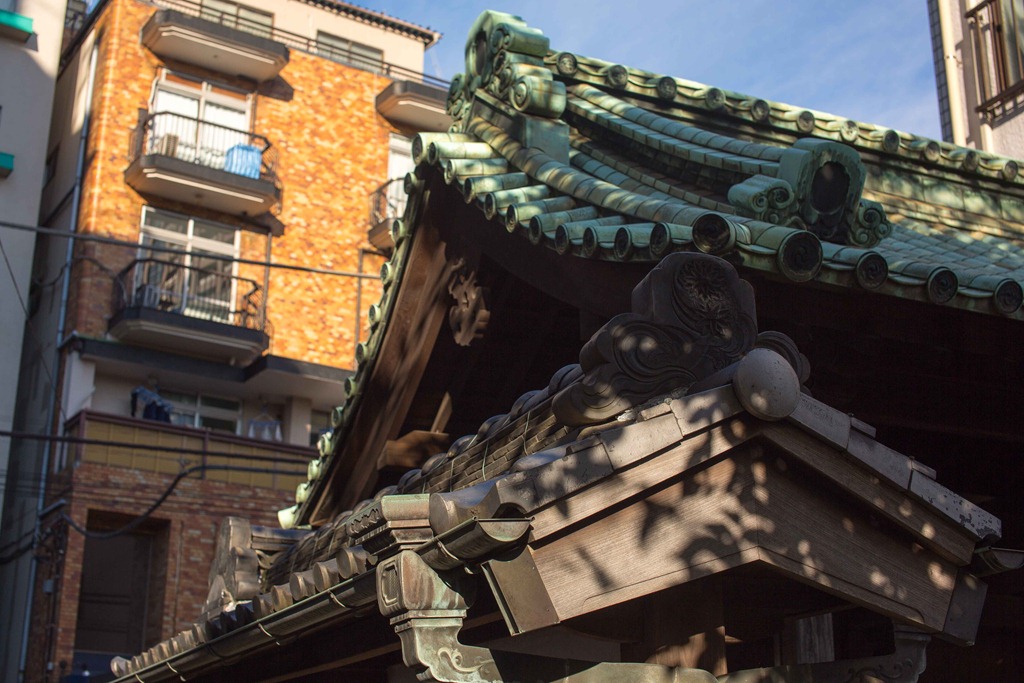
There are a lot of shrines in Tokyo. Around every bend and corner. I liked the way the sun caught the roof.

2012 11 15_-22

I think they left the “s” off this sign. Or perhaps they have great toast ….

2012 11 15_-42

And I took a photo of these “enslaved” traffic cones as a tribute to this posting.

2012 11 15_-16

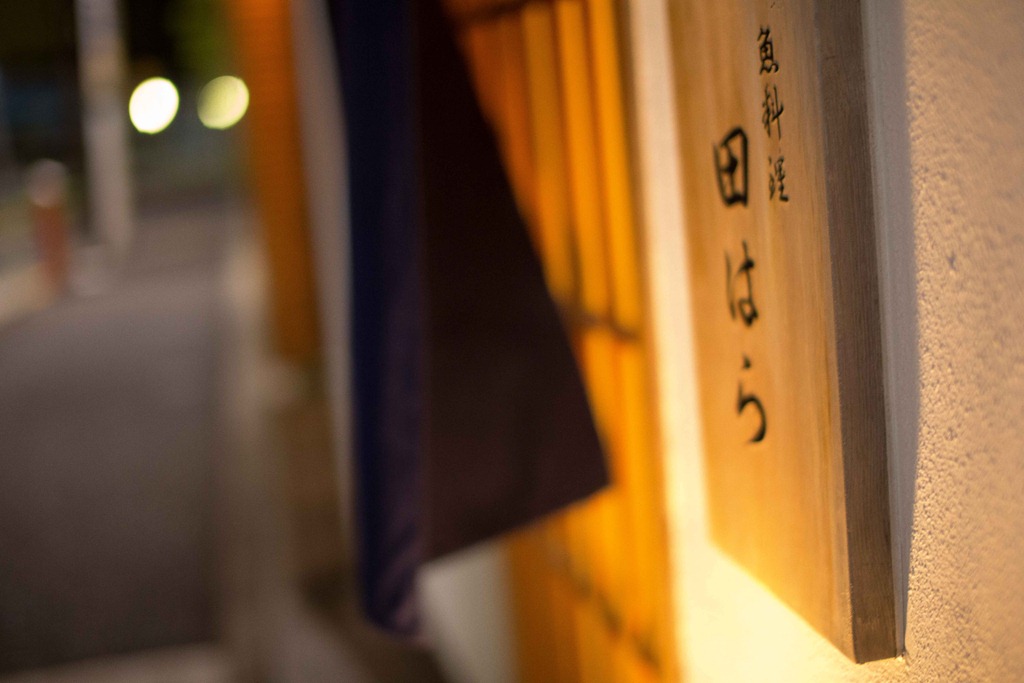
Many Japanese restaurants have banners hanging in front of the doors. I am sure they have some writing of welcome or good luck on them, but I was simply caught by the way these flowed in the evening wind.

2012 11 15_-44

My destination ….

2012 11 15_-9

TOKYO TOWER: THE FIRST DECK (PART II)

The Tokyo Tower is a 2 step process. You pay to get to the first observation deck and then you pay to go to the 2nd level (and take a number which tells you when you are allowed on the elevator).

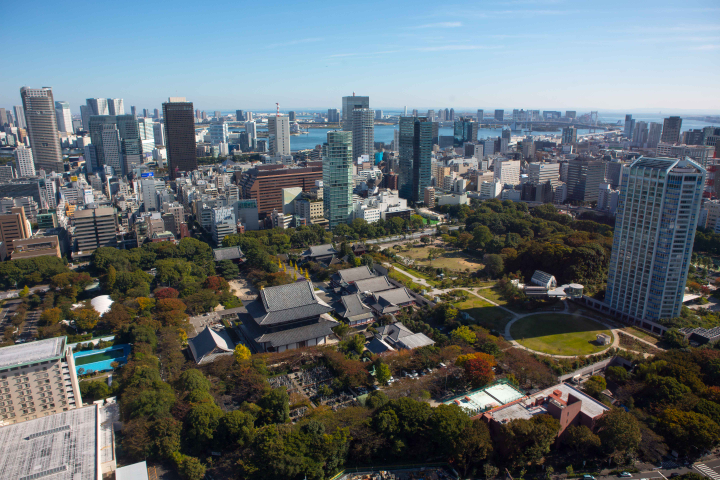
The view from the first deck ….

image

image

I love the way that shrines are scattered everywhere in Tokyo. In this case, between big buildings …

image

Mt Fuji in the distance.  Our house is on the left …

image

image

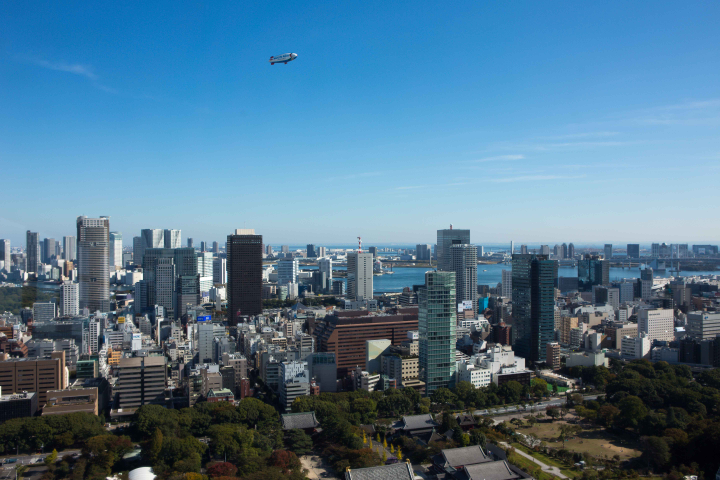
The harbour.

image

image

Hello MetLife blimp.

image

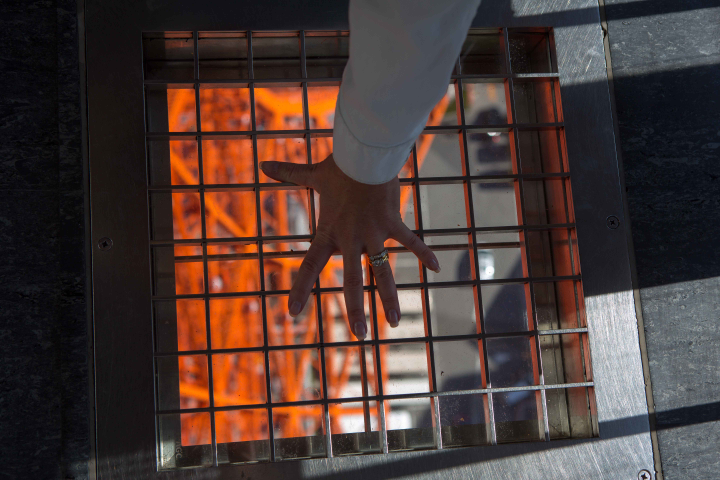
The glass floor. Every tourist must take a shot ….

image

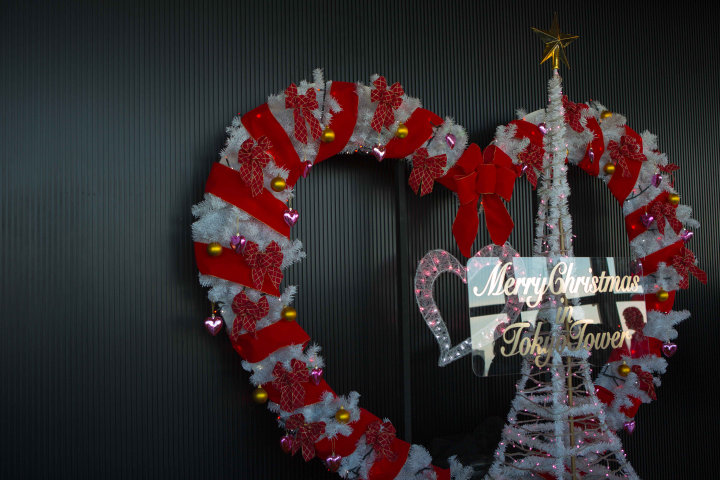
I found this odd. Merry Christmas seems out of place here.

image

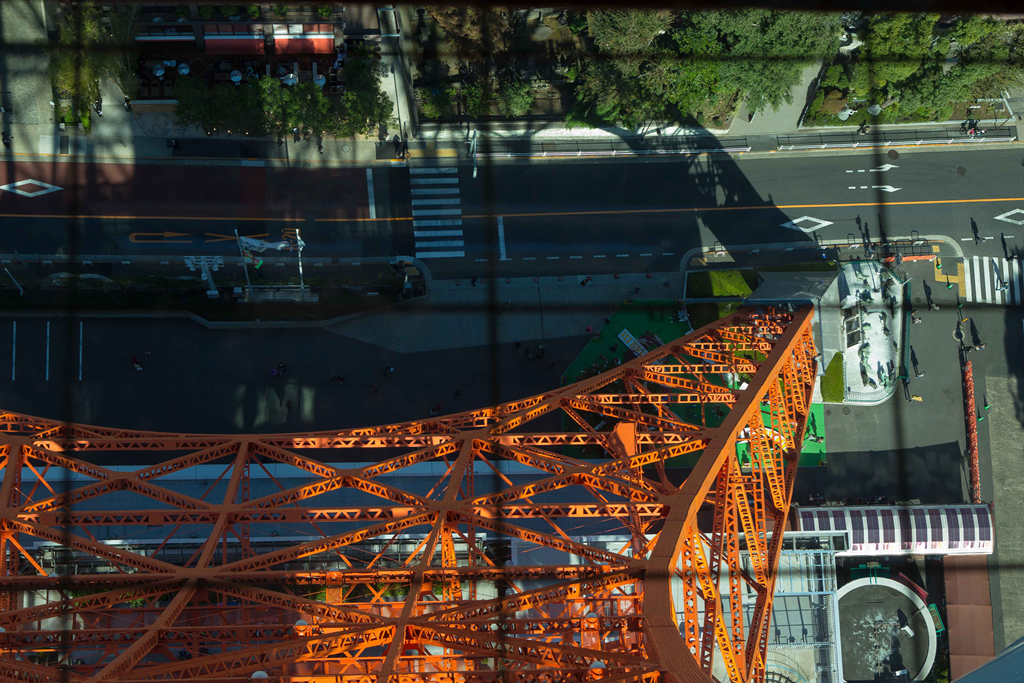
One more shot through a bigger glass viewing plate.

image

TOKYO TOWER PART 1

I have taken a lot of photos of the Tokyo Tower and the skyline since we moved here. A few weekends ago we went to the tower to enjoy the view.

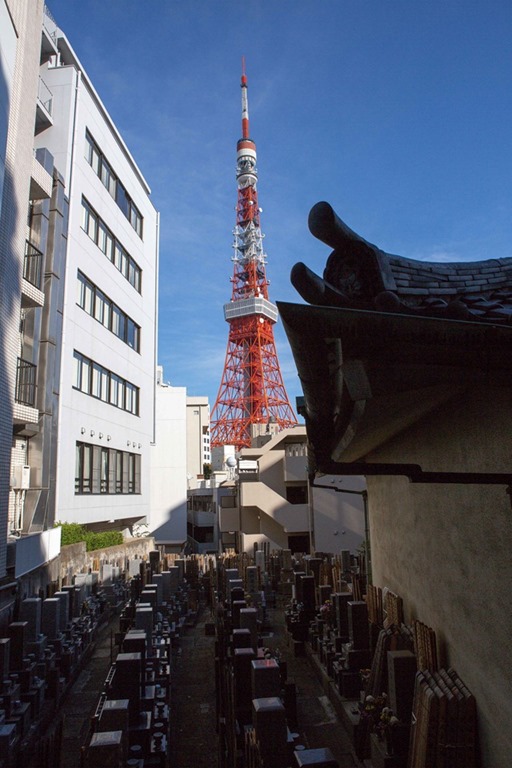
We walked from the Tokyo American Club to the tower, with a few cool views. The tower through a shrine cemetery.

2012 11 04 Tokyo Tower _-7

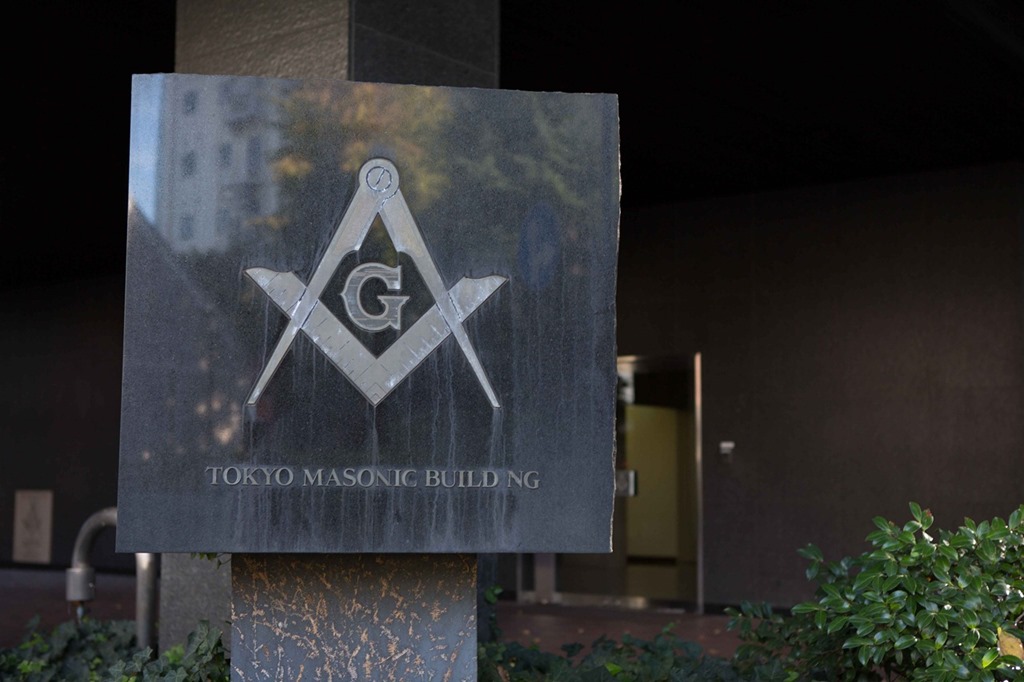
I passed this building on the way there. The Masons are everywhere … they control everything … (smile).

2012 11 04 Tokyo Tower _-67

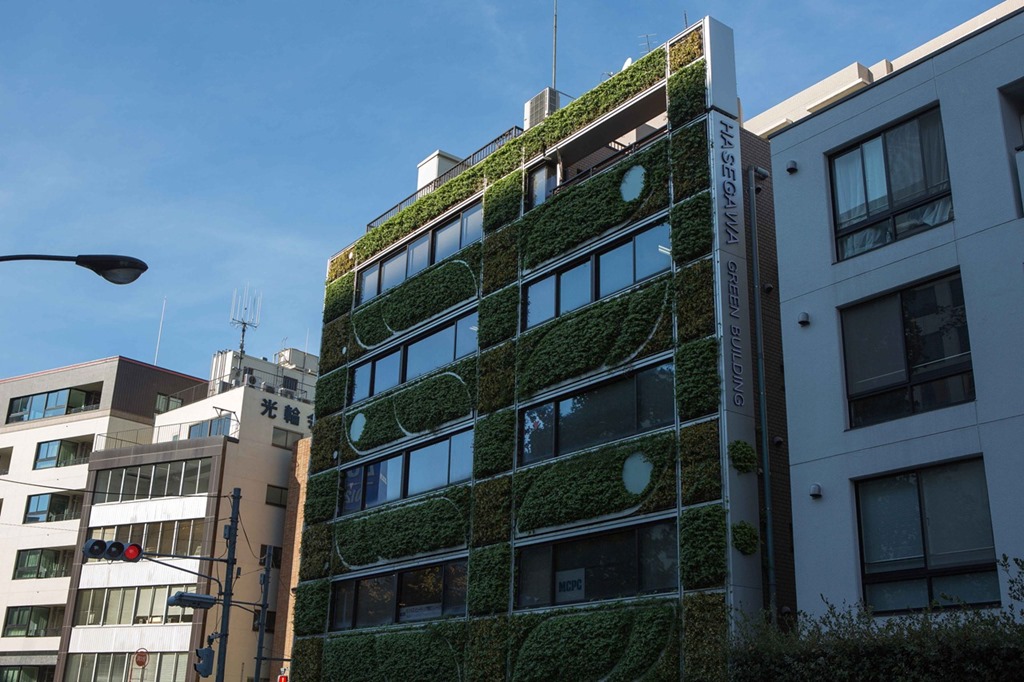
The Hasegawa “Green” building. A very green building.

2012 11 04 Tokyo Tower _-66

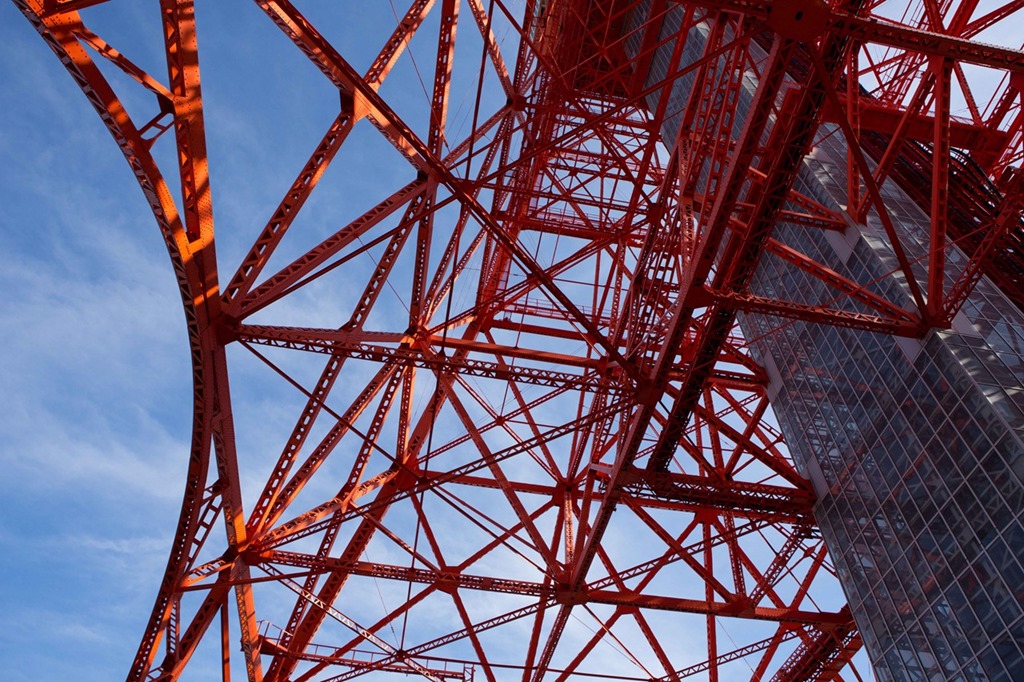
And standing at the bottom. We were on our way to that top white circle. No clouds in the sky, great view.

2012 11 04 Tokyo Tower _-63

2012 11 04 Tokyo Tower _-62

KEVIN STADLER

I had the good fortune to sit next to Kevin Stadler on the plane home from the US on the weekend. Super nice fellow on his way to a tournament that his Dad used to play in Japan.

As I don’t really follow golf, it took me a moment to figure out that his Dad was Craig Stadler. I said “Tell your Dad that I think his golf book is one of the best I have read”. He laughed and said “I didn’t even know he had written a golf book”.

I was with a super talented photographer colleague/friend on the red-eye and just had to grab a photo. Haneda airport, 5am-ish Sunday morning. He was very happy to take the shot with his new Leica M Monochrom that he is oh so fond of. Now if he had only told me to comb my hair … (smile). Check out his Shoottokyo site for some eye popping shots.

image

Best of fortune to him. Super nice fellow.

THE GARBAGE


In Canada it is progressive when a city incorporates composting. There is still a large debate on the economics of recycling beyond the most basic in a resource rich country.

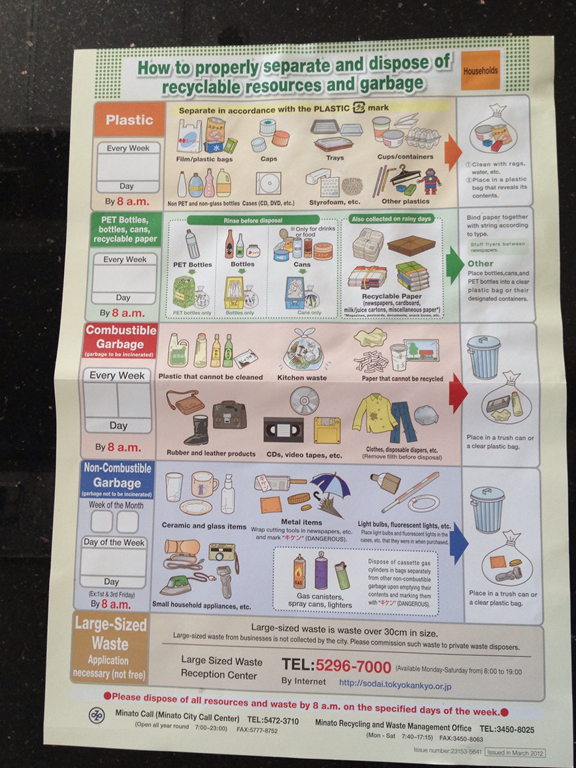
In Japan, they take garbage sorting and distribution very seriously, as you would expect as the country is land and resource constrained. But for a newcomer, the garbage system can be quite daunting. We had to cut this out and put “cheat sheets” on each of the 4 different bins that we have in the apartment.

image

And to be clear, make a mistake and you could face a fine. This is serious stuff and required many re-reads before we got it right (smile). At least it is in English.

Candidly, I admire them and am glad to do my part. Canada should do a lot more of this.

A PROGRESSIVE NO-SMOKING LAW


In the paper this weekend they had details of Minato’s new smoking laws (Minato is a prefecture of Tokyo). You can not:

  • Smoke in a building
  • Smoke outside while walking, sitting or otherwise

I had not noticed that no one was walking down the streets smoking. After reading about the local law I began to notice that I did not see anyone smoking in the area.

Fine by me.

WALKING TO WORK


A few things I noticed:

  • A billboard for a new band called “One Sexy Zone” and the launch of their first album. I found the name odd.
  • It is November 1st and it will be 21 degrees in Tokyo. Yesterday a colleague said to me “So how do you like the Japanese winter, cold isn’t it?”. I had a tough time answering as I could not stop laughing. It is November. I am walking to work without a jacket … awesome.
  • In the US and Canada the east coast is deep into trick or treating. In Japan, people are heading to work. I walked into the Starbucks as it opened this morning (don’t ask about my Jura) and what did I hear? Christmas music. I … kid … you .. not. The only good thing? It was the album that took over the number 1 spot on my holiday music list last year. Zooey has an amazing voice. This year we will be spending Christmas on Hamilton Island next to the great barrier reef, so I will need to crack out the holiday music earlier this year.

A Very She & Him Christmas

LUNCH AT GINZA


After moving around the different food halls we decided to buy lunch and head to one of the rooftops. As you can imagine, there was wide choice.

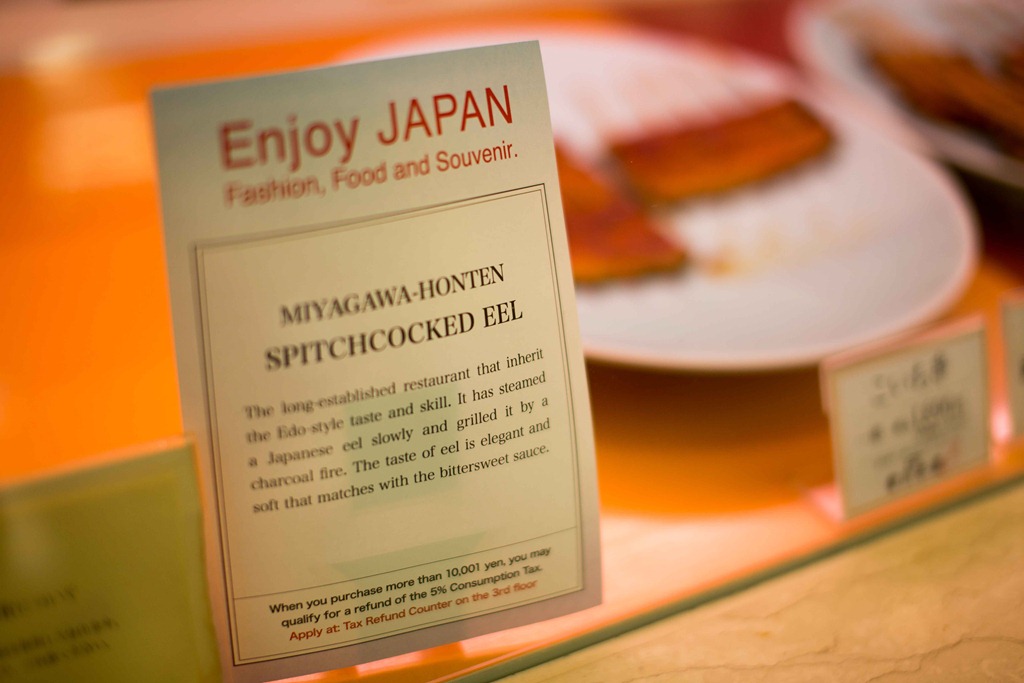
I love eel. This eel is cooked right in front of you, in a small kitchen over a charcoal stove.

2012 10 14 Ginza foodhall_-69

Pricey but delicious.

2012 10 14 Ginza foodhall_-70

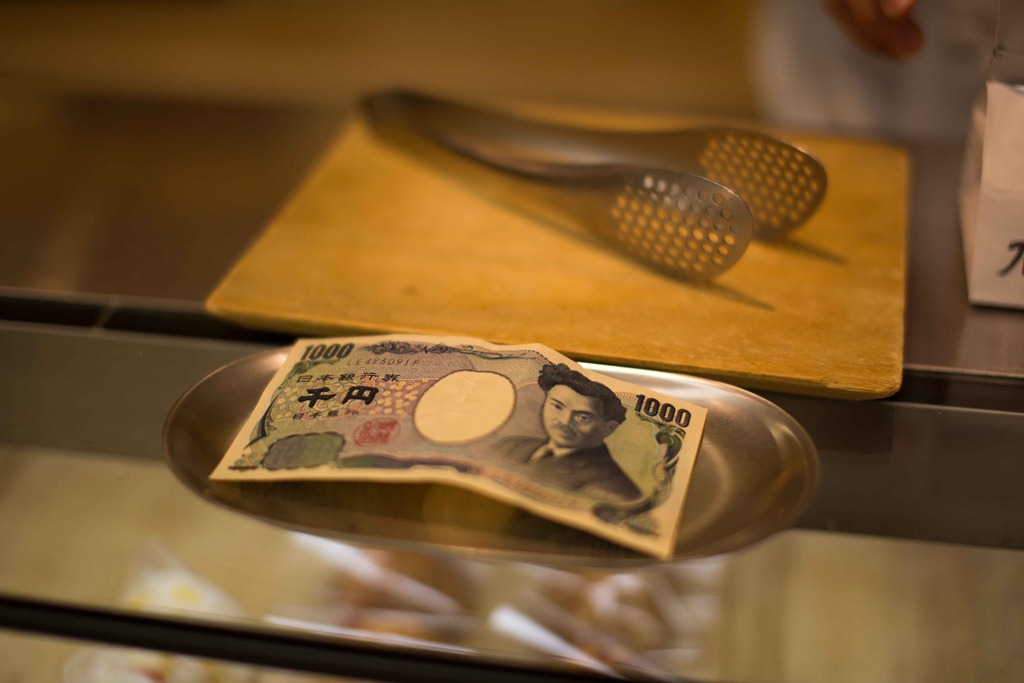
I also decided on sushi. I find the Japanese tradition of asking you to put your money or credit card in a tray (instead of handing it to the clerk) interesting.

2012 10 14 Ginza foodhall_-73

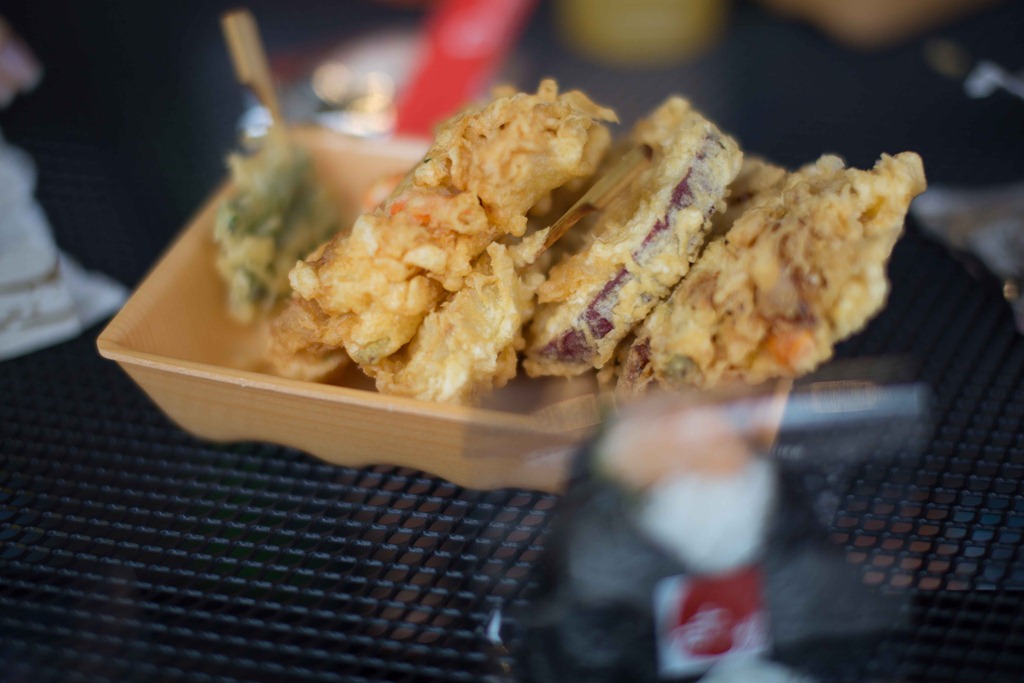
The tempura was a disappointing choice. I think that it needs to come straight out of the deep fryer and onto your plate, when it is cold it isn’t as good.

2012 10 14 Ginza foodhall_-79

As you would expect, the rooftop dining area is a nice open space with a shrine.

2012 10 14 Ginza foodhall_-85

A serene escape in the heart of the city. As I understand it, most of the large departments stores have this open area .. just go to the top.

2012 10 14 Ginza foodhall_-83

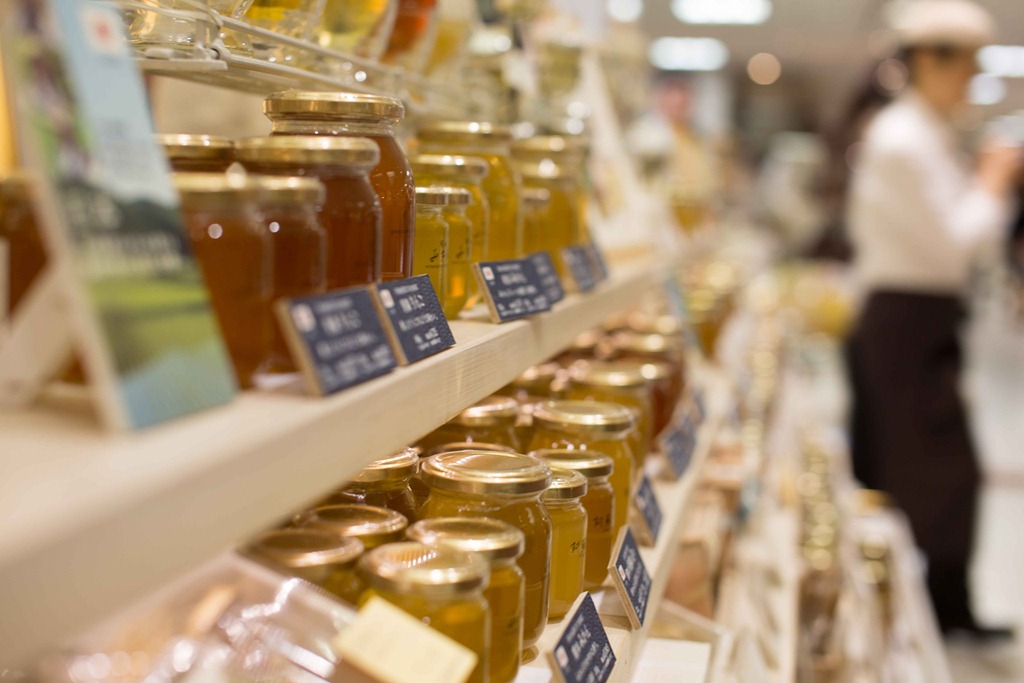
We then popped downstairs to buy a few things for home, starting with honey. More honey types than you can imagine.

2012 10 14 Ginza foodhall_-87

A few sweets.

2012 10 14 Ginza foodhall_-88

2012 10 14 Ginza foodhall_-90

And a fantastic rice drink in a host of flavours which is supposed to be good for digestion. I bought a few, with the ginger being my favourite.

2012 10 14 Ginza foodhall_-95

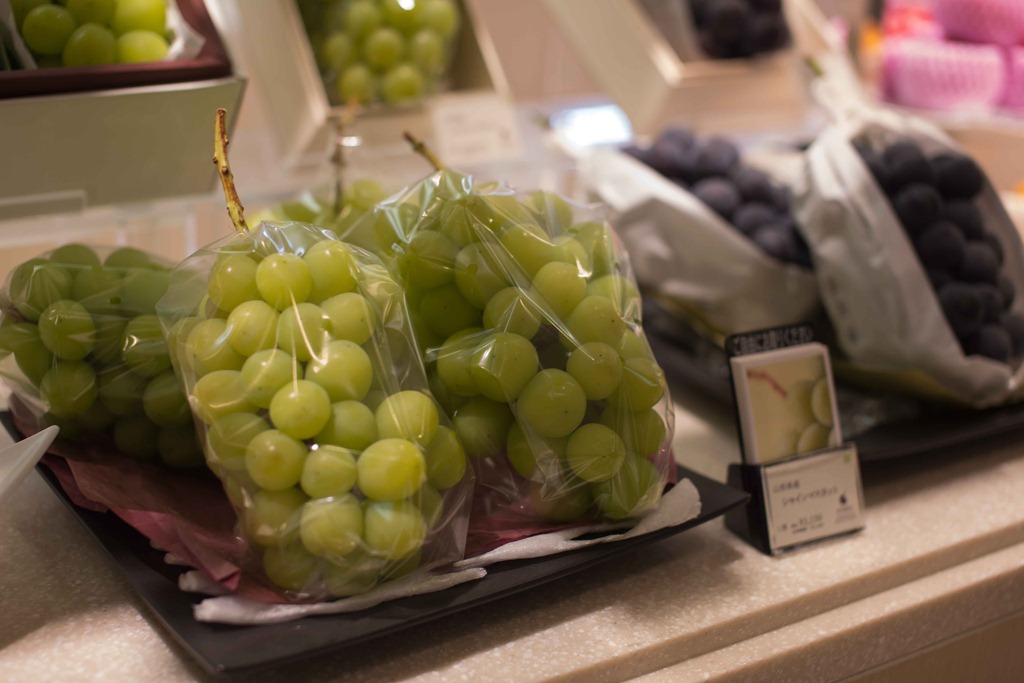
And I finally figured out what a $20 bag of grapes is for – a hostess/host gift when you go to someone’s house.

2012 10 14 Ginza foodhall_-96

THE FOOD OF GINZA


We still have not gotten out as much as we would like in Japan, primarily due to a few things that have take us sideways – but we are getting there. A few weeks ago we headed to the Ginza area.

Ginza is named after the silvercoin mint established there in 1612 during the Edo period.

After the Tsukiji area burnt to the ground in 1872, the Meiji government designated the Ginza area as model of modernisation. The government planned the construction of fireproof brick buildings, and larger, better streets connecting the Shimbashi Station and the foreign concession in Tsukiji, as well as to important government buildings. Designs for the area were provided by the Irish-born architect Thomas Waters; the Bureau of Construction of the Ministry of Finance was in charge of construction. In the following year, a Western-style shopping promenade on the street from the Shinbashi bridge to the Kyōbashi bridge in the southwestern part of Chūō with two- and three-story Georgian brick buildings was completed.

“Bricktown” buildings were initially offered for sale, later they were leased, but the high rent meant that many remained unoccupied. Nevertheless, the area flourished as a symbol of “civilisation and enlightenment”, thanks to the presence of newspapers and magazine companies, who led the trends of the day. The area was also known for its window displays, an example of modern marketing techniques.

Most of these European-style buildings disappeared, but some older buildings still remain, most famously the Wakō building with the now-iconic Hattori Clock Tower. The building and clock tower were originally built by Kintarō Hattori, the founder of Seiko.

Its recent history has seen it as a promiment outpost of western luxury shops. Ginza is a popular destination on weekends, when the main north-south artery is closed to traffic. The traffic blockade began in the 1960s under governor Ryokichi Minobe.

On this trip we didn’t surface and it will require a return trip to see a few of the other sites. This trip was about exploring the underground network and the food halls. Below the huge departments stores (in the basement levels) are these amazing food halls filled with delicacies and unique foods. We were not disappointed.

The entrance to one of the stores.

2012 10 14 Ginza foodhall_-62

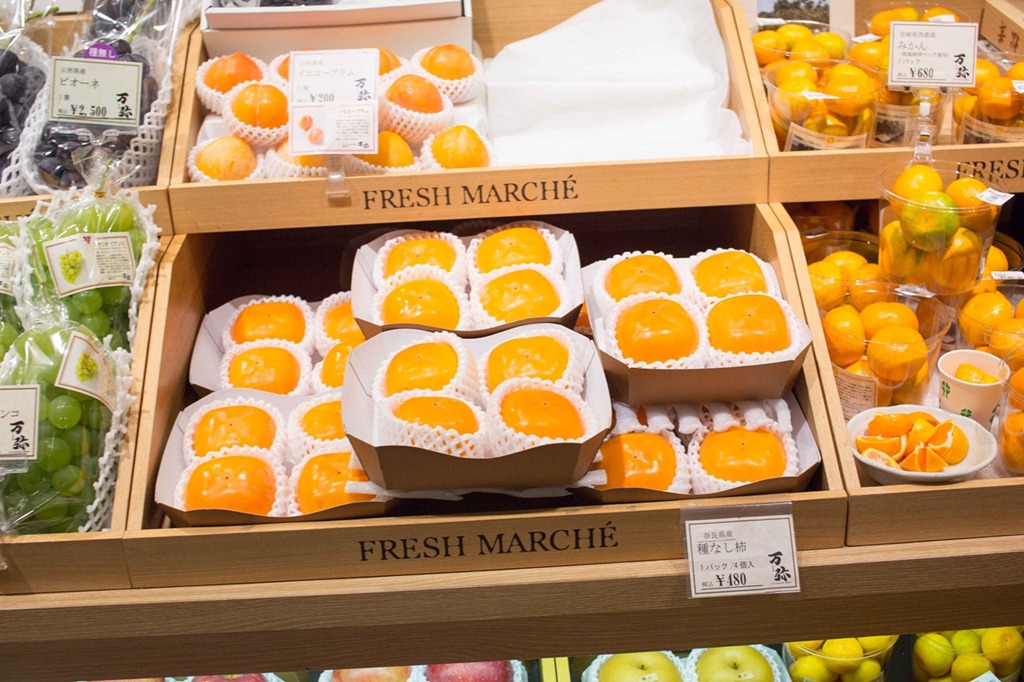
There is a reason why they individually wrap much of the fruit in Japan. In this case 480JPY per piece ($6 per).

2012 10 14 Ginza foodhall_-58

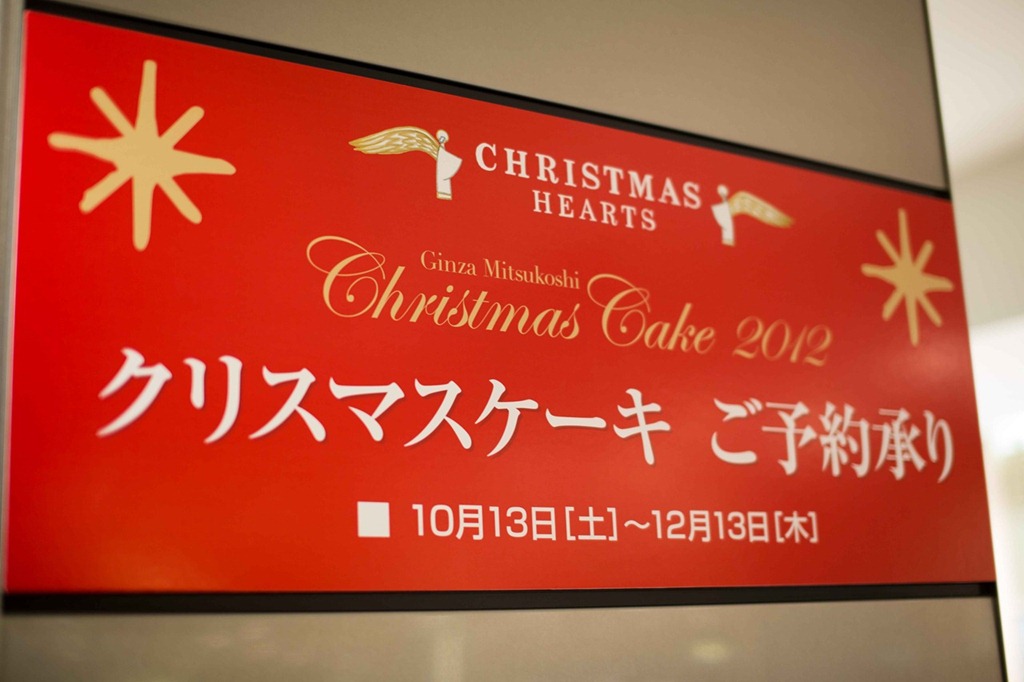
Of course, like everyone, middle of October and the Christmas signs are starting to show up.

2012 10 14 Ginza foodhall_-59

A few delicacies.

2012 10 14 Ginza foodhall_-61

2012 10 14 Ginza foodhall_-63

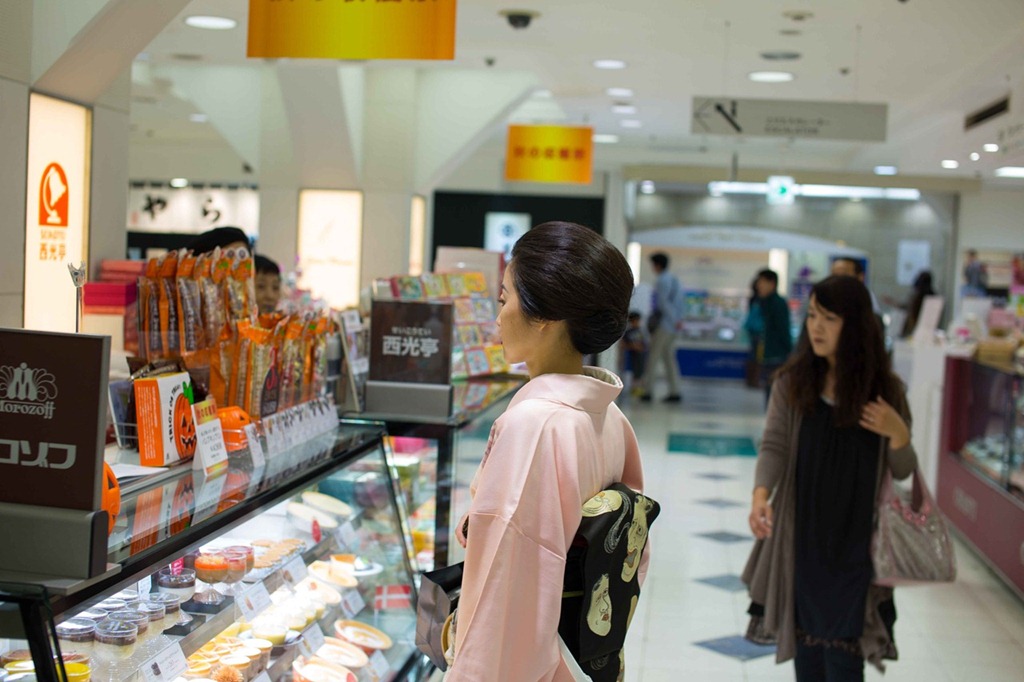
It was quite busy, with a few people in traditional dress.

2012 10 14 Ginza foodhall_-64

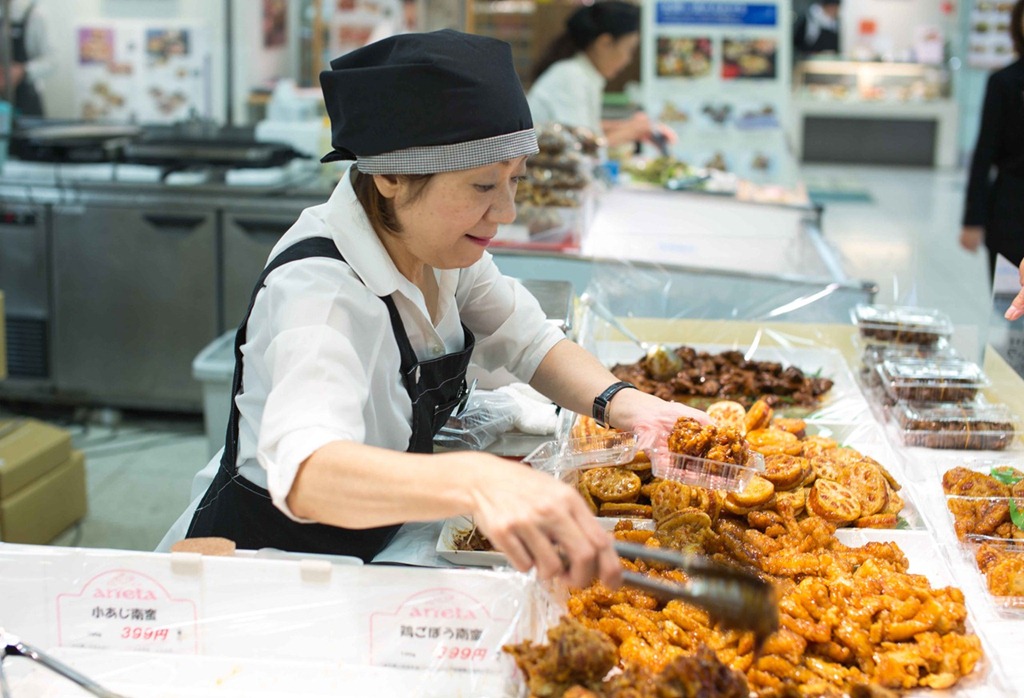
And this woman slinging deep-fried everything quickly.

2012 10 14 Ginza foodhall_-65

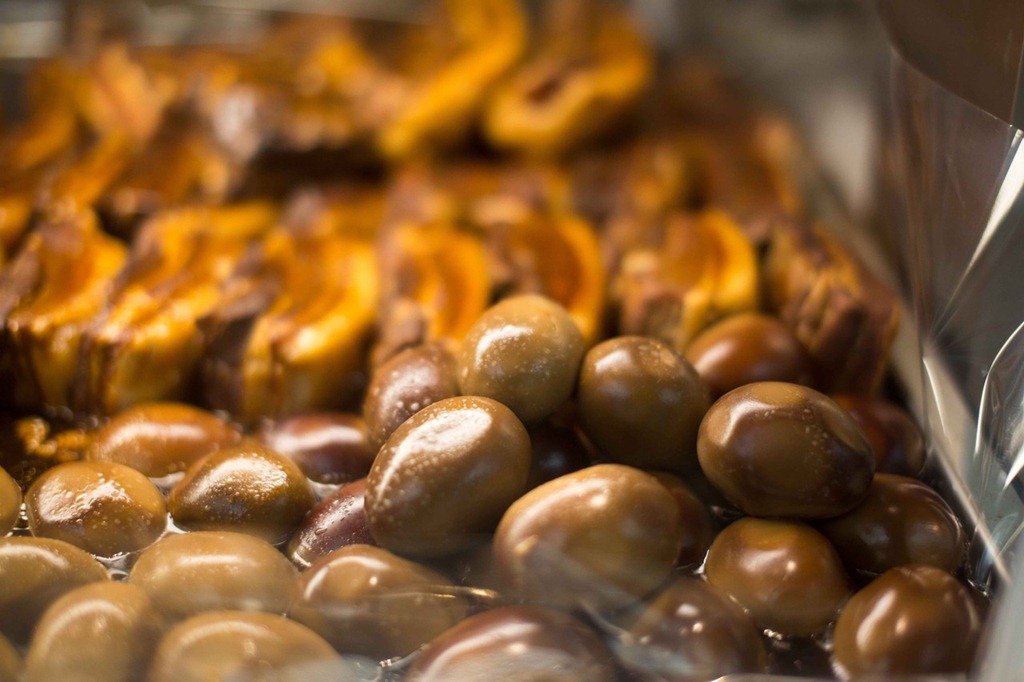
I have no idea what this is, but it looked fantastic.

2012 10 14 Ginza foodhall_-68

I know exactly what this is, and it looks not so fantastic.

2012 10 14 Ginza foodhall_-97

After browsing for a while, we decided to buy a variety of foods and head to the garden roof top terrace for an ad hoc lunch.

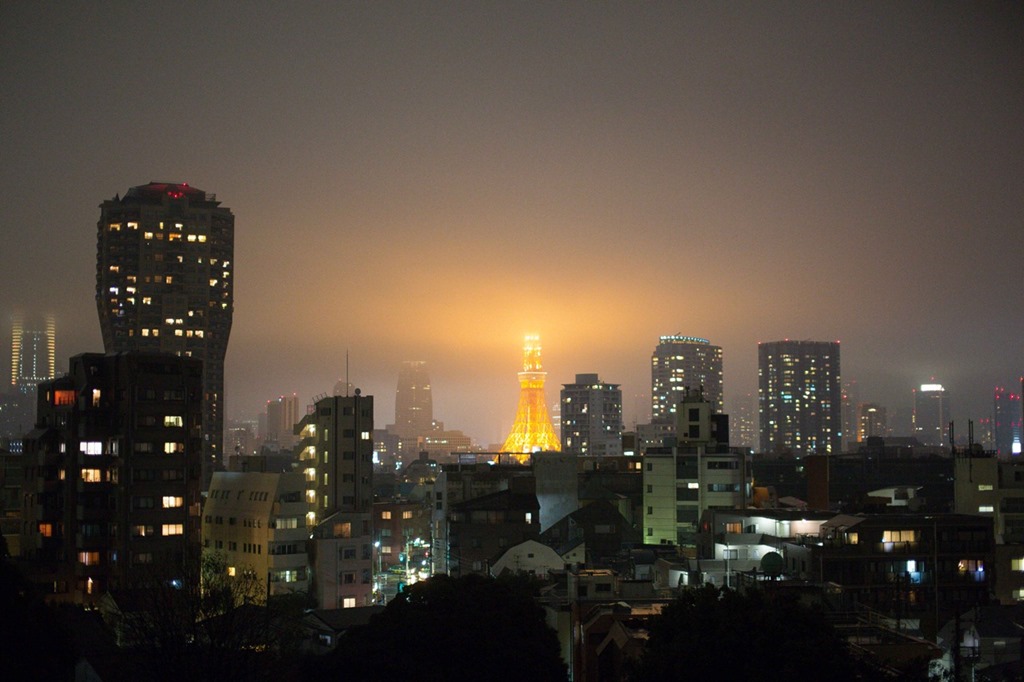
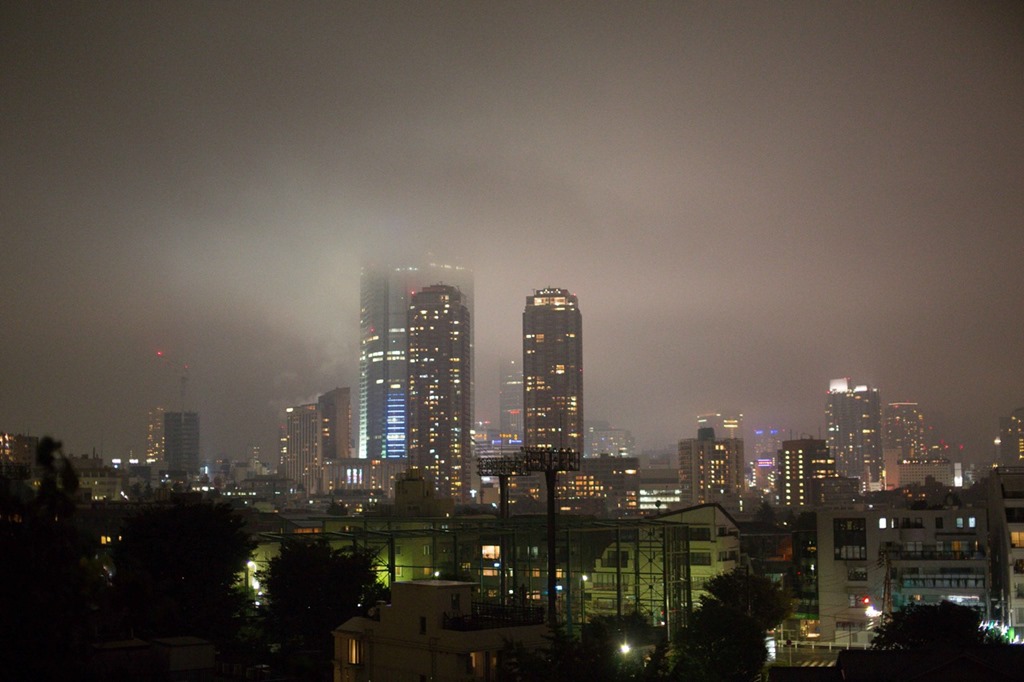
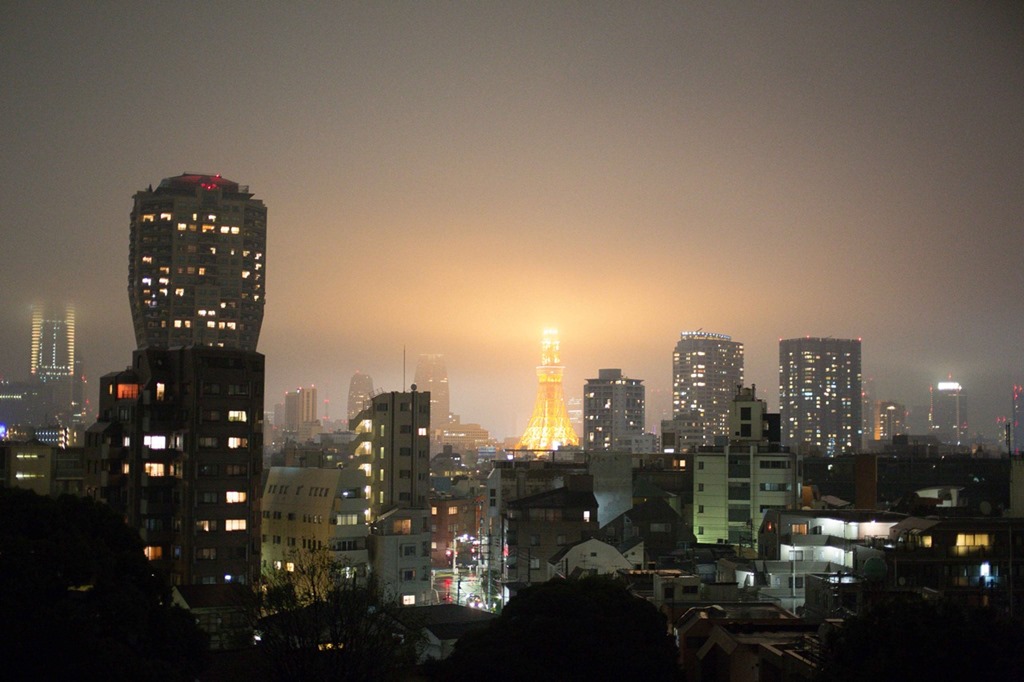
MORE TOKYO SKYLINE


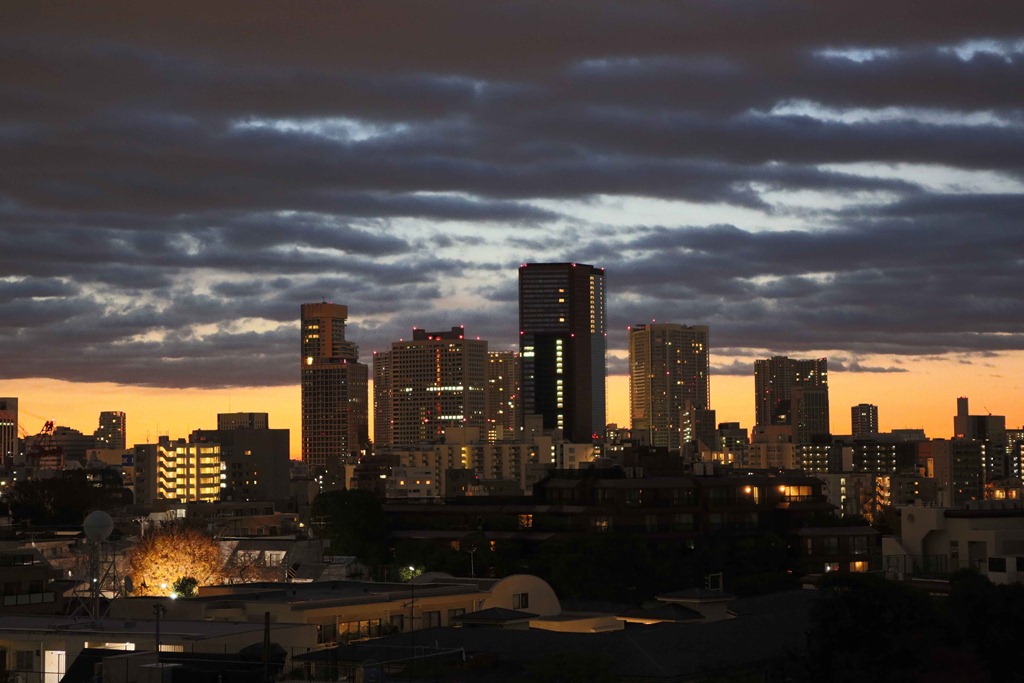
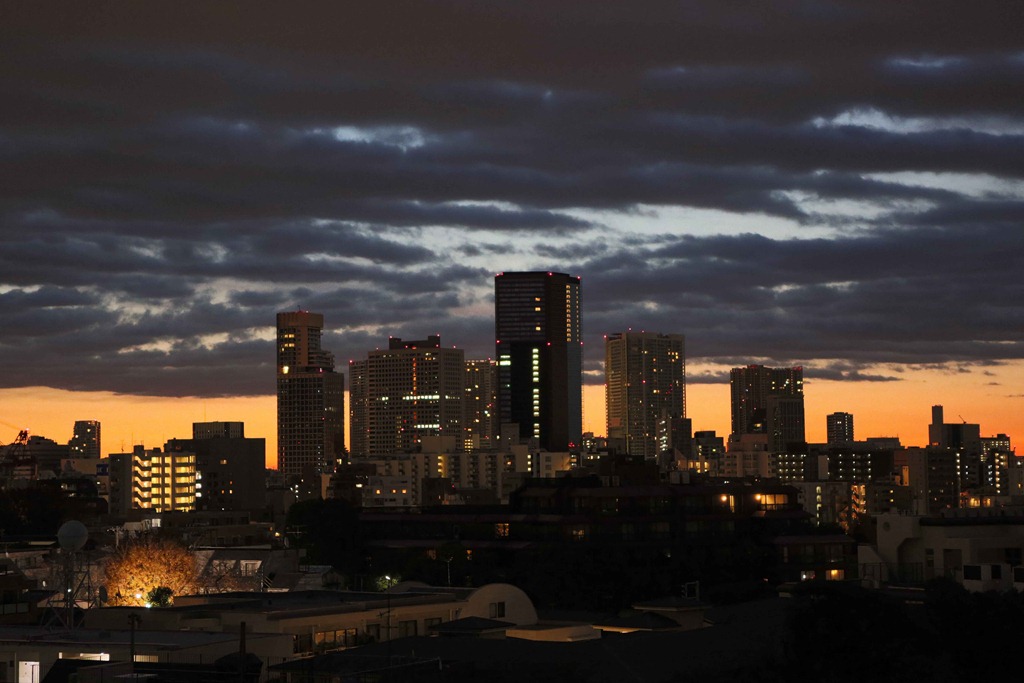
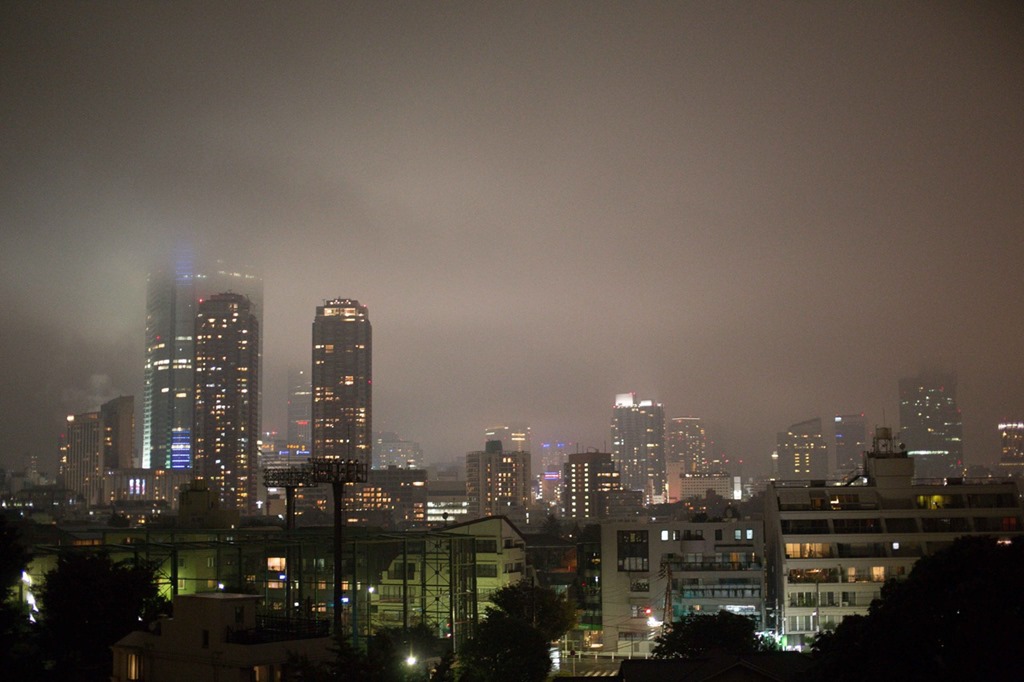
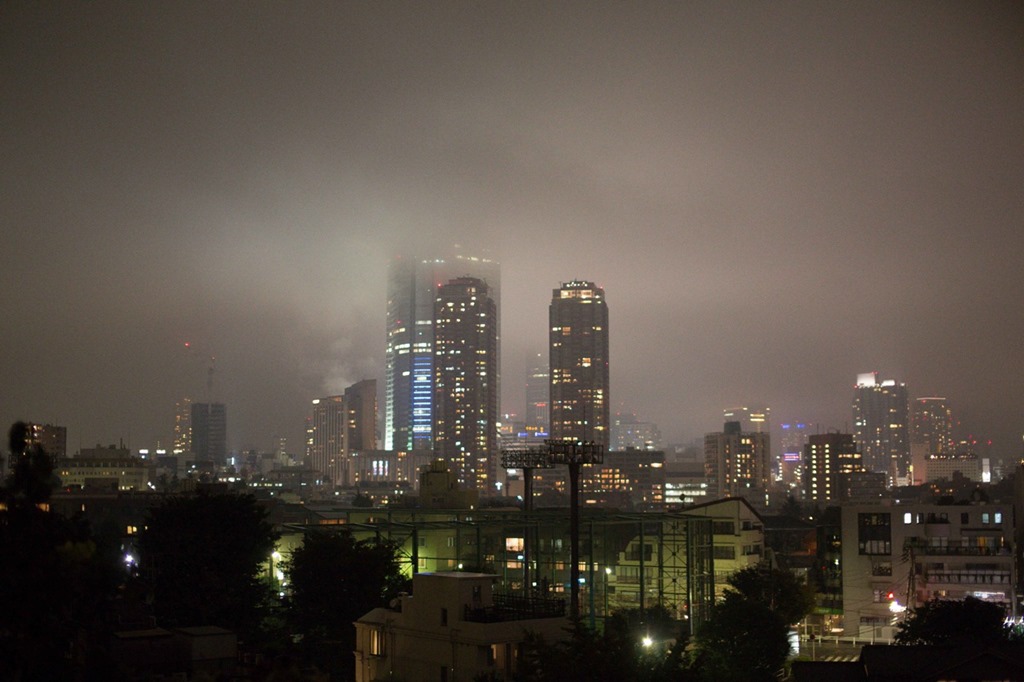
I know, probably getting sick of them. But every night is a different scene. A few more … from my Canon 5D Mark III.

2012 09 24 Tokyo_

Sometimes you look up and just go “wow”. This was such a time.

image

image

And sometimes the night is clear and the moon looks spectacular. An early morning sunrise.

image

IS JAPAN EXPENSIVE?


People often ask me “is Japan expensive”? Yes and no. For example, down the street there is an amazing sushi vendor who has wonderful fresh sushi for very reasonable prices; 6 maki rolls for $3 or $4 and a nice sushi plate for $11. Right beside it is a noodle restaurant where prices range from $8-$12 and the food is fantastic.

However, some things are expensive such as apartments as real estate is at such a premium and apparently cats – very expensive at some shops.

image

For my Canadian friends … that translates to $13,075.

MOVED IN


It is official, we can now call ourselves “moved in” after months of transition. This move seemed to be significantly more stressful than the move to England for a long list of reasons, but it is over. In fact, we have a 2003 bottle of Dom that we are going to crack next weekend to officially celebrate the end of the move – a declaration of victory (smile).

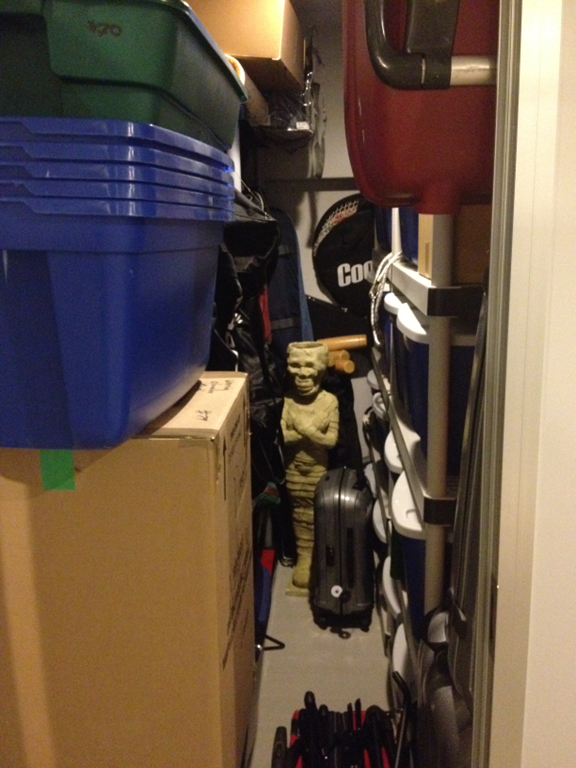
As I dropped a few things into our tiny little storage closet over the last week I really had to take the time to organize it to ensure it all fit which lead to a reflection on where we started from.  A big house with a 3 car garage, huge cold storage in the basement and a utility room, all stuffed full of things down to the picture below; a single rack on the right (2 racks long and 4 shelves high) and a single rack on the left. In the cold room alone I had 8 racks and the garage was racked right to the top of the 20 foot ceiling on 3 sides. It feels good to purge and achieve the goal of “no storage at home” (other than a few thing I left with the in-laws)

And the good thing is that buying stuff in Japan is difficult due to the language and the significant price differences so hopefully we will stay “stuff slim”.

Good to purge .. and as a side note, glad we brought the Halloween mummy (smile).

image

MARKETING IN JAPAN


Continuing on the theme of marketing that interests me; a picture taken while walking to work. I guess that surrounding the words with a “heart” makes it true. Don’t get me wrong, I love a Coke here and there, but I am not sure on the health part …

image

ENGLISH IN TOKYO


I hear that when you get out of Tokyo the English disappears. But I have noticed that all of the cars in Japan have an English name and no Japanese characters to be found. Find that odd. This taxi is a Toyota “comfort” .. apt name for a taxi. You will also note the bumper sticker (English) and the sticker in the window on the right side says “Thank-you Japan” (English). Odd.

image

KITCHEN TOWN: KAPPABASHI-DORI (PART 2)


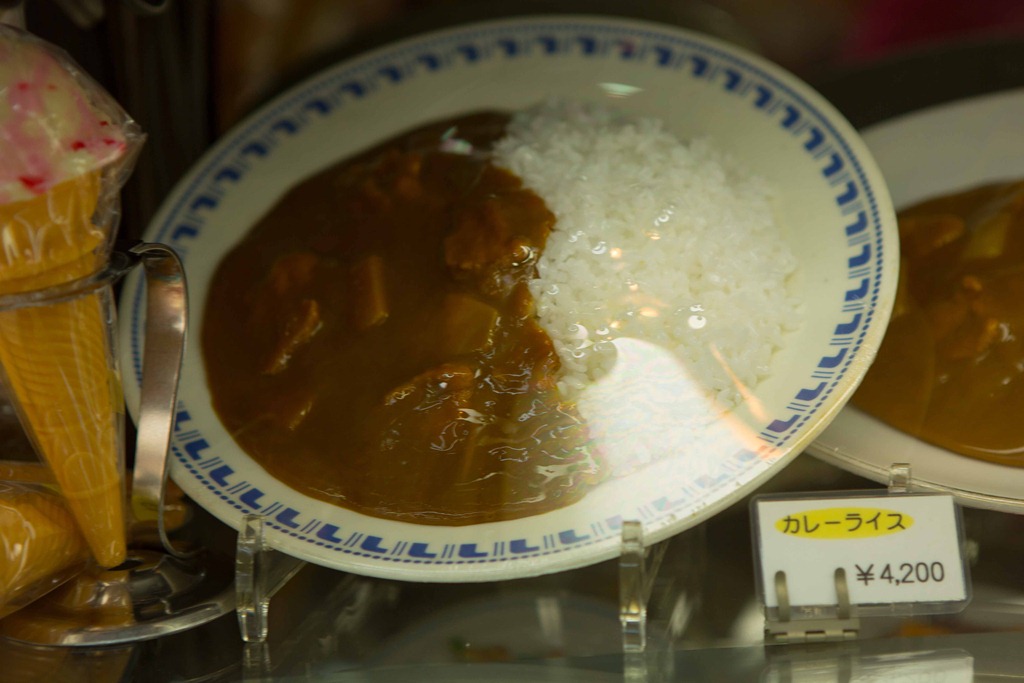
You cannot go through Kitchen Town without enjoying the plastic food. A very robust industry exists as many, many Japanese restaurants display plastic food in their windows. I am not sure that it is an effective sales strategy, as it doesn’t look very appetizing to me.

I am not sure what this is supposed to be, but it would not bring me into the restaurant.

2012 08 09 Kappabashi _-58

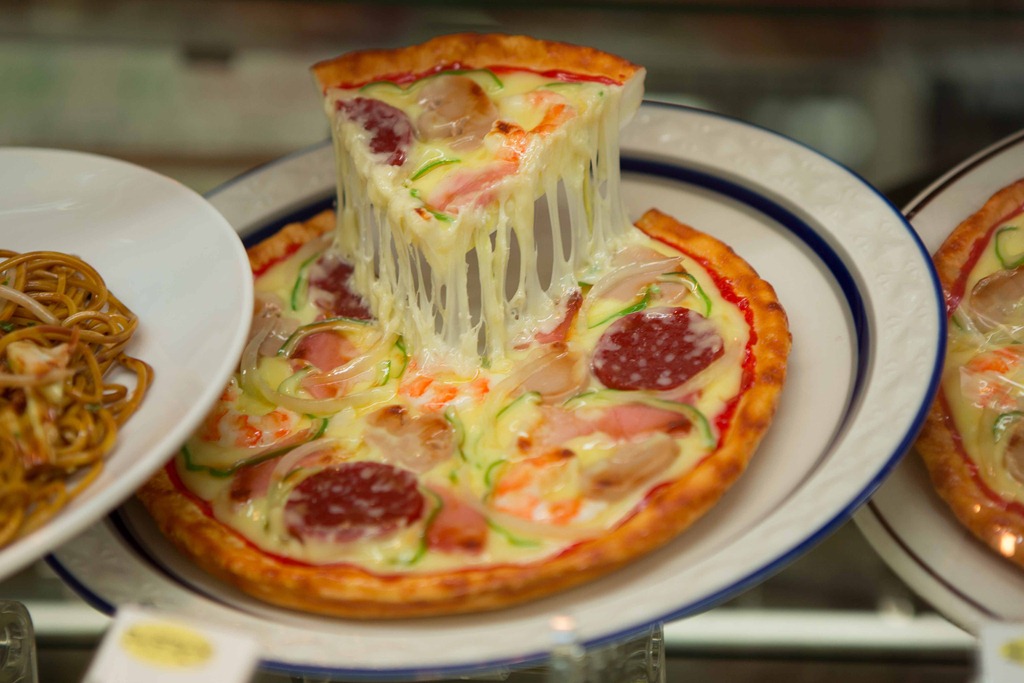
Everyone likes pizza. Even extra cheesy pizza. In fact, so much cheese that the slice is suspended in mid-air.

2012 08 09 Kappabashi _-59

Of course, beer. And if you look at the below, this is how beer is poured in Japan – with a huge head.

2012 08 09 Kappabashi _-64

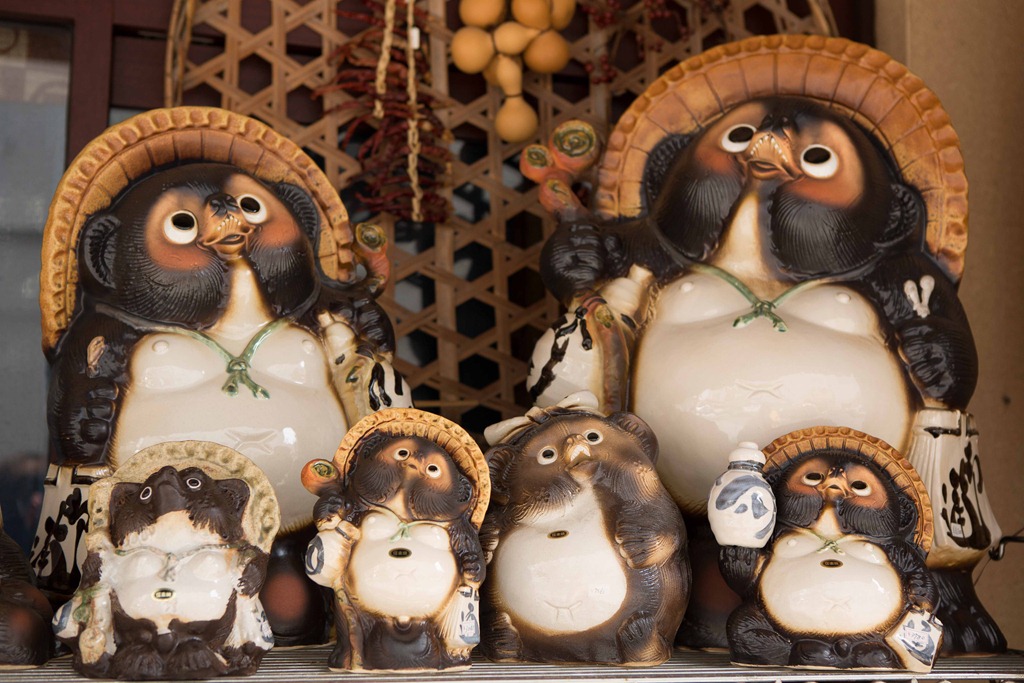
There are also little statues of Japanese raccoon-dogs all over the town. I saw these in a little antique shop.

2012 08 09 Kappabashi _-65

A fun side trip. Set aside a couple hours to just look around.

KITCHEN TOWN: KAPPABASHI-DORI (PART 1)


In August we went on a very bad Skybus tour and one of the few English sentences we did understand was around Kitchen Town, a street in Tokyo:

Kappabashi-dori, also known just as Kappabashi (Japanese: 合羽橋) or Kitchen Town, is a street in Tokyo between Ueno and Asakusa which is almost entirely populated with shops supplying the restaurant trade. These shops sell everything from knives and other kitchen utensils, mass-produced crockery, restaurant furniture, ovens and decorations, through to esoteric items such as the plastic display food (sampuru, derived from English sample) found outside Japanese restaurants.

The street’s name is believed to come from either the kappa (raincoats) of nearby residents which were hung out to dry on the bridge, or from a merchant named Kihachi Kappaya who funded the project to build Shinhorikawa River for water management. However, due to the homophone with the popular mythical creature, Kappa, the shops along the street have officially adopted the kappa as their mascot. Images of kappa appear frequently in the area, from merchandise to displays, even web sites about the district.[1]

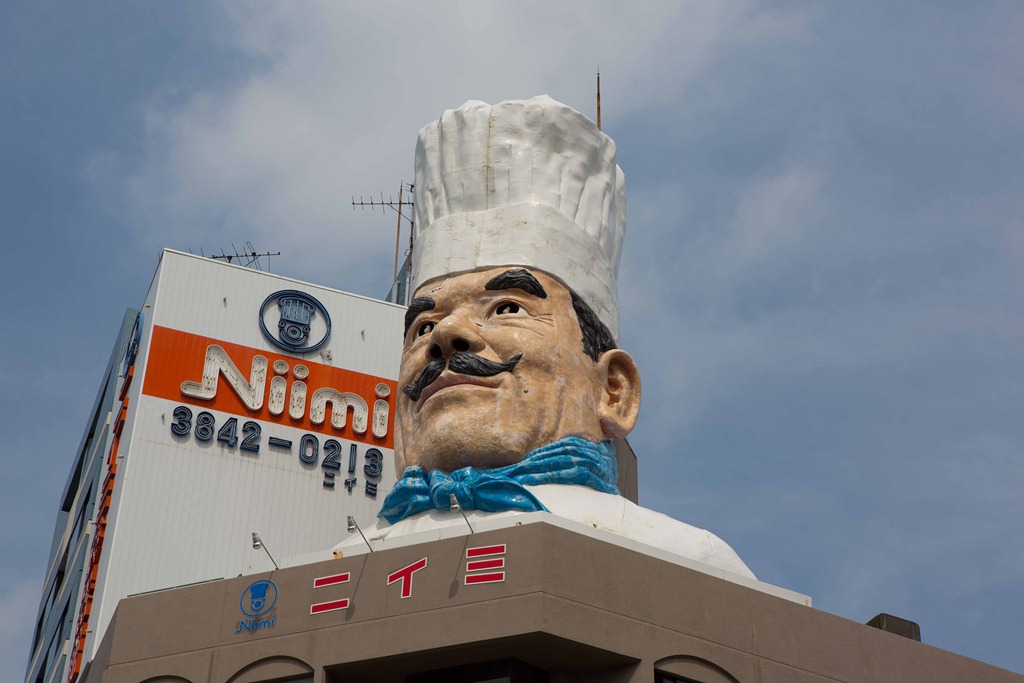
We decided to head there for a morning and see the sights. It is a bit hard to find (I was still getting familiar with using Google maps while walking) with one very prominent marker identifying the entrance to the street, but you have to look up. I took the photo and was left wondering – why is it an Italian looking chef instead of a Japanese head?
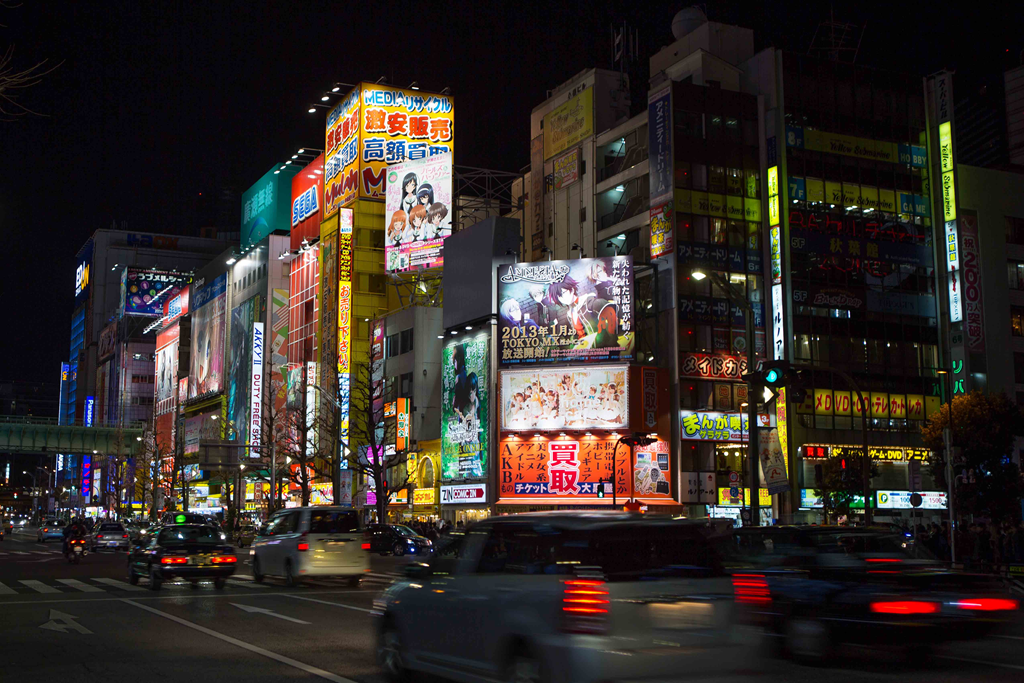
2012 08 09 Kappabashi _-55

Of course if you look down you see this.

2012 08 09 Kappabashi _-57

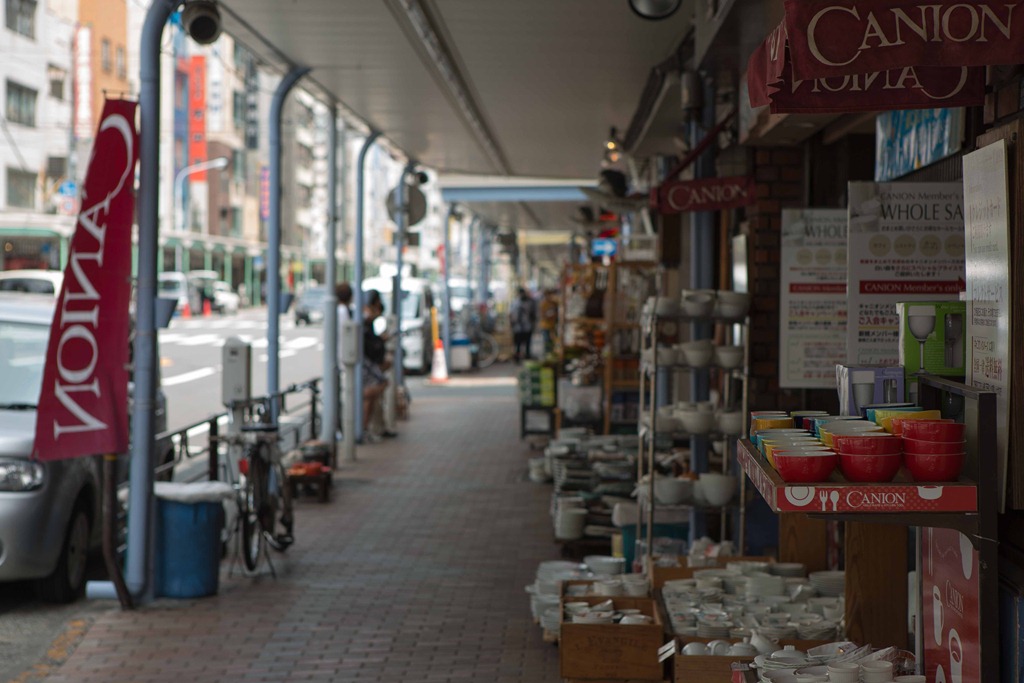
The streets are what you would expect them to be .. lined with kitchen shops with a primary focus on restaurants.

2012 08 09 Kappabashi _-67

2012 08 09 Kappabashi _-69

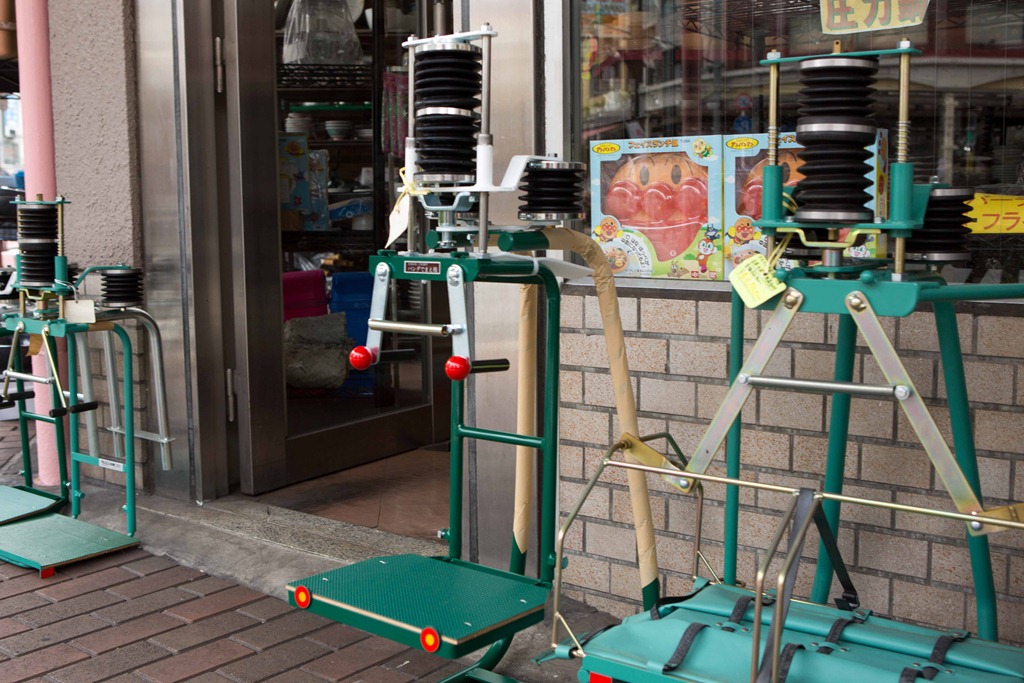
And of course, a few oddities. These contraptions were everywhere, and I could not figure out what they are for. Looks like some form of odd torture device. Turns out that they mount to the back of a scooter so that you can make a delivery. The springs and “swing” take the bumps out of the road. I saw a delivery person pull a batch of food with an open bowl filled with noodles and broth, it must be very effective.

2012 08 09 Kappabashi _-70

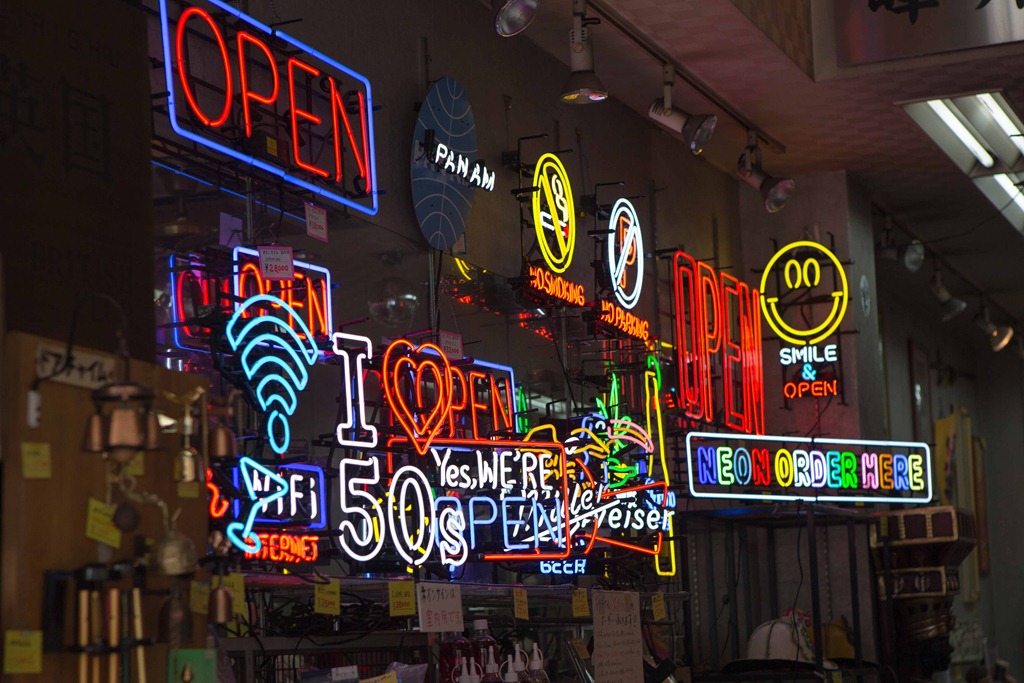
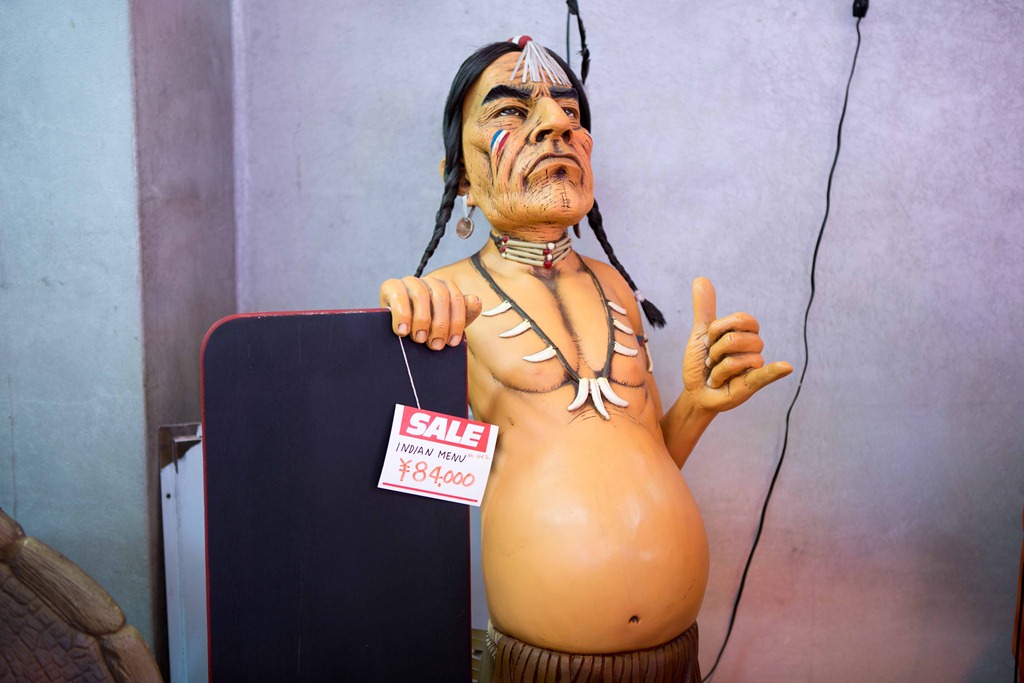
Of course, there was a shop filled with neon signs and some very odd plastic sculptures.

2012 08 09 Kappabashi _-74

2012 08 09 Kappabashi _-77

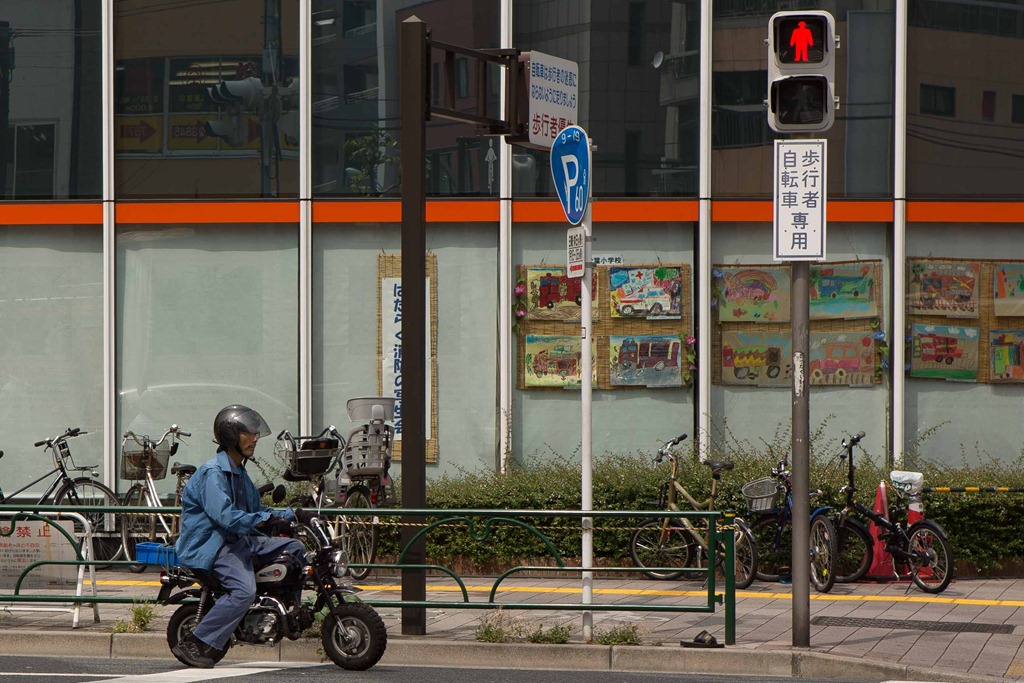
People were zipping around the streets, this fellow on a very small bike. Funny thing, I remember riding one of those bikes as a kid. We called them mini-bikes.

2012 08 09 Kappabashi _-50

And of course, no trip to Kappabashi-dori is complete without the plastic food.