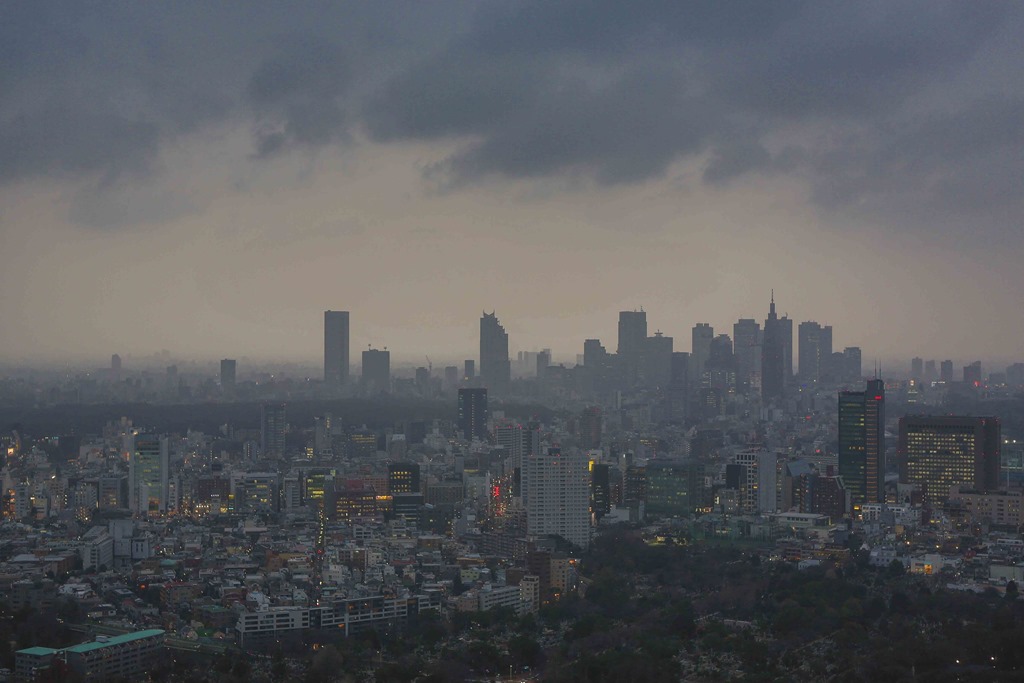
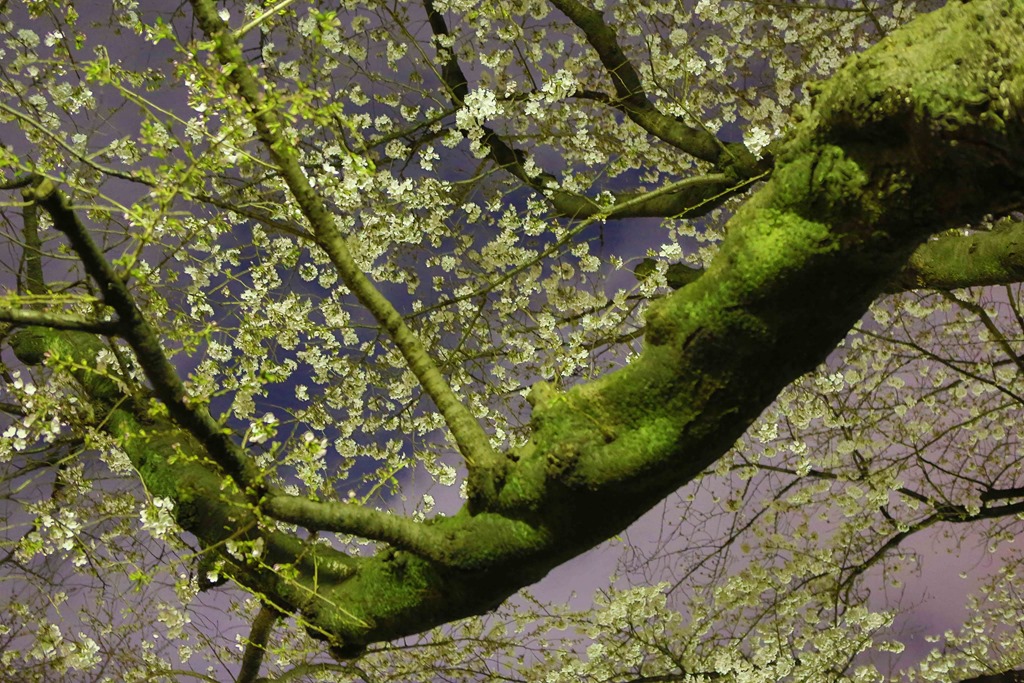
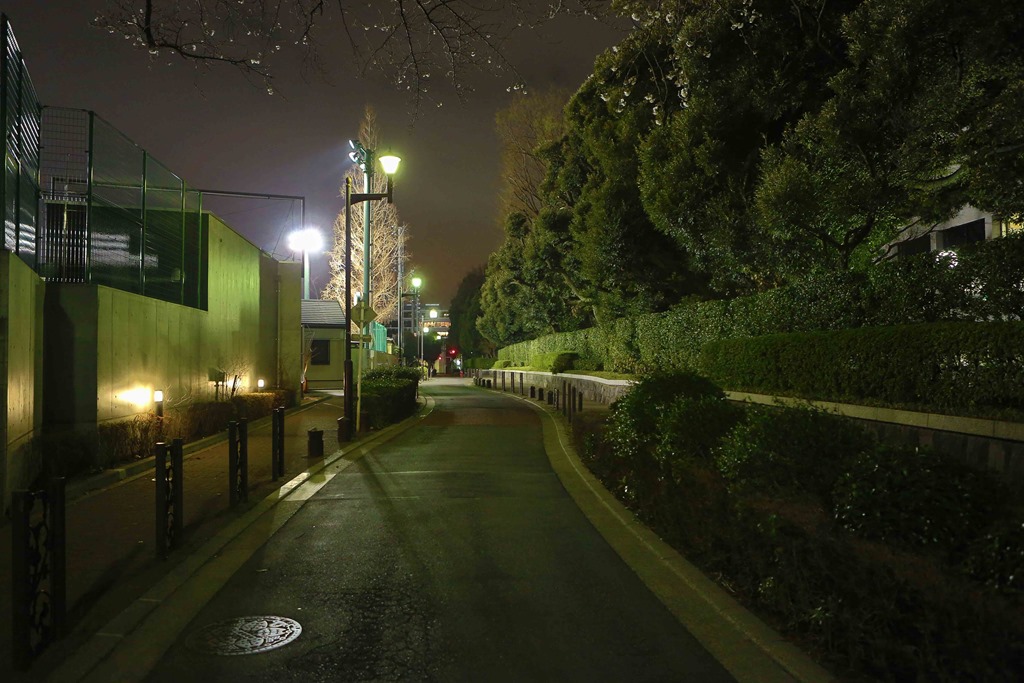
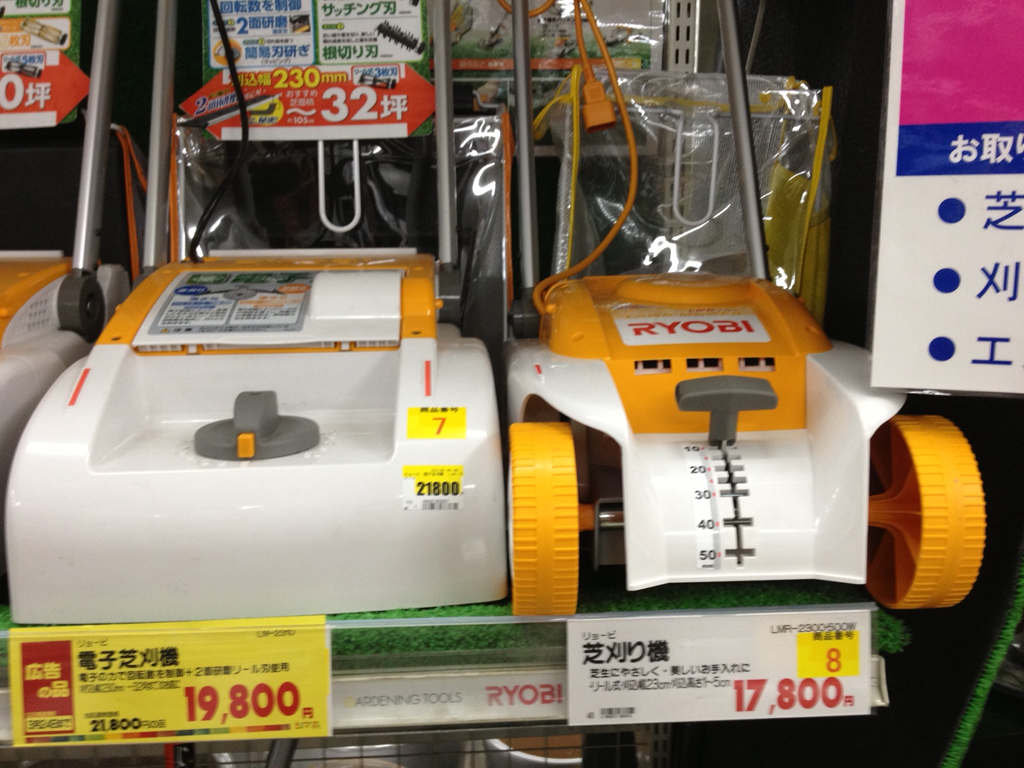
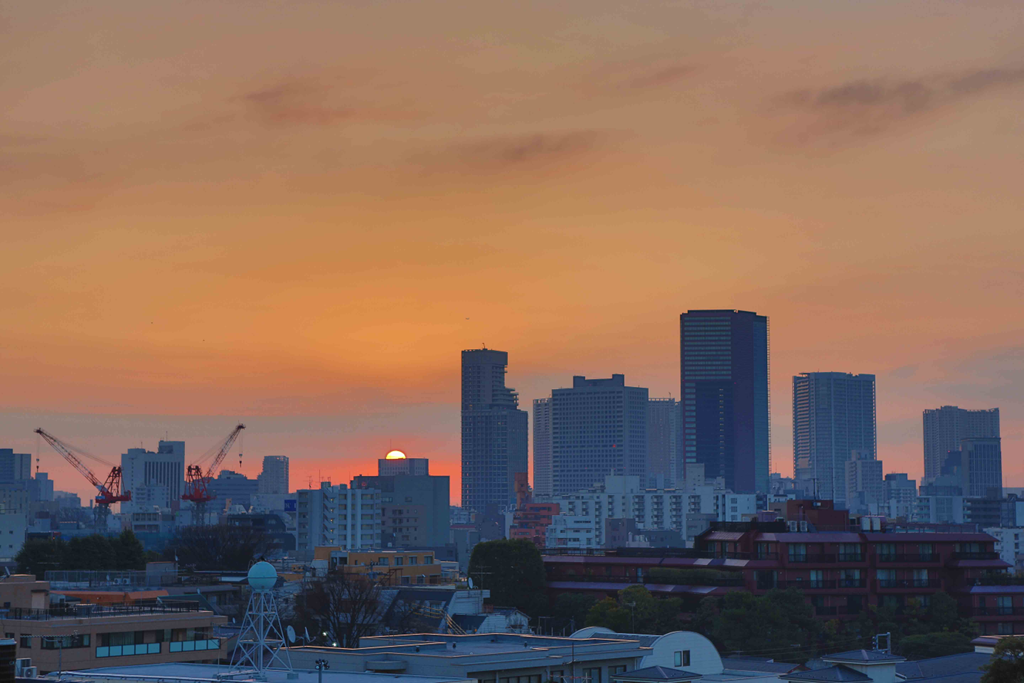
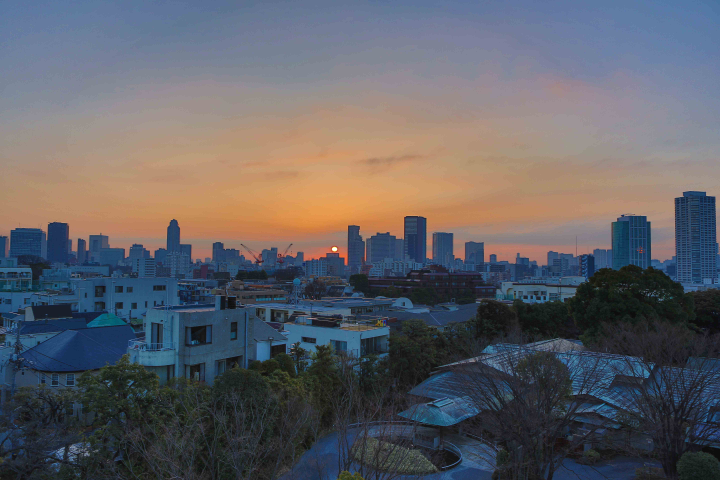
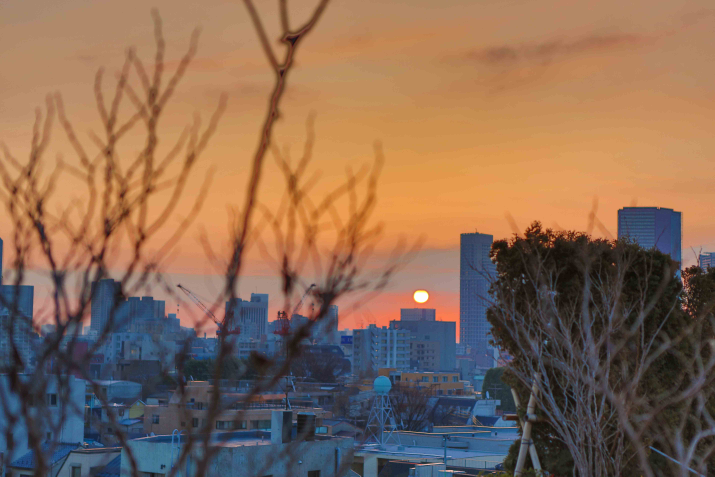
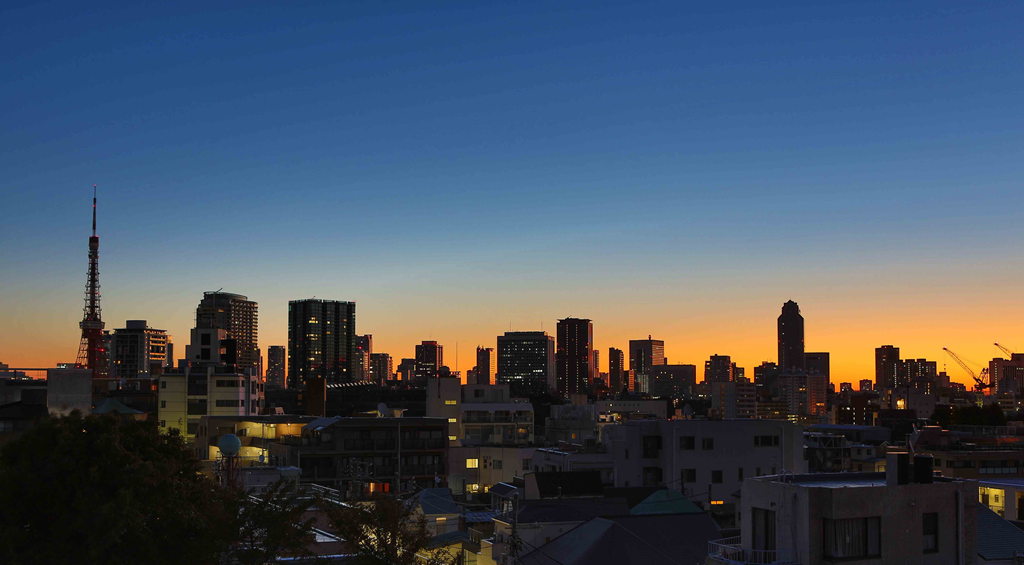
ABANDONED IN TOKYO

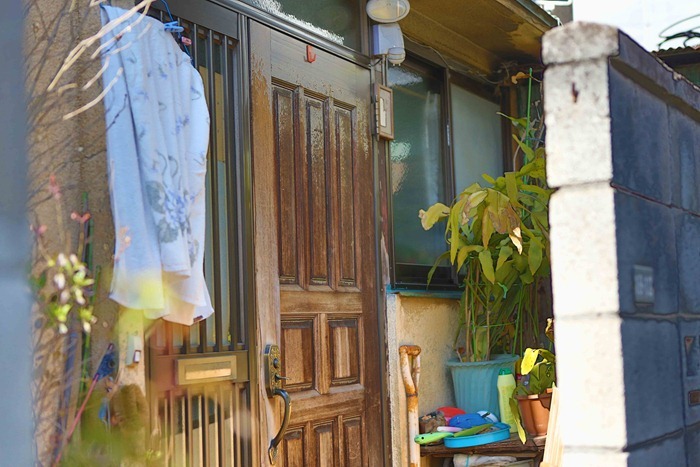
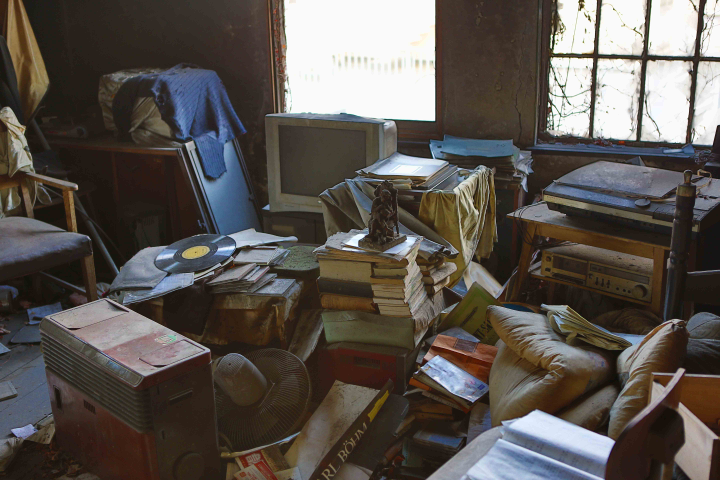
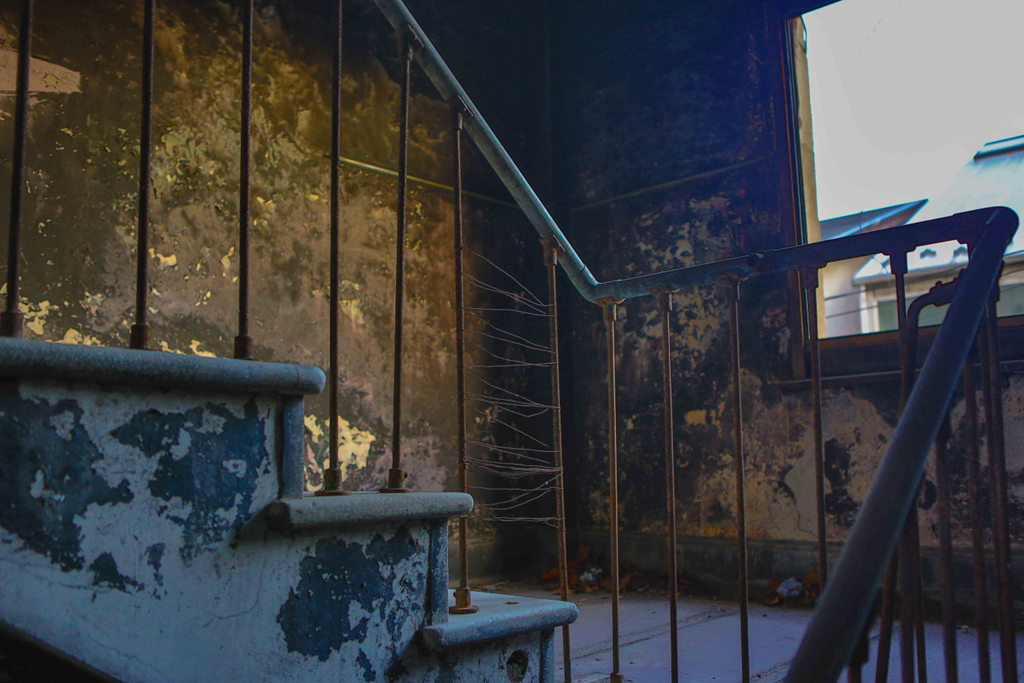
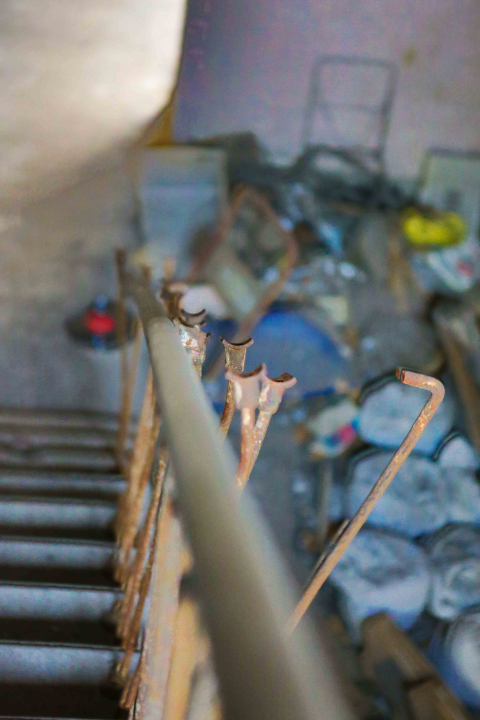
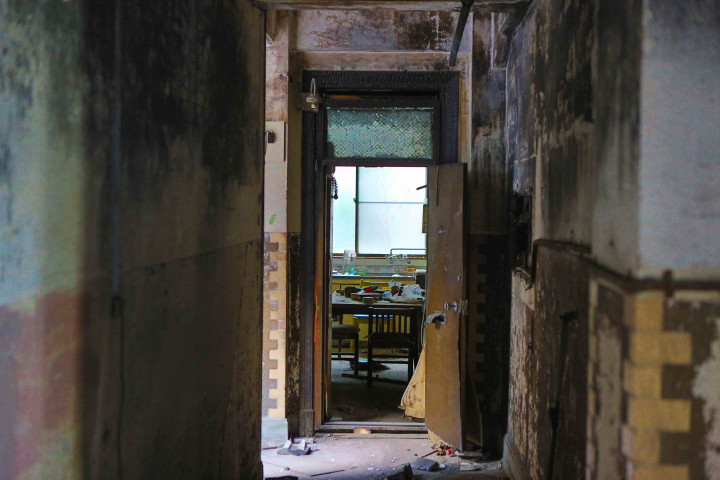
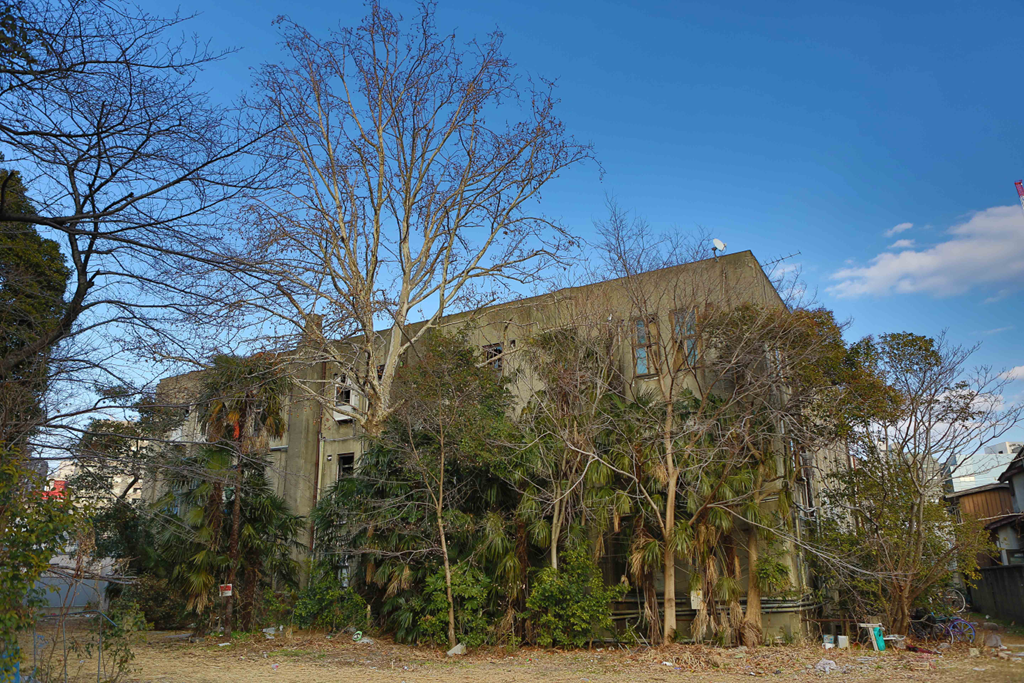
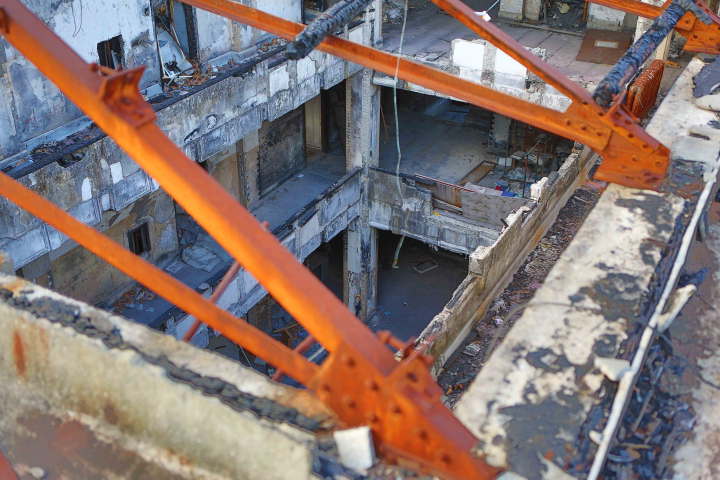
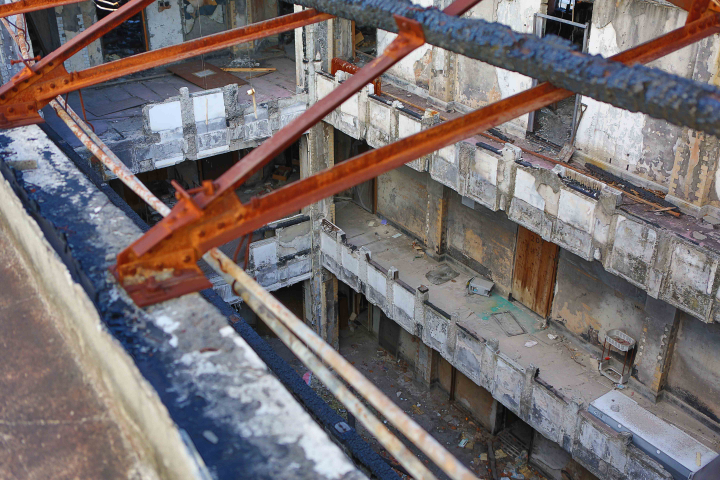
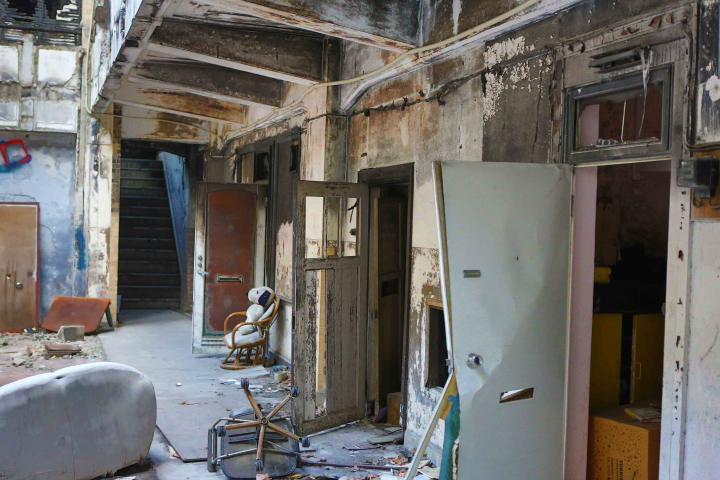
There are a surprising number of abandoned buildings in Tokyo. On a recent tour we were told that this happens when something “bad” happens in a building. People find out and do not want to live there.

image

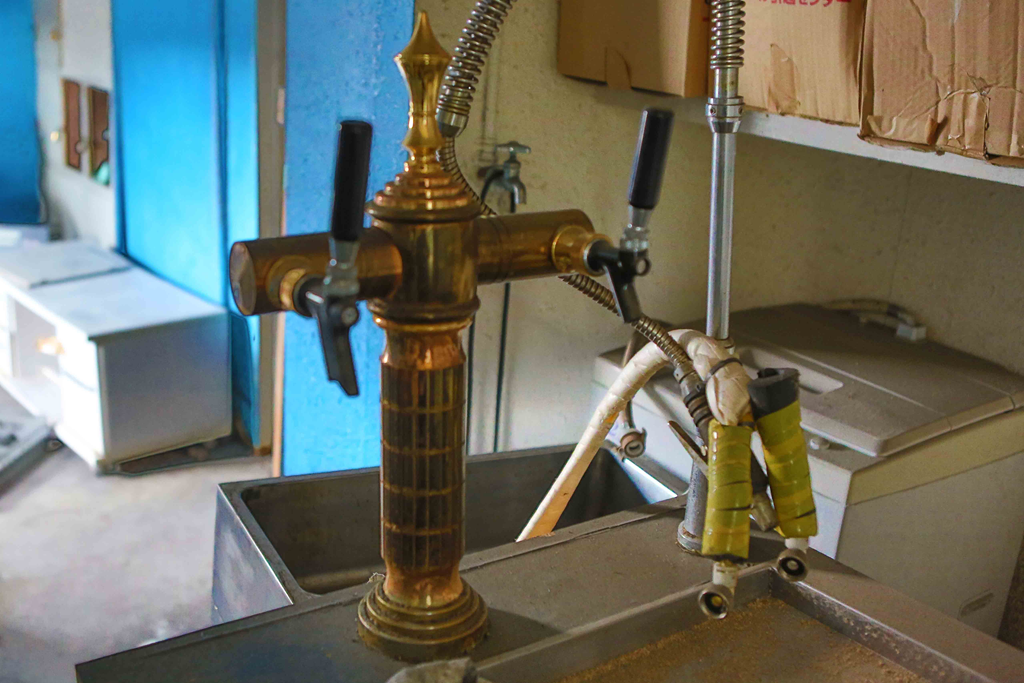
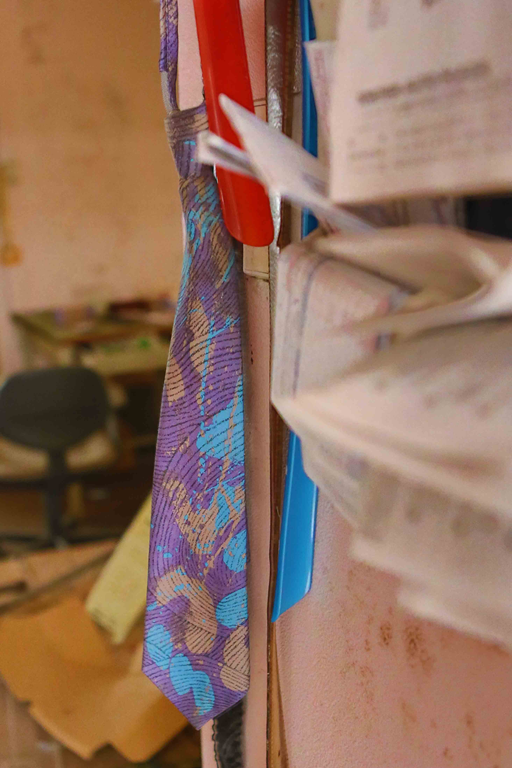
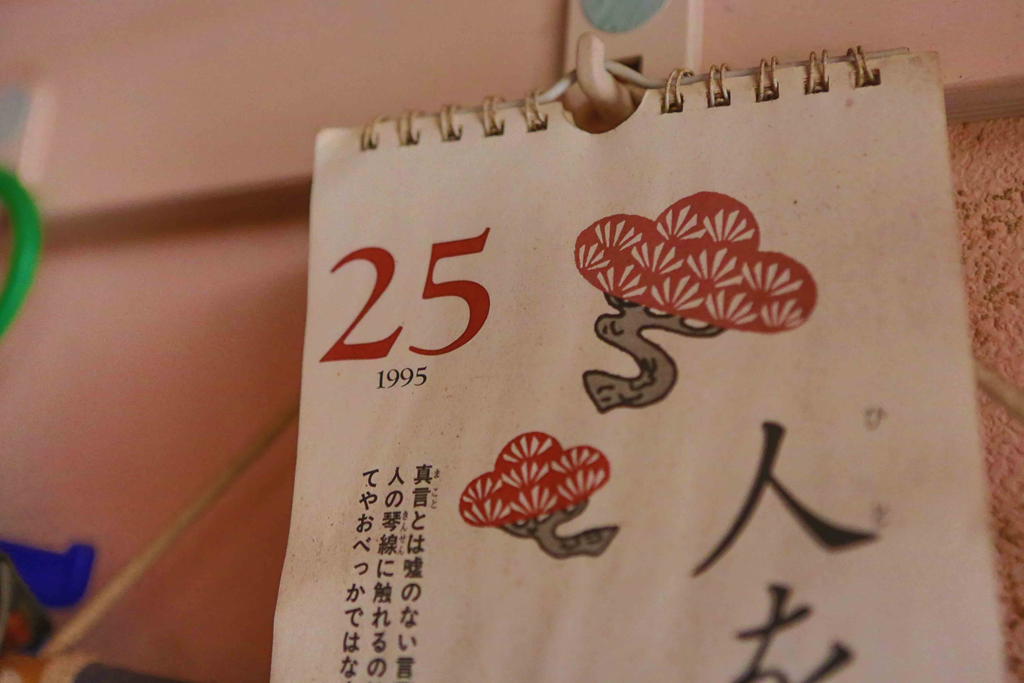
In this case, something bad happened about 10 years ago … and no one has lived there since, except the every expanding vines.

image

image

JAPAN COSTCO

Put this one in the “Japan contradiction” column. In a society which is very rules orientated, Costco is an interesting anomaly.

In Canada, the opening time is 9am or 10am (If I remember correctly) and they are pretty regimented about that time. They do not open a minute early. Very rules orientated.

In Japan, the opening time is fluid. While the official opening time is 10am, this Saturday it was opened before 9. Depends on when they have finished loading the shelves and the length of the queue out front.

One of those “scratch your head” ones and as an aside, I think it is great.

JAPANESE BAD BOY

Japan and Canada appear to have a very different view of what constitutes a rough and tumble “bad boy”. In Canada, that would be a Marlon Brando type or a hockey player. Perhaps a UFC fighter.

Bad Boy Junior Cigano Dos Santos UFC 117 Walkout Tshirt

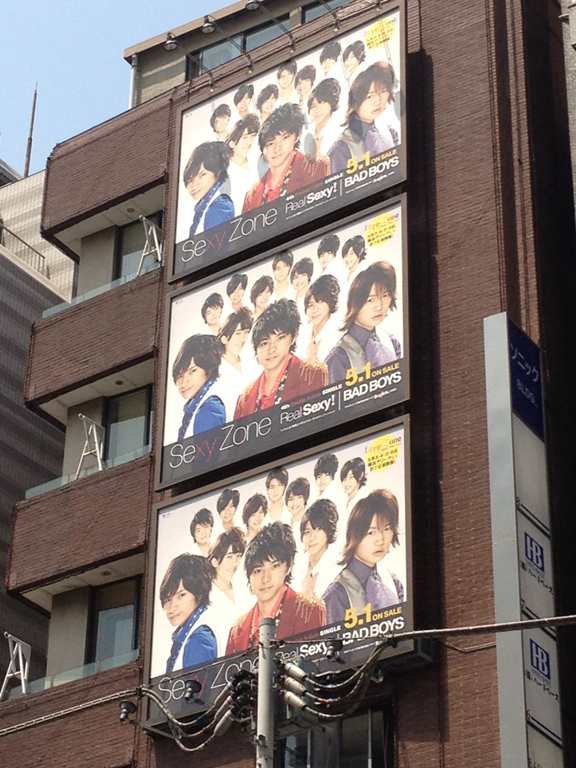
This is the Japanese bad boy (you must always remember to look up when in Tokyo).

image

(bottom right). Perhaps they took it literally and meant “bad boys” due to their over-use of hair gel and feminine disposition? Or perhaps they are bad boys because no boy band should number more than 5 (I counted 12). Perhaps the 3 in front are the bad boys as they did not get the pre-photo shoot memo on only wearing white.

Lost in translation …  Never ceases to make me smile.

OBSERVED AROUND TOKYO

Mark your calendar. I am saving up for this day (actually, from Bali)

image

In Hong Kong they build buildings with bamboo scaffolds. In Canada, you climb up the sides of a scaffold. In Japan .. it as one would expect.

image

Amazing how this product looks suspiciously similar to the Dyson innovation. By Toto Japan. Mitsubishi has one too.

image

As seen in a Japanese parking lot. I have been warned, in a rather contradictory manner.

image

FUJI-SAN, HELLO

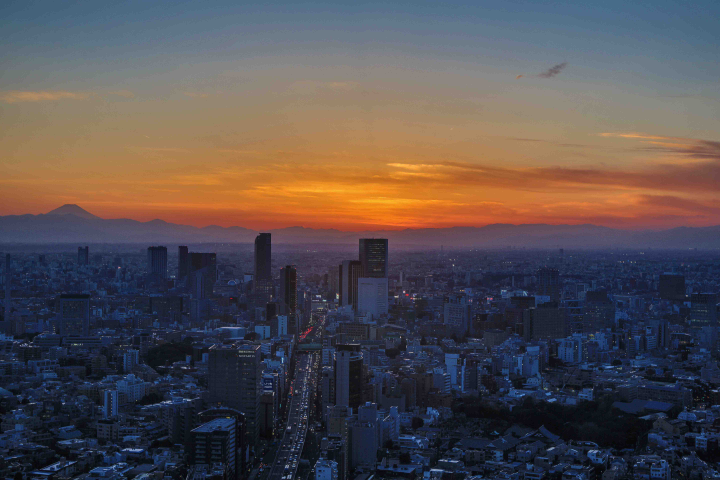
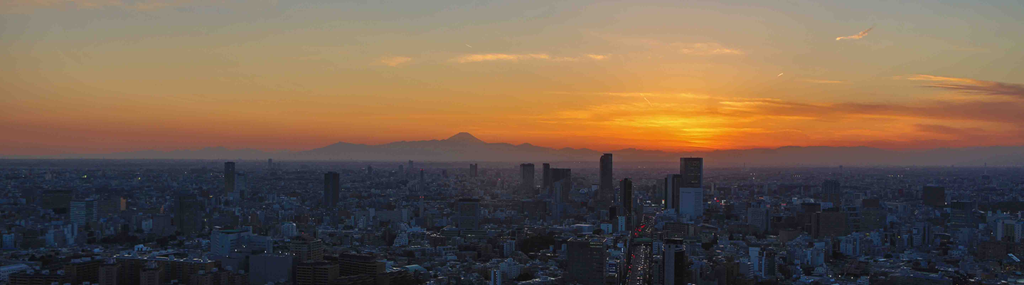
We are moving offices in a few months. The great view of Mt. Fuji will be replaced by a different view.

Fortunately, Fuji-san finally came out and I happened to have my camera (Configuration: Canon 5D Mark III, 50mm f/1.2, shot handheld HDR).

image

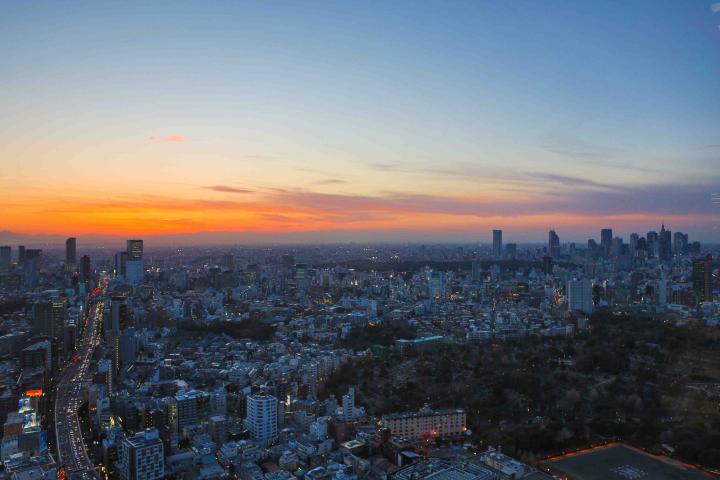
The rest of the view. At the bottom is a huge cemetery. I need to get there.

image

If you look into the background, you will notice that Tokyo is ringed by mountains.

image

image

image

I will miss the sunsets ……

TOKYO UMBRELLAS

Tokyo is a place of umbrellas. If not for the rain (it is pseudo-tropical), for the sun; in which case they call them parasols and charge a lot more money.

Awhile back we were stuck in a rainstorm in Shibuya. I did not have my camera with me and have vowed that one day, I will get back to a very specific alley to get a shot in the rain as it was an amazing site.

That being said, a few shots in a similar vein, from the same area but on the wrong street (smile).

image

image

The trees have an interesting texture in black and white.

image

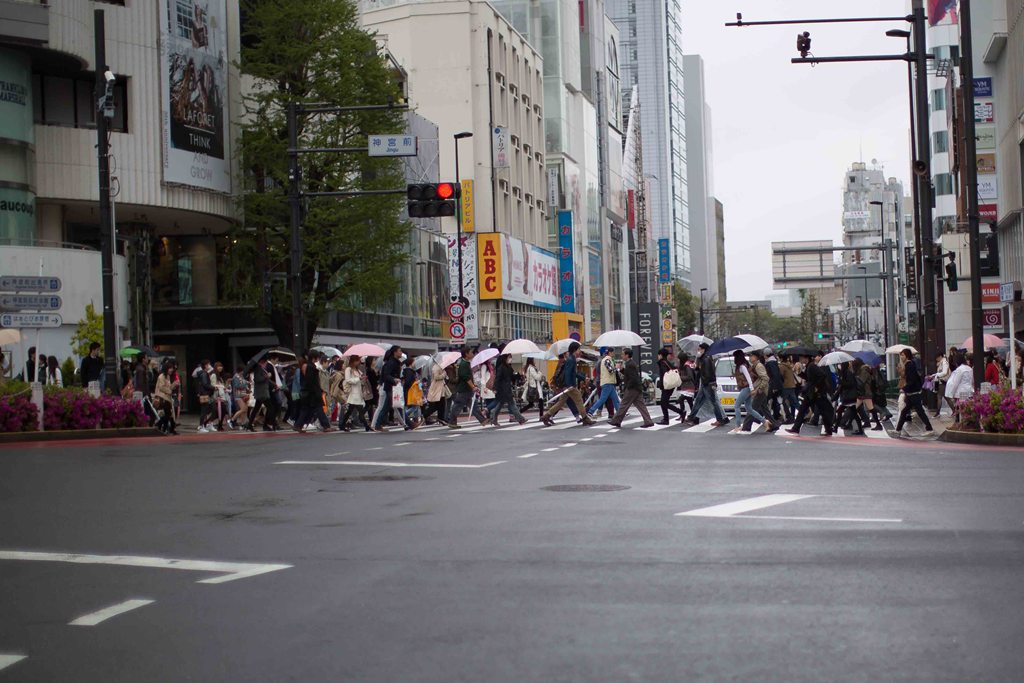
At a crossing. Not “the” crossing. But one of them.

image

And one oddity. I don’t know if I would buy from this shop. I found the name a bit creepy.

image

I WALKED A TOKYO ALLEY

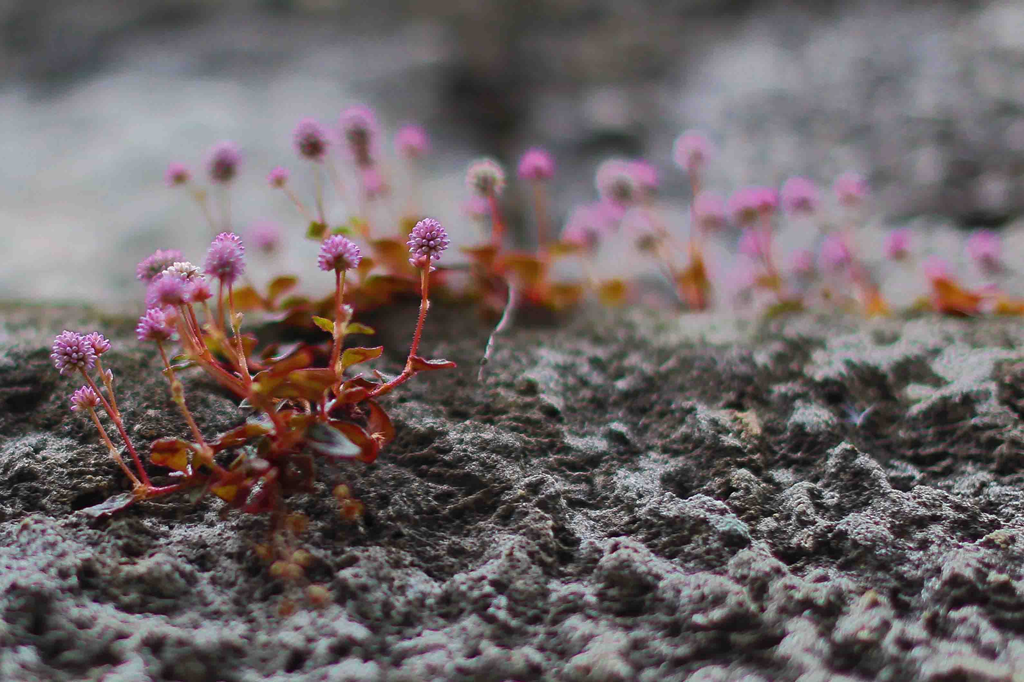
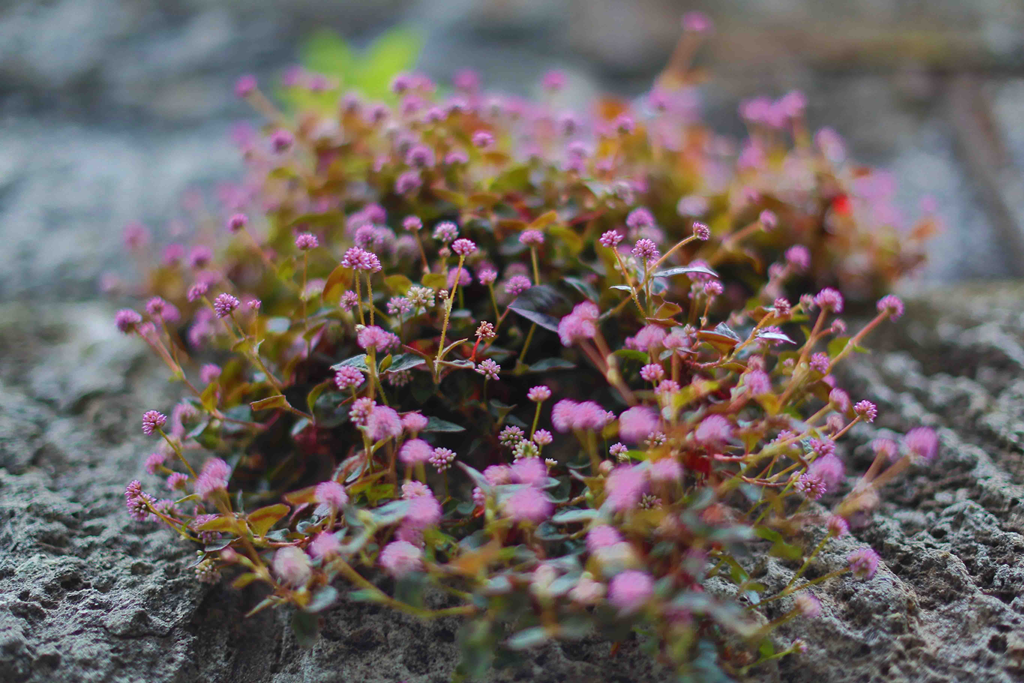
The other day I wanted to see something different, so I walked a different way home. The best sight was this wall, covered in flowers; Canon 5D Mark III with 50mm f/1.2 in hand.

image

Up close.

image

image

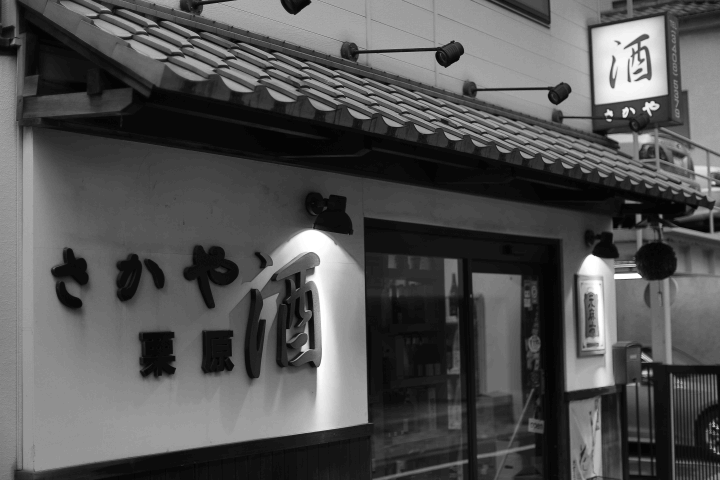
I made a quick stop to pick up some sparkling sake at this shop. I have become a big fan of sparkling sake over the last couple weeks. It is a very light summer drink and perfect for sitting out on a deck or in a backyard with a low alcohol content (5%ish).

Reminds me of the wonderful sparkling cider that we happened across in Normandy.

image

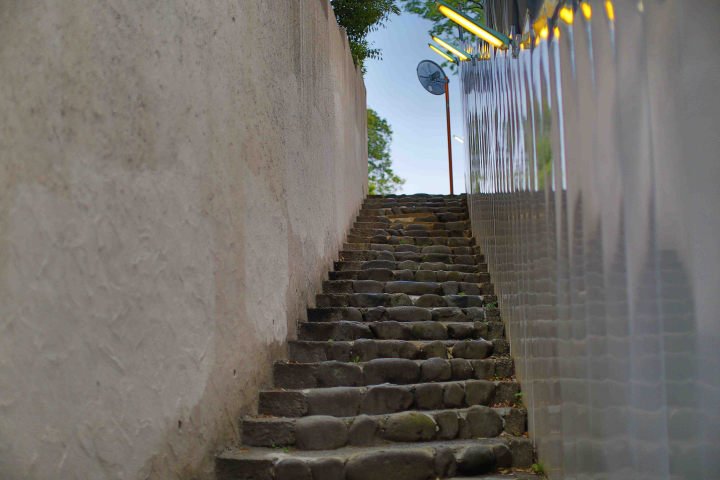
To get to the cider I had to walk down this stairwell which was a case of the “old” and the “new”. On one side was a gleaming metal wall (protecting a construction site), on the other an old wall with a very old stone stairwell. It wasn’t until afterwards that I noticed the mirror at the top … in case you were walking around the corner too fast (smile).

image

One more old and new.

image

An interesting stroll. Need to do that more often.

Thanks for dropping by.

A FEW TOKYO FLOWERS ON THE STREET

The sun is here.

image

image

A few strong climbing roses.

image

On a different tangent, they have the oddest names for hair salons in Tokyo. I have yet to figure out how these two words relate to cutting hair (smile).

image

ONLY IN TOKYO: THE BASEBALL WARMUP

The Tokyo baseball pre-game workout in Minato-ku.


I cannot imagine standing in a circle, holding hands and bouncing up and down to the cadence of a random teammate with people on my hockey team … ever.

TOKYO AZALIAS

Once the cherry and plum blossoms are gone, the Japanese cities explode with Azaleas. They are everywhere. 5 shots from around town via my Canon 5D Mark III and Canon 50mm f/1.2.

image

image

High on an embassy wall.

image

image

After the rain.

image

image

ONLY IN TOKYO: SERIOUSLY

Sure, you can find “different” things in those out of the way shops in North America. What we would consider “different” in Canada is the mundane in Japan, even common.

At Tokyu Hands (best described as a big craft, DYI and everything in between store), you wander from the mundane to unique in moments.

On a Sunday we had to get craft supplies for my son’s science project. Here are a few things that caught my eye (I had my 5D with me as we were heading over to Yoyogi afterwards).

The street outside the store. Busy, busy.

image

This diorama of a kitchen is valued at …. wait for it … $3500. You can almost smell the rice. Who would buy it? Not sure. Remarkable detail.

image

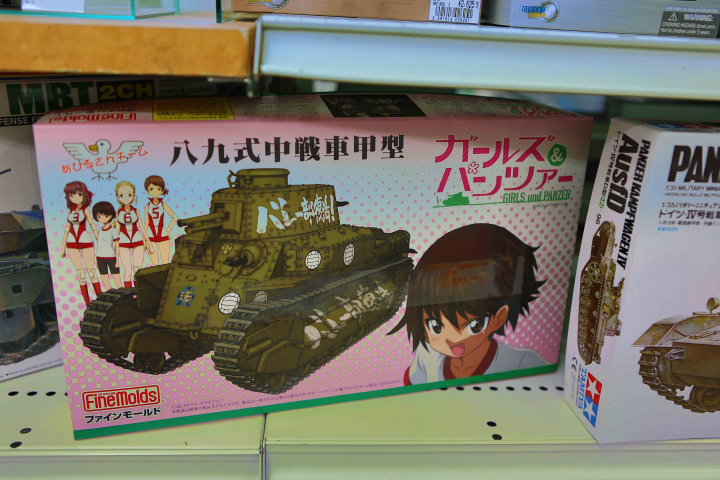
This one made me laugh out loud. After all, how can marketing “Girl und Panzer” not be a winner? Right? (far right side of box in English)

image

Who feels it necessary to buy these for the house? Not sure. But they are “Home Sign’(s).

image

Japanese people LOVE their dogs. I mean LOVE. So much so, that they dress them up non-stop. For that special pooch in your life, look not farther than Tokyu Hands my friends.

image

Check out http://doggiespotting.org for some great Tokyo dog shots and their crazy outfits.

image

I am not sure why you would buy these coloured specimens, but there is lots of choice .. although they are not cheap. Our boys were looking at the bottom shelf, which had the $400 specimens.

image

This is from the popular mobile game Touch Detective Mushroom Garden. I found it disturbing.

image

Always an adventure.

A JAPANESE FIREDRILL

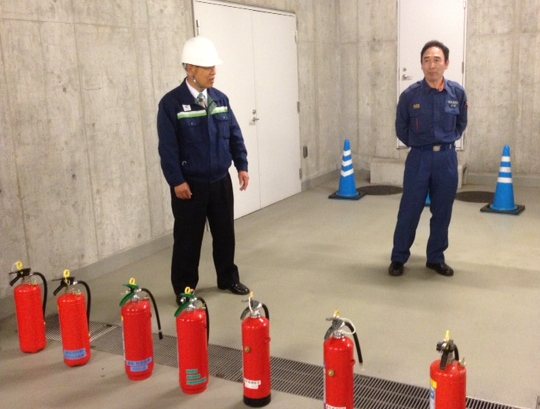
A few weeks ago we were notified of a fire drill that would happen in our apartment building. In Canada (or anywhere else), a fire drill involves a bell ringing, walking outside and then back in.

Not in Tokyo. In Tokyo it is a major event. The fire department arrives with a fire truck and what looked like half of the fire department. They walk us through what to do during a fire or earthquake and then walk us through how to use the fire extinguishers. The little kids in the building JUMPED at the chance to try them out.

image

When it comes to process and preparation, no one matches the Japanese. After marvelling at their preparation, I could not help but feel better prepared. Although, I was disappointed that they didn’t bring the earthquake simulation truck.

SHARK FIN SOUP

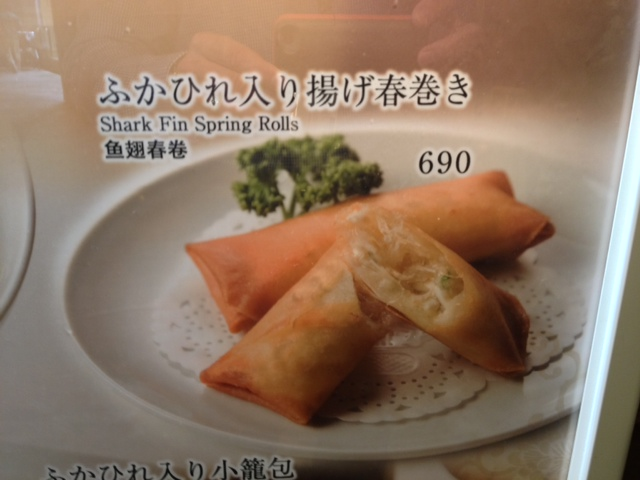
Different cultures have different traditions. I passed this sign the other day in Roppongi Hills and stopped short.

image

If you have not heard about the process of shark finning, read about it here. A terrible, cruel thing where they catch the shark, cut off it’s fins while it is still alive and then throw it back into the ocean to die a horrible, painful death.

If you are not convinced that this is truly barbaric, this 2 minute video should be enough to turn you off shark fin soup for good. Those big, bad, terrible sharks are disappearing at a rate of 250,000 a day through fishing, finning and as collateral damage from commercial fishing and face extinction if we don’t do something. How will the ocean ecosystem change if one of their top predators disappears?

Barbaric. But then so is tying a dog outside all year long and never giving it attention.

“Man is the cruellest animal.”  Friedrich Nietzsche

I won’t be eating there .. ever.

Please.. Pass it on.

A JAPANESE SENSE OF HONOUR

As I have mentioned before, the Japanese culture is one of poles – the very ahead and the very behind.

The sense of honour in Japan is one for the “very good” column and last week I gained some first hand insight. To understand the business culture of Japan you need to understand what happened after World War II, as the US and Japan partnered to rebuild the country, companies came together to rebuild in the form of Keiretsu’s. Via.

Keiretsu are groups of companies that work together, trying not to compete with one another and cooperating in order to make more money together. After many years of this sort of collaboration, Toyota has become the world’s number one automobile company. Toyota’s lead is so strong it made five times more money in 2006 than the sum of the profits made by its eight most direct competitors.

Over the six big keiretsu (each of them controlled by one important bank) is the MITI (Ministry of International Trade and Industry). The MITI is considered the ministry with greatest direct influence over the country’s economy, because it has the standing to give direct orders to certain keiretsu, asking them to double their production for the following months or to help this or that sector come out of a crisis.

In practice, the Japanese companies work together and often talk about the greater good. They will compete, but at their core they think about their country and the success of all.

To illustrate, I was speaking with an executive from a large Japanese manufacturer and I mentioned that I owned many of their products but had also bought an “add-on” from one of their competitors. His response was surprising. He thanked me for buying their products and encouraged me to buy his competitors products.

Why? Because that company had a factory in the earthquake stricken Japanese north and had decided to keep their factory open to support the people of the region. It was a very honourable thing to do, with a great leader who make great products. He was very happy that I had bought their products.

In that way, we can learn much from the Japanese. Their sense of the group over the individual is admirable.image

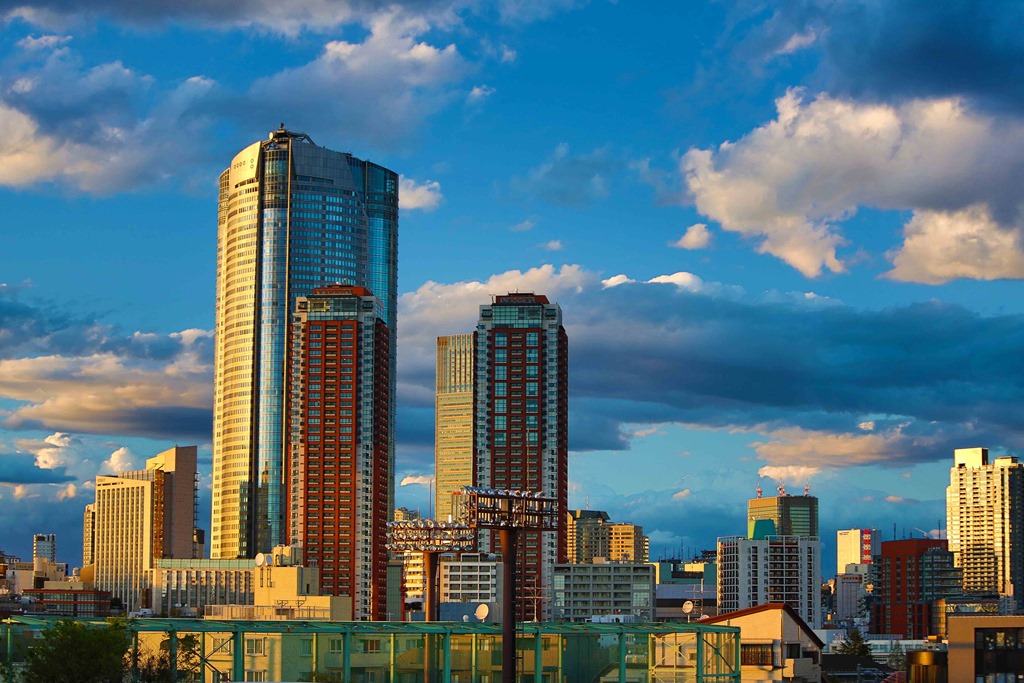
TOKYO SKYLINE

A few shots of Tokyo a week ago. Spring is upon us but it cannot decide if it wants to be warm, cool, cloudy or raining. Handheld HDRs via Canon 5D Mark III with 70-200mm f/2.8.

Makes interesting viewing out the window.

2013 04 03 Tokyo Fog _-7

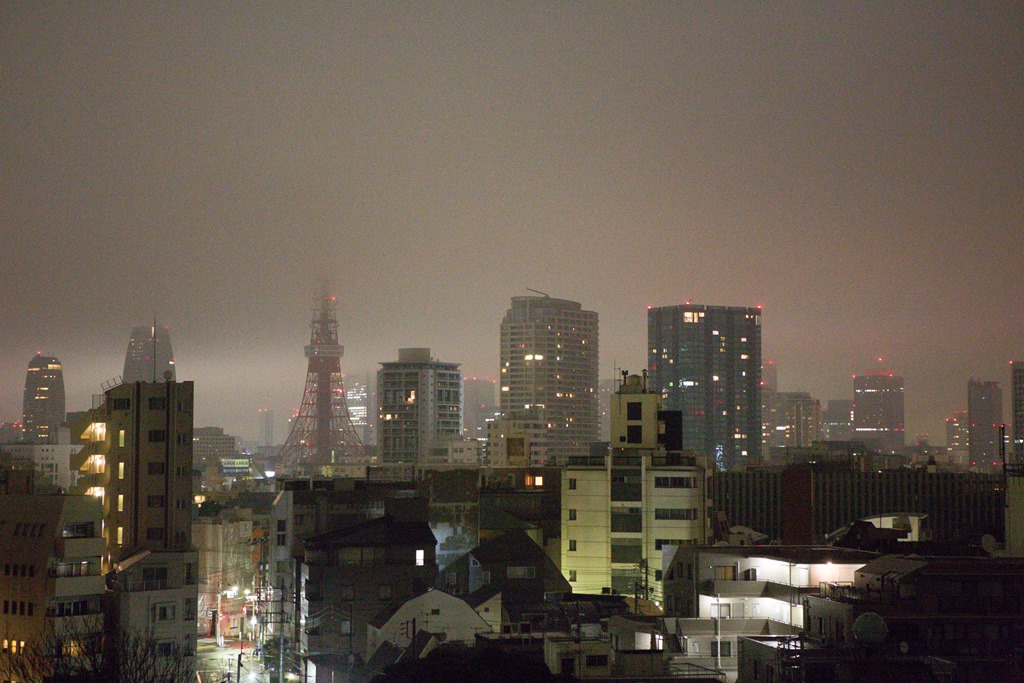
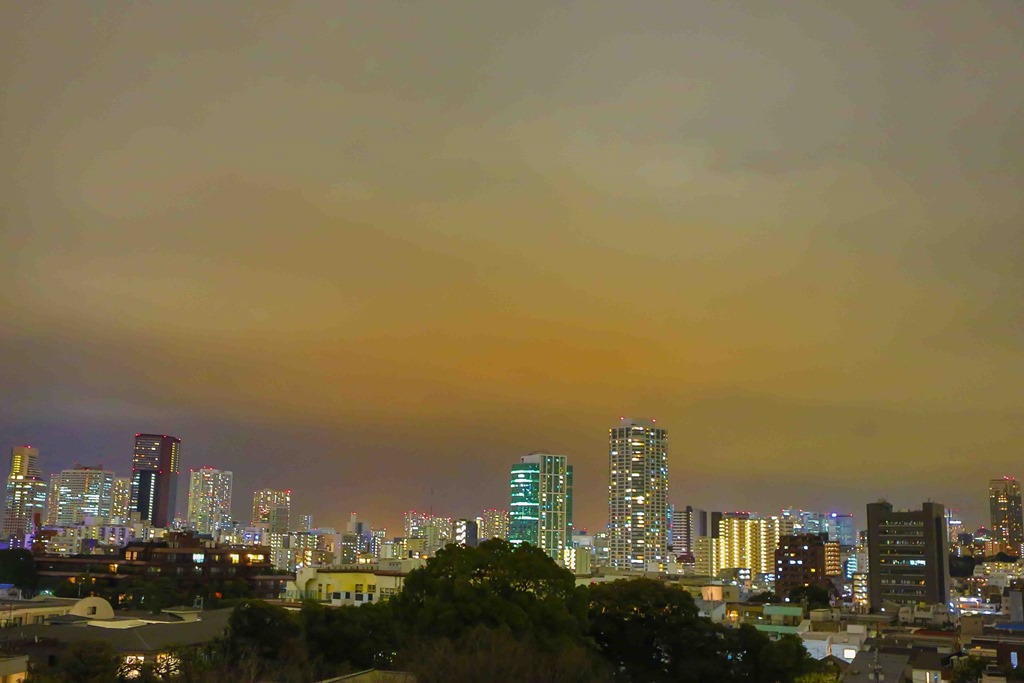
It wasn’t raining, but it was foggy. I don’t know why I woke up, but I took this shot at 2AM.

2013 04 03 Tokyo Fog _-15

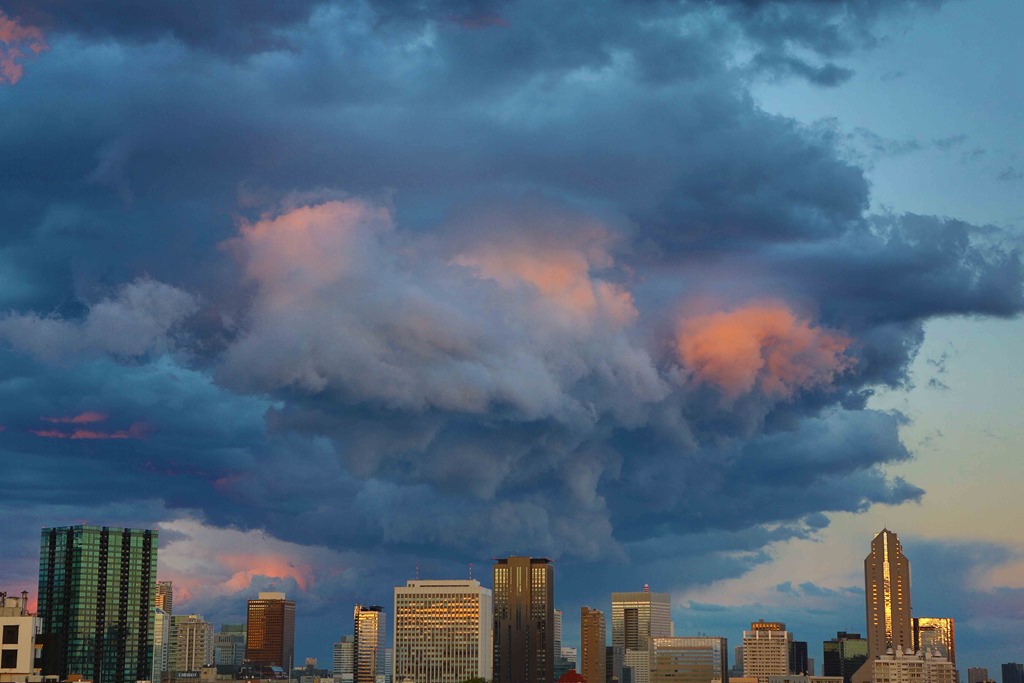
The sunset against the clouds.

2013 04 07 Clouds_

I work in that office .. for a few more months.

2013 04 07 Clouds_-27

I threw my 2X extender on to get this shot (handheld).

2013 04 07 Clouds_-28

Loved looking at this lonely cloud.

2013 04 07 Clouds_-32

A few hours later, it was raining.

2013 04 07 Clouds_-34

2013 04 07 Clouds_-36

Thanks for dropping by.

GETTING OUT TO SEE THE SAKURA, TOKYO

This has been an odd winter. A couple weeks of warm weather meant that the trees began to blossom 2 weeks early. With our family heading to Bali for March break, we were essentially missing the season.

Plus the temperature has dropped again. But we did get out on Sunday to Yoyogi park in an attempt to see the blossoms before they are gone. Sure enough, the park was filled with young revellers enjoying a picnic and drink below the blossoms. A lot of revellers. A lot of drink. Shooting Canon 5D Mark III with my 28-70mm f/2.8.

image

They all looked cold. 🙂 I found the lighting difficult to shoot – it was so grey and gloomy.

image

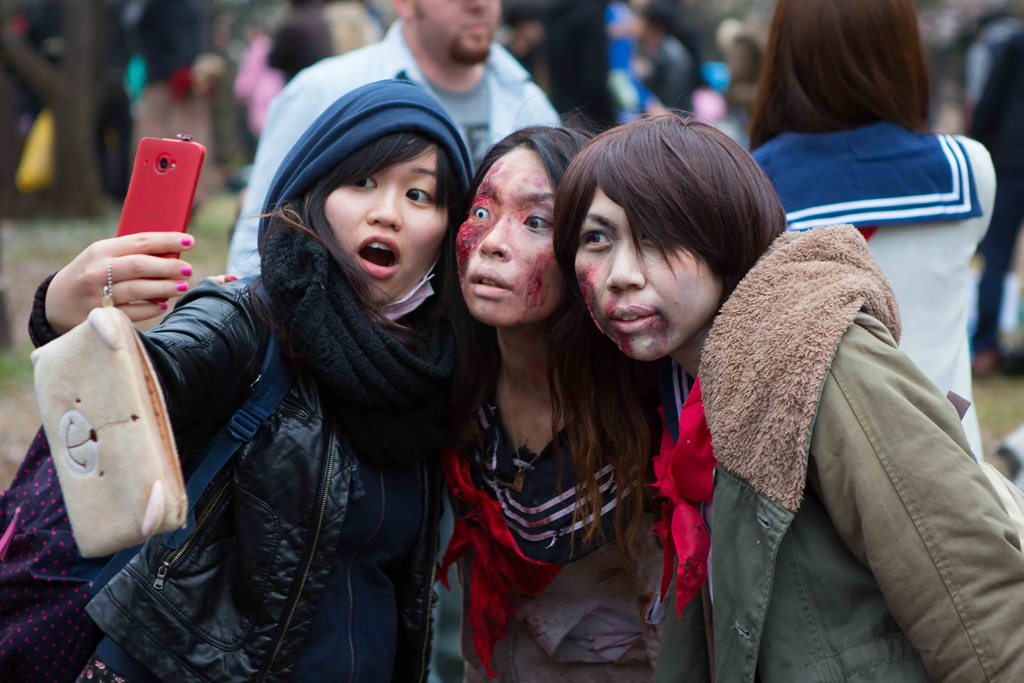
Many were in unique outfits, which candidly, is not that unique in Tokyo .. and no longer very surprising. I liked the zombie theme.

image

This is much more traditional Japanese.

image

image

OK, this fellow was a little surprising.

image

These folks actually had a sign up that said “No photographs” in English. Sure, go out in public dressed like that at Yoyogi Park and demand no photographs .. isn’t going to happen. People were lined up.

image

Oh, almost forgot, the blossoms ….

image

As it is the end of the season, they fall and make a beautiful pink carpet.

image

I wish they were around a little longer. It was grey, overcast and 9C.

image

image

Beautiful. Thanks for dropping by.

NOT BLOGGING

I won’t be blogging this week .. But left a few shots of things that caught my attention in Tokyo. Sorry, iPhone configuration as the 5D was not with me.

This is how you fill 5 pots with herbs on your terrace when you own a mini in Tokyo. My SUV is back in Canada ….

20130326-200526.jpg

This is a 3 colour bush beside an embassy in Tokyo. Some quality grafting.

20130326-200732.jpg

I love the flower stalls in Tokyo. Spring has sprung, the streets are alive with colour.

20130326-200955.jpg

Not sure why they wrote this in English on this Tokyo window, but I agree … “Peace”.

20130326-201057.jpg

A bus parked outside an office building in Tokyo .. I don’t know why it is in English? (smile) It was a very “Japanese” neighbourhood. Traveling stomach x-rays anyone?

20130326-201218.jpg

I was at a meeting at Canon and WISH I would have had my 5D to take some shots. Loved their old camera display .. Great cameras.

20130326-201453.jpg

Last shot. No one in Japan wears bike helmets. The most amazing thing? Gaijin (like the guy in the middle) have adopted a “if you can’t beat them join ’em” attitude abandoning the helmet.

Just amazing that you see everyone wearing helmets in North America and then they come here and stop. (Insert shaking head in bewilderment). The irony? He had a face mask on.

20130326-201629.jpg

Thanks for stopping by. Posts resume Monday.

SHRINES, TOKYO

There are shrines everywhere in Tokyo. What I didn’t know is that many of them are family run, generations and generations.

Near us is a shrine with a wall around it. I have not gone in yet, and when I walked by on Equinox day it seemed closed (which is odd). I did hear drumming. I had to get going, and will return, but I snapped a few photos (usual configuration shooting handheld HDR). It looks like an interesting place for future exploration.

2013 03 20 cemetary-31

Love the flowering bushes in Tokyo.

2013 03 20 cemetary-25

The not yet “awoken” contrasted by the blooming.

2013 03 20 cemetary-33

The view over the fence.

2013 03 20 cemetary-34

2013 03 20 cemetary-35

In contrast to a hazy white sky.

2013 03 20 cemetary-2

Warrants more exploration.

2013 03 20 cemetary-36

EQUINOX DAY, TOKYO

It was Vernal Equinox Day on Wednesday this week.

Vernal Equinox Day (春分の日 Shunbun no Hi?) is a public holiday in Japan that occurs on the date of the Northward equinox in Japan Standard Time (the vernal equinox can occur on different dates in different timezones), usually March 20 or 21. The date of the holiday is not officially declared until February of the previous year, due to the need for recent astronomical measurements.

Vernal Equinox Day became a public holiday in 1948. Prior to that it was the date of Shunki kōreisai ( 春季皇霊祭?), an event relating to Shintoism. Like other Japanese holidays, this holiday was repackaged as a non-religious holiday for the sake of separation of religion and state in Japan’s postwar constitution.

Even though it is a non-religious holiday, many people visit their ancestor’s graves. I walked past a cemetery near our apartment that I wanted to visit .. and clicked off a few photos using my Canon 5D Mark III and my go-to lens: Canon 28-70mm f/2.8.

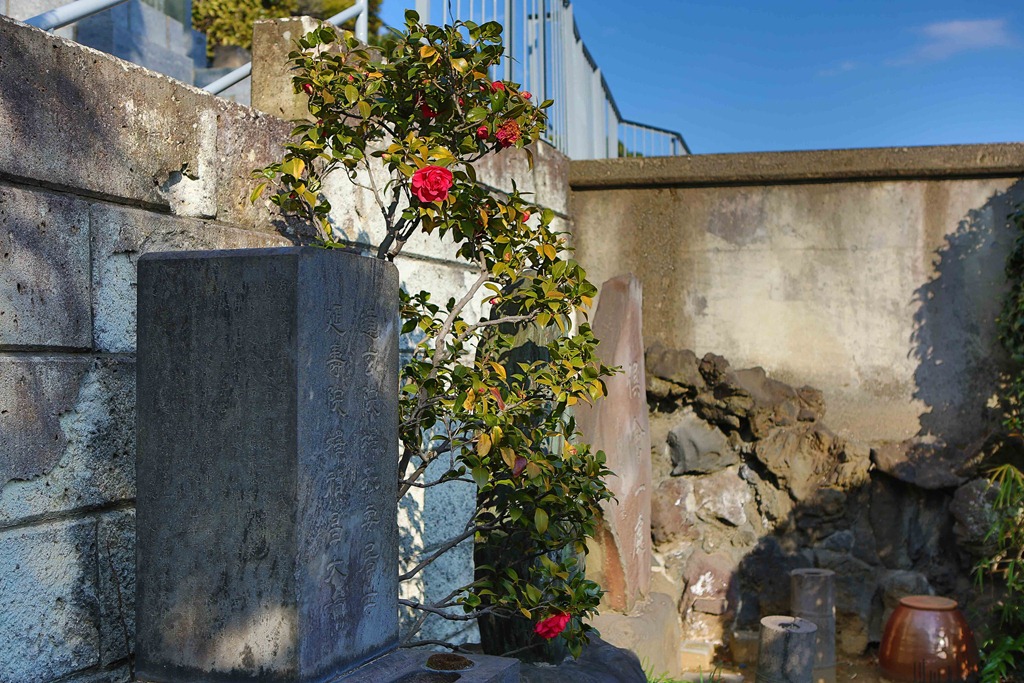
Pink peeking out behind the red.

2013 03 20 cemetary-38

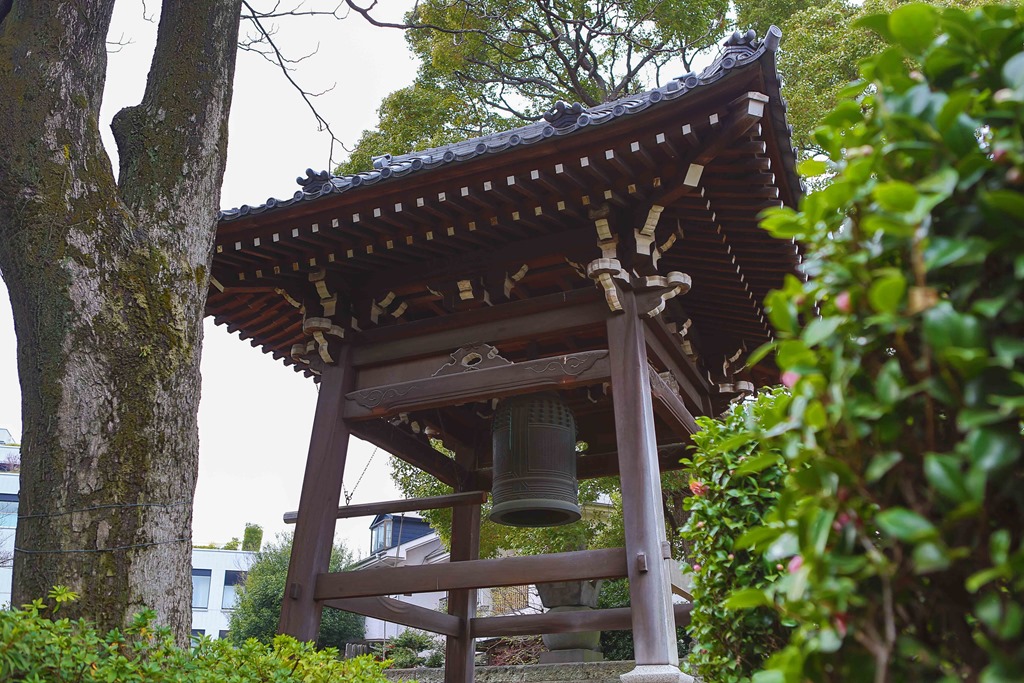
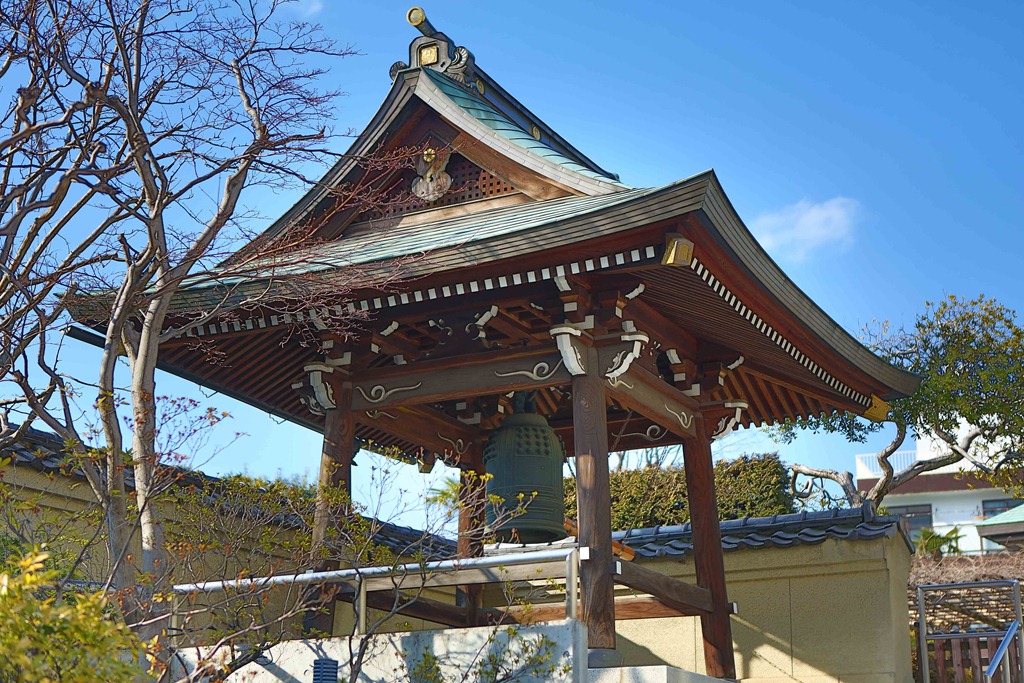
The bell at the cemetery. People would walk up randomly and hit the bell, followed by a bow of respect.

2013 03 20 cemetary-20

2013 03 20 cemetary-28

2013 03 20 cemetary-32

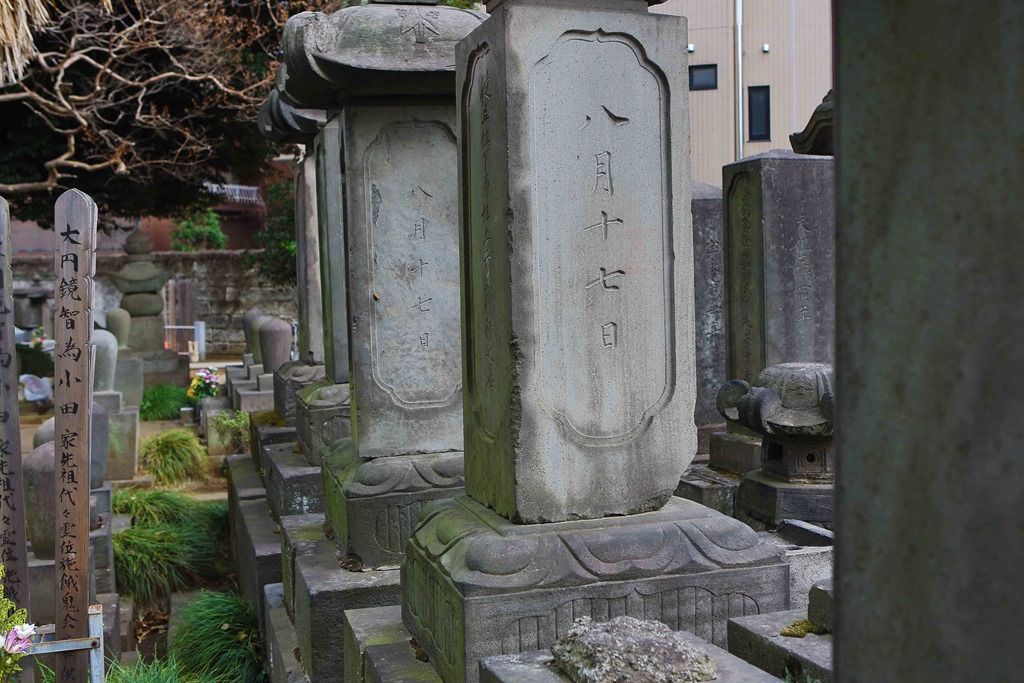
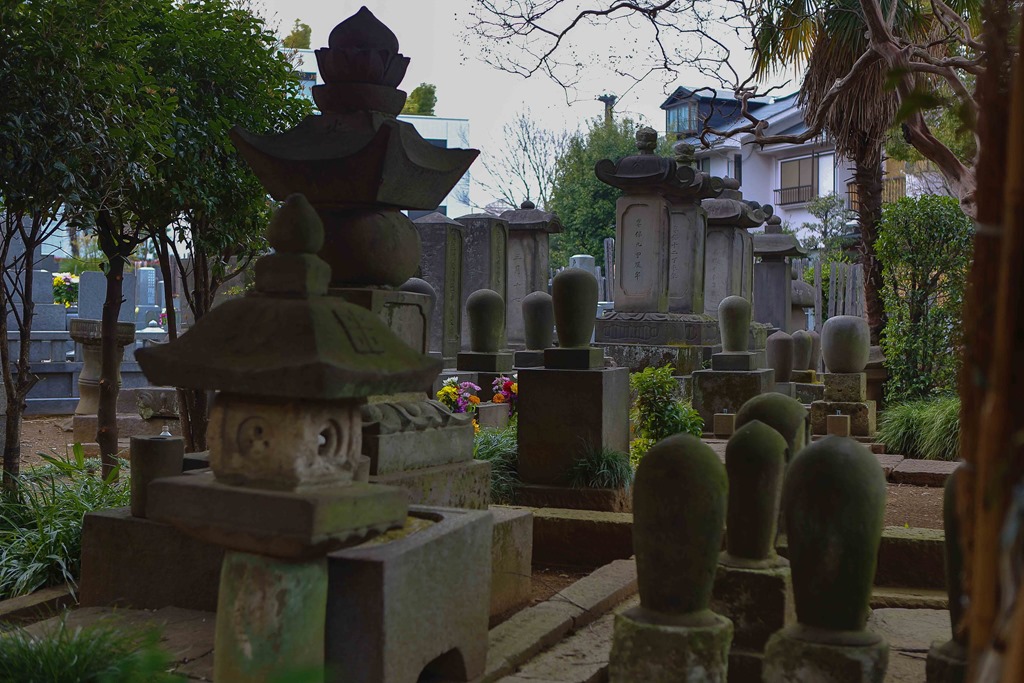
A mix of very old, and very new graves.

2013 03 20 cemetary-21

2013 03 20 cemetary-22

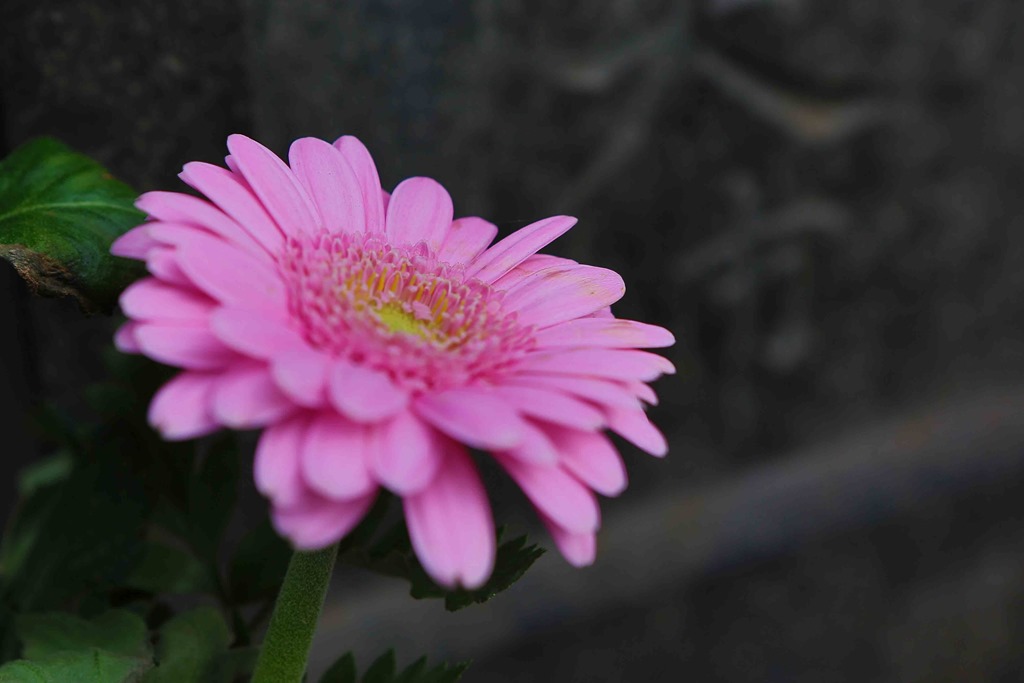
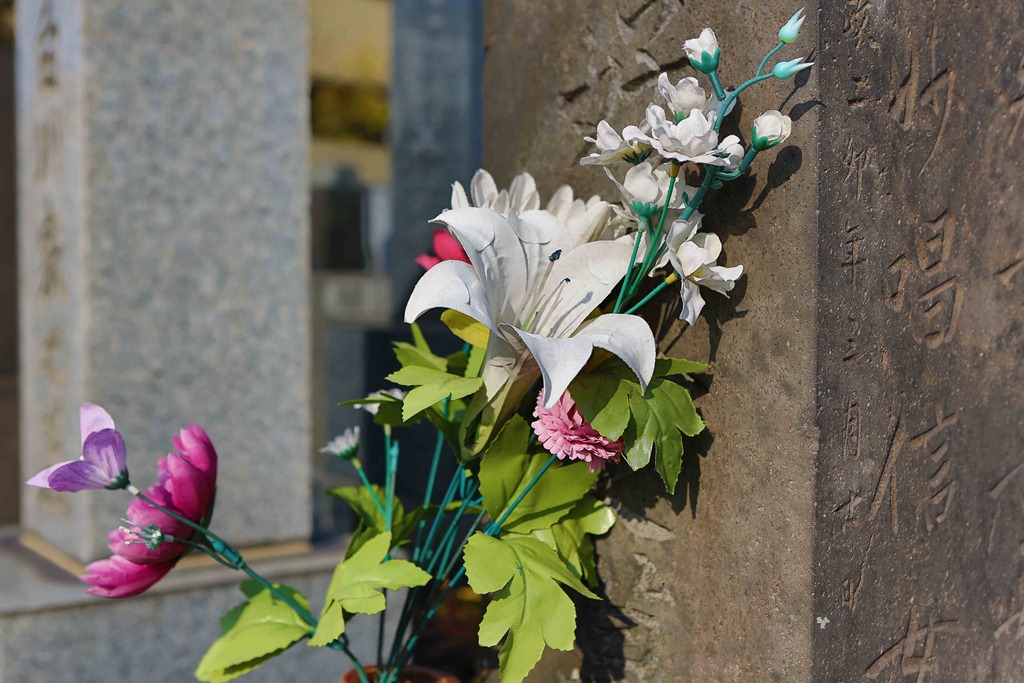
Of course, people leave behind flowers.

2013 03 20 cemetary-24

The grave stones are all grey and covered in moss. Intermingled with shots of color from the fresh flowers.

2013 03 20 cemetary-27

A beautiful place.

FUJI-SAN, WHERE ARE YOU?

Mount Fuji continues to elude me. Bring my camera, clouds role in. Don’t bring my camera .. clear as a bell. On this day I thought that Tokyo could double for Gotham city.

Shooting with my Canon 5D Mark III and Canon 28-70mm f/2.8. A mix of handheld HDRs and RAW.

2013 03 18 Tokyo_

2013 03 18 Tokyo_-7

2013 03 18 Tokyo_-9

The weather has been odd in Tokyo. I am told it was an extra cold winter, but that it is also warm earlier. This means the trees are blooming weeks earlier. As I walked home with the wind blowing, I clicked off a few pictures.

2013 03 19 Tokyo_

2013 03 19 Tokyo_-9

A school yard.

2013 03 19 Tokyo_-12

Walking a dark path. Not scary in Tokyo.

2013 03 19 Tokyo_-14

Trees in bloom.

2013 03 19 Tokyo_-2

2013 03 19 Tokyo_-6

2013 03 19 Tokyo_-7

Beautiful time in Tokyo.

YOU ARE NOT A NUMBER IN JAPAN


In Japan, no one has a Social Insurance number. Somehow, the government tracks you based on your name and birth location. But with no number.

Now it has become a political issue, as people do not want to become a number in the system. There are 130M people in Japan … all known by their first and last name.

So far ahead, so far behind. Amazing.

Always remember that you are unique.  Just like everybody else.

WEEKEND, TOKYO

The spring is here. It does not matter where I live (big house or small), I feel compelled to tinker. We have 5 pots on our deck that we will fill with herbs. So this weekend  I put together an automatic sprinkler system for the pots. This way when the 45C Tokyo weather hits, I do not have to remember to water them.

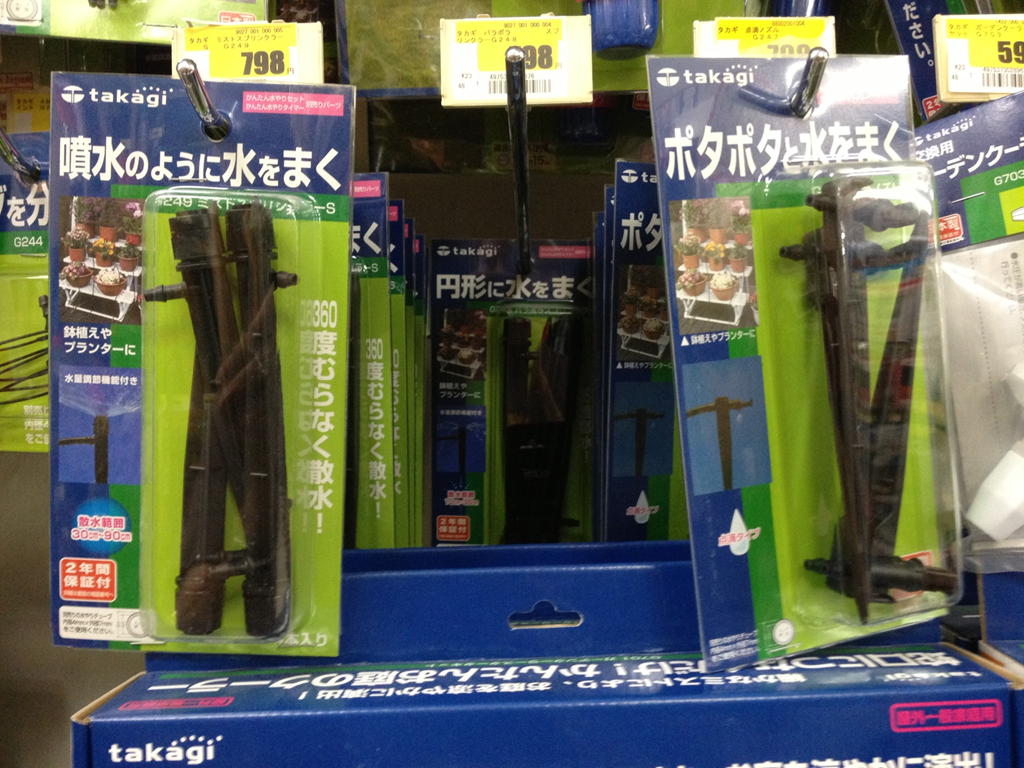
A Tokyo hardware store is a journey. Imagine going into a place where you can read nothing …. a place filled with toy lawnmowers.

image

I had to figure everything out by sight. “This looks like a sprinkler head”

image

And of course, you have to park.


Always an adventure.

A FEW MORE iPHONE PHOTOS

What you don’t want to see during a Tokyo snow storm when you need to get to Narita to catch a plane.

image

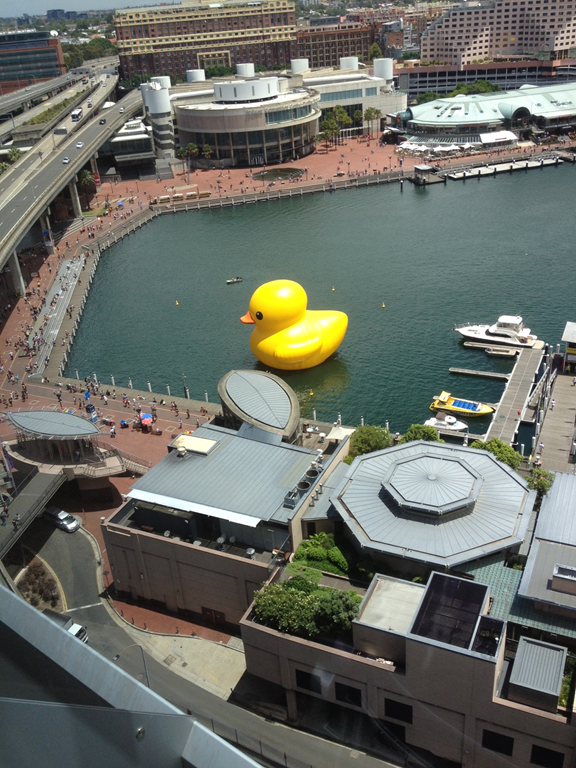
The duck that I saw when I made my plane to Sydney through a snowstorm.

image

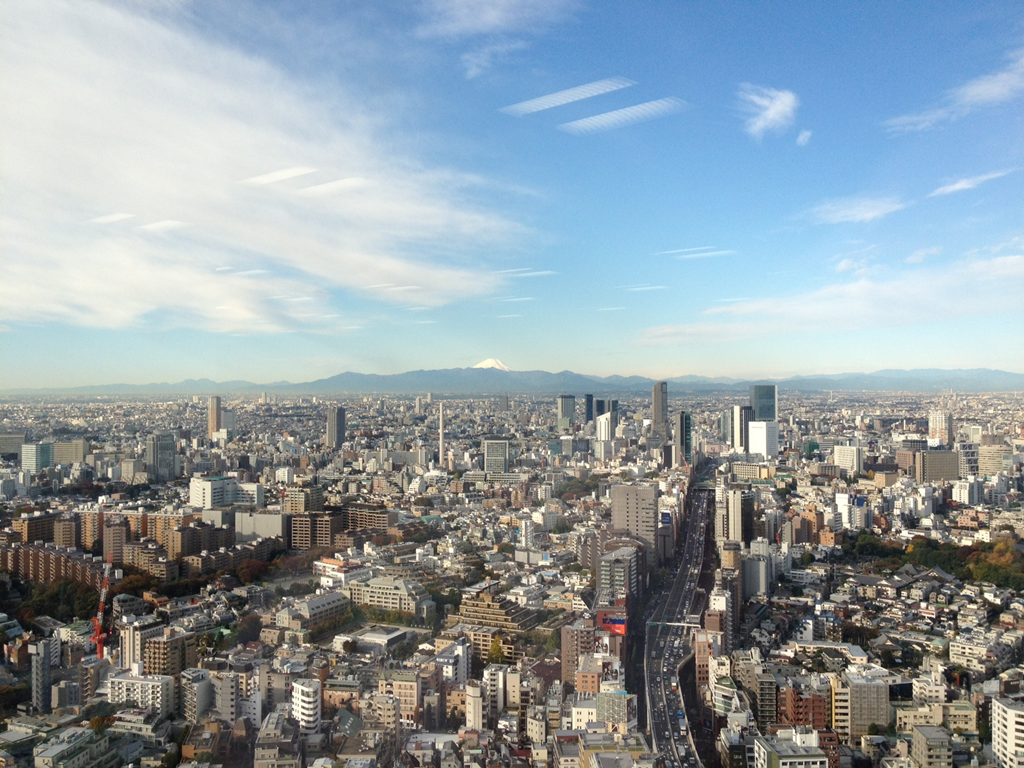
Fuji-san through my iPhone. I had my 5D, my 70-200m AND a 2X extender at the office this week and do you think I could get a good clear shot of the mountains during the daytime? Nope.

image

image

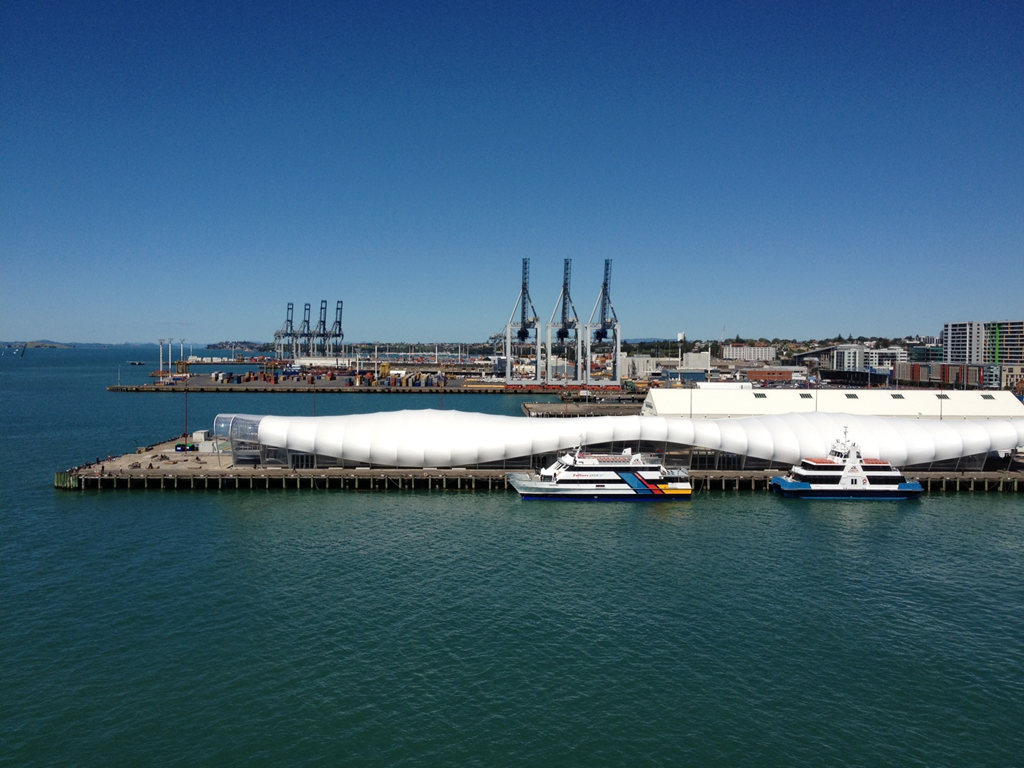
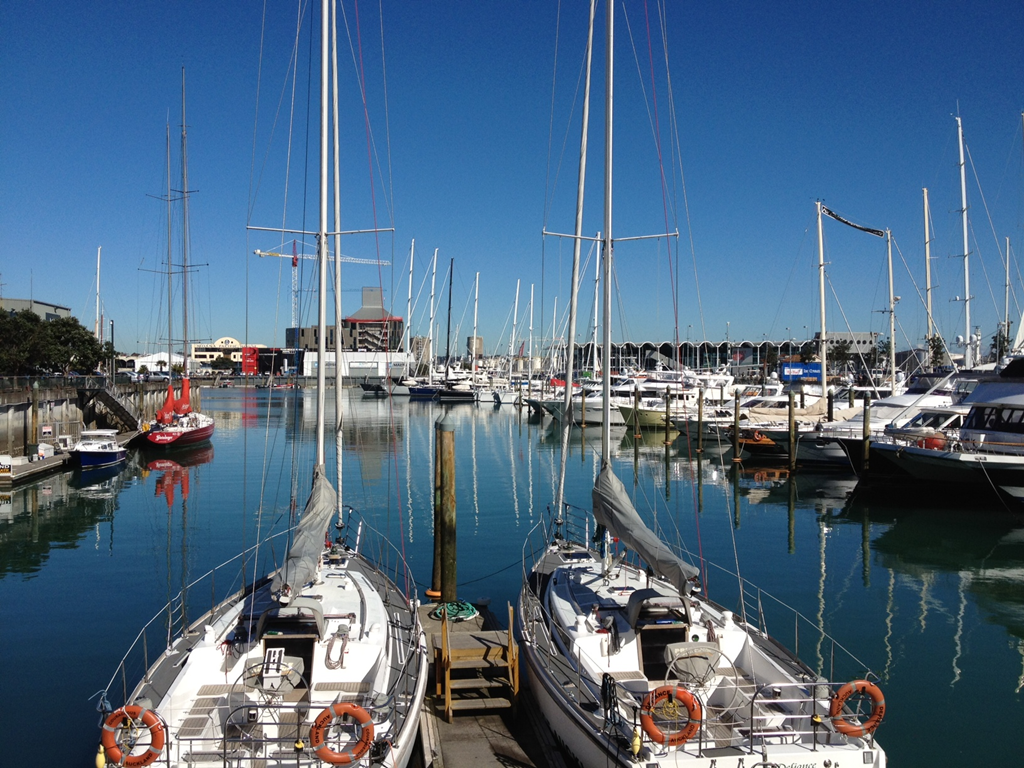
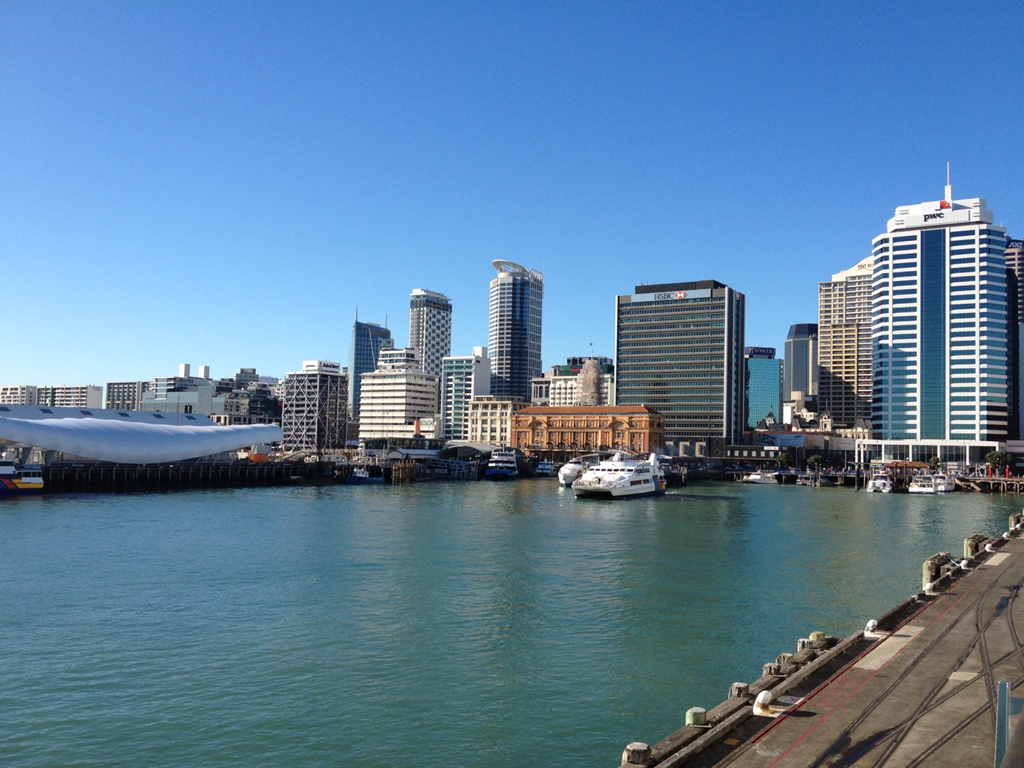
I spent 36 hours in Auckland, New Zealand recently sans a real camera .. so I snapped a few with the iPhone as I made my way around the harbour.

image

image

image

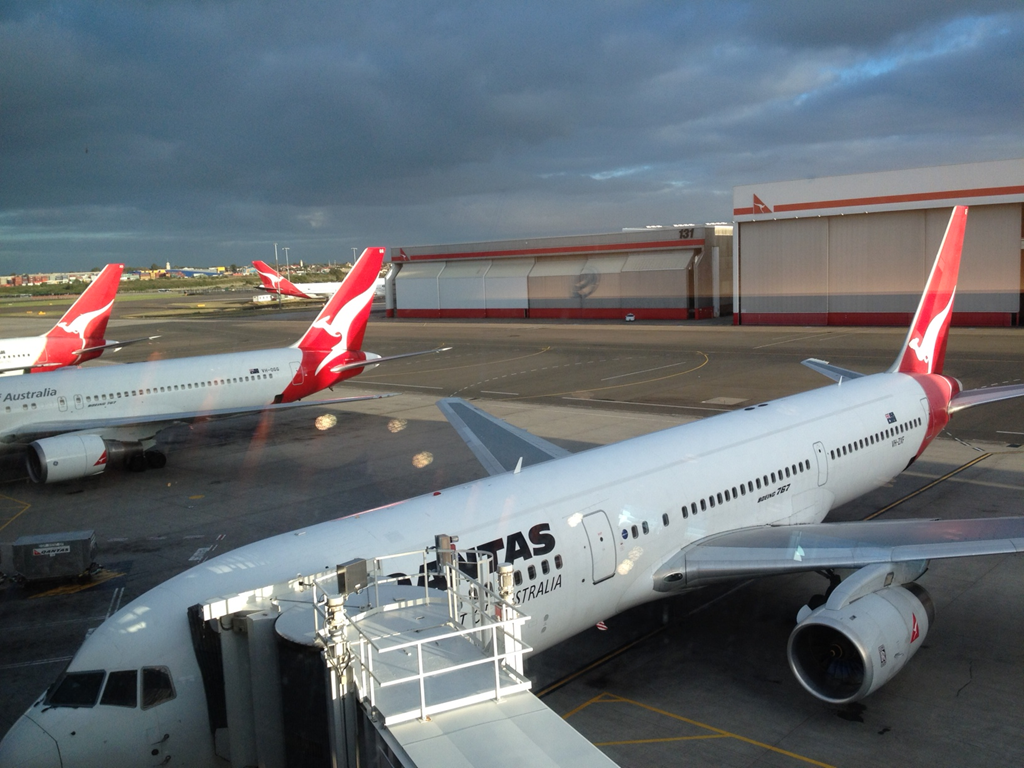
I don’t like the fact that Qantas is One World and not Star Alliance. Every time I fly them I feel like I am losing points … Good luck flying anything else in Australia.

image

I found this on a university paper when I was cleaning out our basement last summer. LOL.

image

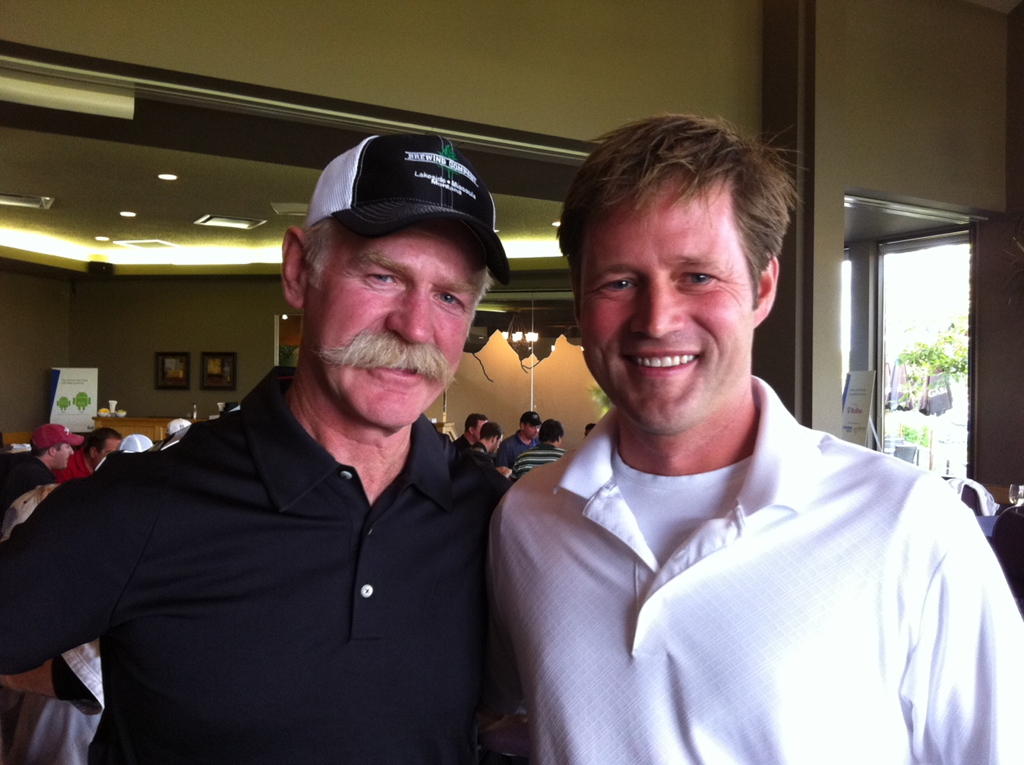
From a golf tournament. I grew up a Calgary Flames fan. Love the moustache Lanny.

image

I don’t miss Canada very much. Friends and family. My morning hockey league. Certainly not the snow. And living on a golf course and golfing with my family whenever we wanted .. that was a nice perk. No .. that is not my pink cart. Mine is blue.

image

HAPPOEN GARDEN, TOKYO

Last week I was at a meeting at the Happoen Garden. The conference center and gardens are beautiful. All of the trees are not in bloom yet, but they are started. Definitely on my Fall visit list.

Today’s configuration: Canon 5D Mark III, handheld HDRs, Canon EF 28-70mm f/2.8.

image

A beautiful open space right in the middle of Tokyo.

image

image

image

2013 03 12 Happoen_-15

The cherry blossoms are beautiful.

image

2013 03 12 Happoen_-18

I stood outside at lunch and took a conference call, snapping off a few shots as I listened.

image

Of course, a beautiful little shrine is tucked into the garden.

image

2013 03 12 Happoen_-25

image


I am going to have to take the family back there.

A YELLOW SKY, TOKYO

I had to get up in the middle of the night to attend a call after the sandstorm. The sky was an eerie yellow. Supposedly the sand did come from China.

2013 03 11 Tokyo_

Unfortunately it has led to our learning about PM 2.5 and how Chinese pollution is effecting the region:

Atmospheric particulate matter – also known as particulates or particulate matter (PM) – are tiny pieces of solid or liquid matter associated with the Earth’s atmosphere. They are suspended in the atmosphere as atmospheric aerosol, a term which refers to the particulate/air mixture, as opposed to the particulate matter alone. However, it is common to use the term aerosol to refer to the particulate component alone.[1] Sources of particulate matter can be man made or natural. They can adversely affect human health and also have impacts on climate and precipitation. Subtypes of atmospheric particle matter include suspended particulate matter (SPM), respirable suspended particle (RSP;particles with diameter of 10 micrometres or less), fine particles, and soot.

In speaking with a colleague today he mentioned that when he was a child Tokyo was very polluted due to rapid industrial expansion. Over the years Japan has spent a huge amount of money to clean the air. I was surprised, as smog is not something that I have seen in Tokyo.

The weather has been up and down this week, cold and hot. On this hot day I happened to bring my camera and get a few shots off of Fuji-san and the Tokyo skyline.

2013 03 12 Tokyo_

A gorgeous sunset.

image

image

image

No smog ….

TRIPLE THE RETURN

In Japan, Valentines Day is not the same. Instead the day is called Giri choco day, roughly translated to “Obligation Chocolate day”. Women must give chocolate to their bosses and important men (husband, boyfriend) in their lives to thank them. Then today (March 14th), we have White Day where men must give back gifts to anyone who gave them chocolate. The key to this ritual is the small print:

sanbai gaeshi (三倍返し?, literally, “triple the return”) is used to describe the generally recited rule that the return gift should be two to three times the cost of the Valentine’s gift.

Crazy. I have elected to not participate.

Valentine's Day is coming. Arm yourself with BitterSweets® candies.

TOKYO SANDSTORM

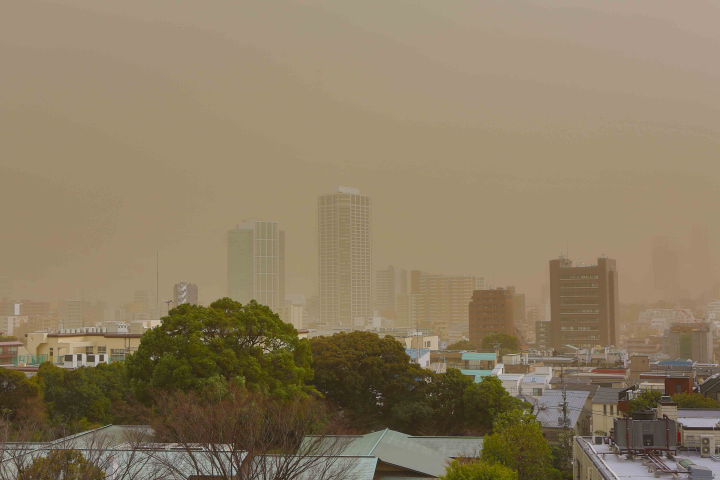
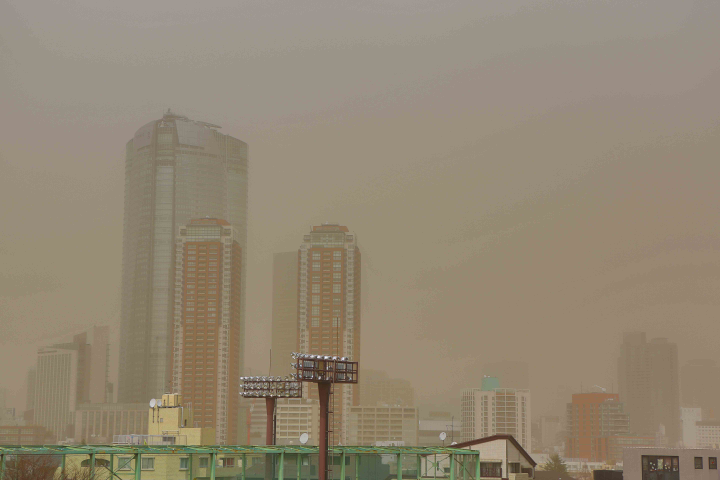
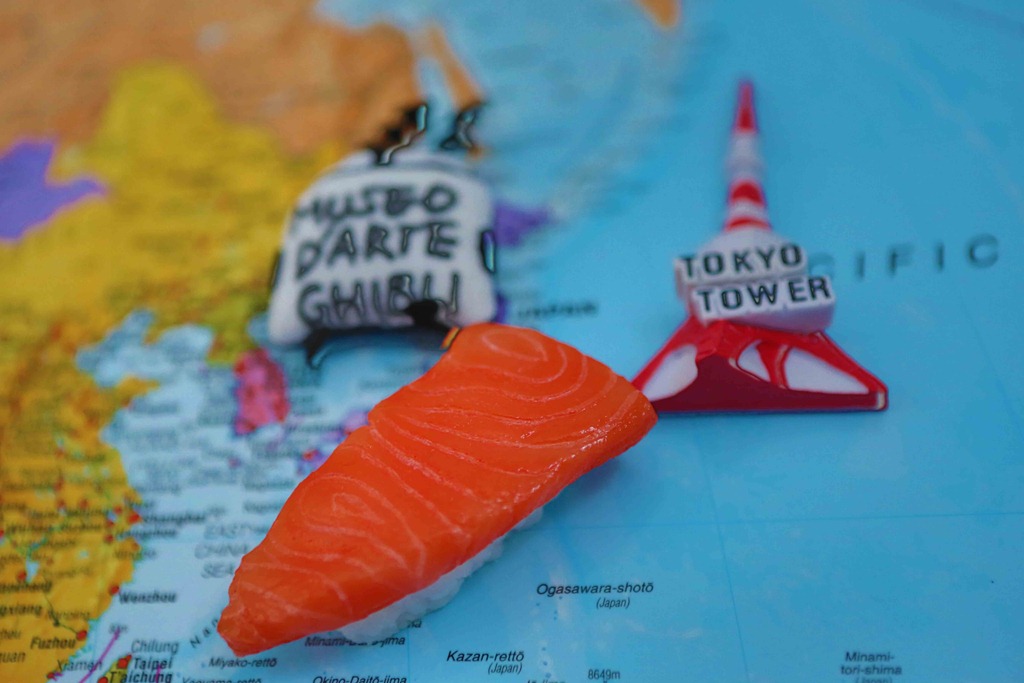
On Sunday afternoon the wind picked up and the sky went light brown .. sandy coloured actually. I was grabbing sushi when I saw it moving in.

image

It was amazing to watch. The sky went from beautiful blue and 21C to cold and blowing.

image

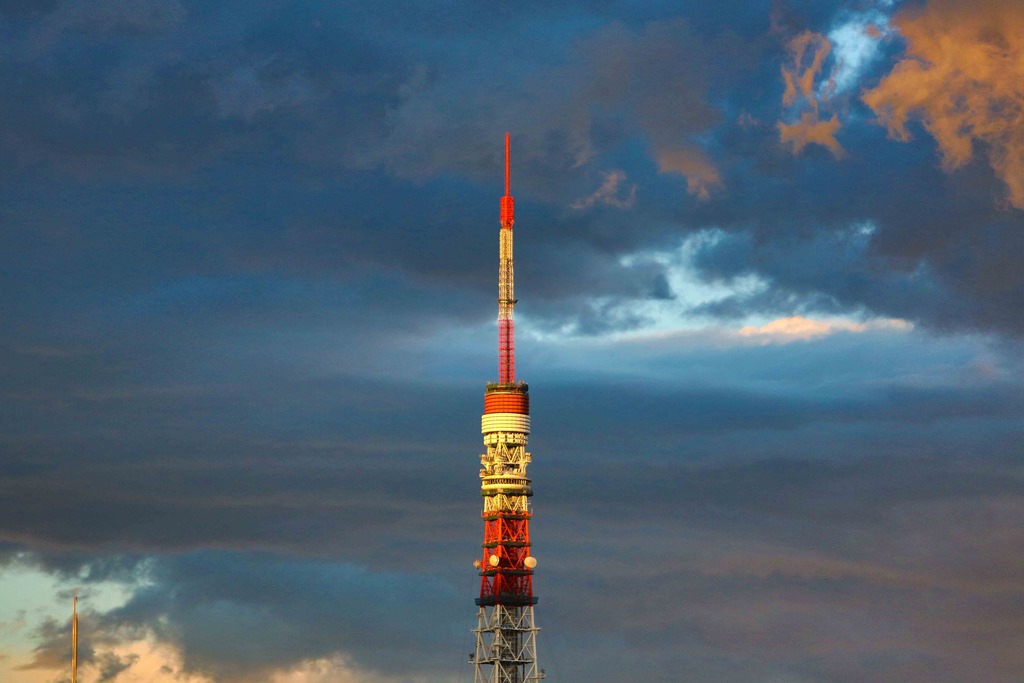
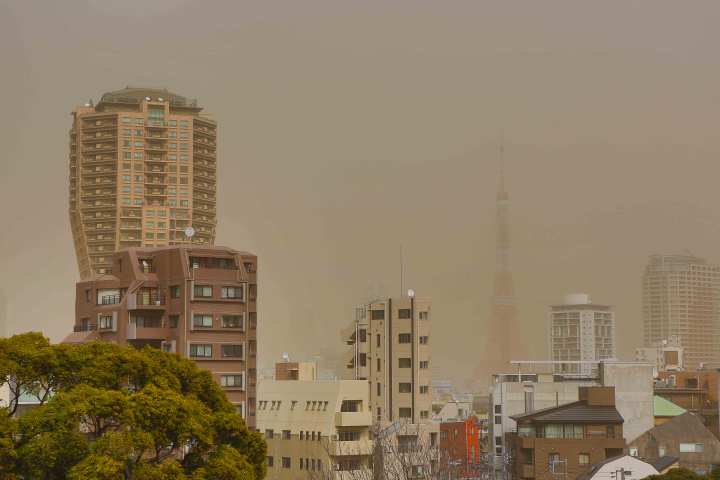
You could barely see Tokyo Tower.

image

image

Turns out it was just a cold front hitting a warm front, not the Chinese.

LOCATION, TOKYO

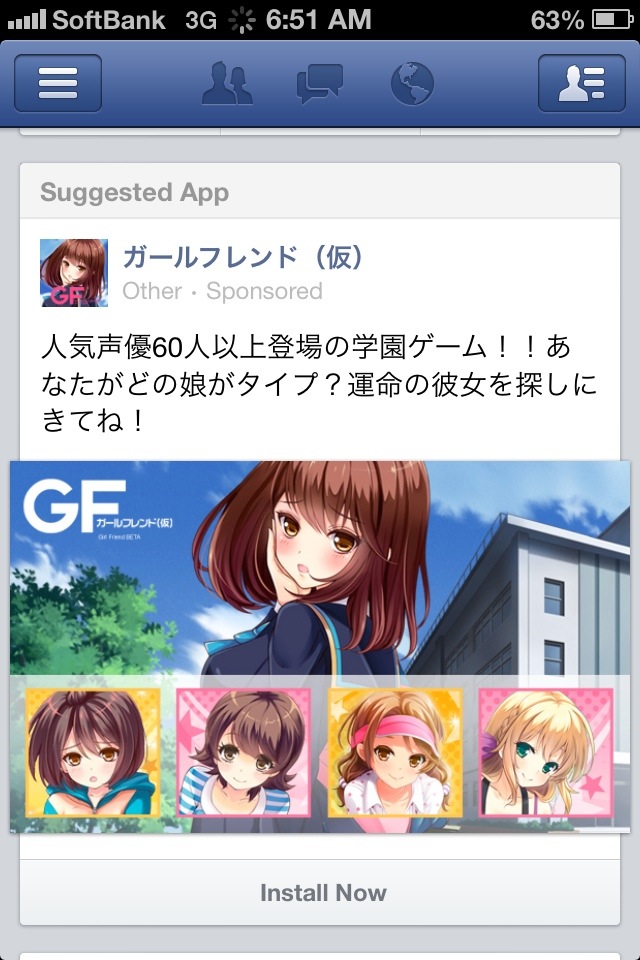
The Japanese love their anime. Facebook and their location services on my iPhone appear to have determined that I am a Japanese male (despite my English only settings) and are flooding me with cheesy girl anime ads.

No idea what this is or what it is for, but I find it a bit creepy. Kind of like Akihabara.

20130309-065902.jpg

THINKS YOU WON’T SEE IN KANADA

A store in Tokyo is filled with unique finds .. most in Japanese and indecipherable to the gaijin.

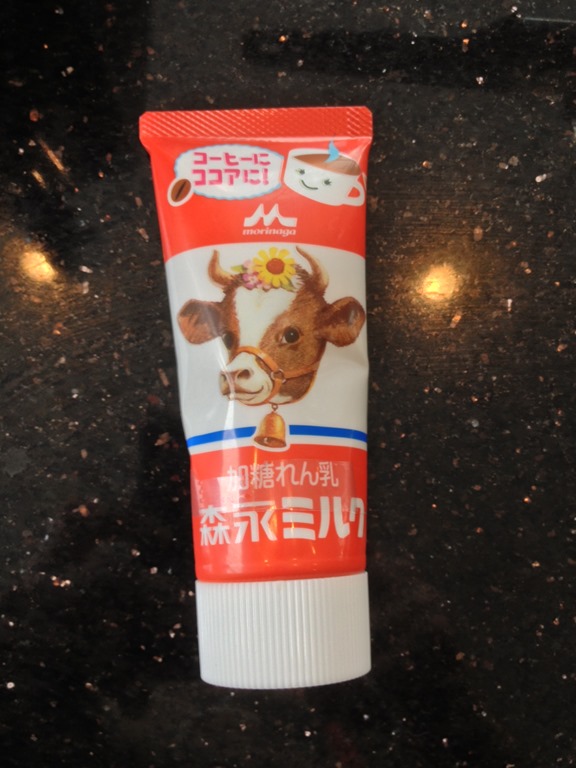
Condensed milk in a tube. Purchased to make a Vietnamese coffee at home.

condensed milk

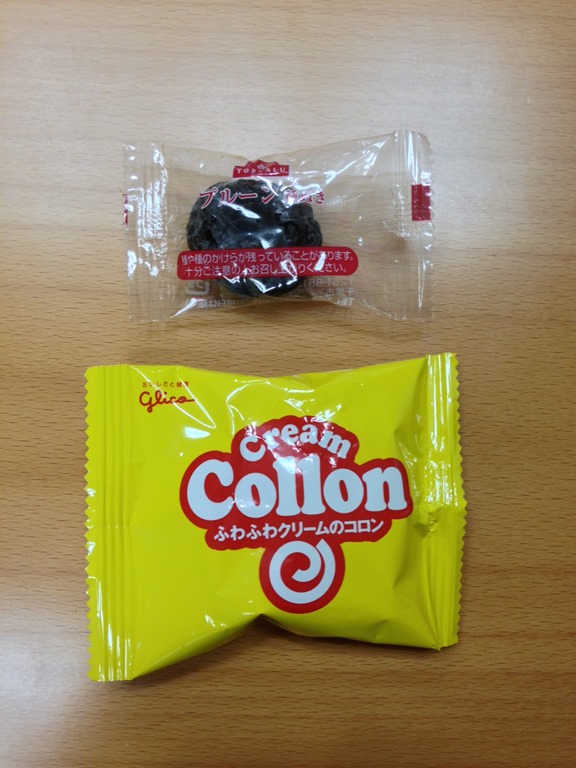
An individually wrapped prune goes well with your Cream Collon (tube cookies with a creamy center). You can’t make this stuff up.

prunes

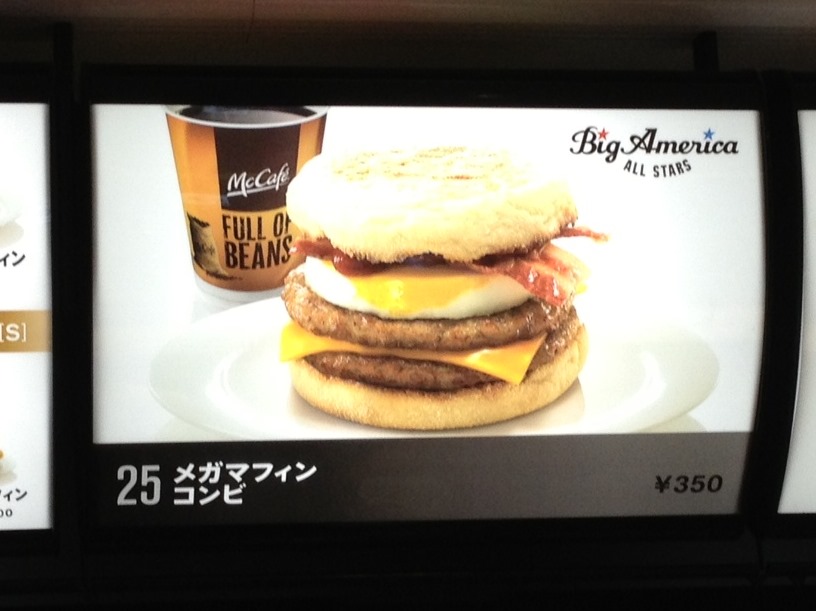
I was speaking with someone about how healthy Japan is. But a fellow in pharmaceuticals said that the cholesterol and diabetes drug markets are growing rapidly in Tokyo. This is why; the only thing I will eat in McDonalds is an egg mcmuffin but I won’t eat that. Obesity on a bun. Hey McDonalds, “Big Canadian” could go there too (unfortunately).

cholesterol

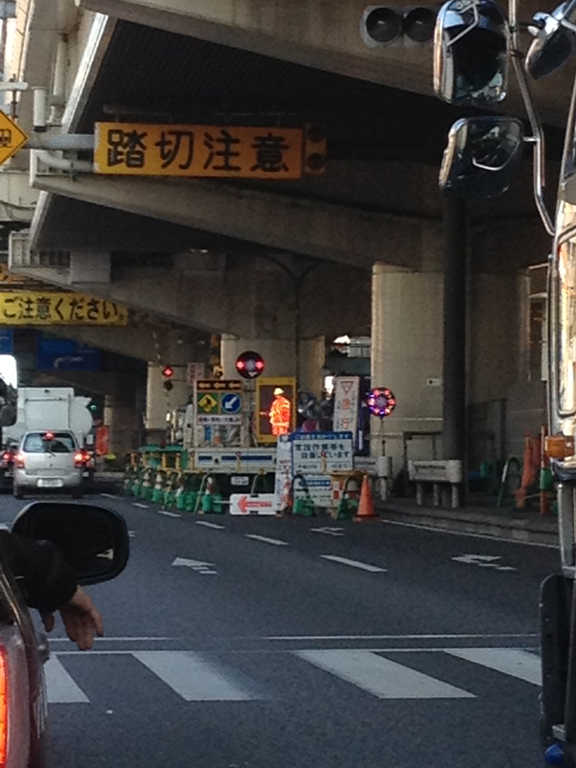
In Tokyo there are safety men everywhere. I mean everywhere, with their hands waving to ensure you don’t crash into a truck or workmen or any of 1,000 other things going on near the roads.

But automation is on the way …. A bit hard to see, but the LED safety patrolman.

image

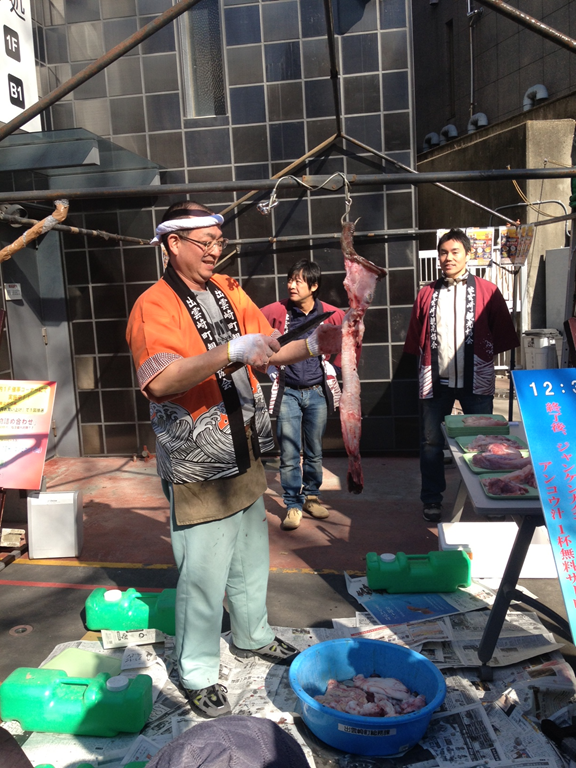
A butcher skinning something on the street. What is it? No idea, but he had a big crowd.

image

You never know what you will see next.

Update: adding one more. Sitting in the doctors office I saw an add for this brand of baby diapers.

20130311-144603.jpg

TOKYO REALLY IS THAT SAFE

As I left Seika Dormitory I noticed this …

2013 02 23 Seika Dormitory_-8-2

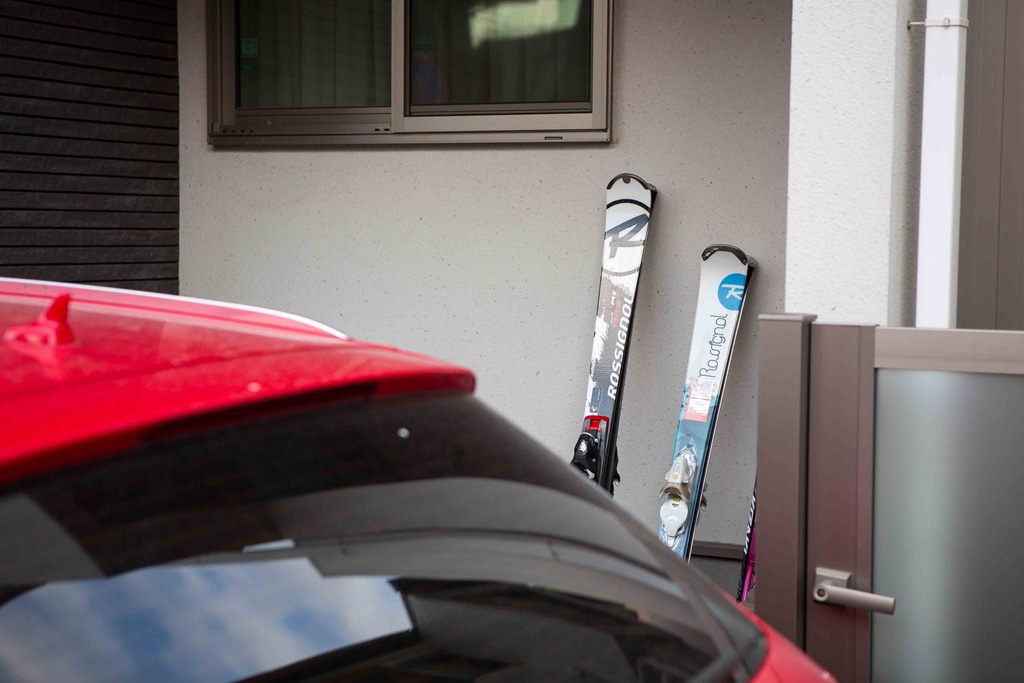
Those are brand new skis (3 sets) sitting on the front porch of a house .. not locked up.

I was speaking with a friend the other day and he was asking what it was like to live in Tokyo and I said the things that stand out are the cleanliness, how friendly people are (mostly) and how incredibly safe it is.

There are police everywhere, but I have no idea what they do? No guns. Low crime (unless you seek it in a seedy bar in Roppongi) and safe. The stories of people leaving a laptop or iPhone on the train and getting it back abound, children ride the subway alone and people leave their skis on the front porch and no one takes them.

A city of 40M+ .. and safe as a town of 500. A truly unique city.

SUSHI IN JAPAN


Tokyo is filled with great restaurants, the most Michelin stars in the world. But it isn’t all about expensive places, there are amazing small restaurants for all budgets and as the Japanese BMI demonstrates, very few western style fast food places.

I took a couple quick snaps of my favourite “fast food” take-out sushi place near Hiroo station. Great prices (I think it might be lower cost than North America) and super fresh.

2013 02 23 sushi_

2013 02 23 sushi_-2

Y380 for 4 pieces maguro (tuna). I could eat sushi everyday.

HAIKYO INSIDE THE SIEKA DORMITORY ROOMS, TOKYO


I continued my Haikyo, ready to explore the insides of the building. It was getting dark quickly so I shot a mix of handheld HDRs and RAW depending on light conditions. I was also worried about stepping on a few floors, the hallways were concrete but the rooms?

The first room I looked in. It is like the fire happened and everyone just ran, never to return. So odd.

image

image

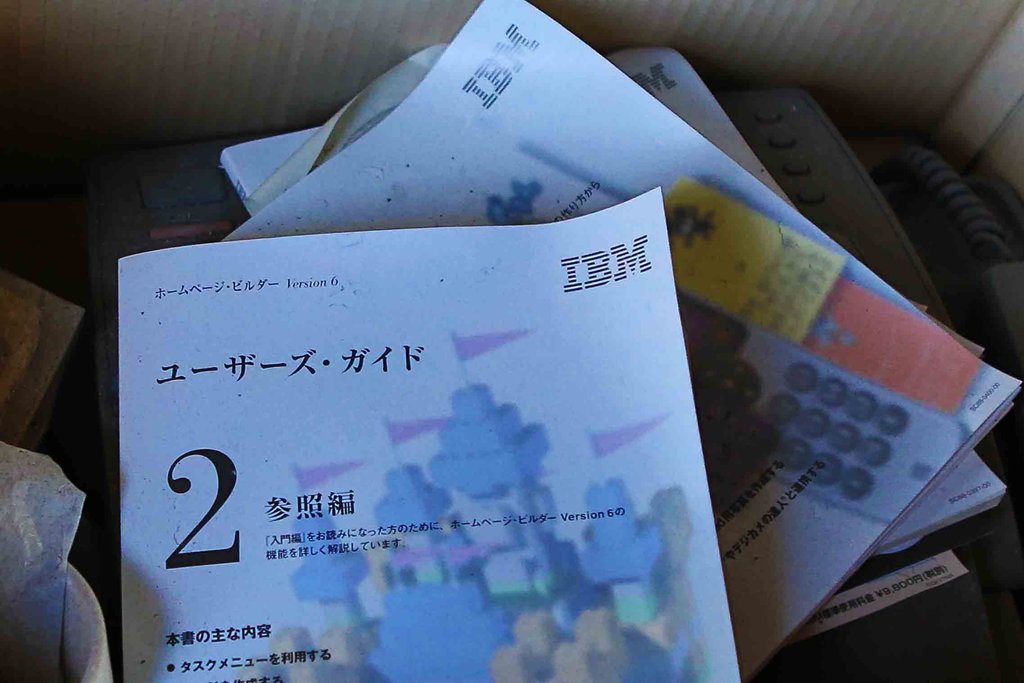
OS/2?

image

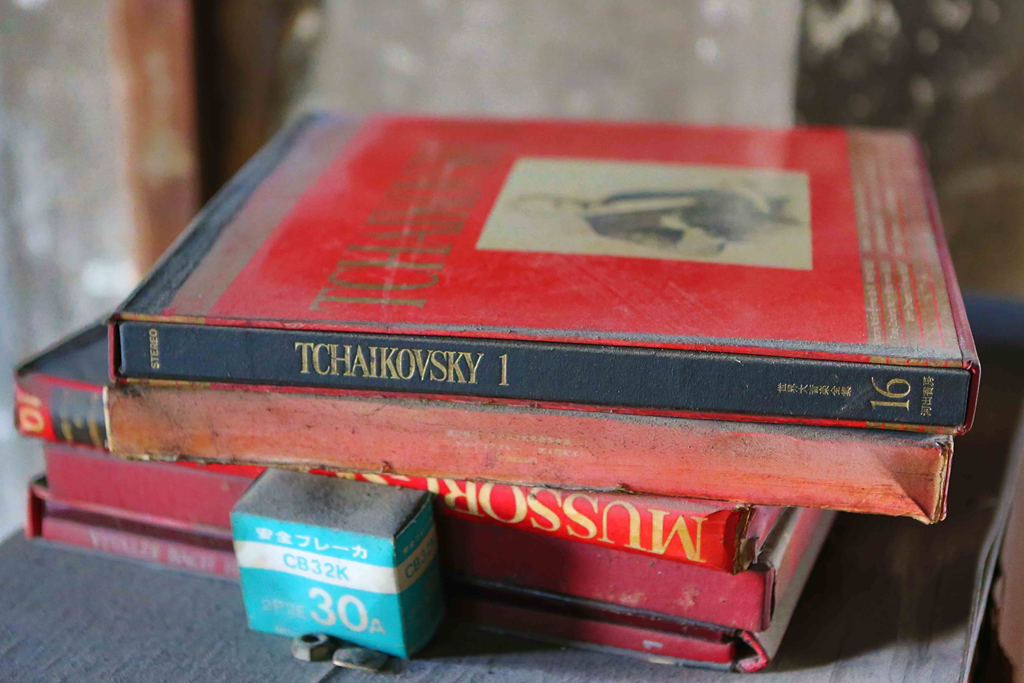
I would have left the Beethoven behind too. But Tchaikovsky? Heresy.

image

It must have gotten quite hot to melt whatever that is on the shelf …

image

I was fascinated by the piano.

image

image

I would have left it behind too.

image

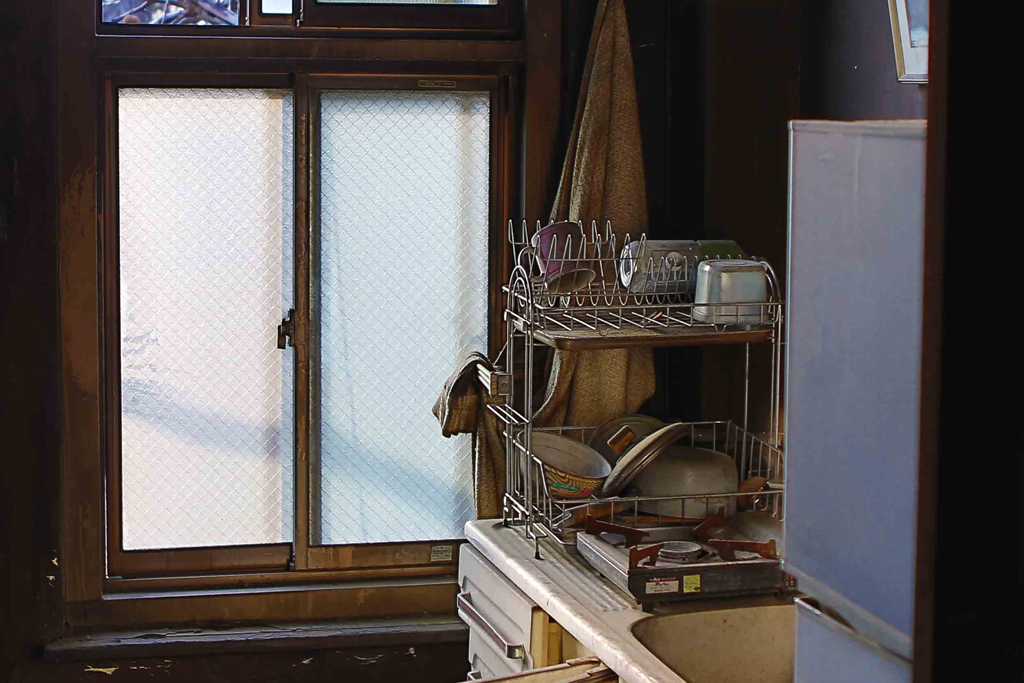
A fully stocked kitchen.

image

image

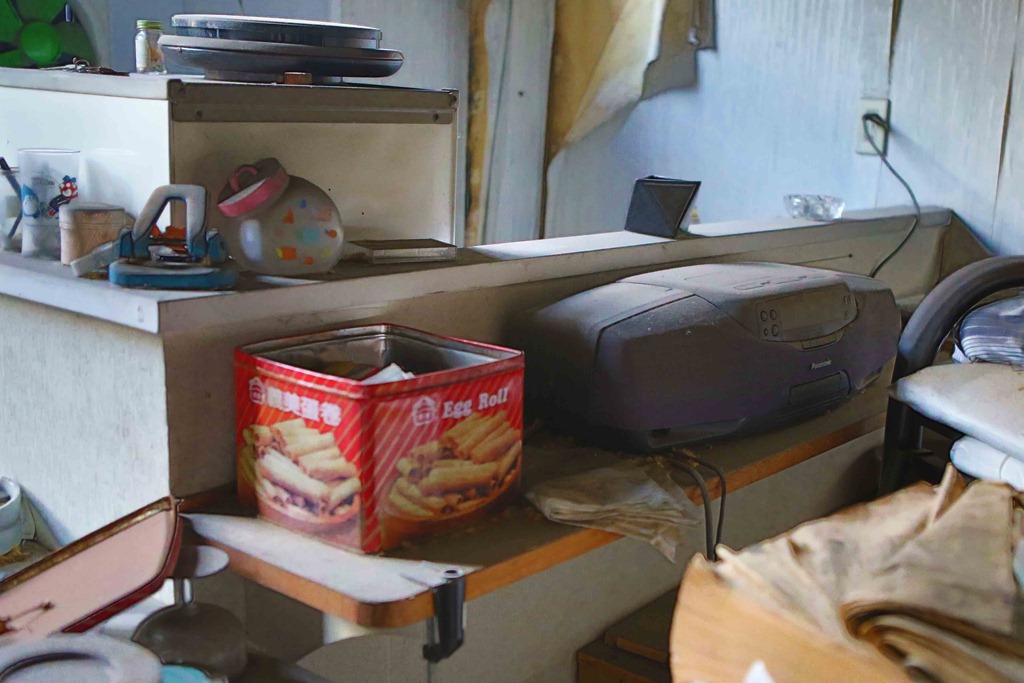
Proof that the CD is dead. Why else would leave behind such a fantastic boombox?

2013 02 23 Seika Dormitory_-61

And this is where my camera died. When I finally figured out where to go I parked quickly and decided to leave my camera bag and all of the piece parts behind. I was in a hurry. The only problem is that I didn’t look at my battery status.

It went dead. If I hurried I could run back to the car, move it to the closer parking spot, and then hustle back onto the site before all of the light disappeared.

Urban exploration can be a lot of work when you wing it.

image

image

image

Coming home for dinner.

image

Would love to know what is on those tapes. Some Magnum P.I. perhaps?

image

Student dormitory kegger …

image

I should have grabbed the worlds worst tie.

image

image

Cool afternoon out.

SEIKA DORMITORY HAIKYO (Urban Exploration): OUTSIDE


I run from the car to the “potential location” and there it is. Awesome.

image

I duck under what must be a “Do not enter” sign on a rope and slip into the lot before anyone sees. It is like the other sites have described, this overgrown building in the middle of Tokyo. Odd .. interesting.

image

There is a brand new mini-van parked in a portable canvas garage out front. Odd.

image

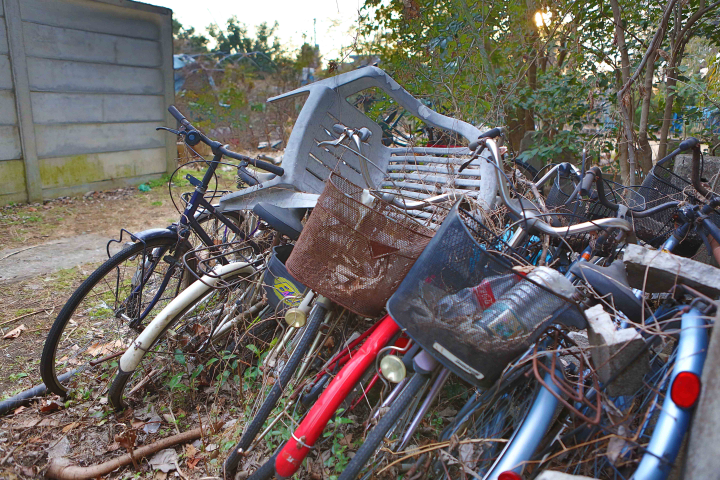
There is debris everywhere. Garbage seems so out of place in uber-clean Tokyo. Why are there so many abandoned bikes?

image

A history of the dormitory via. (great shots also)

Near the campus of Takushoku University (literally the University of Colonial Expansion) in Tokyo is an abandoned student dormitory built in 1927 by the Japanese colonial government in Taiwan. The university was particularly established to train Taiwanese students to serve the empire and to “develop” Taiwan.

Since the end of war, both Taiwan and China have claimed ownership of the building, citing that it was built using Taiwanese taxpayers’ money. Although the legal status of the building remains unresolved even today, Taiwanese and Chinese students were encouraged by their respective governments to occupy and live in the building, creating essentially an “one building, two systems” situation. The dormitory, also known as Seika Dormitory, has been abandoned since 2007 when a fire killed two of its residents.

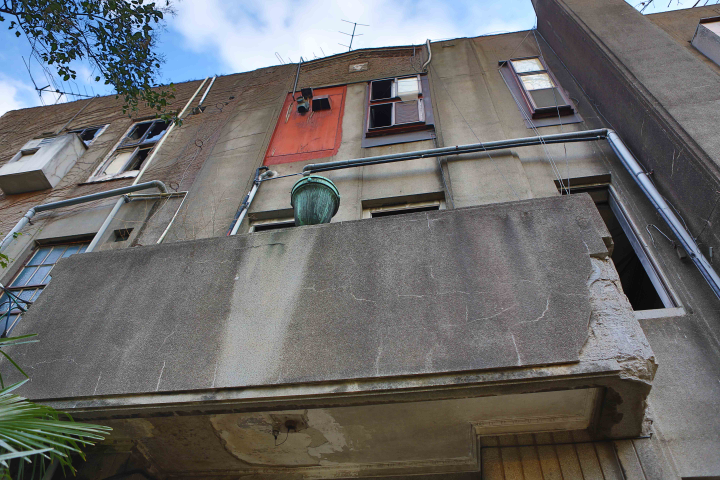
A pot balances on a balcony over the entrance.

image

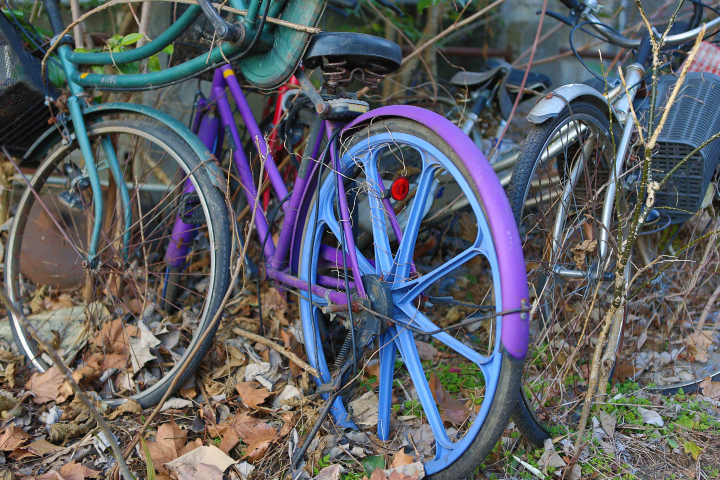
Who in their right mind would leave behind a purple bike? Purple awesomeness.

image

I stepped inside and was greeted with a “konichiwa” as two fellow explorers made their way around the site. They looked nervous. Don’t worry fellows, I am clearly not the Tokyo police.

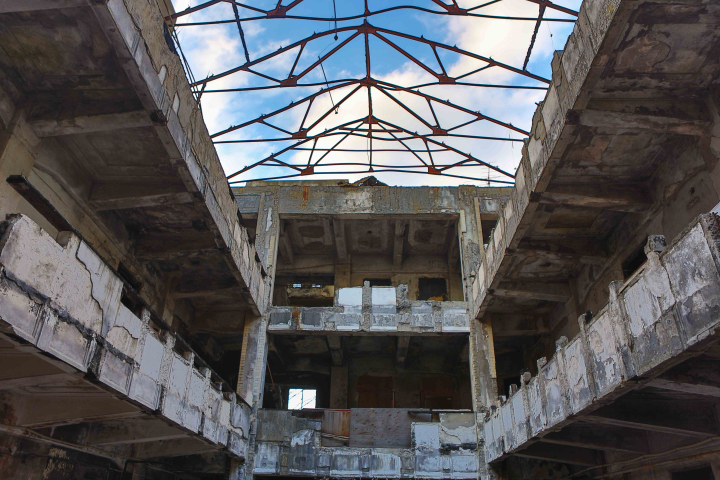
There are lots of pictures of the building’s central area, broken roof overhead.

image

Had to hustle, sun was going down.

image

I am surprised there isn’t more graffiti.

image

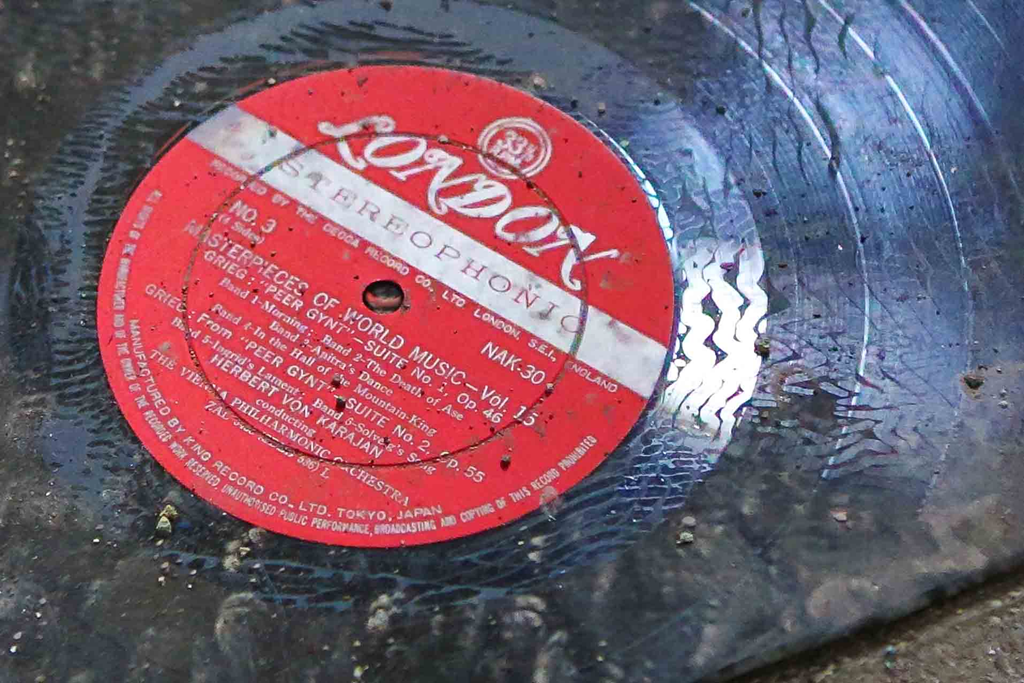
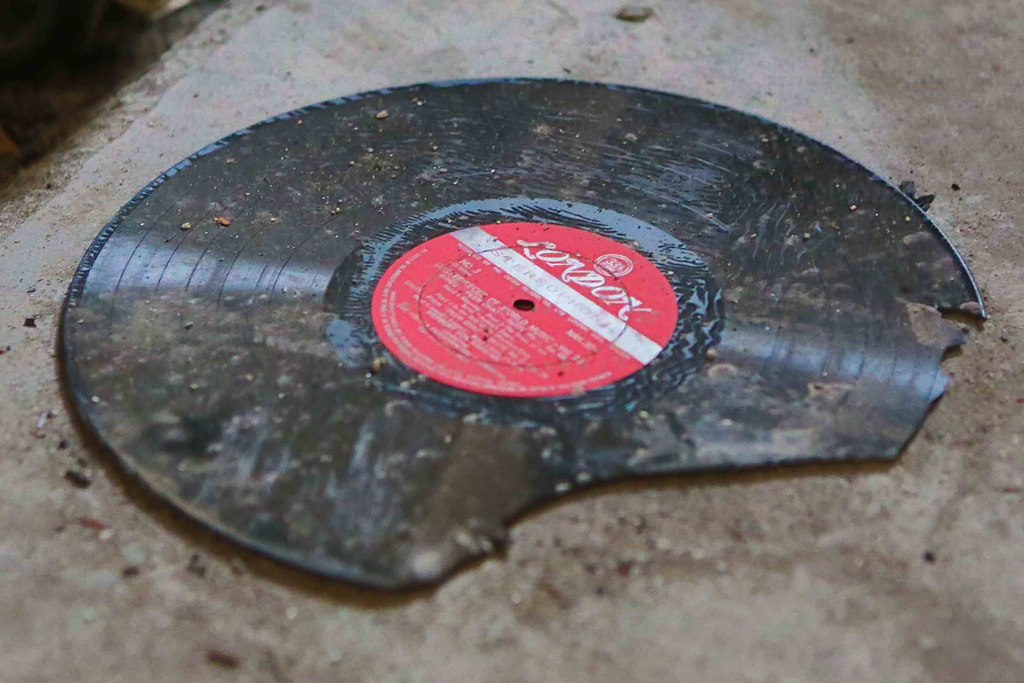
Looking up wasn’t that interesting. Looking down was much more interesting. I wonder how many people have stepped on this record?

image

image

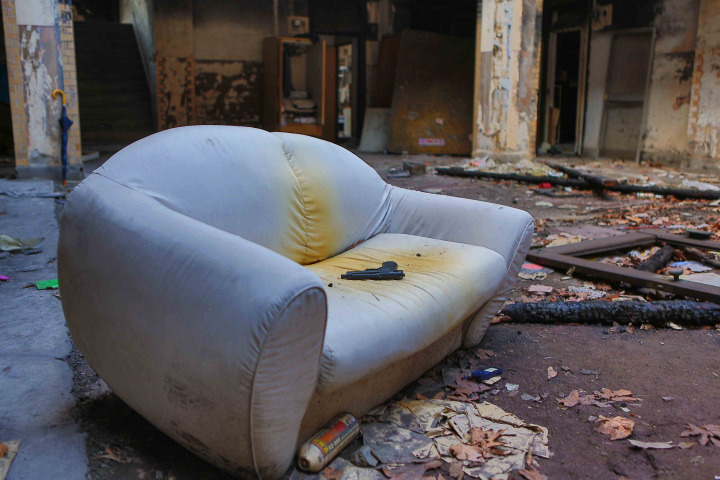
Odd that someone would leave behind a toy gun.

image

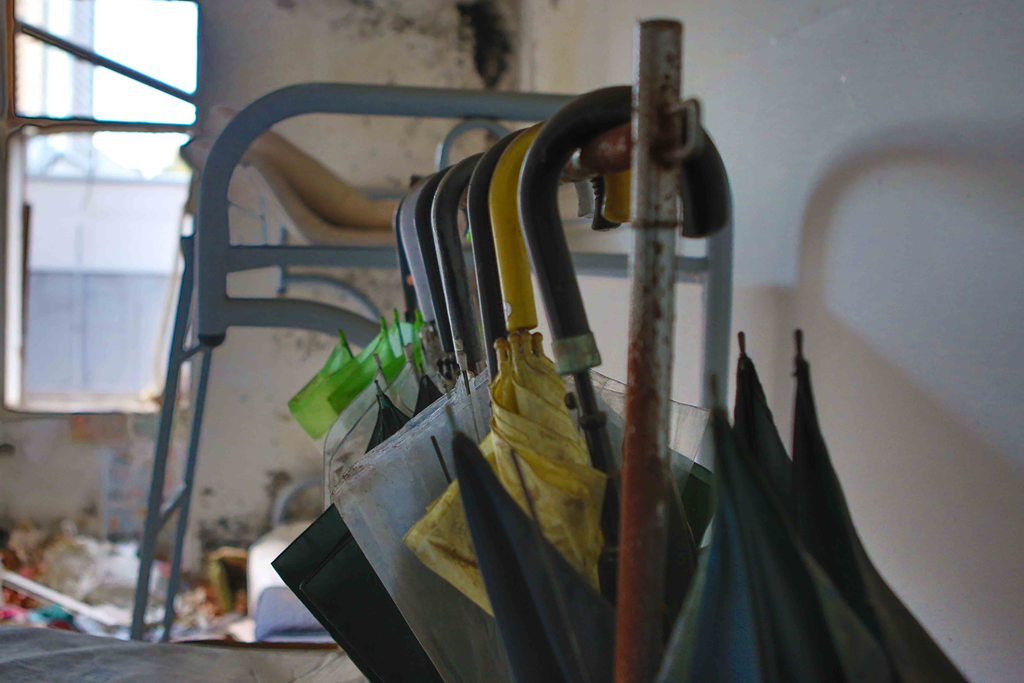
This umbrella had seen better days.

image

The yellow ball behind the umbrella caught my eye. That is a nice 5 wood.

image

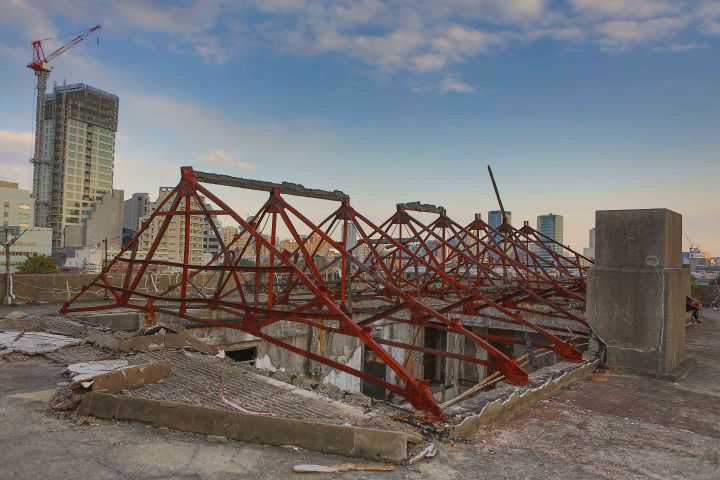
I decided to start from the top. Up to the roof I went.

image

image

It offers a great view of the floors below.

image

image

Or the doors below.

image

Time to go open some doors and peak inside.

image

MY FIRST HAIKYO STORY (URBAN EXPLORATION)


Odd weekend as the family was in Saipan and I was home alone on Saturday. This is a very rare occurrence as weekends are family time and if the boys are with friends, Narda and I are usually out doing something. Saturday had not even started and I was already bored (it had been a brutal long week at work).

What to do? Read a book. Hit the gym. Watch a few shows. I contemplated heading to the office to shoot the sunset against Mt Fuji (great view) with my new 2X extender and 70-200mm. Then I remembered a few sites I had come across around urban exploring … and Tokyo.

Haikyo.org, Michael John Grist and Tomboy Urbex are a few sites dedicated to haikyo (Japanese for urban exploration). I have never done this before other than at tourist sites such as Normandy and figured this could be a nice Saturday afternoon diversion.

First, select a target. I set my sights on Seika Dormitory, a burned out building in the heart of Tokyo.

Second, the address. The problem is that finding these locations is tough – where is the address? And for some reason no one posts it, perhaps to add to the sense of adventure as you hunt for the place?. Our concierge set my GPS for the approximate location as he could not find the exact address. Makes sense. I will get to 1 Kohinata, Bunkyo-ku Tokyo and have a look around. What could go wrong?

And so my adventure started. I arrived, found a spot to park the car and proceeded to randomly approach people and show them my iPhone with the name of the location (精華寮) prominently displayed.

There was a lot of smiling (I was out of the expat area, English was nowhere to be found). Two police officers pulled over thanks to a super friendly elderly woman who flagged them down to help me while asking me “Kanada?”.

After much debate they sent me off by pointing to the map on my iPhone, giving me a sense of confidence that this was the general area where I would find the site.

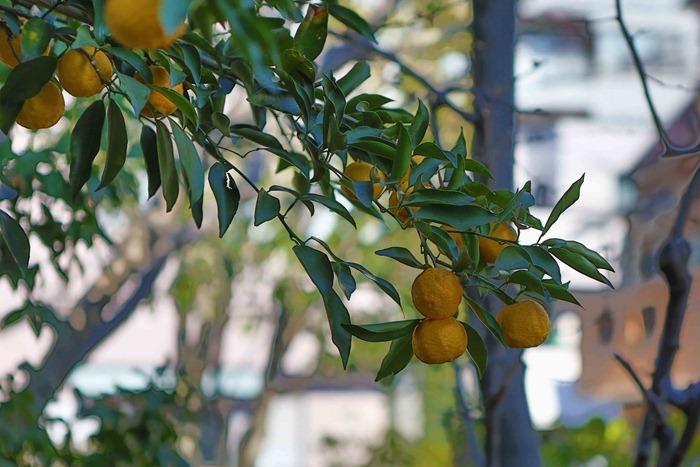
Off I went. A few shots along the way. February and lemons on the trees. It was 8C and brisk, I had forgotten .. semi-tropical Tokyo.
2013 02 23_

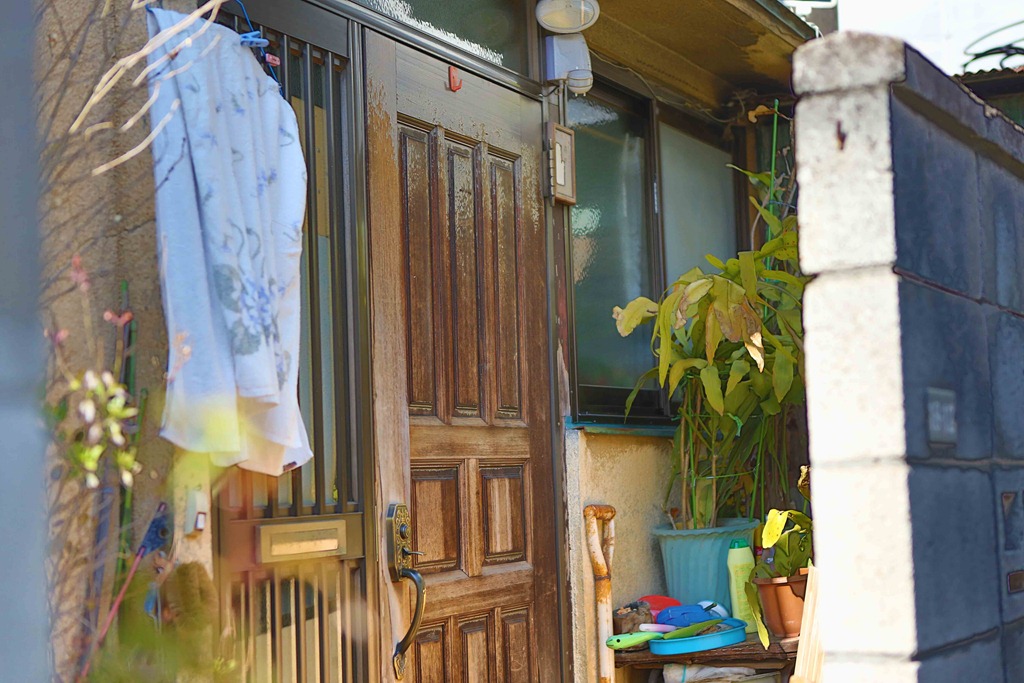
Someone’s door.

2013 02 23_-3

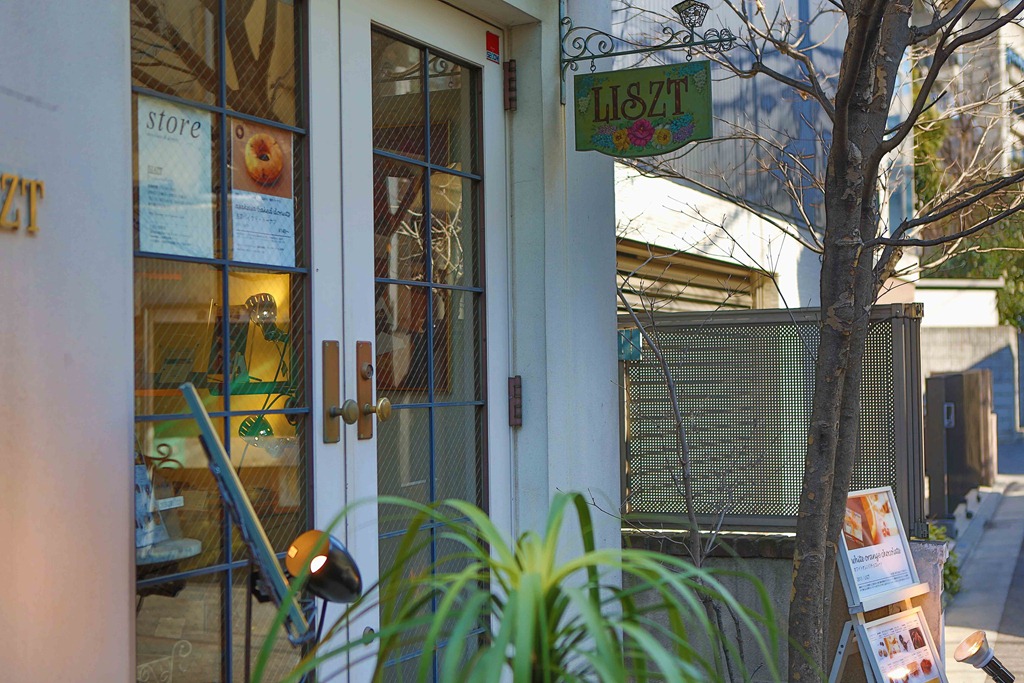
As I searched around I was on this back street and could not believe that I had come across a donut shop. A fancy one, but still, a donut shop with English. Made me wonder about their clientele .. were these donuts so good that gaijin’s made the trip?

2013 02 23_-5

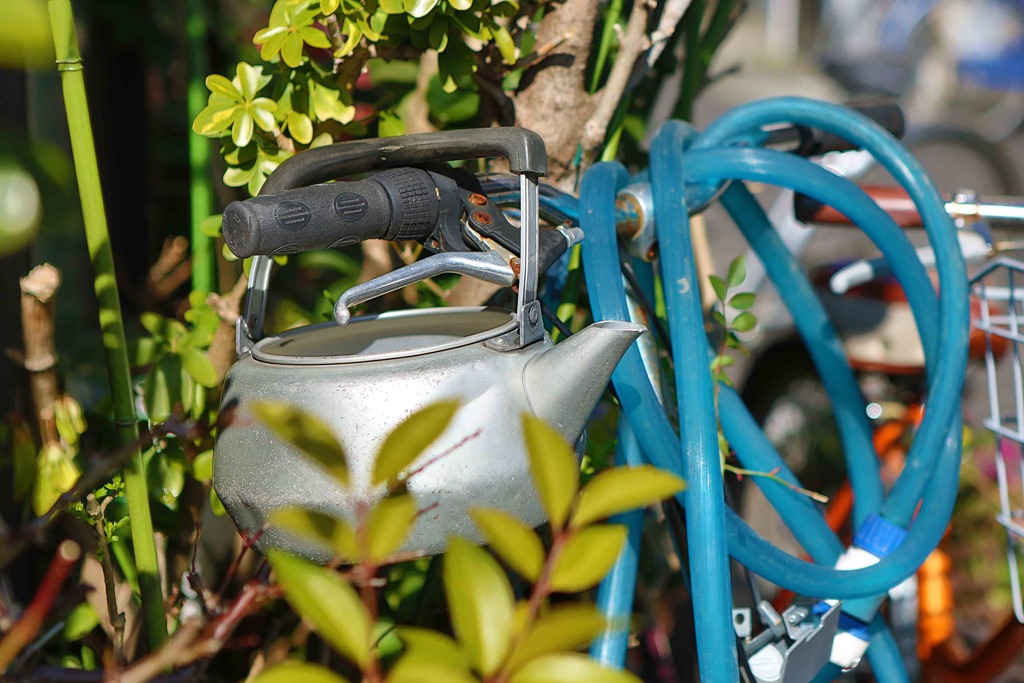
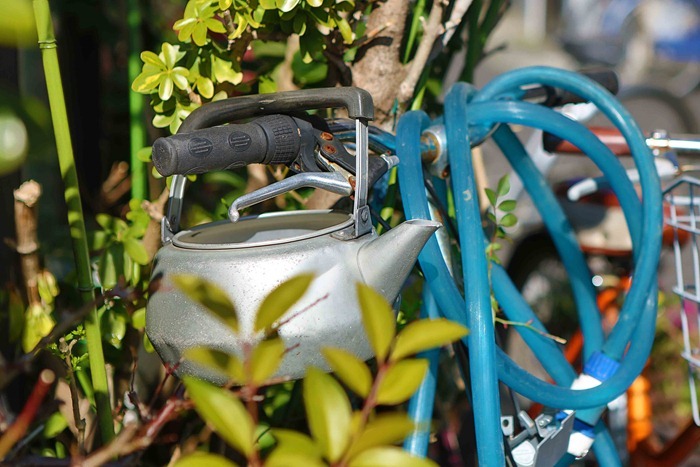
I don’t know why I stopped for this other than the kettle and hose interested me. Why buy a watering can?
2013 02 23_-6

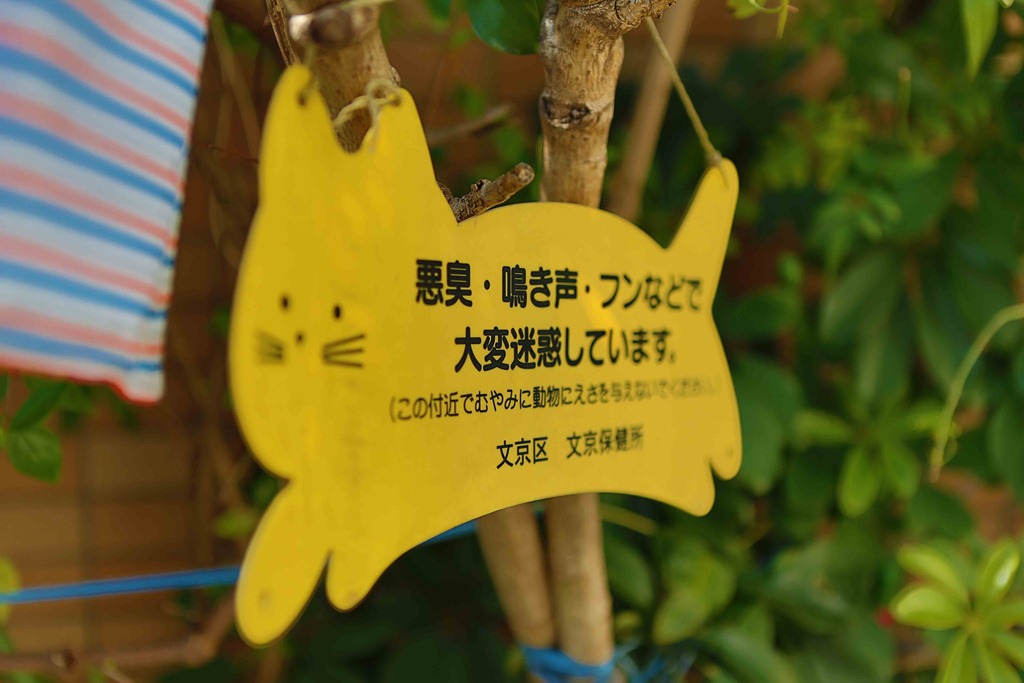
I don’t know what this says, but I hope it is pro-cat. You get a distinct feeling that Japan likes dogs more than cats.

2013 02 23_-7

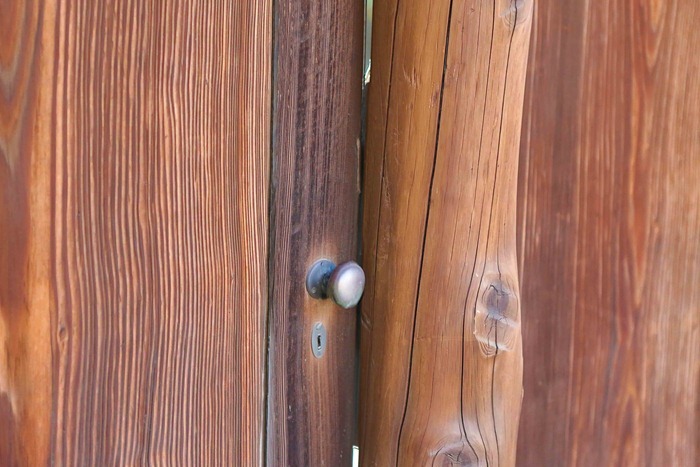
This door headed to a temple. It was locked.
2013 02 23_-9

Maybe it wasn’t a temple and I almost walked into someone’s backyard. We will never know.
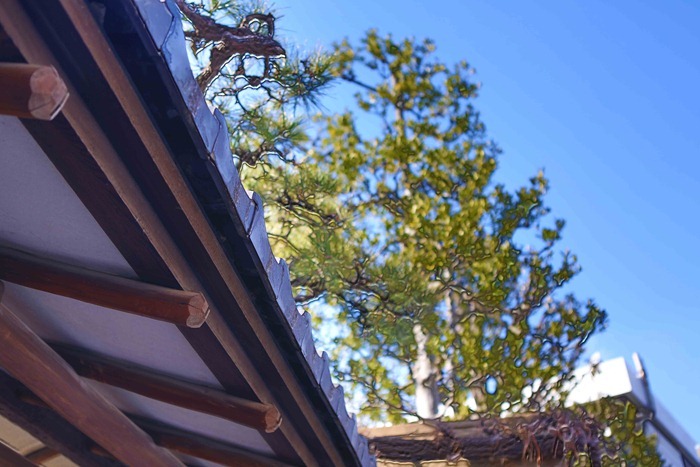
2013 02 23_-10

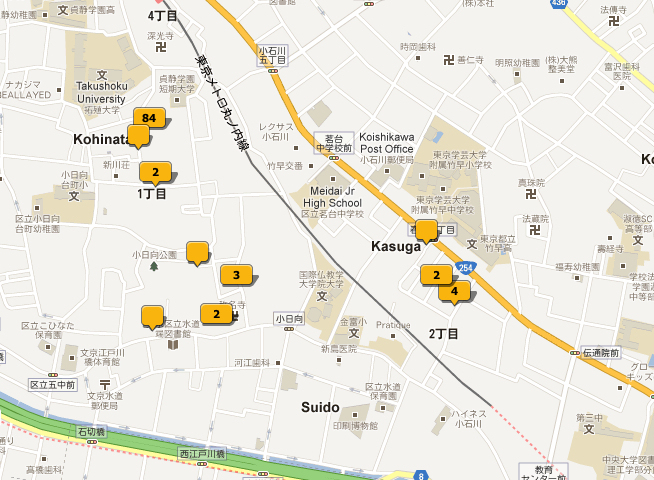
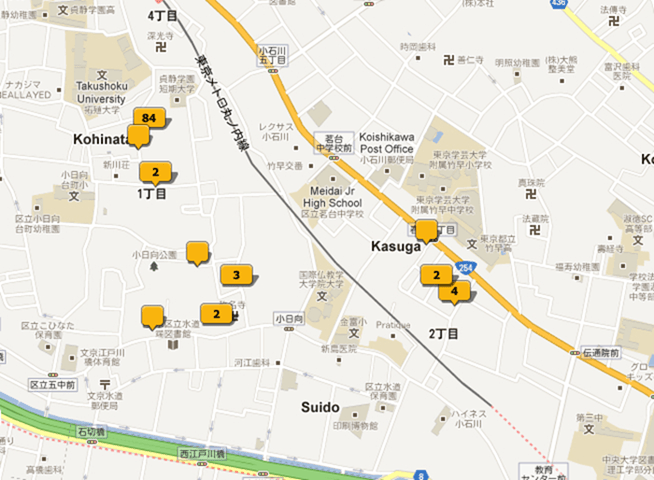
And here is a map of my wandering around in circles. This is from Lightroom (I love the GPS on my Canon 5D Mark III). Wherever there is a bubble is where I took a photo. I started in the bottom left, made my way over to the Suido area where the elderly woman and policemen sent me NE toward Kasuga convinced that if I headed over to the Meidai Jr school that I would find it.

At the school I happened upon a nice man who promptly walked me over to the Koban (police box) where I engaged with the incredibly friendly and “sorta speak English” woman officer (near the Koishikawa Post Office)
Seika Dormitory

This turned into a group project as more offers arrived, huddling around trying to figure out how to get this gaijin from “Kanada” to a burned out building.

As everyone spoke I got into a conversation that went like this:

“Kanada?” … “Yes, I am Canadian. Arigato” .. “me go yellowknife one time” .. “Wow. Yellowknife? Very cold up there.” .. (he smiles) “Big lights”

“Yes. Northern Lights. They are very pretty. I had a trip scheduled there once but had to cancel”

“F#c!ing cold”  (I burst out laughing)  “Yes. It is very cold there. Kanada is cold”. My English interpreter smiled, gave me a “Sayonara” and left smiling.

We are now at 7 officers, with maps on the table, several officers looking through different map books, one reading the website on my iPhone and one on the phone with headquarters (seriously). Finally they reach an agreement that it must be in the area directly south of the school over the tracks. OK, I think I am making progress. Using Google maps I head to the area. I circle, go into back yards, read two more website on the frigging place. Nada.

This blog gives me hope and really ticks me off because I think that she has a geocaching reference in her blog post (GXR A16) and I have NO idea how to utilize it. I go to this geocaching website and they have a location reference, but I need to become a member to get the LOC file .. which I would have no idea how to use while sitting on some random side street with a bag full of camera gear, an iPhone and tripod.

I am hungry. I head to the only restaurant that I have seen but they have just closed.

I need to go to the washroom.

Hang in there old chap.

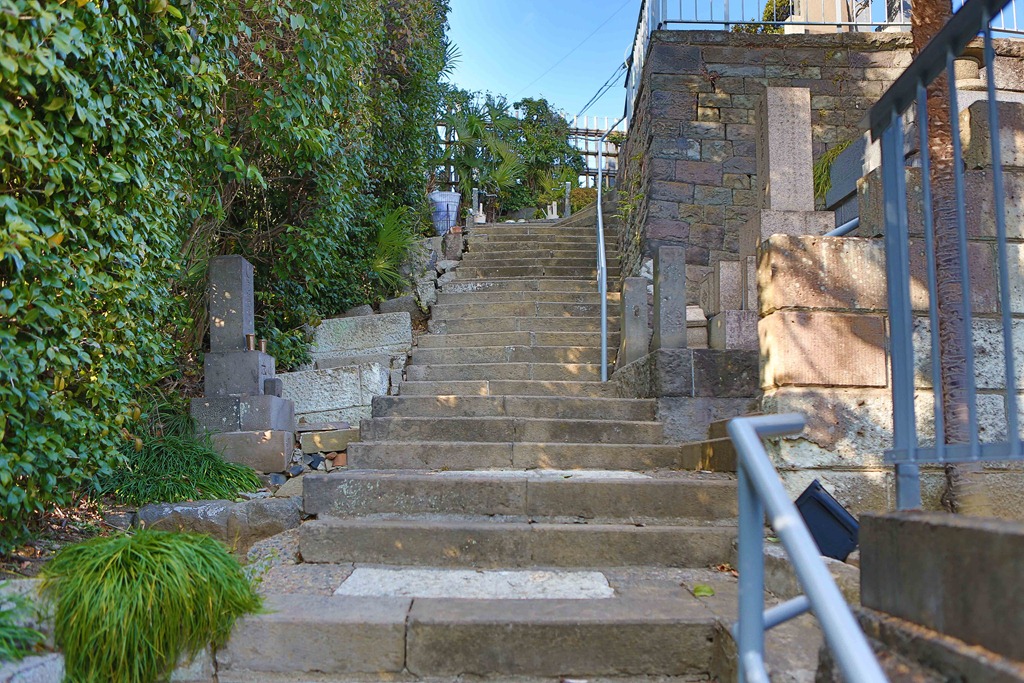
I see a cemetery on top of the hill (where the 3 is on the above map). I walk down the hill to the entrance. I head into the cemetery and to the top to see if I can figure out where I am.
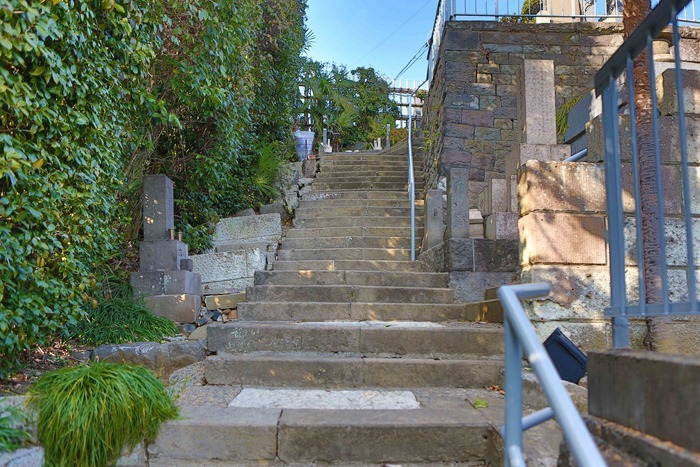
2013 02 23_-11

Maybe I will spot it.

I like cemeteries, what people leave behind interests me and there is always beauty to be found.
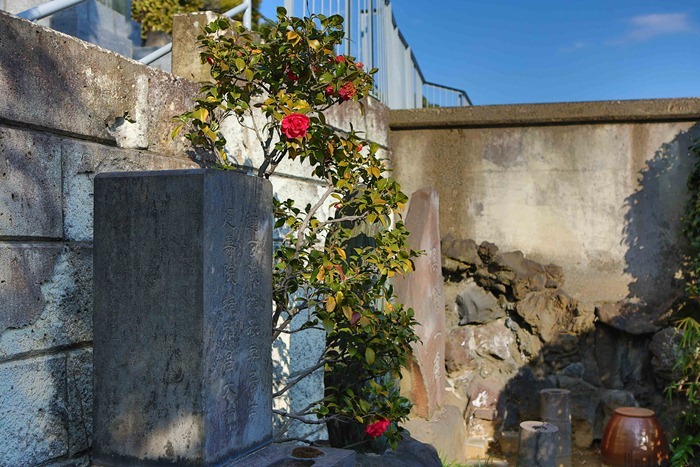
2013 02 23_-12

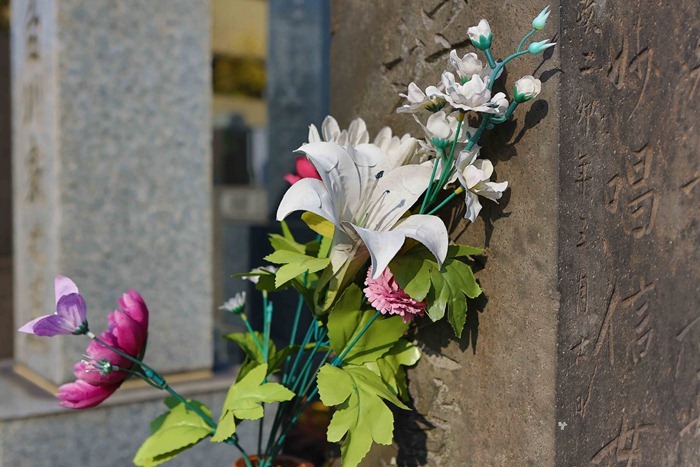
Even plastic beauty.

2013 02 23_-13

OK. Focus. Stop looking at the headstones. The sun is going to go down. You are walking in circle.

New buildings .. one burned out building. Where the heck is it?

Wow. It is February, the Japanese are talking as it if already spring and the cherry blossoms are starting to come out.
2013 02 23_-14

Aaarrrgggghhhh. Where is it? I laugh and start to figure out if I can make it to the office to shoot a Mt. Fuji sunset in time.

Around another corner. Another temple. Beautiful.

2013 02 23_-15

Alright. I am not going to get frustrated.

I started to walk through it in my mind. It could have been torn down. There is lots of construction and a whole bunch of areas where they recently cleared buildings.

It was a good wander .. several hours wandering around. Some fresh air, a good walk.

I resign myself to the fact that this is no longer an urban exploration but just a good walk. I jump in the car, time to go home.

A couple kilometers out I stop at a light and check my email. Jimmy-san, our concierge had followed up shortly after I left with some more information, the exact address of Seika Dormitory:

I found exact address of the building, 1-23-31 Kohinata, Bunkyo-ku, Tokyo.

The location is nearby Takushiyoku University.

You are awesome Jimmy-san. I whip the car around.

It was 3:30pm, if I hurried there would still be enough light … because .. of course .. when I packed my camera bag I had grabbed my flash and then put it back – why would I need a flash?

Hurry.

GO TO COSTCO TO UNDERSTAND JAPAN’S CRISIS


The Japanese economy is in trouble (which economy isn’t?). You never hear about it unless you seek the information for a few reasons; the Japanese like to keep their problems to themselves, the lack of immigrants means that no one abroad pays close attention as they don’t have family trying to carve out a new life in Japan and Japanese debt is held by Japanese.

So why is it in trouble? I reflected on that as I exited Costco a few weekends ago with my son’s English paper top of mind (He is writing on the economic crisis and we had been discussing supply/demand, the impact of consumer confidence on the economy and the downward spiral that leads to a recession).

In North America you exit a Costco with your fellow shoppers sharing a common concern: how the heck am I going to fit all of this stuff in my vehicle?

In Japan, there are a few of us with a full trolley, but many others are exiting with half a trolley full or more commonly only a few items. How many times in North America do you see someone exit a Costco with 4 items? Almost never …

Also, I have yet to see a single person wrestling out one of those impulses items that stock the middle of the floor of Costco. You know, the items you see couples “discussing” all the time in North America. It goes something like this:

“But we came in here for a brick of cheese and milk. Nothing else.”

“I know. I know. It sounds crazy. But at that price, how can we not buy the trampoline?”

In North America you enter a Costco thinking that you will spend $50 and leave spending $900.

The new Prime Minister is keen on kick starting the economy and getting out of deflation. He has launched another huge debt incurring public works program after a big debt year and is pushing the bank of Japan to weaken the Yen to encourage exports.

But it might not be enough. Economies are fuelled by consumer confidence and spending. If Costco is an indicator … Japanese consumers need to spend more. The question is, can they afford it when living in the most expensive city in the world?

image

A FEW THOUGHTS ON SUSHI


I am far from an expert on Japan, but I have heard a few different opinions that I thought I would share as the Japanese “teach” me their ways. These folks know sushi:

  • When you break apart chopsticks, you should slide them together as if you are smoothing them – everyone does it. Wrong. It is considered rude and a North American phenomenon.
  • UPDATE: (Thanks Brent, totally forgot this one) The proper way to eat sushi is with your fingers. NOT with chopsticks. I still remember quizzing my host on this one; “is this only done in casual situations?” (no)  “Are you doing this as a joke on a gaijin” (no)  “Do you do this frequently?” (yes). No chopsticks is the “proper” way to eat sushi.
  • Never put wasabi in your soya sauce. Wrong. I have seen lots of Japanese do it.
  • Dip your sushi in the soya sauce rice down. Wrong again. I was informed by a few Japanese that it doesn’t work because the rice falls apart. Do it the other way around, in effect turning it “upside down”.
  • Ginger is pink (I learned this years ago after asking at a quality restaurant). Wrong again. Pink ginger is fake. Ginger is whitish clear. I have yet to see pink ginger in Japan.
  • Urchin (Uni) is excellent. It just takes time. Wrong. Tastes like swamp bottom with a hint of catfish bottom.
  • UPDATE: There are primarily two different types of sushi (explained to me yesterday). Traditional sushi where the chef make it by hand. Oshizushi is pressed sushi.

A block-shaped piece formed using a wooden mold, called an oshibako. The chef lines the bottom of the oshibako with the toppings, covers them with sushi rice, and then presses the lid of the mold down to create a compact, rectilinear block. The block is removed from the mold and then cut into bite-sized pieces. Particularly famous is バッテラ (battera, pressed mackerel sushi) or 鯖寿司 (saba zushi).[24]

My 2 Yen on sushi (smile).

One other sushi comment. I don’t buy patches or little gadgets when traveling as reminders. For me it is a magnet. Always try to find a magnet which we then add to our very large magnetic world map. Narda found me a sushi magnet the other day.

2013 02 21_

As an aside, I also like the fact that half the time I have no idea what I am eating (smile).

JAPAN NATIONAL FOUNDATION DAY

There was a holiday on Monday and when I asked a few colleagues they didn’t know anything about it .. other than it being a holiday. National Foundation Day:

The origin of National Foundation Day is New Year’s Day in the traditional lunisolar calendar. On that day, the foundation of Japan by Emperor Jimmu was celebrated based on Nihonshoki (日本書紀), which states that Emperor Jimmu ascended to the throne on the first day of the first month.

In the Meiji period, the Japanese government designated the day as a national holiday. This coincided with the switch from the lunisolar calendar to the Gregorian calendar in 1873. In 1872, when the holiday was originally proclaimed,[2] it was January 29 of the Gregorian calendar, which corresponded to Lunar New Year of 1873. Contrary to the government’s expectation, this led people to see the day as just Lunar New Year, instead of National Foundation Day. In response, the government moved the holiday to February 11 of the Gregorian calendar in 1873. The government stated that it corresponded to Emperor Jimmu’s regnal day but did not publish the exact method of computation.

In its original form, the holiday was named Empire Day (紀元節, Kigensetsu?)[citation needed].[3] It is thought that the Meiji Emperor may have wanted to establish this holiday to bolster the legitimacy of the imperial family following the abolition of the Tokugawa Shogunate. The national holiday was supported by those who believed that focusing national attention on the emperor would serve a unifying purpose.[4] Publicly linking his rule with the mythical first emperor, Jimmu, and thus Amaterasu, the Meiji Emperor declared himself the one, true ruler of Japan.[5]

With large parades and festivals, in its time, Kigensetsu was considered one of the four major holidays of Japan.[6]

Given its reliance on Shintoism and its reinforcement of the Japanese nobility, Kigensetsu was abolished following World War II. Ironically, February 11 was also the day when General MacArthur approved the draft version of the model Constitution in 1946.[7]

The commemorative holiday was re-established as National Foundation Day in 1966.[8] Though stripped of most of its overt references to the Emperor, National Foundation Day was still a day for expressing patriotism and love of the nation in the 1950s.[9]

What did not happen this National Foundation Day is the “muted” Japanese nationalism that was suggested in this note:

In contrast with the events associated with earlier Kigensetsu, celebrations for National Foundation Day are relatively muted. Customs include the raising of Japanese flags and reflection on the meaning of Japanese citizenship. The holiday is still relatively controversial however, and very overt expressions of nationalism or even patriotism are rare.[10]

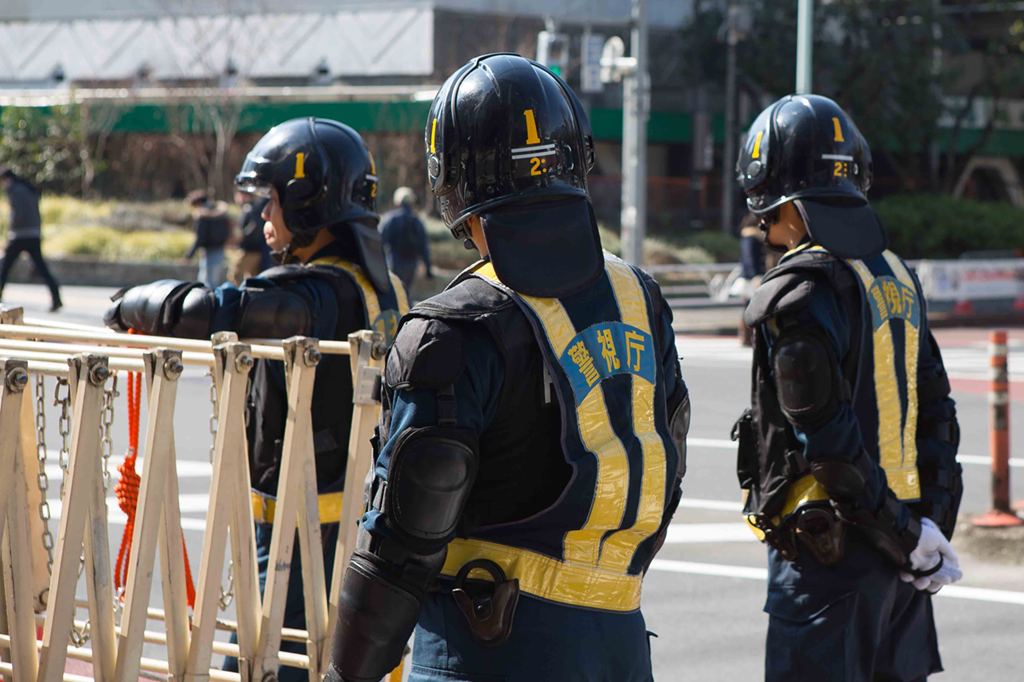
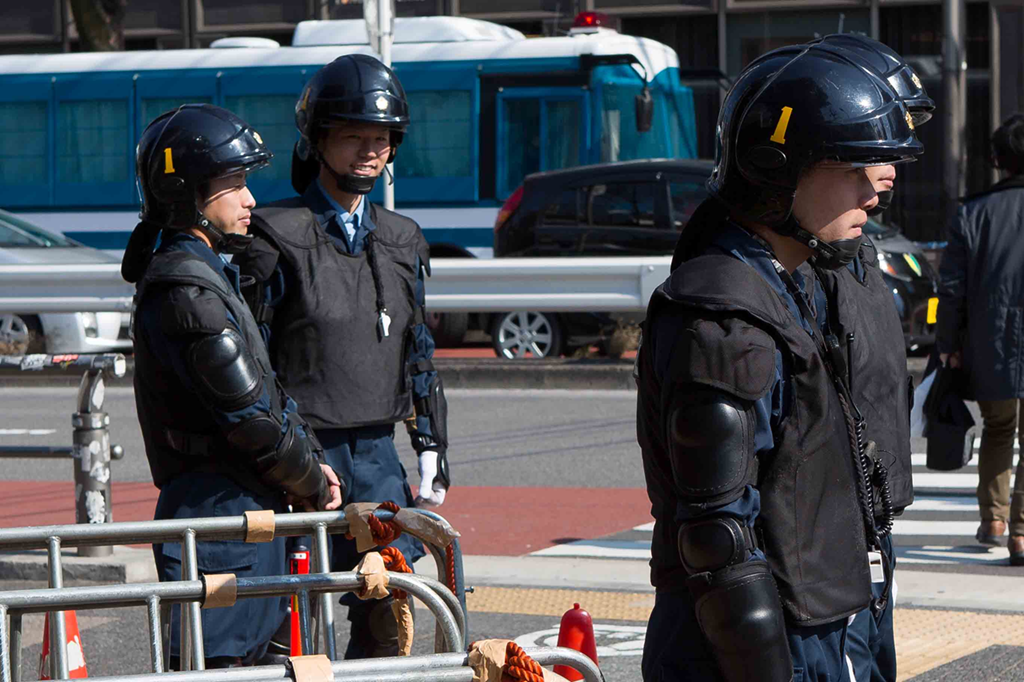
The nationalists were out in full force due to the Chinese and Russian tensions around territories, and the growing support for greater Japanese national defense forces. We live near the Chinese embassy, there were police everywhere and they were dressed for trouble.

image

image

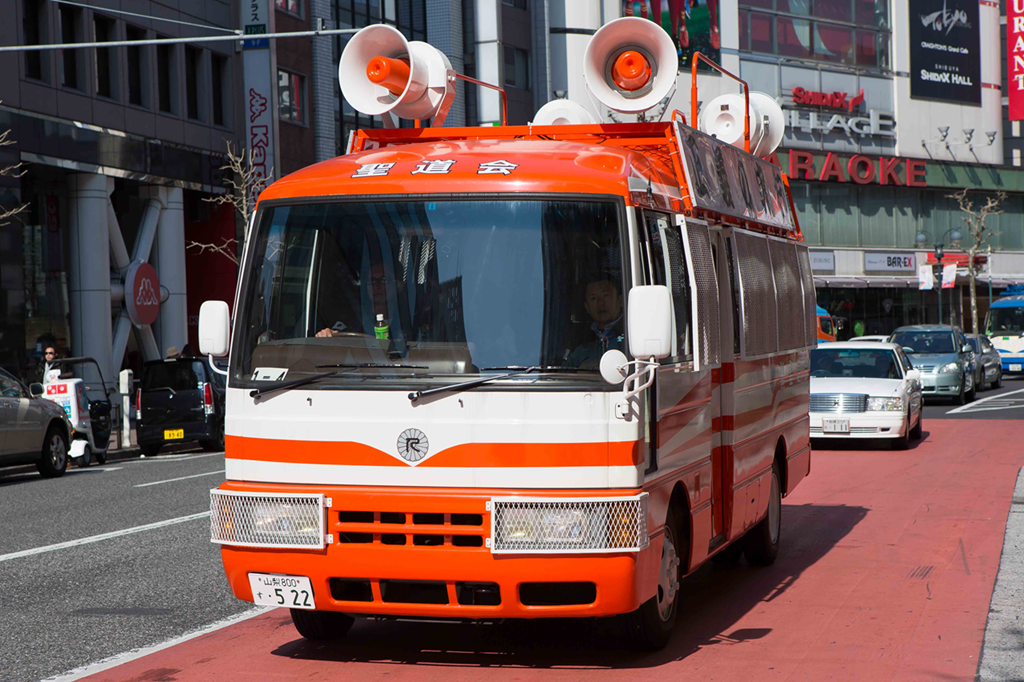
The trouble that they were monitoring were these trucks that seemed to be everywhere. Their loudspeakers were blaring some form of rhetoric, which a bystander explained to me were calls for the Japanese people to unite around the themes previously mentioned.

 image

Big loudspeakers.

image

I guess they need big loudspeakers in the Shibuya area to compete with the trucks that drive around blaring pop music to advertise their video game, pop music group or product.

image

image

I can handle the video game trucks .. the pop group trucks with their bubble-gum music blaring set your teeth on edge.

We spent a few hours in Shibuya as I needed to hit the Apple store. There are cool buildings in the area. This one looks like it came out of Battlestar Galactica.

image

This one does a good job of optimizing their 3m x 200m property.

image

A little Japanese restaurant for a quick lunch.

image

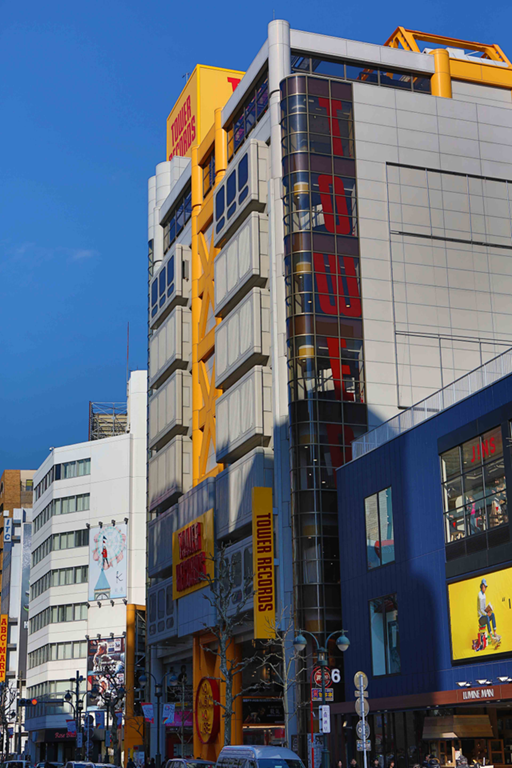
And probably Tower Records last store ….

image

Thanks for dropping by …

PARKING IN TOKYO


At first it can be daunting. The signs are not in English in most places and hard to understand. Based on my experience, I have now concluded 4 things:

1. Don’t bother on the street as most locations only allow 60 minutes.

2. The price is Y300 per 30 minutes everywhere. (Roughly $6.50 and hour)

3. There is a lot more parking in Tokyo than I would have thought. The GPS is awesome at helping you find a parking lot. Without the GPS? Good luck.

4. There are two types of parking; the traditional parking lot where you pull into a spot and a little flap pops up and locks your tire into place until you pay. The other type is the robot/tower parking.

This usually involves a circle (which flips your car around) and some form of stackable parking.

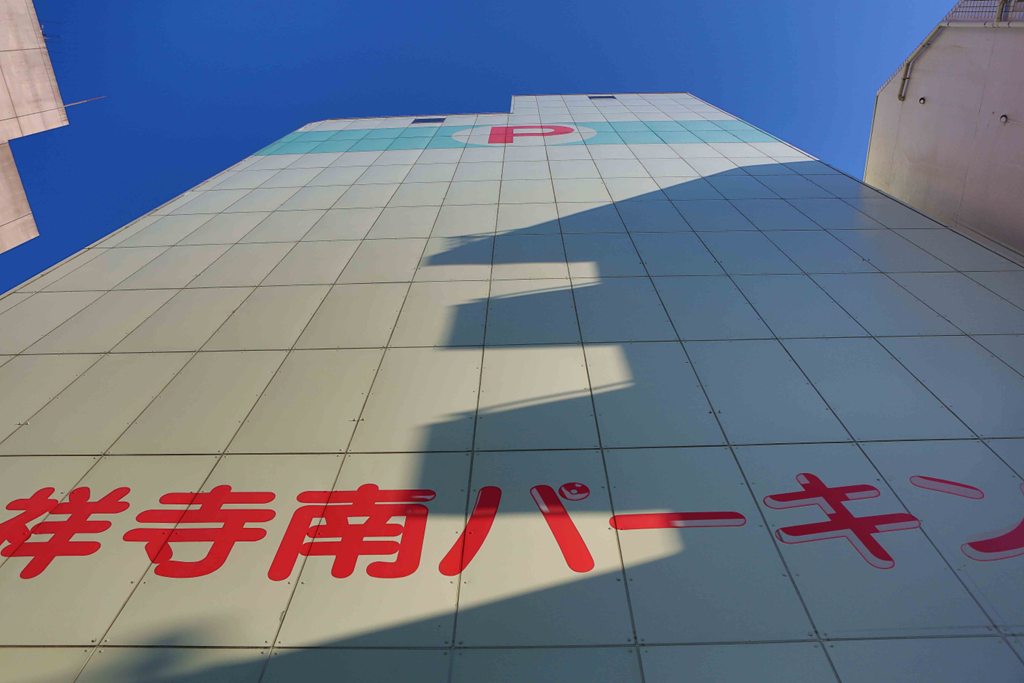
This is what a parking “tower” looks like. It is filled with cars.

image

You pull into the parking garage (note the circle, it flips your car around).

image

And here is where it is stored. I have been wondering what it looks like inside one of these parking machines. It was the first time I could ever take a shot. Now I know …

image

A vertical parking lot. Cool.

A TOKYO STREET and A SMOKE FILLED YAKINIKU


After the Ghibli Museum we stopped at a random Tokyo intersection to grab lunch. Here are a few shots; a mix of handheld HDR and others via my Canon 5D Mark III.

A busy Tokyo street.

image

What is a pepper lunch? Have I mentioned how I find it odd that even in the outlying areas of Tokyo there is so much random English?

image

For example, English advertising signs. I am not quite sure that this sign would go over well in Canada or the US? Made me smile.

image

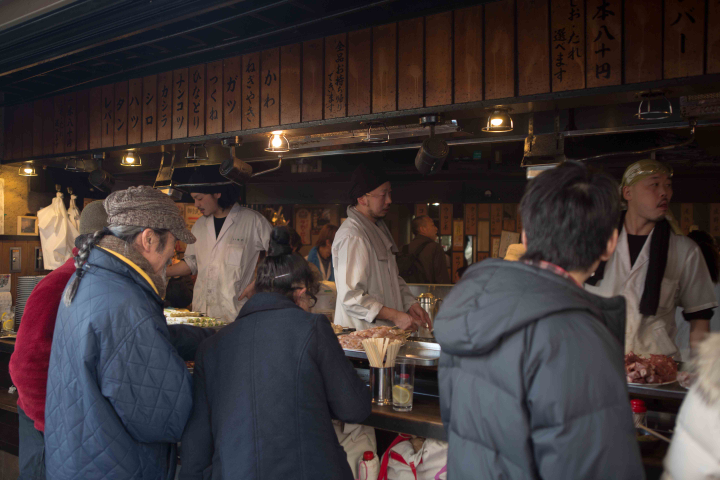
We decided on “Japanese BBQ” which they call Yakiniku. The front of the restaurant was a huge open kitchen with open BBQ grills.

image

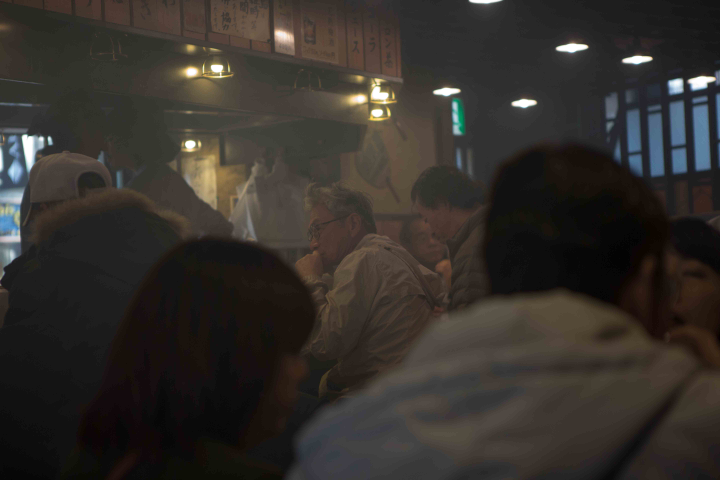
It was very smoky. A combination of people smoking and the BBQ fumes. On a Saturday afternoon, people enjoying a beer and some BBQ.

image

image

I didn’t get a shot of what we ate, it disappeared too fast.

image

Definitely a “true” Japanese exploration for the family.

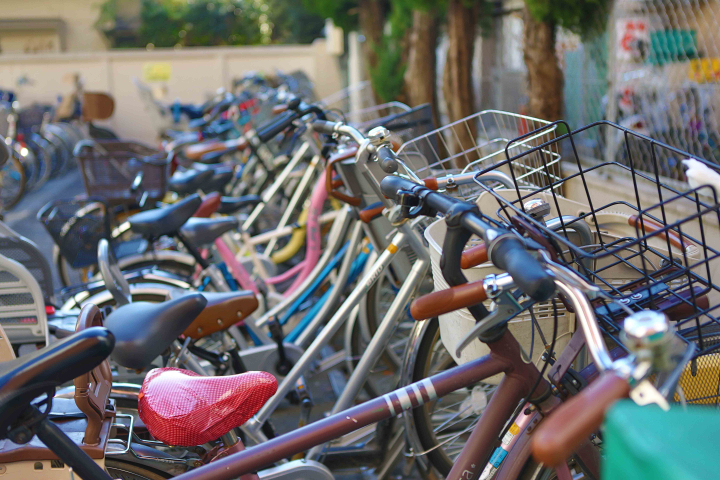
One last shot from the street; we came across another Japan first for us – a bicycle parking lot. There must have been 500+ bikes.

image

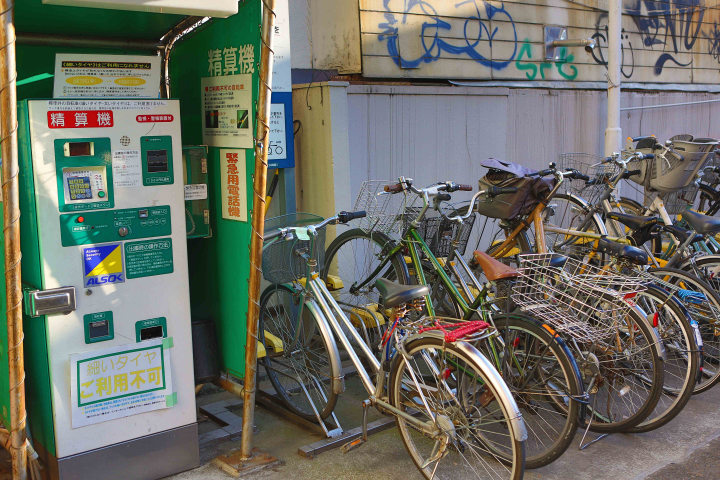
Here is where you pay.

image

A good wander.

HANDHELD HDR OF A TOKYO SUNRISE


A colourful sunrise, via my Canon 5D Mark III shot using the internal HDR, handheld. I recently replaced my tripod, but grabbing it early in the morning is so much harder than simply shooting away. Canon has done a great job with the technology. Zero post processing.

image

image

Through the bushes.

image

THE GHIBLI MUSEUM or IS THERE ANY ENGLISH?


It took months to get tickets to the Ghibli Museum, but the Saturday finally arrived. Our family headed out to this “home of animation” not knowing what to expect:

Ghibli Museum (三鷹の森ジブリ美術館 Mitaka no Mori Jiburi Bijutsukan?, Mitaka Forest Ghibli Museum) is a museum featuring the Japaneseanime work of Studio Ghibli, and is located in Inokashira Park in Mitaka, a western suburb of Tokyo, Japan.

The museum is a fine arts museum, but does not take the concept of a usual fine arts museum. With many features that are child-oriented and a sprawling and occasionally mazelike interior, the museum is a playfully created place. Centered around the motto appearing on the museum’s website “Let’s become lost children together” (迷子になろうよ、いっしょに Maigo ni narō yo, isshoni?), or “let’s lose our way together” as it is translated in the English leaflet. It has no set path or order of viewing. While the museum brochure contains a variety of languages, the signs within the museum are in Japanese only.

Unfortunately, I missed that last line. It is a very cool museum, with a very “Gaudi” feel to it.

image

image

One of our first stops was the roof top garden. I remember watching the Iron Giant with the kids years ago.

image

A very serene and beautiful garden.

image

Inside is stuffed with interesting drawings and the history of animation from around the world. However, you are not allowed to take pictures and there is zero English to be found.

It is a real shame and very frustrating as we wanted to learn. So much in front of you and not accessible. In some ways like all of Japan.

image

Still, it was a beautiful day, in a park with some beautiful architecture.

EARTH DAY MARKET, TOKYO


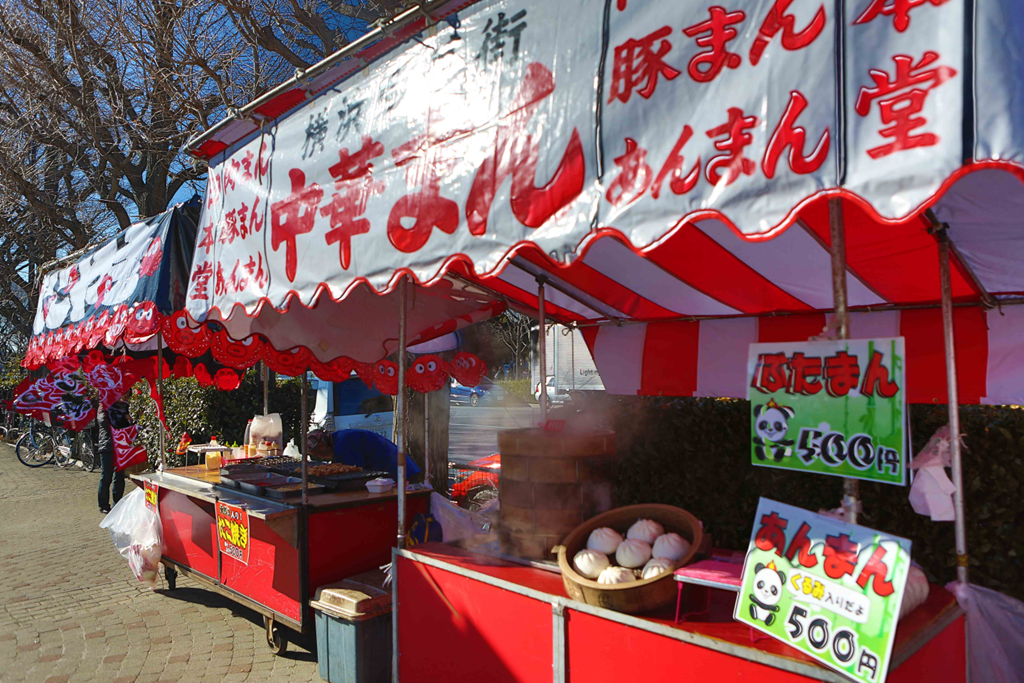
TimeOut Tokyo suggested the Earth Day market as a “what to do this weekend” so we headed over on the Sunday afternoon to explore. It was across the street from Yoyogi Park (we had to do some wandering to find it). There were street food vendors everywhere.

image

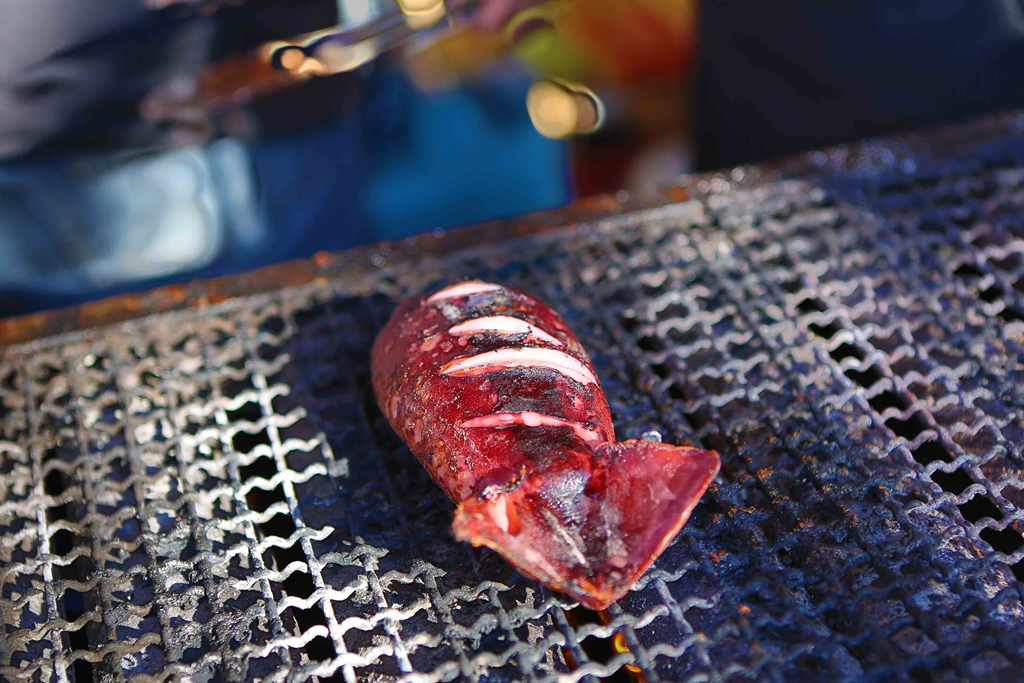
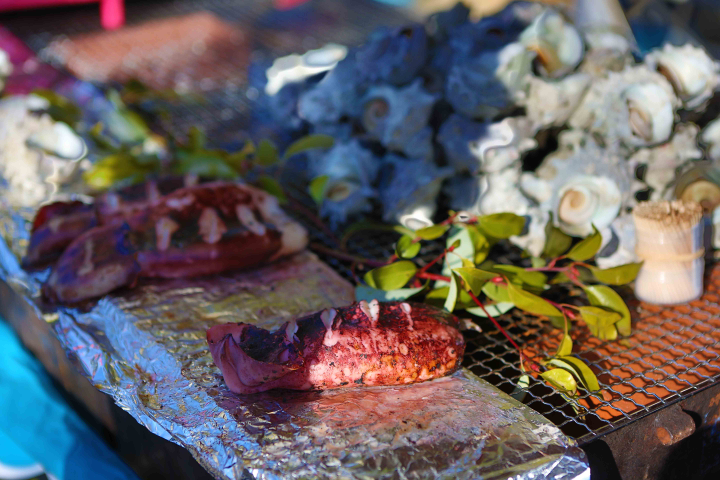
This was my lunch, BBQ squid.

image

image

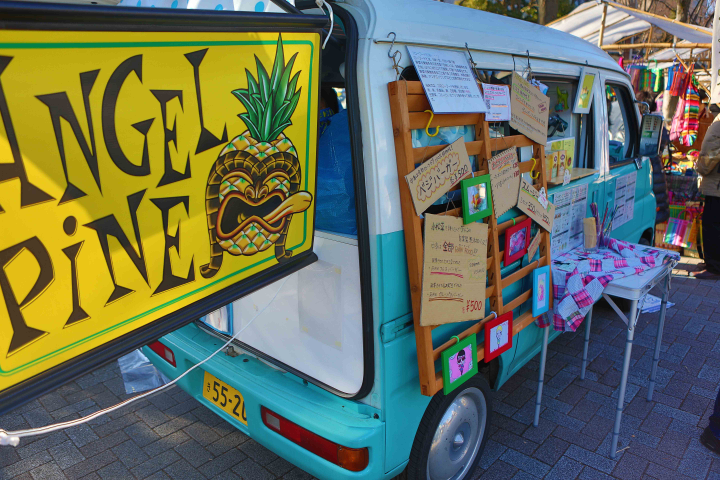
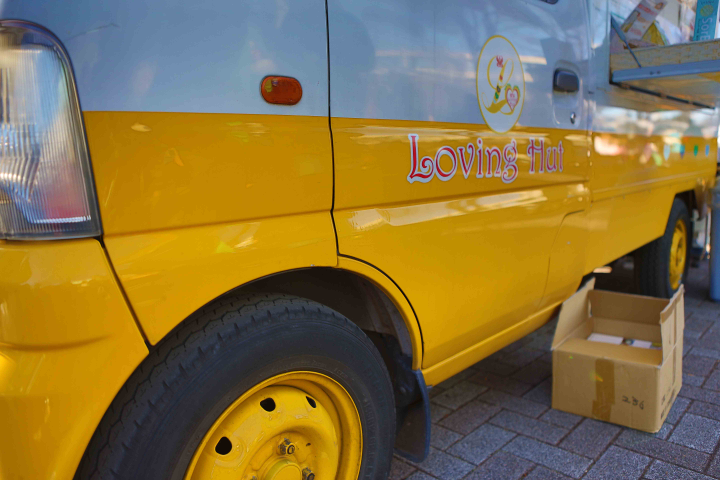
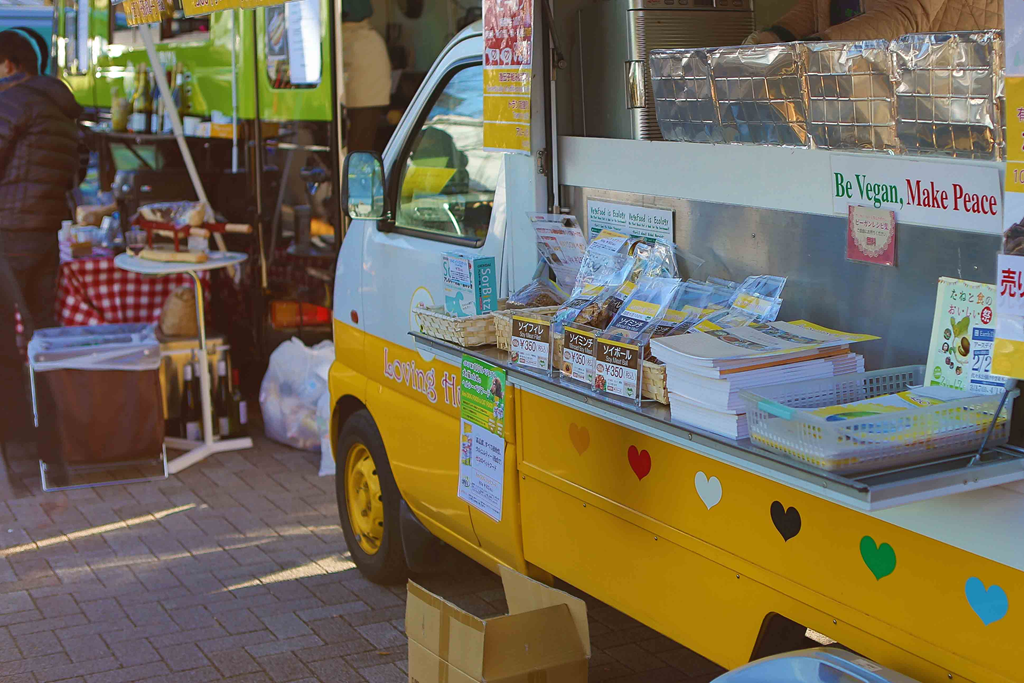
The market was filled with colourful trucks, showing their wares.

image

The Love hut espoused ….

image

Be vegan, make peace.

image

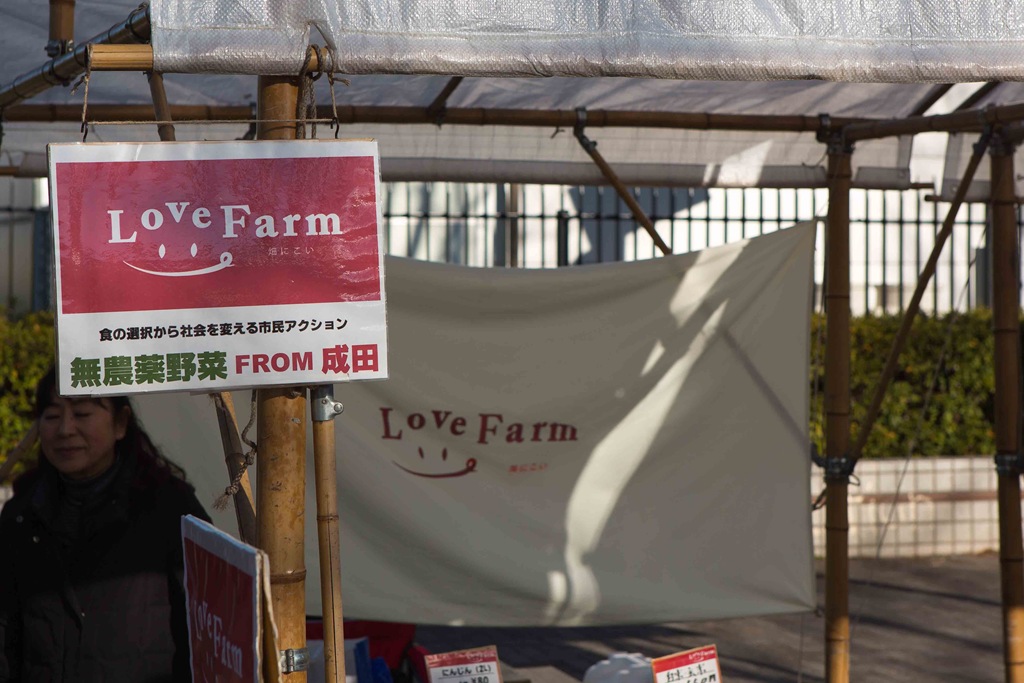
Across the way, the Love Farm. Lots of love at this market. Mostly English love.

image

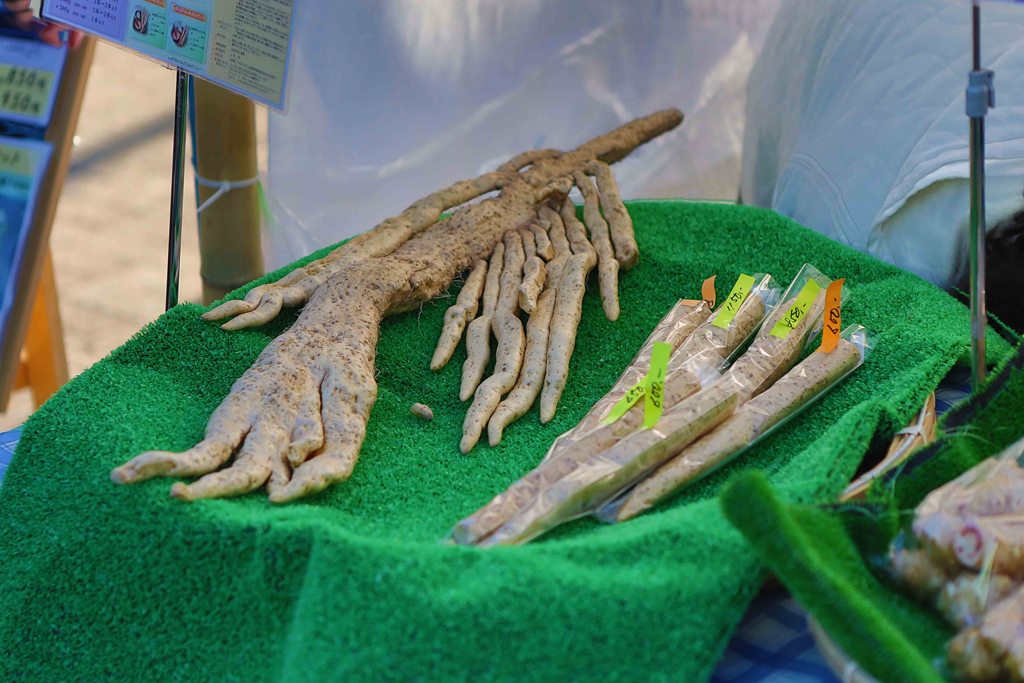
I could not understand what this root was from the vendor, but everyone was looking at it. Must be a good root.

image

The market itself was quite fun. Filled with an assortment of fruits, vegetables and “healthy” products. A nice way to spend a sunny January afternoon.

YOYOGI PARK: ELVIS?


Yoyogi park is a park that is commonly written up in books on visiting Tokyo. Filled with eclectic people, right beside one of the most famous shrines in Tokyo, it is worth a visit.

What is now Yoyogi Park was the site of the first successful powered aircraft flight in Japan, on December 19, 1910, by Captain Yoshitoshi Tokugawa,[1] after which it became an army parade ground. During the post World War II Allied occupation of Japan, it was the site of the Washington Heights residence for U.S. officers.[2]

It was later the site for the main Olympic athletes village of the 1964 Summer Olympics[3] and the swimming, diving, and basketball venues. The distinctive Yoyogi National Gymnasium which hosted swimming, diving, and basketball was designed by Kenzo Tange for the Olympics,[4] and is still in use, but most of the area north of the gymnasium complex and south of Meiji Shrine was turned into a city park in 1967.[5]

Today, the park is a popular hangout, especially on Sundays, when it is used as a gathering place for rock music fans.[5] The park has a bike path, a public basketball court,[6] and bicycle rentals are available.

A few weekends ago we dropped over for Earth Day, which is a farmers market. We did not think that the bands would be there, they were. They were REALLY enjoying themselves.

2013 01 27 Yoyogi Park_-91

2013 01 27 Yoyogi Park_-81

It was a beautiful sunny day, and people were out in droves enjoying themselves. These lads were having fun with sticks.

2013 01 27 Yoyogi Park_-97

Drummers.

2013 01 27 Yoyogi Park_-15

Not really sure what these women were up to?

image

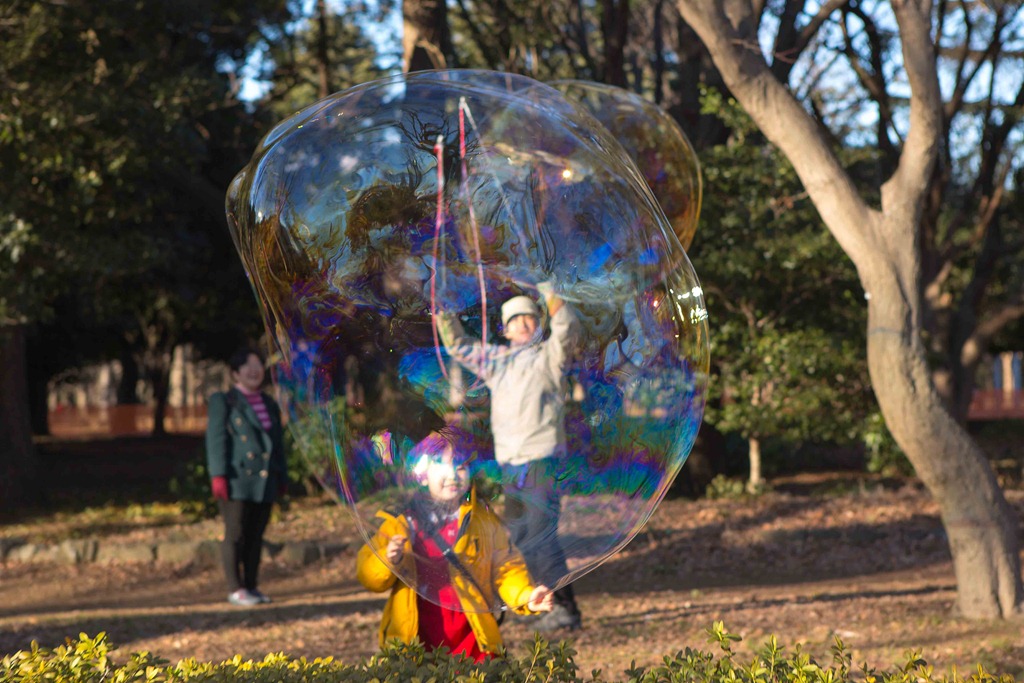
This man was entertaining people with his bubbles.

2013 01 27 Yoyogi Park_-70

It is still the winter (ish). So no roses.

2013 01 27 Yoyogi Park_-25

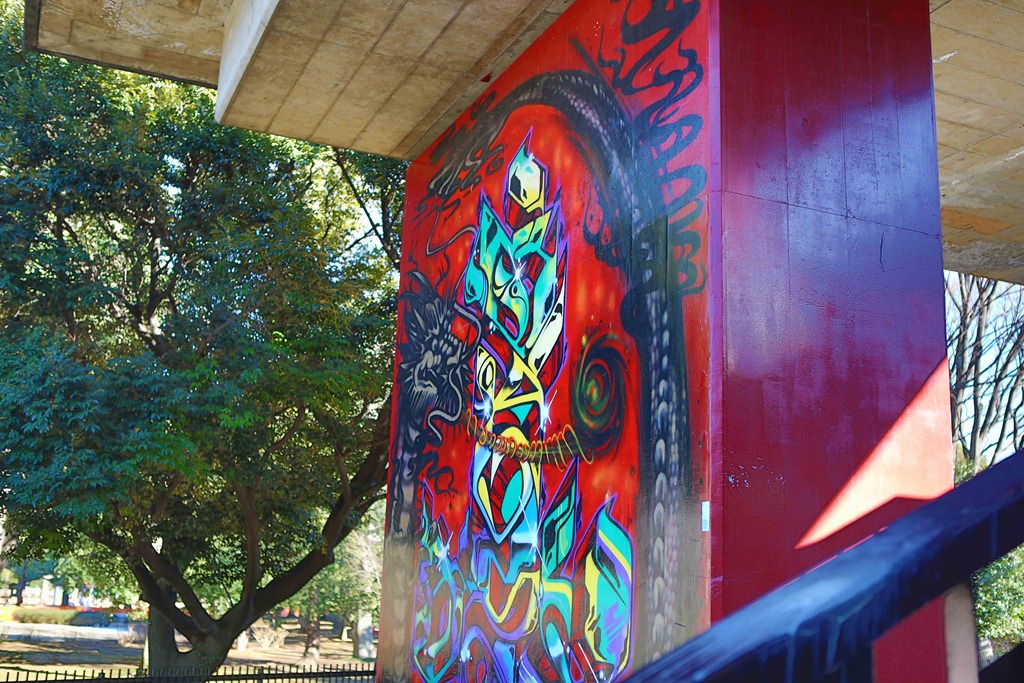
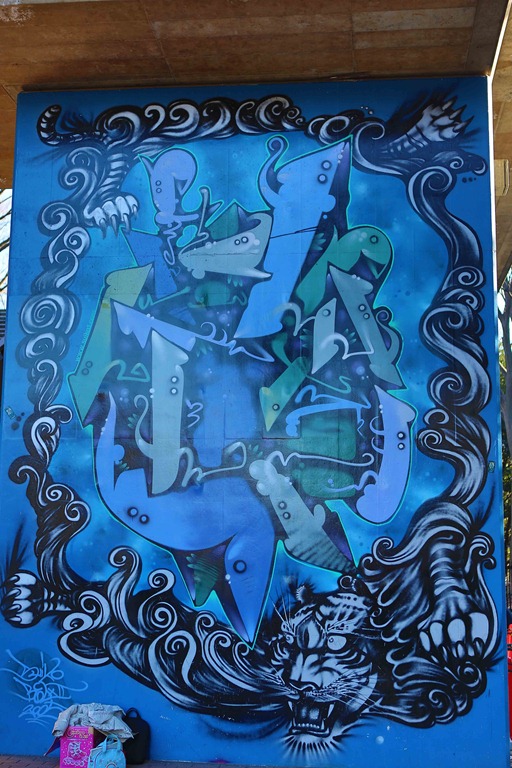
Some brilliantly colored graffiti under the bridge.

2013 01 27 Yoyogi Park_-27

2013 01 27 Yoyogi Park_-26

Cool place. Can’t wait to go for a wander in the spring.

THEY SELL A LOT OF HUMIDIFIERS IN JAPAN


The concept of central heating is not one that the Japanese have caught on to. The common heating model is to have independent heating and cooling units in each room.
The benefit is that you gain room by room control which can be more energy efficient. The downside is that each room is different and there is no ability to add a central humidifier as you do in a forced air system.

As the weather moved from insane scalding hot (August) to a beautiful warm fall and now into their winter the humidity has changed (Insert Canadian scoff at 8C winter .. The other day I walked to a restaurant without a jacket and everyone around me must have thought I was nuts as they were bundled like it was -10).

Returning from holiday it became very apparent that we had a problem with humidity, as the apartment had become unbearably dry. A brief conversation with the building manager brought out that every gaijin complains about it each year and then goes out and buys more humidifiers. The Japanese can figure out how to store data on glass for 10’s of millions of years, but when it comes to central humidity it is a no go.

The only option? Buy a few humidifiers. In our case 6. What a pain.

Ultrasonic humidifier aroma Apice Apikkusu SHIZUKU PLUS +] [Aqua Blue AHD-012-BL

JAPAN POST AND A 5”6” MAN


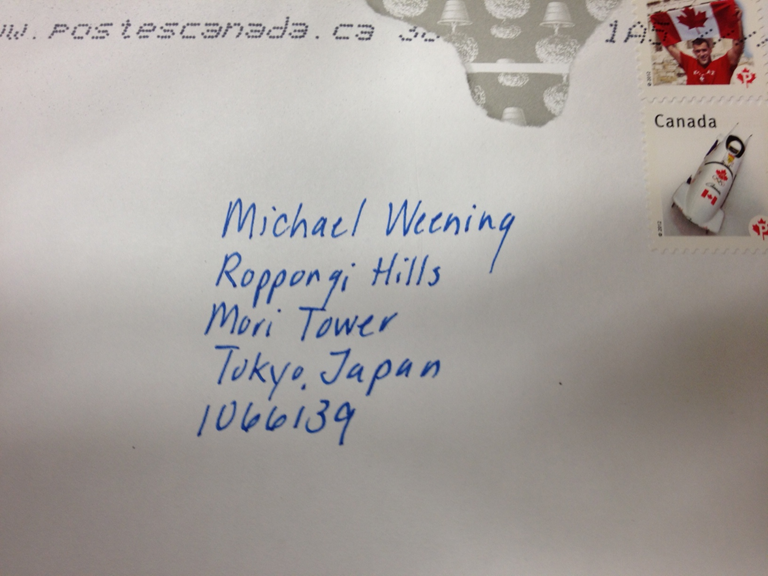
Two quick pictures from my iPhone. I sent out less Christmas/holiday cards than I usually do this year (it has been manic), only 300 or so. I sent a few old colleagues a card and one sent a note back. My assistant handed it to me last week with a comment “I have no idea how this actually got to you, look at the address” … no company, title, street address or prefecture and for the record – Mori Tower is 40 stories.

 image

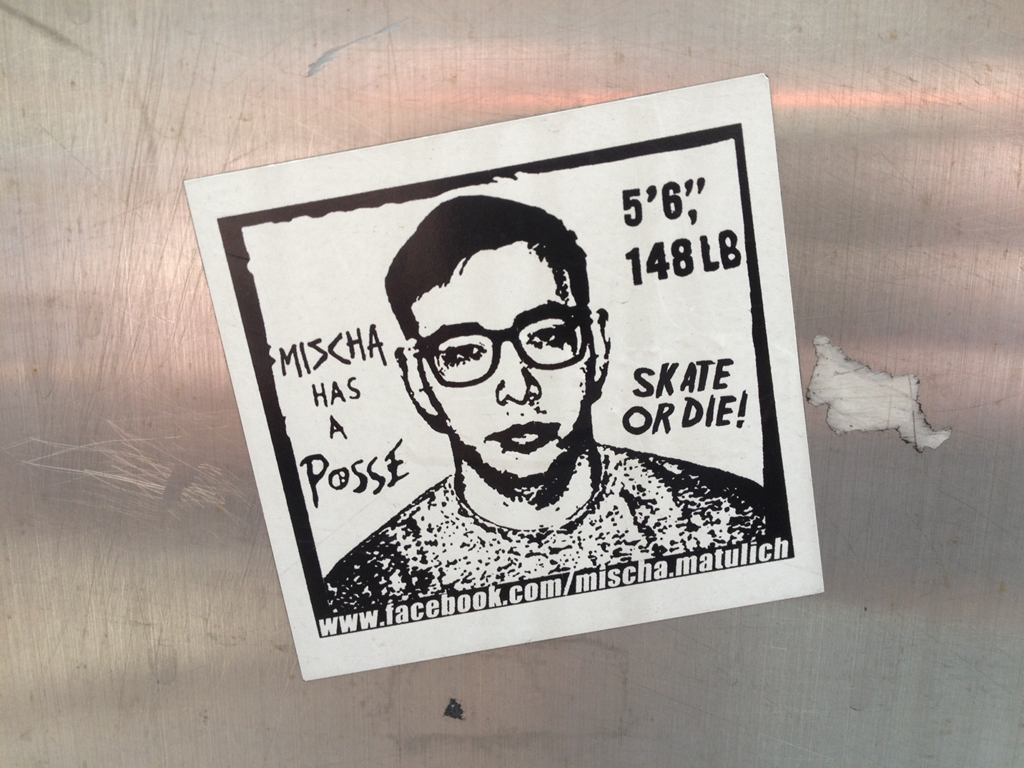
This was stuck to a metal pole in Minato-ku. Is it just me or is the height and weight reference odd?

image

But the dude has a posse.

FROGS, 1,000 CRANES and A BLACK CAT: GHOST WALK (Pt 2)


Our next stop was a Zen temple. Everything is so neat.

image

Orderly.
image

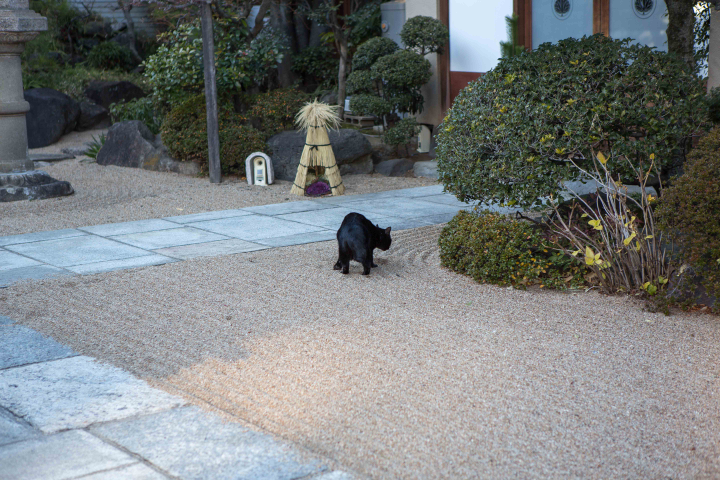
Until that doggone cat from next door shows up again ….

image

I can see the monk the next morning, starting to fume and then stopping himself. Ok, remember, deep breaths, stay calm. Now where is my rake and a plastic bag?

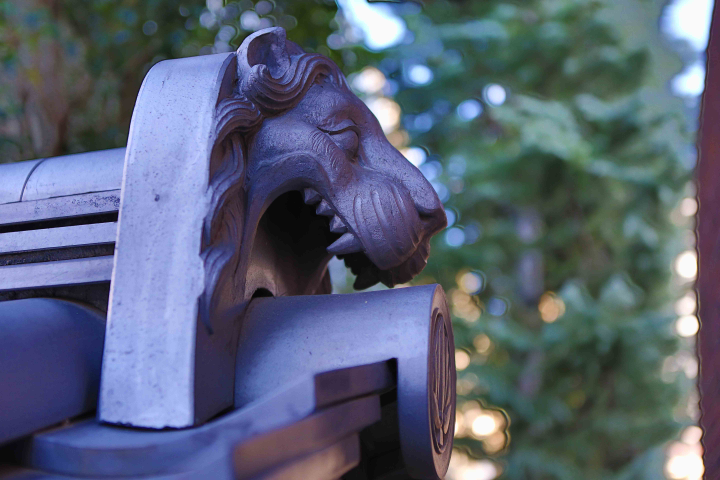
I am sure that he wished that the lions served as a cat scarecrow.

image

Our next stop was a Buddhist temple where they chant and pray 24×7. In the courtyard are several mini-shrines.

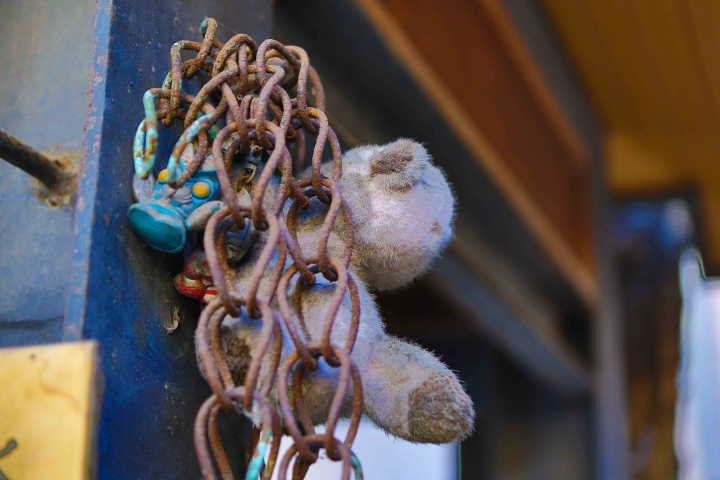
The heartbreaking shine was to children who had passed on. Parents left remnants around the shrine to their children. I found this stuffed animal a sad reminder of someone’s loss.

image

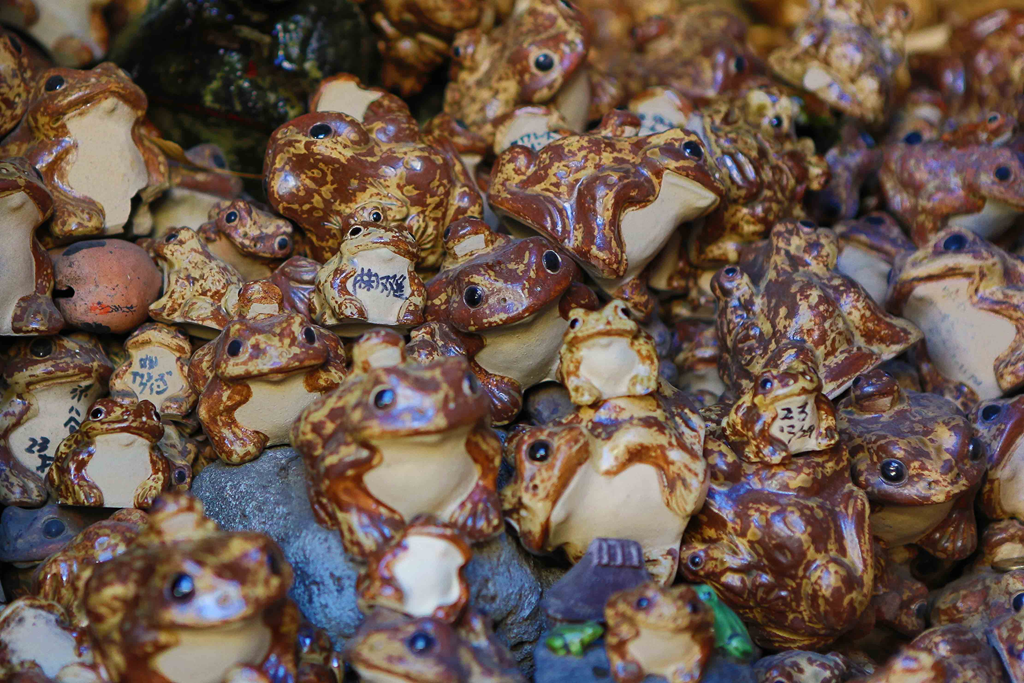
Next to this shrine is a vanity shrine, where you leave a frog as an offering and request for good “skin”. Japans answer to Clearasil. Lots of frogs …

image

image

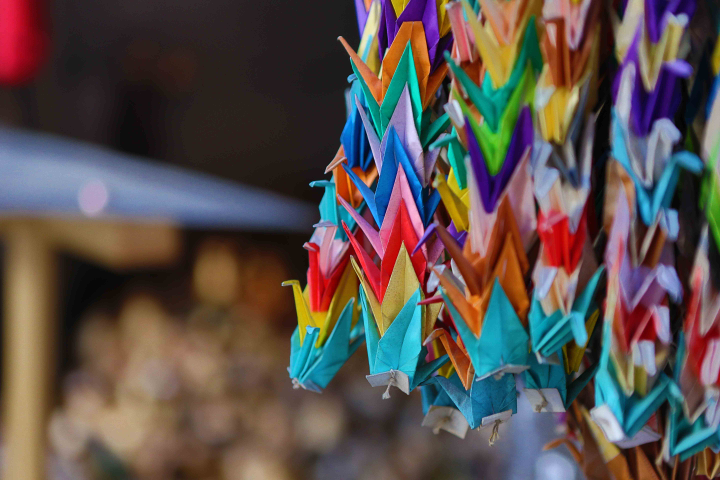
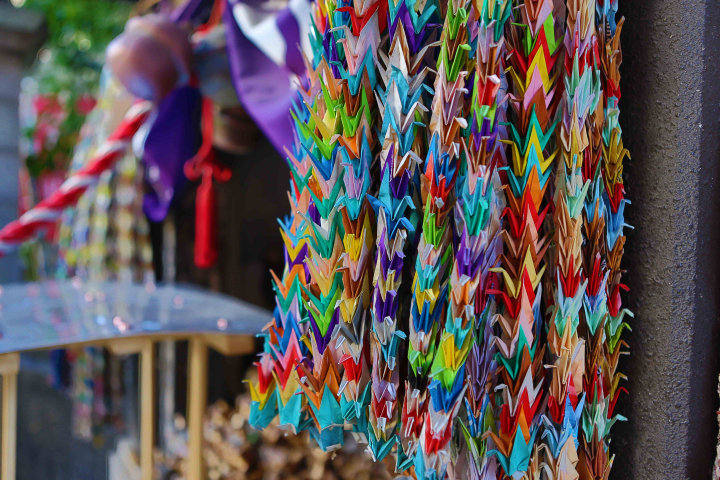
There were paper cranes all over the shrines .. and I now admire the dedication that it takes to finish 1,000 paper cranes:

Thousand origami cranes (千羽鶴 Senbazuru?) is a group of one thousand origami paper cranes (鶴 tsuru) held together by strings. An ancient Japanese legend promises that anyone who folds a thousand origami cranes will be granted a wish by a crane. Some stories believe you are granted eternal good luck, instead of just one wish, such as long life or recovery from illness or injury. This makes them popular gifts for special friends and family. The crane in Japan is one of the mystical or holy creatures (others include the dragon and the tortoise) and is said to live for a thousand years: That is why 1000 cranes are made, one for each year. In some stories it is believed that the 1000 cranes must be completed within one year and they must all be made by the person who is to make the wish at the end. Cranes that are made by that person and given away to another aren’t included: All cranes must be kept by the person wishing at the end.
image

image

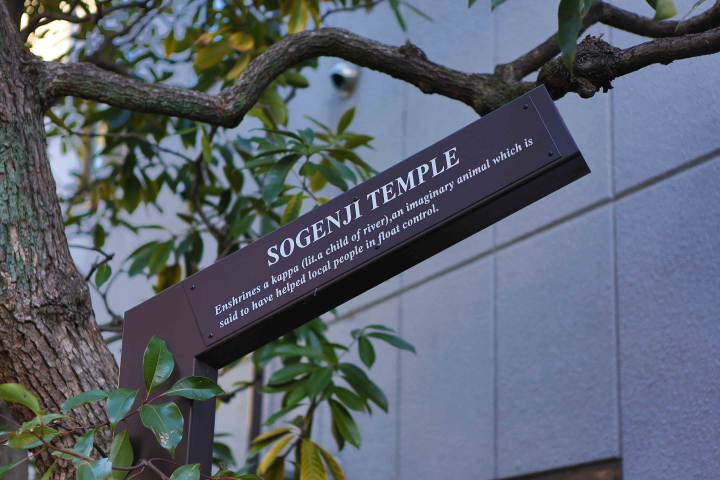
Our last shrine was to the Kappa. I didn’t take a lot of shots as we had to bolt, but we did hear of the dangers of the Kappa:

As water monsters, kappa have been frequently blamed for drownings, and are often said to try to lure people to the water and pull them in with their great skill at wrestling.[12] They are sometimes said to take their victims for the purpose of drinking their blood, eating their livers or gaining power by taking their shirikodama (尻子玉?), a mythical ball said to contain their soul which is located inside the anus.[12][14][15][16] Even today, signs warning about kappa appear by bodies of water in some Japanese towns and villages. Kappa are also said to victimize animals, especially horses and cows; the motif of the kappa trying to drown horses is found all over Japan.[17] In these stories, if a kappa is caught in the act, it can be made to apologize, sometimes in writing.[17] This usually takes place in the stable where the kappa attempted to attack the horse, which is considered the place where the kappa is most vulnerable.[3]

image

A fascinating tour. Looking forward to doing another.

I DID NOT SEE A GHOST ON THIS TOUR (Part 1)


As previously mentioned, we went on a Ghost Walk tour on the last day of the New Year holiday. One of the frustrating things about Japan is that they are not that interested in sharing their rich and diverse history. Everything is either hidden away or only in Japanese. They really don’t care about sharing. This is not a stretch, just look at their history, foreigners have never been popular in Japan.

However, there are a few gaijin who have been here long enough to assemble the history. If you are in Japan, I would highly recommend taking one of Haunted Tokyo’s tours. The tour we were on was positioned as a ghost tour, but it quickly became obvious that it was more of  a shrine tour filled with history, culture and Japanese mythology. We loved it and will definitely take their other tours.

We wandered around Tokyo FINALLY learning the history (beyond what we have dug up on our own). We started here … a building that she is convinced is haunted with pulled curtains and odd sculptures. Not sure. But I think someone was looking out at our group through the curtains …

2013 01 04 Ghost Walk_

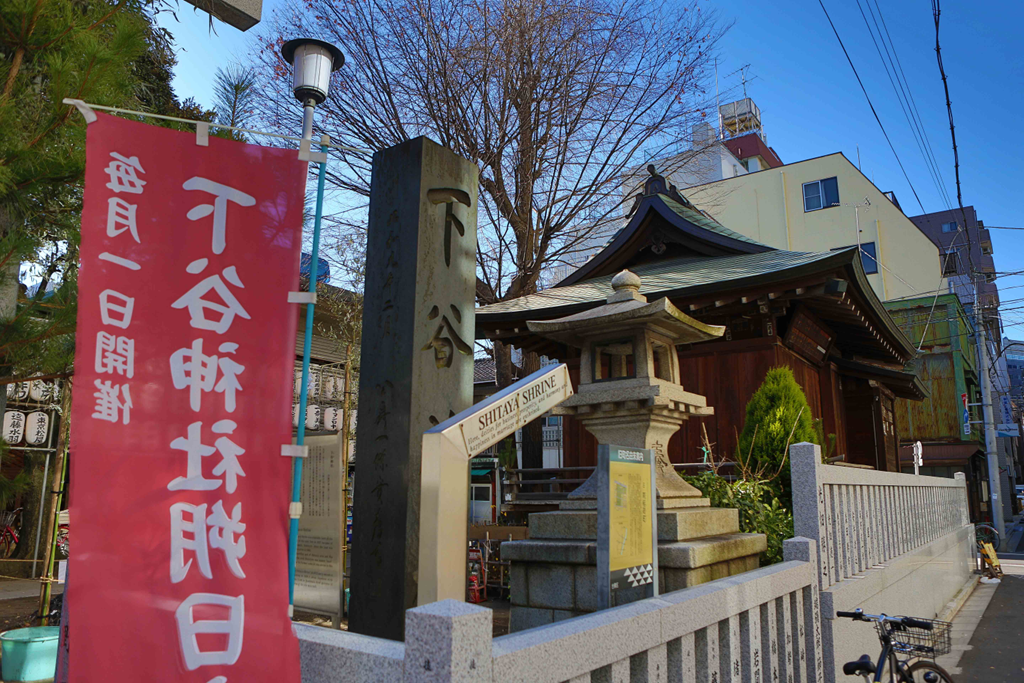
We stopped off at Shitaya shrine, where our guide explained how the corner is guarded by foxes as there is only one location that the demons and bad spirits can enter from. A beautiful shrine .. with a demon entrance.

image

image

image

While looking at the shrine we were told that many of the shrines are being disassembled and stored by developers and the government. If you want to bring a shrine to your home, you simply need to agree to reassemble it and pay for transport (although I can find no reference to this on the web).

image

Still amazes me to see berries and flowers in January (especially after that snow fall)

image

As we wandered the streets we came through an area which was home to many geishas at one point in time. One of the few areas in Tokyo where very old buildings remain.

image

image

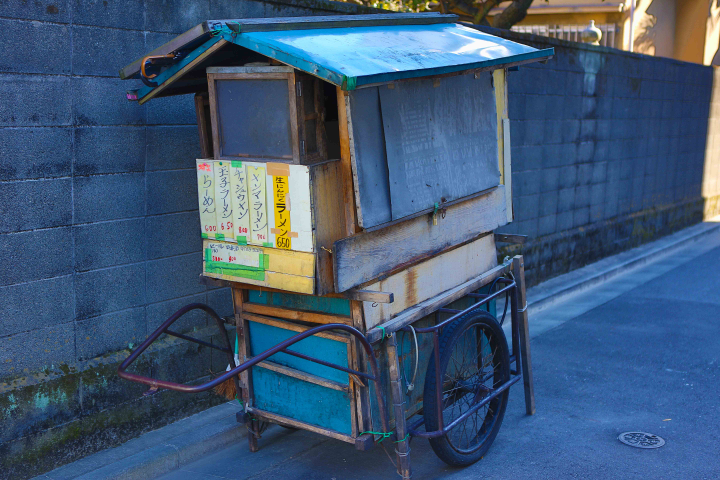
And very old vending carts …

image

DID YOU HEAR THAT BANG? CONSTRUCTION IN TOKYO


I have been meaning to blog about construction in Tokyo and last weeks “event” prompted me to write.

Construction in Japan is very different than in Canada and probably everywhere else in the world. When we first moved here I noticed a few things; security guards with glowing light sticks at every construction site, well constructed enclosures around each site and crazy levels of cleanliness.

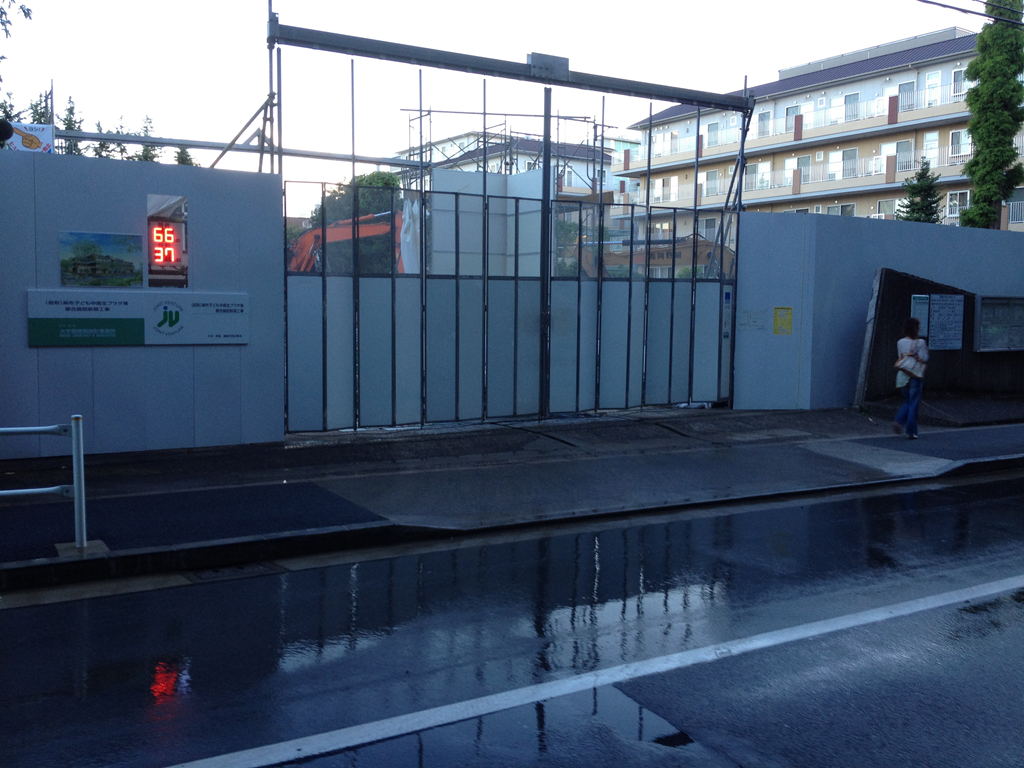
It seems that Japanese construction starts with the enclosure. When a building is set to be demolished the building is scaffolded and enclosed so you cannot see anything. The building comes down piece by piece and parts of the scaffolding remain.

image

The above photo from my iPhone has 2 interesting elements to it. The first is the wet pavement. As every single vehicle leaves the site, a group of workmen hose down the truck so that it comes out as clean as if it went into a carwash. They then clean and sweep the street (multiple times a day).

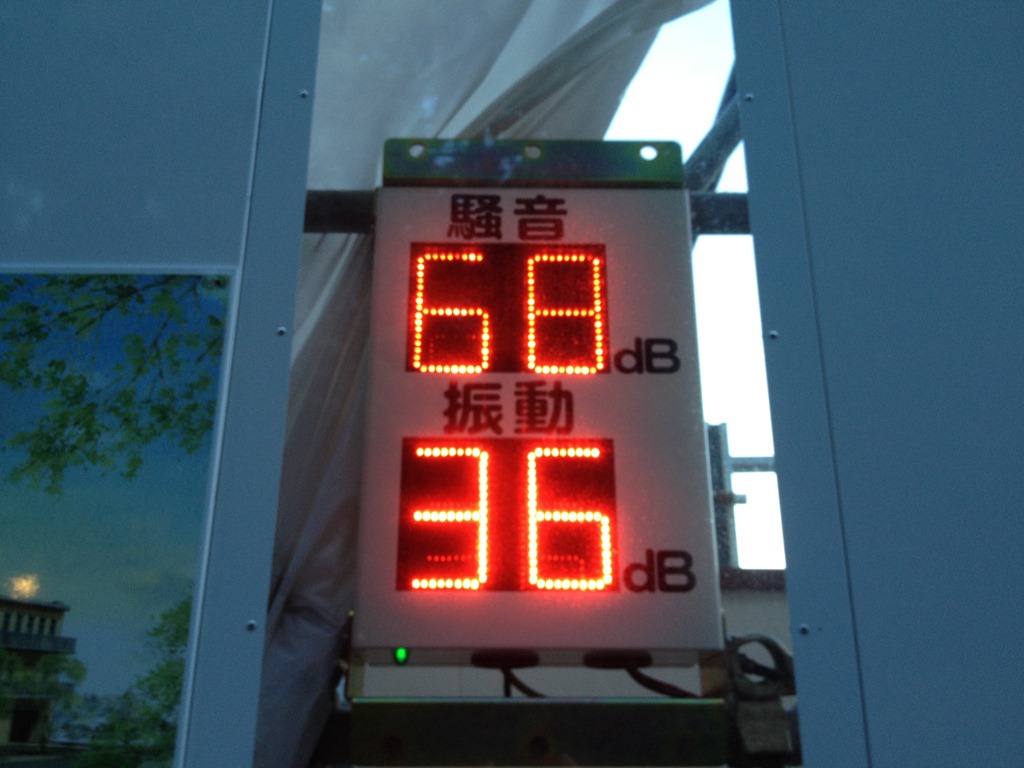
The other interesting element is the LED screen on the left.

2012-08-21 18.08.27

A decibel meter to measure site noise. I have yet to hear a lot of noise out of one of these sites. They could use a few of these at some of the vacation resorts I have been too.

But it doesn’t always go right. Near our home the “demolition screen” went up a week ago and they started tearing down a building. One of the boys sent me a text that there had been an accident …. demolitions are tricky stuff. After getting home I grabbed my camera and had a look.

2013 01 29_

Whoops. That is a big wall.

2013 01 29_-3

There were a lot of guys with brooms (smile). Luckily, no one was hurt.

A FEW TOKYO SKYLINE PHOTOS


.. continuing on the theme. Canon 5D Mark III with my 24-70mm lens.

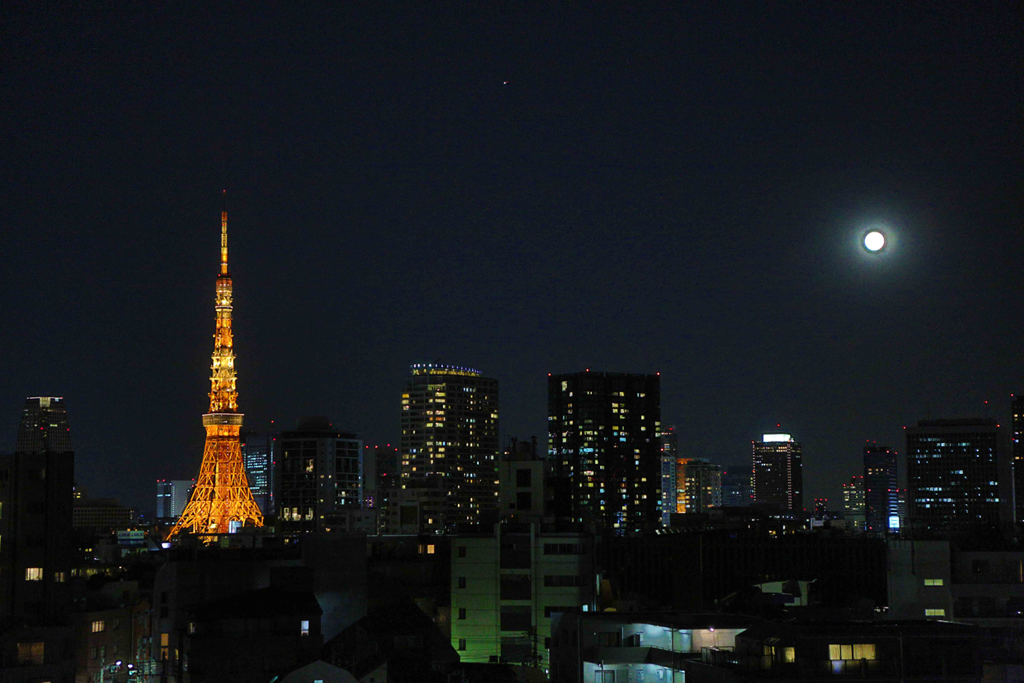
A full moon over Tokyo.

image

Sunrise off of a picture I love by Christos Palios.

image

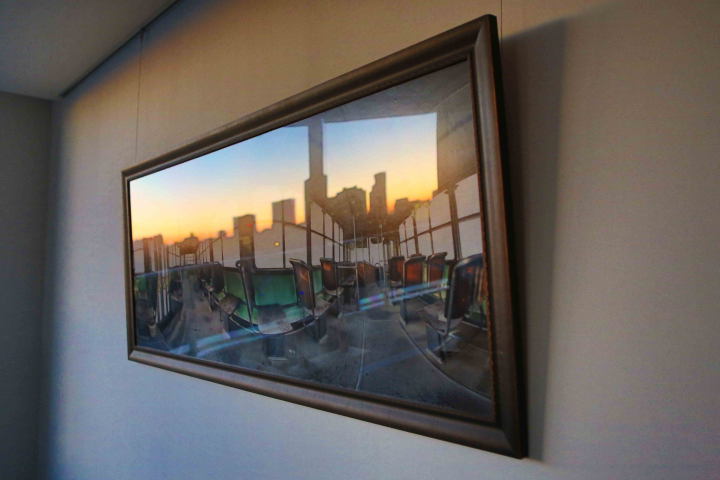
Sunset reflections on Tokyo.

image

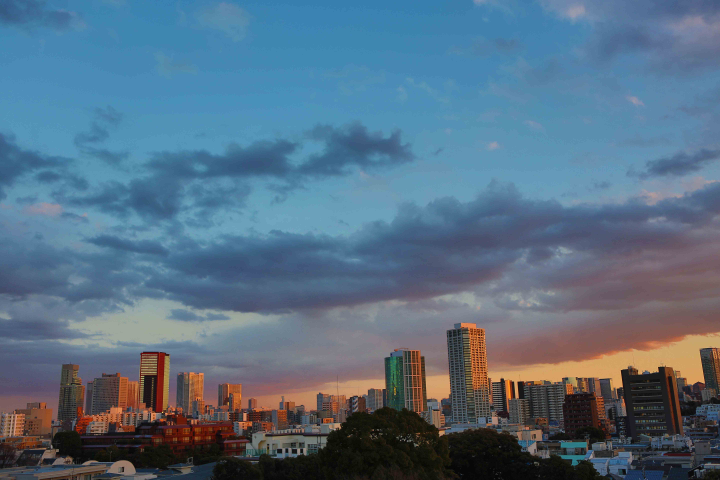
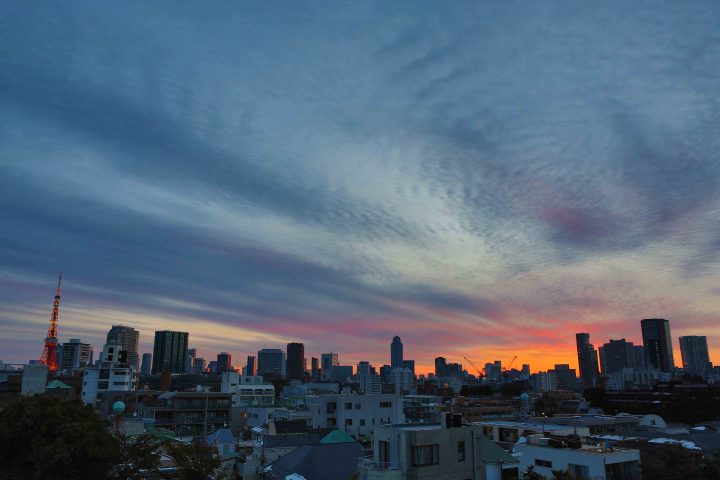
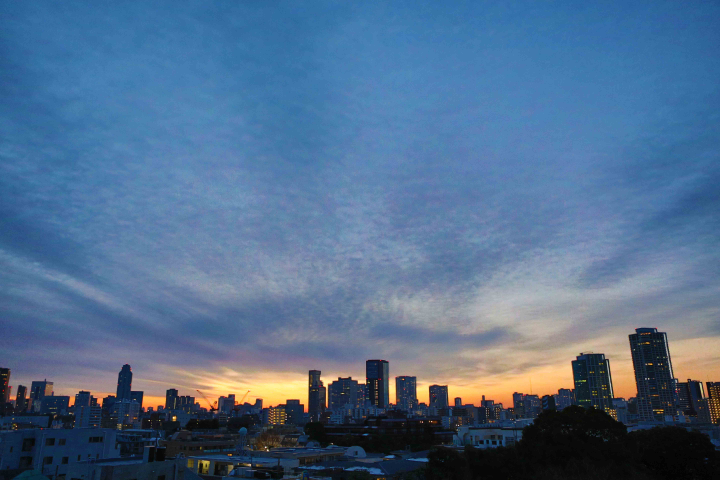
A cool sky that morning.

image

image

A not so cool sky the morning of the big storm. Getting to the airport was a nightmare.

image

But most often, Tokyo skies are clear. Especially this time of year. This weekend? 17C in February. Excellent.

image