SHINKANSEN TO KYOTO

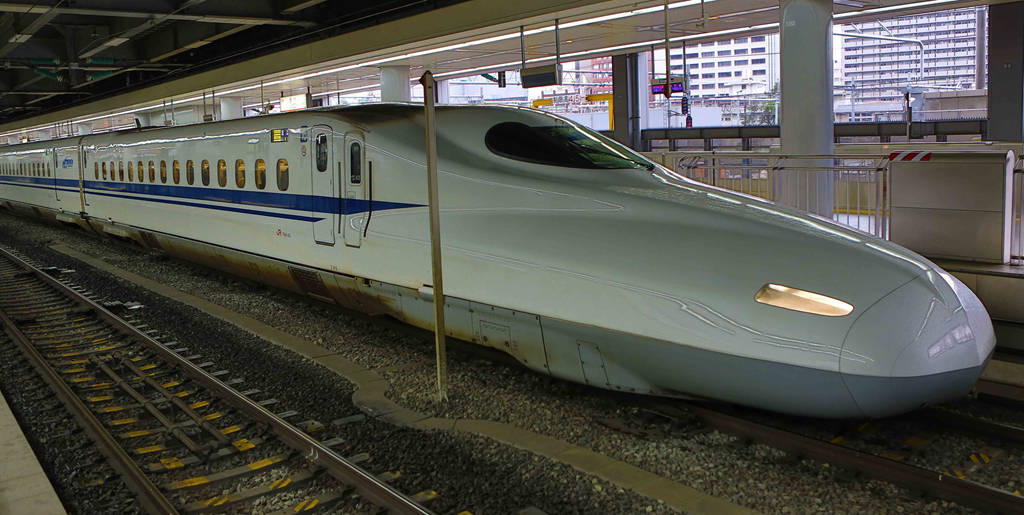
Last year the Shinkansen (bullet train) faced an average delay of just 36 seconds. Said to be so punctual that a salaryman can finish his noodles 2 minutes before departure time and count on the train being there .. it is very reliable.

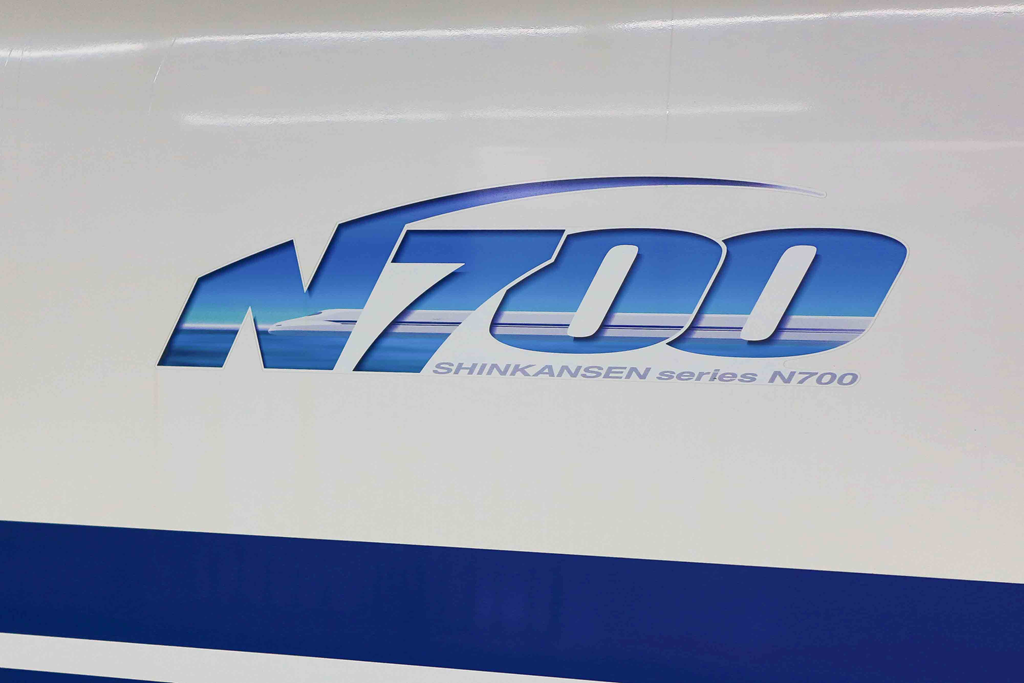
Hitting speeds of up to 320 km/hr, with up to 16 trains running between key urban centers an hour (3 minutes between train) and carrying 353M people in 2007, it truly is an engineering marvel and a testament to Japanese quality and process management.

And it was our first time on …

image

image

The fee from Tokyo to Kyoto in a reserved seat is roughly $133 one way and takes 2 hours and 10 minutes. The train is amazing to ride on. Smooth, quite and obviously very fast (not like the English trains I am use to when I rode from Virginia Water to London).

image

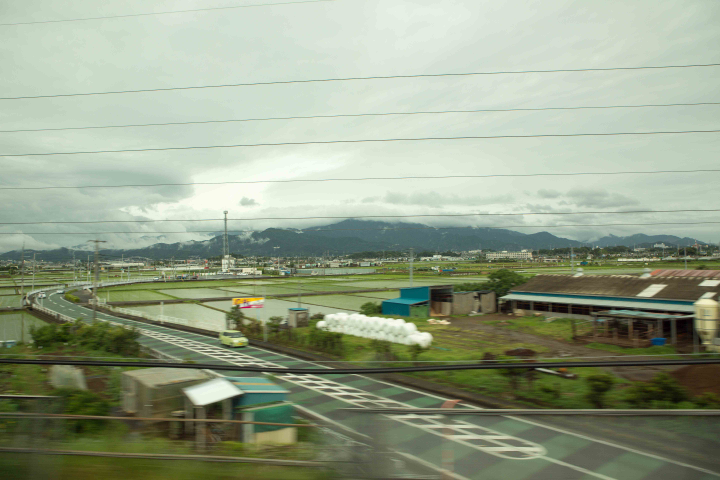
I sat looking out the window as the Japanese countryside passed by. Building after building, with rice and other farming fields jammed in-between industrial buildings and the ever present mountains looming in the background.

If you ever wonder why Japan’s population is jammed into concentrated areas, it is because 73% of Japan is mountains. Only 11% of the land is arable. Just look out a Tokyo window and off in the distance you will see mountains on all side.

A great way to travel. Now that we have done it, we will be doing it a lot more often.

NOT SEE, NOT SAY, NOT HEAR, TOKYO

Koshin is described as a folk faith in Japan with Taoist origins:

The main Kōshin belief that survived from an original complex faith, is the concept that three worms, called Sanshi (三尸), live in everyone’s body. The Sanshi keep track of the good deeds and particularly the bad deeds of the person they inhabit. On the night called Kōshin-Machi (which happens each 60 days), while the person sleeps, the Sanshis leave the body and go to Ten-Tei(天帝), the Heavenly god, to report about the deeds of that person.

Ten-Tei will then decide to punish bad people, making them ill, shortening their lifetime and in extreme cases putting an end to their lives. Believers of Kōshin will try to live a life without bad deeds, but those who have reason to fear will try to stay awake during Kōshin nights, as the only way to prevent the Sanshi from leaving the body and reporting to Ten-Tei.

Which (of course) lead to festivals every 60 days where people attempted to stay up for the entire day to stop the worms from leaving their bodies.

Below is a very old, traditional Koshin shrine near our home.

2013 05 25 Dragon temple_

This faith is also affiliated with the 3 monkeys (seen in the middle bottom):

Three monkeys covering eyes, mouth and ears with their hands are the best known symbols of Kōshin faith. They are Mizaru (not see), Iwazaru (not say) and Kikazaru (not hear). It is not very clear why the three monkeys became part of Kōshin belief, but is assumed that it is because like the monkeys, the Sanshis and Ten-Tei are not to see, hear, or tell the bad deeds of a person.

Statues of Shōmen-Kongō with the three monkeys have existed in temples and shrines since the Edo era. Sometimes carved stones called Kōshin-tō were placed around a dwelling for protection. Such stones can present diverse forms, from having only Chinese characters (kanji) to including a depiction of Shōmen- Kongō with one, two or three monkeys.

So many layers to Japan’s complex history, hidden from the Gaijin.

22 FALLEN SAMURAI, TOKYO

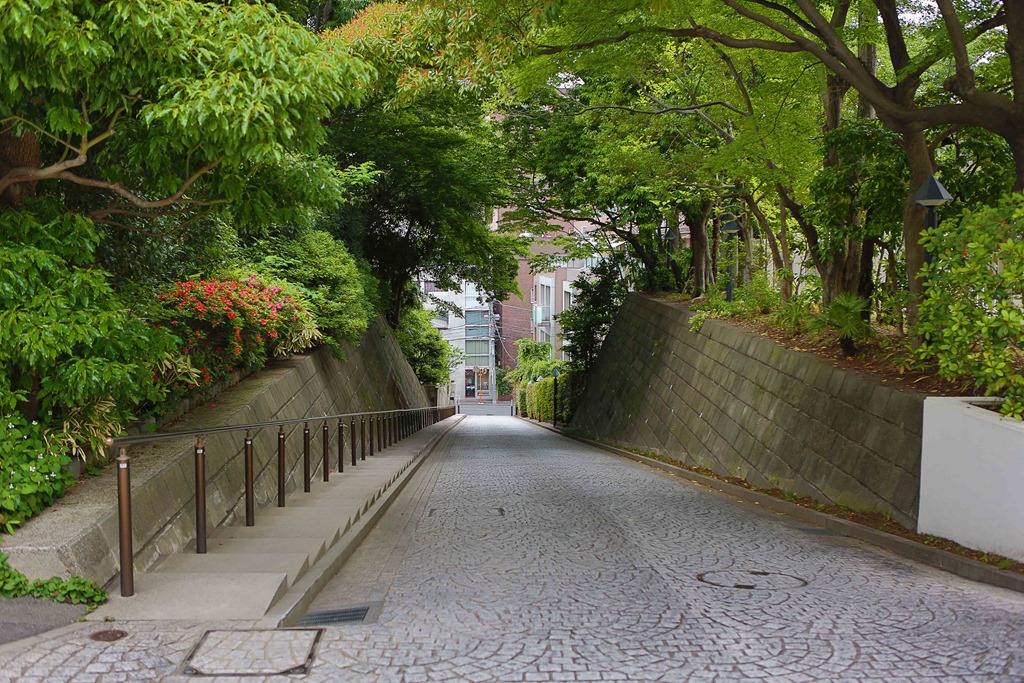
Another temple near us, hidden up a long road – Kensoji temple (which has zero internet footprint and no information).

2013 05 25 old temple_-17

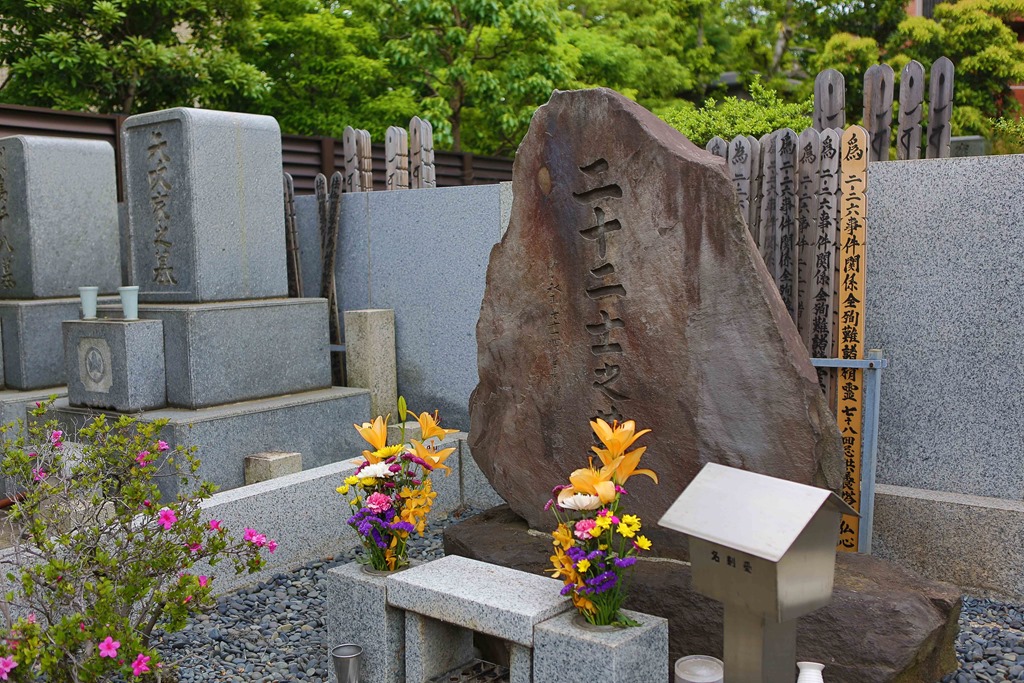
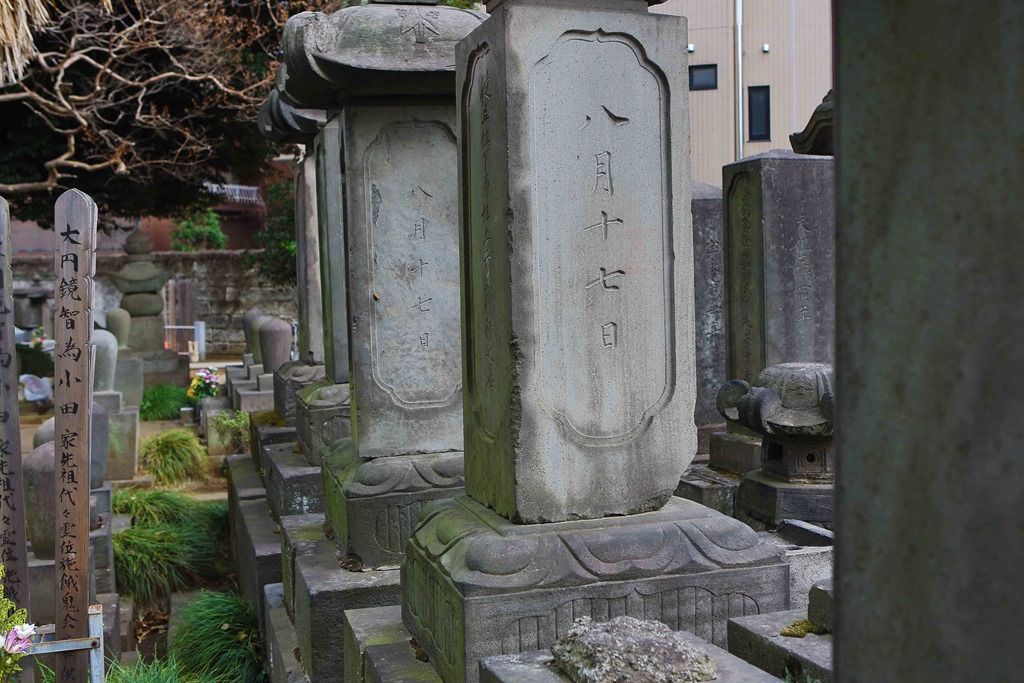
Surrounded by a beautiful cemetery, the history makes an interesting story. Hidden in the back corner is the cemetery of the fallen 22, who attempted an uprising in 1936 and are often celebrated by the anti-foreigner, nationalistic Japan parties.

The February 26 Incident (二・二六事件 Niniroku Jiken?) (also known as the 2-26 Incident) was an attempted coup d’état in Japan on 26 February 1936. It was organized by a group of young Imperial Japanese Army (IJA) officers with the goal of purging the government and military leadership of their factional rivals and ideological opponents.

Although the rebels succeeded in assassinating several leading officials and in occupying the government center of Tokyo, they failed to assassinate Prime Minister Keisuke Okada or secure control of the Imperial Palace. Their supporters in the army made attempts to capitalize on their actions, but divisions within the military, combined with Imperial anger at the coup, meant they were unable to achieve a change of government. Facing overwhelming opposition as the army moved against them, the rebels surrendered on 29 February.[3]

Unlike earlier examples of political violence by young officers, the coup attempt had severe consequences. After a series of closed trials, 19 of the uprising’s leaders were executed for mutiny and another 40 imprisoned. The radical Kōdō-ha faction lost its influence within the army, the period of “government by assassination” came to a close, and the military increased its control over the civilian government.

If you read the entire background, it is the classic story of the under-privileged rising up against ruling class, in this case coloured by a nationalistic zeal, an Emperor, westerners and socialism. I cannot help but sympathize with the meritocracy elements of their campaign even if it is at odds with their allegiance to the Emperor.

Their well tended grave. Luckily, there were not ultra-nationalists at the site to protest our being there.

2013 05 25 old temple_-27

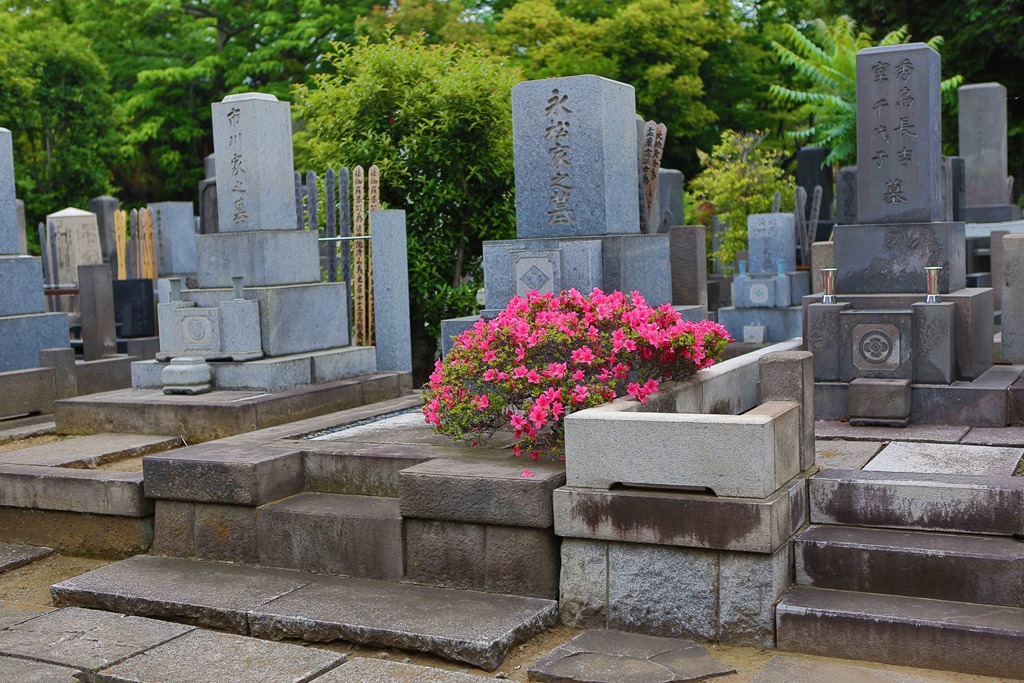
The grave across from this one, with beautiful blooming Azaleas.

2013 05 25 old temple_-26

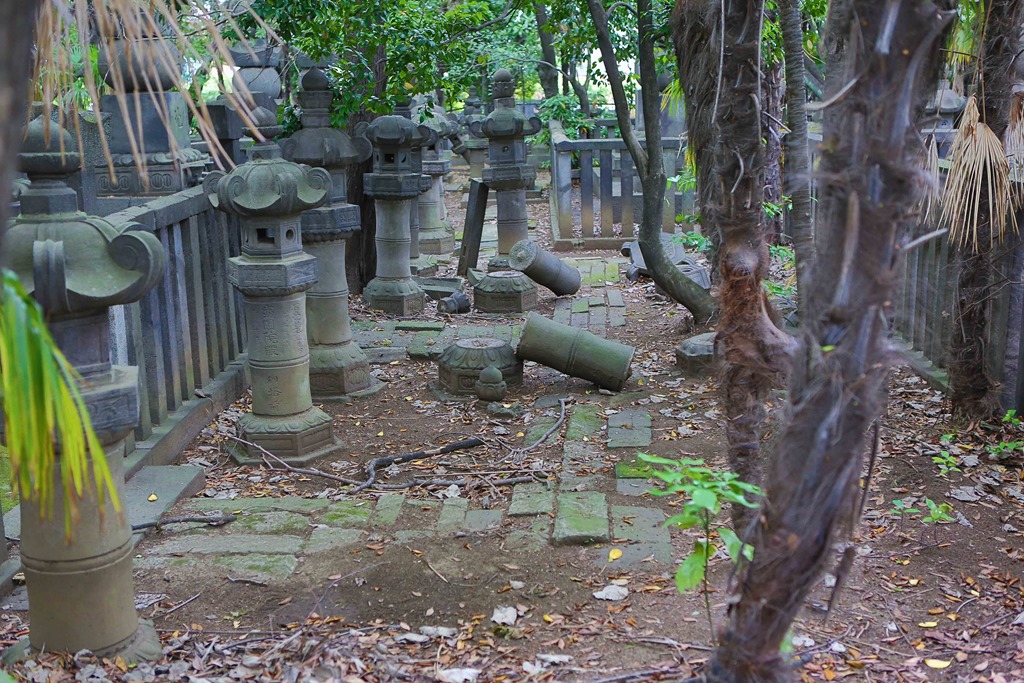
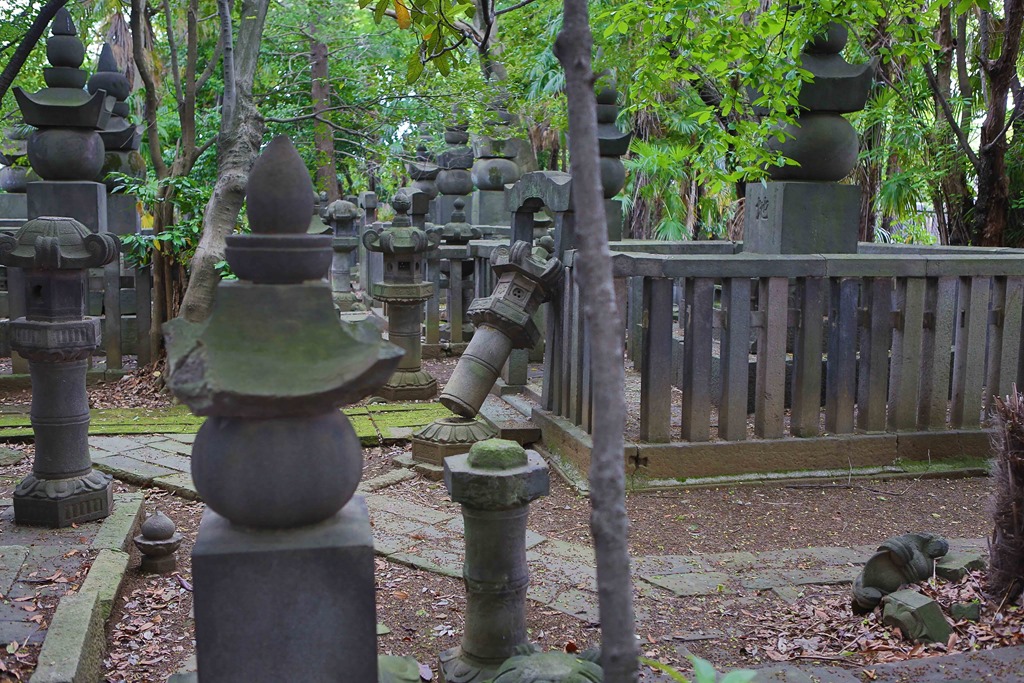
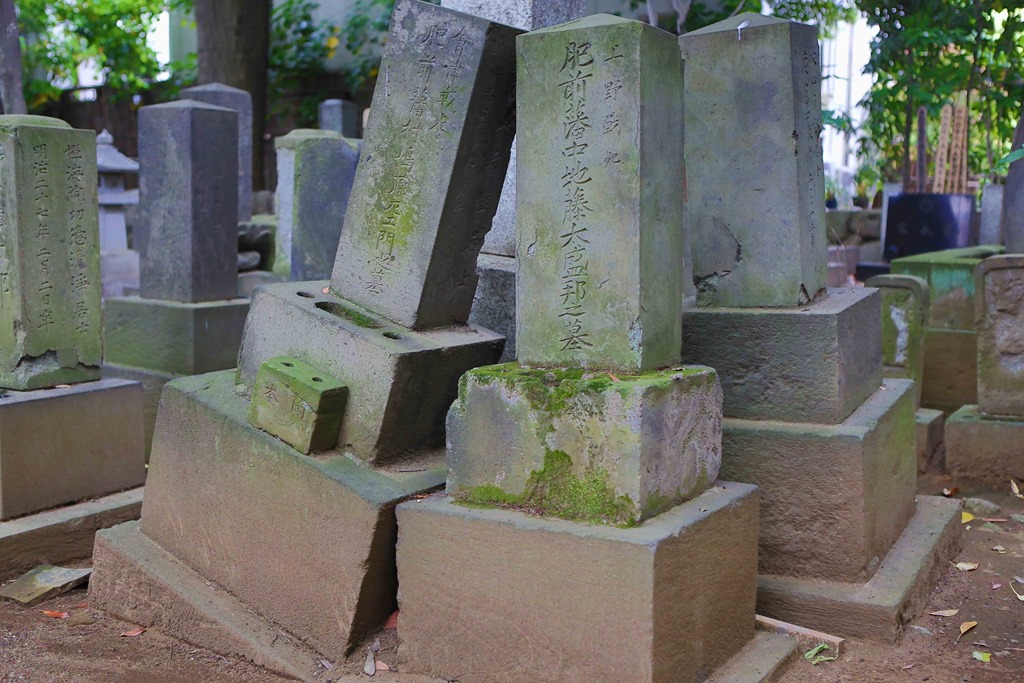
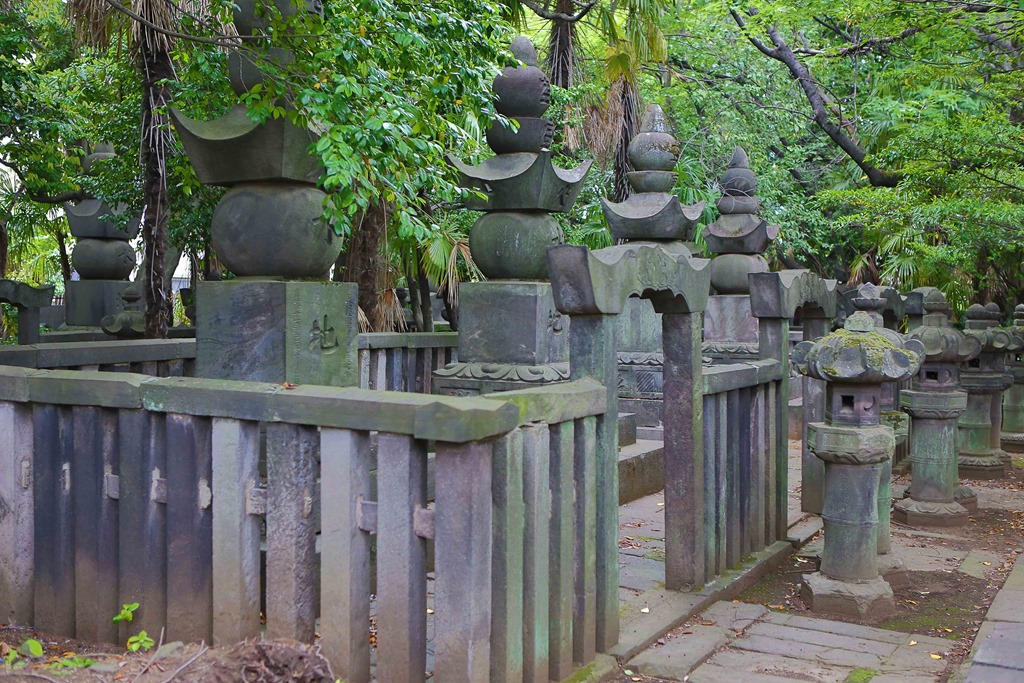
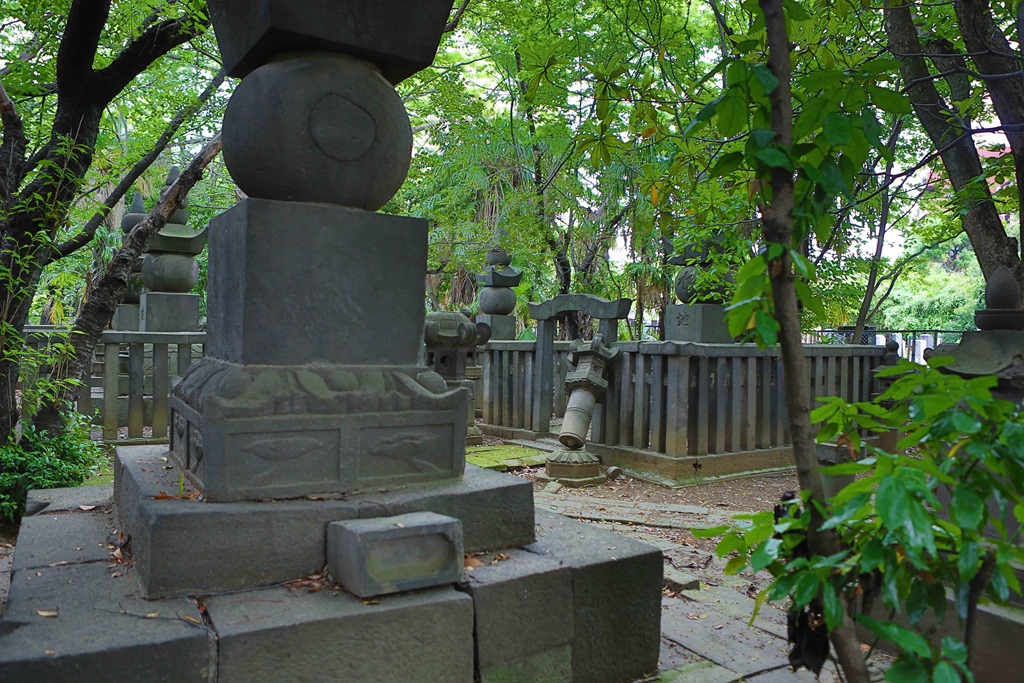
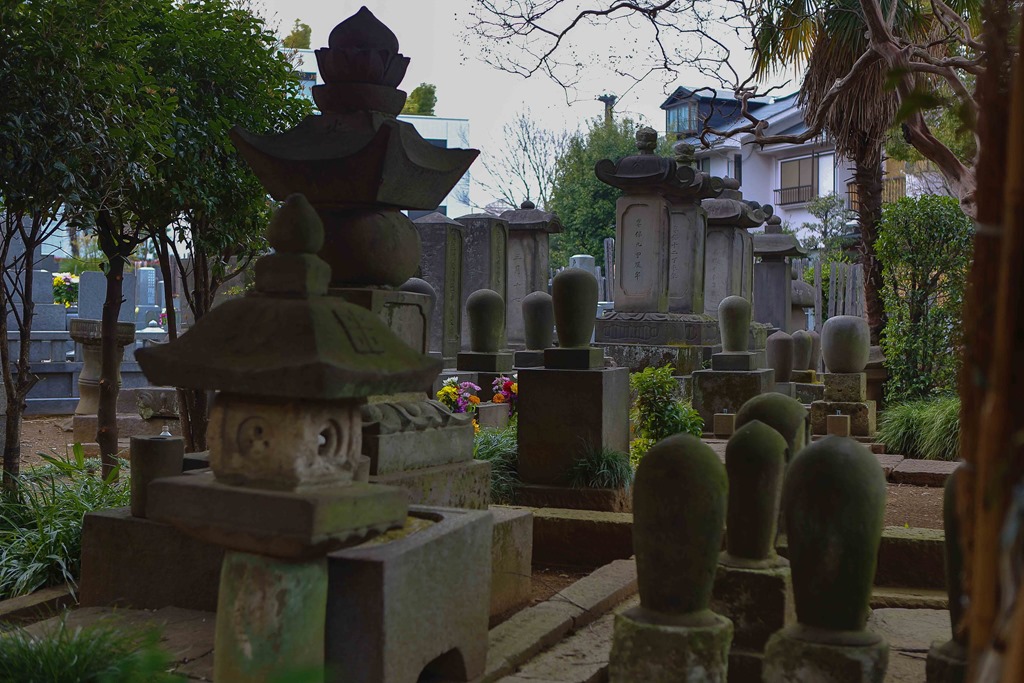
The other interesting thing about the site is the state of the original cemetery. Fenced off and difficult to see, the original cemetery is surrounded by monuments to the elements and the (rich) family entombed. However, the site has fallen into disrepair which seems at odds with the Japanese respect for ancestors.

2013 05 25 old temple_-21

2013 05 25 old temple_-28

2013 05 25 old temple_-29

Of note, the monuments are all individual pieces of stone, balanced on top of each other. Only a few have fallen over during the various earthquakes. A testament to 1,000 year old craftsmanship.

2013 05 25 old temple_-20

2013 05 25 old temple_-30

An interesting hidden find.

DRAGON TEMPLE, TOKYO

Near our apartment is a small temple of significance, a temple dedicated to the dragon and the harvest, Hiroo Inari Jinja.

image

Located on a side street near Hiroo station, tucked under hundred year old trees.

image

The courtyard houses the temple building and several smaller shrines.

image

image

Including the chozuya, for purifying yourself before entering the shrine.

image

imageimage

I liked this request outside the temple …

image

As mentioned, it is a dragon temple. Etched into the wooden roof is the most magnificent dragon. Step to a different side and the entire picture changes.

It is said that Inari (the god of harvests) was invoked as the guardian deity of the Shogun�fs villa, Azabu Fujimi Goten, during the Genroku period (1688-1703). It was formerly called Fujimi Inari or Chitose-dera Inari. The dragon drawn on seven consecutive panels on the main hall�fs ceiling is the final Japanese-style painting of the great master Takahashi Yuichi. Three towers dedicated to the repose of the souls of the departed (Minato City Cultural Assets) stand by a stone moat and the three monkeys (�gSee no evil, hear no evil, speak no evil�h) are carved on the front.

image

image

And more dragons carved into the entrance.

image

Amazing to find out what is tucked around a corner. A city full of hidden treasures.

THE FIRST AMERICAN EMBASSY, TOKYO

The American government set up in one of Tokyo’s oldest temples, Zenpuku-ji temple, after the signing of the first commerce agreement in 1859.

image

2013 05 25 american embasssy_-15

They have a monument set up for Townsend Harris who played a pivotal role in Japanese – US relationships. Our guide Lilly provided colour to his life. While he did great things for the countries, he did it while ruining the life of a poor Japanese woman. She was a serving girl and in love with a carpenter (as the story goes), but Townsend wanted her for himself. Forced by the Japanese government to spend time with Townsend (either to improve relations between the countries or as a spy), she was forced to become his mistress only to be discarded when he left Japan;

She was labelled a “Toujin” (mistress of a foreigner), though she was not a mistress like “Chocho-san“.

Becoming a mistress of Western men was regarded as shame and Kichi was despised as “Toujin”. The disdain and prejudice of the society disturbed her seriously and she gradually indulged in alcohol. She could not live a peaceful family life with her beloved Tsurumatsu. She ruined a restaurant presented by a sympathetic patron and could not run a hair salon in Shimoda due to the disdain of local people. In her 40s, Kichi became homeless and killed herself by jumping into the Inouzawa River.
Toujin Okichi became a heroin of popular novels and her stories were staged many times. Though the truth still remains a mystery, her story was interpreted in various ways and exploited as a tourist attraction.

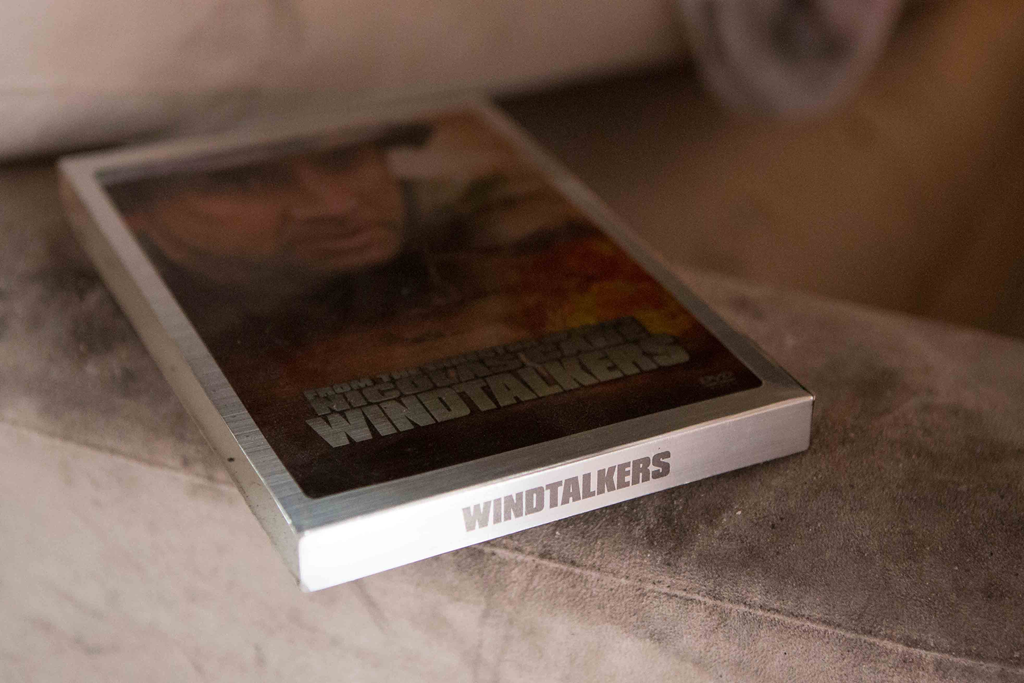
Read more here. The relationships was also incorrectly romanticized in a John Wayne movie.

image

As with all shrines, a cemetery accompanies it. Right beside the shrine is the grave of Fukuzawa Yukichi, the man on the 10,000 Y note ($100).

Fukuzawa Yukichi (福澤 諭吉?, January 10, 1835 – February 3, 1901) was a Japanese author, Enlightenment writer, teacher, translator, entrepreneurand journalist who founded Keio-Gijuku University, the newspaper Jiji-Shinpo and the Institute for Study of Infectious Diseases. His ideas about government and social institutions made a lasting impression on a rapidly changing Japan during the Meiji Era. He is regarded as one of the founders of modern Japan. He is called a Japanese Voltaire.

2013 05 25 american embasssy_-2

It is also home to the oldest ginko tree in Tokyo with a girth of 10m and estimated age of 800+ years.

2013 05 25 american embasssy_-24

image

As one would expect, the cemetery is well tended with people decorating the statues and leaving behind flowers, offerings and other remembrances to honour the departed.

image

image

image

image

An interesting tour. Thanks for dropping by.

HOW TO ROB IN THE EDO PERIOD

Rich families would keep their valuables in a building like this.

2013 05 25_-22

2013 05 25_-23

Away from the main house, lacking windows, big metal locked doors and often behind the gates.

2013 05 25_-24

One would think it was a good plan. The problem? Thieved learned that in the soft Japanese soil it is easy to dig your way in.

TODAY’s JAPANESE ENGLISH

Like I said before, when you are walking through Tokyo, you need to look up.

image

I have no idea why this one caught my eye in passing. I was walking from lunch and noticed the print on the front of this dress. Who/what is Felicity Catch and why grammar do time so bad?


image

And to answer your question: NO. My Japanese is not improving as evidenced by a recent conversation:

“I got this amazing sparking sake from Meidi-ya” (I pronounced meedie-ya)

“Where?”

“meedie-ya. You know the grocery store”

Laughs. “Oh you mean (pronounces it right). You have been saying that for a month and I had no idea what you were talking about”

The only good thing, I don’t write anything down in Japanese.

EXPLORING THE TOKYO STREETS

On a recent tour, near this street we heard all about Juzo Itami.

image

Standing at the bottom of the building where he “committed suicide”, we heard the story about how this Japanese film maker made fun of the establishment and organized crime:

On May 22, 1992, six days after the release of his anti-yakuza satire Minbō no Onna, Itami was attacked, beaten, and slashed on the face by five members of the Goto-gumi, a Shizuoka-based yakuza clan, who were angry at Itami’s film’s portrayal of yakuza members as craven, dishonorable bullies. This attack led to a government crackdown on the yakuza. His subsequent stay in a hospital inspired his next film Daibyonin, a grim satire on the Japanese health system.

Looking down the alley, our guide explained his “death”:

He purportedly committed suicide on December 20, 1997[1] in Tokyo, by leaping from the roof of the building where his office was located, after a sex scandal he was allegedly involved in was picked up by the press. The suicide letter he reportedly left behind denied any involvement in such an affair.

Many consider his death suspicious. Citing unnamed sources, Jake Adelstein of Yomiuri Shimbun, who wrote a number of articles dealing with Japanese yakuza, directly accused Goto of murder. Adelstein stated that, according to his sources in the Japanese underworld, Juzo Itami was planning a new movie about Goto’s yakuza faction and its relationship with the religious groupSōka Gakkai and that “A gang of five of his people grabbed Itami and made him jump off a rooftop at gunpoint. That’s how he committed suicide.” According to Adelstein, Itami had said that his wife was aware of his alleged affair and that Itami’s purported suicide note was typed on a word processor.[2] At the time, the police treated it as a possible homicide. Itami’s surviving family have never publicly commented on the circumstances surrounding his death.

We continued walking. I love the way that Japanese streets are filled with people’s pots filled with flowers and bushes. They may not have a yard, but they are trying.

image

In some cases, the grasses are overgrowing. An oddity in Japan. Why would someone leave their motorcycle like that? (even if it is broken).

image

Passing this shop I looked in, there was barely any room to move … He/she is certainly not pressing any clothes.

image

As we turned a corner our guide explained that the area we were in used to be a slum in Tokyo. The locals were cleaning it up and banding together, trying to stop developers who were buying up the buildings with a goal of tearing it all down and putting up high rises.

image

Down a stairwell was a tiny little statue, dedicated to a site where something happened .. at some point in history. Perhaps someone fell down the stairs and died, or an incident happened here. That history is lost to us gaijin, but it was amazing to see the statue hidden between the buildings.

image

And in every Tokyo cement crack, something is trying to grow.

image

2013 05 25_-33

TOKYO POLICE

There are a LOT of police in Tokyo. I mean a LOT. Seems like every few blocks you run into a group of them. You don’t see many police cars and the one time that I was flagged down, it was the police officer stepping onto the road.

Perhaps one of the reasons why Tokyo is so safe (although I think it is more cultural, than due to police presence).

2013 05 25_-2

I am always driving past these fellows and I have yet to figure out what they do. They just stare at the passing cars, sometimes a whistle in their mouth just waiting to be blown. At other times holding their walkie-talkie and watching the traffic drive by.

Always staring. Never moving. I don’t understand. (smile)

LOVE HOTELS, TOKYO, JAPAN

How would you like to be the poor unfortunate souls living next to this monstrosity with it’s medieval flair?

2013 05 25 love hotel_-7

Called a “love hotel” these feeders of the unseemly Japanese underbelly are quite common.

A love hotel is a type of short-stay hotel found around the world operated primarily for the purpose of allowing couples privacy for sexual activities. The name originates from “Hotel Love” in Osaka which was built in 1968 and had a rotating sign.

This one is for the more “adventurous”. We were walking past it on a tour and I could not help but notice the nice grandmotherly woman on the other side of the street standing in her door.

How would you like to look at this every day? (it is in quite a nice neighbourhood). Supposedly there is a movement afoot to eject them.

image

Is the name some form of play on words?

The discrete front entrance.

image

Last shot. I wondered, is the new BMW a client or the owner?

image

ABANDONED IN TOKYO

There are a surprising number of abandoned buildings in Tokyo. On a recent tour we were told that this happens when something “bad” happens in a building. People find out and do not want to live there.

image

In this case, something bad happened about 10 years ago … and no one has lived there since, except the every expanding vines.

image

image

JAPAN COSTCO

Put this one in the “Japan contradiction” column. In a society which is very rules orientated, Costco is an interesting anomaly.

In Canada, the opening time is 9am or 10am (If I remember correctly) and they are pretty regimented about that time. They do not open a minute early. Very rules orientated.

In Japan, the opening time is fluid. While the official opening time is 10am, this Saturday it was opened before 9. Depends on when they have finished loading the shelves and the length of the queue out front.

One of those “scratch your head” ones and as an aside, I think it is great.

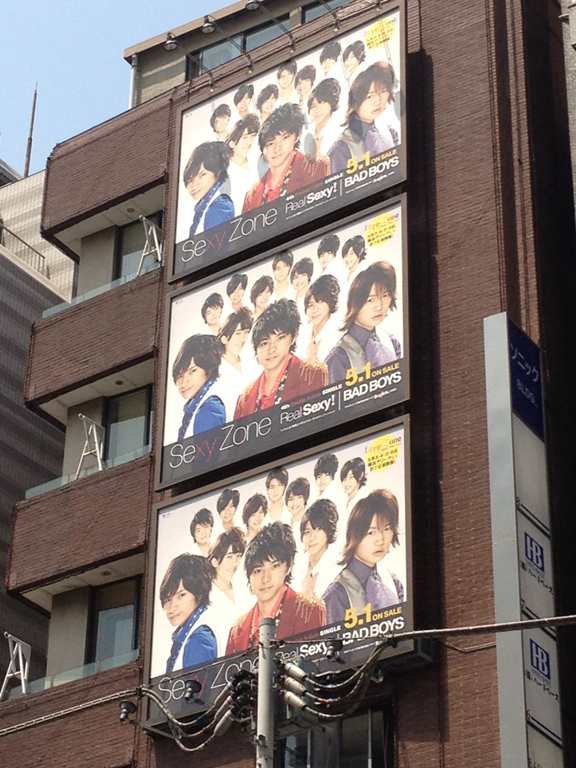
JAPANESE BAD BOY

Japan and Canada appear to have a very different view of what constitutes a rough and tumble “bad boy”. In Canada, that would be a Marlon Brando type or a hockey player. Perhaps a UFC fighter.

Bad Boy Junior Cigano Dos Santos UFC 117 Walkout Tshirt

This is the Japanese bad boy (you must always remember to look up when in Tokyo).

image

(bottom right). Perhaps they took it literally and meant “bad boys” due to their over-use of hair gel and feminine disposition? Or perhaps they are bad boys because no boy band should number more than 5 (I counted 12). Perhaps the 3 in front are the bad boys as they did not get the pre-photo shoot memo on only wearing white.

Lost in translation …  Never ceases to make me smile.

OBSERVED AROUND TOKYO

Mark your calendar. I am saving up for this day (actually, from Bali)

image

In Hong Kong they build buildings with bamboo scaffolds. In Canada, you climb up the sides of a scaffold. In Japan .. it as one would expect.

image

Amazing how this product looks suspiciously similar to the Dyson innovation. By Toto Japan. Mitsubishi has one too.

image

As seen in a Japanese parking lot. I have been warned, in a rather contradictory manner.

image

FUJI-SAN, HELLO

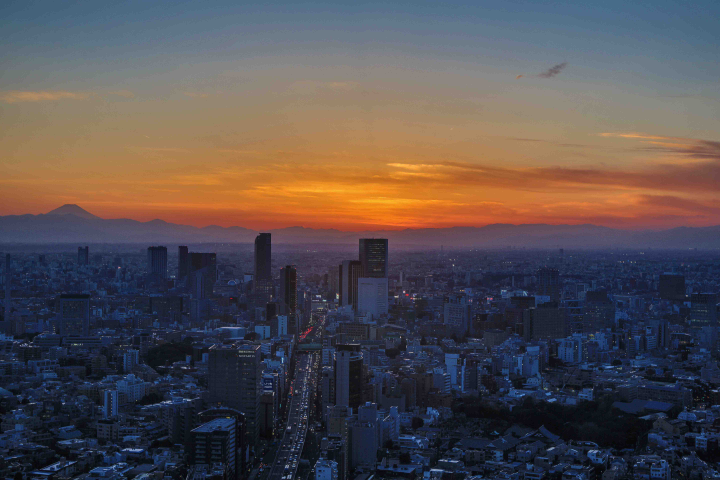
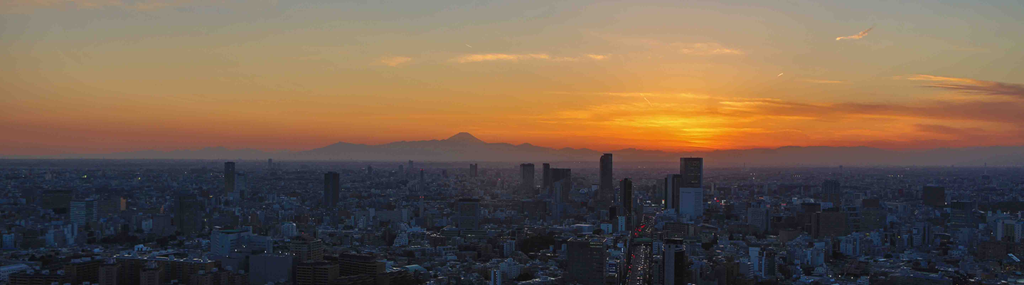
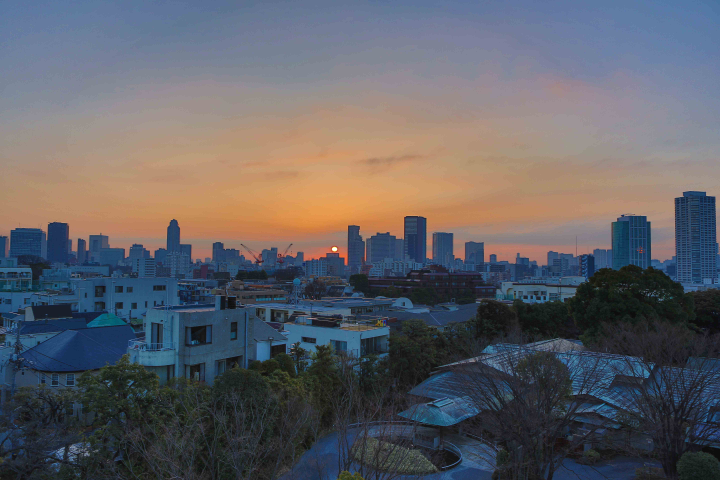
We are moving offices in a few months. The great view of Mt. Fuji will be replaced by a different view.

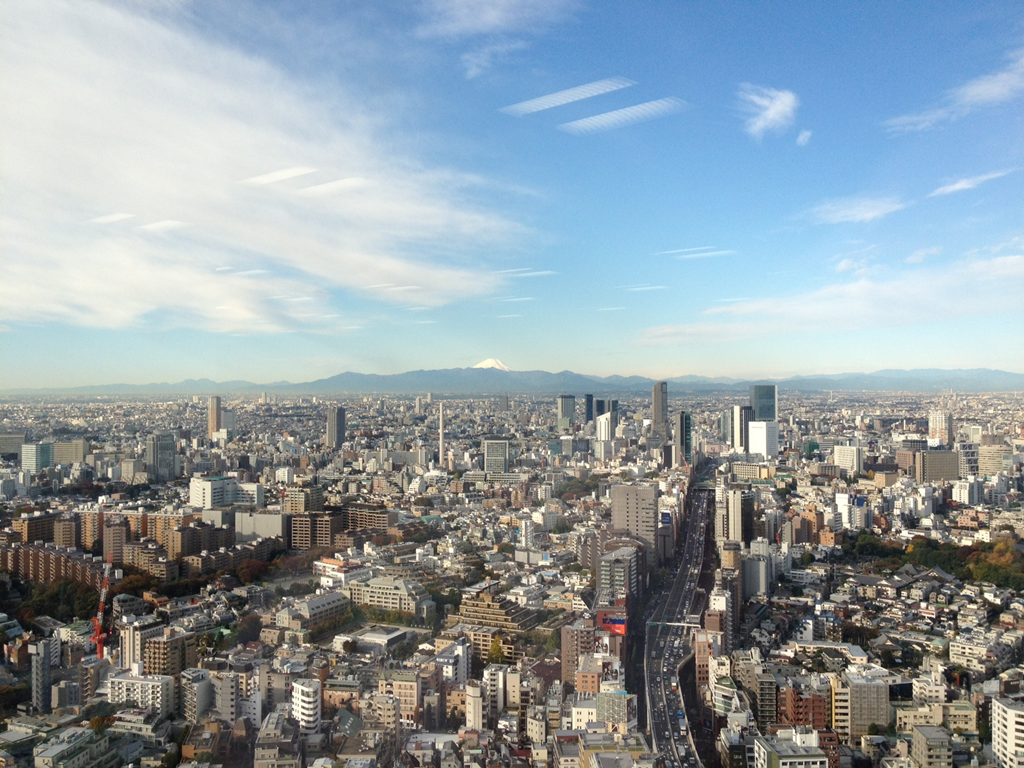
Fortunately, Fuji-san finally came out and I happened to have my camera (Configuration: Canon 5D Mark III, 50mm f/1.2, shot handheld HDR).

image

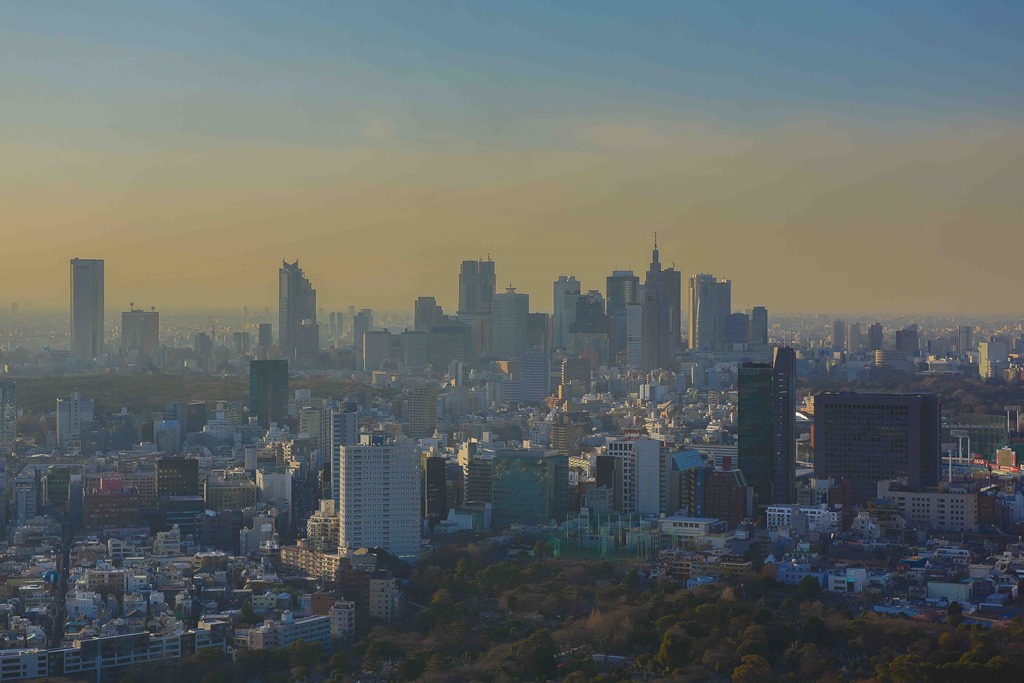
The rest of the view. At the bottom is a huge cemetery. I need to get there.

image

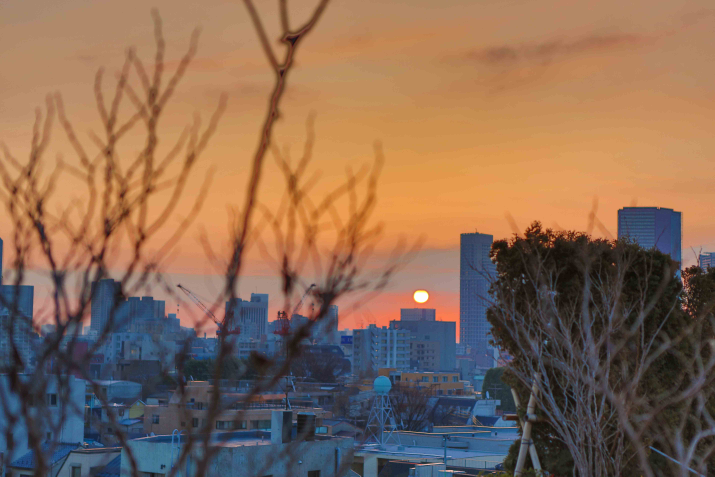
If you look into the background, you will notice that Tokyo is ringed by mountains.

image

image

image

I will miss the sunsets ……

TOKYO UMBRELLAS

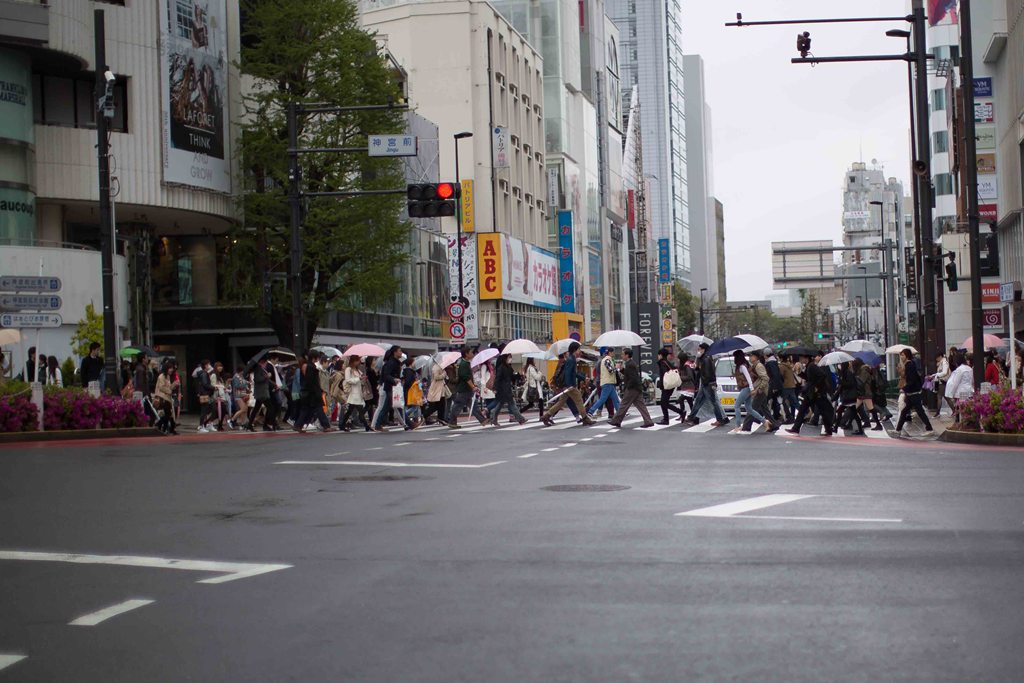
Tokyo is a place of umbrellas. If not for the rain (it is pseudo-tropical), for the sun; in which case they call them parasols and charge a lot more money.

Awhile back we were stuck in a rainstorm in Shibuya. I did not have my camera with me and have vowed that one day, I will get back to a very specific alley to get a shot in the rain as it was an amazing site.

That being said, a few shots in a similar vein, from the same area but on the wrong street (smile).

image

image

The trees have an interesting texture in black and white.

image

At a crossing. Not “the” crossing. But one of them.

image

And one oddity. I don’t know if I would buy from this shop. I found the name a bit creepy.

image

I WALKED A TOKYO ALLEY

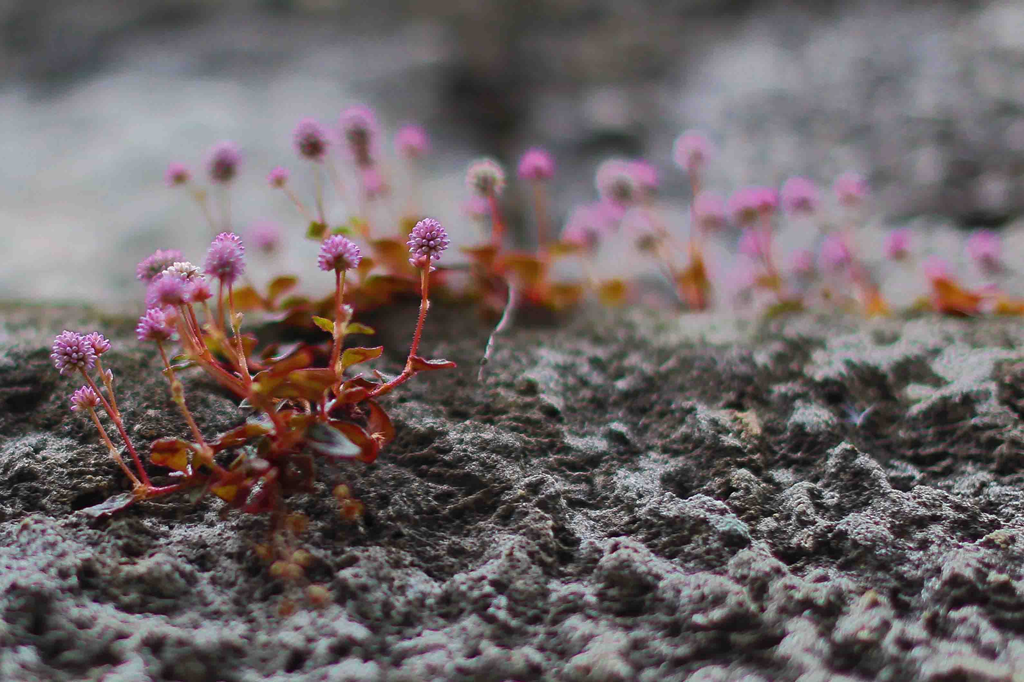
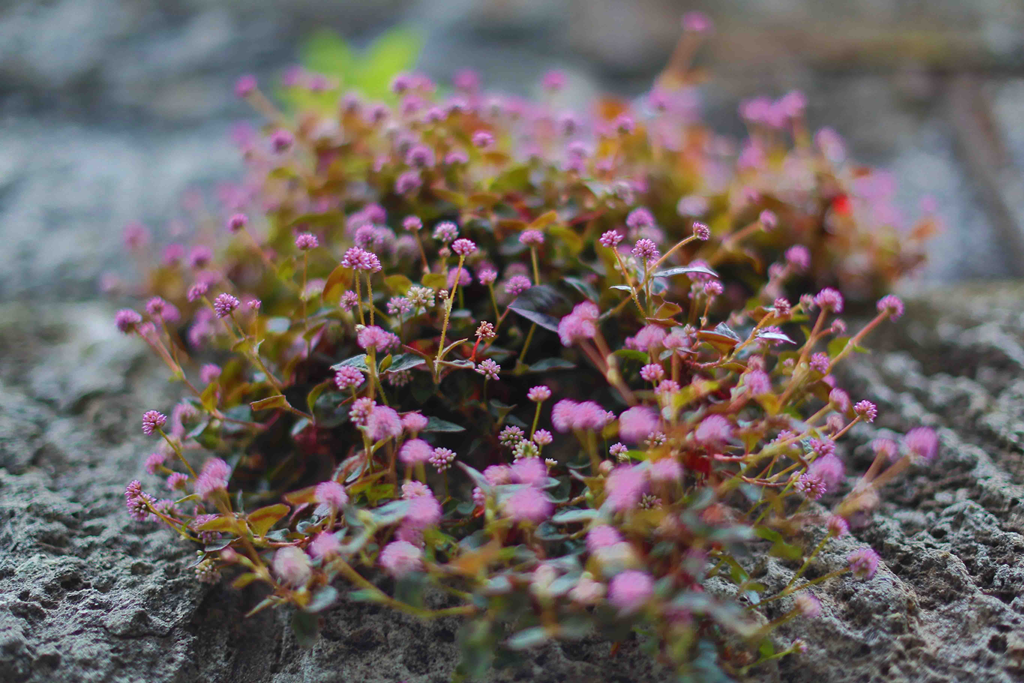
The other day I wanted to see something different, so I walked a different way home. The best sight was this wall, covered in flowers; Canon 5D Mark III with 50mm f/1.2 in hand.

image

Up close.

image

image

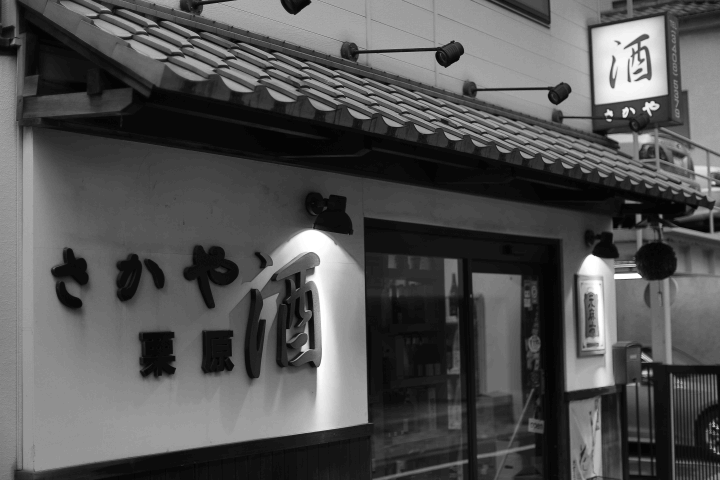
I made a quick stop to pick up some sparkling sake at this shop. I have become a big fan of sparkling sake over the last couple weeks. It is a very light summer drink and perfect for sitting out on a deck or in a backyard with a low alcohol content (5%ish).

Reminds me of the wonderful sparkling cider that we happened across in Normandy.

image

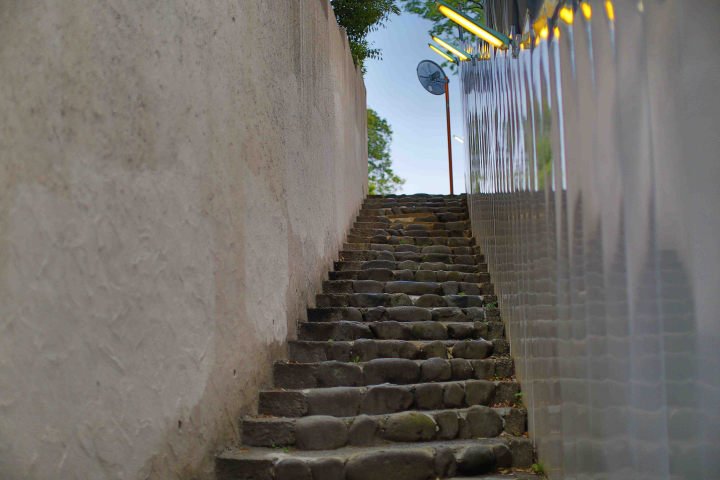
To get to the cider I had to walk down this stairwell which was a case of the “old” and the “new”. On one side was a gleaming metal wall (protecting a construction site), on the other an old wall with a very old stone stairwell. It wasn’t until afterwards that I noticed the mirror at the top … in case you were walking around the corner too fast (smile).

image

One more old and new.

image

An interesting stroll. Need to do that more often.

Thanks for dropping by.

A FEW TOKYO FLOWERS ON THE STREET

The sun is here.

image

image

A few strong climbing roses.

image

On a different tangent, they have the oddest names for hair salons in Tokyo. I have yet to figure out how these two words relate to cutting hair (smile).

image

ONLY IN TOKYO: THE BASEBALL WARMUP

The Tokyo baseball pre-game workout in Minato-ku.


I cannot imagine standing in a circle, holding hands and bouncing up and down to the cadence of a random teammate with people on my hockey team … ever.

TOKYO AZALIAS

Once the cherry and plum blossoms are gone, the Japanese cities explode with Azaleas. They are everywhere. 5 shots from around town via my Canon 5D Mark III and Canon 50mm f/1.2.

image

image

High on an embassy wall.

image

image

After the rain.

image

image

ONLY IN TOKYO: SERIOUSLY

Sure, you can find “different” things in those out of the way shops in North America. What we would consider “different” in Canada is the mundane in Japan, even common.

At Tokyu Hands (best described as a big craft, DYI and everything in between store), you wander from the mundane to unique in moments.

On a Sunday we had to get craft supplies for my son’s science project. Here are a few things that caught my eye (I had my 5D with me as we were heading over to Yoyogi afterwards).

The street outside the store. Busy, busy.

image

This diorama of a kitchen is valued at …. wait for it … $3500. You can almost smell the rice. Who would buy it? Not sure. Remarkable detail.

image

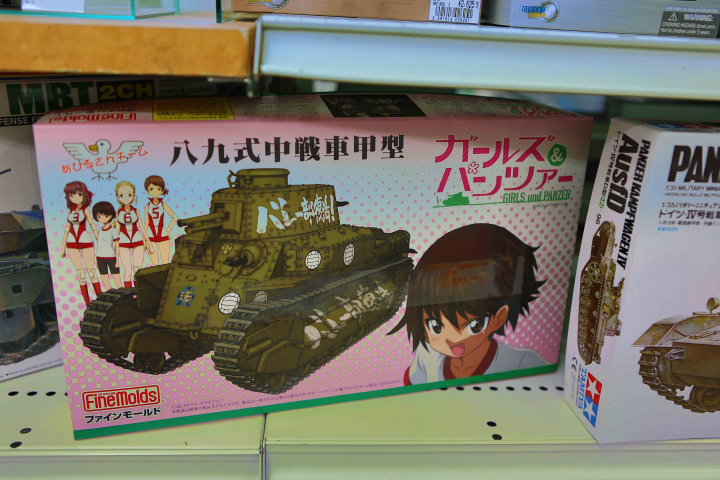
This one made me laugh out loud. After all, how can marketing “Girl und Panzer” not be a winner? Right? (far right side of box in English)

image

Who feels it necessary to buy these for the house? Not sure. But they are “Home Sign’(s).

image

Japanese people LOVE their dogs. I mean LOVE. So much so, that they dress them up non-stop. For that special pooch in your life, look not farther than Tokyu Hands my friends.

image

Check out http://doggiespotting.org for some great Tokyo dog shots and their crazy outfits.

image

I am not sure why you would buy these coloured specimens, but there is lots of choice .. although they are not cheap. Our boys were looking at the bottom shelf, which had the $400 specimens.

image

This is from the popular mobile game Touch Detective Mushroom Garden. I found it disturbing.

image

Always an adventure.

A JAPANESE FIREDRILL

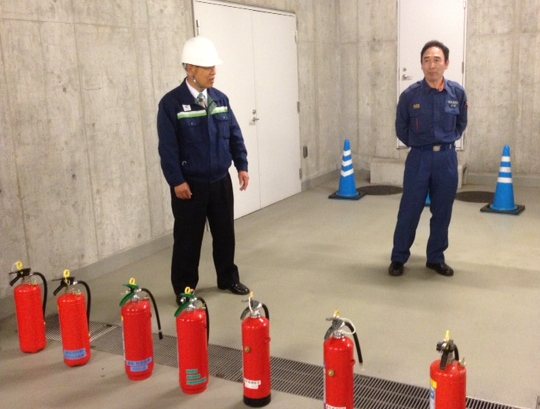
A few weeks ago we were notified of a fire drill that would happen in our apartment building. In Canada (or anywhere else), a fire drill involves a bell ringing, walking outside and then back in.

Not in Tokyo. In Tokyo it is a major event. The fire department arrives with a fire truck and what looked like half of the fire department. They walk us through what to do during a fire or earthquake and then walk us through how to use the fire extinguishers. The little kids in the building JUMPED at the chance to try them out.

image

When it comes to process and preparation, no one matches the Japanese. After marvelling at their preparation, I could not help but feel better prepared. Although, I was disappointed that they didn’t bring the earthquake simulation truck.

SHARK FIN SOUP

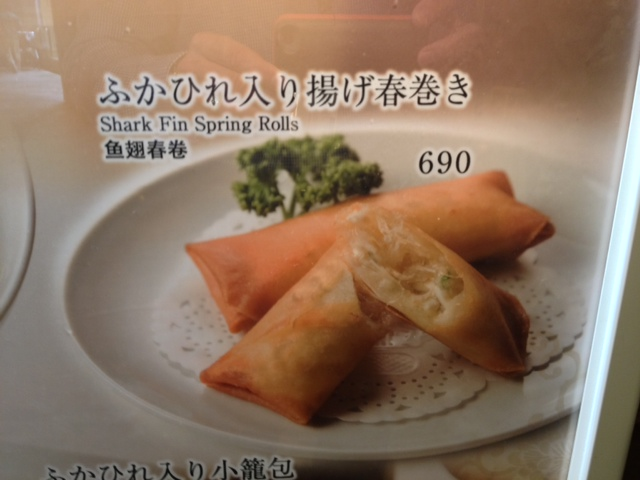
Different cultures have different traditions. I passed this sign the other day in Roppongi Hills and stopped short.

image

If you have not heard about the process of shark finning, read about it here. A terrible, cruel thing where they catch the shark, cut off it’s fins while it is still alive and then throw it back into the ocean to die a horrible, painful death.

If you are not convinced that this is truly barbaric, this 2 minute video should be enough to turn you off shark fin soup for good. Those big, bad, terrible sharks are disappearing at a rate of 250,000 a day through fishing, finning and as collateral damage from commercial fishing and face extinction if we don’t do something. How will the ocean ecosystem change if one of their top predators disappears?

Barbaric. But then so is tying a dog outside all year long and never giving it attention.

“Man is the cruellest animal.”  Friedrich Nietzsche

I won’t be eating there .. ever.

Please.. Pass it on.

TOKYO SKYLINE

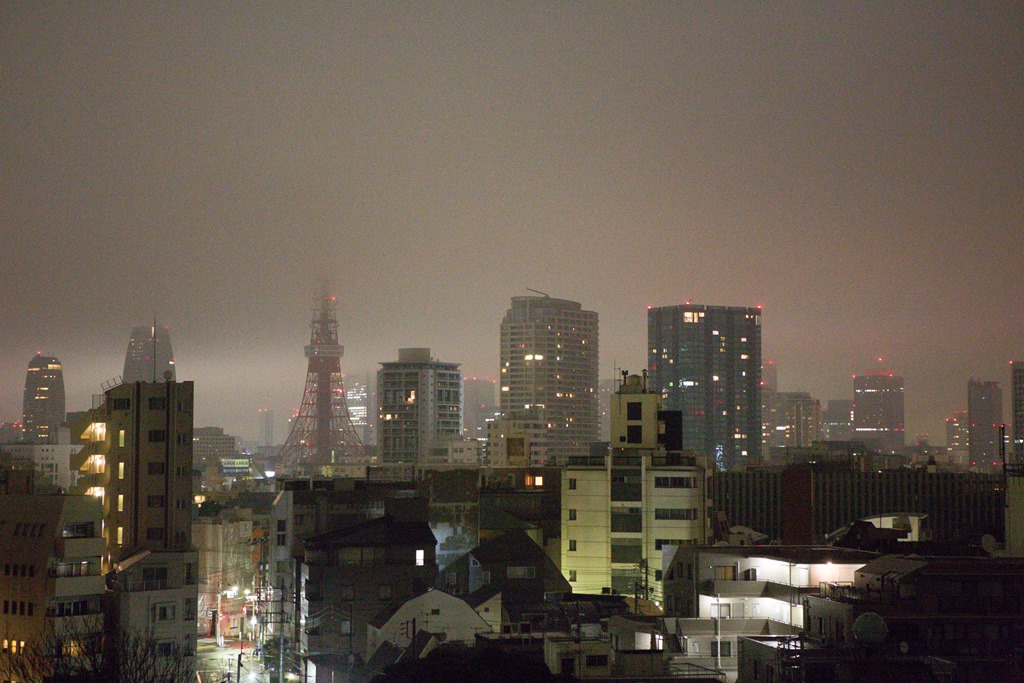
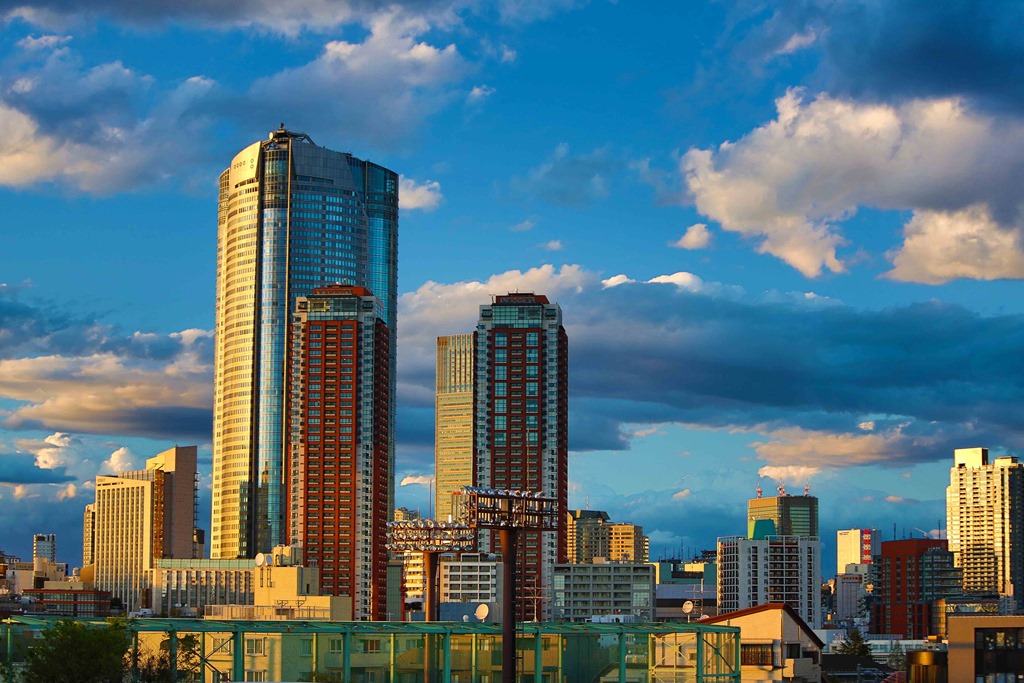
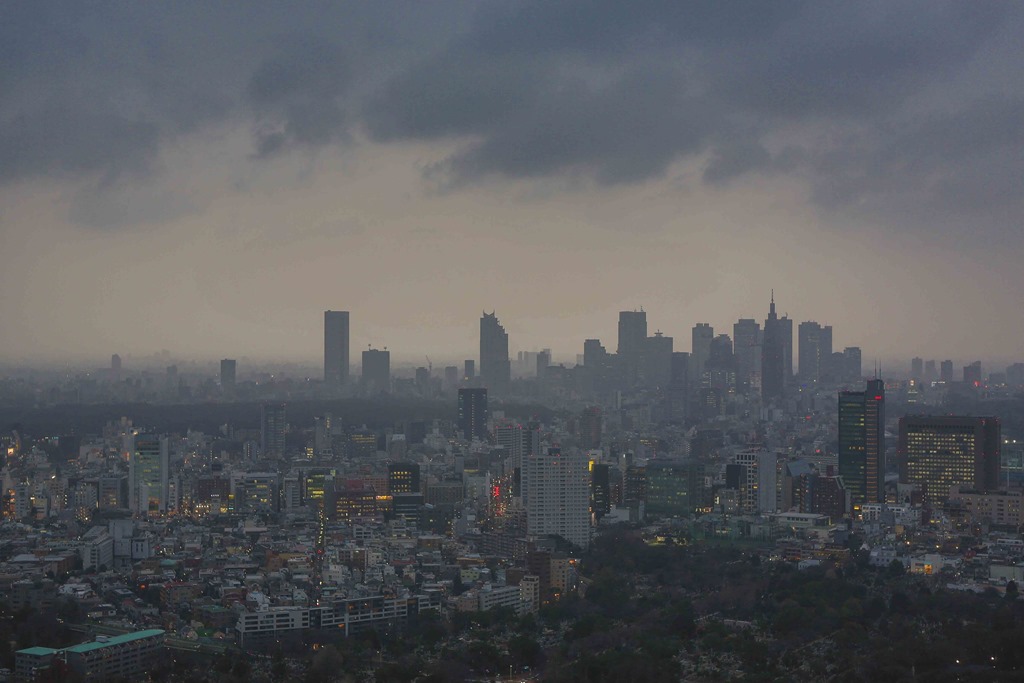
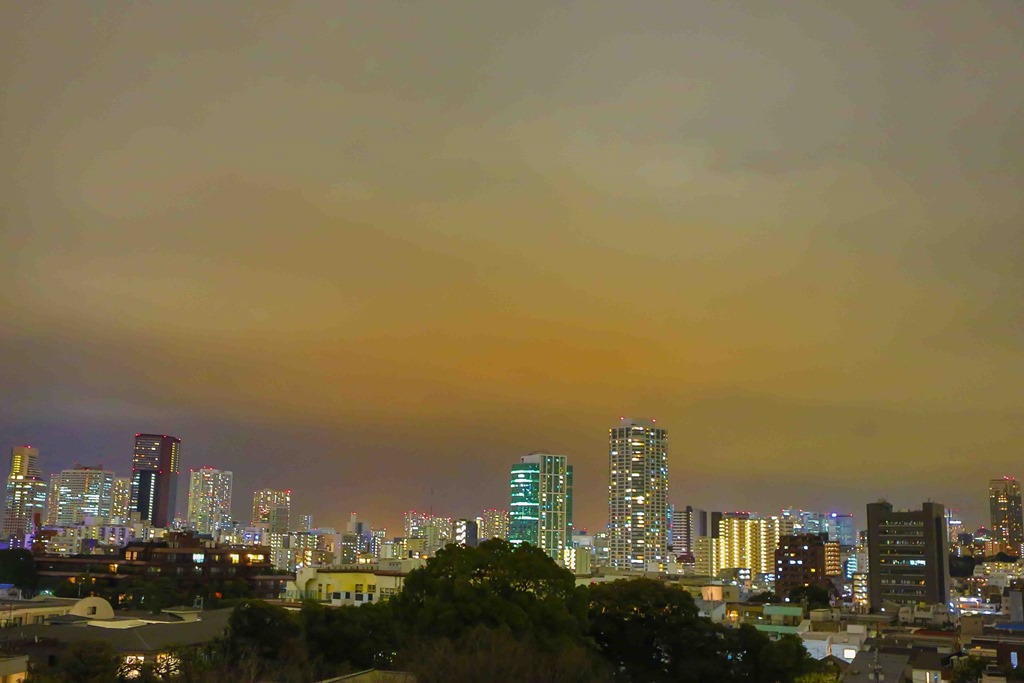
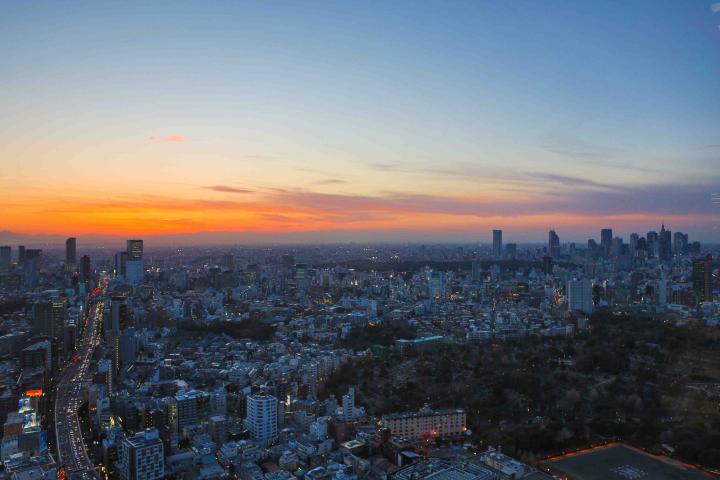
A few shots of Tokyo a week ago. Spring is upon us but it cannot decide if it wants to be warm, cool, cloudy or raining. Handheld HDRs via Canon 5D Mark III with 70-200mm f/2.8.

Makes interesting viewing out the window.

2013 04 03 Tokyo Fog _-7

It wasn’t raining, but it was foggy. I don’t know why I woke up, but I took this shot at 2AM.

2013 04 03 Tokyo Fog _-15

The sunset against the clouds.

2013 04 07 Clouds_

I work in that office .. for a few more months.

2013 04 07 Clouds_-27

I threw my 2X extender on to get this shot (handheld).

2013 04 07 Clouds_-28

Loved looking at this lonely cloud.

2013 04 07 Clouds_-32

A few hours later, it was raining.

2013 04 07 Clouds_-34

2013 04 07 Clouds_-36

Thanks for dropping by.

GETTING OUT TO SEE THE SAKURA, TOKYO

This has been an odd winter. A couple weeks of warm weather meant that the trees began to blossom 2 weeks early. With our family heading to Bali for March break, we were essentially missing the season.

Plus the temperature has dropped again. But we did get out on Sunday to Yoyogi park in an attempt to see the blossoms before they are gone. Sure enough, the park was filled with young revellers enjoying a picnic and drink below the blossoms. A lot of revellers. A lot of drink. Shooting Canon 5D Mark III with my 28-70mm f/2.8.

image

They all looked cold. 🙂 I found the lighting difficult to shoot – it was so grey and gloomy.

image

Many were in unique outfits, which candidly, is not that unique in Tokyo .. and no longer very surprising. I liked the zombie theme.

image

This is much more traditional Japanese.

image

image

OK, this fellow was a little surprising.

image

These folks actually had a sign up that said “No photographs” in English. Sure, go out in public dressed like that at Yoyogi Park and demand no photographs .. isn’t going to happen. People were lined up.

image

Oh, almost forgot, the blossoms ….

image

As it is the end of the season, they fall and make a beautiful pink carpet.

image

I wish they were around a little longer. It was grey, overcast and 9C.

image

image

Beautiful. Thanks for dropping by.

NOT BLOGGING

I won’t be blogging this week .. But left a few shots of things that caught my attention in Tokyo. Sorry, iPhone configuration as the 5D was not with me.

This is how you fill 5 pots with herbs on your terrace when you own a mini in Tokyo. My SUV is back in Canada ….

20130326-200526.jpg

This is a 3 colour bush beside an embassy in Tokyo. Some quality grafting.

20130326-200732.jpg

I love the flower stalls in Tokyo. Spring has sprung, the streets are alive with colour.

20130326-200955.jpg

Not sure why they wrote this in English on this Tokyo window, but I agree … “Peace”.

20130326-201057.jpg

A bus parked outside an office building in Tokyo .. I don’t know why it is in English? (smile) It was a very “Japanese” neighbourhood. Traveling stomach x-rays anyone?

20130326-201218.jpg

I was at a meeting at Canon and WISH I would have had my 5D to take some shots. Loved their old camera display .. Great cameras.

20130326-201453.jpg

Last shot. No one in Japan wears bike helmets. The most amazing thing? Gaijin (like the guy in the middle) have adopted a “if you can’t beat them join ’em” attitude abandoning the helmet.

Just amazing that you see everyone wearing helmets in North America and then they come here and stop. (Insert shaking head in bewilderment). The irony? He had a face mask on.

20130326-201629.jpg

Thanks for stopping by. Posts resume Monday.

SHRINES, TOKYO

There are shrines everywhere in Tokyo. What I didn’t know is that many of them are family run, generations and generations.

Near us is a shrine with a wall around it. I have not gone in yet, and when I walked by on Equinox day it seemed closed (which is odd). I did hear drumming. I had to get going, and will return, but I snapped a few photos (usual configuration shooting handheld HDR). It looks like an interesting place for future exploration.

2013 03 20 cemetary-31

Love the flowering bushes in Tokyo.

2013 03 20 cemetary-25

The not yet “awoken” contrasted by the blooming.

2013 03 20 cemetary-33

The view over the fence.

2013 03 20 cemetary-34

2013 03 20 cemetary-35

In contrast to a hazy white sky.

2013 03 20 cemetary-2

Warrants more exploration.

2013 03 20 cemetary-36

EQUINOX DAY, TOKYO

It was Vernal Equinox Day on Wednesday this week.

Vernal Equinox Day (春分の日 Shunbun no Hi?) is a public holiday in Japan that occurs on the date of the Northward equinox in Japan Standard Time (the vernal equinox can occur on different dates in different timezones), usually March 20 or 21. The date of the holiday is not officially declared until February of the previous year, due to the need for recent astronomical measurements.

Vernal Equinox Day became a public holiday in 1948. Prior to that it was the date of Shunki kōreisai ( 春季皇霊祭?), an event relating to Shintoism. Like other Japanese holidays, this holiday was repackaged as a non-religious holiday for the sake of separation of religion and state in Japan’s postwar constitution.

Even though it is a non-religious holiday, many people visit their ancestor’s graves. I walked past a cemetery near our apartment that I wanted to visit .. and clicked off a few photos using my Canon 5D Mark III and my go-to lens: Canon 28-70mm f/2.8.

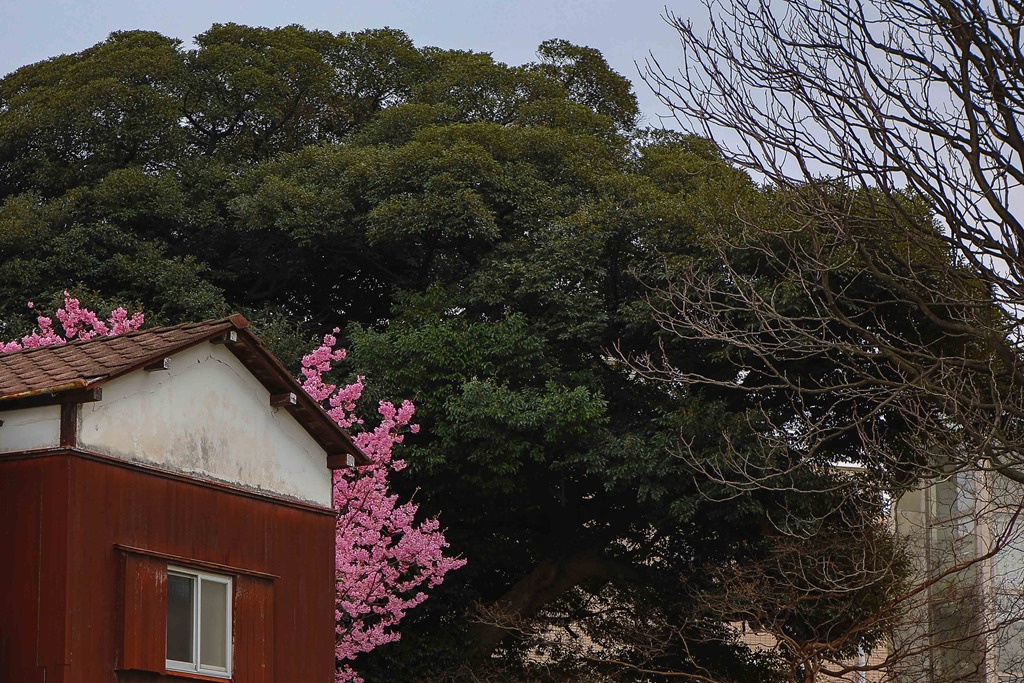
Pink peeking out behind the red.

2013 03 20 cemetary-38

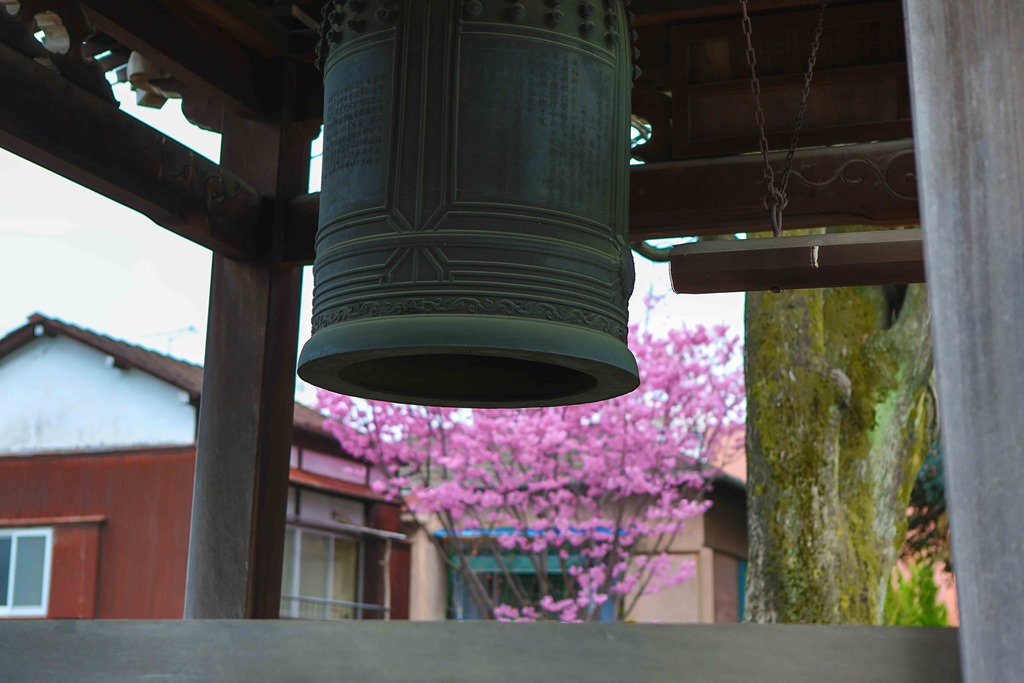
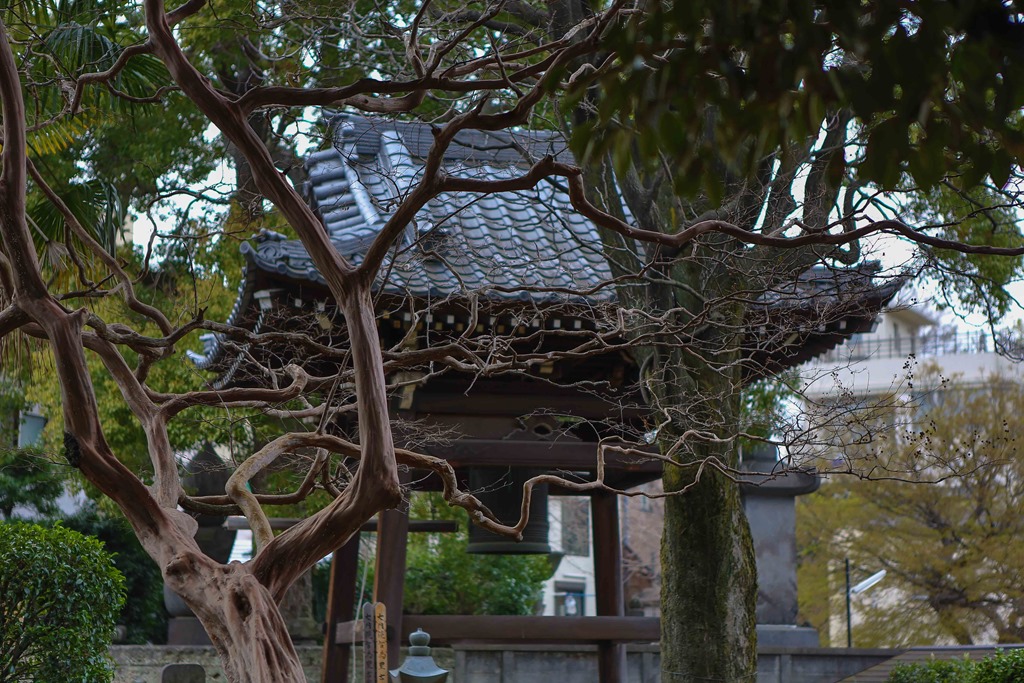
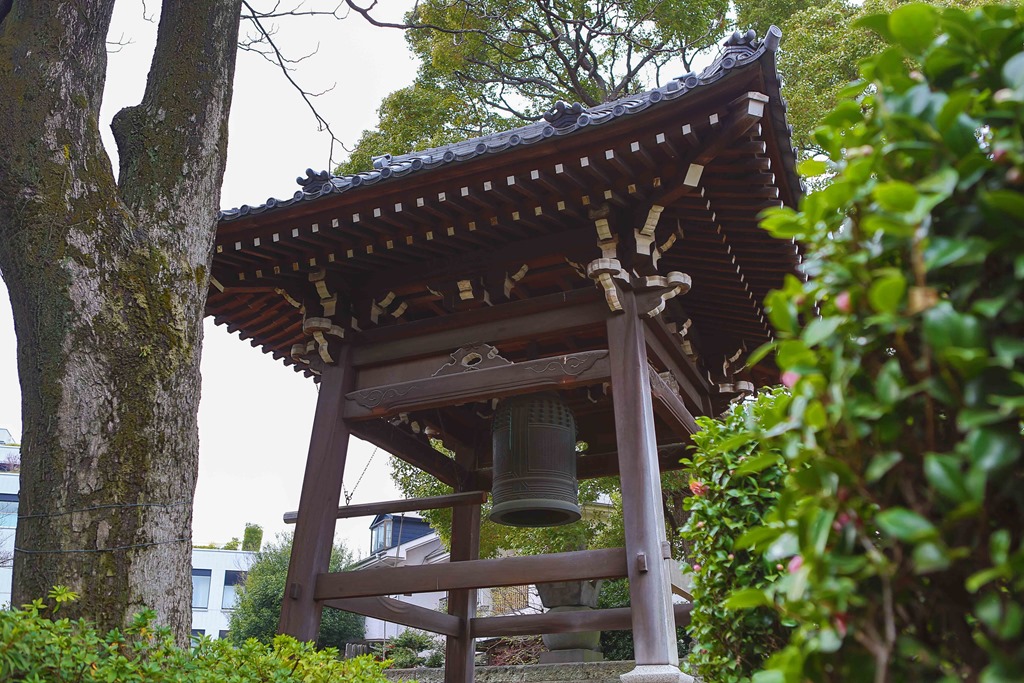
The bell at the cemetery. People would walk up randomly and hit the bell, followed by a bow of respect.

2013 03 20 cemetary-20

2013 03 20 cemetary-28

2013 03 20 cemetary-32

A mix of very old, and very new graves.

2013 03 20 cemetary-21

2013 03 20 cemetary-22

Of course, people leave behind flowers.

2013 03 20 cemetary-24

The grave stones are all grey and covered in moss. Intermingled with shots of color from the fresh flowers.

2013 03 20 cemetary-27

A beautiful place.

FUJI-SAN, WHERE ARE YOU?

Mount Fuji continues to elude me. Bring my camera, clouds role in. Don’t bring my camera .. clear as a bell. On this day I thought that Tokyo could double for Gotham city.

Shooting with my Canon 5D Mark III and Canon 28-70mm f/2.8. A mix of handheld HDRs and RAW.

2013 03 18 Tokyo_

2013 03 18 Tokyo_-7

2013 03 18 Tokyo_-9

The weather has been odd in Tokyo. I am told it was an extra cold winter, but that it is also warm earlier. This means the trees are blooming weeks earlier. As I walked home with the wind blowing, I clicked off a few pictures.

2013 03 19 Tokyo_

2013 03 19 Tokyo_-9

A school yard.

2013 03 19 Tokyo_-12

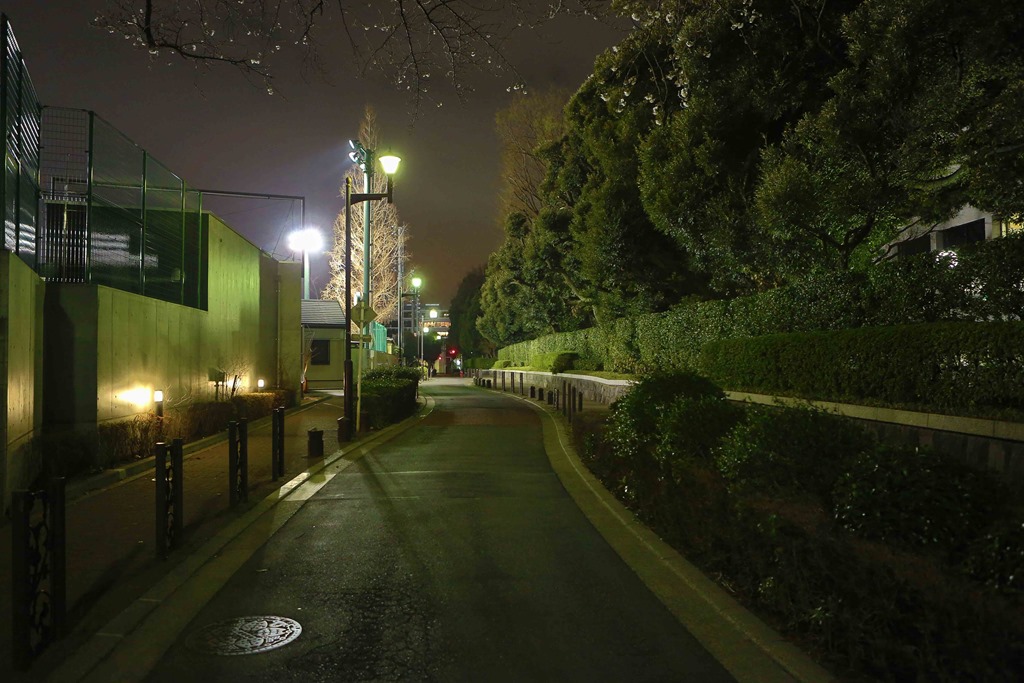
Walking a dark path. Not scary in Tokyo.

2013 03 19 Tokyo_-14

Trees in bloom.

2013 03 19 Tokyo_-2

2013 03 19 Tokyo_-6

2013 03 19 Tokyo_-7

Beautiful time in Tokyo.

WEEKEND, TOKYO

The spring is here. It does not matter where I live (big house or small), I feel compelled to tinker. We have 5 pots on our deck that we will fill with herbs. So this weekend  I put together an automatic sprinkler system for the pots. This way when the 45C Tokyo weather hits, I do not have to remember to water them.

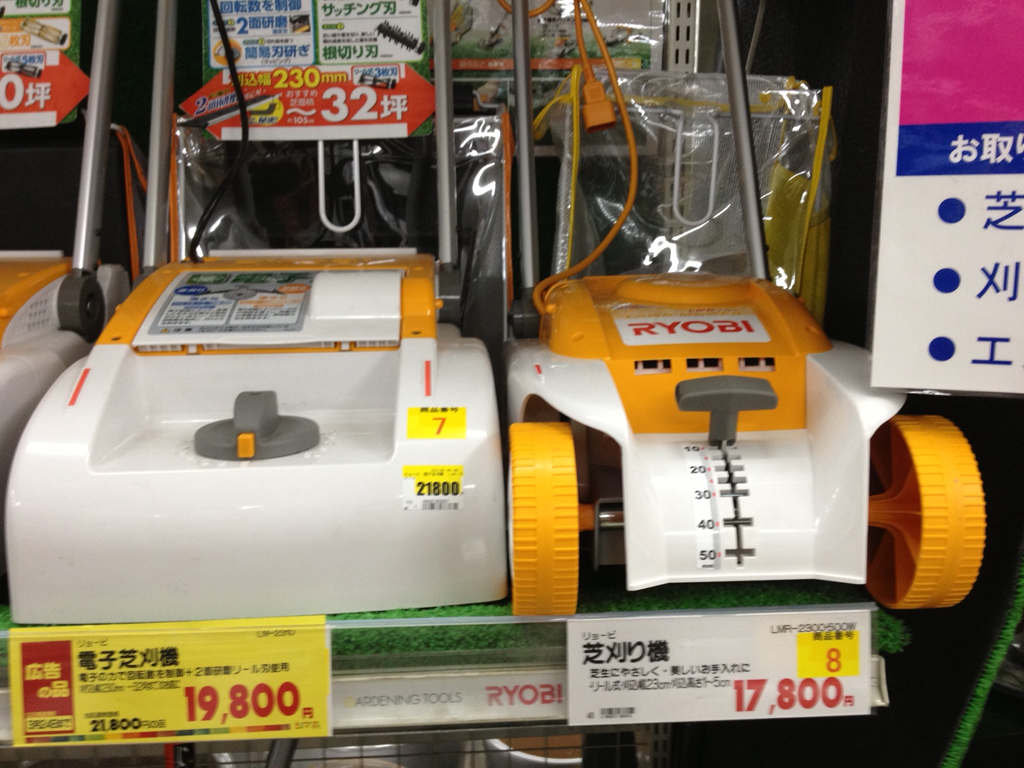
A Tokyo hardware store is a journey. Imagine going into a place where you can read nothing …. a place filled with toy lawnmowers.

image

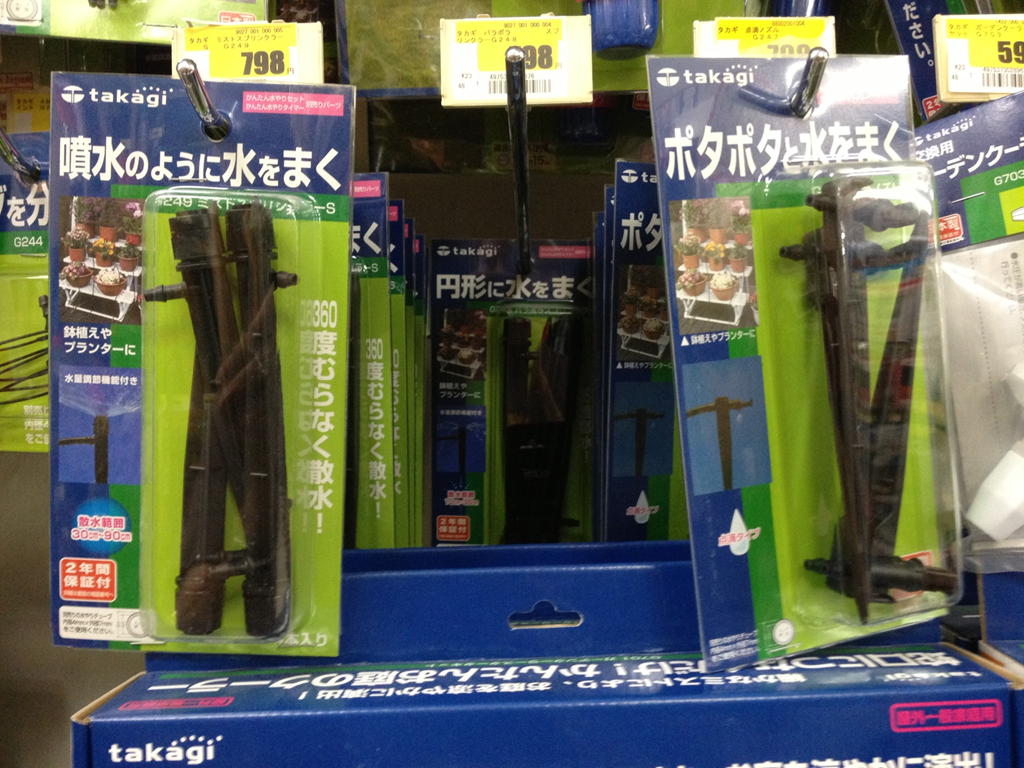
I had to figure everything out by sight. “This looks like a sprinkler head”

image

And of course, you have to park.


Always an adventure.

A FEW MORE iPHONE PHOTOS

What you don’t want to see during a Tokyo snow storm when you need to get to Narita to catch a plane.

image

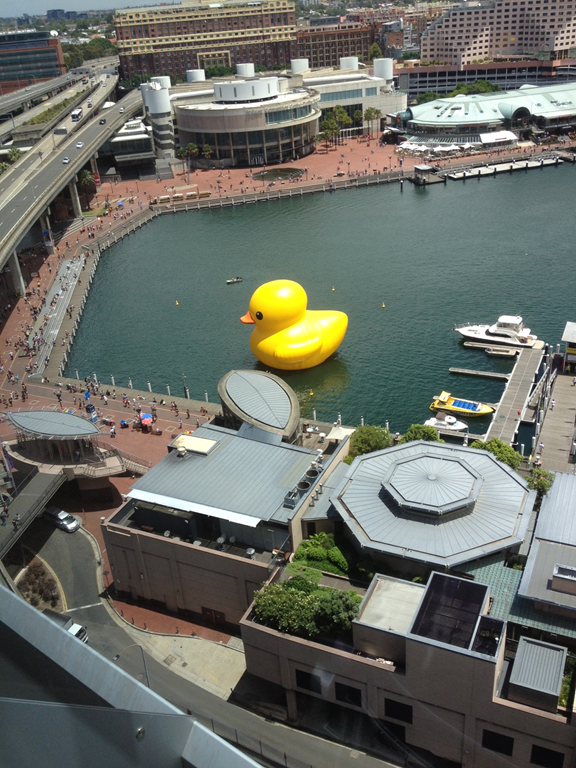
The duck that I saw when I made my plane to Sydney through a snowstorm.

image

Fuji-san through my iPhone. I had my 5D, my 70-200m AND a 2X extender at the office this week and do you think I could get a good clear shot of the mountains during the daytime? Nope.

image

image

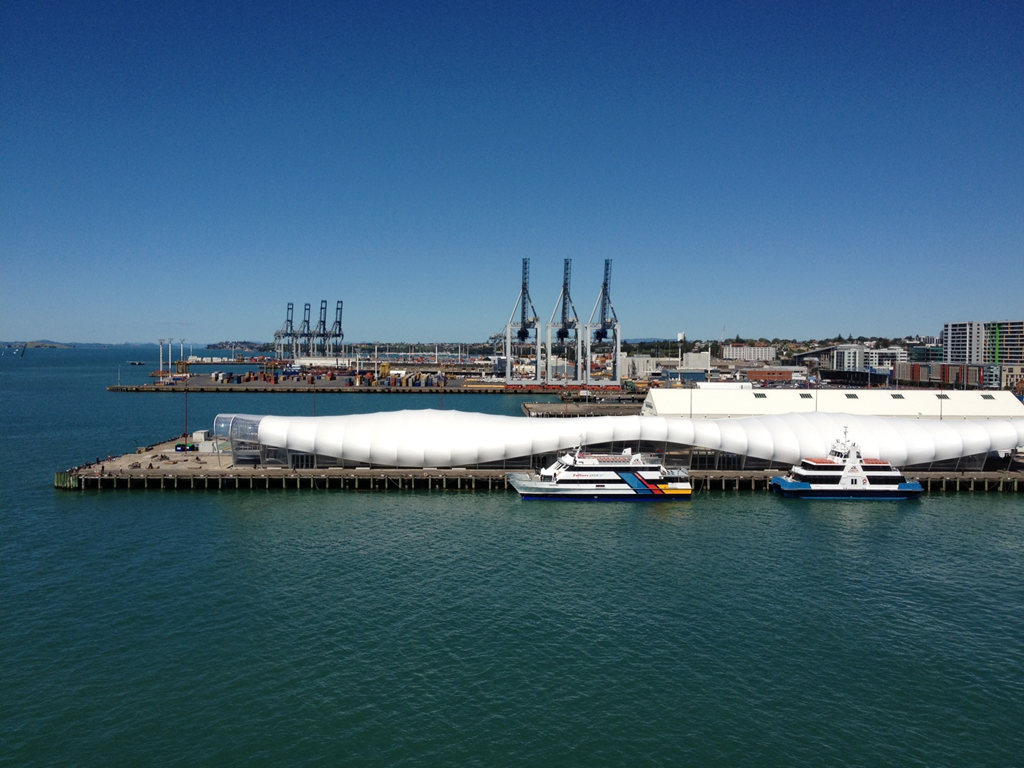
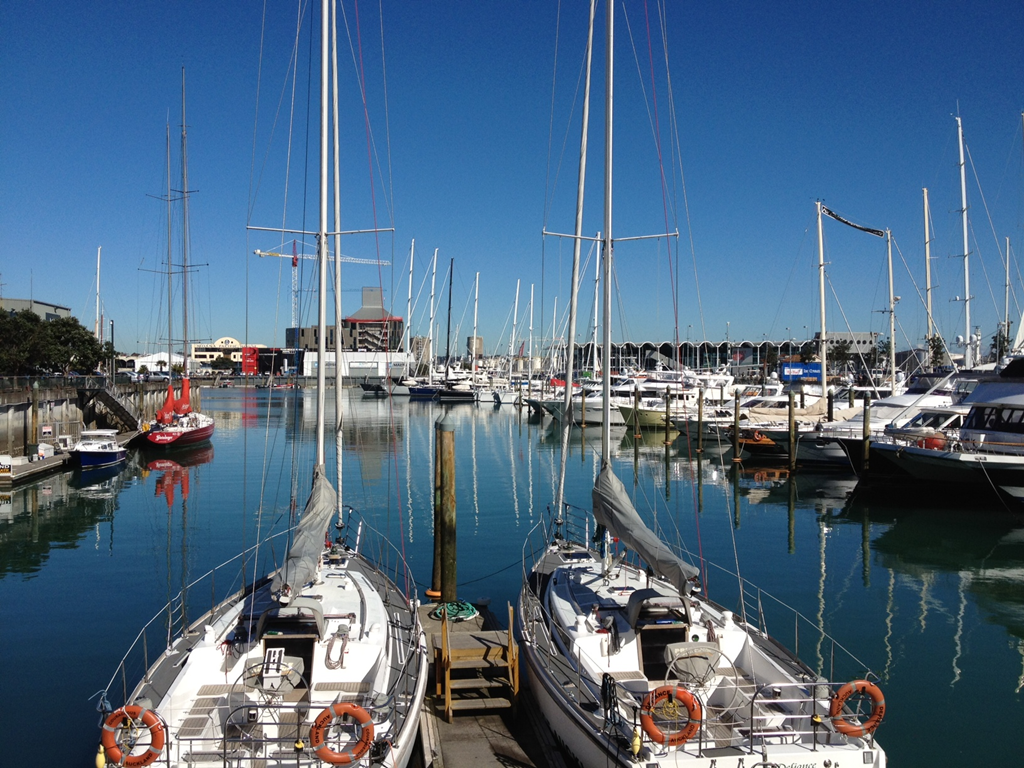
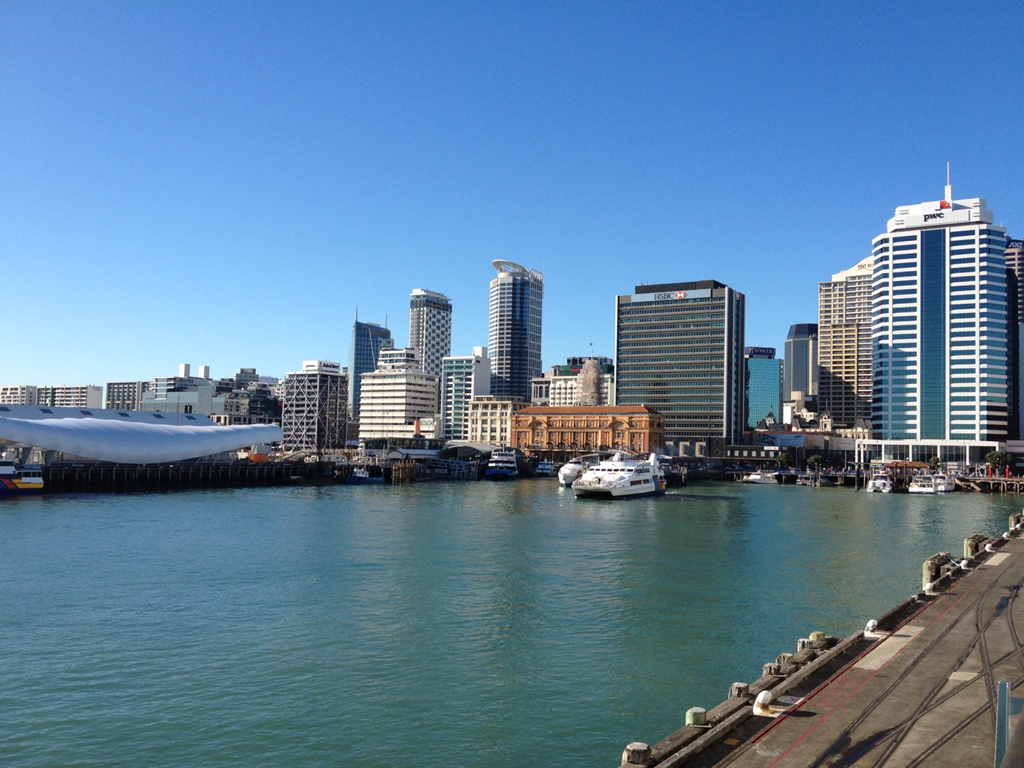
I spent 36 hours in Auckland, New Zealand recently sans a real camera .. so I snapped a few with the iPhone as I made my way around the harbour.

image

image

image

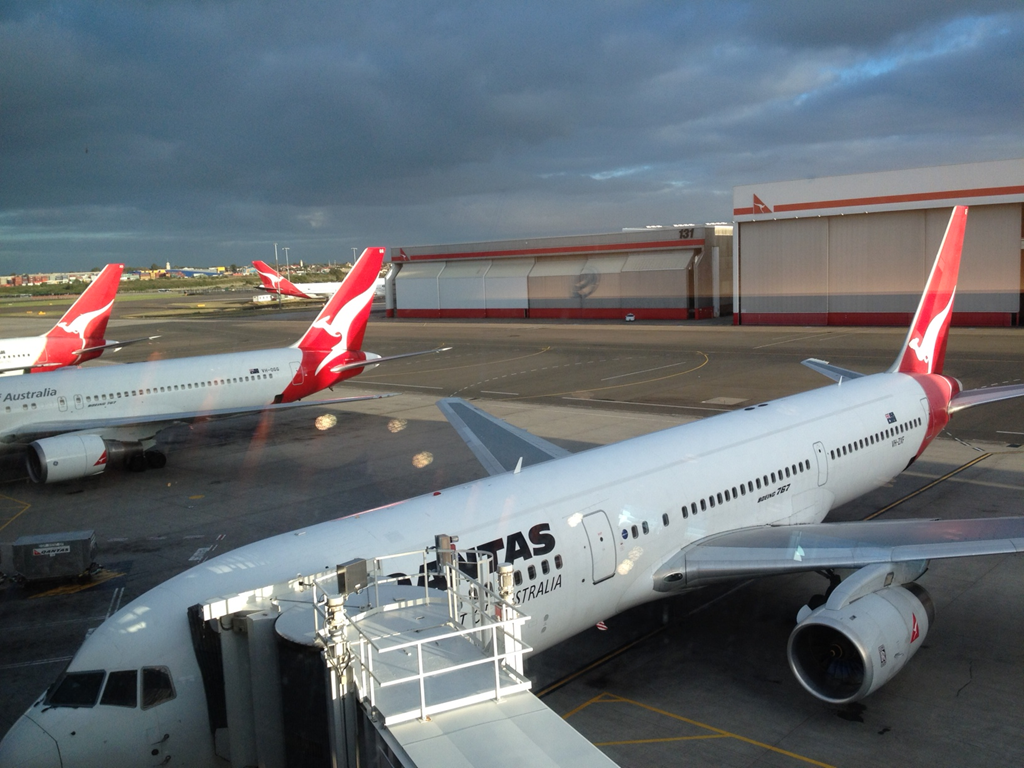
I don’t like the fact that Qantas is One World and not Star Alliance. Every time I fly them I feel like I am losing points … Good luck flying anything else in Australia.

image

I found this on a university paper when I was cleaning out our basement last summer. LOL.

image

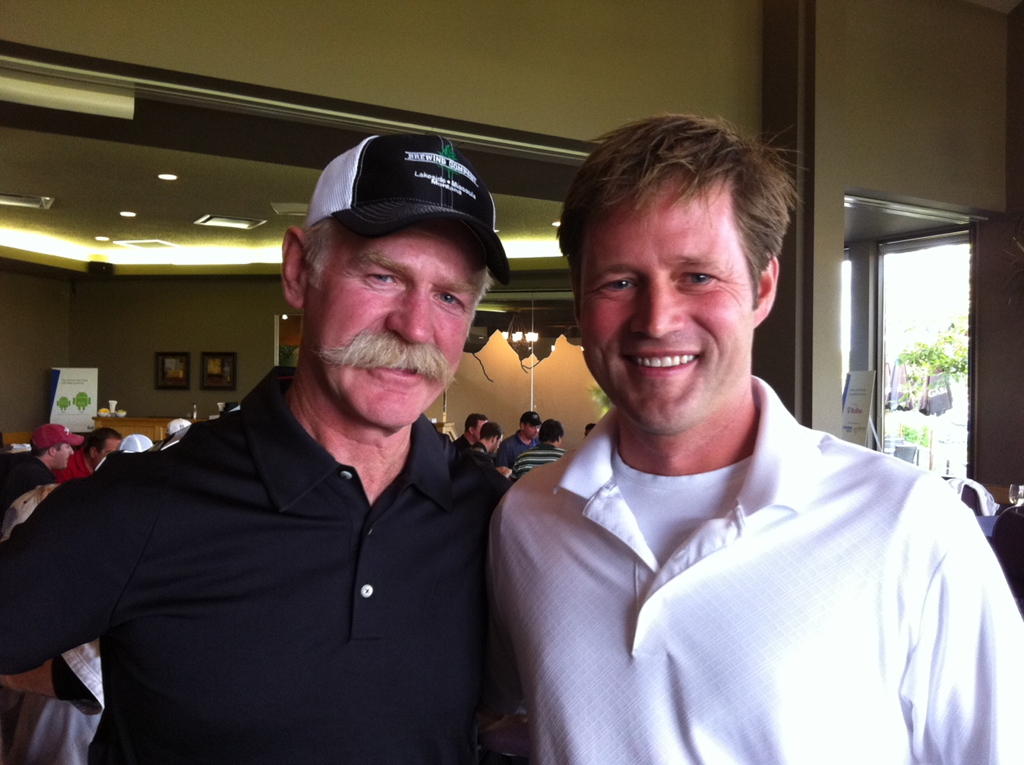
From a golf tournament. I grew up a Calgary Flames fan. Love the moustache Lanny.

image

I don’t miss Canada very much. Friends and family. My morning hockey league. Certainly not the snow. And living on a golf course and golfing with my family whenever we wanted .. that was a nice perk. No .. that is not my pink cart. Mine is blue.

image

HAPPOEN GARDEN, TOKYO

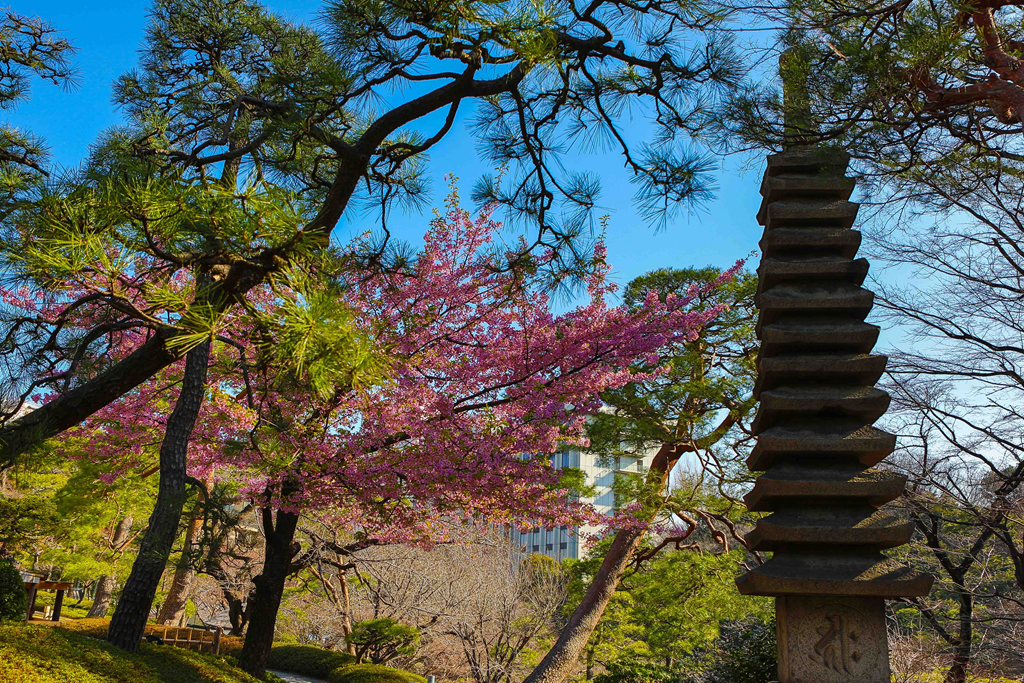
Last week I was at a meeting at the Happoen Garden. The conference center and gardens are beautiful. All of the trees are not in bloom yet, but they are started. Definitely on my Fall visit list.

Today’s configuration: Canon 5D Mark III, handheld HDRs, Canon EF 28-70mm f/2.8.

image

A beautiful open space right in the middle of Tokyo.

image

image

image

2013 03 12 Happoen_-15

The cherry blossoms are beautiful.

image

2013 03 12 Happoen_-18

I stood outside at lunch and took a conference call, snapping off a few shots as I listened.

image

Of course, a beautiful little shrine is tucked into the garden.

image

2013 03 12 Happoen_-25

image


I am going to have to take the family back there.

A YELLOW SKY, TOKYO

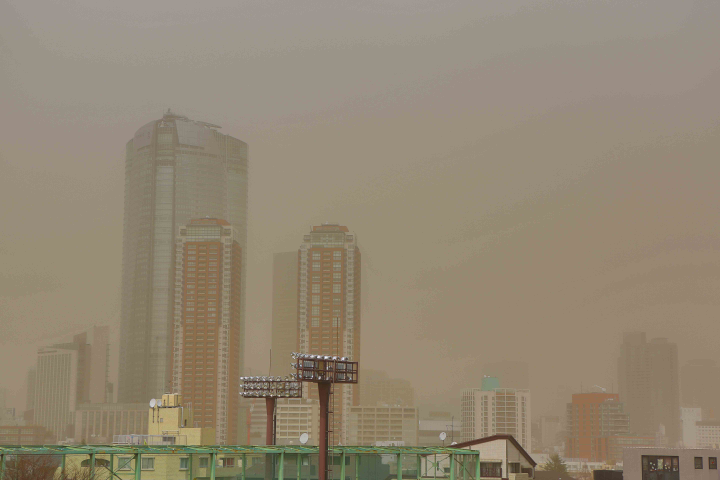
I had to get up in the middle of the night to attend a call after the sandstorm. The sky was an eerie yellow. Supposedly the sand did come from China.

2013 03 11 Tokyo_

Unfortunately it has led to our learning about PM 2.5 and how Chinese pollution is effecting the region:

Atmospheric particulate matter – also known as particulates or particulate matter (PM) – are tiny pieces of solid or liquid matter associated with the Earth’s atmosphere. They are suspended in the atmosphere as atmospheric aerosol, a term which refers to the particulate/air mixture, as opposed to the particulate matter alone. However, it is common to use the term aerosol to refer to the particulate component alone.[1] Sources of particulate matter can be man made or natural. They can adversely affect human health and also have impacts on climate and precipitation. Subtypes of atmospheric particle matter include suspended particulate matter (SPM), respirable suspended particle (RSP;particles with diameter of 10 micrometres or less), fine particles, and soot.

In speaking with a colleague today he mentioned that when he was a child Tokyo was very polluted due to rapid industrial expansion. Over the years Japan has spent a huge amount of money to clean the air. I was surprised, as smog is not something that I have seen in Tokyo.

The weather has been up and down this week, cold and hot. On this hot day I happened to bring my camera and get a few shots off of Fuji-san and the Tokyo skyline.

2013 03 12 Tokyo_

A gorgeous sunset.

image

image

image

No smog ….

TOKYO SANDSTORM

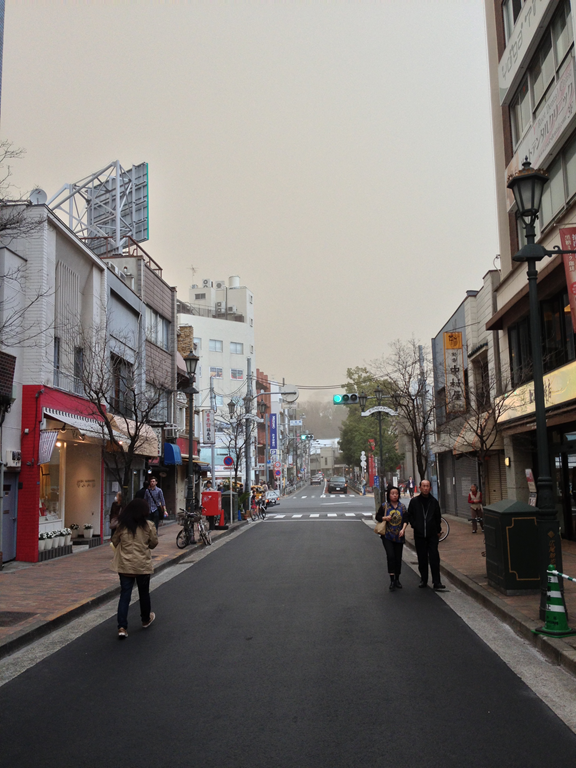
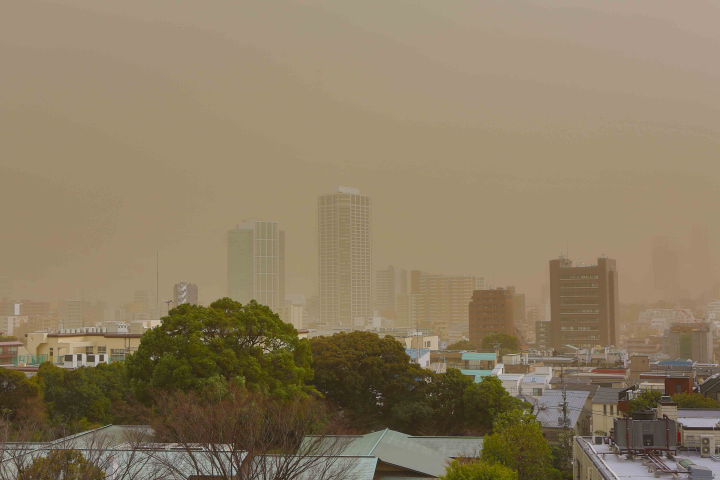
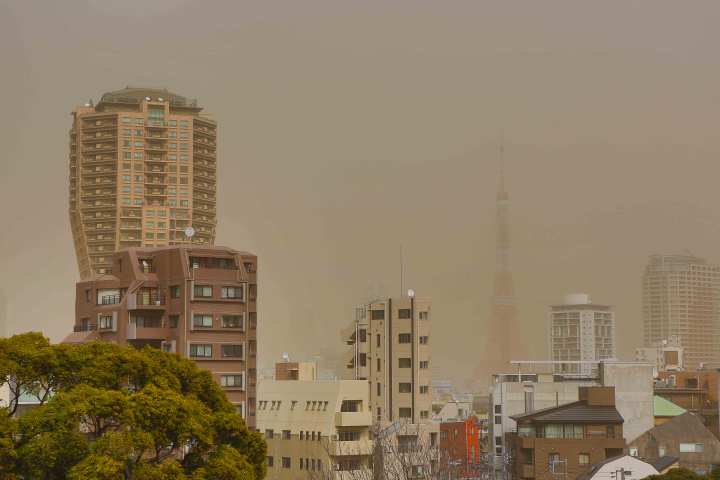
On Sunday afternoon the wind picked up and the sky went light brown .. sandy coloured actually. I was grabbing sushi when I saw it moving in.

image

It was amazing to watch. The sky went from beautiful blue and 21C to cold and blowing.

image

You could barely see Tokyo Tower.

image

image

Turns out it was just a cold front hitting a warm front, not the Chinese.

THINKS YOU WON’T SEE IN KANADA

A store in Tokyo is filled with unique finds .. most in Japanese and indecipherable to the gaijin.

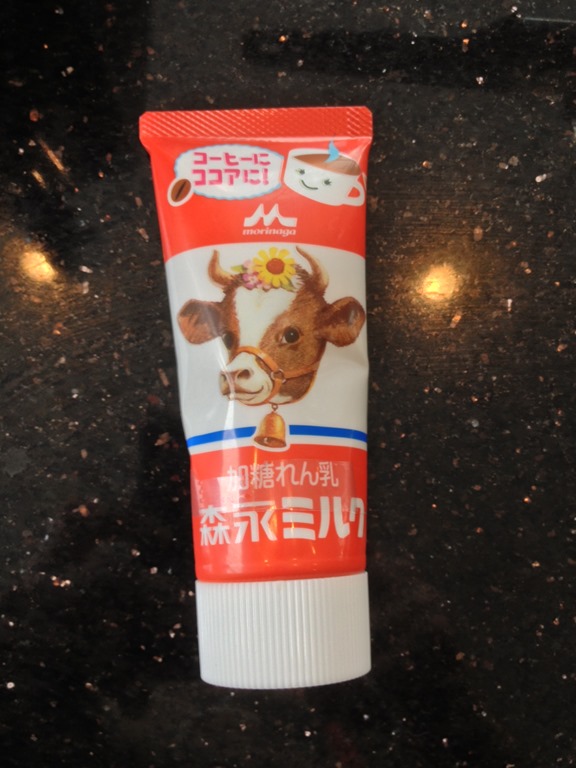
Condensed milk in a tube. Purchased to make a Vietnamese coffee at home.

condensed milk

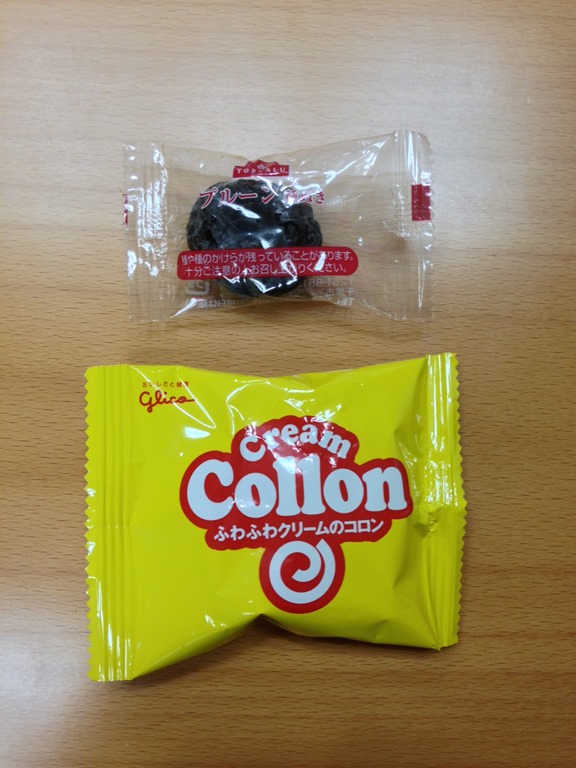
An individually wrapped prune goes well with your Cream Collon (tube cookies with a creamy center). You can’t make this stuff up.

prunes

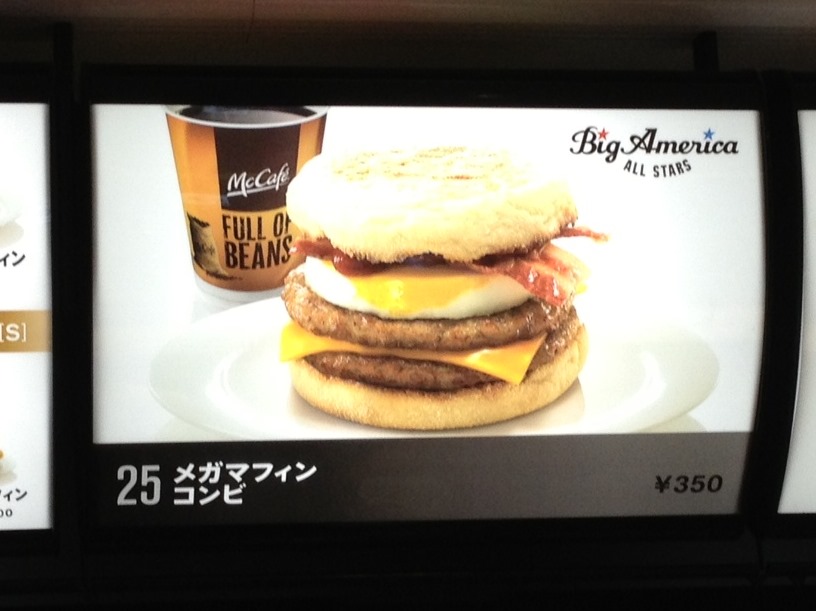
I was speaking with someone about how healthy Japan is. But a fellow in pharmaceuticals said that the cholesterol and diabetes drug markets are growing rapidly in Tokyo. This is why; the only thing I will eat in McDonalds is an egg mcmuffin but I won’t eat that. Obesity on a bun. Hey McDonalds, “Big Canadian” could go there too (unfortunately).

cholesterol

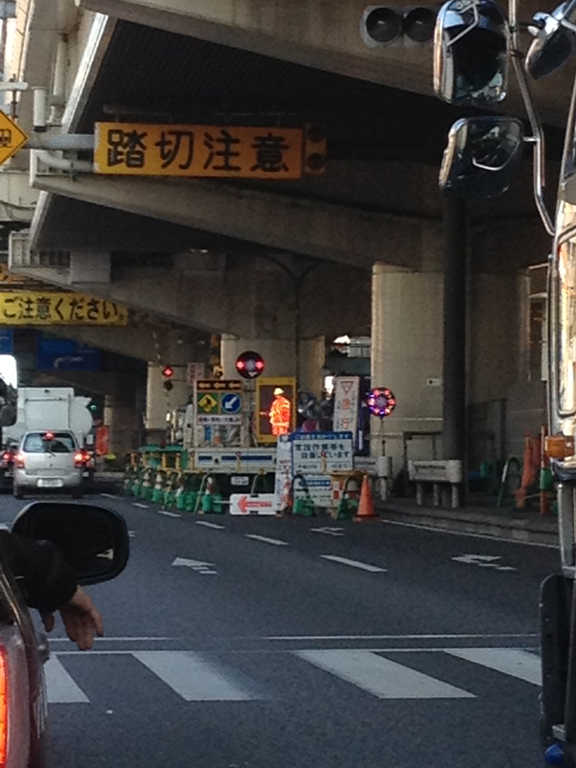
In Tokyo there are safety men everywhere. I mean everywhere, with their hands waving to ensure you don’t crash into a truck or workmen or any of 1,000 other things going on near the roads.

But automation is on the way …. A bit hard to see, but the LED safety patrolman.

image

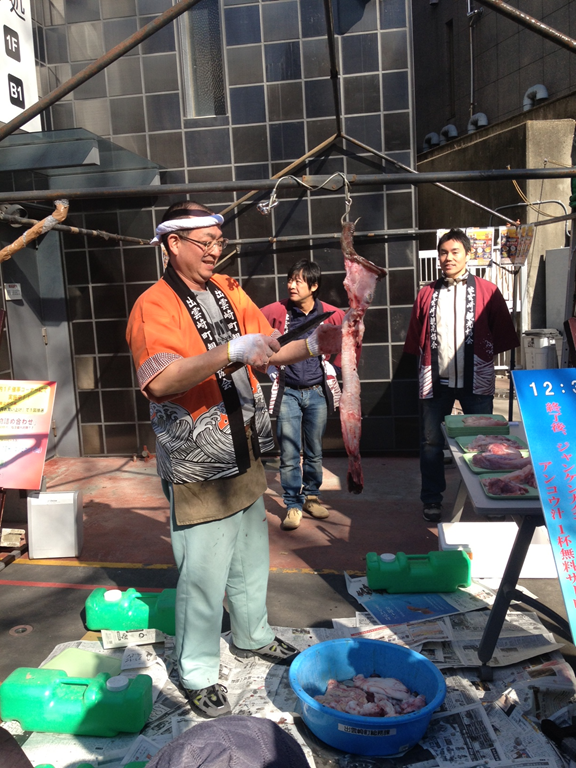
A butcher skinning something on the street. What is it? No idea, but he had a big crowd.

image

You never know what you will see next.

Update: adding one more. Sitting in the doctors office I saw an add for this brand of baby diapers.

20130311-144603.jpg

TOKYO REALLY IS THAT SAFE

As I left Seika Dormitory I noticed this …

2013 02 23 Seika Dormitory_-8-2

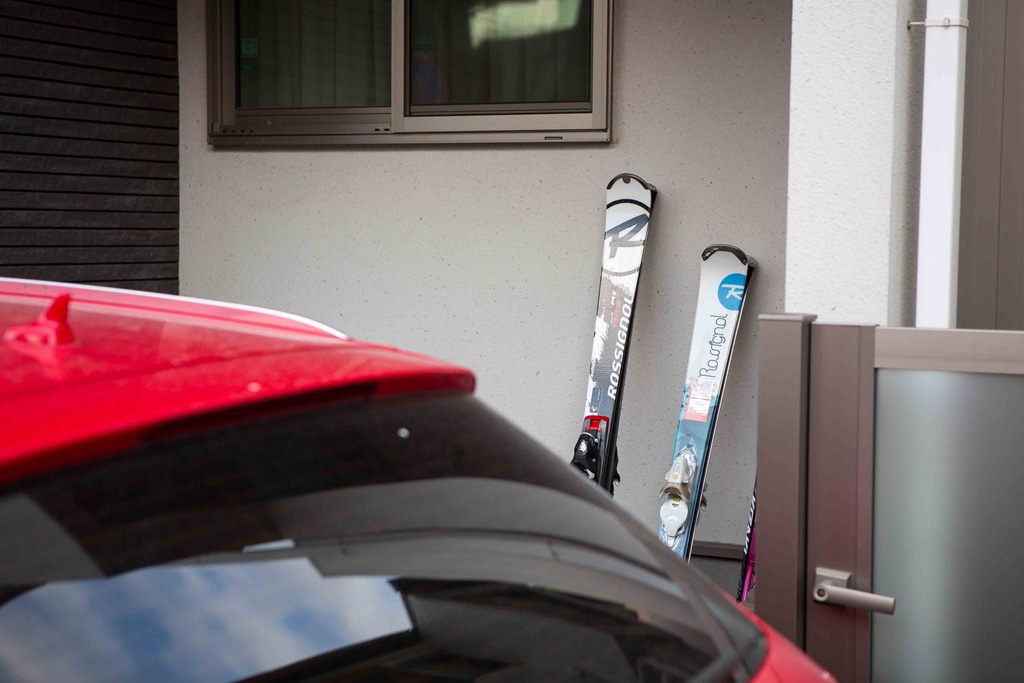
Those are brand new skis (3 sets) sitting on the front porch of a house .. not locked up.

I was speaking with a friend the other day and he was asking what it was like to live in Tokyo and I said the things that stand out are the cleanliness, how friendly people are (mostly) and how incredibly safe it is.

There are police everywhere, but I have no idea what they do? No guns. Low crime (unless you seek it in a seedy bar in Roppongi) and safe. The stories of people leaving a laptop or iPhone on the train and getting it back abound, children ride the subway alone and people leave their skis on the front porch and no one takes them.

A city of 40M+ .. and safe as a town of 500. A truly unique city.

SUSHI IN JAPAN


Tokyo is filled with great restaurants, the most Michelin stars in the world. But it isn’t all about expensive places, there are amazing small restaurants for all budgets and as the Japanese BMI demonstrates, very few western style fast food places.

I took a couple quick snaps of my favourite “fast food” take-out sushi place near Hiroo station. Great prices (I think it might be lower cost than North America) and super fresh.

2013 02 23 sushi_

2013 02 23 sushi_-2

Y380 for 4 pieces maguro (tuna). I could eat sushi everyday.

HAIKYO INSIDE THE SIEKA DORMITORY ROOMS, TOKYO


I continued my Haikyo, ready to explore the insides of the building. It was getting dark quickly so I shot a mix of handheld HDRs and RAW depending on light conditions. I was also worried about stepping on a few floors, the hallways were concrete but the rooms?

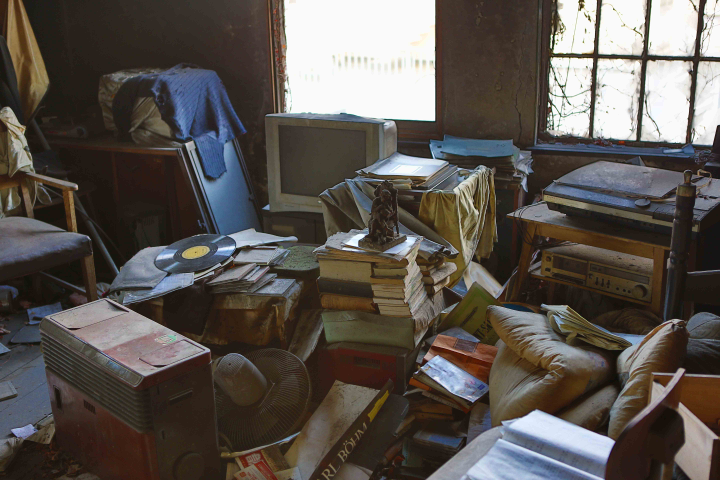
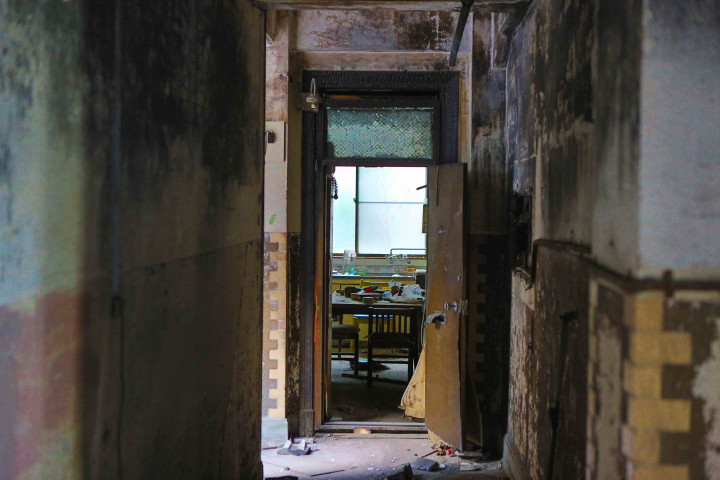
The first room I looked in. It is like the fire happened and everyone just ran, never to return. So odd.

image

image

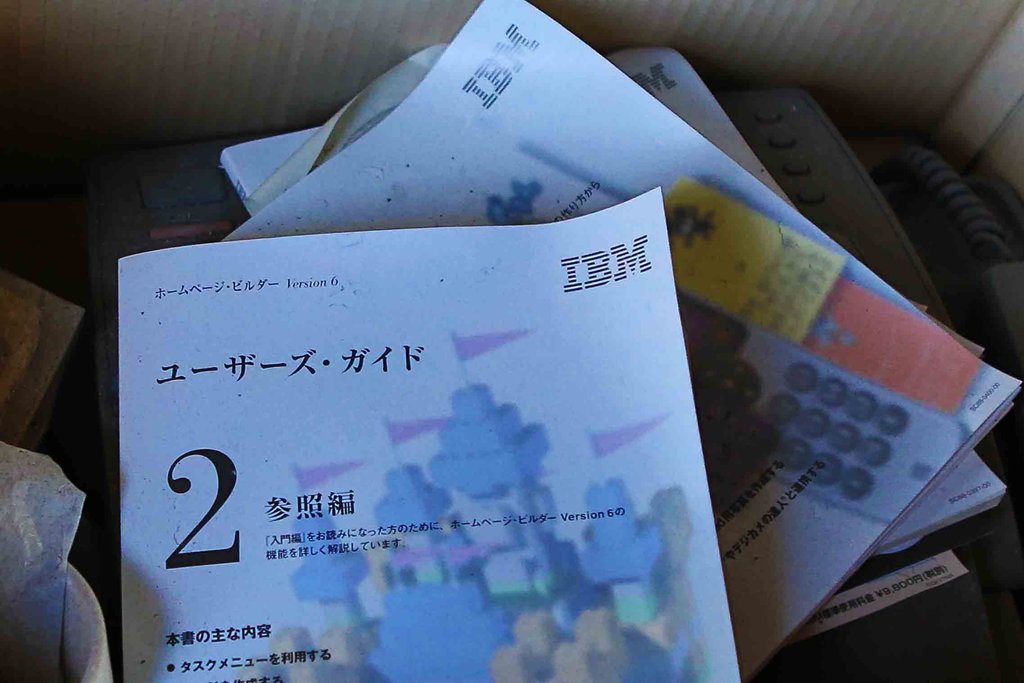
OS/2?

image

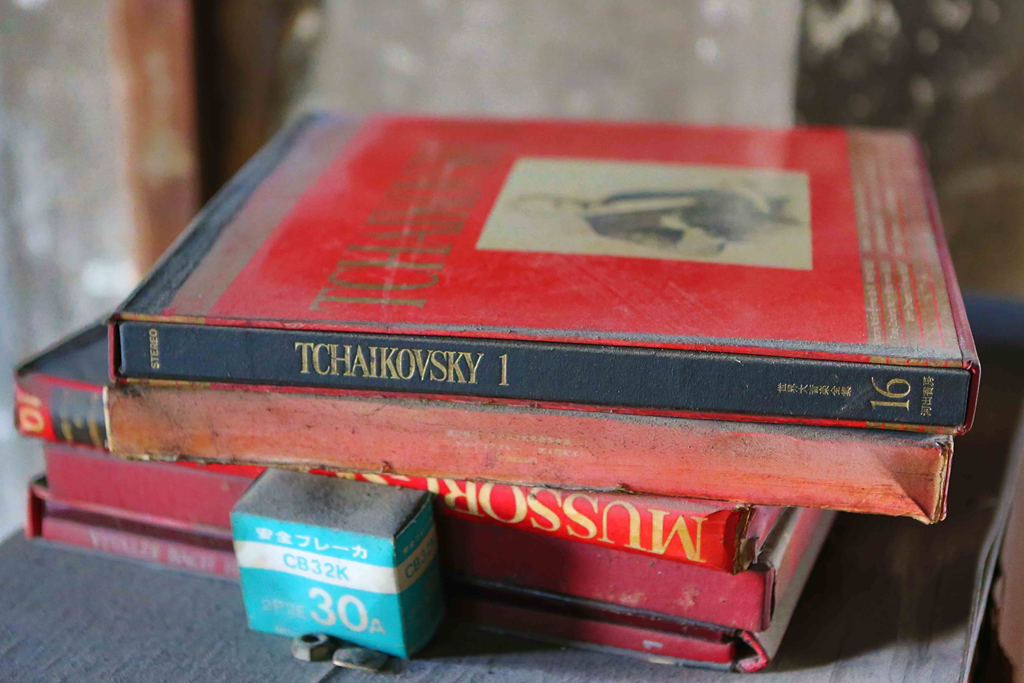
I would have left the Beethoven behind too. But Tchaikovsky? Heresy.

image

It must have gotten quite hot to melt whatever that is on the shelf …

image

I was fascinated by the piano.

image

image

I would have left it behind too.

image

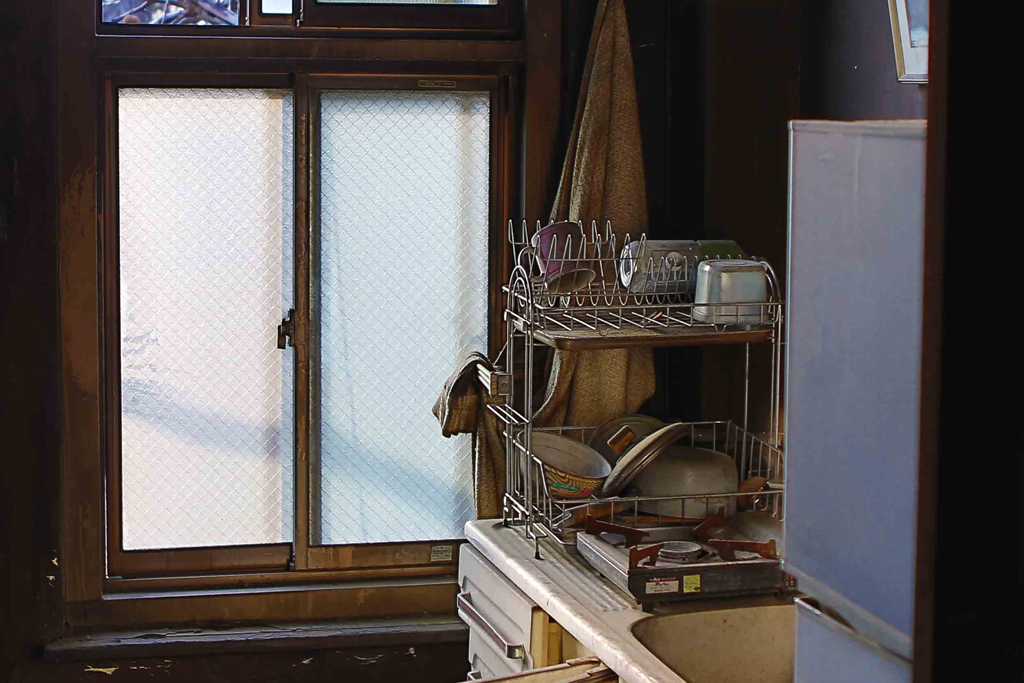
A fully stocked kitchen.

image

image

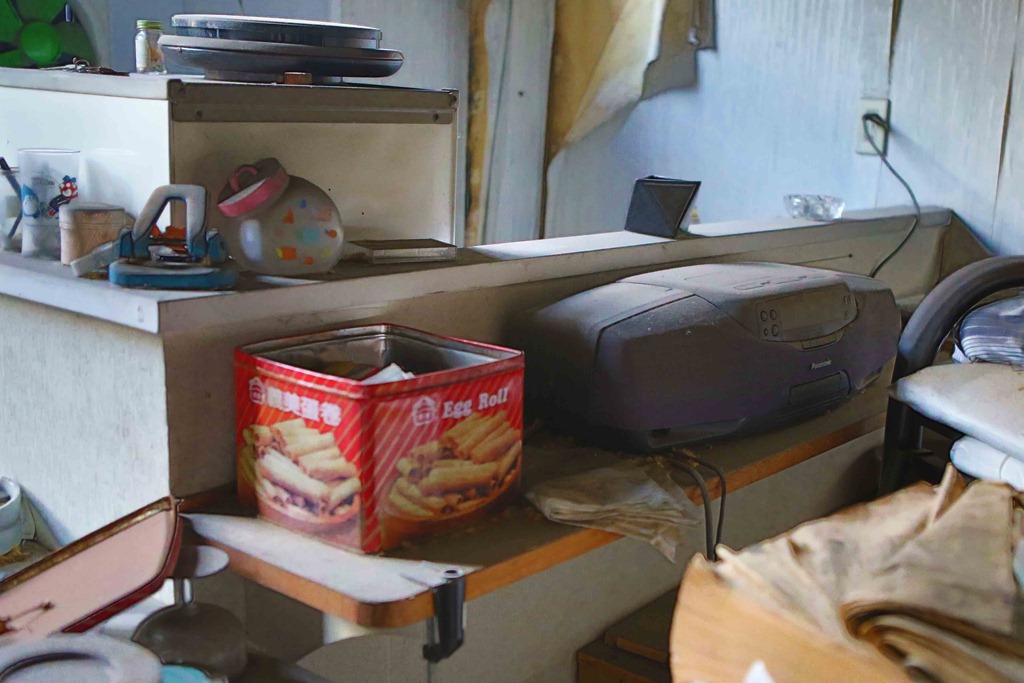
Proof that the CD is dead. Why else would leave behind such a fantastic boombox?

2013 02 23 Seika Dormitory_-61

And this is where my camera died. When I finally figured out where to go I parked quickly and decided to leave my camera bag and all of the piece parts behind. I was in a hurry. The only problem is that I didn’t look at my battery status.

It went dead. If I hurried I could run back to the car, move it to the closer parking spot, and then hustle back onto the site before all of the light disappeared.

Urban exploration can be a lot of work when you wing it.

image

image

image

Coming home for dinner.

image

Would love to know what is on those tapes. Some Magnum P.I. perhaps?

image

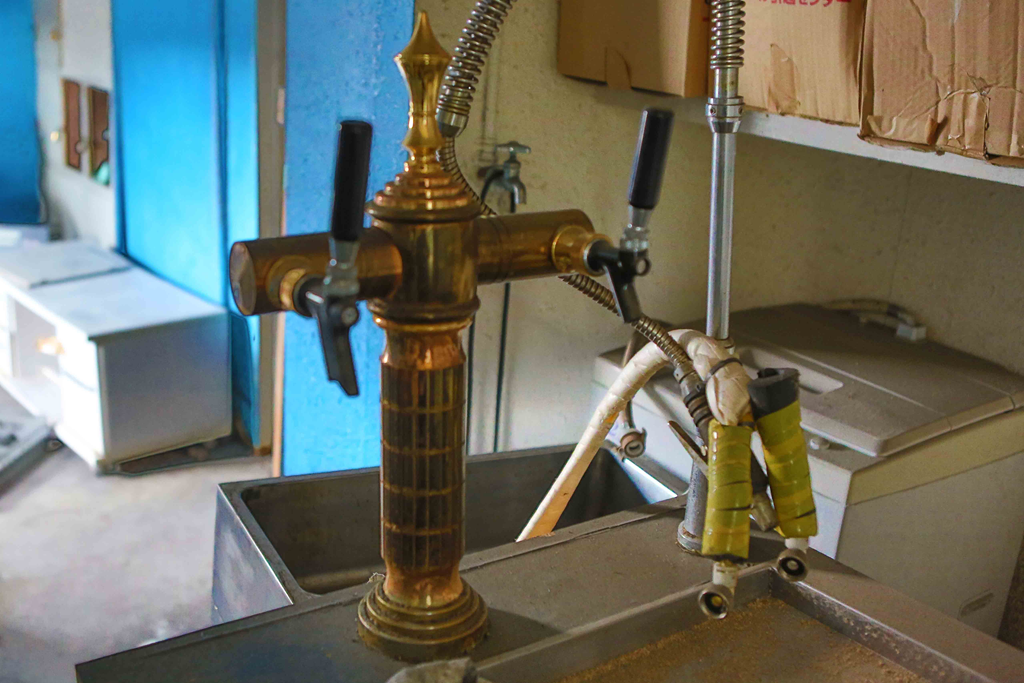
Student dormitory kegger …

image

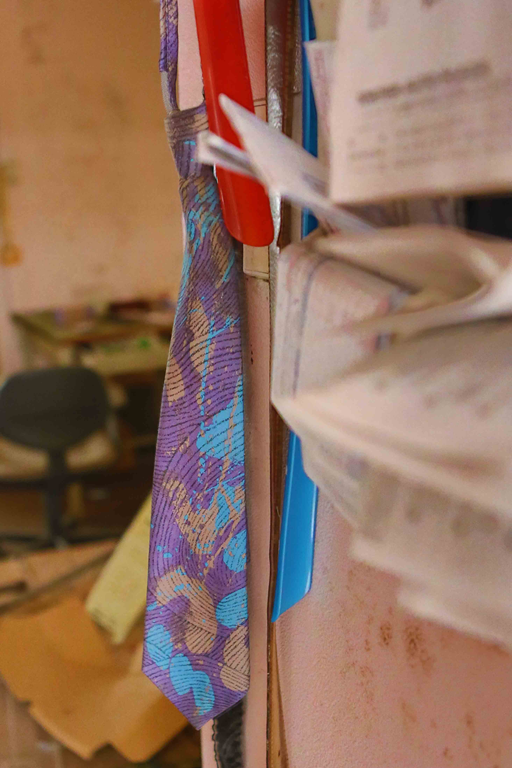
I should have grabbed the worlds worst tie.

image

image

Cool afternoon out.

SEIKA DORMITORY HAIKYO (Urban Exploration): OUTSIDE


I run from the car to the “potential location” and there it is. Awesome.

image

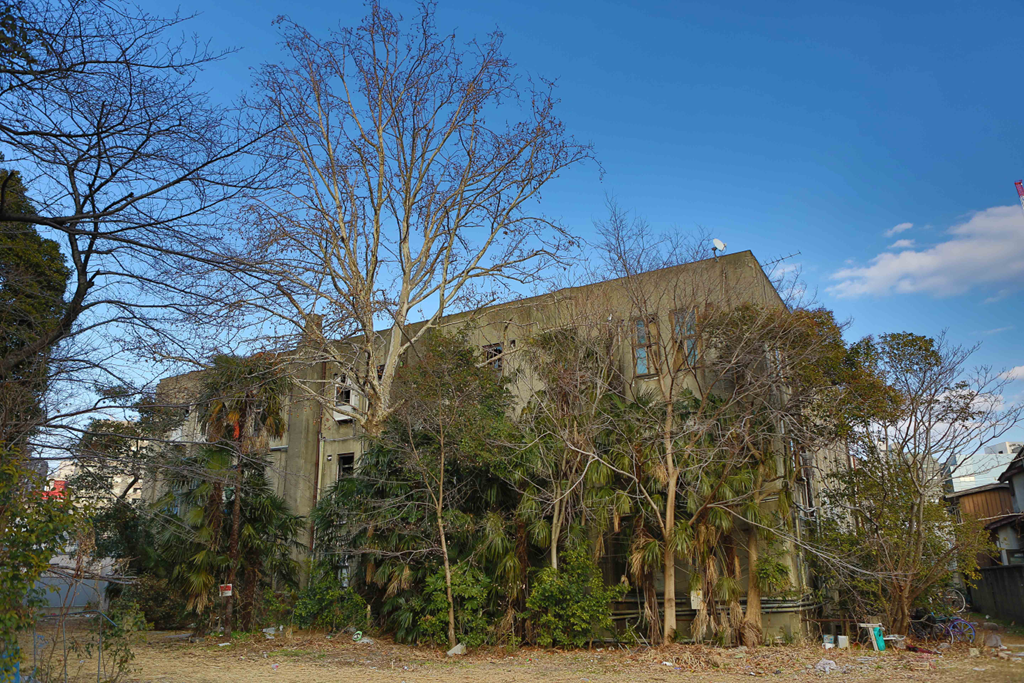
I duck under what must be a “Do not enter” sign on a rope and slip into the lot before anyone sees. It is like the other sites have described, this overgrown building in the middle of Tokyo. Odd .. interesting.

image

There is a brand new mini-van parked in a portable canvas garage out front. Odd.

image

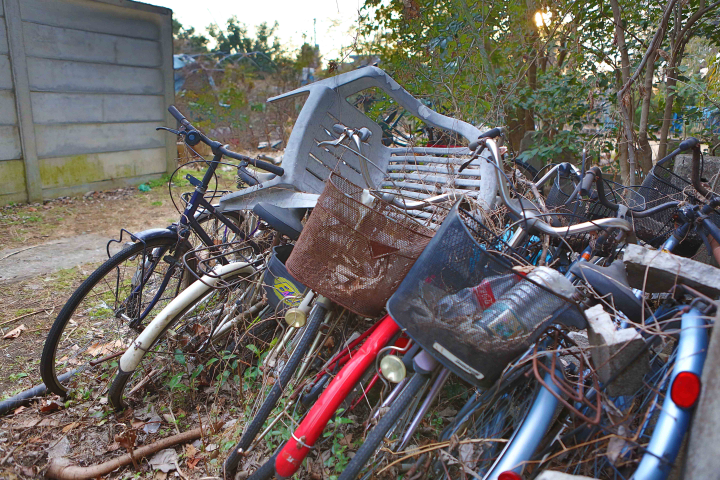
There is debris everywhere. Garbage seems so out of place in uber-clean Tokyo. Why are there so many abandoned bikes?

image

A history of the dormitory via. (great shots also)

Near the campus of Takushoku University (literally the University of Colonial Expansion) in Tokyo is an abandoned student dormitory built in 1927 by the Japanese colonial government in Taiwan. The university was particularly established to train Taiwanese students to serve the empire and to “develop” Taiwan.

Since the end of war, both Taiwan and China have claimed ownership of the building, citing that it was built using Taiwanese taxpayers’ money. Although the legal status of the building remains unresolved even today, Taiwanese and Chinese students were encouraged by their respective governments to occupy and live in the building, creating essentially an “one building, two systems” situation. The dormitory, also known as Seika Dormitory, has been abandoned since 2007 when a fire killed two of its residents.

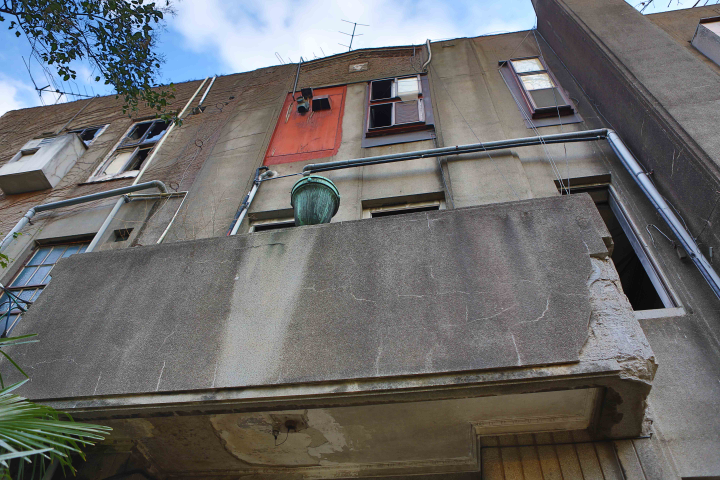
A pot balances on a balcony over the entrance.

image

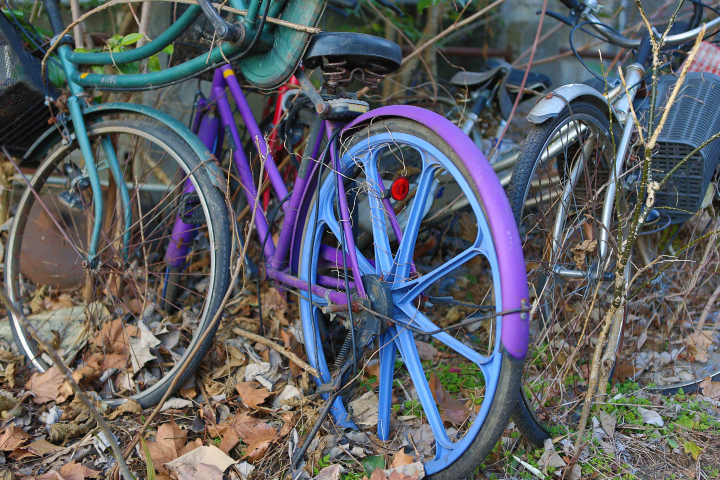
Who in their right mind would leave behind a purple bike? Purple awesomeness.

image

I stepped inside and was greeted with a “konichiwa” as two fellow explorers made their way around the site. They looked nervous. Don’t worry fellows, I am clearly not the Tokyo police.

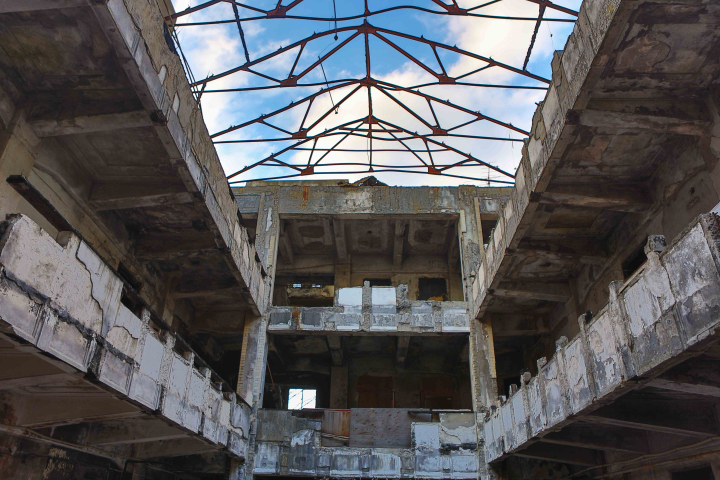
There are lots of pictures of the building’s central area, broken roof overhead.

image

Had to hustle, sun was going down.

image

I am surprised there isn’t more graffiti.

image

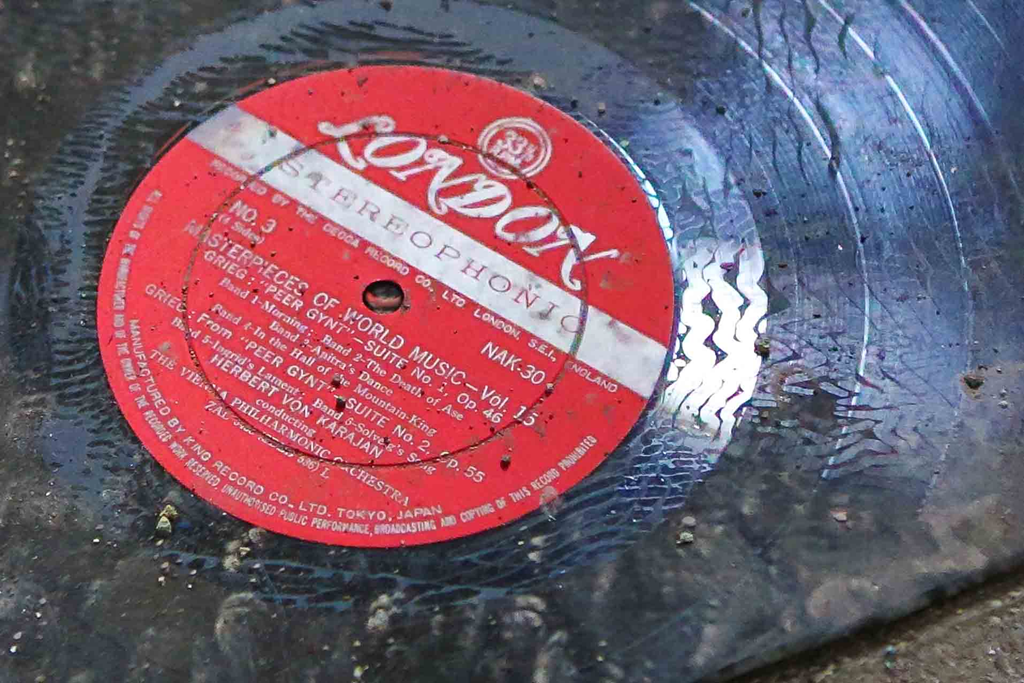
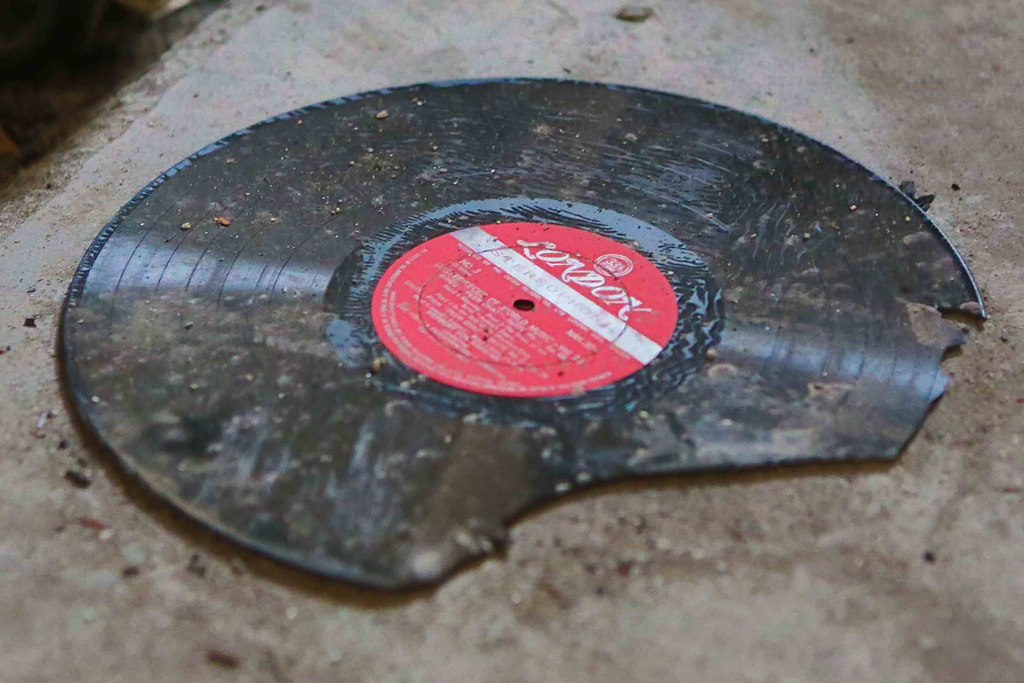
Looking up wasn’t that interesting. Looking down was much more interesting. I wonder how many people have stepped on this record?

image

image

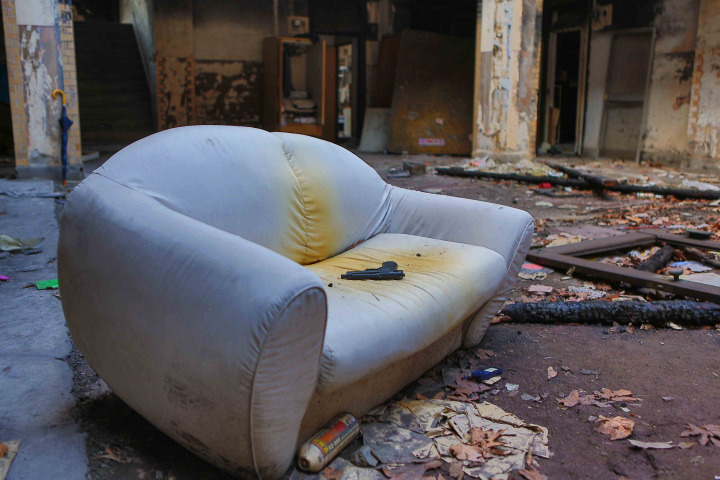
Odd that someone would leave behind a toy gun.

image

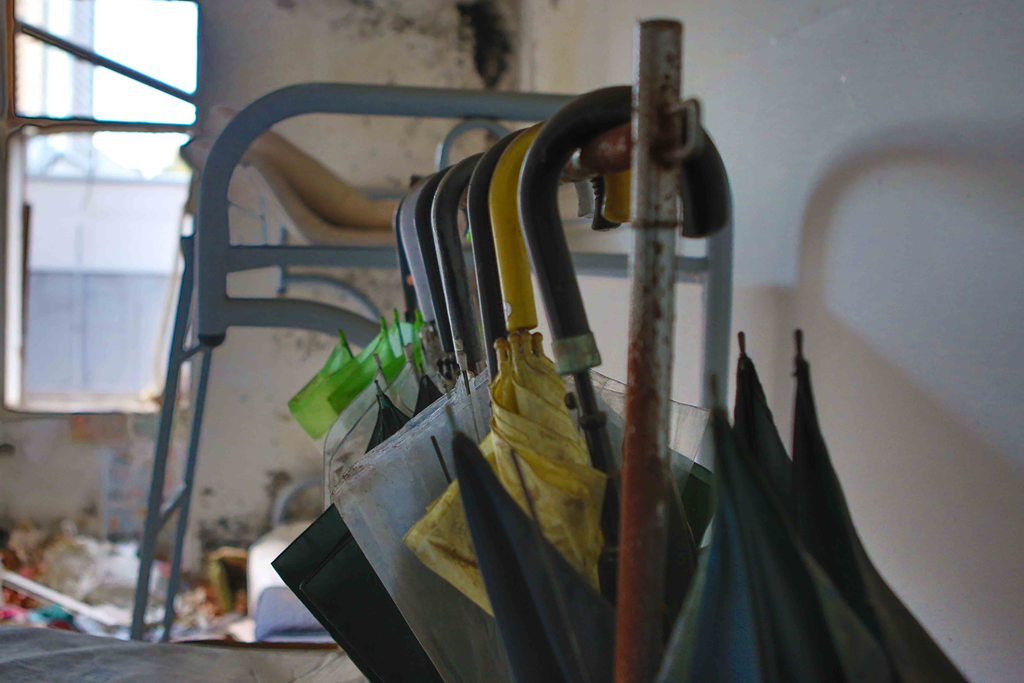
This umbrella had seen better days.

image

The yellow ball behind the umbrella caught my eye. That is a nice 5 wood.

image

I decided to start from the top. Up to the roof I went.

image

image

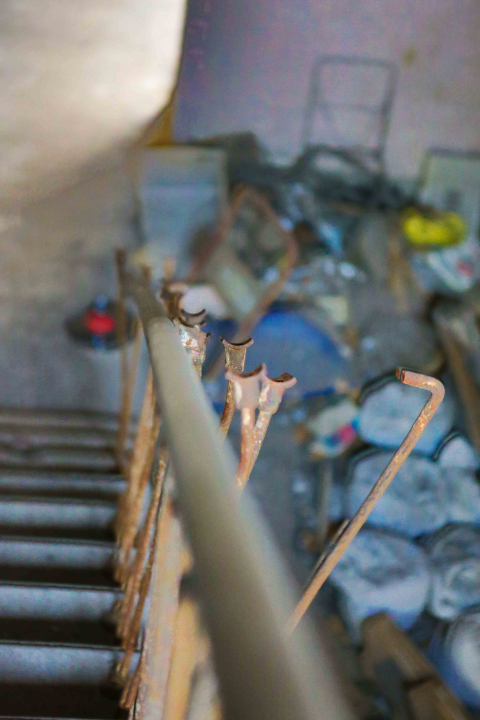
It offers a great view of the floors below.

image

image

Or the doors below.

image

Time to go open some doors and peak inside.

image

MY FIRST HAIKYO STORY (URBAN EXPLORATION)


Odd weekend as the family was in Saipan and I was home alone on Saturday. This is a very rare occurrence as weekends are family time and if the boys are with friends, Narda and I are usually out doing something. Saturday had not even started and I was already bored (it had been a brutal long week at work).

What to do? Read a book. Hit the gym. Watch a few shows. I contemplated heading to the office to shoot the sunset against Mt Fuji (great view) with my new 2X extender and 70-200mm. Then I remembered a few sites I had come across around urban exploring … and Tokyo.

Haikyo.org, Michael John Grist and Tomboy Urbex are a few sites dedicated to haikyo (Japanese for urban exploration). I have never done this before other than at tourist sites such as Normandy and figured this could be a nice Saturday afternoon diversion.

First, select a target. I set my sights on Seika Dormitory, a burned out building in the heart of Tokyo.

Second, the address. The problem is that finding these locations is tough – where is the address? And for some reason no one posts it, perhaps to add to the sense of adventure as you hunt for the place?. Our concierge set my GPS for the approximate location as he could not find the exact address. Makes sense. I will get to 1 Kohinata, Bunkyo-ku Tokyo and have a look around. What could go wrong?

And so my adventure started. I arrived, found a spot to park the car and proceeded to randomly approach people and show them my iPhone with the name of the location (精華寮) prominently displayed.

There was a lot of smiling (I was out of the expat area, English was nowhere to be found). Two police officers pulled over thanks to a super friendly elderly woman who flagged them down to help me while asking me “Kanada?”.

After much debate they sent me off by pointing to the map on my iPhone, giving me a sense of confidence that this was the general area where I would find the site.

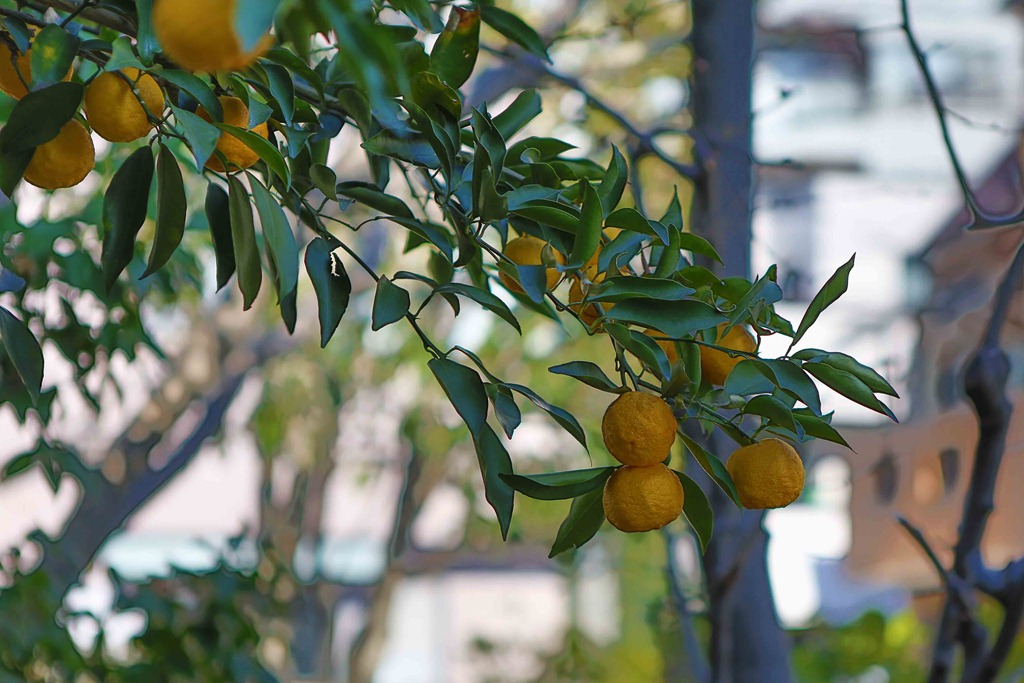
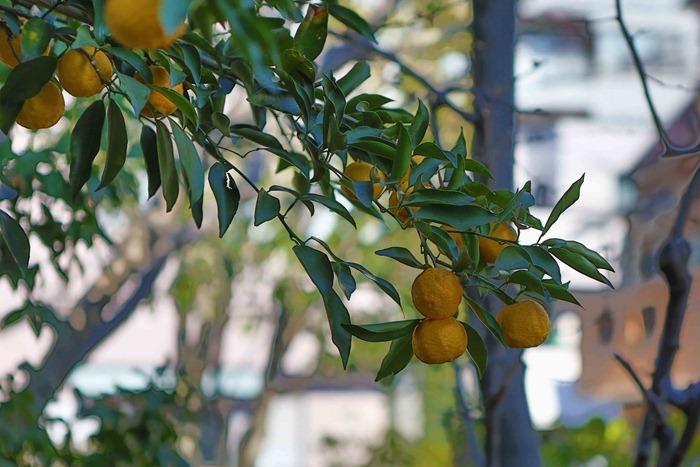
Off I went. A few shots along the way. February and lemons on the trees. It was 8C and brisk, I had forgotten .. semi-tropical Tokyo.
2013 02 23_

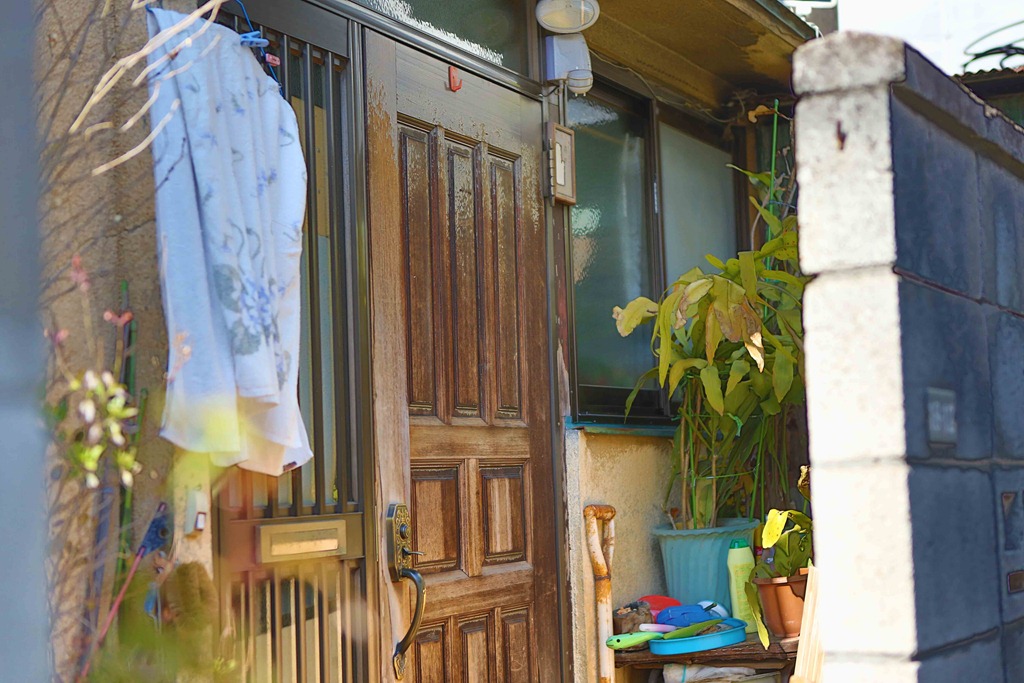
Someone’s door.

2013 02 23_-3

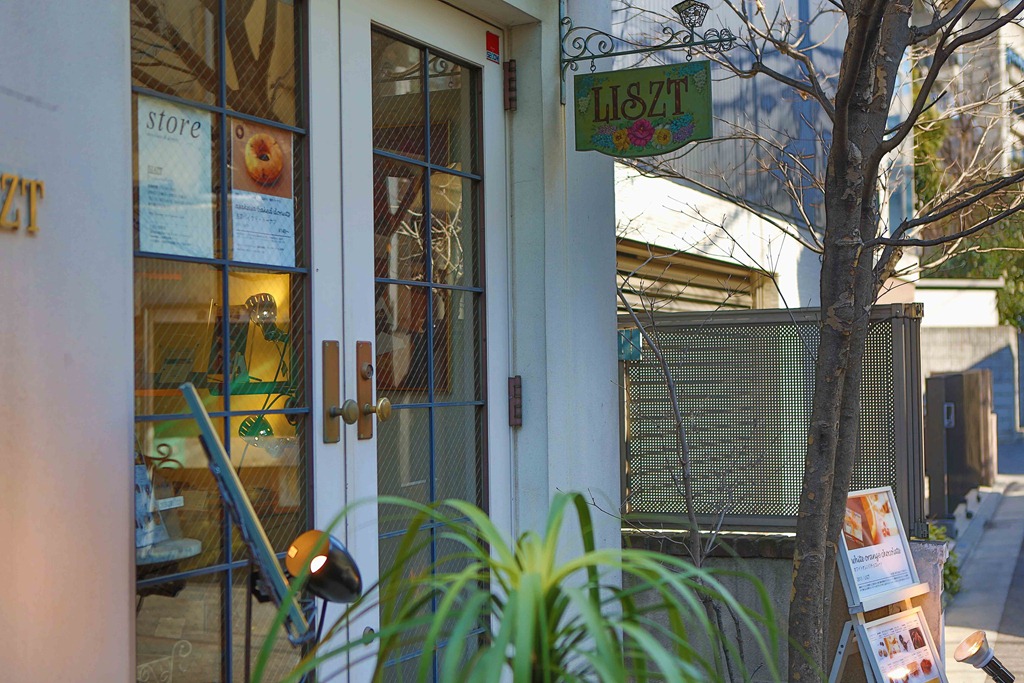
As I searched around I was on this back street and could not believe that I had come across a donut shop. A fancy one, but still, a donut shop with English. Made me wonder about their clientele .. were these donuts so good that gaijin’s made the trip?

2013 02 23_-5

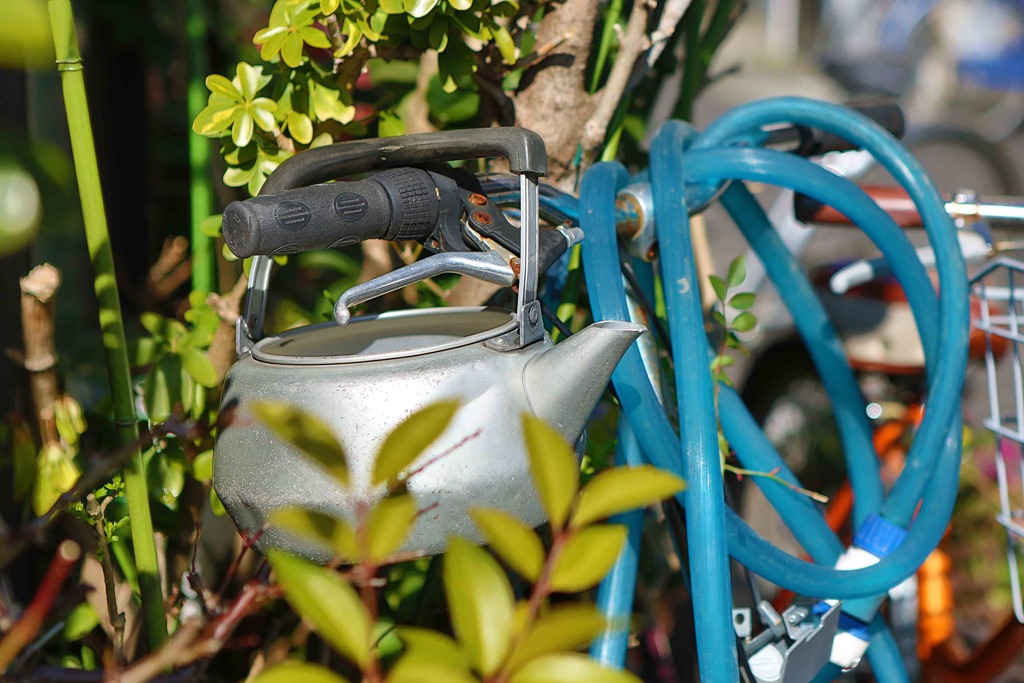
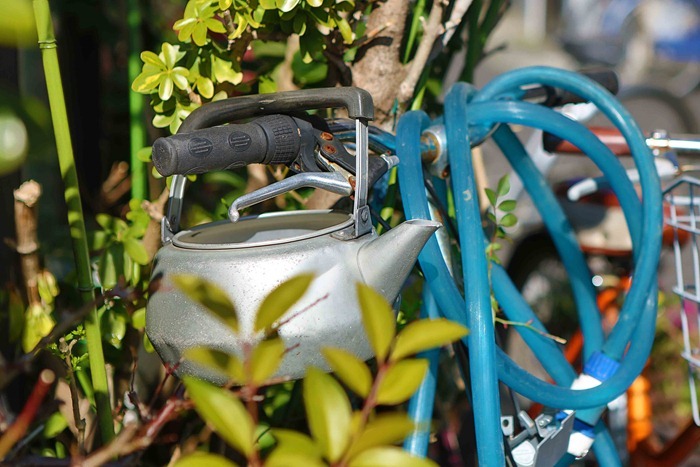
I don’t know why I stopped for this other than the kettle and hose interested me. Why buy a watering can?
2013 02 23_-6

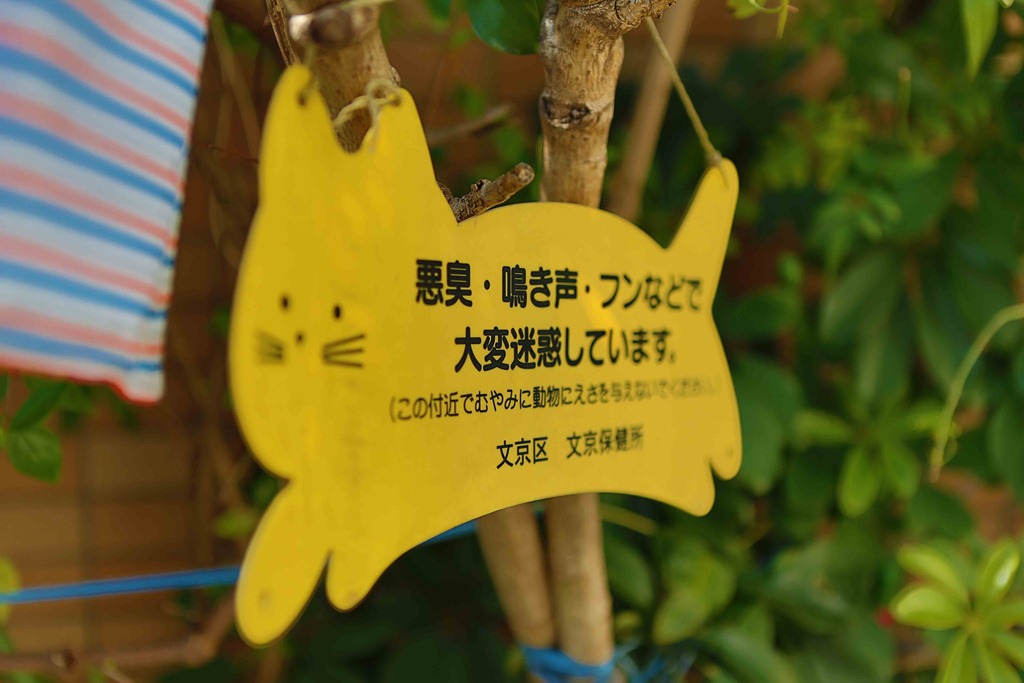
I don’t know what this says, but I hope it is pro-cat. You get a distinct feeling that Japan likes dogs more than cats.

2013 02 23_-7

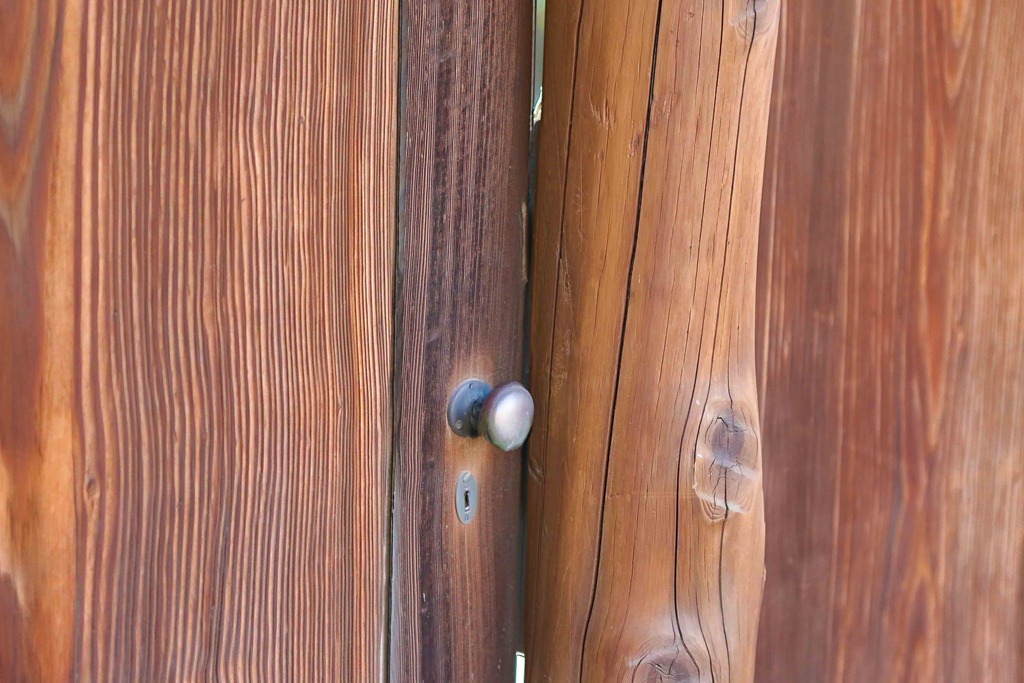
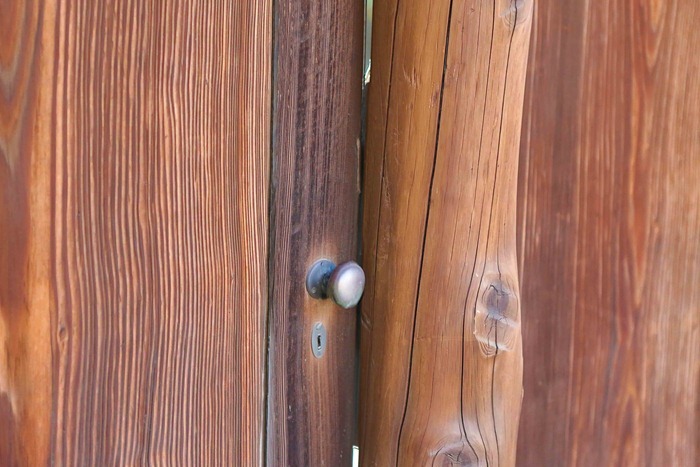
This door headed to a temple. It was locked.
2013 02 23_-9

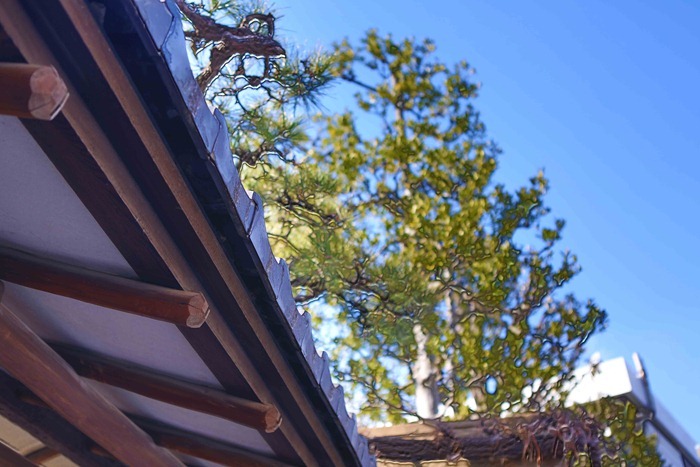
Maybe it wasn’t a temple and I almost walked into someone’s backyard. We will never know.
2013 02 23_-10

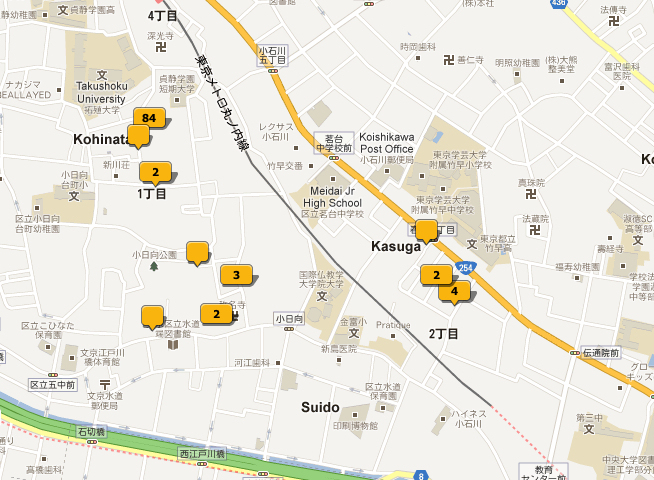
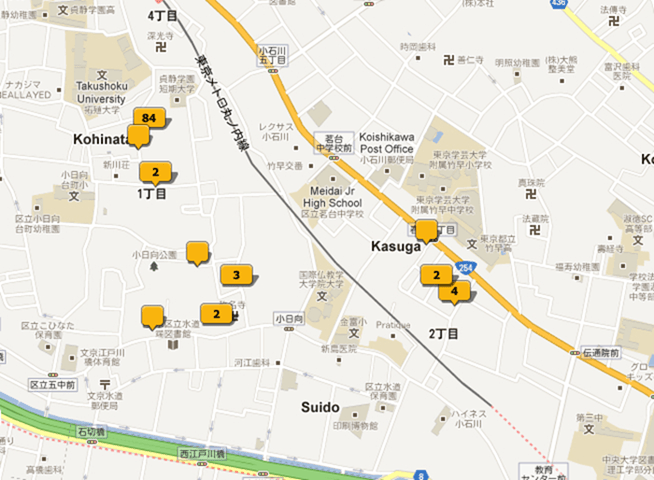
And here is a map of my wandering around in circles. This is from Lightroom (I love the GPS on my Canon 5D Mark III). Wherever there is a bubble is where I took a photo. I started in the bottom left, made my way over to the Suido area where the elderly woman and policemen sent me NE toward Kasuga convinced that if I headed over to the Meidai Jr school that I would find it.

At the school I happened upon a nice man who promptly walked me over to the Koban (police box) where I engaged with the incredibly friendly and “sorta speak English” woman officer (near the Koishikawa Post Office)
Seika Dormitory

This turned into a group project as more offers arrived, huddling around trying to figure out how to get this gaijin from “Kanada” to a burned out building.

As everyone spoke I got into a conversation that went like this:

“Kanada?” … “Yes, I am Canadian. Arigato” .. “me go yellowknife one time” .. “Wow. Yellowknife? Very cold up there.” .. (he smiles) “Big lights”

“Yes. Northern Lights. They are very pretty. I had a trip scheduled there once but had to cancel”

“F#c!ing cold”  (I burst out laughing)  “Yes. It is very cold there. Kanada is cold”. My English interpreter smiled, gave me a “Sayonara” and left smiling.

We are now at 7 officers, with maps on the table, several officers looking through different map books, one reading the website on my iPhone and one on the phone with headquarters (seriously). Finally they reach an agreement that it must be in the area directly south of the school over the tracks. OK, I think I am making progress. Using Google maps I head to the area. I circle, go into back yards, read two more website on the frigging place. Nada.

This blog gives me hope and really ticks me off because I think that she has a geocaching reference in her blog post (GXR A16) and I have NO idea how to utilize it. I go to this geocaching website and they have a location reference, but I need to become a member to get the LOC file .. which I would have no idea how to use while sitting on some random side street with a bag full of camera gear, an iPhone and tripod.

I am hungry. I head to the only restaurant that I have seen but they have just closed.

I need to go to the washroom.

Hang in there old chap.

I see a cemetery on top of the hill (where the 3 is on the above map). I walk down the hill to the entrance. I head into the cemetery and to the top to see if I can figure out where I am.
2013 02 23_-11

Maybe I will spot it.

I like cemeteries, what people leave behind interests me and there is always beauty to be found.
2013 02 23_-12

Even plastic beauty.

2013 02 23_-13

OK. Focus. Stop looking at the headstones. The sun is going to go down. You are walking in circle.

New buildings .. one burned out building. Where the heck is it?

Wow. It is February, the Japanese are talking as it if already spring and the cherry blossoms are starting to come out.
2013 02 23_-14

Aaarrrgggghhhh. Where is it? I laugh and start to figure out if I can make it to the office to shoot a Mt. Fuji sunset in time.

Around another corner. Another temple. Beautiful.

2013 02 23_-15

Alright. I am not going to get frustrated.

I started to walk through it in my mind. It could have been torn down. There is lots of construction and a whole bunch of areas where they recently cleared buildings.

It was a good wander .. several hours wandering around. Some fresh air, a good walk.

I resign myself to the fact that this is no longer an urban exploration but just a good walk. I jump in the car, time to go home.

A couple kilometers out I stop at a light and check my email. Jimmy-san, our concierge had followed up shortly after I left with some more information, the exact address of Seika Dormitory:

I found exact address of the building, 1-23-31 Kohinata, Bunkyo-ku, Tokyo.

The location is nearby Takushiyoku University.

You are awesome Jimmy-san. I whip the car around.

It was 3:30pm, if I hurried there would still be enough light … because .. of course .. when I packed my camera bag I had grabbed my flash and then put it back – why would I need a flash?

Hurry.

JAPAN NATIONAL FOUNDATION DAY

There was a holiday on Monday and when I asked a few colleagues they didn’t know anything about it .. other than it being a holiday. National Foundation Day:

The origin of National Foundation Day is New Year’s Day in the traditional lunisolar calendar. On that day, the foundation of Japan by Emperor Jimmu was celebrated based on Nihonshoki (日本書紀), which states that Emperor Jimmu ascended to the throne on the first day of the first month.

In the Meiji period, the Japanese government designated the day as a national holiday. This coincided with the switch from the lunisolar calendar to the Gregorian calendar in 1873. In 1872, when the holiday was originally proclaimed,[2] it was January 29 of the Gregorian calendar, which corresponded to Lunar New Year of 1873. Contrary to the government’s expectation, this led people to see the day as just Lunar New Year, instead of National Foundation Day. In response, the government moved the holiday to February 11 of the Gregorian calendar in 1873. The government stated that it corresponded to Emperor Jimmu’s regnal day but did not publish the exact method of computation.

In its original form, the holiday was named Empire Day (紀元節, Kigensetsu?)[citation needed].[3] It is thought that the Meiji Emperor may have wanted to establish this holiday to bolster the legitimacy of the imperial family following the abolition of the Tokugawa Shogunate. The national holiday was supported by those who believed that focusing national attention on the emperor would serve a unifying purpose.[4] Publicly linking his rule with the mythical first emperor, Jimmu, and thus Amaterasu, the Meiji Emperor declared himself the one, true ruler of Japan.[5]

With large parades and festivals, in its time, Kigensetsu was considered one of the four major holidays of Japan.[6]

Given its reliance on Shintoism and its reinforcement of the Japanese nobility, Kigensetsu was abolished following World War II. Ironically, February 11 was also the day when General MacArthur approved the draft version of the model Constitution in 1946.[7]

The commemorative holiday was re-established as National Foundation Day in 1966.[8] Though stripped of most of its overt references to the Emperor, National Foundation Day was still a day for expressing patriotism and love of the nation in the 1950s.[9]

What did not happen this National Foundation Day is the “muted” Japanese nationalism that was suggested in this note:

In contrast with the events associated with earlier Kigensetsu, celebrations for National Foundation Day are relatively muted. Customs include the raising of Japanese flags and reflection on the meaning of Japanese citizenship. The holiday is still relatively controversial however, and very overt expressions of nationalism or even patriotism are rare.[10]

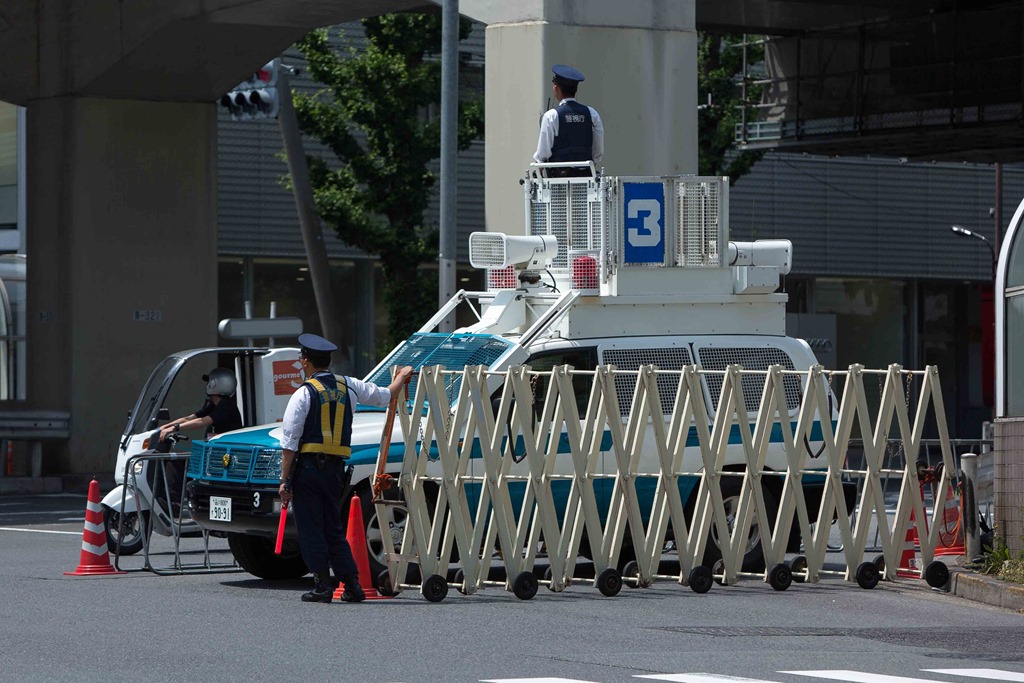
The nationalists were out in full force due to the Chinese and Russian tensions around territories, and the growing support for greater Japanese national defense forces. We live near the Chinese embassy, there were police everywhere and they were dressed for trouble.

image

image

The trouble that they were monitoring were these trucks that seemed to be everywhere. Their loudspeakers were blaring some form of rhetoric, which a bystander explained to me were calls for the Japanese people to unite around the themes previously mentioned.

 image

Big loudspeakers.

image

I guess they need big loudspeakers in the Shibuya area to compete with the trucks that drive around blaring pop music to advertise their video game, pop music group or product.

image

image

I can handle the video game trucks .. the pop group trucks with their bubble-gum music blaring set your teeth on edge.

We spent a few hours in Shibuya as I needed to hit the Apple store. There are cool buildings in the area. This one looks like it came out of Battlestar Galactica.

image

This one does a good job of optimizing their 3m x 200m property.

image

A little Japanese restaurant for a quick lunch.

image

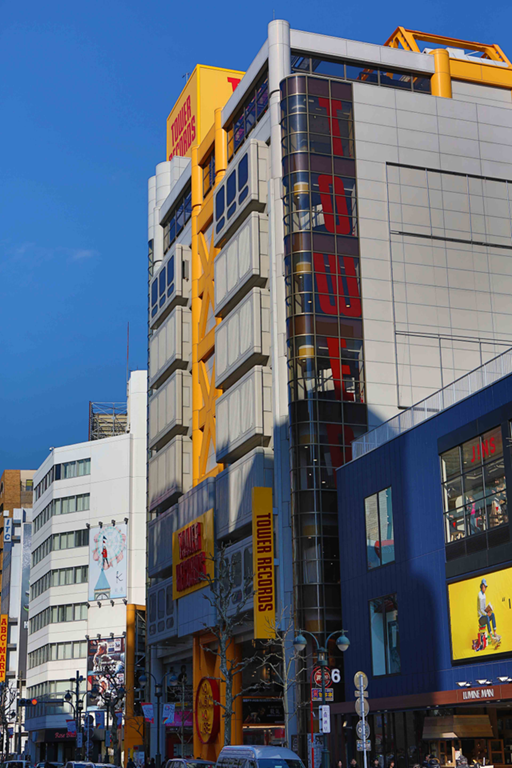
And probably Tower Records last store ….

image

Thanks for dropping by …

PARKING IN TOKYO


At first it can be daunting. The signs are not in English in most places and hard to understand. Based on my experience, I have now concluded 4 things:

1. Don’t bother on the street as most locations only allow 60 minutes.

2. The price is Y300 per 30 minutes everywhere. (Roughly $6.50 and hour)

3. There is a lot more parking in Tokyo than I would have thought. The GPS is awesome at helping you find a parking lot. Without the GPS? Good luck.

4. There are two types of parking; the traditional parking lot where you pull into a spot and a little flap pops up and locks your tire into place until you pay. The other type is the robot/tower parking.

This usually involves a circle (which flips your car around) and some form of stackable parking.

This is what a parking “tower” looks like. It is filled with cars.

image

You pull into the parking garage (note the circle, it flips your car around).

image

And here is where it is stored. I have been wondering what it looks like inside one of these parking machines. It was the first time I could ever take a shot. Now I know …

image

A vertical parking lot. Cool.

A TOKYO STREET and A SMOKE FILLED YAKINIKU


After the Ghibli Museum we stopped at a random Tokyo intersection to grab lunch. Here are a few shots; a mix of handheld HDR and others via my Canon 5D Mark III.

A busy Tokyo street.

image

What is a pepper lunch? Have I mentioned how I find it odd that even in the outlying areas of Tokyo there is so much random English?

image

For example, English advertising signs. I am not quite sure that this sign would go over well in Canada or the US? Made me smile.

image

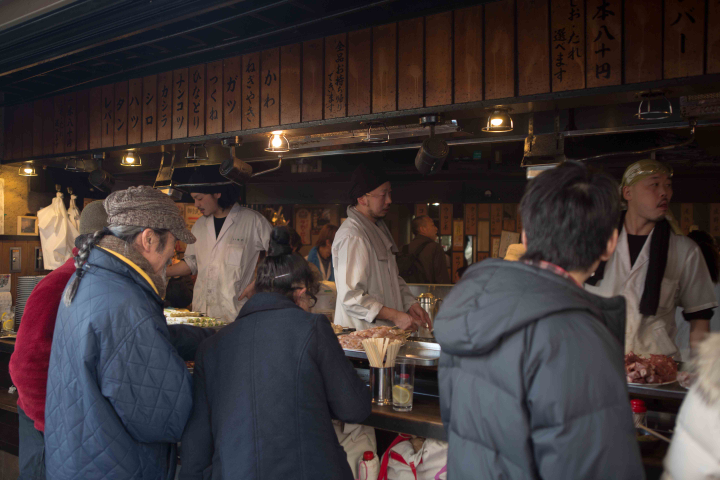
We decided on “Japanese BBQ” which they call Yakiniku. The front of the restaurant was a huge open kitchen with open BBQ grills.

image

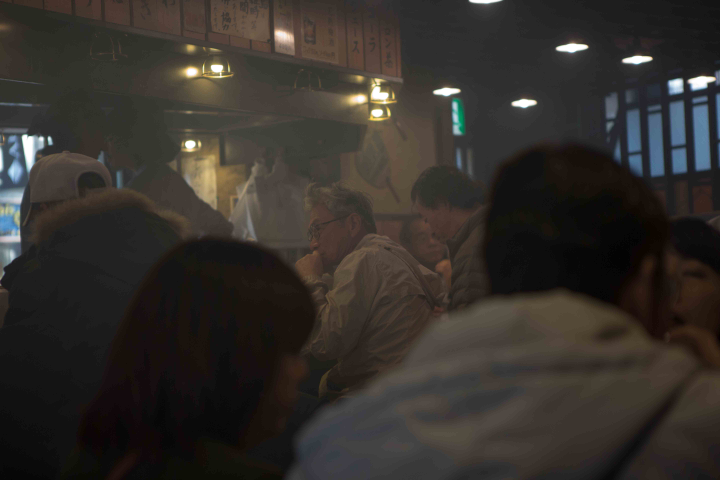
It was very smoky. A combination of people smoking and the BBQ fumes. On a Saturday afternoon, people enjoying a beer and some BBQ.

image

image

I didn’t get a shot of what we ate, it disappeared too fast.

image

Definitely a “true” Japanese exploration for the family.

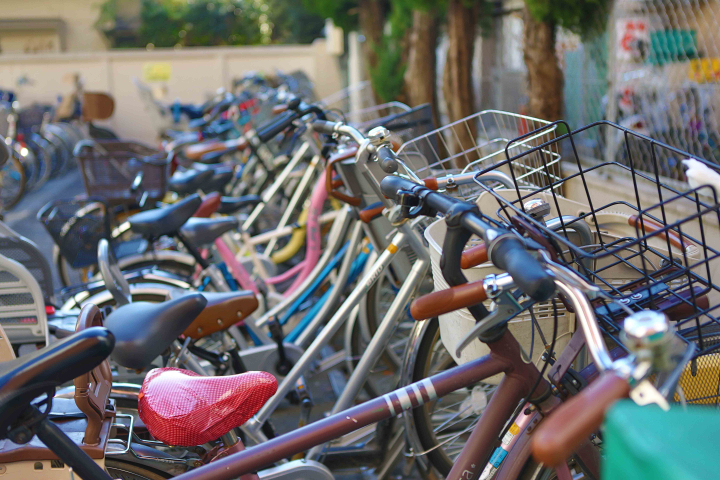
One last shot from the street; we came across another Japan first for us – a bicycle parking lot. There must have been 500+ bikes.

image

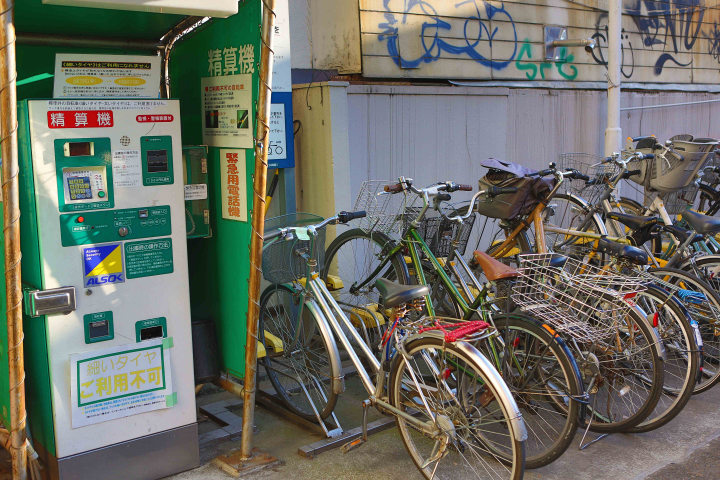
Here is where you pay.

image

A good wander.

HANDHELD HDR OF A TOKYO SUNRISE


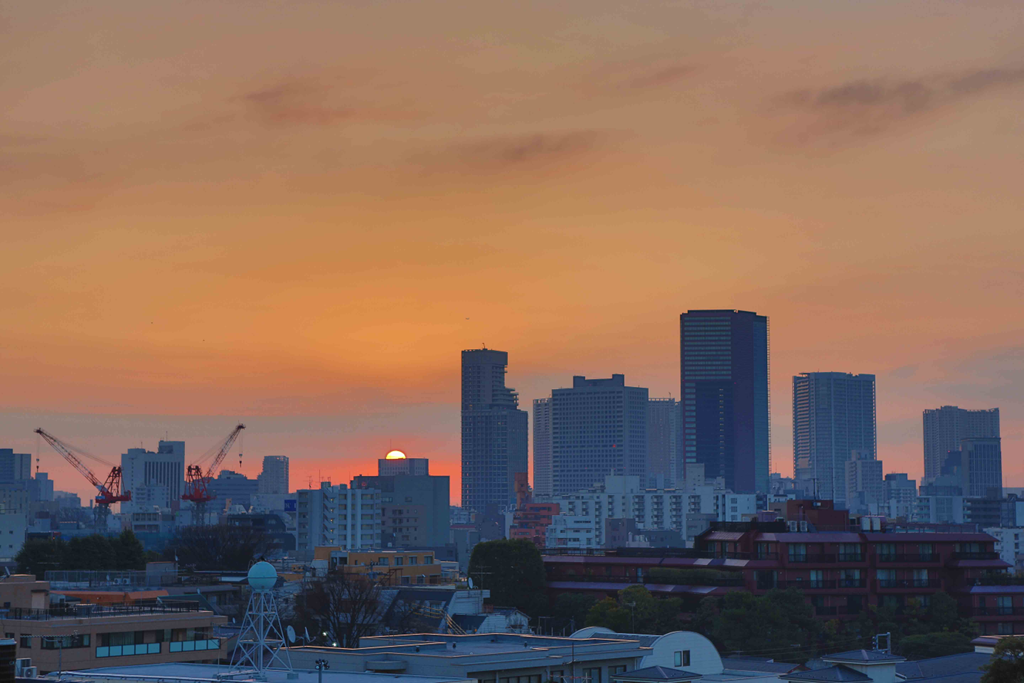
A colourful sunrise, via my Canon 5D Mark III shot using the internal HDR, handheld. I recently replaced my tripod, but grabbing it early in the morning is so much harder than simply shooting away. Canon has done a great job with the technology. Zero post processing.

image

image

Through the bushes.

image

THE GHIBLI MUSEUM or IS THERE ANY ENGLISH?


It took months to get tickets to the Ghibli Museum, but the Saturday finally arrived. Our family headed out to this “home of animation” not knowing what to expect:

Ghibli Museum (三鷹の森ジブリ美術館 Mitaka no Mori Jiburi Bijutsukan?, Mitaka Forest Ghibli Museum) is a museum featuring the Japaneseanime work of Studio Ghibli, and is located in Inokashira Park in Mitaka, a western suburb of Tokyo, Japan.

The museum is a fine arts museum, but does not take the concept of a usual fine arts museum. With many features that are child-oriented and a sprawling and occasionally mazelike interior, the museum is a playfully created place. Centered around the motto appearing on the museum’s website “Let’s become lost children together” (迷子になろうよ、いっしょに Maigo ni narō yo, isshoni?), or “let’s lose our way together” as it is translated in the English leaflet. It has no set path or order of viewing. While the museum brochure contains a variety of languages, the signs within the museum are in Japanese only.

Unfortunately, I missed that last line. It is a very cool museum, with a very “Gaudi” feel to it.

image

image

One of our first stops was the roof top garden. I remember watching the Iron Giant with the kids years ago.

image

A very serene and beautiful garden.

image

Inside is stuffed with interesting drawings and the history of animation from around the world. However, you are not allowed to take pictures and there is zero English to be found.

It is a real shame and very frustrating as we wanted to learn. So much in front of you and not accessible. In some ways like all of Japan.

image

Still, it was a beautiful day, in a park with some beautiful architecture.

EARTH DAY MARKET, TOKYO


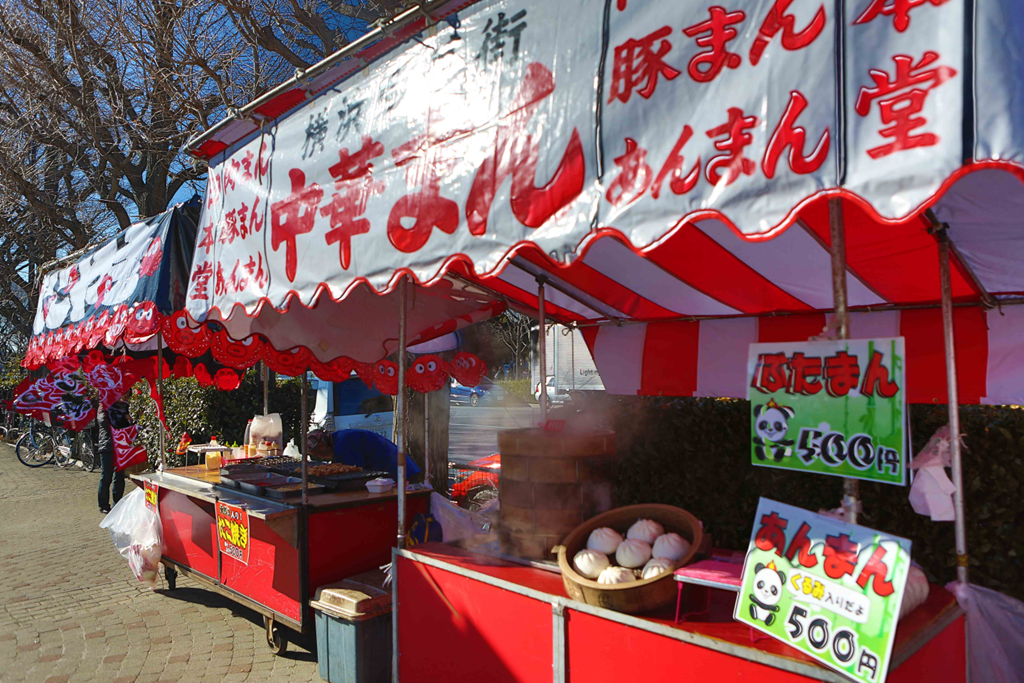
TimeOut Tokyo suggested the Earth Day market as a “what to do this weekend” so we headed over on the Sunday afternoon to explore. It was across the street from Yoyogi Park (we had to do some wandering to find it). There were street food vendors everywhere.

image

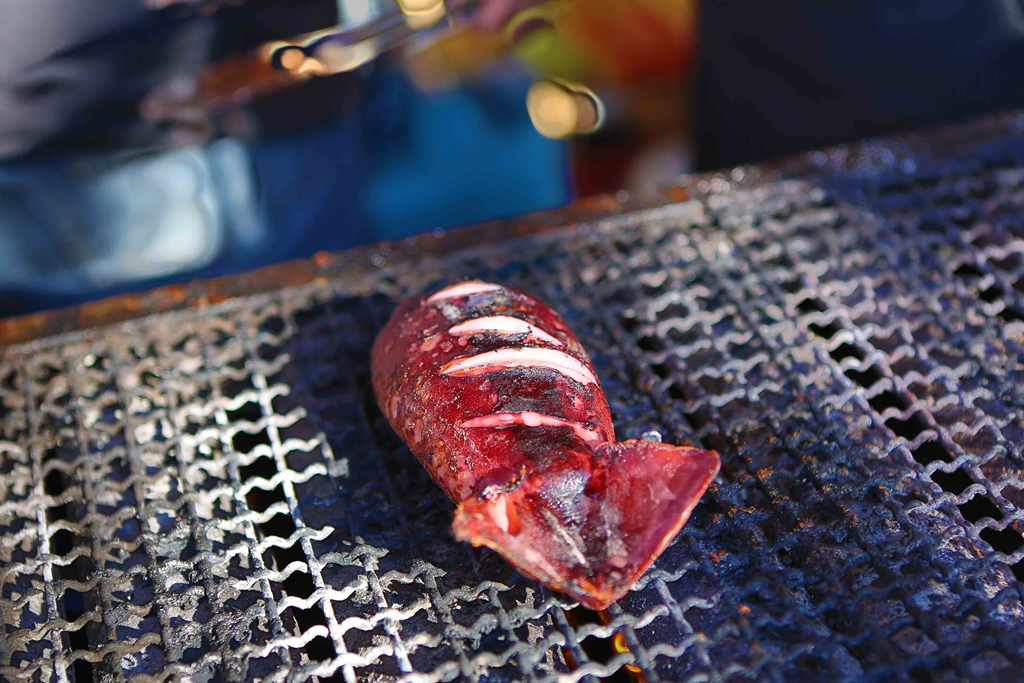
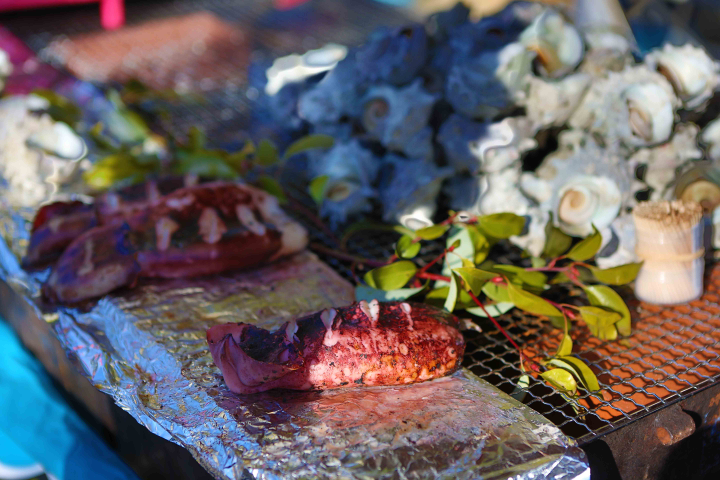
This was my lunch, BBQ squid.

image

image

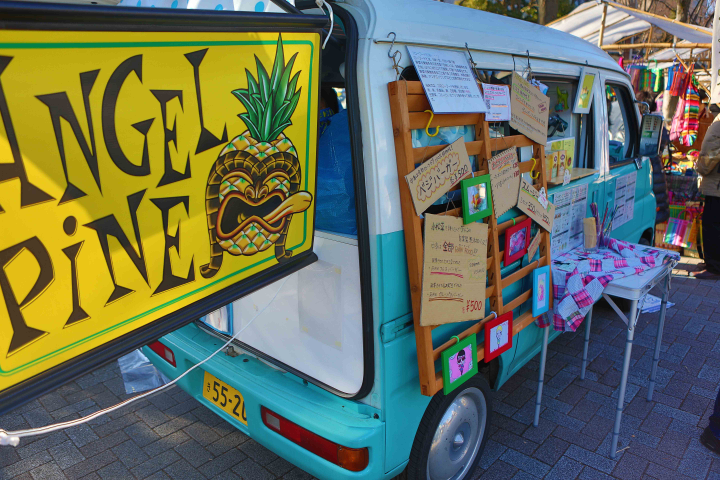
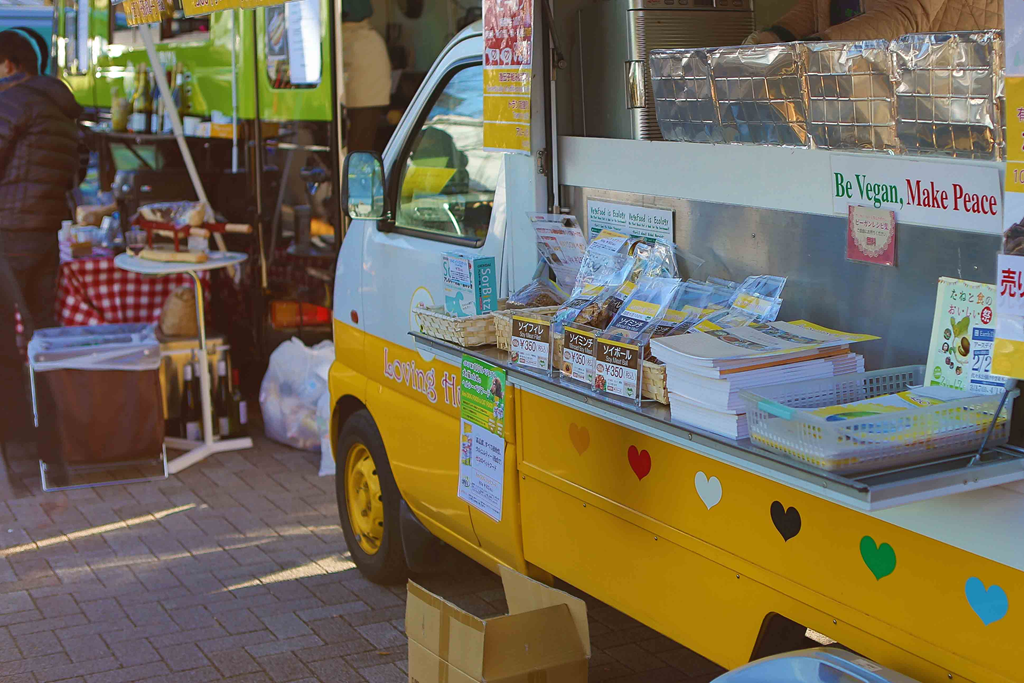
The market was filled with colourful trucks, showing their wares.

image

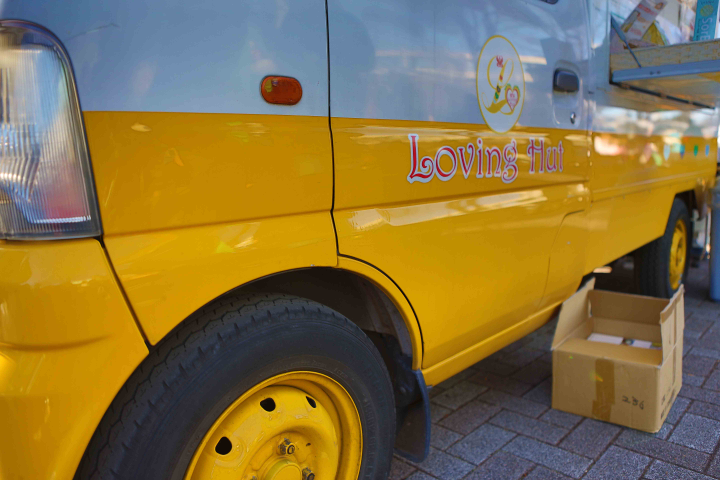
The Love hut espoused ….

image

Be vegan, make peace.

image

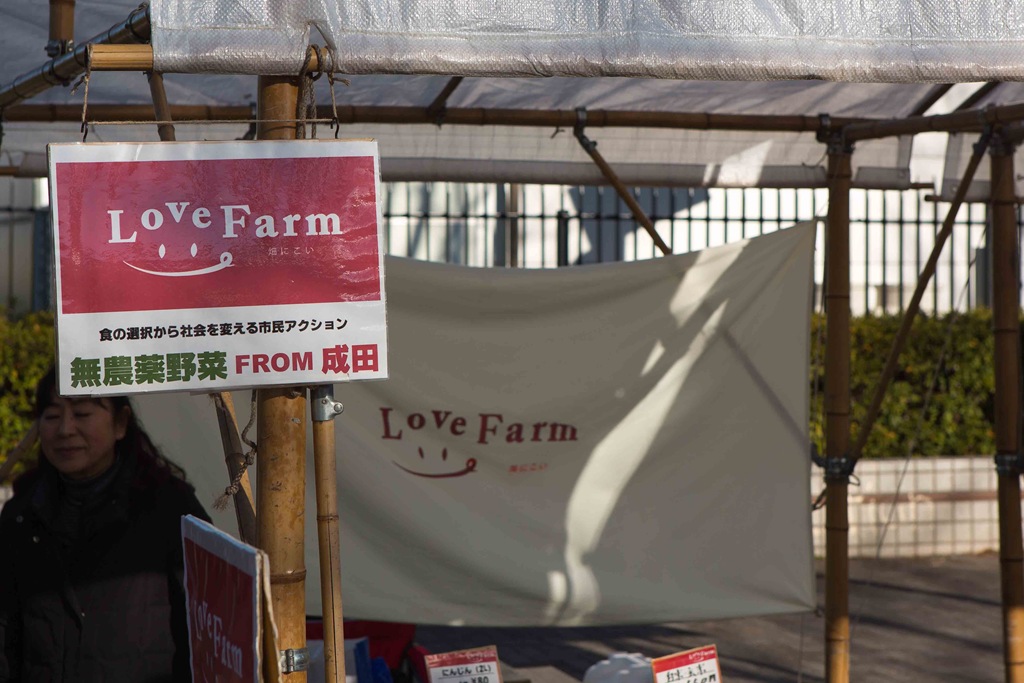
Across the way, the Love Farm. Lots of love at this market. Mostly English love.

image

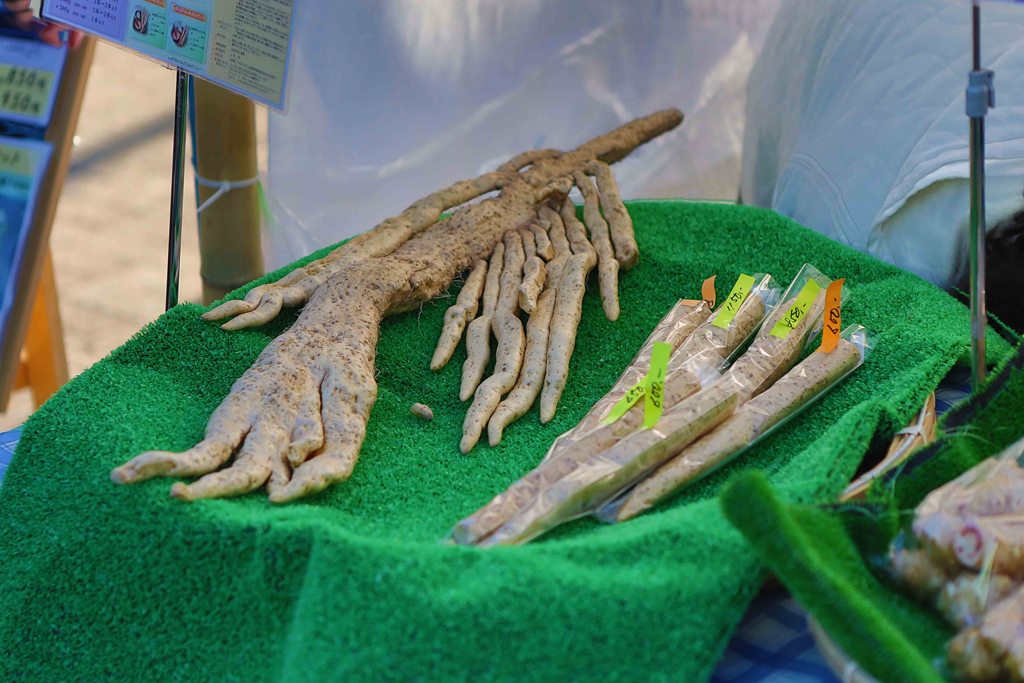
I could not understand what this root was from the vendor, but everyone was looking at it. Must be a good root.

image

The market itself was quite fun. Filled with an assortment of fruits, vegetables and “healthy” products. A nice way to spend a sunny January afternoon.