On a street in Tokyo, surrounding a beautiful temple.
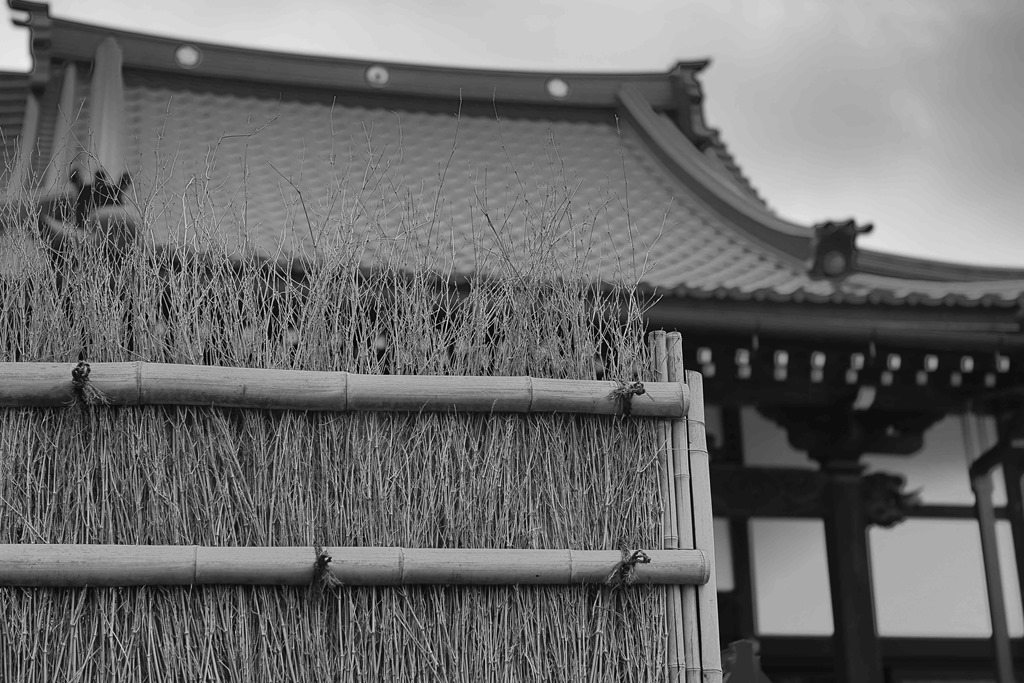

Different. Not something I would have expected to see in the city.

On a street in Tokyo, surrounding a beautiful temple.
Different. Not something I would have expected to see in the city.
Rich families would keep their valuables in a building like this.


Away from the main house, lacking windows, big metal locked doors and often behind the gates.

One would think it was a good plan. The problem? Thieved learned that in the soft Japanese soil it is easy to dig your way in.
In the Azabu-Juban there is a small spring, bubbling away. This little spring has saved thousands of lives during earthquakes, fires and bombings. Such an innocuous site .. responsible for so many.


On a recent tour, near this street we heard all about Juzo Itami.

Standing at the bottom of the building where he “committed suicide”, we heard the story about how this Japanese film maker made fun of the establishment and organized crime:
On May 22, 1992, six days after the release of his anti-yakuza satire Minbō no Onna, Itami was attacked, beaten, and slashed on the face by five members of the Goto-gumi, a Shizuoka-based yakuza clan, who were angry at Itami’s film’s portrayal of yakuza members as craven, dishonorable bullies. This attack led to a government crackdown on the yakuza. His subsequent stay in a hospital inspired his next film Daibyonin, a grim satire on the Japanese health system.
Looking down the alley, our guide explained his “death”:
He purportedly committed suicide on December 20, 1997[1] in Tokyo, by leaping from the roof of the building where his office was located, after a sex scandal he was allegedly involved in was picked up by the press. The suicide letter he reportedly left behind denied any involvement in such an affair.
Many consider his death suspicious. Citing unnamed sources, Jake Adelstein of Yomiuri Shimbun, who wrote a number of articles dealing with Japanese yakuza, directly accused Goto of murder. Adelstein stated that, according to his sources in the Japanese underworld, Juzo Itami was planning a new movie about Goto’s yakuza faction and its relationship with the religious groupSōka Gakkai and that “A gang of five of his people grabbed Itami and made him jump off a rooftop at gunpoint. That’s how he committed suicide.” According to Adelstein, Itami had said that his wife was aware of his alleged affair and that Itami’s purported suicide note was typed on a word processor.[2] At the time, the police treated it as a possible homicide. Itami’s surviving family have never publicly commented on the circumstances surrounding his death.
We continued walking. I love the way that Japanese streets are filled with people’s pots filled with flowers and bushes. They may not have a yard, but they are trying.

In some cases, the grasses are overgrowing. An oddity in Japan. Why would someone leave their motorcycle like that? (even if it is broken).

Passing this shop I looked in, there was barely any room to move … He/she is certainly not pressing any clothes.

As we turned a corner our guide explained that the area we were in used to be a slum in Tokyo. The locals were cleaning it up and banding together, trying to stop developers who were buying up the buildings with a goal of tearing it all down and putting up high rises.

Down a stairwell was a tiny little statue, dedicated to a site where something happened .. at some point in history. Perhaps someone fell down the stairs and died, or an incident happened here. That history is lost to us gaijin, but it was amazing to see the statue hidden between the buildings.

And in every Tokyo cement crack, something is trying to grow.


How would you like to be the poor unfortunate souls living next to this monstrosity with it’s medieval flair?

Called a “love hotel” these feeders of the unseemly Japanese underbelly are quite common.
A love hotel is a type of short-stay hotel found around the world operated primarily for the purpose of allowing couples privacy for sexual activities. The name originates from “Hotel Love” in Osaka which was built in 1968 and had a rotating sign.
This one is for the more “adventurous”. We were walking past it on a tour and I could not help but notice the nice grandmotherly woman on the other side of the street standing in her door.
How would you like to look at this every day? (it is in quite a nice neighbourhood). Supposedly there is a movement afoot to eject them.

Is the name some form of play on words?
The discrete front entrance.

Last shot. I wondered, is the new BMW a client or the owner?

There are a surprising number of abandoned buildings in Tokyo. On a recent tour we were told that this happens when something “bad” happens in a building. People find out and do not want to live there.

In this case, something bad happened about 10 years ago … and no one has lived there since, except the every expanding vines.


My last. A beautiful shoreline.


The pink caught my eye.

The stairs lead to … ?

A wonderful trip.
It was a clear night and interesting to watch the full moon rise.


As the tide went out on the beach in Nusa Dua, it provided access to the life below. Our first sight was this urchin.
Urchins are usually nasty black things and very painful. We easily steered clear of many in the shallow water, but through the seaweed I saw this fellow. I have never seen anything like it and if colour indicated a warning, this must be a very dangerous urchin.
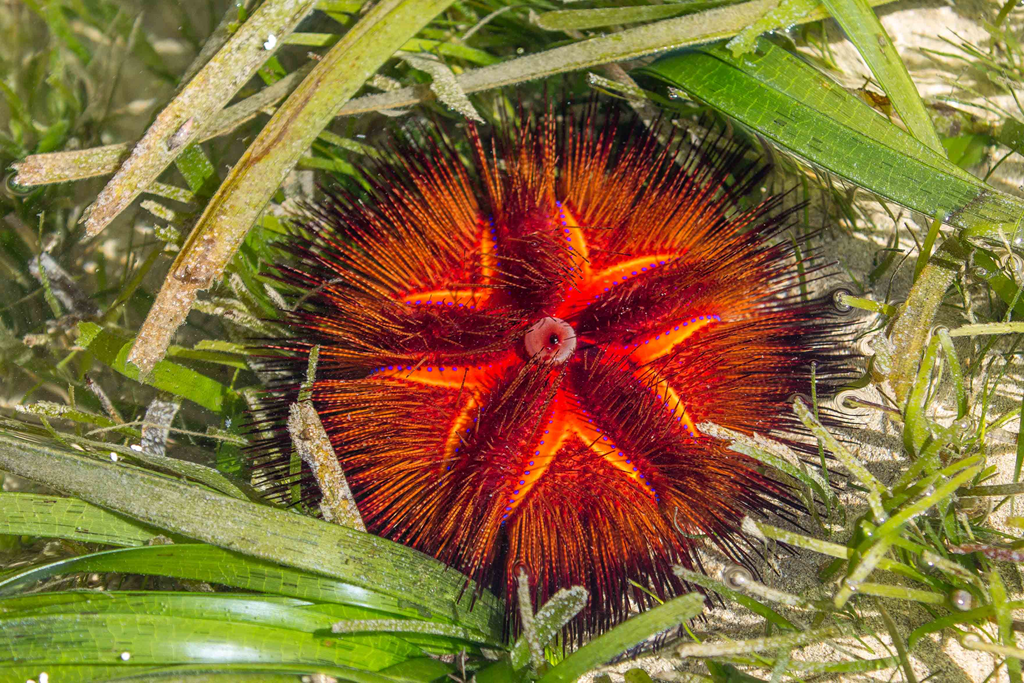
Never seen anything like it. Having a 70-200m lens on meant that I didn’t have to get too close.

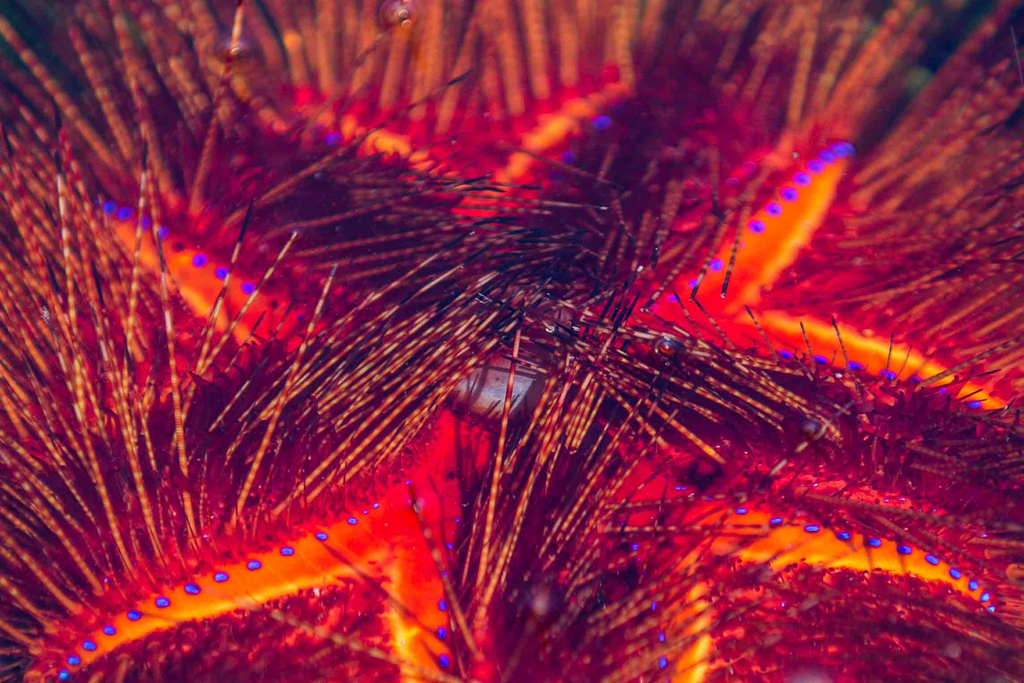
One more shot, distorted by the sun cutting the water. As I got closer with the lens it moved to protect the center.
I have no idea what this is .. but it looks like a cucumber or perhaps some sort of worm.
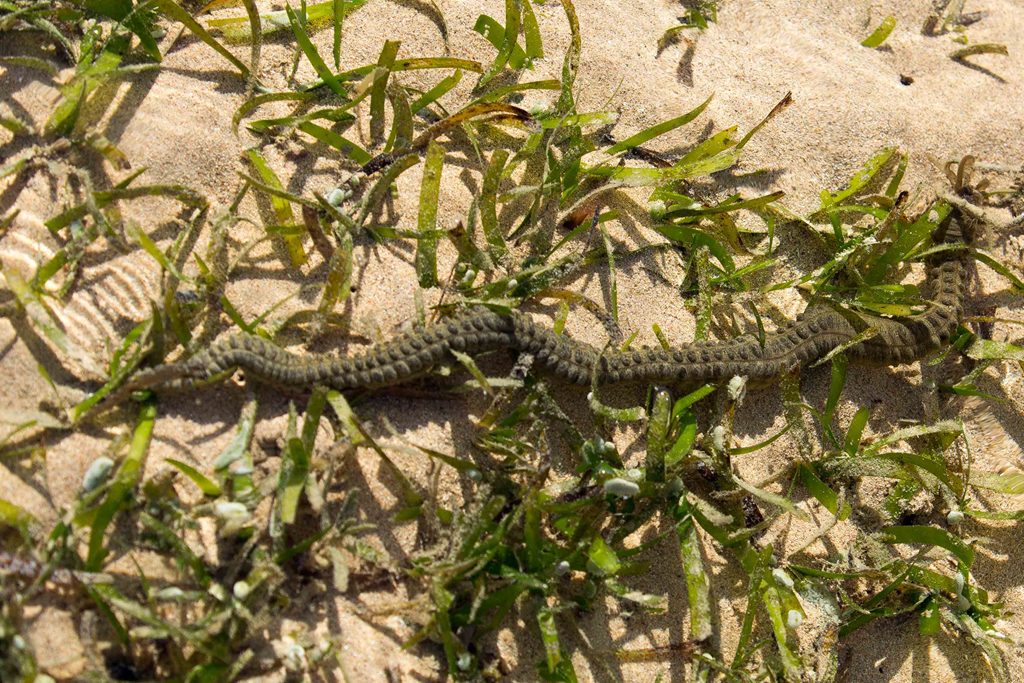
This millipede was BIG (and fast). He disappeared in seconds.
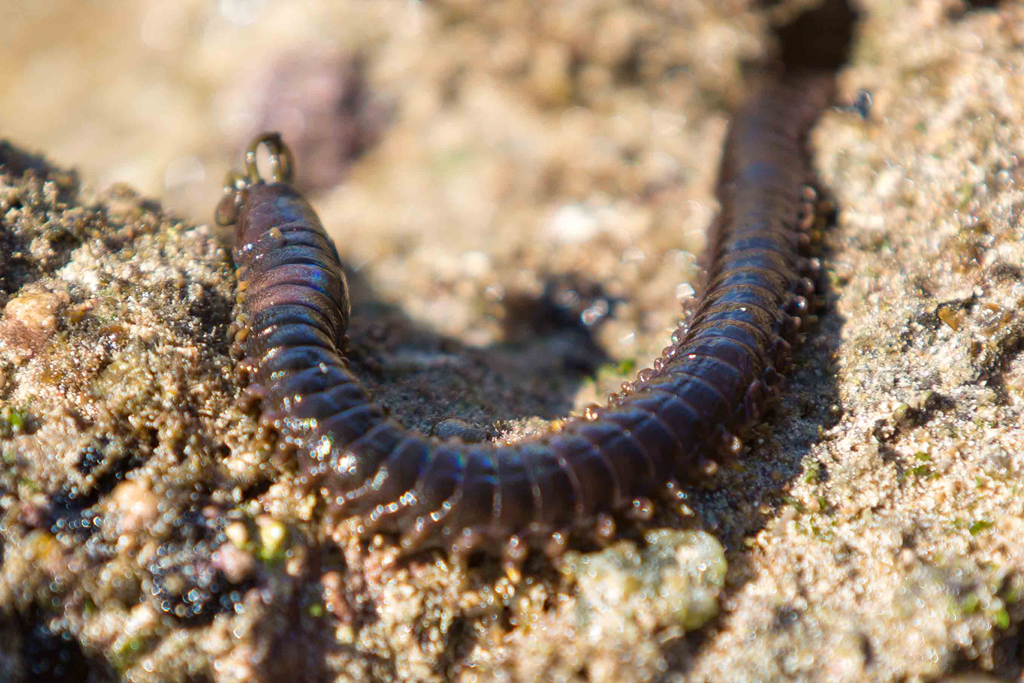
A lot of legs …
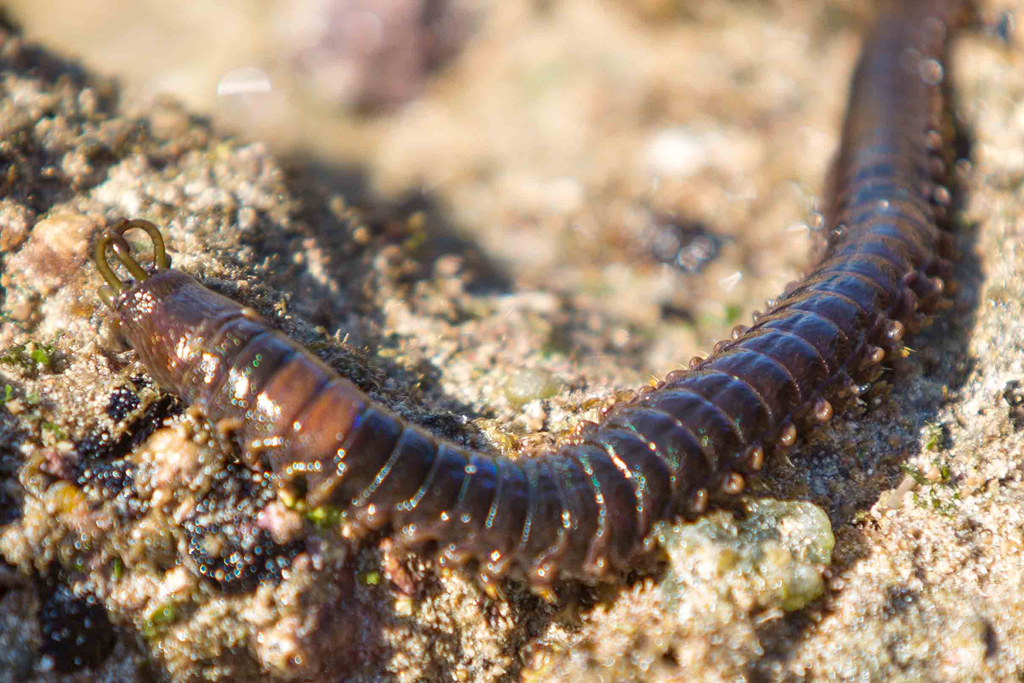
He/she/it was right beside the crabs. Spot the 3 crabs.
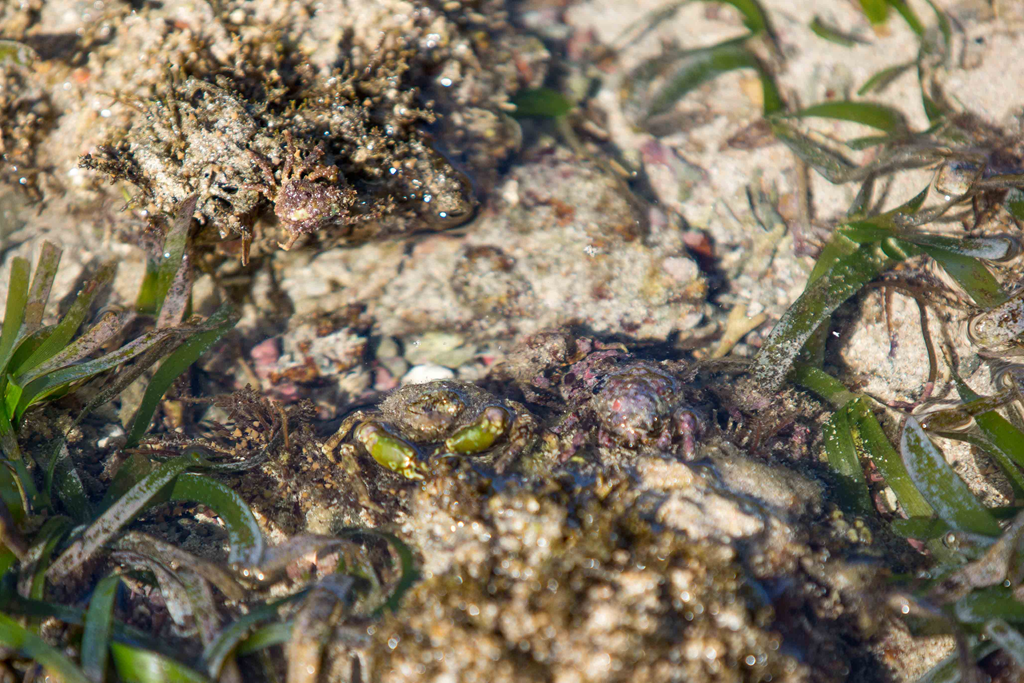
Finishing off with a few beautiful color shots, peaking out from under the water.

Amazing natural colors of this anemone, an inch under the water.
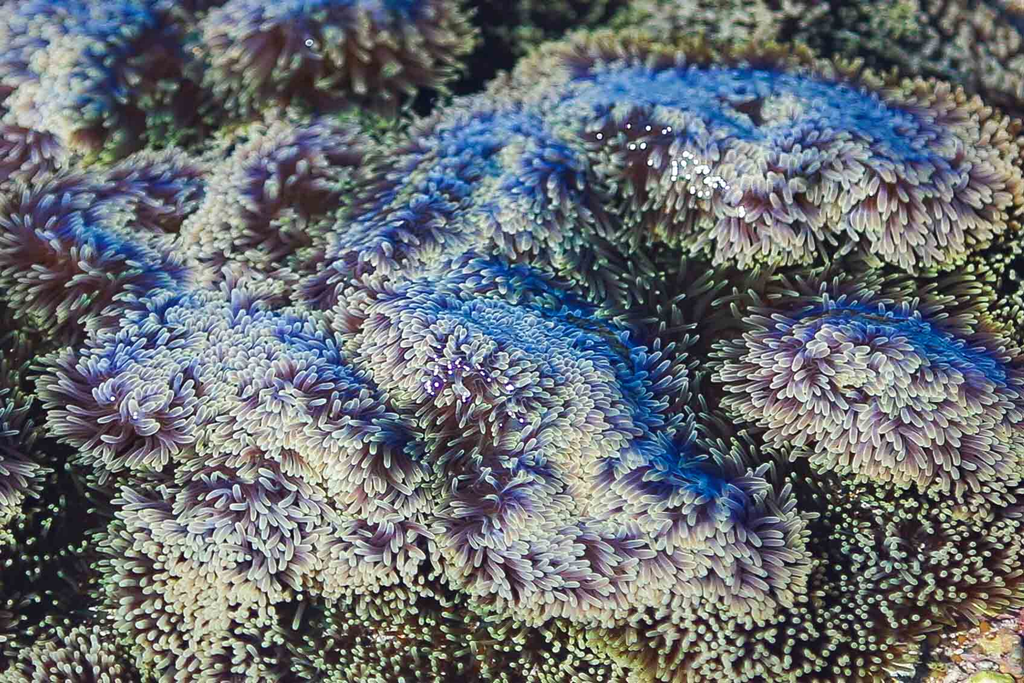
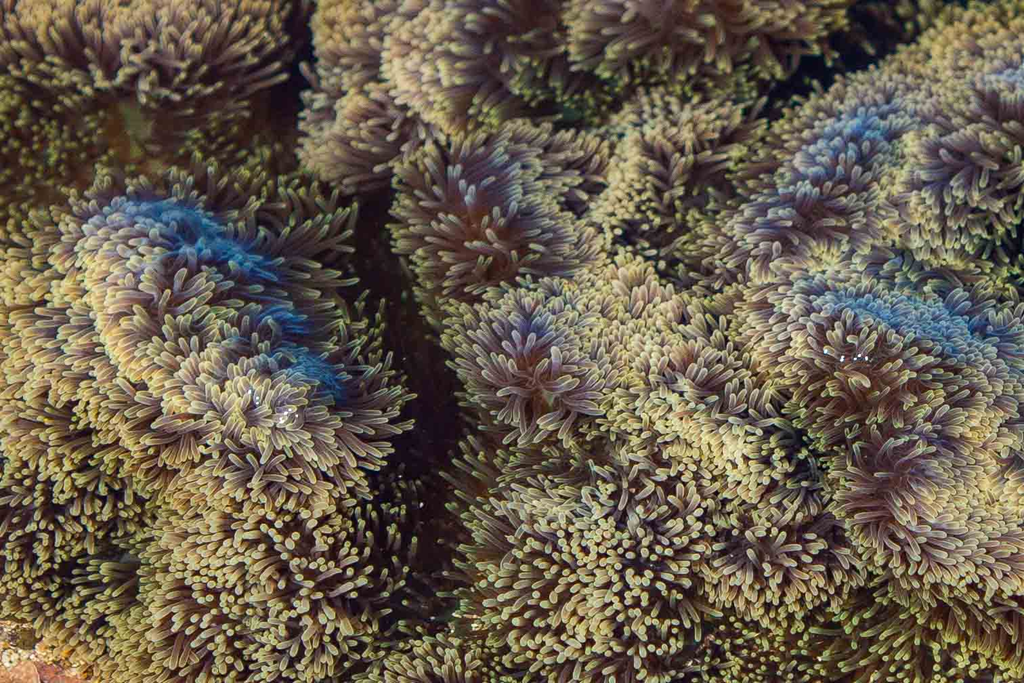
It was really hard to get shots of these corals as they were in shallow water and it kept ebbing and flowing.
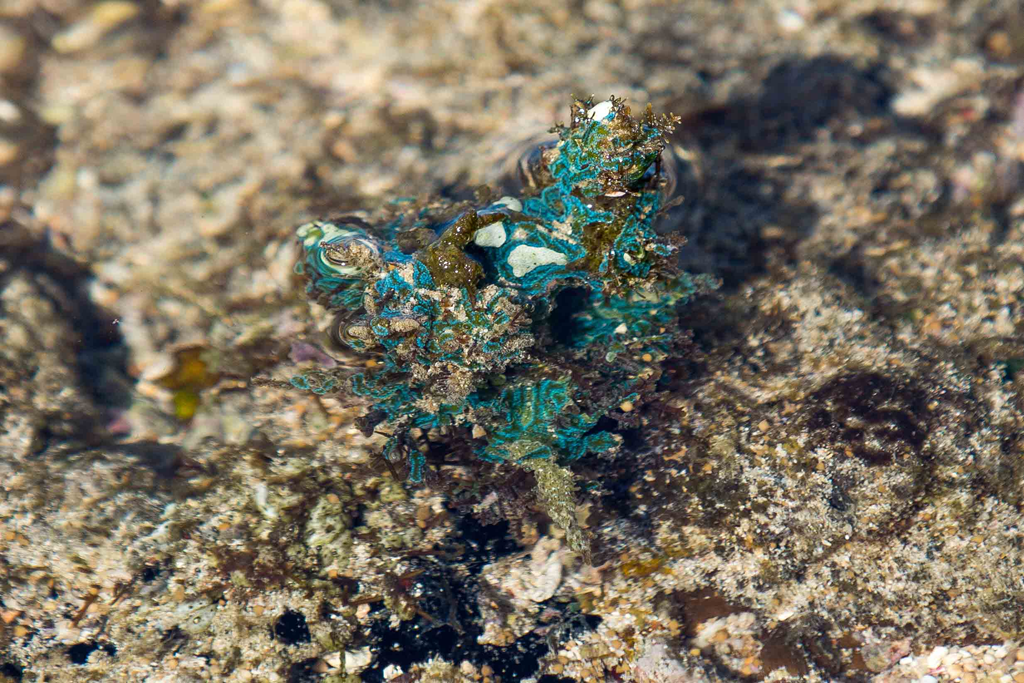
A moment later I caught the water coming in.
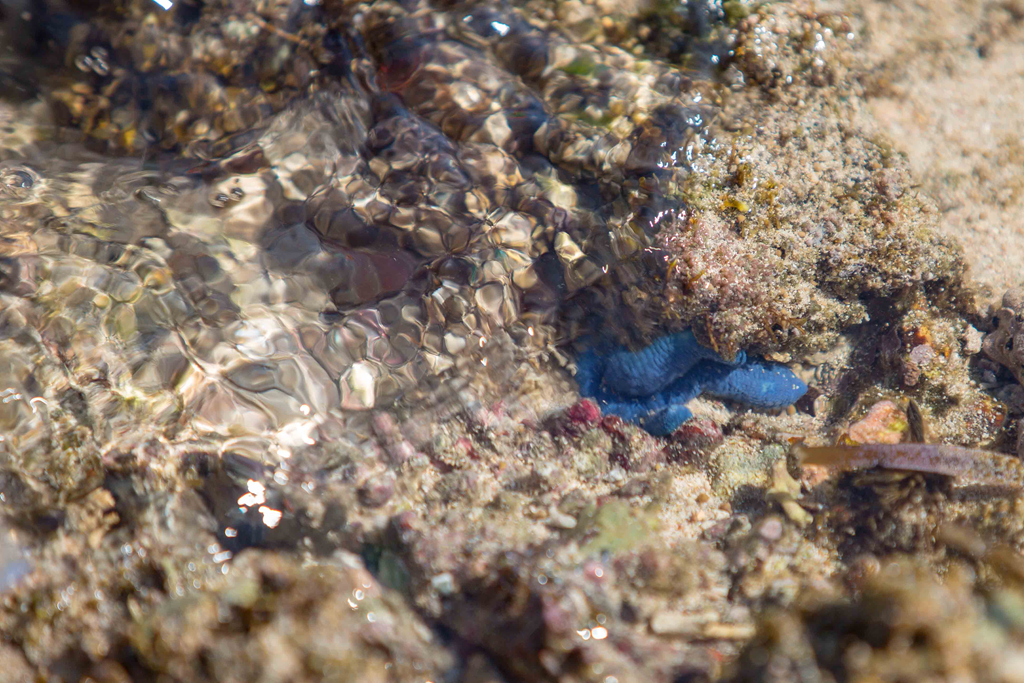
How can I not finish with a starfish.
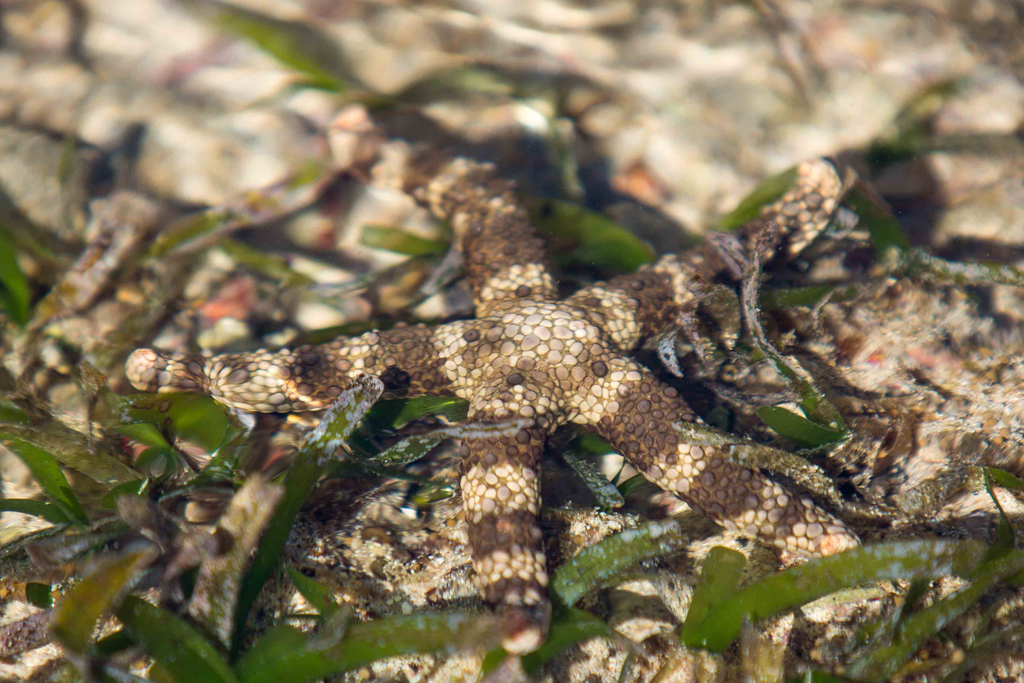
It was fun to explore the shore.
We stayed at the Westin in Nusa Dua in Bali and you look out on quite a nice ocean view.
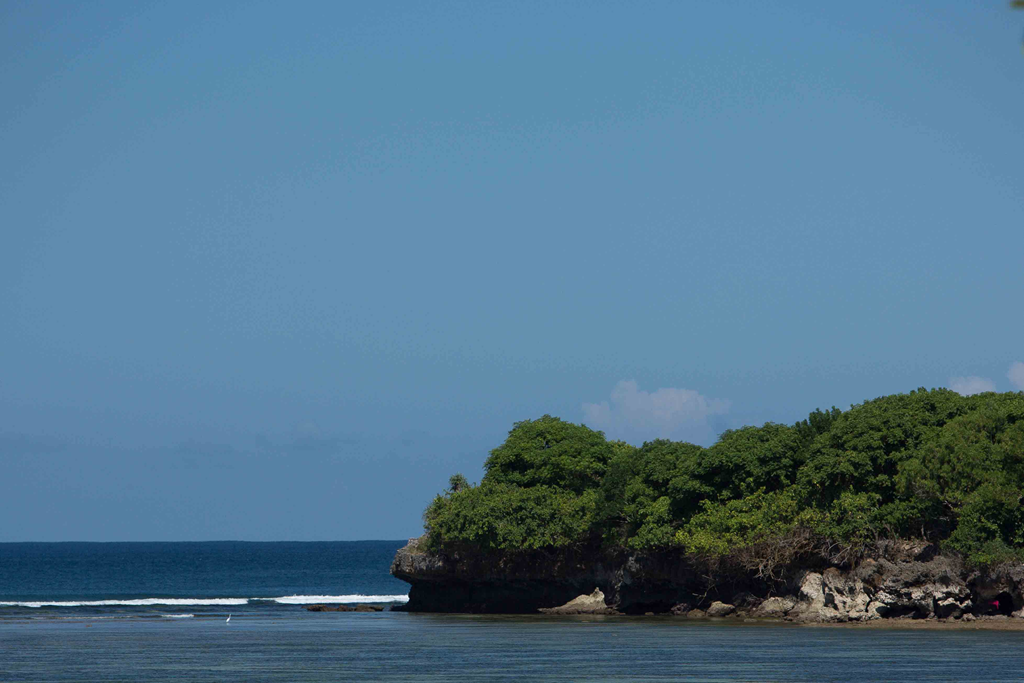
While eating lunch I saw this fellow wading out into the surf. I happened to have my 70-200mm lens on the 5D so I took a walk to down to observe. 3 shots …


Love the hat.

At the beach the tide slow recedes through the day revealing that which you were swimming over.
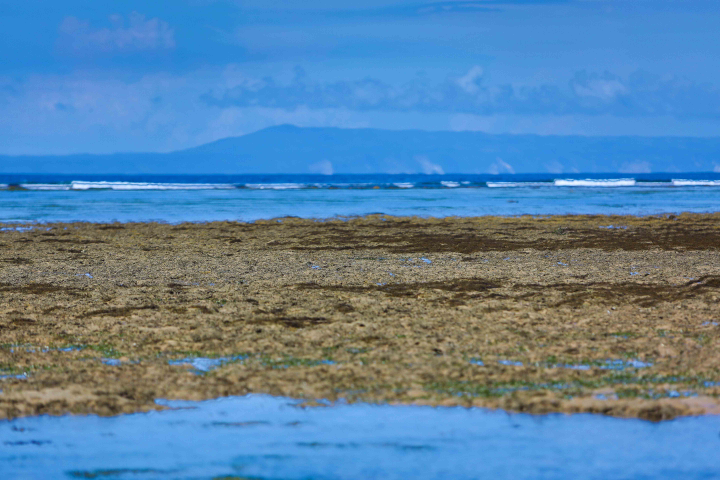
You can walk for 100’s of meters to the edge and the reef. It was fun to see what lurked below … and surprising. (Next post).
We are moving offices in a few months. The great view of Mt. Fuji will be replaced by a different view.
Fortunately, Fuji-san finally came out and I happened to have my camera (Configuration: Canon 5D Mark III, 50mm f/1.2, shot handheld HDR).

The rest of the view. At the bottom is a huge cemetery. I need to get there.

If you look into the background, you will notice that Tokyo is ringed by mountains.


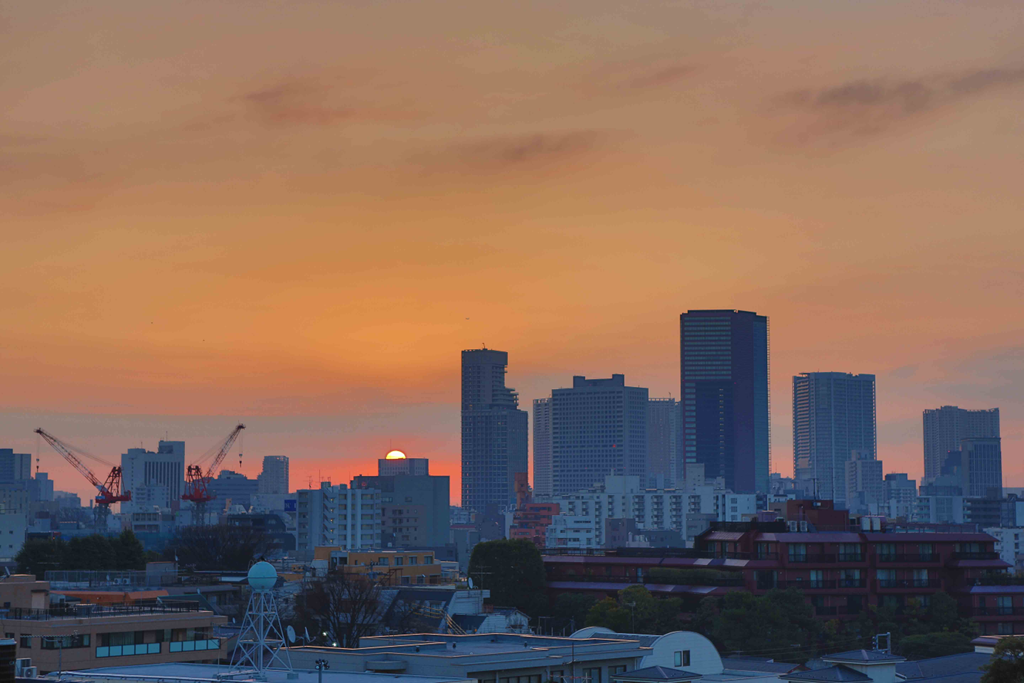
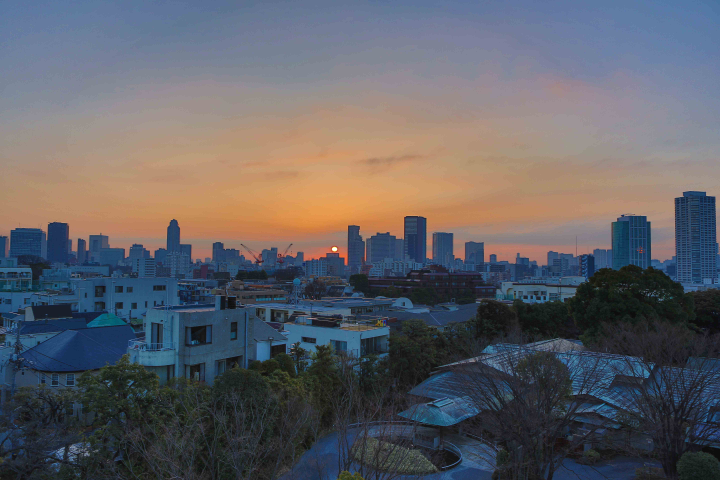
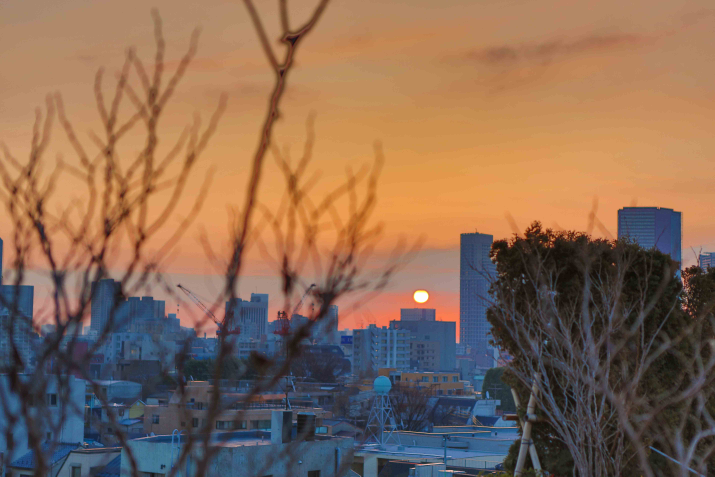
I will miss the sunsets ……
Tokyo is a place of umbrellas. If not for the rain (it is pseudo-tropical), for the sun; in which case they call them parasols and charge a lot more money.
Awhile back we were stuck in a rainstorm in Shibuya. I did not have my camera with me and have vowed that one day, I will get back to a very specific alley to get a shot in the rain as it was an amazing site.
That being said, a few shots in a similar vein, from the same area but on the wrong street (smile).


The trees have an interesting texture in black and white.

At a crossing. Not “the” crossing. But one of them.
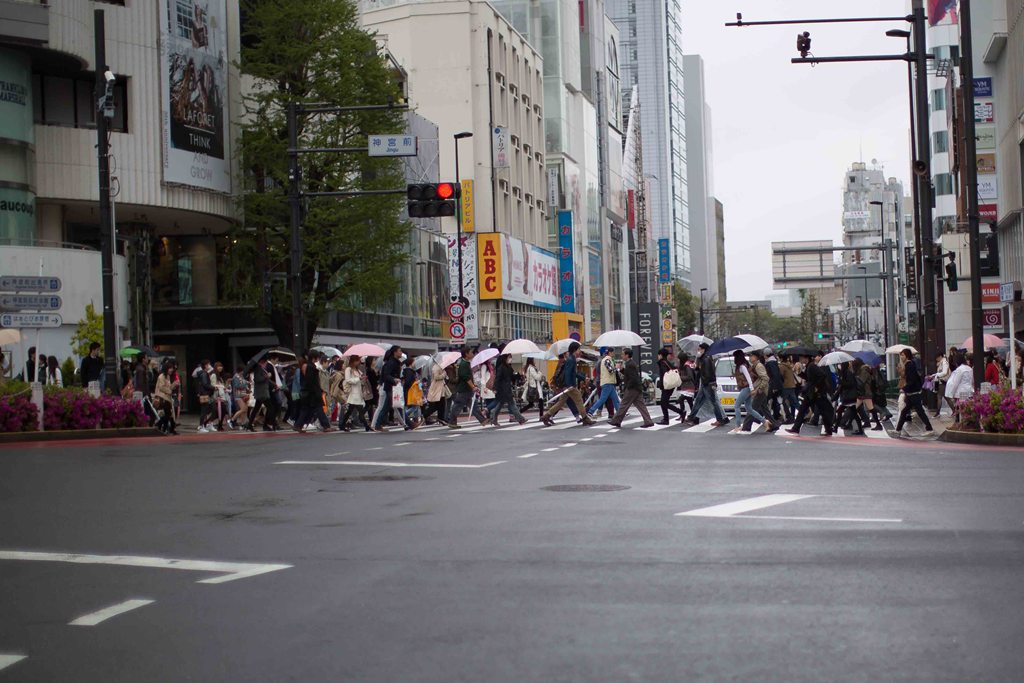
And one oddity. I don’t know if I would buy from this shop. I found the name a bit creepy.

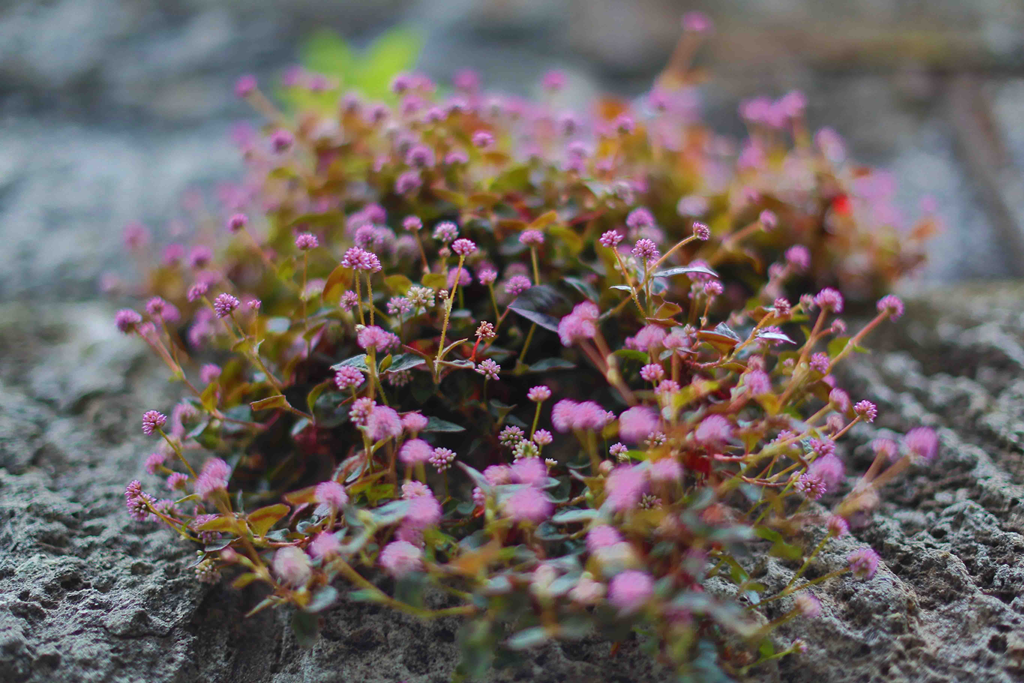
The other day I wanted to see something different, so I walked a different way home. The best sight was this wall, covered in flowers; Canon 5D Mark III with 50mm f/1.2 in hand.

Up close.
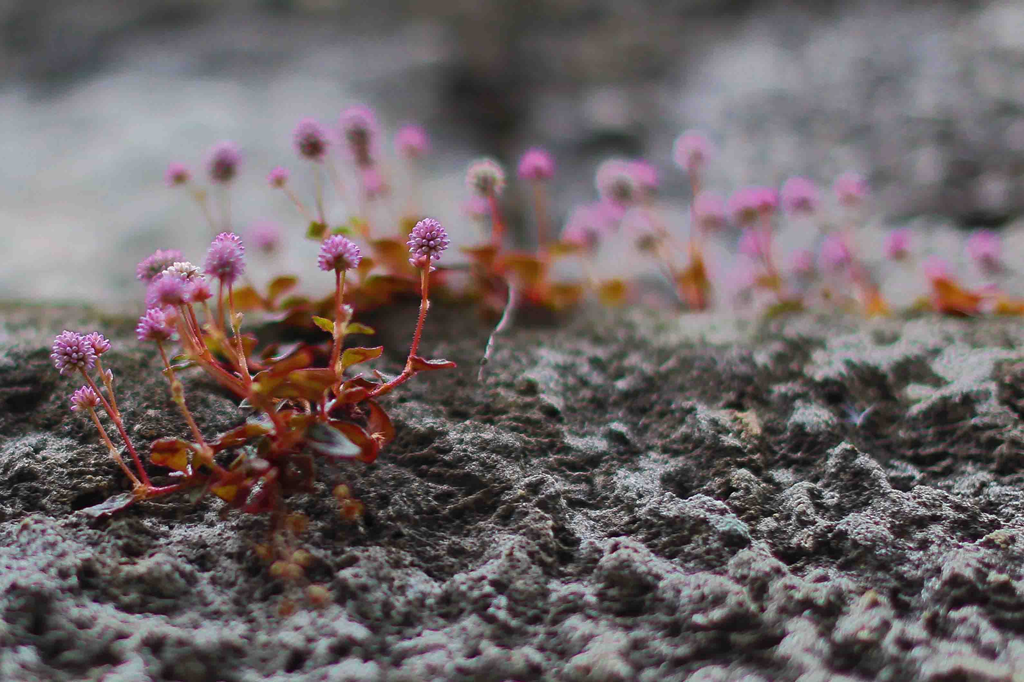
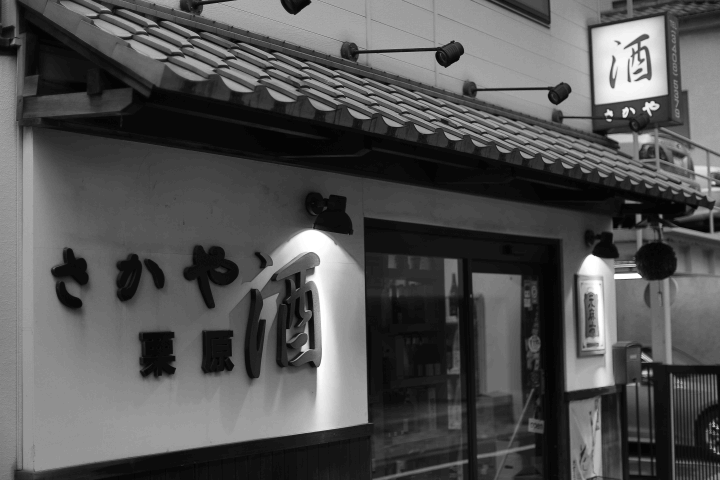
I made a quick stop to pick up some sparkling sake at this shop. I have become a big fan of sparkling sake over the last couple weeks. It is a very light summer drink and perfect for sitting out on a deck or in a backyard with a low alcohol content (5%ish).
Reminds me of the wonderful sparkling cider that we happened across in Normandy.
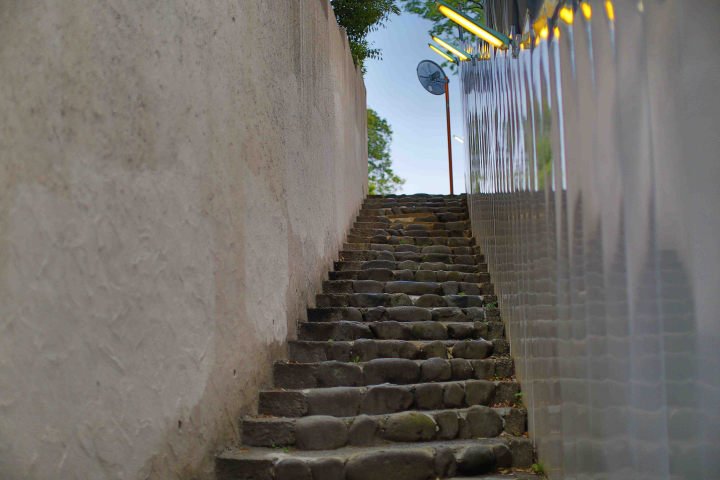
To get to the cider I had to walk down this stairwell which was a case of the “old” and the “new”. On one side was a gleaming metal wall (protecting a construction site), on the other an old wall with a very old stone stairwell. It wasn’t until afterwards that I noticed the mirror at the top … in case you were walking around the corner too fast (smile).
One more old and new.

An interesting stroll. Need to do that more often.
Thanks for dropping by.
The sun is here.


A few strong climbing roses.

On a different tangent, they have the oddest names for hair salons in Tokyo. I have yet to figure out how these two words relate to cutting hair (smile).

Once the cherry and plum blossoms are gone, the Japanese cities explode with Azaleas. They are everywhere. 5 shots from around town via my Canon 5D Mark III and Canon 50mm f/1.2.


High on an embassy wall.


After the rain.


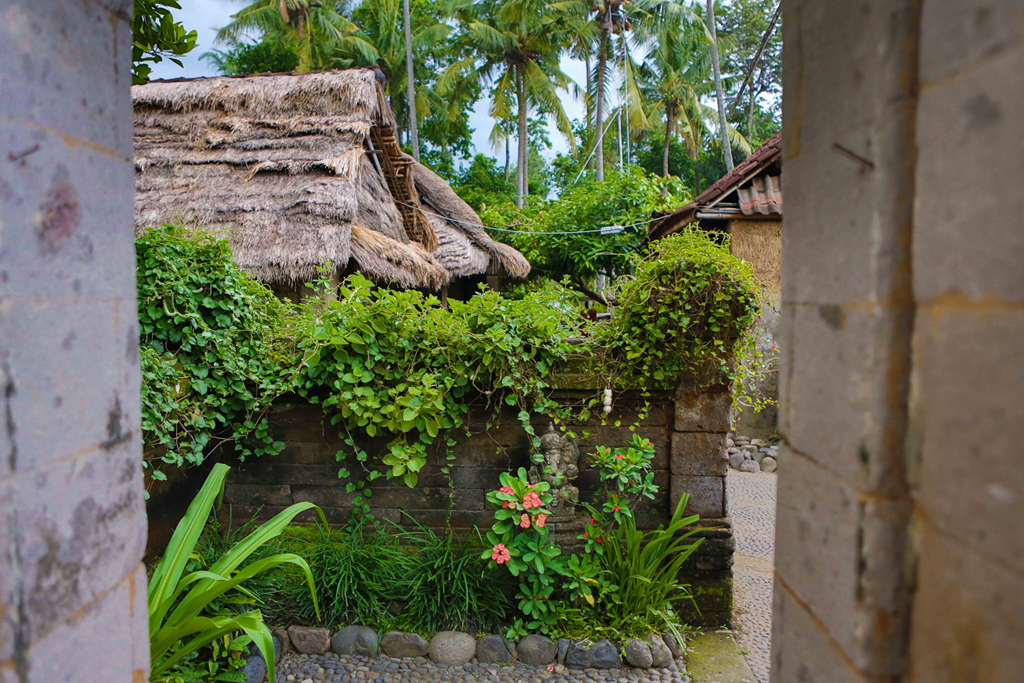
Through the gate lies tradition. This little outpost has a group of people living the “old way”. I do not know the difference from others as we did not have an opportunity to see how contemporary Balinese live, but here are a few shots. (Canon 5D Mark III, armed with my 28-70mm f/2.8).
Through every gate lies a new visual experience.
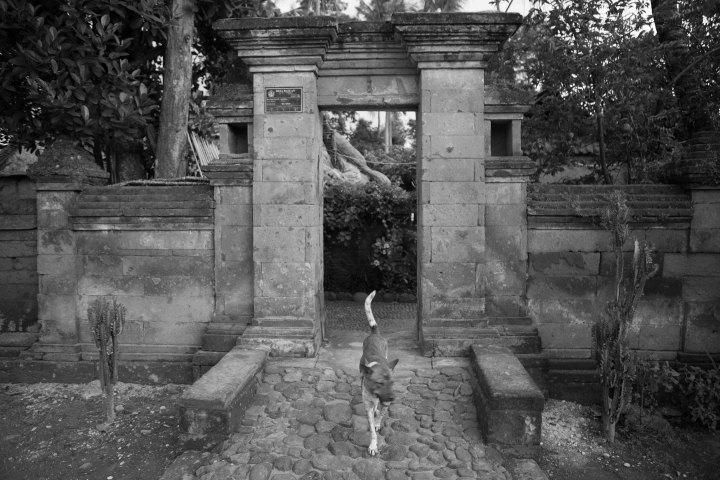
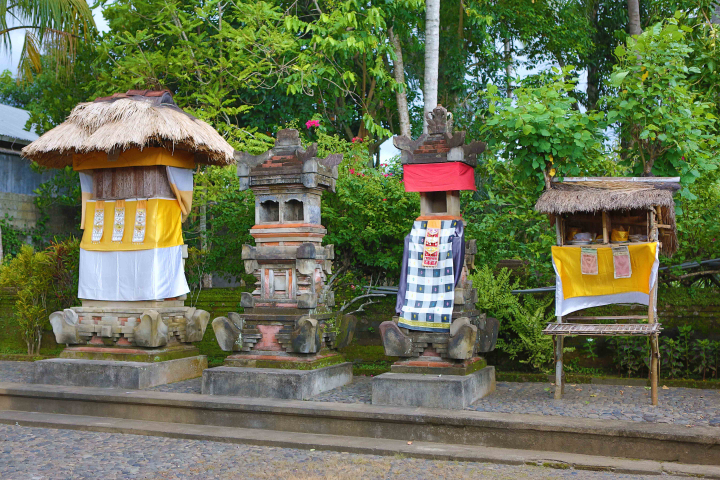
Of course, a family temple. Decorated and ready for a festival.
A simple shot. A Balinese home.
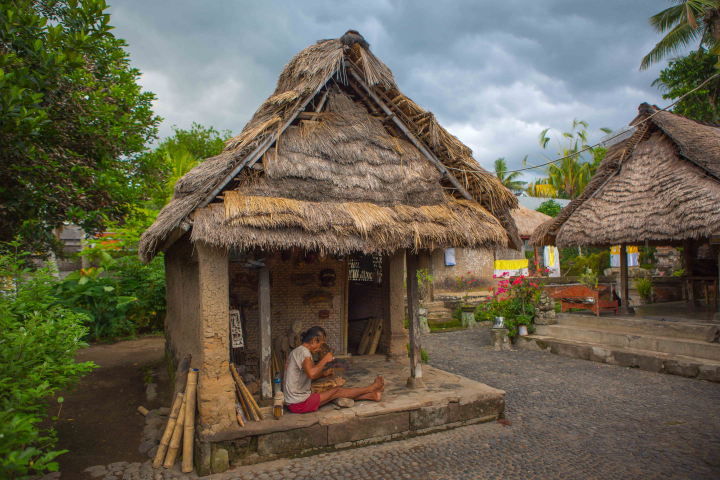
He smiled as he carved.
In the middle of the country, in a little town with a name I did not know. Just another town along the road and another breathtaking temple, built by locals over hundreds of years. Famous? No. Breathtaking? Yes.

A lot of the gates had lions. I wonder why?


The owner of this scooter was no where to be seen. Because it was about to rain again … hard.

This shot gives you a sense of this rural Balinese village temple. It is huge and multi-sectioned .. and yes, about to rain.

Deity carvings were everywhere.


And many of the carvings were decorated.

The intricacies of this door are remarkable.

It was the entrance on this kori agung gate (roofed) with a candi bentar gate beside it (right).

And the detail across the temple caught the eye at every turn.


They had not gotten out all of the decorations yet, but were starting.


Truly amazing. So much care and beauty .. in a remote location. One of a thousand temples, that will never be famous.

Glad we stopped. And thanks for stopping by.
As mentioned, Bali is filled with temples. It is a Hindu province in a predominantly Muslim Indonesia. The notion of the Balinese temple is very different than the traditional Christian North American or European geography, where there is a church in a small village. In Bali, temples are every few meters.
There are large temples, small temples, village temples, temples near bridges, temples in the middle of the jungle, temples in homes. They are everywhere. We had selected Gunung Kawi as the temple we would visit.
It was getting later in the day and as we approached it started to rain. Hope was high that it would pass. Our driver explained what to do; you must acquire a sarong which can be rented at the temple for a dollar or buy one. We made our way to the entrance and were accosted by some very motivated sellers. $15 later we had 4 very nice sarongs. There are very strict on this cultural tradition. Configuration: Canon 5D Mark III and 28-70mm f/2.8.
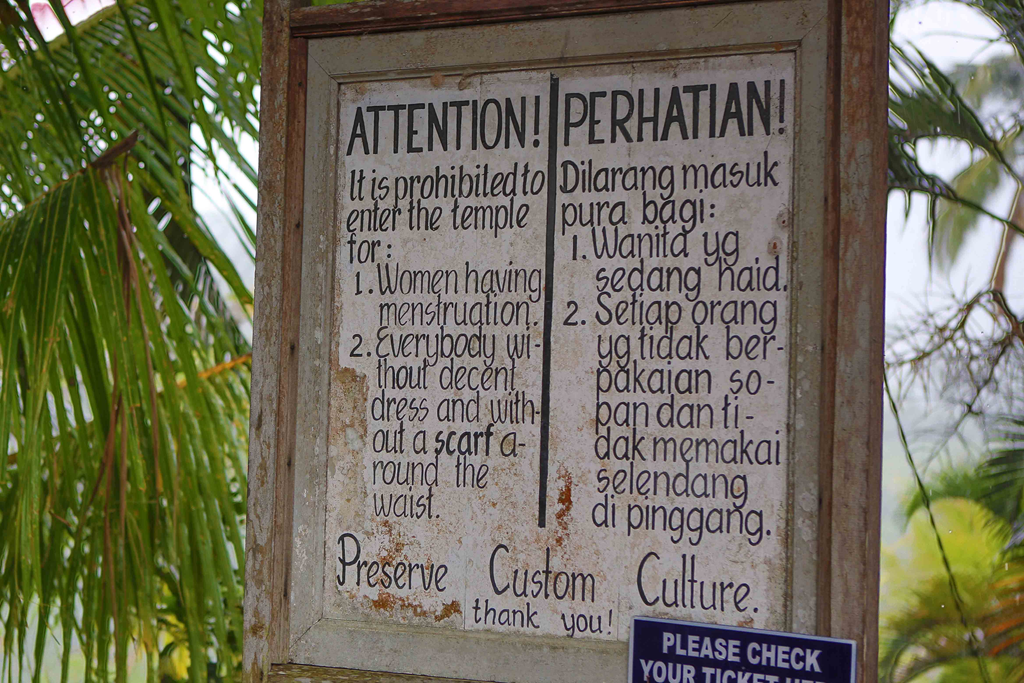
Alas, the weather was not cooperating. It rained harder.
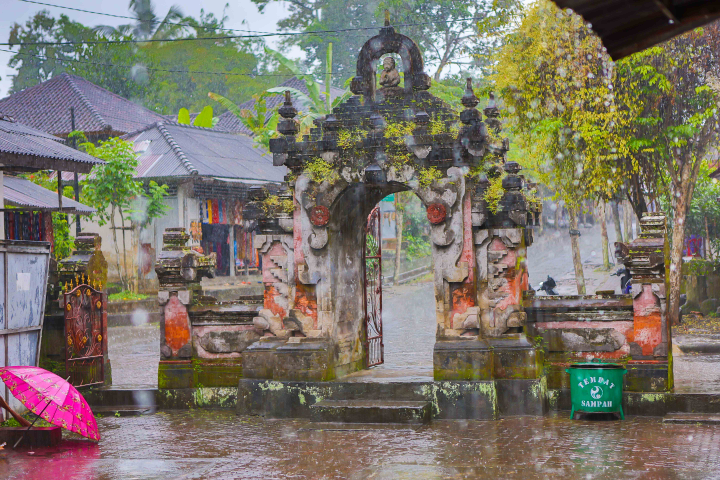
We made our way down to the temple (275 steps) … and then after a wait, headed back. It was not lifting. We were at the end of the day and began our trek home. After 30 minutes the rain lifted and we stopped as a “temple” was on the to-do list. This time the bathing temple, 9th century Goa Gajah:
At the façade of the cave is a relief of various menacing creatures and demons carved right into the rock at the cave entrance. The primary figure was once thought to be an elephant, hence the nickname Elephant Cave. The site is mentioned in the Javanese poem Desawarnana written in 1365. An extensive bathing place on the site was not excavated until the 1950s.[2] These appear to have been built to ward off evil spirits.
The weather cooperated.
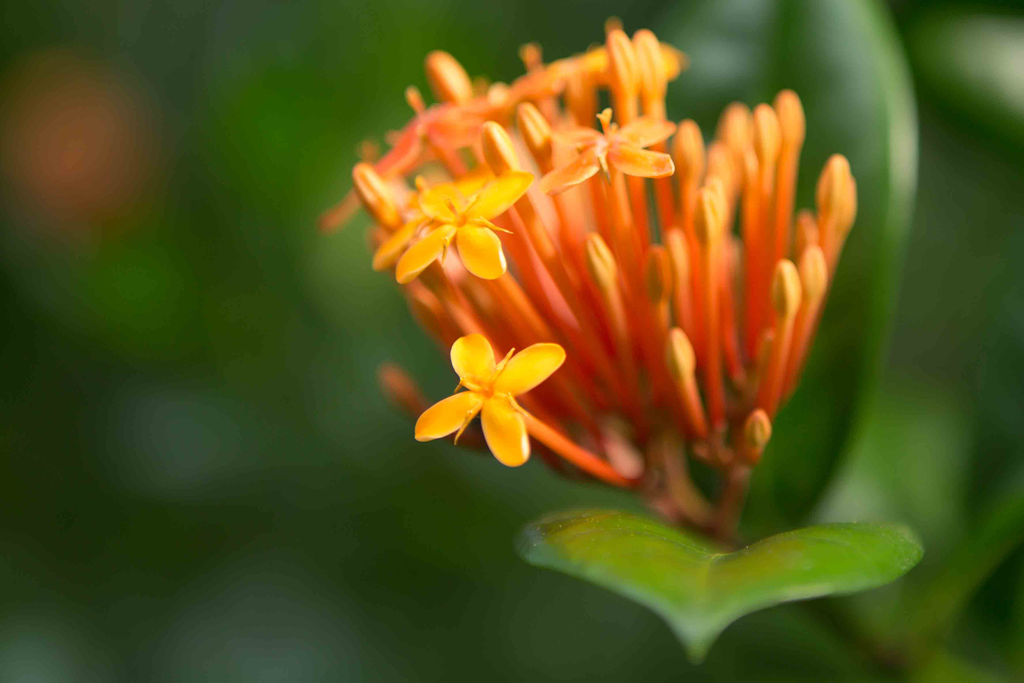
As a Canadian I always marvel at the age of things. This temple is very old.
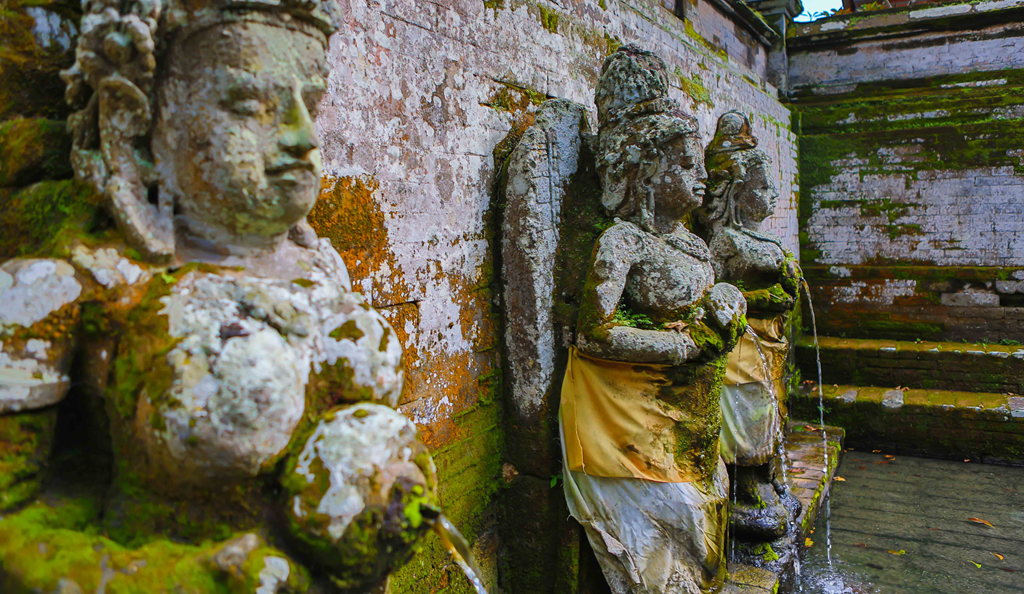
A step down to the water.

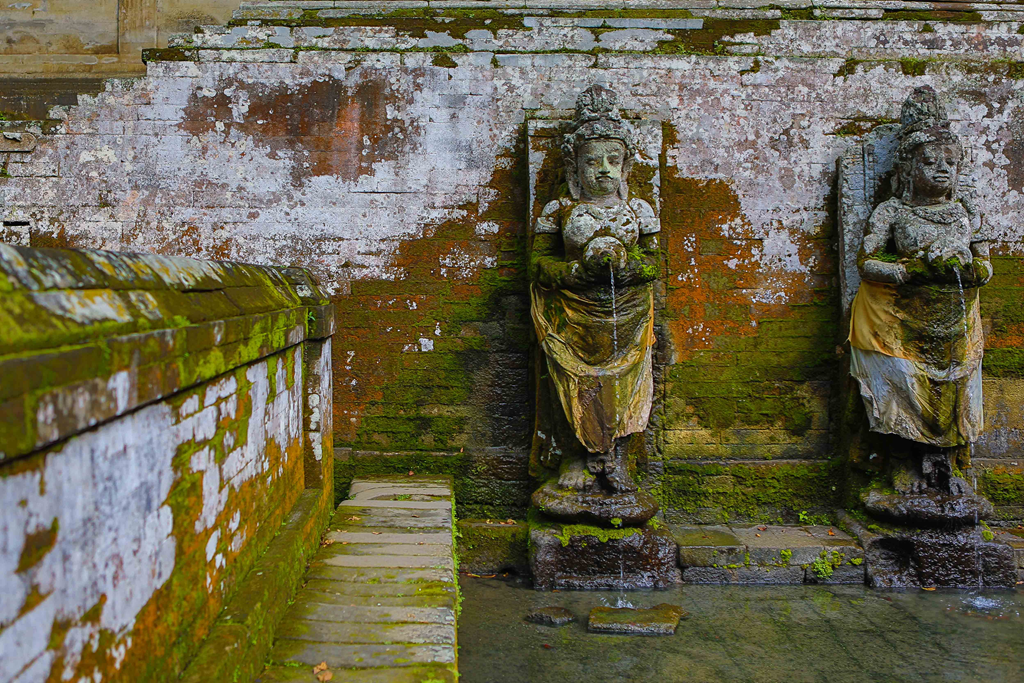
The mouth to the elephant cave, a sanctuary.
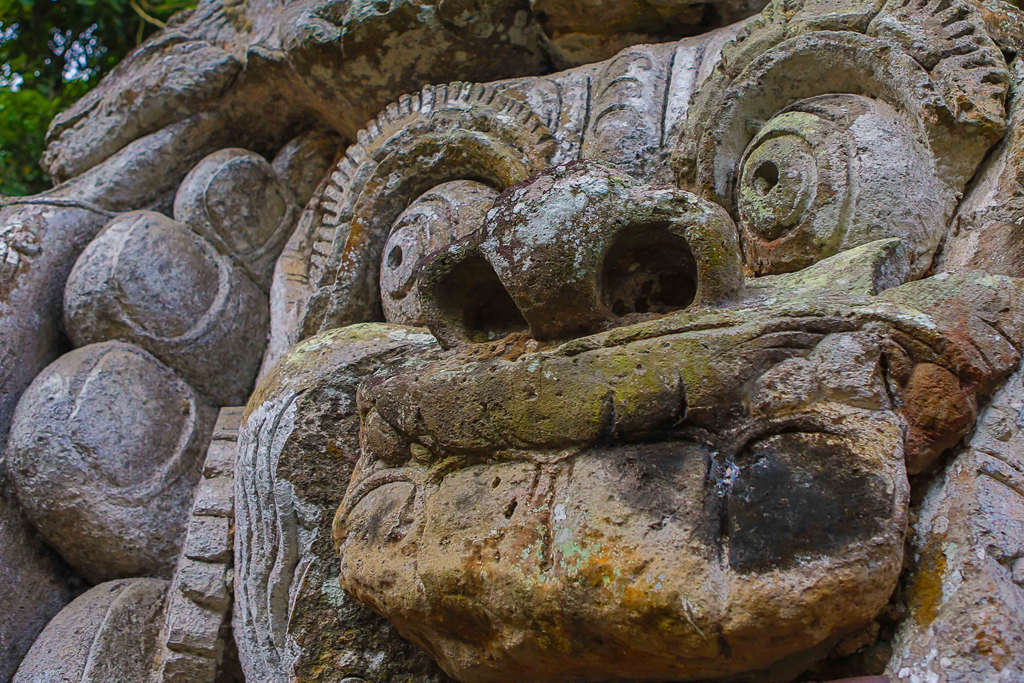

We did not linger. The storm had caught up …….
As I mentioned in a previous post, driving in Bali is different than in South American countries. In Bali every meter has some form of life jammed into it. I don’t know how to describe the press of humanity, at every corner and every meter. We just stared out the window and watched as scene after scene passed by. A few observations ….
You would see bottles of Vodka or other large glass alcohol containers at the front of many stores. It is not Vodka, it is petrol. I saw very few gas stations except in the more modern towns. Correction, these are the gas stations.
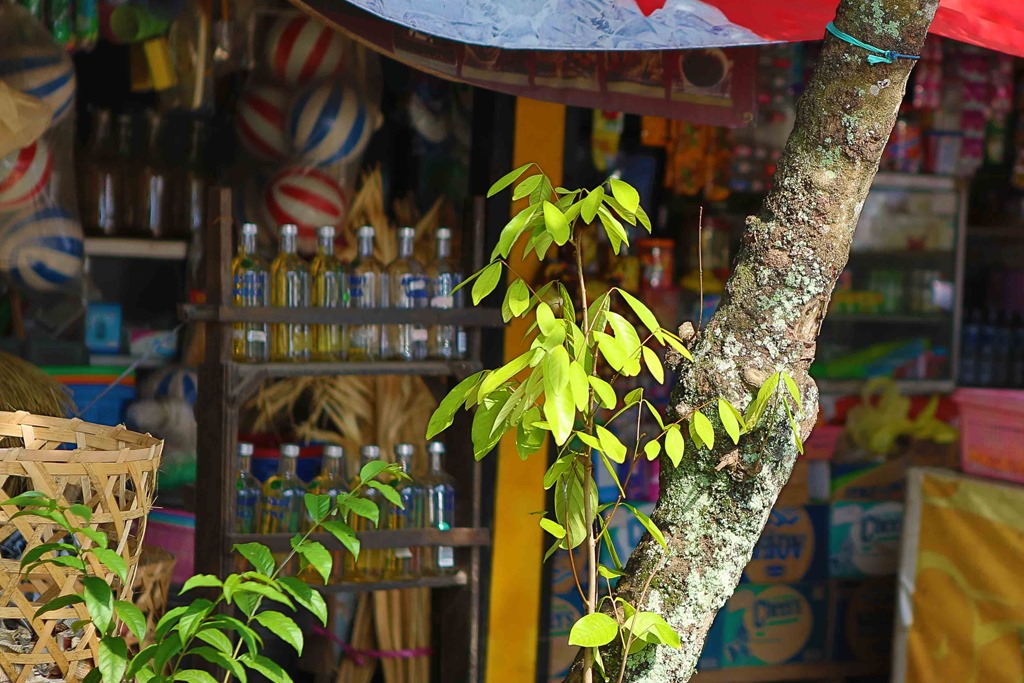
As in most 3rd world countries, their use of the scooter was impressive.
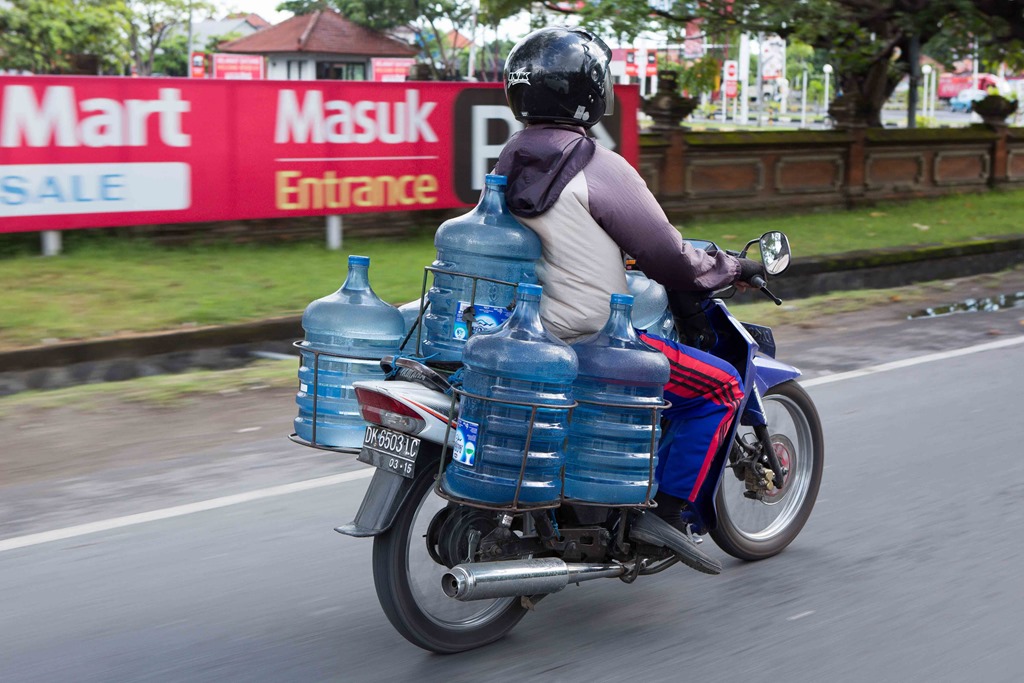
And helmets were discretionary, as were the number of passengers.

Surprised to see a little bit of Canada, on a remote road. Life insurance anyone?

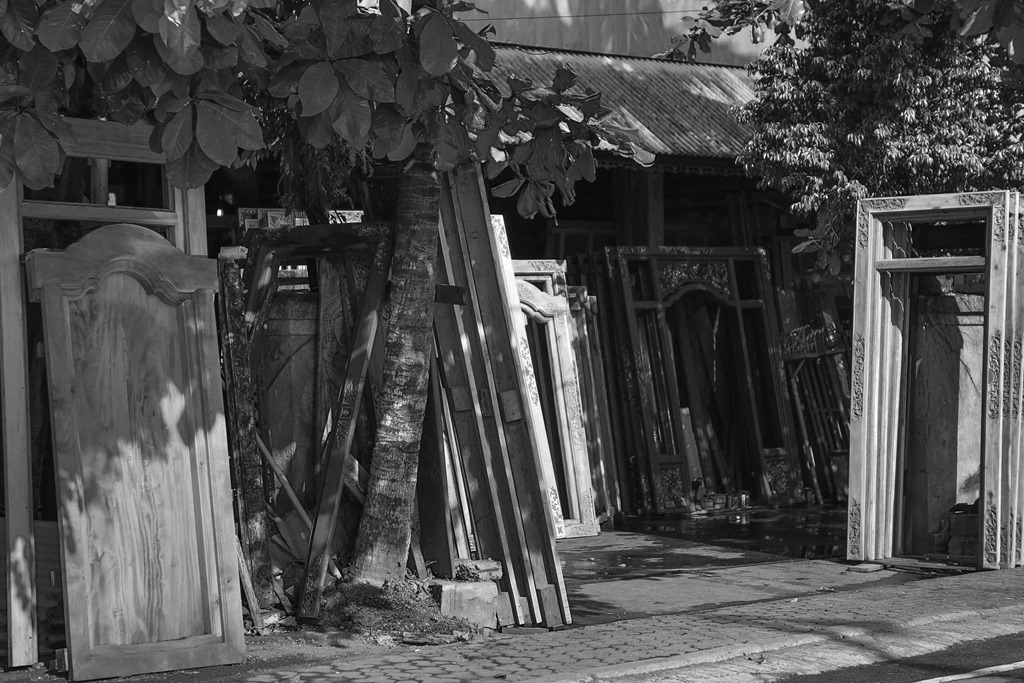
The shops are visually fascinating with ornate carvings, huge pieces of wood for tables and the most amazing doors.
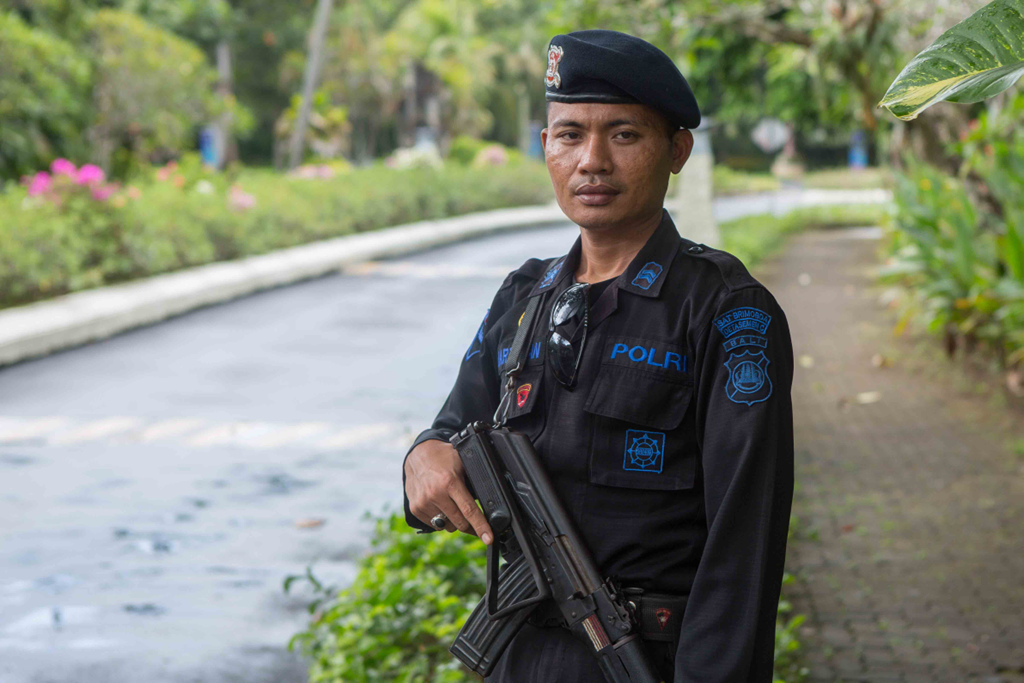
We were feeling extra safe at our hotel (Westin Nusa Dua) as there was a big conference going on. There were military and police everywhere.
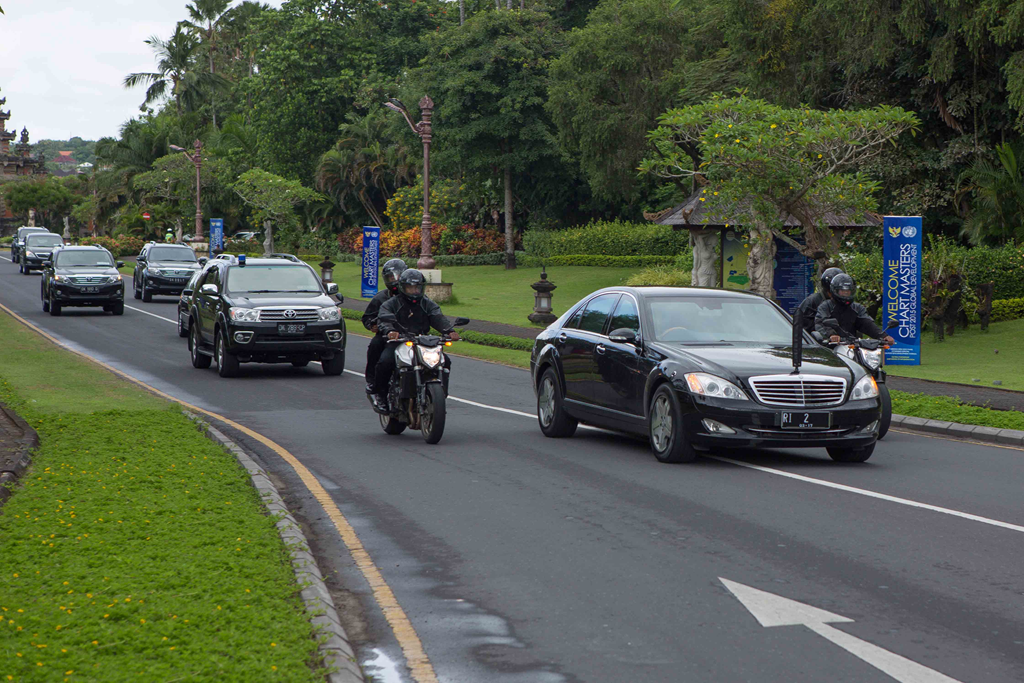
I understand that a few different Presidents were in town, with impressive motorcades.
One morning we took a walk outside of the tourist campus (As you can see above, very clean and well manicured). The economic collapse has hit Bali also.
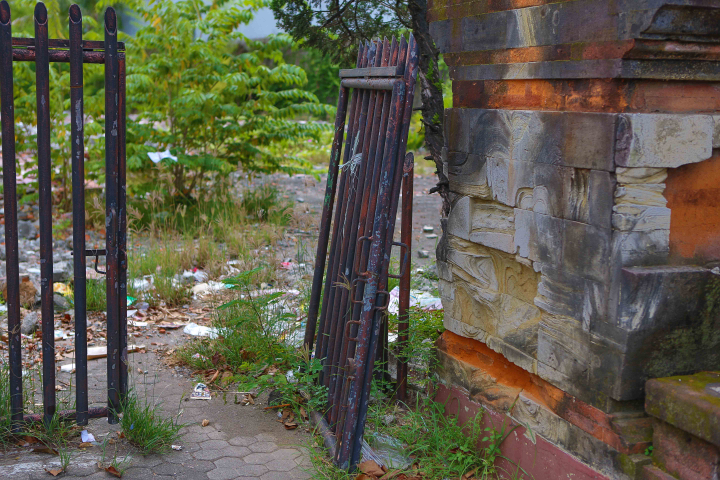
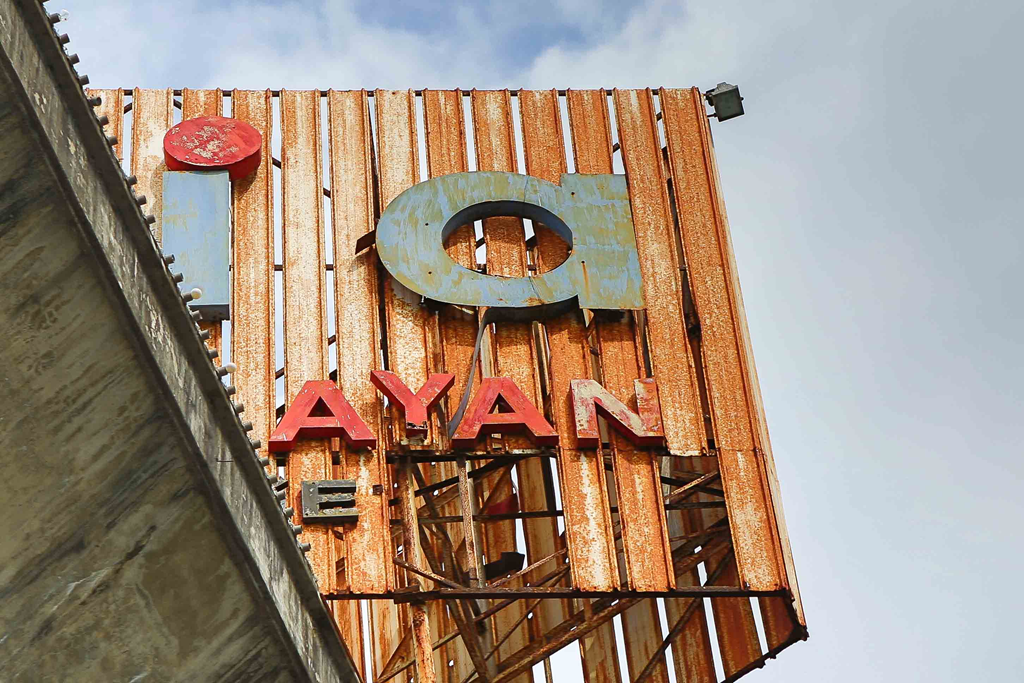
I stopped at this abandoned shopping complex to take a few shots.
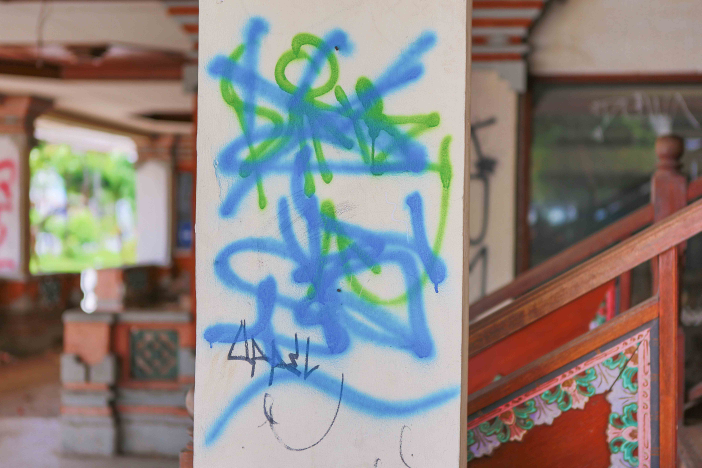
Things are tough all over.
A few days before we had arrived at the Elephant Safari Park, a baby was born. She was shy.

I had to wait around for 5 minutes before she finally sneaked out for a few minutes from her mother’s protective care. She walked with a wobble (smile).

Took one look and trotted back to her mom.
The elephant has the most beautiful eyes.
![image_thumb[7]](https://michaelweening.com/wp-content/uploads/2013/04/image_thumb710.png "image_thumb[7]")
![image_thumb[8]](https://michaelweening.com/wp-content/uploads/2013/04/image_thumb810.png "image_thumb[8]")
There is a soul piercing intelligence peering back, as you stare deep into their eyes.
![image_thumb[6]](https://michaelweening.com/wp-content/uploads/2013/04/image_thumb610.png "image_thumb[6]")
Beautiful.
There are two types of parks in Bali, the larger zoo-like park and the more remote Elephant Safari Park.
We chose the second. The notion of elephants in captivity is a tough one, but the facility covers their conservation focus throughout their brochures and website. For animals that would love to be free but are facing extinction and an ever shrinking habitat, this becomes a second best choice.
The facility is beautiful, clean and they clearly take good care of the elephants.
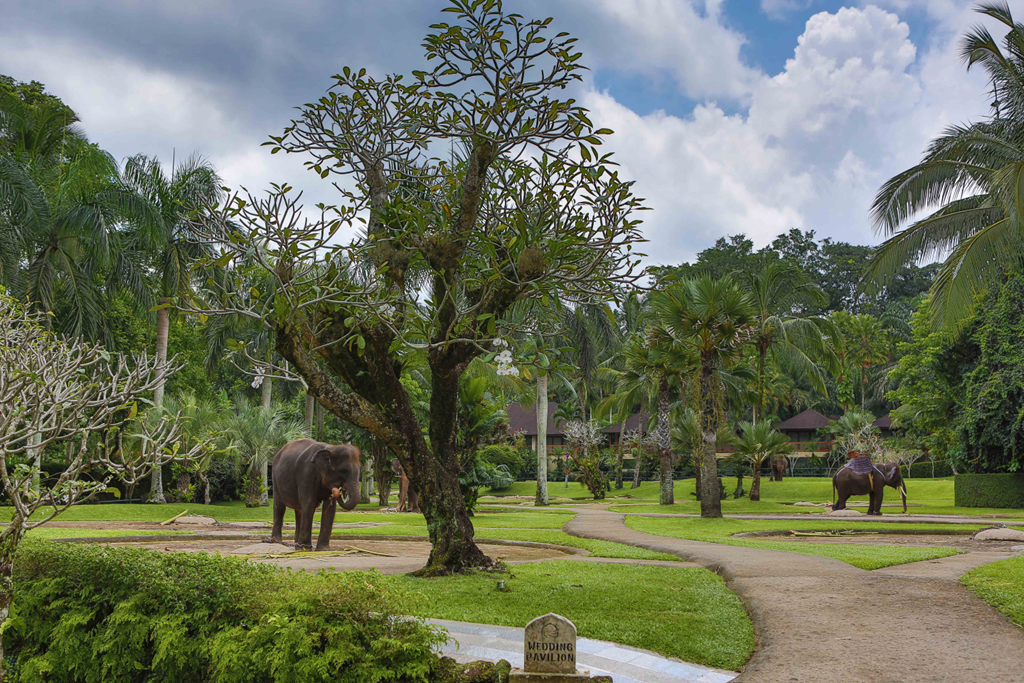
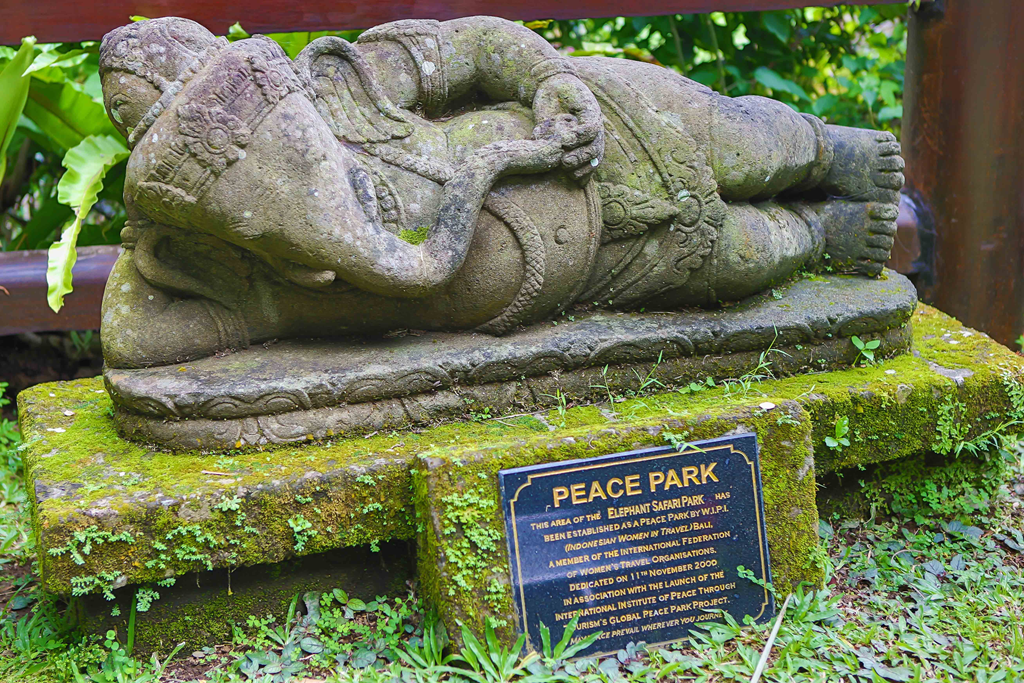
As with everything in this country, the North American notions of “behind the glass” and “at a safe distance” are not in play. At the restaurant you stand behind a waist high fence and get the opportunity to greet the elephants.
It was a moving experience to stand at the foot of such a huge, and majestic animal.
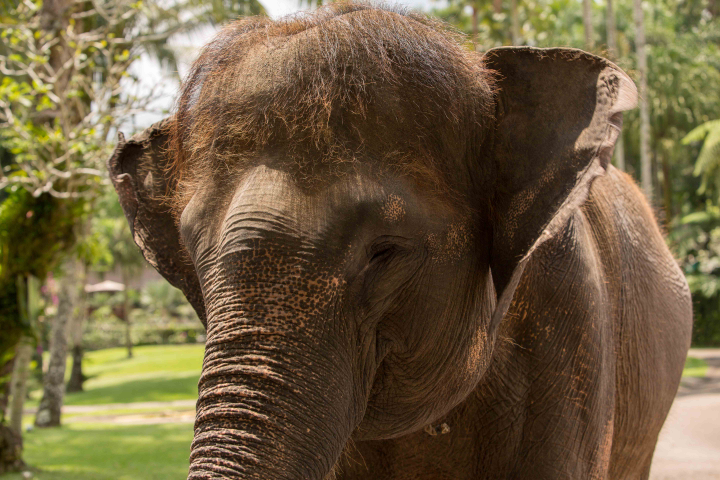
This shot pretty much say it all. I was in awe.
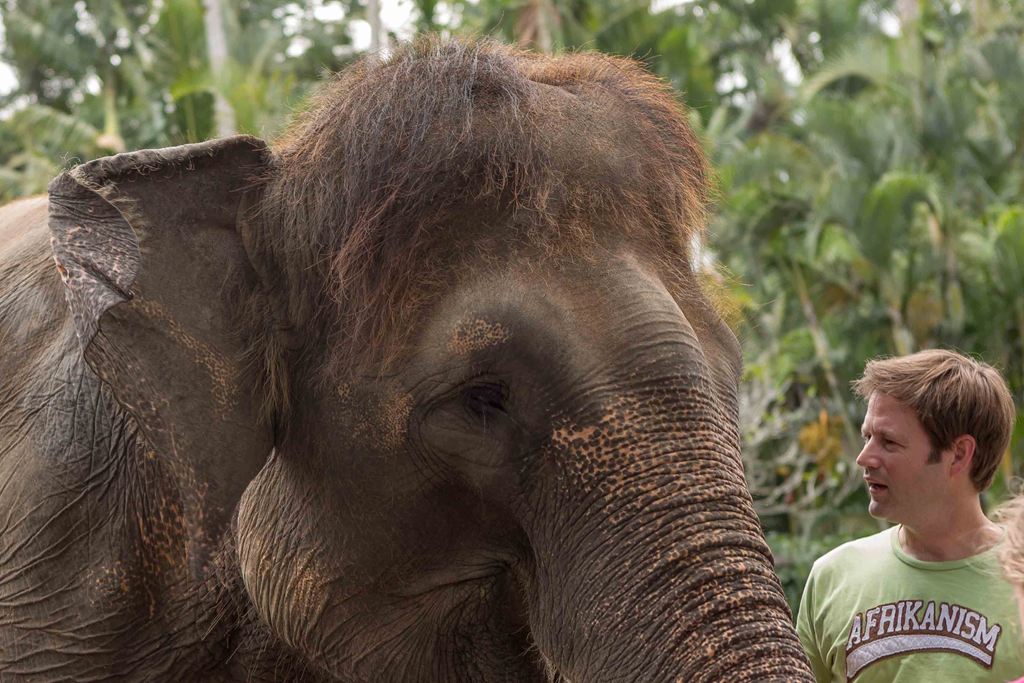
What a truly unique place. To stand beside such a beautiful creature is a true privilege.
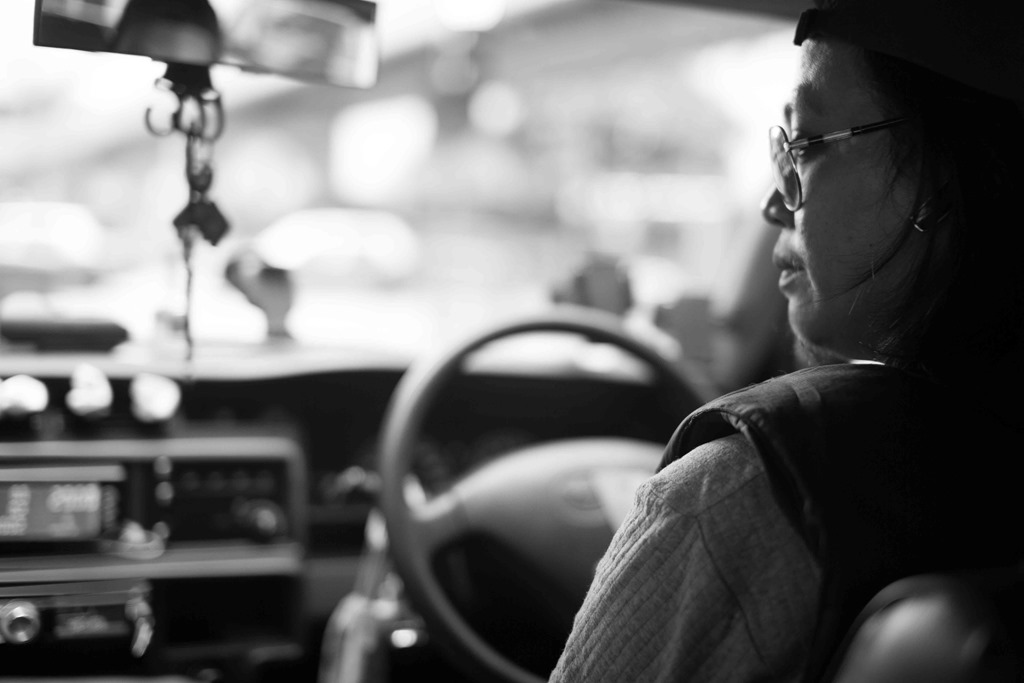
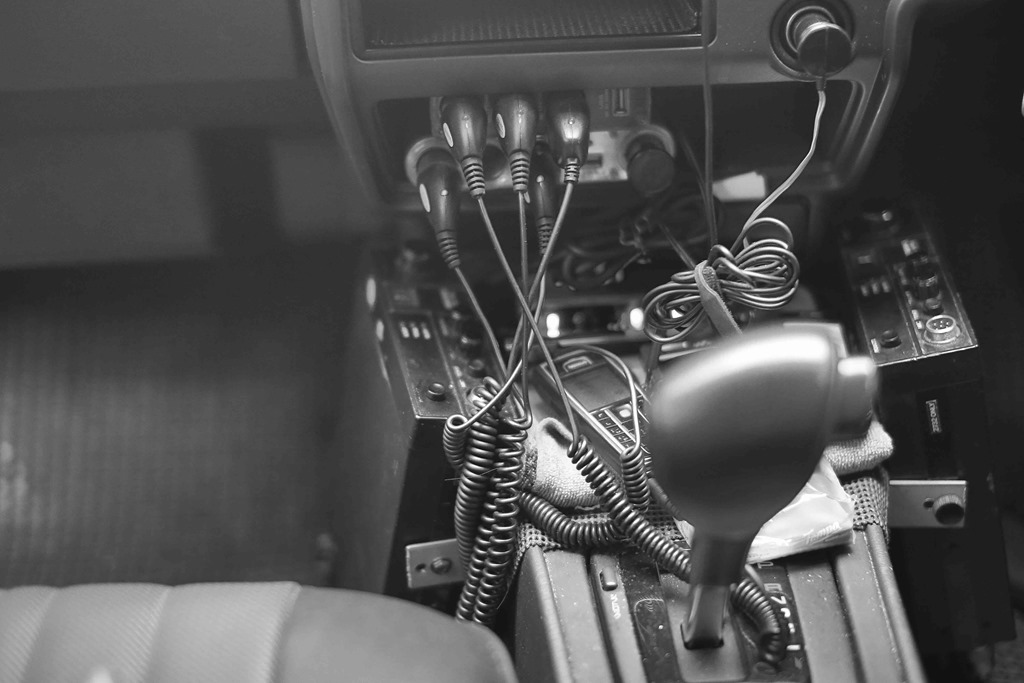
This fellow had it all going on. He was driving barefoot, had things dangling everywhere in the taxi, 2 CB radios and no less than 10 cell phones; not a single one manufactured after 2007 or 2008.
I had gotten into quite an eclectic taxi.
I smiled when I looked over the seat. He had a lot of things plugged in.
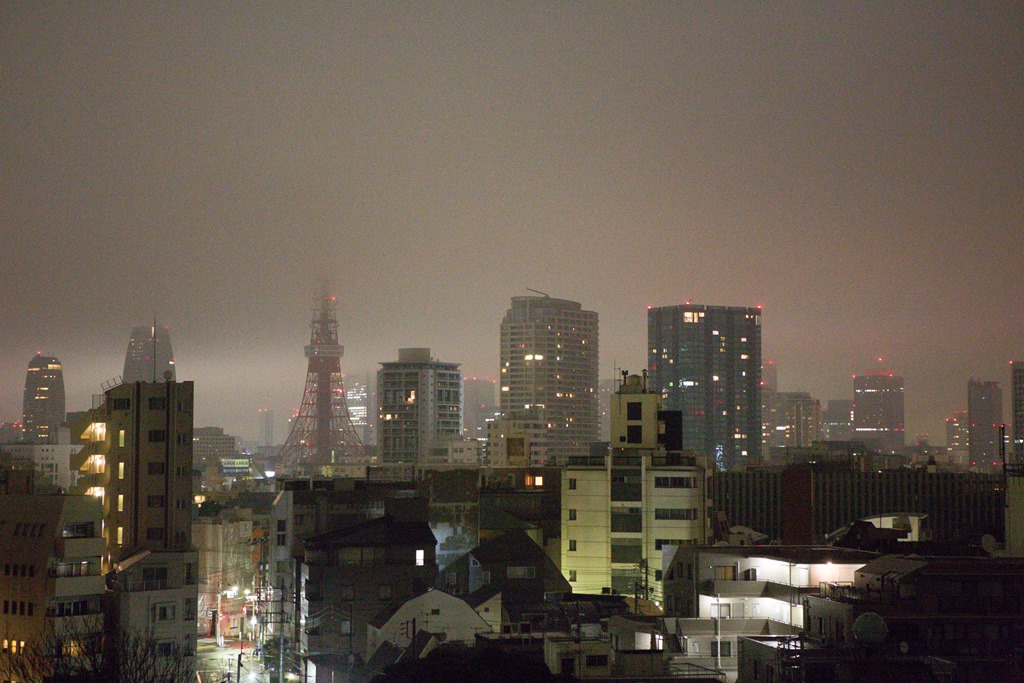
A few shots of Tokyo a week ago. Spring is upon us but it cannot decide if it wants to be warm, cool, cloudy or raining. Handheld HDRs via Canon 5D Mark III with 70-200mm f/2.8.
Makes interesting viewing out the window.

It wasn’t raining, but it was foggy. I don’t know why I woke up, but I took this shot at 2AM.
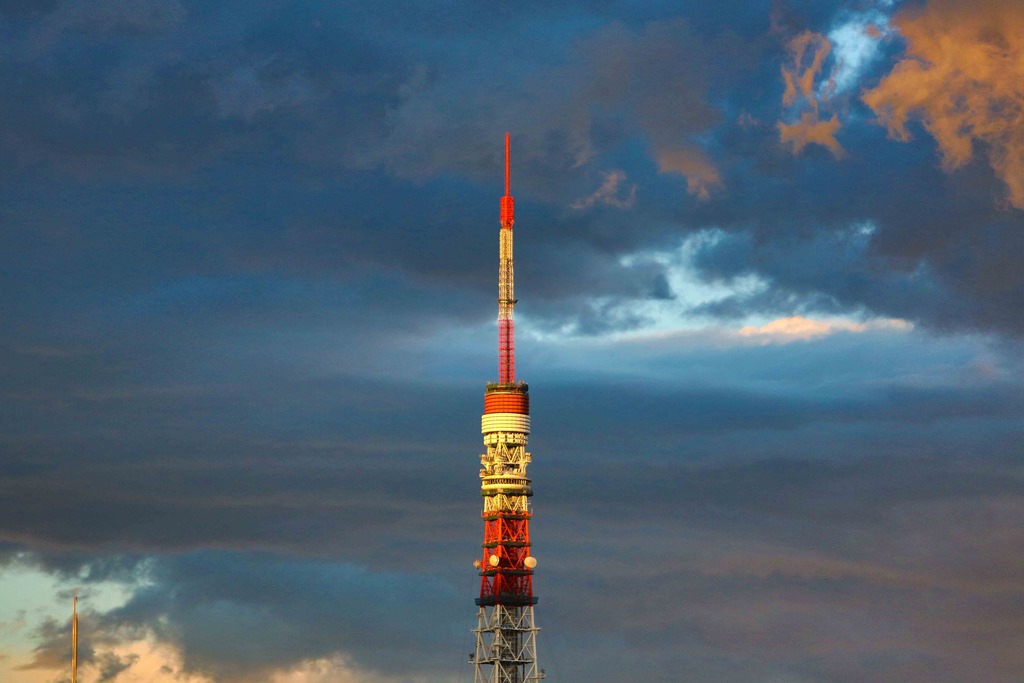
The sunset against the clouds.

I work in that office .. for a few more months.
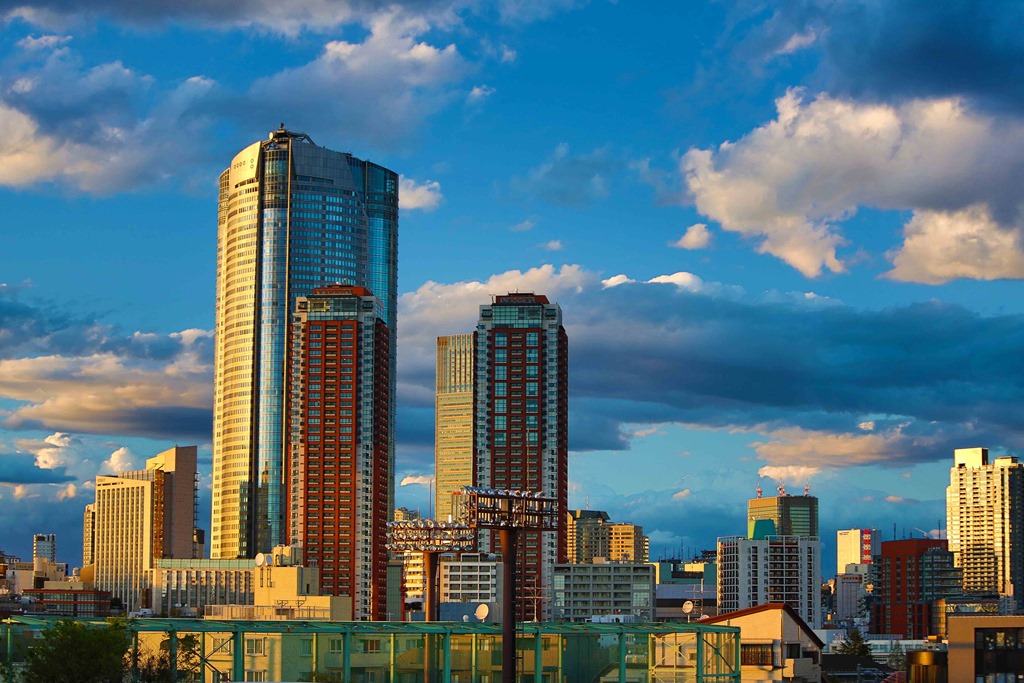
I threw my 2X extender on to get this shot (handheld).
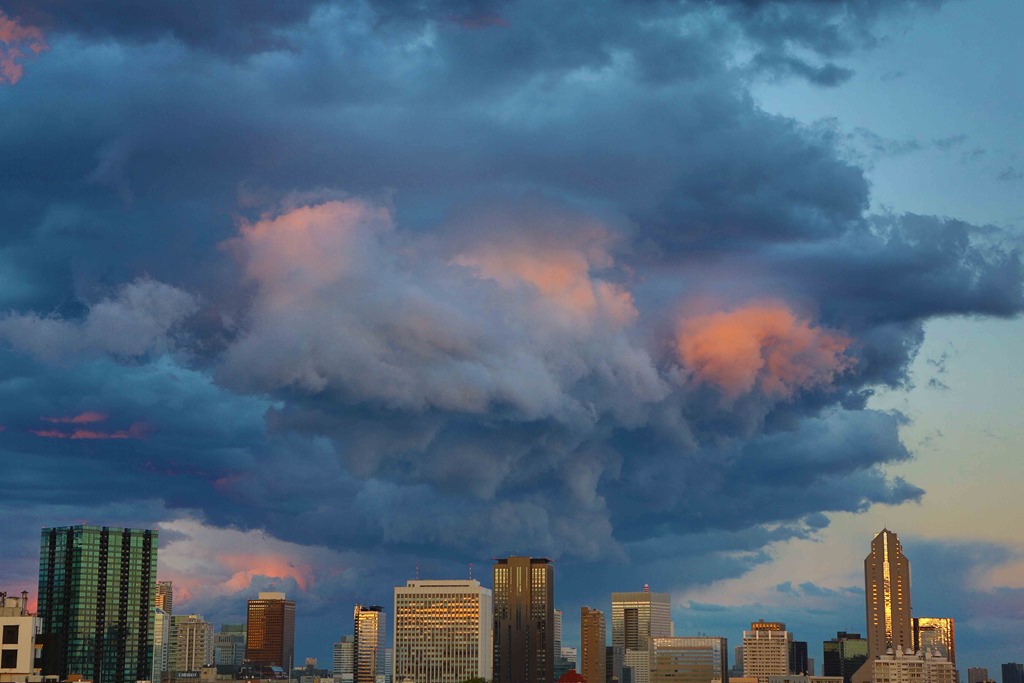
Loved looking at this lonely cloud.

A few hours later, it was raining.

Thanks for dropping by.
Is it the best coffee?
The prices would indicate that it needs to be. At the plantation 200g of coffee is $100USD. In town, 50g of beans is $150USD.
It is a great experience on the farm, starting with a full tasting of their coffees, tea and cocoa. There is a pineapple coffee, and a host of others topped off with amazing cocoa.
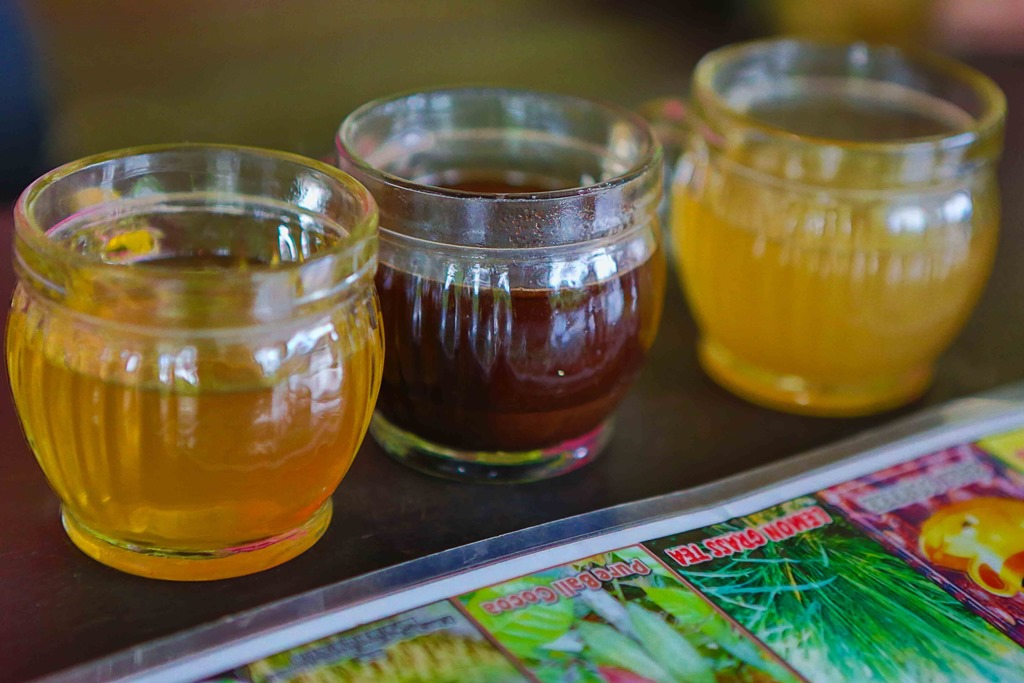
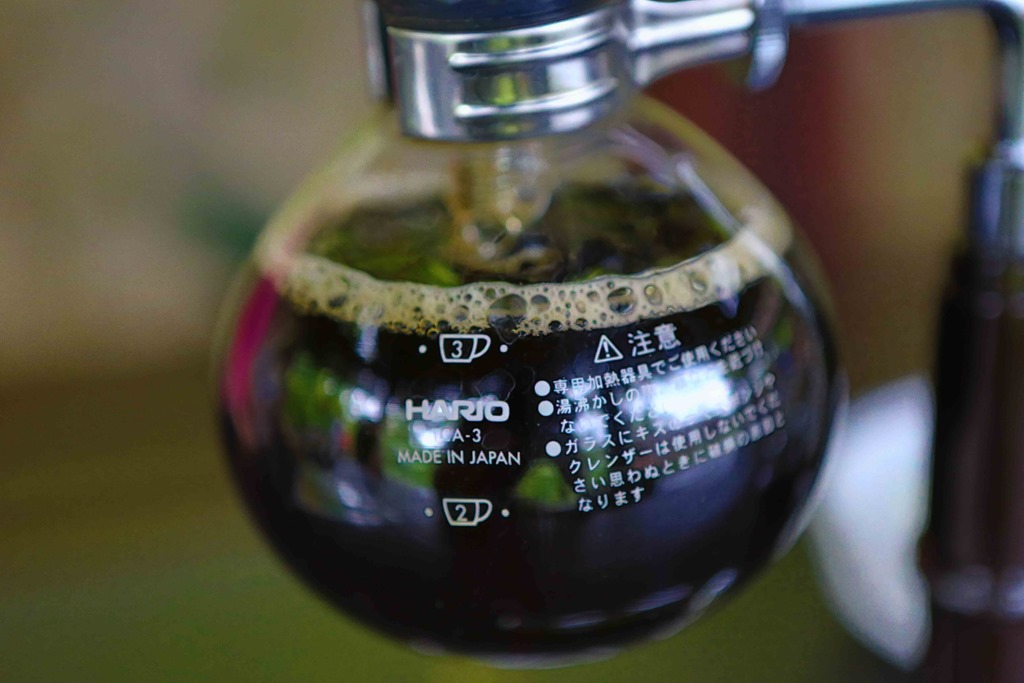
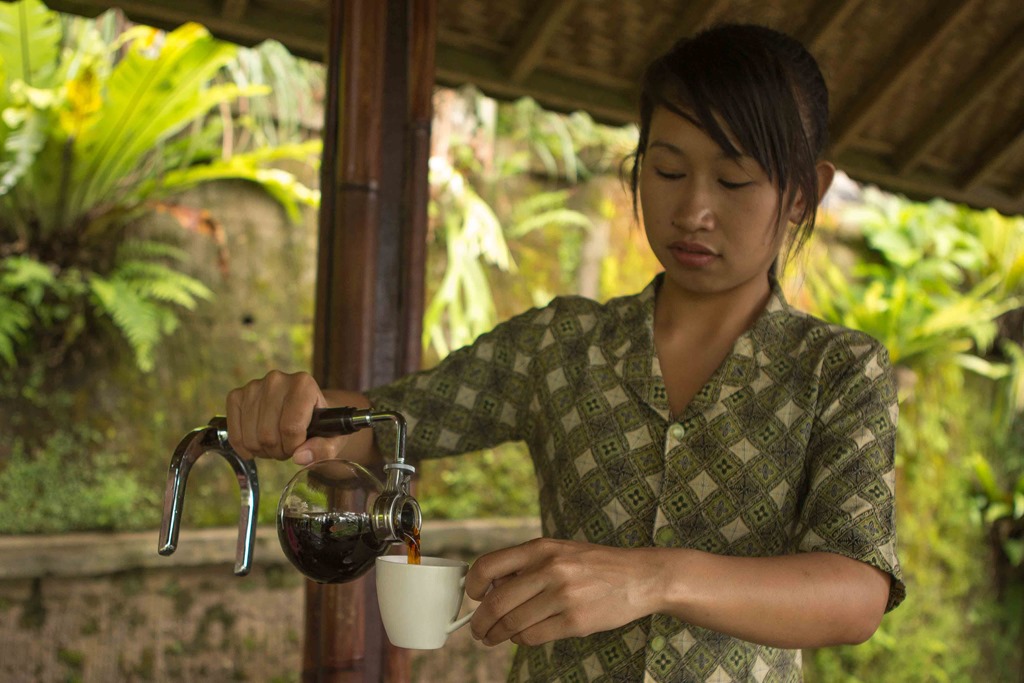
They then ask if you would like to buy a cup of Civet coffee for $5USD a glass. It struck me as humorous that people pay $5 multi-times a day for a simple Starbucks. We ordered 3. They bring out a “made in Japan” coffee brewing system, that looks intriguing to me.

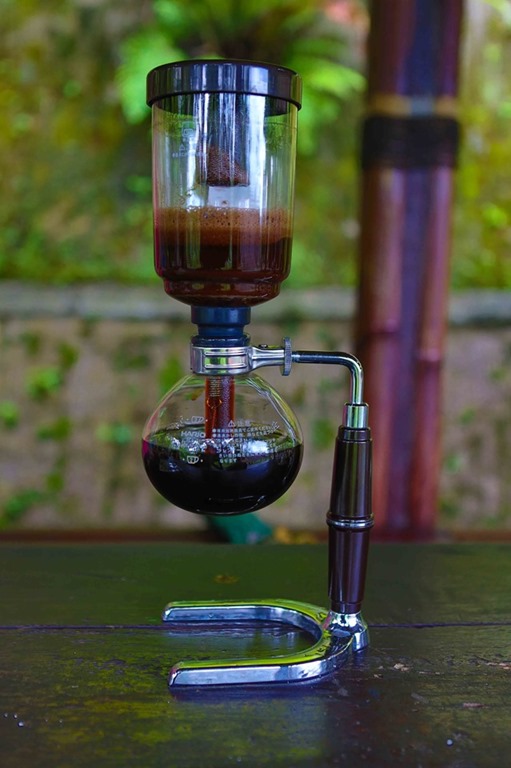
The water slowly moves up into the container above and then filters back down.
The pour.
I normally drink my coffee with a little cream and honey.
In this case, it seemed heresy to try it with something in it, so I drank the Civet coffee straight up. It was smooth, bold and surprisingly, without any bitter aftertaste.
Is it the best coffee in the world? It might just be.
I am curious what others think .. have you had it? Do you consider it the world’s best coffee bean? If not .. what is?
Thanks for dropping in.
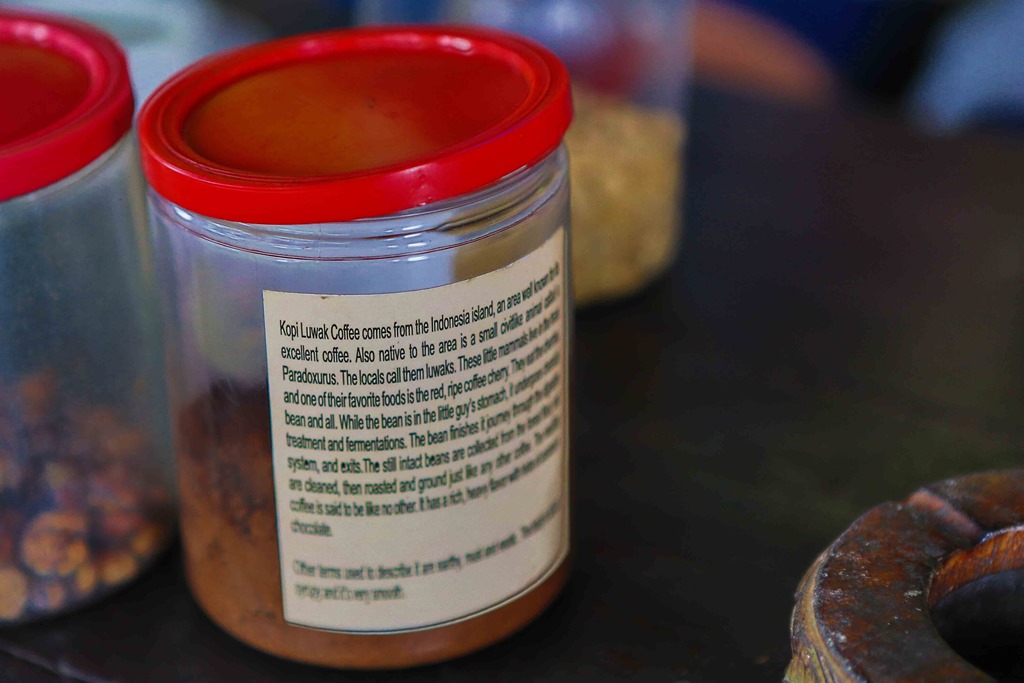
One of our stops in Bali was a coffee plantation that serves Civet coffee, or Kopi Luwak coffee.
The coffee is made from coffee berries that have been eaten by the Asian Palm Civet, excreted and processed.
Producers of the coffee beans argue that the process may improve coffee through two mechanisms, selection and digestion. Selection occurs if the civets choose to eat coffee cherries containing better beans. Digestive mechanisms may improve the flavour profile of the coffee beans that have been eaten. The civet eats the berries for the beans’ fleshy pulp, then in the digestive tract, fermentation occurs. The civet’s proteolytic enzymes seep into the beans, making shorter peptides and more free amino acids.[2] Passing through a civet’s intestines the beans are then defecated with other fecal matter and collected.
I love coffee. I am on my 2nd Jura and I start each day by making cappuccinos for myself and Narda. On Saturday and Sundays I usually follow that up with an espresso.
We arrived at Luwak Civet Coffee Farm in the rain. It really isn’t a farm, it is retail establishment with a tour, coffee tasting and the opportunity to buy Civet coffee. I had my Canon 5D Mark III with the 28-70mm for the tour.
The grounds are beautiful. Coffee berries enjoying the rain.

Oh durian, you sweet smelling fruit … and acquired taste. They clearly enjoy it on the plantation.


There were a couple of these around the farm; they are bee hives made of animal hair.

Looking out on the jungle, I was amazed at how thick it is. My son hypothesized that the lack of farmable land was a key contributor to the economic differentiation between Europe/NA and countries such as Bali … The AP history class is going well.

The plantation had displays of the coffee as it progresses through the processing stages. I did not see the Civet excrement separation stage.


Is it the world’s best coffee? Next post …. And thanks for dropping by!
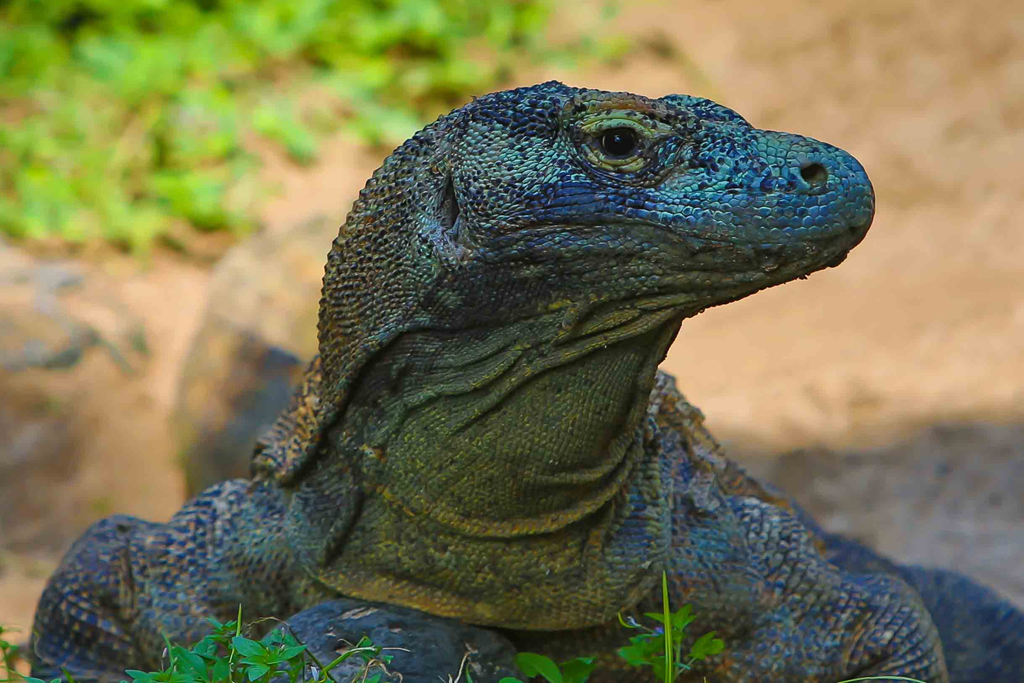
The Bali Bird Park is also filled with flowers and a few very interesting animals. The only Komodo Dragon I have ever seen is through a very, very thick glass at a zoo.
This fellow was a few meters away. Amazing that they are so fast that they can catch and eat a deer.
Everyone else had moved on so I was the only one standing there. He just slowly turned his head and stared at me … not blinking. I wonder what he was thinking?
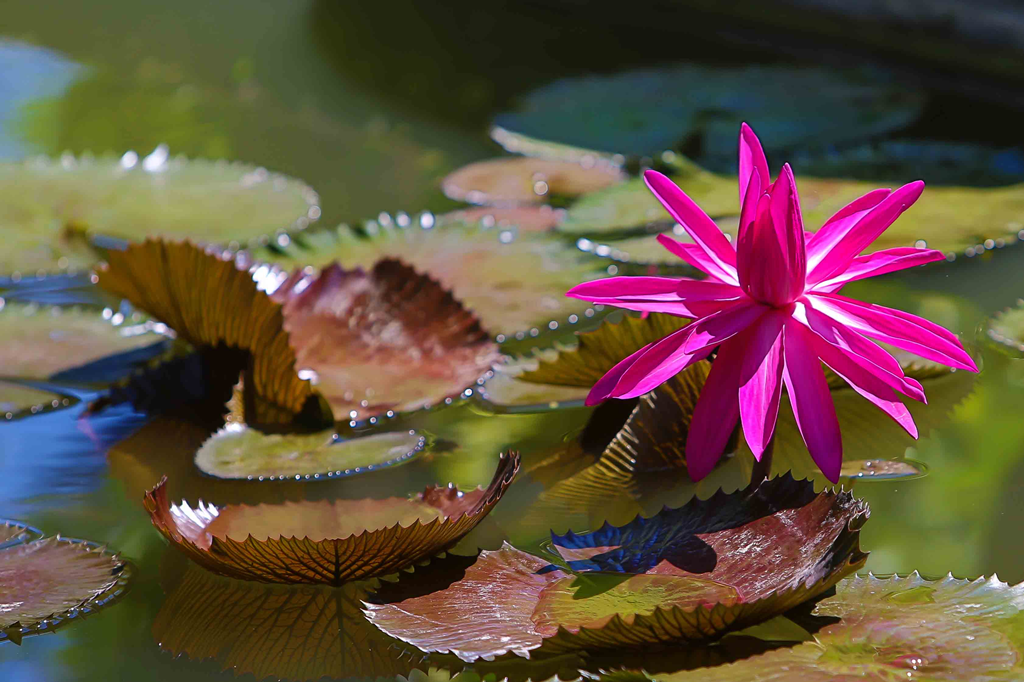
Scattered through the park are beautiful bushes and flowers. Sharing a few photos of a beautiful, sunny day.
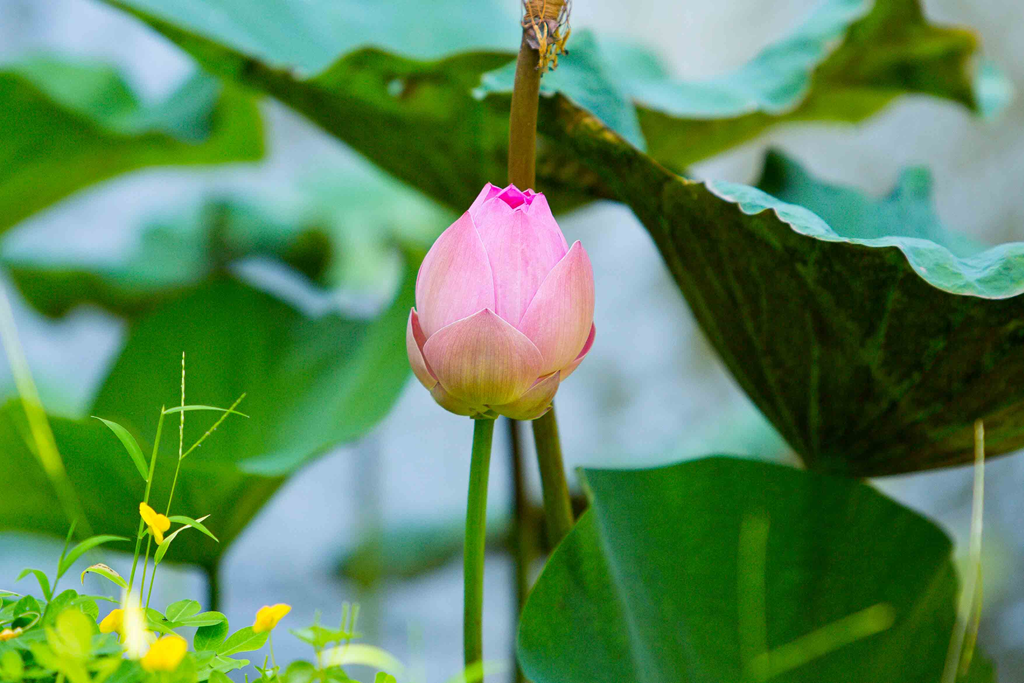
In Canada it is so hard to grow flowers like this. They are often cut and only stay beautiful for a few days. In the jungle, they are everywhere.
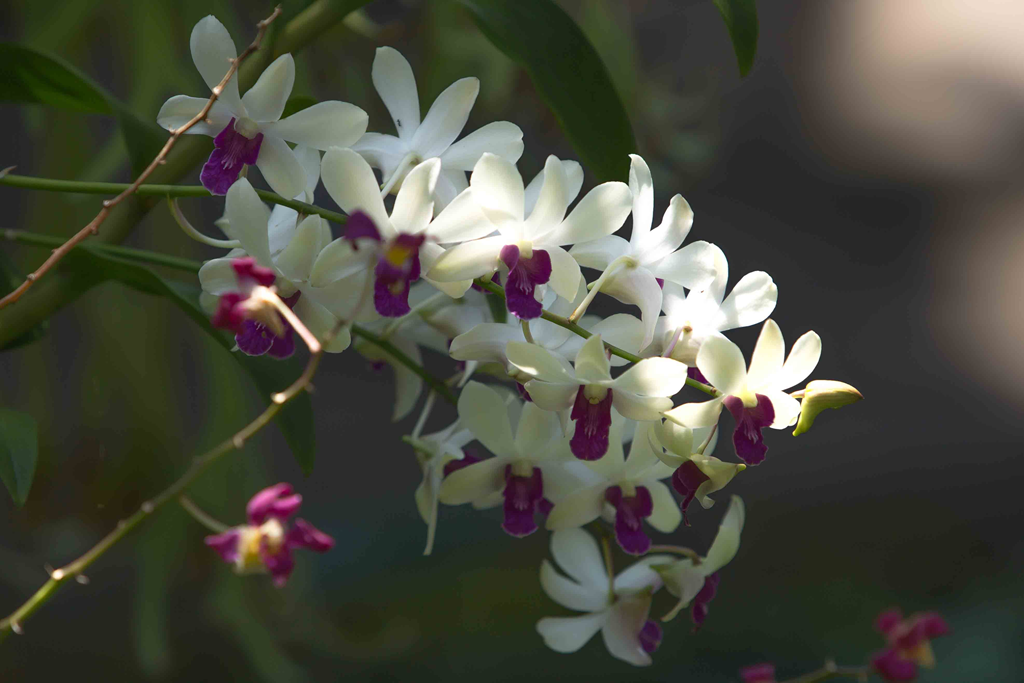
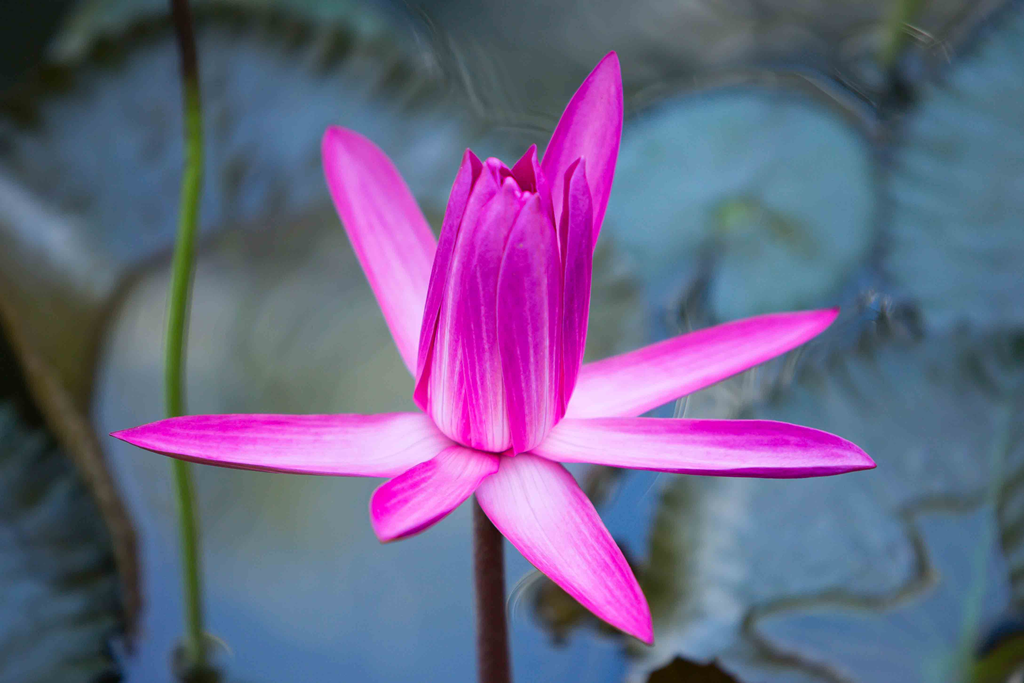
The commonly beautiful.
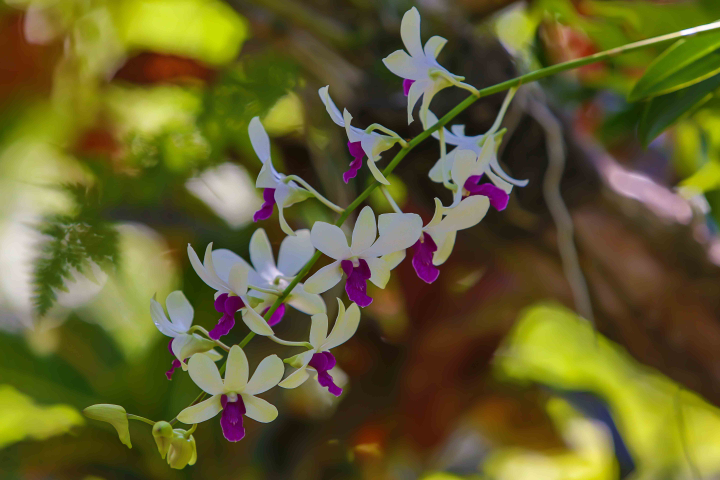
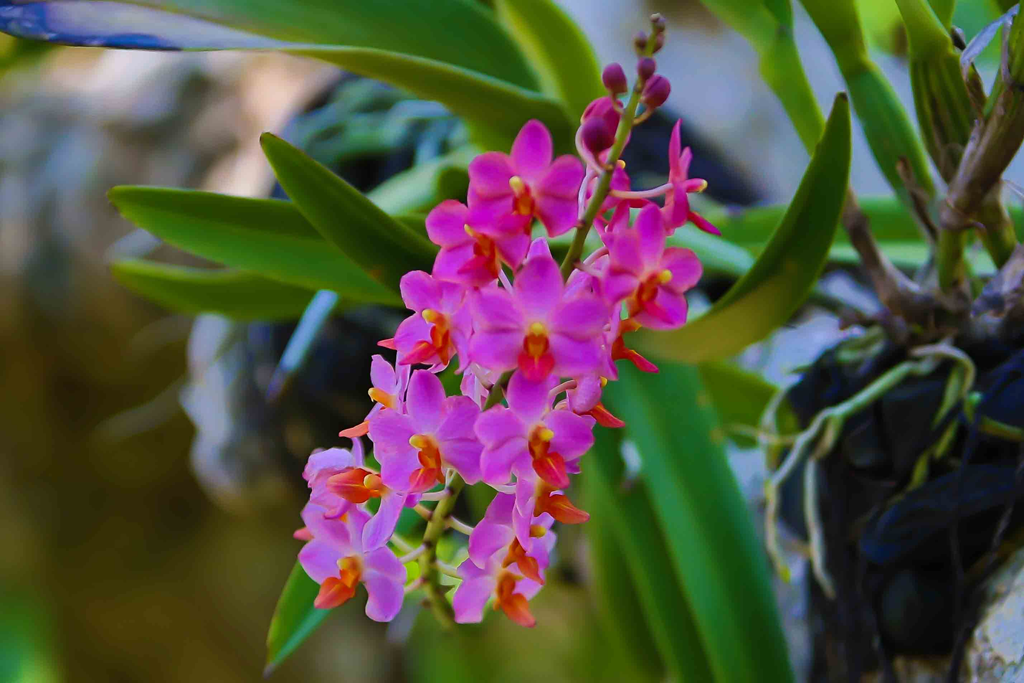
We had to see the birds in Bali, therefore the Bali Bird Park was on our “to-do” list.
Like the other wildlife, you get to interact with the birds and they are very close. A few shots to enjoy. This outings configuration was the Canon 5D Mark III with the 70-200mm f/2.8.
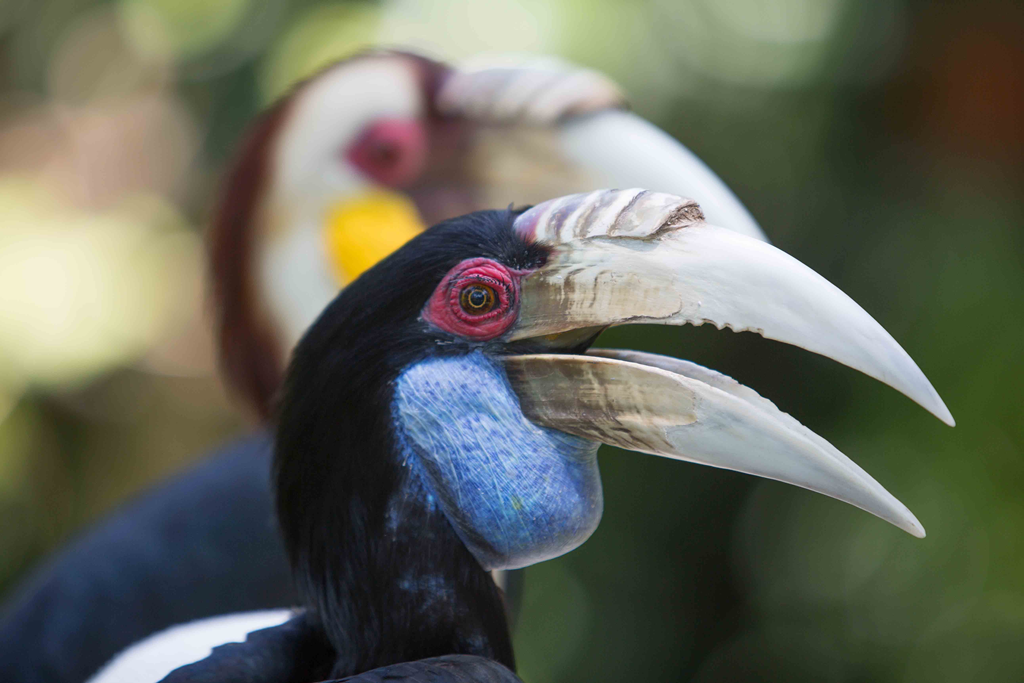
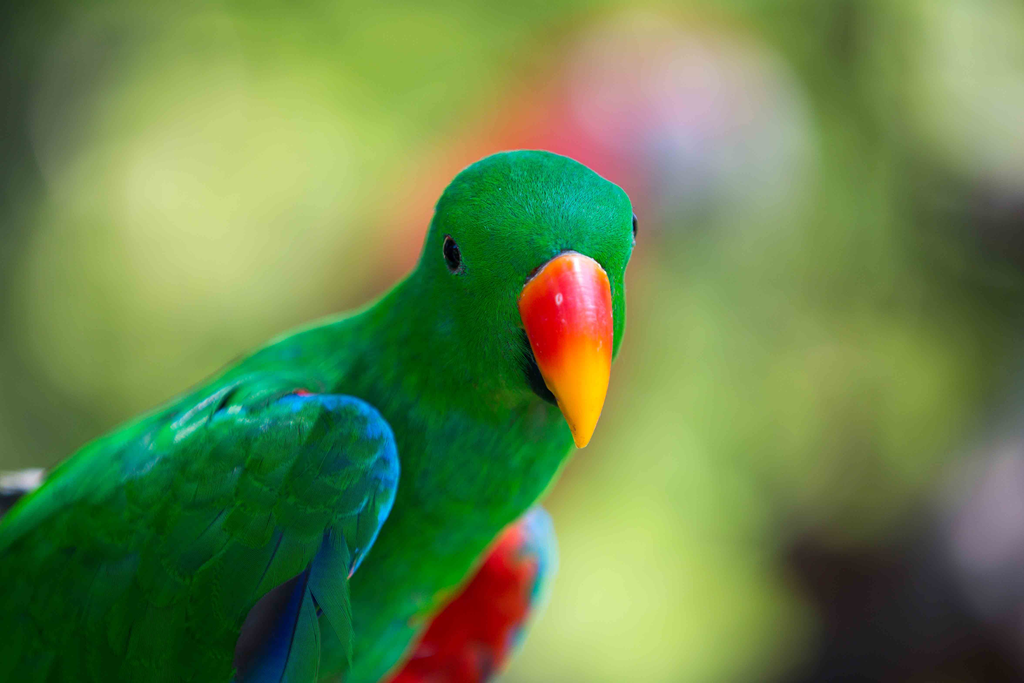
I love the colors of tropical birds, like these Wreathed Hornbills.
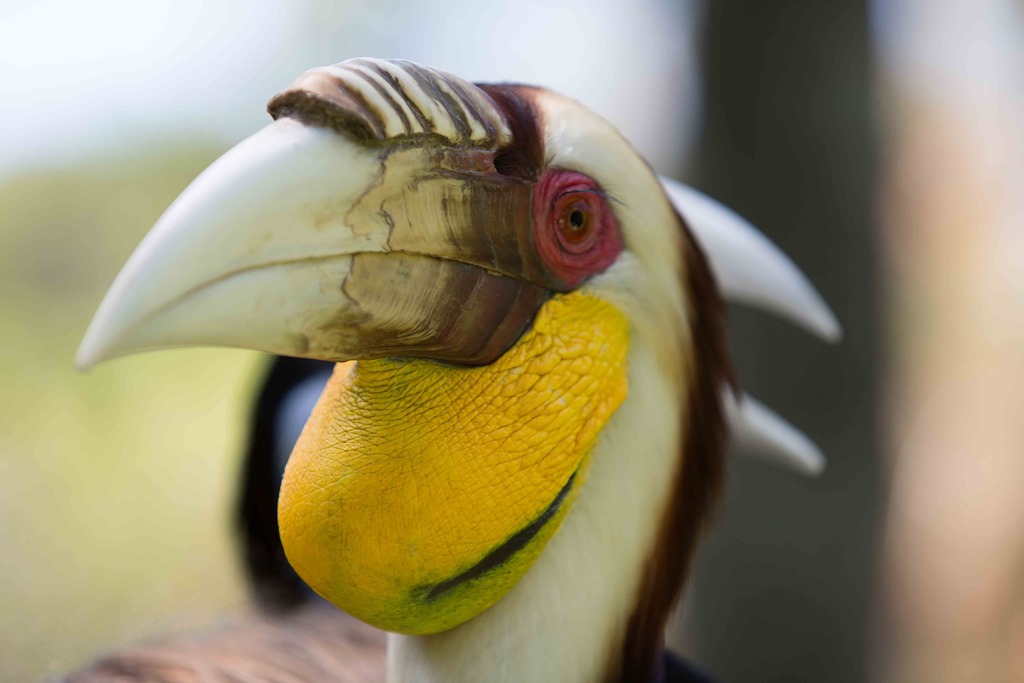
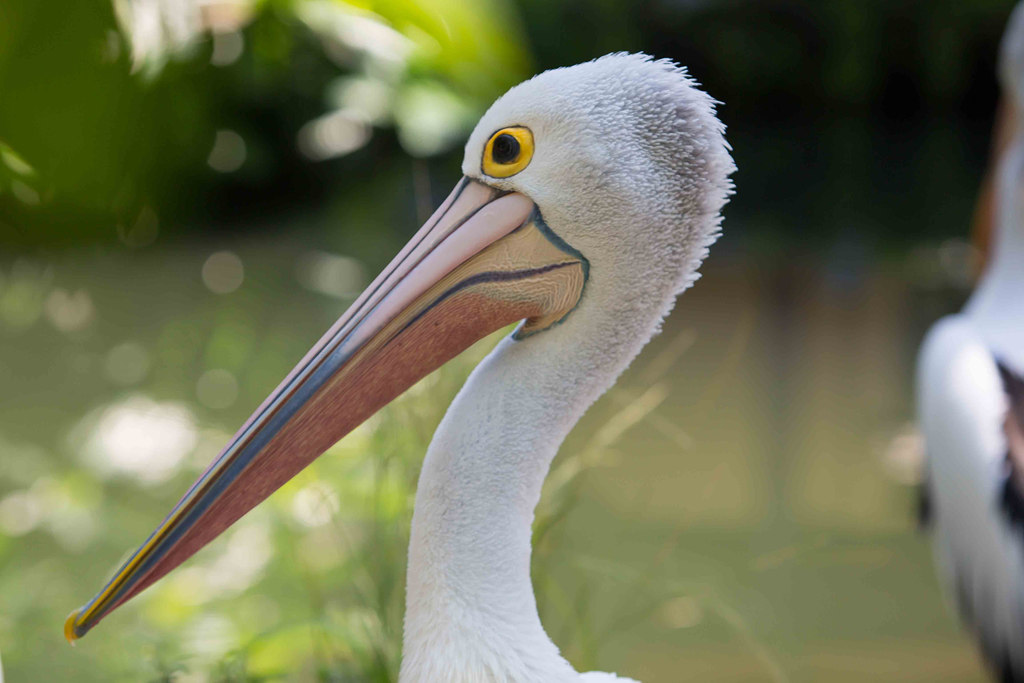
This Australian fellow is a bit homely. Sorry buddy.
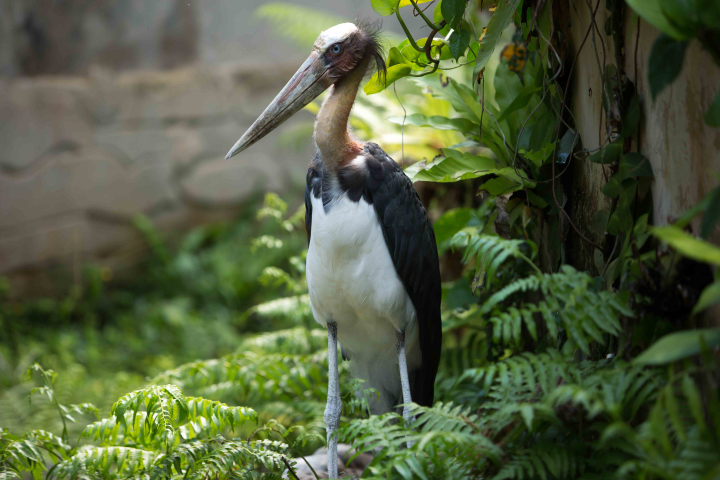
Lots of water birds.
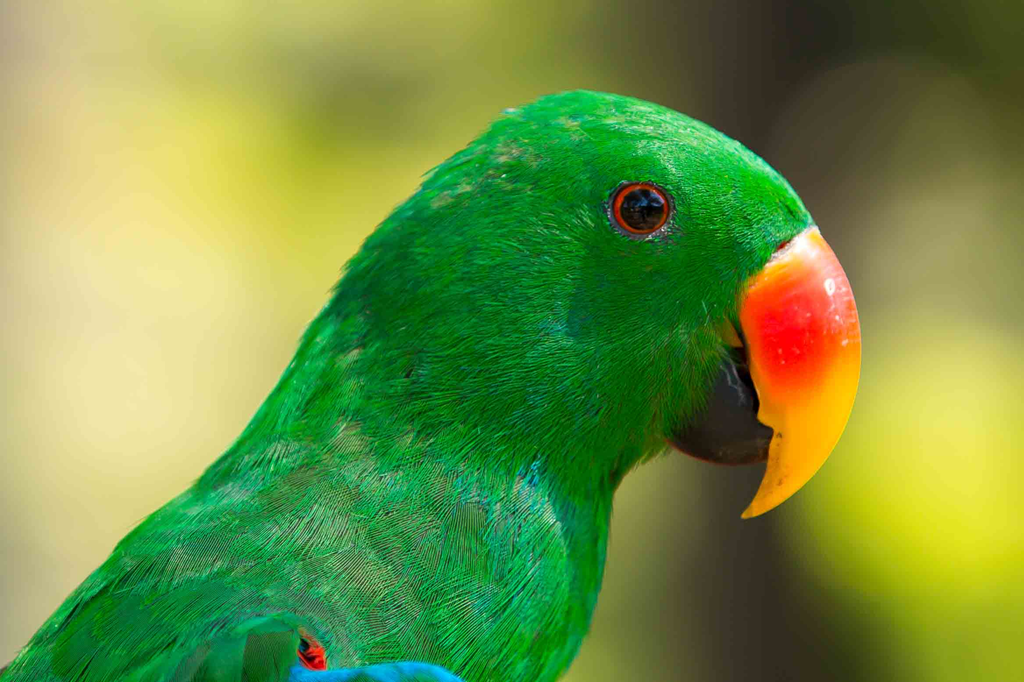
Vibrant.
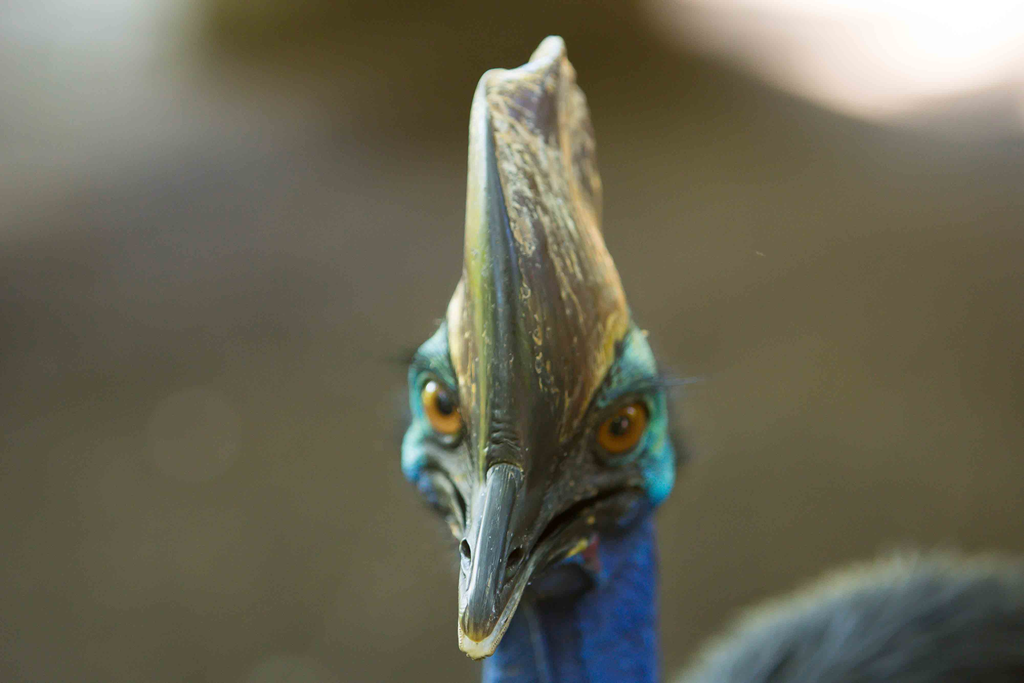
This bird can kill you. Dead. Meet the Cassowary.

He/she (I cannot tell) was unimpressed by my camera.
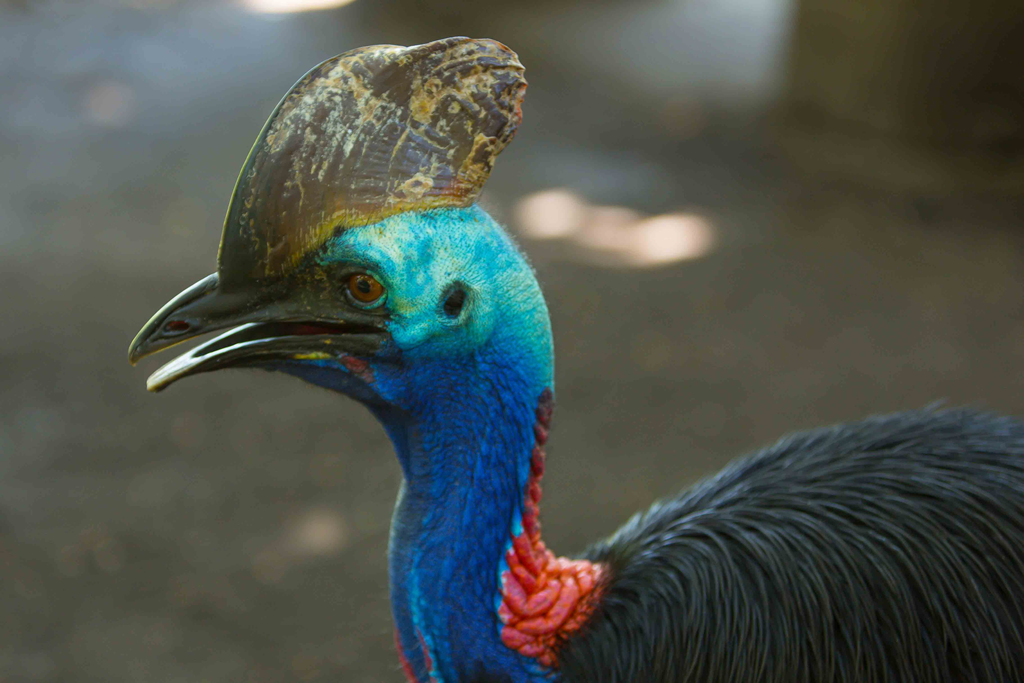
I found the red .. intestine looking markings on the back of their necks rather disturbing.
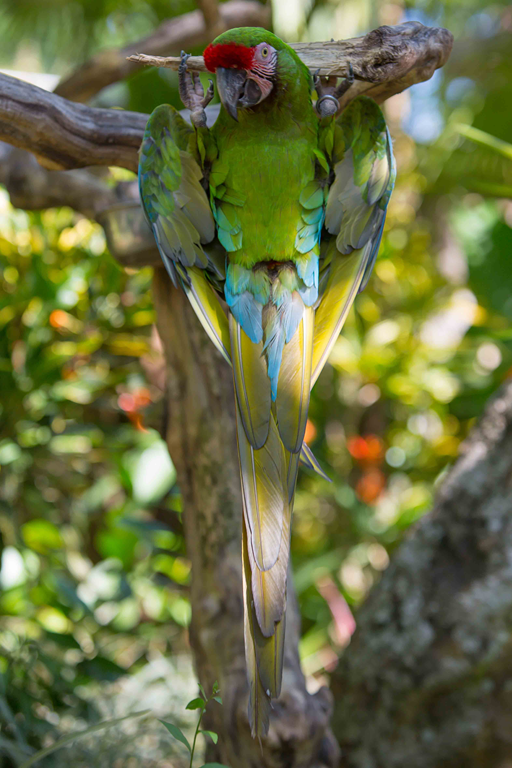
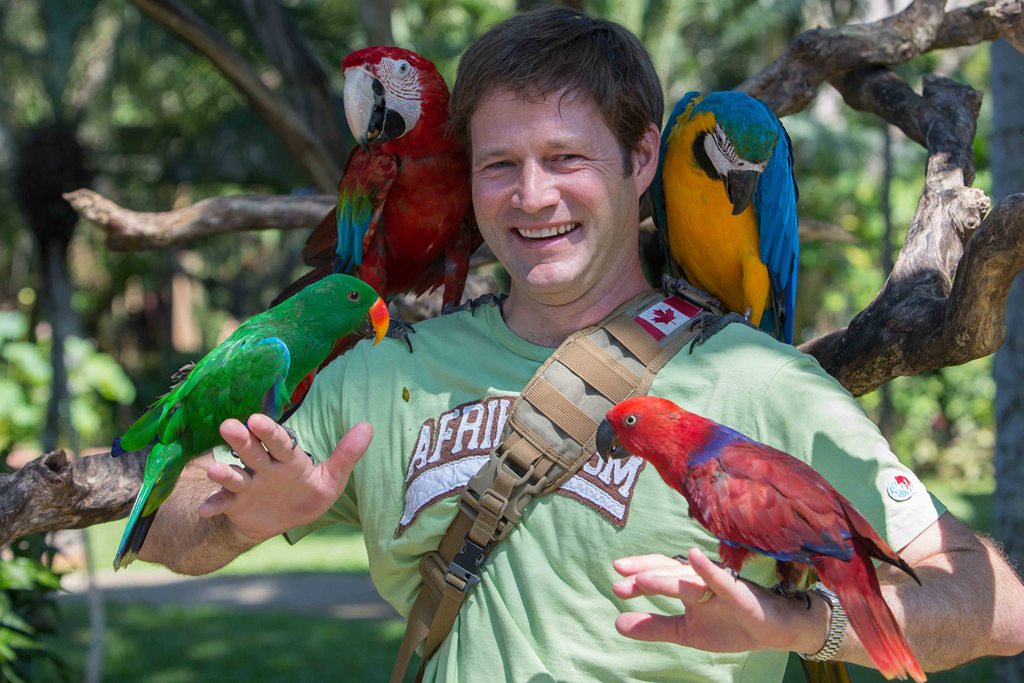
At the entrance to the park are a few parrots. I was watching this fellow and it is almost like he looked at me and decided to show off. He slowly maneuvered upside down and then flipped his legs into this position. This is not a natural parrot position.
And of course, a tourist experience isn’t complete without a “birds hanging on me” photo. The bright red parrot pooped on my shoulder (smile).
Worth visiting. Thanks for dropping by.
Bali is a lush and beautiful country and one of the “must do’s” is to stop at a small town with the rice fields new Ubud. You look out on the river flowing through the terraced fields .. and all you see is green. As viewed through a Canon 5D Mark III, Canon 28-70mm f/2.8, mostly shot in handheld HDR.


You hike down one side, cross a bridge and hike back up to the other side. Along the way there are a few farmers collecting “donations” .. donation 1 was at the bridge.
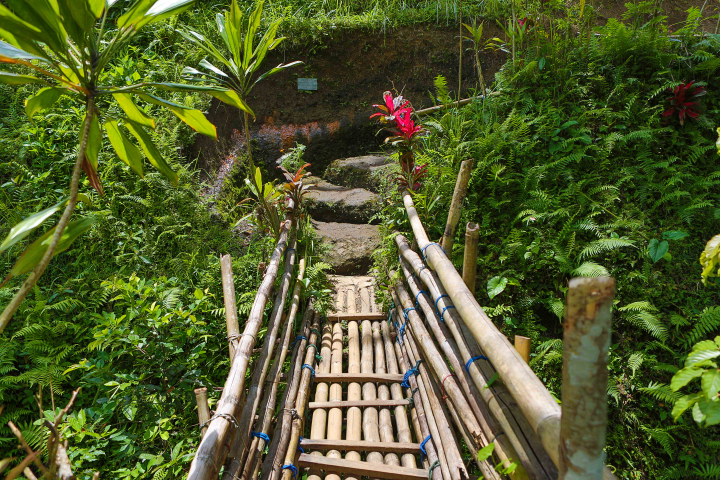
It is quite steep.
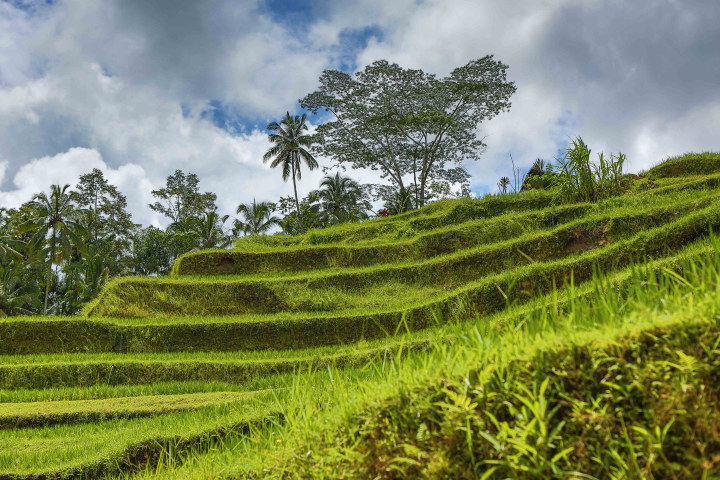
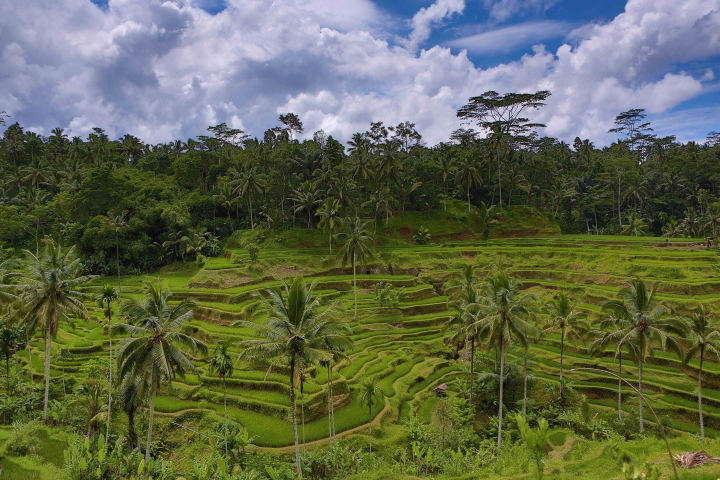

Row upon row of rice, with carefully crafted ledges around each terrace to keep the water in.
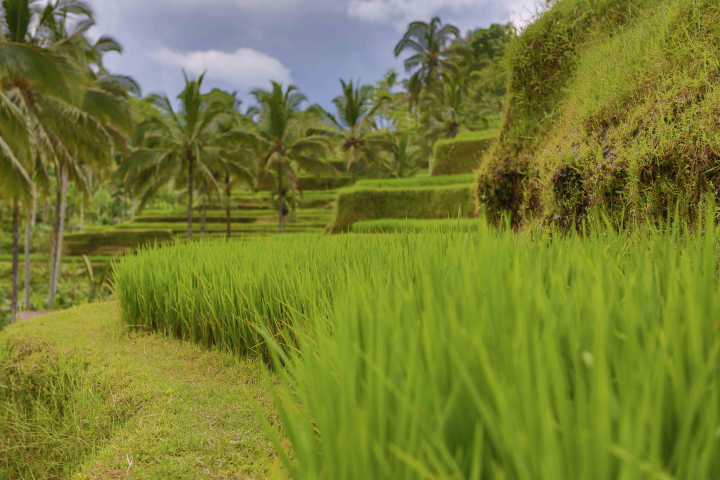
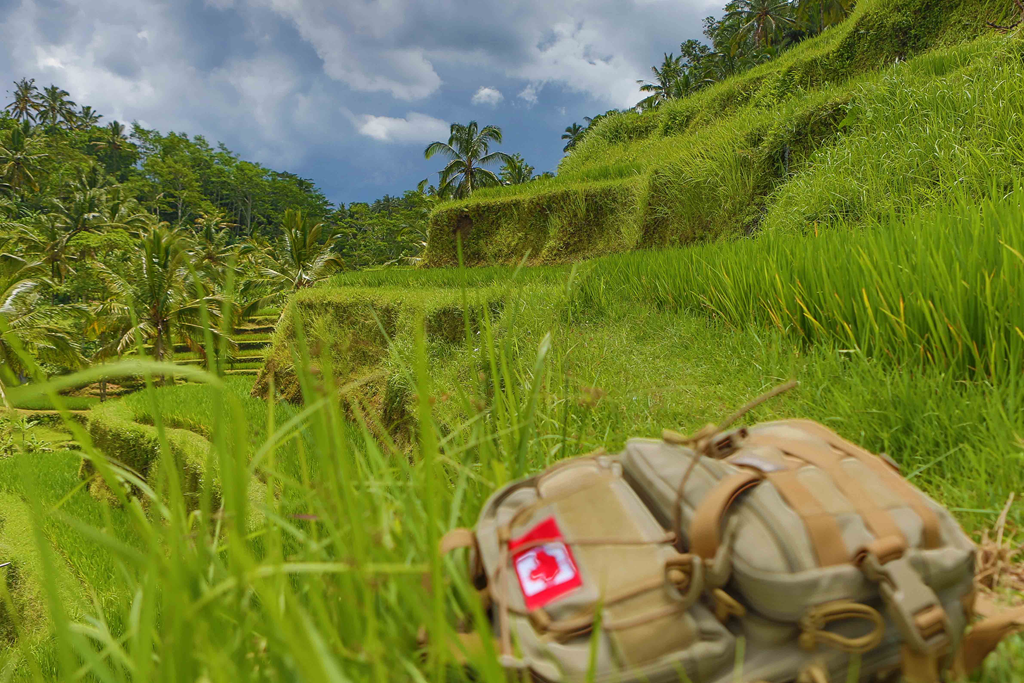
And a simple mode of getting the water from level A to level B.

What is at the top of the hill?
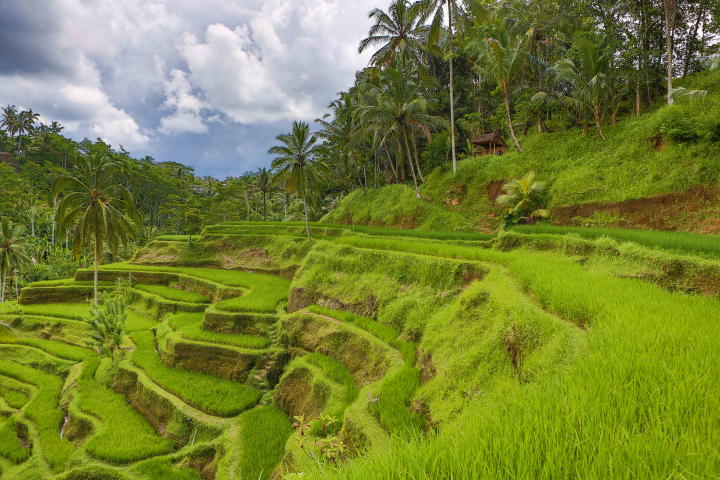
Nothing but a great view of this spider, who is almost impossible to spot .. even after I edited the photo to bring out highlights and confirm that she/he was the focus point.
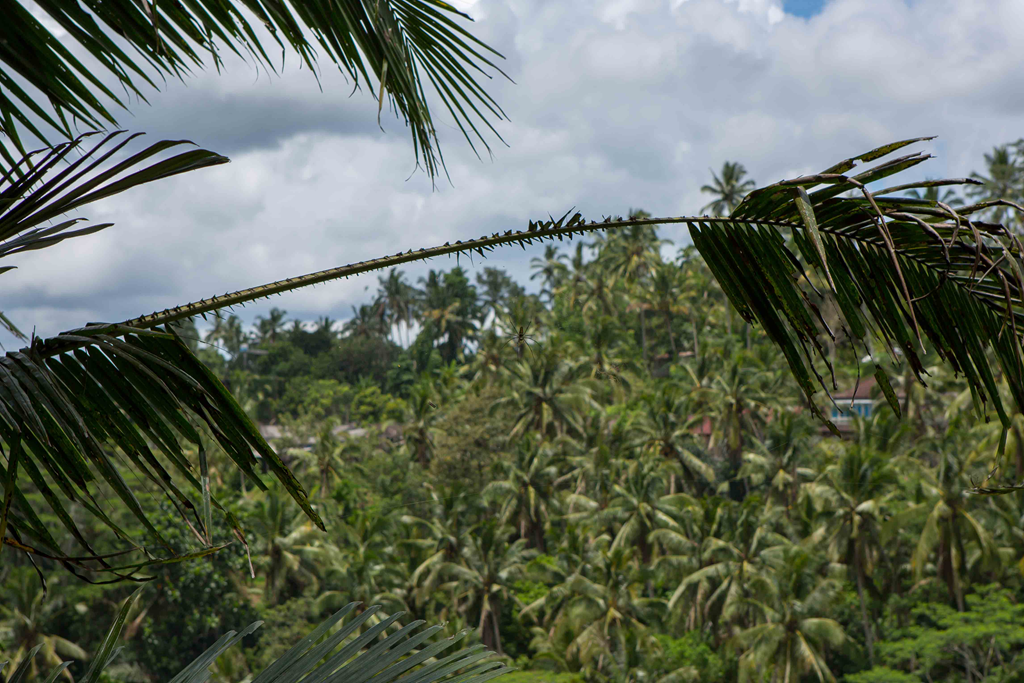
A great hike.
This has been an odd winter. A couple weeks of warm weather meant that the trees began to blossom 2 weeks early. With our family heading to Bali for March break, we were essentially missing the season.
Plus the temperature has dropped again. But we did get out on Sunday to Yoyogi park in an attempt to see the blossoms before they are gone. Sure enough, the park was filled with young revellers enjoying a picnic and drink below the blossoms. A lot of revellers. A lot of drink. Shooting Canon 5D Mark III with my 28-70mm f/2.8.

They all looked cold. 🙂 I found the lighting difficult to shoot – it was so grey and gloomy.

Many were in unique outfits, which candidly, is not that unique in Tokyo .. and no longer very surprising. I liked the zombie theme.
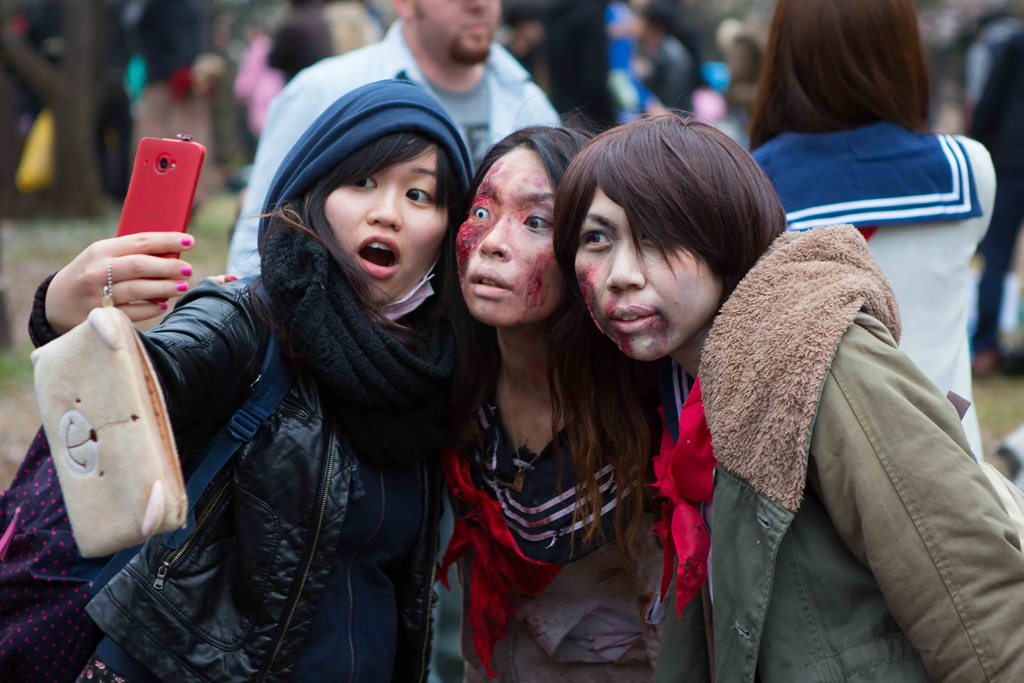
This is much more traditional Japanese.
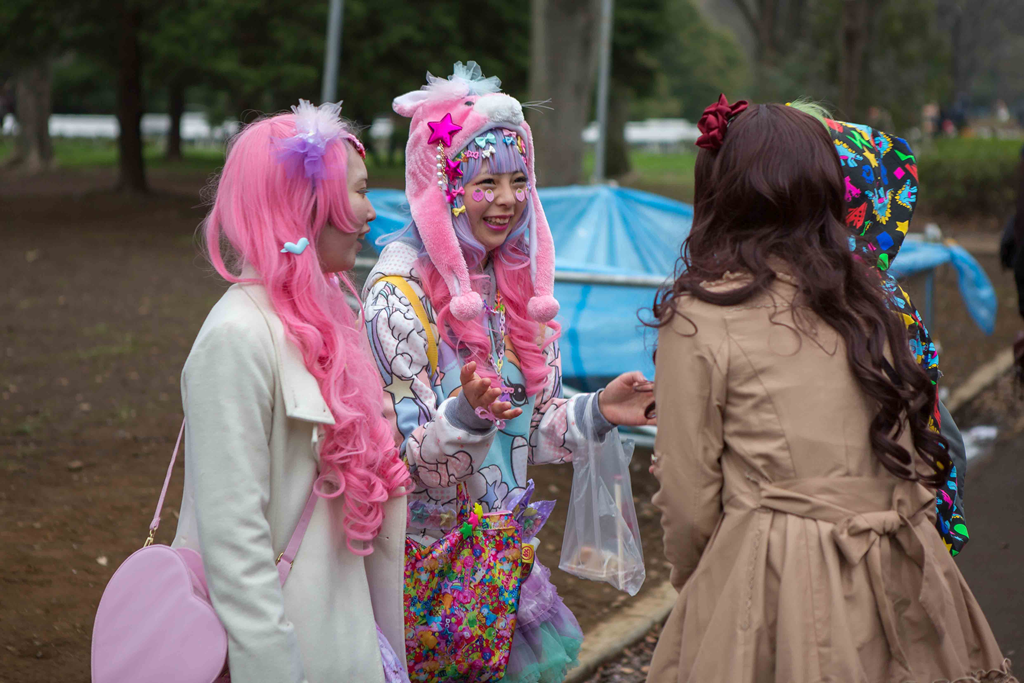

OK, this fellow was a little surprising.
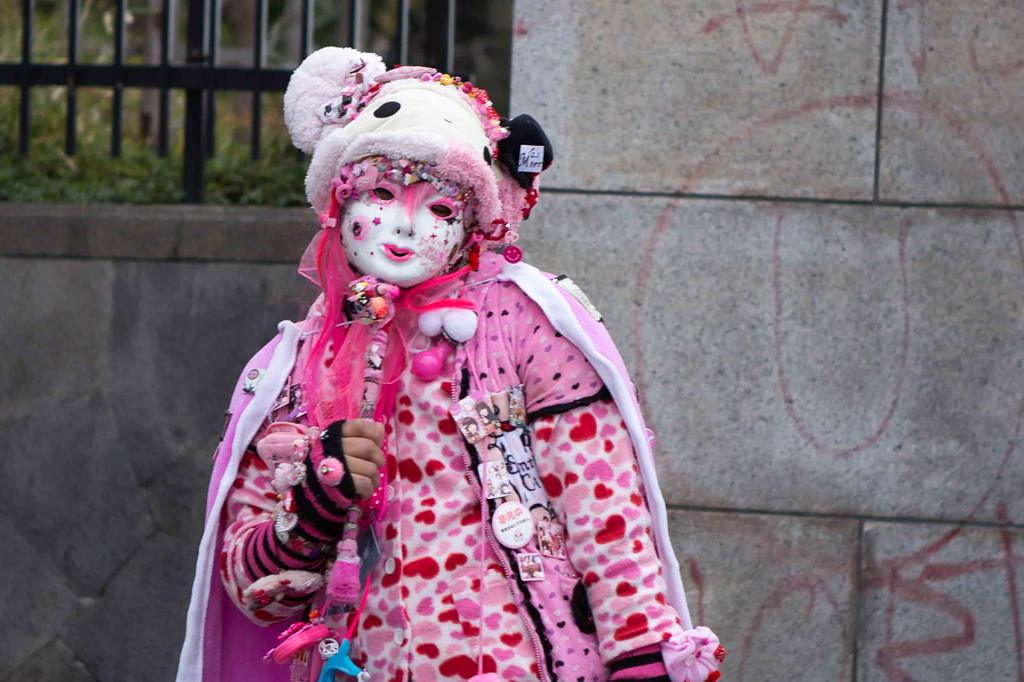
These folks actually had a sign up that said “No photographs” in English. Sure, go out in public dressed like that at Yoyogi Park and demand no photographs .. isn’t going to happen. People were lined up.
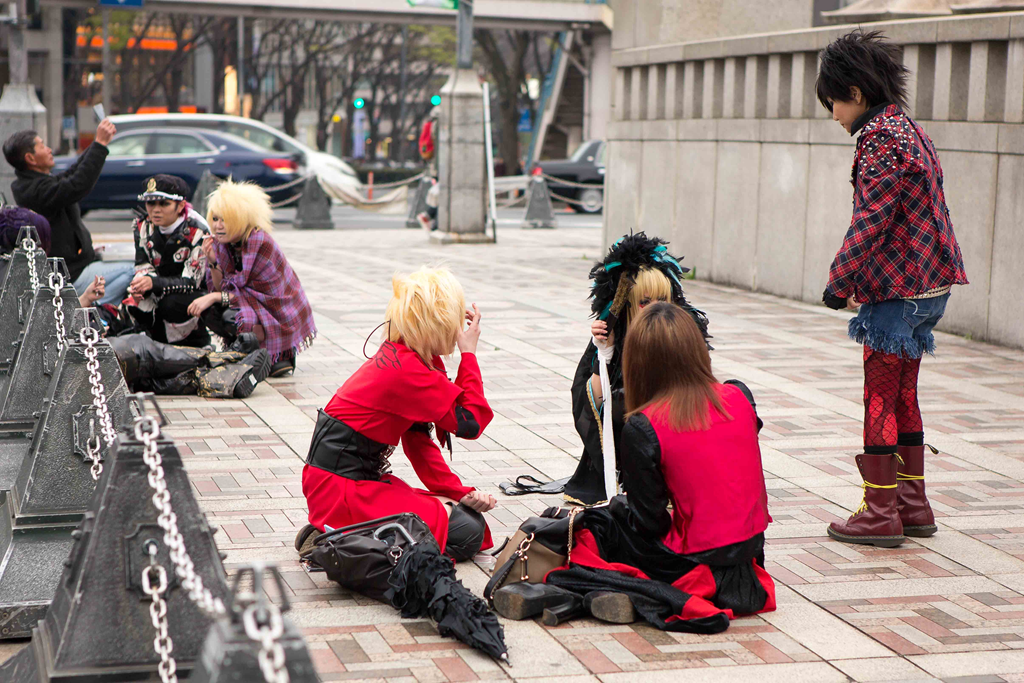
Oh, almost forgot, the blossoms ….

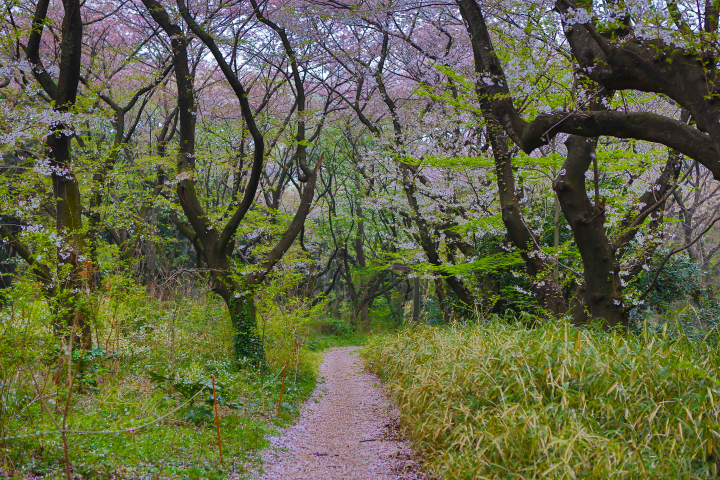
As it is the end of the season, they fall and make a beautiful pink carpet.
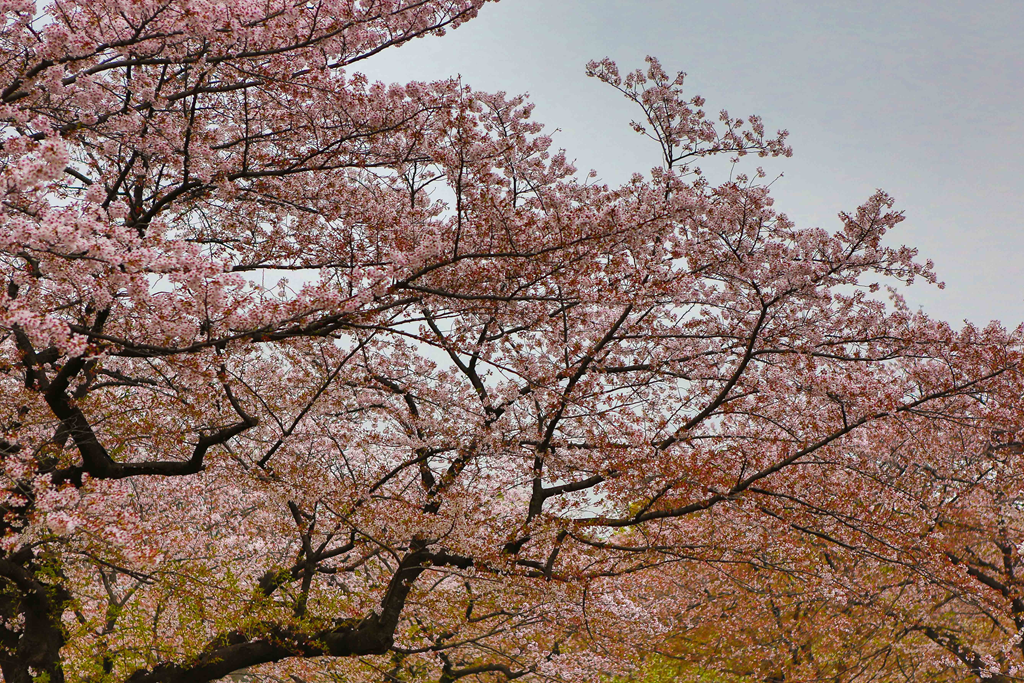
I wish they were around a little longer. It was grey, overcast and 9C.
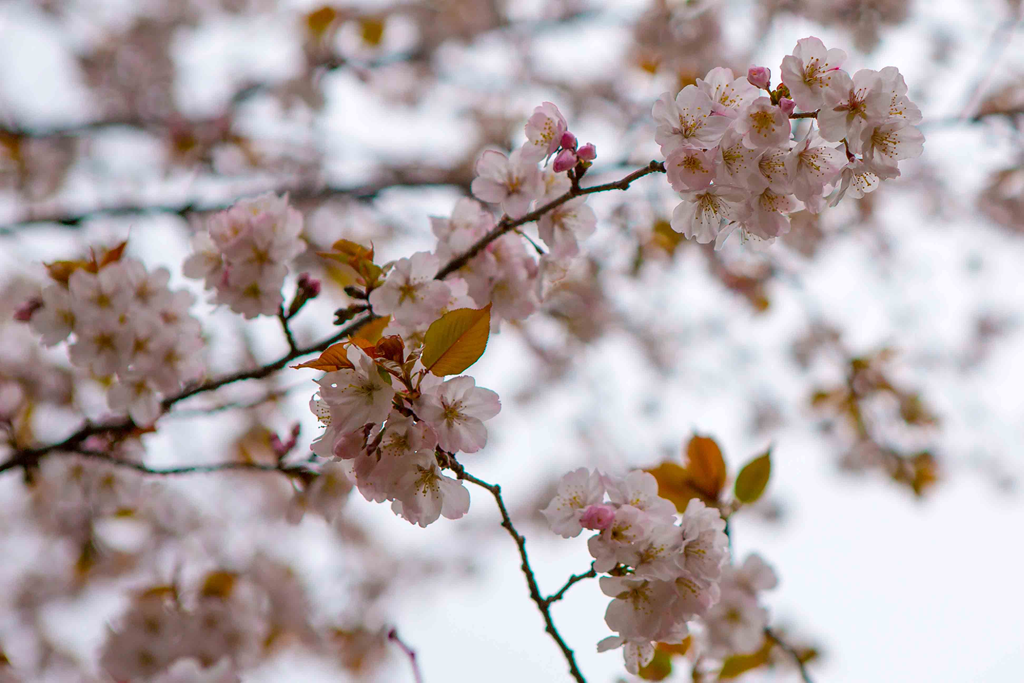
Beautiful. Thanks for dropping by.
The Sacred Monkey Forest in Bali is a truly amazing place, one of the most interesting that we have ever been at:
The Sacred Monkey Forest of Padangtegal is owned by the village of Padangtegal. Village members serve on the Sacred Monkey Forest’s governing council (The Padangtegal Wenara Wana Foundation). The Padangtegal Wenara Wana Foundation has historically strived to develop and implement management objectives that will both maintain the sacred integrity of the monkey forest and promote the monkey forest as a sacred site that is open to visitors from around the world.
The Sacred Monkey Forest is a series of paths that cut through the jungle, encompassing 3 temples and hundreds of macaques with staff spread on the paths selling bananas. A tourist mecca. There are many different reviews of this place, but my TripAdvisor review will give it 5 stars and call it out as one of the most unique places I have ever been. Yes, the monkeys can be ill-mannered – as this is the wild, with no control.
I loved shooting here, interacting with the long tail macaques. This little fellow kept my attention, when we first arrived. Same configuration, Canon 5D Mark III, and luckily I had my 70-200mm f/2.8.
He was just looking around … enjoying a banana.
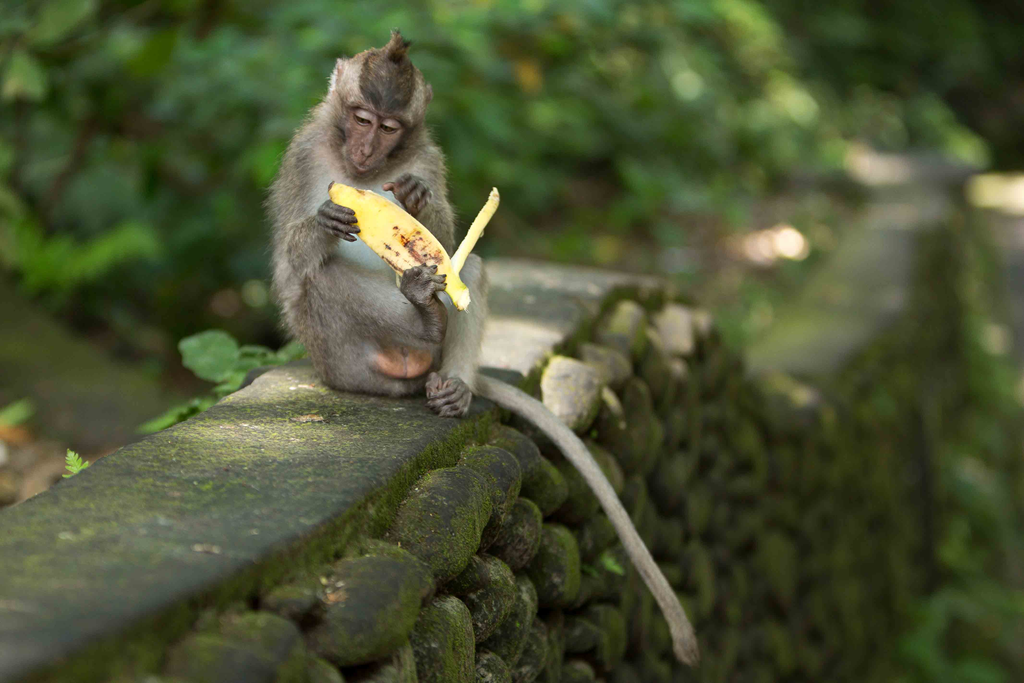
And look at how white his teeth are. Really enjoying that banana.

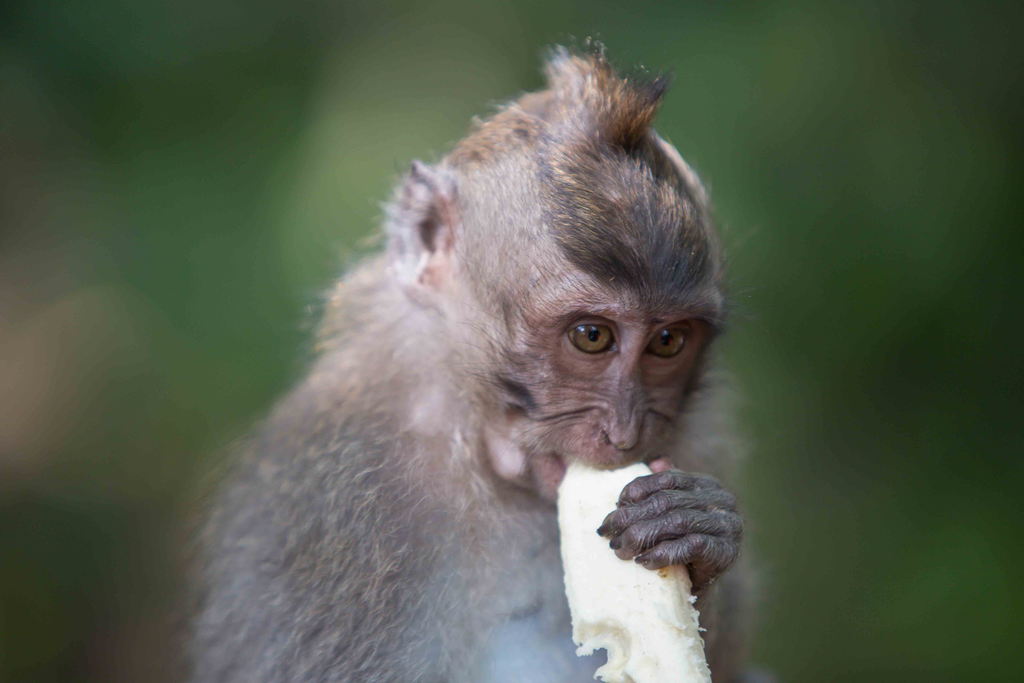
Those eyes ….
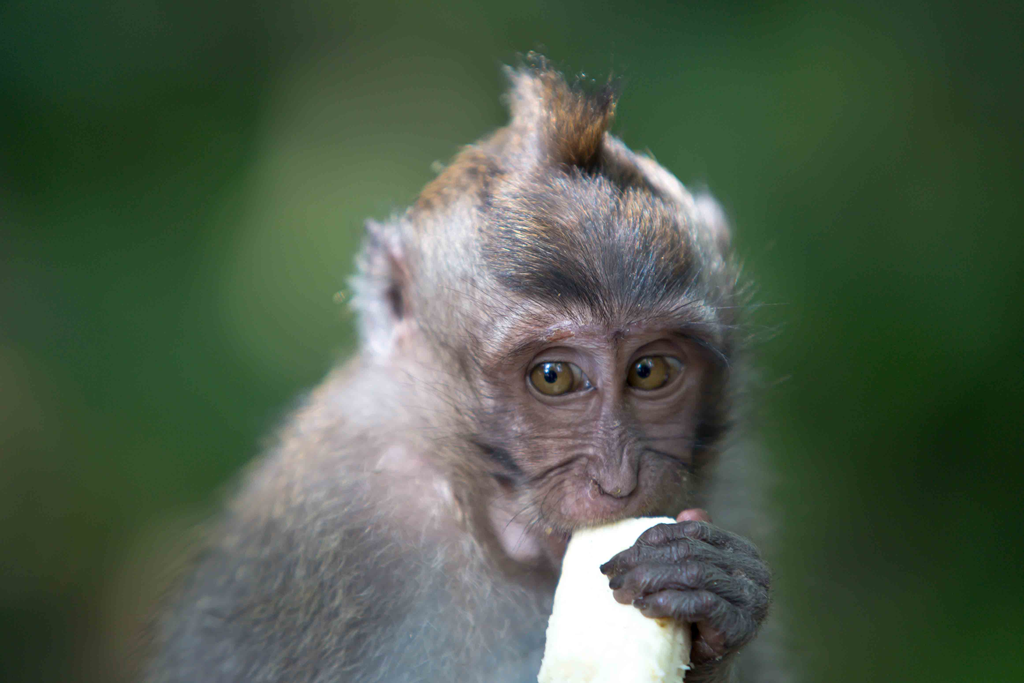
I could have watched him all day. As you walk the path there are monkeys everywhere.

This fellow made me smile. He found a remote place to enjoy his banana, away from the rabble … away from prying hands.
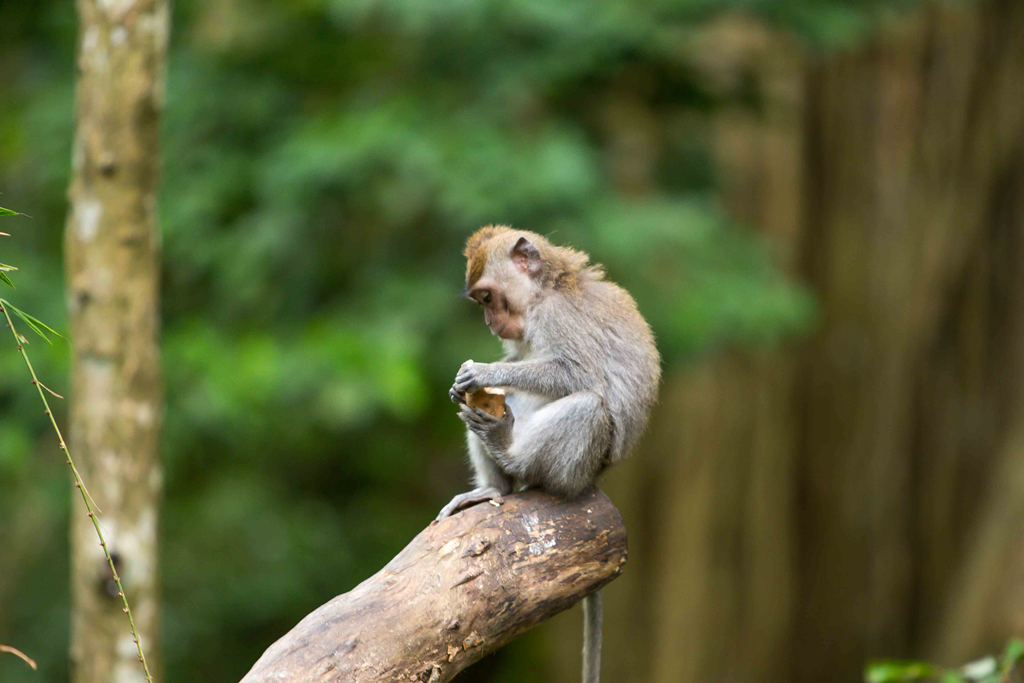
If you looked closely, you would see mothers and their children.
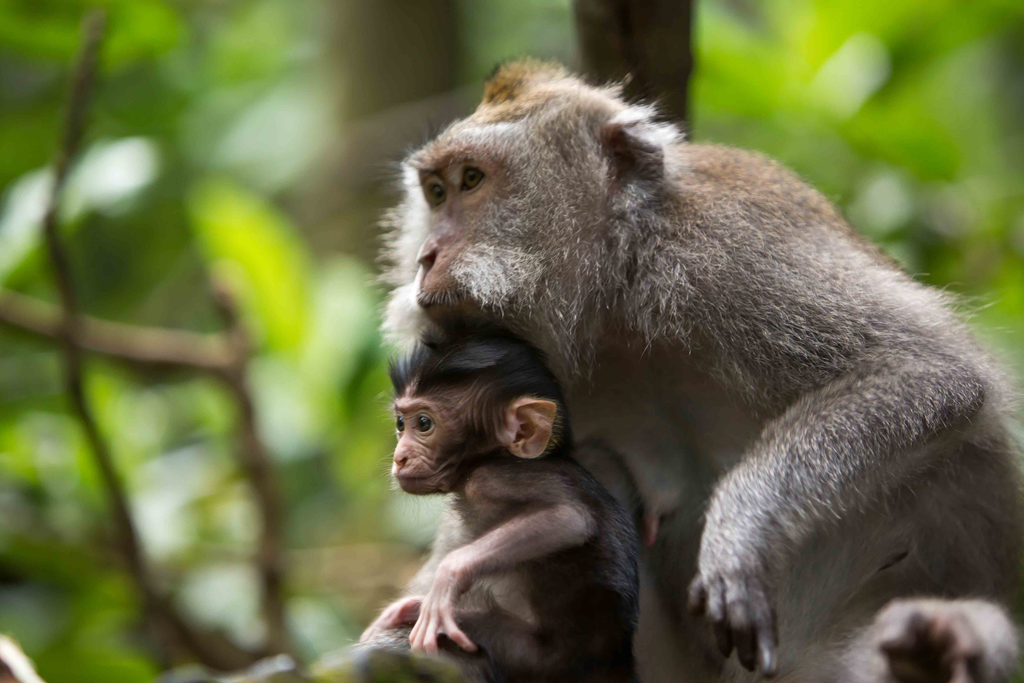

There was a group of mothers sitting above us, on a log.


I wonder what this fellow was thinking?
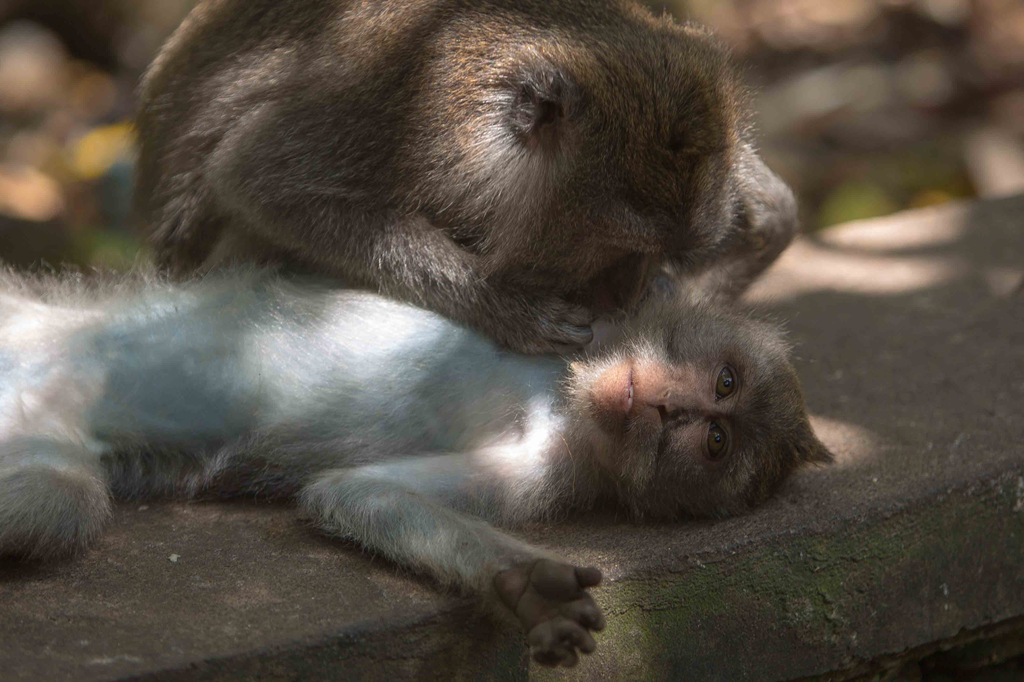
It is a beautiful place with temples scattered across the grounds.


A special place.
We pretty much missed the cherry blossoms in Tokyo as they are early this year and we were out of the country.
But it is worth it. A few photos from the Monkey Forest in Bali. Glad I put the 70-200m f/2.8 on the Canon 5D Mark III for this walking adventure.
A few close-ups. I was very close.
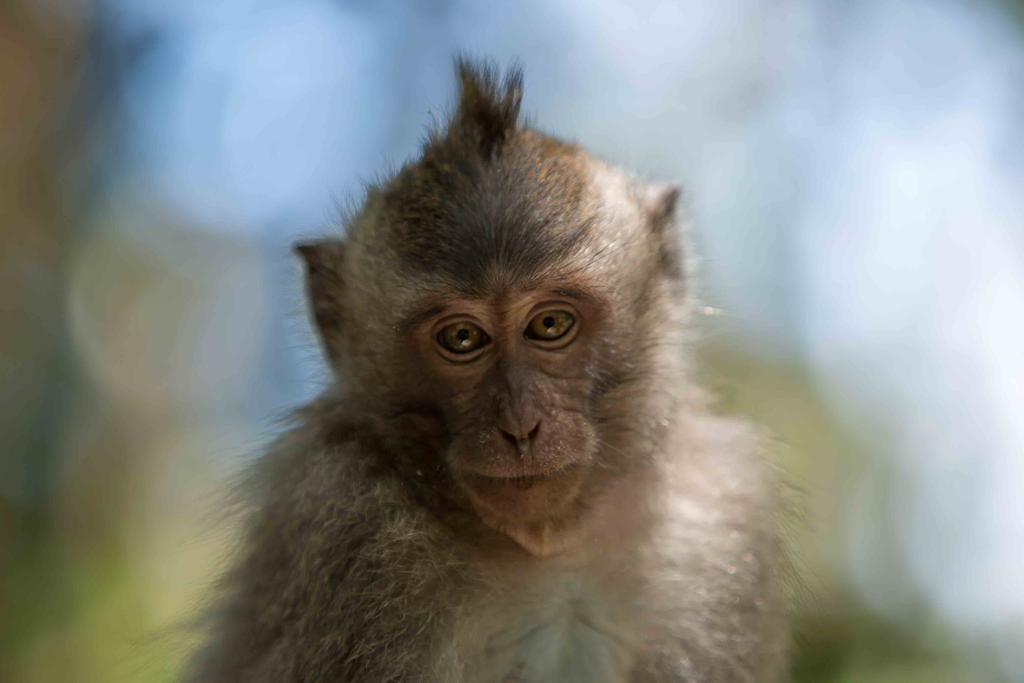

Just hanging out.
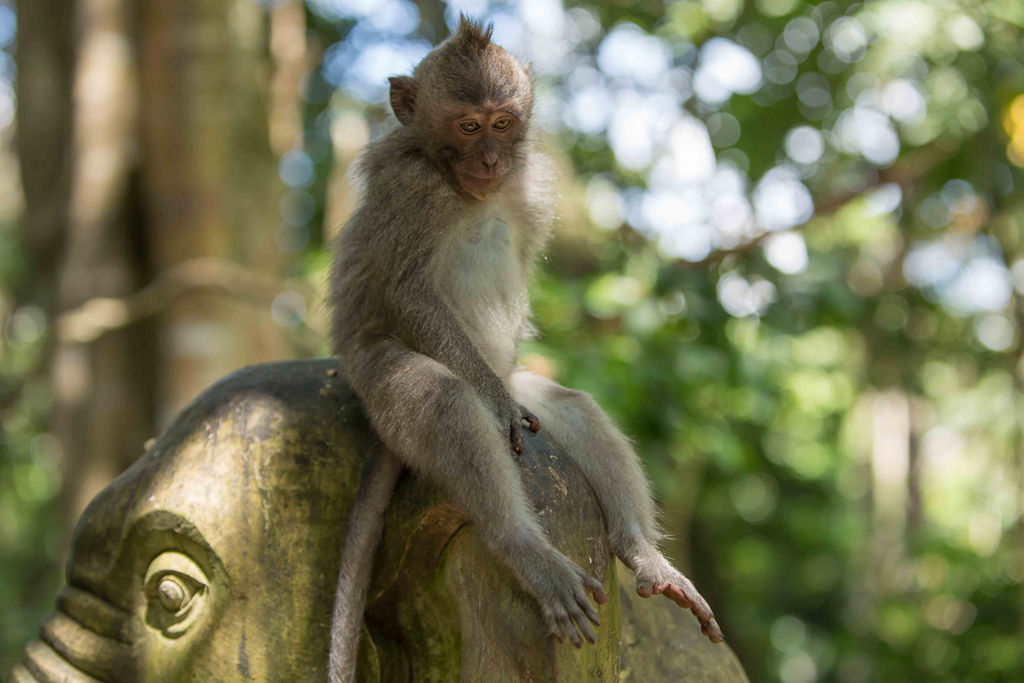
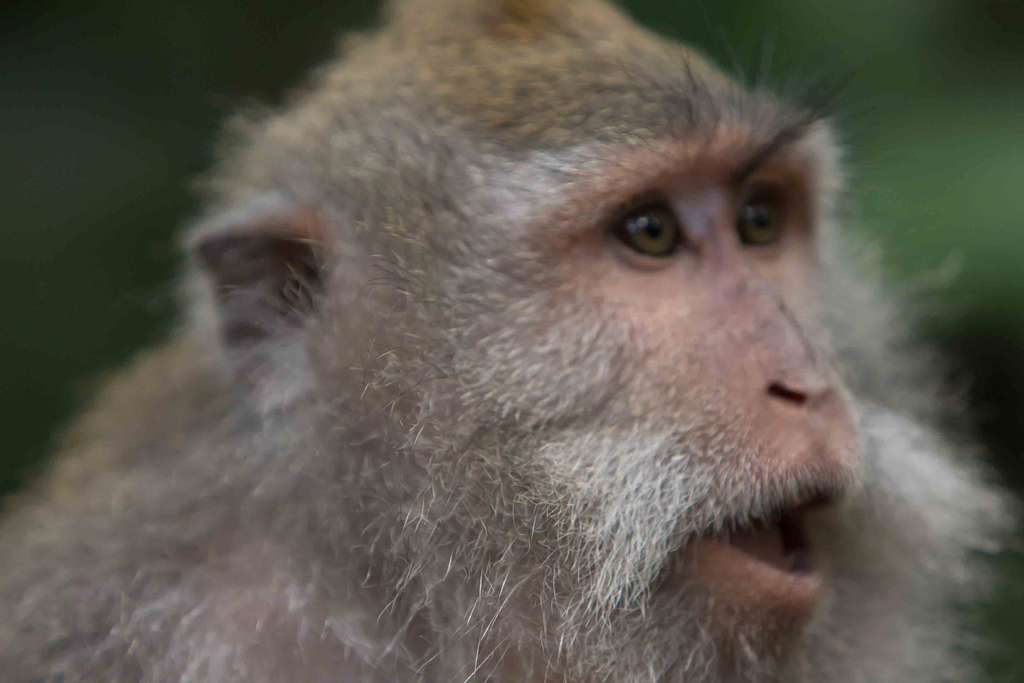
Very close.

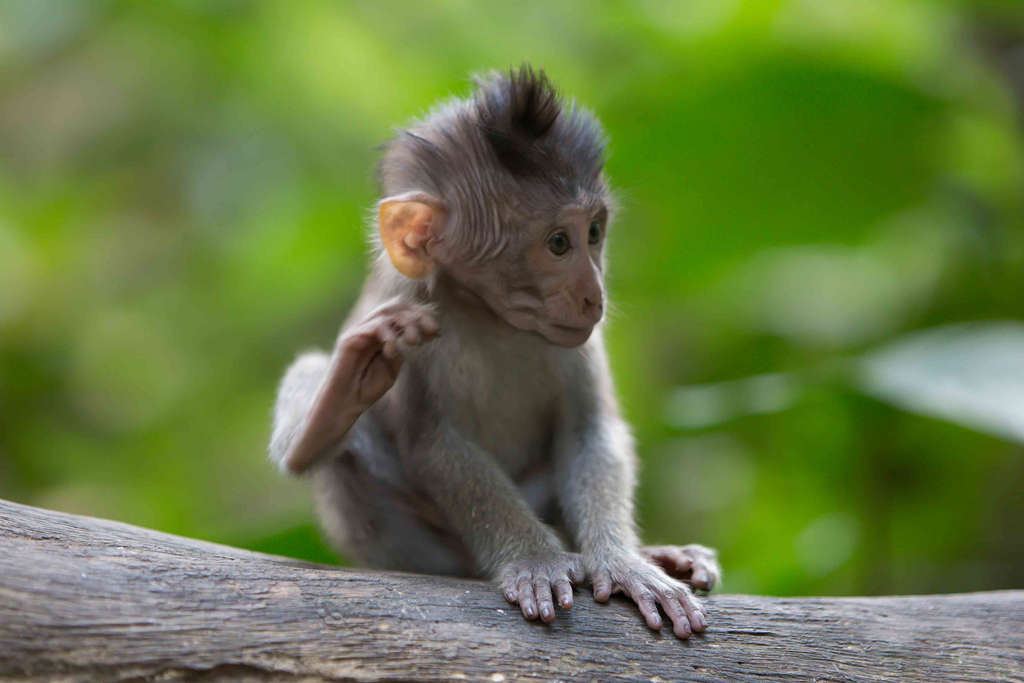
They are cheeky little fellows.

I won’t be blogging this week .. But left a few shots of things that caught my attention in Tokyo. Sorry, iPhone configuration as the 5D was not with me.
This is how you fill 5 pots with herbs on your terrace when you own a mini in Tokyo. My SUV is back in Canada ….

This is a 3 colour bush beside an embassy in Tokyo. Some quality grafting.

I love the flower stalls in Tokyo. Spring has sprung, the streets are alive with colour.

Not sure why they wrote this in English on this Tokyo window, but I agree … “Peace”.

A bus parked outside an office building in Tokyo .. I don’t know why it is in English? (smile) It was a very “Japanese” neighbourhood. Traveling stomach x-rays anyone?

I was at a meeting at Canon and WISH I would have had my 5D to take some shots. Loved their old camera display .. Great cameras.

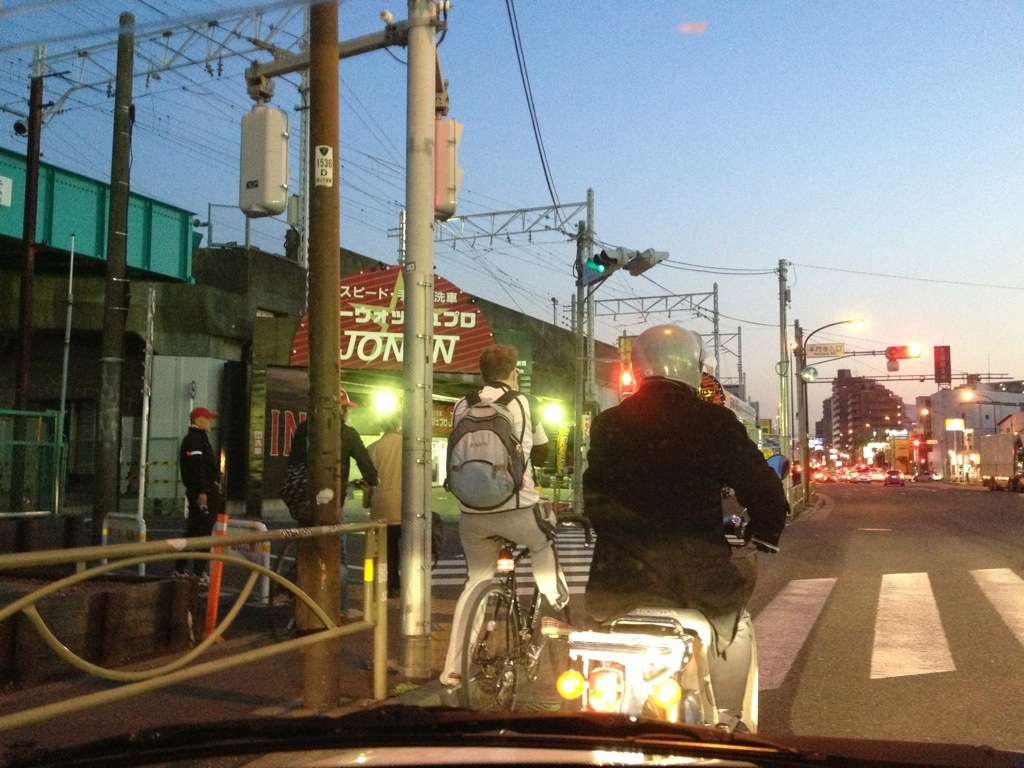
Last shot. No one in Japan wears bike helmets. The most amazing thing? Gaijin (like the guy in the middle) have adopted a “if you can’t beat them join ’em” attitude abandoning the helmet.
Just amazing that you see everyone wearing helmets in North America and then they come here and stop. (Insert shaking head in bewilderment). The irony? He had a face mask on.
Thanks for stopping by. Posts resume Monday.
There are shrines everywhere in Tokyo. What I didn’t know is that many of them are family run, generations and generations.
Near us is a shrine with a wall around it. I have not gone in yet, and when I walked by on Equinox day it seemed closed (which is odd). I did hear drumming. I had to get going, and will return, but I snapped a few photos (usual configuration shooting handheld HDR). It looks like an interesting place for future exploration.

Love the flowering bushes in Tokyo.

The not yet “awoken” contrasted by the blooming.
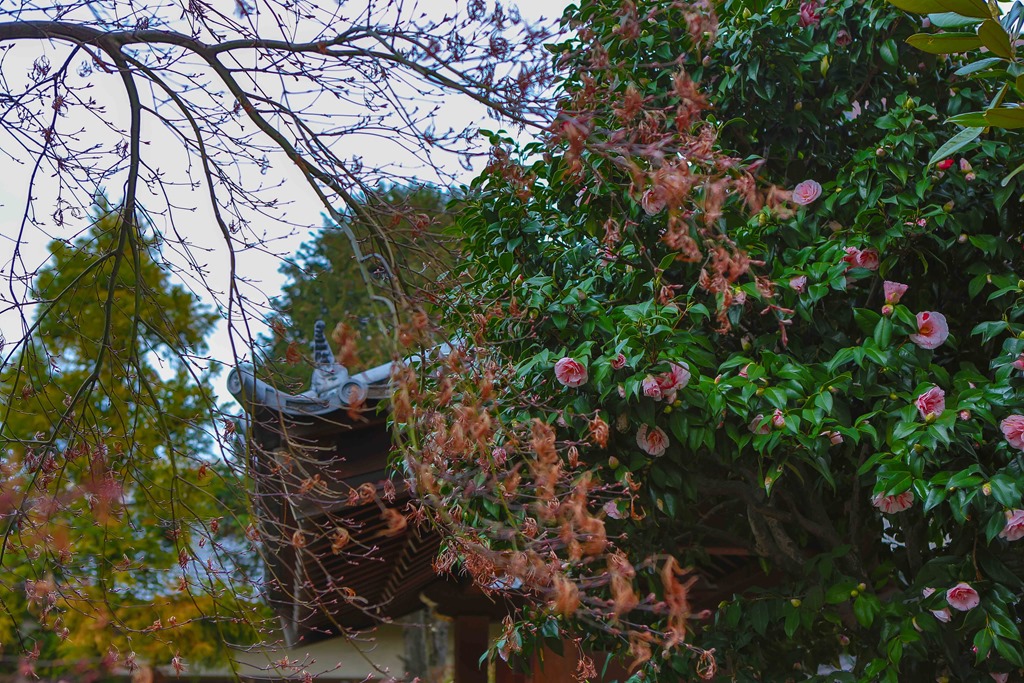
The view over the fence.


In contrast to a hazy white sky.

Warrants more exploration.
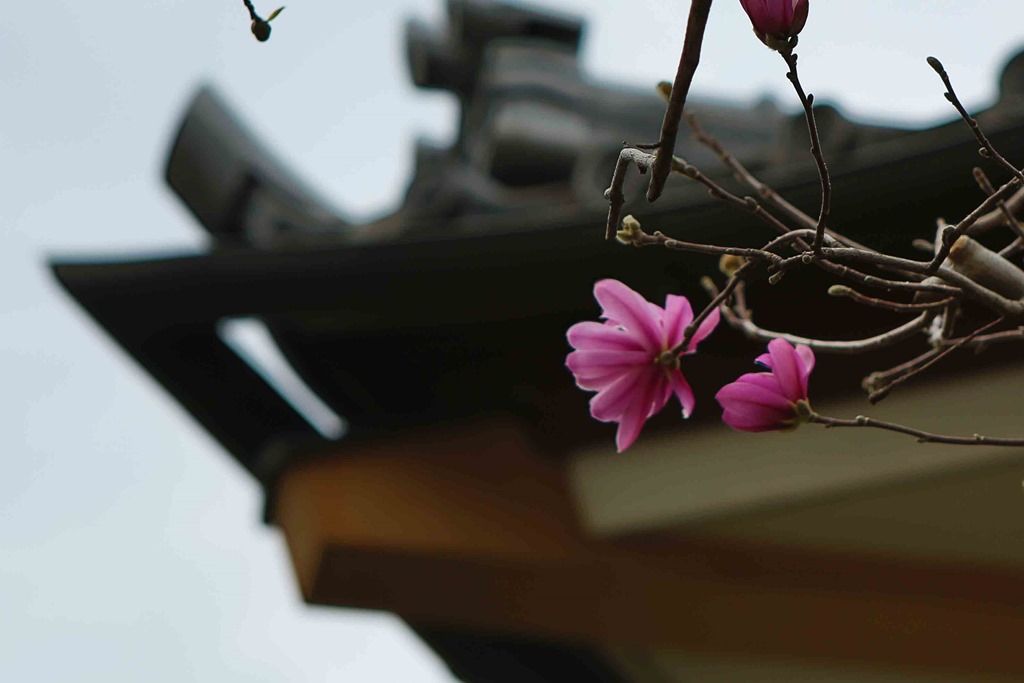
It was Vernal Equinox Day on Wednesday this week.
Vernal Equinox Day (春分の日 Shunbun no Hi?) is a public holiday in Japan that occurs on the date of the Northward equinox in Japan Standard Time (the vernal equinox can occur on different dates in different timezones), usually March 20 or 21. The date of the holiday is not officially declared until February of the previous year, due to the need for recent astronomical measurements.
Vernal Equinox Day became a public holiday in 1948. Prior to that it was the date of Shunki kōreisai ( 春季皇霊祭?), an event relating to Shintoism. Like other Japanese holidays, this holiday was repackaged as a non-religious holiday for the sake of separation of religion and state in Japan’s postwar constitution.
Even though it is a non-religious holiday, many people visit their ancestor’s graves. I walked past a cemetery near our apartment that I wanted to visit .. and clicked off a few photos using my Canon 5D Mark III and my go-to lens: Canon 28-70mm f/2.8.
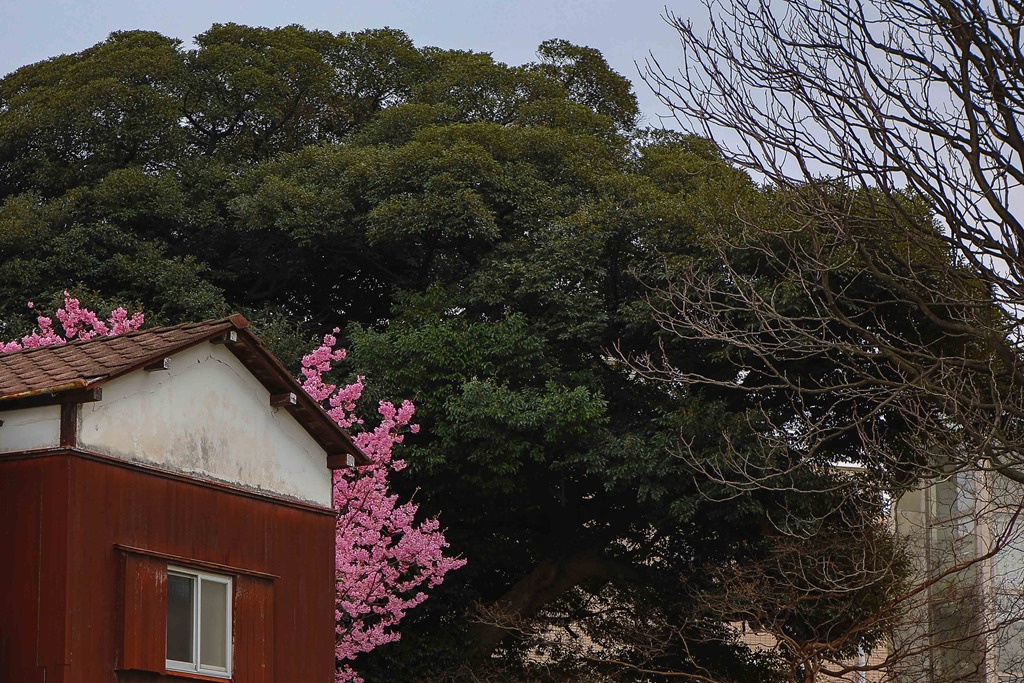
Pink peeking out behind the red.
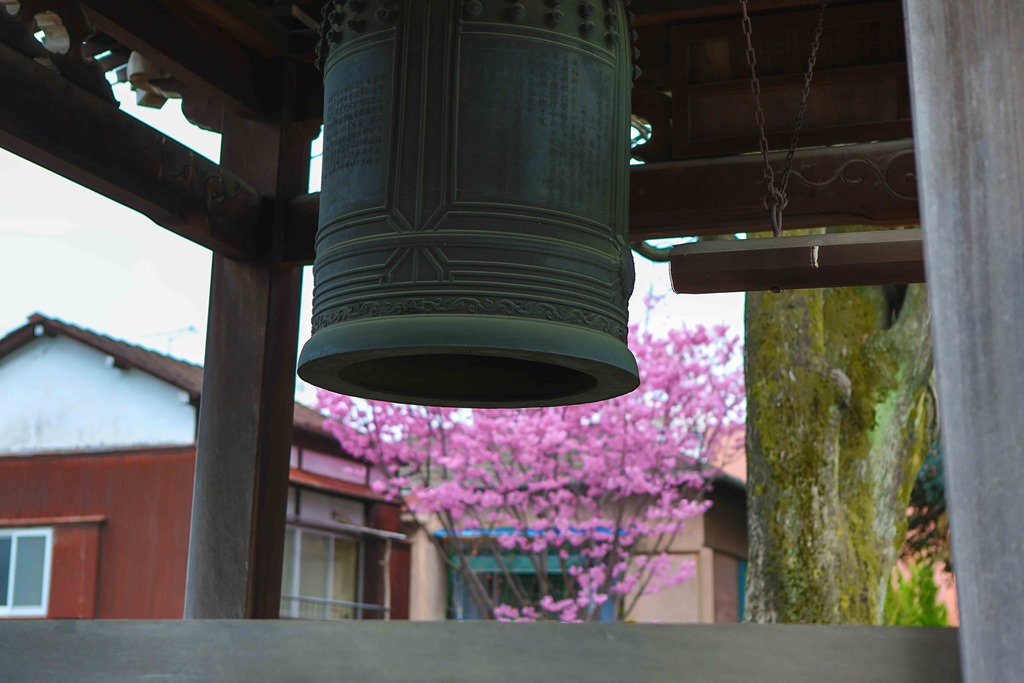
The bell at the cemetery. People would walk up randomly and hit the bell, followed by a bow of respect.
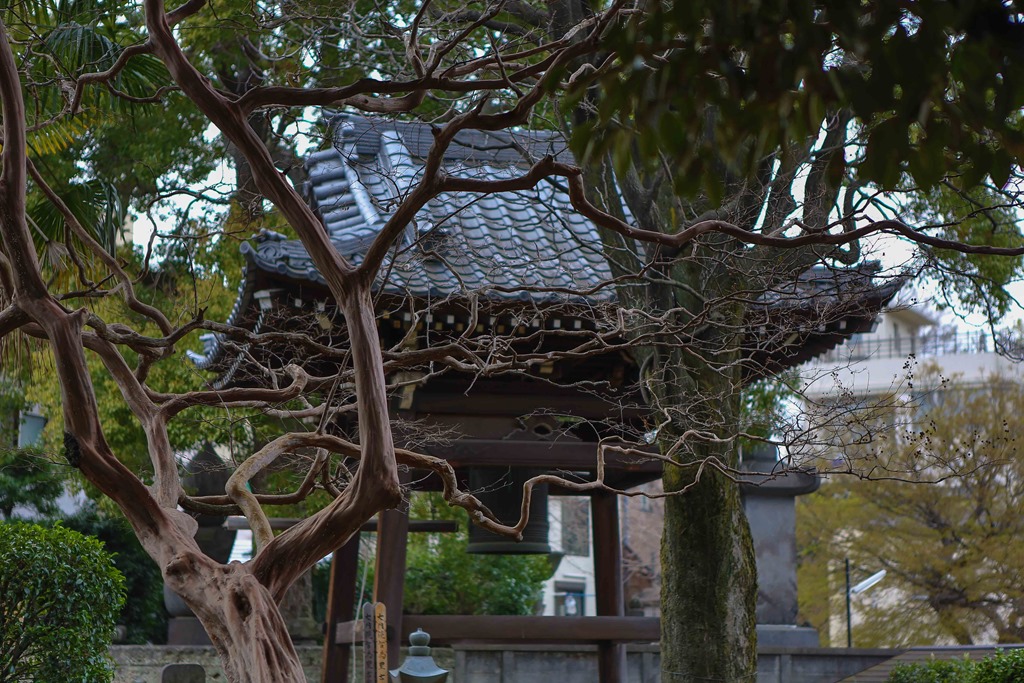
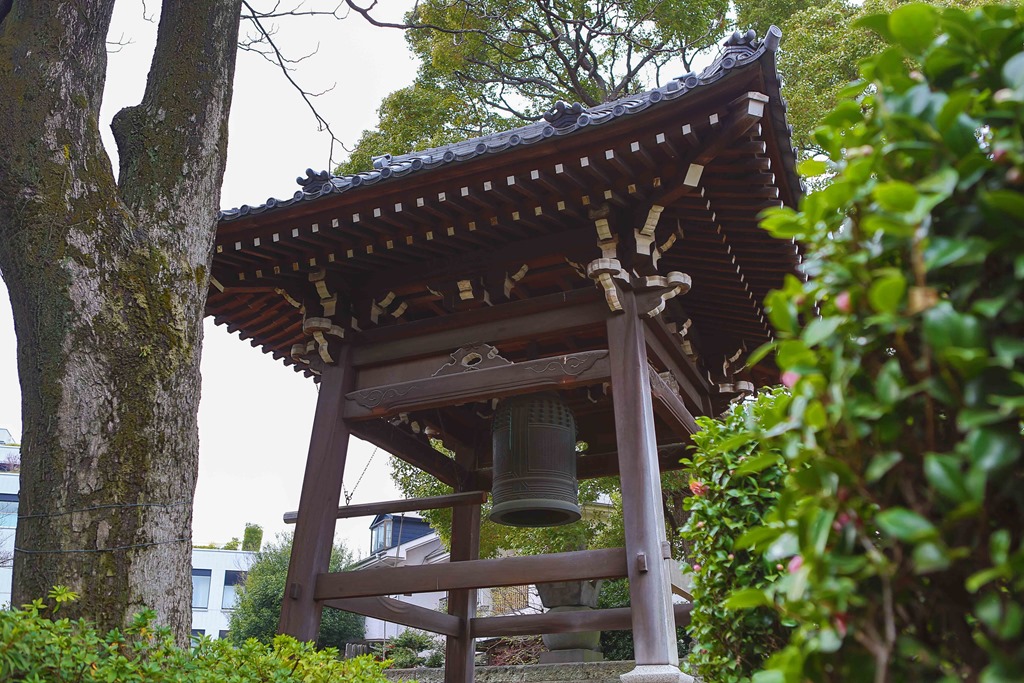
A mix of very old, and very new graves.
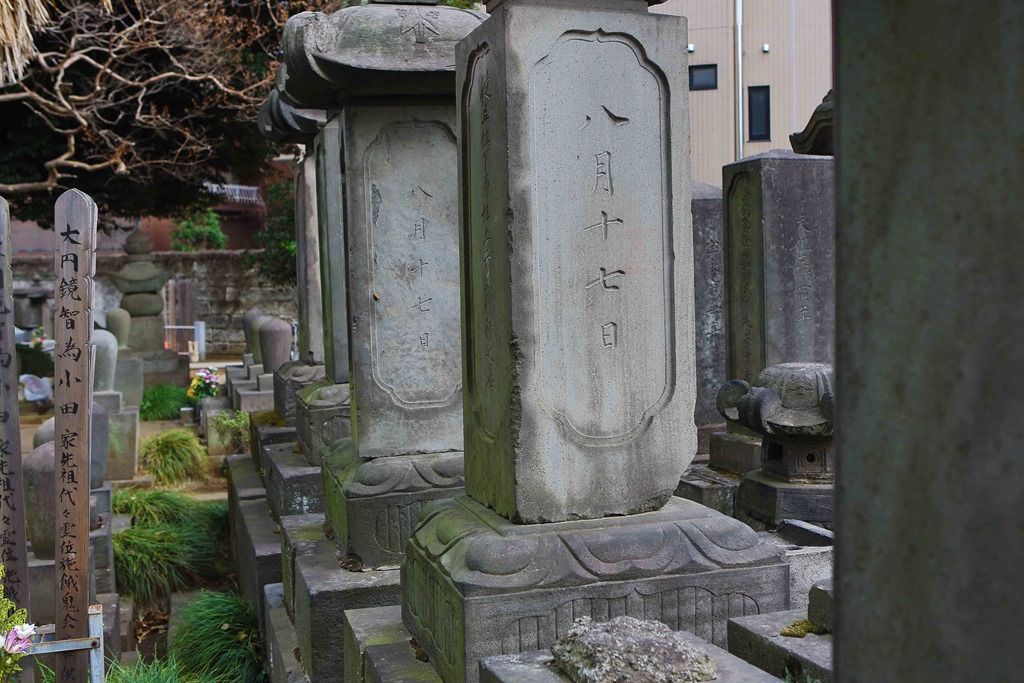

Of course, people leave behind flowers.
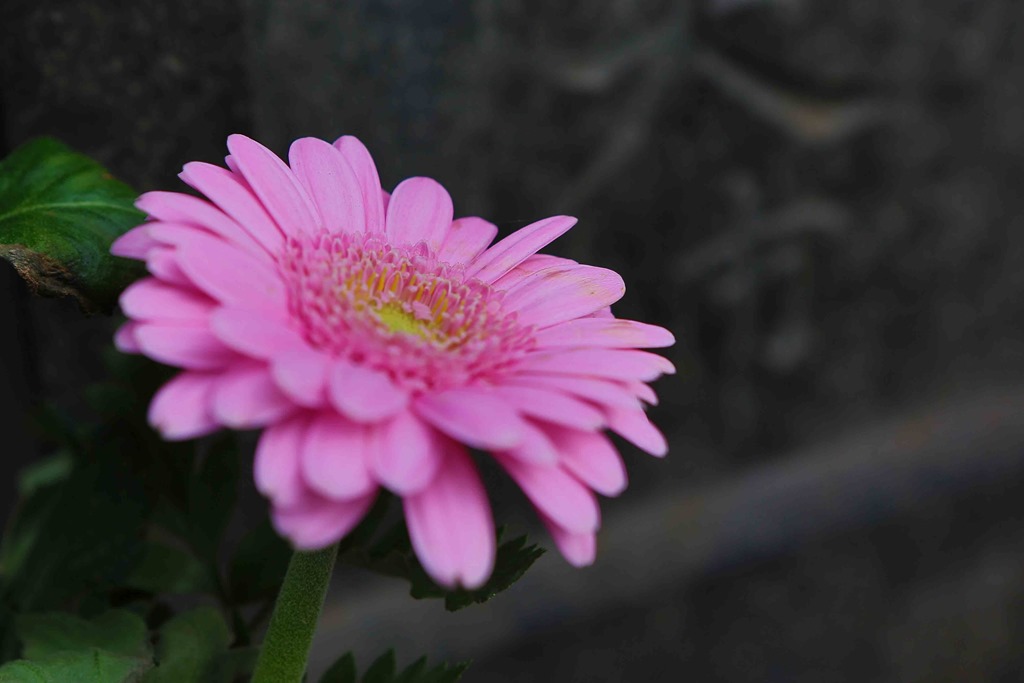
The grave stones are all grey and covered in moss. Intermingled with shots of color from the fresh flowers.
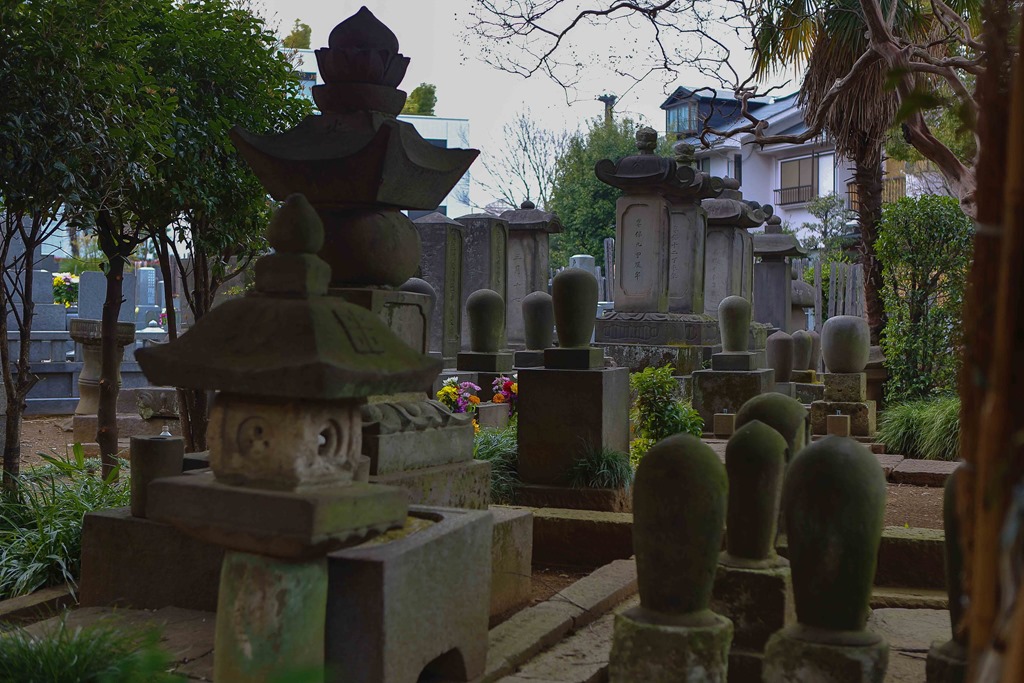
A beautiful place.
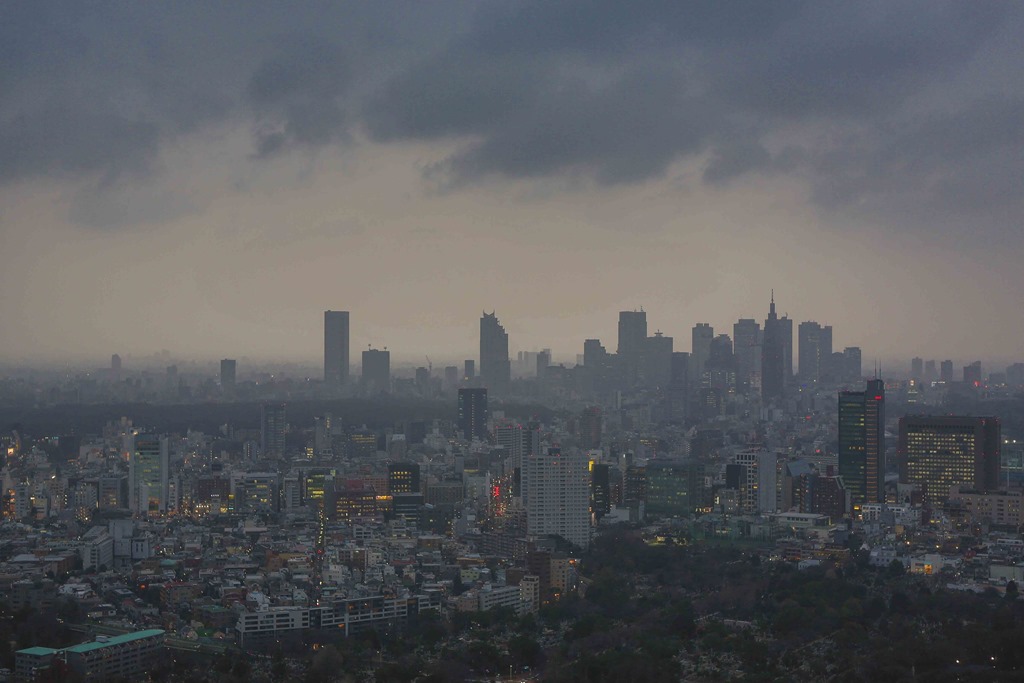
Mount Fuji continues to elude me. Bring my camera, clouds role in. Don’t bring my camera .. clear as a bell. On this day I thought that Tokyo could double for Gotham city.
Shooting with my Canon 5D Mark III and Canon 28-70mm f/2.8. A mix of handheld HDRs and RAW.


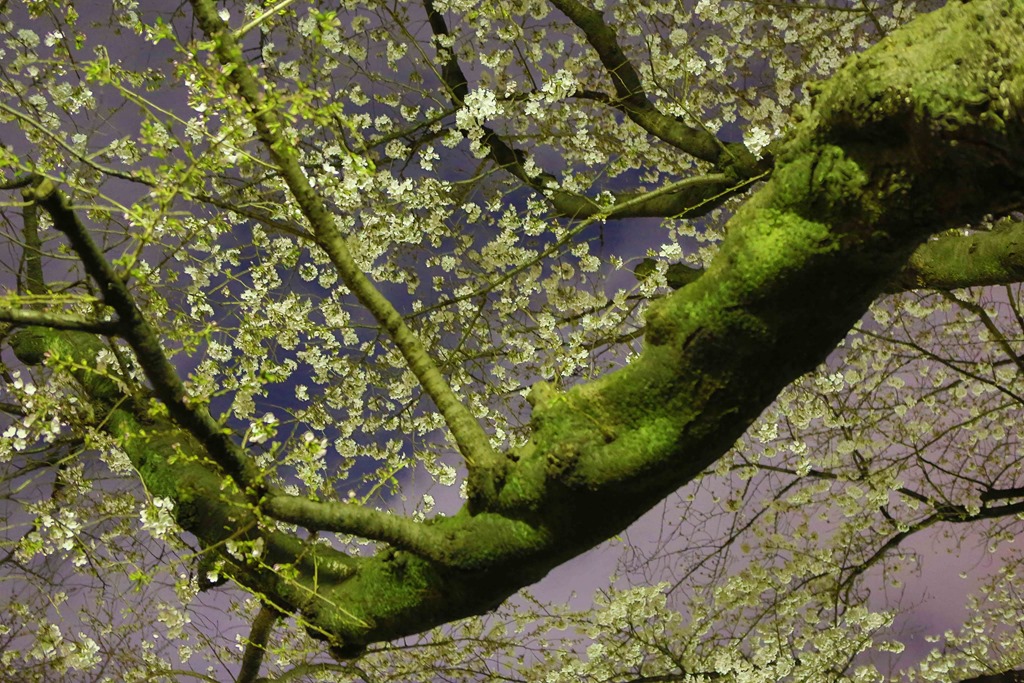
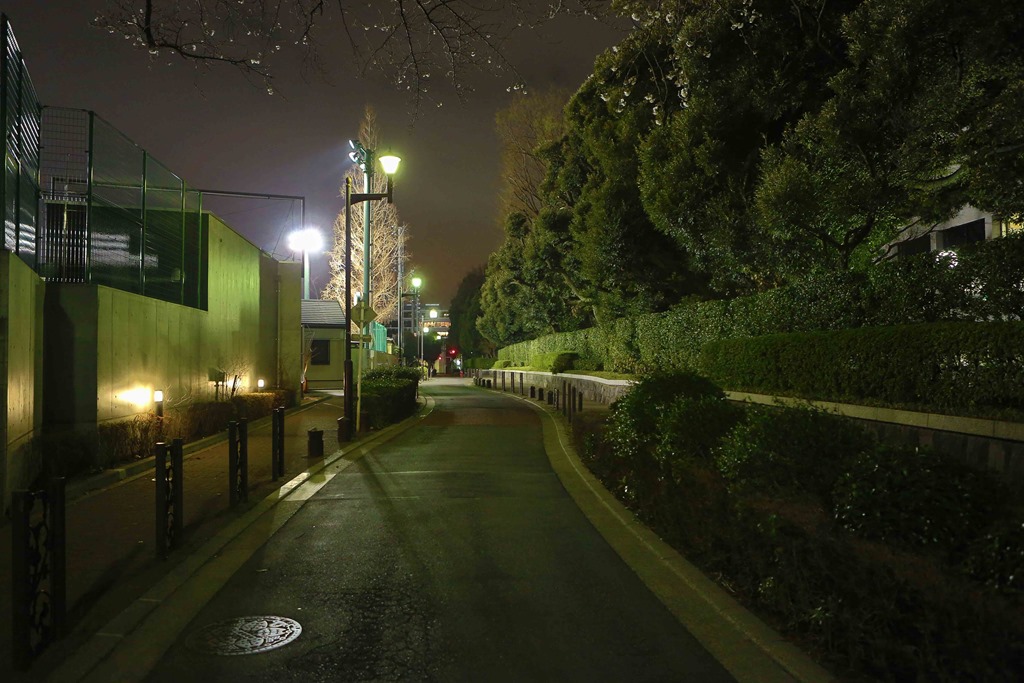
The weather has been odd in Tokyo. I am told it was an extra cold winter, but that it is also warm earlier. This means the trees are blooming weeks earlier. As I walked home with the wind blowing, I clicked off a few pictures.

A school yard.

Walking a dark path. Not scary in Tokyo.
Trees in bloom.
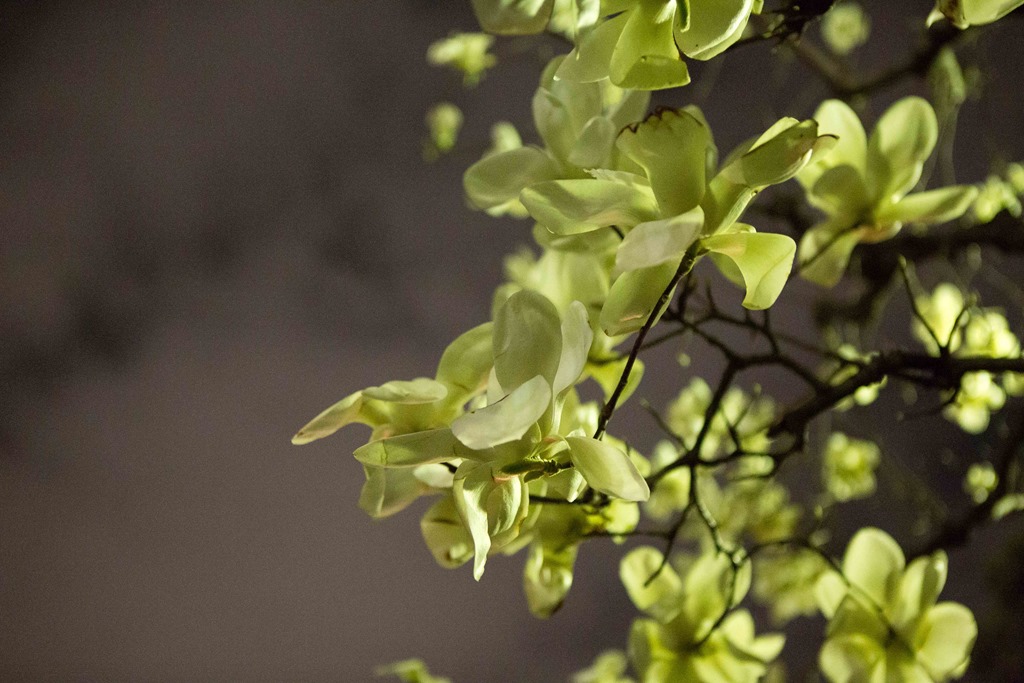
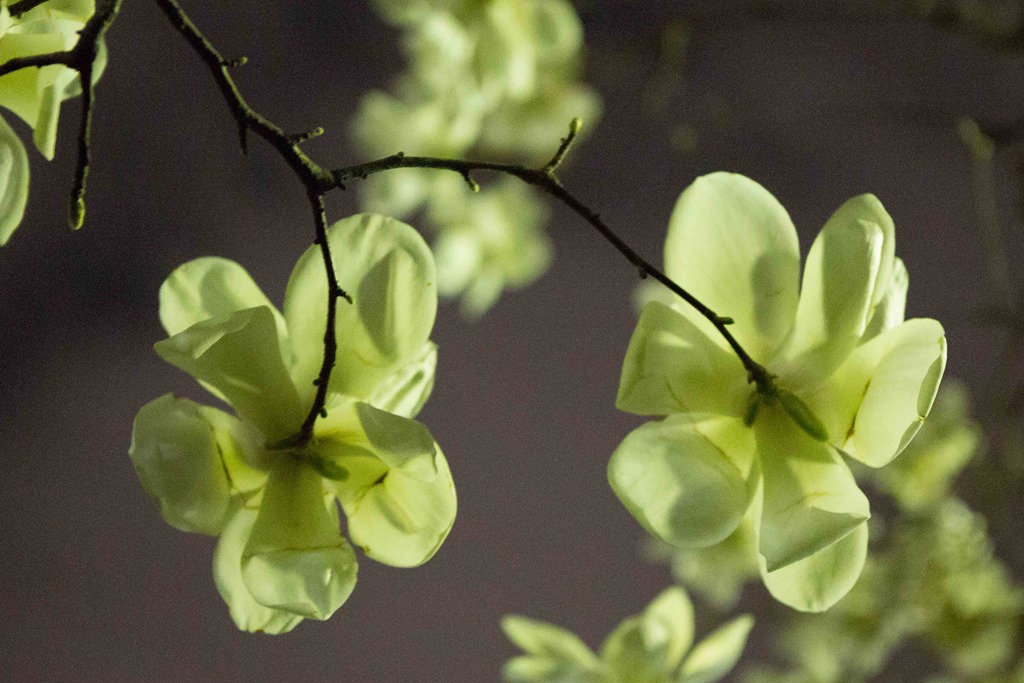
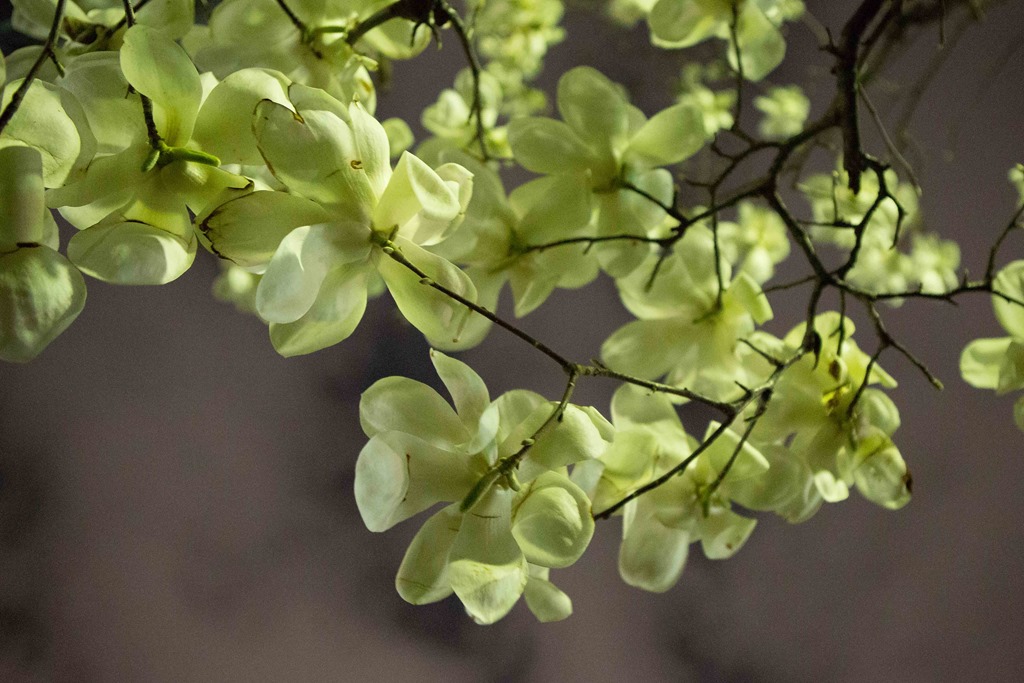
Beautiful time in Tokyo.
A fantastic photographer has been coaching me on shots. He is one of those “I picked up a hobby and there is no halfway” personalities.
Part of that is framing the shot. Here are 3 of the same shot at different crops. A cherry blossom on an old roof. I like 1 and 3. I just can’t decide which I like best? Although number 2 shows the roof top. In the end .. went with number 1.
Opinions appreciated on which way you would go?


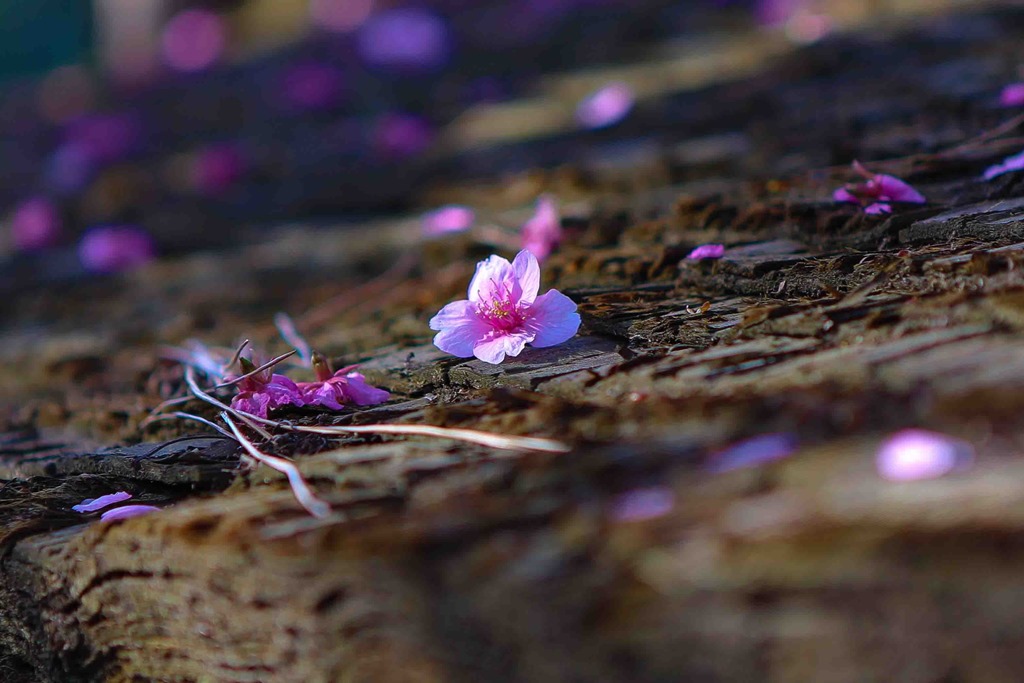
Configuration: Canon 5D Mark III, Canon 28-70mm f/2.8.
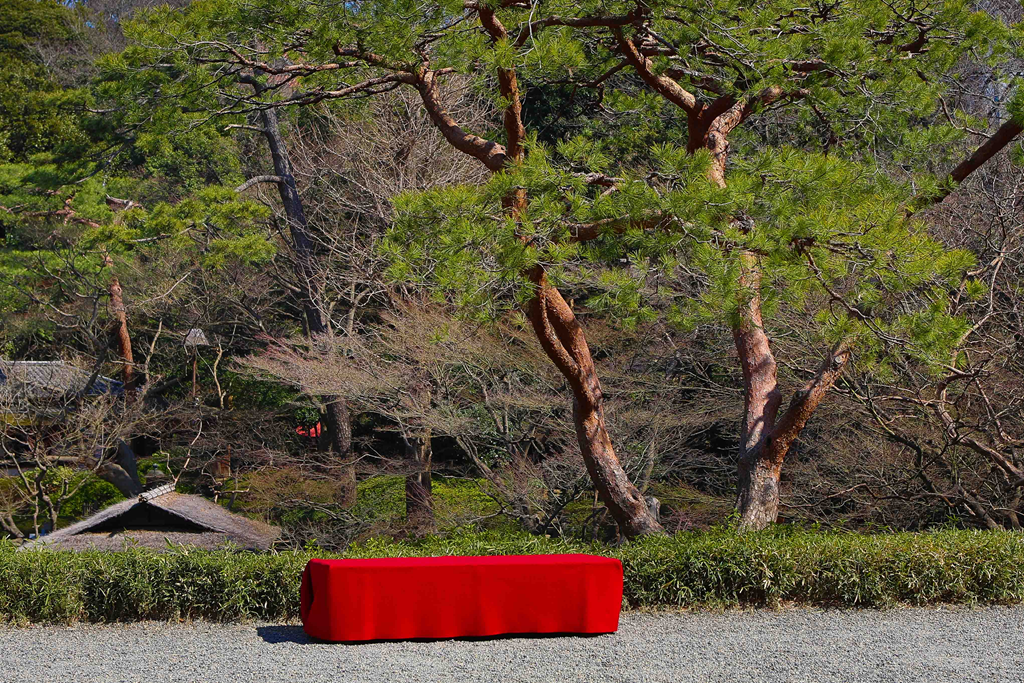
Last week I was at a meeting at the Happoen Garden. The conference center and gardens are beautiful. All of the trees are not in bloom yet, but they are started. Definitely on my Fall visit list.
Today’s configuration: Canon 5D Mark III, handheld HDRs, Canon EF 28-70mm f/2.8.
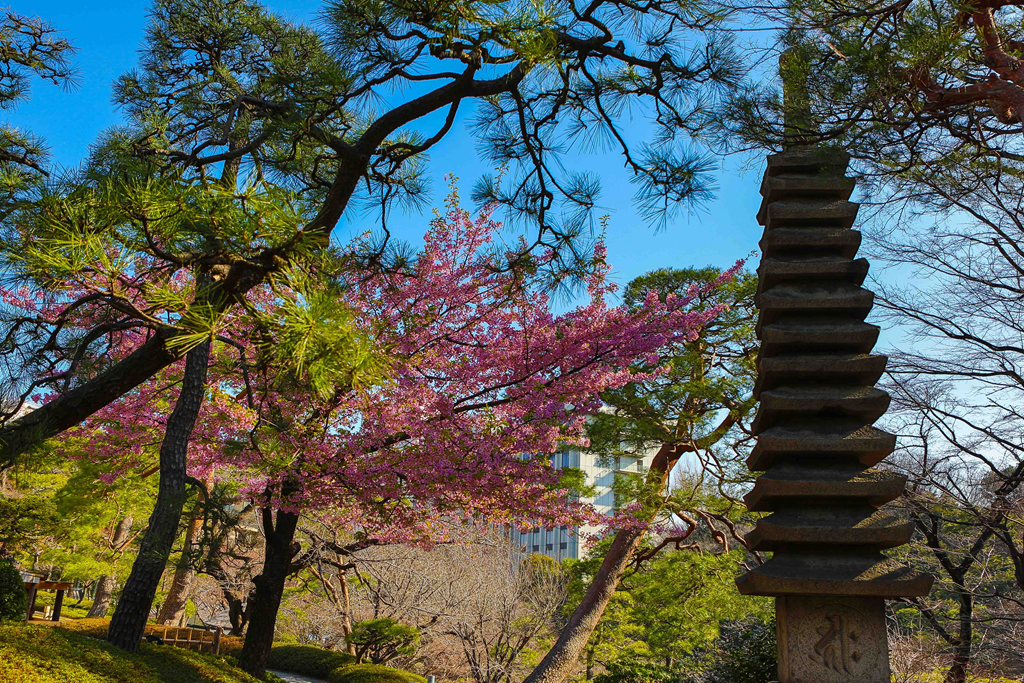
A beautiful open space right in the middle of Tokyo.

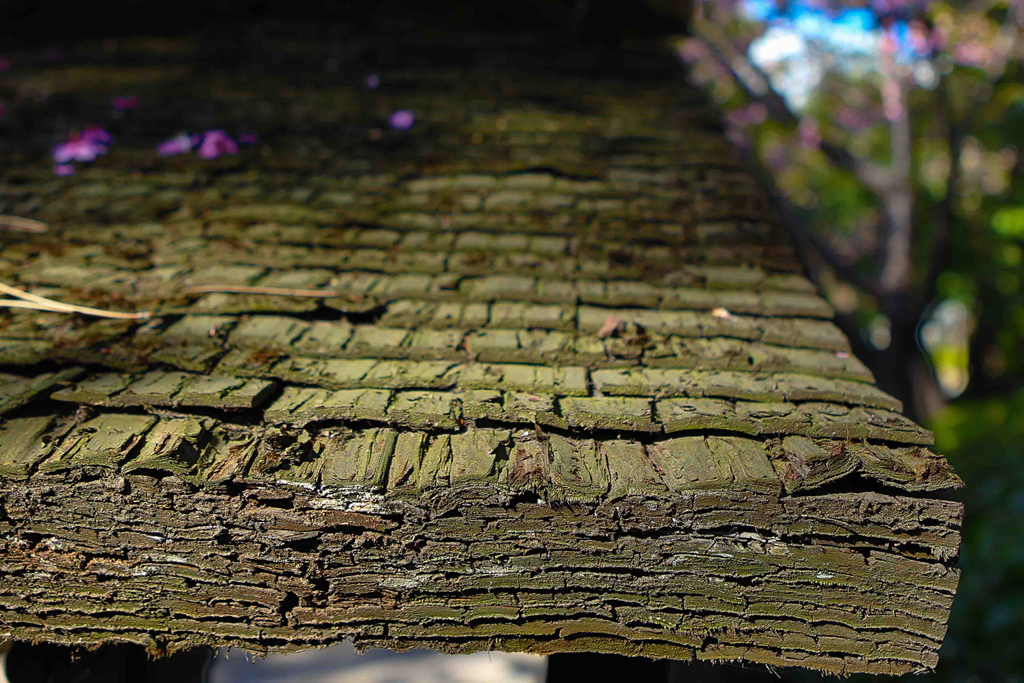

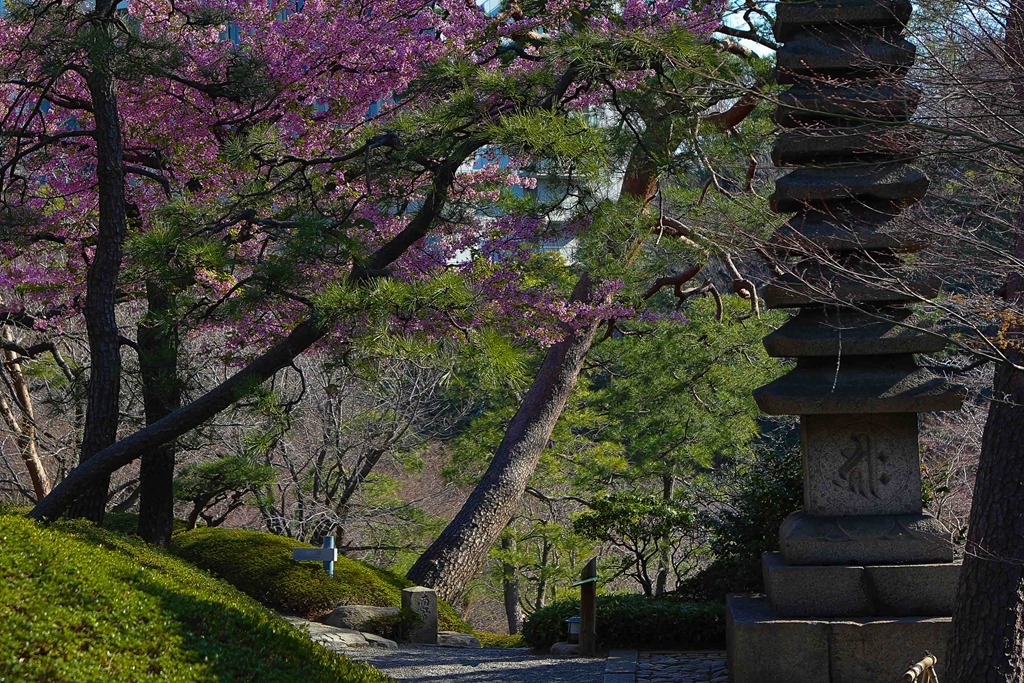
The cherry blossoms are beautiful.


I stood outside at lunch and took a conference call, snapping off a few shots as I listened.
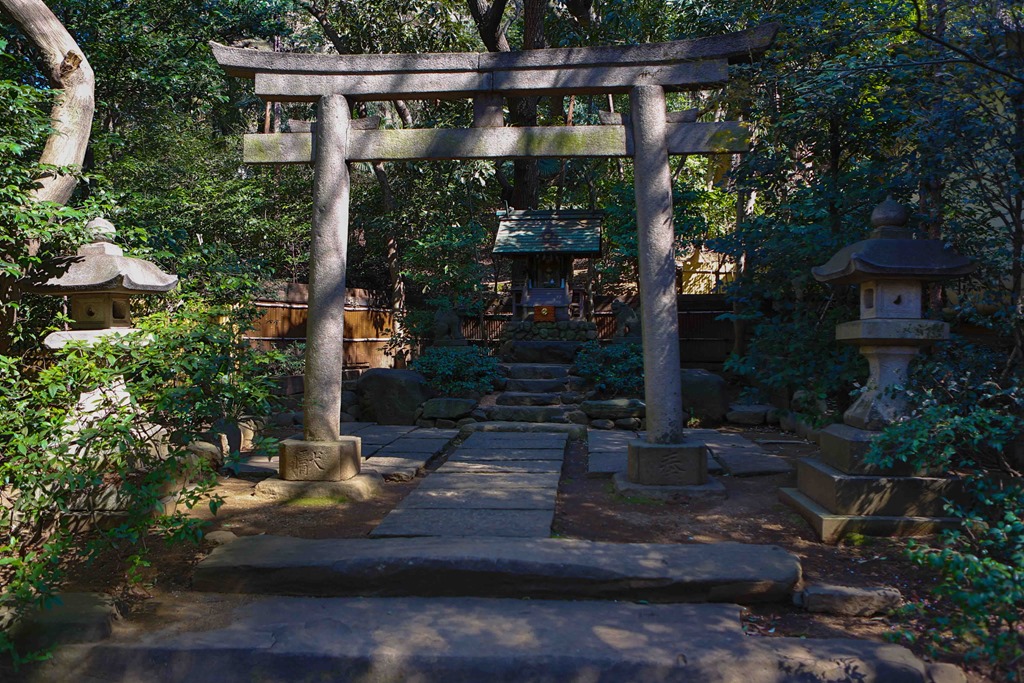
Of course, a beautiful little shrine is tucked into the garden.

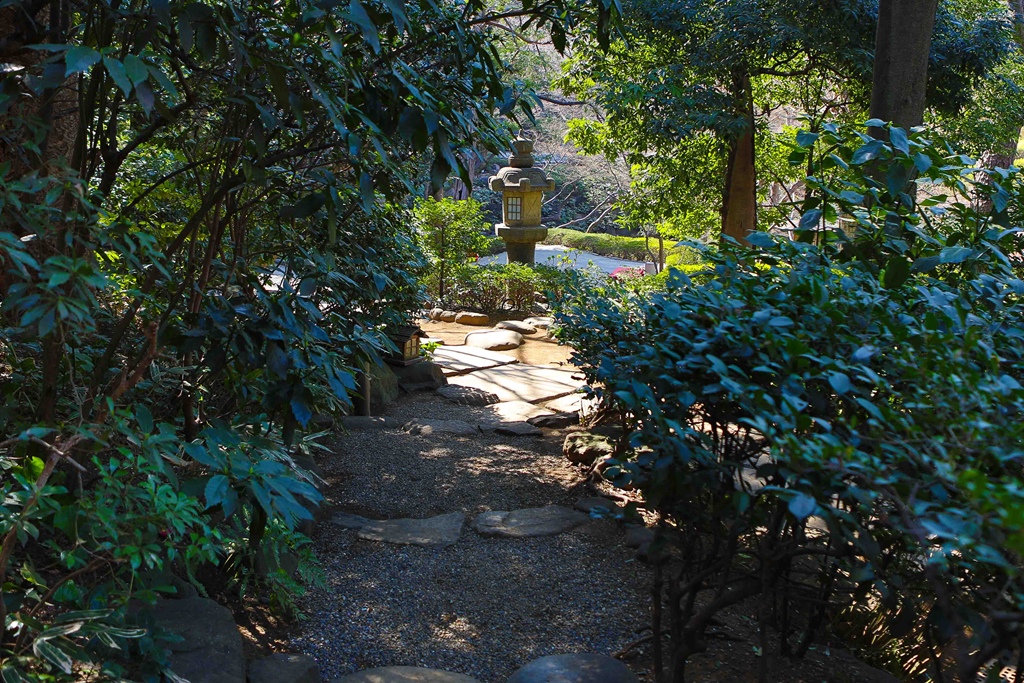
I am going to have to take the family back there.
I had to get up in the middle of the night to attend a call after the sandstorm. The sky was an eerie yellow. Supposedly the sand did come from China.
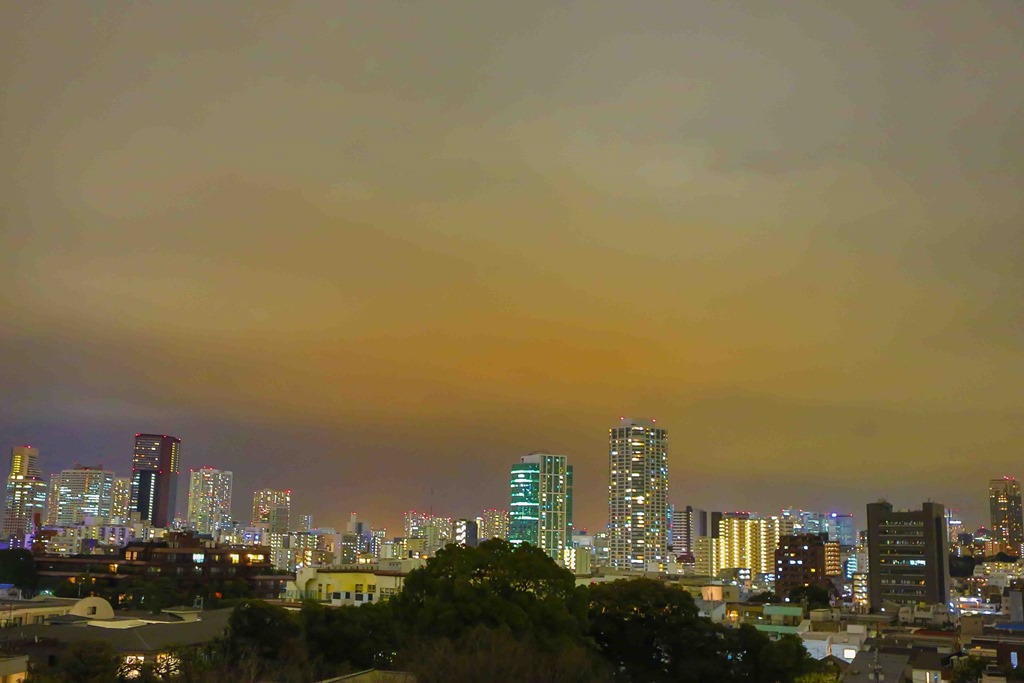
Unfortunately it has led to our learning about PM 2.5 and how Chinese pollution is effecting the region:
Atmospheric particulate matter – also known as particulates or particulate matter (PM) – are tiny pieces of solid or liquid matter associated with the Earth’s atmosphere. They are suspended in the atmosphere as atmospheric aerosol, a term which refers to the particulate/air mixture, as opposed to the particulate matter alone. However, it is common to use the term aerosol to refer to the particulate component alone.[1] Sources of particulate matter can be man made or natural. They can adversely affect human health and also have impacts on climate and precipitation. Subtypes of atmospheric particle matter include suspended particulate matter (SPM), respirable suspended particle (RSP;particles with diameter of 10 micrometres or less), fine particles, and soot.
In speaking with a colleague today he mentioned that when he was a child Tokyo was very polluted due to rapid industrial expansion. Over the years Japan has spent a huge amount of money to clean the air. I was surprised, as smog is not something that I have seen in Tokyo.
The weather has been up and down this week, cold and hot. On this hot day I happened to bring my camera and get a few shots off of Fuji-san and the Tokyo skyline.
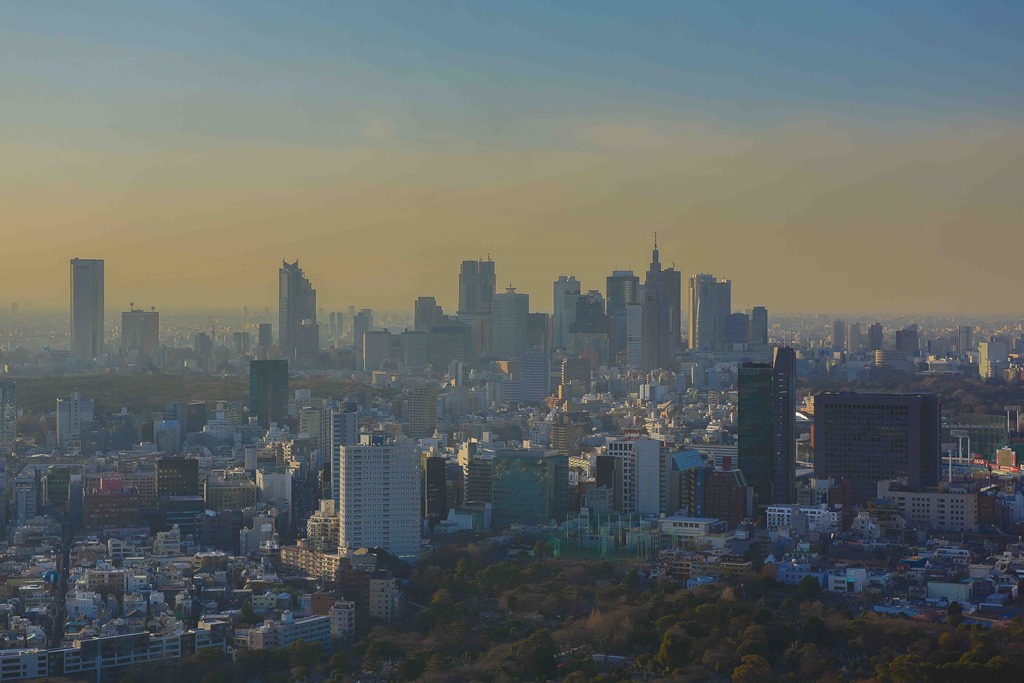
A gorgeous sunset.
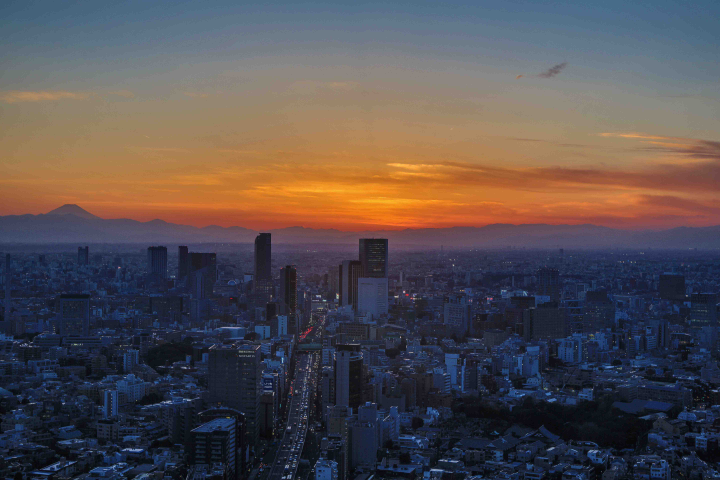
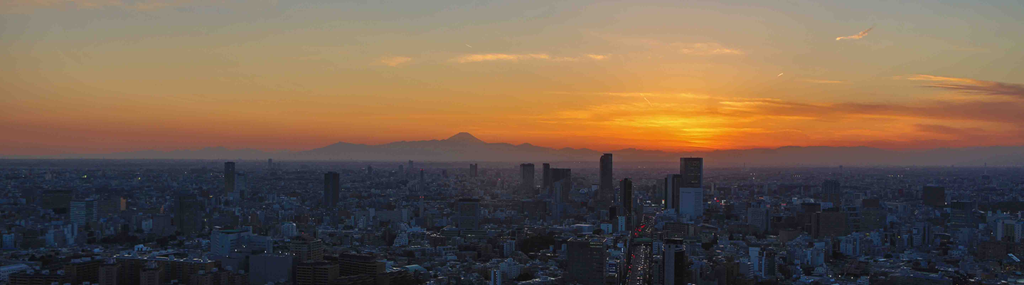
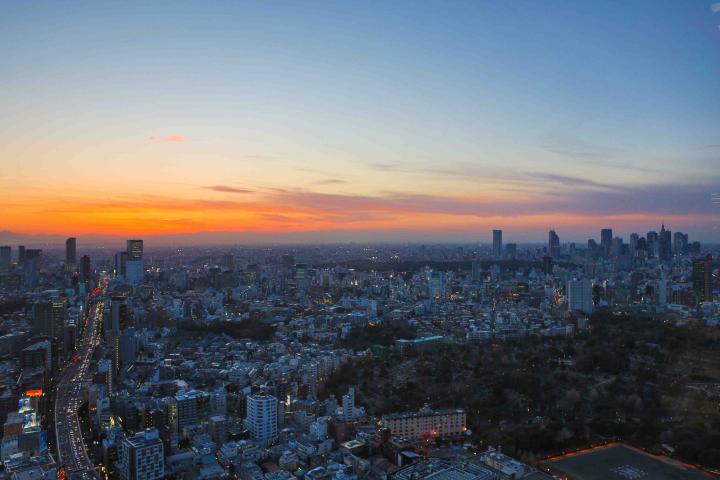
No smog ….
Spent last week in Sydney, Brisbane and Melbourne. A whirlwind of a tour with very little free time but I did snap off a few shots.
Canon 5D Mark III with a 50mm Sigma f/1.4 – my only non-Canon lens, most handheld HDR.
On the redeye.

Off the redeye.

A war monument in Brisbane.

I do like the way that Australia has preserved their buildings. So much character.

The clock outside the Westin in Sydney.

A few shots around the Westin.


No time …. just 18,453 km.
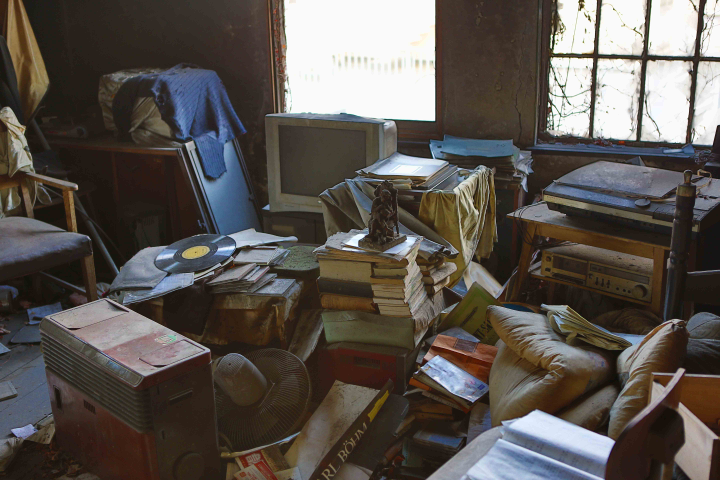
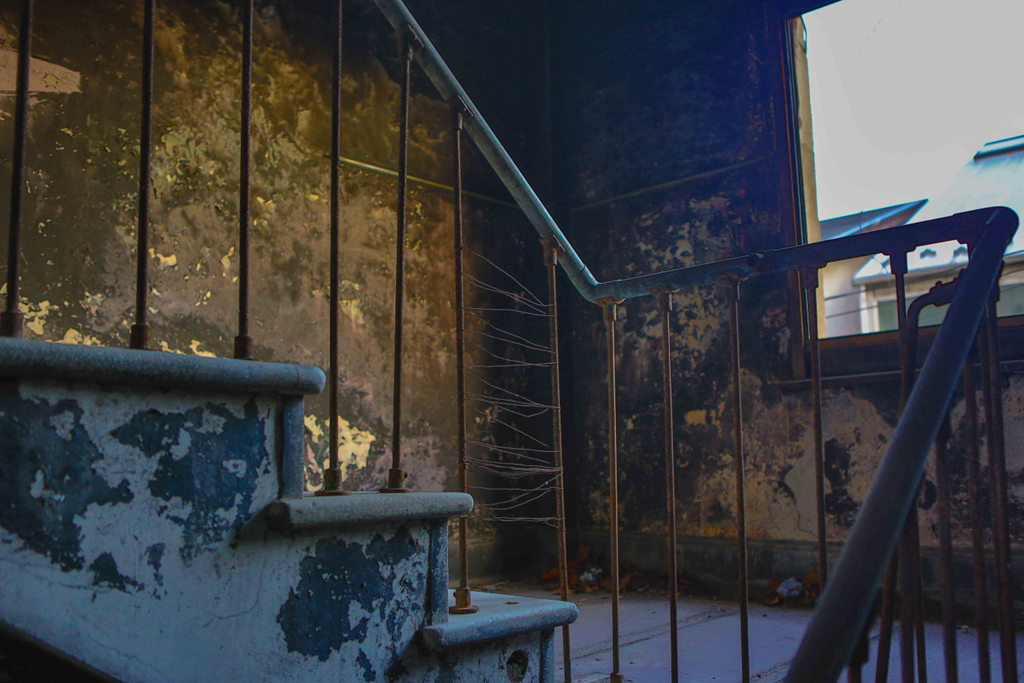
I continued my Haikyo, ready to explore the insides of the building. It was getting dark quickly so I shot a mix of handheld HDRs and RAW depending on light conditions. I was also worried about stepping on a few floors, the hallways were concrete but the rooms?
The first room I looked in. It is like the fire happened and everyone just ran, never to return. So odd.

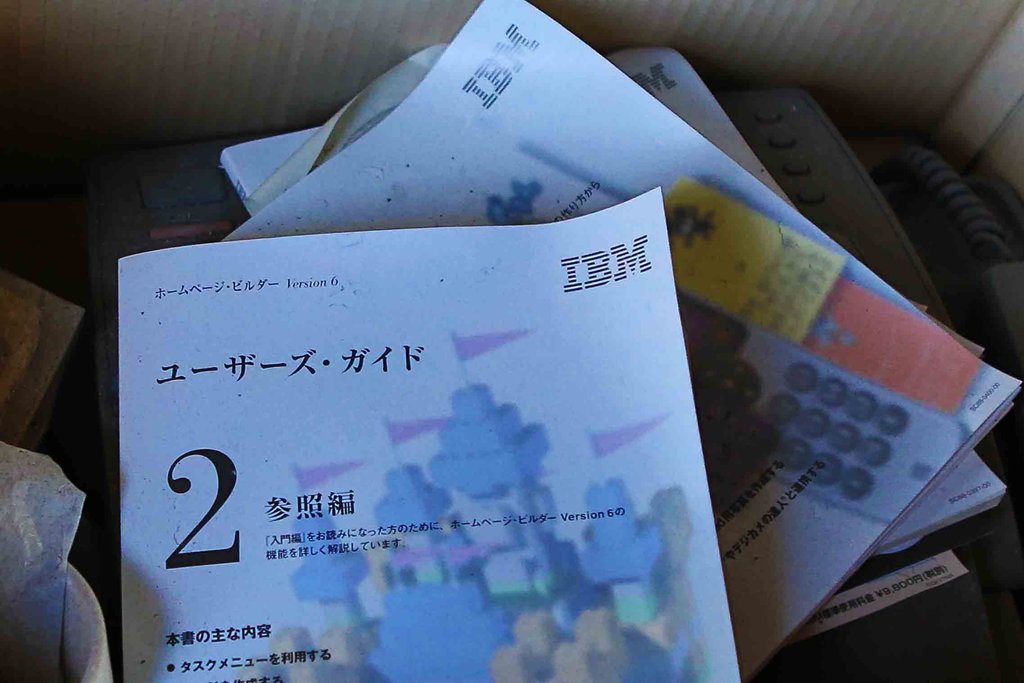
OS/2?
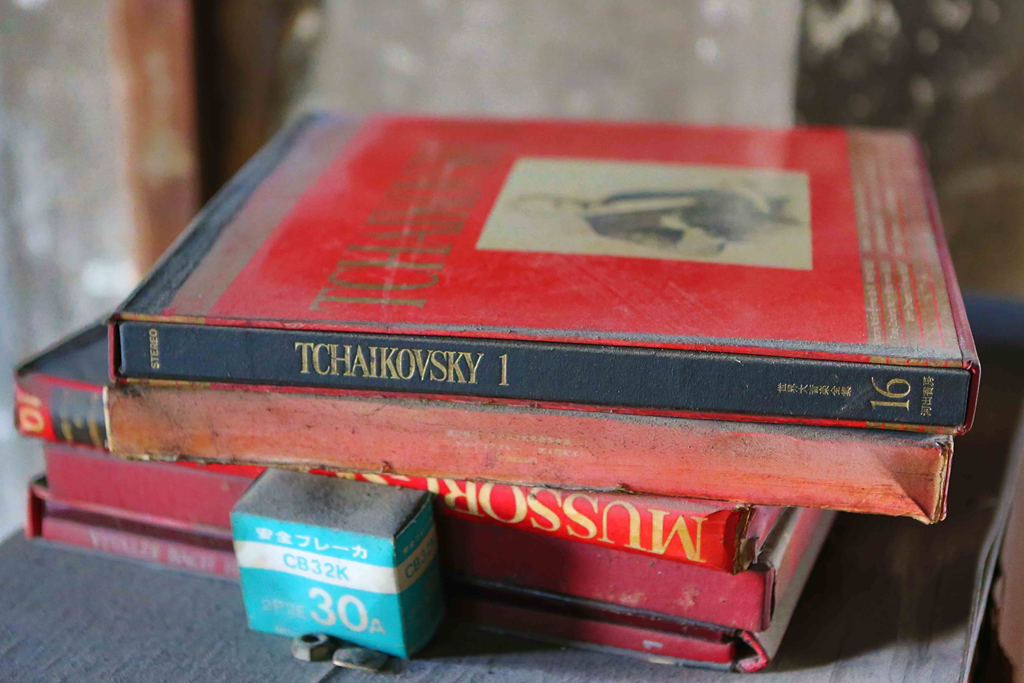
I would have left the Beethoven behind too. But Tchaikovsky? Heresy.
It must have gotten quite hot to melt whatever that is on the shelf …

I was fascinated by the piano.


I would have left it behind too.
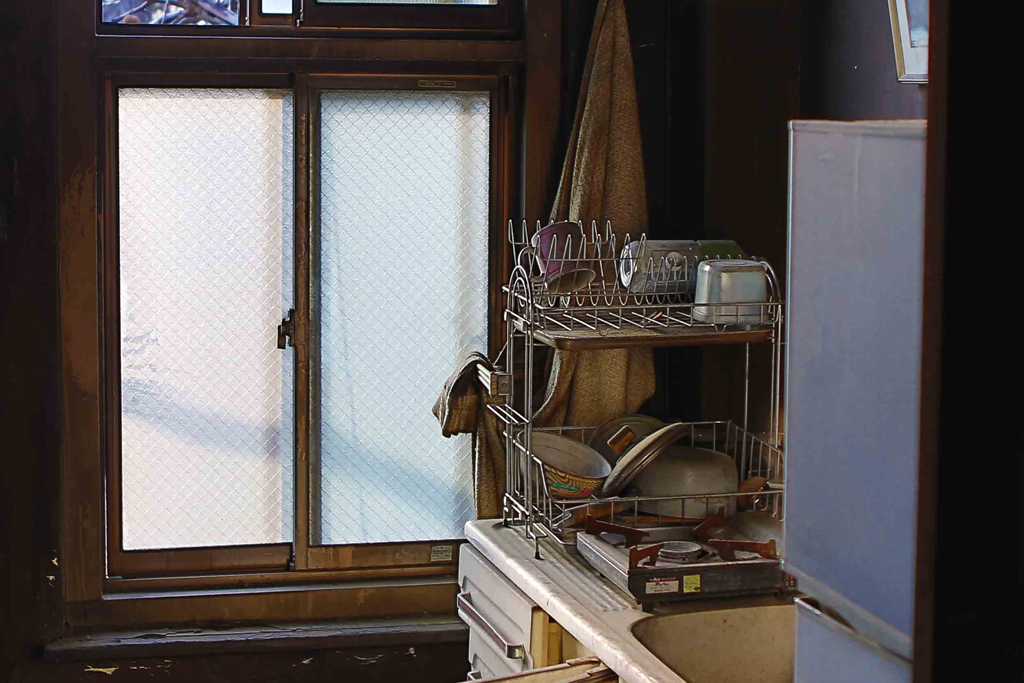
A fully stocked kitchen.
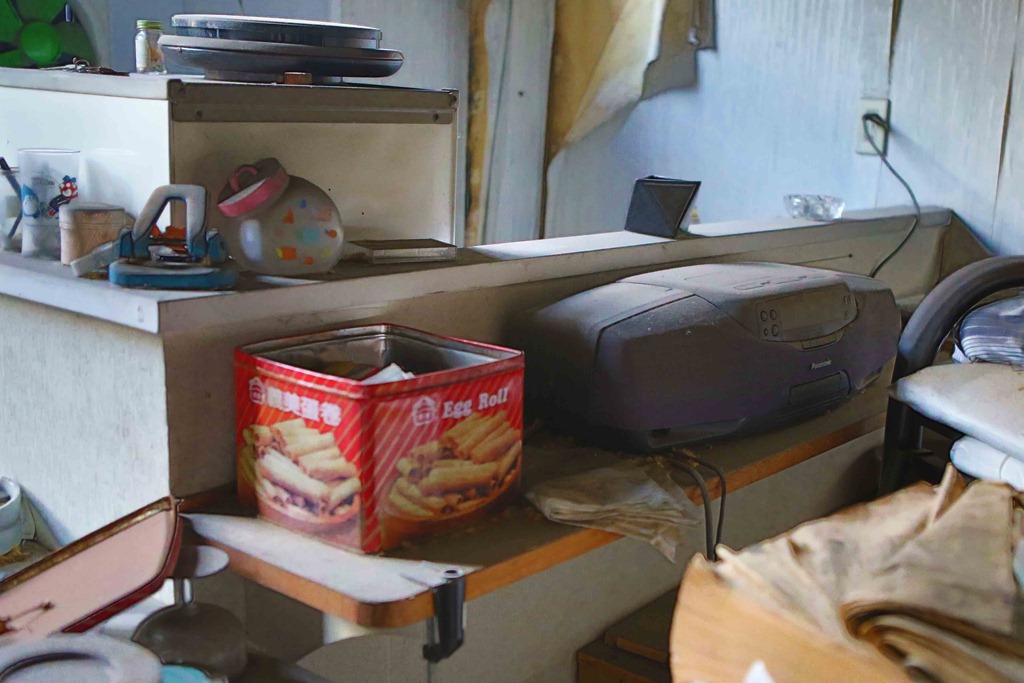
Proof that the CD is dead. Why else would leave behind such a fantastic boombox?
And this is where my camera died. When I finally figured out where to go I parked quickly and decided to leave my camera bag and all of the piece parts behind. I was in a hurry. The only problem is that I didn’t look at my battery status.
It went dead. If I hurried I could run back to the car, move it to the closer parking spot, and then hustle back onto the site before all of the light disappeared.
Urban exploration can be a lot of work when you wing it.
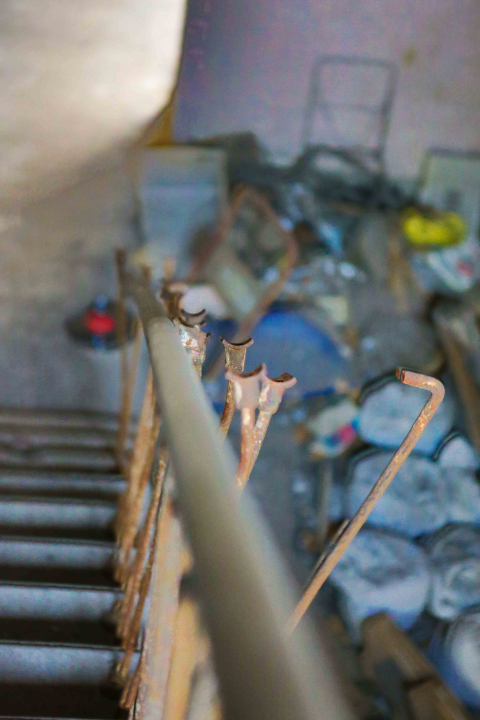

Coming home for dinner.
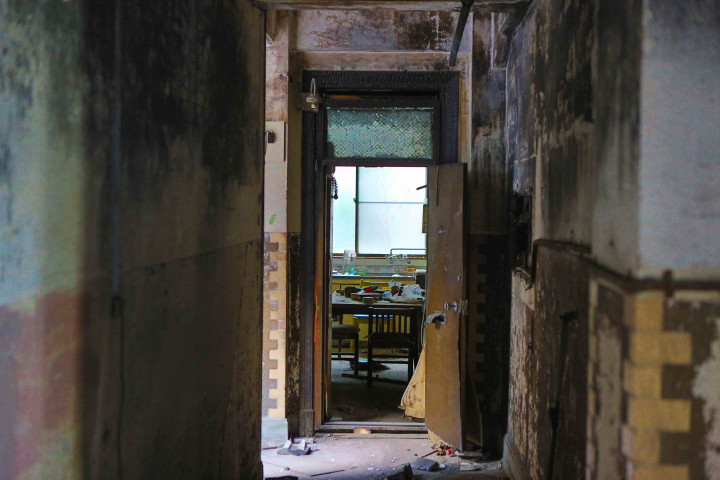
Would love to know what is on those tapes. Some Magnum P.I. perhaps?

Student dormitory kegger …
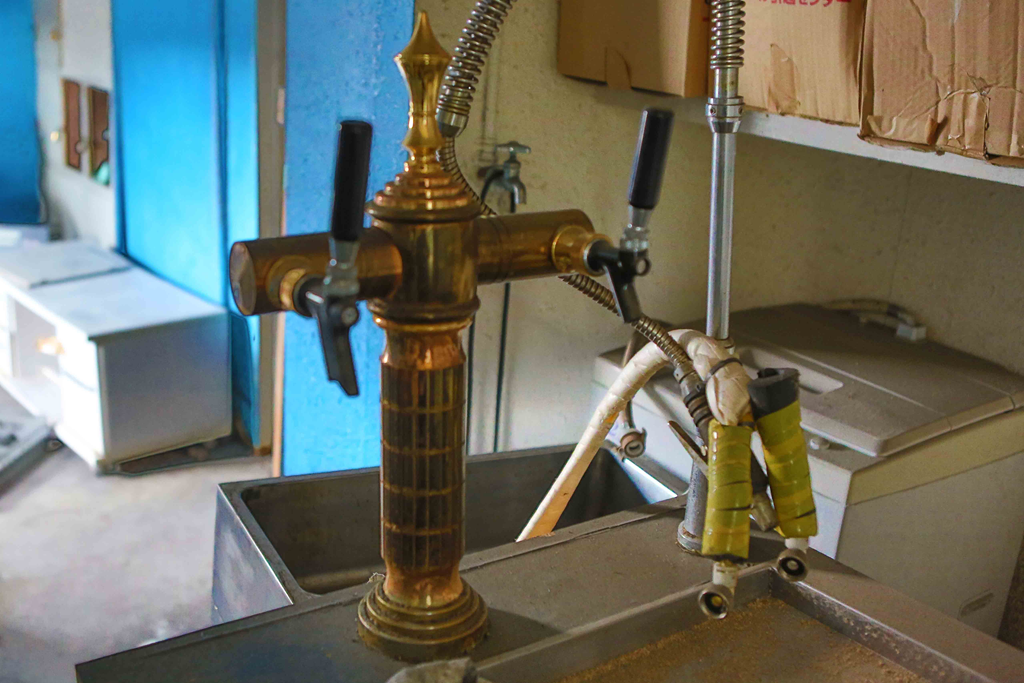
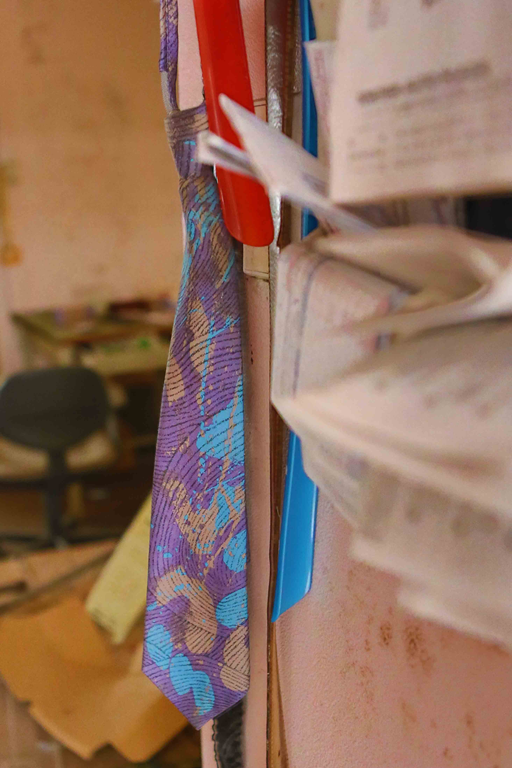
I should have grabbed the worlds worst tie.
Cool afternoon out.
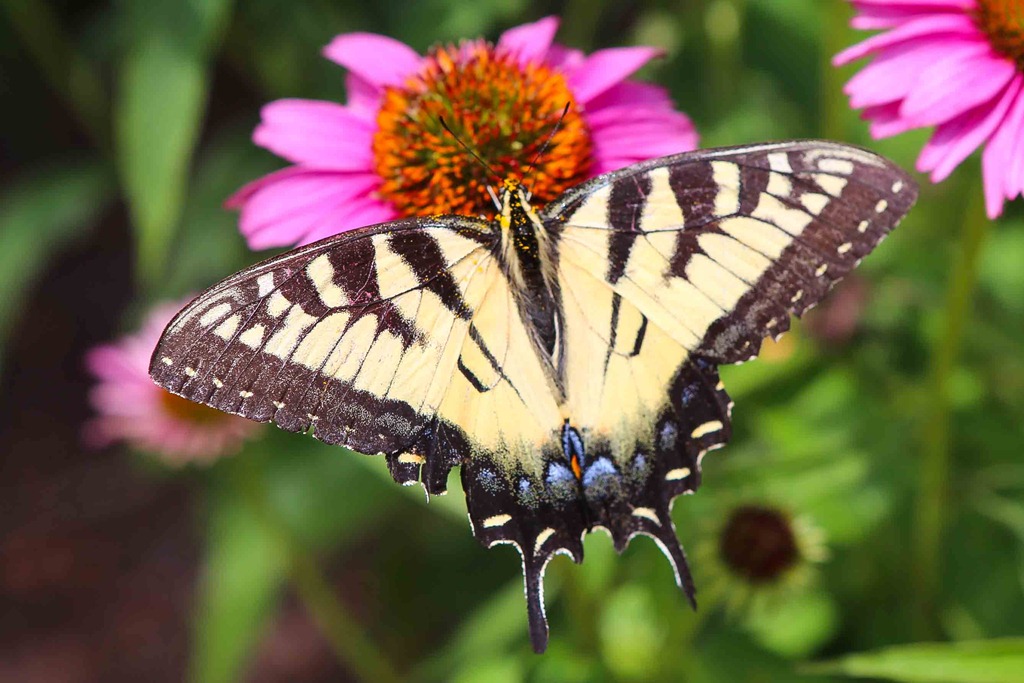
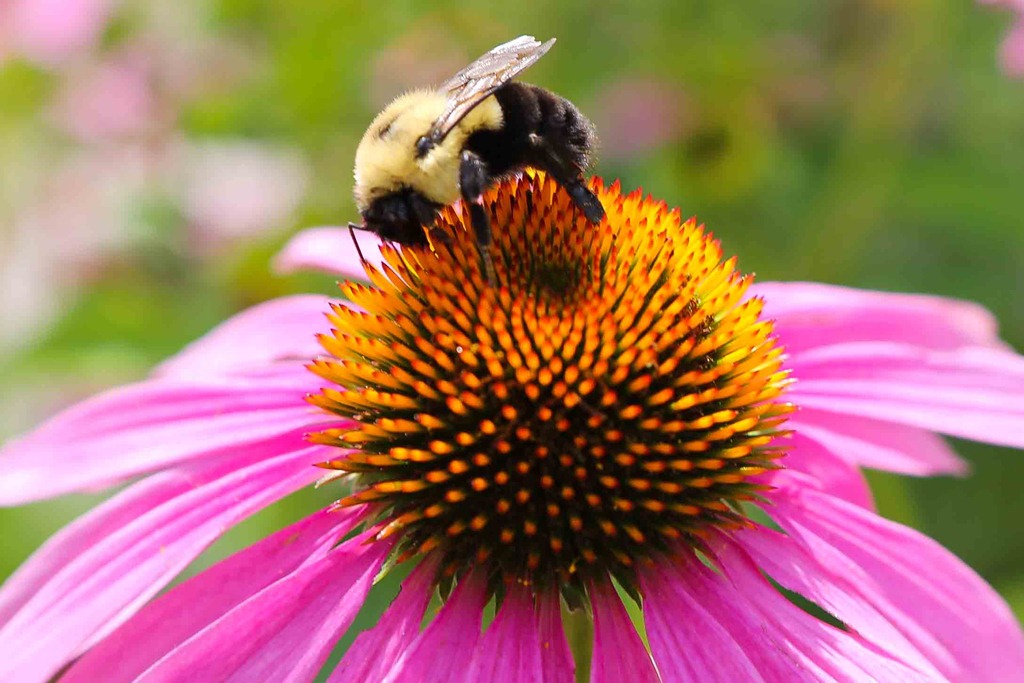
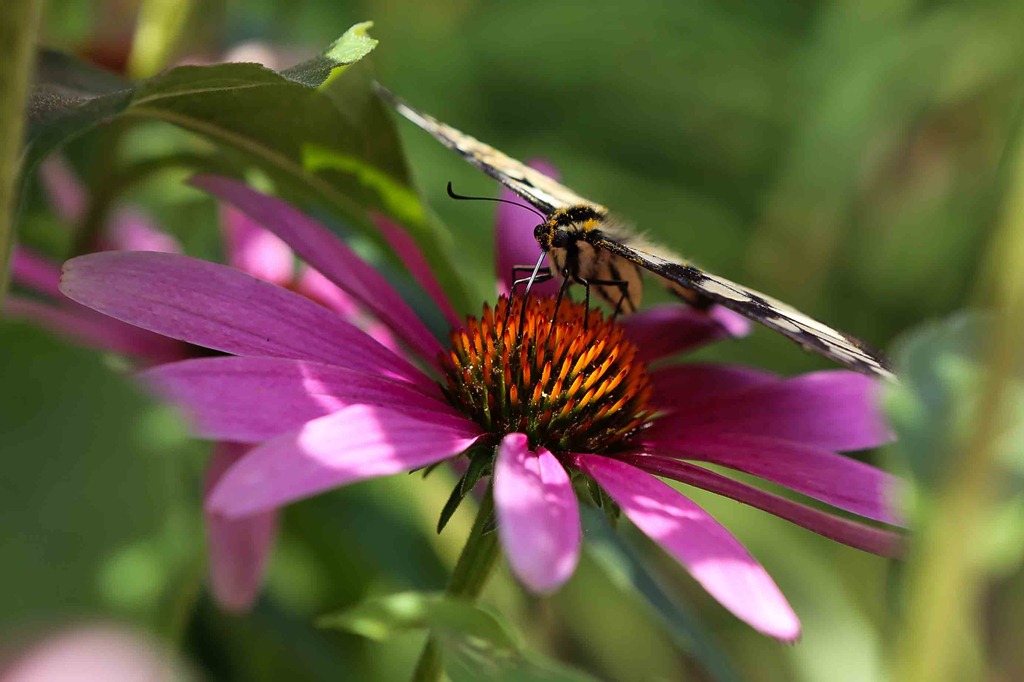
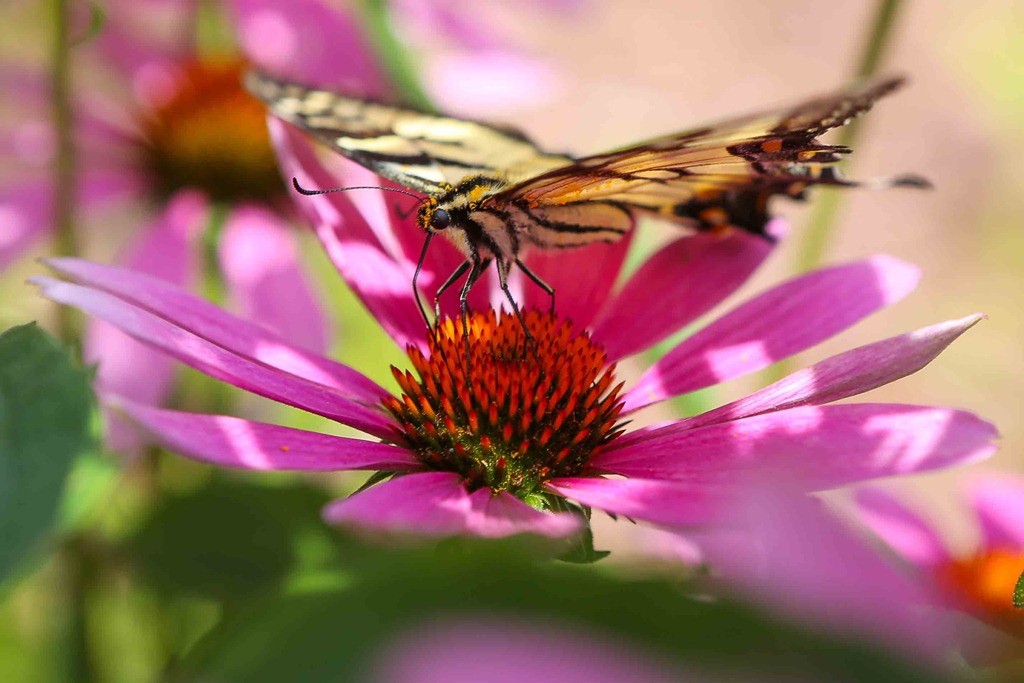
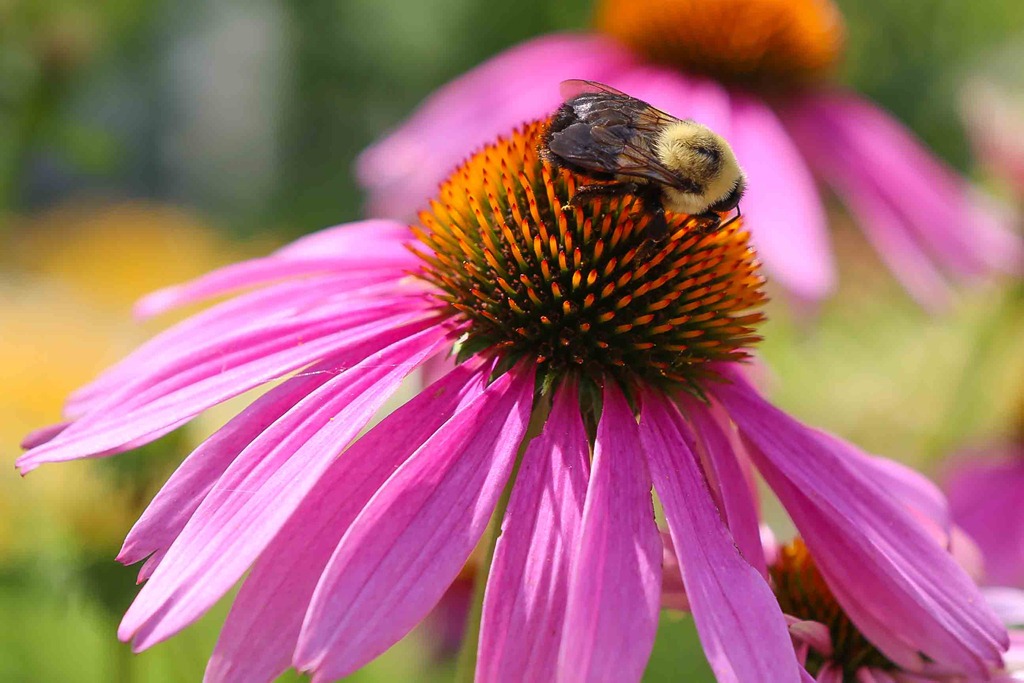
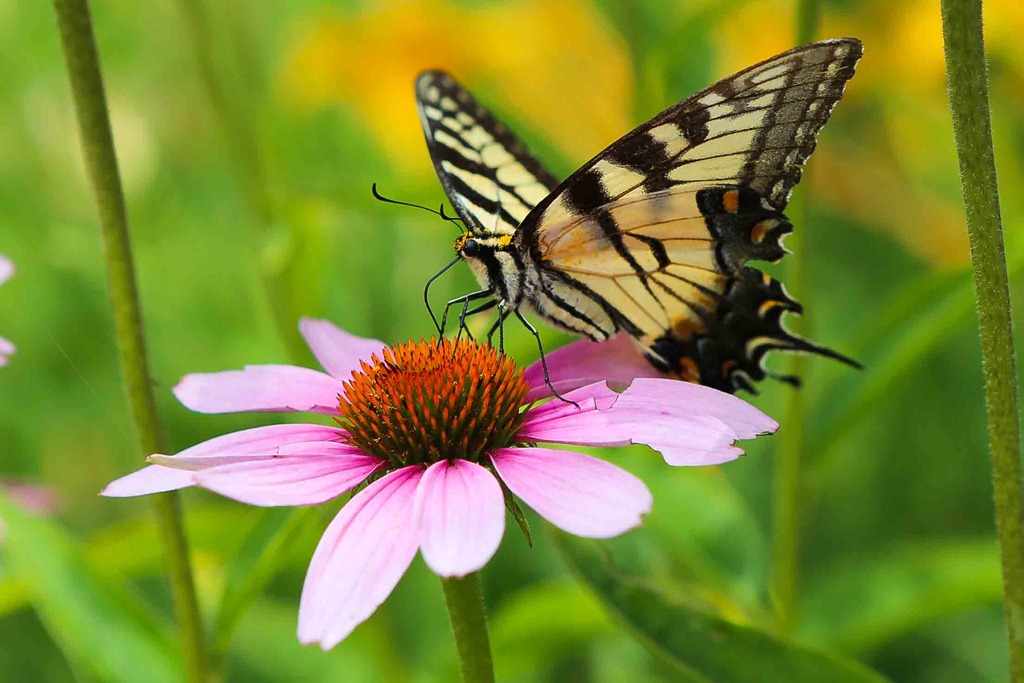
I have been cleaning out some photos and found the very first shots I took with my new Canon 5D Mark III in the summer. The coneflowers (Echinacea) were out, and so were the butterflies and bees.
A colourful sunrise, via my Canon 5D Mark III shot using the internal HDR, handheld. I recently replaced my tripod, but grabbing it early in the morning is so much harder than simply shooting away. Canon has done a great job with the technology. Zero post processing.
Through the bushes.
As a friend said “There really is no perfect camera bag”. I now have a couple bags and thought I had found the “perfect” one in the spring. After a few trips, I have abandoned it again for my trusty Maxpedition.
I don’t know why, but even though the Maxpedition isn’t a camera bag (I put gear in sleeves or cases and then neatly stack it in the bag with a few hand towels in there for insurance padding), it works. It is comfortable even with a bigger load (5D, 18-70 lens, 70-200 lens, 2X III extender, extra battery, cards and bits and bobs) and as our trip up Passage Peak proved – nicely water proof.
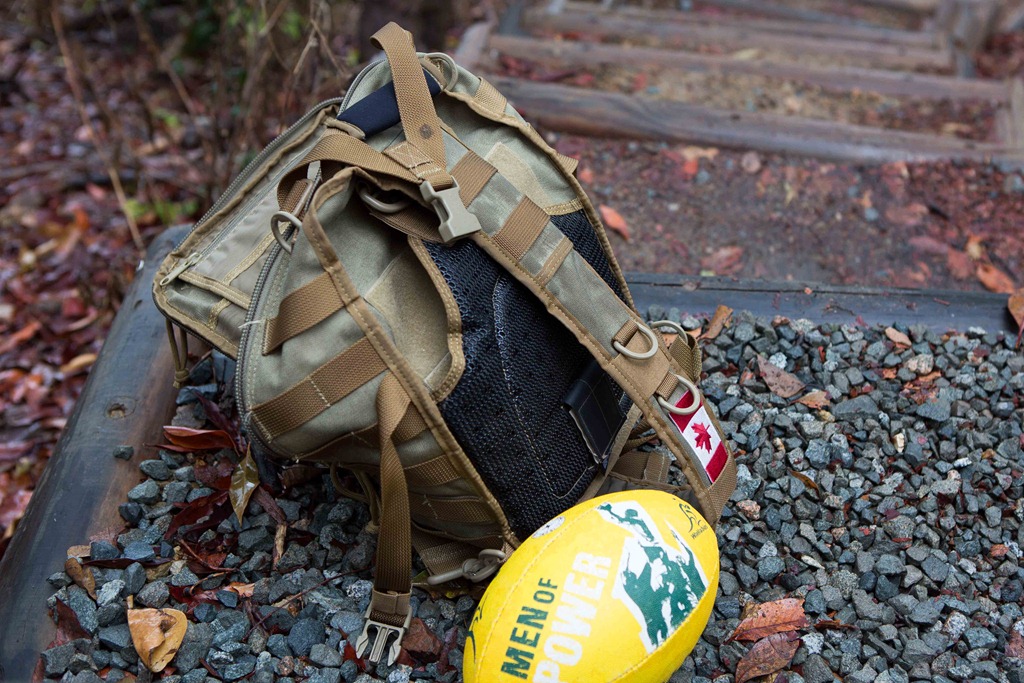
I bought it years ago while we were still in England from their US website and after a good hose-down, it still looks brand new. Military tough.
Plus on the trek up the hill (3K up, 3K down) I slipped my iPhone into the back and blasted Christmas tunes via Spotify the whole time. Hiking AND singing Christmas carols, in a on/off rain (but warm!).
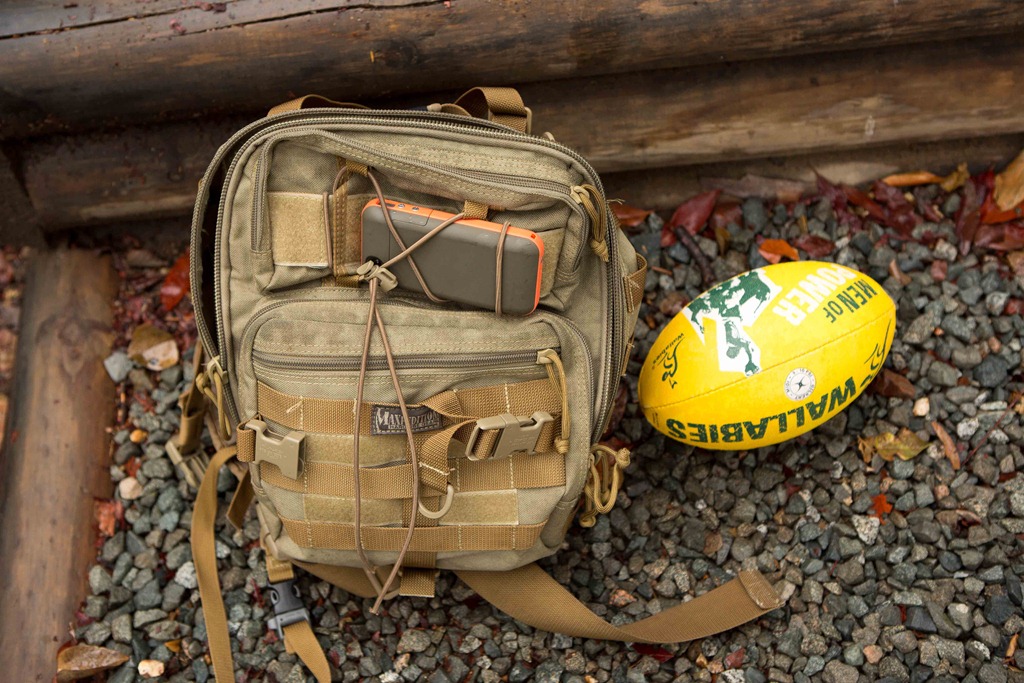
Great pack.
A flowering bush in December. In December! No snow …. –4 in Toronto today. Don’t miss the snow.

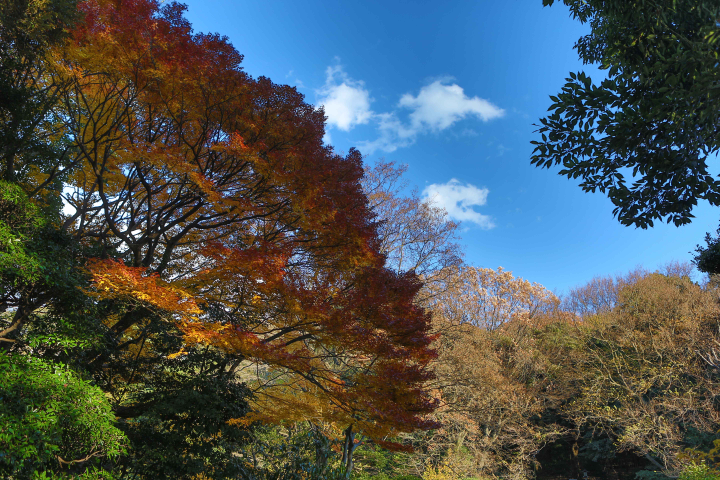
Lots of fall colors. Amazing that the HDR has zero ghosting even though I am not using a tripod. Well done Canon.
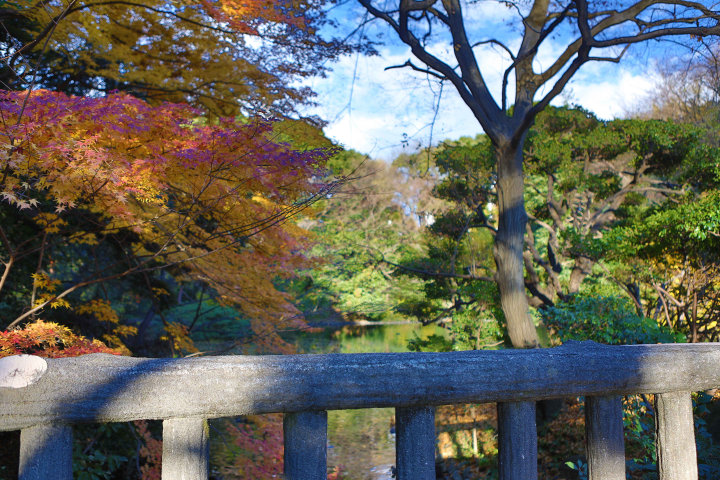
The sake barrels. The guide told me they are empty.

The downside of the HDR, look at the edges of the trees. As it takes the 3 quick photos, if the trees are moving it creates what looks like a halo.
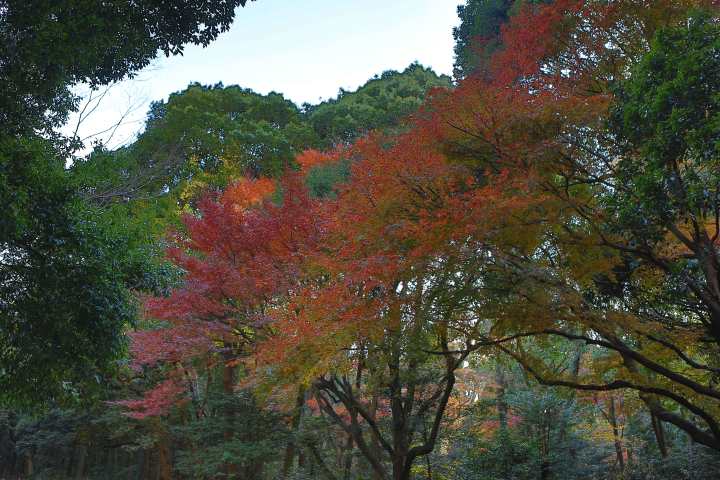
One final barrel shot.

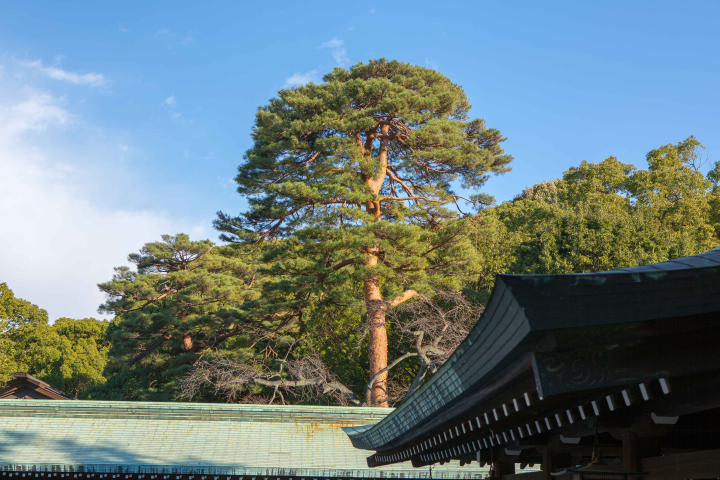
We headed over to Meiji shrine again this weekend as we had a friend in town. I was excited about trying out a few shots with my new found HDR method on the camera.
The first bit of luck was at the gate. I saw the volunteer tour guides and last time they had just finished for the day. This time they had time and took us on the tour and we learned a few new things about the shrine – such as the road to the shrine dips down and then back up as a sign of respect and the road turns at 88 degrees as the number 9 is bad luck.
Of course it is nice that it was not raining, 13 degrees and sunny in December? Two thumbs up.
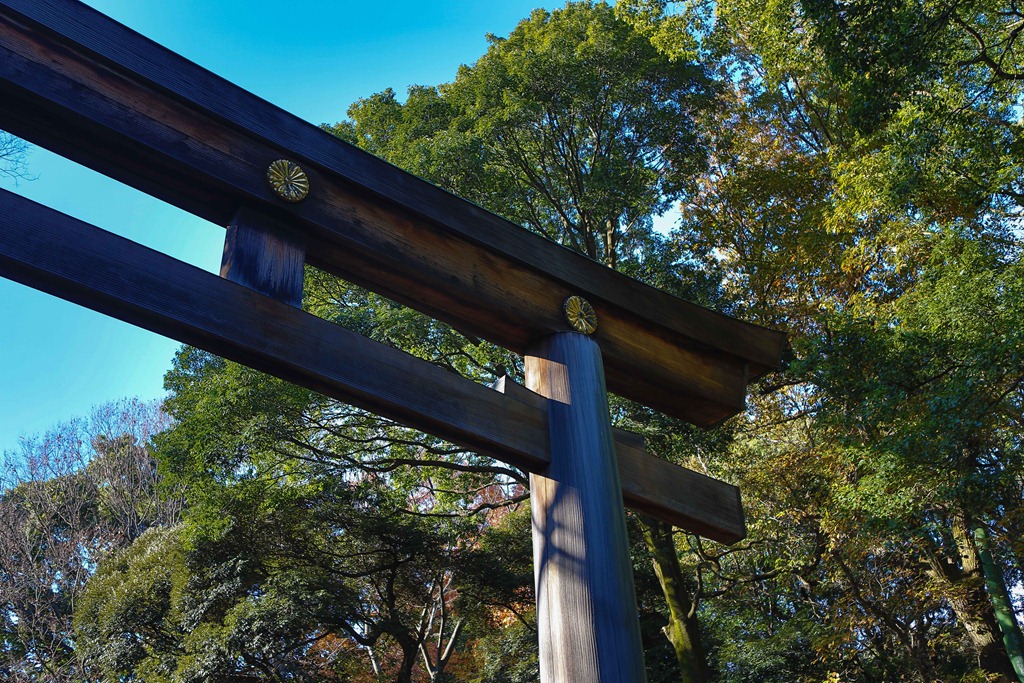
The Tori gate. This is the 2nd one you pass through and the largest in Japan. (all photos are handheld – and in HDR – artistic vivid).
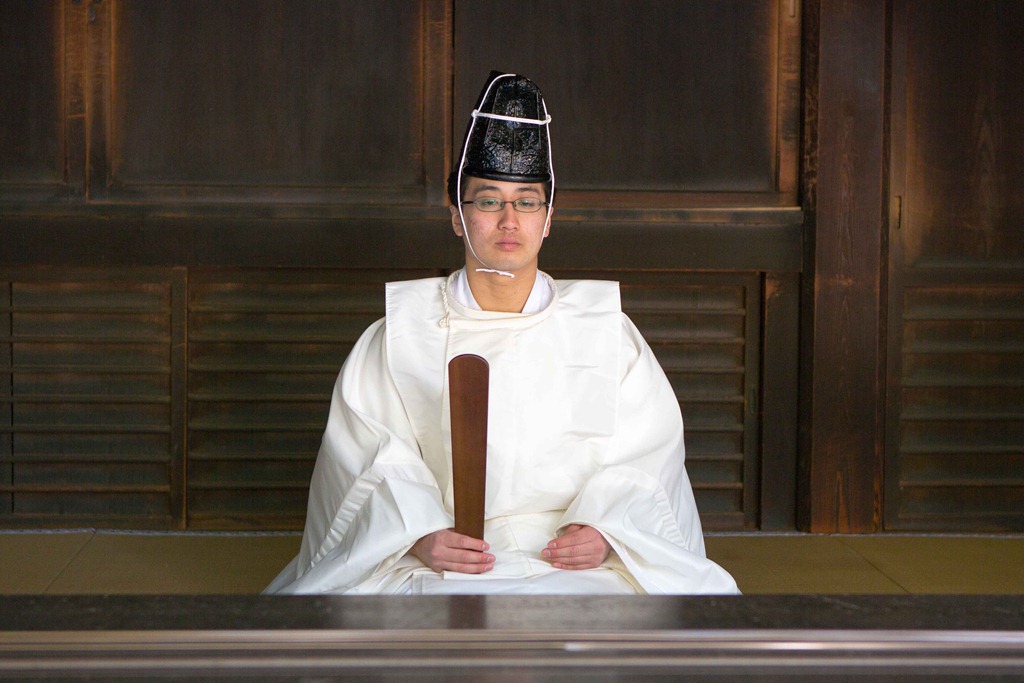
OK, not all photos. This priest was very solemn, but he said I could take his photo.
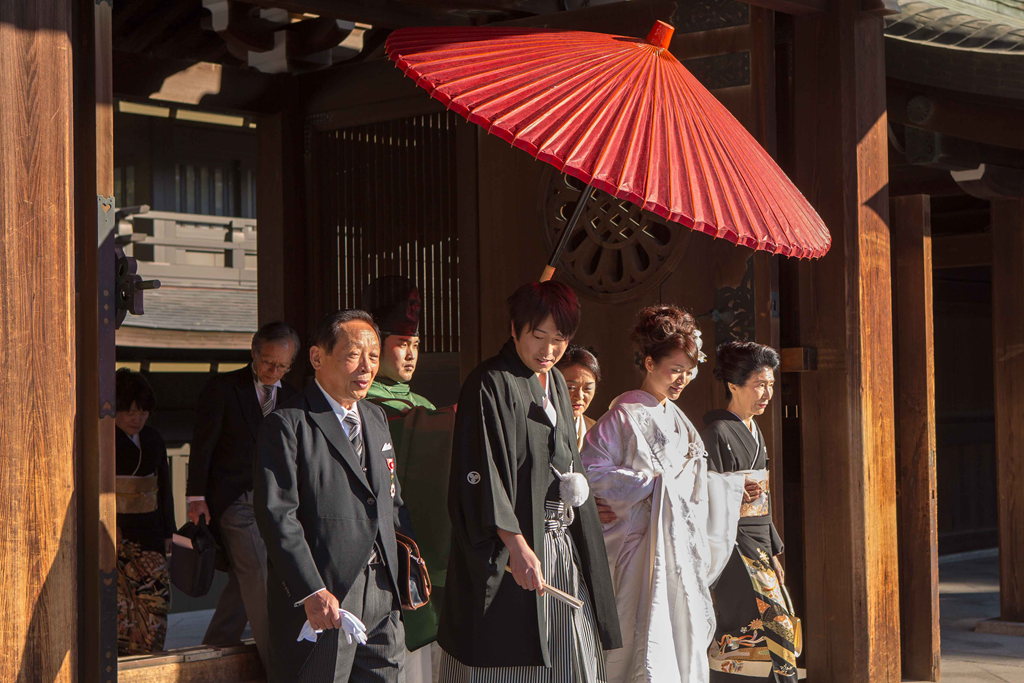
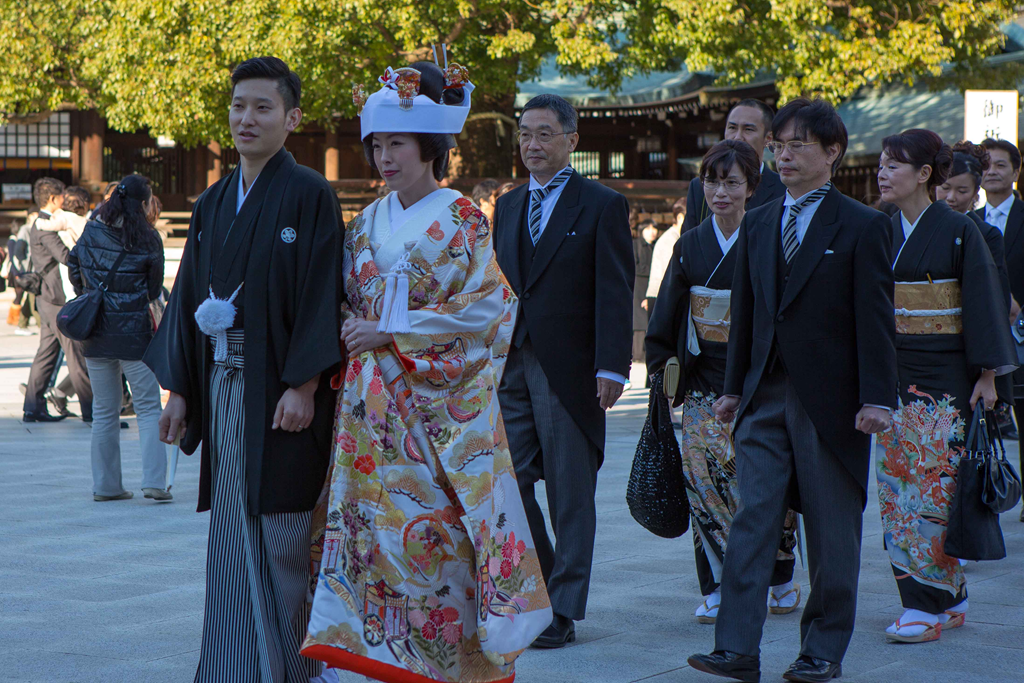
I like having a guide with us. She explained this Japanese wedding party and why this bride was wearing the head garment – to cover her “horns”. Seriously.
Two choices of headgear exist. One, the watabōshi, is a white hood; the other, called the tsunokakushi, serves to hide the bride’s ‘horns of jealousy.’ It also symbolizes the bride’s intention to become a gentle and obedient wife.

There were a few weddings going on.

We headed over to the tree, filled with wishes. I am not sure if Ja is a male or female name. If it is a woman’s name then the request below might need a lot more help as she is in serious trouble in Japan according to this article:
Asked whether they think they can marry, only 27.8 percent said they want to marry and think they will, while 35.3 percent said they don’t want to get married yet.
Of those who would like to get married, 36.9 are afraid they won’t.
At the top of the reasons for this was economic insecurity, cited by 60.8 percent, compared with 48.2 percent who said they are not popular with women. More than one answer was permissible.

A beautiful tree, back to the HDRs.
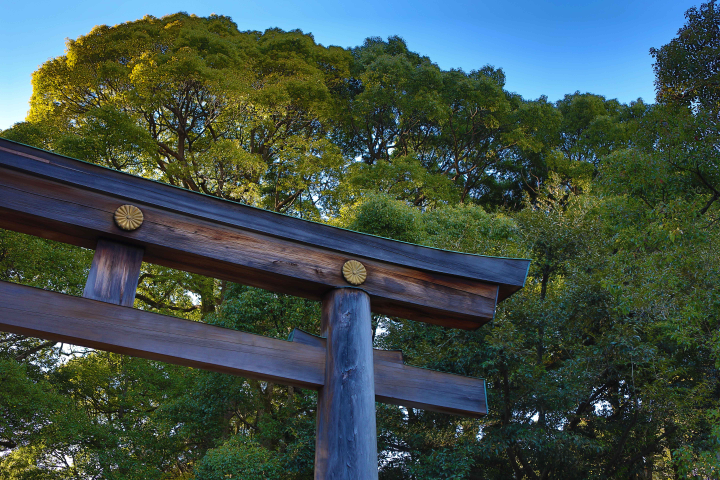


The colors with the HDR mode are amazing compared to a standard photo.
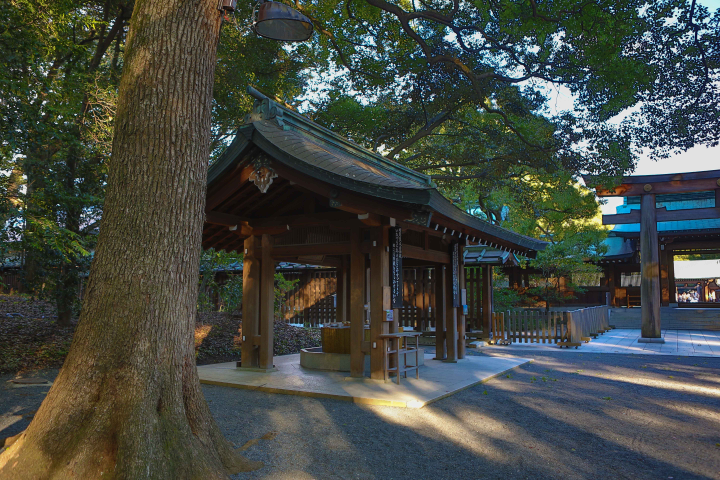
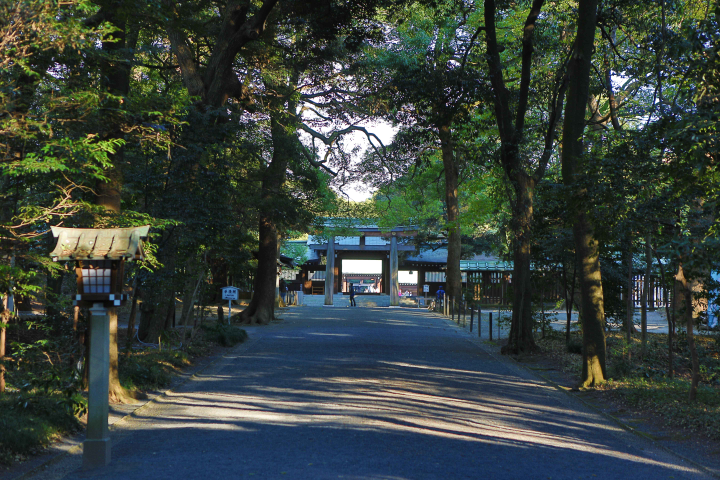

The museum at the back of the park.
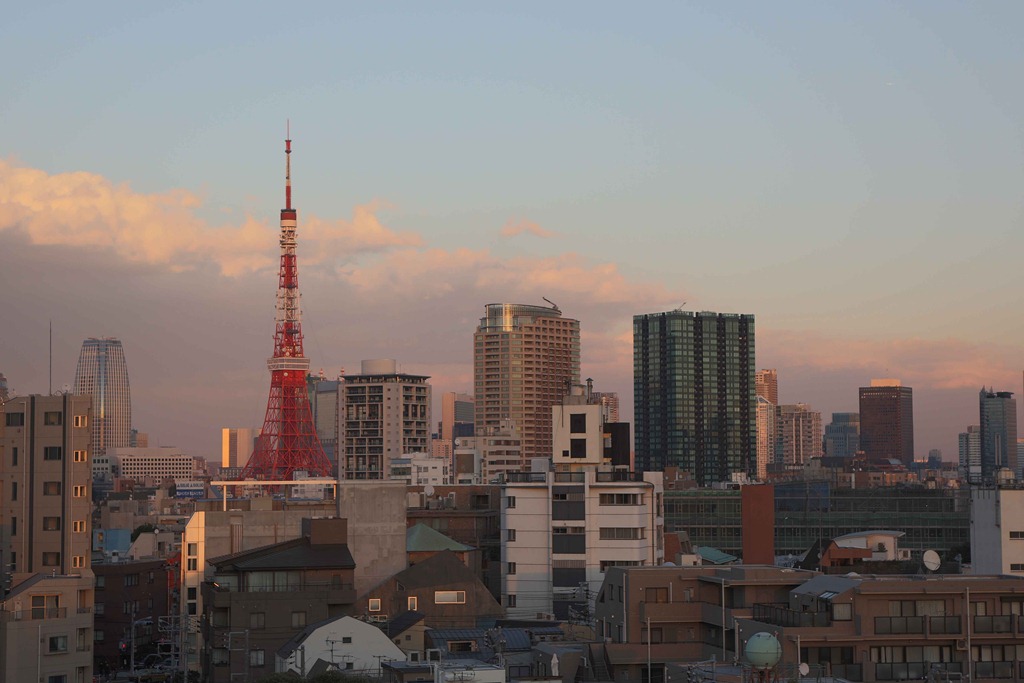
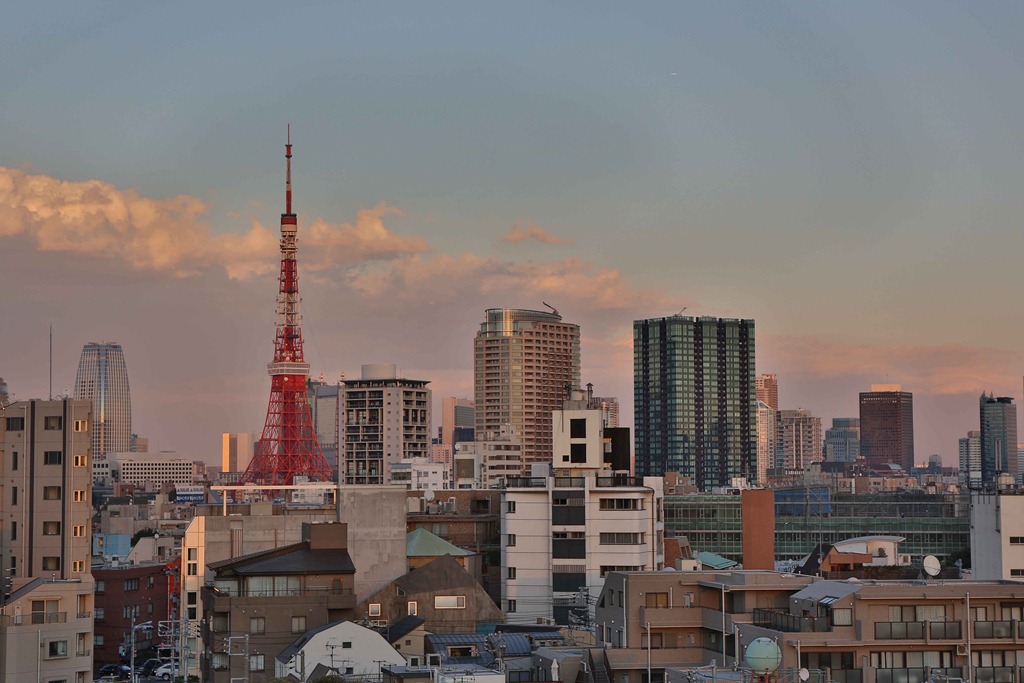
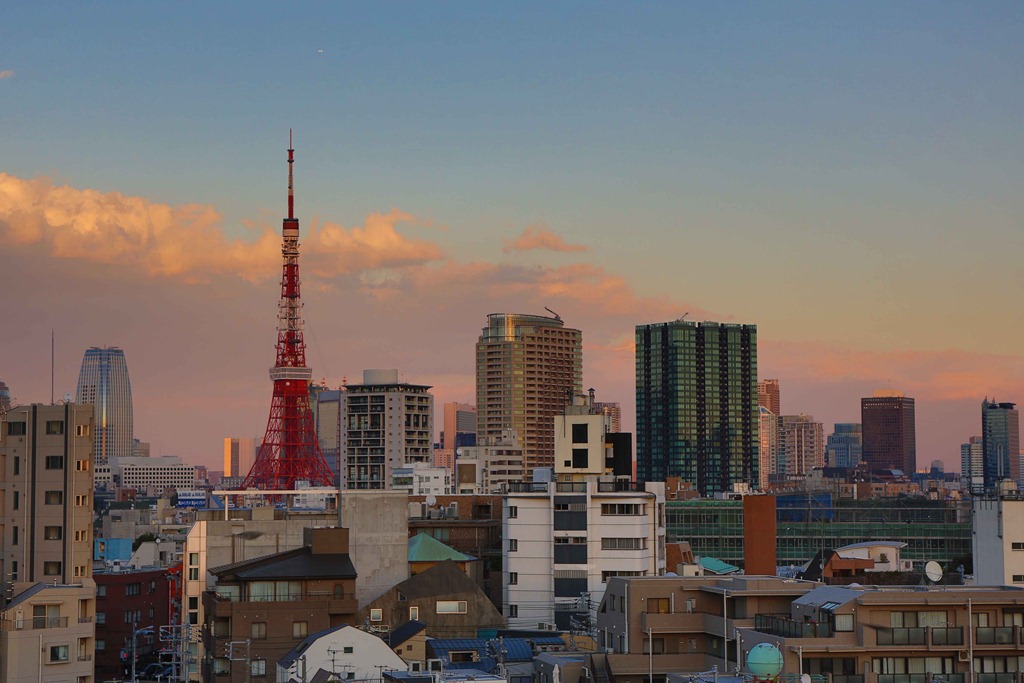
I have been “playing” around with the HDR on my 5D Mark III. I definitely do not like the embossed setting, but the “natural”, “vivid” and “artistic” settings are interesting. I am torn between “vivid” and “bold”. All were taken with a 2 second delay (to avoid shaking), resting on a railing (I really need to replace my tripod). I did not mirror-lock.
HDR natural. It looks a little washed out.
Artistic standard.
Artistic vivid
Artistic bold
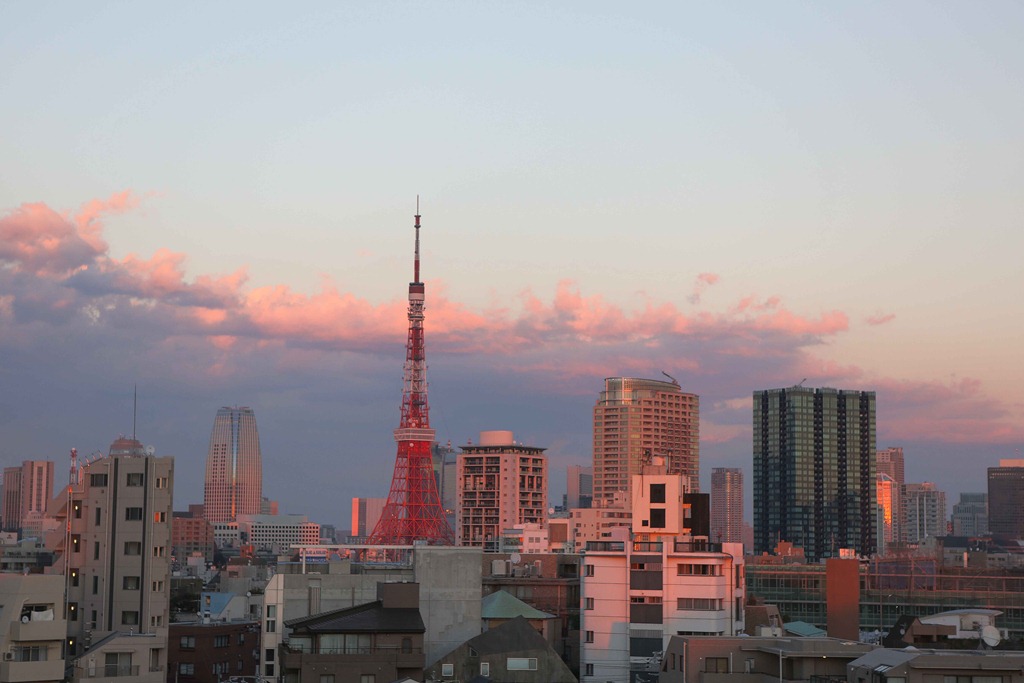
A new set. HDR natural …
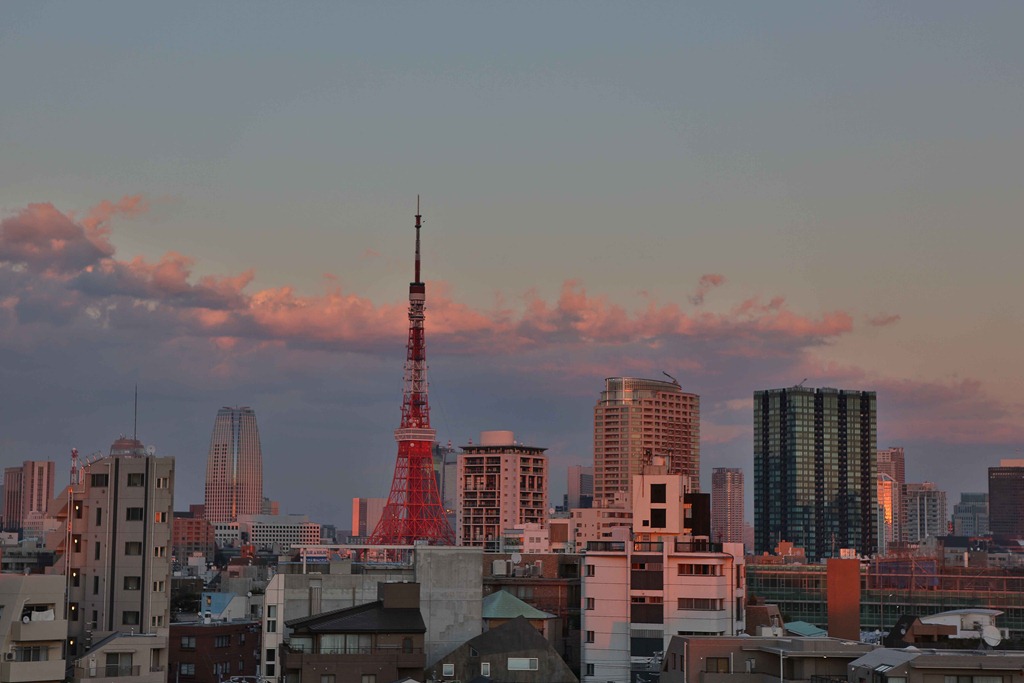
Artistic standard
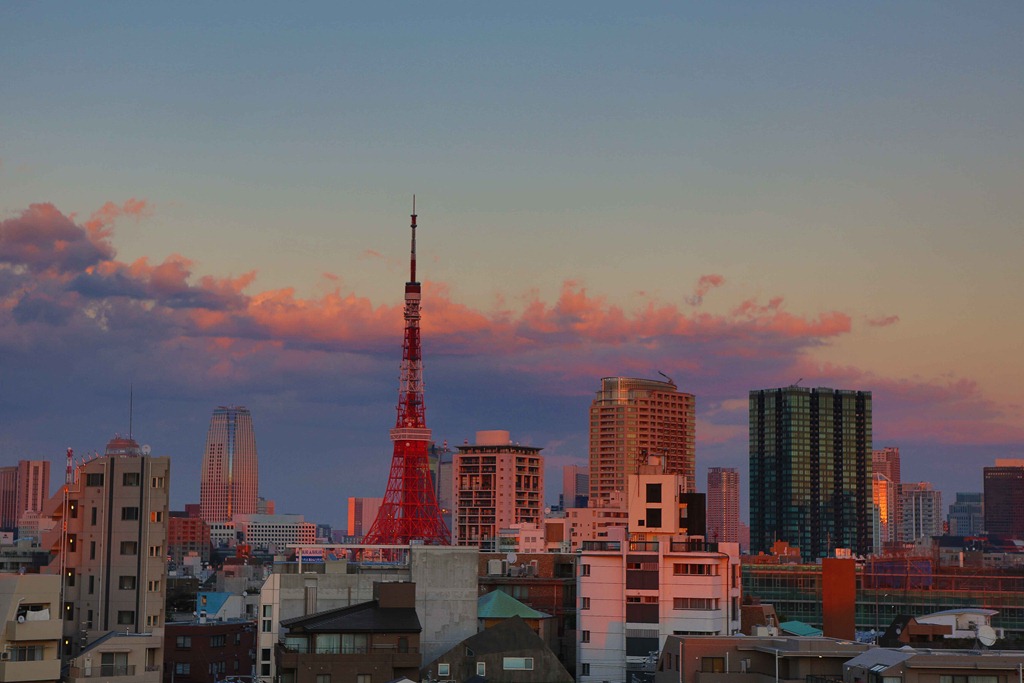
Artistic vivid
And last, bold. I don’t like the bold.
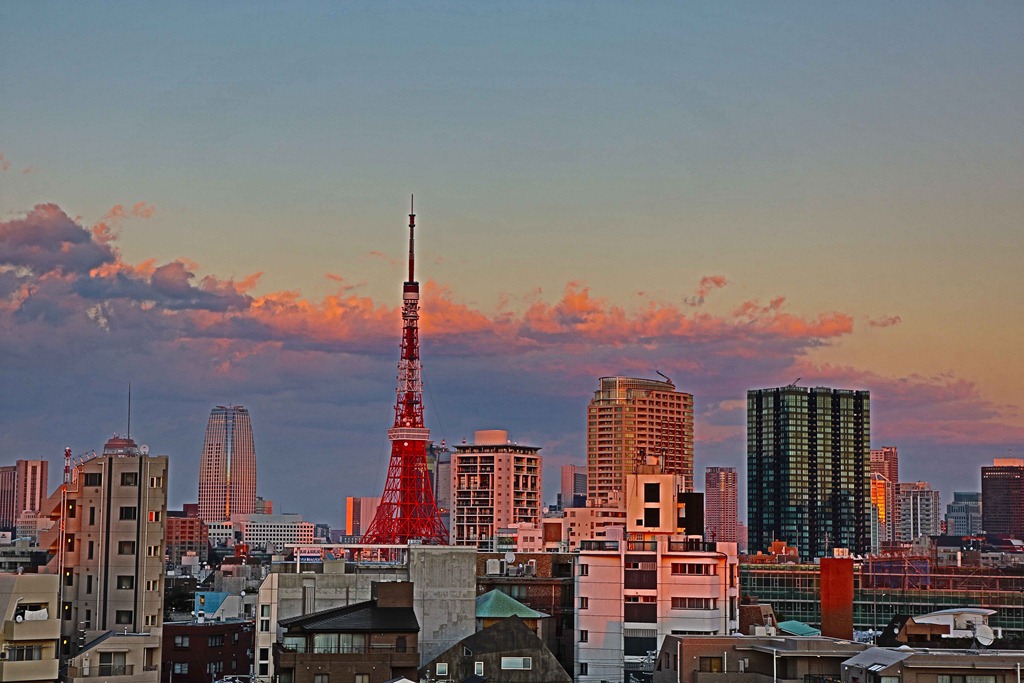
It definitely gives some cool effects, without the protracted editing phase. I figured out how to turn off the setting which keeps all of the originals (as it shoots 3 shots) which were filling my camera quickly.
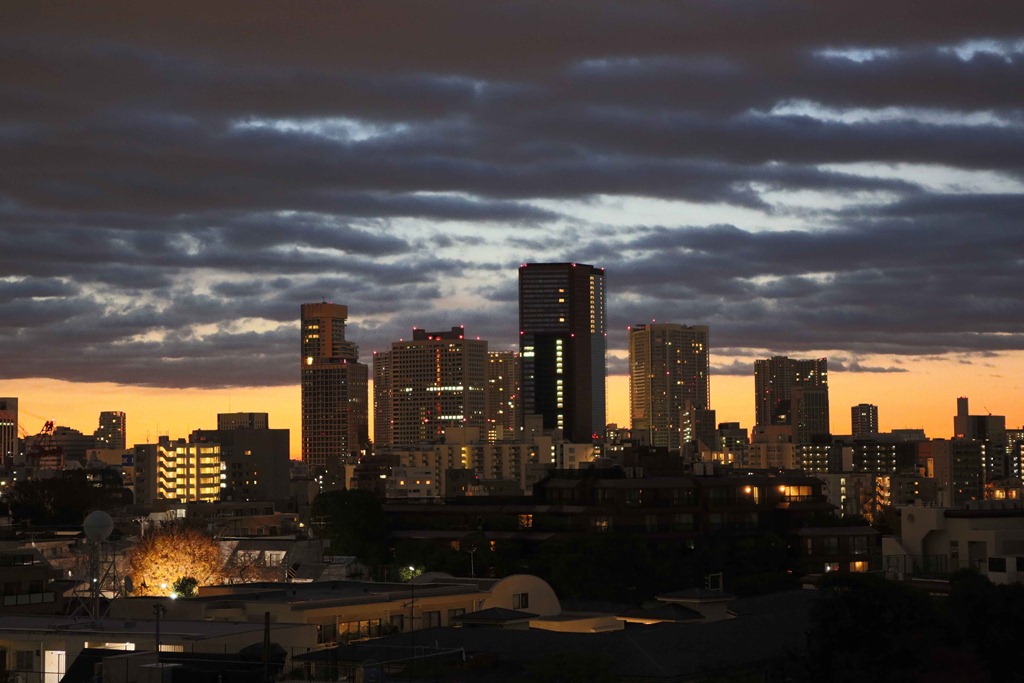
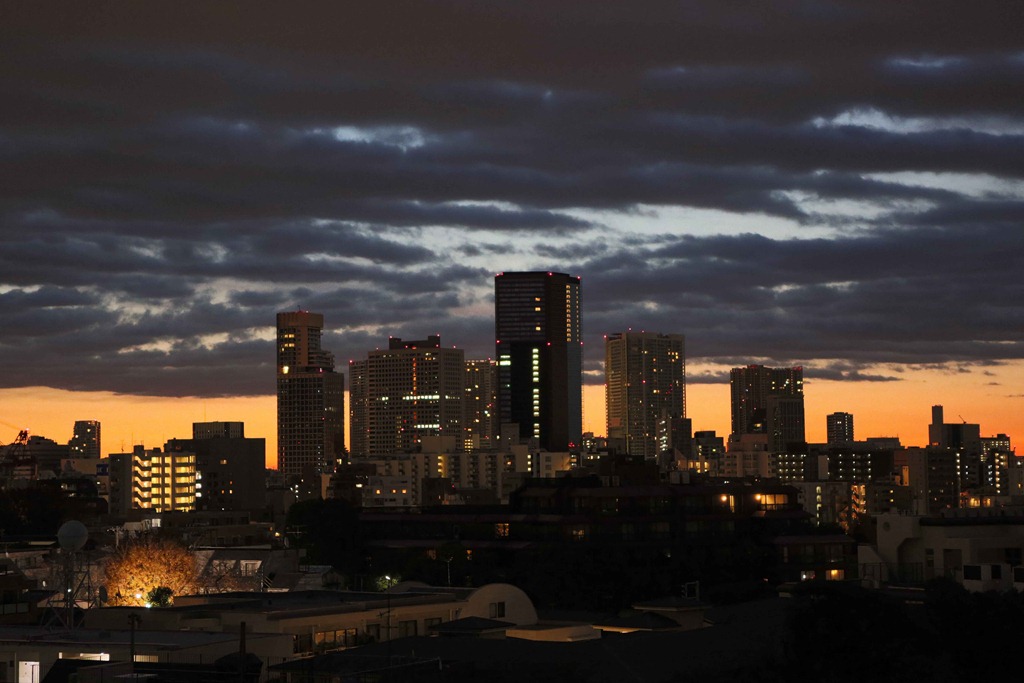
A few more. The sunrise.
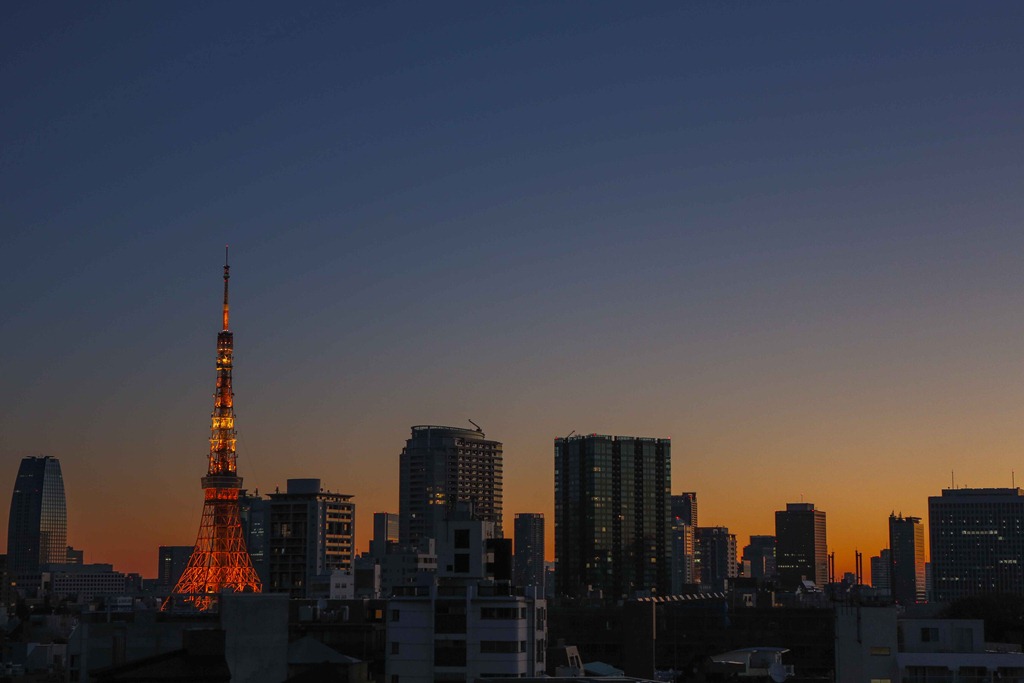
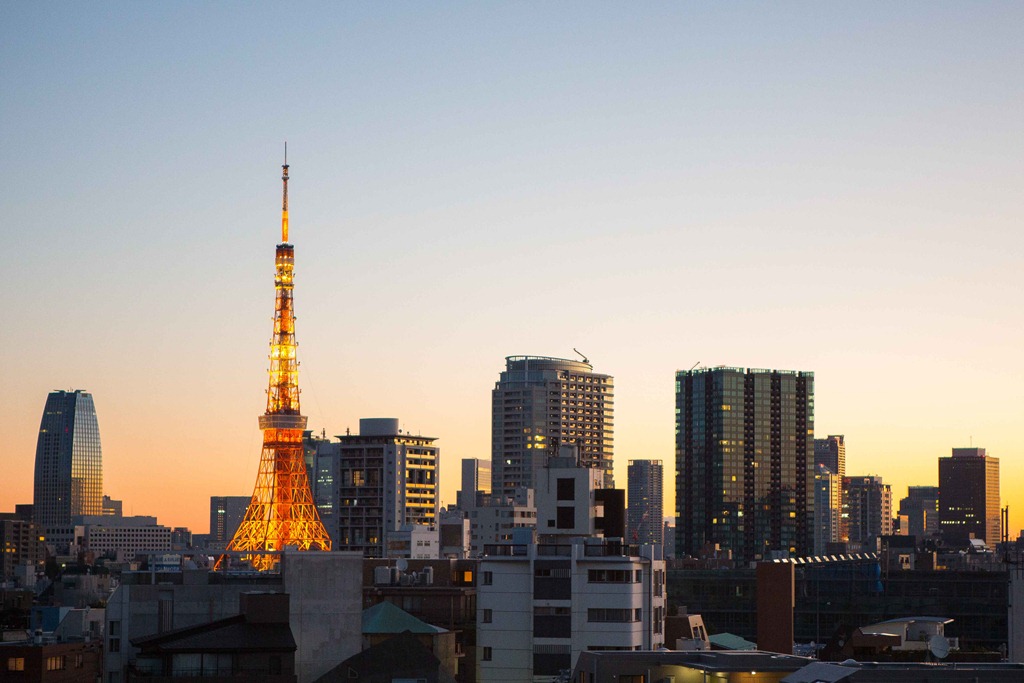
The sunrise clouds ….
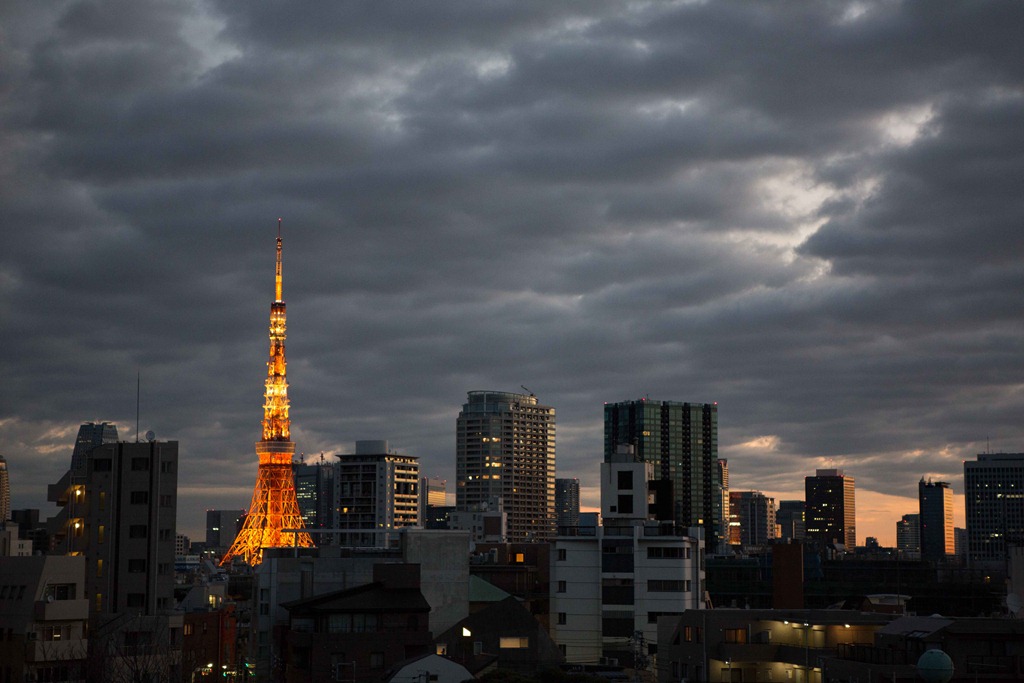
The pink in the clouds is from the sunset behind me.
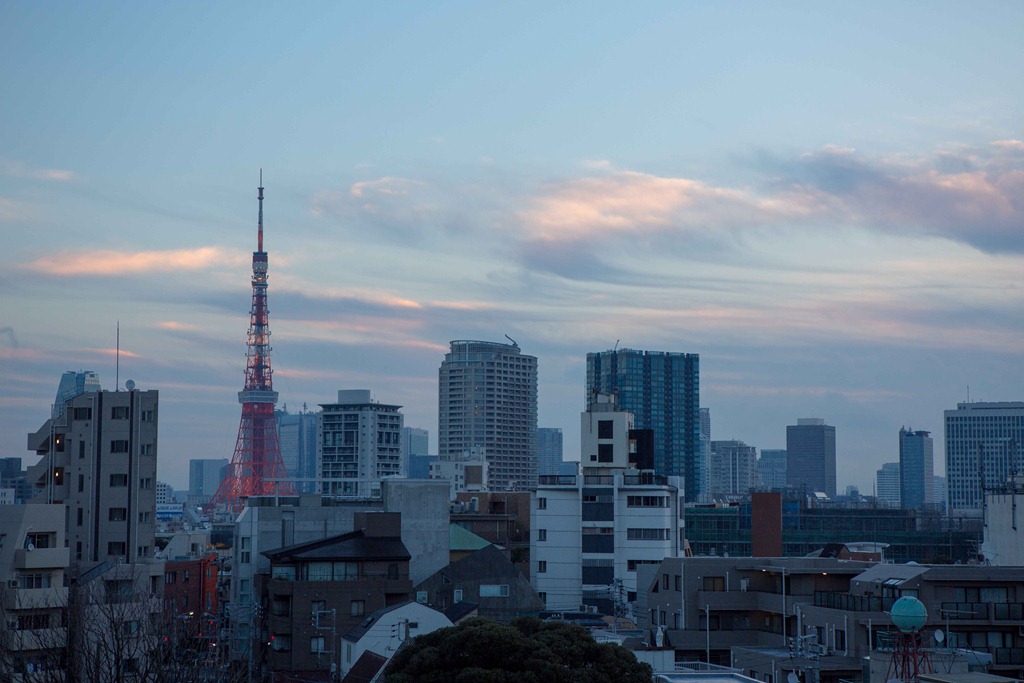
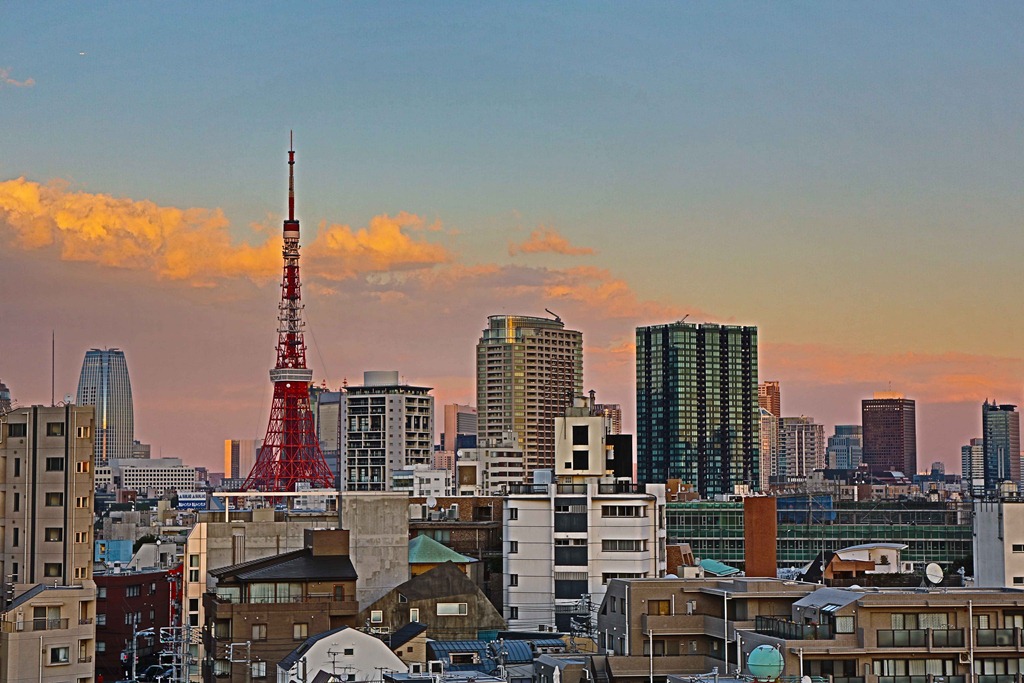
One more test, of Roppongi Hills and the Mori Tower (I deleted the embossed). I like the 2nd photo the best but I did not record the setting (smile).
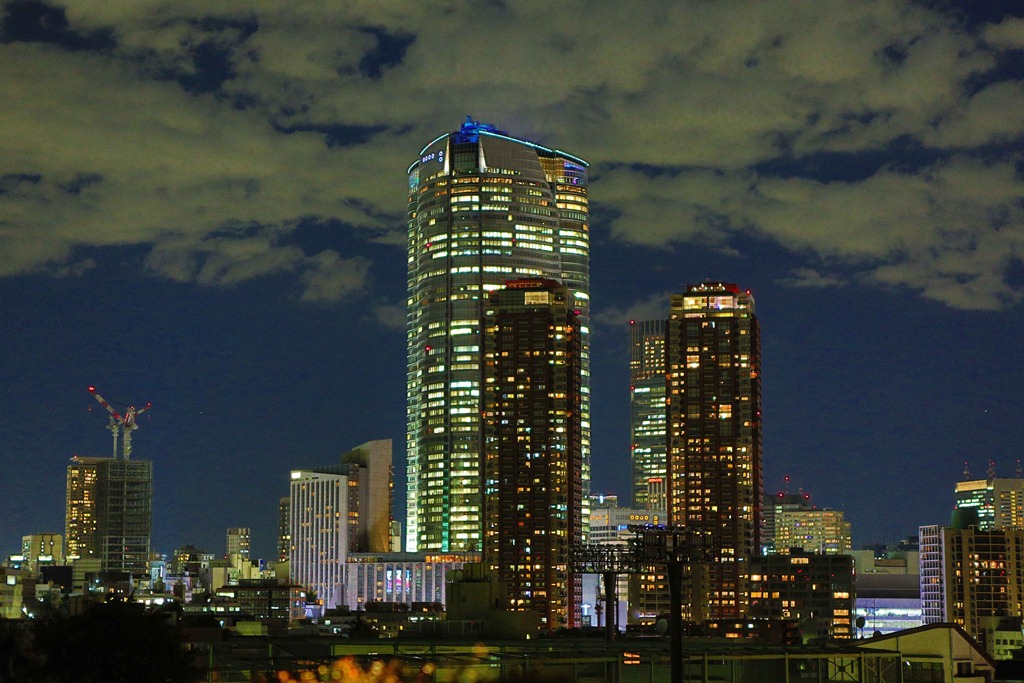
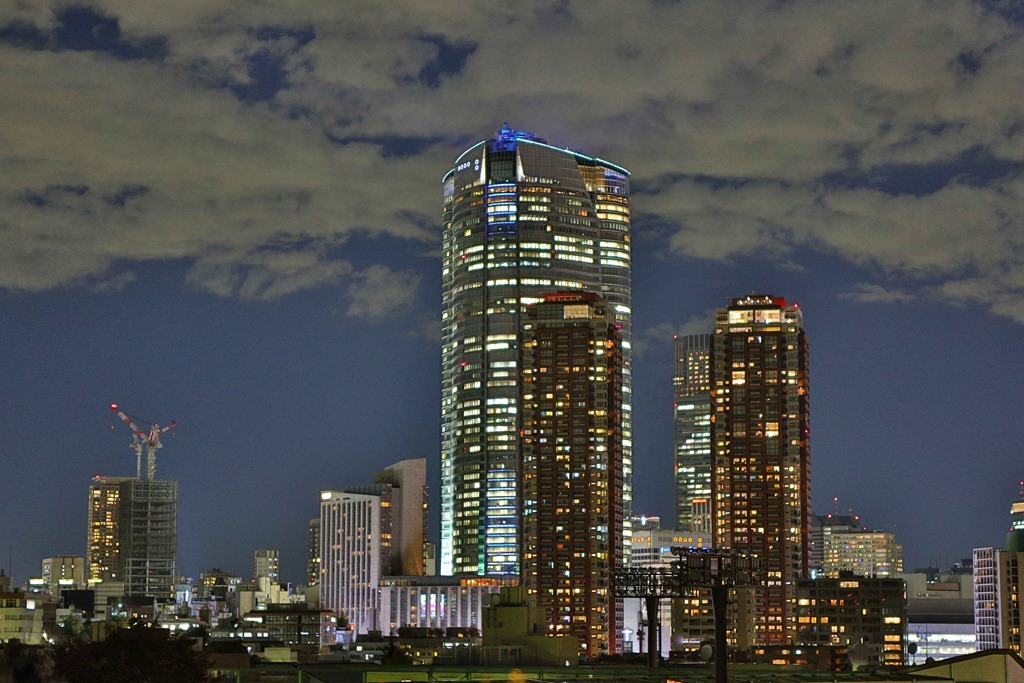
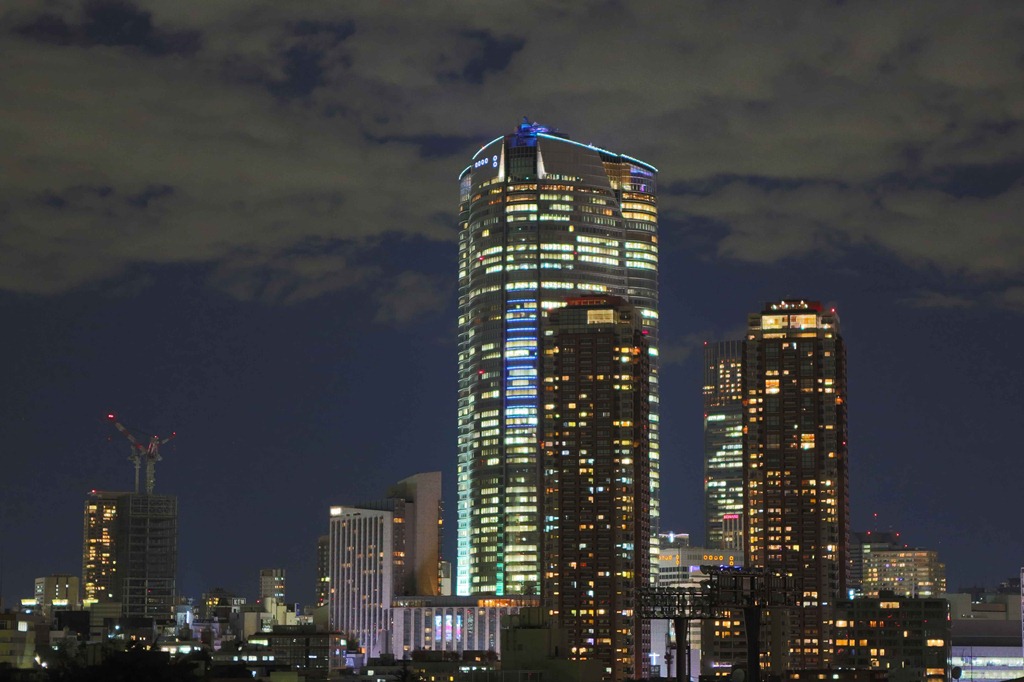
We have come a long way on the camera front. Now if they would just build in the GPS ….
I have been playing with the HDR settings on my Canon (in handheld mode). You can read about it here. You can see a few samples below. It warrants more exploration.
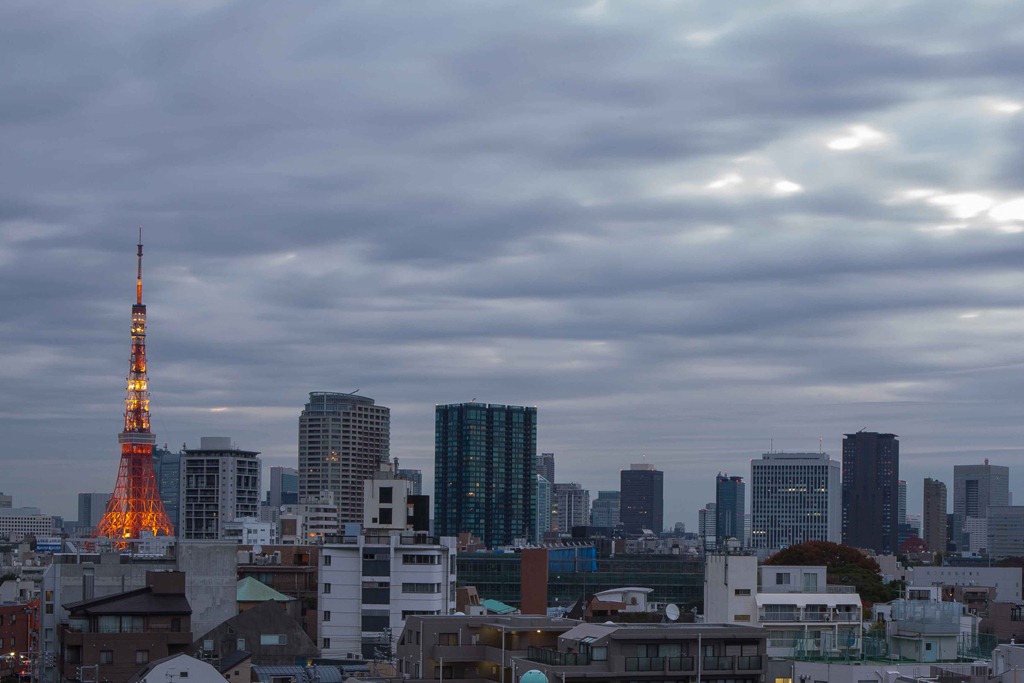
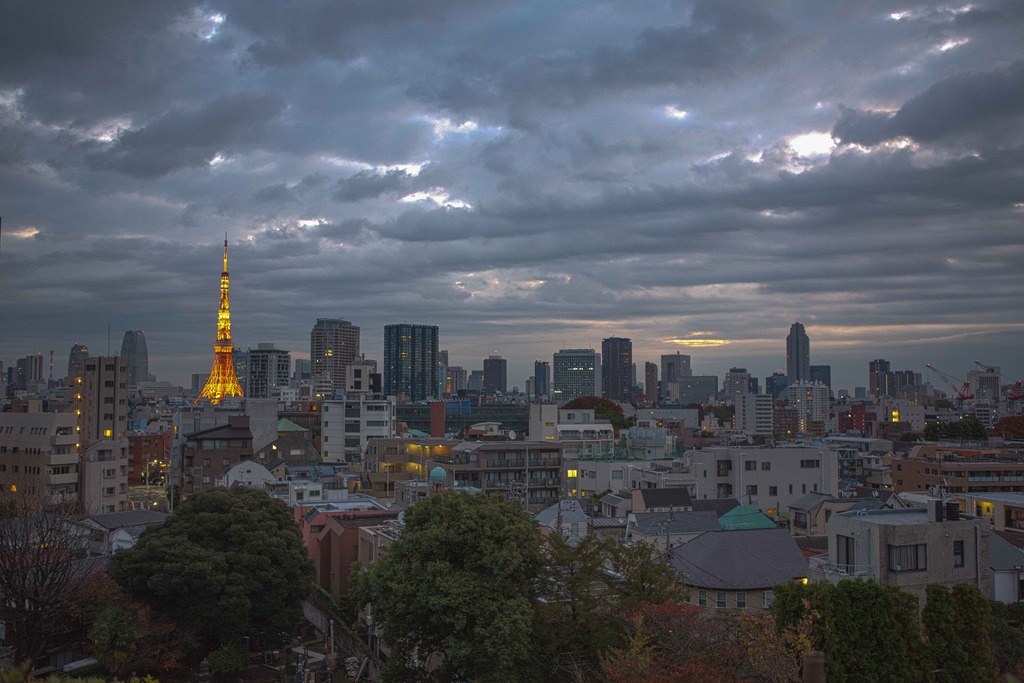
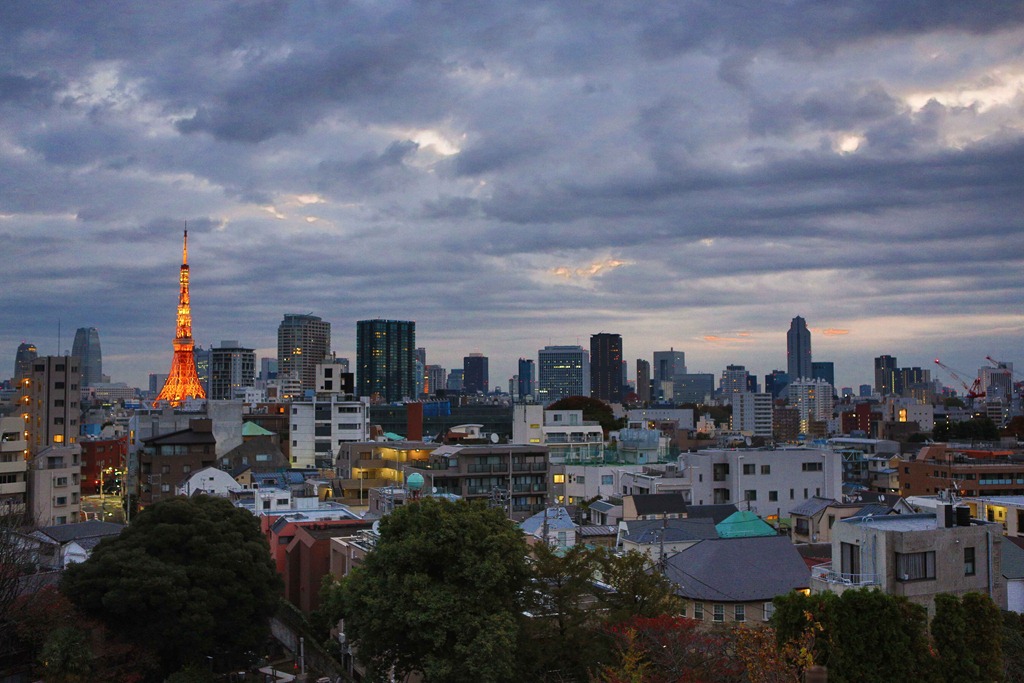

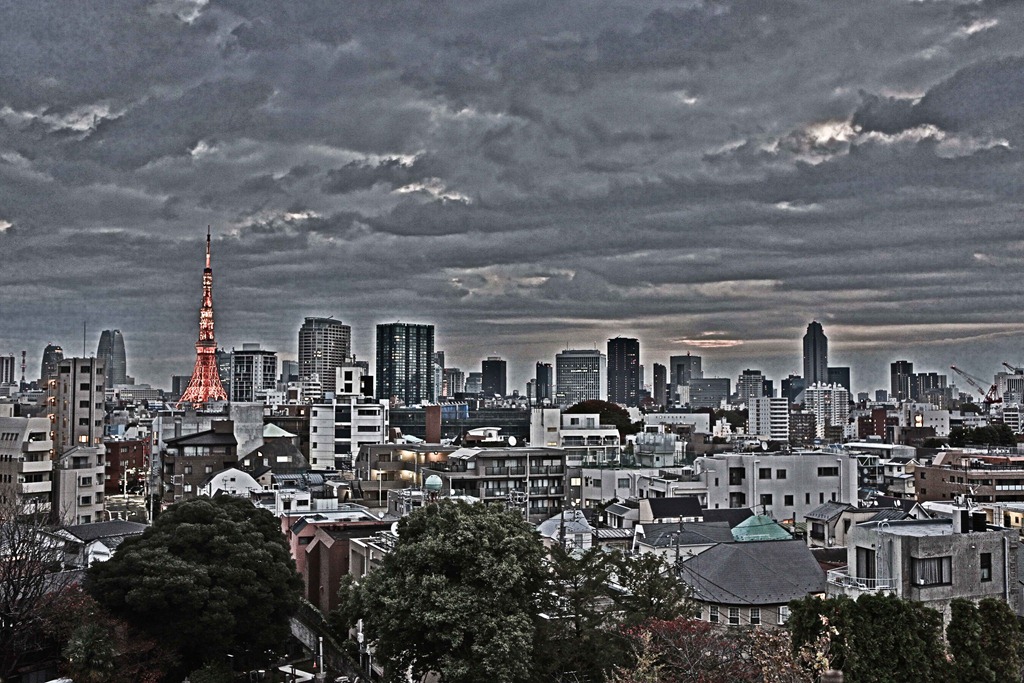
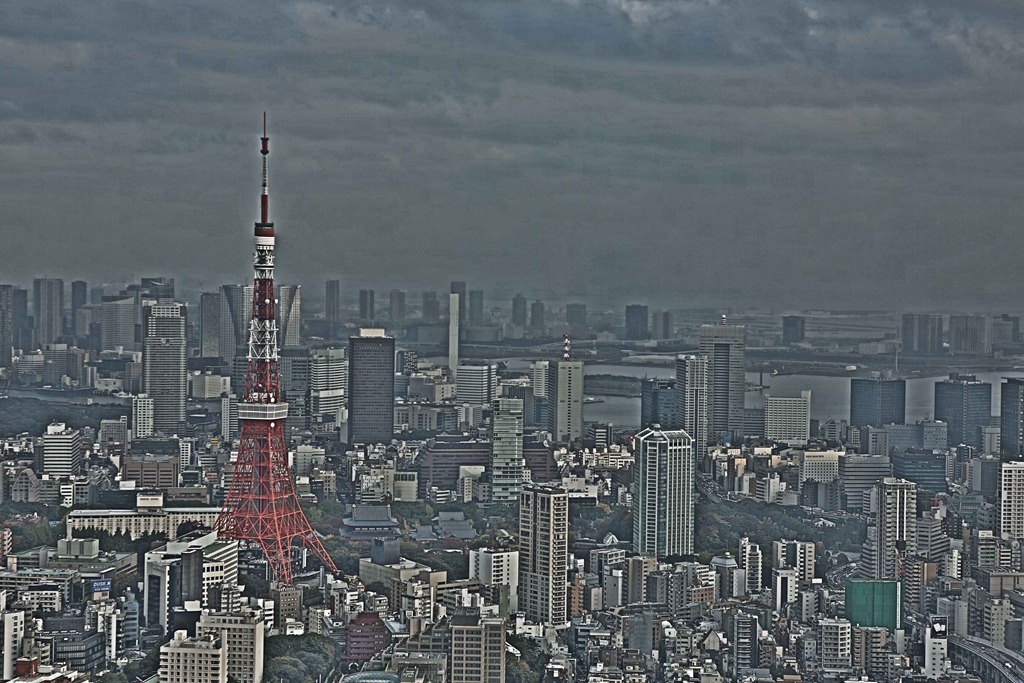
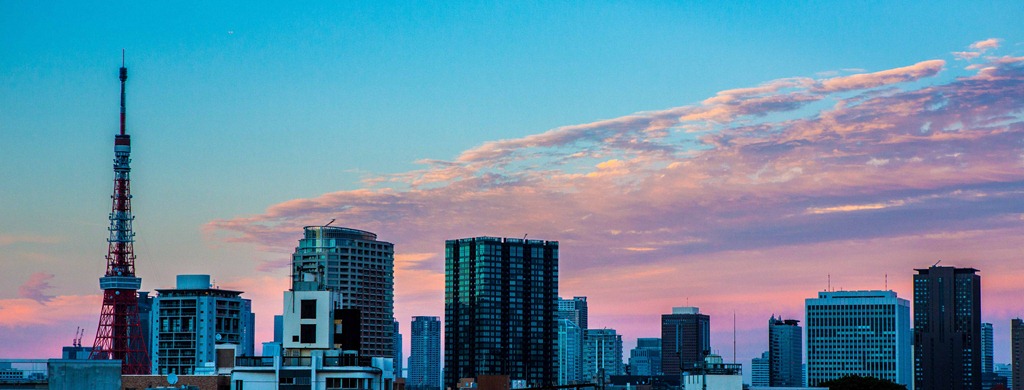
I love looking at the skyline on the summer nights. Playing around with Lightroom … Tokyo Tower and a sunset.
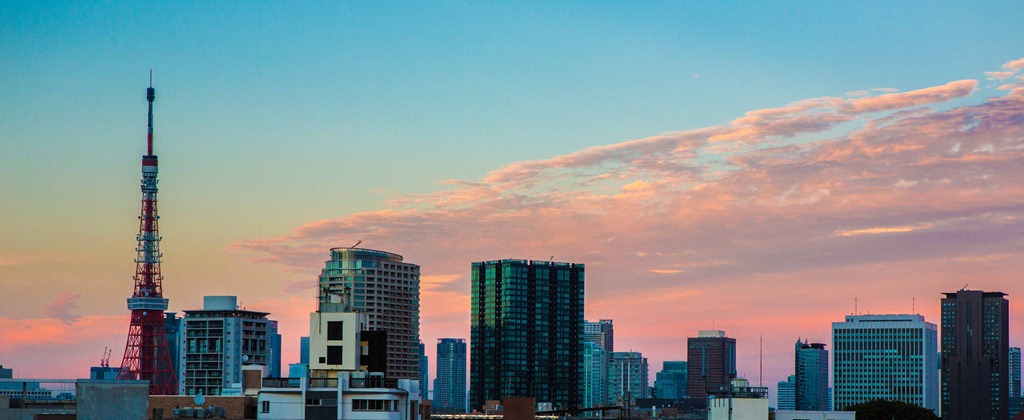
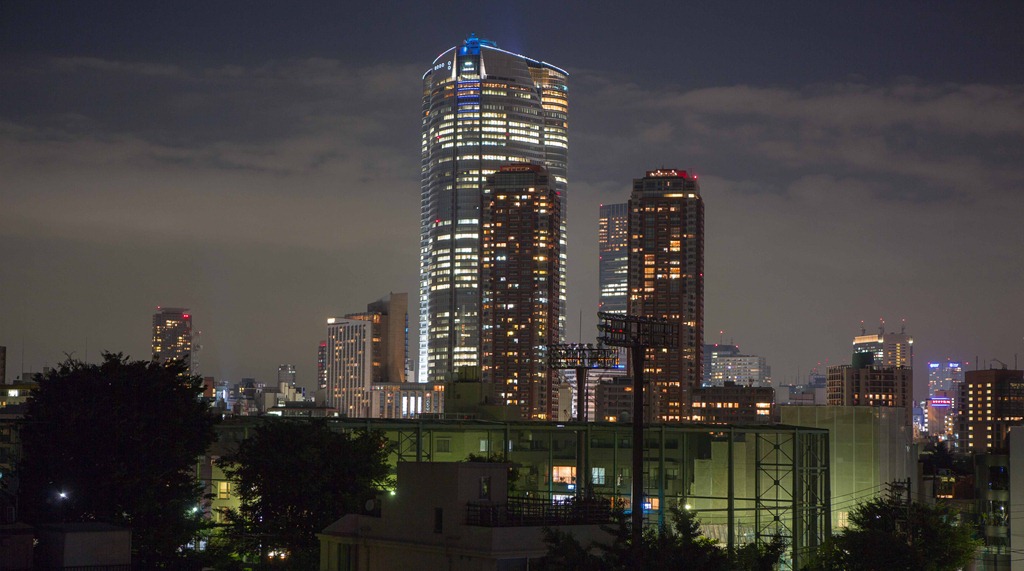
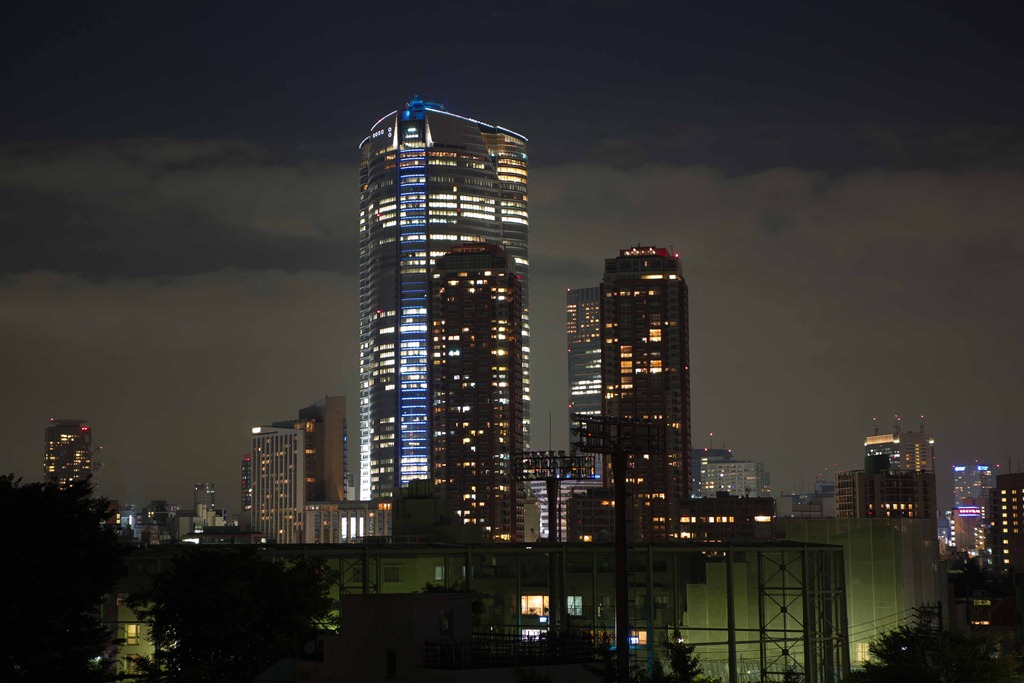
Roppongi Hills at night.
I enjoy taking photos and over the years have been to some pretty cool places. The problem with lugging around a larger camera and lenses (I am not qualified to call them “glass”) is that it can get heavy and awkward. Plus, I don’t like the traditional camera bag as they don’t cut it for hiking.
I have been using the Maxpedition Gearslinger but it doesn’t have compartments to protect my kit so I find myself using towels (less than optimum). I finally found a worthy replacement from Kata. Working as a backpack or a shoulder sling (I prefer sling), with fully customizable compartments and a rugged exterior. I went for the 3N1-20, a good midsize bag that will carry 2 lenses comfortably and a 3rd in a pinch. Great for a hike or walking around a new city.

 Michael Weening: a few pictures