DEATH OF INSTANT MESSENGER?


I just noticed the other day that I never turn on my MSN Messenger anymore. In fact, I find it a nuisance and very anti-GTD as it can randomly interrupt what you are doing just like that little email pop-up in Outlook or your smartphone buzzing when you get a new email.

I am actually thinking of uninstalling it. After all, it never made the transition to mobile or multi-platform (i.e. Android, Apple, etc.) and the new social media skin is simply too busy for me. With email, text messaging, KIK, this blog, Facebook, LinkedIn and Skype I am pretty well covered. Perhaps too well covered.

CAPE SPEAR NEWFOUNDLAND


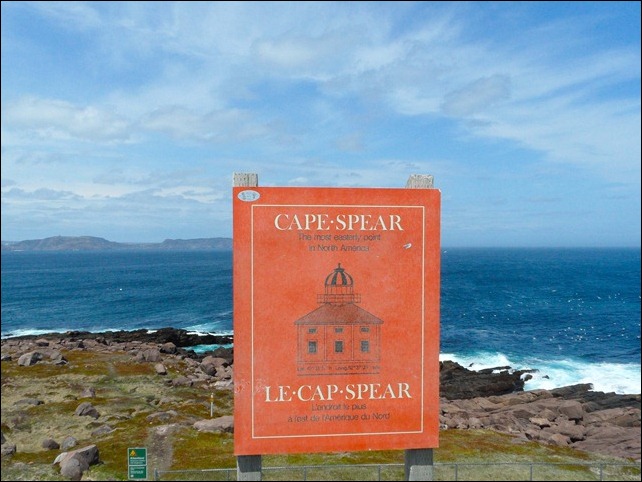
I was in Newfoundland this week and between meetings we had a little bit of time. This is my 3rd trip to ‘The Rock’ in the last two years and I wanted to see an iceberg, but they are not there yet. So my host was gracious enough to hop me out to Cape Spear, which was just minutes from our next client meeting:

Cape Spear, located on the Avalon Peninsula near St. John’s, Newfoundland, is the easternmost point in North America[1] (52°37’W), excluding Greenland (see Nordostrundingen). Unlike Semisopochnoi Island, Cape Spear is close to Blackhead, an amalgamated area of the City of St. John’s, about 1.86 miles (3 km) away. Cape Spear is traditionally considered to be the easternmost location in North America.

2011 05 25_-9

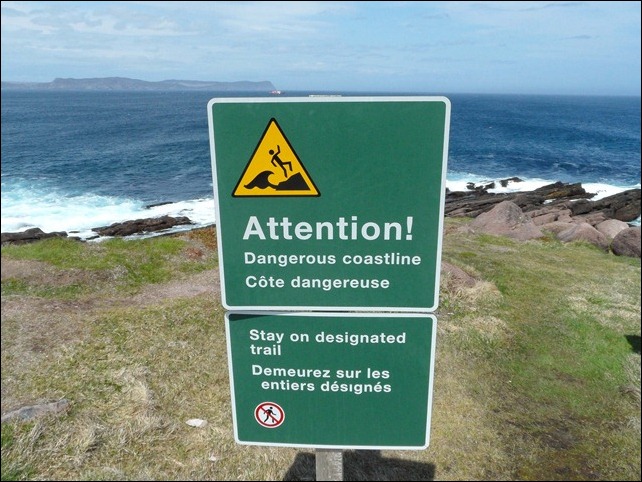
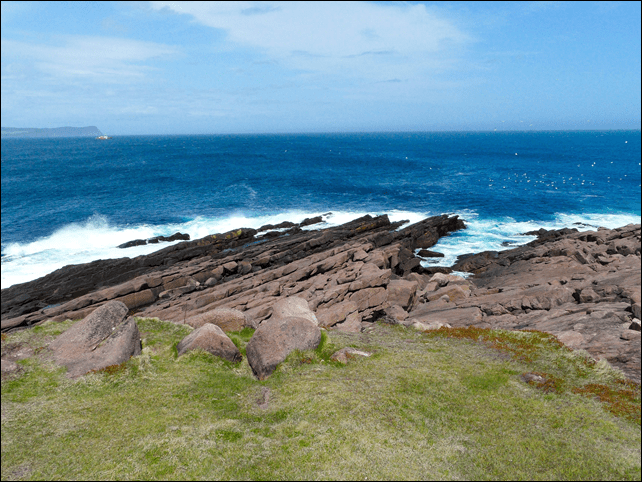
The sun was shining, and as I am told, the wind was blowing lightly (It sure did not feel light as I gripped the handle to keep the car door from flying into the car next to me). It is a beautiful spot and awe inspiring. You can feel the power of the ocean, the wind streaking over the waves as they crash into the rocks. Standing there, you could see the water move back and forth, it looked cold and ominous. This sign says it all.

2011 05 25_

I had a small camera with me and snapped off a few quick shots.

image

2011 05 25_-7

2011 05 25_-5

I watched a coast guard ship moving back and forth outside the harbour. I only had one thought, that looks like a really cold job.

2011 05 25_-3

Seagulls were everywhere. I took this short video of the gulls diving into the ocean to grab fish. I never knew that seagulls could dive.

Seagulls diving at Cape Fear Newfoundland

Cool place.

MOTIVATION, DRIVE AND A BOAT

When I was younger with a new family, we tried out something new … a boat. We didn’t go for a small boat, we went for medium sized 28’ boat that you could sleep on. A nice Sea Ray with a significant price tag. In the end, we did it for a couple years and then made a family decision that we enjoyed golf and a nice pool more. But it was a great experience.

What has that got to do with drive and motivation? I was on the phone with my sales manager on the Monday after picking up the boat and he was very excited for me. I found it odd, as he was never the ‘interested in your personal life’ kind of manager. I voiced my question:

Me: “Why are you so excited about our buying a boat?”

Him: “I love to see you with a big new boat, hopefully you will upsize the house too. The bigger your mortgage, the harder you will work and the more you will sell”

Motivation, drive, that thing that pushes us to the next level is impossible to teach, very different for each person and often very personal. Good managers understand that and help it flourish. They also understand how to avoid hiring those without it.

A FEW FAVORITE PODCASTS


I have always been an Audible fan, listening to books in the car. Recently, I became a podcast fan thanks to my Samsung Tab and Google Listen. As I drive to the office (or to the airport …) I fill the open time with podcasts. Here are a few that I have come to really enjoy:

  • The CBC podcast:  A 4-5 minute podcast that gives you high level Canadian news.
  • BBC world news:  The world in 20 minutes with great special guest commentary.
  • BBC Business news:  20 minutes of business.
  • HBR Ideacast:  Usually around 12 minutes long, they give a good synopsis on up and coming articles.

I have dropped the Wall street journal podcast as I find it too US centric and find the Bloomberg podcast and The Economist podcast hit or miss. I also listen to a few general interest podcasts; The New Yorker, TEDTalks and Slate, with my favourite being Stuff You Should Know, from the How Stuff Works website. The hosts have a dry sense of humour and report on a range of topics. To get you started, a few podcasts that were very enjoyable:

  • What is mountain removal mining?  Bring out your internal eco-warrior on what is happening in the poor areas of the US (and I am sure on other areas of the world), through a different type of strip mining that involves explosives, huge industrial waste, destruction of valleys/wildlife and serious health issues for the locals. A sad story of economics overtaking logic (they could mine the old fashioned way, but this way requires 1/3 of the labour). You can watch a good video synopsis here.
  • Can the sun kill you?  I found it amazing that we will get 80% of all of our sun by the age of 18. Thank goodness that parenting and information have advanced. I know my boys have never had big water blisters on their shoulders from too much sun (Something that I remember as a regular occurrence as a child … sunblock in the 1970s, what is that?)
  • How Knights Work  The boys and I had a drive so we listened to this podcast on the way there and back. I never understood the whole squire thing, now I do and the boys loved the topic.

I love the net.

TOTO ARE WE IN WALES?


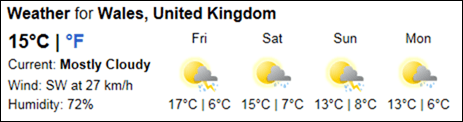
Around this time four years ago I flew to Heathrow and travelled to Wales to meet my new peers for a team offsite. Wales is a beautiful place, but quite wet. You can read about it here. As I look across the Canadian countryside, with another week of rain I really have to ask ‘Are we in Wales?’ I am not sure where the global warming is, but it definitely isn’t here.


image


image

Not a lot of difference ….

HOPKINS


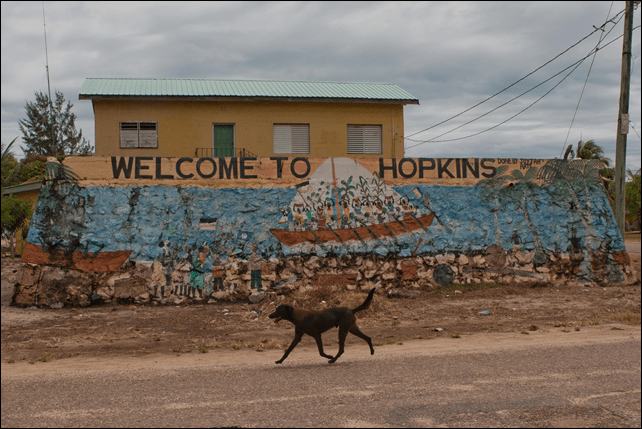
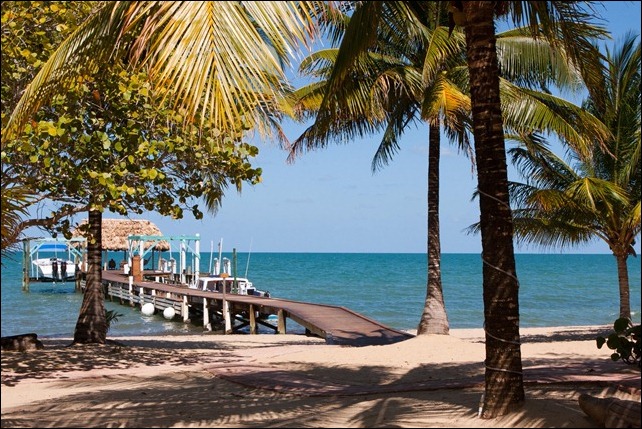
One of the last posts on the topic of Belize. While there we stayed outside of a little town called Hopkins. I always find it interesting to see how other cultures live. In the case of Hopkins, it is on the beach and it would seem that agriculture and tourism are the primary industries. One thing we noticed, there seemed to be a ton of dogs wandering around. We read a few items that stated that there is a real effort being put in place to control the population (humanely).

image

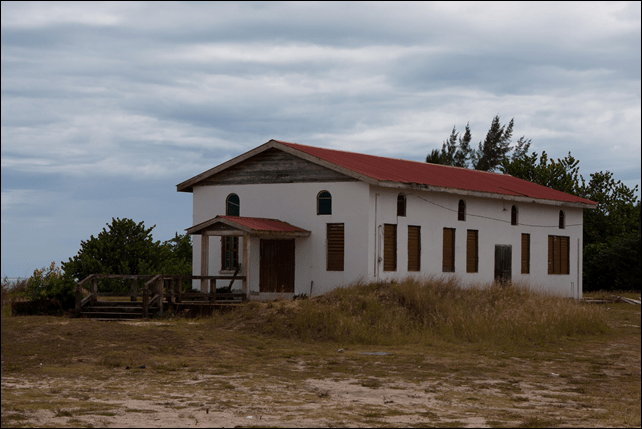
The local church is right on the beach.

image

I was told that they have one police officer in town. I saw one on a bike later in the day. From their web site:

We have one constable who makes his rounds on a bicycle. This is largely because we are fortunate to have little or no crime in Hopkins. The police station is at the crossroads and easy to find.

image

It is a quaint town and we found the locals very friendly. One local told us about the hurricanes that the town had suffered, the worst being Hattie in the 60’s that basically wiped the place out and killed a lot of people.

I don’t think I would want to be on the coast during a hurricane … but a nice place to visit on a sunny day.

LINCHPIN


On holiday I read a book that was given to me as a gift – Linchpin by Seth Godin. I like his books, with their ‘manifesto’ like writing style. Linchpin is written as a challenge to people with one central theme: “Be different”. I saw the teachings of a few of my best mentors in his writing. My favourite quotes:

  • On busy work – the notion that being busy does not mean success:

“It’s easy to find a way to spend your entire day doing busywork. Trivial work doesn’t require leaning. The challenge is to replace those tasks with rule-breaking activities instead”

  • On investing in yourself, reading self-help books, focusing on your development and really trying to improve day in, day out:

“Getting Things Done could actually help you get things done. A Whack on the Side of the Head could help you be creative. Sales training could in fact help you make more sales. There are books and classes that can teach you how to do most of the things discussed in this book. And while many copies are sold and many classes attended, the failure rate is astonishingly high.
It’s not because the books and classes aren’t good. It’s because the resistance is stronger. Few people have the guts to point this out. Instead, we turn up our noses at the entire genre of self-help. We cynically ridicule the brownnosers who set out to better themselves. We marginalize the teachers who are unaccredited or not affiliated with Harvard, et al. It’s a brilliant plan by the resistance, and it usually works. Don’t listen to the cynics. They’re cynics for a reason. For them, the resistance won a long time ago. When the resistance tells you not to listen to something, read something, or attend something, go. Do it. It’s not an accident that successful people read more book”

  • On expending energy in non-productive ways, reacting to that person who cut you off in traffic:

“Shenpa is a Tibetan word that roughly means “scratching the itch.” I think of it as a spiral of pain, something that is triggered by a small event and immediately takes you totally off the ranch. A small itch gets scratched, which makes it itch more, so you scratch more and more until you’re literally in pain.

You’re on a sales call and it seems to be going well. This is your particular trigger. It might lead to a sale and that would expose you to all sorts of danger, says the lizard. So you say something stupid as a defense mechanism, which leads to a stumble in the rhythm of the meeting. You say something else stupid and suddenly, as you expected, it all begins to unravel. This is your shenpa, the one you invented for yourself.”

  • On the curse of reciprocity .. this one really made me think. It is sad, but when someone gives me something – I often fall into this trap:

“It’s human nature. If someone gives you a gift, you need to reciprocate. If someone invites you over for dinner, you bring cookies. If people give you a Christmas gift, you can’t rest until you give them one back. It’s reciprocity that turned the gift system into the gift economy. Suddenly, giving a gift becomes an obligation, one demanding payment, not a gift at all. So marketers use the reciprocity impulse against us, using gifts as a come-on.”

  • On our perceptions as our reality:

“No one has a transparent view of the world. In fact, we all carry around a personal worldview—the biases and experiences and expectations that color the way we perceive the world”

  • On how to manage your stakeholders:

“The cornerstone of your job is selling your boss on your plans, behaving in a way that gives her cover with her boss, being unpredictable in predictable ways. You can’t go from being a junior account exec to flying the company’s biggest client to Cannes in a private jet and expensing it a month later. You don’t start with the confidence of the company; you earn it”

  • On change:

“1. Understand that there’s a difference between the right answer and the answer you can sell. Too often, heretical ideas in organizations are shot down. They’re not refused because they’re wrong; they’re refused because the person doing the selling doesn’t have the stature or track record to sell it. Your boss has a worldview, too. When you propose something that triggers his resistance, what do you expect will happen?

2. Focus on making changes that work down, not up. Interacting with customers and employees is often easier than influencing bosses and investors. Over time, as you create an environment where your insight and generosity pay off, the people above you will notice, and you’ll get more freedom and authority”

Throughout the book he centers on being different. If you really want to be successful it is no longer enough to work hard, do a good job, fit in. Break-out performance comes from different thinking, from standing out in the crowd, taking risks and pushing into a whole new realm. A few notable quotes:

“Lots of people can lift. That’s not paying off anymore. A few people can sell. Almost no one puts in the work to create or invent. Up to you. Great bosses and world-class organizations hire motivated people, set high expectations, and give their people room to become remarkable. There are countless people waiting to tell you how to fit in, waiting to correct you, advise you, show you what you are doing wrong. And no one pushing you to stand out.”

That last point says it all, being different is not always appreciated.

I remember having a active discussion with someone on the topic of being different over a coffee last summer. The topic was rather inconsequential, but it makes the point well enough. While members at a tennis club in England, we came to notice a dual standard. The club made it clear that they supported the Wimbledon standard of attire on the court. This was translated into women wearing all manner of attire and men being held to the standard of collared shirts. Contrary to popular belief, it can get quite hot in the greater London area.We would watch the women enjoy the sun in tank shirts while our boys ran the courts in full, heavy shirts. So we inquired about the process to change the rules, which involved requests being approved by a council of members. We then assembled photos of the top 10 male tennis players at Wimbledon in attire other than collared shirts (Most never wear a collared shirt) and submitted the request with a recommendation of change.

It was rejected by the member council, who we learned were long standing members (decades) and not interested in change. We also found out that one of the most prominent and talented male members had been waging this battle for a couple of years. Over that coffee, I made the point that progress is hard and people do not like change. The counterpoint was made “why rock the boat?”, in terms of ‘Why must you press it. Rules are rules”. Right there it struck me .. so many people just want to fit in, as Seth points out.

The only problem is, progress is only made with change. Progress is often painful, many will push against it and mistakes will be made, but in the end if it is worthwhile, someone has to have the courage to do it. The road less travelled …..

Good book.

FACEBOOK EDUCATION


A couple weeks ago we attended a parents evening on Facebook. I am not a big Facebook user. I have it turned on, I have pictures posted for friends and have connections to a host of old and current friends. It is a convenient way to stay in touch. But I don’t post … because I blog.

The evening event was hosted by Chris Vollum of Social Media Trust and was titled Facebook 101 for Parents. During the day he had held 3 sessions for the lower, middle and upper schools. I consider myself pretty technical, but I was a bit naive on Facebook as I have not invested the right amount of time into understanding it (our boys are just now showing interest). The biggest eye openers for me were the long term impact that Facebook activity can have on children. I am very personally aware of what I write on this blog, but do children of 14 or 15 think before they do something off the cuff?

The photograph of his slide is chilling .. sent to a student who was enrolling in the University of Connecticut:

image

Consider these statistics from a University of Massachusetts study that polled 453 college admission departments:

  • 26% are actively researching students through search engines
  • 21% are checking out social networking profiles like MySpace and Facebook

More concerning is just how open most people are on a few fronts:

  • Too many people do not understand the privacy settings. They may think that they are just with their friends, when in fact, they are wide open. The speaker showed a random woman in Florida who had her university info, birth date, and a host of other private pieces of information up for everyone to see. A identity theft just waiting to happen. Sophos has a good guide on how to lock down here.
  • People post too much. As per the last part, they are wide open and then they post everything. He typed in ‘Friday vacation’ and up came hundreds of posts from people talking about how they were going on holiday on the weekend. He told the story of a friend who posted ‘leaving today, coming back late next Sunday night’. The only thing missing was which mat the spare key is hidden under.
  • Facebook policies are changing and people don’t understand it. Last fall Facebook reset everyone’s privacy settings and if you had a fully locked down profile, you had to go back in and set it back to ‘locked up’. And they will do it again.

A very eye opening and cautionary evening.

CAVING AND HOLING


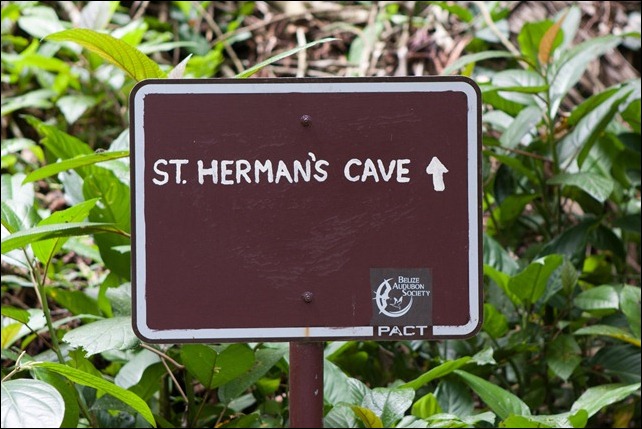
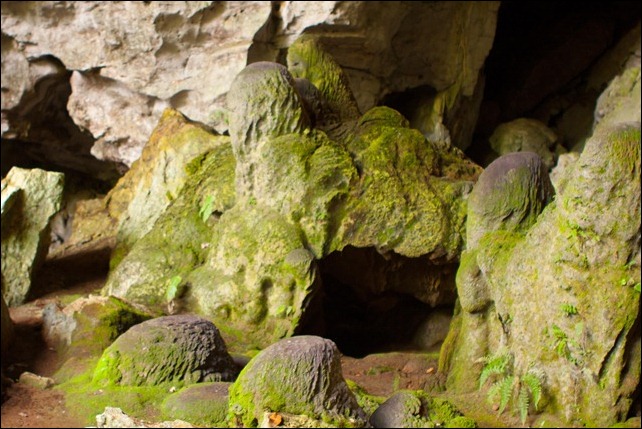
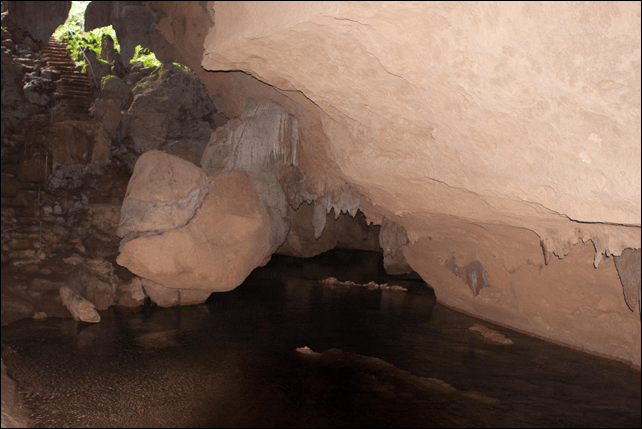
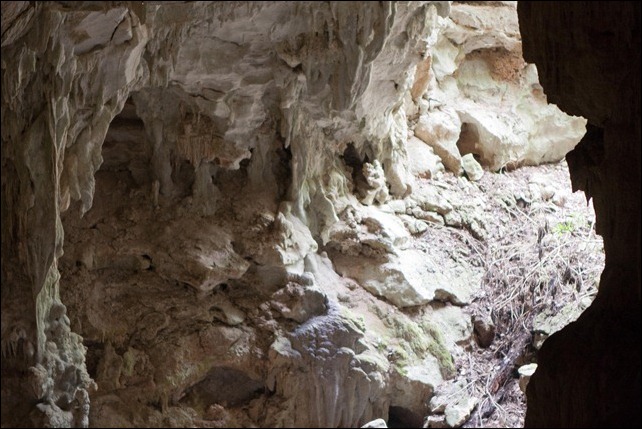
Our last Belizean adventure was a cave and blue hole expedition. Our first stop was St. Herman cave, a 1/2 mile hike from entrance to exit.

2011 03 19 St Hermans Cave_-1

You climb down a 180 foot long sink hole into the cave, with it’s huge opening and then into the cave you go.

2011 03 19 St Hermans Cave_-52

image

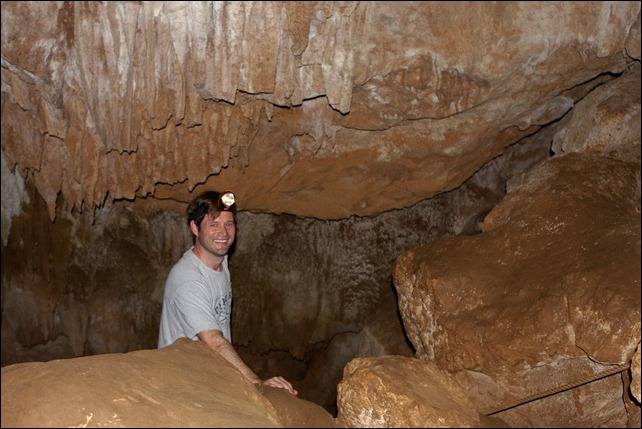
I have never been on a hike through a cave before and would describe it as dark, rigorous and very tight at times. At one point we turned off our lights to experience true darkness, so dark that you could not see the hand in front of our face.

2011 03 19 St Hermans Cave_-1-2

I laughed when I saw this sign. Wise words.

image

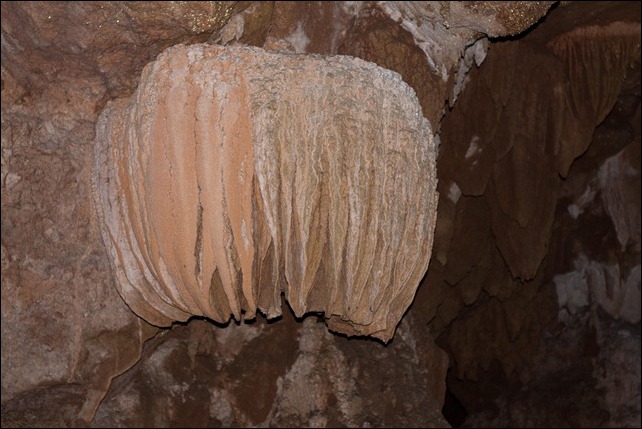
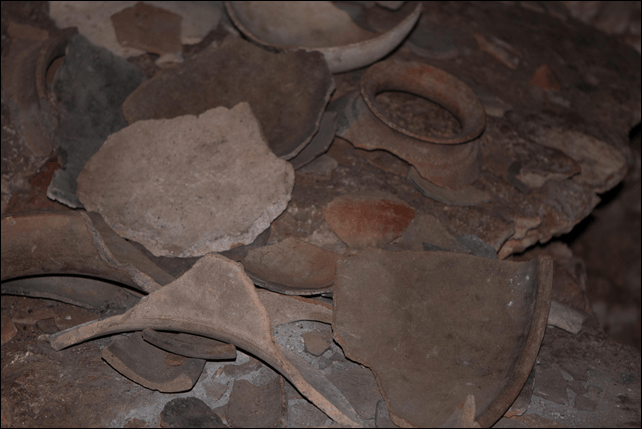
It was a different experience, and thanks to our head lamps, full of unique rock formation sights and more than a few left over Mayan pots and dishes.

2011 03 19 St Hermans Cave_-17

image

2011 03 19 St Hermans Cave_-38

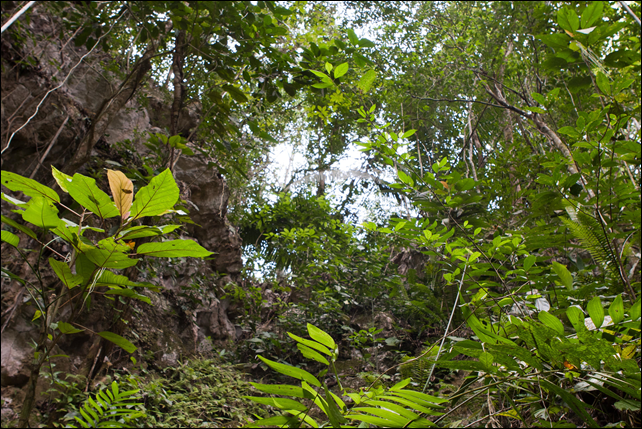
After a rigorous hike, climb, scramble and crawl we resurfaced into the jungle canopy and headed over to a blue hole.

image

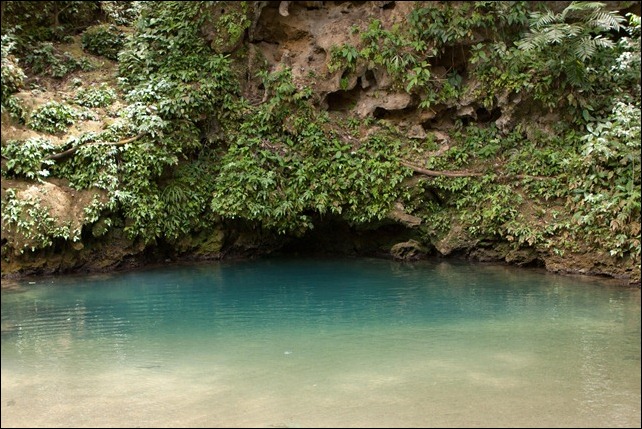
You hear a lot about blue holes in Belize, the most famous being the Great Blue Hole – one of the top diving spots in the world. Another type of blue hole are sinkholes that are created when an underground river collapses.  After the long hike, we spent an hour swimming at Blue Hole National park. The water was as you would expect, a beautiful deep blue.

2011 03 19 Blue Hole Park-10

2011 03 19 Blue Hole Park-16

A different day hike.

LEADERSHIP OR MICROMANAGEMENT


I have been on a bit of a reading push over the last 6 weeks, catching up on magazines and reading 7 books. I am half way through Matterhorn by Karl Marlantes, a fictional book on the Vietnam war. The highly rated book reminds me of the movie Platoon, it is certainly full of despair and young men dying. There are a host of interesting leadership situations to contemplate through the book and on Sunday night I was struck by this passage:

“It used to be if you were out in the bush operating independently like we are, no one would second-guess the skipper. They didn’t have the radio power back then. Now they do, and the —- brass think they’re out on patrol. And now the smallest units are run by the colonels and generals, hell, right up to the president. Colonel and above used to be the level where people dealt with all the political shit like congressmen on junkets, television, reporters, you name it. But now those guys are running the show right down to this ——- river canyon and we’re in the politics too. And the better the radios, the worse it’s going to get. The politics is going to come right down to the company level, and people like Fitch and Scar are going to be culled out and people like you will take over.”

An interesting point. So far from the line, calling the shots and reducing autonomy of the front line leaders. One has to wonder what is lost in this new chain of command. I woke up the next morning (yesterday) to this headline, ‘Obama, aides watched and waited during bin Laden swoop’:

Brennan would not say exactly how Obama and his top advisors were able to follow Sunday’s 40-minute Navy SEAL operation unfolding in real time — but the suspicion was that some kind of sophisticated communications technology was available to them.

"We were able to monitor the situation in real time," was all he would say.

A decision like this had to be made at the highest levels due to the significant political risks. But, beyond a extraordinary situation, one has to wonder whether the technology improves leadership effectiveness or erodes it through micro-management? I lean toward erosion.

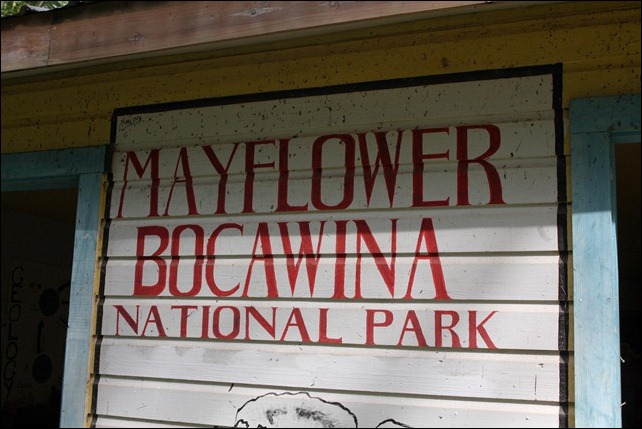
MAYFLOWER BOCAWINA NATIONAL PARK


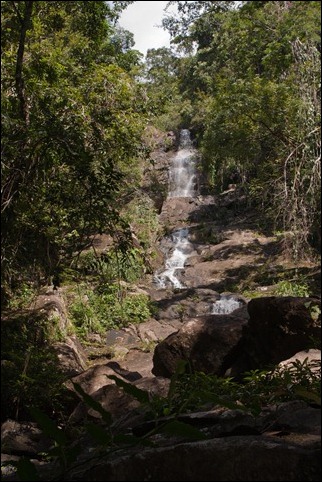
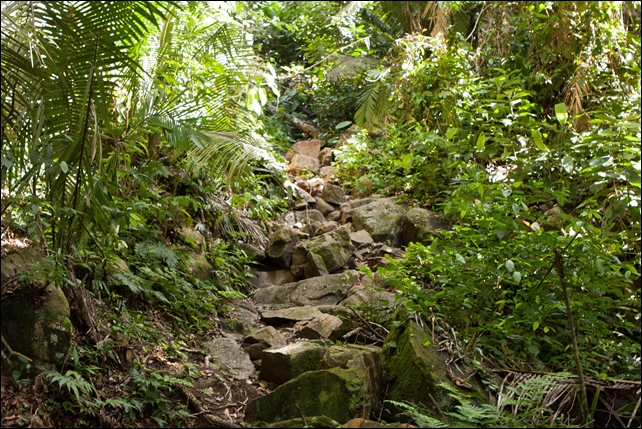
Another memorable excursion was the hike up a waterfall in the Mayflower National Park followed by a trip to a blue hole. The hike was not for the faint of heart. Very steep, requiring ropes to pull you up many sections with very little breeze and crushing humidity. Our family loves this type of challenge.

2011 03 21 Bocawina Mayflower Park

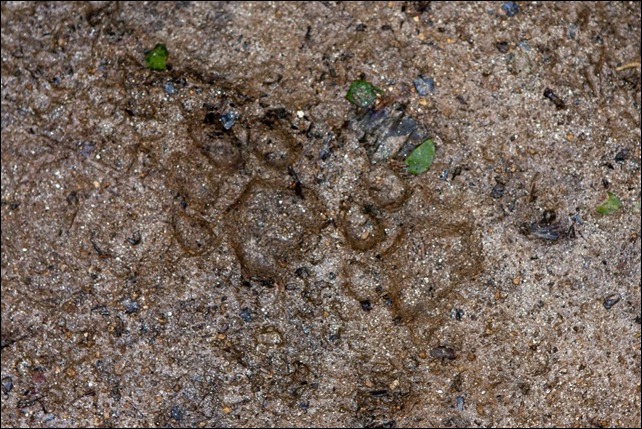
Along the way to the base of the falls we saw this print. A jaguar print. This was as close as we would get to one.

2011 03 21 Bocawina Mayflower Park-5

It is amazing to listen to the guides share their home grown knowledge. We stopped and the boys tasted termites (high in protein, supposedly tasted like cucumber … I took the role of photographer, not taster). At a hole the guide grabbed a stick and poked and prodded until a agitated tarantula emerged (apologies, not sure what happened to the focus)

2011 03 21 Bocawina Mayflower Park-14

These shots will give you an idea of the climb. With my camera, 2 lenses, video camera, water and towels, I figured I was lugging an extra 40lbs.

2011 03 21 Bocawina Mayflower Park-23

image

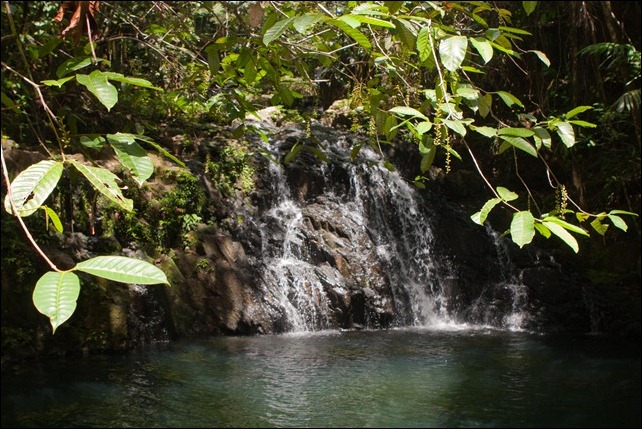
After an hour and a half up, we arrived at the top of the waterfall. It was worth the hike. The water was cooling, clear and spectacular.

2011 03 21 Bocawina Mayflower Park-41

The only downside on the hike was that we did not see much wildlife. A beautiful way to spend a morning.

HALF MOON CAYE


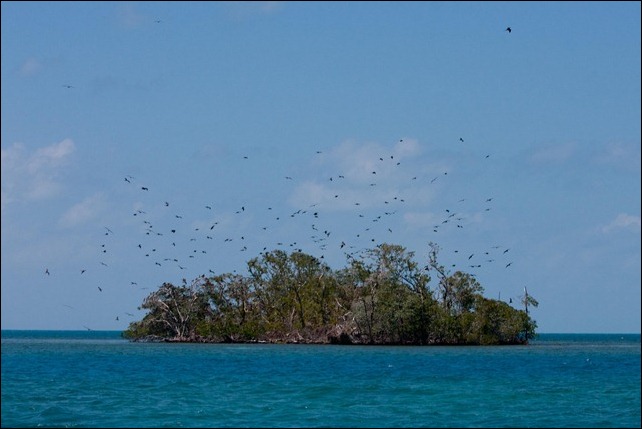
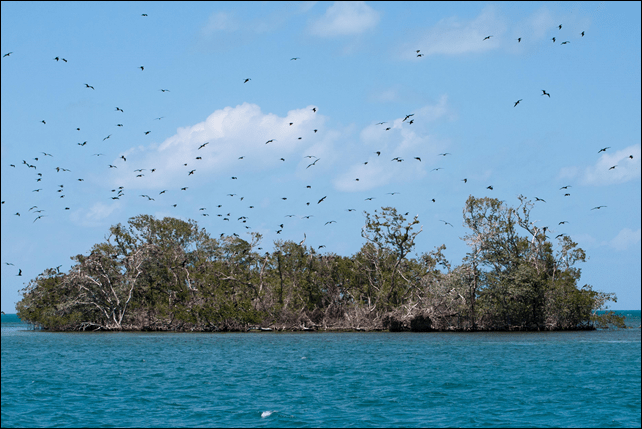
One of my favourite sights in Belize was a small island in the Half Moon Caye vicinity.  The island (which the locals simply call Bird Island) appears to have no hard land, and looks like a clump of trees rising from the water. And out of those trees swarmed hundreds and hundreds of birds.

2011 03 18 Bird Island

image

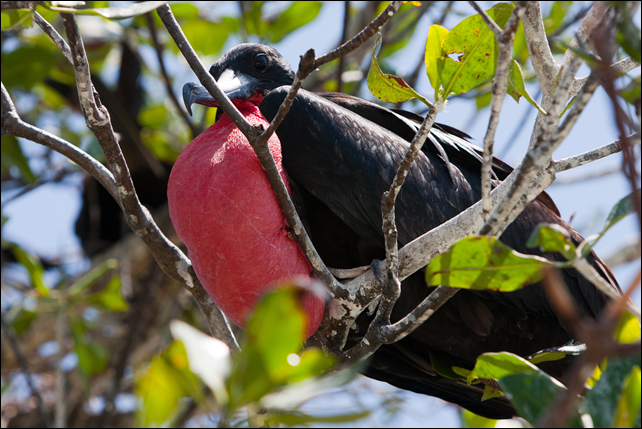
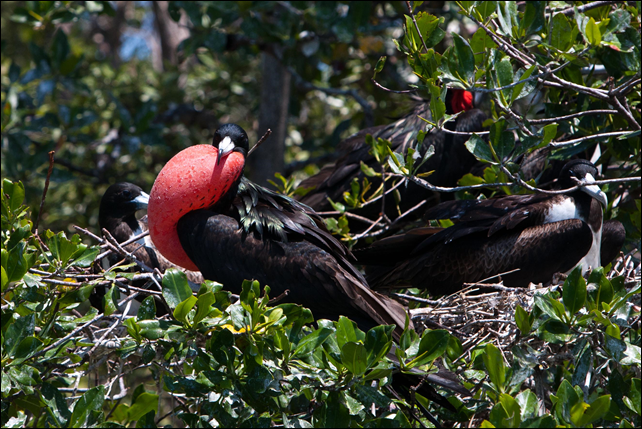
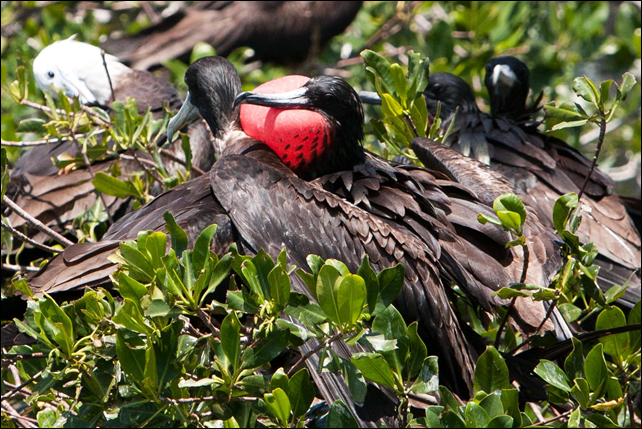
Home to two birds, the Red-footed Booby and the Frigatebird. It happened to be mating season for the Frigatebird, and the males were showing off their magnificent red breasts in hopes of attracting a mate.

image

image

Some were luckier than others.

image

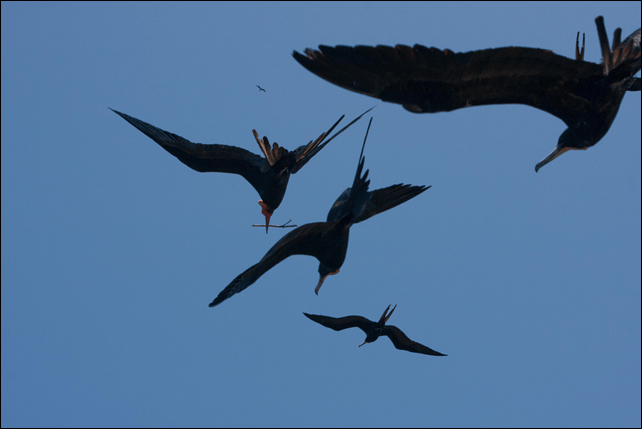
The guides mentioned that the birds have a tough time building nests, as the twigs from the trees are difficult to break off so they must fly significant distances to acquire material … unless a boat and guide were near. He put the nose of the boat near the island, broke off a few twigs and started to throw them in the air causing a flurry of activity as the birds moved to grab the twigs for their nests.

image

image

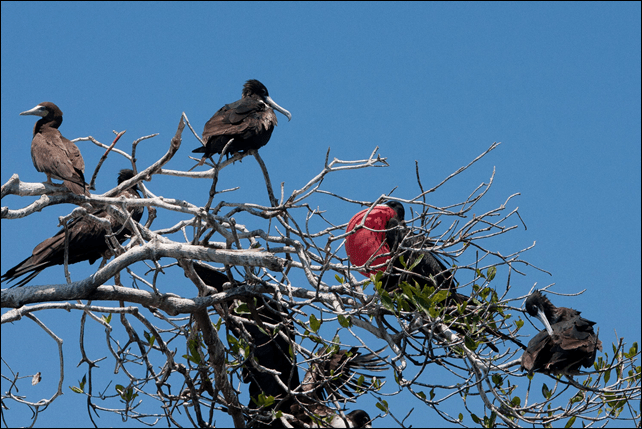
It appeared to be a harmonious relationship between the Bobby and the Frigatebirds, they sat on the branches often side by side.

image

Which is interesting considering the Frigatebird’s reputation:

Frigatebirds are pelagic piscivores which obtain most of their food on the wing. A small amount of their diet is obtained by robbing other seabirds, a behaviour that has given the family its name, and by snatching seabird chicks. Frigatebirds are seasonally monogamous, and nest colonially. A rough nest is constructed in low trees or on the ground on remote islands. A single egg[citation needed] is laid each breeding season. The duration of parental care in frigatebirds is the longest of any bird.

It was an excellent day out.

2011 03 18 Bird Island-31

MY LASIK EYE SURGERY EXPERIENCE

It is now 6 days after my Lasik eye surgery at Lasik MD and I remain in awe of the experience with my mind remaining confused by the change. I keep having this flash in the evening ‘take out your contacts’. It truly is life changing.

As I mentioned in a previous post, I had walked away from surgery 8 years ago for a host of reasons. This time I went through with it after a very informative initial assessment and conversation with the consultant followed by a host of reading. The internet is full of stories on what it is like, so I thought to post my experience for the benefit of others.

The whole thing starts in an office where they do a very thorough eye exam. You find out if you qualify, if you have potential issues and what level you need to buy. Simply put, if you remain within their norms, you can go for the standard – lower cost option. If you deviate, you need to go to the more expensive custom option. I went with the custom option simply because it offers a life time warranty (i.e. I can get redone if there is an issue) and due to the fact that it takes less tissue off of your cornea (up to 30% less). The last step is selecting your surgeon, which is a unique experience. They give you the credentials on each surgeon including their educational history, specialties and number of surgeries performed. A far cry from the ‘begging for a Doctor’ experience in the Canadian medical system.

On the day of the event, I was nervous. It is, after all, my eyes. The night before I did a little more reading and found an interesting statistic; no cases of blindness have been recorded by the FDA due to Lasik surgery. I am not sure why that had such a significant settling effect on me, but it did. We arrived at 9:30am and went through the check-in steps:  fill out a form (which included a few very scary caveats with regards to the downside potential), go through another eye exam to confirm the readings (very reassuring) and then in to the final consultant to learn about post operative care, to hand over a credit card and to get a tiny little white pill that will relax you (Ativan).

Ten minutes later they call you up and you enter the room. My Doctor was fantastically friendly. He started by asking me if I had any last minute questions or concerns and reiterated a few things about relaxing, taking deep breaths. As I lay back under the machine, I asked him what number I was – how many had he done? This was my way of seeking reassurance but he handled it in a completely unexpected and impressive manner, he said ‘I have a lot of experience but you are not a number to me. This is all about giving you a great experience, right now’. Impressed, it started.

As best I can remember (I was not really in the ‘write it all down’ mood), these are approximately the next steps. They put numbing drops in your eyes. The doctor then tapes one eye closed, the other is taped open. More numbing drops are added to the open eye. He asks you to look into a green light and inserts a clamp into you eye. He mentions that it is about to get dark, at which point another device is lowered onto your eye and you hear the word ‘suction’. It all goes black for a second. Staring up at the green light, he then cuts your eye (I assume that is what he is doing), opening a flap. Everything goes a bit blurry and he asks that you stare at the green light. A big red light appears. It is an odd light as it appears like a hundred little dots making up a big red circle. I was asked to relax and take deep breaths and I assume the laser starts. I say this as I could smell a little burning and heard the nurse call out a few numbers. A few seconds later the light is gone. I believe he flips the flap back in place and rubs your eye with some instrument. The other instruments are removed and voila, you are done. All in all, I would wager it took less than 5 minutes.

He then does the second eye.

When I was getting up the doctor asked me to open my eyes and said it would look like I was underwater, which I found to be an accurate description. I could see quite well, but everything was a bit out of focus. They take you to a couch, administer drops and ask you to relax for a few moments.

Now, how does it feel? I will admit, it felt claustrophobic and very unsettling. I would imagine, how could it not? After all, it is your eyes. But with my entering and leaving in a total of less than 15 minutes, it was surprisingly painless and super quick.

After resting and the nurse administering more drops, you head to the waiting room for an hour where you continue resting. Slowly, my vision improved but I avoided the temptation to try them out and simply rested with sunglasses on. After an hour I was called up to go through an eye test, everything was fine and I was released. In the literature, they say your eyes start to heal after 1 minute.

I spent the day sleeping and resting, as per a friends suggestion. He found that sleeping for a few hours in the afternoon really helped – I would agree. The Doctor reiterated this, sleeping will speed the healing process. Throughout the day I administered drops every two hours, as per the instructions and kept sunglasses on. It is made very clear, you must adhere to the drop schedule to ensure proper healing. Through the day, my eyes felt like there was dirt in them, slowly getting less sensitive.

I slept with the sunglasses that evening (to protect from accidental eye rubbing) and woke the next morning with clear vision. I went in for my check up and was cleared with 20/20 vision, a slight swelling and a prognosis that my vision would get even better through the week. I go in for my next test tomorrow, and I have to say, I expect that I have better than 20/20 vision. Yesterday I sat at the far end of a conference room table and had no problem seeing the screen. All scratchiness is gone.

I will not say that I wished I had done it earlier, because I do not. I finally felt comfortable so the time was right for me. But I can see how this is going to change my life. No more water sports with goggles (I went surfing 2 weeks ago with goggles), no more contact lens issues while playing hockey, tennis or golf. No more fumbling around in the morning after I wake up. It is surreal and I keep smiling every time I look in amazement at something far away and can see it clear as I could with glasses.

We live in an amazing time.

UNIVERSITY


While waiting in the airport in Belize I came across a brochure for the University of Belize. It offered the international experience that one would expect, with many eco related courses. If you check out their website, the marketing strategy to attract international students is pretty clear. I am not sure how effective the site is at encouraging parents to finance the experience.

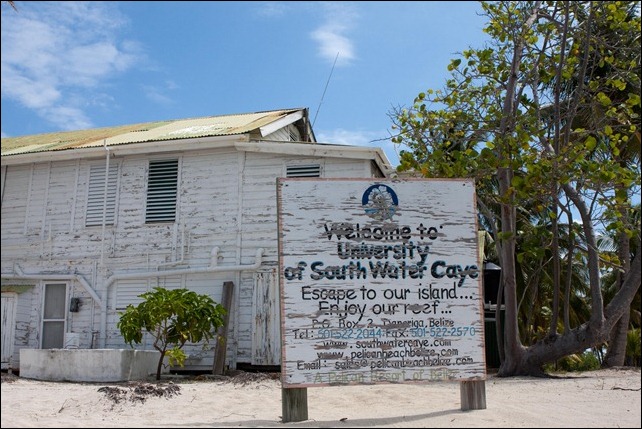
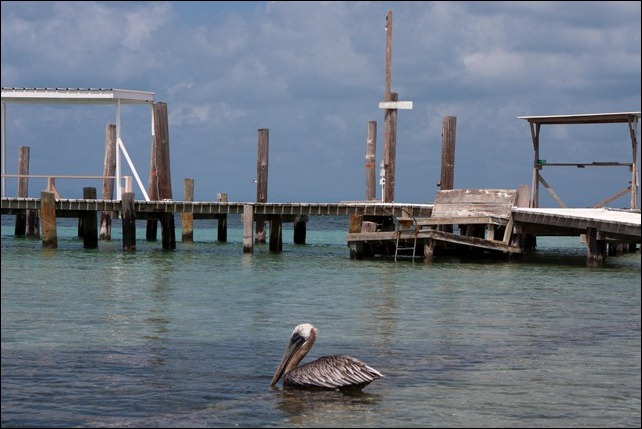
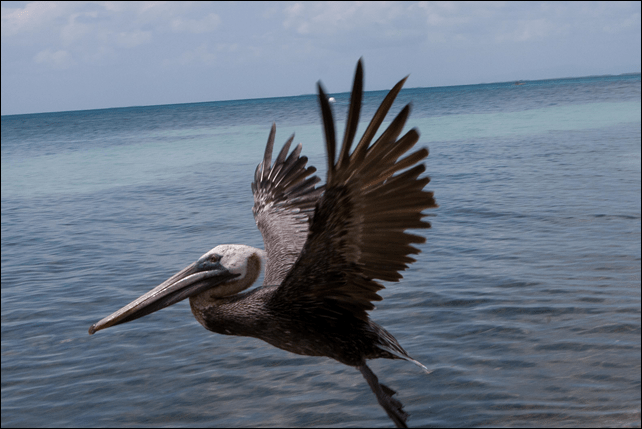
After photographing the pelicans, I turned around and realized that the island of South Water Caye has a university too ….

2011 03 18_-10

2011 03 18_-29

Perhaps they are linked with the Smithsonian research station one island over, which appears to be linked to the University of California. Not the worst way to spend a semester …

LASIK

It is early Friday morning and I am waiting for the Doctor’s office to open for my follow up appointment. 24 hours ago I had custom Lasik  surgery on my eyes.

I have had many friends undergo the surgery and several described the experience like a miracle. They were asked to look at a clock before lying down and of course it is all fuzzy. Minutes later, they sit up and it is clear. (They didn’t ask me to do that).

It wasn’t quite that cut and dry for me, but close. This morning for the first time in 26 years I woke up and did not need to fumble to the bathroom. The world was crystal clear and I walked around going “wow, I can see that” … “wow, I can see that!”

Probably as close to a medical miracle as I will get. I am still in awe. Amazing.

PELICANS OF BELIZE


The Belize reef system is 30+ KMs off the shore. Each day we would get in a boat and travel to either a dive or snorkelling destination, depending on your preference. As our boys are too young to scuba, we snorkelled a number of times. After the first snorkel, they would take us to a small island for snacks and a quick break before heading out again. The island was beautiful, with white sand beaches and clear blue water. Very Caribbean.

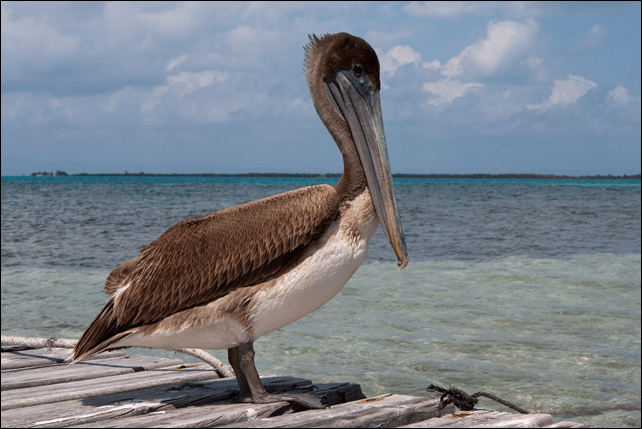
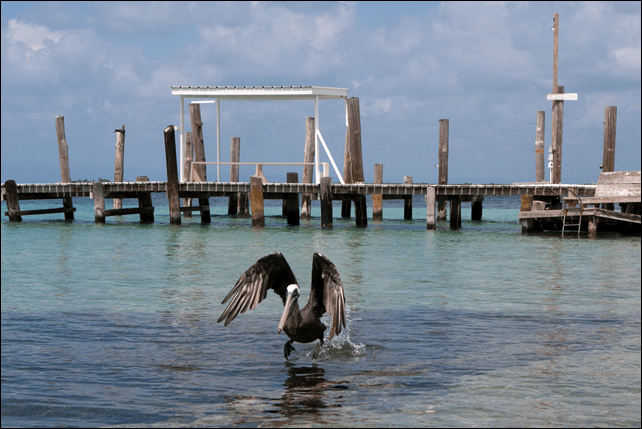
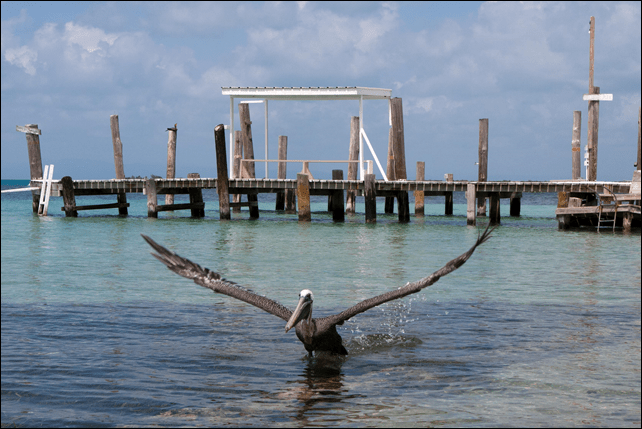
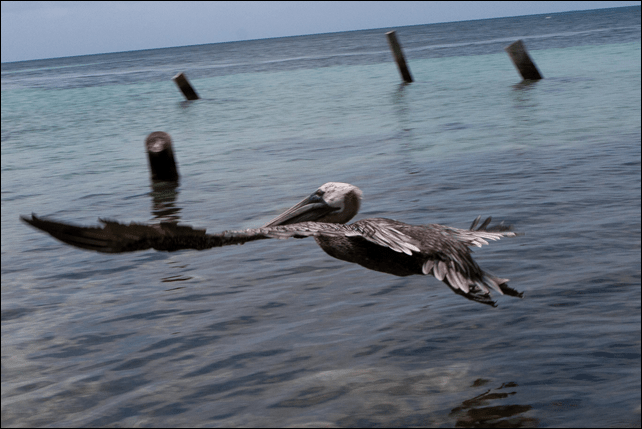
On our first trip out, a pelican kept hovering around. He was not afraid of us, and let me get very close (At one point I was arms length). A majestic bird.

2011 03 18_-11

image

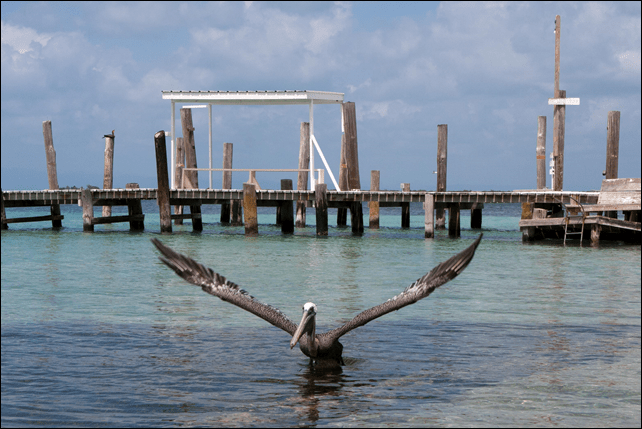
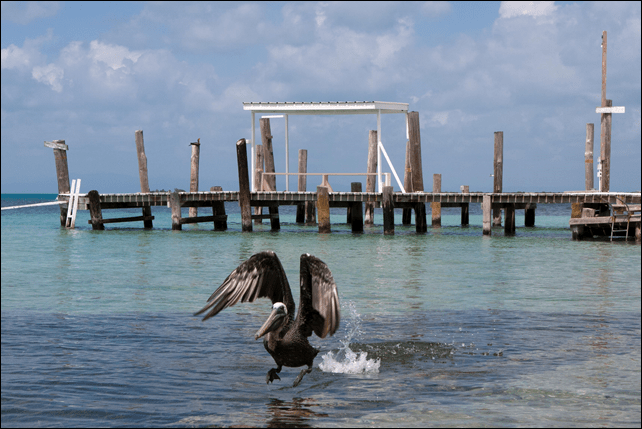
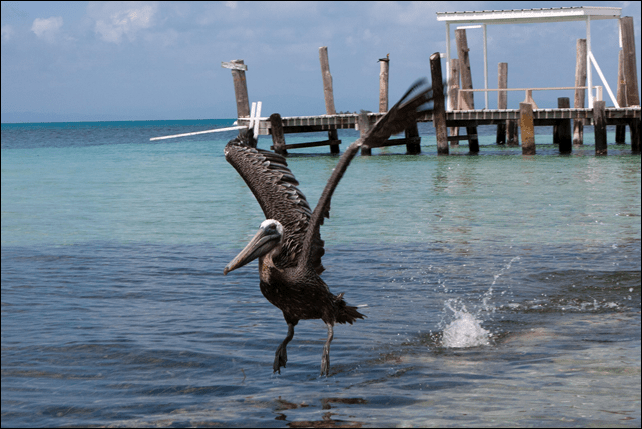
It is fascinating watching him take off.

image

image

image

image

image

image

image

image

It felt like you blinked and he was away. These frames were taken over a few seconds.

YOU DON’T KNOW JACK


One of my favourite PC games has finally made it to the console. I downloaded the demo of You Don’t Know Jack from XBOX Live (It is CD form too) and introduced the boys too it a few Saturday night’s ago. What a great family trivia game, there really isn’t anything out there like it and we spent an evening laughing. For those who don’t know it, it is not like all of those other trivia games (which I simply do not play). YDKJ is all about irreverence and humour. This screenshot says it all.

image

About time and fortunately, it made the transition to 2011 quite nicely!

PRACTICE FOR THE NEGOTIATION


I have been cataloguing a few old folders over the past month and came across the photo below. It is the photo of a whiteboard from one of the largest deal negotiations that I have been involved in over the last decade (9 figures). The negotiation team that we were working ‘with’ on the other side consisted of some of the most professional negotiators I have ever had the pleasure to deal with. During the 6 week negotiation, I learned a lot from them thanks to a very observant teammate.

Negotiation Board Whited Out

That board was a 3 hour internal dialogue to prepare me for a 30 minute phone conversation. We role played out the conversation, areas where the conversation would go, objections that would come up, rat holes to be avoided and where to stand firm.

In the end, both parties were happy with the outcome, but it was tough and the experience reaffirmed my motto of practice, practice, practice. Whether doing a presentation, meeting a client for the first time, running a negotiation, practice and preparation pay.

I need to Photoshop this photo and clean it up a bit, it deserves a good frame.

CURLING


One of our teams went on a team building event a month ago – curling. Unfortunately, I could not attend even though I would have liked to. Despite being Canadian, it is one ice sport I have not tried. I don’t know a lot about curling except that every curling rink has a well stocked bar. When I had to decline, I mentioned my perception of the sport. I was sent this cartoon …..

image

XUNANTUNICH


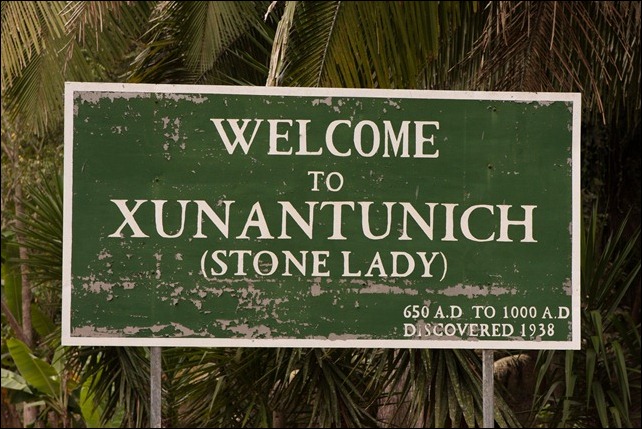
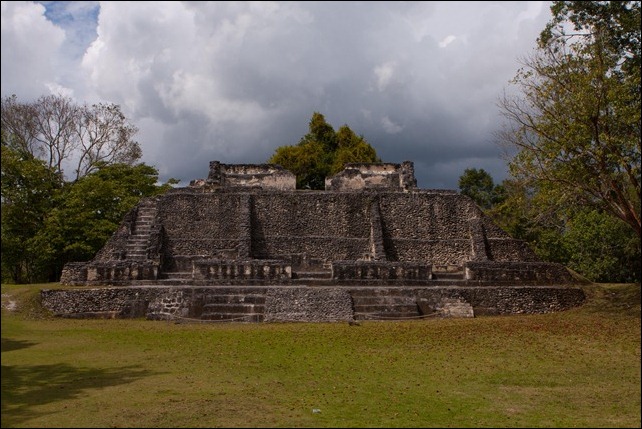
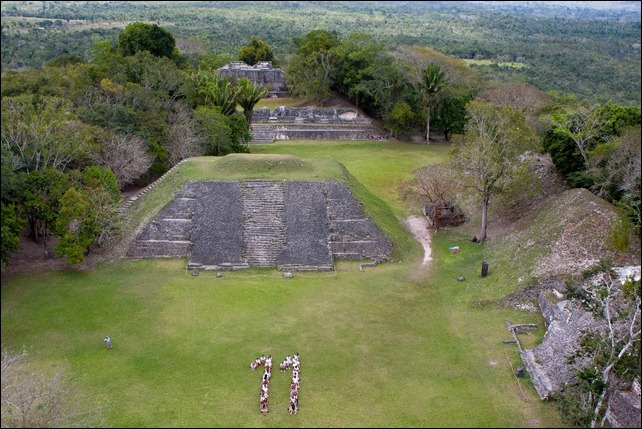
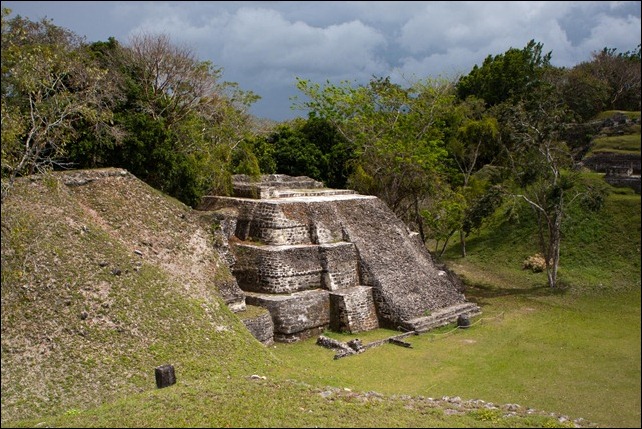
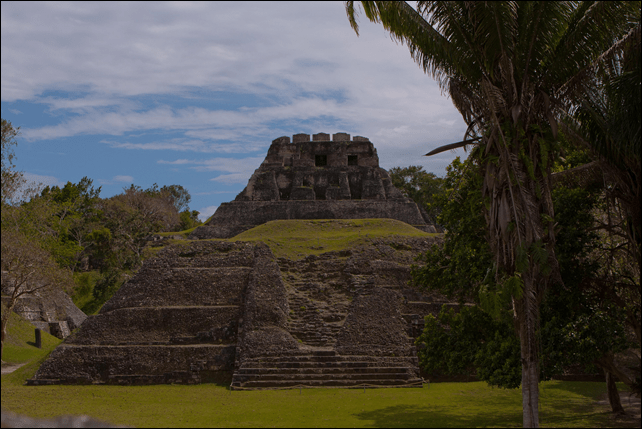
The second stop on our Mayan Ruins tour was the 2nd largest site in the region, Xunantunich, or the stone lady:

Xunantunich (shoo-NAHN-too-nich) is a Maya archaeological site in western Belize, about 80 miles (130 km) west of Belize City (Latitude : 17.083 , Longitude : -89.133), in the Cayo District. Xunantunich is located atop a ridge above the Mopan River, within sight of the Guatemala border. Its name means "Stone Woman" in the Maya language (Mopan and Yucatec combination name), and, like many names given to Maya archaeological sites, is a modern name; the ancient name is currently unknown. The "Stone Woman" refers to the ghost of a woman claimed by several people to inhabit the site, beginning in 1892. She is dressed completely in white, and has fire-red glowing eyes. She generally appears in front of El Castillo; ascends the stone stairs and disappears into a stone wall.

2011 03 17 Xunantunich_-6

The guide told us a story that the site actually wasn’t called the Stone Lady by the Mayans. A recent discovery (everything is recent, they still have so much to uncover) found that the Mayan’s called it the Clay Mountain.

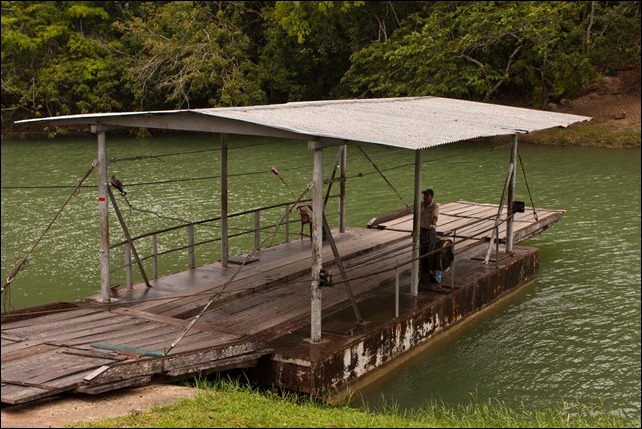
Getting to the site is an interesting experience, you cross on a hand cranked ferry. We were fortunate, as we arrived the tour buses from the cruise ships were leaving.

2011 03 17 Xunantunich_-2

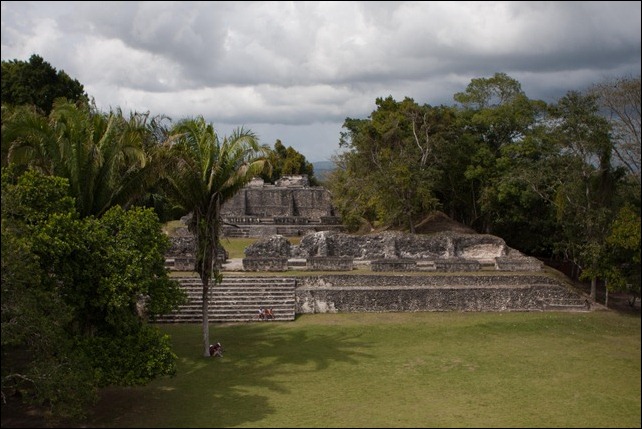
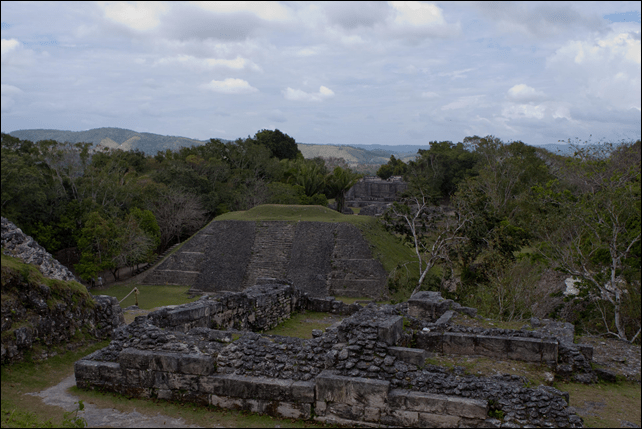
I found the site breathtakingly beautiful and we were fortunate, there were very few people there (perhaps due to the intermittent rain and timing). The site is riddled with buildings, six plazas center the complex with 26 temples and palaces surrounding it.

2011 03 17 Xunantunich_-75

2011 03 17 Xunantunich_-68

2011 03 17 Xunantunich_-37

image

A class of students was leaving the site as we climbed the primary temple. I am going to guess they are in grade 11.

2011 03 17 Xunantunich_-42

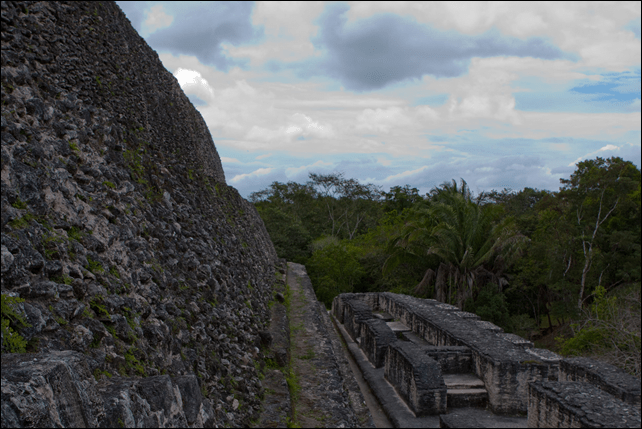
As you can see by this shot, huge mounds remain. Inside those mounds are more ruins, unexplored and uncovered due to lack of funding.

2011 03 17 Xunantunich_-15

image

2011 03 17 Xunantunich_-10

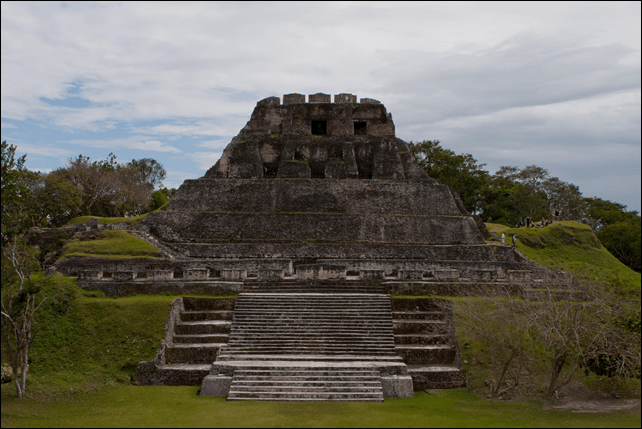
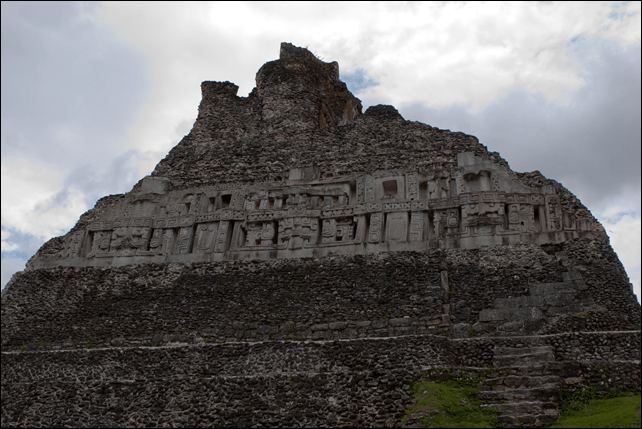
Next, the pyramid known as "El Castillo".

XUNANTUNIC: EL CASTILLO


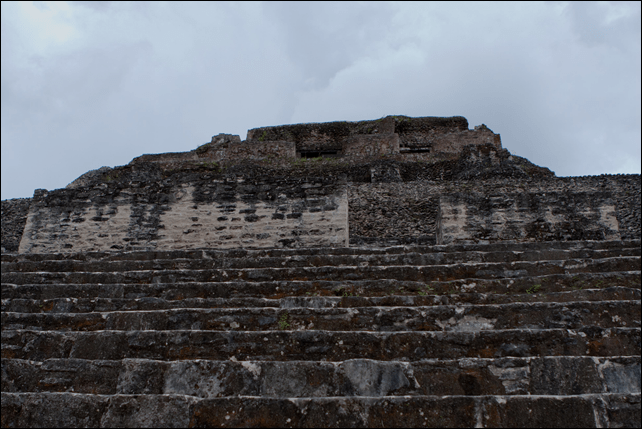
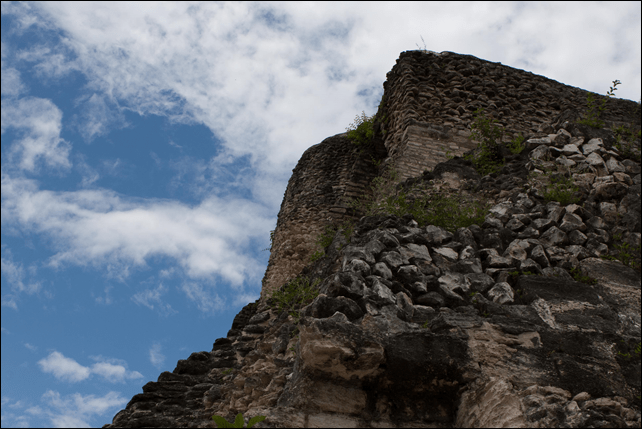
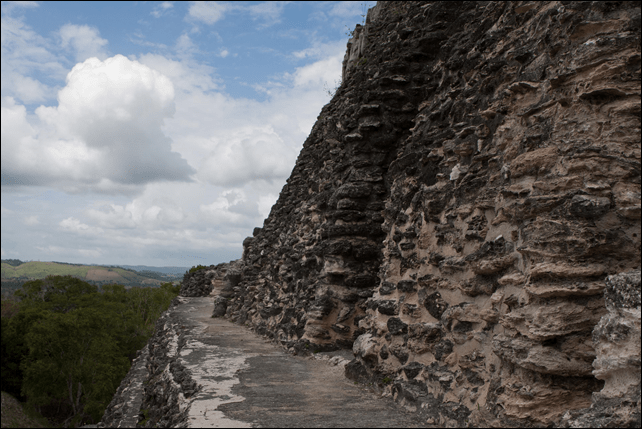
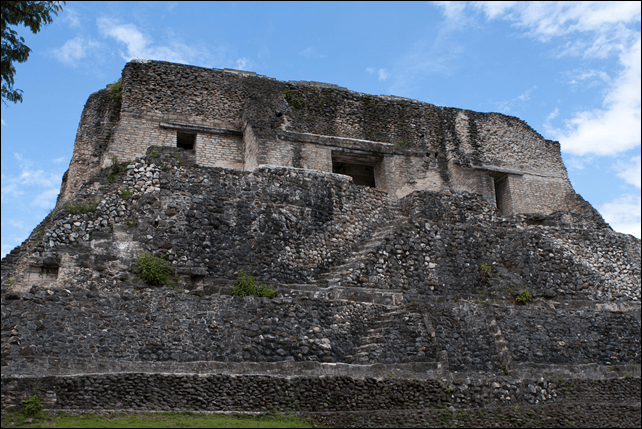
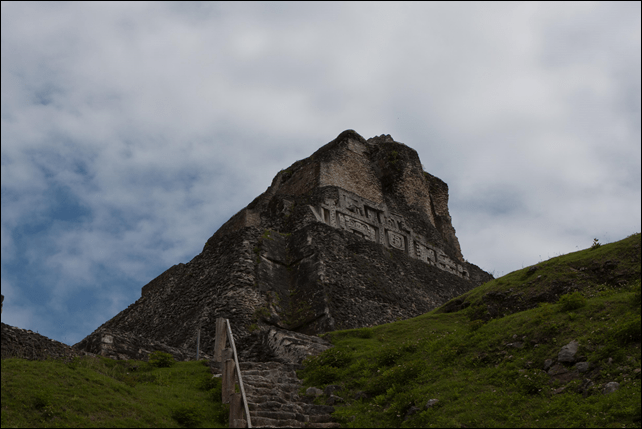
El Castillo is the second tallest structure in Belize (after the temple at Caracol), at 40m (130 feet) tall.

image

image

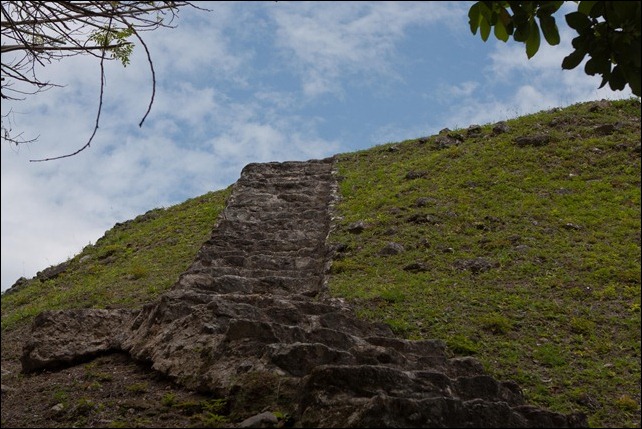
It is quite the climb for those of us adverse to heights.

image

image

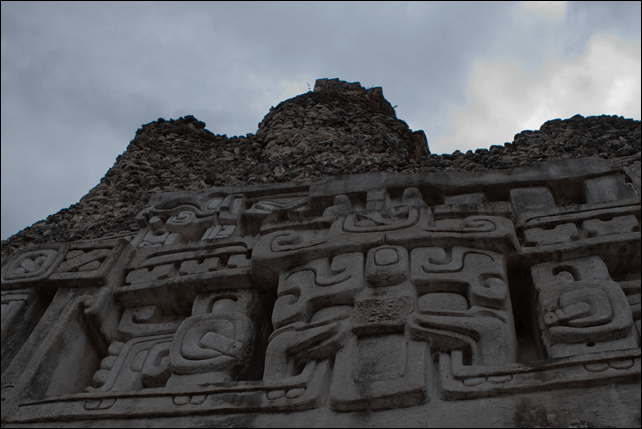
The sides are decorated with depictions of different Mayan gods.

image

image

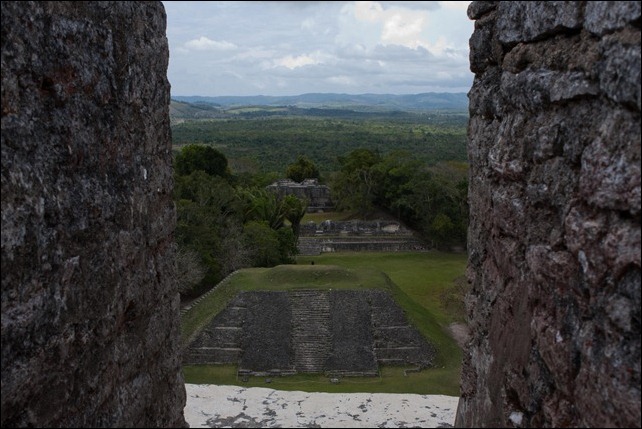
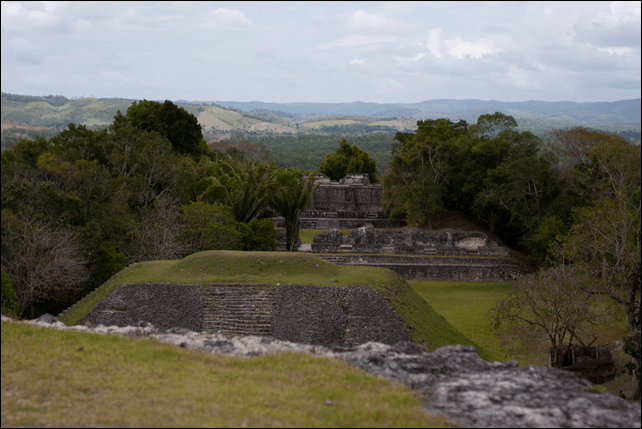
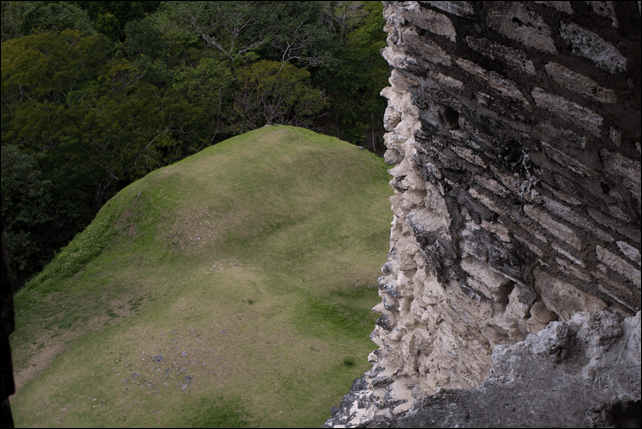
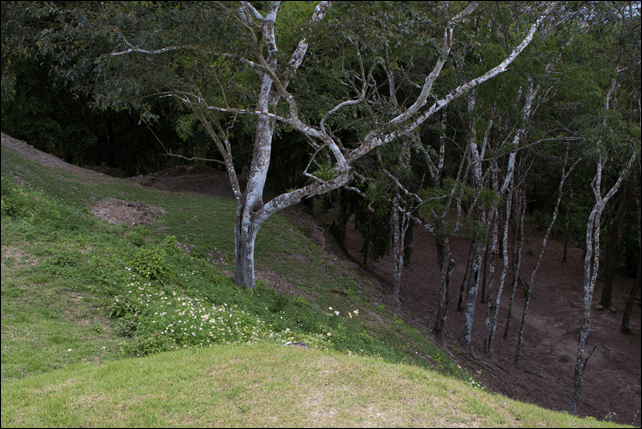
The view from the top is spectacular. Again, mounds remain to either side. Our guide noted, there are more ruins just waiting to be found.

image

image

The site itself is beautiful.

image

Guatemala is off in the distance.

image

The back.

image

image

One last photo as we climbed down.

image

A wonderful tour.

RECIPROCITY


Harvey MacKay’s note on reciprocity in March offers an interesting perspective. In it he suggests that we should “practice reciprocity without keeping score”:

My Golden Rule of Networking is this:  Reciprocity without keeping score.  Simply stated, it means what can I do for you without expecting anything in return?

My definition of reciprocity is quite different.  You must give without keeping score.  No quid pro quo.  It’s the one fundamental concept that is the most misunderstood in business today.  Few people truly understand this.  You are either all in or all out.

In Linchpin, Seth Godin has a similar view:

They don’t spend a lot of time teaching you about the power of unreciprocated gifts, about the long (fifty thousand years) tradition of tribal economies being built around the idea of mutual support and generosity. In fact, I don’t think the concept is even mentioned once. We’ve been so brainwashed, it doesn’t even occur to us that there might be an alternative to “How much should I charge, how much can I make?”

Without keeping score. So counter cultural.

When I was just out of school and in my first real sales role, I had one of the best salespeople I have ever known give me many gifts with absolutely nothing in it for him. Paul was the best sales person in the company and after I got through the ‘Five No’s to Make a Yes’ test, he took me under his wing, he gave me the gift of his knowledge.

One day I showed up at his house for another session. He pulled out a box and gave me a HP 12C calculator. To Paul, the calculator was key to success in the copier business. The ability to deep dive on the financials of a deal without the help of the gate keeping internal accountants was key. It was the key to creativity in a deal, a facilitator in the quest to think differently. To frame up the time, I was new out of school. I was not making a lot of money yet (My base salary was $1500 per month plus commission). This was a very expensive gift. He had done so much for me already by teaching me, how could I accept it? I could not. I said I would repay him.

He insisted. He demanded no repayment. It was his gift to me. I remember that moment all of these years later.

Reading Seth and Harvey’s note, it made me realize how profound an impact that act had on my last 20 years. It helped me become someone who is always trying to share. If I build a great presentation, I share it. If I build a process that works, I share it. I cannot tell  you how many people I have given my 90 Day Plan template to over the years. But it isn’t always natural.

A funny thing happened to me after the Sales 2.0 conference. At the conference I presented on ‘Leading a Sales Transformation’ and during the presentation I made an offer to the hundreds of people in the room. If you send me an email after the event, I will send you the templates that I use to build a plan for a sales transformation. Now, this template might appear simple, but it is something that I have built over the last 6 years, evolving slowly but surely as I learn and grow as a leader. After the conference, my inbox was hit with forty requests for the templates. A number of those requests came from consultants and I wondered if I had made a mistake. As consultants, wouldn’t they just take my work and try to incorporate it into the services that they sell to other companies? A twinge of selfishness hit.

And then it was gone. I hit send and shared. If it helps them, great.

Thanks Paul. I will always remember the 12C.

THE LAST TIME

I jumped on the plane this week to Vancouver and forgot two things, my BOSE headset and my glasses. I can’t prevent forgetting my headset, but on April 21st, I hope to send the glasses on their merry way for the first time in 26 years.

I still remember when I first got glasses. The chalkboard got a little harder and harder to read in class, until I had to see the optometrist and the verdict was in: I needed glasses. I was 16. Since that time, my prescription has remained virtually the same at -2.25. About 8 years ago I went into Lasik MD and went through a consultation on having corrective eye surgery. The company was rather new, and what I didn’t realize at the time was that the founder was the doctor who did the consultation.

After much thought, I walked. I just was not comfortable. It also didn’t help that a colleague had just had it done and suffered through detached retinas (unrelated, but still spooked me). I stuck with glasses and disposable contacts. And every year I would think, this year?

Last week I bit the bullet and went in for a consultation. I asked a lot of questions; about monovision (I decided on full correction) and the difference between the stock program and custom Lasik. In the end, I have decided to go for custom and on April 21st, I go under the laser, joining the 14M+ North Americans who have had the procedure.

The last time I woke up in the morning and did not have to fumble with glasses, suffered through an irritated contact lens on the golf course or had to worry about whether the contact was inside right was 26 years ago.

I can’t wait.

GOING ELECTRONIC


As mentioned in a previous post, I have been uncharacteristically slow to adopt eBooks. Uncharacteristic in that I love to be on the bleeding edge of technology, always on the new OS beta’s, running different devices, trying out a new piece of technology. But for some reason I did not jump on the eBook bandwagon.

This holiday that changed. After reading a friend’s post on reading, I realized that I have a few additional options that I had not considered. Therefore, under the balmy Belizean sun, cold Coke in hand and hammock swaying in the gentle breeze, I embarked on the journey of learning how to read electronically.

As previously mentioned, one of my biggest hurdles for transitioning to an eBook is that when I read business literature, I like to read it like I did in University (or perhaps better than I did in University), making notes, highlighting quotes. I often find myself going back to old business books and re-reading parts, or grabbing quotes to share in presentations. What I found surprised me. Below are my highlights and how I have implemented eReading.

Document choice

The amount of choice is truly dizzying. All of the different document and book formats (PDF, .LIT, ePub …) can be overwhelming. After reading widely, I settled on two formats for all documents:

  • PDF:  Inevitable. Analyst reports, Harvard Business Review articles, reports that I read daily, are all published in PDF.
  • ePUB:  It would seem that ePub is the most universally supported. There are several other proprietary options out there, but I am going to do everything I can to avoid them.

Hardware choice

On the reader front, the decision is really between a dedicated reader and a tablet. I am running on an Android Tablet (Galaxy) as it has a wide range of software choices. I was worried that it would not perform as well in the daylight as a Kindle, but the ability to shift viewing modes makes it almost as effective. As a Kindle aside, it was amazing to see how many people had a Kindle at the pool. At one point, I counted 4 Kindles, my tablet, an iPad, 1 person reading a paper book and a guy with a bright pink 17” laptop resting on his stomach (smile).

image

All about the software

Rooting through which software to use is the real chore. In the end I settled on the following:

  • Adobe Reader X:  Reading and highlighting PDFs remains an issue. I cannot find a good PDF reader for Android but there is hope. Adobe just released their ‘X’ version which includes commenting and highlighting for the desktop. A huge step forward. I will be forced to read PDFs on the laptop for a while longer. Hopefully the Android version with highlighting and comments is not far behind. I left a note on their forum!
  • Moon Reader:   Tried a host of readers and liked this one the best. Great annotation, highlight and bookmarking software. The best feature is the ability to export through a range of vehicles, email, Evernote and others. Very flexible choice.
  • Kindle and Kobo:   I have accounts with both, although I like the Kindle Android application better. The only downside is that it isn’t as flexible with sharing highlights and notes as Moon Reader. As an aside, Kobo has 1.8 million books available for free.
  • Calibre:  And last but not least, I installed Calibre on my media server to manage the eBook library that is simply bound to grow.
  • Evernote:  I have always been a big Microsoft OneNote fan. But as my OS and device patterns fragment, I have found the Microsoft only – desktop centric product less and less usable. I have started the migration to Evernote (again thanks to the previously mentioned note) and could not be happier. All of my notes sync’d across each of my devices. The only feature missing is the ability to skip specific notebooks on a desktop instance (i.e. Leave personal notebooks off of my work computer).
  • Dropbox:  Makes it simple to share PDFs and other documents across all platforms – Windows, Apple, Android. You name it, they support it.

Not quite perfect, but almost. Only one piece left, magazines.

SONOS: FIVE OUT OF FIVE STARS


I love to try new technology, although there are a few that I have skipped and this is one that I skipped 3 years ago. On the home theater side, our house is wired. Ethernet, speakers in many rooms, a media server in the basement that distributes our music, videos and pictures and an XBOX on every TV to view the content. The problem with the XBOX (besides Media Center’s insane flakiness) and music is that you have to be in the family room to control the media. So if you are outside on the deck and don’t like the song or find the volume too high, you have to go inside and change it. Not any longer.

I looked at a Sonos 3 years ago when a friend showcased it at his BBQ in England. In his old home he had bridges set up and controlling speakers with the Sonos proprietary wireless network distributing music around the house. It worked very well for him as old English homes are very hard to wire due to their plaster walls and age. The Sonos indexed his music and playlists from his PC and the proprietary remote control allowed him to stand outside and switch songs, select genres, alter volume or pick a new playlist. The problem was the price and the remote. In the old model you needed all of the kit … the remote (which was a brick), the bridges and on and on. It was a $1,200++ investment.

Not anymore. While at WMC I came across the Sonos booth and found that they had made a couple key advancements. The most important for me was the remote control. They have taken the software and released it on iOS, so you can eliminate the need for yet another remote control and put it on your iPhone or iPad for FREE. They also announced that it will be out on Android any day, which will be great on my Atrix and Samsung Galaxy. According to the Sonos site, you can have up to 16 devices interacting with the system (PCs, phones, tablets). No more looking for a remote, just grab one of the phones that is lying around and take control.

Sonos Product Family Diagram

Which leads to the second component, the ZonePlayer 90. As the house is pre-wired, I do not need to use a wireless network to distribute music. Instead, I invested $400 and bought the ZP90. I plugged the device into my network (via Ethernet), linked it to my amp (via optical), logged into the Sonos app on my desktop, pointed the software to the folder which contains my music and playlists and Voila! Up and running. It doesn’t care if I am using Windows Media Player or iTunes (I don’t … although I did say last week that we should get a Mac .. for the heck of it), it reads them all.

This is a fantastic piece of kit. Sonos has been at it a long time, and with the free software app on the phone/tablet, the cost is negligible and the best out there.  Well done Sonos.

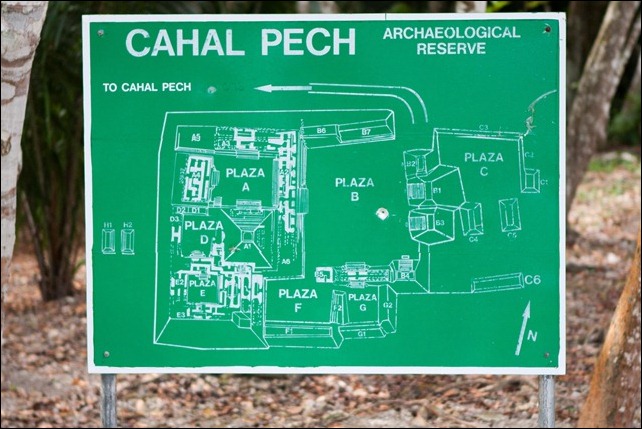
CAHAL PECH


Our first stop on the Mayan Ruin tour was Cahal Pech, embedded in a local city:

Cahal Pech is a Maya site located near the Town of San Ignacio in the Cayo District of Belize. The site was a hilltop palacio home for an elite Maya family, and though most major construction dates to the Classic period, evidence of continuous habitation has been dated to as far back as far as 1200 BCE during the Early Middle Formative period (Early Middle Preclassic), making Cahal Pech one of the oldest recognizably Maya sites in Western Belize.[1][2]. The site rests high near the banks of the Macal River and is strategically located to overlook the confluence of the Macal River and the Mopan River. The site is a collection of 34 structures, with the tallest temple being about 25 meters in height, situated around a central acropolis. The site was abandoned in the 9th century CE for unknown reasons.

2011 03 17 Cahal Pech_-1

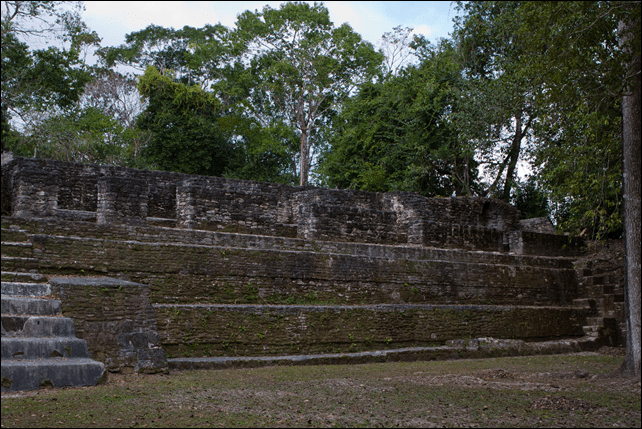
The remains of doors leading to the privileged courtyards off of Plaza B (hypothesized to be an open market). The Maya believed in odd numbers, in this case there were 9 doors from side to side.

image

image

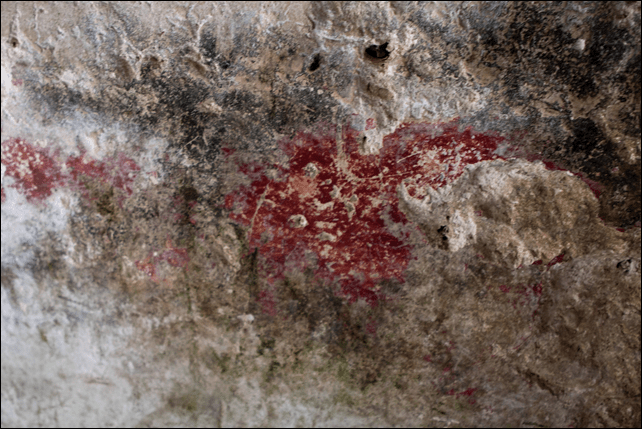
Back to the point on their history, we did not see many wall drawings. Perhaps due to their use of red dyes from trees .. which wears off.

image

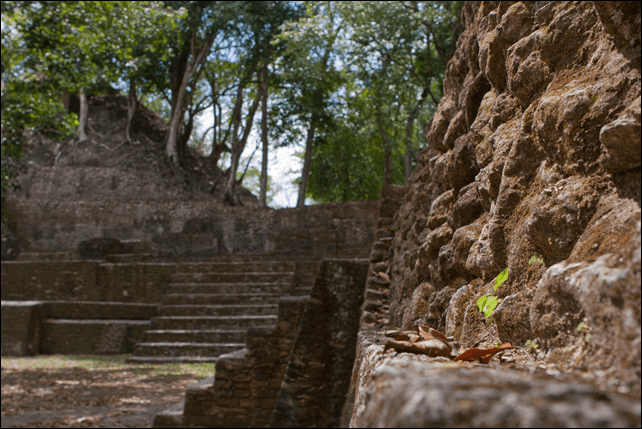
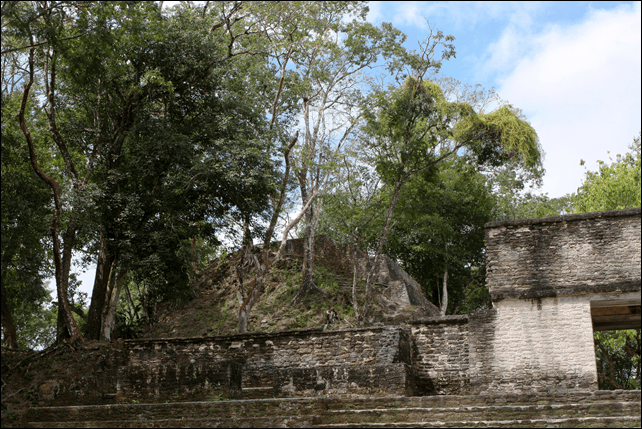
Everything in the Maya ruin centers on status. One spot for the commoner, another spot for the 2nd tier, inside for only the top level. Clearly a society built on status and hierarchy. This site was not unearthed until 1988, and even now, huge parts of the site remain underground awaiting the next stage of study. Note the way the trees and dirt remain in place over top of the temple.

image

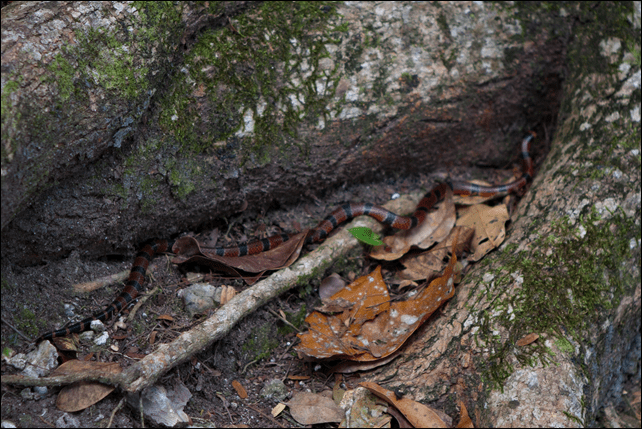
Unlike Costa Rica, wildlife was not that common. We saw a few hummingbirds and this very poisonous snake, the Central American Coral snake.

image

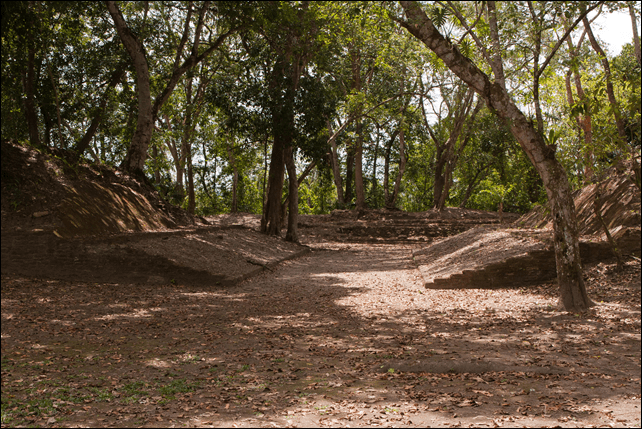
In each ruin there was a ball court. The game’s actual rules are not known, so more hypothesis. What they do know is that they used a rubber ball from a rubber tree, which was solid and weighed between 6 and 8 lbs. If given a pass, you would not want to miss. Oh yes, and there seems to be consensus that there was a lot of ritual around the game and at times, it could lead to your being sacrificed. I can see the coach, “No pressure lads. Just get out there and do your best. Oh yes, and remember, this is the finals. So, if you lose, you are going to get sacrificed to the sun god. Really a win-win. We win, you are a hero. We lose you go to the sun god and help next years crop. So, chins high, get out there and give it your best!’.

image

Next, Xunantunich.

MAYAN RUINS


I was most looking forward to the Mayan ruins in Belize. I love going to historical sites and learning about ancient cultures (Egypt remains my favourite trip of all time). Our trip took us to two ruins, Chahal Pech and Xunantunich.

What is very different about the Mayan ruins and culture is how little is known. Unlike other cultures which have documents (in the form of hieroglyphics or the like), the Mayan culture is quite the mystery. It seemed like much of their lifestyle, rituals and culture history is based on hypothesis. One big question that remains unanswered is what happened to the Maya civilization? Why did their culture die out?

Via.

Some 88 different theories or variations of theories attempting to explain the Classic Maya Collapse have been identified.[4] From climate change to deforestation to lack of action by Mayan kings, there is no universally accepted collapse theory, although drought is gaining momentum as the leading explanation

I also found it interesting that much of their history remains buried. It would seem that the lack of resources and funding has left many of the sites covered. Even in the large Xunantunich site, there were huge mounds to each side which entombed ancient ruins. The history of the Maya (that they do know) is that each new leader built on top of the old one, so layers upon layers remain undiscovered.

Awaiting a foreign University’s funding …..

BELIZE


March break time and this year we decided on Belize. Why? I am not sure. It could be because of an international property salesperson who we talked to about Belize or because we decided that the Galapagos was a bit to far this time around (that is DEFINITELY on the bucket list).

We went into the country knowing only a few facts:

  • It is an ex-British colony, not unlike Canada.
  • They speak English.
  • They have great diving.
  • Everything we read said it is safe.

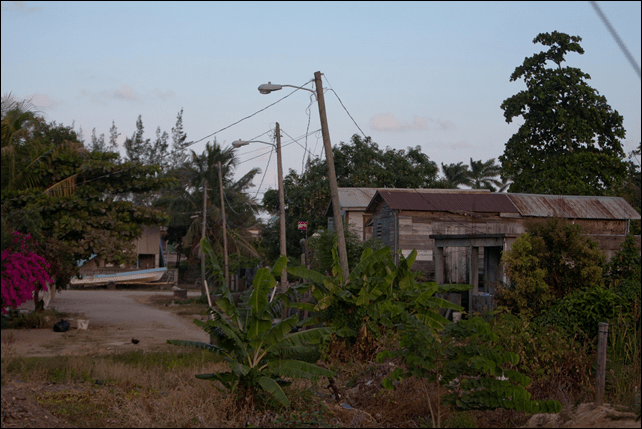
After 11 days there, we learned a lot about the country. Belize is very poor. It does not come off as ‘Egypt’ level poor, but with a GDP of $2.6B and per capita income of less than $8K, you can see it in the lack of infrastructure. One story we heard as we traveled to the resort was about the road we were on to Hopkins. It was partially paved due to a politician’s broken promises (some things are the same regardless of country). The politician promised that if he was elected, he would get the road paved. He got it partially paved and 15 years later I am not sure which is rougher, the unpaved dirt part or the crumbling, washed away paved part. You can also see it in the homes you pass and the litter. It is sad to say but litter is everywhere and no one is picking it up.

image

image

I also wondered about jobs. Tourism makes up a huge part of the economy, as does agriculture. What I noticed as we passed through the towns were scores and scores of able bodied people sitting on their front step or a common area, hanging out during business hours. When I asked about the citrus harvest (We passed many Orange orchards), it turns out that Belizeans don’t participate. They import workers from Guatemala and other countries to do the harvest as the ‘jobs don’t pay enough’. The unemployment rate isn’t astronomically high at 13.1%, so perhaps this is just an anomaly in outlying regions?

All of those ‘North American’ observations aside, one thing is very clear – the people we met were very happy. It seemed like everyone was smiling. People waving as you drive by. As one guide said ‘How can we not be happy every day? We live in paradise’

2011 03 17 Mayan Ruins_-9

2011 03 21 Bocawina Mayflower Park-36

2011 03 17 Mayan Ruins_-6

In that he is right. It is paradise. Perhaps living on the beach isn’t a bad idea ….

2011 03 22 Hamanasi_-2

THE SOCIAL NETWORK EXPANDS


While at a conference I saw several solutions where a person’s LinkedIn, Facebook and Twitter feeds were viewable right from the CRM feed. At a social networking workshop it became very clear that managing one’s online presence is incredibly important. I have often wondered how much to put on LinkedIn with regard to the profile, and after much thought I think it is time to make it a bit more robust. GTD has an action item, time to update LinkedIn.

It is also time to take a look at a few sites like Jigsaw and other to see what is in there. Will be very interesting.

THE GUIDANCE GUY


I was speaking with an Entrepreneur on Tuesday about kids. He stated that he is recruiting MBA’s and looks forward to helping guide them through their career. He then stated that he had wished that there had been someone there to guide him through his career after he exited college. Which lead to the conversation on children, the influence that a father has and how to ensure that there is not a barrier created through the ‘advice process’.

Kids seek advice from many people; friends, parents and of course, the often humorously depicted school guidance counsellor or potentially a school psychologist. What does it take to become a school psychologist? I am not sure. After reading this quote in USA Today, it made me wonder about the guidelines for school psychologists in Texas:

He’s a winner in some eyes …..  (Article on Charlie Sheen)

“The dude is awesome” says Milton Crawford, a school psychologist from Texas. “He is the ultimate cool, James Deanish. He is living the lifestyle most of us wish we could. I respect him for standing up for what he feels is right”.

A proud moment for the Texas Association of School Psychologists (TASP) where Milton is a charter member. I wonder if Milton is the guy at the monthly meeting who is always trying to ‘liven things up’, Charlie Sheen style?

PICTURES


I had the opportunity to watch Tom Drews, CEO of What Works! speak on The Art of Presenting Online yesterday at the Sales 2.0 conference. His model for building and presenting a story is thought provoking, as is his ‘dance’ (look left). He has a very simple PDF with 28 tips on building a great presentation. One of his points was to use the Steve Jobs approach of using pictures to tell the story, using more slides with less words.

He posted the below picture. It certainly tells a story.

image

QUEBEC CITY


Last week I had the opportunity to travel to Quebec City for the first time (I know – how bad is it that it has taken this long?). My boys have both taken trips to the city and raved about how great it is. Like Montreal, it is one of the few cities in North America that has that ‘old world European’ feel to it. So, I was excited. While it was a busy day, I figured that at a minimum I would get to see some of the architecture as the primary meeting was set in the core of the city.

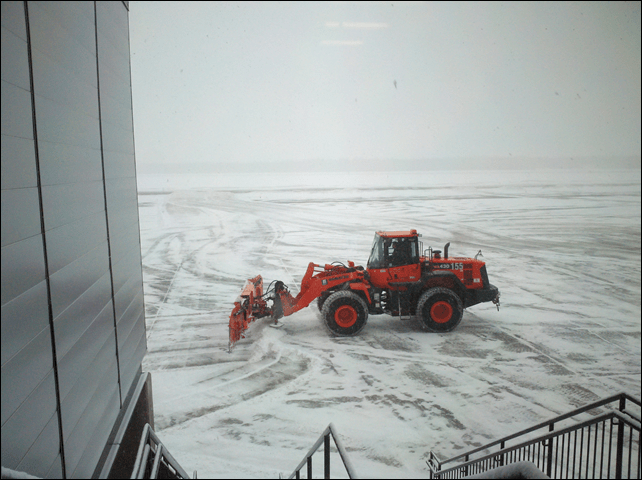
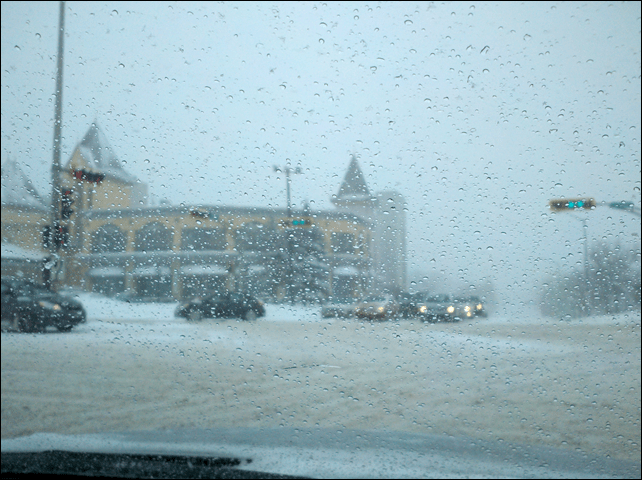
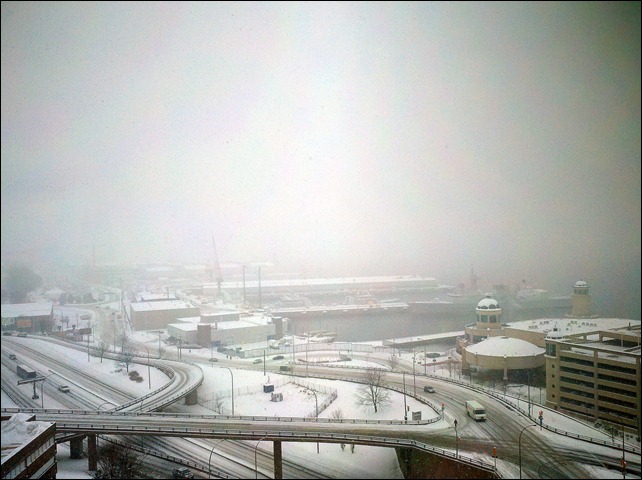
Instead, I got this. The first shot was from the airport as I disembarked. That is a very big front loader struggling to keep up with the forecasted 30cm of snow on the way.

image

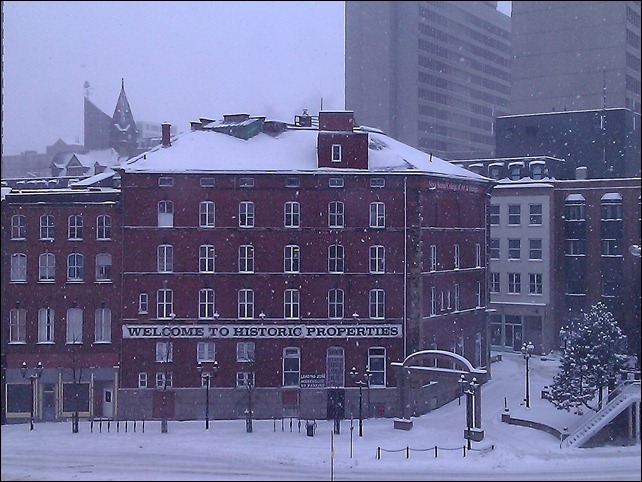
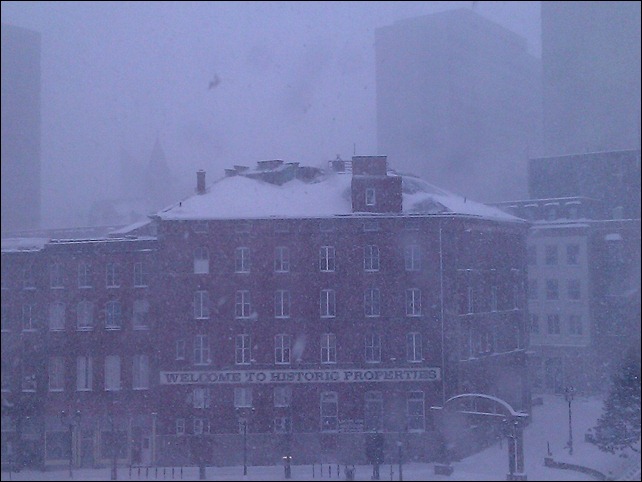
This is picturesque Quebec City in a snowstorm. About 30 meters of visibility. All schools closed. Sliding cars.

image

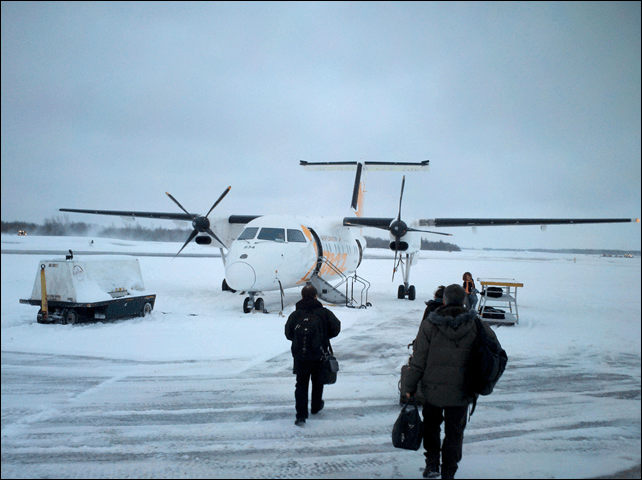
And this is the first Dash 8 that I was EVER happy to be on. All flights to Toronto were cancelled (Why? I have no idea. It was not snowing in Toronto). But they were flying to Montreal (full) and Ottawa, so I jumped on an Ottawa flight. I have flown on a lot of Dash 8’s over the years (If you ever fly from Halifax to any of the other Atlantic provinces, it is usually on a Dash 8), they are noisy, bumpy and I am not quite sure if they are actually heated. But one thing that is great about a Dash 8 … they are the regional/bush work horse. So as we approached, I knew one thing …

image

No matter what Mother Nature threw at us, this thing was taking off. And it did. Perhaps I will see some of Quebec City’s beauty next time.
THE BRAIN AND BRAINSTORMING


One other pointer to strategy+business, where I came across one of the best articles I have read in the last year. The article How Aha! Really Happens discusses the notion of innovation:

How do companies innovate? Look at Google Inc., widely admired as a great innovator. The company offers toys in the lobby, beanbag chairs, game rooms, and time for employees to work on ideas of their own. Isn’t that what other companies should do too?

The answer is no. These Google methods are derived from an inaccurate theory of creativity: that people need to turn off their analytical left brain and turn on their creative right brain to produce new ideas. In fact, the Google founders did not come up with the original idea for Google itself by using these methods. Instead, they applied a very different method, one that follows a more plausible theory of how the brain produces creative ideas. Unfortunately, Google is just one of countless companies whose methods for innovation are woefully out of date.

The author, William Duggan, challenges the conventional notion that brainstorming (as described in most books on strategy) is an effective path to innovation. In the brainstorming model, there is a clearly accepted premise that you must turn of your logical/analytical/rational left brain and turn on creative/artistic/intuitive right brain to break out, to come up with that Eureka! idea (Right/Left brain via Roger Sperry). In my own personal experience, this premise also provides an excuse for participants in the process. For example, a participant states,‘I am more left brain .. it is best left to the creative in the group and I can re-engage once we have decided on a path by adding depth and structure”. The left/right brain segmentation becomes an excuse.

Instead of accepting this practice, Duggan draws upon the studies of Barry Gordon to describe how innovation happens:

Neuroscientist Barry Gordon gives an overview of this newer model of the brain in his book Intelligent Memory: Improve the Memory That Makes You Smarter (Viking, 2003), with coauthor Lisa Berger. He portrays the everyday intelligent memory of human beings as the greatest inventory system on earth. From the moment you’re born, your brain takes things in, breaks them down, and puts them on shelves. As new information comes in, your brain does a search to see how it might fit with other information already stored in your memory. When it finds a match, the previous memories come off the shelf and combine with the new, and the result is a thought. The breaking down and storing process is analysis. The searching and combining is intuition. Both are necessary for all kinds of thought. Even a mathematical calculation requires the intuition part, to recall the symbols and formula previously learned in order to apply them to the problem.

When the pieces come off the shelf smoothly, in familiar patterns — such as simple addition you’ve done many times — you don’t even realize it has happened. When lots of different pieces combine into a new pattern, you feel it as a flash of insight, the famous “aha!” moment. But the mental mechanism works the same way in both cases. Whether it’s working on a familiar formula or a new idea, intelligent memory combines analysis and intuition as learning and recall.

Just as the intelligent memory concept has replaced the old two-sided brain theory in neuroscience, companies need to replace brainstorming with methods that reflect more accurately how creative ideas actually form in the mind. And they don’t need to start from scratch. Once we understand how intelligent memory works, we find several existing techniques that fit. After all, human beings have innovated for eons. If we study how innovation actually happens, we can learn how to do it more reliably.

For me, the Aha! in the article was this paragraph:

The presence of mind Clausewitz describes is akin to the calm state that precedes a flash of insight, which neuroscientists can now measure. Their subjects include Buddhist monks and other masters of meditation. That explains why you get your best ideas not in formal brainstorming meetings but in the shower, or driving, or falling asleep at night — when your brain is relaxed and wandering, instead of focused on a particular problem. Incidentally, brain scans of these masters also show this presence of mind and reveal it as a mental discipline you can learn.

If I reflect on personal innovation, it is absolutely those times where the mind is open, wandering, free to explore when the best idea’s come out. Just this week I was working through a BODMAS challenge and became frustrated at my inability to find an answer. I flipped on the latest episode of V and half way through .. the answer just popped out. I can remember many instances where I was walking down the golf course or doing something leisurely when I have had an idea, yanked out my phone and sent myself a GTD like email with something I need to action when I am back in the office.

With the theory articulated, Duggan goes on to deconstruct how Google was formed. It was not through ‘brainstorming’ but through strategic intuition and a series of building block steps that lead to the breakthrough. The conclusion of the article highlights the different approach that GE uses to harness strategic intuition, a process which matches how the brain works, allows ‘the mind to wander from piece to piece’ as a team building exercise. A process that I am keen to learn more about (and contrast to the 6 Thinking Hats and others).

As an aside, you gain access to this article simply by registering with their site. Very thought provoking read.

GRAPHING THE ECONOMIC FOOTPRINT


I have recently added Strategy+Business to my regular reading list (I came across it in the Air Canada lounge). My interest in a magazine is directly correlated to the number of articles that I tear out for future reference, and I tore out quite a few.

I have spoken to a few UK and Canadian friends recently on the transitions that our two countries are going through as the manufacturing footprint changes. In the case of Canada, as the dollar continues to rise, the economic incentive to manufacture in Canada becomes less and less, leading to a potential workforce change. In the article Manufacturing’s Economic Footprint they lay the GDP impact of manufacturing along per capita income offering a very insightful view of the globe. The only thing missing is trend lines. It would be fascinating to take a 20 year view and see where the different plot points have/are trending.


On a separate note, while it is great as a traveller to have such a fantastic dollar, one has to question the central banks policy on holding interest rates.

UK NATIONAL ARCHIVES


I came across this site while listening to the BBC World new. The UK government has put ‘1,000 years of national government documents’ online for everyone to use. They are also seeking people’s insight and support, if you see a picture that you recognize they encourage input to help them collect more data on the who, what and where.

In the African site you see pages and pages of colonial era photos, now posted on Flickr. I found the letter from an employee to employer with regard to his ‘dejobment’ fascinating; note the number of children that he has brought into this ‘vale of tears’. I wonder if he was ever ‘rejobulated’? (Although I would wager that using the word homicide in a letter cannot increase one’s odds).

I hope they post more pictures of Egypt. I cannot imagine living in those times, where there were no barriers and people would still climb the pyramids.

Of course it would have taken a month by boat to get there ….

Amazing raw insight into the past.

INSIDE THE MNAC


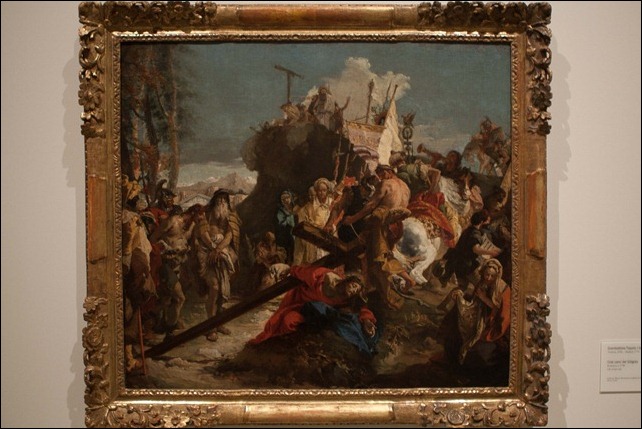
Inside the Museu Nacional d’Art de Catalunya are a range of pieces dating back to the 1300’s. As I travelled through the galleries it became clear that early Spanish art was heavily influenced by the Christian religion in the same way that Italian museums are gallery after gallery of saints, church officials and Christian scenes. Of the religious works, two stood out for me. The first being this piece titled ‘Crist cami del Golgota’.

2011 02 17-23

It wasn’t the overall picture that caught my eye but this specific image. I found it haunting.

2011 02 17-22

The next is one that I cannot find on the web but simply found very odd. Titled ‘Nen Jesus triomfant’, a sculpture of a baby Jesus standing on a skull by Lluis Bonifas I Masson. I could find very little on the artist and nothing on the piece. Art is about the viewer interpreting the piece, but I would love to ask what he was thinking. I found it quite disturbing, I could see a dead serpent but a human skull?

2011 02 17-27


One other piece that struck me odd was ‘Nina Cosint’. Is it just me or is poor Nina to be forever remembered as the girl with the gigantic man hands?

2011 02 17-20

In the last gallery we came across more contemporary but, as one of the few English plaques stated, ‘not that unique’ pieces geared towards pleasing the general audience of the time. Personally, I found many rich in color and spectacular. Below are a few photos that I will use as desktop backgrounds.
The first from 1805, ‘Gerro amb flors’. A camera fails to capture how rich this painting is.

2011 02 17-29

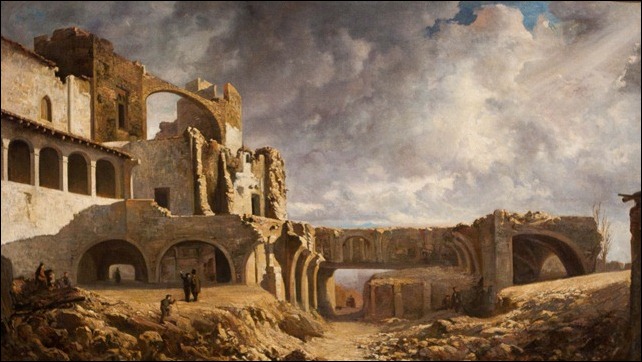
A gallery was filled with these landscapes, each with striking deep colors and a style that was clearly ‘de rigueur’ during the late 1800’s in Spain. Perhaps I am just a sucker for a striking sky.

2011 02 17-33

2011 02 17-31

The gallery also contained the famous 15m long canvas depicting The battle of Tetuan from the Spanish-Moroccan war. The scale of the piece was impressive.

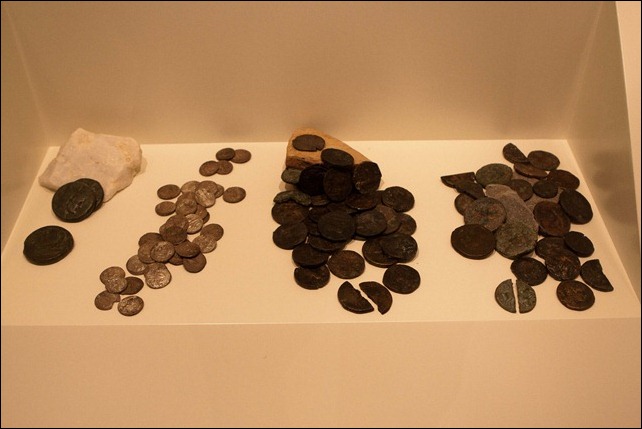
The last notable was a small coin section tucked away at the top of the gallery. Moving from 200BC to contemporary times, it documents the evolution of coins and forgery. These were from the BC era.

2011 02 17-25

A nice way to spend a few hours.

IN THE DISTANCE


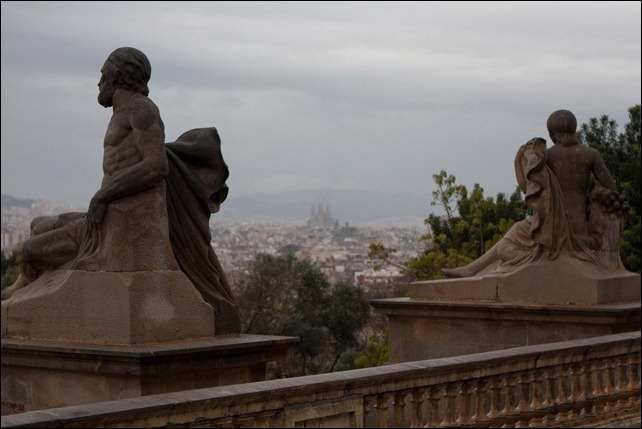
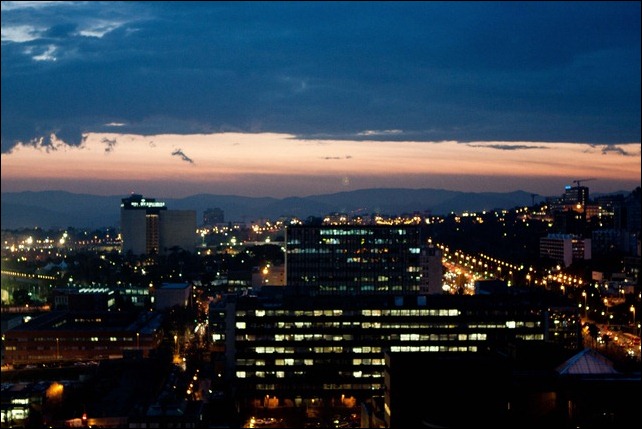
I had zero time to tour Barcelona as it was a very busy week, other than an hour in the art museum at the top of the hill on the last day as the event closed. It was raining (again) and overcast. In the distance you could see La Sagrada Familia. I wonder how much it has changed?

2011 02 17-37

From the conference grounds, the Museu Nacional d’Art de Catalunya keeps watch .. a beautiful building. What I didn’t realize (until now) is that it is home to several other museums.

The Palau Nacional, the emblematic building of the 1929 International Exhibition, is the home of the Museu Nacional d’Art de Catalunya. It is situated on the mountain of Montjuïc, a privileged site from where you can enjoy a magnificent and unique view of the city of Barcelona.

The Palau Nacional is situated in a unique setting: Montjuïc, the mountain of museums, leisure and sport, well on the way to becoming an area of culture and life. The institutions you will find spread around the Park, of renowned international prestige, make Montjuïc the museum centre par excellence in Barcelona, with a diverse, complete offer. As well as the Museu Nacional d’Art de Catalunya, you can visit the Fundació Joan Miró, the Museu d’Arqueologia de Catalunya, the Museu Etnològic and CaixaForum, among others.

2011 02 16

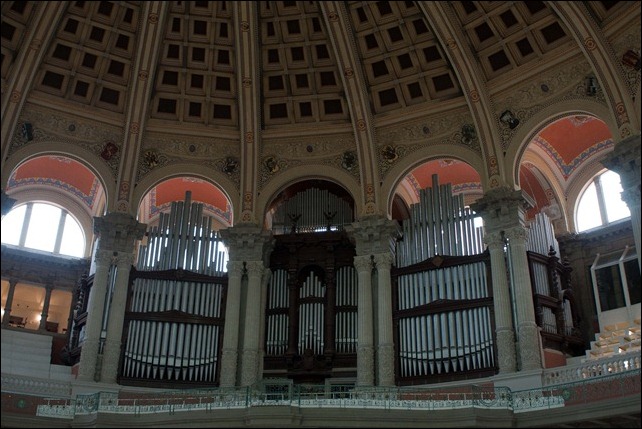
The ballroom is spectacular.

2011 02 17-19

2011 02 17-18

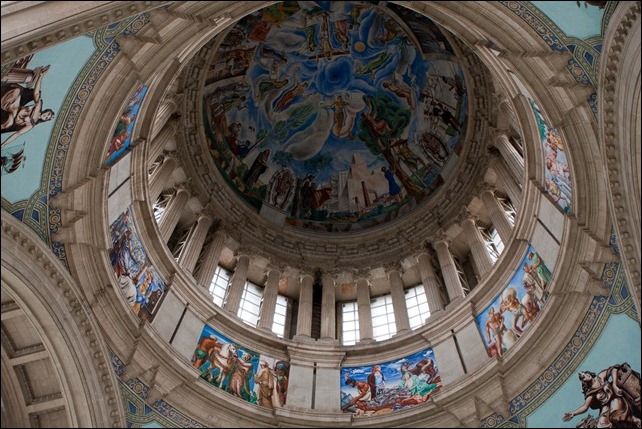
And the domes (which you can see from outside) are breathtaking. We just don’t have these types of buildings in Canada.

2011 02 17-36

ONE MORE WMC EYE CATCHER


Continuing on the theme of face recognition, in the Embedded Showcase the company Viewdle demonstrated their application. Working with the camera on a smartphone the application picks up the identity of the individual and provides action options (according to the staged demo and video). The demonstrator pointed the phone at herself and voila, the application recognizes and tags for use in social networking, gaming or ….?

2011 02 17-11

Their concept video was interesting to watch. The power of these small devices is opening up so many different options

2011 02 17-9

EYE CATCHING AT MWC


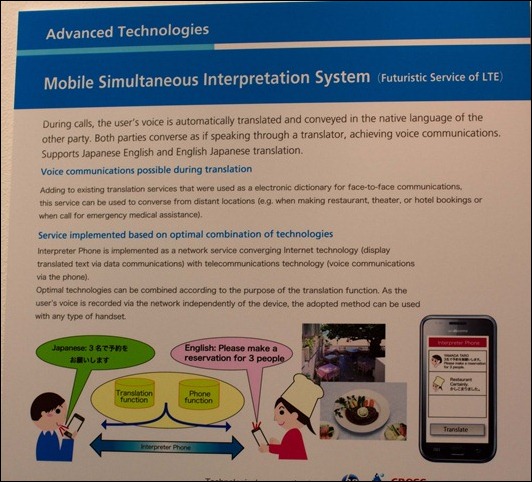
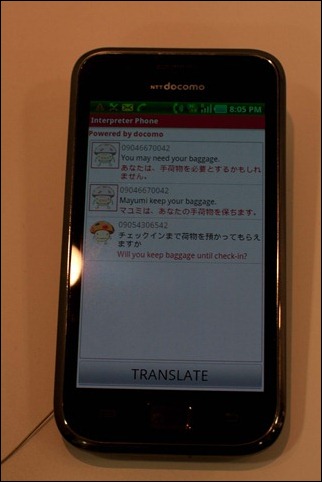
Whenever I go to World Mobile Congress I always make a point of getting to the NTT Docomo booth. They never fail to impress by coming up with something unique. Of course, I just don’t get a few of their ‘innovations’ like the ‘real wood’ shell for a smartphone, and they don’t seem to want to let that one go. This year’s surprise was a translation program. You speak into a phone on one end and it translates real time. I stood on one side, the Japanese demonstrator on the other and we attempted to have a conversation. While not perfect, it definitely opens up a very interesting potential market. After all, voice recognition continues to get better and better. I use Vlingo all the time with pretty good success.
2011 02 15-3

2011 02 15-1

I can absolutely see this type of application working in the next 10-20 years.

2011 02 15-2

At the NEC booth I found my second most interesting application. A camera that scanned the crowd and recorded demographic information – sex and estimated age. The only issue if you keep standing there it keeps guessing your age which makes you wonder on accuracy if it was looking for a quantity of people count … in my case it guessed my age from 30 to close to my real age, 43. There are clearly some bugs to work out but you can see the application. Currently retail stores have trip counters that record traffic as people walk in and out, giving an estimated close rate when correlated to sales. This provides a completely different level of potential sales and demographic information. Enjoy me at a point in time between 30 and 43 …. 35.
2011 02 15-4

Along the same lines was VTT’s digital interaction demonstration, a product seeking an application. You appear on the screen and random word bubbles jump up beside your head. Amusing, but I am not sure of the practicality. Of course, that is part of what VTT does as a research institute.

2011 02 17-2-2

A small smattering of different applications and ideas hidden among the business show.

BARCELONA AT NIGHT

It is such a beautiful city with beautiful sunsets.

2011 02 14-1

2011 02 14-3

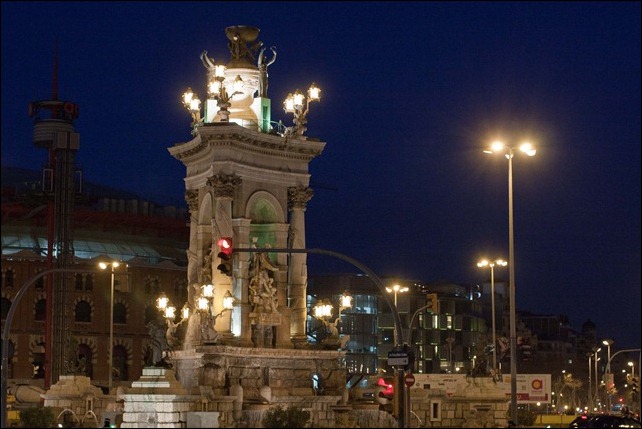
As we left WMC each evening, the Placa d’Espanya was particularly beautiful.

2011 02 16-1 Plaça d'Espanya

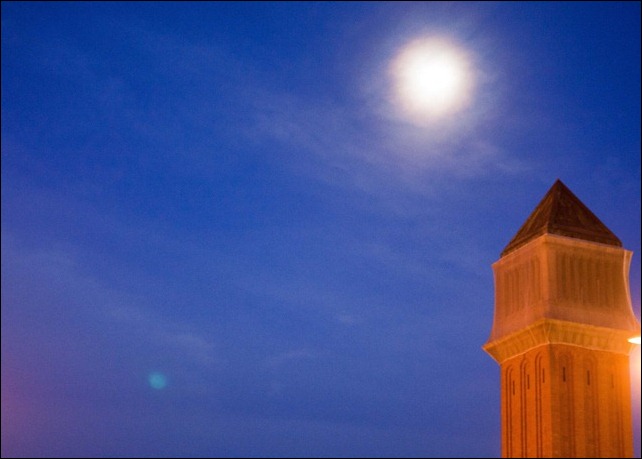
I took this photo freehand with my new 50MM. The moon peeking through a cloudy evening .. although I will take rain in February over snow any day.

2011 02 16-2

FRANKFURT


I do not claim to be a big world traveller. I travel more than some, less than others. I have been all through Canada and the US, through many airports in Europe – London, Paris, Barcelona, Munich .. etc. But I do know a good lounge and the Germans have it nailed.

Arriving off the red-eye in Frankfurt I had my customary ‘Camel chuckle’ and headed into the Lufthansa lounge. I love their lounges. While they are crowded, they are decked out with all of the right trappings. The food is fantastic, muesli, fruit smoothies, lots of fruit and a bagel-like bar where they make these wonderful morning concoctions fresh. To top it off, the coffee. Sitting enjoying a espresso with a choice of 10 English language newspapers just seems like a good way to pass the time while I wait for a connection.

The Germans have it right.

UDEMY


I came across the site UDEMY through the week and am intrigued by the idea:

"There are millions of experts everywhere, and we provide them with the tools to share their knowledge online. Udemy gives instructors the ability to use video, PowerPoint, articles, and blog posts to build rich courses. They can even host virtual conferences with students. People spend $9 billion on casual learning each year, and another $20 billion on continuing and professional education. We can catalyze that market to move online, and provide forums that create in-depth learning experiences about everything from Thai cooking to calculus to Esperanto. We launched in May 2010 and more than 2,000 courses have been created. We’re introducing a pay platform so our instructors can decide if they want to charge for their courses, but we expect 80% will remain free. The education industry is very top-down, but this has the power to change that."

It is a very interesting notion, but it will have to differentiate from simple video sites and there is a question of the end game of the content creator. If a author simply wants to sell more books – then a medium such as YouTube is more effective due to broad reach. However, if I am an educational institution or an educator/presenter, there is a revenue opportunity and it is a neat idea – that I can go and provide a high quality web course at a low one time cost.

There is also the potential draw of the website being educationally orientated and focused – a place to easily find course content. Which leads to the question, how do they keep it focused and vet quality? For example, while I enjoyed the ‘course’ Fun with Posters and Charts, is this really a course? Not really, it is more appropriate for a site like slideshare.

That being said, a site I will watch.

Via.


PS: Loved the slideshare ‘10 Ways to Suck at Social Media’, great piece for companies.

A WINNING SALES MODEL


A friend and business leader I admire has a great model for running a sales organization – he calls it the winning sales model . I found it a great ‘check list’ of questions to review when looking at an organizational sales model. I have added parts of it to the 90 day model that I have been evolving over the last six years, that I will review at the Sales 2.0 conference in March. Call it food for thought.

image

GELATERIA


I was walking from an event in Vancouver a few weeks ago and happened upon Bella Gelateria. The owner was there and took the time to regal us with tales of his life and education in Italy where he learned the art. His passion for gelato was evident, and it came through in his craft. He explained each flavour, speaking of the hours invested and exotic ingredients gathered from around the world.

It was one of the best gelatos I have ever had … as good as Grom in Florence. As a reminder, if you want to know the easiest way to identify great gelato – it is by the color. The more color, the worse it is. The below is very bad gelato set to suck the tourist in (taken in Rome).

2009 04 07 Italy  _MG_3520

UPDATE ON THE RUINS OF DETROIT


Looks like the Mayor isn’t happy with Detroit turning into a contemporary art exhibit of urban decay. If you are a firefighter or police officer you can now buy a home for $1,000 and qualify for additional funds for the renovation.

Hats off to the mayor, move a respectable class of citizen back into these decaying areas and hope for a turn-around. Great idea.

ATLANTIC STORM


I have never really seen an Atlantic storm in person before this week. When I landed on Tuesday night, Halifax was deep into it. As my cab drove me to the hotel, he slipped and slided so I reassured him; “Seriously, it is already late. I do not need to get there fast. Take your time” just as a car whipped by at 120 KM/hr only to go sliding down into the ditch a few minutes later (Reminds me of the saying “Go slower to go faster”).

The next day I looked out the window as the day progressed and commented “Well, if I cannot see the bridge, then I am stuck”. An hour later …. No bridge (It was crystal clear an hour before this picture).

Halifax Bridge Snow

It was amazing to watch the storm drive into the city. Another example, watching the hotel across the street slowly disappear as captured by my phone …..

Halifax Blizzard 

Halifax Blizzard 2

I had heard about it. Now I understand it.

MORE DECAY


Walking through the airport I stopped at the photos of the crumbling buildings, curious about their origin. DK Photography is a collaboration of artists:

The DK Photo Group is a collaborative effort, drawing together a group of photographers with similar interests. We have joined together to create this site to bring our vision and our photographic art to the world. We hope that you enjoy it and can find the same fascination with decay and abandonment that we do.

Our urban world is filled with so many structures, some forgotten and others well-loved. Why are some saved and others left to die? What stories do these buildings have to tell, what scenes have these stones witnessed? Why are city-zens so obsessed with erecting their monuments in metal and brick – and why do they so carelessly abandon them when they are done with them?

We prowl the areas where most will not go. We do this to bring back the images that we feel we must share with the world. We want others to be able to see what we have seen, what others do not want you to see. The rot, the neglect, the careless abandonment. Some would just bulldoze them into the earth, forever burying their stories.

As a gallery they are closing, but their Flickr site is fascinating. You can see their photo stream here. Sad to see so many beautiful buildings falling into disrepair, but beautifully captured. A bit haunting.