CLIMBING THE STEPS OF ANGKOR WAT

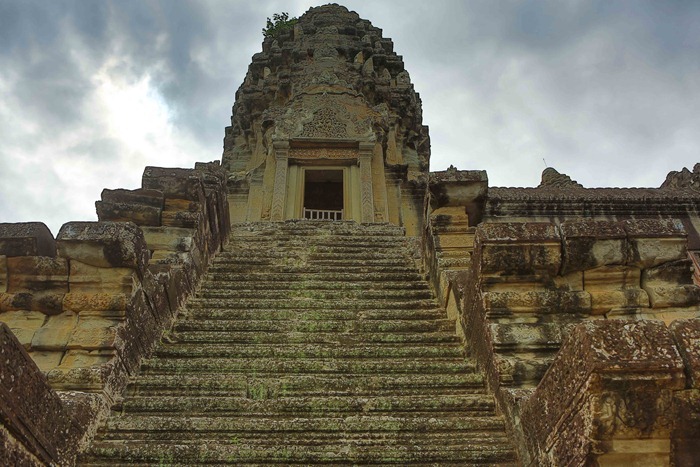
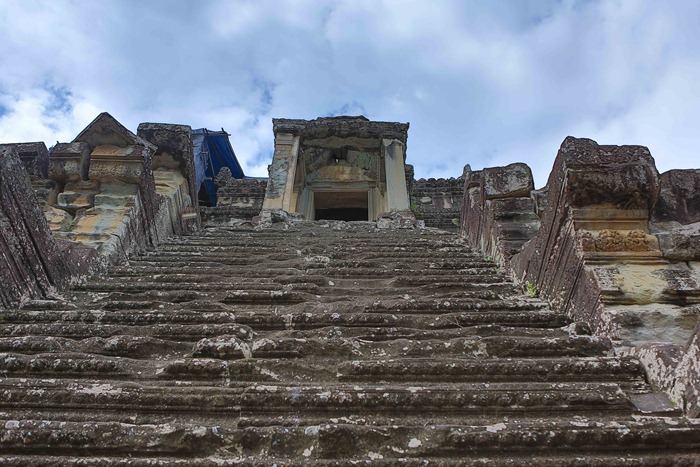
The center of Angkor Wat houses the holiest of places, up a steep set of stairs.

2013 11 24 Angkor Wat_-83

2013 11 24 Angkor Wat_-98

2013 11 24 Angkor Wat_-81-2

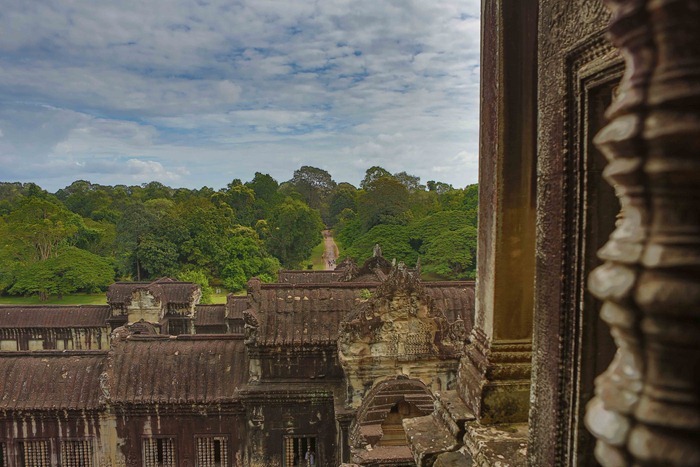
We were fortunate, the line was not that bad (quite short actually). From the top you have a spectacular view of the countryside.

2013 11 24 Angkor Wat_-95

Throughout the day our guide pointed out the restoration work that was being done. What is remarkable is that very little of this work is being paid for locally, international donors (India, Japan, France to name a few) are very active in helping the Cambodian people restore and maintain their history.

2013 11 24 Angkor Wat_-88

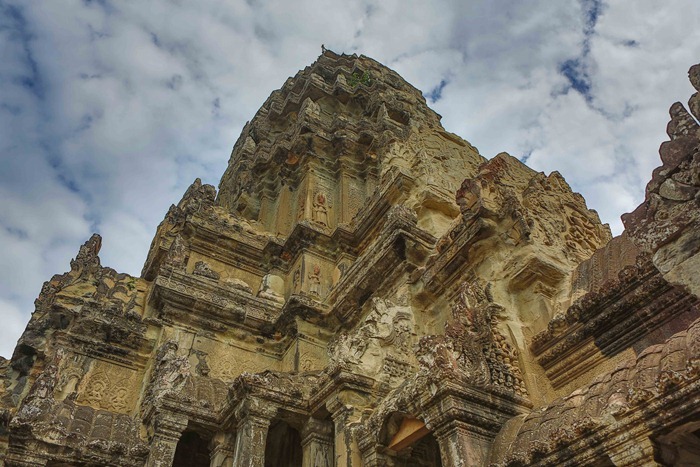
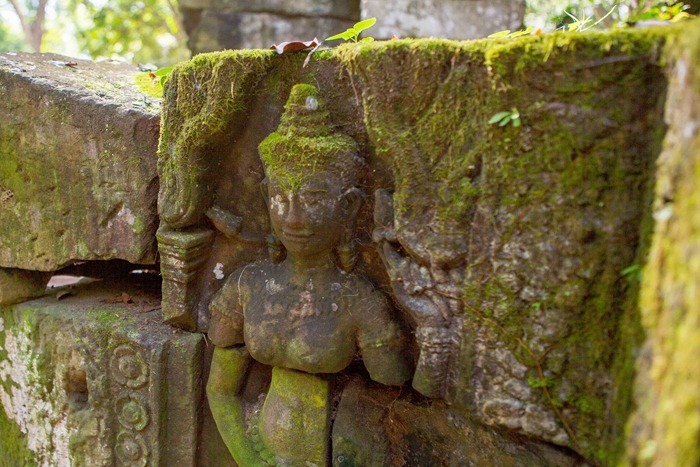
The detail on the buildings is remarkable. One can only guess at the quantity of workers and time it took.

2013 11 24 Angkor Wat_-90

2013 11 24 Angkor Wat_-96

A spectacular site that lived up to the reputation.

THE OVERGROWN TEMPLE, TA PROHM

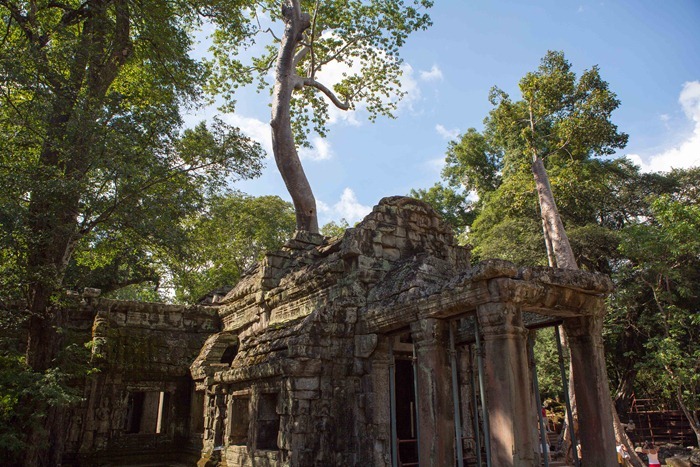
Many of Cambodia’s temples are overgrown, they say there are an unknown number hidden away – engulfed by nature. Ta Prohm is marked as one of the 3 temples you need to see because of the way that nature sprouts from the temple – that tree must have been 30 meters high (or higher) – a new roof for an ancient temple.

2013 11 24 Ta Prohm_-63

2013 11 24 Ta Prohm_

The trees have taken root everywhere over hundreds of years.

2013 11 24 Ta Prohm_-52

Made famous by the movie Tomb Raider (have not seen it), Ta Prohm is in the middle of restoration, in this case thanks to India.

2013 11 24 Ta Prohm_-27

This picture shows an example of the before (the jumble of rocks) and the after (on the right above the scaffold). Like a giant jigsaw puzzle.

2013 11 24 Ta Prohm_-38

A few more shots of a very beautiful and exotic temple.2013 11 24 Ta Prohm_-45

2013 11 24 Ta Prohm_-50

2013 11 24 Ta Prohm_-60

2013 11 24 Ta Prohm_-87

A beautiful place. Of the 3 must see temples in Siem Reap, this was our favorite (yes, more than Angkor Wat). There is something mystical about the jungle intertwined through the temple.

TRANSPORTATION IN CAMBODIA

Cambodia, China and other Asian nations – each with their unique way of getting around dependent on factors such as tourism, distance and cost. A few from Cambodia. Config Canon 5D Mark III, Canon 28-70mm f/2.8 and Canon 70-200mm f/2.8.

Waiting for a tourist (outside Angkor Wat)

2013 11 24 Cambodia touring_-20

Down the road.

2013 11 24 Cambodia touring_-26

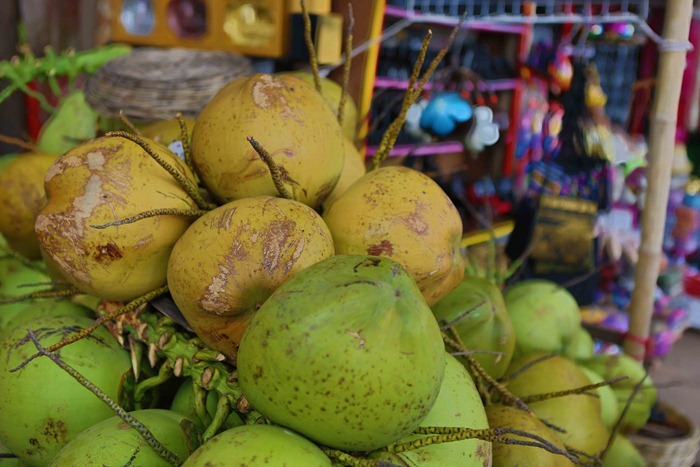
The family business. Yes, those are durian.

2013 11 24 Cambodia touring_-27

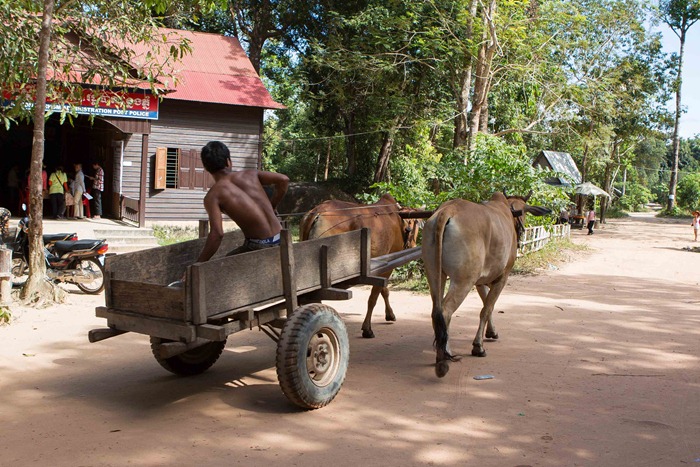
And still quite common, the cart and oxen.

2013 11 25 Phnom Kulen_-90

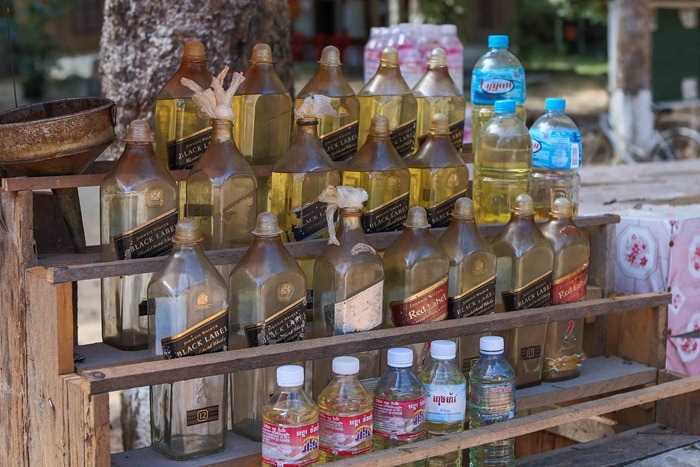
One thing that remains consistent .. petrol distribution is a little different in these countries.

2013 11 25 Phnom Kulen_-12

And a few black and whites.

2013 11 25 Phnom Kulen_-15-2

Love the kid making faces. One thing is for sure, the Cambodian people are super nice (and happy).

2013 11 25 Phnom Kulen_-16-2

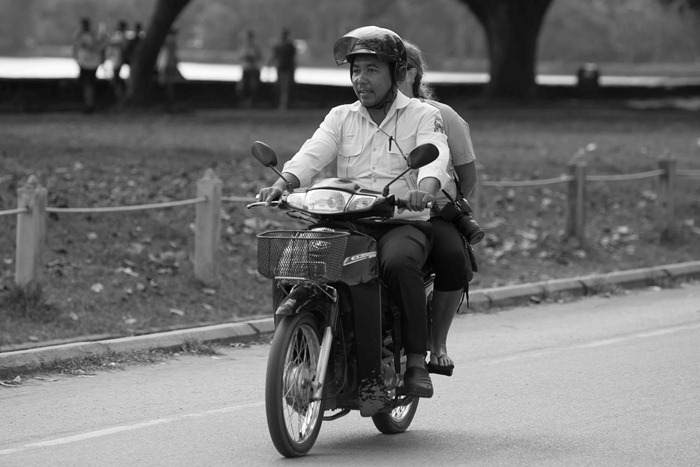
Scooters were everywhere.

2013 11 24 Cambodia touring_-21

And of course, human powered.

2013 11 24 Cambodia touring_-22

THE TRAVELER’S LOGIC

We have been traveling over the last week and it is amazing to watch foreigners enter a country and simply shed the logic that they apply in their home country. I am not sure if it is the “do as they do here” mindset or simply a belief that entering a country with less rules is a refreshing change from our safe, structured 1st world way of life.

Or perhaps it is naivety.

This is no more apparent than in helmet usage. Rent a scooter; why use a helmet in a foreign country where they don’t enforce it? After all, travelers logic dictates that your chance of an accident is lower while tearing down dirt, pothole ridden streets with scooters and cars everywhere right?

Taking a tour with scooter drivers. They have helmets on but you don’t. Why would you?

2013 11 24 Cambodia touring_-19

As one tour guide said, he found many travelers ‘obstinate’. In his words, we warn them “please don’t go there’ or ‘please don’t climb that’ but they do anyway.

I don’t understand it. We had a tour in Ho Chi Minh city and the options were scooters with drivers or the ‘scaredie cat’ option of a taxi to flit us around. We took a cab option.

HONG KONG

I was asked what HK is like the other day. I am far from an expert on the city as my travel there involves the usual; airport > hotel > office > meetings > hotel > airport. I did, however, take my camera and wander around one lunch time that I had free.

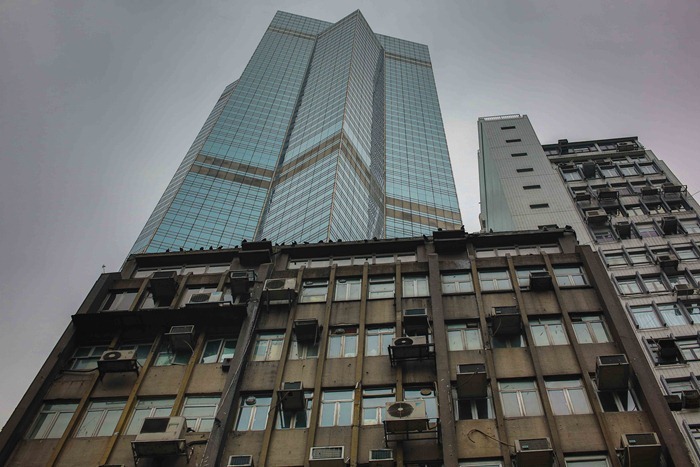
My opinion, Hong Kong is a city of poles. Multi-billion dollar, ultra modern buildings with extremely old buildings and farmers markets squeezed in-between. It is interesting to see.

2013 04 10 Hong Kong _-63

2013 04 10 Hong Kong _-53

Fascinating side streets.

2013 04 10 Hong Kong _-67

Magazine stands are quite popular.

2013 04 10 Hong Kong _-56

2013 04 10 Hong Kong _-57

2013 04 10 Hong Kong _-61

Durian anyone? I can always smell it in a market.

2013 04 10 Hong Kong _-64

A Hong Kong scaffolding truck. They will build a 50 story building with bamboo scaffolding.

2013 04 10 Hong Kong _-66

Interesting place.

12 MINUTES

I got off of a red-eye from LAX in Haneda, Japan this week and the total time from plane to taxi was 12 minutes. I love Japanese efficiency and Haneda is my favorite airport in the world. Close to downtown Tokyo and so efficient.

The "special re-entry" line also helps as it is often empty (smile).

ORDER UP, JAPAN

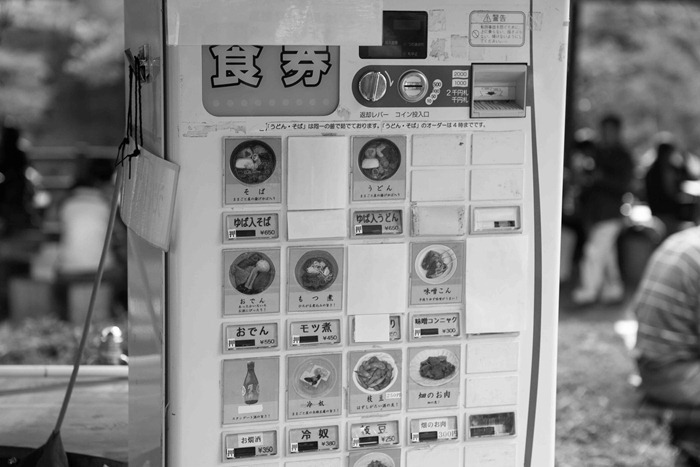
More than a year has gone by and things in Japan do not feel so confusing. Walking into a Japanese restaurant that does not have a English menu or the more common “picture menu” is no longer a big deal … just start spurting out “grilled-fish” or “tempura” and there is a high probability of getting a good lunch.

I still remember my first time with a machine like this. It was in a park and the no-English speaking lady at the counter was a great help trying to figure things out.

2013 11 03 Mt Mitake_-27-2

In a culture that is crazy for automation and vending machines, this is a logical next step. It is a restaurant ordering machine. You pick what you want, the meal or drink – including choices such as sake (bottom left), and out pops your chit. Walk over to the window and a few moments later, your meal is served.

I like the process because it has pictures.

UNDERWATER

I bought a Canon G12 with an underwater casing a few years ago and enjoy taking shots with it.

However, I think it may be time to consider taking my 5D underwater (although the price tag is not for the faint of heart).

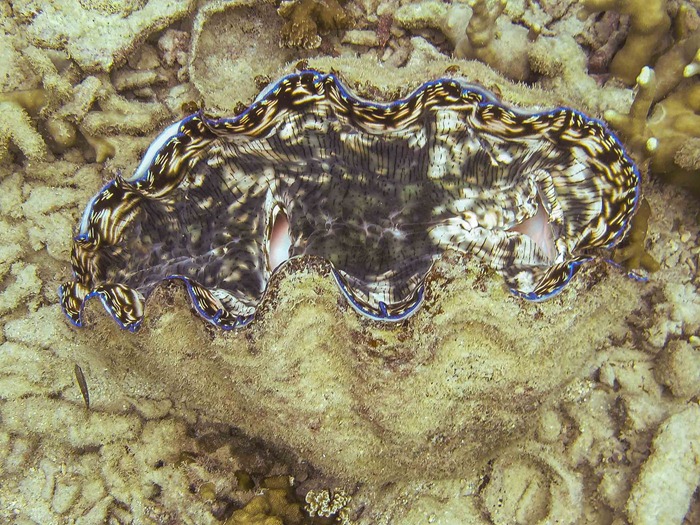
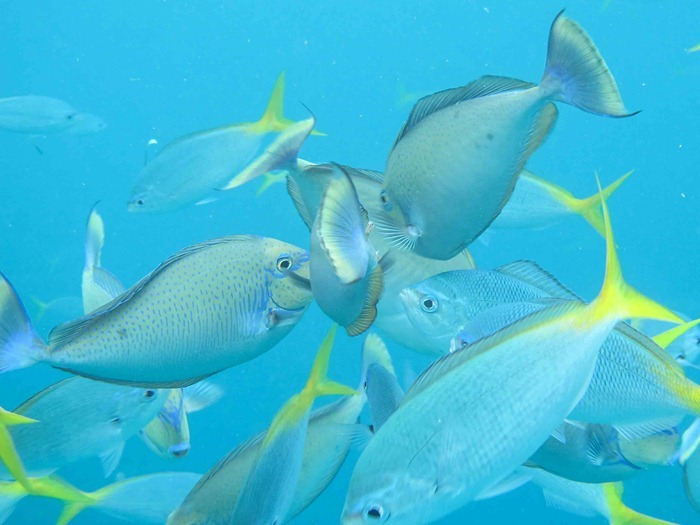
A few underwater favorites from Palau. Off of the beach of our hotel was a marine sanctuary and the biggest clams I have ever seen. This one was more than 1m long and if you got to close, it would snap shut.

2013 07 28 Palau snorkel_-12

2013 08 01_-53

2013 08 01_-114

I had never seen a blue starfish before. They were everywhere.

2013 07 28 Palau snorkel_-14

2013 07 29 Palau _-42

Hang on little starfish.

2013 08 01_-79

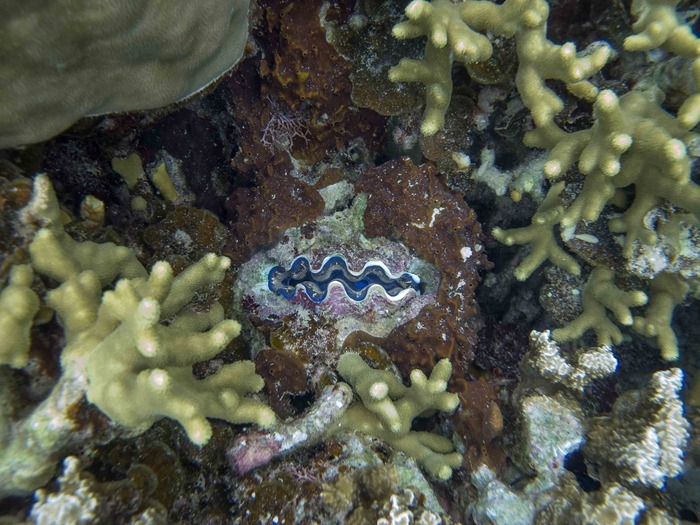
Come to think of it I had never seen a neon blue and pink clam before either.

2013 08 02 Palau_-11

2013 07 29 Palau _-46

2013 07 29 Palau _

This fellow was tucked in the coral and looked rather ominous.

2013 07 29 Palau _-3

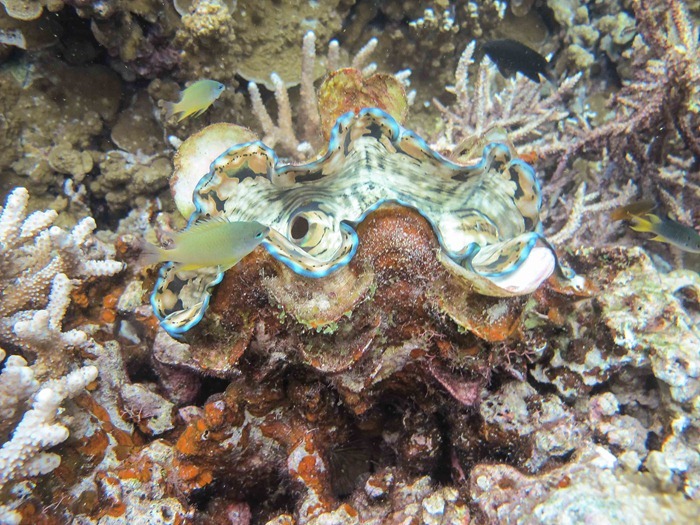
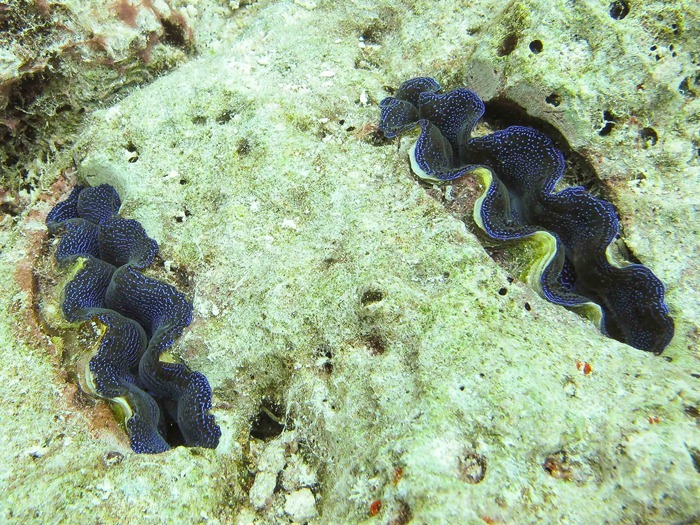
The other thing that I noticed was that many clams were literally embedded into the coral, like these two. One has to wonder how many years that took?

2013 07 29 Palau _-29

2013 08 01_-85

2013 08 02 Palau_-40

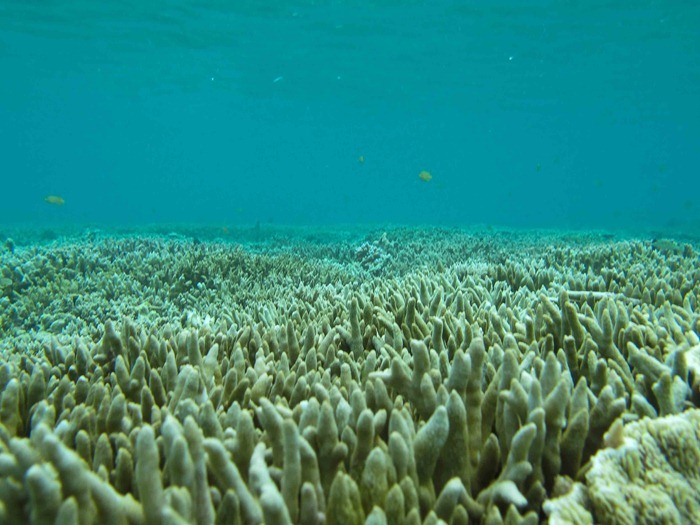
Coral as far as you could see.

2013 07 29 Palau _-37

Note the sharp looking teeth on this cheery pink fellow.

2013 07 29 Palau _-38

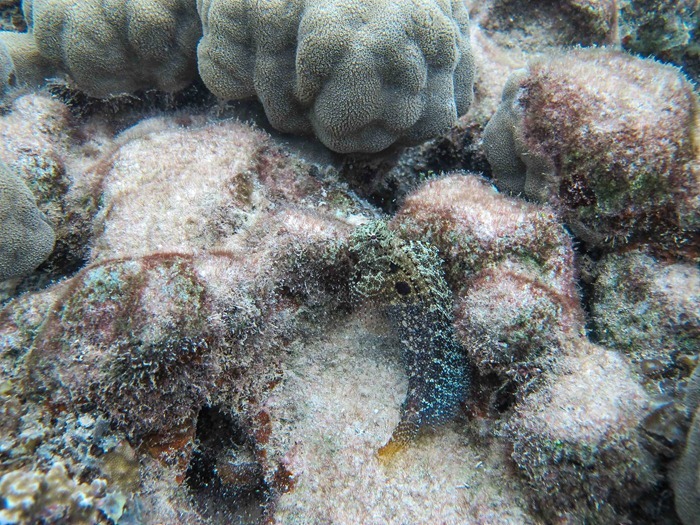
Spot the fish.

2013 08 02 Palau_-42

Last shot, the rain from below.

2013 08 02 Palau_-14

CUSTOMS LINES AND FAMILIES WITH PLASTIC BAGS

They are to be avoided at all costs.

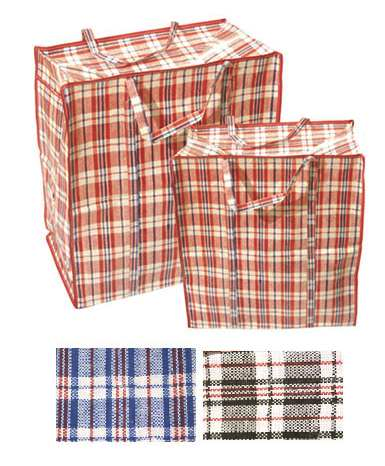
When I say plastic bags, I mean the $1 store plastic bags with zippers or perhaps a plastic bag in the form of a duffle bag. In a customs line at the airport it never ends well.

image

This has now happened to me 3 times, watching the spectacle unravel in front of you.

I will admit, I smiled as the I watched the Chinese customs official pull out 3 bottles of liquor (carefully wrapped in tube socks), three bottles of assorted drinks, scissors and a brand new Zippo lighter still in the packaging. However, the ensuing loud voiced, arms waving argument between the man and his family with the 3 customs guards just went on and on. I politely tapped a customs official on the shoulder and indicated that it would be great to be passed through using my hands and a smile as I do not speak Mandarin.

I would have rather watched it from a line over.

BEING AN EXPAT IN TOKYO: A VIEW

It is hard to describe why being a foreigner in Japan is so hard. The people are friendly, they mistake me for American all the time and Japan loves the US. English is more prevalent than I thought. Why so hard?

I am not talking about the business side. That is a different conversation and as a multi-cultural Canadian with a previous expat under my belt, that is going exactly as I expected.

I am talking about living in Japan as a person, as a family. Is it because it is such a busy city? Is it because the expat community is so much smaller due to people leaving after the earthquake; leaving only the semi-gaijin behind (ones who have localized or married a local)?

2013 08 17 Tokyo_-20

As I took the subway the other morning, something happened that encapsulated the experience and perhaps, though a story, a point of view and an explanation.

I have been commuting to a new office for weeks now and tried a few different subway routes, settling on the quickest and easiest. 5 stops, up the stairs, 50m, down the stairs, 1 stop and 250m underground to our new office.

Simple.

I have found the Tokyo subway commute interesting. On this particular morning I stood on the packed train and took a good look around. Men reading manga .. I still find that odd, especially when you glance at one and notice how graphic they are. People on their phones. A man standing oddly trying to read a huge paper. An ad for whisky that made me laugh. Observing, learning, enjoying the "foreignness".

Stop 8 – Ginza (It is easier to identify by the number than the name). Time to change trains. Step out, head up the stairs and … what?

Everything is different.

Where is my next line 50m away? Where is the red circle to guide me? Where am I?

What has changed? (it starts dawning one me). This time instead of stepping on to the last car, which is busiest, I walked up 2 cars.

The smallest of changes. A tiny shift.

I am lost.

Wandering around I find signs and trudge what feels like 1000m around corners, up stairs, down stairs. How is this possible? The change between trains is a hop, skip and a jump. A long walk, it feels like my 2 minutes is now 20.

Finally, I get to my change over. Back on track. One stop, short walk, at the office.

That is the Japan expat foreigner experience.

Over that first, painful year of learning you build your cocoon of knowledge in this foreign country where everything is different, where there is a “way things are done” which allows 40 million people to live together and create the safest, cleanest and one of the most functional cities in the world.

The problem is that when you shift a millimeter right or left, that cocoon is torn asunder. Your understanding is blasted apart and you are left wondering, where am I? (This often happens when you are under a time pressure).

Drifting in an ocean where everyone understands, except you.

If you don’t believe me, rent a car and a GPS in Tokyo and try driving across town. GPS’s don’t understand 3 level freeways. One minute it will say go straight for 13km and the next, it thinks you are on the first level and is screaming “U-turn .. exit left in 150m .. recalculating .. Turn right!”

That being said, year two is about 200% easier and as always, fascinating.

2013 08 17 Tokyo_-19

WHY THE LINE-UP IN SHIBUYA?

There is always a line around a stairwell near Shibuya in Tokyo. Why? Popcorn of course.

2013 08 17 Tokyo_

It was a Saturday and the “feels like” temperature is 42. Perfect temperature to line up for an hour to get some hot popcorn right? The parasol helps.

2013 08 17 Tokyo_-21

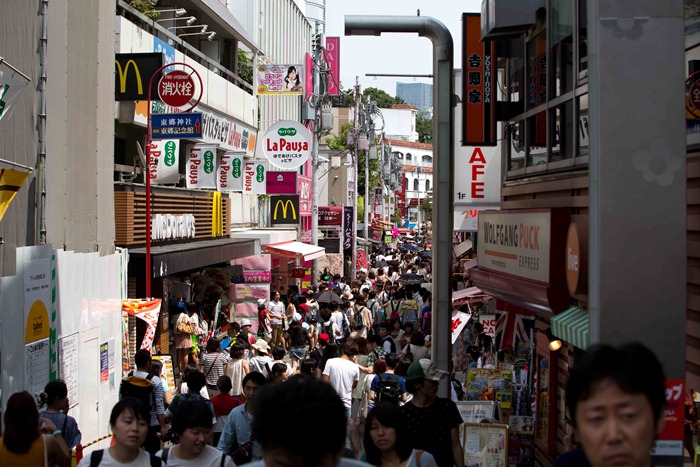
It is right around the corner from this incredibly quirky street, Takeshita Street.

2013 08 17 Tokyo_-5

2013 08 17 Tokyo_-2

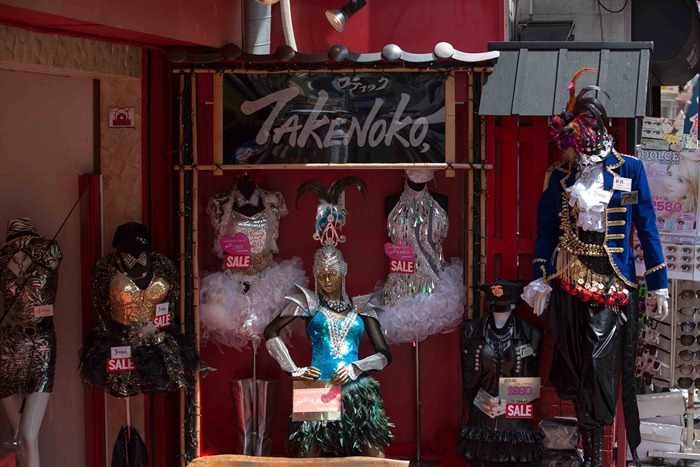
Costume shops, punk rock clothing and a hundred things in between including great outfits for your dog.

2013 08 17 Tokyo_-6

Not sure marvel would appreciate the cross-dressing Spiderman.

2013 08 17 Tokyo_-7

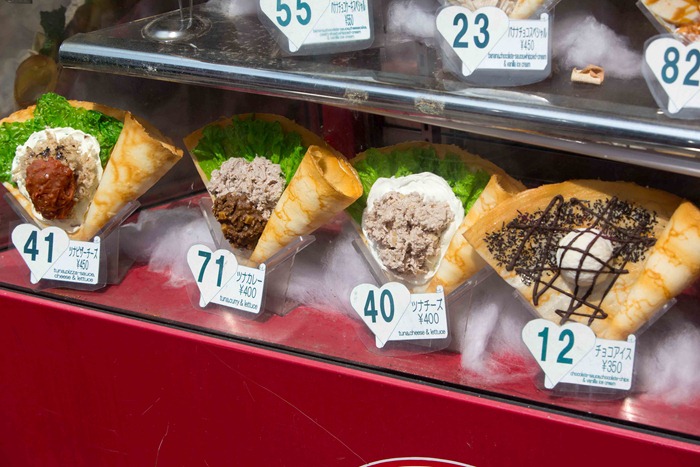
Crepes on the corner, ice cream and chocolate or tuna and lettuce? Would you like that in a cone?

2013 08 17 Tokyo_-14

Absolutely must get to this place before we head back to NA. Stock up on Halloween costumes.

2013 08 17 Tokyo_-15

(NOTE: EXPLETIVE AHEAD – FEEL FREE TO STOP READING).

I have thought about blogging about this before, and will instead make a simple reference. In Japan there are almost no t-shirts with the Japanese language on them, only English (which is an oddity). Furthermore, the Japanese use English words in odd ways and it is very clear that they do not understand the cultural implications of some words.

In an overly formal and polite society which does not have swear words in the language (In Japan, you swear through voice inflection – there literally are no swear words), it makes their prominent display of the f-word quite surprising. My son once pulled me aside to show me a 80 year old woman with the word prominently displayed on her shirt. I recently walked behind a young man who had it written all over his shorts.

It isn’t quite “everywhere”, but surprisingly common. Walking down this street, I counted it on 7 items of clothing including this young, well dressed girl’s hat as she strolled through a shop (I cropped the picture).

2013 08 17 Tokyo_-16

I really do think someone needs to sit them down and explain the word. Stranger in a strange land.

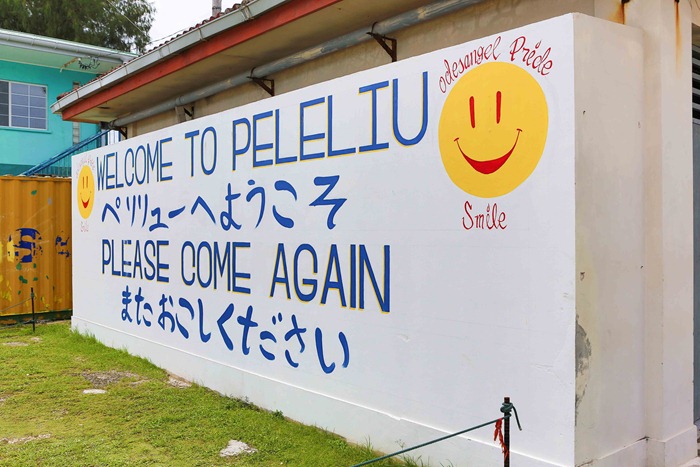
LOOKING DOWN THE BARREL OF A 200MM GUN, PELELIU

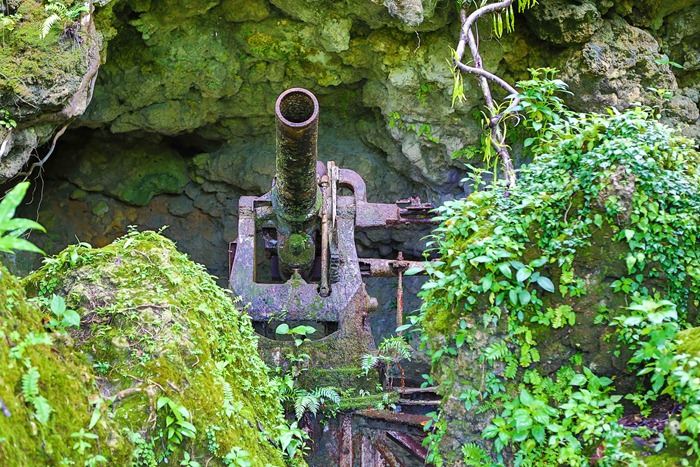
Or specifically, the barrel of a Japanese 200mm cannon on Peleliu. The World War II cannon was dug into the rocks and virtually unreachable with sniper holes guarding the entrance. The problem? As it was so deeply dug into the rocks it had a very limited field of view and effectiveness.

The Americans snuck up the side to take it out.

2013 07 31 Peleliu Japanese artillery_

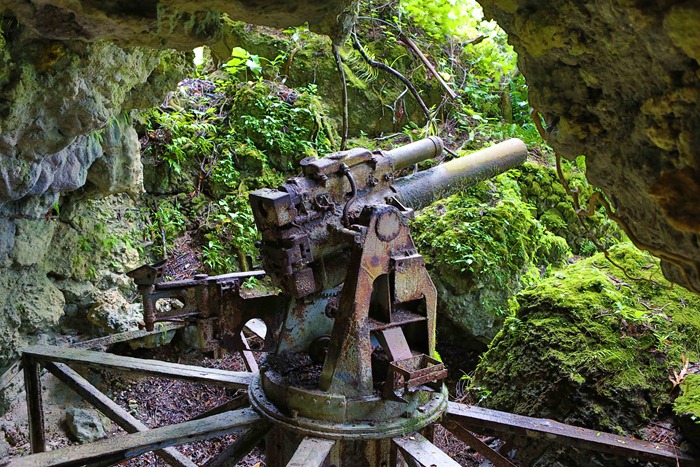
The artillery and mortar caves of the Japanese were well thought out. Many had steel doors on them, which would close during US naval or artillery bombardment – popping open the moment the shelling stopped. This was a big gun.

2013 07 31 Peleliu Japanese artillery_-7

2013 07 31 Peleliu Japanese artillery_-8

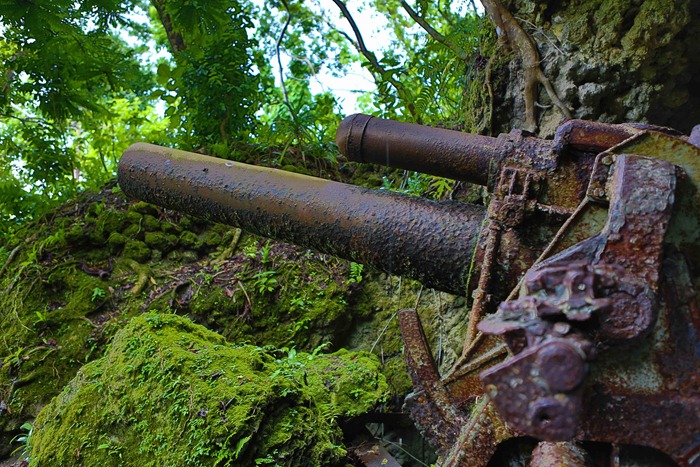
It was very well dug in. Too well in fact.

2013 07 31 Peleliu Japanese artillery_-11

The sniper holes are under the moss.

PELELIU, A TRIP TO A HORRIFIC PAST (Part 1)

One of the targets for the Palau trip was a tour of Peleliu. I have read a lot of World War II history, more documentaries than I can count and throughout my life have been fascinated with WWII. I also enjoy touring the more remote historical locations, where the antiseptic aura of the well kept museum is not present.

Peleliu is one of those place. We booked a boat tour with Sam’s Tours and headed out early in the morning. I was hopeful, the weather looked good.

2013 07 31 Peleliu_-14

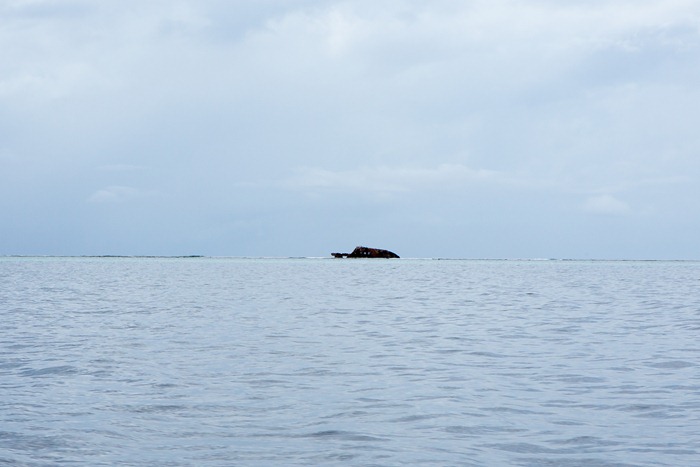
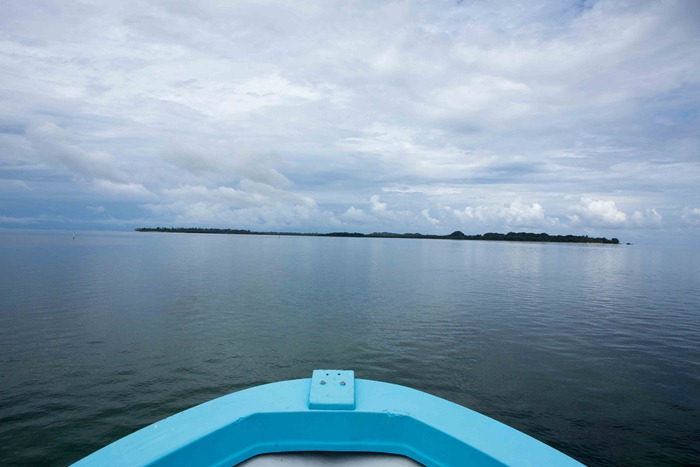
It was an hour ride with a single rough spot where rain threatened, but as we approached the island, the sky was clear. As we scooted along I noticed a large object on the reef. I didn’t have time to swap to my 70-200mm and we did not have time to swing out there, so here is the poor shot of a Japanese concrete “ship” resting on the reef. The Japanese built it with the hopes of drawing American ships close to the reef. To me it seems like one of those ideas where a bunch of officers are sitting around brainstorming .. one of those “no idea is too stupid” type of sessions. Only in this case, they obviously missed the joke.

2013 07 31 Peleliu_-43

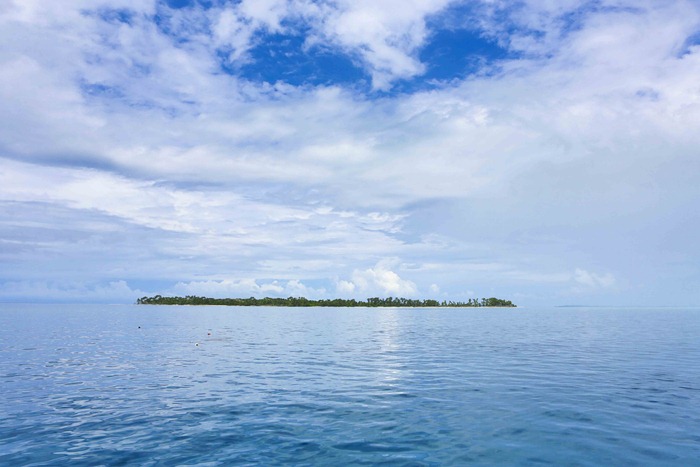
Our engines started to sputter, and the captain stopped to have a look which gave me a calm moment to take this shot. Two observations from our guide:

The reason why the Japanese picked Peleliu is because it is the only flat island in the area.

If you look carefully you can see a few floating bottles … floating from Indonesia was the explanation (with a trace of animosity clearly present)

2013 07 31 Peleliu_-19

A closer shot. The Americans thought the island looked flat too (they were wrong).

2013 07 31 Peleliu_-47

2013 07 31 Peleliu_-55

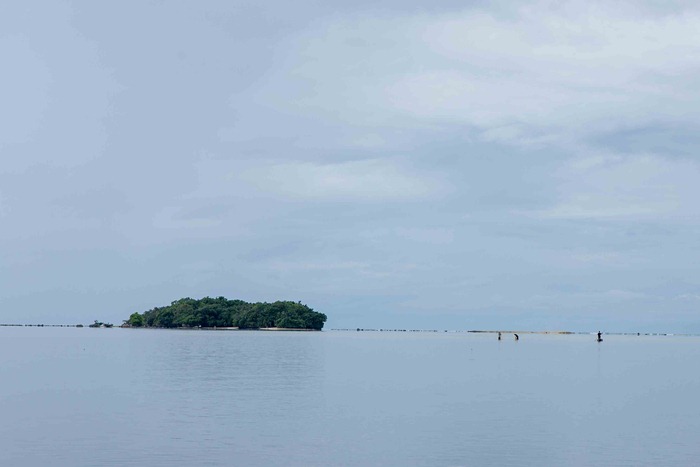
As we approached the dock, we passed fisherman wading near the reef.

2013 07 31 Peleliu_-58

This is a small island with roughly 500 locals. The kind of place where everyone knows everyone.

2013 07 31 Peleliu_-24

2013 07 31 Peleliu_-23

We disembarked, ready to learn the island’s dark history.

IMPRESSIONS OF PALAU

I have had Palau on my bucket list for a long time for two reasons; Jellyfish Lake in the Rock Islands and Peleliu, the island the US/Japan fought a vicious WWII battle.

2013 08 01 Palau_-60

For those of you who do not know Palau;

Palau (Listeni/pəˈl/, sometimes spelled Belau or Pelew), officially the Republic of Palau (Palauan: Beluu er a Belau),[4] is an island country located in the western Pacific Ocean. It is geographically part of the larger island group of Micronesia. The country’s population of around 21,000 is spread across 250 islands forming the western chain of the Caroline Islands. The most populous island is Koror. The islands share maritime boundaries with Indonesia, Philippines and theFederated States of Micronesia. The capital Ngerulmud is located in Melekeok State on the nearby island of Babeldaob.

It is a breathtakingly beautiful set of islands, with the friendliest of people and an interesting history. First colonized by the Spanish, then sold to the Germans, occupied by the Japanese in 1914 and now supported by the US as a United Nations protected territory, Palau has seen its share of foreigners.

Like many islands, the buildings are crumbling with the people surviving on a mix of subsistence farming/fishing, tourism and international aid which allows the government to employee roughly half of the population. The US is at the forefront of that aid, providing a $250M package in 2010 and remains in a tight military compact with the island (although the only US forces in Palau are there to support civil projects such as school and road construction).

The reason why so few have heard about it is due to the location and a coastline of mangrove swamps that do not allow the country to compete with the beaches of Hawaii or Tahiti. The airlines don’t help either, our flight from Tokyo was one of the only directs and the return flight left the island at 4:20am (less than ideal). But a bucket list is a bucket list …. and so we went. Glad we did, it is a truly unique place.

When you get there, the island culture starts to seep into you. It is a beautiful island and despite a week of way too much rain, we had a few great adventures .. which will kick off a few posts.

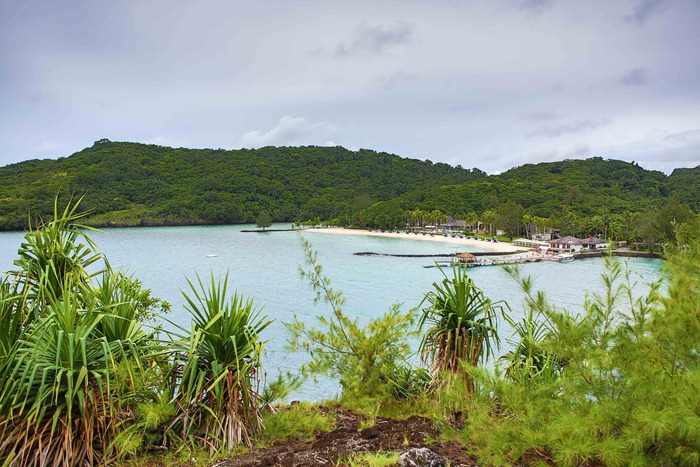
All of that being said, the view from our hotel, the PPR, was fantastic.

2013 07 28 Palau_

2013 07 28 Palau_-8

The problem with traveling to Asia in the summer? It is the wet season. It was very wet … all week unfortunately.

2013 07 28 Palau_-9

View from the hilltop.

2013 07 30 natural trail-8

Beautiful place. Maybe we need to sell everything in a decade and go live near a beach …. there are definitely worse things in life.

RAP MUSIC IN YOYOGI PARK, JAPAN

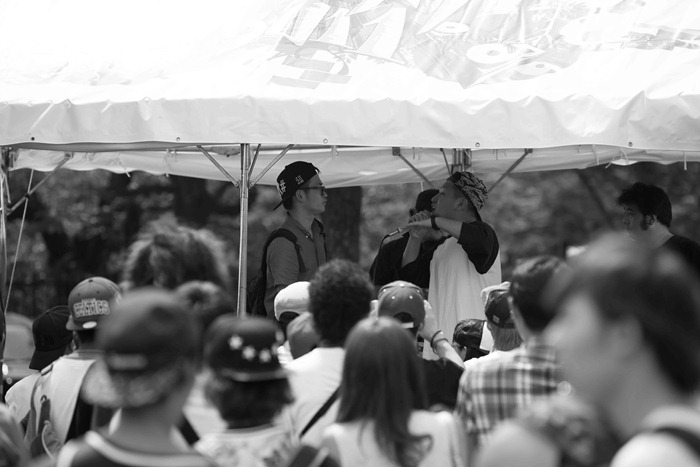
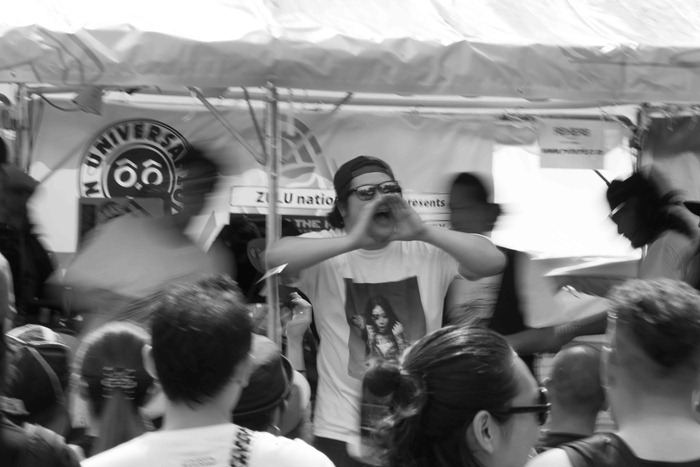
Japan has reaffirmed my opinion, rap music is not to my taste regardless of language.

Config: Canon 5D Mark III, Canon 70-200mm f/2.8.

2013 08 17 Tokyo_-22

I enjoyed their enthusiasm and had a good chuckle at their creative intermingling of the f-word into the Japanese lyrics .. but the music hurt my ears. I stayed for a single Asahi super-dry under a nice Red Bull umbrella (thanks Red Bull, it was 42C)

2013 08 17 Tokyo_-23

2013 08 17 Tokyo_-24

Keep on rocking in the free world, young Japanese …

TOKYO FASHION

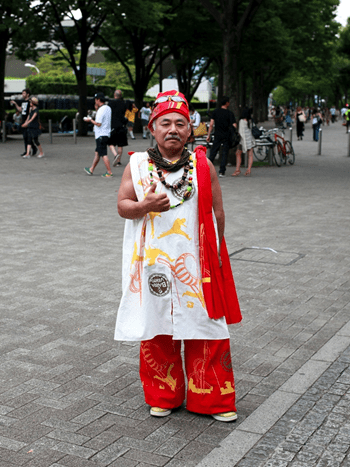
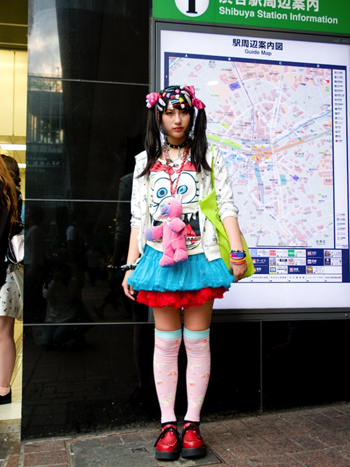
To say that Tokyo has it’s “own sense of style” underplays the statement .. as does beating to it’s own drum.

Tokyo style is head-turning to say the least. Timeout Tokyo has a great series on the topic named style of the day, you can see the full series here.

This outfit makes complete sense, as he is in Yoyogi park.

image

This, surprisingly common, teddy-bear themed outfit does not make sense to me …. and these outfits are everywhere in Tokyo …

image

Foreigner in a foreign land ….

HAKONE SHRINE, JAPAN

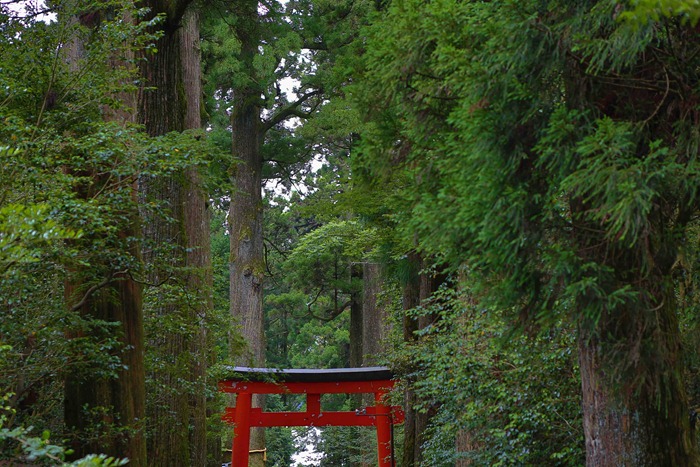
I have had this shrine on the “While living in Japan” list. It is one of the more famous Tori gates in Japan, the Hakone Shrine. The massive Tori sits at the edge of the Lake Ashi.

2013 07 20 Hakone Shrine_-15

It was dark, cloudy and about to rain that day.

2013 07 20 Hakone Shrine_-16 

While taking a shot of the family under the gate we all started chuckling at this sight … she was working very hard on the windy lake so that her husband, in the life jacket, could get a photograph.

2013 07 20 Hakone Shrine_-66

Supposedly it is a great place to view Mt. Fuji. Unless it is cloudy. For reference, Mt. Fuji is that way. You know .. behind the clouds.

2013 07 20 Hakone Shrine_-17

There is a long stairway from the Lake Ashi Tori to the shrine at the top. This shot gives you a perspective off the surrounding forest with it’s very large trees.

2013 07 20 Hakone Shrine_-20

The shrine at the top ..

2013 07 20 Hakone Shrine_-23

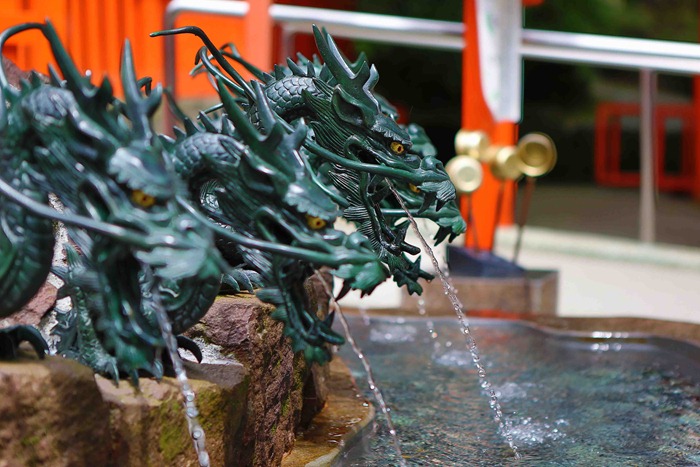
and the dragons at the purification fountain.

2013 07 20 Hakone Shrine_-22

An important monk .. but I have no idea who he is as it was all in Japanese.

2013 07 20 Hakone Shrine_-26

Will have to go back to see Fuji another day.

MOUNT KOMAGATAKE: VIEWING MT FUJI

One of the reasons why you travel to the Hakone region is for the views of Mt. Fuji. Fuji-san has been quite problematic for me, seems like whenever I have my camera it hides away. It is also the reason why the region is so busy and with Fuji-san’s new world heritage status, tourism is booming.

That being said, while we were there Fuji-san was nowhere to be seen, hiding in the dense cloud cover. Mt. Komagatake is supposed to be the best place to view Fuji from and as the cloud cover was so dense, the ropeway to the top was almost empty.

On the plus side, it meant no waiting .. we went up anyway. Configuration: Canon 5D Mark III, handheld HDRs and Canon 28-70mm f/2.8.

 2013 07 20  Mount Komagatake_

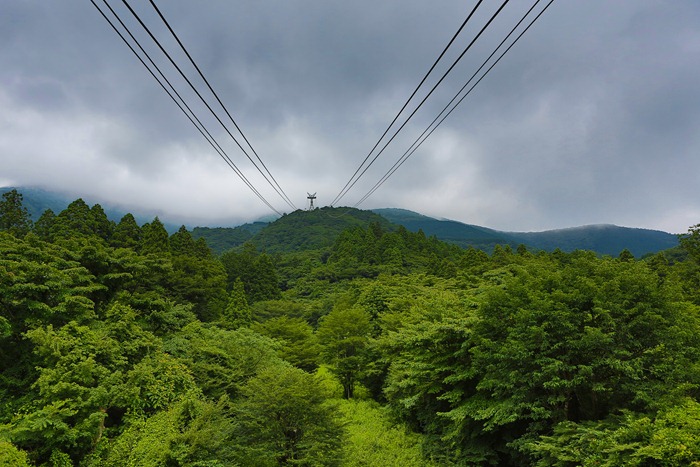
As you head up you see a golf course to the right. I think we will need to add that course to the list.

 2013 07 20  Mount Komagatake_-2

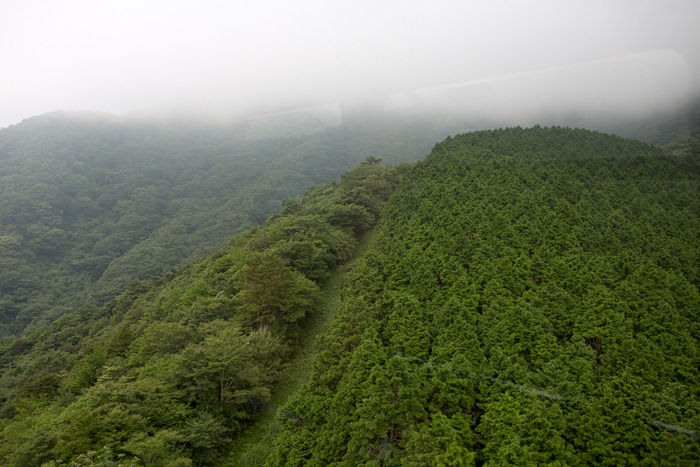
It was very, very foggy.

2013 07 20  Mount Komagatake_-27

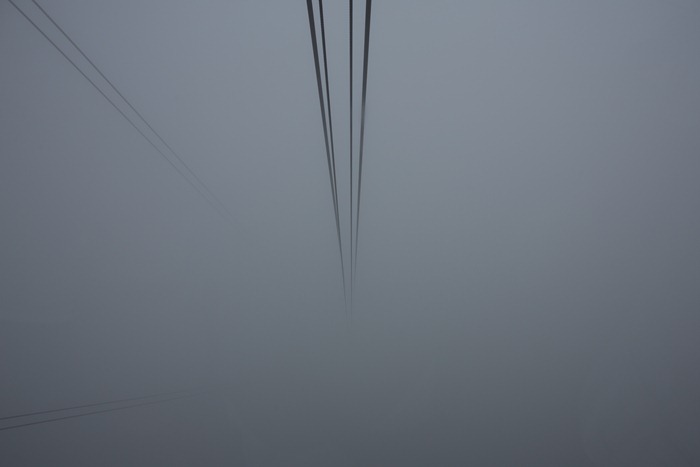
Very, very foggy.

2013 07 20  Mount Komagatake_-31

At the top there are trails ringing the mountain with great views .. on any other day. I can honestly say that I fretted a little bit about getting lost. At one point, visibility was down to a meter or less.

2013 07 20  Mount Komagatake_-7

But the wind blew in and it started to clear (for 2 minutes).

2013 07 20  Mount Komagatake_-8

I would wager it is a good view on a clear day (smile).

HAKONE GLASS FOREST, JAPAN

While in the Hakone mountains south of Tokyo we happened across the Venetian Glass Museum (also called the above) after debating whether it was a worthwhile destination.

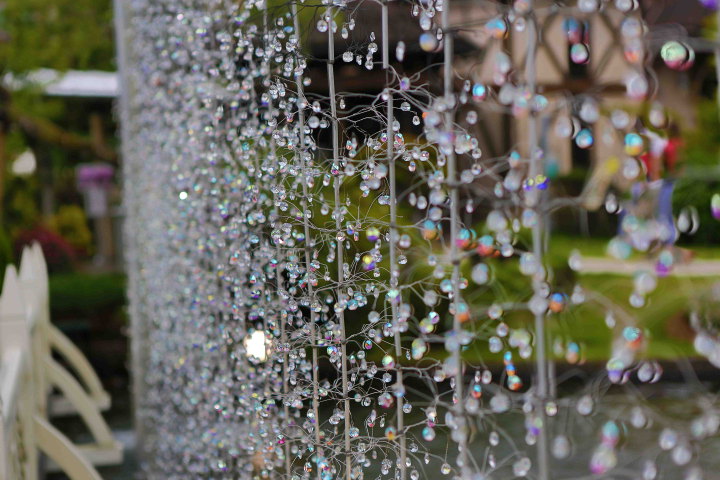
Really glad that we did, as it is one of the most beautiful places we have been to. Not the museum, but the grounds around the museum set to a mountain backdrop. There were glass flowers and sculptures everywhere.

Five shots from our day, via Canon 5D Mark III, 28-70mm.

2013 07 20 Venetian Glass Mus_-35

2013 07 20 Venetian Glass Mus_-38

2013 07 20 Venetian Glass Mus_-41

In the back of the property is a stairwell and a walkway that loops through the forest near the river.

image

The glass hydrangeas were particularly beautiful.

image

Actually, 6 shots .. the glass waterfall.

image

If you can get out there, I would highly recommend a stop. A really nice cafe too although I wasn’t too fond of the Italian fellow belting out Volare (smile).

THREE TYPES OF TRAVEL

In my mind there are three types of travel:

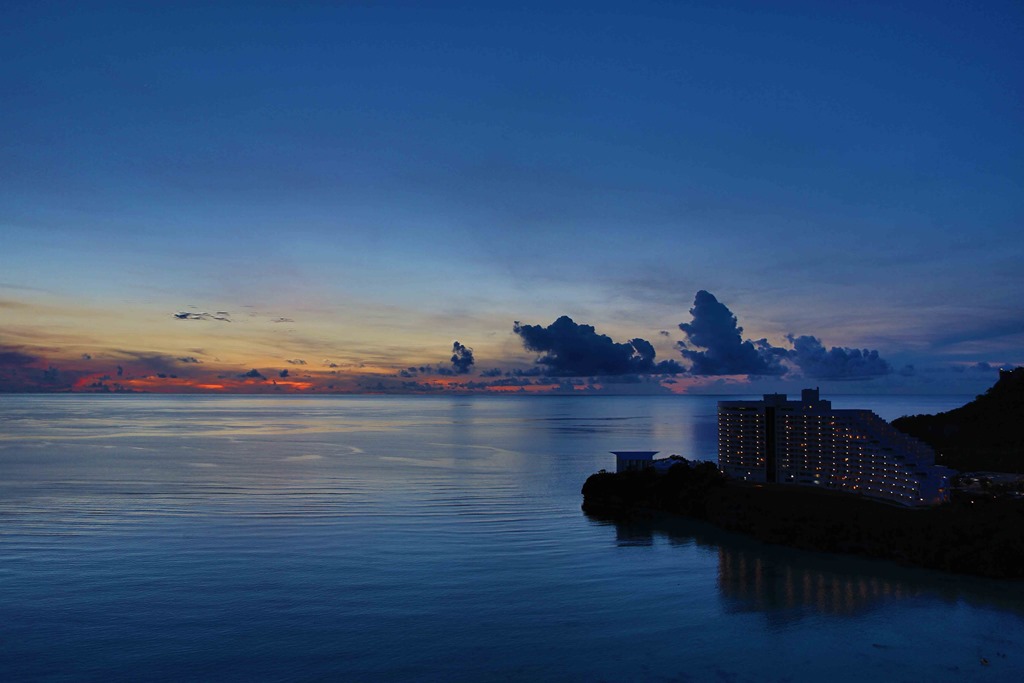
1. The relax trip:  this involves reading, eating, some exercise of the conventional nature (to balance out eating) and for us, usually a beach. Recently, that was a family week in Guam. Nothing to do but enjoy the beach and the sunset …. Barely brought out the camera. No point, but read a few books (4), swam and snorkelled, relaxed with the family. It was perfect.

2013 07 07 Guam_-16

2. The experience trip:  This is about learning a new culture, adventure and activity. A trip in Europe fits into this category, or our recent trip to Kyoto where it was all about exploring a culture. On this vacation you often come home more tired than you left. This is what our upcoming trip to Palau will be.

3. The hybrid trip:  A mix of 1 and 2 – some relaxation, sprinkled experiences. To which I pose a question – do these trips ever work out how you want them?

I have the opinion that if you set an expectation to experience and relax, that something always comes up wanting, one of the items will be mediocre. To illustrate: Bali. We had hoped that Bali would be a great hybrid trip, a mix of culture and relaxation. On the culture front, we were not disappointed, it was an amazing trip filled with history, culture and wonderful sites. On the relaxation front, we stayed at a wonderful hotel but the beach was mediocre. Nusa Dua simply isn’t a place where we would travel for the beach – that was the mediocre part.

It seems to me, you have to choose one or the other, or be prepared to “settle”. Thoughts?

KIYOMIZU TEMPLE, KYOTO, JAPAN

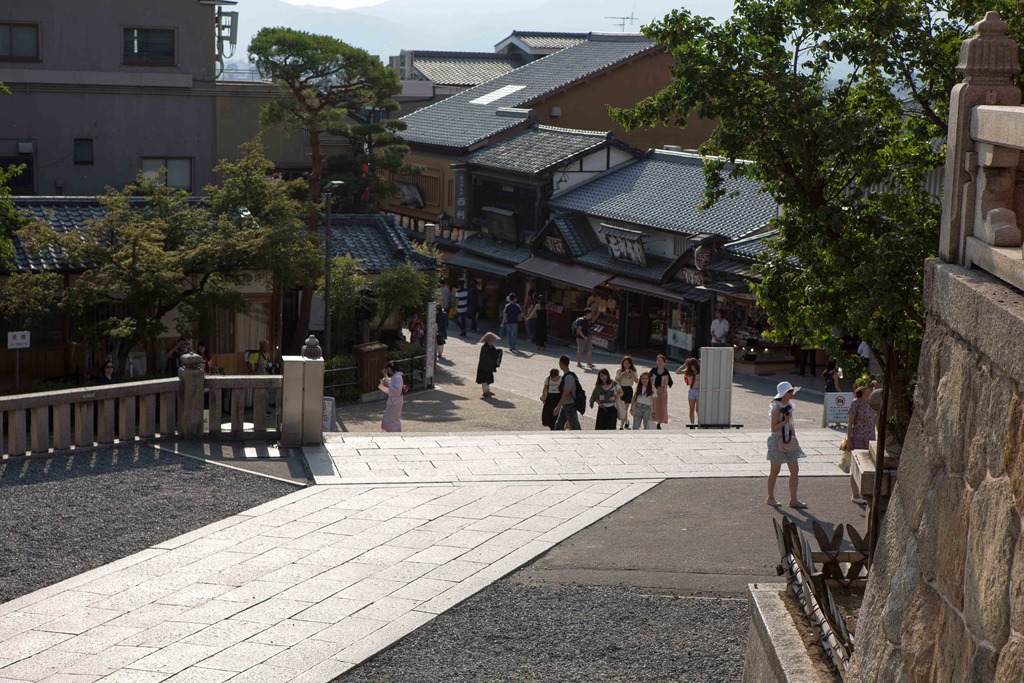
One of the more famous temples in Kyoto is Kiyomizu Temple, and it has a grand view of the city.

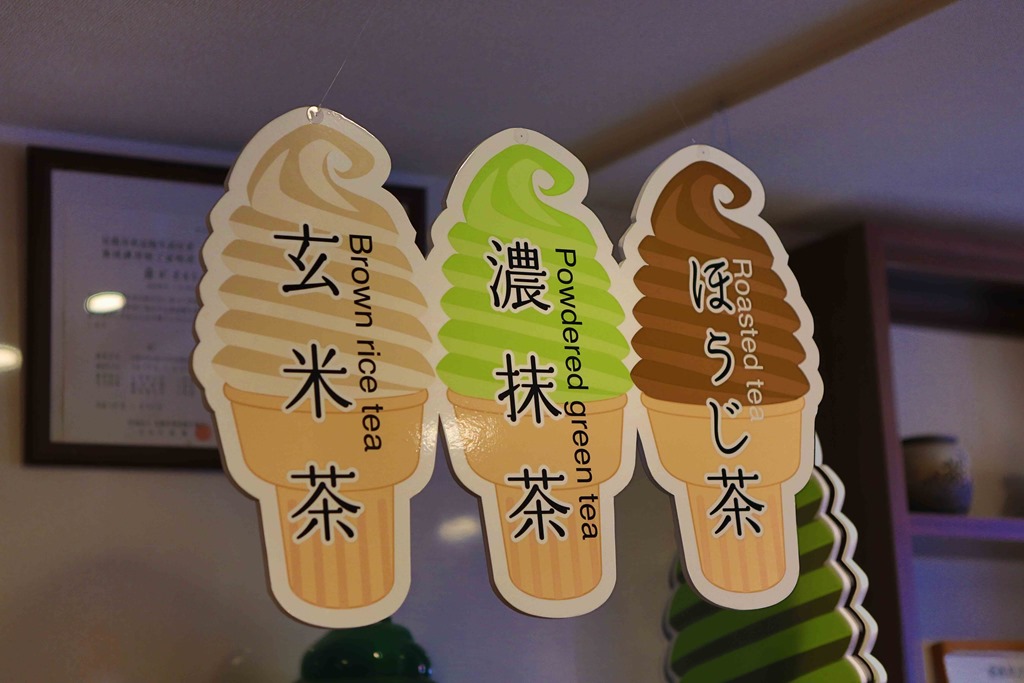
It is a hike up a hill to get to the temple, which is half the fun as the road is lined with shops. It was very hot in Kyoto (32C+humidity), so the ice cream shops were very busy with their special Japanese flavours.

2013 06 17 Kiyomizu Temple _

And a few uniquely Japanese treats on a stick.

2013 06 17 Kiyomizu Temple _-57

Our guide pointed out the woman in the hat (center near building in the hat). He said she has been standing there for 20 years and is a fraud. She chants nothing (he has leaned in many times) collecting gifts from tourists … he stops his clients.

2013 06 17 Kiyomizu Temple _-69

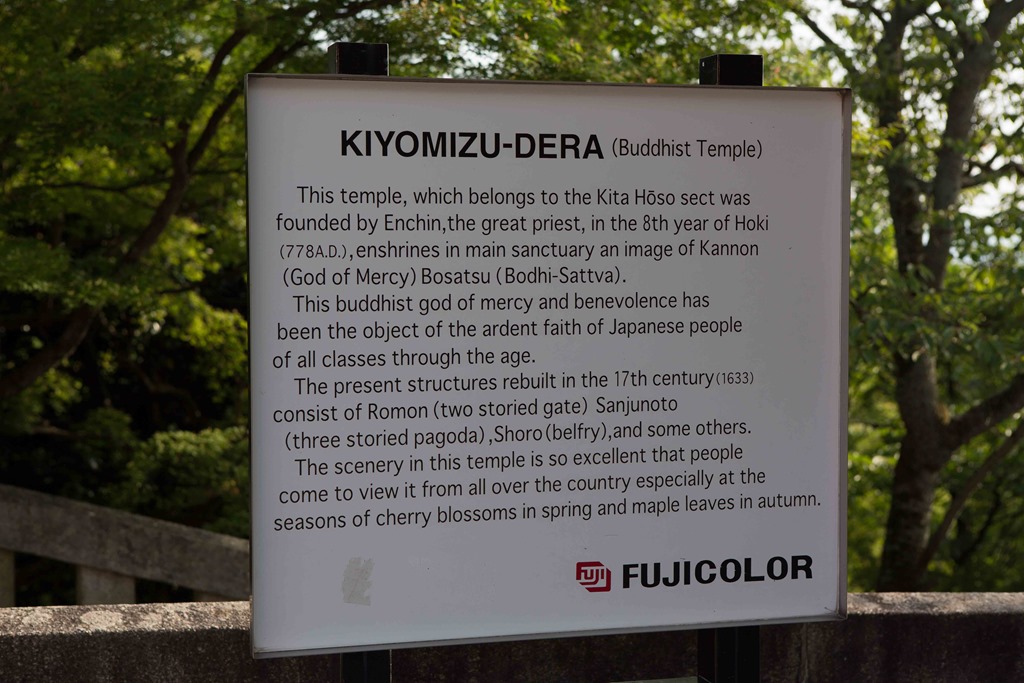
I could pop a Wikipedia reference in, or post this simple explanation. Thanks Fujicolor.

2013 06 17 Kiyomizu Temple _-73

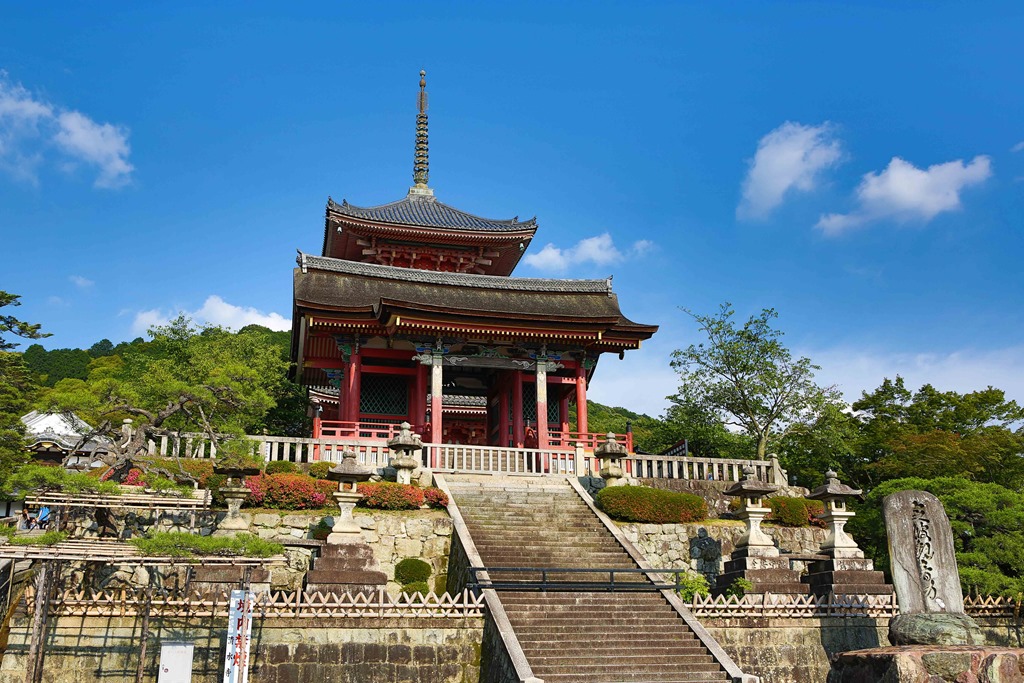
It has a grand entrance and in 2007 was nominated as one of the “new” 7 wonders of the world.

2013 06 17 Kiyomizu Temple _-29

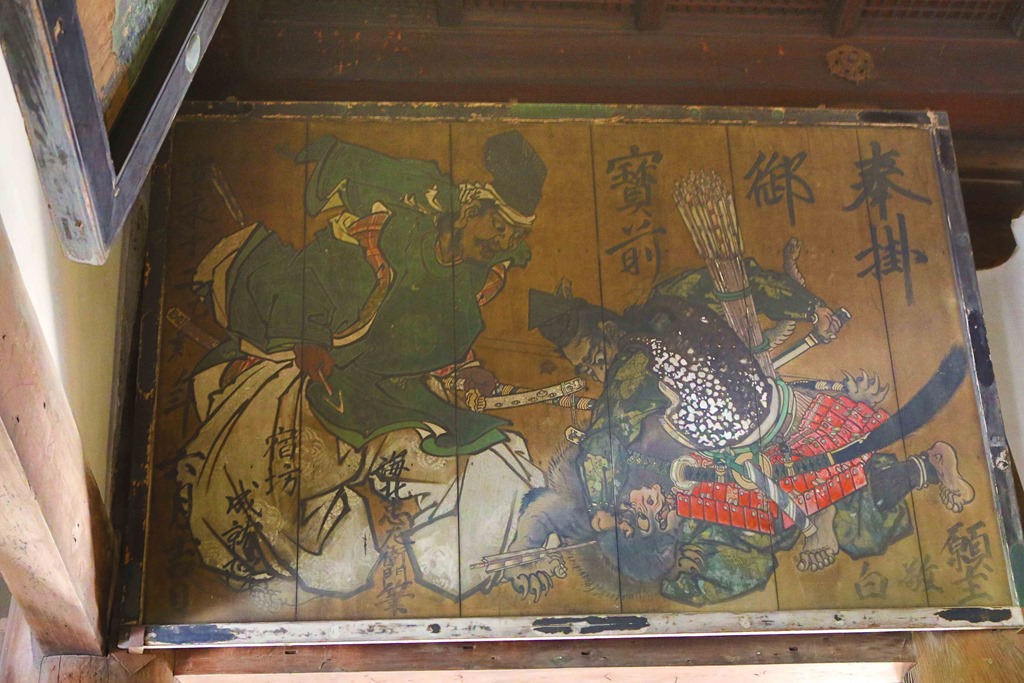
Inside the temple are the oldest wood based paintings in Japan, depicting the Samurai.

2013 06 17 Kiyomizu Temple _-37

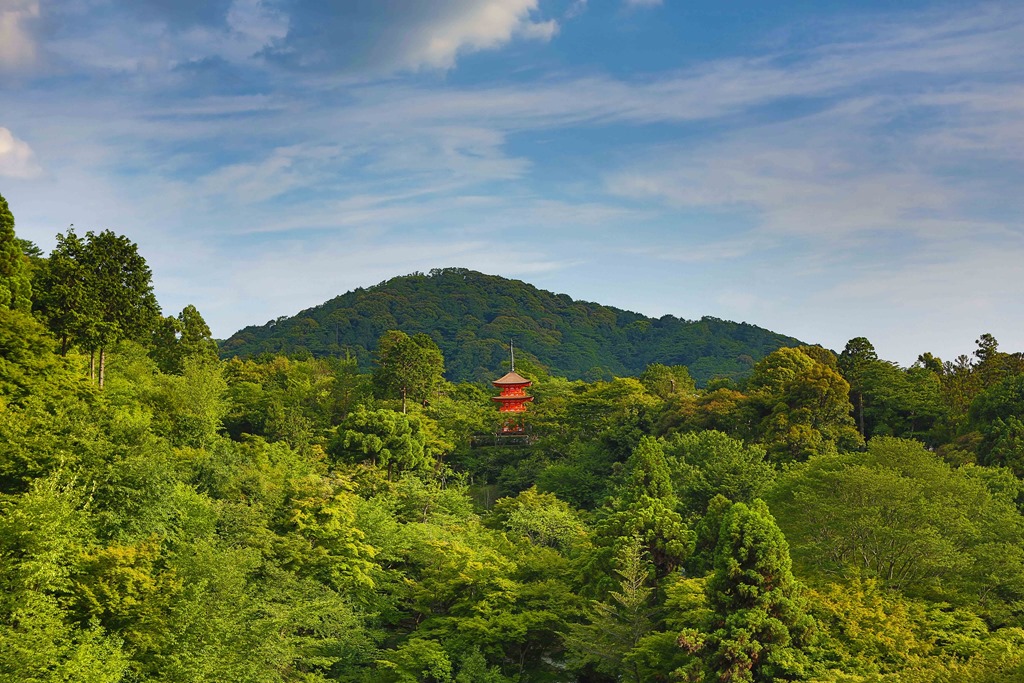
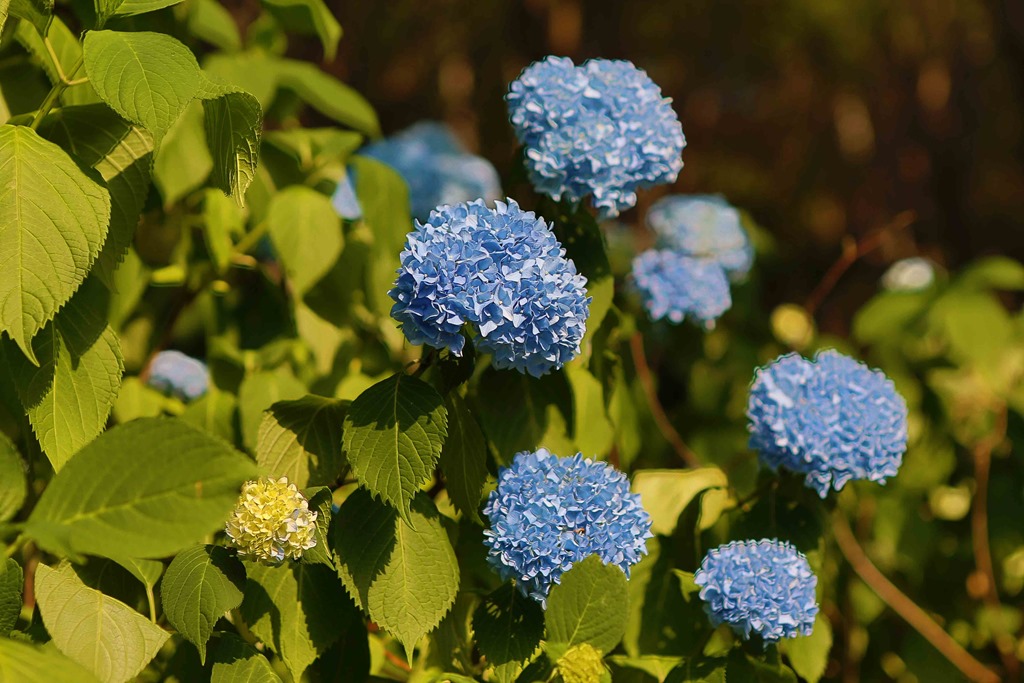
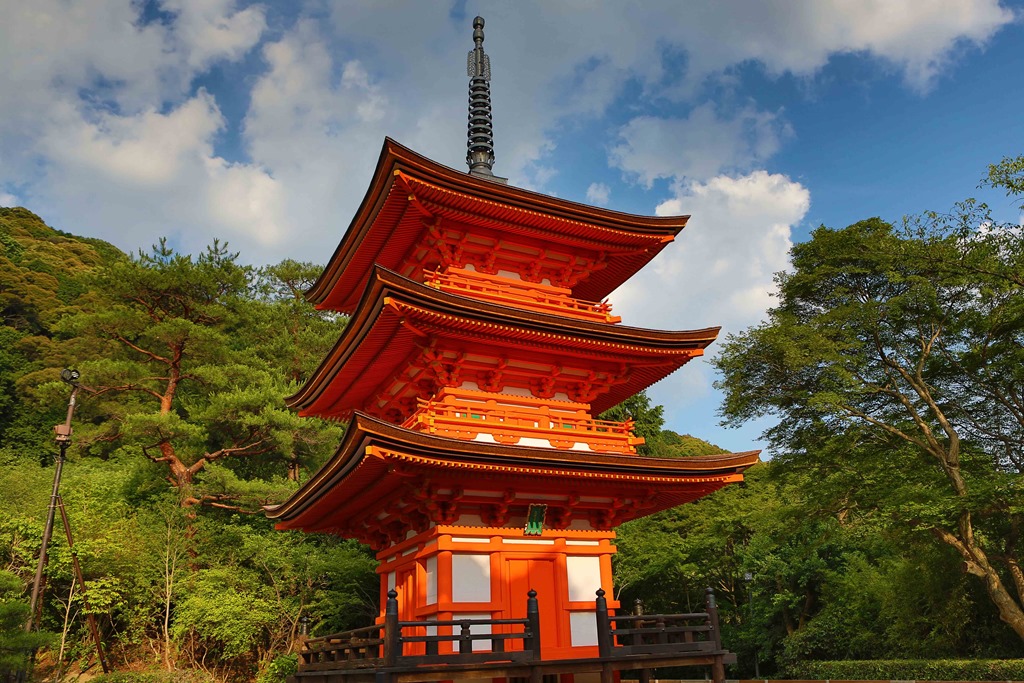
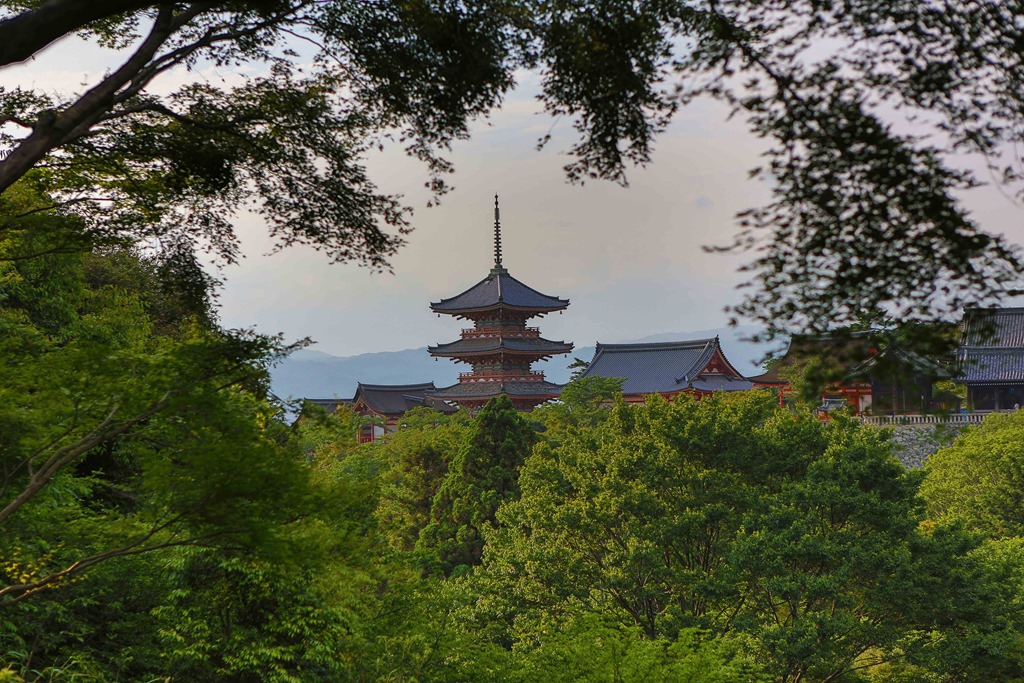
And if you look across the forest, past the hydrangeas, you see a beautiful temple peaking out of the trees.

2013 06 17 Kiyomizu Temple _-41

2013 06 17 Kiyomizu Temple _-42

We hiked over.

2013 06 17 Kiyomizu Temple _-49

A view of the Kiyomizu Temple from across the forest.

2013 06 17 Kiyomizu Temple _-47

Thanks for dropping by.

KATSURA RIVER, KYOTO

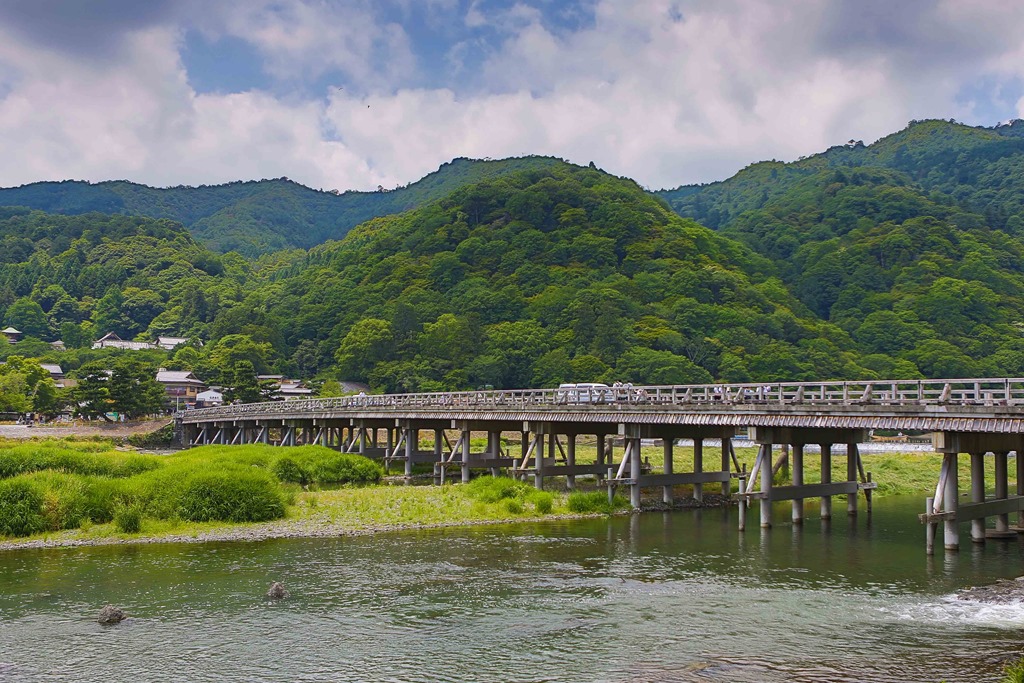
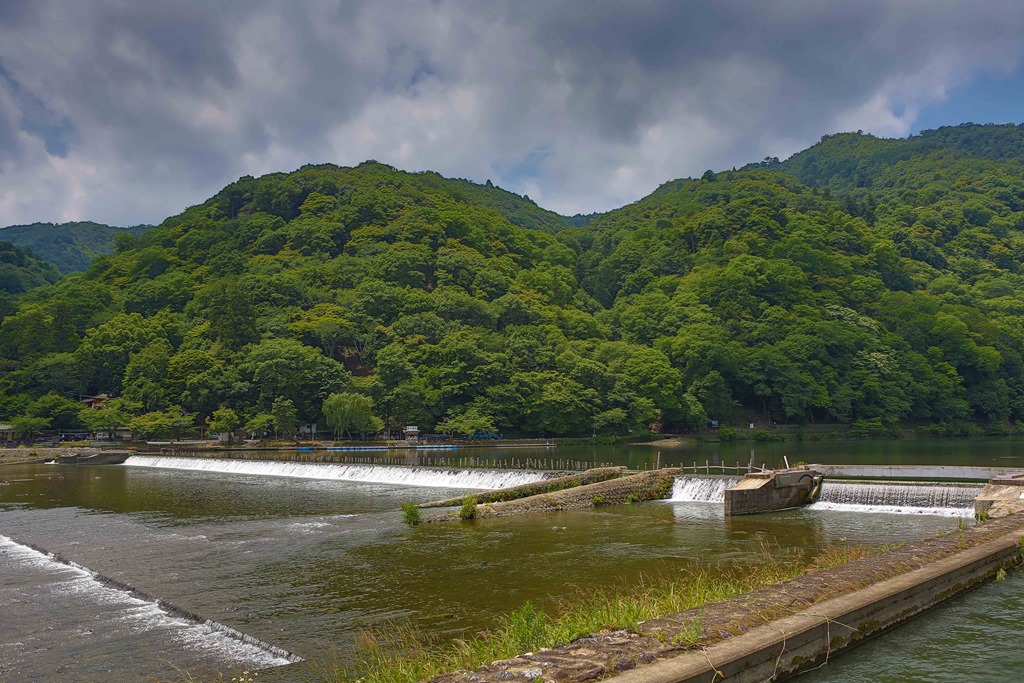
Our 3rd day included the Monkey Park (previous posts) and a boat ride down the Katsura River which runs below it. Across the river is a famous bridge that people like to photograph, the Togetsukyo or “Moon Crossing bridge”. It provides beautiful views of the river and mountain.

2013 06 17 Togetsukyo _

It was very bright and hot that day.

2013 06 17 Togetsukyo _-9

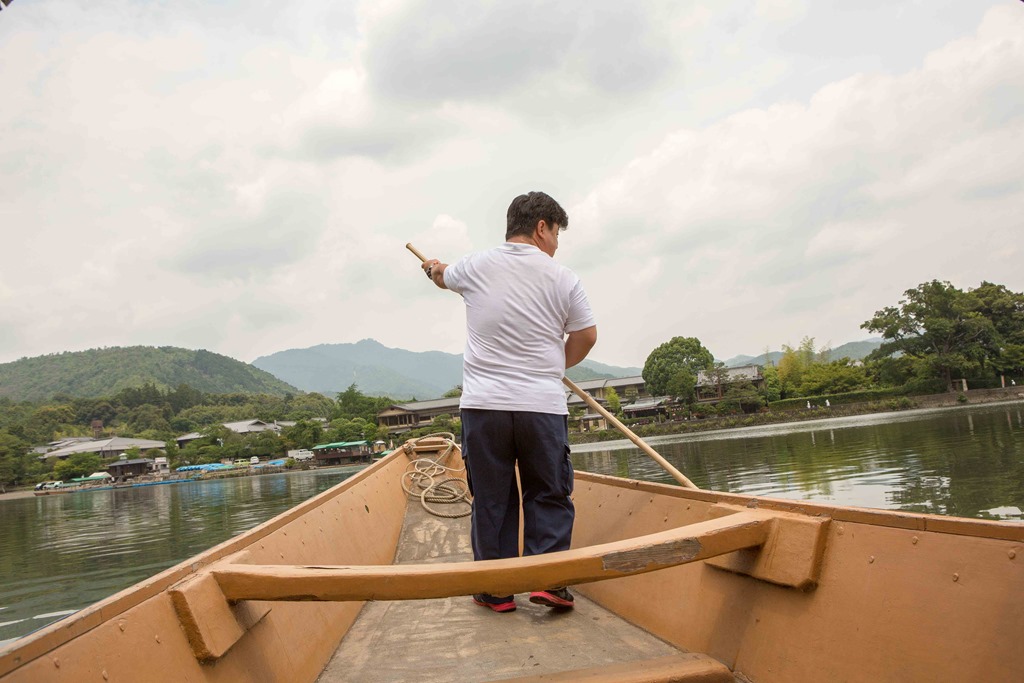
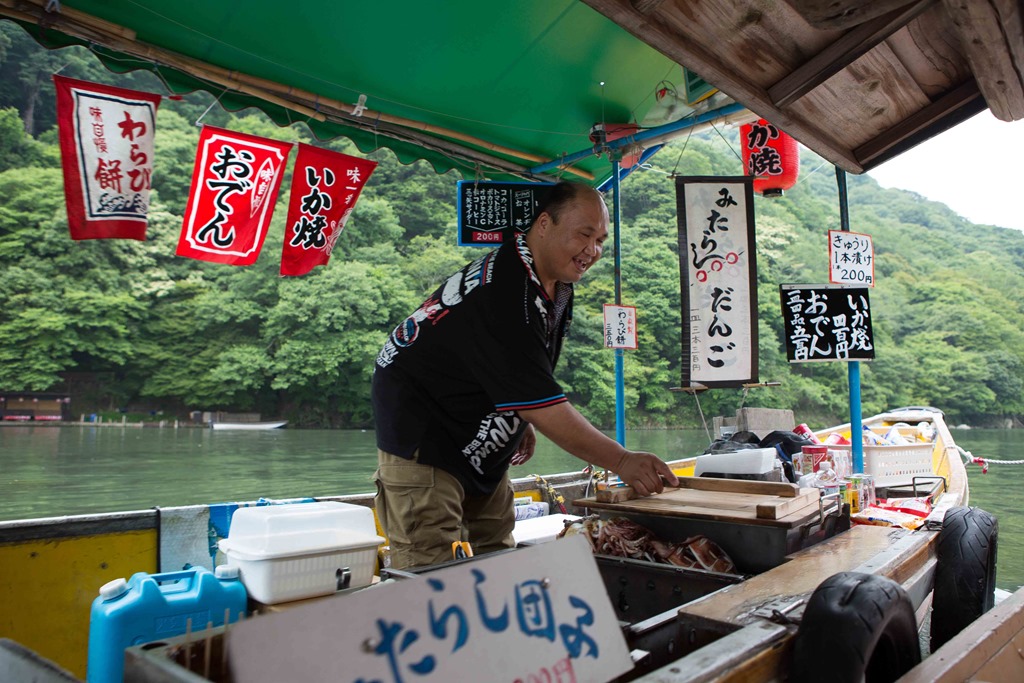
At the base of the mountain (right outside the gates of the Monkey Park) are many boats. The covered boats are moved up and down the river by the boatmen using long bamboo poles.

2013 06 18 Katsura river _-19

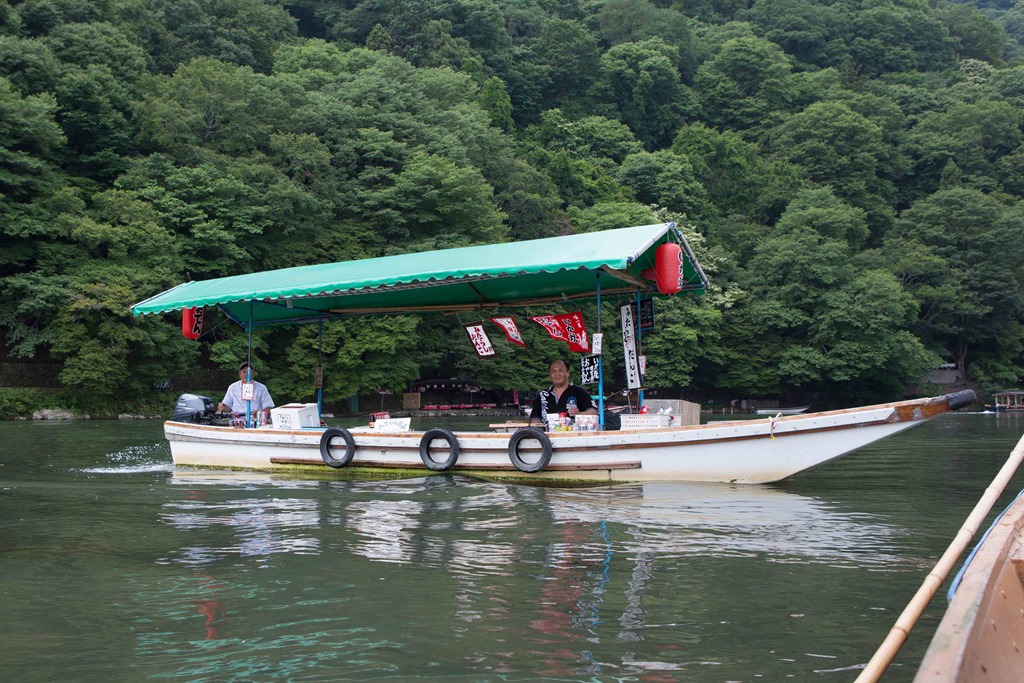
It was a very tranquil setting until a boat slid up beside us, engines blaring and food steaming.

2013 06 18 Katsura river _-20

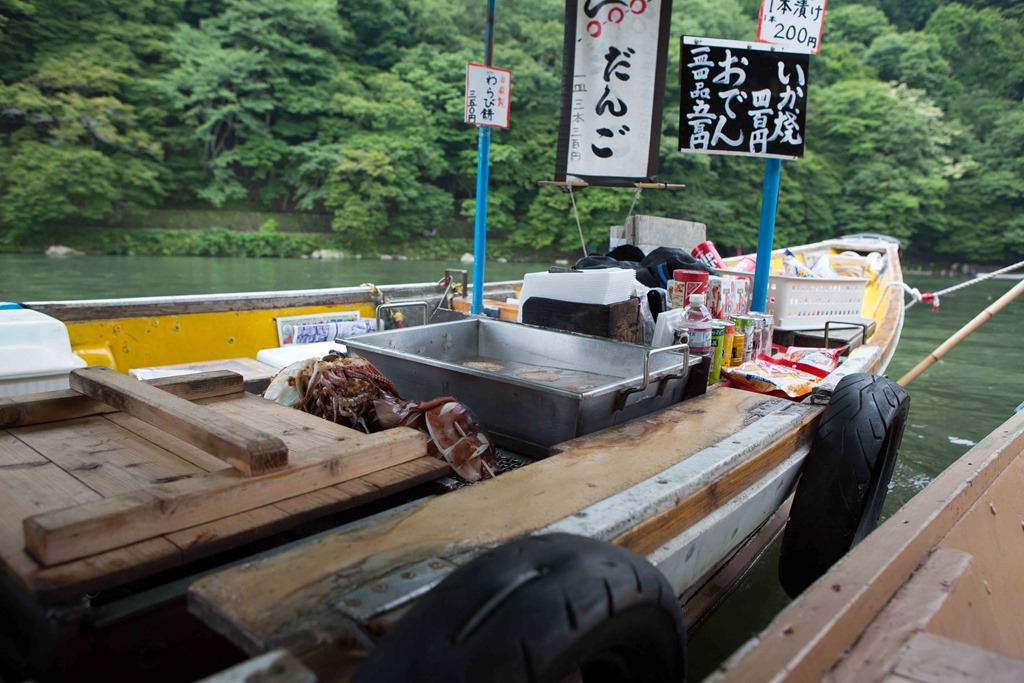
It all seemed to fit right in. Grilled octopus and squid, cold beer and other Japanese delicacies at your finger tips.

2013 06 18 Katsura river _-21

2013 06 18 Katsura river _-22

I would imagine this is the most amazing of boat trips in the fall, when the entire mountain is coloured red and orange. I think we will need to go back.

THE MONKEY BABIES, KYOTO, JAPAN

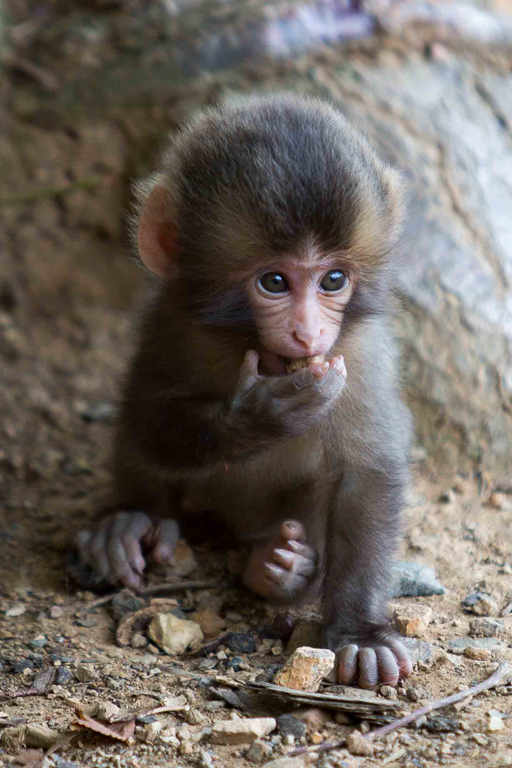
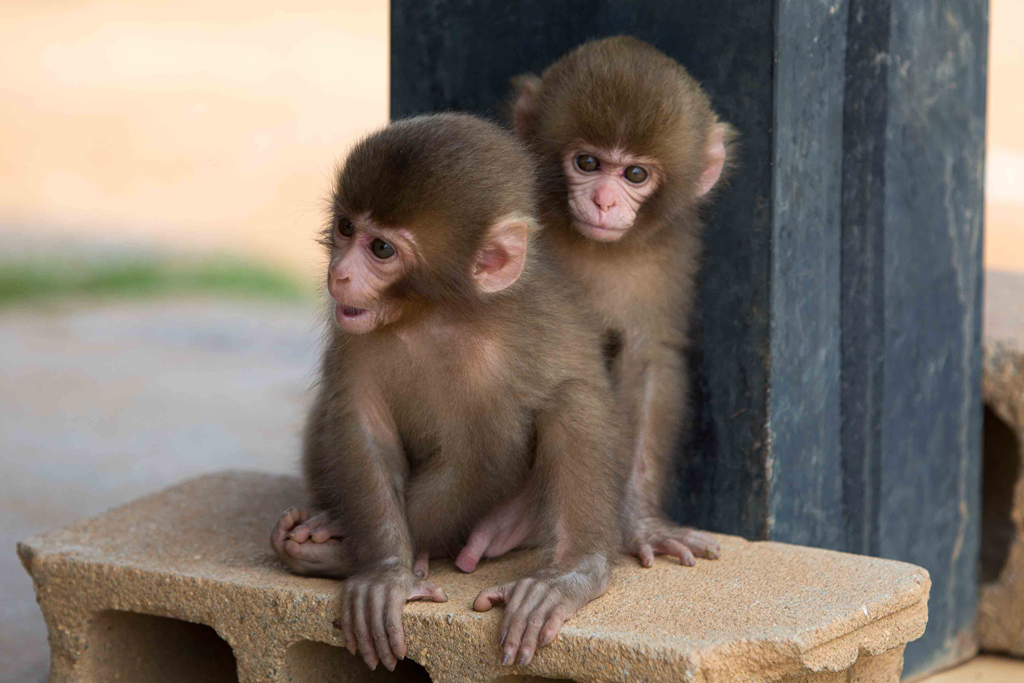
There were plenty of monkey babies at the Iwatayama Monkey Park. This little fellow didn’t look old and wobbled like a new born.

image

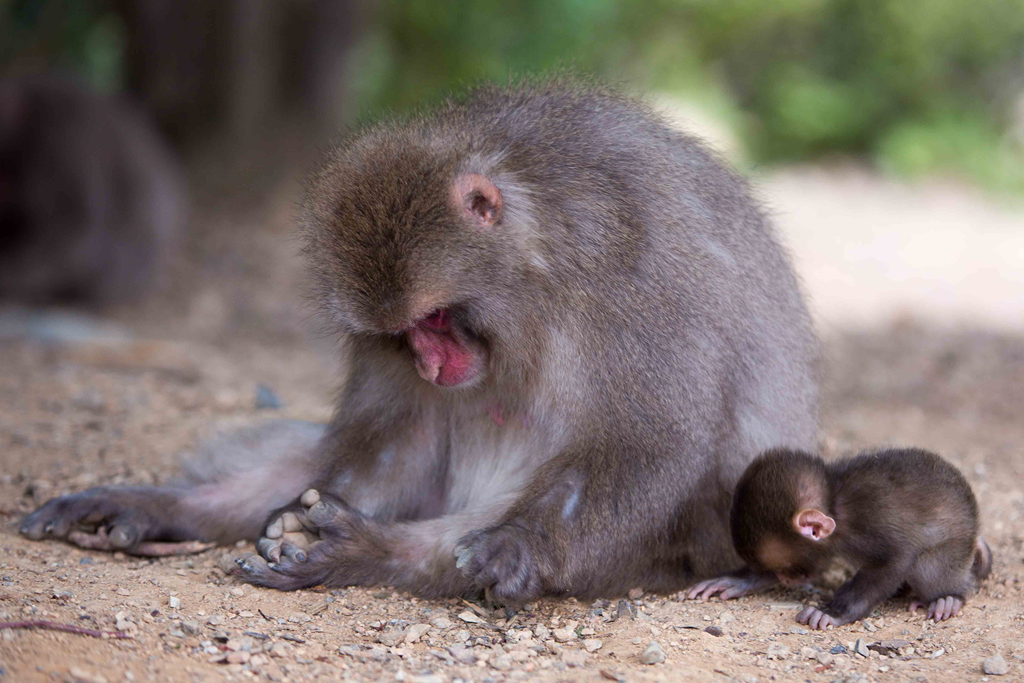
He also stayed very close to his mom.

image

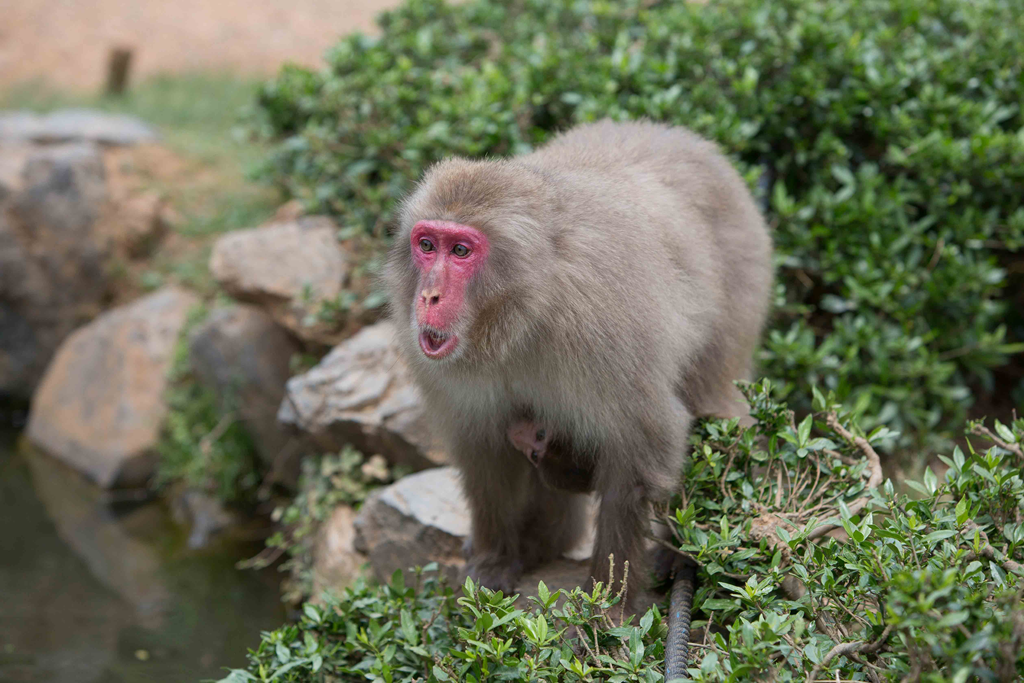
It was interesting to watch the mothers. At one point a commotion broke out behind me between this very angry mother …. (baby hanging on tight) ..

image

and this frightened male, who clearly did not want to tangle and kept retreating. Perhaps he forgot to take out the garbage?

image

These two little fellows were having a great time, chasing each other around and playing.

image

Glad we stopped at the park.

SAKE

Narda has been taking cooking courses in Japan and become friends with a sake expert.

Personally, unlike many Japan expats who embrace the “after work” culture, alcohol does not make up a big part of our lives. But I have started to really enjoy sake and sparkling sake, especially during the 40C Tokyo summer.

A favourite is an all natural sparkling sake, Suzune Sparkling Sake, best described in this review:

Several years ago in Japan, I tasted a sparkling sake. At the time I was saying to my dinner partner who happens to be an owner of a sake brewery that I thought sparkling sakes were sort of like wine coolers – a novelty to get people to drink sake. Well, I wasn’t far off base, as I will touch upon in a second. The first sip of Ichinokura’s “Suzune” was an eye-opening experience. I was completely taken aback by the refreshingly light and flavorful sake. What impressed me most was the fact that it was very “Champagne” like but in an honest to goodness sake sense. It was so unique that I found myself trying as many sparkling sakes as possible on that trip and subsequent visits. I immediately approached my exporting contacts in Japan and urged them to start sending sparkling sakes to the US, because I felt that they would speak to a large portion of established and new sake drinkers.

The problem is that Suzune is a limited run and many sakes do not have the same shelf life as wine. In Japan you can pick it up at Meida-ya (A higher end grocery store) for Y750 or Amazon.jp, and if you are lucky, you can find it in North America for about 4X that cost.

image

We will enjoy it while we are here.

NIJO CASTLE, KYOTO

Our first stop on our big “day tour” was Nijo Castle, samurai and shogun home.

In 1601, Tokugawa Ieyasu, the founder of the Tokugawa Shogunate, ordered all the feudal lords in Western Japan to contribute to the construction of Nijō Castle, which was completed during the reign of Tokugawa Iemitsu in 1626. Parts of Fushimi Castle, such as the main tower and the karamon, were moved here in 1625-26.[1] It was built as the Kyoto residence of the Tokugawa Shoguns. The Tokugawa Shogunate used Edo as the capital city, but Kyoto continued to be the home of the Imperial Court. Kyoto Imperial Palace is located north-east of Nijo Castle.

There is so much history hidden in these very thick walls.

image

A few interesting facts from our guide on the castle:

The building is raised off the ground. The shogun would sit on his mat with a large piece of wood under him to protect him from someone shoving a sword up and through the floor

The 500 year old paintings were made from crushed shells to add white color

In the main hall where the shogun received guests he would keep 15m between himself and the guests. Beside him was a sliding door filled with samurai ready to jump through in the event of a threat. Although the threats often had a large preamble, where someone would stand up and honourably declare “I (insert name), son of (insert name), grandson of (insert name) from the city of (insert city) will kill you” – giving the samurai lots of time to line up.

The roof of the entrance to the main hall is made of thatch. It is a small section, but costs millions to replace. (The brown sections at the front)

2013 06 17 Nijo Castle _-36

image

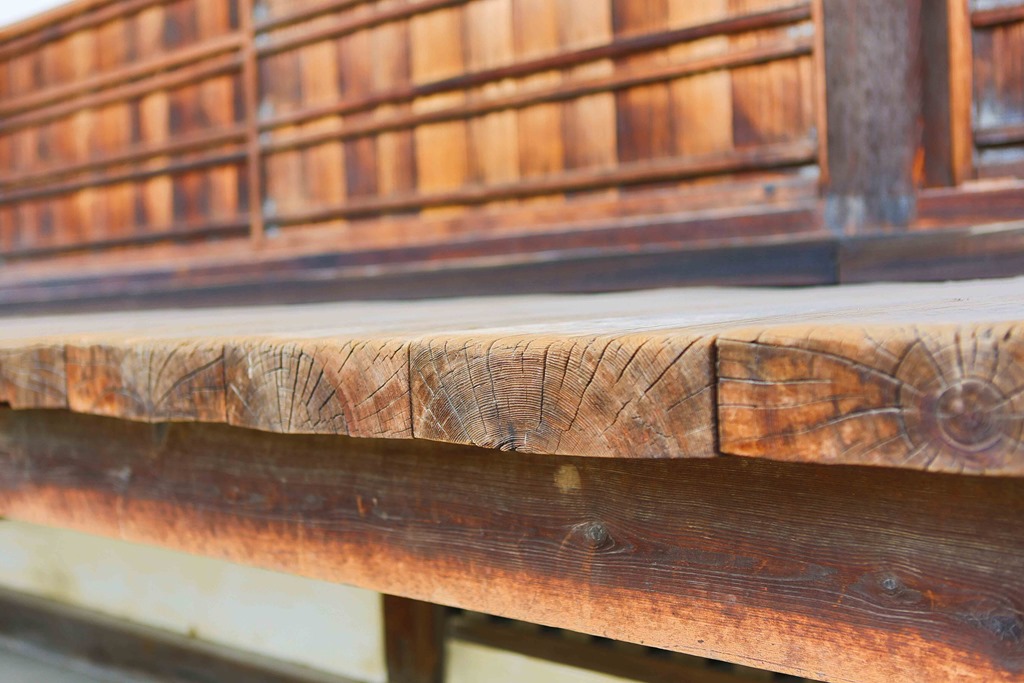
The floor boards are built with a U shaped device to hold the board and a nail through it. This is built to make the floor boards creak when someone walks on it to warn of intruders. I got the sense that being a shogun was not the most “secure” of positions.

2013 06 17 Nijo Castle _-50

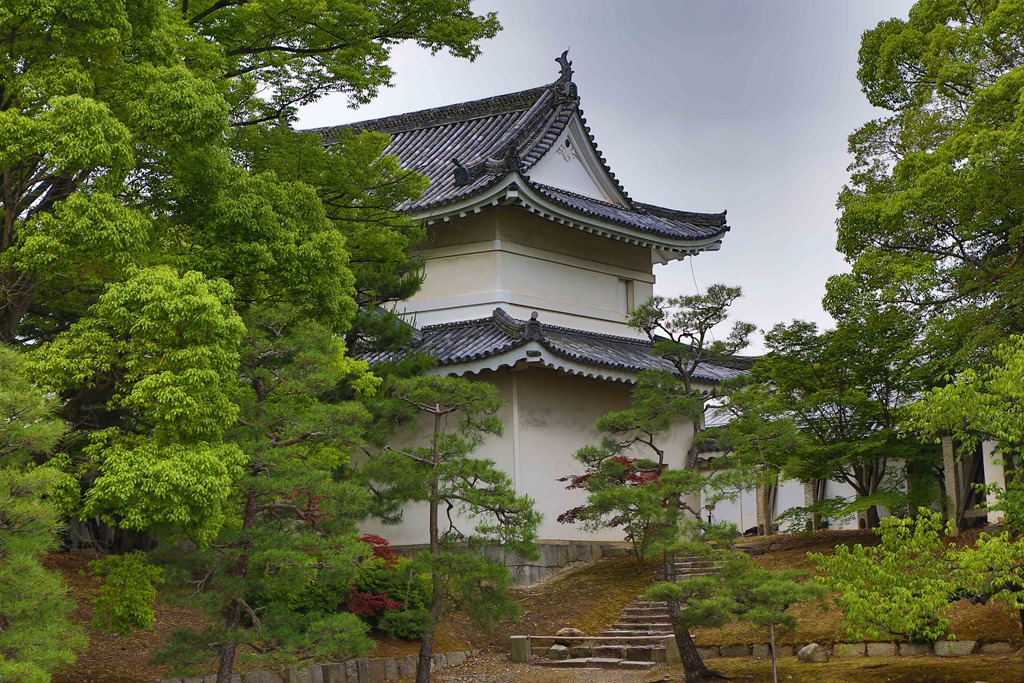
A corner guard house.

2013 06 17 Nijo Castle _-35

The handle on a large bell in the main courtyard.

image

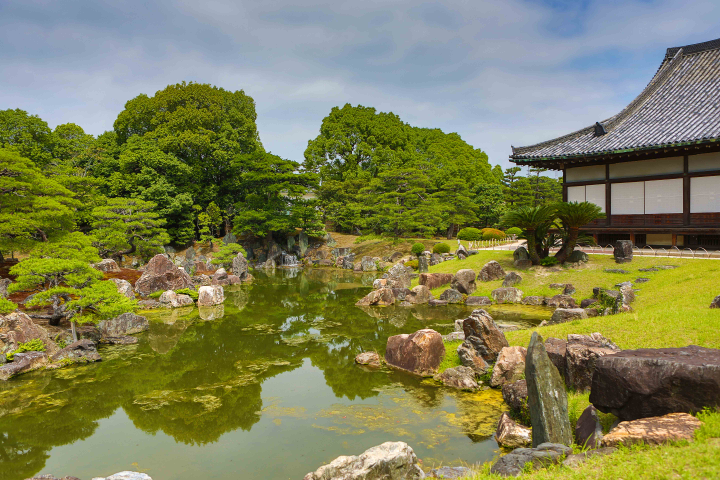
The gardens beside the main hall.

image

2013 06 17 Nijo Castle _-52

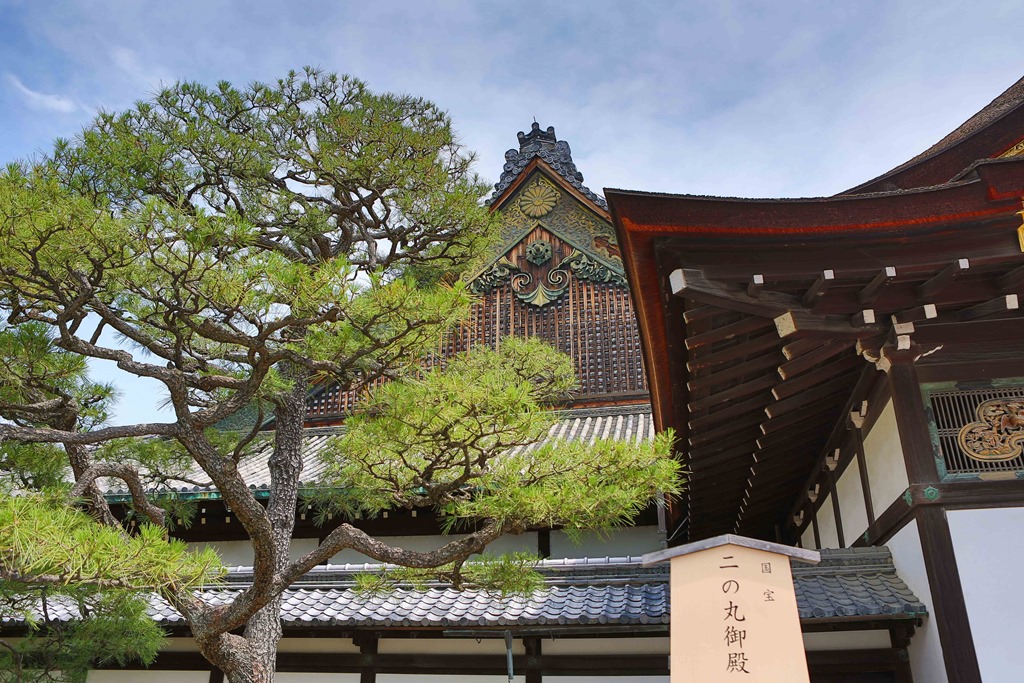
The entrance to the main castle, which is a reproduction as the original burned:

In 1788, the Inner Palace was destroyed by a city-wide fire. The site remained empty until it was replaced by a prince’s residence transferred from the Kyoto Imperial Palace in 1893.

In 1867, the Ninomaru Palace was the stage for the declaration by Tokugawa Yoshinobu, returning the authority to the Imperial Court. Next year the Imperial Cabinet was installed in the castle. The palace became imperial property and was declared a detached palace. During this time, the Tokugawahollyhock crest was removed wherever possible and replaced with the imperial chrysanthemum.

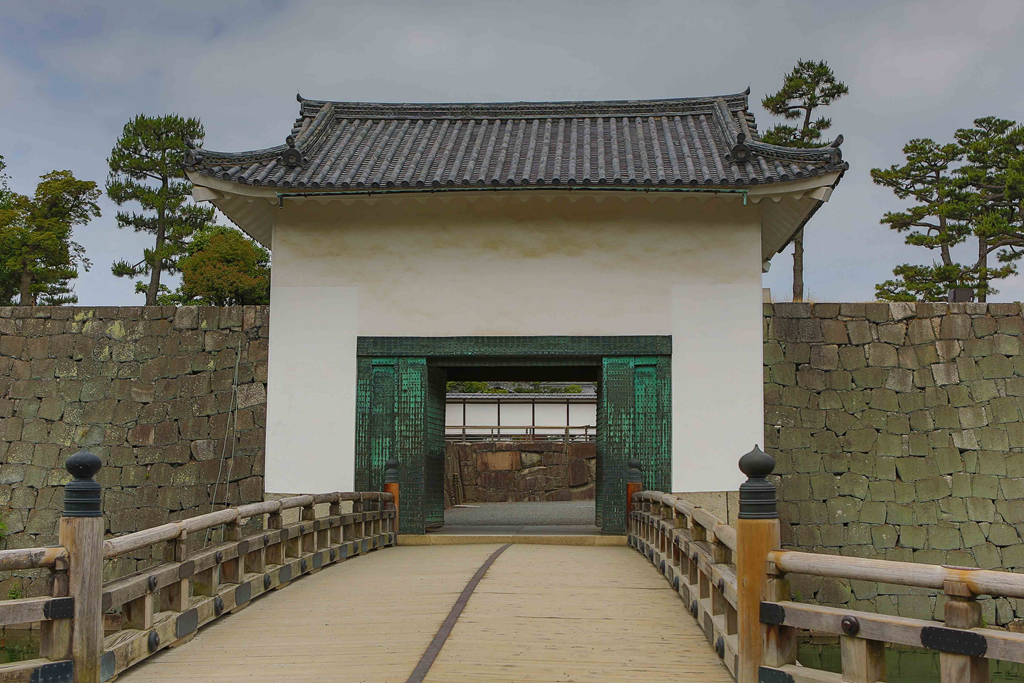
We crossed the bridge, but did not enter.

image

2013 06 17 Nijo Castle _-57

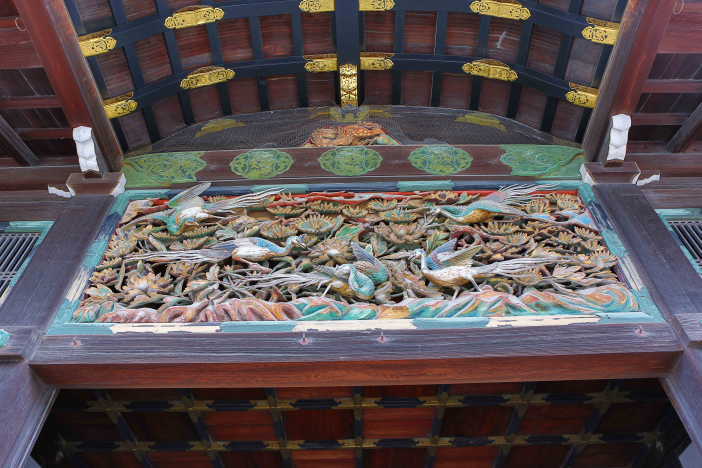
What I found amazing is how the intricate work has survived, even though it is exposed to the elements.

image

2013 06 17 Nijo Castle _-45

Thanks for dropping by.

10,000 TORI GATES, KYOTO, JAPAN

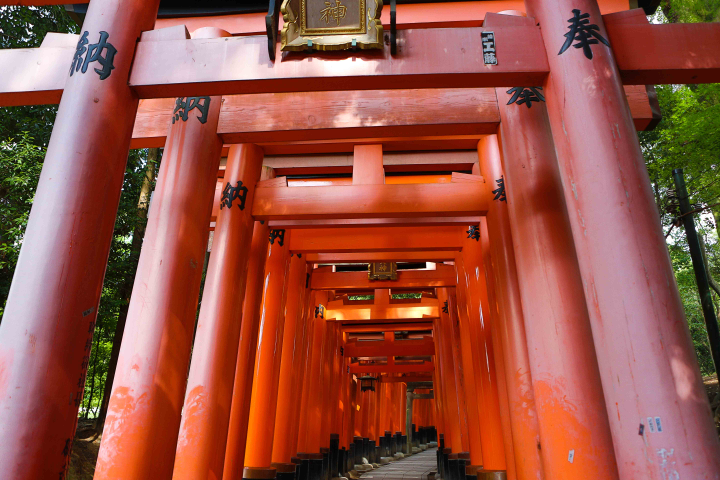
Fushimi Inari is one of the more famous Kyoto temples, known for one prominent feature – 10,000 Tori gates.

Fushimi Inari Taisha (伏見稲荷大社?) is the head shrine of Inari, located in Fushimi-ku, Kyoto, Japan. The shrine sits at the base of a mountain also named Inari which is 233 metres above sea level, and includes trails up the mountain to many smaller shrines.

Since early Japan Inari was seen as the patron of business, and merchants and manufacturers have traditionally worshipped Inari. Each of thetorii at Fushimi Inari Taisha is donated by a Japanese business. First and foremost, though, Inari is the god of rice.

This popular shrine is said to have as many as 32,000 sub-shrines (bunsha (分社?)) throughout Japan.[1]

An amazing temple, on the mountain.

image

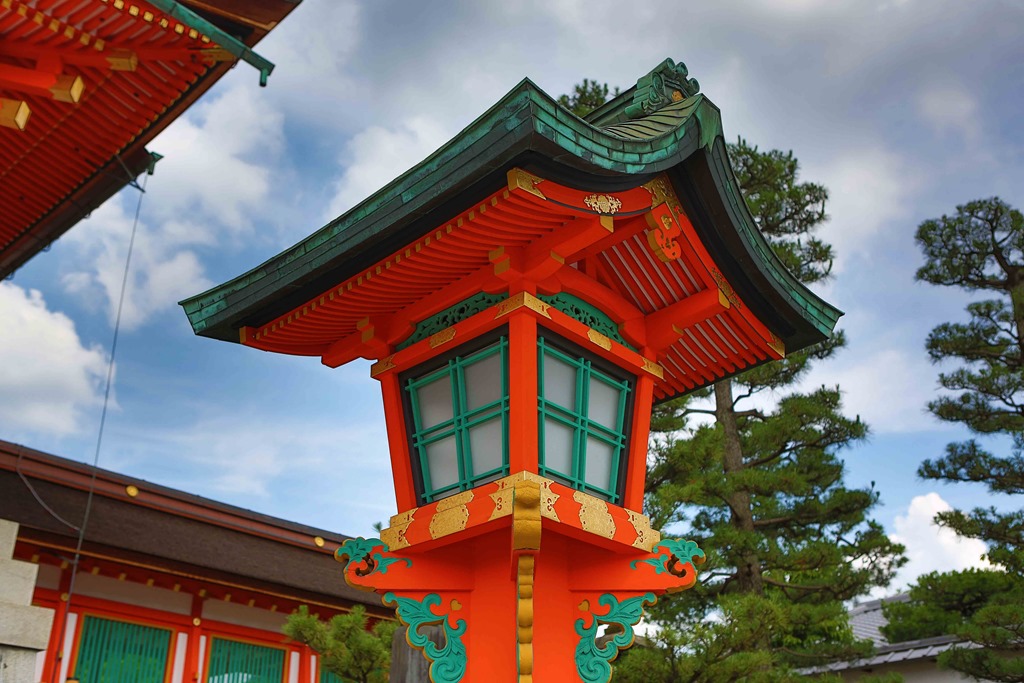
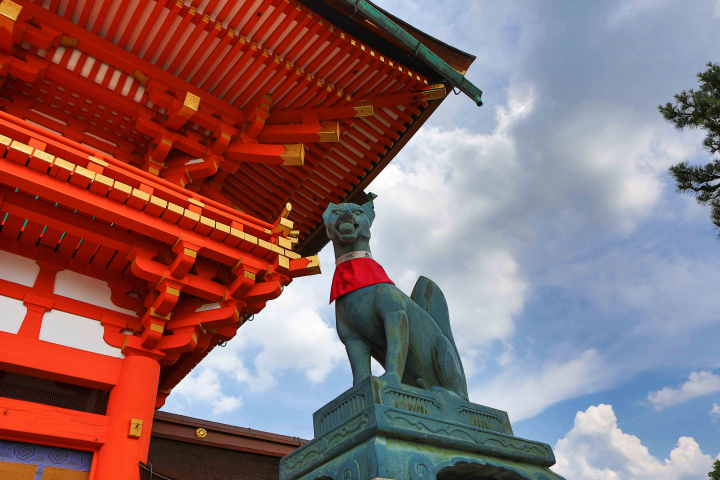
More on the gates in a moment. It could also be known for some very cool fox statues and probably the most orange paint in one area.

2013 06 17 Fushimi Inari _

image

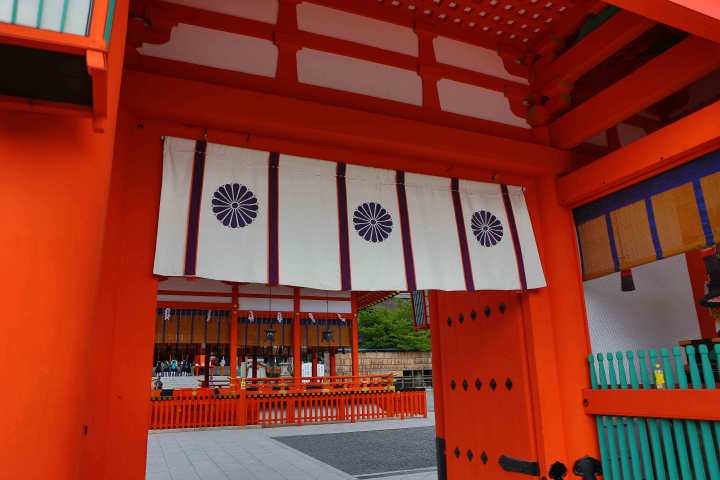
The gate to the temple.

image

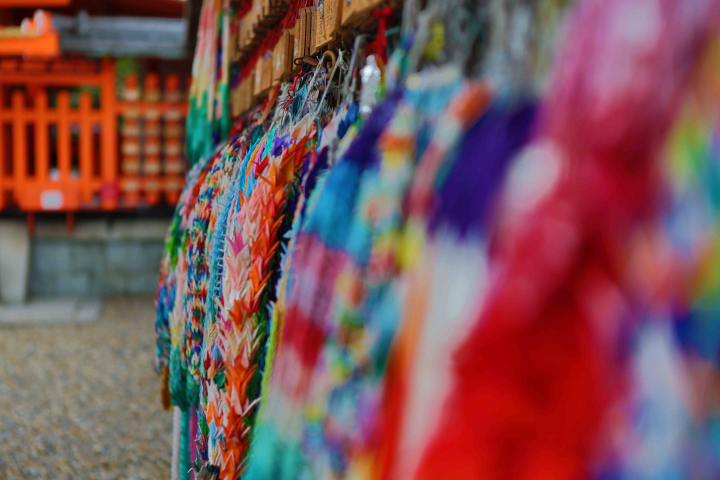
A side temple with more 1,000 origami crane offerings than you can count. The sheer quantity of time invested in those cranes is mindboggling. There were a lot of them ….

image

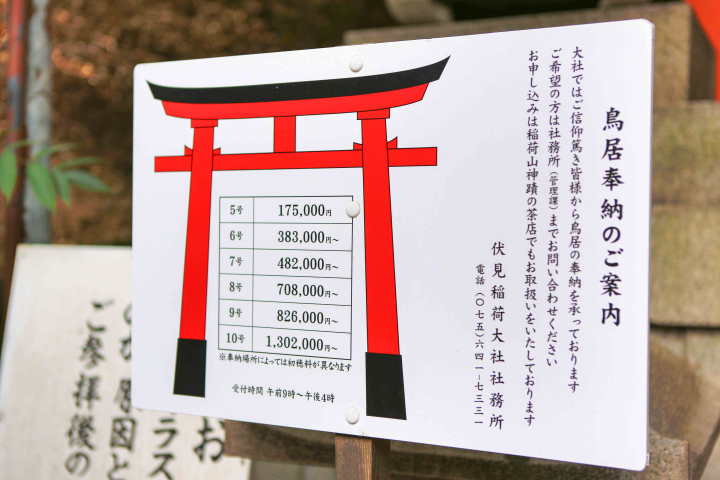
As mentioned above, the temple is a popular place for business people to come and seek good fortune. What most people probably don’t notice is this sign, which lists the prices. Yen is simple to translate .. simply drop 2 zeros to get an approximate USD price. A 5 foot Tori gate is $1,750 and a 10 footer is $13,020. Seems reasonable.

image

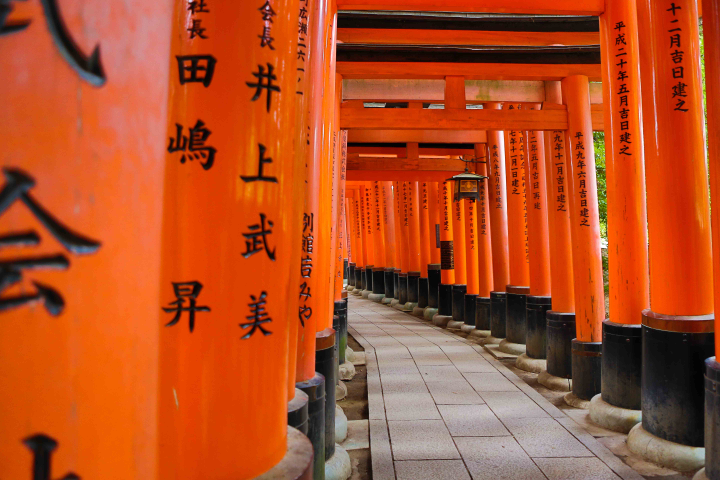
The temple inscribes your name/business and address into the Tori. It lasts for about 20 years at which time they call you and you have the option to buy a new one or have it removed (the foundations rot).

image

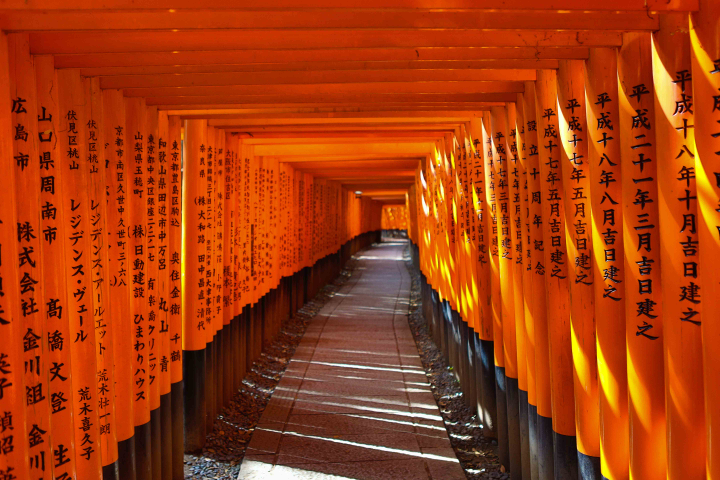
The path winds up the mountain. We didn’t have time to hike it. Perhaps next time. It is about 2 hours round-trip. The path to the top ….

image

And one of my favourite shots.

image

Definitely worth seeing.

BAMBOO FOREST, KYOTO

It is one of those must go places (they say). A simple bamboo forest where a single stock of bamboo can grow up to 1.3M overnight. Another ‘short’ visit location on our day tour of Kyoto. Our guide drove to the top, we walked down and back (perhaps 300m each way).

image

Yes, it is beautiful. Serene.

image

What I found most interesting was not the bamboo but this long, long line of ants walking along the bamboo fence. They went on and on and on .. until near the top of the hill the started to thin out, heading down the fence into the forest.

In this shot you can see them on the posts …

image

A little clearer .. the march on and on.

image

Thanks for dropping by.

THE MOSS TEMPLE, KYOTO

Off the beaten path is a small temple called the Moss Temple, or Gio-ji. It is lesser known than the famous and Y3,000 larger moss temple. The history of the temple is one of lost love:

A Shirabyoshi dancer Gio was loved by Taira-no-Kiyomori but was jilted when he was enslaved by the beauty of another Shirabyoshi, Hotoke-Gozen. Gio, her sister Ginyo and their mother Toji left Kiyomori and after all they entered a nunnery that was present day Gio-ji. Then, Hotoke-Gozen joined them as she knew that she would be eventually jilted also by heartless Kiyomori. It was when Gio was 21 years old and Hotoke-Gozen was 17. The four women lived here remainder of their life.

Best viewed during a wet period in time (dry seasons see the moss go brown) and down a remote road, the temple makes for interesting viewing.

Walking down the entrance path you are covered by a thick canopy of leaves.

image

The moss is everywhere, growing on every roof and fence.

image

image

Turning the corner you come upon an open area in front of the temple. It was a bit surreal, the glowing greens. Looked like a movie set (I don’t know why, but that is what popped into mind).

image

If memory serves me, there are 19 different mosses. A few that are quite invasive and needed to be regularly culled back to ensure they do not take over the other mosses. Including this moss that was furry to the touch.

image

Of course, hydrangea. At least I think it is a hydrangea ….

image

Rounding the corner there is a cemetery and in the hundreds and hundreds of times Yoshida-san our guide has been here, something he had never seen. A lone monkey.

image

Sad to say he was injured (bad left hand). He did sit and enjoy eating a few daisies though.

image

Interesting place. Not busy, serene and the vibrancy of the mosses were visually stunning.

image

Worth a visit.

DINNER WITH A GEISHA (Maiko): THE CONVERSATION

As mentioned in my initial post on Kyoto, we enjoy learning the history and culture of Japan. We did not know what to expect with our dining with a maiko/geisha/geiko experience. When the maiko-san originally arrived, our interpreter quickly helped us make introductions.

image

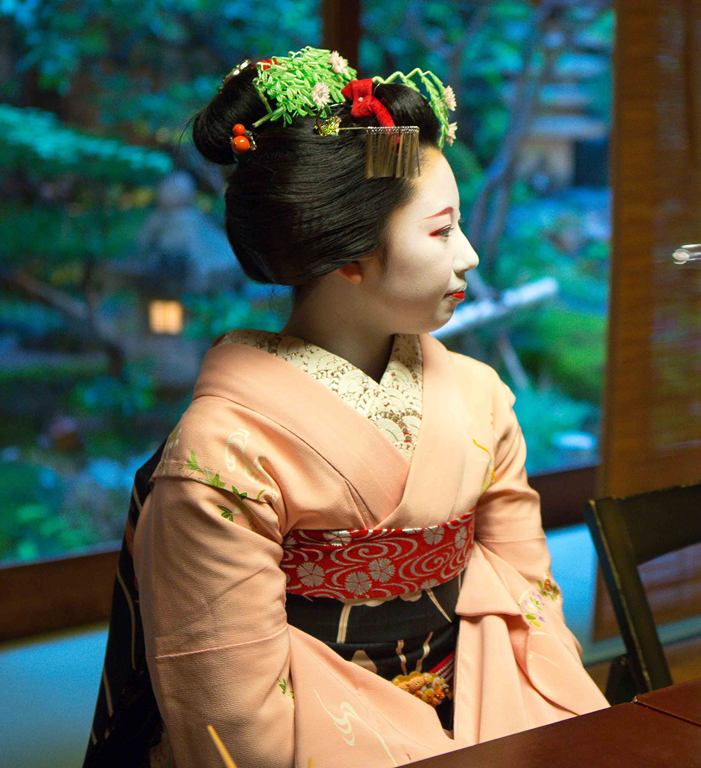
She sat down with our family and the conversation began, a free flowing discussion of her life over 2 hours.

image

In no particular order, a few highlights from the conversation.

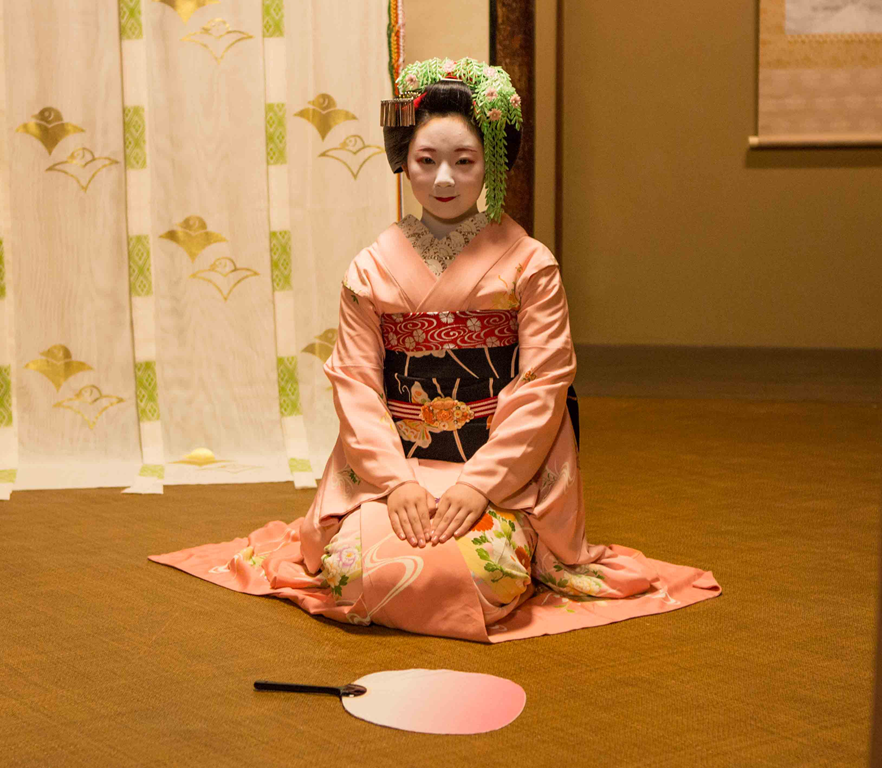
She is 17 and grew up in Nagoya. She chose to become a maiko after going on a school trip to Kyoto. She watched a geiko perform and decided that she wanted to join the profession.

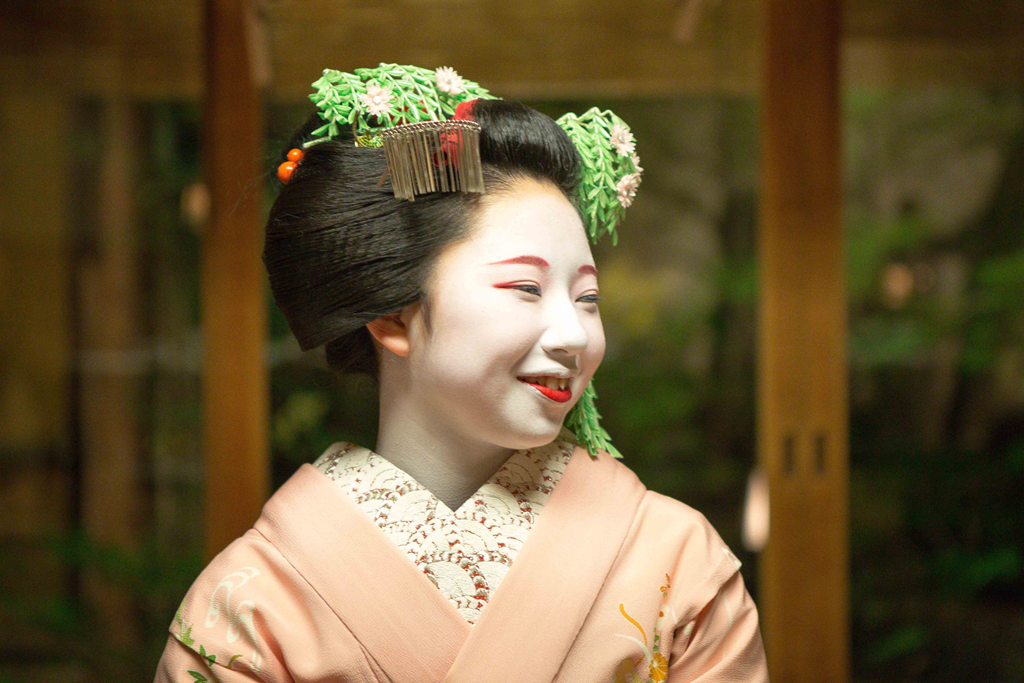
Her upper lip is white as she is a maiko. When she becomes a geiko she will decorate both lips.

Every month she changes her hair decorations. This month I believe it is the willow.

She often entertains school groups and when asked what the funniest question she gets, she laughed and said one question always come up – does she have a boyfriend? (answer is no – not allowed to).

In her first year prior to becoming a maiko it was like an apprenticeship. She learned what the years ahead would be like, and whether she wanted to continue.

image

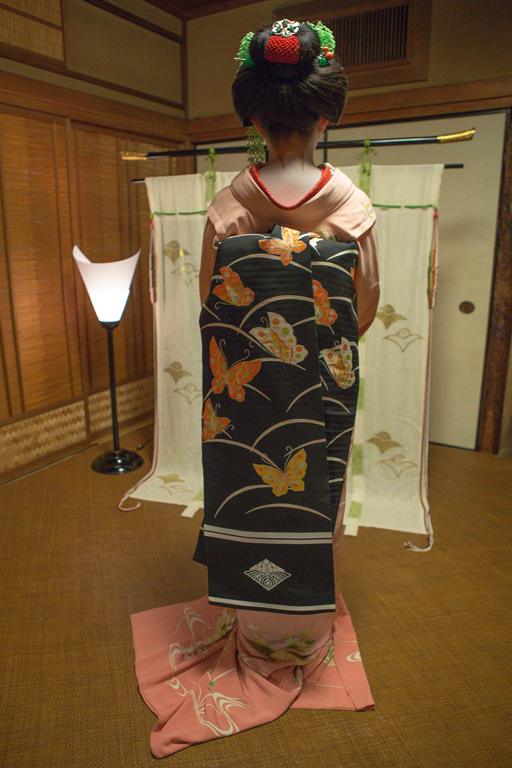
It is not an easy life. She starts the day at 10am with training in the arts. She then dresses, doing her own make-up (it takes 40 minutes) and having assistance from a man who comes to the house daily to assist with the kimono which weighs 10kg. The sash is 7m long. She then visits 20 tea houses that her house is affiliated with, and starting at 6pm does 2 hour hosting sessions until midnight. At midnight she heads home, has a hot bath and a few hours of personal time (reading, TV, music) until she heads to bed at 3am.

She is not allowed to have a cell phone.

image

When she contracted with her mama-san to become a maiko, she made a 5-7 year commitment until she becomes a geiko at 20-22 years. The mamma-san pays for everything (training, food, clothing, lodging) and in return takes all profits from the days work.

She lives with 8 other maiko.

image

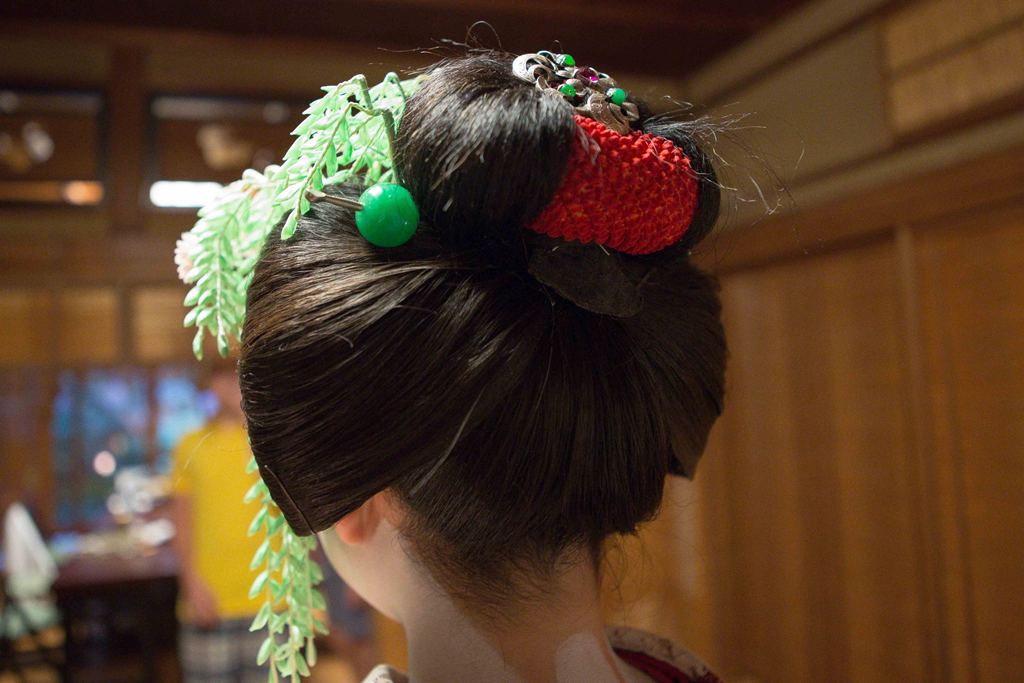
She only does her hair once a week, sleeping with it made like this (which can be awkward)

Because she keeps her hair in this style all the time, she must be careful where she goes when she does have time off as people will recognize her as a maiko. (i.e. no junk food places)

image

She only gets 1-2 days off a month and time at New Years to go home.

When asked what do people think at home – she said that she is growing apart from her old friends. Her grandmother has never approved.

If she needs money she has to ask the mamma-san. I got the impression that was not something that was done often or lightly.

She enjoys listening to music on her Sony Walkman. She likes Avril Lavigne.

image

Dinners are mostly with business men, although they are starting to see women. If it is after dinner, it often involves karaoke and evenings at bars.

Tourists are always trying to take her picture. She would prefer if they asked first.

She will often take the train to Tokyo for events (entertaining events, Sumo tournaments) fully dressed.

image

To formally enter her maiko apprenticeship, she had a ceremony involving her performing for the mamma-san and an important client.

Many maiko do not become geiko (50/50). They decide to go back to their homes, head back to school or get jobs. In effect, starting a different education.

Will she continue on and become a geiko? She didn’t know. It is a hard life.

image

Fascinating.

DINNER WITH A GEISHA (Maiko) Part 2

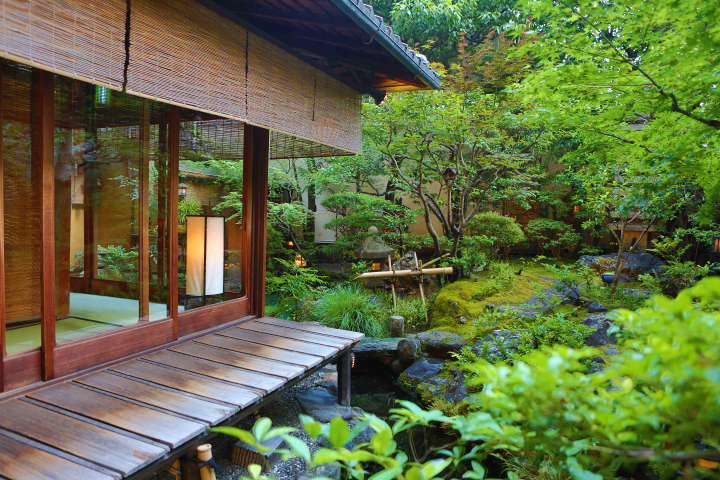
Using the concierge at the Westin we booked Yoshikawa in Kyoto with a room overlooking the garden.

Attached to a Japanese Inn that has played host to the rich and famous, it was a beautiful traditional restaurant and amazing staff who quickly settled us in for our dinner.

Our room was on the left.

image

image

image

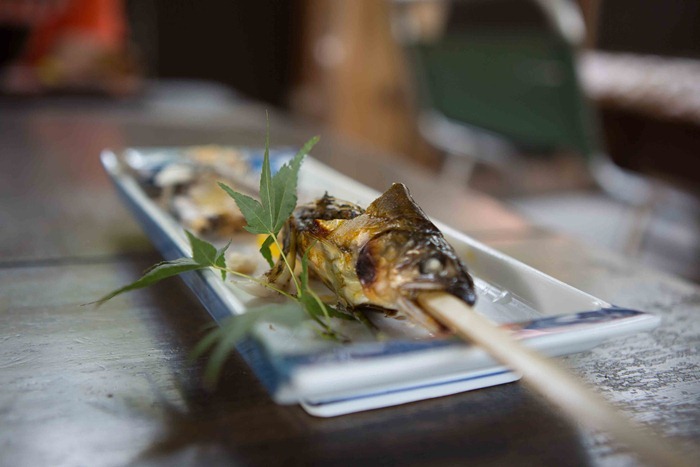
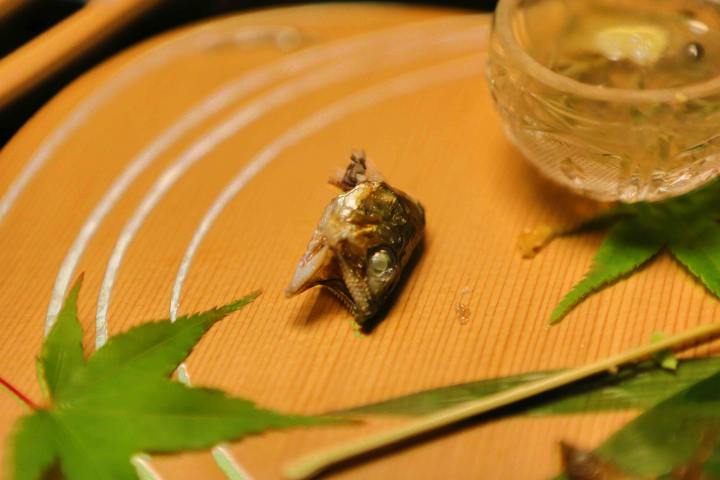
The dinner received mixed ratings from the family (Two really enjoyed it, two were not impressed). It was a traditional 8 course Japanese meal, tempura, sashimi, seasonal grilled fish and all. I really enjoyed it. Although on the seasonal grilled fish … I never eat the head, too bitter for me .. the rest is delicious.

image

Our interpreter was already waiting for us. She had done this many times before and her English was perfect. She quickly started answering our questions and explained that “Yes”, I could take 400 pictures if I wanted (I didn’t – I took 99).

She also corrected our first misperception. We would not be joined by a geisha, we would be joined by a maiko – a geiko in training.

Maiko (舞妓?) is an apprentice geisha in western Japan, especially Kyoto. Their jobs consist of performing songs, dances, and playing the shamisen(three-stringed Japanese instrument) for visitors during feasts. Maiko are usually aged 15 to 20 years old and become geisha after learning how to dance (a kind of Japanese traditional dance), play the shamisen, and learning Kyō-kotoba (dialect of Kyoto), regardless of their origins.

The term Geisha is not a term they used in Kyoto. On the internet they assert that this is a dialect issue, but it was explained to us that the difference between a “true” geisha and a geiko relate to training. A geisha does not go through the arduous and extensive training in the arts, dance, culture and protocol that the Kyoto maiko/geiko goes through. Perhaps this is related to the post WWII occupation and the rise of the geisha girl:

“Geisha girls”[78] were Japanese women who worked as prostitutes during the period of the Allied Occupation of Japan. They almost exclusively serviced American GIs stationed in the country, who referred to them as “Geesha girls” (a mispronunciation).[78][79]

These women dressed in kimono and imitated the look of geisha. Americans unfamiliar with the Japanese culture could not tell the difference between legitimate geisha and these costumed prostitutes.[78]

It also became clear that this was a dying profession. 100 years ago there were 80,000 geisha where we were told there were only 300 left in Kyoto.  In Kyoto there are 5 Hanamachi, or houses that Geisha align themselves with:

Hanamachi typically contained a number of okiya and ochaya, along with a kaburenjō; the kaburenjō was a meeting place for geisha, usually with a theatre, rooms where geisha classes can be held, and the kenban offices, which dealt with geisha’s pay, regulation and similar matters. Gion also has a vocational school, called Nyokoba. Many of the teachers there are designated as Living National Treasures. Today, hanamachi are rare outside of Kyoto.

At which point, our maiko-san entered; a term that would catch me off guard multiple times through the night as the pronunciation is close to Michael-san.

With a kneel and a bow, our dinner with a maiko began.

image

DINNER WITH A GEISHA (Maiko) Part I in KYOTO

This is a very interesting post to write as it elicits mixed feelings.

Part of living in a different culture is that never ending quest to understand, learn and to grow while trying not to use your own cultural biases to judge. After all, perception is reality.

As I have often joked with friends back home, living in Japan is like living on Mars. It is just so fascinatingly different.

The Japanese think differently than North Americans, and different than Canadians. How can it not be the case? Canada is a country of every culture (Asian, European, African) where Japan is comprised of 98.5% Japanese and non-existent immigration. Canada is a country with only a few hundred years of history while Japan is one of the world’s oldest societies, with 3,000 years of history and a clear isolationist bent where foreigners were killed on sight until the late 1800s. Canadians are individuals, in a society where they cut their lives out of the unconquered wilderness with an understanding that merit leads to fortune while Japan is about the group good, where the notion of paying a high performer more than others in the team is at odds with their values.

At a very fundamental level, culture, history, education and values, Japan is different than most other countries in the world and the Geisha is one of those cases.

Prior to leaving for Kyoto, we watched Memoirs of a Geisha and I could not help but find it disturbing on many levels. Obviously the selling of young girls into a brothel and a Geisha house was disturbing as were many of the scenes, but this type of abuse is unfortunately, common around the world.

The uniquely Japanese part that was disturbing was the whole notion of the Geisha. Reading broadly, the information was varied. Prostitution is disputed and the truth hard to determine; in this post it is clearly stated it does not happen yet another quote says that in 1929 3/4 of geisha were prostitutes.  While there is an elegance to the appearance of a Geisha, the information on “what a Geisha is” left us wondering about the profession … Noble undertaking or a veneer hiding a seedy underside of sex for sale?

Nothing made us wonder more than this question: what does it mean that this profession is funded by older business men, where the Geisha’s sole purpose is to entertain them every evening? I find the feminism assertions hard to swallow and cannot think that it is good for marriages.

It is with those questions in mind that we did something that is not common for a gaijin.

We booked a dinner in a wonderful restaurant with a room by the garden, a Geisha and an English interpreter to learn.

We were not disappointed.

image

NISHIIKI MARKET, KYOTO

After our first temple we headed to Nishiki market. A cab dropped us off at one entrance and we started down this very long covered walkway past hundreds of interesting stalls.

image

image

Uniquely Japanese is a good way to describe it; pottery, restaurants, fish markets, vegetable stands and everything in-between.

image

Lots and lots of pickled choices. The Japanese love to pickle things.

image

image

I believe this is grilled eel. Had I not just eaten, I would have grabbed some. Love grilled eel.

image

The young lady at the stand tried to sell me one of these .. only a couple hundred yen. Look closely, it is a small octopus with a quail egg stuffed where the head use to be. I regret not trying it. Had to chuckle at the little cartoon ad guy saying “It will eat” …  not sure what that means.

image

At some point in the near future, our family will be buying special chopsticks. As of right now, we use them frequently but haven’t made the “special” purchase yet. Perhaps metallic is in order?

image

This fellow was making the circular Japanese cakes. They are delicious.

image

And last, check out this flower stall. My Uncle Frank would have loved the colors .. I know I did. So vibrant.

image

Thanks for dropping by.

SANJUSANGENDO HALL, KYOTO

After checking into the Westin our first stop (after a big Japanese lunch) was this hall, home to 1001 life-sized wooden statues of Kannon, goddess of mercy.

image

Like many of the temples, they offered souvenirs and in this case, an important question.

image

The temple itself is amazing (but as you can see – no pictures allowed).

image

It is the home to a ritual where Buddhist priests touch people’s heads with a sacred willow to cure headaches and popular for an annual archery (long bow) contest that started hundreds and hundreds of years ago. As you can see by the length of the building, there is lots of room for the 1001 carvings in this 800 year old building. I wish I would have been allowed to shoot the carvings, the detail was jaw-dropping.

image

image

Surrounded by other shrines and beautiful gardens, it was a great first stop on our Kyoto tour.

image

image

Good start.

SHINKANSEN TO KYOTO

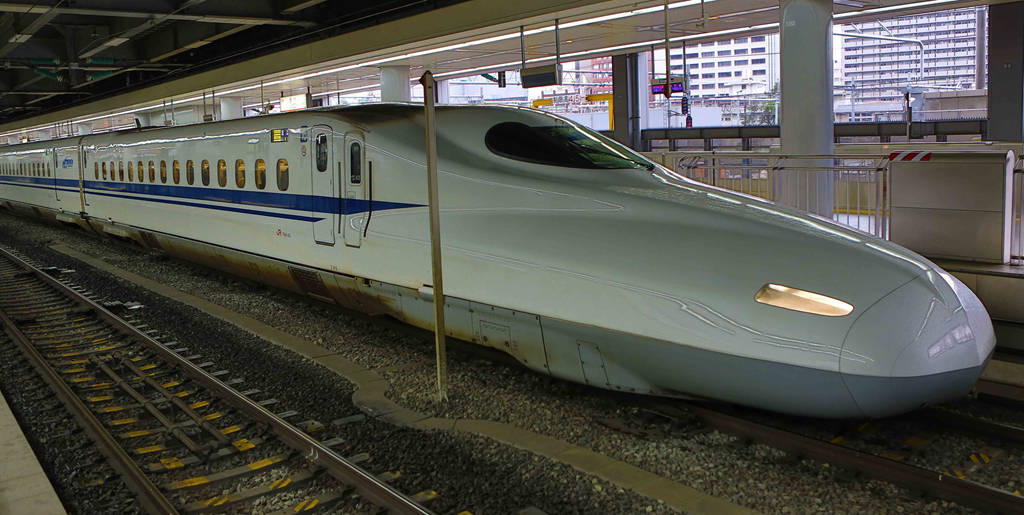
Last year the Shinkansen (bullet train) faced an average delay of just 36 seconds. Said to be so punctual that a salaryman can finish his noodles 2 minutes before departure time and count on the train being there .. it is very reliable.

Hitting speeds of up to 320 km/hr, with up to 16 trains running between key urban centers an hour (3 minutes between train) and carrying 353M people in 2007, it truly is an engineering marvel and a testament to Japanese quality and process management.

And it was our first time on …

image

image

The fee from Tokyo to Kyoto in a reserved seat is roughly $133 one way and takes 2 hours and 10 minutes. The train is amazing to ride on. Smooth, quite and obviously very fast (not like the English trains I am use to when I rode from Virginia Water to London).

image

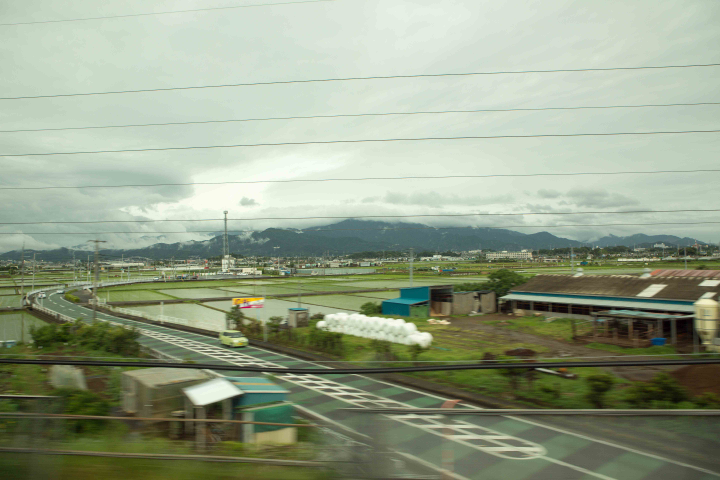
I sat looking out the window as the Japanese countryside passed by. Building after building, with rice and other farming fields jammed in-between industrial buildings and the ever present mountains looming in the background.

If you ever wonder why Japan’s population is jammed into concentrated areas, it is because 73% of Japan is mountains. Only 11% of the land is arable. Just look out a Tokyo window and off in the distance you will see mountains on all side.

A great way to travel. Now that we have done it, we will be doing it a lot more often.

A 3 DAY TRIP TO KYOTO

We spent 3 days in Kyoto recently and it was a fantastic trip, although complex to organize.

I present this itinerary for others, with a few suggestions that I hope help.

TripAdvisor City Guides. If you have not downloaded this application, you need to. I lived on it with my iPhone. It has all of the top restaurants, sites and hotels which you can easily search at any moment via a map. One of the best features is that I “saved” the sites we wanted to see and as we visited, I “checked-in” (turning the post to Facebook option off – no one needs to see we are not at home). At the end of the tour, it provides a complete list by day of what we visited, in chronological order as a journal and provides an area to write notes. Amazing app, available for many cities.

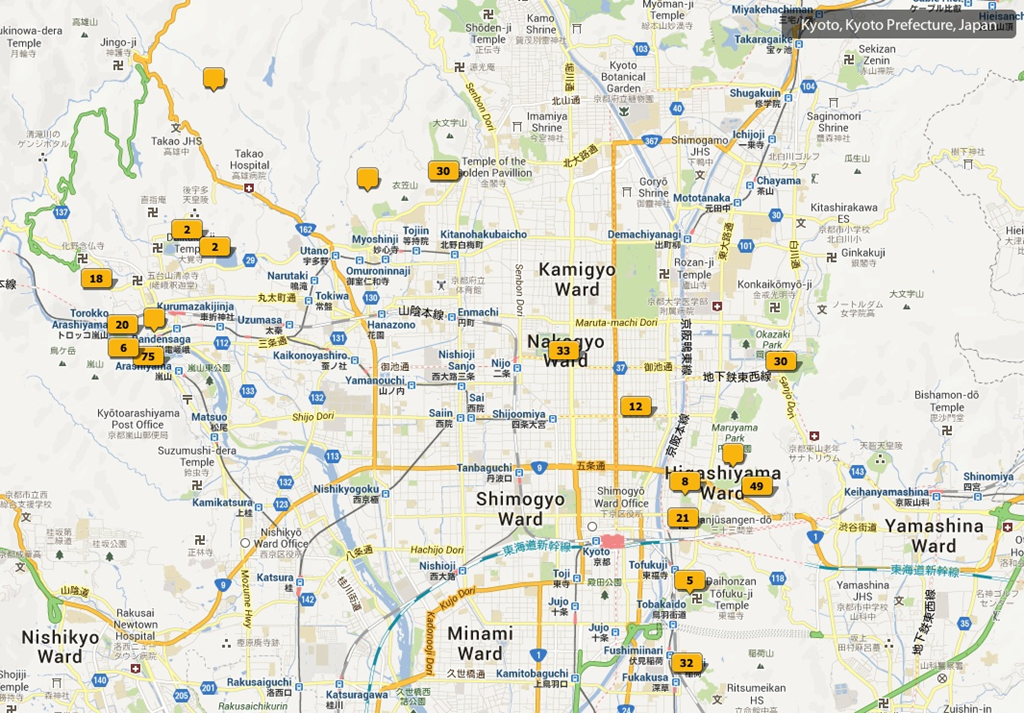
Our trip journal can be found at http://cityguides.tripadvisor.com/checkins/428596. The trip via Lightroom – quite a lot of ground covered.

image

We spent 3 days there and that was the perfect amount for us.

The first day was the Shinkansen from Tokyo, arriving at 11AM. Quick check into the Westin, an afternoon of exploring followed by private dinner with a Maiko (geiko/geisha in training) .. and yes, the experience was a once in a lifetime.

The second day went from 9AM to 6PM with a private tour guide hitting all of the highlights of Kyoto. A private guide is expensive but as we found out in Rome and in Egypt, worth every penny as it leads to a very different trip than going from site to site on your own and really not learning anything.

One of our frustrations with Japan is that it is very hard to learn the history and culture due to the language barrier. 3,000 years of isolationist history means that Japan is not really fussed about not sharing what happens at a location. We connected with Kyoto Limousine which was highly recommended by expat friends of ours and is well known among the concierges. Our guide Yoshida-san has hosted many celebrities, princes and even Jean Chretien the former Canadian Prime Minister (I apologized on behalf of Canada) and he was UNBELIEVABLE. At every site he shared the deep history of what had happened there, different religious insights and more history than we could ever retain. It was 9 fascinating hours learning about the real Japan, seeing the best sites in Kyoto (including many hidden gems that are off the beaten path) and truly enjoying his company. He was an amazing host and even followed up our day with an email listing every site we saw with internet links. Just look at the 2nd day of our itinerary and you will see just how much we covered, and more importantly – learned.

On the third day we hit the Monkey Park, explored a shopping area, had lunch and then trained home.

For us, 3 days was perfect.

On the seasons, this is also difficult to understand until you get hold of someone. Here is a rough guide; May brings the cherry blossoms and millions of people. June brings the sun and lots of Japanese children on school trips. It also gets hot, it was 32C and humid while we were there, and we were lucky to avoid rain. July and August are insanely hot but the slow season if you are brave. The fall brings the spring colors, with October and November being the best seasons for viewing the fall colors. We were there in green June and I visualized what it would be like in the fall – beyond stunning.

As an aside, 50M people visit this city of 1.3M every year … 50 million.

As many Japanese will tell you, Kyoto is the cultural center of Japan. A thousand temples, beautiful forests, castles, amazing cuisine, culture (geishas) and incredibly rich in history. It truly was an adventure of a lifetime and I have a few pictures and stories to share ahead.

Hopefully these few simple insights help others. If you can get there, you will not regret it.

image

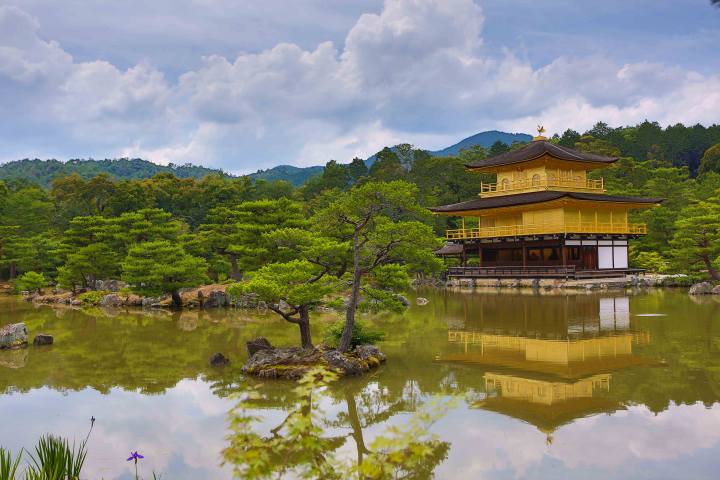
(Golden Pavilion, Canon 5D Mark III, handheld HDR, Canon 28-70mm)

BEST WAY TO FIND FLIGHTS

Our family is not heading back to Canada this summer. Instead we are touring around Japan and through Asia, with a few trips booked already (Guam, Palau (I am crazy excited about this island) and Thailand is almost booked).

When we lived in England we had a great expat travel coordinator who booked up all of the trips as they get complex when booking excursions, tour guides, cars, etc. In Japan, no luck due to the language so I have become “Family travel booker”. It is not for the faint of heart requiring a lot of work.

TripAdvisor is my go-to guide for locations as well as reaching out across the personal network for opinions. But what has continued to be a real pain is booking flights. When you are traveling from A to B and it is not a simple connection, it gets very complex and I have spent many hours on airline websites not getting the right times or connections until I found this website: Aviability. While it doesn’t give you a “spread of options” on flights across a range of days, it does narrow down options when flying to remote locations like Palau (helped me find out that Delta is the only direct flight).

Between Aviability and Expedia, finding flights has gotten a lot easier.

HINDU FESTIVAL OF GALUNGAN

As we drove through the countryside of Bali we watched the people preparing for the Hindu festival of Galungan. Our driver explained that this festival is as important to the Hindu’s as Christmas is to Christians.

Galungan marks the beginning of the most important recurring religious ceremonies. The spirits of deceased relatives who have died and been cremated return to visit their former homes, and the current inhabitants have a responsibility to be hospitable through prayers and offerings. The most obvious sign of the celebrations are the penjor – bamboo poles weighed down by offerings suspended at the end. These can be seen by the side of roads. A number of days around the Kuningan day itself have special names, with particular activities being organized.[2]

Driving through Bali is very different than in South/Central America. It seems like every meter along the road was filled with homes, villages and shops; all preparing for the big festival.

image_thumb4_thumb

All along the roads were these ornate decorations, lining the way while hundreds of people laboured in front of their homes to make them.

2013 03 25  _-60

2013 03 25  _-59

This temple was across from the coffee plantation.

2013 03 24 Bali Temple _

2013 03 24 Bali Temple _-11

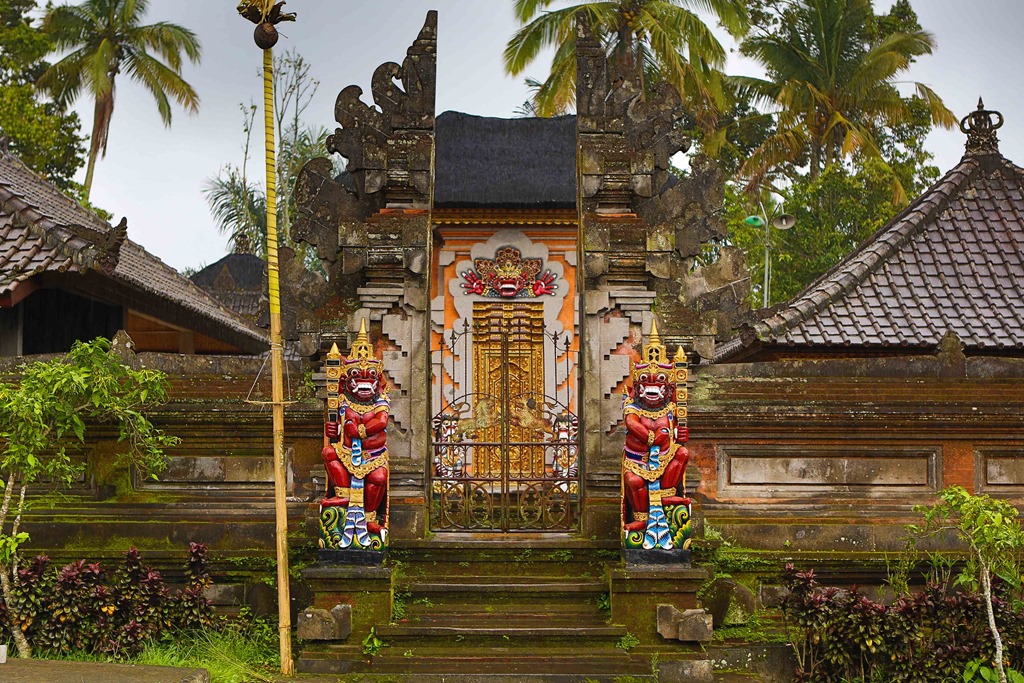
When I looked at this temple I thought “wow, it must be a special place”. But my perception was wrong, it was no more special than thousands of other Hindu temples that are scattered everywhere.

The Balinese take their temples seriously, spending copious amounts on building temples everywhere; on roads, attached to villages, in the centre of villages, randomly located in a remote jungle location or in their homes, as the quality of the temple in your home is a statement of wealth.

This spectacular and ornate temple was no different than the others.

2013 03 24 Bali Temple _-13

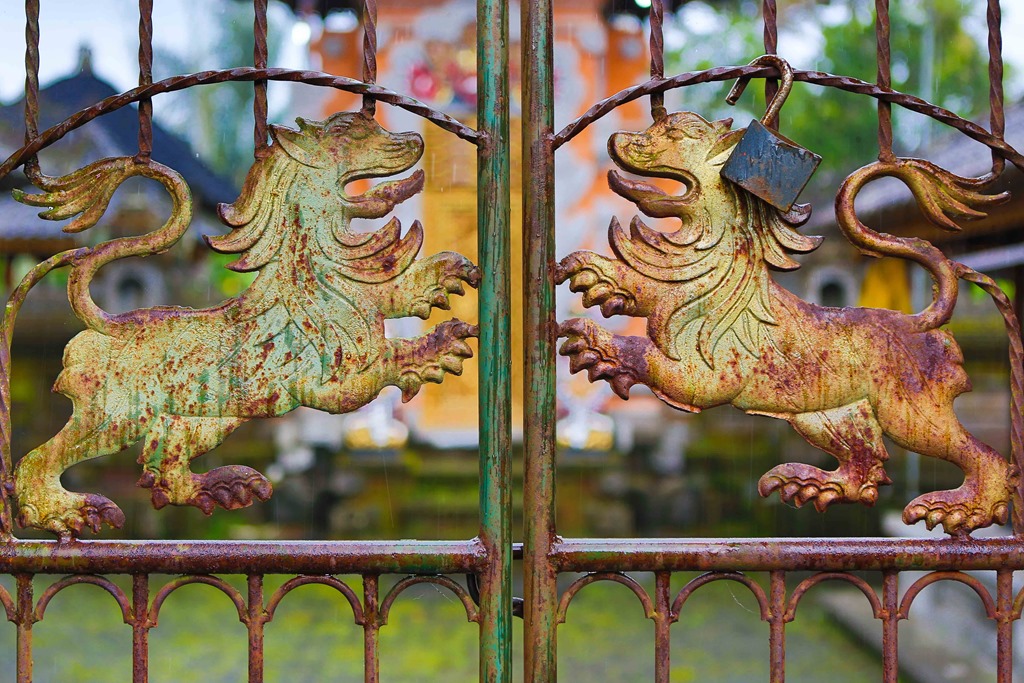
And it was unlocked, welcoming any visitors. Too bad it was raining or I would have gone in.

2013 03 24 Bali Temple _-9

A BABY ELEPHANT

A few days before we had arrived at the Elephant Safari Park, a baby was born. She was shy.

image

I had to wait around for 5 minutes before she finally sneaked out for a few minutes from her mother’s protective care. She walked with a wobble (smile).

image

Took one look and trotted back to her mom.

A YOUNG MAN IN A BEIJING ELEVATOR

I was in the elevator at the Westin in Beijing the other day and looked over to see this young man standing beside me.

It was clear he was right out of college (or a couple years out), Tumi bag in hand (Excellent choice, mine is 10 years old and still looks new despite 1M miles) and heading out for the day. I had to ask …

He was recruited by Boston Consulting out of University, lives in Shanghai and is working in China.

For the majority of people in this world they don’t achieve their full potential simply because they cannot see what is possible. I did not understand that fully until my mid-20s. The only guidance I was every given is “You must go to University”, nothing else.

So each time, the boundaries would be pushed and it was big, open territory. For many, it is like the elephant and the rope.

As a man was passing the elephants, he suddenly stopped, confused by the fact that these huge creatures were being held by only a small rope tied to their front leg. No chains, no cages. It was obvious that the elephants could, at anytime, break away from their bonds but for some reason, they did not.

He saw a trainer nearby and asked why these animals just stood there and made no attempt to get away. “Well,” trainer said, “when they are very young and much smaller we use the same size rope to tie them and, at that age, it’s enough to hold them. As they grow up, they are conditioned to believe they cannot break away. They believe the rope can still hold them, so they never try to break free.”

Anything is possible. You just have to envision it, build a plan and execute. Failure along the way is inevitable. Nothing worthwhile is easy.

2013 03 25 Elephant safari   _-50

But anything is possible in this world. Our world is flat; video conferencing via Skype, cheap flights to anywhere, Google Translate ….. It gets easier to connect globally every day.

Something our children have learned first hand. It will be interesting to see what they choose to do with that. Hopefully it involves an elevator in China.

I would be interested to hear the stories of others ….

DURIAN, THE SMELLIEST FRUIT

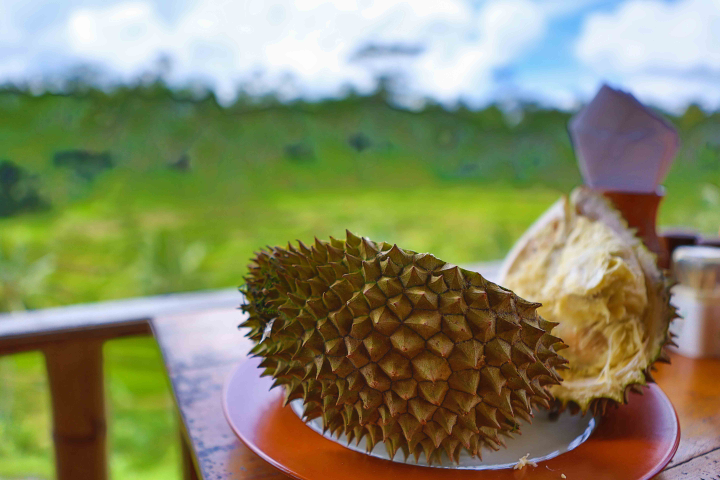
Meet one of the most highly debated fruits. Is it good? Is it awful? Does it smell? (no contest).

2013 03 24 Rice Fields _-33

For those outside of Asia … Durian:

Regarded by many people in southeast Asia as the “king of fruits”, the durian is distinctive for its large size, strong odour, and formidable thorn-covered husk. The fruit can grow as large as 30 centimetres (12 in) long and 15 centimetres (6 in) in diameter, and it typically weighs one to three kilograms (2 to 7 lb). Its shape ranges from oblong to round, the colour of its husk green to brown, and its flesh pale yellow to red, depending on the species.

The edible flesh emits a distinctive odour that is strong and penetrating even when the husk is intact. Some people regard the durian as pleasantly fragrant; others find the aroma overpowering and revolting. The smell evokes reactions from deep appreciation to intense disgust, and has been described variously as almonds, rotten onions, turpentine, raw sewage, and gym socks. The persistence of its odour has led to the fruit’s banishment from certain hotels and public transportation in southeast Asia.

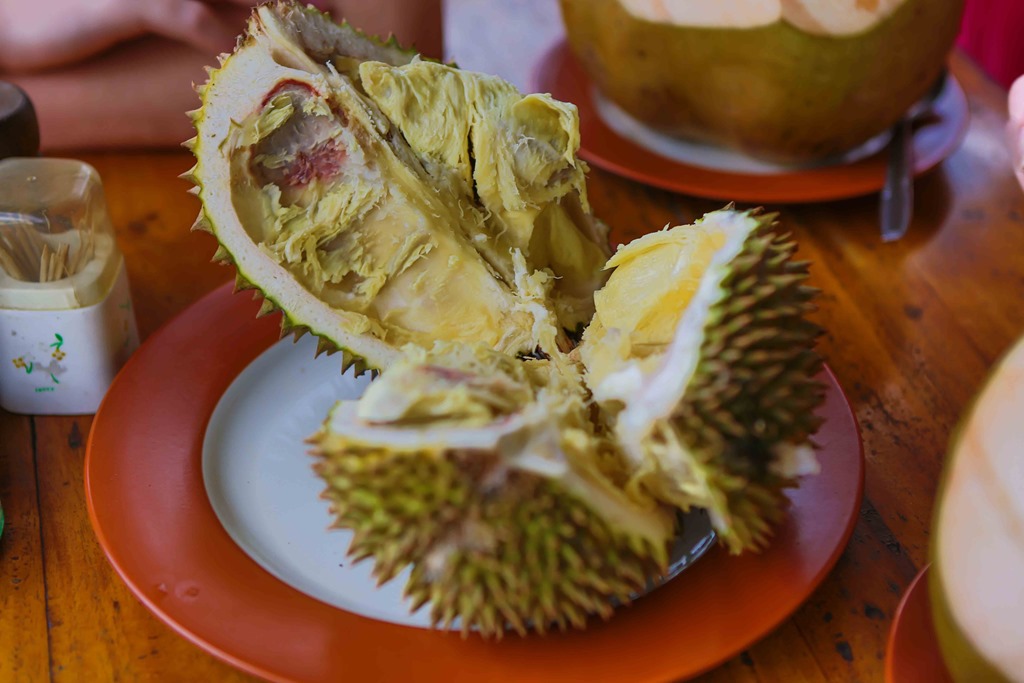
Before we started our rice field hike we stopped at a little restaurant at the top. They cracked a few fresh coconuts, cut up some pineapple and offered durian. We had to try it.

2013 03 24 Rice Fields _-2

This fruit is so smelly that in Singapore they have signs on public transit that say “No hazardous chemicals, explosives, food or durian”. I have been told that if you bring a durian into a government building there is a $5,000 fine.

I have also been told that the “pungency” varies highly between countries and that if left to ferment, it makes a strong alcohol drink. We had to try it.

image

Verdict: I didn’t spit it up.

It tasted keroseney to me (is that a word?). Not a favourite, but I can mark it off the list .. tried. I do think that it is one of the coolest looking fruits, and it may even look like “the King of the fruits”.

LIVE LIFE

I just read this quote:

“The World is a book, and those who do not travel read only a page”. Saint Augustine

I never grew up thinking this way. I never dreamed of living in Tokyo or London. It was not an aspiration.

I never left Canada until 23.

It isn’t that I didn’t think it was possible, it just wasn’t how I was brought up. Make money, buy a house. That is how I thought.

Granted, we didn’t grow up with the money to take trips beyond a camping trip or the occasional trip to a close city so experiences did not show me what was possible. Spark imagination.

I am lucky to have married someone who opened my eyes to what is possible and why. The rich tapestry of other cultures, foreign foods and people. Of taking a risk and living through the good and bad of the experience.

Smart dude that Augustine.

EATING AT MT BATUR, BALI

For the Mt. Batur part of our Bali trip we did not hike the volcano (another time), but we had lunch at the base. It is a beautiful sight.

The view from the restaurant.

2013 03 24 Mt Batur_-33

Glad we didn’t hike it. We would have gotten soaked. A storm was on the way in.

image_thumb[1]

image_thumb[2]

image_thumb[3]

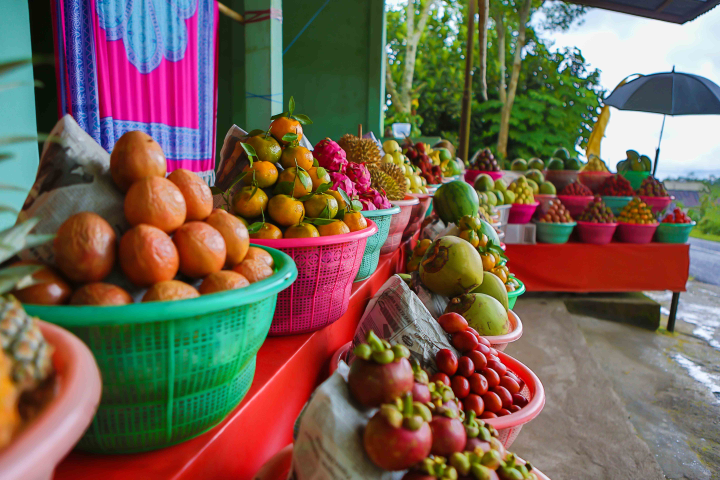
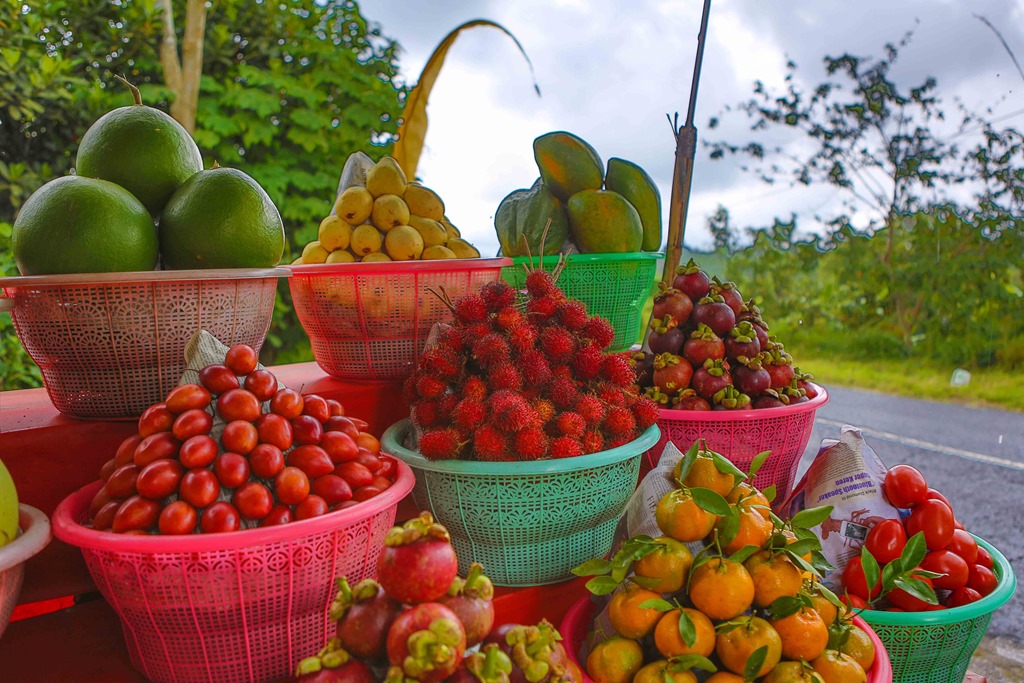
The rain hit just was we stopped for fruit at this stand.

2013 03 24 Mt Batur_-45

The colors were spectacular, even under a very grey and growing black sky.

2013 03 24 Mt Batur_-46

2013 03 24 Mt Batur_-50

image

2013 03 24 Mt Batur_-53

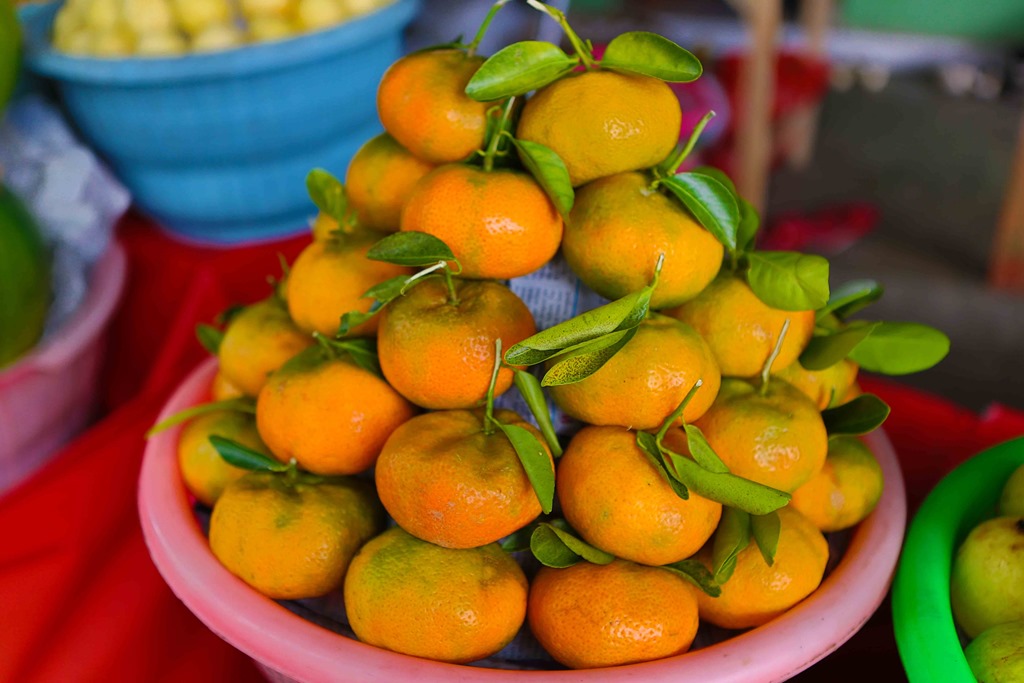
If you are in Bali, make sure that you try all of the different fruits. Some will surprise you and you probably won’t see them again.

PLANNING TWO DAYS OF TOURING IN BALI

image

It is hard to plan a trip to a country that you have never been to when you live in a country where no one speaks English. We asked questions, read reviews and researched through Tripadvisor and Lonely Planet  .. with a final itinerary as follows …

We booked a car with Sila Tours (Highly recommended. They are not tour guides, but $55 a day for a new van and a driver is fantastic) and set out a rough goal of seeing these things:

  • Mt. Batur, the volcano.
  • Rice fields
  • Bird Sanctuary near Ubud
  • The Monkey Forest
  • A few temples, with Gung Kawi and the Water Palace being the two options
  • An Elephant reserve

This is more than we normally do as we definitely do not subscribe to the “as much as you can” philosophy. We like to do less, but really enjoy where we are. As most of these were nature trips, the learning/history element (which is time consuming) was not as big a factor.

Many people stay in Ubud, we stayed in Nusa Dua which meant driving through the traffic laden streets. In other countries that would be an issue, but not in Bali as the countryside is fascinating. I was enthralled looking out the window as we went from town to town. The people, the shops, the never ending temples on every street corner and at every house. Fascinating. I would have loved to spend more time wandering through small village streets.
My only mistake was that I should not have relied on the driver to help us order the trip over the 2 days that we toured as their sense of time and directions is a little deceiving. When I would ask “how far to the next place” I always got the answer “30 minutes”. 30 minutes later I would ask for an update and get “20 more minutes”.

If you are heading there, enjoy. Great place.

THE MONKEYS of COSTA RICA

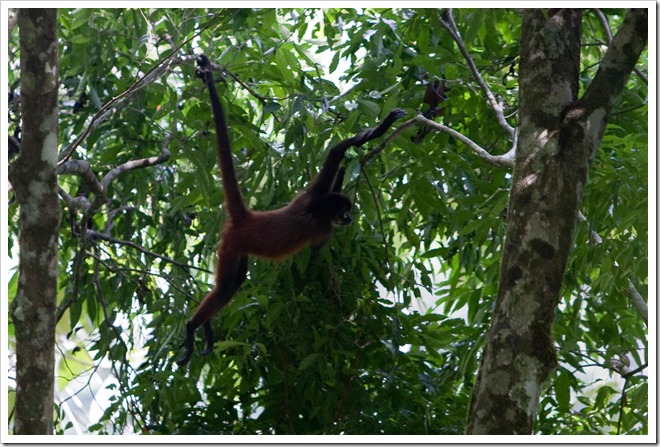
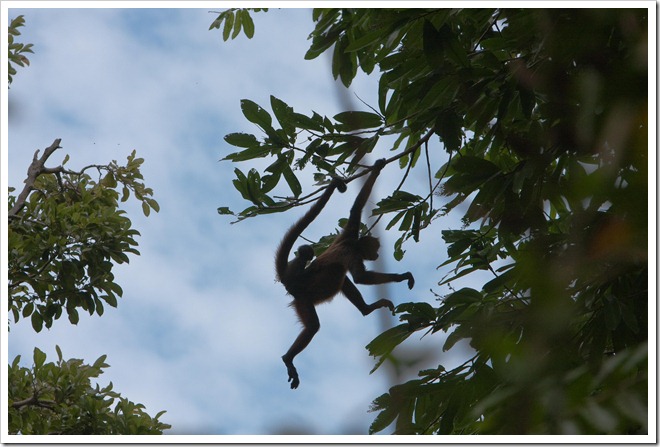
What would a trip to the jungle be without a post on the monkeys? Lapa Rios has 4 type of monkeys and they are a highlight.  With a jungle canopy of 80 to 100 meters, as I mentioned in a previous post, they are difficult to photograph as you are shooting up into the sun. But with patience, you will see the right shot. On our second day (and first big hike), this was my best shot, a Spider Monkey. Pretty bad. But it is all about patience.

2010 03 16 16 57 Costa Rica_-3

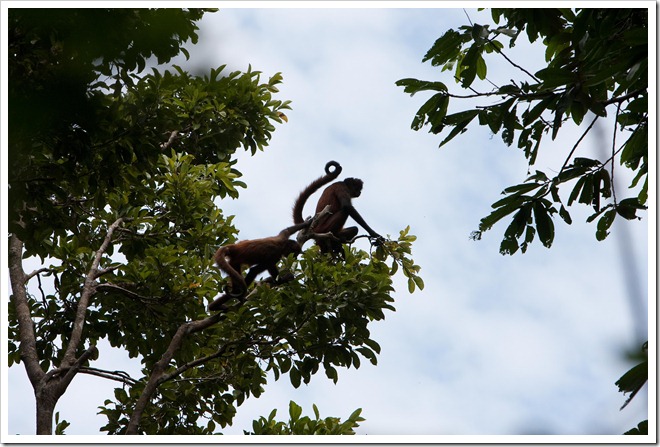
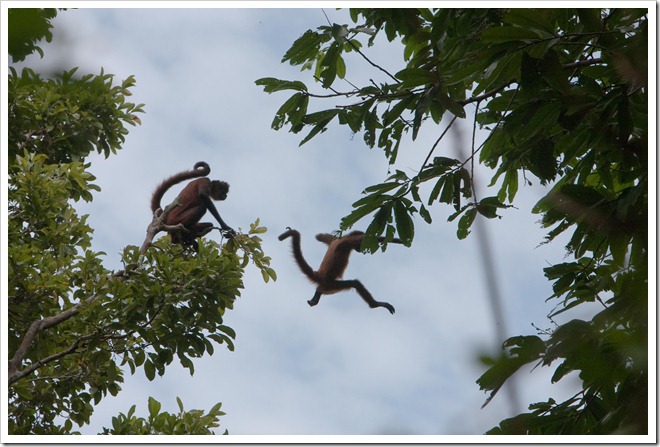
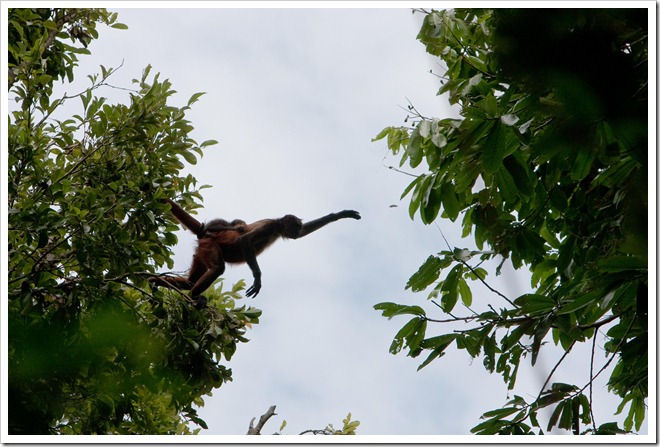
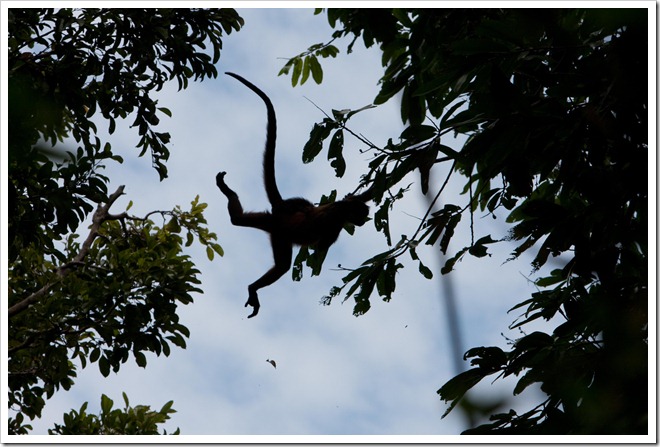
I found myself just watching them, until the guide called us away or it was time to head down the path. They are truly amazing creatures, swinging from tree to tree in huge groups, making what looked like 10 meter jumps from tree to tree. While walking down to the beach, we witnessed our first big jump. A group of Spider Monkeys were working their way through the canopy above us (60-80 meters) and I got these shots.

2010 03 18 19 12 Costa Rica_-12

No fear.

2010 03 18 19 12 Costa Rica_-13

The coolest thing was that the mother jumped with a baby on her back.

2010 03 18 19 13 Costa Rica_-3

2010 03 18 19 13 Costa Rica_-12

2010 03 18 19 13 Costa Rica_-14

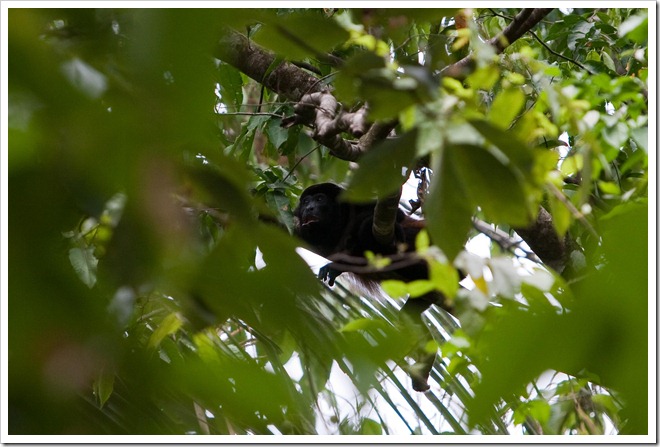
We also got out first glimpse of a Howler Monkey, hanging out. We would hear lots of Howler Monkeys over the coming 10 days. Like nothing I have ever heard.

2010 03 18 19 10 Costa Rica_-4