What is this? As seen in Tokyo Japan.

It took me that many attempts to figure out how to use it. It is a paper towel dispenser .. somehow the towels come out the top.
Always an adventure.

What is this? As seen in Tokyo Japan.
It took me that many attempts to figure out how to use it. It is a paper towel dispenser .. somehow the towels come out the top.
Always an adventure.
We spent Christmas Eve afternoon in Old Delhi around the markets. I could have taken 1,000 more photos like these as everywhere you turned a man or woman was performing a feat of strength to get their goods moved from A to B. Config: Canon 5D Mark III, Canon 28-300mm f/3.5 USM.
A few of my favorites. The first is the only in color – flowers presented for sale, draped across a parked motorbike.

In the Old Delhi markets there were lots of people carry their wares. Those markets are truly “human powered”. As we walked and observed, one of the most common modes of good transportation was via the head – with some carry more than others.


There were more than a few executing a tricky head balance.


Many worked as teams – balancing the load.


Look closely at the load in the back (how did they decide who gets to sit and who has to work?)

Some had long loads.

Some had big loads. What is all of that paper for? To feed the infamous India bureaucracy?


A lucky few had something other than their own hands and legs to power their cart.

These shots are from a couple hours in the markets, are a small subset of the shots available and represent the essence of what a trip to India entails. Everywhere you look you see a unique scene.
A few more shots from Qutub Minar. Config: Canon 5D Mark III, Canon 28-300 f/3.5 USM.
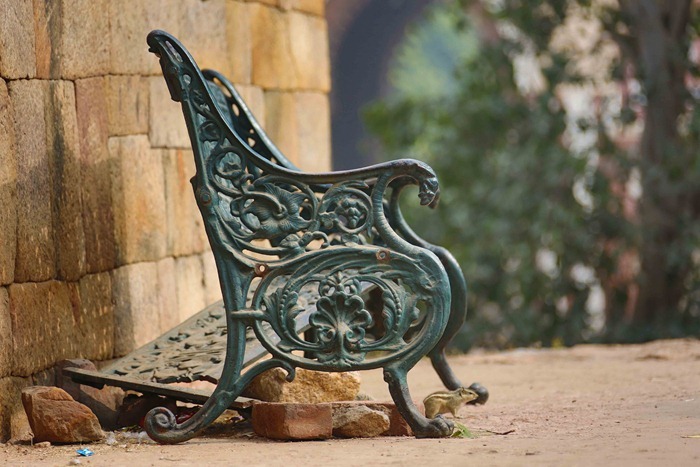

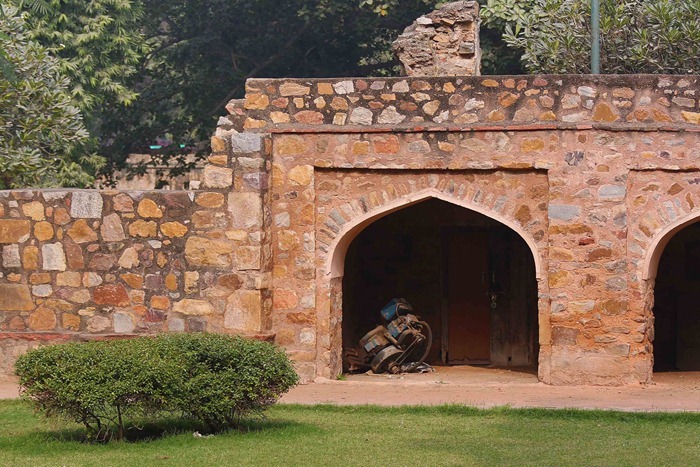
I wonder how long this engine has been abandoned, or what it is from?

Sorry pal, no peanuts with me.

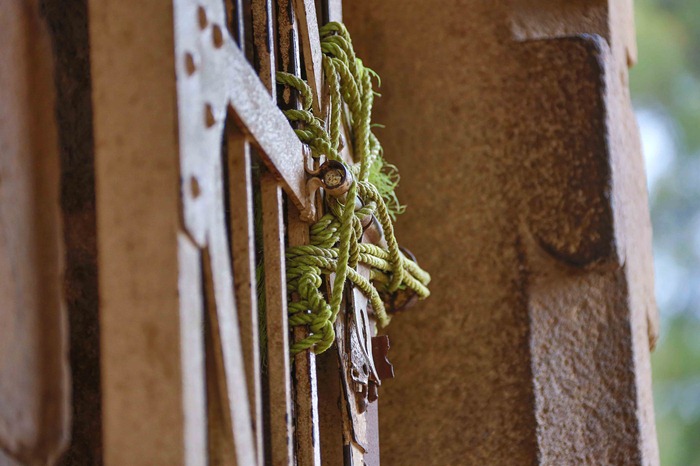
The scaffolding methodology that you will see all over Asia.
Last shot of the Minar.
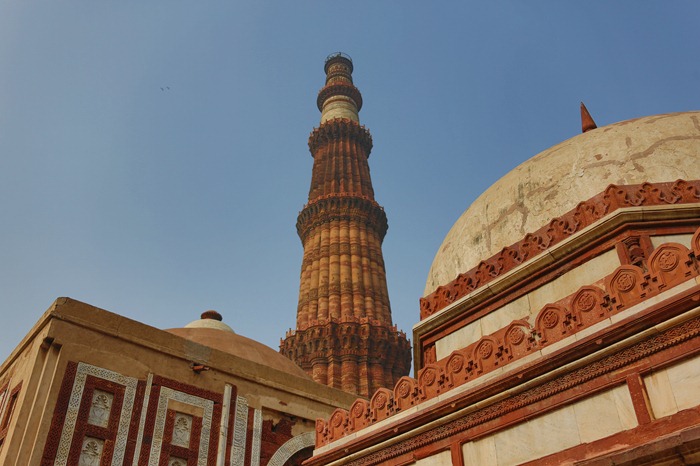
Amazing place to visit, learn and shoot.
Reading this sign I could not help but a) smile and b) think that it should be accompanied by a few other phrases, such as “sure you do” at your clinic that is ‘post office opposite”.

The good thing about having a guide who has 3 or 4 degrees and is acquiring more is that if you are academically inquisitive, you will get answers.
Still on our first day in India (a busy first day) we stopped at Qutub Minar, a location where we would learn about ancient India’s architectural, engineering and industrial prowess. The minar is the center piece of this site:
Qutb Minar (Urdu: قطب مینار), also spelled Qutub or Qutab, is the tallest minar (73 metres) in India originally an ancient Islamic Monument, inscribed with Arabic inscriptions, and is a UNESCO World Heritage Site.[1] Located inDelhi, the Qutb Minar is made of red sandstone and marble. The stairs of the tower has 379 steps,[2] is 72.5 metres (237.8 ft) high, and has a base diameter of 14.3 metres, which narrows to 2.7 metres at the top. Construction was started in 1192 by Qutb-ud-din Aibak and was carried on by his successor, Iltutmish. In 1368, Firoz Shah Tughlak constructed the fifth and the last storey. [3][4] It is surrounded by several other ancient and medieval structures and ruins, collectively known as the Qutb complex.[5][6]
Config: Canon 5D Mark III with Canon 28-300mm f/3.5 USM. It was a little big foggy, but reasonably clear.

Intricate and architecturally impressive, it has lasted through many seasons, earthquakes and events.
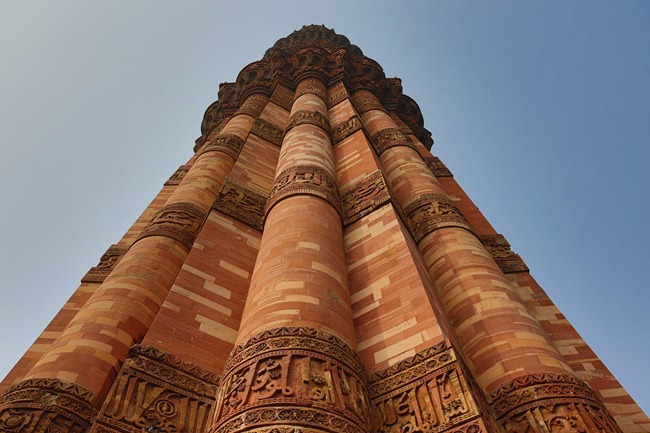
Access to the interior of minar has been closed due to an accident (if I remember correctly, a school child falling).
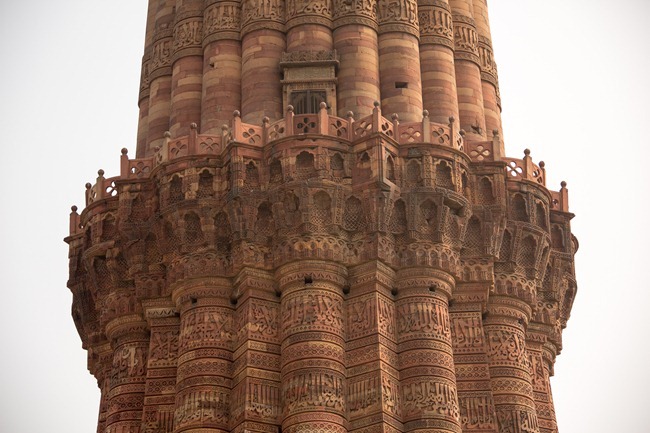
I always marvel at the dates of these places.

After the Islamic conquering of Delhi, the first mosque in the region was built here (1192). The conquering ruler was not so fussed about the contents of architecture, going for speed over details – pillaging Hindu temples in the area to build his mosque. Anu walked us around pointing out countless Hindu symbols on the columns and architecture.

The bell is prominent in the Hindu religion.
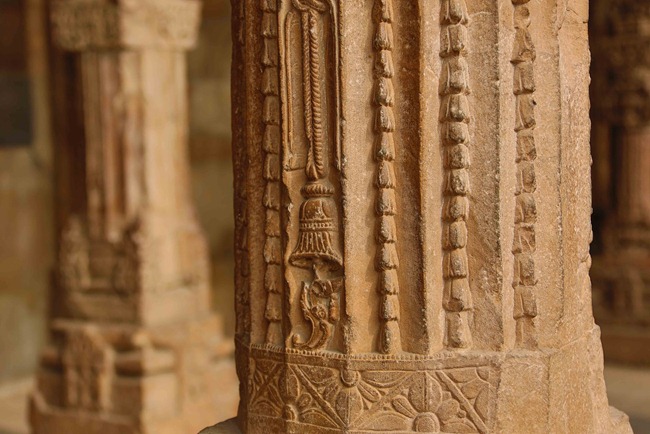
In this case the Hindu god was defaced before being used on this site.
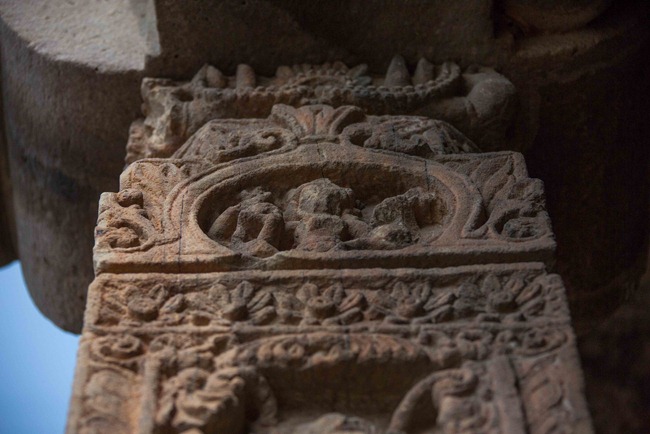
Regardless of where they got the component parts (he did not know the number of temples that were pillaged to build this site), the walk way around the Minar was quite intricate.
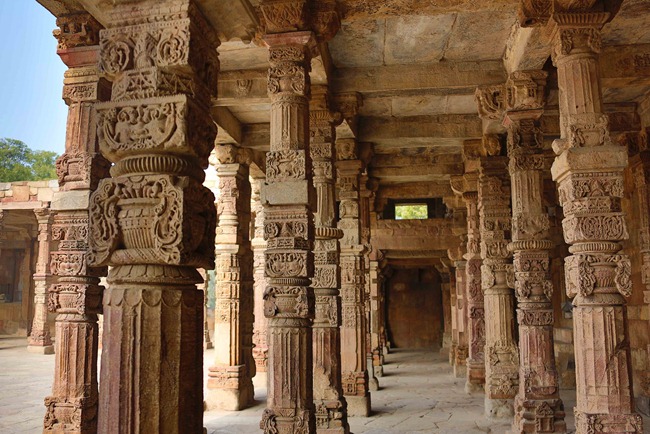
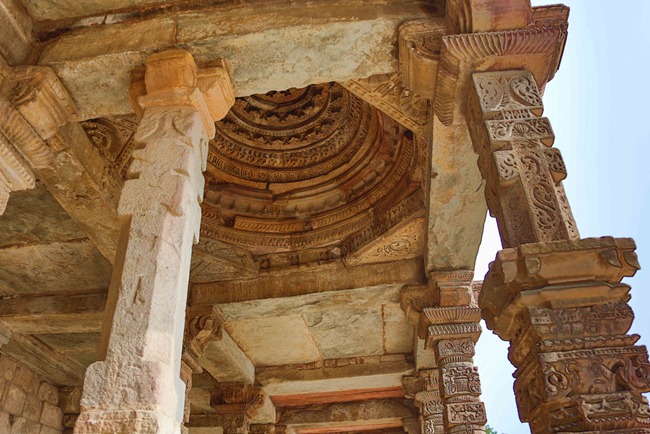
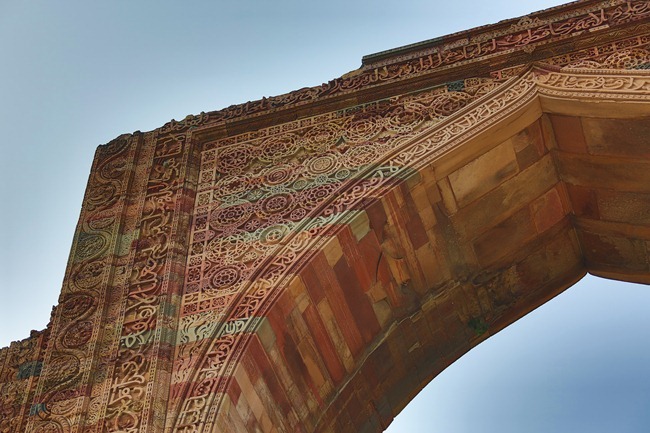
As were all the arches and sub-buildings.


Near the minar is a large iron post – which stands as a testament to India’s early advancement and engineering/industrial prowess. Standing for almost 2,000 years it is an industrial marvel:
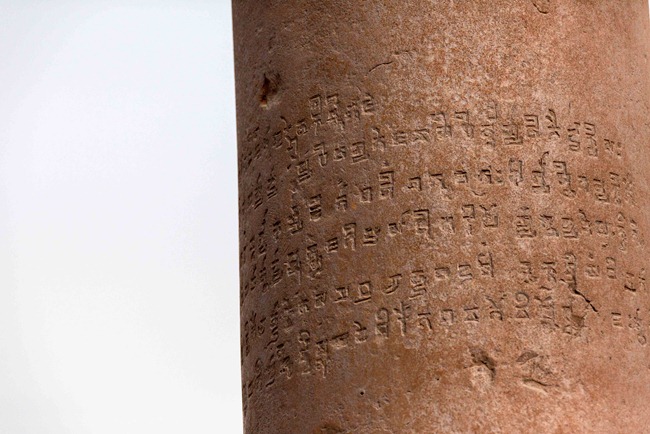
The iron pillar is one of the world’s foremost metallurgical curiosities. The pillar, 7.21-metre high and weighing more than six tonnes, was originally erected by Chandragupta II Vikramaditya (375–414 AD) in front of a Vishnu Temple complex at Udayagiri around 402 AD, and later shifted by Aangpal in 10th century AD from Udaygiri to its present location. Anangpal built a Vishnu Temple here and wanted this pillar to be a part of that temple.
The estimated weight of the decorative bell of the pillar is 646 kg while the main body weighs 5865 kg thereby making the entire pillar weigh at 6,511 kg. The pillar bears an inscription in Sanskrit in Brahmi script dating 4th century AD, which indicates that the pillar was set up as a Vishnudhvaja, standard of god, on the hill known as Vishnupada in memory of a mighty king named Chandra, believed to Chandragupta II. A deep socket on the top of this ornate capital suggests that probably an image of Garuda was fixed into it, as common in such flagpoles.[26]
What makes it so unique is that the iron is so pure, it has never rusted. Almost 2,000 year old iron with not a single smudge of rust. Amazing.
The parrots were everywhere. As were the pigeons.


It is fascinating to walk through the history of a country at a site – so advanced thousands of years ago and fluctuating as time progresses.
The inside of Humanyun’s tomb had a few notable elements that Anu educated us on. The first being the meticulous way in which the tombs were placed – the Moghul’s and his spouse(s) – just a little ahead of the others.


The other was the intricate lattice work on the windows. This was prevalent through many of the forts and tombs we would visit. The lattice was carved so it was wider on the outside and would narrow toward the inside. This allowed women to see out the window clearly but did not allow someone from the outside to see in.

Each piece, carved with a small angle.

And of course, always look up.

A beautiful tomb.
Our first tomb in India, the model for many of the tombs we would see later.
Humayun’s tomb (Urdu: ہمایوں کا مقبرہ Humayun ka Maqbara) is the tomb of the Mughal EmperorHumayun in Delhi, India. The tomb was commissioned by Humayun’s first wife Bega Begum (Haji Begum)[1][2][3][4][5][6] in 1569-70, and designed by Mirak Mirza Ghiyas, a Persian architect chosen by Bega Begum.[7][8] It was the first garden-tomb on the Indian subcontinent,[9] and is located in Nizamuddin East,Delhi, India, close to the Dina-panah citadel also known as Purana Qila (Old Fort), that Humayun founded in 1533. It was also the first structure to use red sandstone at such a scale
The scale of these places is amazing but in a country like India one has to wonder, what could have happened for the people had they not built this monument to one man so many years ago? How many hospitals or schools could have been built?
Config: Canon 5D Mark III, Canon 28-300mm.


The main buildings are pristine, only the doors show the age of the place.

The lotus is very prominent in all of the tombs.
In Hinduism, the lotus (Sanskrit: padma) primarily represents beauty and non-attachment. The lotus is rooted in the mud but floats on the water without becoming wet or muddy. This symbolizes how how one should live in the world in order to gain release from rebirth: without attachment to one’s surroundings.

I am not sure how this contraption works but it appears to be some form of irrigation system. Whether it attaches to a gas pump or is powered by a human, I have no idea.
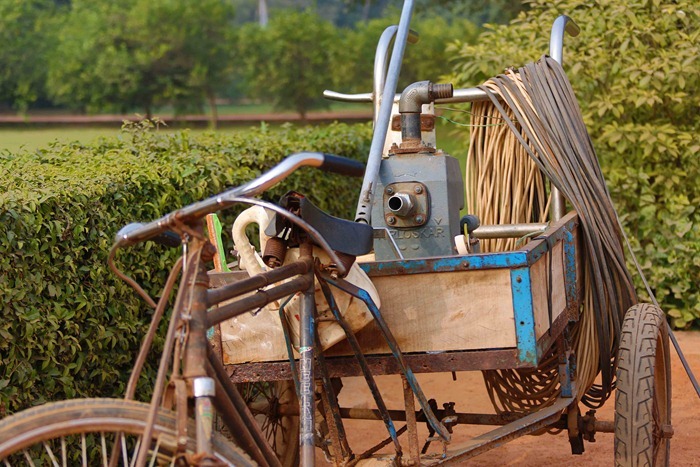
It was the dry season, so the water ways ran dry.

Throughout the grounds the workers were repairing, maintaining, cutting the grass.
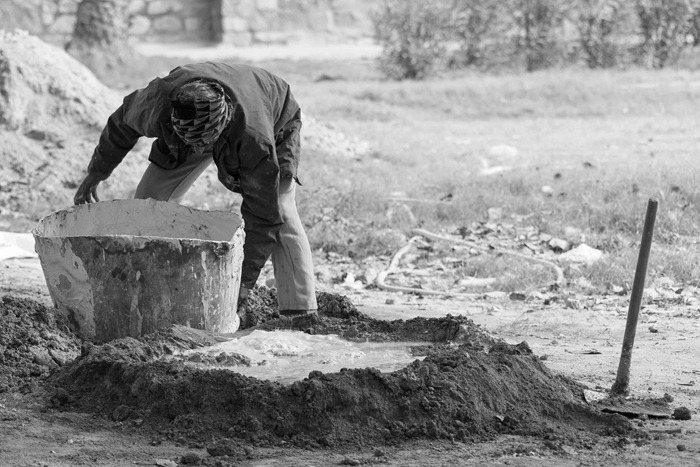

Thanks for dropping by.
A trip to India in December is tricky. The weather is perfect (14-20C) for touring but it can be very, very foggy. Anu (our guide) mentioned a number of times how lucky we were as he has taken groups to sites like the Taj Mahal and been disappointed as the fog can be unpredictable.
We did not stop for parliament, except to take a few shots .. a light fog and all.


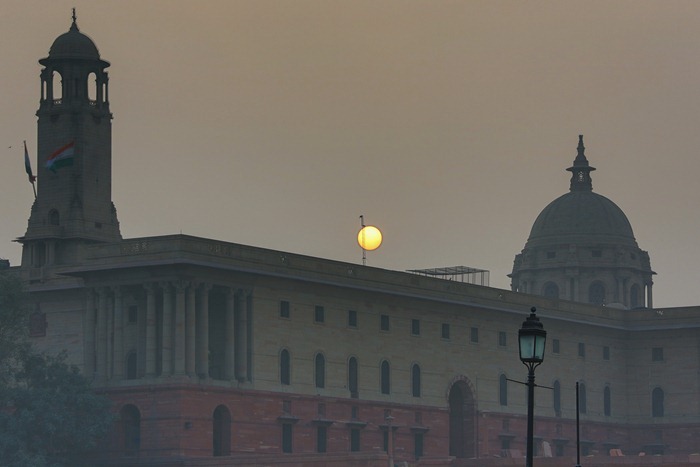
I am not sure about this shot. Love the sun over parliament, but perhaps the buildings are too dark. It was quite foggy.

If I had more time, I would spend more time on this shot in Lightroom.
We reaffirmed the value of a private guide while in India. For us, with our sons, a private guide provides two important benefits – the ability to dialogue with the family, explaining what we are seeing and flexibility.
Flexibility would be key as we constantly changed our itinerary as we travelled. It also meant that we could ask to get off the beaten path. We did not want a tour filled with all of the monster sites, we wanted to get into the side streets – to see the real India.
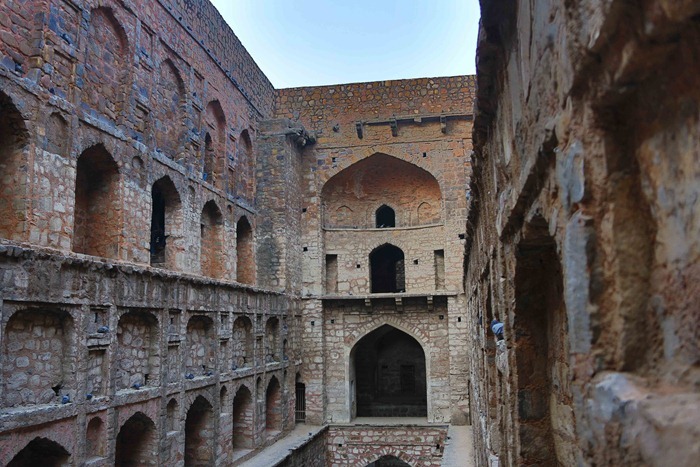
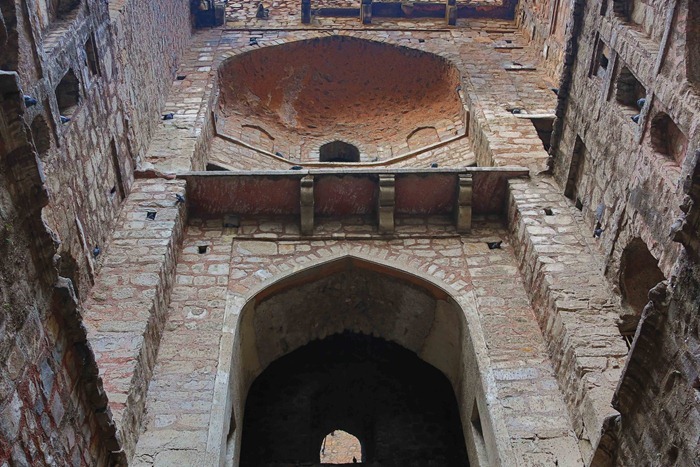
A great example of this was our first ‘side trip’ to Agrasen Ki Baoli (Or Ugrasen Ki Bali according to the plaque at the entrance), a step well in the city. Hidden down a side street and easily accessible as it was the dry season. It is a marvel to see.

From Wikipedia:
Agrasen ki Baoli (also known as Agar Sain ki Baoli or Ugrasen ki Baoli), designated a protected monument by theArcheological Survey of India (ASI) under the Ancient Monuments and Archeological Sites and Remains Act of 1958, is a 60-meter long and 15-meter wide historical step well on Hailey Road near Connaught Place, a short walk from Jantar Mantar inNew Delhi, India.[1] Although there are no known historical records to prove who built Agrasen ki Baoli, it is believed that it was originally built by the legendary king Agrasen[2] during the Mahabharat epic era[3][4][5] and rebuilt in the 14th century by the Agrawal community which traces its origin to Maharaja Agrasen.
Our guide was unbelievable and if you are in India – I cannot recommend him highly enough. A lifelong learner with great pride in his craft, Anu had 3 degrees and is studying to become a judge, with this work funding his studies. His insight into each place, attentiveness to our family, never ending knowledge and willingness to engage on every aspect of Indian history, politics and culture made it an extra special experience. To say that his the best tour guide we have ever had would be an understatement. I offer up his email to fellow travellers – anuragmisra@rediffmail.com – if you are lucky enough to get him.
Inside the well.

At the bottom you climb through a small hole and can look up a huge cylinder .. dry for now.
Remarkable to see how well their architecture has stood the test of time.
We would see one more step well on our tour. One much larger.
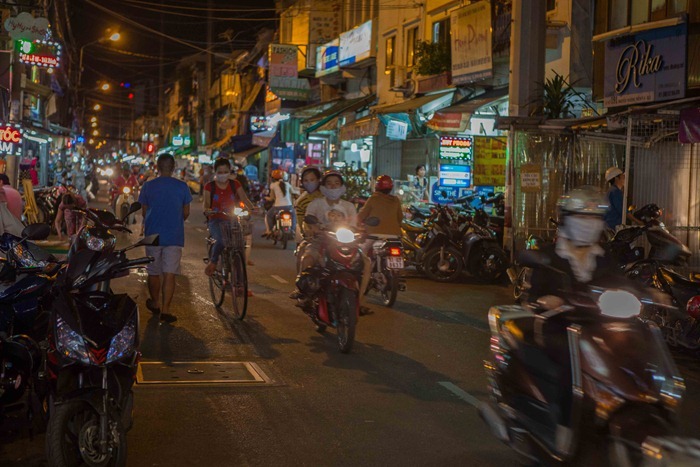
If you are in Ho Chi Minh, highly suggest calling up Saigon Street Eats and taking a tour. We took a night tour down the crowded side streets (sorry, didn’t do the scooter tour). Amazing to sit and eat fresh seafood in the midst of the chaos. (Config: Canon 5D Mark III with a Canon 28-70mm – should have brought my 50mm!)
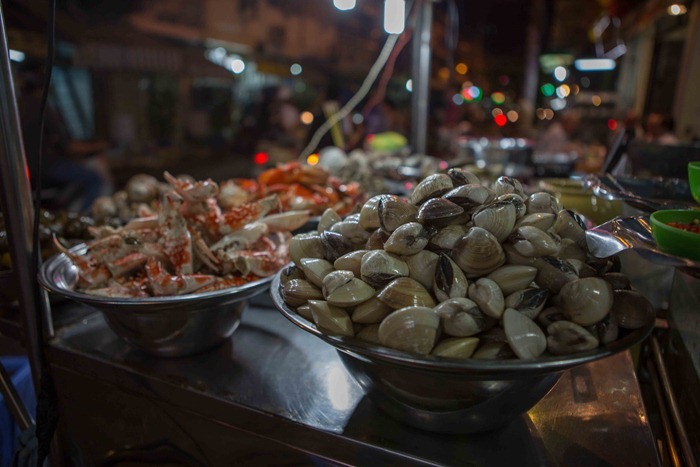


The seafood was amazing. Crab, mussels, shrimp. Awesome.


Also enjoyed that it was a rather chaotic eating experience. Plates, piled on plates.

Wasn’t a big fan of the frog.

The conch on the other hand … amazing.

A five star outing and a must do if in the city – in fact, I would say the highlight of the city.
According to the latest indexes, the drop in the Yen means that Tokyo has gone from most expensive place in the world (when we first moved here) to number 13 .. not even in the top 10!
It sure does not feel that way (100 yen is roughly $1).
An expensive pancake (Y280)

2 pieces of fruit (individually wrapped for your pleasure).
12 slices of bread.
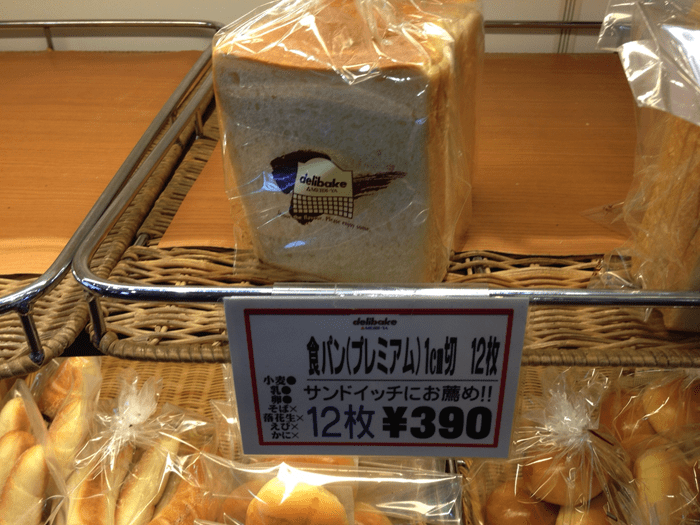
I think these prices are the reason why Japanese stay so thin.
On our second day in Ho Chi Minh city we took a tour to the Mekong Delta. One of our first stops was a Cao Dai temple. To date, it is the most colorful temple or church that I have ever been in.


I knew nothing about this religion, so I took the time to read the writings on their walls. From Wikipedia:
According to the Cao Đài’s teaching of creation, before God existed, there was the Tao, the nameless, formless, unchanging, eternal source referenced in the Tao Te Ching. Then a Big Bang occurred, out of which God was born (emanationism). The universe could not yet be formed and to do so, God created yin and yang. He took control of yang and shed a part of himself, creating the Mother Buddha to preside over yin. In the presence of yin and yang, the universe was materialized. The Mother Buddha is, literally, the mother of the myriad of things in the Universe. Caodaiists worship not only God the father, but also the Mother Buddha. Note that God’s importance and role is higher than that of the Mother Buddha. Also, the Mother Buddha, like all buddhas, is a part of Yang, and therefore is male. Yin is the female side, and the Mother Buddha oversees Yin, but is not a part of Yin. God is symbolized by the Divine Eye, specifically the left eye because Yang is the left side and God is the master of Yang. There are 36 levels of Heaven and 72 planets harboring intelligent life, with number one being the closest to heaven and 72 nearest to Hell. Earth is number 68. It is said that even the lowest citizen on planet 67 would not trade place with a king on 68 and so forth.[1]
Around the central alter are all of the figures of the major religions – a few that I spot; Jesus, Buddha and Confucius.

As I looked at the eye, the only thing I could think was “Masons”.


The grounds around the temple are also interesting and filled with the staff. They were drying tea.

An old funeral hearse.

I am not sure why these coffins were here, but they were sitting a few meters from the hearse.


Very interesting stop as you head to the Mekong Delta.
There is a famous Japanese saying:
出る釘は打たれる。
Deru kugi wa utareru or in English: the nail that sticks out gets hammered down. In other words, follow the rules and in Japan, there is a big rule book.

Rules are an interesting thing with cultures treating them very differently. I have come to believe that rules are like our legal system – precedent based. Over time, precedent changes as culture and thinking changes. No better example is what you see happening in North and South American around marijuana with some contemporary thought leaders like Bill Gates coming out with opinions you would not have expected. Our world is changing and will keep changing as views, economies, politics and opinions change. That is why slavery is banned and women can vote.
In Japan it is encouraging to see Prime Minister Abe taking the cultural challenges head on with plans such as his push to get women into the workforce, but there is a long road ahead. This is a very old culture with 3000 years of history (unlike my home country).
In the same article on Abe’s efforts, the Prime Minister makes an interesting observation on Japan which explains the conservative mindset:
Japan, he said, had been like a golfer, stuck in a bunker for 15 years, but reluctant to reach for the sand wedge, in case they over-hit the ball and shoot out-of-bounds. Now, he said, Japan had finally had the courage to use the sand-wedge.
The rules centric culture of Japan has benefits. Orderly, clean, safe and if you can figure out how it works – efficient. There is no city in the world that runs like Tokyo. You simply need to take a train in Japan and then compare the experience to a train in India to understand the power of structure and rules.
But it also has interesting drawbacks in the form of risk aversion and the creation of some very odd situations. My recent experience at Haneda is a good example of the danger of rules, in this case at the taxi stand.
The "rule" for the taxi stand is that the attendant must take the next taxi in line for passengers – no exceptions. That means that if you are in line with a family that will not fit into a small sedan, he is not allowed to call a van out of line or from where they queue to assist you.
I learned this after a very difficult conversation with an attendant around why he would not call up a van.
After the back and forth (due to my lack of Japanese language skills), he also figured out how to communicate to me that there is another rule; “the customer is always right”.
In other words, he could not call up a van. but if I decided to walk down the line and call a van to the front, he could do nothing about it.
I wonder how many years will go by before someone decides to fix this rule? Or will the nail just get pounded down every time serving the status quo?
And on a related note with regard to precedent, the evolution of rules often has unintended consequences. This one caught my attention and made me laugh.

On a dusty road, on a small mountain in Cambodia, a family tends their market. The children looking on.

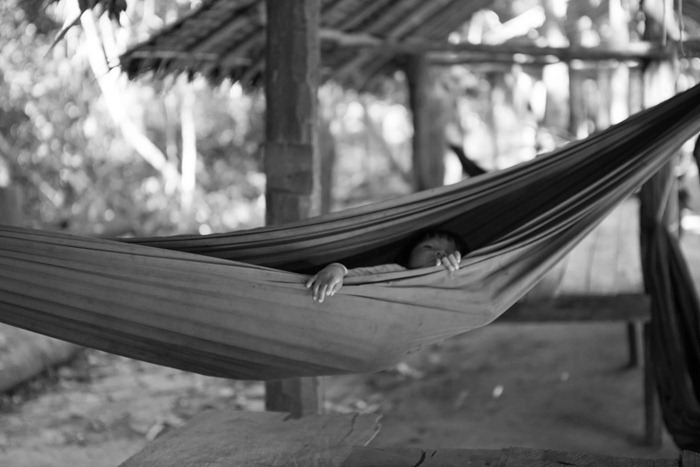

When we drove back a few hours later they were gone. Their village was a few hundred meters into the jungle. Perhaps off to enjoy the afternoon like these children.

A simpler life.
While in Siem Reap we decided to head to the mountain region of Phnom Kulen – a drive that we thought would take 90 minutes turned into 3 hours each way.
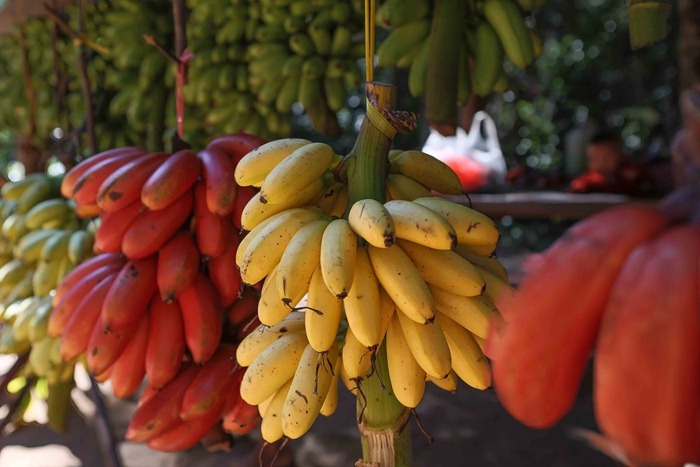
Pot holed roads, a lack of infrastructure coupled with a heavy rain the night before meant 20km/hr top speed. A long drive. As we clawed our way up the mountain we came across this small stand filled with bananas. I have never seen a red banana before? (Config: Canon 5D Mark III with 28-70mm f/2.8)

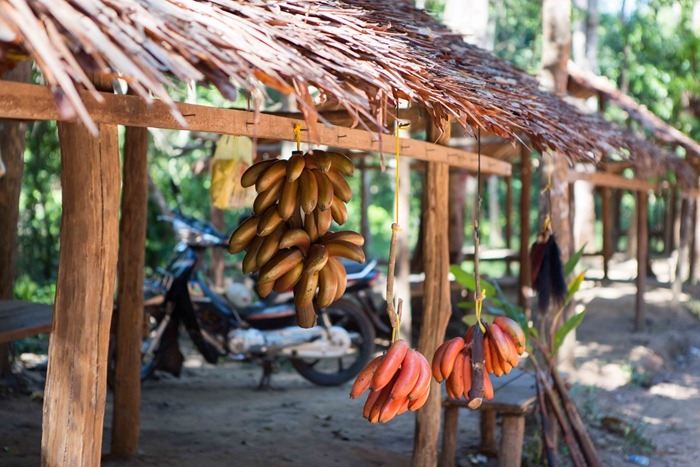
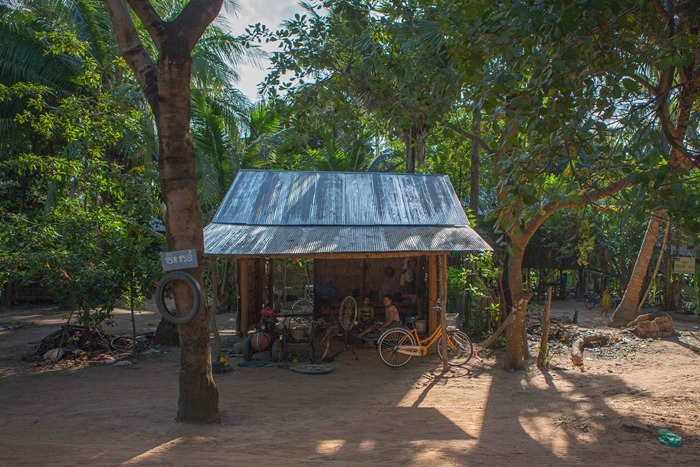
A small bicycle shop.
As you wind your way up the mountain (asking yourself, will it ever end?), you occasionally peak out on the countryside.

The reason why you travel to the top of this mountain is for the waterfall and these runes. Thousands, carved into the river bank as a tribute to their gods and royalty.
The site is known for its carvings representing fertility and its waters which hold special significance to Hindus. Just 5 cm under the water’s surface over 1000 small carvings are etched into the sandstone riverbed. The waters are regarded as holy, given that Jayavarman II chose to bathe in the river, and had the river diverted so that the stone bed could be carved. Carvings include a stone representation of the Hindu god Vishnu lying on his serpent Ananta, with his wife Lakshmi at his feet.[6] A lotus flower protrudes from his navel bearing the god Brahma.
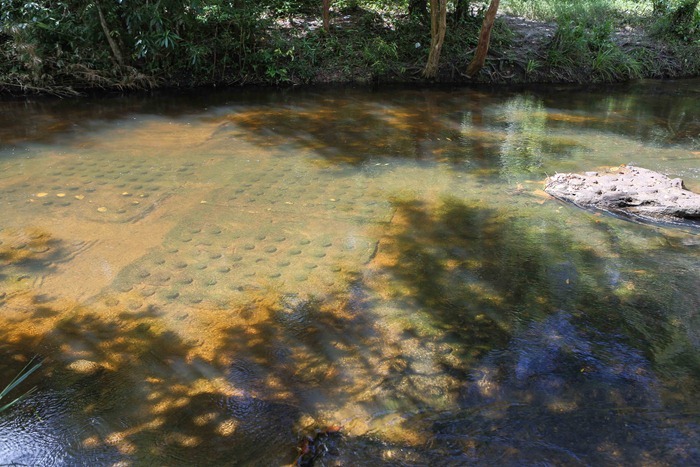
Harder to see due to the higher water level.

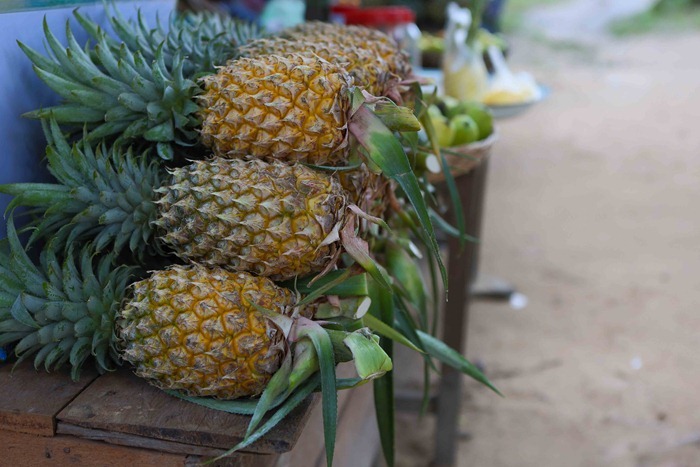
Just past the runes is a temple with a large reclining Buddha. As you would expect there is a market selling worshipers (and tourists) flowers and other items. It also appears to be the central market for the village.
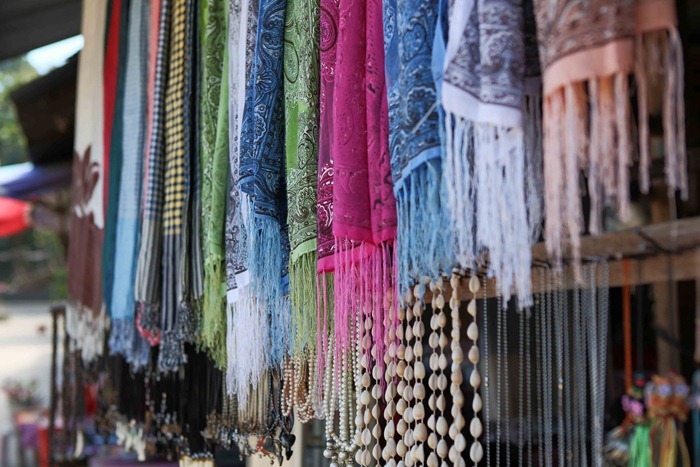
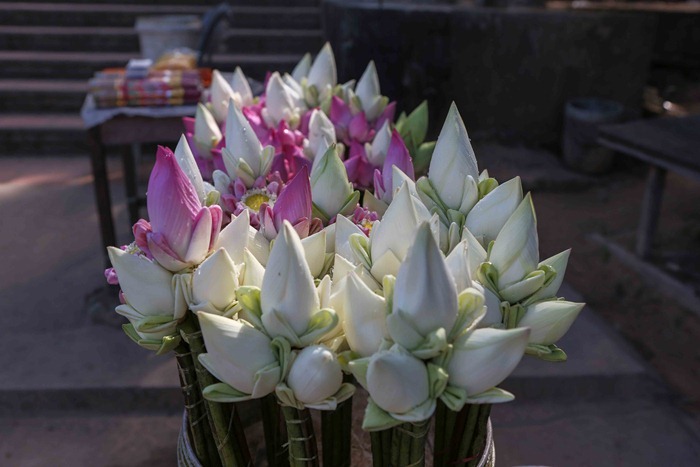
There was nothing to explain why the Buddha at Preah Ang Thom is reclining. Carved out of rock and painted gold, it is massive.

At the temples I understand the incense, but I need to research the symbolism of the lotus flower petals in the water.
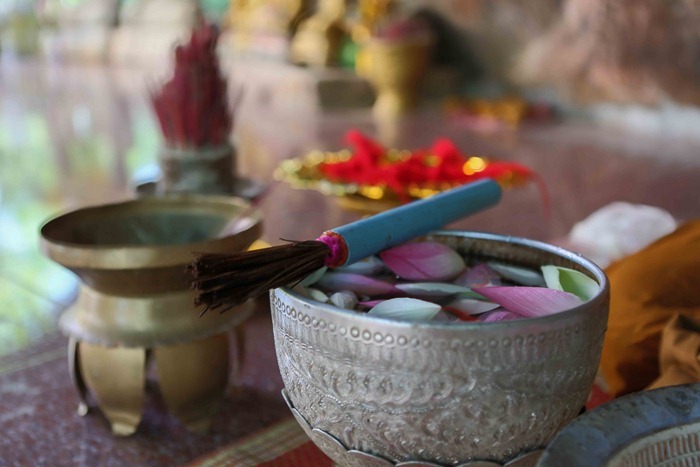
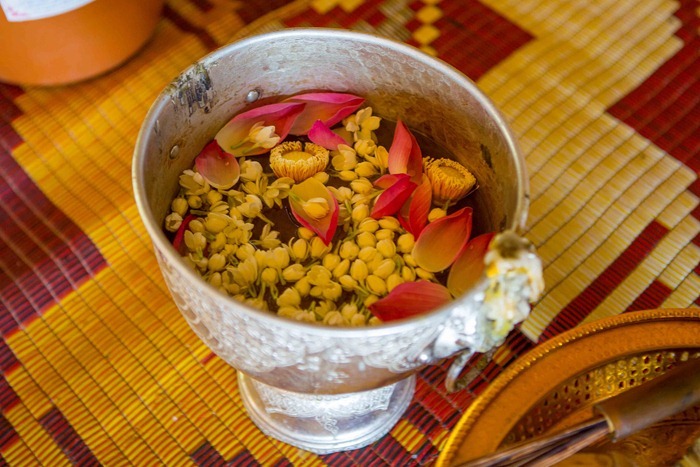
Last shot from the mountain .. the waterfall.

Which is a rather treacherous climb to get to.

Another interesting stop.
Now that I have gotten my political commentary out of the system, on to the city itself. As I mentioned in the previous post – Ho Chi Minh city is mad with scooters. Millions of people scooting around, honking, ducking, weaving and generally jamming up as a group.
Our first stop in Ho Chi Minh was the markets, our opportunity to see the hustle and bustle of the city.

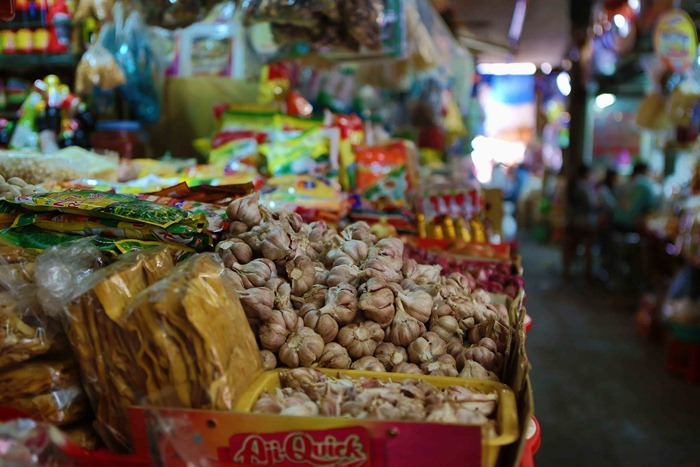
In this long hall were long butcher tables. We had missed the morning rush where the butchers line up to carve and hand out cuts to the morning shoppers.


I turned and was face to face with a lot of dried fish.
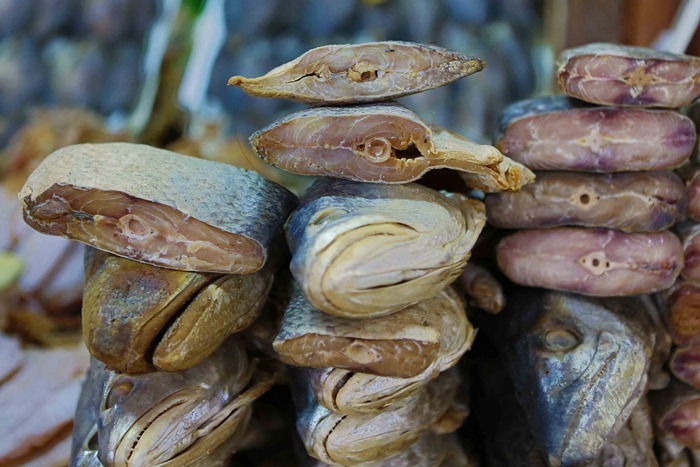
One day I would love to live in one of these countries. To walk a market and be able to get the freshest of fresh, to experience the different vegetables and eat local would be amazing. We walked the market tasting with our guide explaining what we were eating.


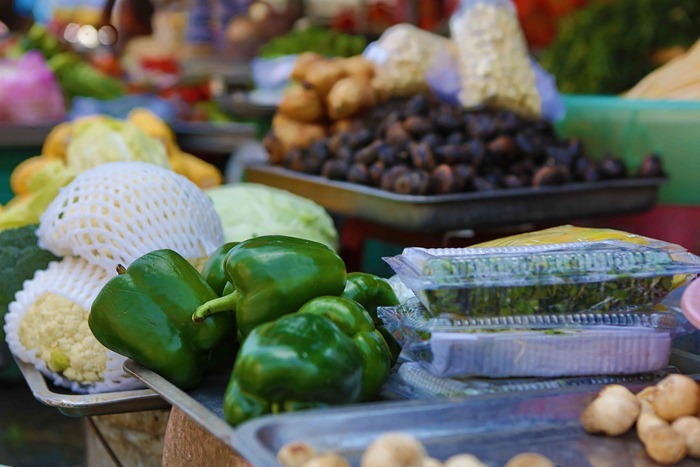
The colors are so vibrant and the textures so different. The benefit of straight from the field (or jungle)
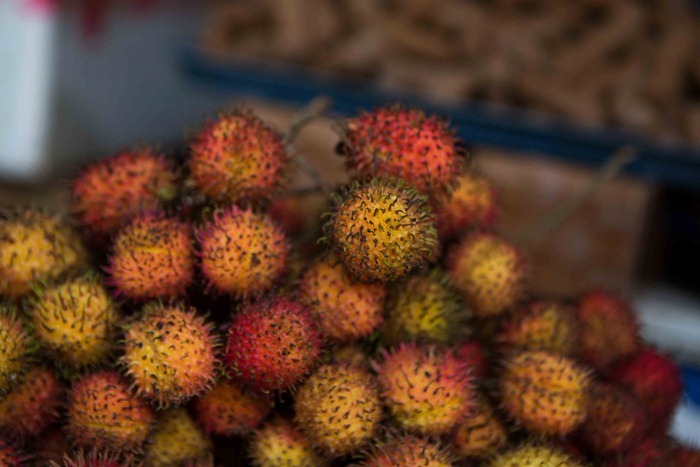
This fruit (cannot remember the name) wins my exotic fruit of the day award. Looks like a grape, sweet with a furry outside.
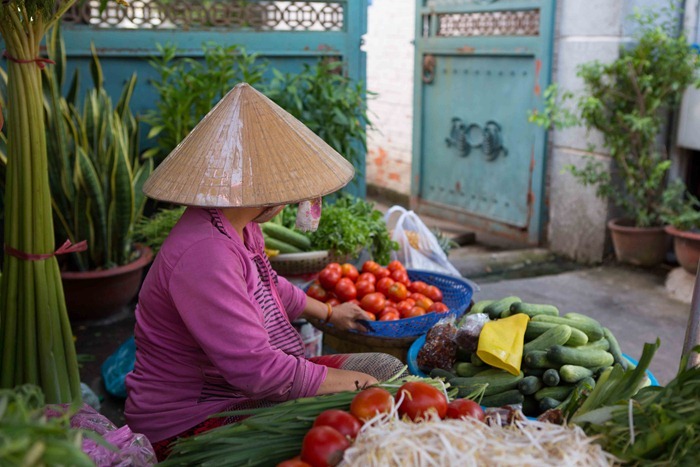
All through the markets were vendors sitting on the walk, selling their wares. We were careful to not linger in front of customers who were actually buying.
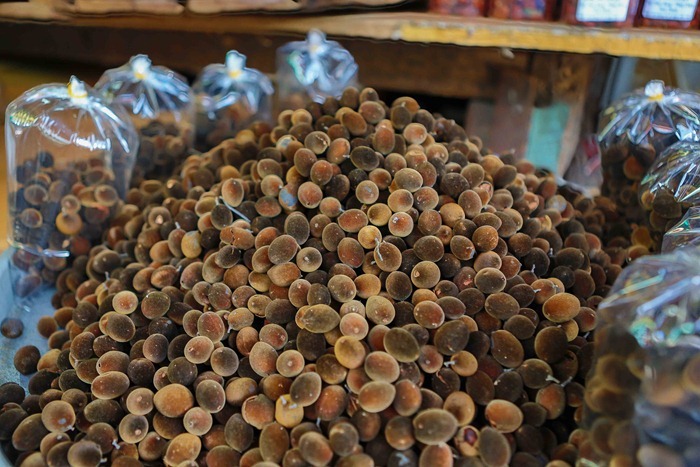
The spices of the market. You can buy a lot of spices for very little money.

The markets were very busy.

The markets were also filled with fish. Lots of fish.
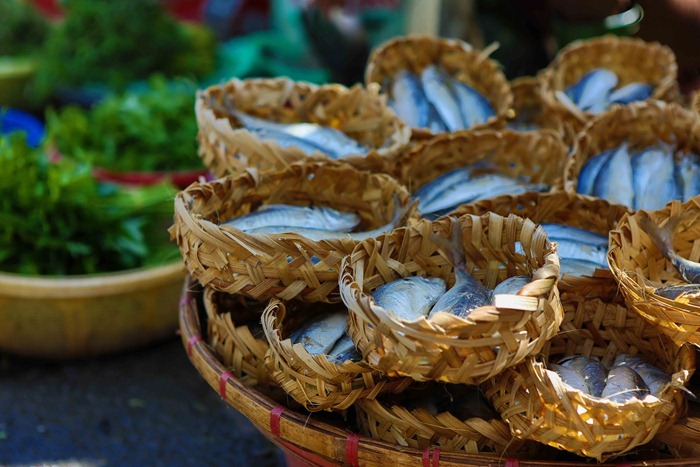
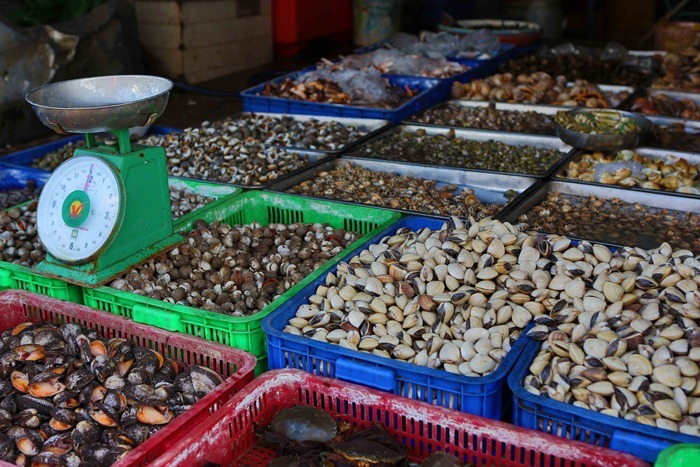
And lots of squid.

And always remember, when walking take the time to look up.
 \
\
If in the city, it is great to wander the markets.
One last temple in Cambodia to finish out the “big 3” of Siem Reap – Bayon, or the temple with 4 faces.


The Bayon’s most distinctive feature is the multitude of serene and massive stone faces on the many towers which jut out from the upper terrace and cluster around its central peak.[2] The temple is known also for two impressive sets ofbas-reliefs, which present an unusual combination of mythological, historical, and mundane scenes. The current main conservatory body, the Japanese Government Team for the Safeguarding of Angkor (the JSA) has described the temple as "the most striking expression of the baroque style" of Khmer architecture, as contrasted with the classical style ofAngkor Wat.[3]
A few shots from around the temple. The faces of Buddha faced each direction on every tower.


As with the other temples the walls were adorned with depictions of battles, gods and life.

An offering at the end of the hall.

So ends out time in Siem Reap. In retrospect I think the guide had it right, if you hit the 3 temples (Angkor, Bayon and Tah Prohm) you get a diverse view of the Cambodian culture.
Great experience.
Every time that I buy something (no matter how large or small) and use a credit card in Japan I get asked “1 or 2 payments”. I know this because of the hand signals that accompany the clerk speaking rapidly to me in Japanese.

I always thought this was some form of affordability thing – do I want to split my payment across two credit cards? After all, my cards might struggle with $30 of cat litter and random bits from the D2.
Turns out I was halfway right. An oddity of the Japanese credit card market is that you can take two payments at the till. The second half of the payment will be processed at a later date (15 or 30 days I was told) and you pay the credit card interest for the period (As obnoxious as in Canada – 19.99%).
Mystery explained.
As a random aside, I just ordered the Amazon Visa. Why? Unlike my AMEX, no currency transaction fees – which is a surprising 2.9%. While researching this I also found some interesting information on bank transaction fees::
An analysis by Cardhub showed that using credit cards with no currency conversion fees save consumers an average of 7.9 percent when compared to exchange rates offered at banks and 14.7 percent when compared to airport exchange services. Even if you are stuck with a card that charges the fee, you’ll still come out ahead using plastic, the survey found: You’ll save 4.9 percent on average and 11.7 percent, compared to banks and airport currency exchange services, respectively.
Those fees add up.
I have pontificated on how safe, clean and orderly Japan is many times. It is unlike anywhere in the world.
Over the holiday we lost an iPhone on Thai Airways. We were in Bangkok and as we went to fly out we stopped at lost and found to find out if it was turned in. The answer was a no. Therefore one of the cleaning staff or attendants found it (as a fellow passenger would not have seen it) and decided to keep it .. in other words, steal it.
Unfortunately, this is no different than many airlines around the world. It still bugs me 8 years later when I walked off a plane and was not allowed to go back on the Air Canada flight, leaving behind a bottle of Scotch that I had picked up for my father-in-law in England. It “disappeared”.
I would wager with 95% confidence that had we lost that iPhone on a ANA flight the staff would have turned it in and we would be using it right now.
Like nowhere else in the world.
I am sure that if you are reading this and have lived in Japan, that you could share a similar experience.
Our destination was a women’s collective that dries water hyacinths and weaves them into mats and other products. You can read more about the Saray collective here and how their efforts are employing 30 local women.
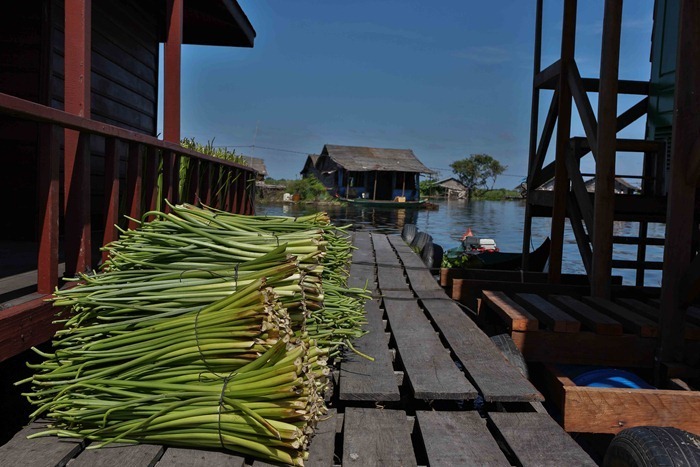
We had lunch at their local restaurant and spent time with the women, learning to weave. They are very fast.
 \
\
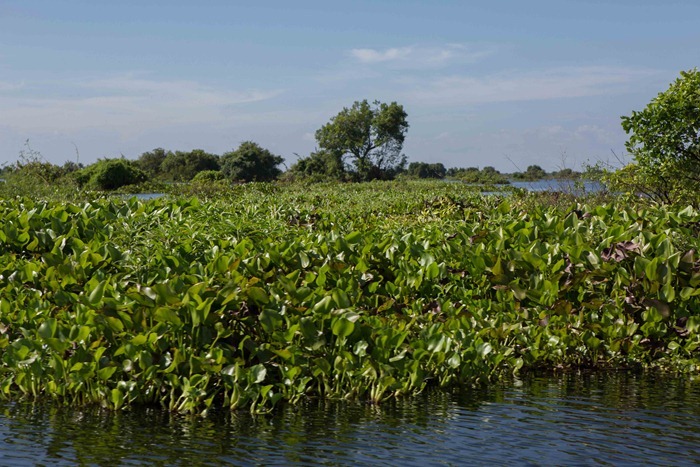
What I did not know is that the water hyacinth is highly invasive and quite a problem … once I learned that I started to look around and notice, it was everywhere.
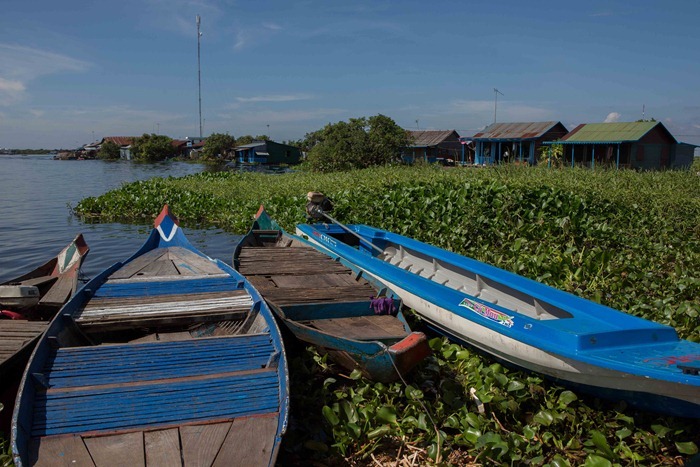
After lunch and the weaving we headed out on canoes to visit around the village. Our first stop was where they process the fish. It was amazing to see – they all worked in a cadence, the pounding of knives as they cut the fish.

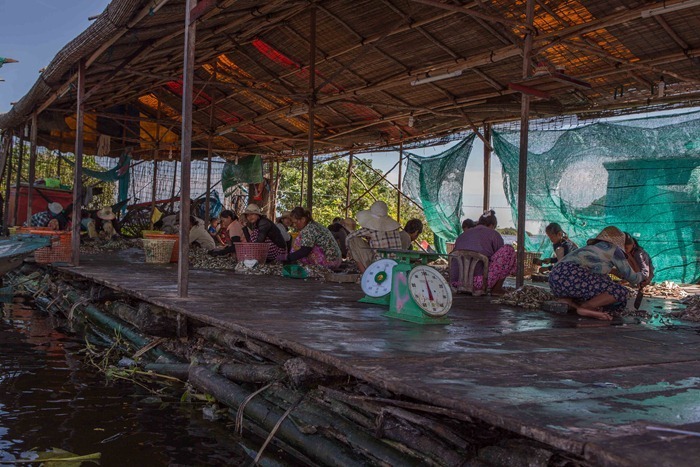

The fish on the way for processing.

As we pulled into the next stop this little fellow was happy. As soon as he saw the nurses waiting to give him his vaccine (an ambush), his demeanor changed considerably. It took a few of the women to get him to the nurses.
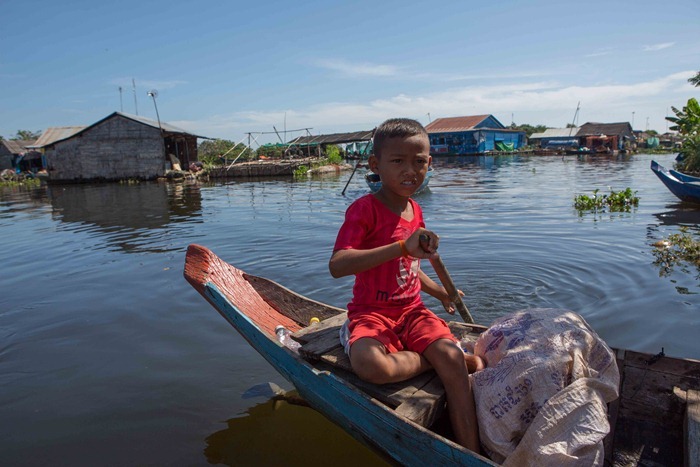
After a few more stops around the village we jumped back in the boat and headed home, with one last visit. Our boat captain stopped off at a home (family, friends or a business partner) to pick up a few 5 gallon drums of processed fish. We were greeted by the family dog (what is it like to be a dog who lives in a floating house?)

They processed the fish so fast. 3 knife strokes per fish.
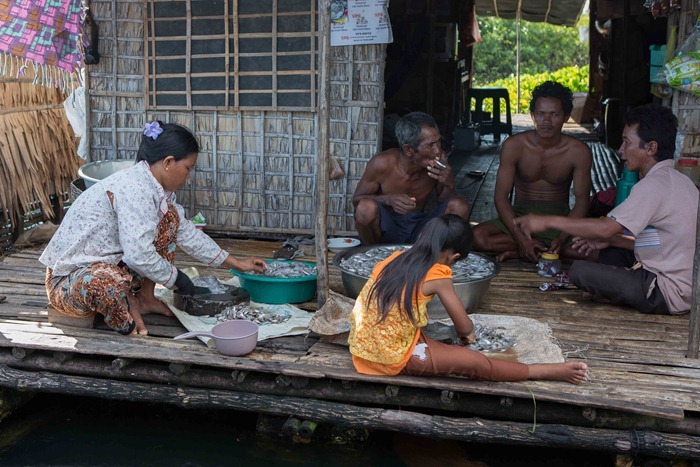
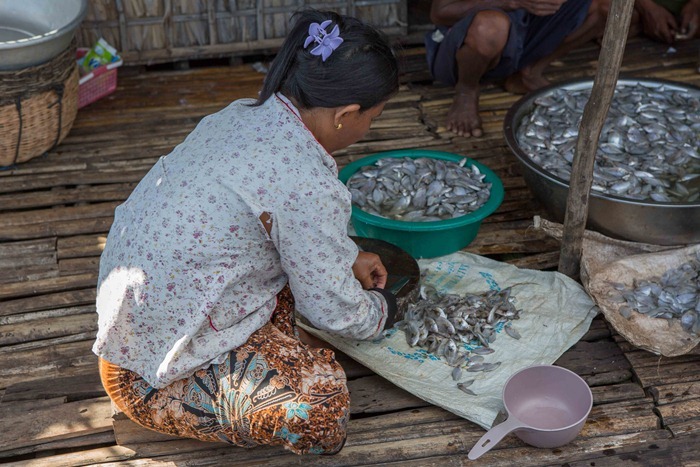
Fish loaded, we pulled away – the day complete.
A very different, insightful and educational experience. If you are in Siem Reap, highly recommended. Thanks for dropping by.
As mentioned in the previous post, the boat picked up speed and we headed to the next village. One of the first boats we saw as we entered the main village was this floating restaurant, looking for customers.
![2013 11 26 Osmose_-84[3]](https://michaelweening.com/wp-content/uploads/2014/01/2013-11-26-osmose_-843.jpg "2013 11 26 Osmose_-84[3]")
The lake will rise and fall 9-10M in a year and the people will float from location to location, following the water. It is a bit unfathomable to live your entire life .. floating.
![2013 11 26 Osmose_-87[3]](https://michaelweening.com/wp-content/uploads/2014/01/2013-11-26-osmose_-873.jpg "2013 11 26 Osmose_-87[3]")
Moored into the trees or to each other, the homes at mid/high-tide. At low tide, those trees will be 20m high.
![2013 11 26 Osmose_-89[3]](https://michaelweening.com/wp-content/uploads/2014/01/2013-11-26-osmose_-893.jpg "2013 11 26 Osmose_-89[3]")
![2013 11 26 Village tour_-4[3]](https://michaelweening.com/wp-content/uploads/2014/01/2013-11-26-village-tour_-43.jpg "2013 11 26 Village tour_-4[3]")
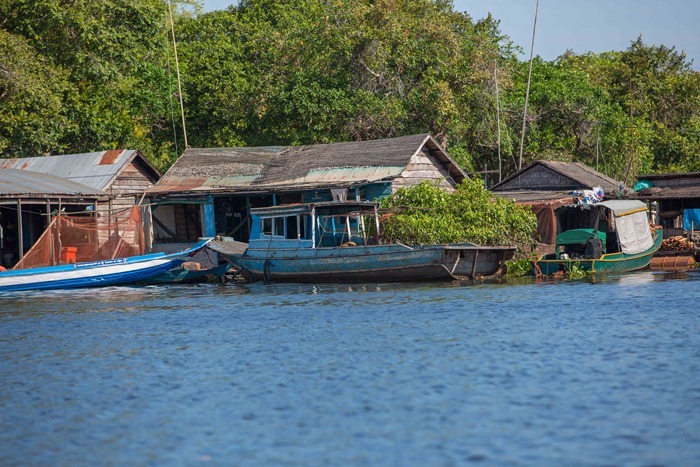
The village delivery system … gas, fruit, you name it.
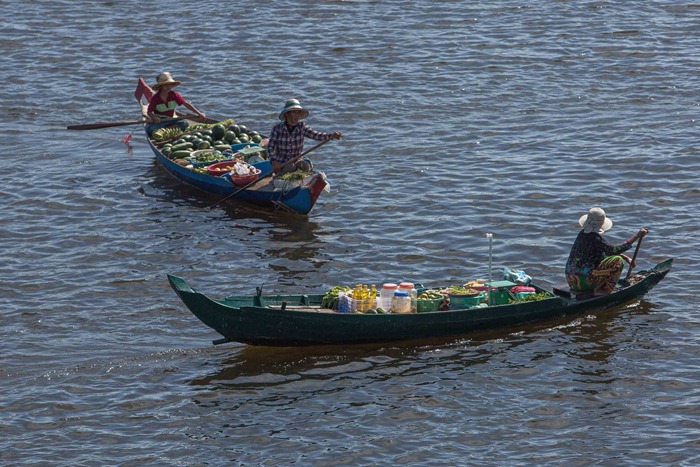
Everyone drives a boat. No matter how old.

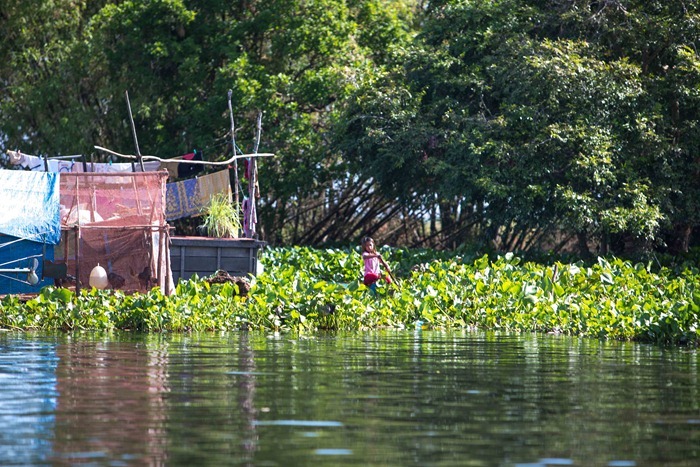
Some boats with motors.
![2013 11 26 Osmose_-98[3]](https://michaelweening.com/wp-content/uploads/2014/01/2013-11-26-osmose_-983.jpg "2013 11 26 Osmose_-98[3]")
Many boats with only a paddle.

Of course, there is a phone store.

A completely different way of life. Thanks for dropping by.
Our second day in Siem Reap involved a tour with Osmose eco-tours to a floating village. I love doing eco-tours, and this one is about seeing how the lake feeds an ecosystem of plants, animals and people.
The trip began on a boat like this.
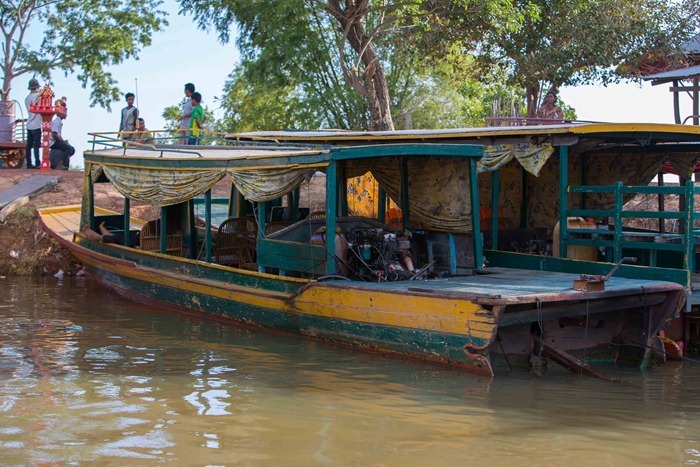
Our captain.
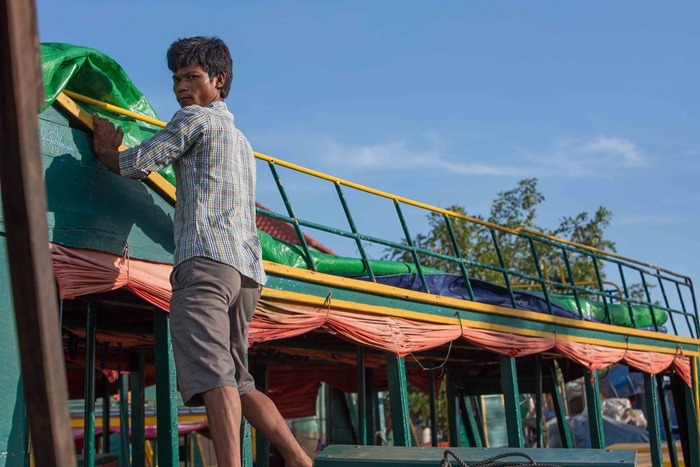
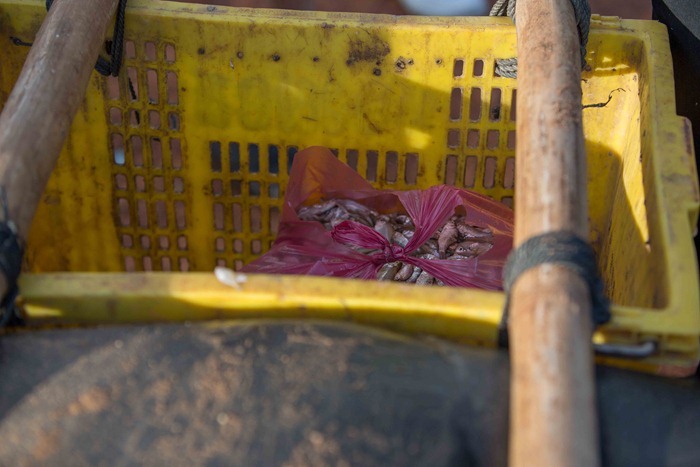
The village where we launched was filled with motorbikes, loaded with fish from the mornings catch.

Bagged for transportation. The fish were so small – not sure how they skin them or are they eaten whole?
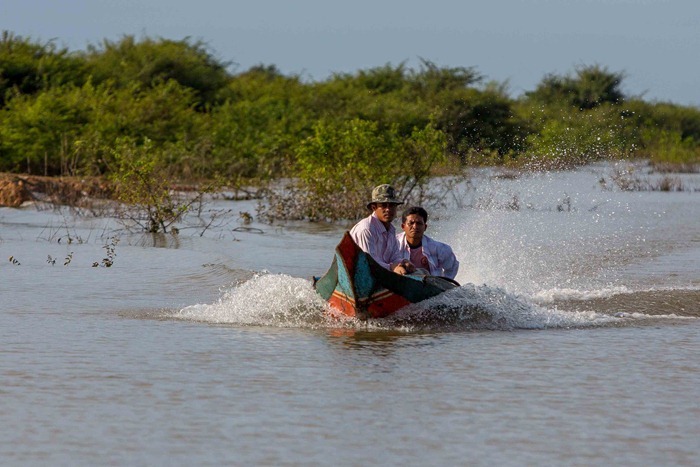
The boat had a very loud engine .. that made big waves.

As we took the 90 minute ride to the village, we saw many other boaters traveling the lake-ways.

Off in the distance, a fisherman setting his nets (the pictures are darker as I had the wrong filter with me – it was that bright out)
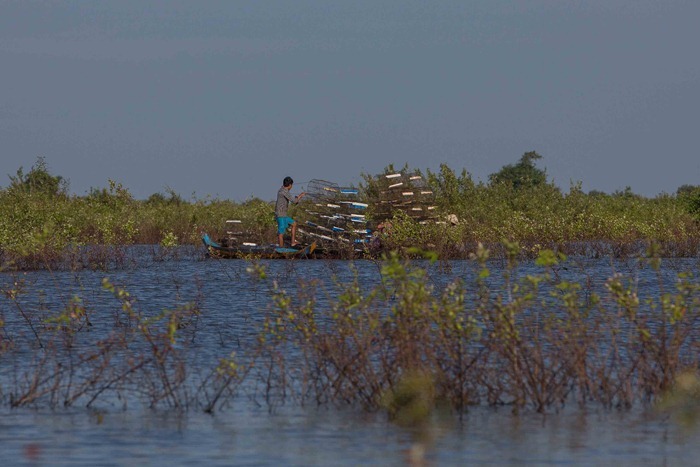
And a few eco-companions on the way.

We stopped near a large tree where the guide explained that the tree was 15-17m high with almost 10m of the tree currently under water. The water levels on the lake go up and down by 10m during the seasons. In the tree, we noticed a brightly colored snake having a sleep .. red means poisonous.
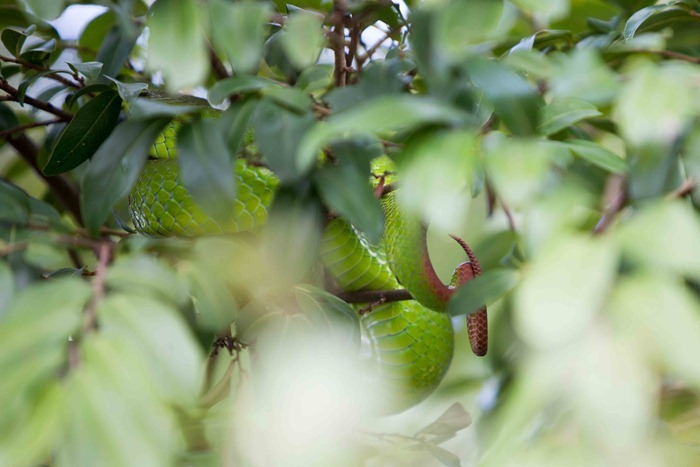
He never did peak his head out.

Traveling along the water the boat slowed as we entered the first of many floating villages.
Amazing to think that these homes move around with the water level .. and that they all have cell phone reception.

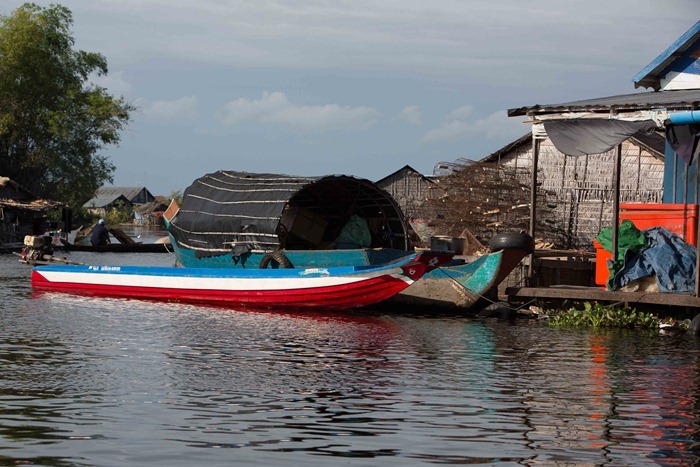
The village’s floating school.

Beside a few floating homes.


With the fishermen/women working on the day’s catch.

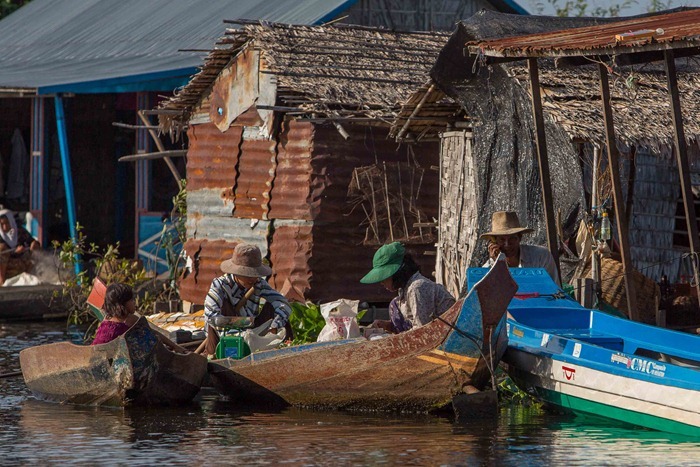

The boat picked up speed as we headed to the next village.
(Updated as I accidentally merged two posts)
I am so glad we visited this site. It would have been a huge miss had we not.

I am a big fan of TripAdvisor as it helps you understand what is really available in a city or country – especially if you want to get a little bit off the beaten path. Reading the reviews there were more than a few people who said this is a must see, filled with old Russian and a few American remnants from a terrible period in Cambodia’s history.

Everything is open to explore. Feel free to climb on, in and around them to see these decades old remnants.
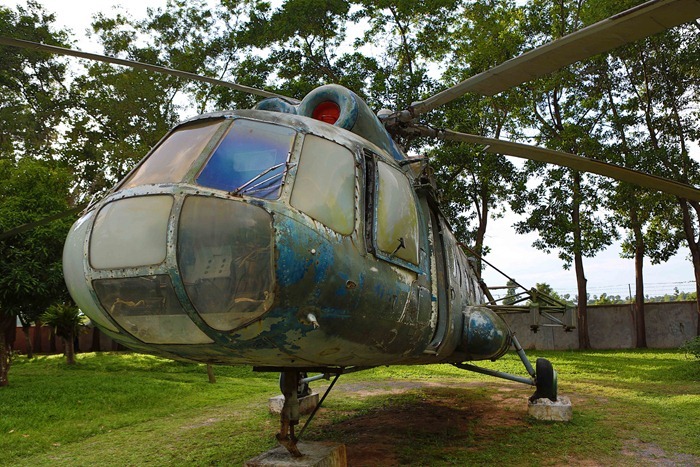

Our guide was a war veteran and his tale is heartbreaking – and worth telling here for others to read.
If you have read about Pol Pot and the Khmer reign of terror you will know that millions died. Pol Pot killed anyone with an education and engaged in a mad scheme to return Cambodia to an agrarian lifestyle with the goal of eliminating Cambodia’s dependence on foreign powers who had occupied, pillaged and generally mistreated the country. Entire cities like Siem Reap were emptied and the men were rounded up to serve in the army.
He was such a target. At 14 he was supposed to be taken away to join. His family hid him to keep him from the Khmer army. At a check point he was asked if he was a boy or a girl and he accidentally answered boy. His father, knowing he was caught, began yelling at him for blurting out the wrong thing as the Khmer commander was notified.
His father begged to let his son stay as he was too young which infuriated the ruthless commander. In moments, they shot his father and then shot his mother and two sisters as they tried to collect the fathers body. A few others from their village were also killed when they engaged in the dispute.
At 14 he was taken by the Khmer, just not fathomable. He spent years on the front, escaped into Vietnam and then returned to Cambodia only to step on a land mine and lose his leg.
Abandoned to fend for himself, he was an outcast until an Australian came along and rescued him. They flew him out of the country, got him prosthetics and helped him mentally recover. But as he said, how do you ever recover? Listening to his story, it was just so unfathomable and during the Pol Pot, Khmer reign of terror a sadly common story. No one was left unaffected.
Hearing it first hand is shocking.
 e,
e,
Just hearing that story made the trip to this museum a must see.
Along the wall there are several buildings that house hundreds of weapons, that you can handle. Fascinating to pick up an RPG.
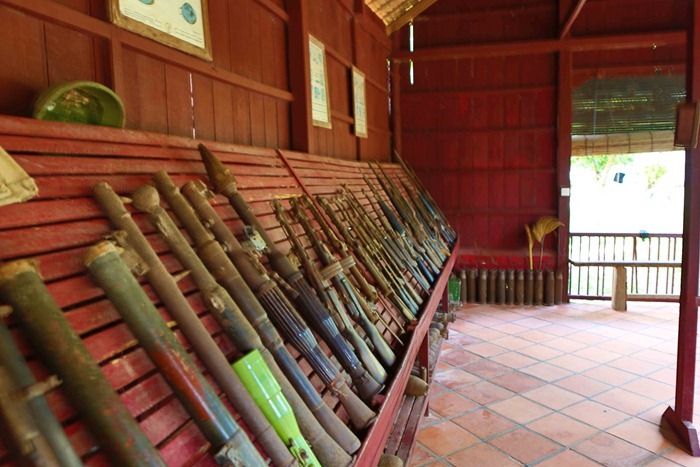

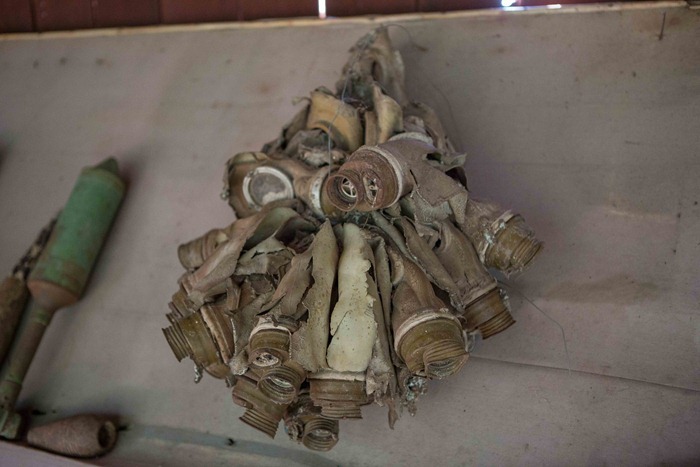


I cannot recommend it enough – a must see.
Every temple we travelled to in Siem Reap had some form of foreign sponsored restoration going on. Scaffolds, trucks and signs. Not insignificant undertakings.
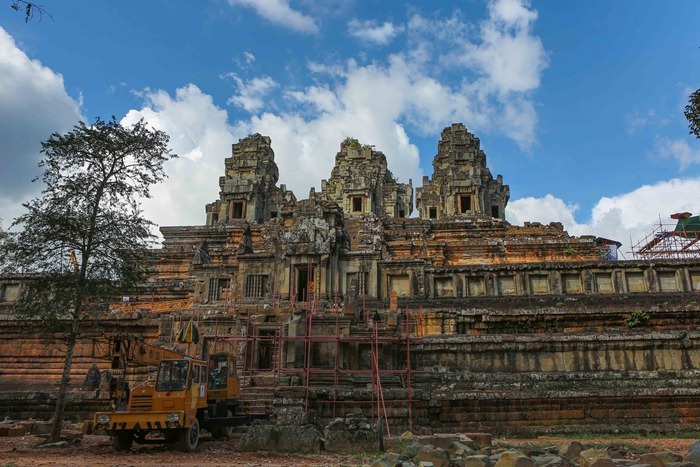
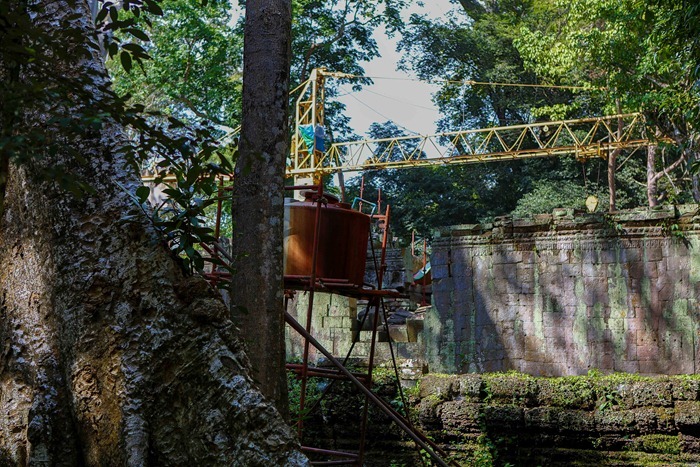
To understand just how dramatic the change is, I took this shot from the Indian restoration of Tah Prohm, Amazing to see the work that they can do.
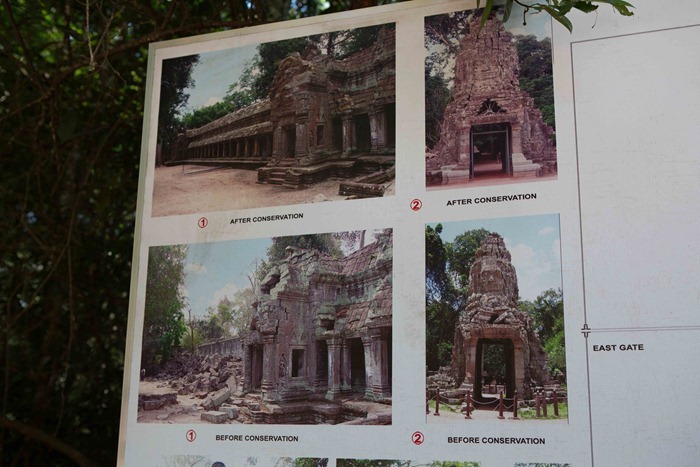
Great to see the international community helping maintain this important part of our collective history.
The center of Angkor Wat houses the holiest of places, up a steep set of stairs.
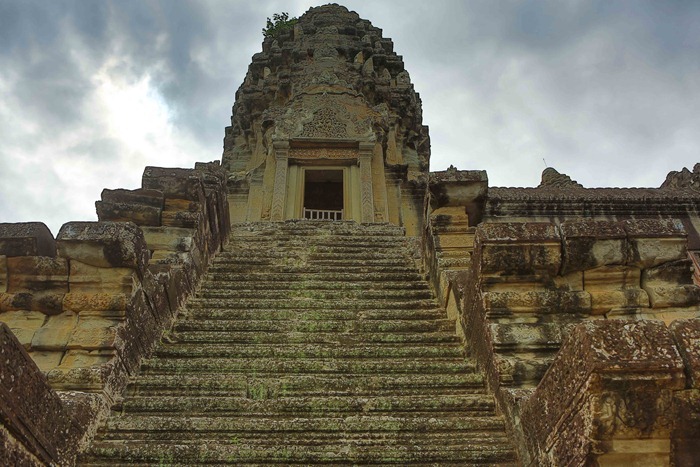
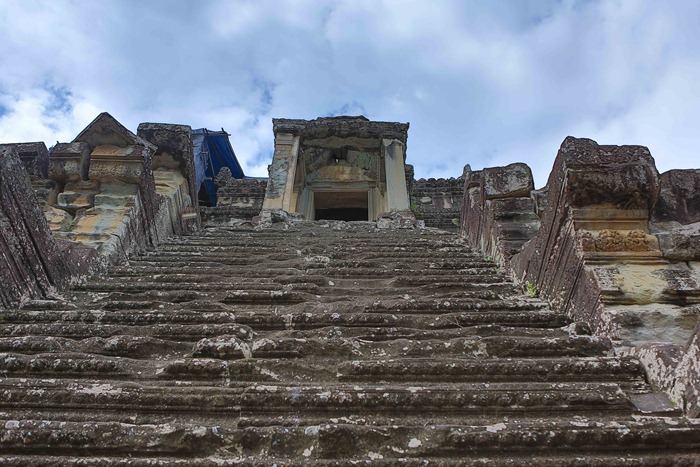

We were fortunate, the line was not that bad (quite short actually). From the top you have a spectacular view of the countryside.
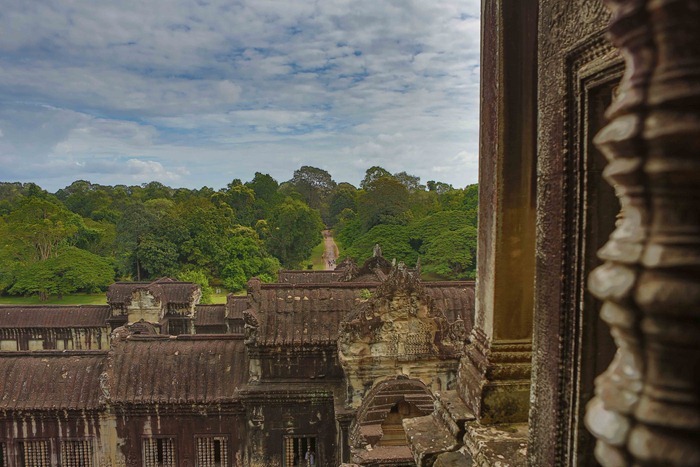
Throughout the day our guide pointed out the restoration work that was being done. What is remarkable is that very little of this work is being paid for locally, international donors (India, Japan, France to name a few) are very active in helping the Cambodian people restore and maintain their history.

The detail on the buildings is remarkable. One can only guess at the quantity of workers and time it took.
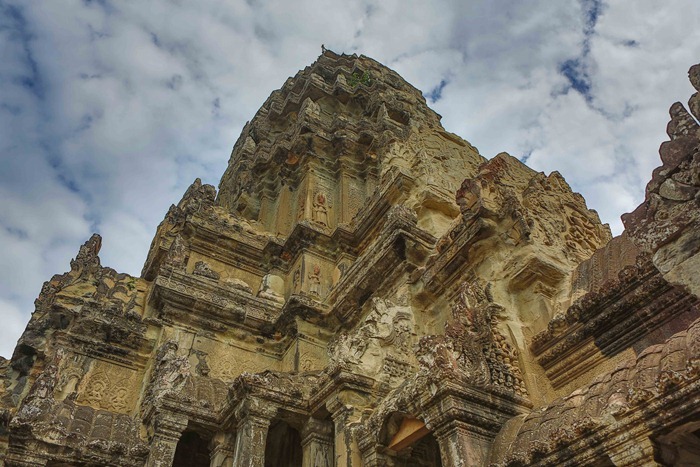

A spectacular site that lived up to the reputation.
Many of Cambodia’s temples are overgrown, they say there are an unknown number hidden away – engulfed by nature. Ta Prohm is marked as one of the 3 temples you need to see because of the way that nature sprouts from the temple – that tree must have been 30 meters high (or higher) – a new roof for an ancient temple.
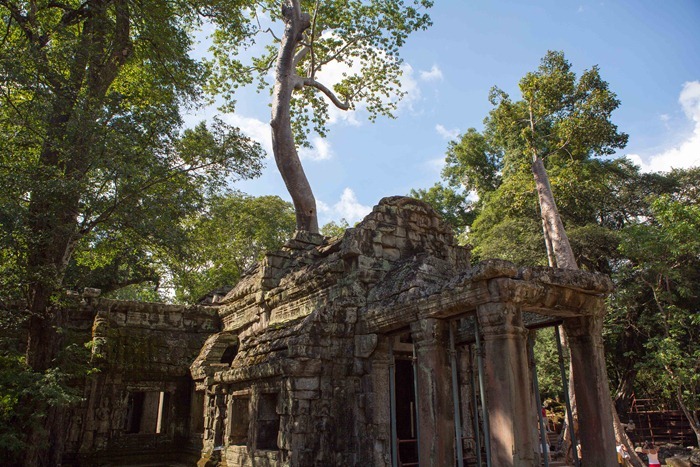

The trees have taken root everywhere over hundreds of years.

Made famous by the movie Tomb Raider (have not seen it), Ta Prohm is in the middle of restoration, in this case thanks to India.

This picture shows an example of the before (the jumble of rocks) and the after (on the right above the scaffold). Like a giant jigsaw puzzle.

A few more shots of a very beautiful and exotic temple.

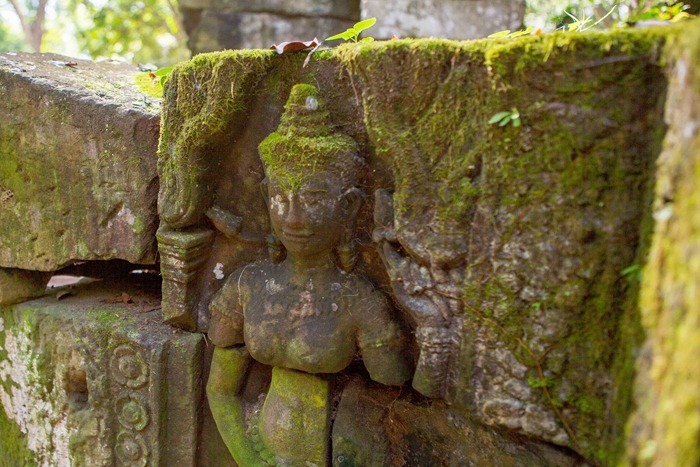

A beautiful place. Of the 3 must see temples in Siem Reap, this was our favorite (yes, more than Angkor Wat). There is something mystical about the jungle intertwined through the temple.
On our first full day of touring in Siem Reap our guide said Angkor Wat in the morning – I said really? He said all of the tour companies do it the same way, off to the other temples and balloon views first (Bayon, Ta Prohm) and Angkor in the afternoon.
We took his advice and did Angkor Wat first and he was right. Sure it was busy (as it was getting into the dry season and high tourism time) but far from “busy”.
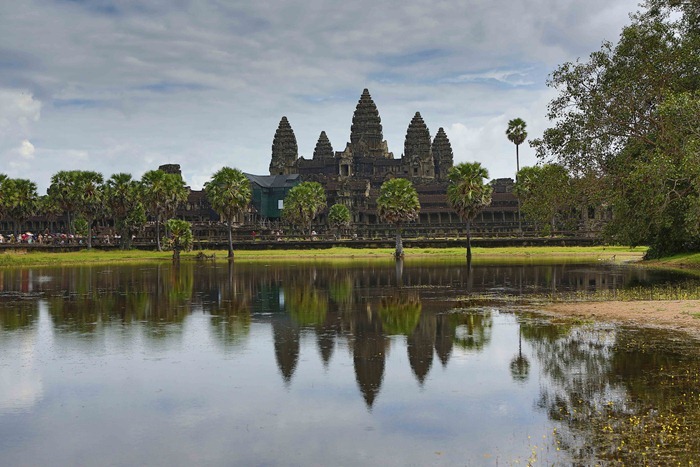


The library.
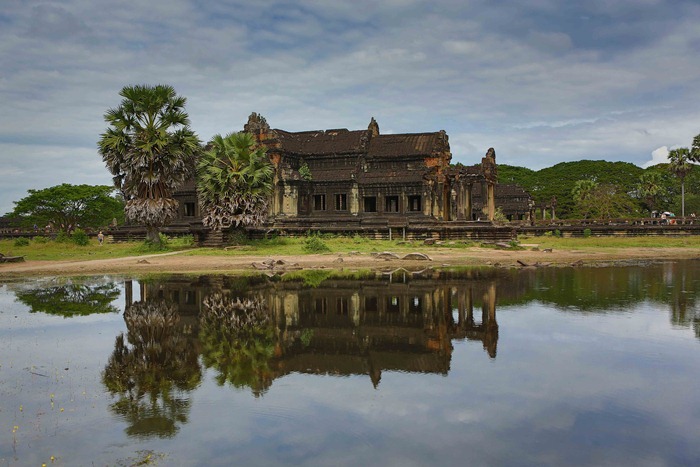
The back of the entrance.


Taking the long walk with the other tourists.

The interior is adorned with murals, often depicting fierce battles between the gods, humans and other creatures.

You can still see the remnants of paint. Areas shine on the murals where people rubbed them.

The steps to the top of the temple are quite steep. There was a woman at the entrance to the top looking at people’s clothing. If your shorts were too short, they would not let you pass.

I would agree with the first westerner who saw Angkor Wat when he said “is of such extraordinary construction that it is not possible to describe it with a pen, particularly since it is like no other building in the world. It has towers and decoration and all the refinements which the human genius can conceive of” (1586 – Portuguese monk)
When touring a place for a quick stop. We passed by, stopping for 10 minutes to walk the terrace. (Config: Canon 5D Mark III, Canon 70-200mm f/2.8)

It was a place where the old Khmer held events.
The 350m-long Terrace of Elephants was used as a giant reviewing stand for public ceremonies and served as a base for the king’s grand audience hall. It has five outworks extending towards the Central Square-three in the centre and one at each end. The middle section of the retaining wall is decorated with life size garuda and lions; towards either end are the two parts of the famous parade of elephants complete with their Khmer mahouts.
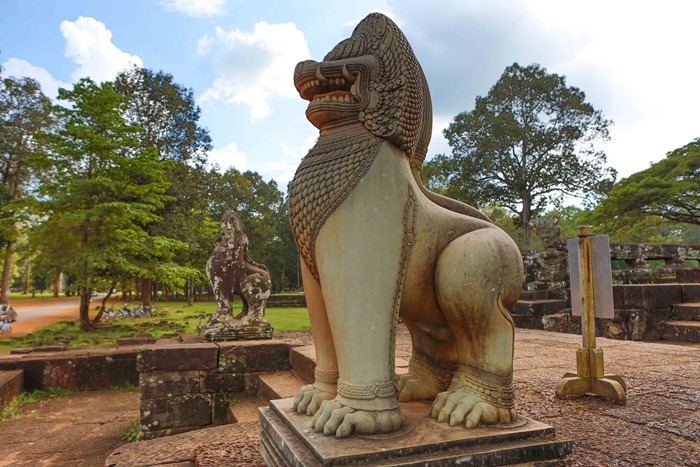
The entire terrace is covered in elephant carvings.

A view along the length of the terrace.


I would have liked to get to some of the older outlying buildings, but there was no time.
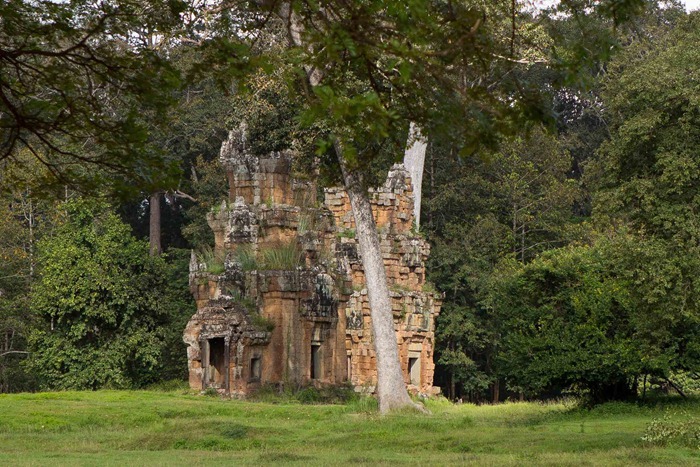 I am sure that the Siem Reap area is covered with unexplored buildings.
While traveling through Vietnam and Cambodia we drank fresh coconut whenever we could.
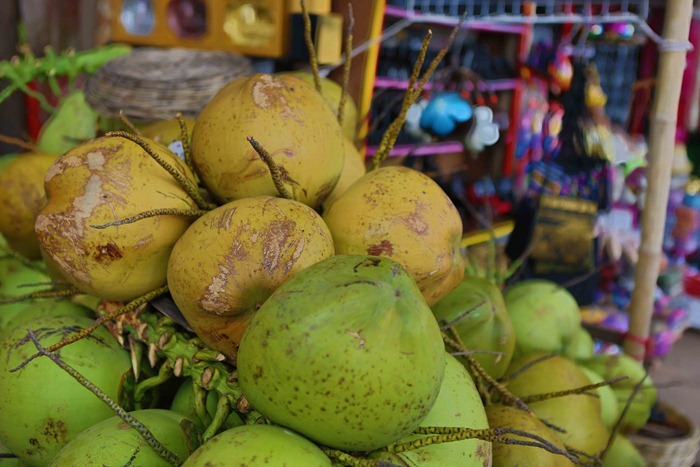
Those are very, very sharp knives and they swing them fast.

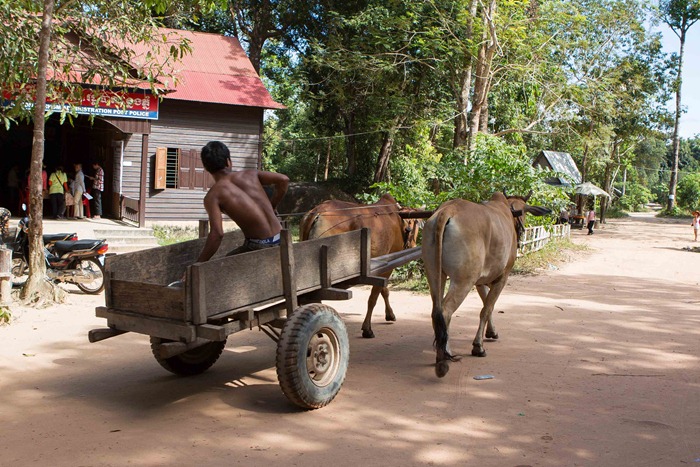
Cambodia, China and other Asian nations – each with their unique way of getting around dependent on factors such as tourism, distance and cost. A few from Cambodia. Config Canon 5D Mark III, Canon 28-70mm f/2.8 and Canon 70-200mm f/2.8.
Waiting for a tourist (outside Angkor Wat)

Down the road.

The family business. Yes, those are durian.

And still quite common, the cart and oxen.
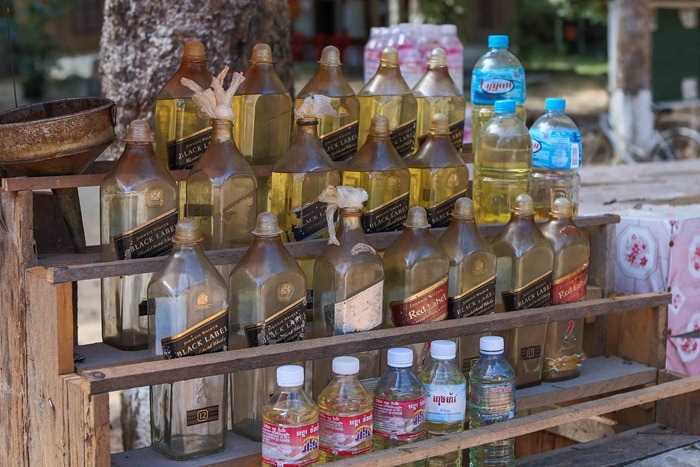
One thing that remains consistent .. petrol distribution is a little different in these countries.
And a few black and whites.

Love the kid making faces. One thing is for sure, the Cambodian people are super nice (and happy).

Scooters were everywhere.

And of course, human powered.

From country to country the vehicle choice changes. In Vietnam it was the scooter. In China it is the 3 wheeler. Config: Canon 5D Mark III, 50mm f/1.2.
Here is a pic of the average family’s vehicle (note the his foot placement – there must be an engine in there somewhere). It was amazing to see just how much they could pile on one of these vehicles.
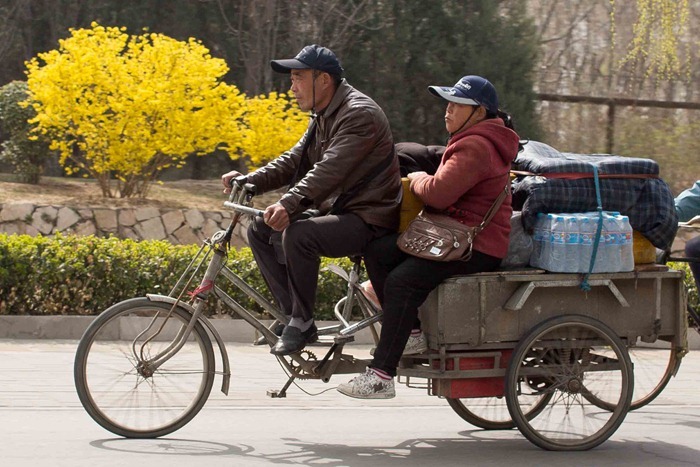
The upscale family’s vehicle.

The compact.

Kicking it old style, human powered.

Industrial. This guy was smiling awkwardly because he cut everyone off. (NOTE – no helmets!)

A very different world.
Via my iPhone.
A very fast train (In China)

Excuse me .. I was looking for the Vitamin C aisle?

A friend told me it was –26C and snowing like mad in Calgary. I do not miss snow. I never need to see snow again. We had one day of snow in Tokyo last year, I did not like it. Shut the city down.

Just say “NO” to snow.
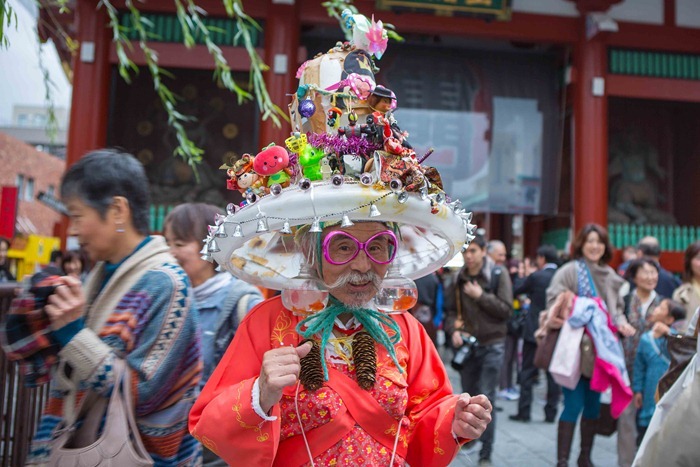
I forgot to post this photo. This fellow was out front at Sensoji temple entertaining the locals and tourists. Love the earrings.
I am often perplexed by the way that English is used in Japan. A couple cases in point.
Why is the title of the car wash in English and the content in Japanese?

Why is this Crunky bar advertised in English? (Yes .. Crunky bar)

Why does is this sign in Japanese have only a few English words? (Most people will not understand that this means that the entire city is smoke free – it is illegal to smoke in public (awesome)).

This is just funny (At the entrance to the big Buddha)
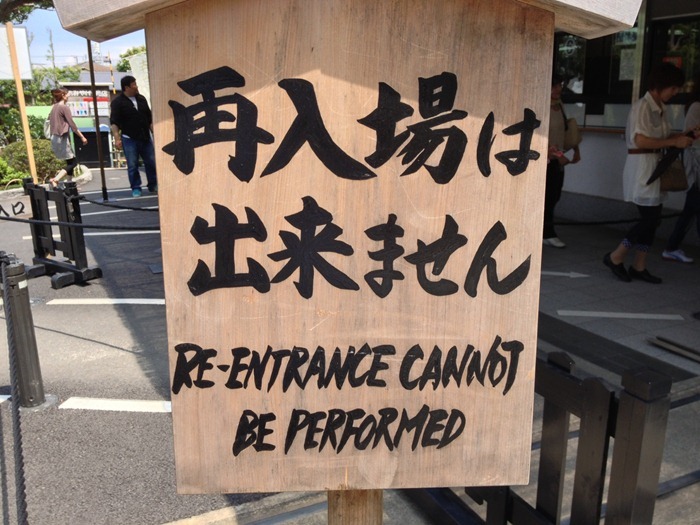
This just makes me wonder, what were they thinking? (although this is not Japan – this is in Singapore)

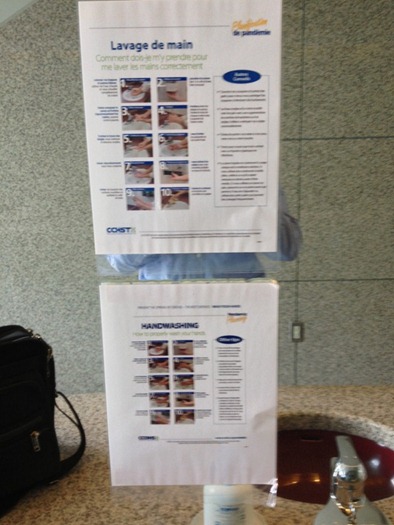
And last but not least, I point the finger squarely at the Canadian consulate in Japan. Really? English and French hand-washing instructions .. but nothing in Japanese. Figures.
From around town.
“The quality sleep”. Japan has a different definition of what constitutes a quality mattress than North America.

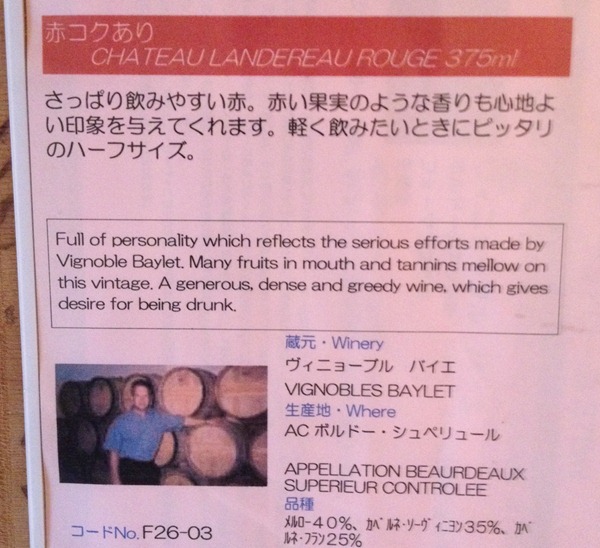
I was grabbing a bottle of Sake at a local shop and this wine advertisement (among others) caught my eye for the unique use of English in the marketing – specifically the “desire for being drunk” phrase. Quite the sales pitch.
I am glad this guy caught up with my taxi. Look closely … (from my iPhone). He is in the rain, holding an umbrella, in a suit, riding a bike, with no helmet while talking on the phone. I don’t understand why no one wears a helmet …

Another interesting use of English in the ANA line at Narita. I laughed at the sign giving us an update on when we will board.

Living in Japan is a little like a Monty Python movie. There are some obvious things that make you laugh, but the best laughs require that you pay close attention or you will miss them.
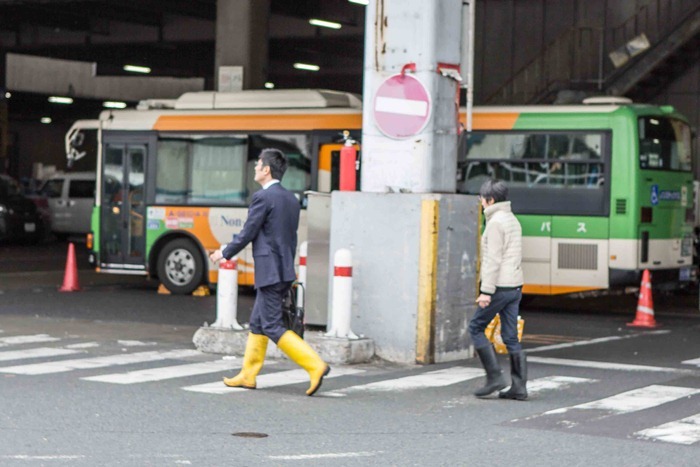
How the business man conducts business at Tsukiji market.
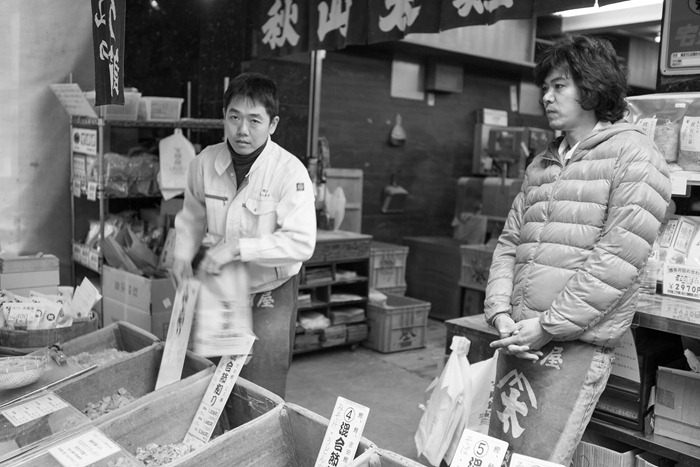
How the tourist conducts themselves at the market, wandering in the crowds. A couple black and whites (Config: Canon 5D Mark III, Canon 28-70mm f/2.8)

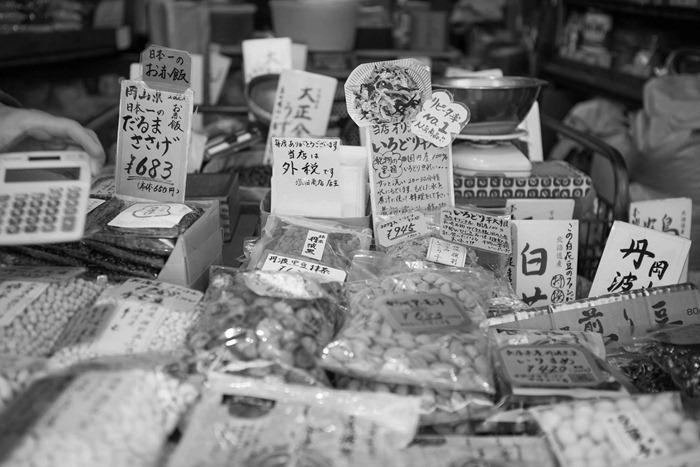
Welcome to the “Relax lounge”. Feel free to smoke away – because you are not allowed to smoke anywhere in public (nowhere – when the Japanese get it right, they really get it right!)

A couple handheld HDRs. That is a great color for tuna.
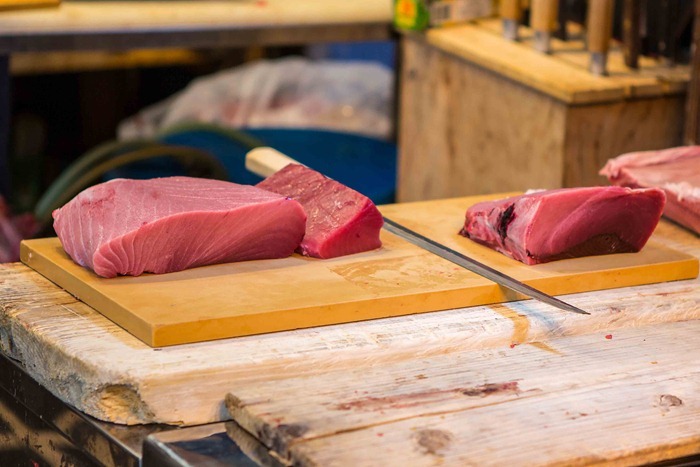
Japan is known for their knives .. amazing.

Head anyone?
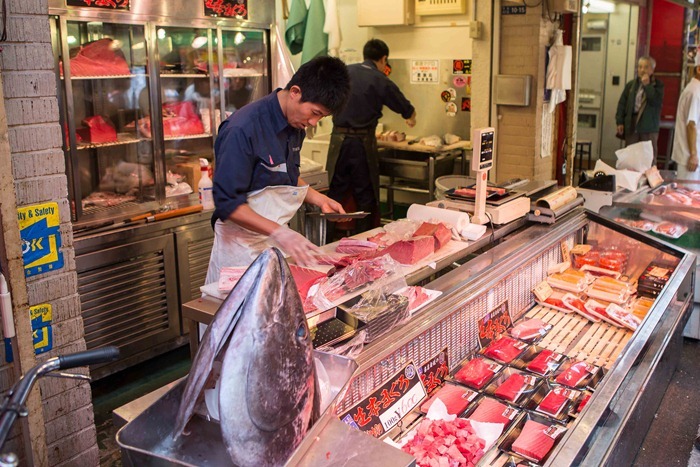
I have yet to try it, but I hear it is quite the delicacy.
With a friend from Canada, on a very busy weekend. Config: Canon 5D Mark III with my Canon 28-70mm f/2.8.


Many were saying their prayers.
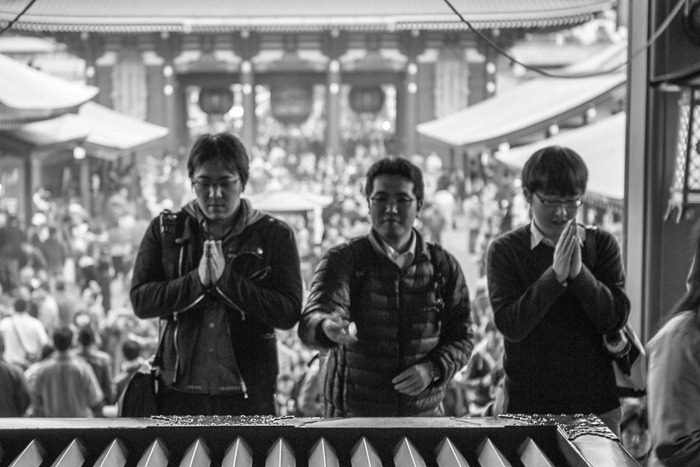

A few HDRs.


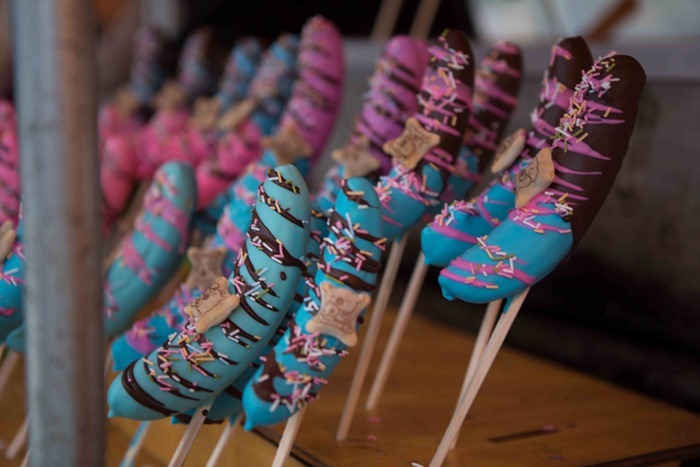
Many were selling their wares. If you ever see this chocolate coated banana – don’t stop. Opinion based on experience … more pleasing to the eye than the palate (by about 50 miles)
I still find the swastikas as a temple symbol disconcerting.

But the temples are spectacular.
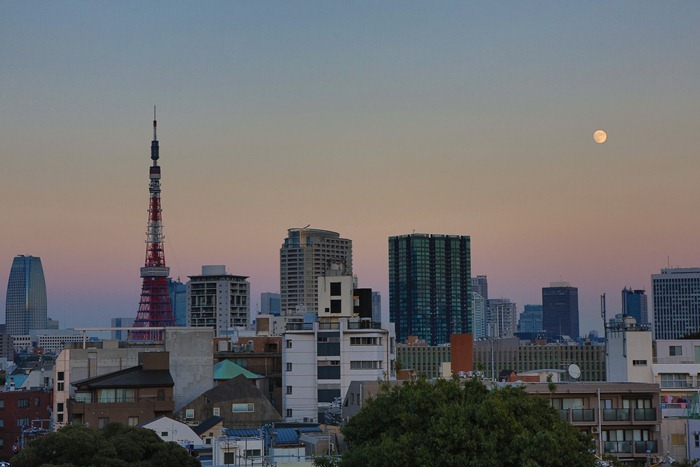
The Tokyo Tower, changing colors for the upcoming Christmas season.
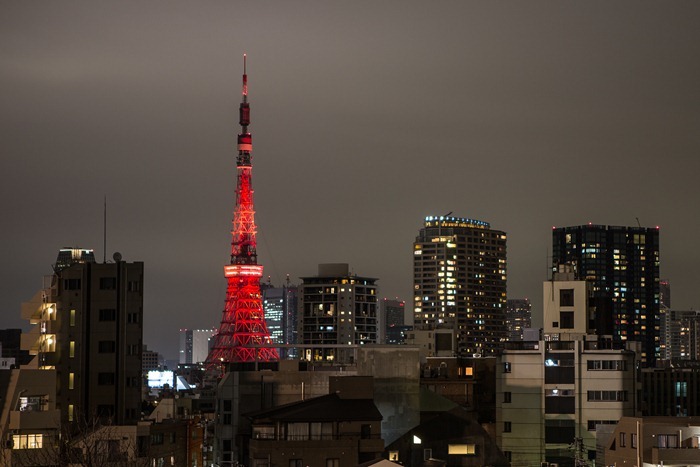

And a few moments before the lights come on.
A few more shots of the side streets of Hong Kong. A delicacy from one of the street markets.


Flowers are everywhere and inexpensive. That is $17 Canadian ….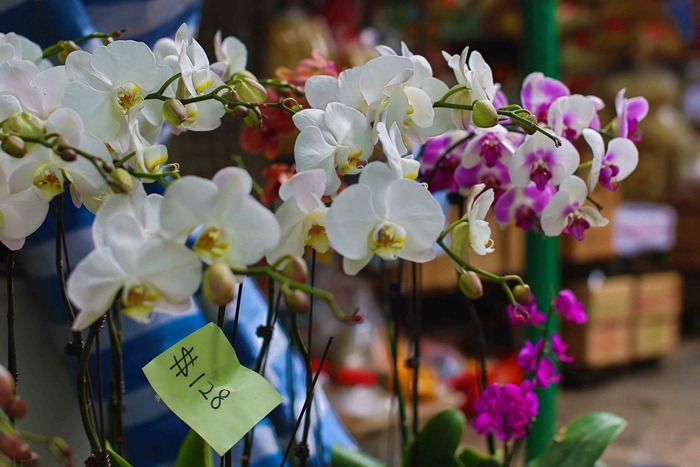
This sign made me laugh. Was it a rough Grand Opening or a sign that is long overdue to come down?

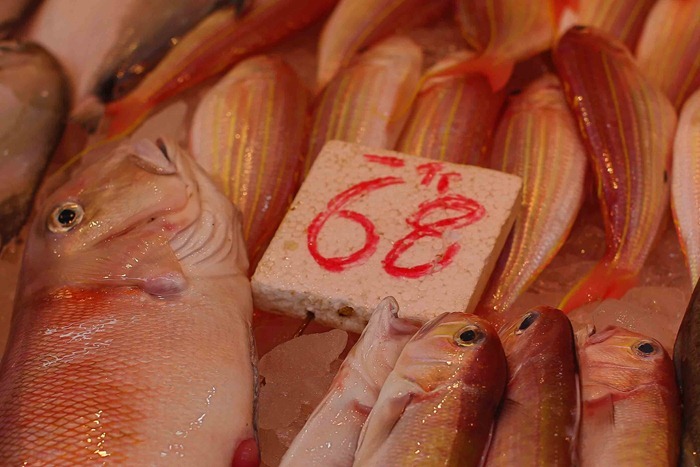
The fishmonger.

An important feature at this boarding house.
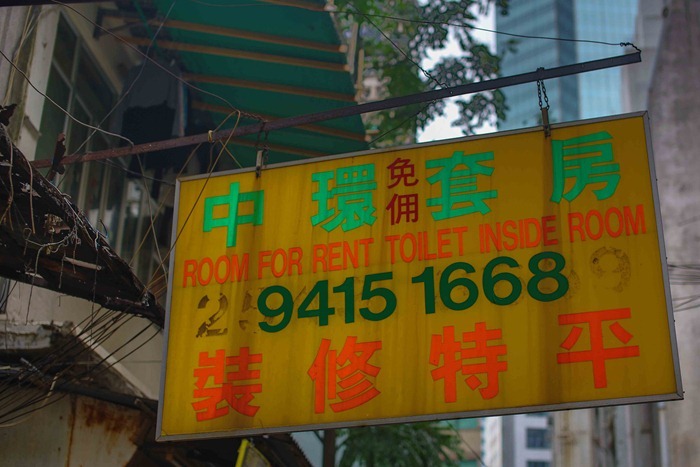
Need to get there for a “tourist” weekend.
I was asked what HK is like the other day. I am far from an expert on the city as my travel there involves the usual; airport > hotel > office > meetings > hotel > airport. I did, however, take my camera and wander around one lunch time that I had free.
My opinion, Hong Kong is a city of poles. Multi-billion dollar, ultra modern buildings with extremely old buildings and farmers markets squeezed in-between. It is interesting to see.

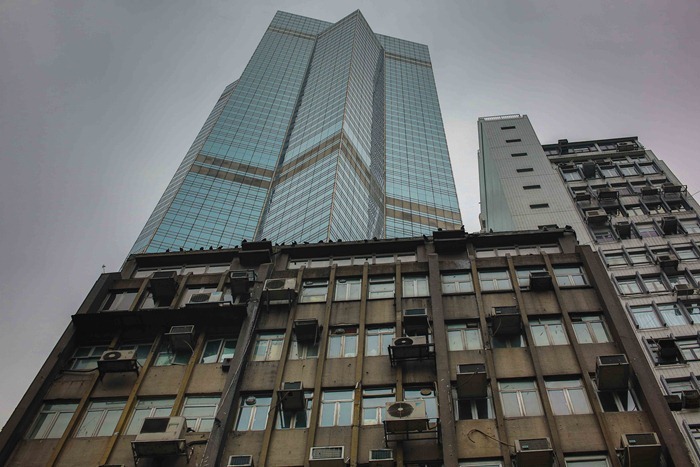
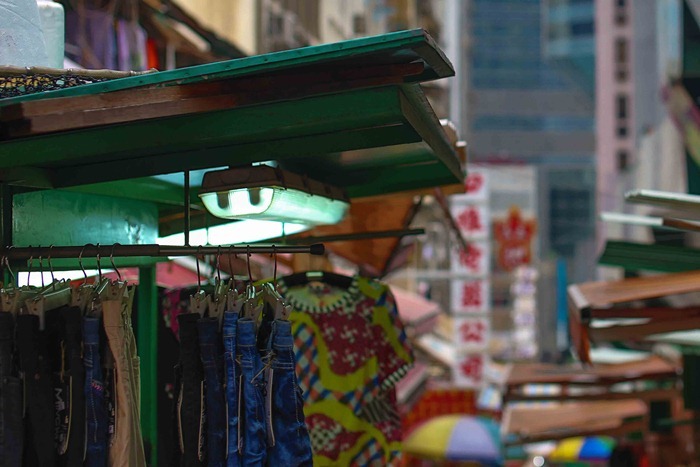
Fascinating side streets.

Magazine stands are quite popular.


Durian anyone? I can always smell it in a market.

A Hong Kong scaffolding truck. They will build a 50 story building with bamboo scaffolding.

Interesting place.
I do not know Garret Popcorn. I do not know if it is good, I do not know if it is bad.

All I do know is that the store in Shibuya must be the highest sales per square foot in their chain. It is ALWAYS lined up around the block. I tried to capture the size of the line, but is hard.
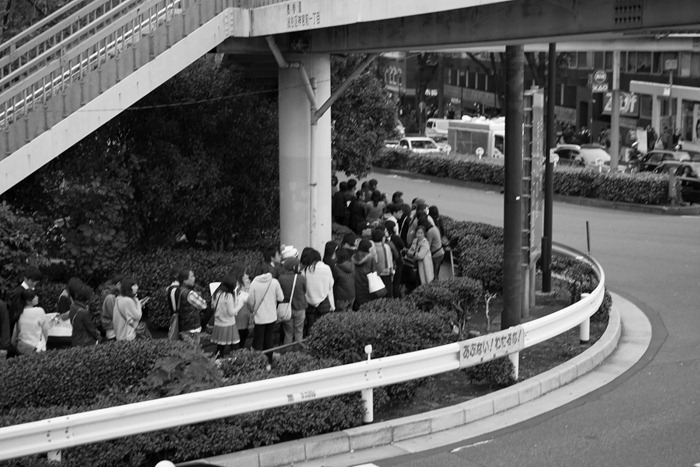
Do you see the end to the line? Hard.

Crazy. I will be unable to form an opinion on Garrett popcorn as the chances of me standing in a line for 2 hours for popcorn are somewhere between 0 and none.
A side note, the advanced encoded security with digits that moved around on the pad for this bathroom gave me a chuckle.
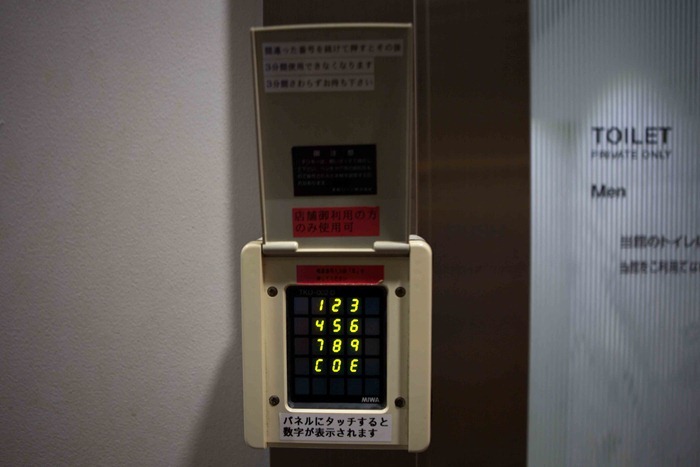
It wasn’t even that fancy of a bathroom (smile).
We were with a friend at Meiji Shrine on the weekend and there were a few things going on – weddings and children coming of age celebrations.
I enjoyed watching the posing of this wedding party, the photographer and his staff must have adjusted an arm here – a leg there, for 10 minutes.
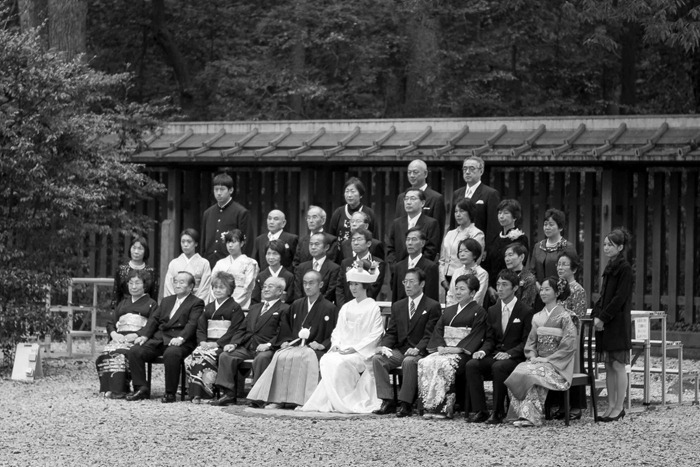
The bride is wearing the head covering that is traditionally worn to cover her “horns”.

Perhaps this bride is happy because she does not have anything to hide (smile).
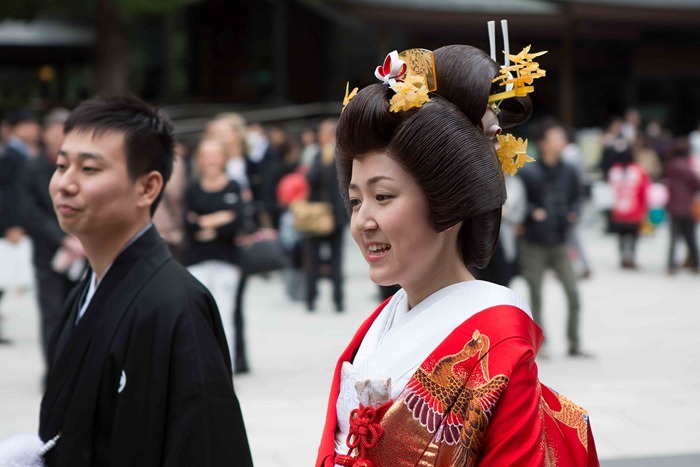
Everywhere you looked were children in colorful traditional dress, to celebrate their coming of age. Of course, parents were being parents, primping and preening – that is the same in every culture.


The path to the shrine was lined with ornate flower arrangements. No idea what they were for, but I have not seen daisies arranged like Japanese trees before. Very pretty.

As always, lots to see at Meiji shrine.
Danger lurks above.

As we walked along the river running through Mitake gorge we passed racks and racks of old kayaks, waiting for their owners to realize … they are obsolete.
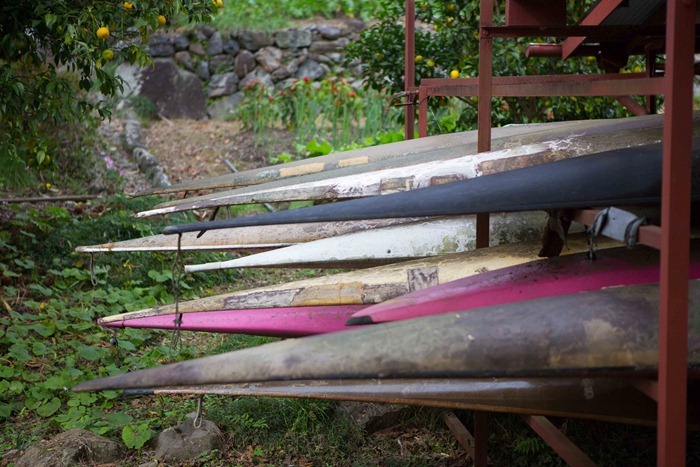
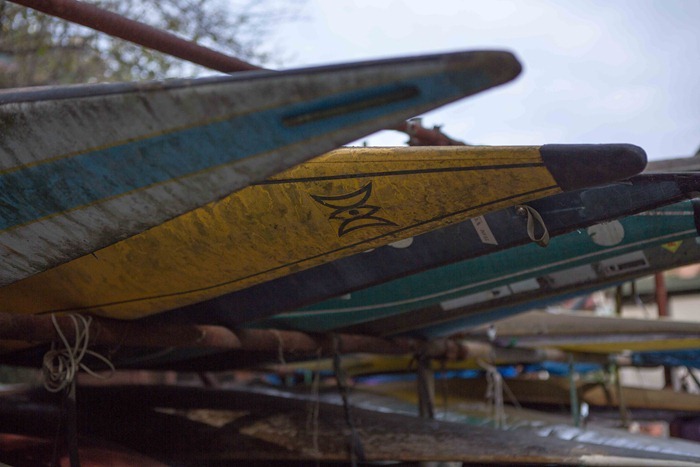

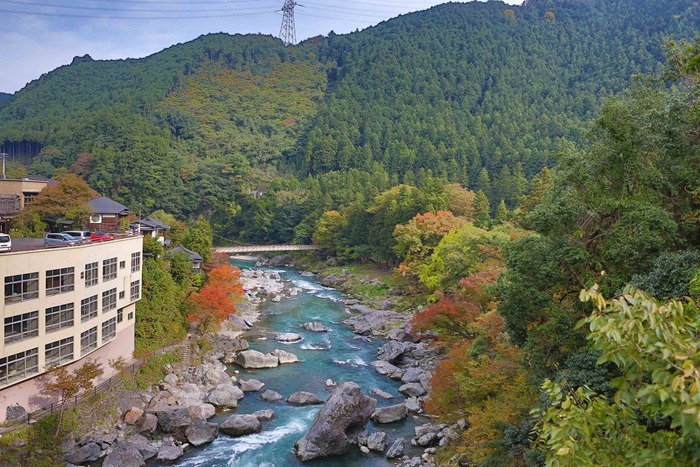
The fall is arriving in Japan, the trees are turning. A good day for a wander around the town that sits at the base of Mt. Mitake, Tama-Gawa.
A few mixed shot of the hike. Config Canon 5D Mark III, Canon 28-70mm f/2.8.
The view of the “rapids”. You can take a whitewater ride down the river, although they didn’t seem all that “rapid”. Config: Canon 5D Mark III with 28-70mm f/2.8.
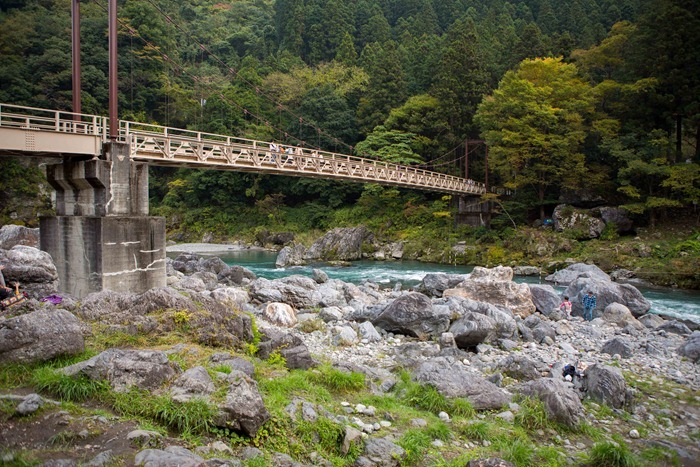
The region is also known for kayaking. There were a lot of groups along the banks of the river.

Gnomes along the trail.

Local farmers (or what I would call gardeners) were selling their wares along the trail.

Beautiful time of year.

I got off of a red-eye from LAX in Haneda, Japan this week and the total time from plane to taxi was 12 minutes. I love Japanese efficiency and Haneda is my favorite airport in the world. Close to downtown Tokyo and so efficient.
The "special re-entry" line also helps as it is often empty (smile).
We have a friend coming over from Canada this weekend and he is very tall – 6’ 4ish. He will probably have a tough time with the doors in Japan … This is a not-uncommon door frame height in older buildings.

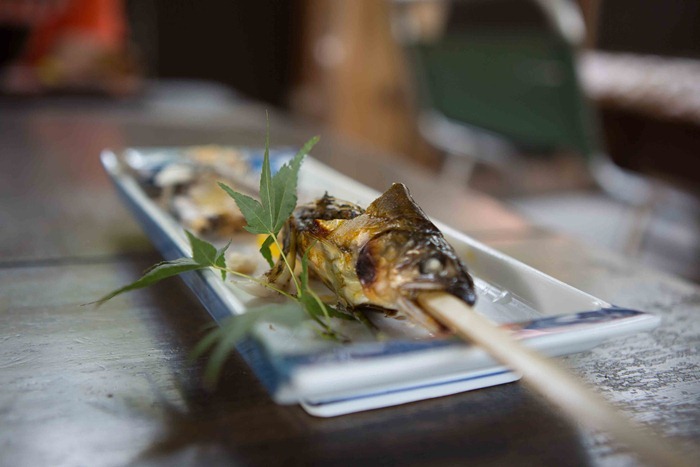
Grilled. Shot with a Canon 5D Mark III and a Canon 28-70mm f/2.8.

I have been playing around with black and white lately. Not sure if I like sake in green or B&W?

Hidden behind some trees, near the river at the base of Mt. Mitake and looking quite Anglo-Saxon in origin.
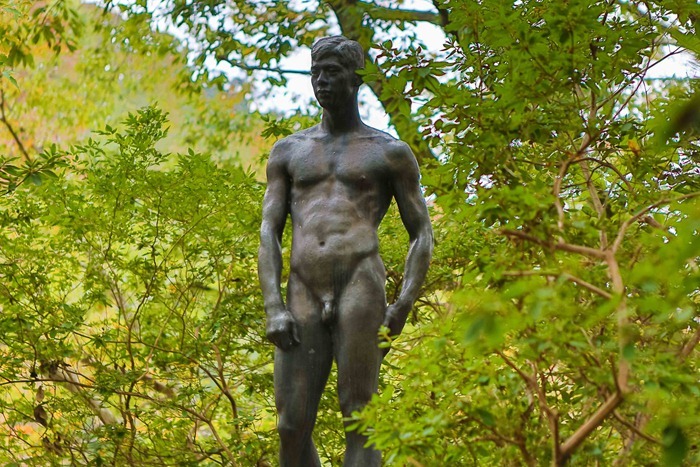
Why? Your guess is as good as mine. Japan remains a mystery.
After 16 months here I still cannot figure out why every single shirt in Japan is imprinted with some form of English brand, wording or English slogan.
We live on Mars (smile)


 Michael Weening: a few pictures