OF ANDY MURRAY


While at Wimbledon I was drawn into the nationalistic fervour surrounding Andy Murray, the 21 year old Scot who was able to battle his way into the semi finals where he was completely, and utterly trounced by Nadal. In the Guardian, they described it this way:

He came, he saw, Nadal kicked his arse. The 21 year old 12th seed had raised British hopes by cruising through the first round: we sat up and looked interested: the second round: we renamed Henman Hill Murray Mount:and the third: we rebranded the Scottish player British. Then he looked like crashing out of the fourth round in straight sets, before staging the most terribly plucky comeback after his opponent had served for the match in the third set.

The crowd roared. Andy roared. He showed his biceps. Through to quarter finals! We felt like a top nation once again. Nadal beat him 6-3, 6-2, 6-4. Never mind. In that increasingly well rehearsed phrase – there’s always next year.

Of course, there is always Laura.

In reading about this phenomenon, what has been very interesting is the tone of the articles. A quick flip through the glorious interweb shows that young Andy has a checkered history and that people find him as charming as a rock. From his declaration that he would support anyone ‘but England’ in the world cup on his blog (which lead to a good old fashioned Scottish vs English battle on his blog) to his well documented tirades and asinine behaviour on and off the court. Universally, people are having a tough time liking the guy and cheering for him ‘despite who he is’.


When I was in the stands, I was caught up in rooting for a Brit to win. However, after only one exposure to his yelling and obnoxious hand pumping after winning each point (Andy – you need something new) I was left with a distinct impression that he is not much of a sportsman. Words like obnoxious, arrogant and spoiled brat come to mind.

Too bad. Go Laura!

WIMBLEDON


We had the good fortune to attend our very first tennis match on Saturday at Wimbledon. The weather was beautiful (again) and there was real excitement in the air as Britain was cheering for Andy Murray, the 10th seed Scot to pull a win.

As this was our first trip to Wimbledon, we decided to drive into town so that we could get back at our leisure. Of course, this meant paper based navigation as I had lent my TomTom to a Canadian friend who is the country for a few weeks. Big mistake. I successfully turned a 45 minute drive into a 1:30 minute drive. How did people get around before GPS?

Eventually arriving, we started the day at the Wimbledon Club, which is across the street;

Wimbledon Cricket Club was founded in 1854, just nine years after Surrey County Cricket Club. Early matches were played on Wimbledon Common. By the 1880’s visiting teams increasingly expected a permanent pavilion, which was not permitted on the Common, and in 1890 the Club moved to its present ground in Church Road, initially on a ten – year lease with an option to purchase the freehold after then years. This was duly exercised with the help of Debenture holders, most of who had no expectation of a return on their investment. When the debentures were redeemed in 1965 it was at the same price at which they had been issued.

It is interesting to note that Wimbledon started as a Croquet club:

The All England Lawn Tennis and Croquet Club, which is responsible for staging the world’s leading tennis tournament, is a private club founded in 1868 as The All England Croquet Club. Its first ground was situated off Worple Road, Wimbledon.

In 1875 lawn tennis — a game introduced by major Walter Clopton Wingfield a year or so earlier and originally called ‘Sphairistike’ — was added to the activities of the club.

We enjoyed a fantastic lunch, champagne and Pimms (again) while watching the members play tennis on the grass tennis court. We never drank champagne before coming to Britain, where it is a staple offering at dinner parties and events, and one that I have become quite fond of. Of course, there was also tea accompanied by strawberry’s and cream – nothing is more British than that on a summer day.

2008 June 28  _MG_9974

I enjoyed looking at these lists as you entered. Note the ‘war years’ annotations.

 2008 June 28  _MG_9966 2008 June 28  _MG_9967

Then it was off to Wimbledon. What an amazing place. Packed to the rafters with 20 matches going on at all times, from world ranked professionals to boys and girls. The below map gives you a great idea of layout of the event.

           Map of the Grounds

We were fortunate to be sitting in centre court. I am not a big ‘sports watcher’ on TV, but I love it live. The atmosphere was electric.

2008 June 28  _MG_9885

Of course, the royals have their own box. I forgot my invite on the kitchen table so the guards turned me away.

2008 June 28  _MG_9850

The stadium is actually quite small. There really isn’t a bad seat in the house. It was a little irritating as I don’t have a zoom lens on my camera. A new lens is now ordered.

2008 June 28  _MG_9915

The first match was between No.2 ranked Jelena Jankovic (SRB)[2] and No. 31 Caroline Wozniacki (DEN)[31]. It was an amazing match (with many surprised by Caroline’s tenacity). She was screaming the serves over the net at 106 mph (versus Jelena’s sub 100mph serves) and at times looked to have Jelena on the ropes. As the match progressed, Jelena began to limp, calling out her trainer to put a tensor bandage on her knee (after losing the next set without winning a single point, she had it removed). In the end, she won 2-6, 6-4, 6-2. You can watch the match (or download it) here. In the end Jelena pulled it out and won. Great match.

It was amazing to watch the power and form of these athletes.

 2008 June 28  _MG_9847

2008 June 28  _MG_9848

2008 June 28  _MG_9849

2008 June 28  _MG_9854

Early on in the match, a man was yelling out to Jelena. Turns out it was her father, the only one who could get away with that (although as the day progressed, the crowd got more and more vocal). He is the one with the video camera, a few seats down from us. About half way through the match, at a point where she was really battling, he yelled something in Serbian that made her look up and start laughing. I would love to know what it was …

2008 June 28  _MG_9872


The second match was the one everyone was waiting for – Andy Murray (GBR)[12] versus Tommy Haas (GER). It was explained to me that Andy (Scottish) was Britian’s best hope for a winner in the tournament. It was a good match but Haas was no match for Andy’s 135mph screamer serves.

2008 June 28  _MG_9902

2008 June 28  _MG_9903

2008 June 28  _MG_9904

2008 June 28  _MG_9905

2008 June 28  _MG_9907

2008 June 28  _MG_9938

2008 June 28  _MG_9937

What was also noticeable was the military presence. Every branch of the military was present operating the gates. Quite cool to see and for them, I would hope a nice perk.

2008 June 28  _MG_9961 

I could not help but notice the dress of the officials, with their great old fashioned hats. It was also fun to watch what much have been young volunteers as they eagerly handed the players towels and quickly grabbed discarded balls.

2008 June 28  _MG_9863

One story floating around was about a ball boy/girl stopping a pro from taking a towel that was not theirs from the court. The Times call the whole Wimbledon towel thing the ‘great Wimbledon towel swindle’:

We’ve all done it. You’re on holiday, the hotel is expensive, and for some reason it’s difficult to leave those complimentary items behind, regardless of how complimentary they actually are. Soaps, shower gels, perhaps even sachets of coffee or sugar are fair game.

There are limits, though. Many people would stop at towels. Not the millionaire tennis players enjoying the plush surroundings of the All England Club locker room it seems. More than 2,500 lush cotton towels, at £24 each, went missing last year, costing Wimbledon around £60,000. Even Roger Federer admitted the practice was commonplace among the affluent elite at this most refined and traditional of sporting institutions, although the numbers of disappearing towels are down this year.

Last, it was interesting to see the photographers with their huge lenses. As a Canon user, it was interesting to see the Canon white to Nikon ratio, by my count 2:1. I was surprised.

2008 June 28  _MG_9940

All in all, another AMAZING day in the UK. Thanks Britain!

ASCOT LADIES DAY

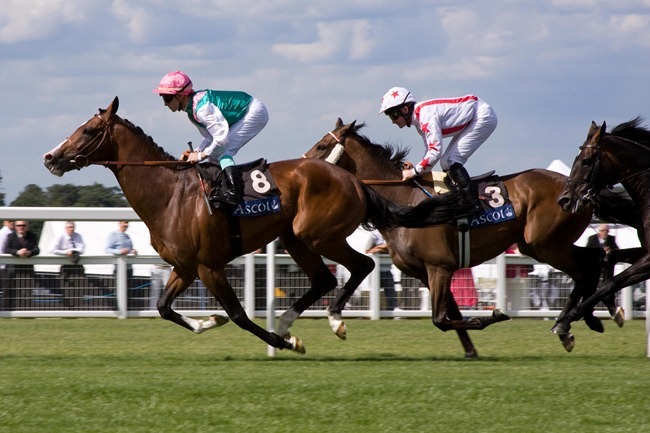
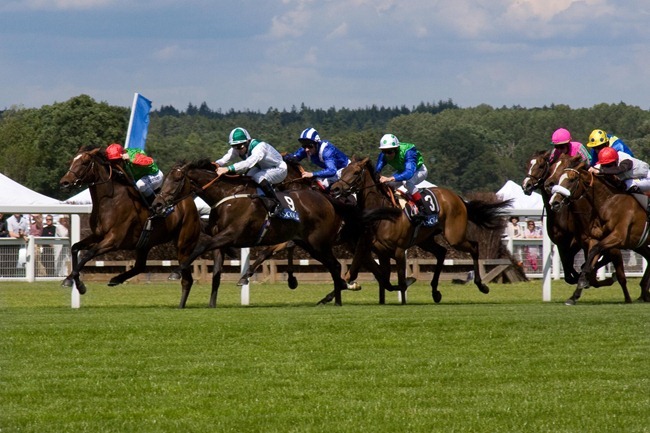
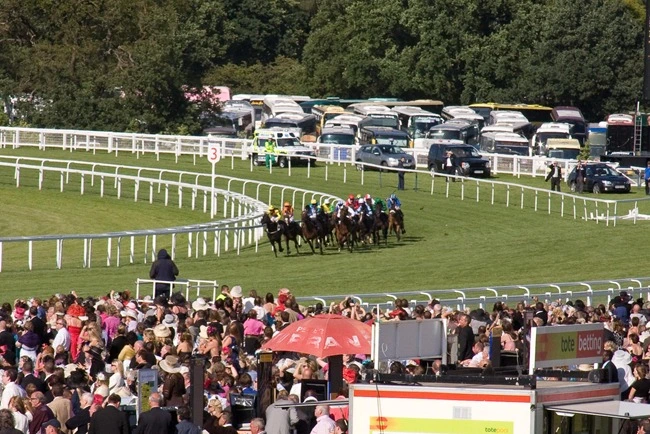
Yesterday we had the good fortune to head out to one of the big UK cultural events, Ascot Ladies day at Royal Ascot raceway:

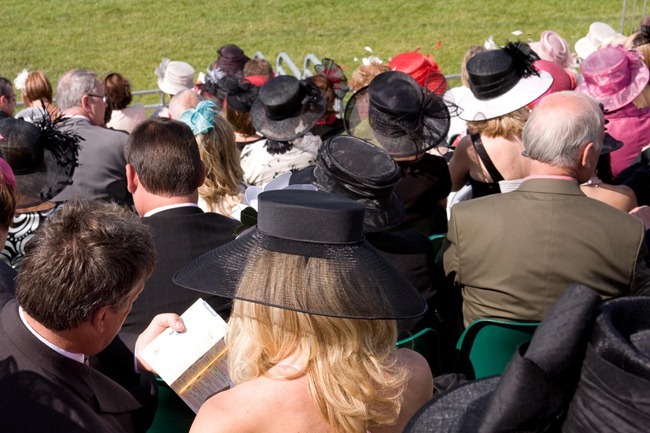
The centrepiece of Ascot’s year, Royal Ascot is the world’s most famous race meeting, steeped in history dating back to 1711. The royal family attend the meeting, arriving each day in a horse-drawn carriage. It is a major event in the British social calendar, and press coverage of the attendees and what they are wearing often exceeds coverage of the actual racing. The Royal Enclosure has a strict dress code—male attendees must wear full morning dress including a top hat, whilst ladies must not show bare midriffs or shoulders and must wear hats. Outside the Royal Enclosure the dress code is less severe, but many people choose to wear formal dress anyway. Traditionally to be admitted to the Royal Enclosure for the first time one must either be a guest of a member or be sponsored for membership by a member who has attended at least four times. However controversially in 2007 Royal Enclosure day passes were also issued with hospitality package.

The Ascot Gold Cup is on Ladies’ Day on the Thursday. There is over £3,000,000 of prize money on offer.

The biggest thing about this day is the ‘ladies’ aspect – specifically the fancy dresses and crazy hats. I had a friend tell me that his mom and friends book a seat at a restaurant every year just so they can spend the day people watching. Of course, the other aspect is that after a day of champagne and PIMMS, those same posh women can look quite funny.

The race day started with the Queen had family heading to the Royal Enclosure. This year the Queen backed a stricter dress code. You can read it here – quite funny.

Ascot Ladies Day  2008 June 19  _MG_9633 

Ascot Ladies Day  2008 June 19  _MG_9646

Ascot Ladies Day  2008 June 19  _MG_9638

I have only been to a horse race a few times before and each time from the bleachers. Being close to the action was quite entertaining. The horses are beautiful, the day was gorgeous and I lost £40 betting because I had no idea what I was doing.

Ascot Ladies Day  2008 June 19  _MG_9663

Ascot Ladies Day  2008 June 19  _MG_9734

Ascot Ladies Day  2008 June 19  _MG_9689 

Ascot Ladies Day  2008 June 19  _MG_9757

Ascot Ladies Day  2008 June 19  _MG_9801

Time for an upgrade.

Ascot Ladies Day  2008 June 19  _MG_9813

It is all about the hats.

Ascot Ladies Day  2008 June 19  _MG_9782

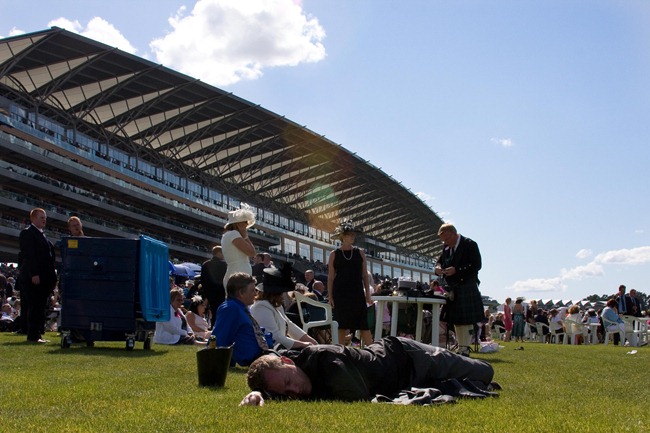
Good fun. Another UK adventure. Although I did not have as much fun as this lad …..

Ascot Ladies Day  2008 June 19  _MG_9784

ROUNDABOUTS


Over the last year I have gone from dreading roundabouts (and cutting off more than my fair share of people by taking the roundabout in the wrong way) to loving roundabouts.

I think Canada should SERIOUSLY consider roundabouts in new urban planning. They are so much more efficient for low and medium traffic locations than stop signs (and the eliminate those ridiculous rolling stop tickets).

That is until I met a roundabout that has gone too far, the magic roundabout in Swindon.

Until September 1972, there was only one Magic Roundabout and it was a children’s television programme featuring Dougal the dog, a hippy rabbit called Dylan and the spring-loaded Zebedee.

Then a revolutionary idea (in more ways than one) which had been tested in Colchester, Essex, was also tested on Swindon’s County Ground Roundabout. Until then the area had been a motorist’s nightmare which routinely failed to handle the volume of traffic which converged on it from five directions.

The new roundabout was the work of the Road Research Laboratory (RRL) and their solution was brilliantly simple.

All they did was combine two roundabouts in one – the first the conventional, clockwise variety and the second, which revolved inside the first, sending traffic anti-clockwise.

And magic it certainly is. Though it may confuse or amuse new visitors and baffle American tourists, the average Swindonian finds that his or her passage through one of the town’s busiest junctions is actually quite fluid, even at peak times. Twenty-five years on, the Magic Roundabout still works, despite ever-increasing volumes of traffic.

As I almost ripped the back wheel off my car on the weekend, I was in a rental and without my TomTom which was conveniently located in the glove compartment of my towed away car. So last night I went through the magic roundabout to a meeting without guidance and I got lost, honked at and definitely did not feel like a happy ‘Swindonian’. I talked to a few of my peers after the meeting and they all laughed ‘We knew you would get lost, just glad you eventually got there’.

I also stopped to take this picture with my phone. Who would have thought?

IMAG0007

WHAT IS WRONG WITH THIS PICTURE?


IMAG0002

Your choices are:

1. The scratches really do not bring out the shine of the metallic paint.

2. The car needs a wash.

3. Back wheels are meant to be straight.

If you answered all of the above, you are correct! The above is the direct result of my car having an argument with a concrete pillar after a wonderful day of enjoying the UK sun. The car lost – and the angle of the wheel is all bad.

A SPIKE IN LONDON

If you look at this large pointy thing, sitting by a bridge in London, what would you think it is?

2008 May 28 45  _MG_9095 Our Day out for my 40th_

Your choices:

a) Over priced art the the city of London commissioned to make the city look ‘deep’.

b) A monument to mothers everywhere who have spent centuries yelling out ‘Don’t run with pointy things in your hands!’

c) A monument to medieval England and some rather unpleasant goings-on.

d) A giant sun dial.

The answer is a AND c. It is a spike meant to commemorate the location where traitors heads would be left on a pike to rot. Charming.

Tower bridge, however, is charming. Everyone thinks this is London Bridge, it is not.

2008 May 28 42  _MG_9092 Our Day out for my 40th_

WINSTON CHURCHILL MUSEUM


Last week Narda took me out for a day to celebrate my 40th. To start it off we did the ultra-touristy thing, the Big Bus. If you are coming to London, I would highly recommend it. It is an open top double decker bus with multiple routes around London. The bus has a guide who points out the key sites and their history, allowing you to jump on and off at your convenience. Fantastic way to see the city.

One of our stops was the Cabinet War Rooms and Churchill Museum. 

Shortly after becoming Prime Minister in May 1940, Winston Churchill visited the Cabinet War Rooms to see for himself what preparations had been made to allow him and his War Cabinet to continue working throughout the expected air raids on London. It was there, in the underground Cabinet Room, he announced ‘This is the room from which I will direct the war’

It was fascinating to see the place where Churchill coordinated the effort against the Axis and through the museum, get a feel for the life and times of a truly great man. One of the first rooms you come upon was the meeting room where Churchill and his team would plan military strategy. The writing emphasized that Churchill was a head strong man, with opinions and ideas but that as a leader he did not take Hitler’s approach where he would overrule his team and make the decisions. Instead he was a leader who worked with the team to get to the best decisions.

The working conditions were rather sparse and as part of the audio tour they made it clear that living and working in the underground bunker was not exactly luxurious.

2008 May Churchill War Rooms  (2 of 7)2008 May Churchill War Rooms  (3 of 7)2008 May Churchill War Rooms  (4 of 7)

The rooms are full of map and communication rooms. I found this one interesting as behind it is a map of Britain. The legend maps out how Britain would defend itself against an invasion.

2008 May Churchill War Rooms  (7 of 7)

The Battle of Britain was a turning point in the war, stopping the Axis invasion of Britain. The below is a particularly moving ledger, showing the activities (and casualties) of the RAF.

2008 May Churchill War Rooms  (6 of 7)

The Churchill museum is one of the best museums I have been in and very moving, full of intimate details on the life and times of Churchill. It makes if very clear that his indomitable spirit helped bring Britain (if not the entire free world) beat the Axis.

The museum is arranged into 5 chapters, the last being his death and a fascinating piece of trivia. He was given a state funeral and it is the only commoner funeral that the Queen has attended.

By decree of the Queen, his body lay in state for three days and a state funeral service was held at St Paul’s Cathedral.[168] This was the first state funeral for a non-royal family member since 1914, and no other of its kind has been held since.[169] As his coffin passed down the Thames on the Havengore, dockers lowered their crane jibs in a salute.[170] The Royal Artillery fired a 19-gun salute (as head of government), and the RAF staged a fly-by of sixteen English Electric Lightning fighters. The funeral also saw the largest assemblage of statesmen in the world until the 2005 funeral of Pope John Paul II.[171] In the fields along the route, and at the stations through which the train passed, thousands stood in silence to pay their last respects. At Churchill’s request, he was buried in the family plot at St Martin’s Church, Bladon, near Woodstock, not far from his birthplace at Blenheim Palace.

Going through his museum prompted me to whip through a book I had on my ‘to be read pile’, The Wicked Wit of Winston Churchill. He is known as one of the worlds greatest orators, and this book captures some of his best moments. A few that will stick in my mind:

  • One of Churchill’s most famous speeches is that of June 1940: ‘We shall fight on the beaches, we shall fight on the landing grounds, we shall fight in the fields and in the streets, we shall fight in the hills …’ It is said that, as he paused in the great uproar that greeted these words, Churchill muttered to a colleague next to him, ‘And we’ll fight them with the butt ends of broken beer bottles because that’s bloody well all we’ve got!’
  • ‘Eating my words has never given me indigestion’
  • When he eventually came round to the idea of women holding executive positions, he signed the order for their appointment with a flourish and declaration: ‘Let there be women!’
  • The first woman MP was Nancy Astor, known for her great wit and who Churchill spared with often. The following exchange some claim to be apocryphal, while others suggest that the man in question was not Churchill … It is said to have taken place at Blenheim when the Astors and the Churchills were guests of the Duke of Marlborough over a weekend, during which Churchill and Nancy Astor apparently argued ferociously the whole time. Nancy Astor: ‘If I were your wife I would put poison in your coffee’ Churchill: ‘Nancy, if I were your husband, I would drink it.’
  • ‘My most brilliant achievement was to persuade my wife to marry me’
  • When, in 1960, a reporter from London Evening Standard asked Churchill what he thought about the recent predictions that by the year 2000 women would be ruling the world, he muttered gloomily in reply, ‘They still will, will they?’

And of course, in England, even the government buildings are a marvel. This entry way takes you between the Revenue office and the Foreign office to the museum. Beautiful.

 2008 May Churchill War Rooms  (1 of 7)     

A worthy outing and a great book.

SAVED FROM A POTENTIAL WORK RELATED TRAGEDY


I have heard through side comments that health and safety is very highly regulated in the UK. This morning I came in to the following note on my desk:

‘As part of the Heath and Safety policy your chair has been tested this weekend. We apologise if the settings have been altered’

A pain to get it back to exactly how I like it, but better safe than sorry.

image

A LONG SUMMER


The last week in the UK has been brilliant. Sunny. Ranging from 25 to 28 degrees (C). Spectacular. Last night we were playing baseball out on the green until 830 pm in the sun. Amazing.

This morning I made a comment on the beautiful British weather and had the following 2 responses:

  • ‘Don’t get use to it’
  • ‘This is what we call a long British summer’

While last year was very wet (flash flood wet), the year before was a drought in southern England. Random note, the local water supply is hurt by an infrastructure that was state of the art in the 1920s:

‘Last year the company leaked 196million gallons every day – 19 million each day above the required target.

The amount is equivalent of every home in the Thames Water area of London and the Thames Valley losing 55 gallons of water per day. ‘

So what will the year be like? I am curious to experience a London summer. I have a hunch that the UK exaggerate the weather and that it will be quite enjoyable. Which brings me to a fact that I will be putting in front of my colleagues:

Yep, London is drier than Toronto! And of course, beautiful days lead to beautiful nights ….

2008 May 03 1 

and beautiful local plants. This brilliant orange tree caught my attention as I drove down the street. I have never seen such a brilliant colour in Canada.

2008 May 10 131 

2008 May 10 130

NO CANADA THIS YEAR


As an expat there are a few questions that everyone asks you:

  • How long is your contract?
  • What is next?
  • When are you planning on moving back?
  • When are you going home next?

This is an odd one for me this year, I want to get back to Canada this summer to hang out with friends and family, and will deeply miss being up north with Narda’s parents and my brother/sister-in-law and their kids, but it isn’t going to happen.

As an expat, it is generally the working one who gets the short end of the stick on this one. You see, the family can travel back for an extended period and enjoy the summer, but the working one has a limited amount of vacation. So you must decide, do I take that time off and head back home or do I save that vacation to travel in Europe?

This year I will be away from my family for 3 times longer than I have ever been away from them – 3 weeks. The only upshot is that it is one of the busiest work times for me, with a week of business travel, so I will get a lot done. I also have all this old video I want to digitise and sort ….but it will be a weirdly quiet house.

And when I am in Canada and happen to land in an airport where a friend is, I will do my best to get my calendar straight so that we can have lunch …..I

A DOUBLE RAINBOW


The UK has been marvelous this week, perfect time to have mom over. She gets to enjoy the UK’s glorious sun – 22 and sunny all week.

Two weeks ago I caught this sight out of the back window, a double rainbow. I don’t think I have ever seen a double rainbow before. Only in the UK I guess. A beautiful night after the rain cleared.

2008 April 28 5 Nardas Bday

It was very cool seeing it up so close. The intensity of the rainbow was amazing. I think I see the pot of gold.

2008 April 28 5 Nardas Bday (34)

2008 April 28 5 Nardas Bday (27)

DIDN’T THINK THAT BASEBALL COULD BE FULL CONTACT DID YOU?


For some reason, whenever I play sports with my boys, someone gets hurt. Case in point, we were out on ‘the green’ the other night playing baseball. Not rugby where people pile on each other.. Not American football where you can get your leg snapped. It is baseball.

First injury was a line drive screamer that missed the glove by a fraction and was caught by a forehead. Next injury was a high pop fly which missed the glove by six inches and was caught by an upturned forearm. I almost took a screamer in the head while pitching (I was standing too close as I was trying to lob them in, no more). Turns out baseball is a vicious sport. Not as crazy as when my moron high school buddies would run around the yard shooting each other with their BB guns, but still, dangerous.

Which is why I was really nervous about attending a family flag football (American) camp on Saturday. The boy’s school ran the multi-hour camp to see if there would be interest from families. It was run by Sweet Feet Academy, a new business run by a few ex-pros. The coolest thing about the camp was that parents could join in and play. Only a few did (Narda and I did) and it was a ton of fun and believe it or not, no injuries!

It also brought out another UK cultural observation. In Canada, when I was coaching the boy’s soccer team, if a child missed a kick or something I would say ‘Good try’. At the football academy and at the boy’s tennis lessons, I have noticed that the coaches say ‘That was unlucky’.  What is interesting is that the statement shifts the thought process from ‘I made a good try but failed’ to one which externalises the miss. I have read about this often, how resilient leaders externalise failure, moving it to situational variables, learning and going again. Small comment, big difference – I like it. No more ‘good try’ comments.

On the humorous side, I caught every single ball during the drills but during the game, dropped a few. On the second pass that I dropped I heard smart-ass-sideline-dad yell out ‘HA. That is two fumbles …’ Couldn’t be because I was more conscious of not squashing the five 10 year olds at my feet than catching the ball …. For the record, I caught that one.

2008 May 03 Michael making the catch 1

A UK-ISM


In Canada, a sequence of numbers is spoken as they are written:  1233 44 845. In the UK you would say the above sequence 1 2 double 3 double 4 845.

Funny how the brain is taught to process, because I find it exceedingly hard to follow. Or maybe it is because my brain always reacts with a ‘why are they saying double instead of four four?’ instead of actually processing the information.

SNOW


I have blogged a few times over the last months about the weather in the UK (specifically greater London) – spectacular. If I am golfing in February and experiencing 15 degree weather, sign me up. At the same time, my friends in Canada (specifically Ontario) are enjoying a miserable winter – great for skiing, not so great for keeping the driveway clean or commuting. Massive amounts of snow and according to the Vista weather gadget, frequently in the -25 range.

In a moment of cheekiness last week I sent a note to a friend and finished ‘Well, enjoy the snow this weekend. I am going to get in a round of golf (LOL)’.

Someone was listening. We awoke to this Sunday morning. It was gone in a few hours but was still a shock. Only bad thing? It was not on Monday, I hear that business stops if even a drop of snow hits .. I could have used a home office day ….

2008 04 06 Virginia Park Snow  (9)

2008 04 06 Virginia Park Snow  (6)

2008 04 06 Virginia Park Snow  

2008 04 06 Virginia Park Snow  (7)

2008 04 06 Virginia Park Snow  (2)

2008 04 06 Virginia Park Snow  (3) 

When I was walking around at 8AM taking these photos, the people walking by in their parkas thought I was mad. I was in a t-shirt. After all … this made me feel like home … (smile)

WENTWORTH EDINBUROUGH COURSE


I had the good fortune to play another round at Wentworth golf club this week on the Edinburgh course. The thyme was blooming, daffodils were out and the weather held although it was brisk. A refreshing day for a walk.

2008 03 18 2008 March Wentworth

The clubhouse is magnificent. My golf bag point and shoot camera cannot do it justice:

The 19th century house the "Wentworths" (now the club house for the club) was the home for the brother-in-law of the Duke of Wellington. It was purchased in 1850 by exiled Spanish count Ramon Cabrera, who after his death his wife bought up the surrounding lands to make the full Wentworth Estate.[1]

In 1912, builder W.G. Tarrant had started developing St George’s Hill, Weybridge – a development of houses based on minimum one acre plots based around a golf course. In 1922 Tarrant acquired the development rights for the Wentworth Estate, getting H.S. Colt to develop a golf course around "Wentworth" house. Tarrant developed the large houses on the estate to a similar Surrey formula used at St George’s Hill. Development of Wentworth Estate ground to a halt due to the Great Depression in the late 1920s. In 1931 when the banks asked for repayment of a large debenture, Tarrant was forced to declare bankruptcy. The ownership of the land passed to Wentworth Estates Ltd, which came under the control of Sir Lindsay Parkinson & Co Ltd.[2]

When you walk into the front hall the wall is lined with the drivers of famous golfers. You name the golfer, their club is there. A quick walk to the meeting area brings you to the Ryder Cup room which is stacked with memorabilia on loan from a member. The dinner room holds a picture of that great match where the Ryder Cup was born:

The Ryder Cup is a golf trophy contested biennially in an event called the "Ryder Cup Matches" by teams from Europe and the United States. The Matches are jointly administered by the PGA of America and the PGA European Tour.

The competition began following an exhibition match in 1926 of a team representing American professionals against a similar one representing the British PGA on the East Course, Wentworth Club, Virginia Water, Surrey, UK.

The biggest thing that I have noticed about the golfing here is the difference in the fairways. To be fair, this is based on playing 2 rounds in 8 months – something that I will be correcting this summer. The fairways at Wentworth are ‘bumpy’. They are not the pristine, long rolling fairways of North America which have been flattened with rollers over and over and over.

Is this intentional? Not sure but it does add a different dynamic to the game as your ball lie can be quite different shot to shot even if you hit the fairway. On one fairway I found myself choking down on a 5 iron because my feet were lower than my ball.

The second thing is that the Edinburgh is a nicer18 than the famous West course. Very picturesque and quite challenging. My game was all over the place ranging from a nice run of pars to a string of very high numbers (smile).

A few pictures below:

2008 03 18 2008 March Wentworth-2

2008 03 18 2008 March Wentworth-3

My partner seeks his ball in the dead ferns and underbrush. Good luck.

2008 03 18 2008 March Wentworth-4

2008 03 18 2008 March Wentworth-5

2008 03 18 2008 March Wentworth-6

2008 03 18 2008 March Wentworth-9

Why yes, it did land pin high although I missed the birdie.

2008 03 18 2008 March Wentworth-11 

I have no idea what this flower is but it caught my eye in the bog. A striking yellow flower in the middle of the mud.

2008 03 18 2008 March Wentworth-7

Darren Clark was on the range as I passed chatting with what looked like a mob of press. He was there with the Taylor Made truck, so probably part of some press thing. He is a big lad.

All in all, a great day.

SPRING


While my friends in Canada are enjoying -27 degree weather and more snow than they can remember, we are enjoying spring time in Britain. This weekend we visited Hampton Court with family and enjoyed the flowers in full bloom. Quite a pleasant weekend.

2008 03 09 Hampton Court Lissa George & Kids-15

2008 03 09 Hampton Court Lissa George & Kids-14 

I have no idea what kind of fowl this is, but it looked cool.

2008 03 09 Hampton Court Lissa George & Kids-16

This swan was amazingly close. He was fixed on the female on the other side of the fence which is probably why he did not bite me (smile).

2008 03 09 Hampton Court Lissa George & Kids-21

NATURAL HISTORY MUSEUM


An overdue post. After Christmas we finally hit the Natural History Museum. Simply put, I doubt that any country in the world can rival Britain for their museums. The collections are beyond extensive and the buildings magnificent. Simply look at the architecture of the building, beautiful … and ENORMOUS. We covered only a fraction of the building and will definitely go back.

2007 Jan Natural History Museum 2007 Jan Natural History Museum  (2)

Our first stop was Ice Station Antarctica. A display and interactive environment where you learn about researchers and their lives as they explore the Antarctic. At the beginning they want to give you a ‘feeling’ for how cold it is. They start off with a warning, if you have a heart condition or medical issues, you do NOT want to step through to the next door.

We step through into a cooler which is chilled to -10 and the guide starts going on about how cold it is. My youngest son looks up at me and says ‘Dad, this really isn’t that cold’. So true, after all we skied in -40 last year, now that is COLD.

Personally, I found the very last part the most interesting – the recruitment poster.

2007 Jan Natural History Museum  (8)

It would seem that you can join in. At this site they cover the work that the team is doing in the Antarctic, but also have employment opportunities. If I were retired or a young lad, it might be something to consider for a year. Although I would do the quiz first.

We then hit the dinosaur exhibit (of course) where they have a great T-Rex, it reminded me of the exhibit that is going on at the Toronto Zoo (Dinosaurs Alive). Great fun.

2007 Jan Natural History Museum  (13)

2007 Jan Natural History Museum  (15)

The majority of the dinosaurs are from North America (As in most places, a bunch of them are from the western US and Canada). But there was a story about one of the most important British dinosaur discoveries:

Baryonyx (pronounced /ˌbæriːˈɒnɪks/ meaning "heavy claw", referring to its large claw (Greek barus meaning ‘heavy’ and onyx meaning ‘claw’ or ‘nail’) was a carnivorous dinosaur discovered in clay pits just south of Dorking, England, and northern Spain. The major part of the skeleton of a juvenile specimen was found in England, while the Spanish fossils consist mainly of a partial skull and some fossil tracks. It has been dated to the Barremian period of Early Cretaceous Period, around 125 million years ago.

Baryonyx was discovered in these former deltas. In January 1983, an amateur fossil hunter named William Walker came across an enormous claw sticking out the side of a clay pit, Smokejacks Pit at Wallis Wood, Ockley near Dorking in Surrey. He received some help in retrieving the claw and several other fossil bones from the site. Subsequently he contacted the Natural History Museum in London about his find.

They also had a great explanation of why the dinosaurs REALLY disappeared:

2007 Jan Natural History Museum  (17)

We rounded out the day with a trip through the mammal exhibit which is filled to the rafters with sculptures and preserved animals of every type. Fascinating exhibit, although someone needs to dust the whale (smile).

2007 Jan Natural History Museum  (20)

I estimate that we could spend 2 more full days in there and not cover the building. What a great place.

BARCELONA: PART 4: TOURING AROUND

After lunch we hit the Museu Picasso (no pictures allowed) dedicated to Pablo Picasso’s personal art collection and life. One half of the museum covers works that he collected through friendships with artists of the time and through his travels. It is an extensive collection with works from Matisse, Renoir and a host of unknown artists who were clearly his friends and colleagues.

The other half of the museum is dedicated to his life, tracing his early days, through the various periods (blue period, rose period) culminating in the works that made him famous – cubism and surrealism. Personally, I enjoyed his early works much more than his late works. But in the end, you left with a feeling that he lived a very rich life and there is no doubting his talent.

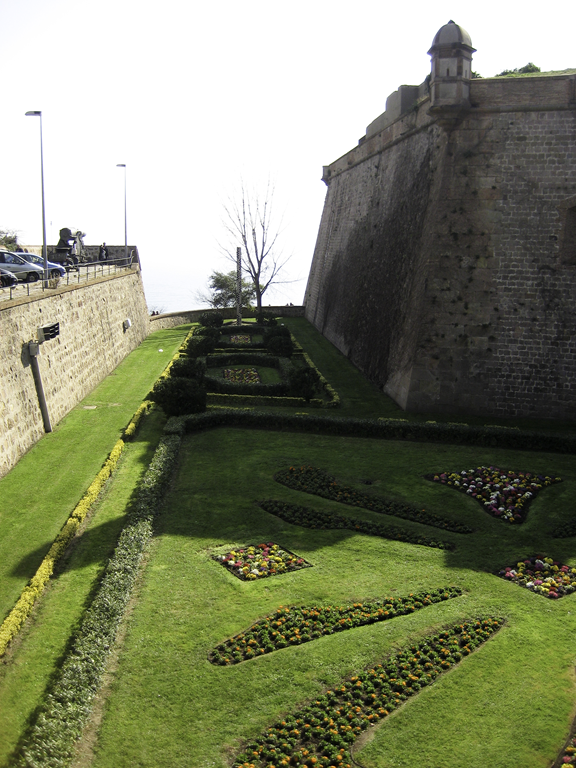
Our next stop was hill Montjüic (Jewish Mountain) the 17th century fortification that sits on top. Our goal was to take the gondola up the mountain to the castle, then take the gondola from the mountain to the harbor. Again, the public transportation made this remarkable simple with the subway actually going up the mountain.

Unfortunately, the first gondola was closed for repair so we forced to bus up the hill to the top. The views of the city were spectacular and the boys loved climbing over the World War II era harbor guns.

 imageimage

image

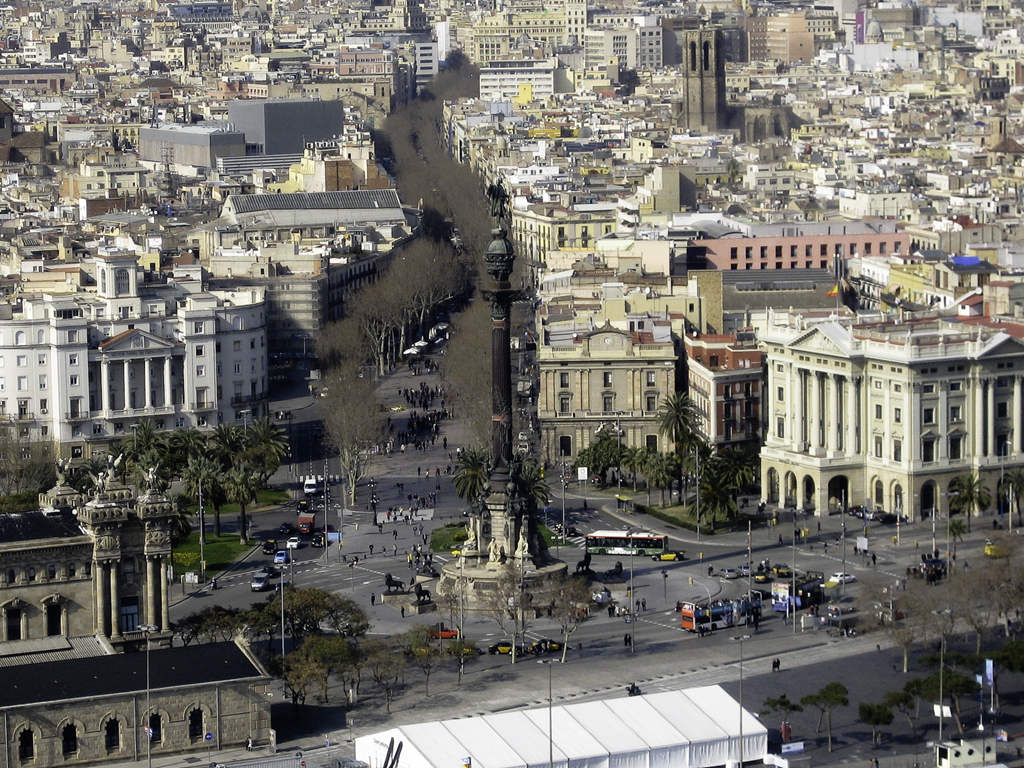
The ride down the mountain afforded a great view of the city. I found the contrast between the old world architecture and the 1970’s style – square – brick and concrete – featureless building interesting and in stark contrast to my experience in England. While people in the UK complain about the planning councils, it seems that one impact is that ‘the old’ is more prevalent than in Barcelona.

image

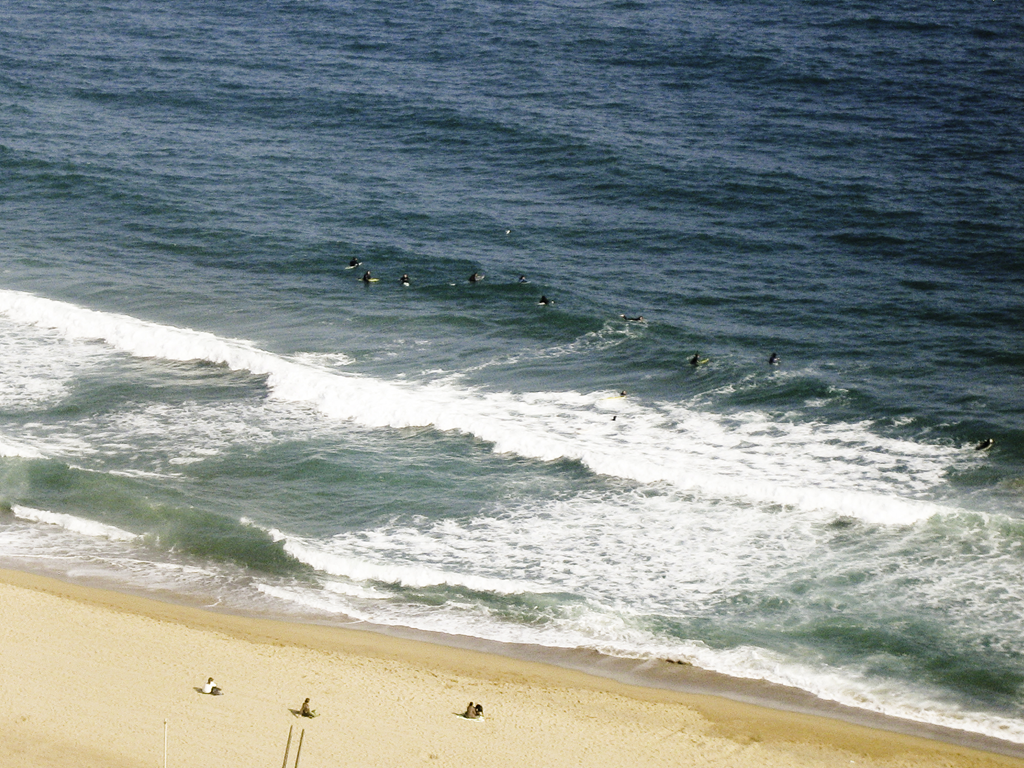
The craziest thing was the ocean. Sure, it was 65 degrees out and sunny but when the wind kicked up on the beach, it was cold. But not cold enough to stop these guys. Yes, they are kite surfing and wave surfing. It must have been REALLY cold.

image

As we walked back to the hotel we came across this architectural anomaly. Whale? Fish? Bird? Big copper thing that is supposed to make the office building look different than other office buildings? Government funded boondoggle? Probably.

image

In the short time we were there, we saw quite a bit – but there is more and as I mentioned, it is a perfect ‘couples’ city. The adventure continues.

BARCELONA PART 3: TOURING AROUND


With only a point and shoot (smile).

Barcelona is a beautiful city and we spent a few days touring around. On a personal note, I could definitely see coming back for a ‘couples’ weekend. The streets are filled with cafes and plenty to see. It is still a wonderful feeling to sit on a patio in the middle of February, a feeling that my Canadian heritage still has trouble adjusting to.

2008 Bacelona Feb 15  (6)

Most notable within the city are the various architectural works of Gaudi. The story of Antoni Gaudi is a fascinating one:

Gaudi was an ardent Catholic, to the point that in his later years, he abandoned secular work and devoted his life to Catholicism and his Sagrada Família. He designed it to have 18 towers, 12 for the 12 apostles, 4 for the 4 evangelists, one for Mary and one for Jesus. Soon after, his closest family and friends began to die. His works slowed to a halt, and his attitude changed. One of his closest family members – his niece Rosa Egea – died in 1912, only to be followed by a "faithful collaborator, Francesc Berenguer Mestres" two years later. After these tragedies, Barcelona fell on hard times, economically. The construction of La Sagrada Família slowed; the construction of La Colonia Güell ceased altogether. Four years later, Eusebi Güell, his patron, died.[6]

Perhaps it was because of this unfortunate sequence of events that Gaudí changed. He became reluctant to talk with reporters or have his picture taken and solely concentrated on his masterpiece, La Sagrada Família.[6]

On June 7, 1926, Gaudí was run over by a tram. Because of his ragged attire and empty pockets, many cab drivers refused to pick him up for fear that he would be unable to pay the fare. He was eventually taken to a pauper’s hospital in Barcelona. Nobody recognized the injured artist until his friends found him the next day. When they tried to move him into a nicer hospital, Gaudí refused, reportedly saying "I belong here among the poor." He died three days later on June 10, 1926, half of Barcelona mourning his death. He was buried in the midst of La Sagrada Família.[6] although Gaudi was constantly changing his mind and recreating his blue prints. The only existing copy of his last recorded blue prints were destroyed by the anarchists in 1938 at the height of Franco’s invasion of Barcelona. This has made it very difficult for his workers to complete the cathedral in the same fashion as Gaudí most likely would have wished. It is for this that Gaudí is known to many as "God’s Architect". La Sagrada Família is now being completed but differences between his work and the new additions can be seen.

The Temple Expiatori de la Sagrada Familia is one of those must see spots. The tourist books set my expectations high and they were not disappointed. Witnessing a temple of this magnitude still under construction after more than a century is breathtaking and the architecture is like nothing I have ever witnessed before.

The entrance is adorned with The Passion Facade tracing the death of Christ. This work was overseen by Josep Subirachs and appears to be quite controversial as it is very stylistically different than the Gaudi work – very blocky, minimalist. What is fascinating about the work is that you can literally track the death of Jesus from the last supper to the ascension across the face of the temple.

2008 Feb La Familia Barcelona  (11)

2008 Feb La Familia Barcelona  (4)

2008 Feb La Familia Barcelona  (6)

The first indication of the difference in style is apparent when you look up to the 18 towers that represent the 12 apostles, 4 evangelists, Mary and the tallest – Jesus. The cranes make for an interesting backdrop and foretell the experience inside the temple. We did not climb the towers (there is a multi-hour wait to take the elevator) because we did not realize there are stairs (there are) – or we would have for sure! We saw people peeking out the windows and over the edge of the bridge.

2008 Feb La Familia Barcelona  (3)

Entering the temple is to walk into this massive construction site that is magnificent in scale. Workmen everywhere. Scaffolding erected. Amazing – one big jigsaw puzzle. You can actually read the work reports on the temples progress here.

2008 Feb La Familia Barcelona  (15)

2008 Feb La Familia Barcelona  (12)

2008 Feb La Familia Barcelona  (17)

The final part of our journey is where you exit the back to see Gaudi’s original facades. The nativity scene detail was awe inspiring.

2008 Feb La Familia Barcelona  (28)

2008 Feb La Familia Barcelona  (29)

These two pictures will hopefully give you a sense of the scale of the facade:

2008 Feb La Familia Barcelona  (21)

2008 Feb La Familia Barcelona  (30)

In the entire facade, there was one scene that kept me staring – A Roman soldier following Herod’s orders to murder all male children under a year in an attempt to kill Jesus. Vivid is the only word.

2008 Feb La Familia Barcelona  (26)

I will admit. Another scene made me smile. Not sure why the fruit was there? But it is in a newer section, so must be a different architect.

 2008 Feb La Familia Barcelona  (27)

The thought that crossed my mind as we exited was when it is complete, I wonder what it will be like to worship there? I wonder whether the people who are on this construction journey are still doing it for the glory of God or for other reasons? If you read the Gaudi biographies, it appears clear that he was focused on that goal. I wonder if the others were – are?

Fascinating. No wonder 2.5M people visit every year. We never got to the other Gaudi works like the park (which is supposedly amazing) – but you can view his works here. A small virtual tour.

OBSERVATIONS FROM BARCELONA: PART 2


Barcelona is an interesting city and while I was there the weather was beautiful (15 degrees, sunny). Not beach weather, but quite pleasant. A few random observations on the city:

  • Old Europe fascinates me with regard to smoking. It is alive and well. It seemed like everywhere I went there were people smoking. This should not be that surprising as Britain just banned smoking in pubs and restaurants – but it still dismays. Nothing worse than sitting on a patio, enjoying lunch in the sun and having it negatively impacted by the smokers around you.
  • Unlike most other cities, English is not prevalent. In most European cities, English is everywhere and in most cases, service staff speak ‘some’ English. Not in Spain. I am not sure why this is, although I could hypothesize that this is due to a strong nationalist pride that goes back to when Spain was a relevant world power (i.e. medieval times). No where is this more obvious (and irksome) than in the taxi drivers. I did not meet a single taxi driver during the entire week who even knew a ‘little’ English. Not even the airport taxi. They would just stare a blank stare. Funny, even the French taxi drivers knew a little English.
  • The lack of English makes the Spanish radio stations very ironic. I had to laugh when every single service industry staffer would shake their head when I asked if they spoke English as bad 1980’s WHAM blared in English over their radio station. I found it even more ironic when every other song in the cabs were English.
  • We purchased the DK Top 10 Barcelona guide for the trip and part of the guide was the subway maps. The subway was fast, clean and very easy to use. It made us feel like we were really exploring the city and at €5 for a day pass, it is a lot cheaper than taxis.
  • I love coffee. I strongly dislike coffee with milk (One of only two things that bother me in the UK: you cannot get cream in your coffee and the bacon is ham – NOT bacon!). I had my first cortado by accident – which is espresso with a little bit of milk. I enjoyed it quite a bit (Actually, I mean, I enjoyed them over and over and over).
  • They have this very interesting setup for bikes in Barcelona run by a company called Bicing. I cannot read their website but I hypothesize from observation that you put in your card and the bike pops out of the rack. You can then ride around and deposit it at one of the many, many racks scattered through the city. Interesting idea. It looked like many of the locals use the service (more so than my fellow tourists).

Interesting city.

 2008 February  14 168

OBSERVATION FROM BARCELONA


This is my second time to Barcelona in the last few months. It is an interesting city with 1960’s run down apartment buildings sitting beside magnificent, centuries old buildings and monuments like the one below.

IMG_0887 - Copy 

I have almost no time to venture into the city so I have not seen much. But I did enjoy the sunrise from my hotel room this morning, breaking through the clouds ….

IMG_0890

Exploring will have to wait.

THE WEATHER IN BRITAIN


I continue to marvel at the weather in Britain. While it is much wetter in the north – southern UK is spectacular. The Brits love to talk about the weather, other people like to talk about how crappy UK weather is and I remain perplexed.

For example, last weekend we went out as a foursome and spent the afternoon golfing. It was spectacular – 14 and sunny. Granted, a little cold as the sun dropped down but still – we were golfing in January.

According to this site, London is one of the driest cities in Europe and the city with the least variance in weather:

10 driest cities Avg annual precipitation in inches

1. Athens, Greece 14.82007 Jan Natural History Museum  (2)

2. Madrid, Spain 18.0

3. Prague, Czech Republic 18.8

4. Stockholm, Sweden 21.7

5. Berlin, Germany 23.1

6. London, England 23.3

7. Paris, France 23.8

8. Helsinki, Finland 24.9

9. Vienna, Austria 25.3

10. Copenhagen, Denmark 25.4

The wettest city in Europe? Zurich with 42 inches.

The family starts tennis lessons next week. I honestly do not know what they are talking about when they complain, not a snow bound 100 car pile up to be found!

TERRACOTTA ARMY: BRITISH MUSEUM

 Armoured infantryman, terracotta

One of the big events in the city right now is the Terracotta Army display at the British Museum. Requiring more than a year of negotiation and as much prep, this display has been set up in the Reading Room with much ado. The BBC filmed a documentary on the entire event. which is quite fascinating.

The museum is very different than the Natural History Museum as it is dedicated primarily to the evolution of civilization. From their site:

The British Museum holds in trust for the nation and the world a collection of art and antiquities from ancient and living cultures.

Housed in one of Britain’s architectural landmarks, the collection is one of the finest in existence, spanning two million years of human history. Access to the collection is free.

The Museum was based on the practical principle that the collection should be put to public use and be freely accessible. It was also grounded in the Enlightenment idea that human cultures can, despite their differences, understand one another through mutual engagement. The Museum was to be a place where this kind of humane cross-cultural investigation could happen. It still is.

On a personal note, I would not consider it the most exciting museum for children but one of great interest for adults. One of the most interesting items is the Rosetta Stone, a tablet that provides a guide that helped researchers decipher hieroglyphics:

The Rosetta Stone is one of the most important objects in the British Museum as it holds the key to understanding Egyptian hieroglyphs – a script made up of small pictures that was used originally in ancient Egypt for religious texts. Hieroglyphic writing died out in Egypt in the fourth century AD. Over time the knowledge of how to read hieroglyphs was lost, until the discovery of the Rosetta Stone in 1799 and its subsequent decipherment.

Everywhere you walk you see ancient text and walls that have been moved to the museum, like the one below which is the architrave of Ptahshepses, Fifth Dynasty, recording his birth, marriage and career under 4 kings of the Fifth Dynasty:

2007 Jan Terracotta Army Brit Museum  (10)

One hall was dedicated to King Ashurbanipal (635-645 BC) and stone engravings from Nineveh, his North Palace in Assyria.The panels were entitled ‘Royal Lion Hunt’. The ‘royal’ hunt went something like this, lions were released while the king flew around the stadium on either a horse or a chariot. He would shoot the lions with a bow while attendants guarded him if a lion got to close. I found myself staring at the walls and feeling very sad as so many of the pictures showed the poor, noble beasts being slaughtered by a cowardly king, hiding behind his attendants. There is nothing noble in killing an animal for sport. Below are the photos of the walls, you will see what I mean.


2007 Jan Terracotta Army Brit Museum  (13)

This one was particularly poignant. You can almost see the pain.

2007 Jan Terracotta Army Brit Museum  (15)


2007 Jan Terracotta Army Brit Museum  (18)

You can view more here and here. Interesting insight from their site:

Struck by one of the king’s arrows, blood gushes from the lion’s mouth. Veins stand out on its face. From a modern viewpoint, it is tempting to think that the artist sympathized with the dying animal. However, lions were regarded as symbolizing everything that was hostile to urban civilization and it is more probable that the viewer was meant to laugh, not cry.

There was a very long tradition of royal lion hunts in Mesopotamia, with similar scenes known from the late fourth millennium BC. The connection between kingship and lions was probably brought to western Europe as a result of the crusades in the twelfth and thirteenth centuries AD, when lions begin to decorate royal coats of arms.

Sad.

The finale was the Terracotta Army, brought to life by Qin Shihuangdi, the first founding emperor of China. His story is fascinating as he took what was one of the smaller feudal kingdoms and quickly conquered the kingdoms around him (It took 9 years).

During his reign, he also introduced a host of innovations that would spur the growth of China:

  • Farmers, no longer enslaved servants, were allowed to own their land, and production increased.
  • He reoganized the feudal kingdoms into 26 jun (provinces) that were ruled by appointed officials. Military and administrative appointments, which had previously been determined by noble birth, were now decided by merit.
  • He introduced a standard coin, standard written language and a weight and measure system to facilitate trade. He also built roads, canals and started construction of the Great Wall of China.

He also built the Terracotta Army which is estimated to have taken 36 years and 700,000 workers to build:

The Terracotta Army (traditional Chinese: 兵馬俑; simplified Chinese: 兵马俑; pinyin: bīngmǎ yǒng; literally "soldier and horse funerary statues") or Terracotta Warriors and Horses is a collection of 8,099 larger than life Chinese terra cotta figures of warriors and horses located near the Mausoleum of the First Qin Emperor (Chinese: 秦始皇陵; pinyin: Qín Shǐhuáng líng). The figures vary in height according to their rank; the tallest being the Generals. The heights range is 184-197cm (6ft – 6ft 5in), or more than a full foot taller than the average soldier of the period. The figures were discovered in 1974 near Xi’an, Shaanxi province, China by a local farmer.

The Terracotta Army was buried with the Emperor of Qin (Qin Shi Huangdi) in 210209 BC (his reign over Qin was from 247 BC to 221 BC and unified China from 221 BC to the end of his life in 210 BC). Their purpose was to help rule another empire with Shi Huangdi in the afterlife. Consequently, they are also sometimes referred to as "Qin’s Armies".

Unfortunately, no pictures were allowed and in the end my son was left with the following comment:

‘Is that it? There are supposed to be 7,000 of them – not 30?’

Image:Xian museum.jpg

A cool trip.


Technorati Tags:

UK TELEMARKETING


The phone rings and call display is not working (I found out this weekend from my provider that while I had this feature for the last 5 months, it had not been turned on. Good thing I spent ALL THAT TIME fiddling with the phone). I pick up.

‘Hello?’

‘This is … from HSBC, I am … about …….. … … ….. if you …. … … today?’

Huh? ‘Buddy, I can’t understand a word you are saying, sorry’

I know, after 6 months, I should be able to tell if he is Irish or Scottish or from Manchester, but I have no bloody idea. The only thing I do know is that I can only understand certain words.

‘ I em coooling ta tawk to you about your HSBC acccant’.

Got it. ‘OK, what would you like?’

‘We have this … …. …. … new …. like ..’

He has gone back to his script and has sped up. I have no idea what he is saying. It does not sound like English.

‘Uh, sorry. But I can’t understand’. Now I do feel like an ass, after all, it is their country.

‘We huv … new .. … … … . … … like ….. … … ‘

I interrupt. ‘OK, you are going to have slow down. I am sorry, but I cannot understand you’.

‘We huv these new surice’

‘What?’ I say.

‘We .. huv .. thees … new … suurvice .. dat .. wee .. wuld ..like ..ta  .. inform’ He has started talking to me like I am deaf. It is working, I understand.

‘Oh, you are calling to offer me a new service. Thanks, but I am great. Have a great night’. We say good-bye.

Separated by a common language.

A FEW MORE BRITISHISMS


I did a presentation in Paris this week around the state of the business and threw in a slide on a few unique things that make me chuckle about the UK. They are as follows:

  • They deliver the mail on Saturday but the post office closes at 11 each day.
  • All the magnificent museums in London are free but it costs £10 if you drive there.
  • You can get your car washed in the supermarket parking lot but the 16 year old at the supermarket check-out sits on a chair and refuses to help you pack your groceries.
  • The pharmacist is very helpful but if you want to get Ibuprophen you have to get it from the ‘trained’ 16 year old who keeps it in a protected cabinet behind a desk.
  • In North America grocery carts 9 times out of 10 drive straight. In the UK they call it a grocery trolley and they are manufactured to run sideways. There is nothing funnier than watching a parking lot full of people driving loaded carts sideways.
  • No one knows what a Q-TIP is, it is a cotton bud.
  • It is a resource constrained island where everything is ‘carbon neutral’ and ‘save the planet’ but if I want to recycle an empty food can, paper that is not a magazine or cardboard, I have to drive it to the car park down the street and manually place it in different bins.
  • You can get your groceries at most gas stations (They are all partnered with some supermarket chain) but I have never seen a station that will actually pump the gas for you.

On the purely observational side:

  • The distinct lack of fast foods is fantastic. In North America you hit a fast food restaurant every couple kilometers. In the UK, pubs and restaurants are everywhere but fast food is not prevalent. Interesting that even with the lack of fast food the UK still ranks number 3 in obesity. It is the fish & chips and the ‘gravy on everything’ mentality  I would wager.
  • One of the best things in the UK is Ocado – the internet grocer. Head online, pick your groceries, a delivery time and you are done! Delivered. Amazing low value task eliminated.
  • We have a milk man. He comes at 6AM 3 times a week and he delivers eggs and other products also. How retro cool is that?
  • Most shops close at 6. A few Saturday nights ago we went out for a quick dinner and thought to do what we have done in Canada many times before, perhaps pop over to the shopping area and get a few things out of the way (needed a few groceries) then into the coffee shop for a cappuccino before we head back. Not a chance. The 9 to 9 mentality is definitely not alive and well here.

The adventure continues.

BRUGGE, BELGIUM PART 2


Brugee is a fascinating place, starting with the Brugse Zot brewery tour. This centuries old brewery is in the heart of Bruges (The last of 24 breweries still operating in the city) and provides a tour of the brewery as it used to operate. The majority of the brewery operations now happen on 1 floor (consolidated from 4 floors due to technology changes) and all bottling operations happen outside the city due to cost and logistics (Bruges streets are tight and in most places, one way). Our tour guide was wonderful and was full of anecdotes, my favourite being (paraphrased):

In the old days the poor people drank a lot of beer, as much as 8 pints a day to supplement their diet as it was cheap, nutritious and proper meals were hard to come by. In those days, deliveries were by horse drawn carriage to the pubs and to people’s homes. At one point, deliveries were becoming a real problem as delivery times were getting longer and longer and the drivers were getting paid more and more overtime, primarily due to the driver’s stopping off at each bar for a drink – or six. So the brewery owner decided to change up the delivery routes and join one of the drivers for his run. As the horse moved down the street it came to the first pub and stopped. This pub was not on the drivers route and the horse would not budge as the driver became more and more embarrassed. From then on, delivery routes were changed frequently.

The beer was fantastic, rich in flavour and a treat to drink. A great stop that we all found interesting, humorous and enjoyable.

On the tour the guide had 3 or 4 Canadian pins on her jacket. When she found out that we were Canadian she mentioned that the people of Bruges love Canadians – turns our that a regiment from Manitoba liberated the town during WWII:

The 4th Brigade then moved to the southern outskirts of Bruges to assist the 4th Armoured Division in that sector. Fortunately, the enemy withdrew without contesting possession of the city, and the Canadians entered the city to an enthusiastic welcome from the people.

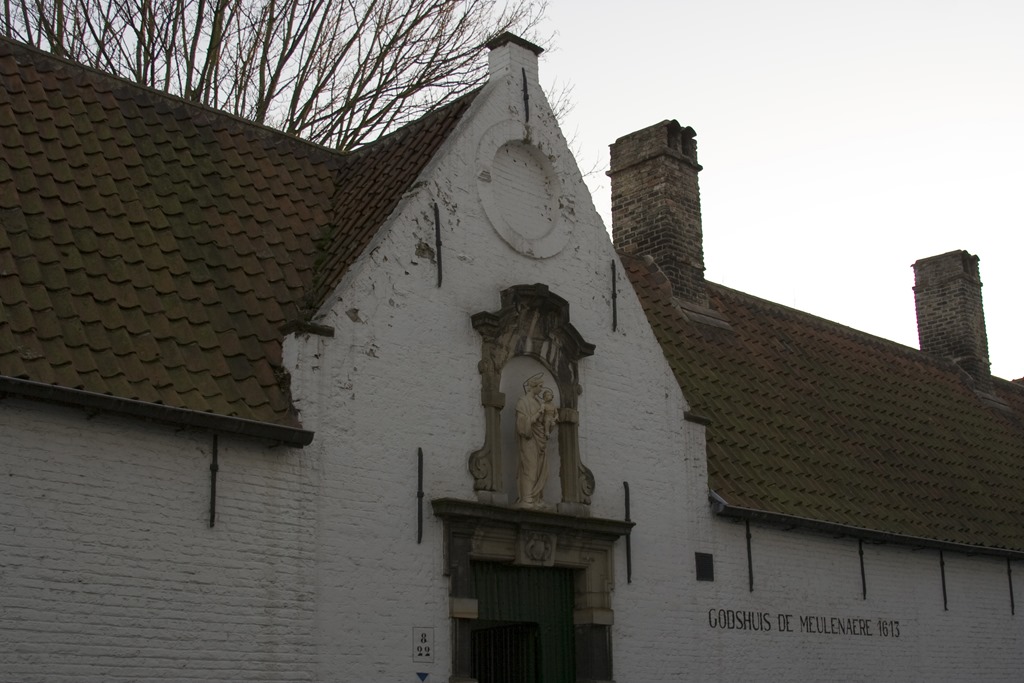
Brugge still has more than 50 Godshuis‘ in place. These are homes where the elderly and poor can stay. Historically they were run by rich patrons or the church. They are characterized by a chapel and small prayer room. Interestingly enough, they were secularized under French rule a long time ago under French rule but continue on.

Godshuis Brugge

Brugge is recognized as one of the most well preserved cities in Europe thanks to a few interesting events:

In the 15th century Brugge experienced its heyday as an international center of finance and wealthy trading port. However, when the port silted up at the end of the century Brugge’s fortune began to change with commerce migrating to Antwerp – the golden city of the 16th century. For the next four centuries, the town lay dormant and when the 18th century industrial revolution happened it skipped Brugge. There simply was no money, entrepreneurial spirit or machinery to demolish the old buildings and erect new factories. Nothing revolutionary happened so it all stayed the same – in hindsight, paving the way for today’s prosperity as a historic jewel and tourism favourite.

During WW I a defensive line was built down the Zeebrugge-Bruges-Gent-Terneuzen canal to block off allied troop advances. But the German officer sensed the futility of a bloody ‘Battle for Bruges’ so he called in the mayor and told him in confidence that if the Allies broke through, the Germans would retreat out the back bridges to spare Bruges and prevent being surrounded. This happened and the German’s retreated without harming the city.

During WW II a battery of heavy cannons 18KM from Bruges were ordered to level the town as the allies advanced. Commander Hopman refused to carry out the order as ‘it is the most beautiful city for miles around’ with little military significance. One of the commanding officers agreed and Bruges was spared.

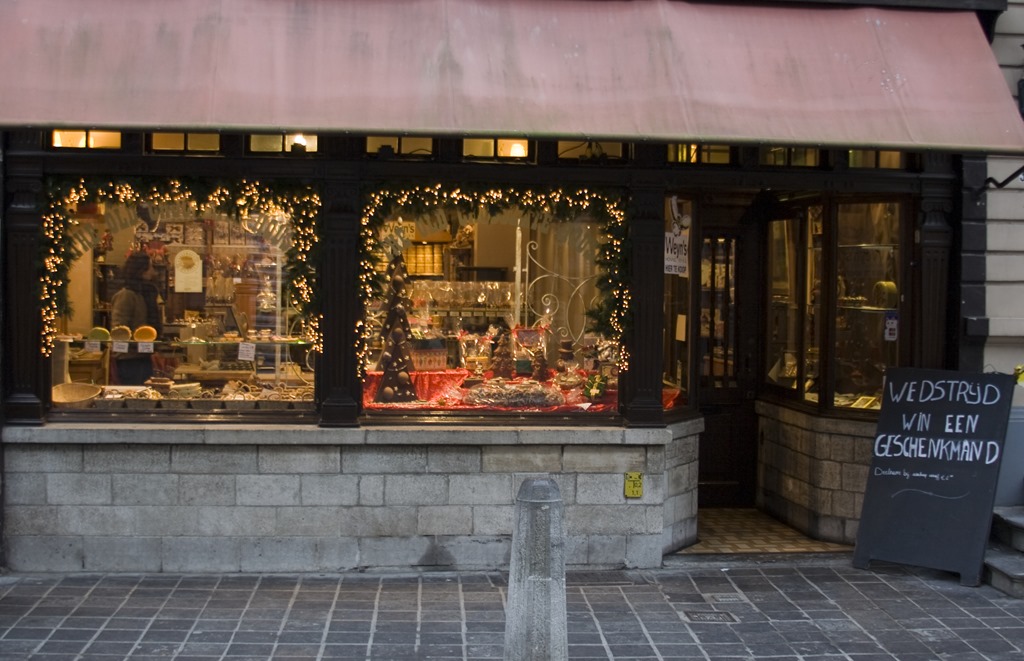
And in the city, chocolate is a centerpiece. The number of chocolate shops that we visited: 15. Below is the first … of many. Although, there is something to be said for ‘Don’t settle for the first’. It was not the best. Good thing that we only bought a little bit at each one. The best chocolate was from Galler although they were very snobby. When my wife said ‘A girlfriend said you have the best chocolate in Belgium’ the guy behind the counter looked up with a bit of a sneer and simply said ‘Yes’ and then turned his back.

Our 1st Chocolate Shop - A mistake

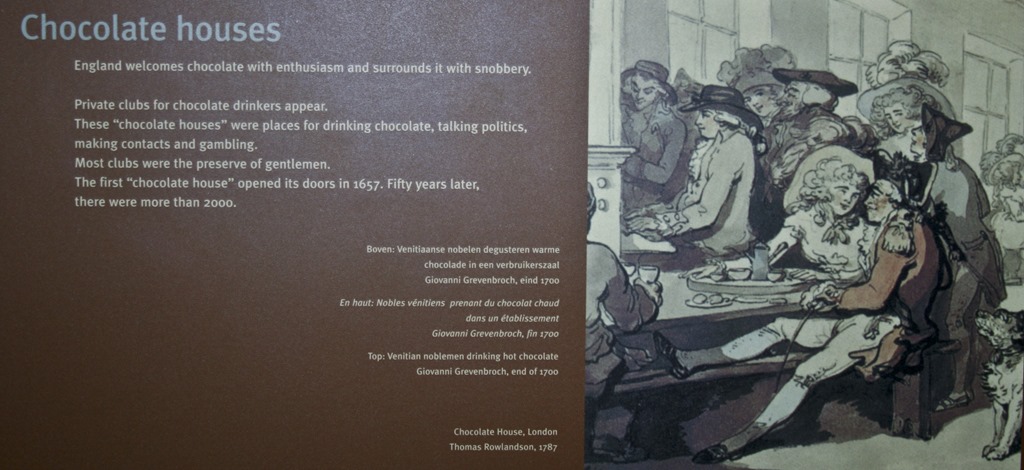
You can blame the Brits for making chocolate snobby according to the below plaque in the Chocolate Museum.

England welcomes chocolate with enthusiasm and surrounds it with snobbery. Private clubs for chocolate drinkers appear. These ‘chocolate houses’ were places for drinking chocolate, talking politics, making contacts and gambling. Most clubs were the preserve of men. The first chocolate house opened the doors in 1657. Fifty years later there were more than 2000.

The brits make chocolate snoby

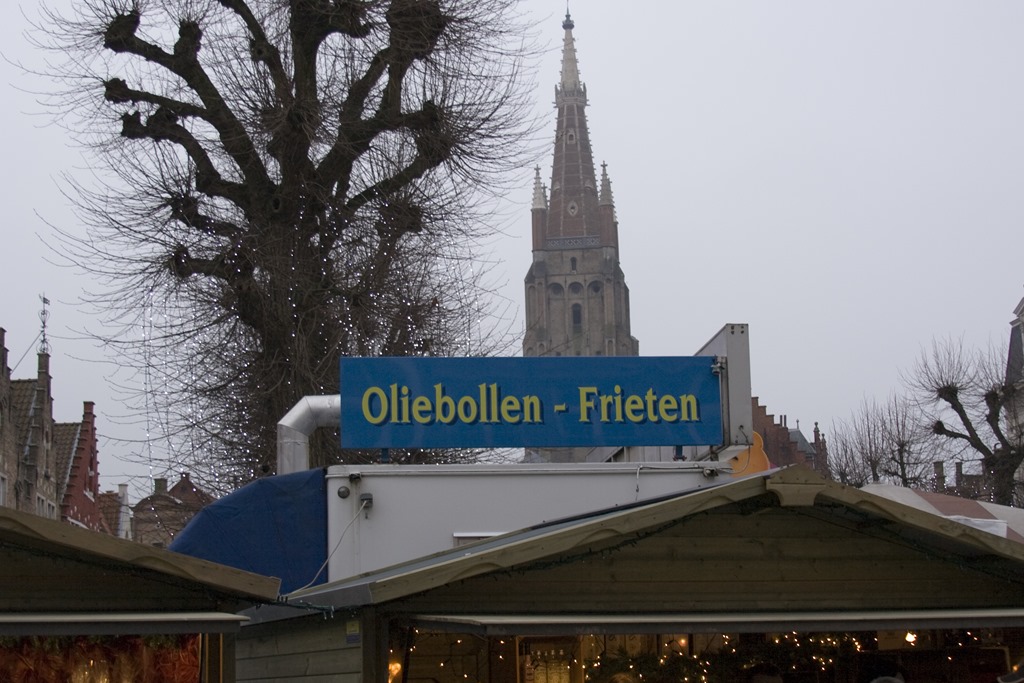
I stopped dead when I saw the below sign and then bee lined for the vendor. What is Oliebollen? Think of it as a Dutch donut. Deep fried dough sprinkled with icing sugar. Personally, it brings back many happy memories of my youth where our greater family would gather together and enjoy Oliebollen while playing in the basement of the church. .. courtesy of my Beppe (grandmother). There were delicious. Why the basement of a church? No house would hold us all. I think I have over 100 first and second cousins.

Oliebollen

At the brewery tour the guide also mentioned how the view from the top of the brewery is beautiful thanks to local governments guidelines around keeping building levels at 4 floors and not allowing odd protrusions (like Satellite dishes on roofs). Of course, they then built a concert hall that towers over the city and is a huge, red brick monstrosity. View it here. Ugly.

I found myself walking down the street marvelling at the architecture. It is a beautiful city.

2007 Dec 28 Markt Square 1

The market square.

2007 Dec 27 Brugge Markt at Night 16

City hall.

2007 Dec 29  25-2

Read part 1 here.

BRUGES, BELGUIM PART 1


After our trip through the Eurotunnel to Calais we hit the road traveling 117KM to Bruges (Also spelled Brugge), a beautiful city in Belgium.

Bruges (Dutch: Brugge, stemming from Bryggja, which assumedly used to signify ‘landing stage’ or ‘port’) is the capital and largest city of the province of West Flanders in the Flemish Region of Belgium. It is located in the northwest of the country.

The historic city centre is a prominent World Heritage Site of UNESCO. It is egg-shaped and about 430 ha in size. The area of the whole city amounts to more than 13,840 ha, including 193.7 ha off the coast, at Zeebrugge ("sea-Bruges" in literal translation). The city’s total population is more than 117,000, of which around 20,000 live in the historic centre.

Bruges has, because of its port, a significant economic importance and is also home to the College of Europe.

We spent three evenings in Bruges, which was one evening too long for our boys as the city is marvelous but I would suggest a bit mature for our young boys. If we were there as a couple, the 3 days would have been marvelous as there were many sites that we did not see as the boys can only take so many consecutive art museum visits on a trip.

When I asked a waiter ‘What language do you speak? French?’ he explained that there are really 3 languages in Belgium. French, German and the most predominant – Dutch. That would be a wonderful thing for children, as one could argue that another language – English – is also predominant (everyone spoke English). To grow up with 4 languages is a long term benefit, although I am sure it is painful for them at times. 

We stayed at a small hotel in the heart of the city on the ‘Den Dijver’, the Hotel De Tuilerieen. The service was impeccable and while the pricing is a bit off the planet, being in the heart of the city made all the difference. A simple walk to every site that we wanted to see. I would agree with trip advisor, a wonderful Christmas destination.

Our boys particularly enjoyed the breakfast which included a large chocolate fountain and home made Belgian chocolate spread. Everything in Belgium is about either the chocolate or the beer.

A few pictures: The Christmas lights of the hotel.

2007 Dec 29 Our hotel Brugge 26

The canal in front of the hotel and the view of the Belfry tower.

2007 Dec 29 The river to the Belfry Tower 23

The view of the Belfry tower from our hotel room. We were on the 3rd floor, a magnificent view of the roof tops.

2007 Dec 28 Belfy Tower from Hotel Room in Morning 31

Another view of the canal facing Church of Our Lady. The hotel is on the left.

2007 Dec 27 Dijver street river 28

I would highly recommend Brugge as a destination if traveling Europe, it is definitely worth a few days.


Technorati Tags: ,

EUROTUNNEL

As part of the holiday break we made our first trip to Europe via the Eurotunnel. I labeled it a ‘scouting trip’ as one of the goals is to explore the ins and outs of traveling via car to Europe. The Eurotunnel is a pretty amazing thing:

The Channel Tunnel (French: le tunnel sous la Manche), also known as Chunnel or Eurotunnel (after the company that operates it), is a 50.450 km (31.35 mi) long rail tunnel beneath the English Channel at the Strait of Dover, connecting Folkestone, Kent in England (51°5′49.5″N 1°9′21″E / 51.097083, 1.15583 (Folkestone end of tunnel)) to Coquelles near Calais in northern France (50°55′22″N 1°46′50.16″E / 50.92278, 1.7806 (Coquelles end of tunnel)).

It was a megaproject with several false starts, but it was finally completed in 1994. It is the second-longest rail tunnel in the world, with the Seikan Tunnel in Japan being longer, but the undersea section of the Channel Tunnel, at 37.9 km (23.55 mi), is the longest undersea tunnel in the world. The American Society of Civil Engineers has declared the tunnel to be one of the Seven Wonders of the Modern World.

You can review the history of the tunnel here. Quite the engineering masterpiece. Personally, it means that a trip to Belgium from the London area is roughly 4 to 5 hours (and 3/4ths of a tank of gas – return!).

  • 2 to 2.5 hours to travel to and board the train.
  • 35 minutes with exiting from Dover to Calais on the train.
  • 1 hour to Brugge (a little farther to Brussels)

The experience was surprisingly painless. You drive to the gate, go through a quick passport check then move to a waiting area. You have the option of heading into the mini-mall to shop duty free or wait in the car until your letter is called.

Our letter (M) came up and we drove into a queue for the train. A few minutes later the line started moving and you approach the Eurotunnel Shuttle that has to be a mile long! You drive through a door and onto the train. The back half of the train are 2 levels for cars, the front half is single level for larger vehicles. Engage the parking break and 35 minutes later you are in Calais. Significantly less painful than the airport.

The view of the train from le tunnel sous la Manche:

IMG_7200

The view from inside the shuttle. Quite pleasant.

IMG_6828

I spent a good part of it standing. One needs to stand when digesting the Economist.

IMG_7203 

We will definitely do it again. Europe just got a little closer.

Late addition, additional ways to get to Europe from the UK:

  • St. Pancras International, the new £1B train station that holds the Eurostar.
  • Stena Line – one of many ferries to Europe – this one specializing in Holland. Only a 7 hour ferry ride away.
Technorati Tags: ,

COTSWOLD: THE EARL


While blogging on the Cotswold I marveled at how interesting it would be to be able to look back on your history and see the accomplishments of one’s forefathers. My comments:

From what I can ascertain, these were built by the Earl of Gainsborough, Sir Baptist Hicks as he bestowed his wealth on the church. Interestingly enough, if you read the above entry you will see that the title is still held by a 57 year old man (Earl .. sorry). Imagine … being able to trace your history back that far and see what your family left behind.

My blog caught someone’s eye and the following comment / clarification was provided:

Dear Michael
I am glad that you enjoyed your visit to Chipping Campden, in the Cotswolds.
I enjoyed reading your blog entry about it. However, I would like to point out that the current Earl of Gainsborough is not a 57 year old man; he is my father, an 84 year old man. It is my eldest brother, Anthony, Viscount Campden, who is his 57 year old heir. Anthony also has a son, Harry, who has a one year old son, called Edward, so the succession still has some way to go, God willing.
My father has continued Baptist Hicks’s philanthropic tradition, and has been involved with charity work, including the management of the Chipping Campden Almshouses, throughout his life.

Edward Noel

December 12 2:10 PM
(http://cid-cd7b799e7f62b8c1.spaces.live.com/)

I will openly admit that I still find the UK traditions of Earls and nobility odd, as I come from a country where status is based purely on merit, not lineage. That being said, your father’s philanthropic lineage is a noble one and as your history notes your forefather earned his place in history as a wool merchant. Being able to look back into one’s history is a unique gift, I have enjoyed looking in on it.

Best of the season.

BOXING DAY


After a festive Christmas of building Lego (A castle was on tap this year), playing a few video games and listening to a lot of Christmas music – boxing day arrives. What is it like in the UK? I am not sure, but as with all things in Britain, it does not seem as consumer centric?

My mail slot is not littered with flyers of sales, there are not billboards everywhere and the local electronic shops are not calling me in like Future Shop is in Canada (I have already looked through their site). Check out one of the largest retailers in the UK here – note, no Boxing day signs? And the sales? £5 off here and there. Hardly a sale – where are the gate crashers?

In the end, it does not matter, as I really don’t need anything but it is odd. I do not feel assailed by the marketing engines of the local retailers and it seems odd. Maybe it is part of the culture, as there is definitely a ‘come to me, not the other way around’ mentality here (especially with customer service).

Odd. Especially since Boxing Day probably started here:

There are disparate theories as to the origins of the term. The more common stories include:

  • In feudal times, Christmas was a reason for a gathering of extended families. All the serfs would gather their families in the manor of their lord, which made it easier for the lord of the estate to hand out annual stipends to the serfs. After all the Christmas parties on December 26th, the lord of the estate would give practical goods such as cloth, grains, and tools to the serfs who lived on his land. Each family would get a box full of such goods the day after Christmas. Under this explanation, there was nothing voluntary about this transaction; the lord of the manor was obliged to supply these goods. Because of the boxes being given out, the day was called Boxing Day.
  • In Britain many years ago, it was common practice for the servants to carry boxes to their employers when they arrived for their day’s work on the day after Christmas. Their employers would then put coins in the boxes as special end-of-year gifts. This can be compared with the modern day concept of Christmas bonuses. The servants carried boxes for the coins, hence the name Boxing Day.
  • In churches, it was traditional to open the church’s donation box on Christmas Day, and the money in the donation box was to be distributed to the poorer or lower class citizens on the next day. In this case, the "box" in "Boxing Day" comes from that one gigantic lockbox in which the donations were left. The origins of Boxing Day can be traced back to regular punch-ups caused by excessive intake of alcohol by the aristocracy. It became popular and a pastime for families with unsettled issues of wealth and status.
  • Boxing Day was the day when the wren, the king of birds,[3] was captured and put in a box and introduced to each household in the village when he would be asked for a successful year and a good harvest. See Frazer’s Golden Bough.

    Because the staff had to work on such an important day as Christmas Day by serving the master of the house and their family, they were given the following day off. Since being kept away from their own families to work on a traditional religious holiday and not being able to celebrate Christmas Dinner, the customary benefit was to ‘box’ up the left over food from Christmas Day and send it away with the servants and their families. Hence the ‘boxing’ of food became ‘boxing day’.


Thank-you British retailers, I will keep my money. Well other than a small video card upgrade (smile).

A FEW CHRISTMAS THOUGHTS


First: I am surprised that in the UK they actually still call it Christmas – proudly. In North America it has slowly but surely been whittled down to a generic holiday where everyone says ‘Happy Holiday’ and are almost ashamed to say ‘Merry Christmas’. I say respect the religious views of others and express Happy Holidays, Merry Chanukah and happy Kwanzaa, and let us all say our respective greeting without judgement.

Second: I love this quote from Andy Rooney:

“one of the most glories messes in the world is the mess created in the living room on Christmas day, don’t clean it up too quickly”

Third: I have blogged on my favorite Christmas albums before – click here to see the list. But Barenaked for the Holidays remains my No.1 album followed closely by Bruce Cockburn – nice to see Bruce signing wonderful Christmas songs and not about rocket launchers. If you hang around the house, you will also hear the boys and I singing 12 days of Christmas the Bob and Doug Mackenzie way .. that is just the way we roll. 

Fourth: What do I want for Christmas? Not much really (Heck, we have no room!). I know what the boys want … Mario Galaxy being top on the list, Star Wars Lego a close second. For me, time to learn a new language. I am exploring Rosetta Stone. A friend told me that in his language research that the common thought that adults are not wired for learning a new language like children is actually wrong. The truth is that children learn faster because they are not afraid of making mistakes, adults are. Over come that phobia and you can learn just as fast. For me, French .. then Spanish.

Last: We will be heading to Belgium for a few days between Christmas and New Year and are booked to see the Terra Cotta army. More on that in January. Egypt is booked for spring break. The adventure continues.

Holiday time, here we come! To all, a Merry Christmas, Happy Holiday, Happy Kwanzaa and great NEW YEAR.

THE TRIP TO DOVER


About a month ago we took a trip to the White Cliffs of Dover. It is an amazing place with so much to see. Our first stop was Dover Castle, which is perched overlooking the town:

Dover Castle is situated at Dover, Kent and has been described as the "Key to England" due to its defensive significance throughout history.

As with all things in the UK, the history goes back thousands of years starting with the Normans and progressing through to the cold war and the secret war time tunnels that are now open to the public.

A few notable facts:

  • During WWII Dover Castle was key to the evacuation of allied troops at Dunkirk. There is a monument to Vice Admiral Bertram Ramsey who lead the retreat and is credited for saving 400,000 troops to fight another day.
  • Later the tunnels were to be used as a shelter for the Regional Seats of Government in the event of a nuclear attack. This plan was abandoned for various reasons, including the realisation that the chalk of the cliffs would not provide significant protection from radiation, and because of the inconvenient form of the tunnels and their generally poor condition.
  • The tour took us through the older parts of the tunnels that held 2000 troops during the Napoleonic wars. One thing was certain, it must have been cold, smelly and miserable in there.

A few pictures:

2007 Oct 27 Front of Dover Castle build in late 1800s

Note the mix of WWII era bricks, Napoleonic era tunnels and in the background pre-Napoleonic. Fascinating. 

2007 October 27 Dover Castle_34

2007 October 27 Dover Castle_14

It was a bit chilly and grey on the coast that day.

2007 October 27 Dover Castle_08

2007 October 27 Dover Castle_21

The view from atop the central fortress. Quite a view. A little grey out .. but beautiful.

2007 October 27 Dover Castle_28 

Amazing.

PANTOMIME

We had a uniquely UK experience over the weekend where we went to our first pantomime:

Pantomime (informally, panto), not to be confused with mime, refers to a theatrical genre, traditionally found in Great Britain, Canada, Australia, South Africa, New Zealand, Zimbabwe and Ireland, which is usually performed around the Christmas and New Year holiday season.

more …

Traditionally performed at Christmas, with family audiences consisting mainly of children and parents, British pantomime is now a popular form of theatre, incorporating song, dance, buffoonery, slapstick, in-jokes, audience participation and mild sexual innuendo.

Our first pantomime was Peter Pan in Woking staring the one and only Henry Winkler – the Fonz himself. The first half was rather traditional with very little audience interaction (Other than booing of Captain Hook). But the second half as a different story, they deviated from the plot in several places and launched into full scale audience interaction including the 12 days of Christmas which ended with the actors grabbing water guns and spraying the crowd. One poor bloke was wearing tan trousers and the ganged up on him, determined to make it look like he wet himself (LOL).

Great fun for the kids.

As an aside: The night before I went on the internet to download a copy of the Peter Pan story to read to the boys (All of our copies are in storage in Canada) and I came across this web site. Wow. A few key facts from this real life Peter Pan: 

  • He is in his 50’s
  • Refuses to give up
  • Has had multiple TV appearances including Conan.
  • His site meter is over 10 million!
  • Take time to review the fashion page. My favorite is Blue Boy.
  • He also runs a ministry.
  • He is married. See the wedding photos here.

The world has many different type of people.

PERRYS COTTAGE

One of the weirdest things about the UK is the lack of house numbers. Instead, the homes retain their old designations:  Perrys Cottage, Cottage on North Hill, Bronhaul (Welsh) .. Sorry, nope, No house number. Marly House and on and on. Last night we went to Chestnut house. The Tom Tom took us to the entry of the road then in the dark we were left looking for signs ….. We found Chestnut house 40 buildings down.

Good luck finding something! Thank goodness they have postal codes (which are ALMOST accurate). Can you imagine the cost to training the post office delivery guys? Where the heck is Perrys Cottage, Climping, UK? And believe you me, that is EXACTLY how they address them.

2007 November Cotswold (16)

COTSWOLD

A few weeks ago we held a management offsite in Chipping Campden in the Cotswold. It was a gorgeous town (which the locals tell me is visited heavily by Americans in the summer) and I found an hour to wander around:

Chipping Campden is a small market town within the Cotswold district of Gloucestershire, England. It is notable for its elegant terraced High Street, dating from the 14th – 17th centuries.

A rich wool trading centre in the Middle Ages, Chipping Campden enjoyed the patronage of wealthy wool merchants (see also wool church). Today it is a popular Cotswold tourist destination with old inns, hotels, specialist shops and restaurants. The High Street is lined with honey-coloured limestone buildings, built from the mellow locally quarried Cotswold stone, and boasts a wealth of fine vernacular architecture. At its centre stands the Market Hall with its splendid arches, built in 1627.

Other attractions include the grand early perpendicular wool church of St James – with its medieval altar frontals (c.1500), cope (c.1400) and vast and extravagant 17th century monuments to Sir Baptist Hicks and family – the Almshouses and Woolstaplers Hall.The Court Barn near the church of St James is now a museum celebrating the rich Arts and Crafts tradition of the area.(See below)

A few pictures from the local street. The fascinating thing, many British towns look like this … magnificent. You can read a more detailed history here.

2007 November Cotswold (3)

The pub across the street.

2007 November Cotswold (5)

A place to catch the bus … Random fact, many of the buildings had windows that had been filled in (with stone) as building taxation was in part influenced by the number of windows in your building. Look at the roof, amazing.

2007 November Cotswold (12)

2007 November Cotswold (14)

I found myself standing and just looking down the street … even on a cloudy day, a marvelous view.

2007 November Cotswold (11)

Imagine living here in medieval times and seeing St. James chapel in the distance. What a magnificent site for the average farmer. I saw the top of the church and made that way with haste.

2007 November Cotswold (29)

Again, what an amazing roof.

2007 November Cotswold (17)

The road to the church.

2007 November Cotswold (28)

This is an Almshouse or a place where the poor (widows, elderly) could live, which were supported by the church. From what I can ascertain, these were built by the Earl of Gainsborough, Sir Baptist Hicks as he bestowed his wealth on the church. Interestingly enough, if you read the above entry you will see that the title is still held by a 57 year old man (Earl .. sorry). Imagine … being able to trace your history back that far and see what your family left behind.

2007 November Cotswold (27)

A view of the manor house that was built in the 1600s. The history:

Sir Baptist Hicks’ new manor house was built at a cost of £44.000 in the very latest style and with superb gardens. Towards the end of the Civil War, in 1645, it was burned to the ground by order of the Royalist commander, Prince Rupert, in order to prevent it falling into the hands of the Parliamentary forces.  The Gatehouse and two Banqueting Houses or pavilions remain together with some ruins of the house, beside the Church. It is said that Lady Juliana Noel, Sir Baptist’s heir and widow of Edward Noel, second Viscount Campden, lived afterwards in the converted stables, now called the Court House in Calf Lane.

2007 November Cotswold (22)

The manor gates.

2007 November Cotswold (25)

This car parked in front of the church made for quite the contrast. Sandstone and … pink?

2007 November Cotswold (24)

The tithe house is what the gate says (The front of the almshouse).

2007 November Cotswold (21)

St Jame’s is one of the finest wool churches in the area:

There was a Norman church on this site before 1180, though it was much smaller than the present one. It consisted of a squat tower, a nave about the same length as today, but without aisles, and a lower, shorter chancel with a pitched roof. About 1260 the Norman church began a slow transformation that was to last nearly 250 years         

The chancel was rebuilt, the North aisle constructed with arches to balance the the 13th century south aisle and the south porch was added together with the windows and battlements of both aisles.  About 1490 the nave was reconstructed with its magnificent arcading built on the foundations of the old Norman nave.  The great window over the chancel arch was added, a rare feature of church architecture, which provides wonderful light for the nave. About 1500, the noble West tower was built, adding grace and proportion to the whole. At 120 ft. in height it ensures that the Church is a landmark from whatever direction Campden is approached.

There is a peal of eight bells, whose dates vary from 1618 to 1737, they were recast and rehung in 1987.  The clock mechanism, dated 1695, is now stored under the arch of the tower, having been replaced in 1962.

It is thought that there were stained glass windows dating from the 15th century, but these have disappeared and only fragments remain.  The fine East Window by Henry Payne was completed in 1925 in memory of those who fell in the Great War.  The window over the chancel arch represents the last judgment.

Preserved behind glass are wonderful survivals from the days before the Reformation: the unique pair of Altar Frontals (c.1500) and the Cope (c.1400).  The Altar Frontals were copied by command of Queen Mary for the High Altar of Westminster Abbey for the coronation ceremony in 1912.There are fine 15th century brasses, now secured to the Chancel Floor, the largest of which commemorates William Grevel "…flower of the wool merchants of all England…" The finely carved canopied tomb of Sir Thomas Smythe is on the North wall in the sanctuary and is the most remarkable in the church. He was Lord of the Manor of Campden until his death in 1593.  He lived at the court of Henry VIII and was the first Governor of the East India Company.

The Jacobean pulpit and Flemish lectern are gifts from Sir Baptist Hicks, whose ornate tomb is in the Gainsborough Chapel.

I walked into the chapel and just did not feel right about photographing other than the below. Instead, I spent some time in silence. In the corner (cannot be seen) are the tombs of local wool merchants which are magnificent but seem rather odd in a church, rather presumptuous that they were so important that they need to be remembered within the church? There was a nice gentleman sitting at the entrance with his dog watching over the place as people walked in and out. I left just as 3 classes of 6 year old students entered ….

2007 November Cotswold (31)

Surrounding the church is the graveyard. Appears the locals have surveyed the site which you can view here. The oldest recorded is 1674 with many dates unknown.

2007 November Cotswold

2007 November Cotswold (2)

It was a busy hour.

BEKONSCOT


A few weeks ago on our way to a John Lewis to buy a sofa we noticed a tourist sign on the highway notifying people about the miniature village Bekonscot. So on our return we stopped and had a lot of fun exploring the miniature village and the surrounding town. The history of Bekonscot:

The paths may be narrow and the buildings 77 years old, but Bekonscot remains an intriguing, unique and eccentric folly.  It was the vision of an archetypal English gentleman wanting to create something unlike anything seen before.  Bekonscot is not just remarkable to the millions who have visited and fallen under its whimsical charm, but also the countless thousands who benefit from its fundraising.

Bekonscot began as a hobby for Roland Callingham, a London accountant.  He bought a meadow of several acres next to his home in Beaconsfield in the mid-1920s to expand his garden.  The high society and gentry of London would come to garden parties and tennis games held in the grounds.  In the mid-1920s, he and his head gardener Tom Berry built some model houses as a feature of the alpine garden to the simple scale of one inch to one foot (1:12 scale, now the accepted size for dolls houses worldwide). 

Wikipedia writes:

Bekonscot in Beaconsfield, Buckinghamshire, is the oldest model village in the world.

It portrays aspects of England mostly dating from the 1930s. Bekonscot has been run by the Church Army since 1978 and donates large amounts of money to charity. It has raised the equivalent of £4,000,000 so far and has hosted 14,000,000 visitors.

Bekonscot is acknowledged to be the inspiration for many other model villages and miniature parks across the world, including Babbacombe, Madurodam, and Legoland Windsor. As such, it is regarded as the "grandfather" of the model village and miniature park movement.

What is amazing about this village is the ingenuity and complexity. To engineer a village of this magnitude in the early 1900’s and then to automate it must have been quite the feat. Part way through the town you come across the control center which is fascinating. A few computers now run the system but all around the room are the original controls, levers and systems that were used to automate the village. The best way to describe it is to think of how big mainframes were in the 1970s and how small they are now. You can read more the village on the official website.

I found the sign at the entrance quite interesting, more than 14M visitors!

Bekonscot Miniature Village _00

The history of the village and the ChurchArmy is also interesting. Note, not to be confused with the Salvation Army …

Bekonscot Miniature Village _01

The detail is remarkable. Every few minutes, this house would smoke!

Bekonscot Miniature Village _08

A view over the lake. Note the smoking house in the background.

Bekonscot Miniature Village _12

Bekonberry Castle, even miniature villages in the UK have more than one castle!

Bekonscot Miniature Village _06

And how they love their Guinness. These are WW II signs. I would suggest a minor wording change ‘Guinness provides the perception of strength’.

   Bekonscot Miniature Village _18   Bekonscot Miniature Village _14   Bekonscot Miniature Village _17

Good fun. Glad we stopped.

A LAST APPEAL TO REASON

While at Dover Castle I came across ‘A Last Appeal to Reason’ by Adolf Hitler in the secret war tunnel reception area. What stuck me was the the title – appeal to reason – Adolf Hitler? An oxymoron?

050

Of course, I had to read it and found part of it here. Which lead me on a bit of an interesting journey – seems this site is one of those ‘there was no holocaust’ sites with all the usual nonsense about how the pictures of concentration camps are fakes. As you can see here, they have many interesting posts on different historical events. The write up on the Battle of Britain is interesting as is the essay on the treatment of POWs by the Allies (Sadly – barbarism during war is never one sided – so this is not that much of a stretch to believe).

The write up ‘Something of an enigma’ is practically interesting as it claims that much of the WWII footage is a fraud:

THE SICKEST FRAUD OF ALL

One of the sad and sickest frauds of the wartime movie makers is the celebrated footage of the D-Day landings. This was doctored for US General Eisenhower. This footage was filmed during ‘training exercises’ at Slapton Sands in Devon when during the landings American troops opened fire on their own compatriots struggling ashore from landing craft. It is estimated that just fewer than one thousand GIs were killed during this exercise. The US infantrymen’s bodies seen by cinemagoers floating in the waves were killed by their own side, not by German troops.

Jerome Kuehl, the leading television producer and author, an associate producer on the Thames Television World at War series, has revealed many wartime film frauds. He admitted that even he has been taken in by film footage and believes that film from the Battle of Stalingrad was stage-managed after the Russian victory.

A quick search of the web found the following explanation:

The Memorial

Although peaceful today, the area around Slapton sands and the Ley (lake) behind were a battle training ground in preparation for the 1944 D-Day landings. Many of the farms and villages in the area were vacated by the inhabitants from 1943 to allow the US army to train.

On the beach at Slapton sands stands a granite memorial to men killed during a training session which went disastrously wrong when it was attacked by German boats. The inscription reads;

    Dedicated by the United States of America in honor of the 749 men of the 4th Infantry Division, the 279th Combat Engineers, and the 70th Tank Battalion, United States Army, who, along with crew members of the eight landing ships, U.S. Navy, perished off the coast of Slapton Sands, Torcross, while participating in Operation Tiger, April 26-28 1944. A training exercise in amphibious landings, Operation Tiger was a prelude to the invasion of Europe on June 6, 1944. This joint rehearsal by British and American forces resulted in a military tragedy in which the support convoy was attacked during the early morning hours by German schnellboots. The surprise attack resulted in the loss of several fully loaded and manned landing craft.

    May these men rest in the knowledge that the lessons of this tragedy added significantly to the ability of the Allies to carry out the successful invasion of Normandy on June 6, 1944. May these soldiers and sailors be remembered for their supreme sacrifice for the Allied cause in World War II.

    Interestingly enough, the village tourism site makes no reference to the tragedy.

    The web is one interesting place.

HAMPTON COURT PALACE

We jumped off the plane from Bora Bora, had a nights sleep and then took our parents (Narda’s mom and dad) on a trip to see Hampton Court Palace. History has it that the Archbishop siphoned off a load of church money to build it for himself until Henry VIII took it over. Amazing how church leadership corruption plays such a pivotal part in history. The details here:

Thomas Wolsey, then Archbishop of York and Chief Minister to the King, took over the lease in 1514 and rebuilt the 14th-century manor house over the next seven years (15151521) to form the nucleus of the present palace. Wolsey spent lavishly to build the finest palace in England at Hampton Court, which he was later forced to give to Henry as he began to fall from favour.

Tudor sections of Hampton Court, which were later overhauled and rebuilt by Henry VIII, suggest that Wolsey intended it as an ideal Renaissance cardinal’s palace in the style of Italian architects such as il Filarete and Leonardo da Vinci: rectilinear symmetrical planning, grand apartments on a raised piano nobile, classical detailing. Jonathan Foyle has suggested (see link) that it is likely that Wolsey had been inspired by Paolo Cortese’s De Cardinalatu, a manual for cardinals that included advice on palatial architecture, published in 1510. Planning elements of long-lost structures at Hampton Court appear to have been based on Renaissance geometrical programs, an Italian influence more subtle than the famous terracotta busts of Roman emperors by Giovanni da Maiano that survive in the great courtyard (illustration, right above). Hampton Court remains the only one of 50 palaces built by Henry VIII financed from The Reformation.

The palace was appropriated by Wolsey’s master, Henry VIII, in about 1525, although the Cardinal continued to live there until 1529. Henry added the Great Hall — which was the last medieval Great Hall built for the English monarchy — and the Royal Tennis Court, which was built and is still in use for the game of real tennis, not the present-day version of the game. This court is now the oldest Real Tennis Court in the world that is still in use.

A few pictures of the day. Walking in ….

2007 11 11 Hampton Court

The entrance as you cross the bridge:

2007 11 11 Hampton Court  (8)

A picture in the great room .. note the tapestry. Sorry, a bit dark, no flash allowed.

2007 11 11 Hampton Court  (18)

The horn room where the pages and serving staff would wait.

2007 11 11 Hampton Court  (19)

Throughout the palace are sculptures and paintings of Greek gods. In many cases, the nobles of the time (King Henry VIII) are depicted in the paintings as the Greek gods (Mercury, etc.). They had quite the high opinions of themselves. What is a bit ironic is the fact that it was a church Archbishop who had the place built yet there is Greek mythology everywhere …

2007 11 11 Hampton Court  (31)

The gardens encompass more than 60 acres and are inhabited by Canadian geese and deer. Below I am looking upon a HUGE man made lake (which is a long rectangle)

2007 11 11 Hampton Court  (49)

In an attempt to affiliate themselves with the conquering Romans and their triumphant history, Caesar and other Roman leaders are represented in the walls (like the below) and in 9 canvases labeled the Triumphs of Caesar (Painted by Andrea Mantegna in the late 1400s and considered some of the most important works of the Italian Renaissance).

2007 11 11 Hampton Court  (88)

The clock court yard.

2007 11 11 Hampton Court  (13)

2007 11 11 Hampton Court  (93)

A carving as you leave the palace.

2007 11 11 Hampton Court  (98)

BORA BORA VIII: MAHU (LAST POST)


My last Bora Bora post.

One thing that I noticed while in Tahiti was the number of men dressing like women. I found it interesting that I came across 3 working among the staff in only a few days. I was surprised at the tolerant nature of such a small society.

Turns out, it is part of their culture. One of our traveling companions found out that the ‘mahu’ or ‘third sex’ hold a very special place in the Polynesian society:

In the South Pacific island paradise of Tahiti – traditionally a conservative place with a missionary background – reporter Trevor Bormann finds a society that’s not only multi-cultural and multi-lingual – it’s also multi-sexual. He meets the Mahu – Polynesia’s ‘third sex’: people of ‘ambiguous gender’ who physically remain men but act like women.

The Mahu have been a part of Polynesian life for hundreds, possibly thousands of years. ‘Its always been the case in some families that the eldest boy would be raised as a girl’ says Bormann. ‘The Mahu take on traditional female roles like cooking and helping to raise the children.’

Mahu are not just tolerated in Tahiti culture, they hold a very special place in it. They are thought to possess the virtues of both men and women. In modern Tahiti effeminate men are maintaining the custom and role with pride.

‘I am proud of being a Mahu because in Polynesia we belong and we are recognized in this society’, says Coco, a Mahu. ‘We belong in everyday life.’

Read more here. Interesting.

BORA BORA VII: AND THEN IT WAS DONE


My last entry … We finished out the trip with parasailing …

2007 Bora Bora Parasailing 300M (4)

We were with a few couples including a Japanese couple who I volunteered to take picture of with their kick ass Nikon D80 camera (time for an upgrade?).

2007 Bora Bora  Pics for the Japanese Couple

The below expresses how excited I was about this. After all .. I am afraid of heights and it was a 300M rope. I was scared witless.

2007 Bora Bora Parasailing 300M (70) - Copy

I think this is about the point where my wife started wiggling around because she was uncomfortable and I started yelling ‘If you don’t stop moving I am going to make the emergency hand signal!!!!!!’

2007 Bora Bora Parasailing 300M (94)

A little sailing ….

2007 Bora Bora Out for a Hobie Cat Sail that was SLOW

And then a long ride home …

2007 Return from Bora Bora  (5)

Flying over the islands …

2007 Return from Bora Bora  (8)

Britain as we land .. a little cloud cover …

2007 Return from Bora Bora  (10)

2007 Return from Bora Bora  (14)

It is amazing to see Britain from the air, note the way the roads meander .. a little different than the squares of Canada.

2007 Return from Bora Bora  (19)

Home at last. What an adventure. The end …

BORA BORA VI: THE OCTOPUS


I know, there are a ton of entries – but so much happened. As we were walking to our hut we were called over to see an octopus that was in the little river below the bridge. Below are photos taken in timed sequence. Watch the colors change, it was amazing to watch. Time from first picture to last picture: 3 minutes.

 2007 Bora Bora Octopus (3) 

2007 Bora Bora Octopus (9)

2007 Bora Bora Octopus (14)

2007 Bora Bora Octopus (16)

2007 Bora Bora Octopus (19)

2007 Bora Bora Octopus (18) 

He sees a black fish and lashes out (not sure if he is trying to catch it or defend)

 2007 Bora Bora Octopus (21)

2007 Bora Bora Octopus (24)

2007 Bora Bora Octopus (26)

2007 Bora Bora Octopus (29)

Amazing.

BORA BORA V: SWIMMING WITH THE SHARKS

One of the excursions was a 3 hour snorkelling trip with 3 stops:

First stop, swim with the stingrays. We pull up to the reef and within minutes, there are 30 stingrays swimming around the boat and someone asks ‘Are they dangerous?’.  The guides say ‘No, not at all’, while my wife remembers that the Crocodile Hunter (a dude way tougher than me) died from a stingray incident. I am the 3rd to jump in!
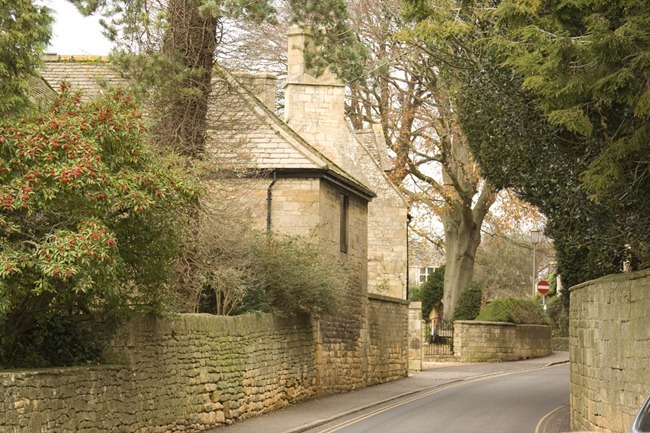
2007 Bora Bora Snorkelling with Manta Rays (7)

2007 Bora Bora Out swimming with the  sharks and manta rays (3)

Didnt that kill the Crocidile Hunter???

There are several of the stingrays that the guides actually grab (they have removed their stingers – the bone like outcropping on their tails). The others are wild and float all around you as the guides throw small fish.

They captured a Manta Ray

At one point I decide to try and feed one and get the scare of my life. It took me about 5 minutes to get a stingrays attention and then he starts coming at me. So I fling the fish at him while under the water. He misses it and comes right at me – not stopping. So, I do what anyone would do. I grab him on either side of this fins and push him back. He keeps coming and bangs into my side.

Ok, now I am a little bit freaked and push him again (Where is that crocodile hunter killing tail I wonder?). He spins and comes at me again (Now I may have yelled out ‘AHHH, he won’t stop coming after me .. I am being attacked!!’)

He comes at me again, I push him away again, the entire time hopping backwards on one foot trying to make my way into the crowd of people (Yes, I know .. courageous, employ a human shield). He comes at me again, and I push him away again .. then he finally loses interest and heads off.

FREAKED ME OUT, but what an awesome experience.

Second stop, swim with the sharks: The guides had a line in place and your directions were as follows:

1. Do not go over the line – hold onto it.

2. Do not hold onto a fish, the shark will bite off your hand.

3. Do not step on the sea urchins that are scattered around the sea floor, they will hurt for many weeks.

The pictures say it all, it was unbelievable. Not my photos, I need that camera case!
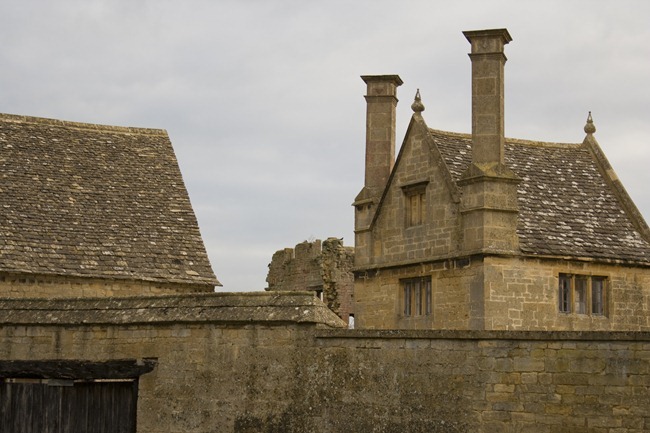
2007 Bora Bora Out swimming with the  sharks and manta rays (15)

2007 Bora Bora Snorkelling with the sharks (7)

2007 Bora Bora Snorkelling with the sharks (14)

2007 Bora Bora Snorkelling with the sharks (5)

Next, we went to a coral garden which is simply a lagoon filled with coral, it was beautiful and I had a truly unique experience. I looked down on this .5M long sea cucumber (At least, that is what it looked like – it was long, tubular) and I saw it eliminate. Out of the end came what looked like a dog’s poop. I was pretty surprised. I did not get close, but it looked like it was all sand. Amazing to see a plant take that type of action.

Bora Bora Coral Garden

Standing on the coral

Last, we enjoyed a BBQ on a private island with the natives. A great way to finish an extraordinary day. The women below taught my wife how to hula (smile).

2007 Bora Bora Travelling to Lunch on our private island (8)

They served a desert called ‘poe‘ which is pumpkin in coconut milk. It was amazing.

Lunch on the beach after sharking

What a day.

BORA BORA PART IV: WE START TO ENJOY THE EXPERIENCE

Approximately 14,000 KM of travel later, we settled in and began enjoying our experience.

The Bora Bora Nui hotel was beyond our expectations. Each guest has a hut on the water and no detail was spared. There was the usual stuff you would expect at a high end resort but also snorkel kits, blown up floating lounge chairs for the ocean and a deck to die for.

2007 Bora Bora  (23)

It truly was the most unique of experiences, simply walk out on your deck and dive into the ocean, sit out on your chair and enjoy the sound of the waves breaking on the reef in the distance or drop some bread into the water and watch the fish (you can also watch the fish through the glass squares in the room floor). A few pics of the fish below our hut:

2007 Bora Bora Feeding the Fish under our hut (16)

2007 Bora Bora Feeding the Fish under our hut (18)

2007 Bora Bora Feeding the Fish under our hut (20)

These fish followed me around whenever I snorkelled.

2007 Bora Bora Feeding the Fish under our hut (21)

A friend bought an underwater rig for his camera and took these pictures while snorkelling a few minutes down the way (mental note – must buy … taking pictures from above just does not work!)

2007 Bora Bora  (116)

2007 Bora Bora  (118)

2007 Bora Bora  (122)

Last, we awoke each morning to this, the Bora Bora sunrise. It was breathtaking.

2007 Bora Bora Sunrise (4)

2007 Our First Sunrise in Bora Bora

BORA BORA PART III: WE ARRIVE


The Bora Bora ‘airport’ is as you would expect, this small building with a single landing strip. Once you are through the building, you are greeted with a view that makes your jaw drop. Welcome to Bora Bora, population 7,200:

Bora Bora is in the Leeward group of the Society Islands of French Polynesia, an overseas territory of France in the Pacific Ocean. The island, located about 230 kilometres (140 mi) northwest of Papeete, is surrounded by a lagoon and a barrier reef. In the center of the island are the remnants of an extinct volcano rising to two peaks, Mount Pahia and Mount Otemanu, the highest point at 727 metres (2,390 ft). The original name of the island in the Tahitian language might be better rendered as Pora Pora, meaning "First Born"; an early transcription found in 18th- and 19th century accounts, is Bolabolla (or "Bollabolla"). The products of the island are mostly limited to what can be obtained from the sea and coconut trees, which were historically of economic importance for copra.

As we traveled to the hotel, this is what we saw:

The island included a little statue of welcome – what is it? No idea. I tried to find out … but no one knew.

 2007 Bora Bora Airport 2

   Yes, I am very happy to be off the plane. Very happy.

2007 Travelling to our Hotel in Bora Bora (3) - Copy

The main island towered over by Mount Otemanu.

2007 Bora Bora on way to hotel

Our first sighting of the hotel.

Bora Bora First View of Hotel

In the distance, the waves breaking on the coral reef.

2007 Travelling to our Hotel in Bora Bora (19)

We arrive at our Bora Bora Nui, who would have thought … collecting Starwood points in Bora Bora.

Bora Bora Our Hotel

The view from reception.

2007 Lobby of Hotel

Reception is out on the water and they have baskets to feed the fish, which are everywhere. A few pictures of the fish that are floating below reception (you can see them through the glass floor or over a railing in the center of the building).

Bora Bora Below our Hut 

2007 Lobby of Hotel (4)

Finally. We had arrived.