DINNER WITH A GEISHA (Maiko): THE CONVERSATION

As mentioned in my initial post on Kyoto, we enjoy learning the history and culture of Japan. We did not know what to expect with our dining with a maiko/geisha/geiko experience. When the maiko-san originally arrived, our interpreter quickly helped us make introductions.

image

She sat down with our family and the conversation began, a free flowing discussion of her life over 2 hours.

image

In no particular order, a few highlights from the conversation.

She is 17 and grew up in Nagoya. She chose to become a maiko after going on a school trip to Kyoto. She watched a geiko perform and decided that she wanted to join the profession.

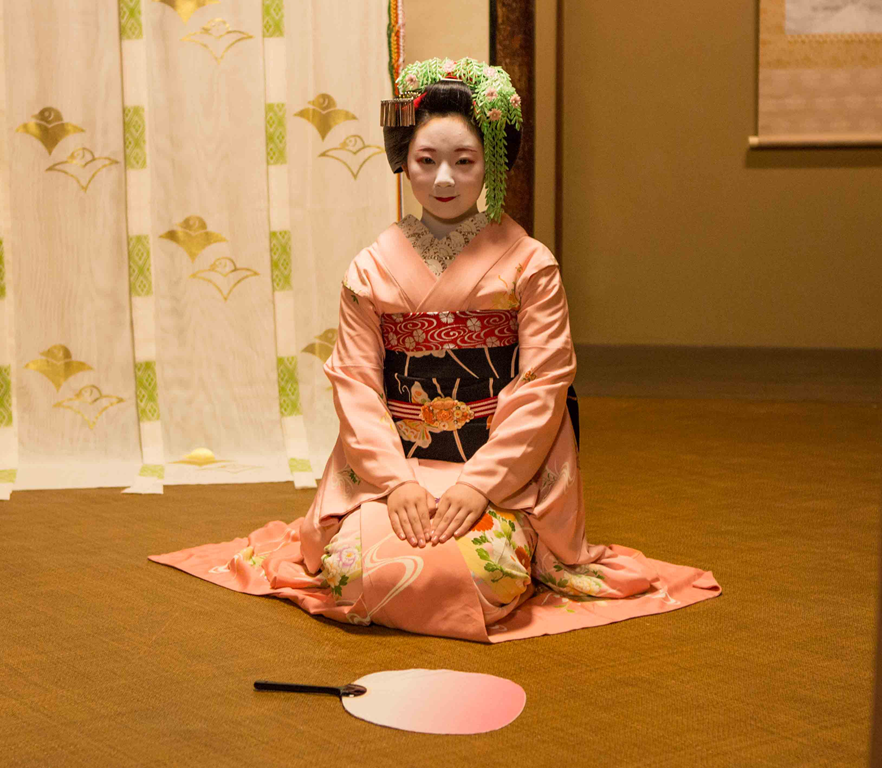
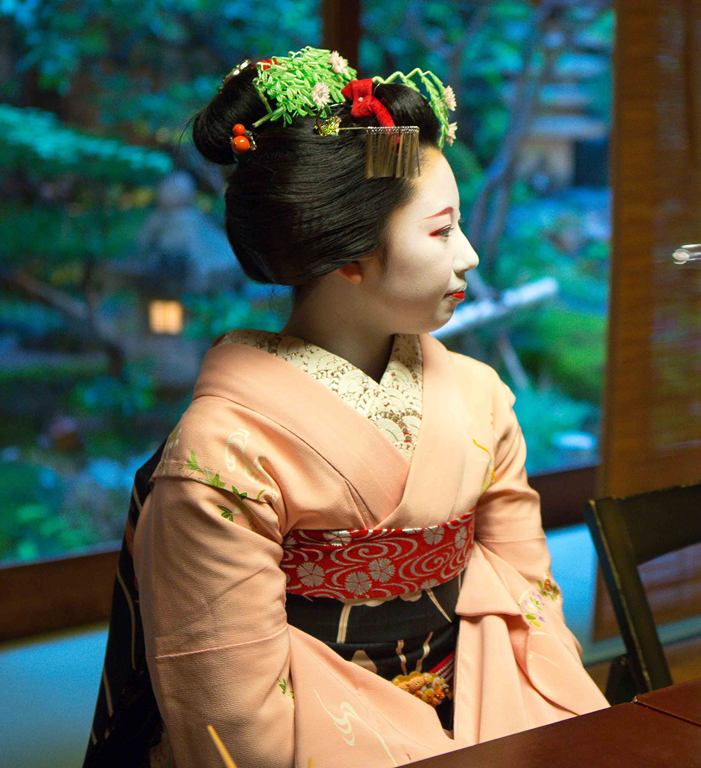
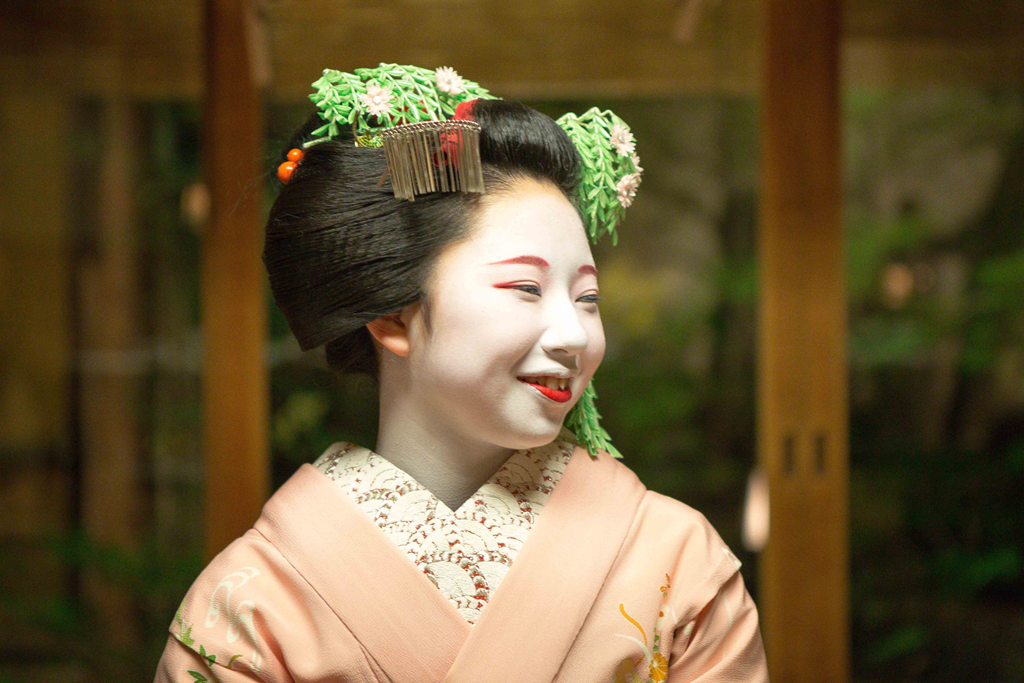
Her upper lip is white as she is a maiko. When she becomes a geiko she will decorate both lips.

Every month she changes her hair decorations. This month I believe it is the willow.

She often entertains school groups and when asked what the funniest question she gets, she laughed and said one question always come up – does she have a boyfriend? (answer is no – not allowed to).

In her first year prior to becoming a maiko it was like an apprenticeship. She learned what the years ahead would be like, and whether she wanted to continue.
image

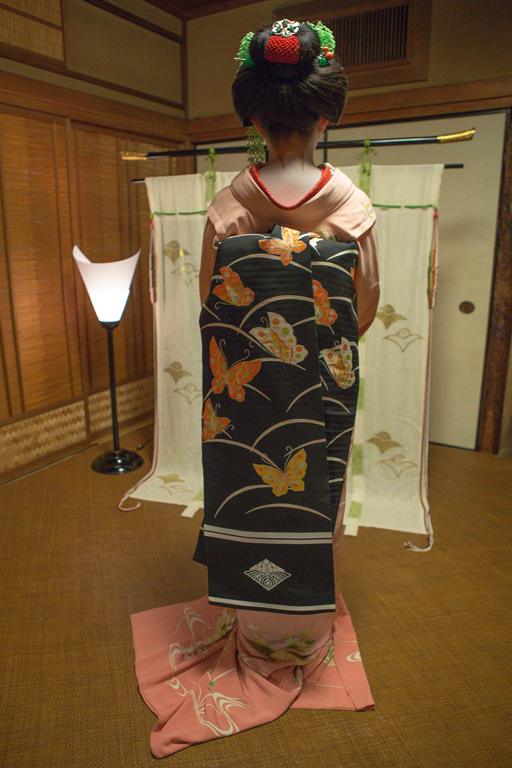
It is not an easy life. She starts the day at 10am with training in the arts. She then dresses, doing her own make-up (it takes 40 minutes) and having assistance from a man who comes to the house daily to assist with the kimono which weighs 10kg. The sash is 7m long. She then visits 20 tea houses that her house is affiliated with, and starting at 6pm does 2 hour hosting sessions until midnight. At midnight she heads home, has a hot bath and a few hours of personal time (reading, TV, music) until she heads to bed at 3am.

She is not allowed to have a cell phone.
image

When she contracted with her mama-san to become a maiko, she made a 5-7 year commitment until she becomes a geiko at 20-22 years. The mamma-san pays for everything (training, food, clothing, lodging) and in return takes all profits from the days work.

She lives with 8 other maiko.
image

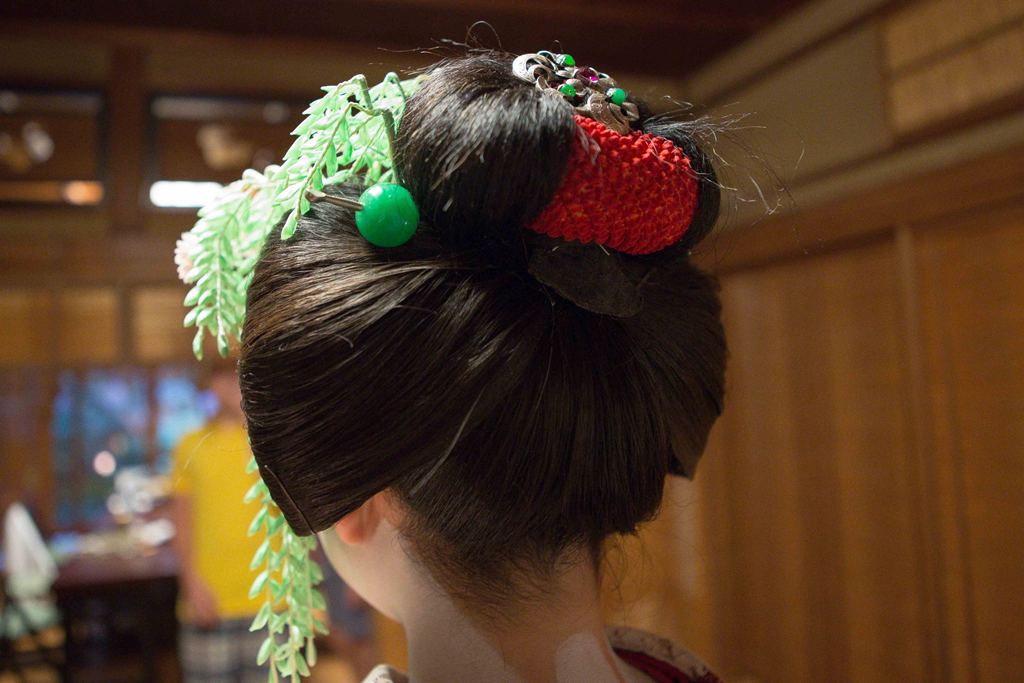
She only does her hair once a week, sleeping with it made like this (which can be awkward)

Because she keeps her hair in this style all the time, she must be careful where she goes when she does have time off as people will recognize her as a maiko. (i.e. no junk food places)
image

She only gets 1-2 days off a month and time at New Years to go home.

When asked what do people think at home – she said that she is growing apart from her old friends. Her grandmother has never approved.

If she needs money she has to ask the mamma-san. I got the impression that was not something that was done often or lightly.

She enjoys listening to music on her Sony Walkman. She likes Avril Lavigne.

image

Dinners are mostly with business men, although they are starting to see women. If it is after dinner, it often involves karaoke and evenings at bars.

Tourists are always trying to take her picture. She would prefer if they asked first.

She will often take the train to Tokyo for events (entertaining events, Sumo tournaments) fully dressed.

image

To formally enter her maiko apprenticeship, she had a ceremony involving her performing for the mamma-san and an important client.

Many maiko do not become geiko (50/50). They decide to go back to their homes, head back to school or get jobs. In effect, starting a different education.

Will she continue on and become a geiko? She didn’t know. It is a hard life.

image

Fascinating.
DINNER WITH A GEISHA (Maiko) Part 2

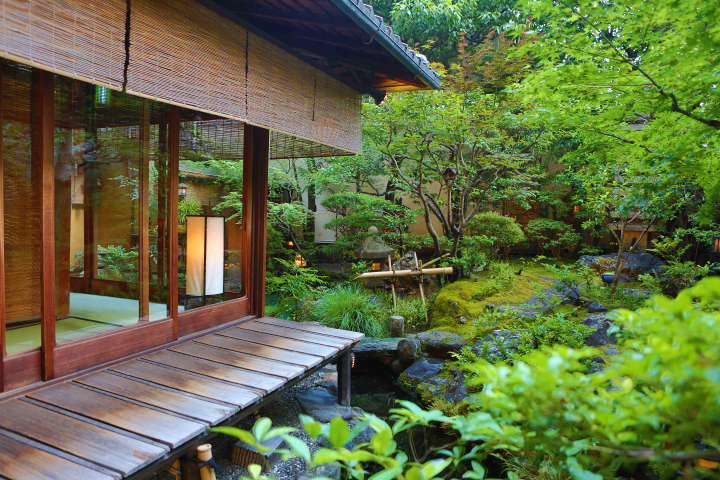
Using the concierge at the Westin we booked Yoshikawa in Kyoto with a room overlooking the garden.

Attached to a Japanese Inn that has played host to the rich and famous, it was a beautiful traditional restaurant and amazing staff who quickly settled us in for our dinner.

Our room was on the left.

image

image

image

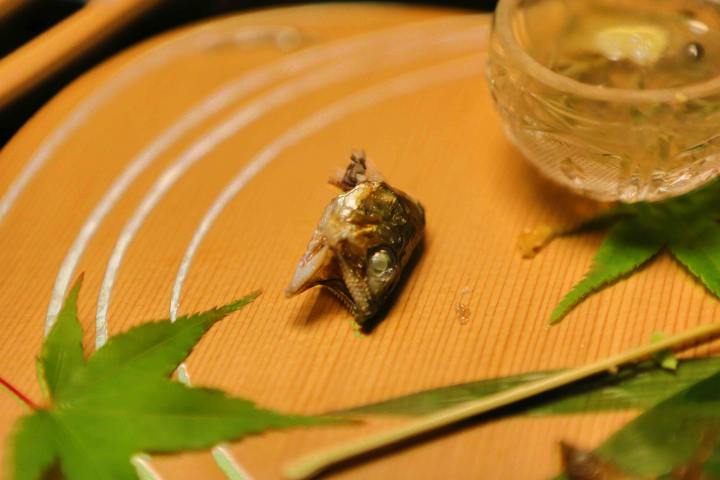
The dinner received mixed ratings from the family (Two really enjoyed it, two were not impressed). It was a traditional 8 course Japanese meal, tempura, sashimi, seasonal grilled fish and all. I really enjoyed it. Although on the seasonal grilled fish … I never eat the head, too bitter for me .. the rest is delicious.

image

Our interpreter was already waiting for us. She had done this many times before and her English was perfect. She quickly started answering our questions and explained that “Yes”, I could take 400 pictures if I wanted (I didn’t – I took 99).

She also corrected our first misperception. We would not be joined by a geisha, we would be joined by a maiko – a geiko in training.
Maiko (舞妓?) is an apprentice geisha in western Japan, especially Kyoto. Their jobs consist of performing songs, dances, and playing the shamisen(three-stringed Japanese instrument) for visitors during feasts. Maiko are usually aged 15 to 20 years old and become geisha after learning how to dance (a kind of Japanese traditional dance), play the shamisen, and learning Kyō-kotoba (dialect of Kyoto), regardless of their origins.

The term Geisha is not a term they used in Kyoto. On the internet they assert that this is a dialect issue, but it was explained to us that the difference between a “true” geisha and a geiko relate to training. A geisha does not go through the arduous and extensive training in the arts, dance, culture and protocol that the Kyoto maiko/geiko goes through. Perhaps this is related to the post WWII occupation and the rise of the geisha girl:
“Geisha girls”[78] were Japanese women who worked as prostitutes during the period of the Allied Occupation of Japan. They almost exclusively serviced American GIs stationed in the country, who referred to them as “Geesha girls” (a mispronunciation).[78][79]

These women dressed in kimono and imitated the look of geisha. Americans unfamiliar with the Japanese culture could not tell the difference between legitimate geisha and these costumed prostitutes.[78]

It also became clear that this was a dying profession. 100 years ago there were 80,000 geisha where we were told there were only 300 left in Kyoto.  In Kyoto there are 5 Hanamachi, or houses that Geisha align themselves with:

Hanamachi typically contained a number of okiya and ochaya, along with a kaburenjō; the kaburenjō was a meeting place for geisha, usually with a theatre, rooms where geisha classes can be held, and the kenban offices, which dealt with geisha’s pay, regulation and similar matters. Gion also has a vocational school, called Nyokoba. Many of the teachers there are designated as Living National Treasures. Today, hanamachi are rare outside of Kyoto.

At which point, our maiko-san entered; a term that would catch me off guard multiple times through the night as the pronunciation is close to Michael-san.

With a kneel and a bow, our dinner with a maiko began.

image

DINNER WITH A GEISHA (Maiko) Part I in KYOTO

This is a very interesting post to write as it elicits mixed feelings.

Part of living in a different culture is that never ending quest to understand, learn and to grow while trying not to use your own cultural biases to judge. After all, perception is reality.

As I have often joked with friends back home, living in Japan is like living on Mars. It is just so fascinatingly different.

The Japanese think differently than North Americans, and different than Canadians. How can it not be the case? Canada is a country of every culture (Asian, European, African) where Japan is comprised of 98.5% Japanese and non-existent immigration. Canada is a country with only a few hundred years of history while Japan is one of the world’s oldest societies, with 3,000 years of history and a clear isolationist bent where foreigners were killed on sight until the late 1800s. Canadians are individuals, in a society where they cut their lives out of the unconquered wilderness with an understanding that merit leads to fortune while Japan is about the group good, where the notion of paying a high performer more than others in the team is at odds with their values.

At a very fundamental level, culture, history, education and values, Japan is different than most other countries in the world and the Geisha is one of those cases.

Prior to leaving for Kyoto, we watched Memoirs of a Geisha and I could not help but find it disturbing on many levels. Obviously the selling of young girls into a brothel and a Geisha house was disturbing as were many of the scenes, but this type of abuse is unfortunately, common around the world.

The uniquely Japanese part that was disturbing was the whole notion of the Geisha. Reading broadly, the information was varied. Prostitution is disputed and the truth hard to determine; in this post it is clearly stated it does not happen yet another quote says that in 1929 3/4 of geisha were prostitutes.  While there is an elegance to the appearance of a Geisha, the information on “what a Geisha is” left us wondering about the profession … Noble undertaking or a veneer hiding a seedy underside of sex for sale?

Nothing made us wonder more than this question: what does it mean that this profession is funded by older business men, where the Geisha’s sole purpose is to entertain them every evening? I find the feminism assertions hard to swallow and cannot think that it is good for marriages.

It is with those questions in mind that we did something that is not common for a gaijin.

We booked a dinner in a wonderful restaurant with a room by the garden, a Geisha and an English interpreter to learn.

We were not disappointed.

image

NISHIIKI MARKET, KYOTO

After our first temple we headed to Nishiki market. A cab dropped us off at one entrance and we started down this very long covered walkway past hundreds of interesting stalls.

image

image

Uniquely Japanese is a good way to describe it; pottery, restaurants, fish markets, vegetable stands and everything in-between.

image

Lots and lots of pickled choices. The Japanese love to pickle things.

image

image

I believe this is grilled eel. Had I not just eaten, I would have grabbed some. Love grilled eel.

image

The young lady at the stand tried to sell me one of these .. only a couple hundred yen. Look closely, it is a small octopus with a quail egg stuffed where the head use to be. I regret not trying it. Had to chuckle at the little cartoon ad guy saying “It will eat” …  not sure what that means.

image

At some point in the near future, our family will be buying special chopsticks. As of right now, we use them frequently but haven’t made the “special” purchase yet. Perhaps metallic is in order?

image

This fellow was making the circular Japanese cakes. They are delicious.

image

And last, check out this flower stall. My Uncle Frank would have loved the colors .. I know I did. So vibrant.

image

Thanks for dropping by.

SANJUSANGENDO HALL, KYOTO

After checking into the Westin our first stop (after a big Japanese lunch) was this hall, home to 1001 life-sized wooden statues of Kannon, goddess of mercy.

image

Like many of the temples, they offered souvenirs and in this case, an important question.

image

The temple itself is amazing (but as you can see – no pictures allowed).

image

It is the home to a ritual where Buddhist priests touch people’s heads with a sacred willow to cure headaches and popular for an annual archery (long bow) contest that started hundreds and hundreds of years ago. As you can see by the length of the building, there is lots of room for the 1001 carvings in this 800 year old building. I wish I would have been allowed to shoot the carvings, the detail was jaw-dropping.
image

image

Surrounded by other shrines and beautiful gardens, it was a great first stop on our Kyoto tour.

image

image

Good start.

SHINKANSEN TO KYOTO

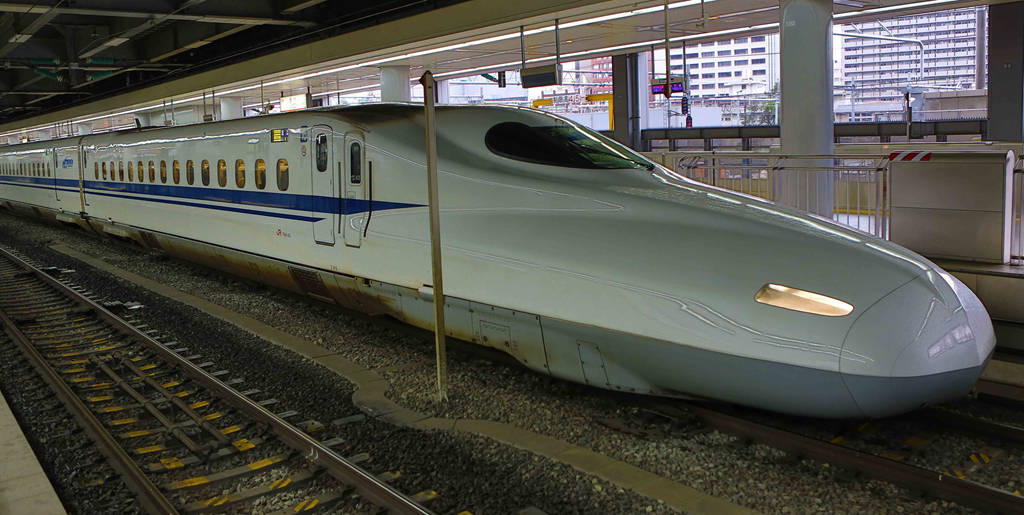
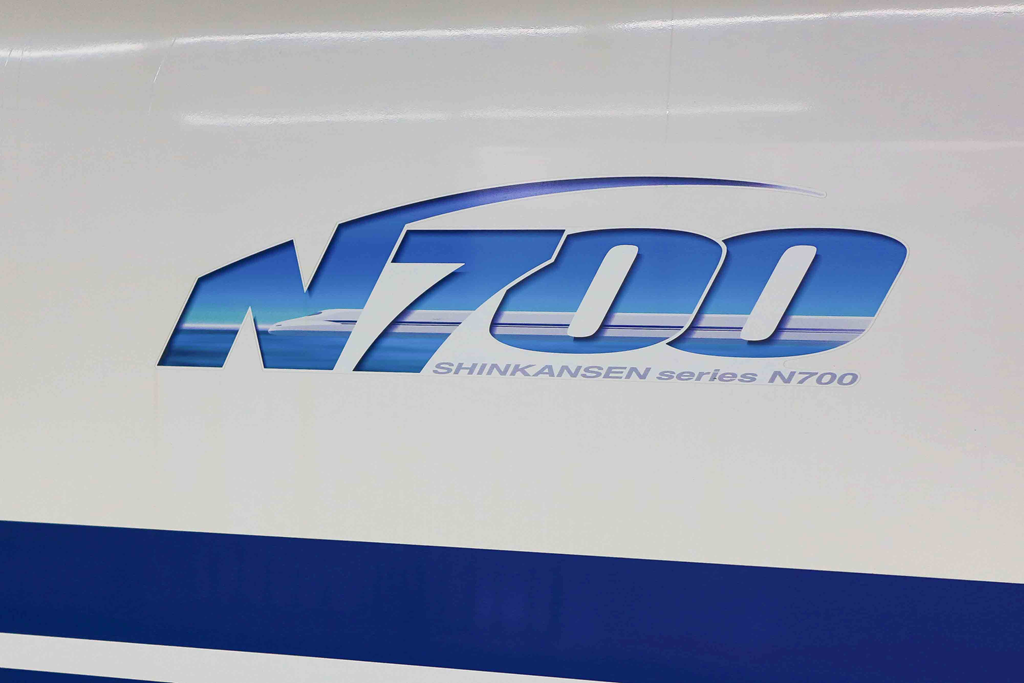
Last year the Shinkansen (bullet train) faced an average delay of just 36 seconds. Said to be so punctual that a salaryman can finish his noodles 2 minutes before departure time and count on the train being there .. it is very reliable.

Hitting speeds of up to 320 km/hr, with up to 16 trains running between key urban centers an hour (3 minutes between train) and carrying 353M people in 2007, it truly is an engineering marvel and a testament to Japanese quality and process management.

And it was our first time on …

image

image

The fee from Tokyo to Kyoto in a reserved seat is roughly $133 one way and takes 2 hours and 10 minutes. The train is amazing to ride on. Smooth, quite and obviously very fast (not like the English trains I am use to when I rode from Virginia Water to London).

image

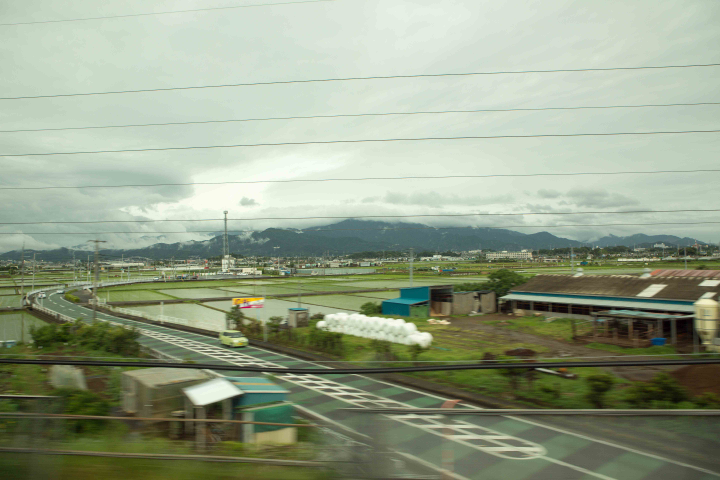
I sat looking out the window as the Japanese countryside passed by. Building after building, with rice and other farming fields jammed in-between industrial buildings and the ever present mountains looming in the background.

If you ever wonder why Japan’s population is jammed into concentrated areas, it is because 73% of Japan is mountains. Only 11% of the land is arable. Just look out a Tokyo window and off in the distance you will see mountains on all side.

A great way to travel. Now that we have done it, we will be doing it a lot more often.

A 3 DAY TRIP TO KYOTO

We spent 3 days in Kyoto recently and it was a fantastic trip, although complex to organize.

I present this itinerary for others, with a few suggestions that I hope help.

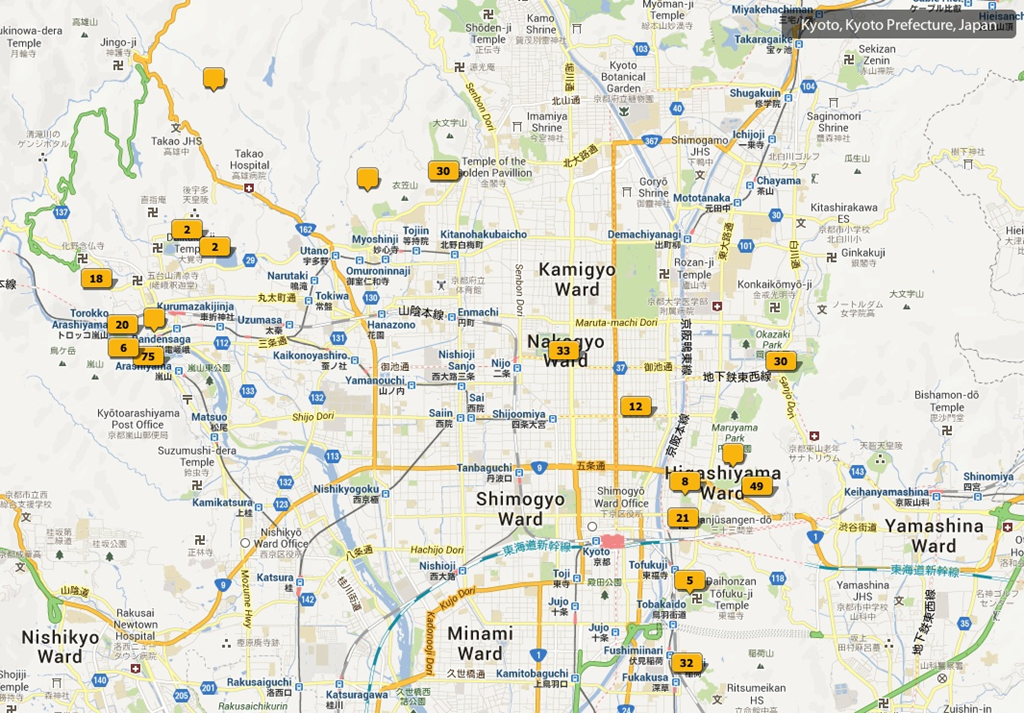
TripAdvisor City Guides. If you have not downloaded this application, you need to. I lived on it with my iPhone. It has all of the top restaurants, sites and hotels which you can easily search at any moment via a map. One of the best features is that I “saved” the sites we wanted to see and as we visited, I “checked-in” (turning the post to Facebook option off – no one needs to see we are not at home). At the end of the tour, it provides a complete list by day of what we visited, in chronological order as a journal and provides an area to write notes. Amazing app, available for many cities.

Our trip journal can be found at http://cityguides.tripadvisor.com/checkins/428596. The trip via Lightroom – quite a lot of ground covered.

image

We spent 3 days there and that was the perfect amount for us.

The first day was the Shinkansen from Tokyo, arriving at 11AM. Quick check into the Westin, an afternoon of exploring followed by private dinner with a Maiko (geiko/geisha in training) .. and yes, the experience was a once in a lifetime.

The second day went from 9AM to 6PM with a private tour guide hitting all of the highlights of Kyoto. A private guide is expensive but as we found out in Rome and in Egypt, worth every penny as it leads to a very different trip than going from site to site on your own and really not learning anything.

One of our frustrations with Japan is that it is very hard to learn the history and culture due to the language barrier. 3,000 years of isolationist history means that Japan is not really fussed about not sharing what happens at a location. We connected with Kyoto Limousine which was highly recommended by expat friends of ours and is well known among the concierges. Our guide Yoshida-san has hosted many celebrities, princes and even Jean Chretien the former Canadian Prime Minister (I apologized on behalf of Canada) and he was UNBELIEVABLE. At every site he shared the deep history of what had happened there, different religious insights and more history than we could ever retain. It was 9 fascinating hours learning about the real Japan, seeing the best sites in Kyoto (including many hidden gems that are off the beaten path) and truly enjoying his company. He was an amazing host and even followed up our day with an email listing every site we saw with internet links. Just look at the 2nd day of our itinerary and you will see just how much we covered, and more importantly – learned.

On the third day we hit the Monkey Park, explored a shopping area, had lunch and then trained home.

For us, 3 days was perfect.

On the seasons, this is also difficult to understand until you get hold of someone. Here is a rough guide; May brings the cherry blossoms and millions of people. June brings the sun and lots of Japanese children on school trips. It also gets hot, it was 32C and humid while we were there, and we were lucky to avoid rain. July and August are insanely hot but the slow season if you are brave. The fall brings the spring colors, with October and November being the best seasons for viewing the fall colors. We were there in green June and I visualized what it would be like in the fall – beyond stunning.

As an aside, 50M people visit this city of 1.3M every year … 50 million.

As many Japanese will tell you, Kyoto is the cultural center of Japan. A thousand temples, beautiful forests, castles, amazing cuisine, culture (geishas) and incredibly rich in history. It truly was an adventure of a lifetime and I have a few pictures and stories to share ahead.

Hopefully these few simple insights help others. If you can get there, you will not regret it.

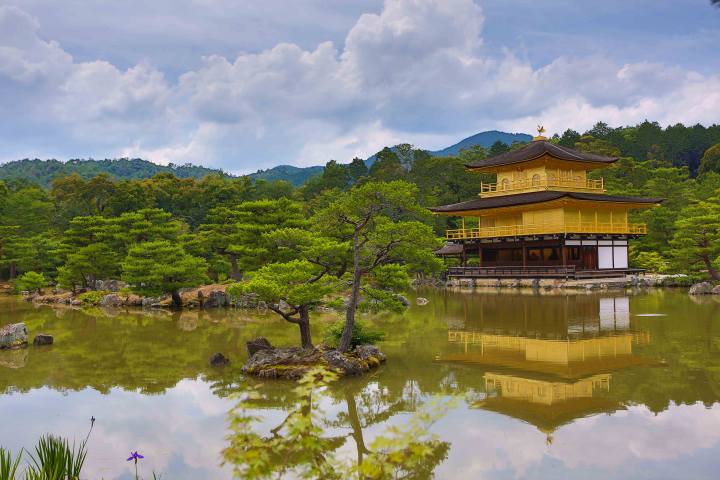
image

(Golden Pavilion, Canon 5D Mark III, handheld HDR, Canon 28-70mm)

FIVE SHOTS FROM NEW ZEALAND

I was down there for a few hours a few weeks ago. In passing, I took a few shots. Really need to organize a holiday there.

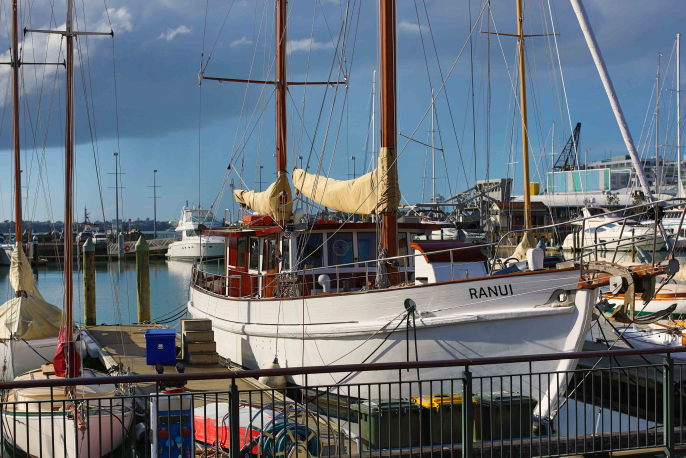
A racing vessel I would like to ride in/on.

image

A boat I would not like to ride on. Seen too many “lost at sea fisherman” movies.

image

Auckland’s CN tower.

image

A Chinese ship that caught my eye, and the eye’s of the local newspapers. Spy ship?

image

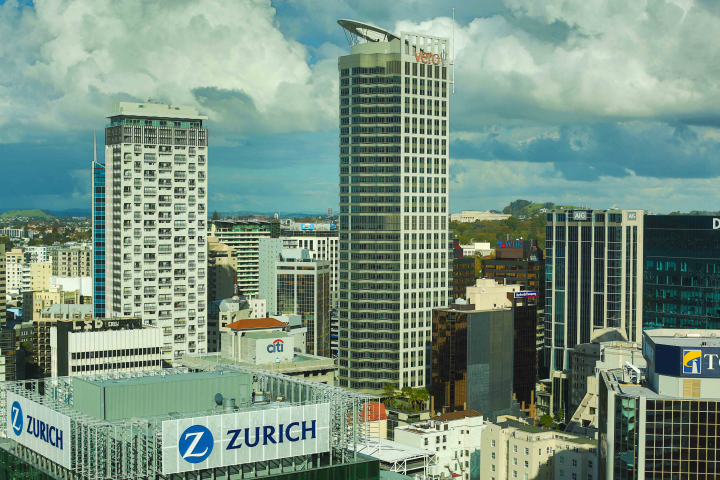
The Auckland skyline. Beautiful city.

image

Need to get there for longer than 24 hours ….

NOT SEE, NOT SAY, NOT HEAR, TOKYO

Koshin is described as a folk faith in Japan with Taoist origins:

The main Kōshin belief that survived from an original complex faith, is the concept that three worms, called Sanshi (三尸), live in everyone’s body. The Sanshi keep track of the good deeds and particularly the bad deeds of the person they inhabit. On the night called Kōshin-Machi (which happens each 60 days), while the person sleeps, the Sanshis leave the body and go to Ten-Tei(天帝), the Heavenly god, to report about the deeds of that person.

Ten-Tei will then decide to punish bad people, making them ill, shortening their lifetime and in extreme cases putting an end to their lives. Believers of Kōshin will try to live a life without bad deeds, but those who have reason to fear will try to stay awake during Kōshin nights, as the only way to prevent the Sanshi from leaving the body and reporting to Ten-Tei.

Which (of course) lead to festivals every 60 days where people attempted to stay up for the entire day to stop the worms from leaving their bodies.

Below is a very old, traditional Koshin shrine near our home.

2013 05 25 Dragon temple_

This faith is also affiliated with the 3 monkeys (seen in the middle bottom):

Three monkeys covering eyes, mouth and ears with their hands are the best known symbols of Kōshin faith. They are Mizaru (not see), Iwazaru (not say) and Kikazaru (not hear). It is not very clear why the three monkeys became part of Kōshin belief, but is assumed that it is because like the monkeys, the Sanshis and Ten-Tei are not to see, hear, or tell the bad deeds of a person.

Statues of Shōmen-Kongō with the three monkeys have existed in temples and shrines since the Edo era. Sometimes carved stones called Kōshin-tō were placed around a dwelling for protection. Such stones can present diverse forms, from having only Chinese characters (kanji) to including a depiction of Shōmen- Kongō with one, two or three monkeys.

So many layers to Japan’s complex history, hidden from the Gaijin.

22 FALLEN SAMURAI, TOKYO

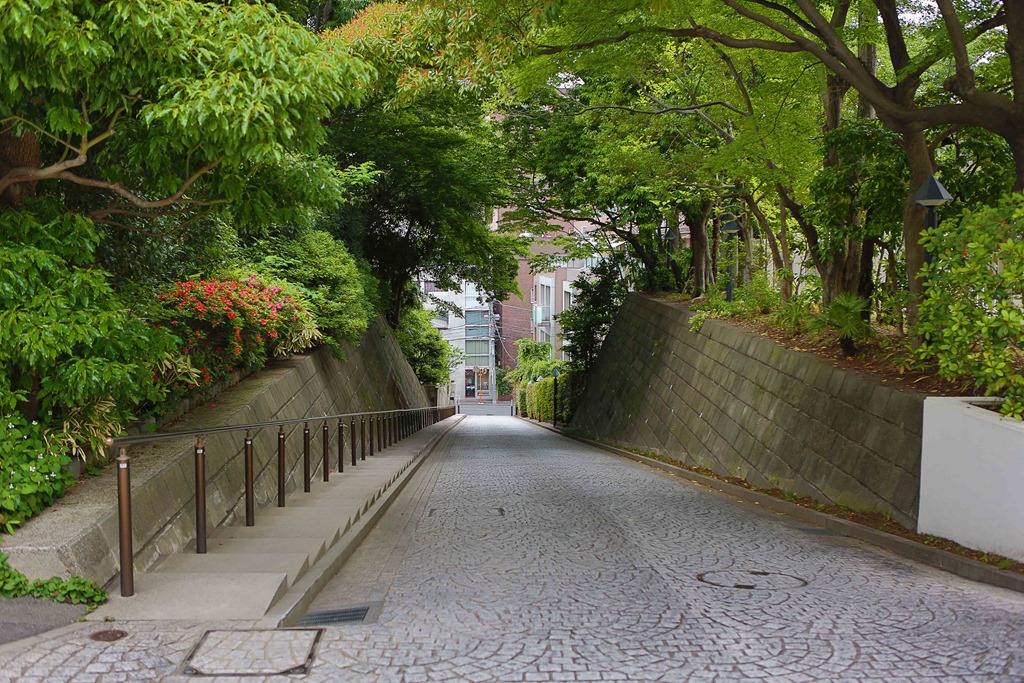
Another temple near us, hidden up a long road – Kensoji temple (which has zero internet footprint and no information).

2013 05 25 old temple_-17

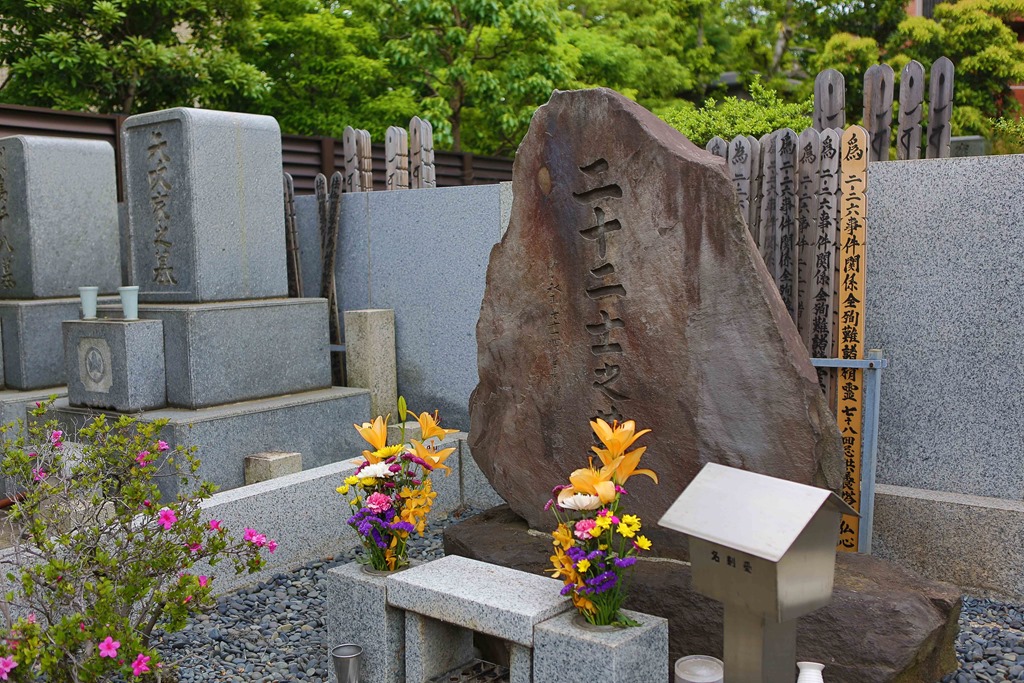
Surrounded by a beautiful cemetery, the history makes an interesting story. Hidden in the back corner is the cemetery of the fallen 22, who attempted an uprising in 1936 and are often celebrated by the anti-foreigner, nationalistic Japan parties.

The February 26 Incident (二・二六事件 Niniroku Jiken?) (also known as the 2-26 Incident) was an attempted coup d’état in Japan on 26 February 1936. It was organized by a group of young Imperial Japanese Army (IJA) officers with the goal of purging the government and military leadership of their factional rivals and ideological opponents.

Although the rebels succeeded in assassinating several leading officials and in occupying the government center of Tokyo, they failed to assassinate Prime Minister Keisuke Okada or secure control of the Imperial Palace. Their supporters in the army made attempts to capitalize on their actions, but divisions within the military, combined with Imperial anger at the coup, meant they were unable to achieve a change of government. Facing overwhelming opposition as the army moved against them, the rebels surrendered on 29 February.[3]

Unlike earlier examples of political violence by young officers, the coup attempt had severe consequences. After a series of closed trials, 19 of the uprising’s leaders were executed for mutiny and another 40 imprisoned. The radical Kōdō-ha faction lost its influence within the army, the period of “government by assassination” came to a close, and the military increased its control over the civilian government.

If you read the entire background, it is the classic story of the under-privileged rising up against ruling class, in this case coloured by a nationalistic zeal, an Emperor, westerners and socialism. I cannot help but sympathize with the meritocracy elements of their campaign even if it is at odds with their allegiance to the Emperor.

Their well tended grave. Luckily, there were not ultra-nationalists at the site to protest our being there.

2013 05 25 old temple_-27

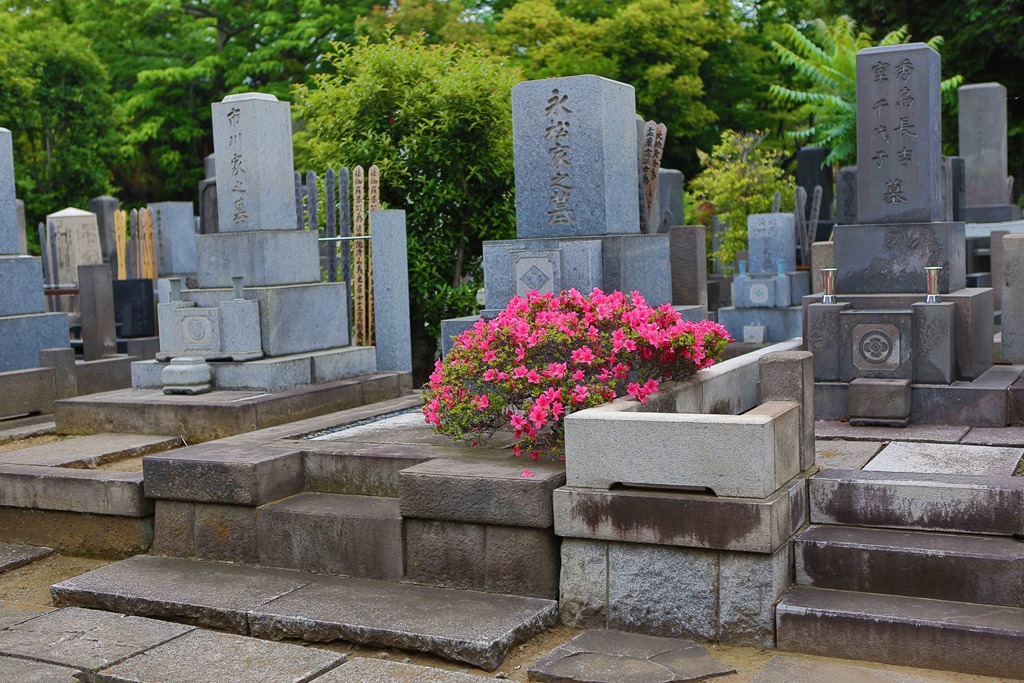
The grave across from this one, with beautiful blooming Azaleas.

2013 05 25 old temple_-26

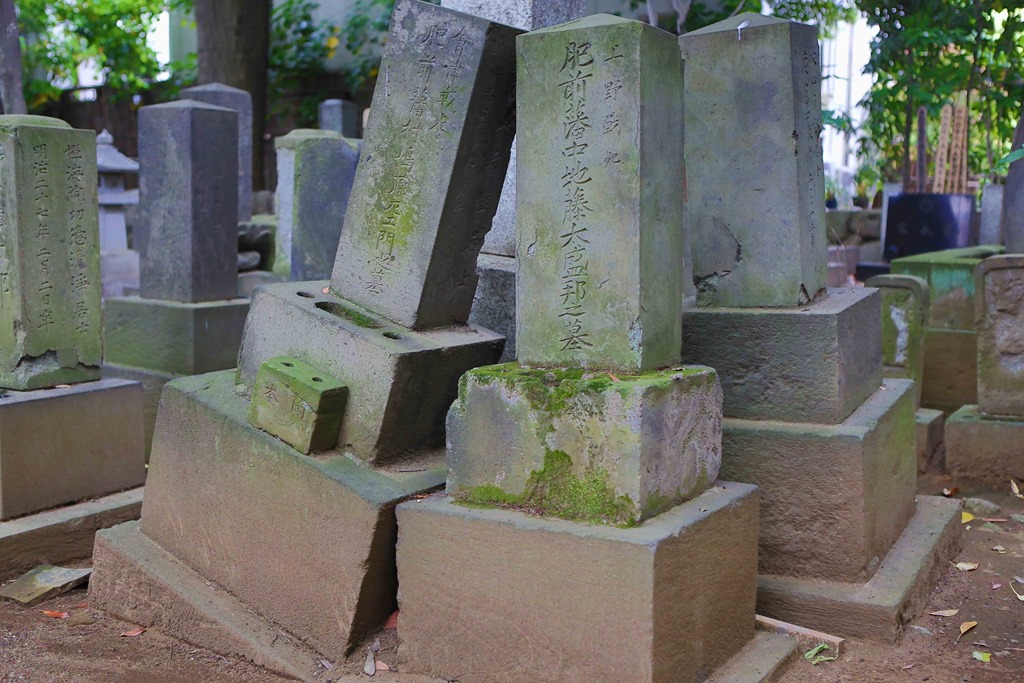
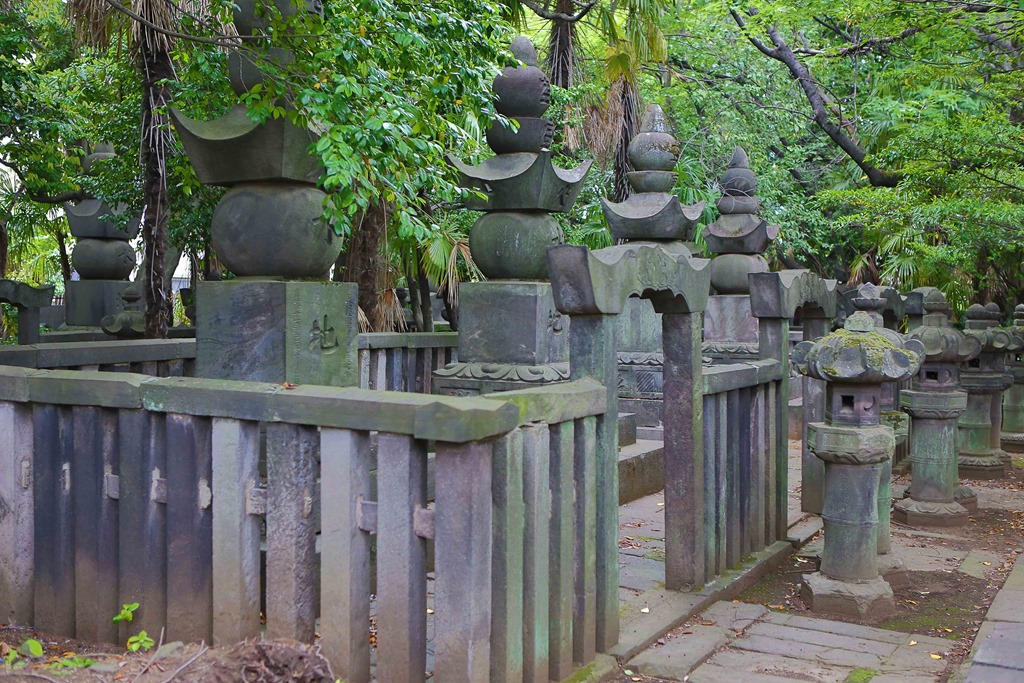
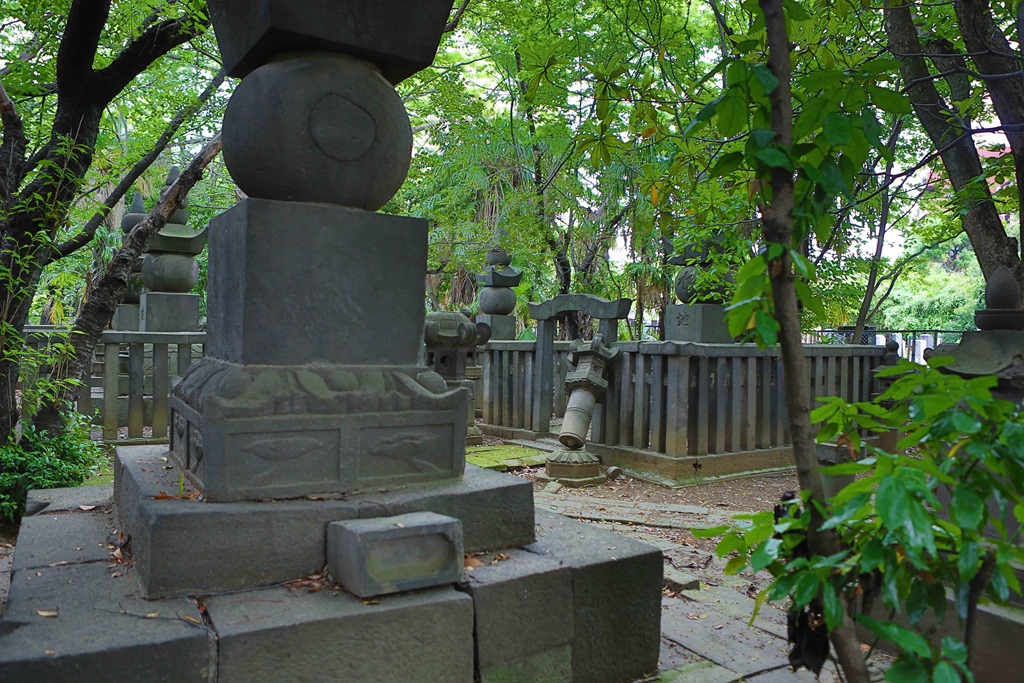
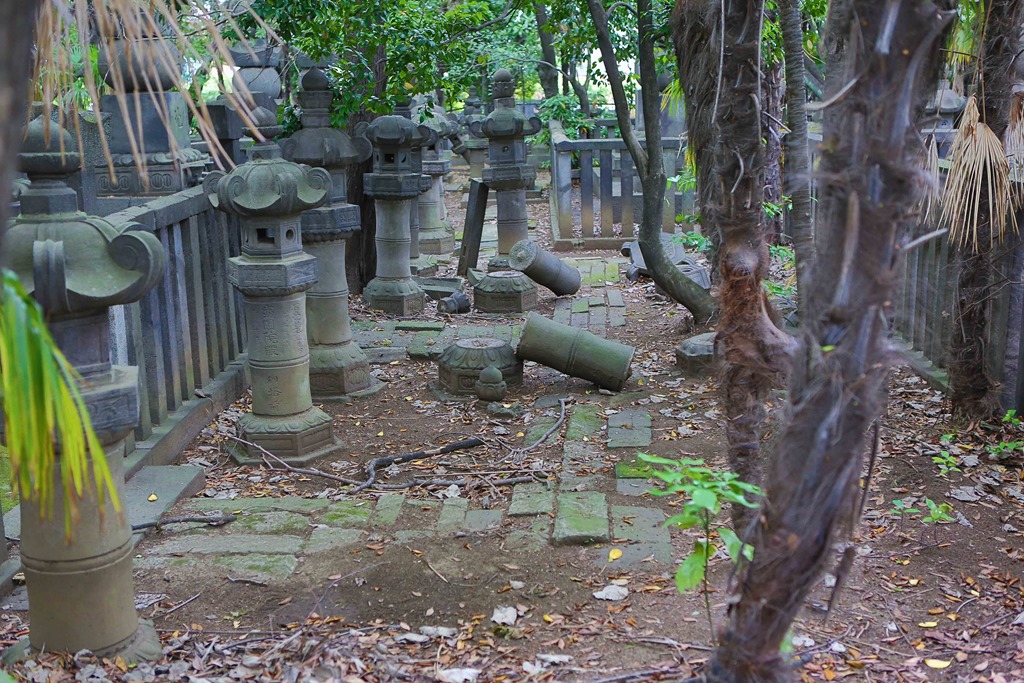
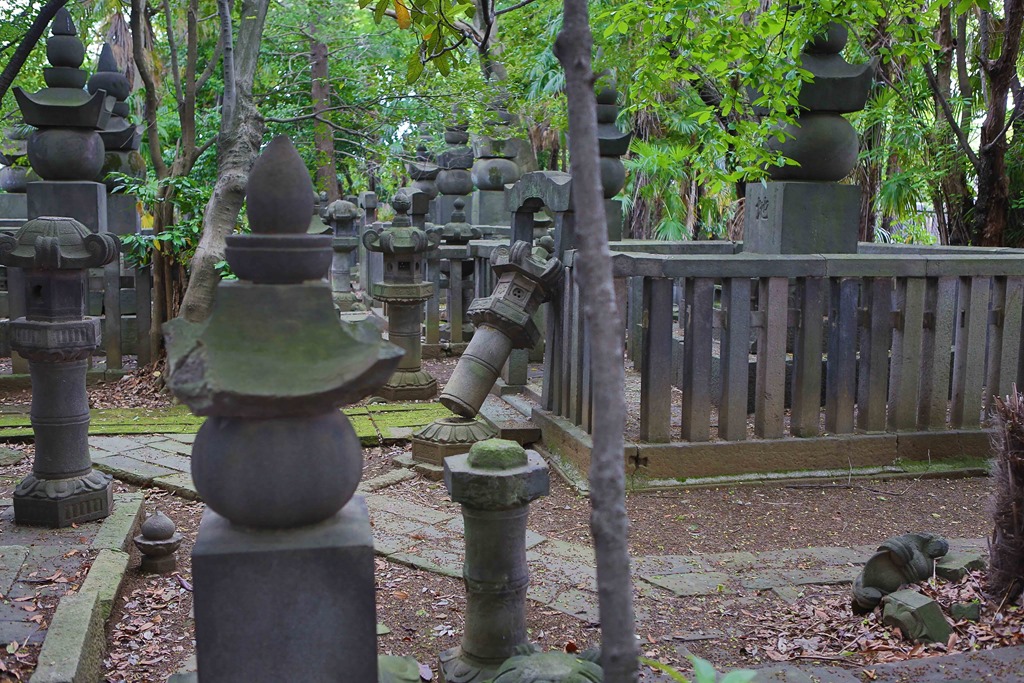
The other interesting thing about the site is the state of the original cemetery. Fenced off and difficult to see, the original cemetery is surrounded by monuments to the elements and the (rich) family entombed. However, the site has fallen into disrepair which seems at odds with the Japanese respect for ancestors.

2013 05 25 old temple_-21

2013 05 25 old temple_-28

2013 05 25 old temple_-29

Of note, the monuments are all individual pieces of stone, balanced on top of each other. Only a few have fallen over during the various earthquakes. A testament to 1,000 year old craftsmanship.

2013 05 25 old temple_-20

2013 05 25 old temple_-30

An interesting hidden find.

DRAGON TEMPLE, TOKYO

Near our apartment is a small temple of significance, a temple dedicated to the dragon and the harvest, Hiroo Inari Jinja.

image

Located on a side street near Hiroo station, tucked under hundred year old trees.

image

The courtyard houses the temple building and several smaller shrines.

image

image

Including the chozuya, for purifying yourself before entering the shrine.

image

imageimage

I liked this request outside the temple …

image

As mentioned, it is a dragon temple. Etched into the wooden roof is the most magnificent dragon. Step to a different side and the entire picture changes.

It is said that Inari (the god of harvests) was invoked as the guardian deity of the Shogun�fs villa, Azabu Fujimi Goten, during the Genroku period (1688-1703). It was formerly called Fujimi Inari or Chitose-dera Inari. The dragon drawn on seven consecutive panels on the main hall�fs ceiling is the final Japanese-style painting of the great master Takahashi Yuichi. Three towers dedicated to the repose of the souls of the departed (Minato City Cultural Assets) stand by a stone moat and the three monkeys (�gSee no evil, hear no evil, speak no evil�h) are carved on the front.

image

image

And more dragons carved into the entrance.

image

Amazing to find out what is tucked around a corner. A city full of hidden treasures.

THE FIRST AMERICAN EMBASSY, TOKYO

The American government set up in one of Tokyo’s oldest temples, Zenpuku-ji temple, after the signing of the first commerce agreement in 1859.

image

2013 05 25 american embasssy_-15

They have a monument set up for Townsend Harris who played a pivotal role in Japanese – US relationships. Our guide Lilly provided colour to his life. While he did great things for the countries, he did it while ruining the life of a poor Japanese woman. She was a serving girl and in love with a carpenter (as the story goes), but Townsend wanted her for himself. Forced by the Japanese government to spend time with Townsend (either to improve relations between the countries or as a spy), she was forced to become his mistress only to be discarded when he left Japan;

She was labelled a “Toujin” (mistress of a foreigner), though she was not a mistress like “Chocho-san“.

Becoming a mistress of Western men was regarded as shame and Kichi was despised as “Toujin”. The disdain and prejudice of the society disturbed her seriously and she gradually indulged in alcohol. She could not live a peaceful family life with her beloved Tsurumatsu. She ruined a restaurant presented by a sympathetic patron and could not run a hair salon in Shimoda due to the disdain of local people. In her 40s, Kichi became homeless and killed herself by jumping into the Inouzawa River.
Toujin Okichi became a heroin of popular novels and her stories were staged many times. Though the truth still remains a mystery, her story was interpreted in various ways and exploited as a tourist attraction.

Read more here. The relationships was also incorrectly romanticized in a John Wayne movie.

image

As with all shrines, a cemetery accompanies it. Right beside the shrine is the grave of Fukuzawa Yukichi, the man on the 10,000 Y note ($100).

Fukuzawa Yukichi (福澤 諭吉?, January 10, 1835 – February 3, 1901) was a Japanese author, Enlightenment writer, teacher, translator, entrepreneurand journalist who founded Keio-Gijuku University, the newspaper Jiji-Shinpo and the Institute for Study of Infectious Diseases. His ideas about government and social institutions made a lasting impression on a rapidly changing Japan during the Meiji Era. He is regarded as one of the founders of modern Japan. He is called a Japanese Voltaire.

2013 05 25 american embasssy_-2

It is also home to the oldest ginko tree in Tokyo with a girth of 10m and estimated age of 800+ years.

2013 05 25 american embasssy_-24

image

As one would expect, the cemetery is well tended with people decorating the statues and leaving behind flowers, offerings and other remembrances to honour the departed.

image

image

image

image

An interesting tour. Thanks for dropping by.

HOW TO ROB IN THE EDO PERIOD

Rich families would keep their valuables in a building like this.

2013 05 25_-22

2013 05 25_-23

Away from the main house, lacking windows, big metal locked doors and often behind the gates.

2013 05 25_-24

One would think it was a good plan. The problem? Thieved learned that in the soft Japanese soil it is easy to dig your way in.

TODAY’s JAPANESE ENGLISH

Like I said before, when you are walking through Tokyo, you need to look up.

image

I have no idea why this one caught my eye in passing. I was walking from lunch and noticed the print on the front of this dress. Who/what is Felicity Catch and why grammar do time so bad?


image

And to answer your question: NO. My Japanese is not improving as evidenced by a recent conversation:

“I got this amazing sparking sake from Meidi-ya” (I pronounced meedie-ya)

“Where?”

“meedie-ya. You know the grocery store”

Laughs. “Oh you mean (pronounces it right). You have been saying that for a month and I had no idea what you were talking about”

The only good thing, I don’t write anything down in Japanese.

EXPLORING THE TOKYO STREETS

On a recent tour, near this street we heard all about Juzo Itami.

image

Standing at the bottom of the building where he “committed suicide”, we heard the story about how this Japanese film maker made fun of the establishment and organized crime:

On May 22, 1992, six days after the release of his anti-yakuza satire Minbō no Onna, Itami was attacked, beaten, and slashed on the face by five members of the Goto-gumi, a Shizuoka-based yakuza clan, who were angry at Itami’s film’s portrayal of yakuza members as craven, dishonorable bullies. This attack led to a government crackdown on the yakuza. His subsequent stay in a hospital inspired his next film Daibyonin, a grim satire on the Japanese health system.

Looking down the alley, our guide explained his “death”:

He purportedly committed suicide on December 20, 1997[1] in Tokyo, by leaping from the roof of the building where his office was located, after a sex scandal he was allegedly involved in was picked up by the press. The suicide letter he reportedly left behind denied any involvement in such an affair.

Many consider his death suspicious. Citing unnamed sources, Jake Adelstein of Yomiuri Shimbun, who wrote a number of articles dealing with Japanese yakuza, directly accused Goto of murder. Adelstein stated that, according to his sources in the Japanese underworld, Juzo Itami was planning a new movie about Goto’s yakuza faction and its relationship with the religious groupSōka Gakkai and that “A gang of five of his people grabbed Itami and made him jump off a rooftop at gunpoint. That’s how he committed suicide.” According to Adelstein, Itami had said that his wife was aware of his alleged affair and that Itami’s purported suicide note was typed on a word processor.[2] At the time, the police treated it as a possible homicide. Itami’s surviving family have never publicly commented on the circumstances surrounding his death.

We continued walking. I love the way that Japanese streets are filled with people’s pots filled with flowers and bushes. They may not have a yard, but they are trying.

image

In some cases, the grasses are overgrowing. An oddity in Japan. Why would someone leave their motorcycle like that? (even if it is broken).

image

Passing this shop I looked in, there was barely any room to move … He/she is certainly not pressing any clothes.

image

As we turned a corner our guide explained that the area we were in used to be a slum in Tokyo. The locals were cleaning it up and banding together, trying to stop developers who were buying up the buildings with a goal of tearing it all down and putting up high rises.

image

Down a stairwell was a tiny little statue, dedicated to a site where something happened .. at some point in history. Perhaps someone fell down the stairs and died, or an incident happened here. That history is lost to us gaijin, but it was amazing to see the statue hidden between the buildings.

image

And in every Tokyo cement crack, something is trying to grow.

image

2013 05 25_-33

TOKYO POLICE

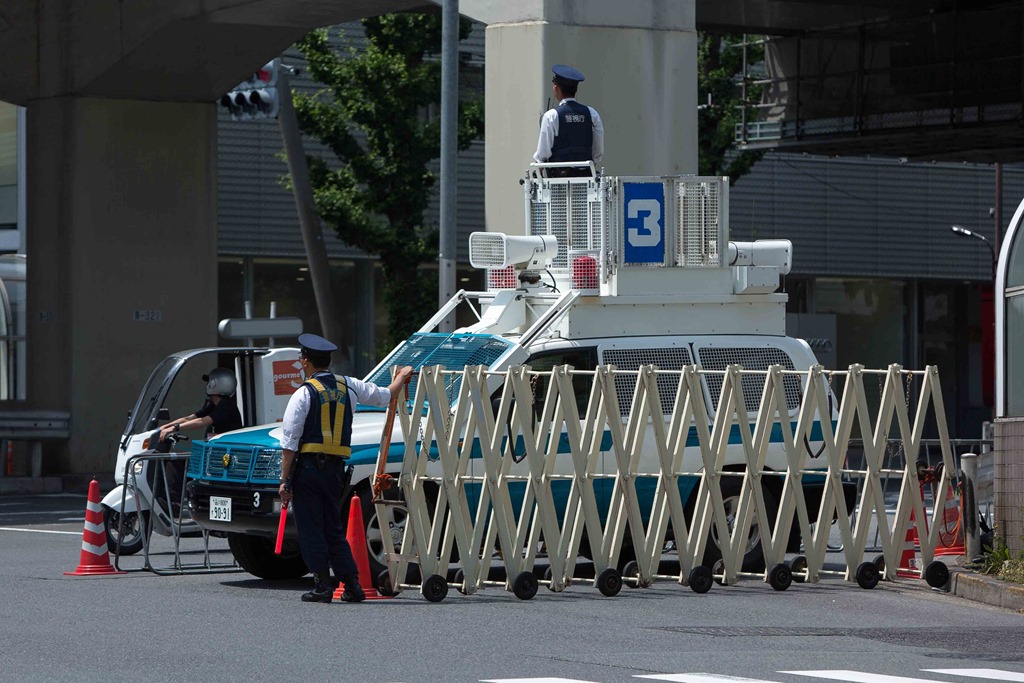
There are a LOT of police in Tokyo. I mean a LOT. Seems like every few blocks you run into a group of them. You don’t see many police cars and the one time that I was flagged down, it was the police officer stepping onto the road.

Perhaps one of the reasons why Tokyo is so safe (although I think it is more cultural, than due to police presence).

2013 05 25_-2

I am always driving past these fellows and I have yet to figure out what they do. They just stare at the passing cars, sometimes a whistle in their mouth just waiting to be blown. At other times holding their walkie-talkie and watching the traffic drive by.

Always staring. Never moving. I don’t understand. (smile)

LOVE HOTELS, TOKYO, JAPAN

How would you like to be the poor unfortunate souls living next to this monstrosity with it’s medieval flair?

2013 05 25 love hotel_-7

Called a “love hotel” these feeders of the unseemly Japanese underbelly are quite common.

A love hotel is a type of short-stay hotel found around the world operated primarily for the purpose of allowing couples privacy for sexual activities. The name originates from “Hotel Love” in Osaka which was built in 1968 and had a rotating sign.

This one is for the more “adventurous”. We were walking past it on a tour and I could not help but notice the nice grandmotherly woman on the other side of the street standing in her door.

How would you like to look at this every day? (it is in quite a nice neighbourhood). Supposedly there is a movement afoot to eject them.

image

Is the name some form of play on words?

The discrete front entrance.

image

Last shot. I wondered, is the new BMW a client or the owner?

image

ABANDONED IN TOKYO

There are a surprising number of abandoned buildings in Tokyo. On a recent tour we were told that this happens when something “bad” happens in a building. People find out and do not want to live there.

image

In this case, something bad happened about 10 years ago … and no one has lived there since, except the every expanding vines.

image

image

EXPAT CURRENCY ADVICE


Lesson #1: on currency

When we first moved to the UK I was advised to keep currency in whatever location you were planning to live in long term. I did not listen, and we moved some money with us from Canada to the UK.

Along came the economic crash, a 30% decline in the GBP and a painful lesson when we moved that money back to Canada.

This time around we opened up a multi-currency account and have kept money in the currency that it was originally “created”, only transferring between currencies when needed. A fortunate thing as the Japanese Yen has declined 25% against the Canadian/US dollar since we arrived.

Lesson #2: on moving currency

If you are moving a lot of money and planning on moving permanently, you are not an expat and this isn’t for you.

When we moved to Tokyo I was getting some pretty annoying “wire transfer” charges. Annoying is a euphemism for large. I switched to using checks. Simply deposit the check from your home country, pay a nominal fee, and wait (in my case, it magically leaves my Canadian account in 3 days but takes 28 days to appear in Japan). A flat rate and much lower cost.

Hopefully, these lessons will help a fellow expat.