WHAT I LEARNED ABOUT GELATO IN ITALY: GROM IL GELATO


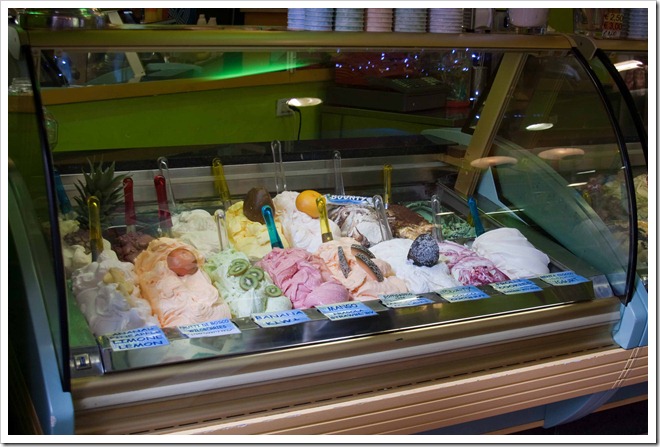
Everywhere you go in Italy you see gelato. Very quickly you learn that not all gelato is the same and a local explained it to us best, ‘The more stuff on top of the gelato in the display, the more artificial it is’.

It worked, the below looked very cool but wasn’t that great.

2009 04 07 Italy  _MG_3520

The best gelato? Florence, at a place called Grom  where their slogan is “Il Gelato Come Una Volta” or ‘Gelato the old fashioned way’. A quick web search shows that they have shops around Italy and now in New York, Paris and Tokyo. I love this statement in their ‘about us’ section:

What makes us happy? A child smiling while eating a Grom’s gelato.

It worked.

ROME DAY 2: THE COLISEUM OR 100 A.D.’s IDEA OF THE CINEMA

The sun was shining and with Roma pass in hand, our family hit the road for another big day of touring. This day we would be on our own, doing that which we don’t really enjoy, trying our luck with a tour group in front of the coliseum.

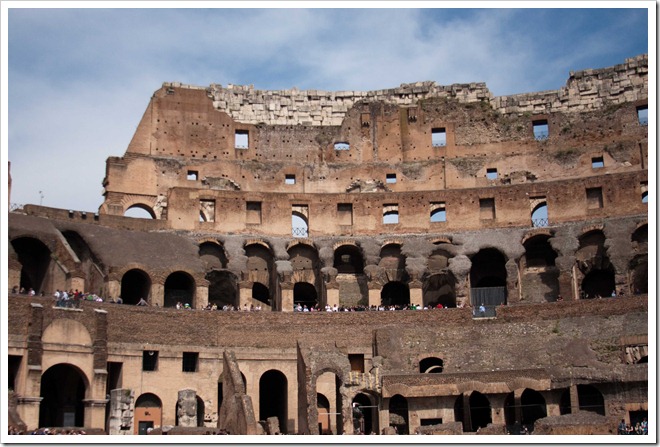
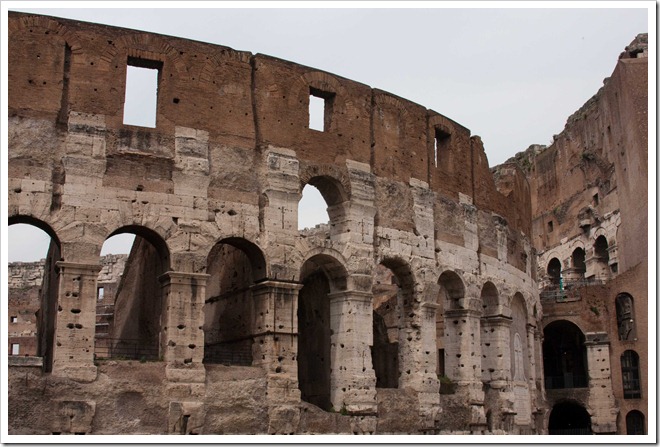
Like most European cities, the transit system is amazing. Easy to get around on and low cost. The Roma pass gets you into a number of the sites at one set fair, worth the investment. Our first stop was the Coliseum and it is as jaw dropping as you would expect. It soars above you, one has to wonder at the effort involved to build it (not Pyramid in scope, but close).
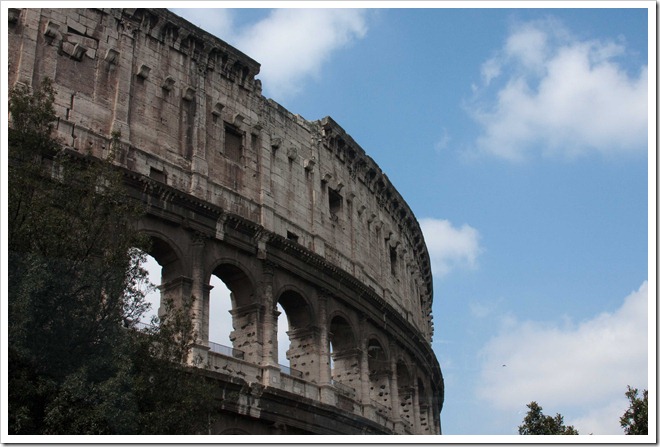
2009 04 07 Rome Colosseum

2009 04 08 Rome Colosseum-8

2009 04 08 Rome Colosseum-18

Like so many Roman buildings, where the pagan gods once ruled, Christian symbols now rule.
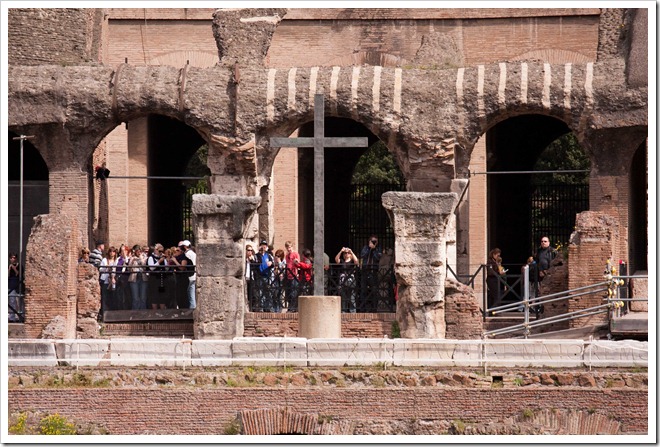
2009 04 08 Rome Colosseum-19

Of course the tour was filled with fascinating facts around how the Coliseum was used. What I didn’t know was that it use to have a lake and that the original gladiator battles were not on the sand and wood floors that we see below, but in small ships.

The Colosseum was used to host gladiatorial shows as well as a variety of other events. The shows, called munera, were always given by private individuals rather than the state. They had a strong religious element but were also demonstrations of power and family prestige, and were immensely popular with the population. Another popular type of show was the animal hunt, or venatio. This utilized a great variety of wild beasts, mainly imported from Africa and the Middle East, and included creatures such as rhinoceros, hippopotamuses, elephants, giraffes, aurochs, wisents, barbary lions, panthers, leopards, bears, caspian tigers, crocodiles and ostriches. Battles and hunts were often staged amid elaborate sets with movable trees and buildings. Such events were occasionally on a huge scale; Trajan is said to have celebrated his victories in Dacia in 107 with contests involving 11,000 animals and 10,000 gladiators over the course of 123 days.

During the early days of the Colosseum, ancient writers recorded that the building was used for naumachiae (more properly known as navalia proelia) or simulated sea battles. Accounts of the inaugural games held by Titus in AD 80 describe it being filled with water for a display of specially trained swimming horses and bulls. There is also an account of a re-enactment of a famous sea battle between the Corcyrean (Corfiot) Greeks and the Corinthians. This has been the subject of some debate among historians; although providing the water would not have been a problem, it is unclear how the arena could have been waterproofed, nor would there have been enough space in the arena for the warships to move around. It has been suggested that the reports either have the location wrong, or that the Colosseum originally featured a wide floodable channel down its central axis (which would later have been replaced by the hypogeum).[14]
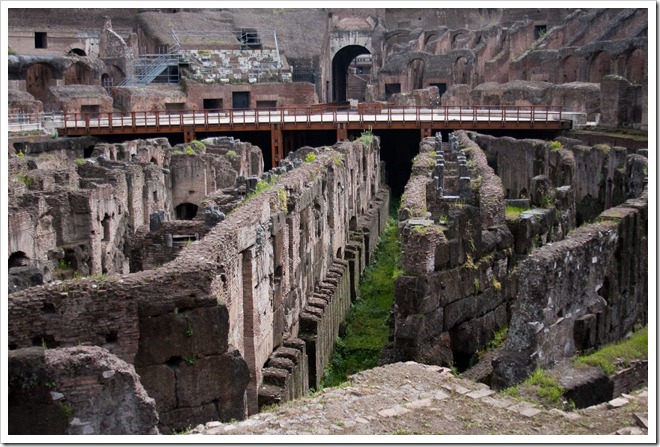
2009 04 08 Rome Colosseum-25

The floor shows you how it would have been, the sand to sop up the blood and prevent slipping.
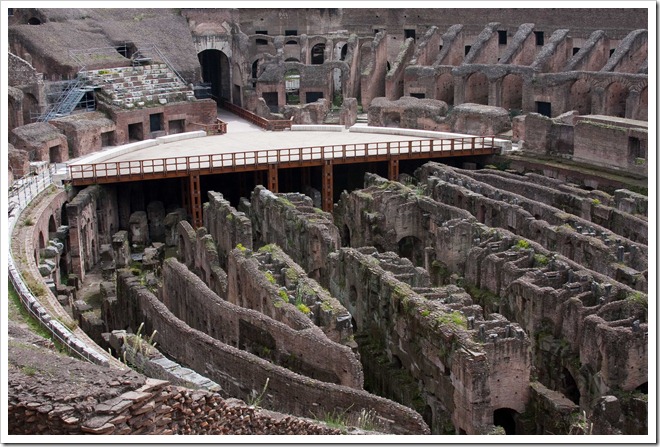
2009 04 08 Rome Colosseum-38

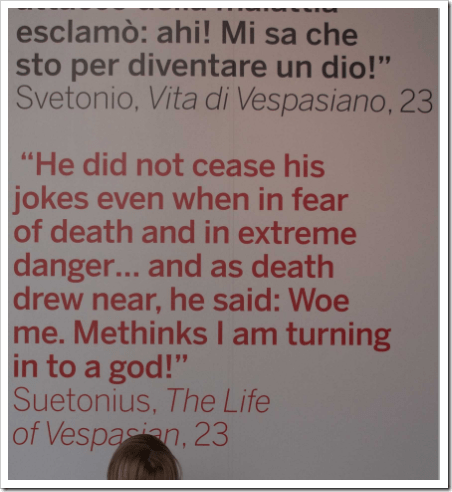
There was a lot written about Vespasian, with this quote catching our attention:
image

It was Vespasian who began the construction of the Colosseum:

Construction of the Colosseum began under the rule of the Emperor Vespasian[3] in around 70–72AD. The site chosen was a flat area on the floor of a low valley between the Caelian, Esquiline and Palatine Hills, through which a canalised stream ran. By the 2nd century BC the area was densely inhabited. It was devastated by the Great Fire of Rome in AD 64, following which Nero seized much of the area to add to his personal domain. He built the grandiose Domus Aurea on the site, in front of which he created an artificial lake surrounded by pavilions, gardens and porticoes. The existing Aqua Claudia aqueduct was extended to supply water to the area and the gigantic bronze Colossus of Nero was set up nearby at the entrance to the Domus Aurea.[14]

Although the Colossus was preserved, much of the Domus Aurea was torn down. The lake was filled in and the land reused as the location for the new Flavian Amphitheatre. Gladiatorial schools and other support buildings were constructed nearby within the former grounds of the Domus Aurea. According to a reconstructed inscription found on the site, “the emperor Vespasian ordered this new amphitheatre to be erected from his general’s share of the booty.” This is thought to refer to the vast quantity of treasure seized by the Romans following their victory in the Great Jewish Revolt in 70AD. The Colosseum can be thus interpreted as a great triumphal monument built in the Roman tradition of celebrating great victories.[14] Vespasian’s decision to build the Colosseum on the site of Nero’s lake can also be seen as a populist gesture of returning to the people an area of the city which Nero had appropriated for his own use. In contrast to many other amphitheatres, which were located on the outskirts of a city, the Colosseum was constructed in the city centre; in effect, placing it both literally and symbolically at the heart of Rome.

The Colosseum had been completed up to the third story by the time of Vespasian’s death in 79. The top level was finished and the building inaugurated by his son, Titus, in 80.[3] Dio Cassius recounts that over 9,000 wild animals were killed during the inaugural games of the amphitheatre. The building was remodelled further under Vespasian’s younger son, the newly-designated Emperor Domitian, who constructed the hypogeum, a series of underground tunnels used to house animals and slaves. He also added a gallery to the top of the Colosseum to increase its seating capacity.

In 217, the Colosseum was badly damaged by a major fire (caused by lightning, according to Dio Cassius[15]) which destroyed the wooden upper levels of the amphitheatre’s interior. It was not fully repaired until about 240 and underwent further repairs in 250 or 252 and again in 320. An inscription records the restoration of various parts of the Colosseum under Theodosius II and Valentinian III (reigned 425–450), possibly to repair damage caused by a major earthquake in 443; more work followed in 484 and 508. The arena continued to be used for contests well into the 6th century, with gladiatorial fights last mentioned around 435. Animal hunts continued until at least 523.[14]

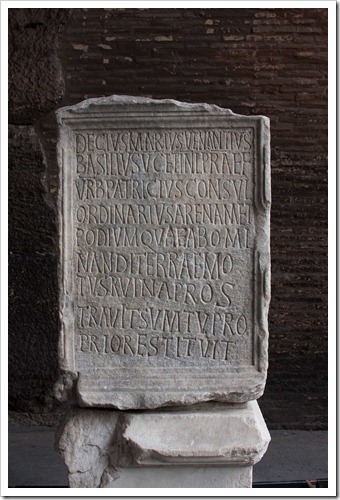
Once again I was amazed at how the artefacts of history are sitting everywhere, ready to be touched (so different than in North America where they are well behind the velvet rope or glass wall). Below is a piece of a column, ready for sitting upon …

2009 04 08 Rome Colosseum Column 2009 04 08 Rome Colosseum-58

2009 04 08 Rome Colosseum-67

It was an amazing morning and we finished with lunch at a small cafe across the street near Largo Agnesi, enjoying organic food and fresh cappuccino. The Palatine was next ….

Technorati Tags: ,

ENCOURAGING CANDOR


HBR has an interesting view on leadership openness in their June issue, which is worthy of contemplation:

‘….NASA researchers had placed existing cockpit crews – in flight simulators and tested them to see how they would respond during the crucial 30 to 45 seconds between the first sign of a potential accident and the moment it would occur. The stereotypical take-charge ‘flyboy’ pilots, who acted immediately on their gut instincts, made the wrong decisions far more often that the more open, inclusive pilots who said to their crews, in effect, ‘We’ve got a problem. How do you read it?’ before choosing a course of action.

At one level, the lesson of the NASA findings is simple: Leaders are far likelier to make mistakes when they act on too little information then when they wait to learn more. …. the pilot’s habitual style of interacting with their crews determined whether crew members would provide them with essential information during an in-air crisis. The pilots who’d made the right choices routinely had open exchanges with their crew members. The study also showed that crew members who had regularly worked with the ‘decisive’ pilots were unwilling to intervene – even when they had information that might have save the plane’ 

(HBR, June 2009, What’s Needed Next: A Culture of Candor)

I have worked for leaders who were not willing to create a culture of openness, where people held back information or were afraid to speak up – and it definitely hurt the business – opportunities lost, pitfalls not avoided. I much prefer the culture of collaboration. Good article (full version is available free online).

WINDOWS 7 AND MY HP Colour LaserJet CM1312nfi MFP


I have waxed on about how amazing it is to get a fax, colour copier, scanner and color laser printer for $500 when a little over a decade ago they were $100K. Amazing stuff. Our color LaserJet broke on the ship over from England (it must have taken a big knock) so after much futzing to see if I could get it running, I had to buy a new one and I landed on the new HP all in one.

As all of my home machines are now running Windows 7, I was hoping it would be a breeze. It wasn’t. However, if I would have thought of this, it would have been … I should have thought of this. During the install the software kept erroring out – because it did not recognize Windows 7. But thanks to this tip and the compatibility feature in Win7, it is now running just fine. The steps are below, hope it helps others:

I just got my CM1312 MFP working in Windows 7.  Here’s how:

    1. Insert the setup disk in your CD/DVD drive.  Choose to view the files in Explorer.  Scroll down to the file "Setup," which is identified as an application.
    2. Right-click the file and select "Properties." Click the "Compatibility" tab at the top of the resulting window.
    3. Check off "Run this program in compatibility mode for:" and choose "Windows Vista" from the pop-up menu.
    4. ALSO check "Run this program as administrator" at the bottom of the window.
    5. Press "Apply," then "OK."

Now you can double-click the "Setup" file and run the software installer

And no to that certain someone who is about to make a comment, this does not make me want to buy a Mac.

EATING IN ROME

Eating is always a challenge when you are travelling. Finding the authentic versus the tourist trap. Rome is no different and our first night was a total bust. On the streets in Rome the restaurants have glass buildings where you can eat (with the kitchen situated in a building). Across from our hotel were a line of these restaurants and the one we chose was awful and way over priced.

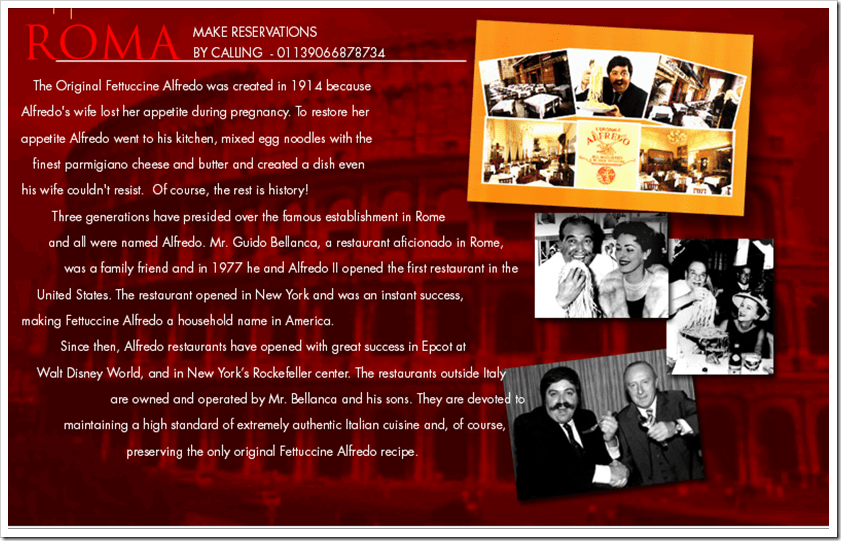
The next night we asked the concierge for something memorable, authentic. He recommended Alfredo’s, the home of the Fettuccine Alfredo which happens to be my favourite Italian dish. It is a must visit place. We arrived to an empty restaurant, as we did the non-European thing and arrived at opening (people started wandering in for dinner around 8 PM).

The restaurant is covered with pictures of Alfredo with patrons or of movie star photos signed ‘with love to Alfredo’. It was like transporting back to another era, Cary Grant, Sinatra, Dean Martin, Marlon Brando. I spent a good 20 minutes walking around the room looking at the photos. If you love old movies (I grew up loving old war movies), it is amazing. I wish I would have brought my camera.

My favourite photo is one tucked in the back. It is Ringo star in a group, wearing a plaid suit (placing the picture in the 70’s .. one of the newer photos), with his finger up his nose for the camera and the entire table in hysterics. What a great piece of humorous history.

As for the restaurant and the Alfredo? Amazing. I had an Alfredo in Ottawa and Alberta in the last month … no comparison (although the one in Alberta was pretty good!). A must visit if you are in Rome. I love the story of the Alfredo from their web site …

image

A must do …. check out their photo gallery here.

U2


We had the good fortune to see the U2 concert last week. As always, Bono and team entertained. Although I found myself wishing they would stop playing new songs and go back to their classics. As a fan, I would love a best hits tour. But for some reason, I don’t think that Bono believes that his best years are behind him quite yet.

IMG00002-20090917-2135

Not their best concert (I enjoyed their previous tour better), but leave it up to Bono to educate. I did not realize the plight of Burma’s imprisoned leader Aung San Suu Kyi:

Aung San Suu Kyi AC (Burmese AungSanSuuKyi1.png; MLCTS=aung hcan: cu. krany[citation needed]; IPA: [àunsʰánsṵtʃì]), born 19 June 1945 in Rangoon, is an opposition politician and general secretary of the National League for Democracy in Burma (Myanmar). Aung San Suu Kyi was the third child in her family. Her name is derived from three relatives; "Aung San" from her father, "Kyi" from her mother and "Suu" from her grandmother.[5] Suu Kyi won the Rafto Prize and the Sakharov Prize for Freedom of Thought in 1990 and the Nobel Peace Prize in 1991. In 1992 she was awarded the Jawaharlal Nehru Award for International Understanding by the Government of India. She is still under detention in Myanmar, and has been for almost 14 out of the past 20 years.[6] In the 1990 general election, Suu Kyi was elected Prime Minister, as leader of the winning National League for Democracy party, which won 59% of the vote and 394 of 492 seats. Her subsequent detention by the military junta prevented her from assuming office.

Like him or not, it was a powerful message that he sent to 62,000 people.

ONTARIO WEATHER


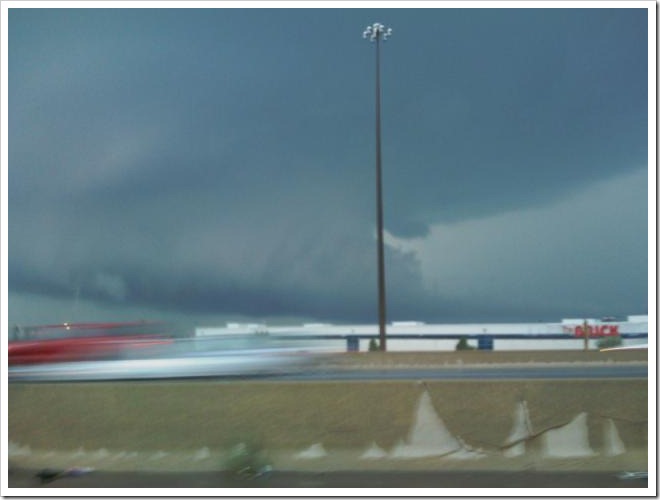
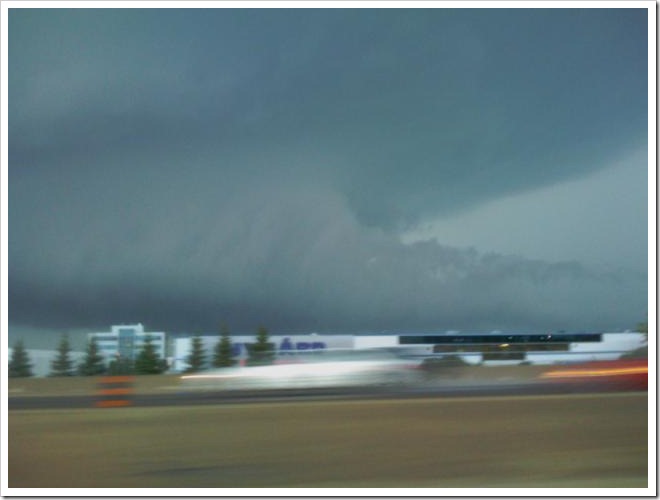
Most people would agree these days that the weather is a little unpredictable in Ontario. A few weeks ago there was a freak storm that whipped through the province. I happened to be sitting on the highway as it hit Toronto. The rain was so thick I could barely see the car in front of me and the lightning was like nothing I have ever seen before. Huge strikes every 30 seconds or so for a sustained period (30 minutes).

At one point, I happened to snap a few with the camera on my phone. Not the greatest quality, but they capture the storm that was approaching the car.

IMAG0001

IMAG0003

IMAG0005

Wild storm. Now I just hope that the September weather holds. Nice to finally have summer ….

EXPLORING ROME: ONE MORE PIAZZA … PIAZZA COLONNA

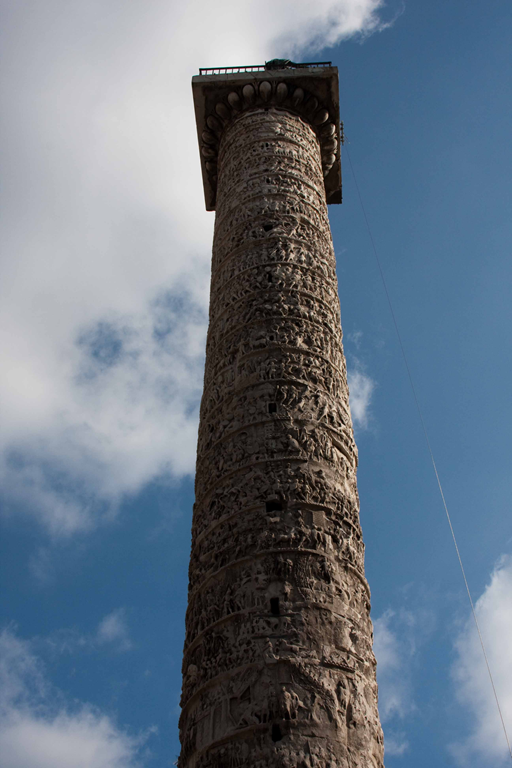
There are a lot of Egyptian ‘liberated’ Obelisks around Rome. That being said, the Roman’s also love their columns. One of the most spectacular ones is in Piazza Colonna, the Column of Marcus Aurelius:

The Column of Marcus Aurelius, (Latin: Columna Centenaria Divorum Marci et Faustinae), is a Doric column, with a spiral relief, built in honour of Roman emperor Marcus Aurelius and modeled on Trajan’s Column. It still stands on its original site in Rome, in Piazza Colonna before Palazzo Chigi.

The spiral picture relief tells the story of Marcus Aurelius’ Danubian or Marcomannic wars, waged by him from 166 to his death. The story begins with the army crossing the river Danube, probably at Carnuntum. A Victory separates the accounts of two expeditions. The exact chronology of the events is disputed, however the latest theory states that the expeditions against the Marcomanni and Quadi in the years 172 and 173 are in the lower half and the successes of the emperor over the Sarmatians in the years 174 and 175 in the upper half.

One particular episode portrayed is historically attested in Roman propaganda – the so-called “rain miracle in the territory of the Quadi”, in which a God, answering a prayer from the emperor, rescues Roman troops by a terrible storm, a miracle later claimed by the Christians for the Christian God.

image

image

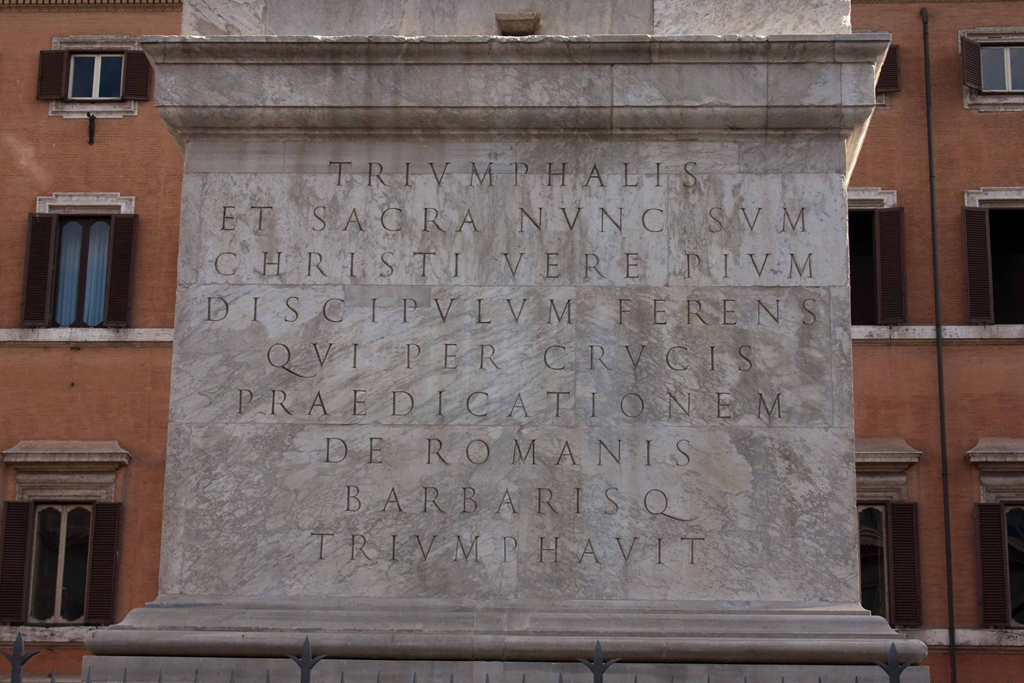
The detail is spectacular, hundreds of years later.

image

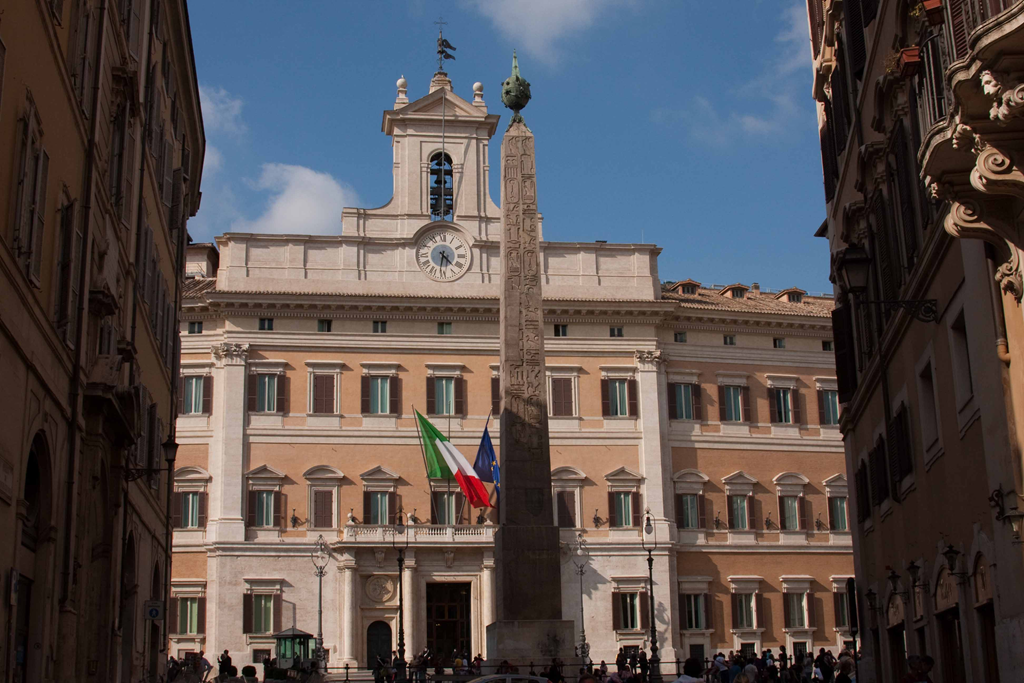
Right beside it is the Piazza Montecitorio, with a liberated Egyptian obelisk.

The obelisk was originally constructed for Pharaoh Psammeticus II. It was set up in Heliopolis in the sixth century B.C. Emperor Augustus had it shipped to Italy in the tenth century B.C. to celebrate his victory over Cleopatra. It was set up in the Campus Martius. When he brought it to Rome it created a great stir that it is said that the ship, which transported the obelisk, was also kept on public display. t was set up as a gnomon (shadow caster) for an enormous sundial he had built a few hundred metres north of the present location of the obelisk. Legend says that it fell during a fire and was buried there until it was rediscovered in 1748 under a building in Piazza Parlemento. In 1792 it was reconstructed using granite taken from the column of Antonius. Today it stands almost 22 metres high or should one say 29 metres including the base and the globe surmounting it.

image

Wandering through Rome was a wonderful experience, piazza upon piazza. Well worth planning some ‘wandering time’. The next day, the touring started.

EXPLORING ROME .. PIAZZA NAVONA

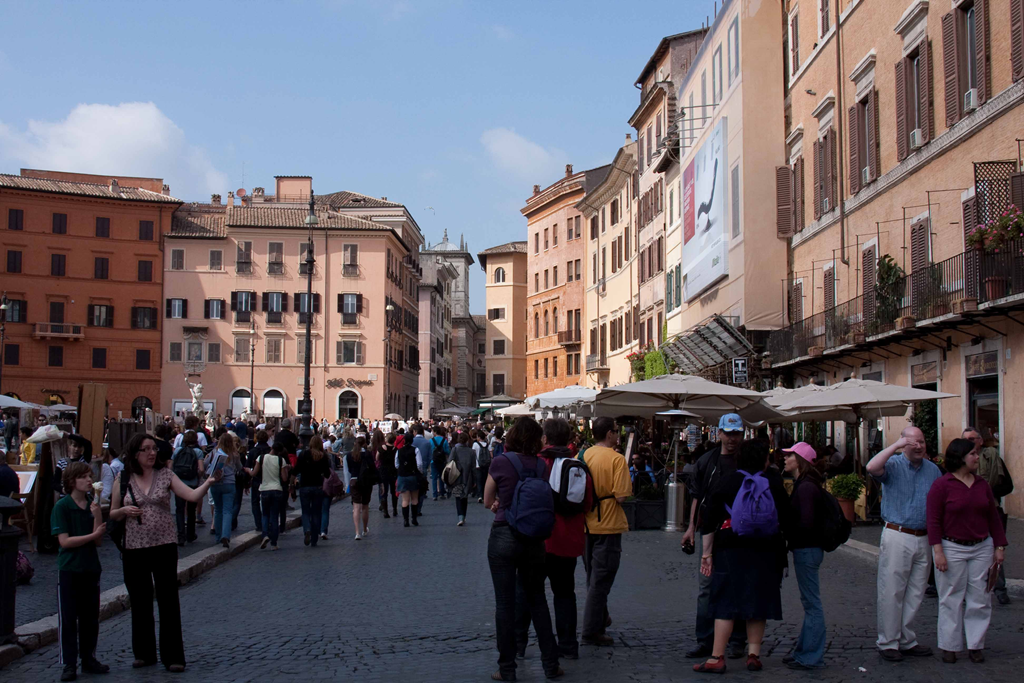
Heading out of the cat sanctuary we moved North again to find lunch in one of the many wonderful Roman piazzas. In this case we landed in Piazza Navona, with the sun shining, the outdoor cafes bustling and the cappuccino flowing.

image

This history of the square .. which is a few hundred years older than Canada …

Piazza Navona is a city square in Rome, Italy. It follows the plan of an ancient Roman circus, the 1st century Stadium of Domitian,[1] where the Romans came to watch the agones (“games”): It was known as ‘Circus Agonalis’ (competition arena). It is believed that over time the name changed to ‘in agone’ to ‘navone’ and eventually to ‘navona’.

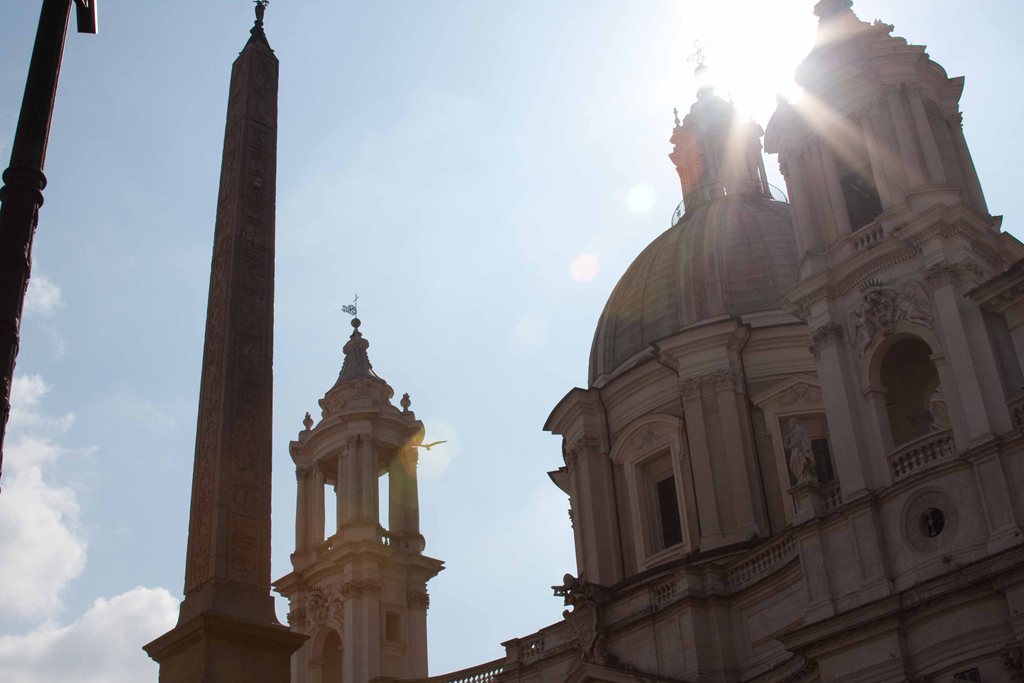
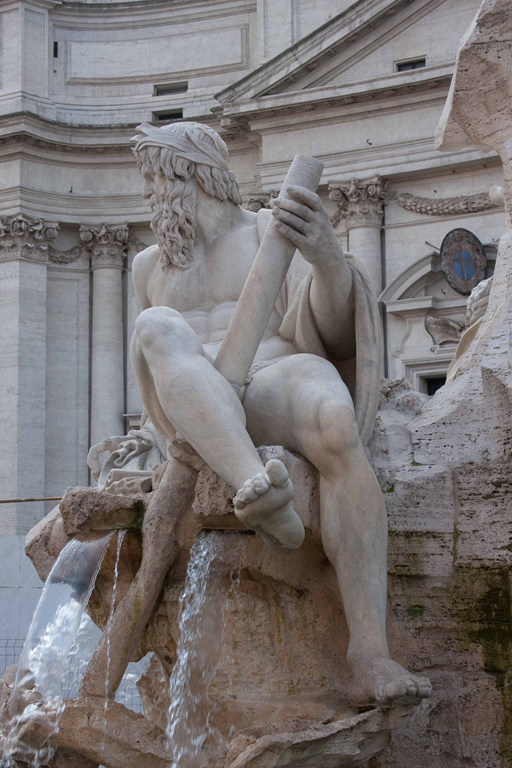
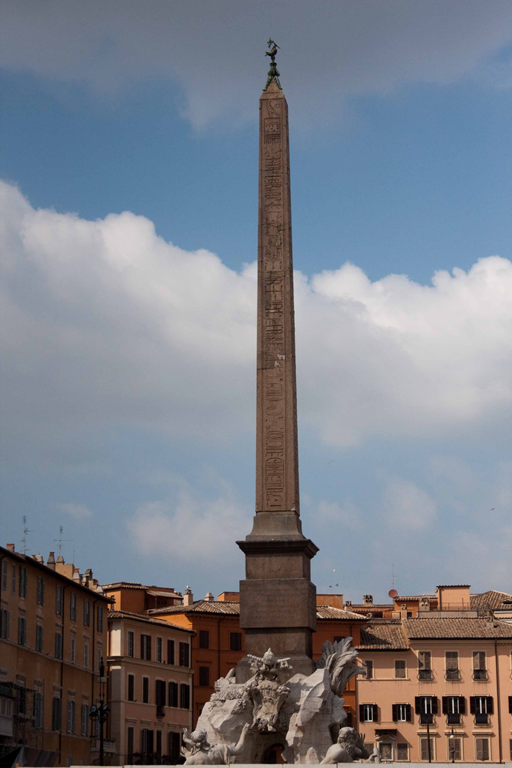
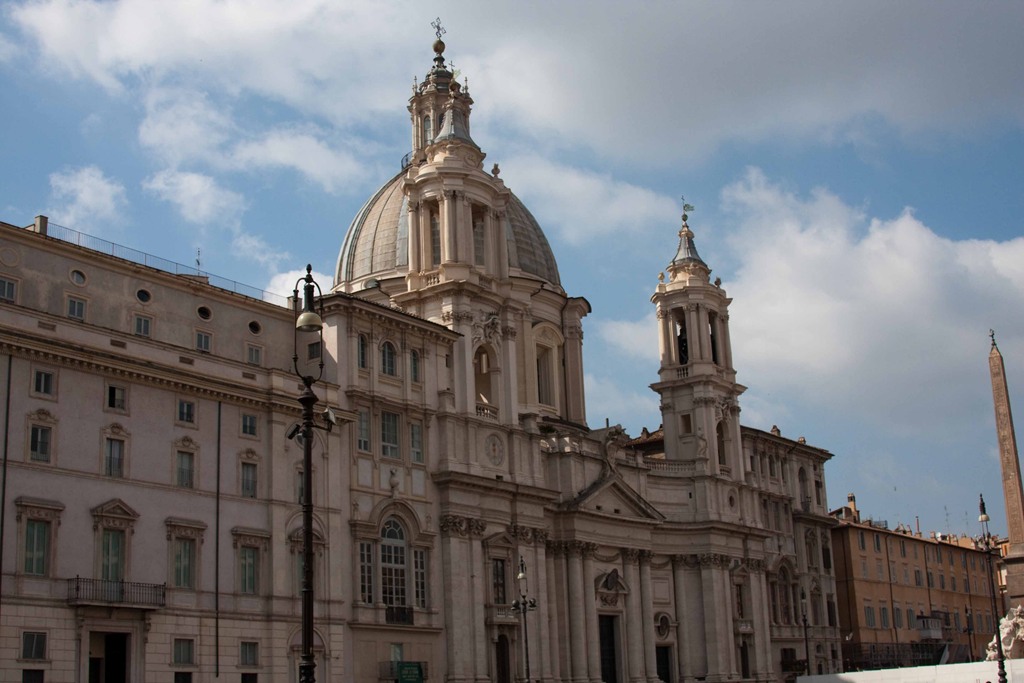
Defined as a public space in the last years of 15th century, when the city market was transferred to it from the Campidoglio, the Piazza Navona is now the pride of Baroque Roman art history. It features sculptural and architectural creations by Gian Lorenzo Bernini, whose famous Fontana dei Quattro Fiumi (Fountain of the Four Rivers, 1651) stands in the center; by Francesco Borromini and Girolamo Rainaldi, who designed the church of Sant’Agnese in Agone; and by Pietro da Cortona, who painted the galleria in the Pamphilj palace.

The market was again moved in 1869 to the Campo de’ Fiori. The piazza long hosted theatrical shows and horse races. From 1652 until 1866, when the festival was suppressed, it was flooded on every August Saturday and Sunday for elaborate celebrations of the Pamphilj family.

The Piazza Navona contains two additional fountains, sculpted by Giacomo della Porta: the Fontana di Nettuno (1574), located at the northern area of the piazza; and the Fontana del Moro (1576), located at the southern end.

image

The central fountain is spectacular. Of course in Rome, it is just one of many ….

image

image

image

image

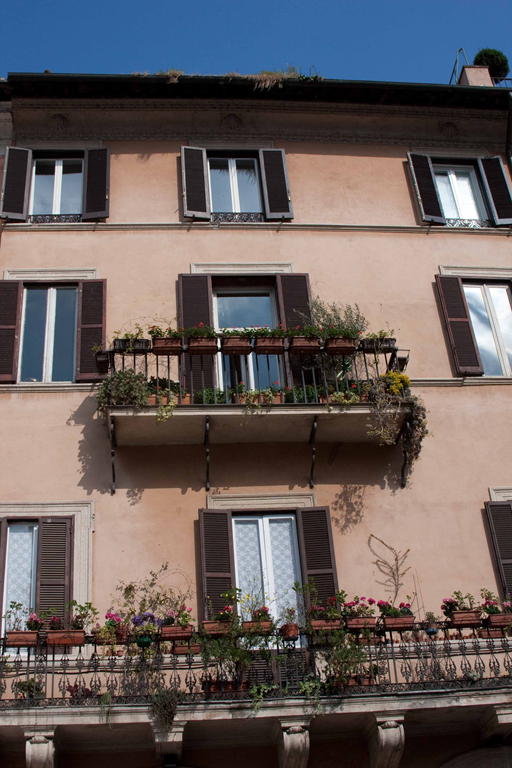
As I looked up a this building, I wondered what it would be like to open your windows in the morning and look out on the plaza, the fountain, the church and the architecture. The only thing missing is a balcony.

image

image

image

We continued on, glad that we had arrived in the city early with a day to simply wander.

EXPLORING ROME .. LARGO DI TORRE ARGENTINA & THE CAT SANCTUARY

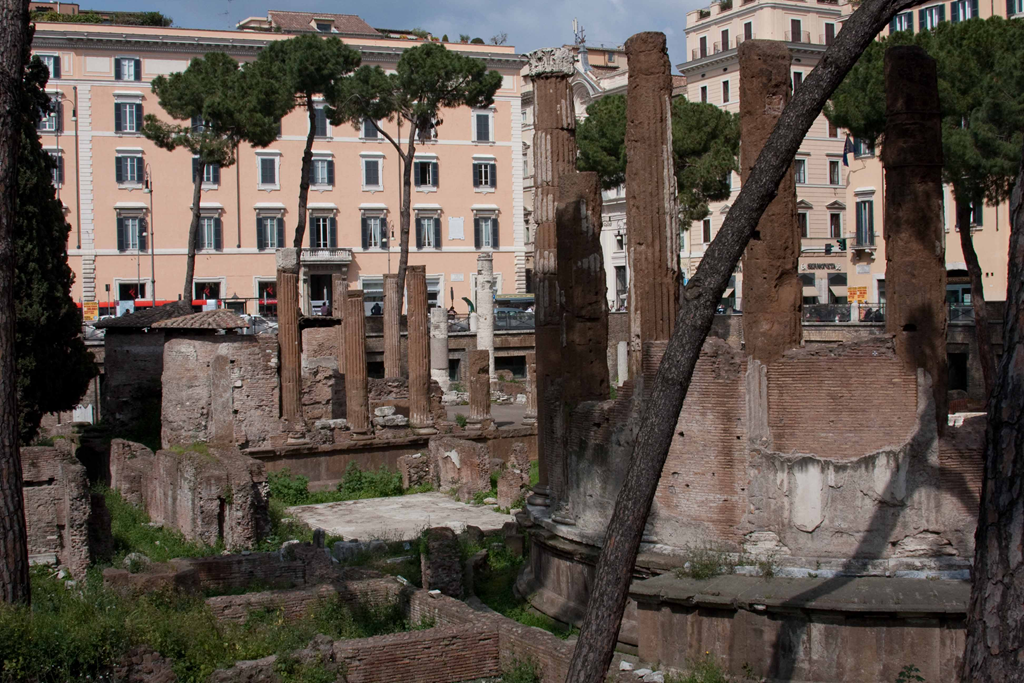
After the Pantheon we wandered down to Largo di Torre Argentina, most famously known for being the spot where Caesar was assassinated and the home of a very cool cat sanctuary.

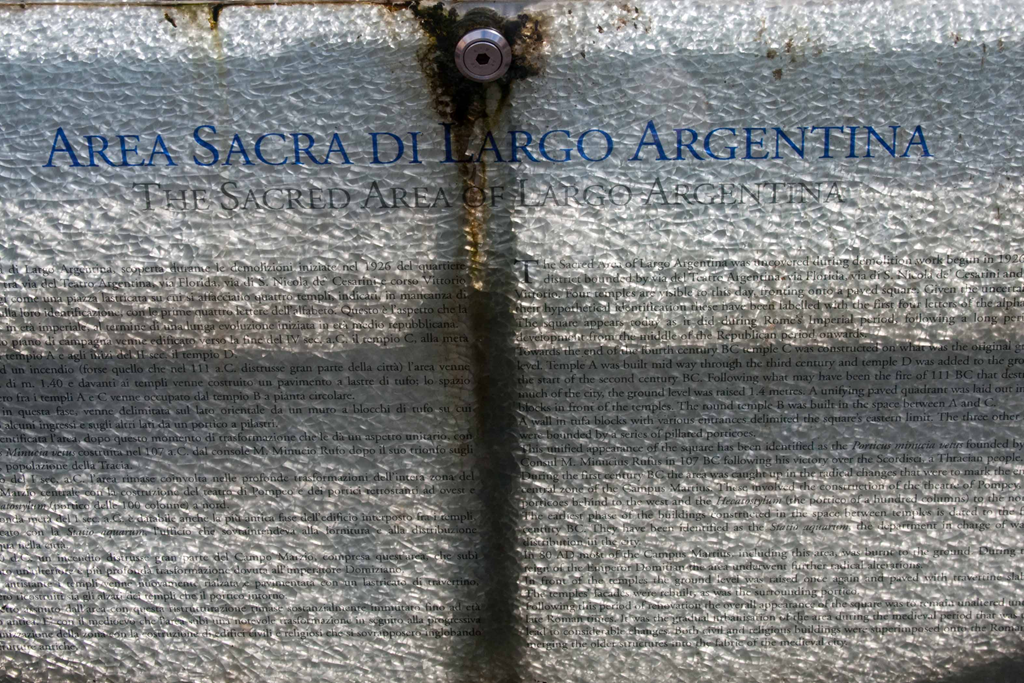
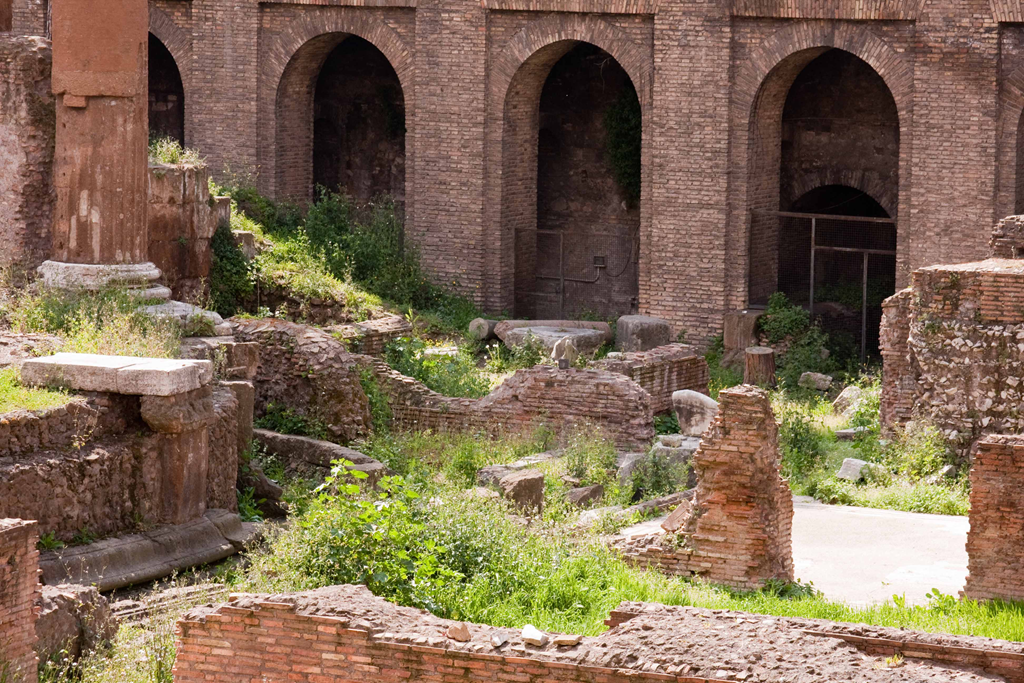
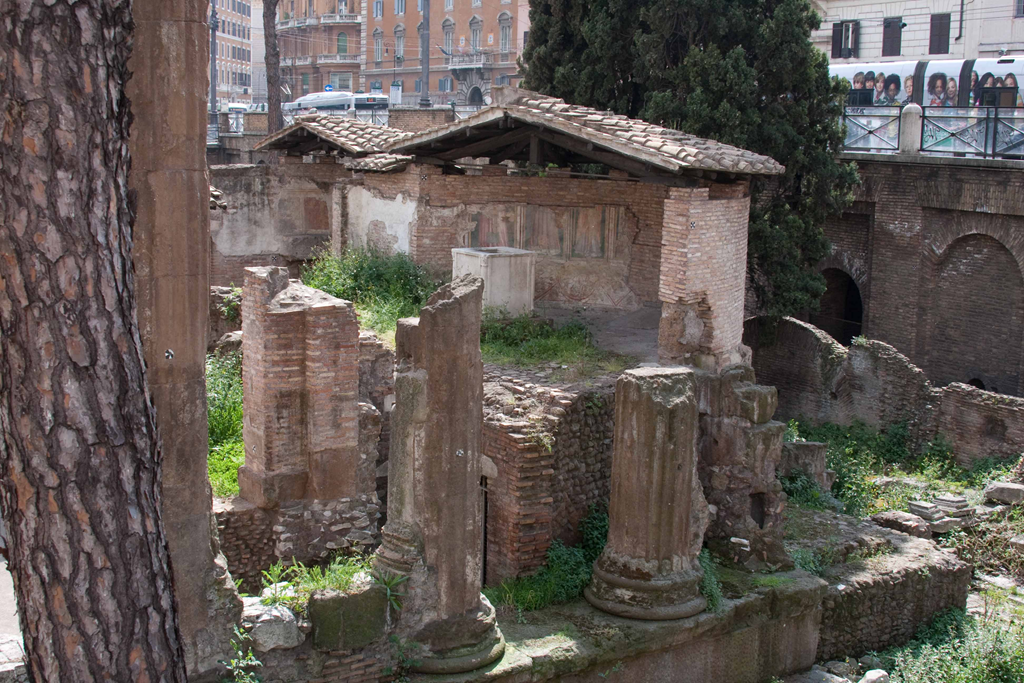
Largo di Torre Argentina is a square in Rome that hosts four Republican Roman temples, and the remains of Pompey’s Theater. It is located in the ancient Campus Martius.

The name of the square comes from the Torre Argentina, which takes its name from the city of Strasbourg, whose original name was Argentoratum. In 1503, in fact, the Papal Master of Ceremonies Johannes Burckardt from Strasbourg built in via del Sudario a palace (now at number 44), called Casa del Burcardo, to which the tower is annexed.

The other tower in the square is not the one giving the name to the place, but the Medieval Torre del Papitto (“Little Pope’s Tower”), attributed by tradition to Antipope Anacletus II Pierleoni, allegedly not a tall person.

After Italian unification, it was decided to reconstruct part of Rome (1909), demolishing the zone of Torre Argentina. During the works (1927), however, the colossal head and arms of a marble statue were discovered. The archeological investigation brought to light the presence of a holy area, dating to the Republican era, with four temples and part of Pompey’s Theater.

Julius Caesar was killed on the steps of the Theatre of Pompey, and the spot he was believed to be assassinated is in the square.

One of my ‘too-be-read’ books is Stanley Bings Rome Inc: The Rise and Fall of the World’s First Multinational Corporation (when I get a vacation). As an aside, I was loading up a few pictures for my son to take to school for the first week and one that I pulled was their standing on top of Hadrian’s wall, the northern most border of the Roman empire between England and Scotland. Truly amazing empire.

It is a pretty amazing place. Opened up right in the middle of the roads, you look down on the temple ruins.

image

image

I think this is where Caesar was killed?

image

image

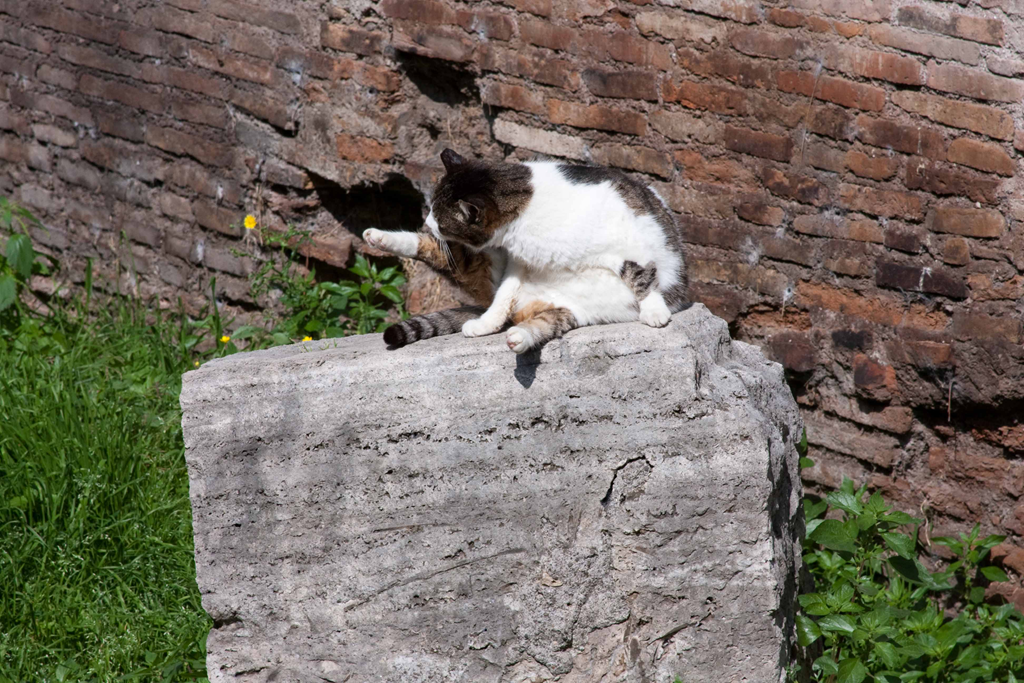
And at one end you descend the stairs to the Torre Argentina cat sanctuary run by volunteers. We spoke to a wonderful American lady, on a life adventure who worked there. Cats meander everywhere, free to roam in the sanctuary or among the ruins. A wonderful sight. We ended up staying for a while to pet the extremely friendly cats … we are a huge animal loving family and with 250 cats running around, there was no shortage of friends to say hi to.

image

image

image

This fellow was quite enjoying the sun and the ruins. Who wouldn’t?

image

EXPLORING ROME


We stayed at the Hotel Imperiale while in Rome, which is quite central and leant itself to quick subway access and the opportunity to roam .. Rome. One of the challenges of travelling in Europe is that the hotels are old and often accommodate no more than 3 per room (Spain is notorious for this), which means 2 rooms. In this case, across from each other – which has not happened often – but was an interesting start.

We dropped everything and headed out the door. We had mapped a first day walking route, thanks to a tour book and an article on the plane which highlighted the ‘Top 10 things to see in Rome’ (good timing).The first stop was the Trevi Fountain, just beautiful:

In 1730 Pope Clement XII organized a contest in which Nicola Salvi initially lost to Alessandro Galilei — but due to the outcry in Rome over the fact that a Florentine won, Salvi was awarded the commission anyway.[8] Work began in 1732, and the fountain was completed in 1762, long after Clement’s death, when Pietro Bracci‘s Oceanus (god of all water) was set in the central niche.

Salvi died in 1751, with his work half-finished, but before he went he made sure a stubborn barber’s unsightly sign would not spoil the ensemble, hiding it behind a sculpted vase, called by Romans the asso di coppe, "the "Ace of Cups".

The Trevi Fountain was finished in 1762 by Giuseppe Pannini, who substituted the present allegories for planned sculptures of Agrippa and "Trivia", the Roman virgin.

Walking through the city quickly gives you a feel for Rome, the cafes, the hustle and everywhere you look, amazing architecture. We headed east to the Temple Adrioano and then down to the Pantheon.

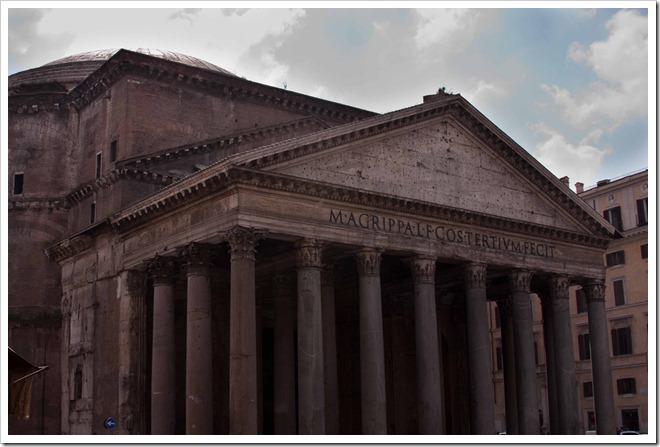
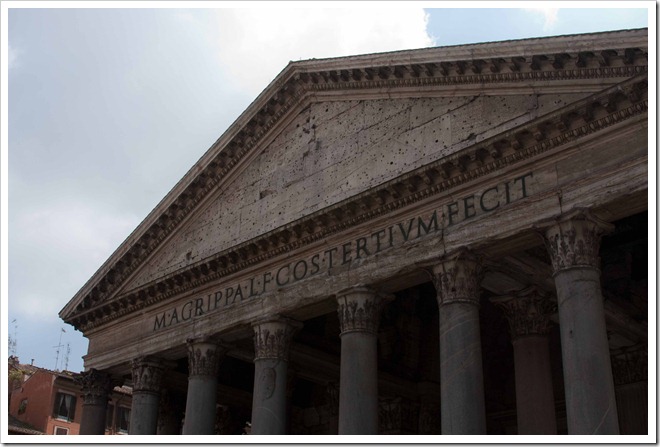
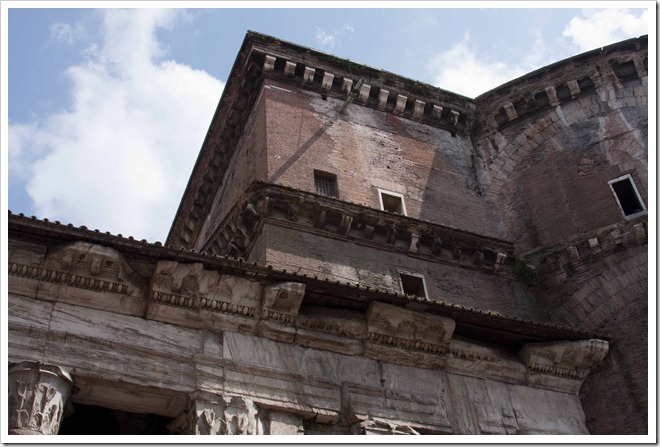
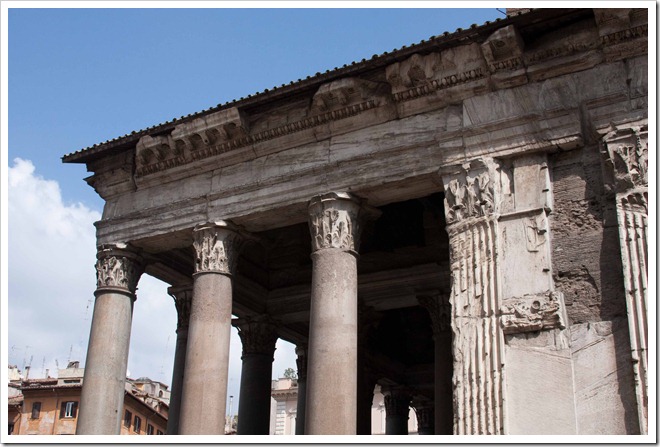
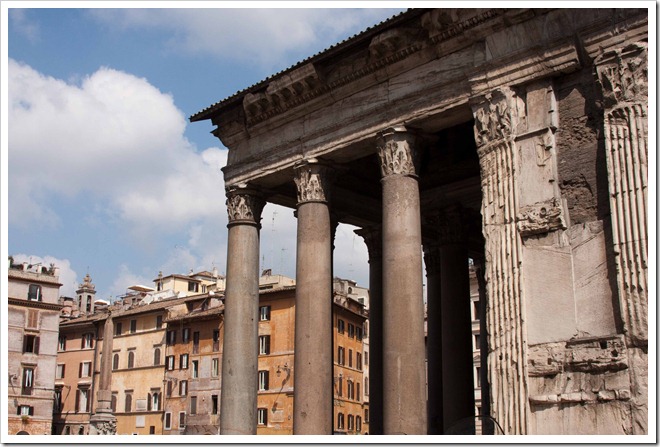
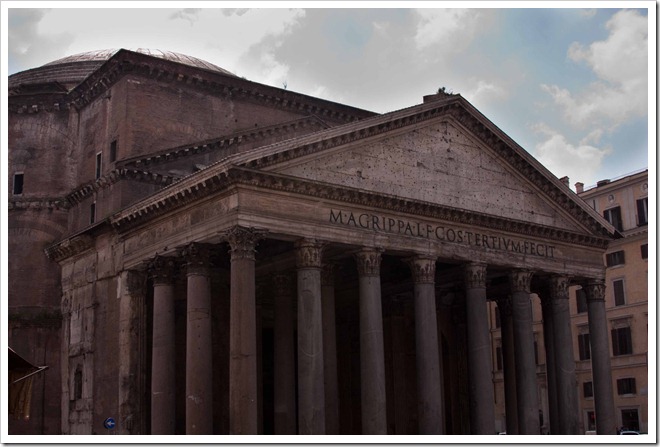
The Pantheon (pronounced /pænˈθiː.ən/ or /ˈpænθi.ən/,[1] Latin: Pantheon,[nb 1] from Greek: Πάνθεον, meaning "Every god") is a building in Rome, originally built by Marcus Agrippa as a temple to all the gods of Ancient Rome, and rebuilt in the early 2nd century AD. A near-contemporary writer, Cassius Dio, speculates that the name comes from the statues of many gods placed around the building, or from the resemblance of the dome to the heavens.[2] The intended degree of inclusiveness of the dedication to "all" the gods is debated.[citation needed] Since the French Revolution, when the church of Sainte-Geneviève, Paris, was deconsecrated and turned into a secular monument, the Panthéon, the generic term pantheon may be applied to any building in which illustrious dead are honoured or buried.[1]

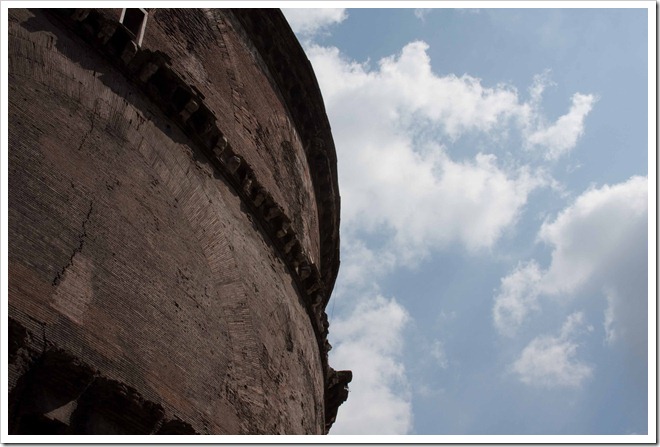
The building is circular with a portico of three ranks of huge granite Corinthian columns (eight in the first rank and two groups of four behind) under a pediment opening into the rotunda, under a coffered, concrete dome, with a central opening (oculus) open to the sky. Almost two thousand years after it was built, the Pantheon’s dome is still the world’s largest unreinforced concrete dome. The height to the oculus and the diameter of the interior circle are the same, 43.3 metres (142 ft).[3] A rectangular structure links the portico with the rotunda. It is one of the best preserved of all Roman buildings. It has been in continuous use throughout its history. Since the 7th century, the Pantheon has been used as a Roman Catholic church dedicated to "St. Mary and the Martyrs" but informally known as "Santa Maria Rotonda."[4]

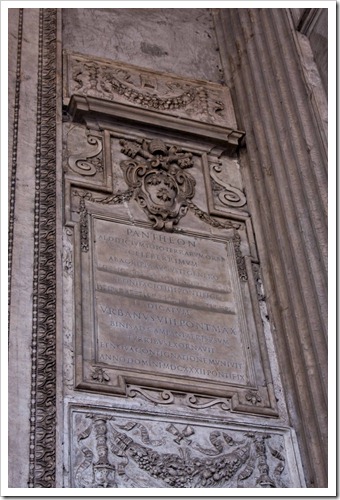
The plaza was busy, but not full. Many people enjoying the sun. How unique it must be to be to walk out of your apartment and lounge in front of the Pantheon …or it is probably like in England where people don’t really think about it, that is just the way it is. The building itself is spectacular. Personally, I found it interesting to walk in and see how the Christian symbols dominate a building built for non-Christian gods.

2009 04 07 Pantheon_

2009 04 07 Rome Pantheon_-5

2009 04 07 Rome Pantheon_-7

The entryway.

2009 04 07 Rome Pantheon_-8

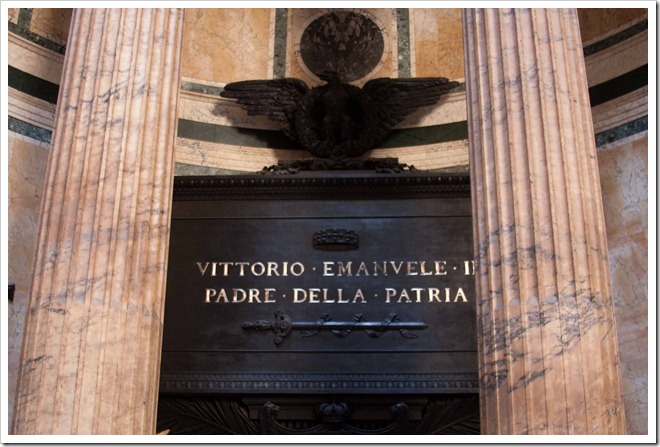
The tomb of the first king of Italy.

2009 04 07 Rome Pantheon_-9

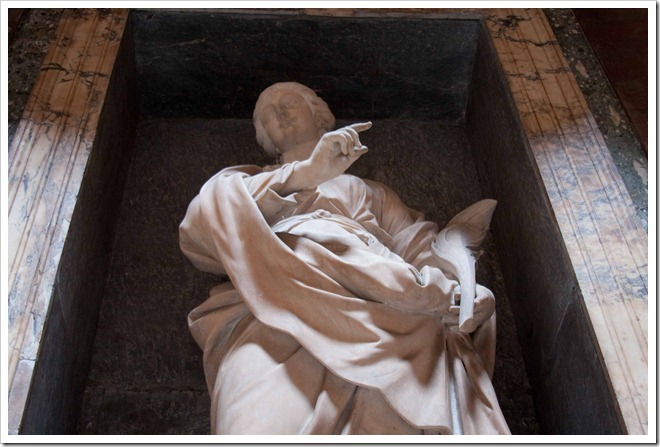
I cannot ascertain if this is Mary or another, but it is pretty good bet that it is Mary.

2009 04 07 Rome Pantheon_-18

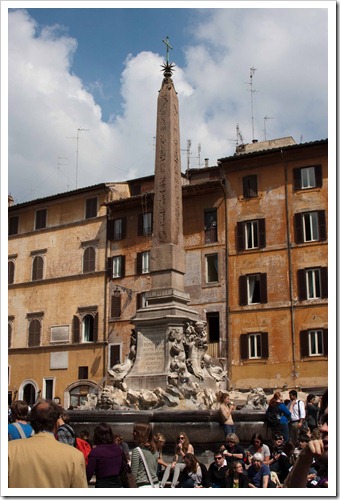
The people lounging in the glorious Roman sun around one of many obelisks removed from Egypt.

2009 04 07 Rome Pantheon_-3

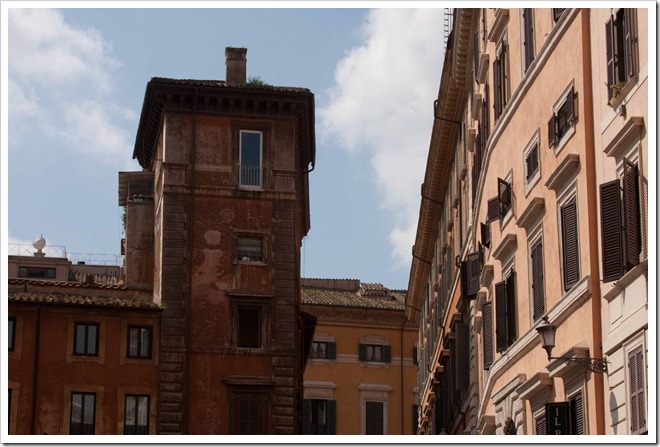
Canadians could learn from the European’s flair for color.

2009 04 07 Rome Pantheon_-23

2009 04 07 Rome Pantheon_-25

2009 04 07 Rome Pantheon_-26

2009 04 07 Rome Pantheon_-33

2009 04 07 Rome Pantheon_-34

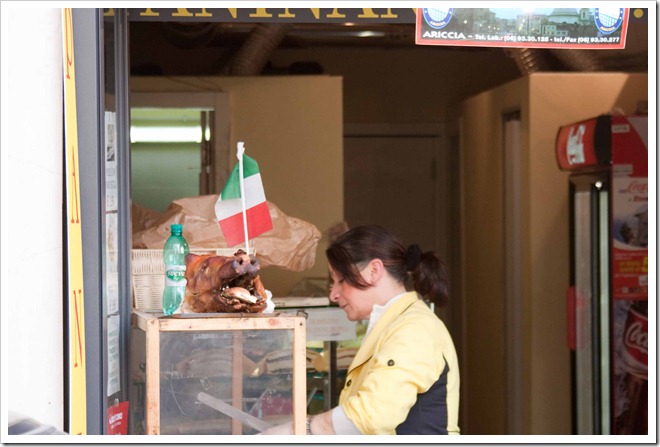
2009 04 07 Pantheon_

We sat and enjoyed a gelato beside the Pantheon (one of many this trip), although the pig head was a bit disconcerting (and for sale)

2009 04 07 Pantheon_-2

We continued our trek to the cat sanctuary.

THE FALLACY OF CENTRALITY


Being new in a role – I ask a lot of questions. I am aIso wary of my own opinion in decision making. Decisions are made based on one’s perception of the situation, and mine is very new. Therefore, when an important decision needs to be made, I ensure that I have all the facts, seek other people’s opinion, so that the best decision can be made.

The other day I was thinking of the danger of organizations that make central leaders the collecting or decision point too often. I then happened on an article which included a note on the ‘fallacy of centrality’:

Researcher Ron Westrum, observing the diagnostic practices of pediatricians in the 1940s and 1950s, spotted what he has come to call the fallacy of centrality. The fallacy is this: under the assumption that you are in a central position, you presume that if something serious were happening, you would know about it. And since you don’t know about it, it isn’t happening. It is precisely this distortion that kept pediatricians from diagnosing child abuse until the early 1960s. Their reasoning? If parents were abusing their children, I’d know about it; since I don’t know about it, it isn’t happening.

One could argue that this is why the British lost on Crete. Sales people, leaders, managers all need to beware this false sense of confidence with regard to knowledge or the belief that they know so much that ‘it can’t be happening’. I remember a piece of advice that I was given by a CIO years ago, he said ‘Do not every become like (the competition). They think they know everything that is going on, they don’t. After all, they don’t know what we are about to do (he laughed)’.

A good reminder that things are always changing, that lots of questions need to be asked and that a central position can have blind spots. After all, look what happened to the political system that was founded on centralized management … Communism.

REFLECTING ON RELATIONSHIPS & SALES


We are having a patio put into our backyard this week. Being new to the area, I don’t like doing these kind of things. You never know if you are getting a good price, if the contractor is a quality contractor or if you will be happy. So most people quickly turn to references. In our case, a neighbour three down from our home had a great patio in place, so we introduced ourselves and he referred us to his contractor.

Now, it has been demonstrated over and over that our propensity to buy from this contractor goes up with the referral and a relationship. After all, people are 2X as likely to buy from someone they know and like. But what struck me through this process was how important the referral was to both parties. They were getting the business, but we were counting on it to deliver a good experience and result. The process went something like this:

  • I called the owner of the company, introduced myself and explained that I had been referred to him by my neighbour.
  • He sent over a landscape designer to look at the backyard within 24 hours, delivering a design super fast.
  • It then went a bit off the rails.We didn’t hear anything for a week, so we took action:
    • We called in and were forwarded to a salesperson.
    • The salesperson provided an over the phone quote (he didn’t really know us, looked at the design but did not inquire about who was helping us (the owner)). He provided a quote and said they might be able to get to us in October (maybe).
    • Learning my lesson on quotes, and as the rep didn’t actually come to the house, I called in four other contractors to estimate.
    • Two of the four showed up. We received our quotes and through the process I learned a lot about what was to be done, specifically that the original contractor did a special finish and one of the contractors talked about the great work they did. He had worked with them before.
  • I called the President back (took 3 calls to get him to return the call), and I refreshed his memory – noting my neighbour’s reference. It turns out that he does a lot of business with my neighbour, and he kicked into high great after I said that I had additional quotes, his price was high, we had not heard from his salesperson but I still wanted his team to do the work.

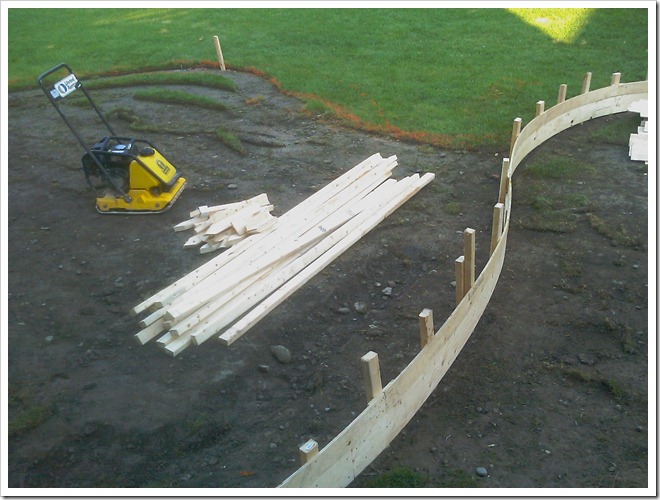
A week later they are in the backyard, putting in the patio at a price point that is 23% lower than the original quote (we didn’t even haggle – he just changed the quote). Now we wait ….
IMAG0026

In this case, both the buyer and the seller valued the relationship. Interesting to reflect on.