THE JAPAN TIMES


My first full week in Tokyo was quite the week, starting with a bout of food poisoning that put me behind the 8 ball for the entire week (Thank-you for offering me 20% off my next flight un-named Canadian airline).  It also meant that I did not get out and about.

That being said, it was my first introduction to the culture and island; an adventure begins……

One of the things I love doing in new countries is read a local paper. A few headlines that caught my eye from the Japan Times:

The government worked out a fresh anticancer program Friday that calls for reducing the rate of smoking among adults to 12 percent by fiscal 2022, down from 19.5 percent in 2010, officials say…. It sets a target to reduce the rate of those exposed to smoke every day at homes to 3 percent in fiscal 2022 from 10.7 percent in 2010 and also to make sure work sites are free from passive exposure by calendar 2020. 

NOTE: I personally did not find the smoking invasive, although it did remind me of England as we moved there just as they started banning it from restaurants. At the restaurant we were at, we received a notice that they would allow smoking at a certain time. What I didn’t realize is that Japan’s smoking rate isn’t that far off Canada’s – which is 17% (2010). Our rigorous laws are not having as big an impact as I would have thought.

Whether it be your neighbourhood toban garbage duty or picking over the big gomi left out on the curb for Big Garbage Day, a fondness of garbage is a sure sign of the aged. Just being in the proximity of amassed garbage will age you by 20 years. If you find yourself attracted to garbage, saying things like “But that’s a perfectly good vacuum cleaner!” and taking it back home, then add another five years. Only old people see the value in these things. Young people buy new, crappy stuff that breaks down in a week.

Tokyo has officially become the world’s most expensive city for expatriates, overtaking the Angolan capital of Luana, while Osaka has moved up to third place. … while a cup of coffee including service averages $8.15 (Y650), the survey showed. (Thank-goodness for my new Jura)

  • The FT had an article on Hiroshi Mikitani who is classified as a “rebel” entrepreneur in Japan. It was explained to me that there are two cultures evolving in Japan, the new business culture which is more western in style and often prevalent in companies that are foreign owned (e.g. no ties, less formal) and the traditional Japanese company which is buttoned up. The article is a worthwhile read as it profiles both.

So much to enjoy and learn.
SOCIETY PULLING TOGETHER

The tsunami and affiliated disasters are far from forgotten in Japan. I had the opportunity to attend a charity event where we sampled produce from a stricken farming region (A prosciutto and blueberry stick was an odd combination, and pleasant surprise) and hear stories from volunteers who have made it into the communities that are being rebuilt, but remain devastated.

One big challenge is power. Japan’s 52 nuclear reactors have all been brought down to improve security and ensure that they can handle an extreme event like the tsunami/earthquake that took down Fukushima.

What I find very interesting is the way that Japanese society is moving together to meet the challenges ahead. Factories moved to Wednesday to Sunday manufacturing to spread energy usage and they have implemented something called “Super Cool biz” in Japan.

Businesses are leaving their buildings 5 degrees hotter than normal (it is noticeable) and pins have been distributed signalling a significant culture shift in attire. No ties for the summer and short sleeve shirts, which is supposedly unheard of in Japanese business culture (It first started as “Cool Biz” in 2005, with the recent disaster really pushing the effort forward)

An indicator of their group orientated culture, and a good idea that others should consider.

A FEW JAPAN OBSERVATIONS


The next few years will be filled with new experiences and observations. As someone explained to me … the 1st year in Tokyo is filled with confusion, the 2nd with a sense of understanding and the 3rd is when expats fall in love with the city and will have to be dragged away with tears in their eyes.

My first observations….

  • It is the only place in the ENTIRE WORLD where I have not had a taxi driver fight me on using American Express.
  • On the topic of taxis: The doors automatically open and close. Takes you by surprise the first couple times.
  • I don’t think that there is anyone in Japan who is obese other than foreign business people and tourists. Seriously. According to the article Global weight gain doing more damage than growing numbers (BBC), “The Japanese example is quite strong. Average BMI (Body Mass Index) in USA in 2005 was 28.7. In Japan, it was 22. You can be lean without being really poor, and Japan seems to have pulled that off. (Japanese people have a low average BMI but high standards of living)”
  • Maybe that is because I saw only 1 fast food joint as I made my way around the city: McDonalds.
  • The food is spectacular. Everything is fresh. I am looking forward to a culinary adventure in the city with the most Michelin stars in the world. I only ate one thing I did not like, urchin. Tastes like the bottom of a dirty sink (I had to try it).
  • On the topic of food, I have never tasted beef like Japanese beef. Unlike NA beef which is lean, their beef is very fatty. They find our beef tough and chewy. Which means that it is very high in fat and you do not eat it like you would a Canadian steak. You eat a small portion, sliced. I was blown away, the most flavourful piece of beef I have ever tried.
  • Tokyo is VERY VERY VERY clean. I did not see any litter (funny, I didn’t see anyone cleaning up either, maybe they come out at night?).
  • I happened up on a GROM. Awesome.

July is the official cut-over, cannot wait.

SIX DEGREES OF SEPARATION ILLUSTRATED


I firmly believe in the notion of six degrees of separation, I have seen it in action too many times to not believe in it. For reference:

Six degrees of separation refers to the idea that everyone is on average approximately six steps away, by way of introduction, from any other person on Earth, so that a chain of, “a friend of a friend” statements can be made, on average, to connect any two people in six steps or fewer. It was originally set out by Frigyes Karinthy and popularized by a play written by John Guare.

And how about this for an illustration:

    • Sitting on the patio at the Marriott in Grand Cayman and talking about American schools and our time in England. A woman overhears and says “We lived in England too”. We start to chat and mention that we are considering a move to Japan, and researching what it would be like. Turns out, a good friend of hers lives in Japan – they send an email and introduce.
    • The American friend in Japan is very kind, sending a lengthy email on where to live and a ton of details on life in Japan. Very kind. Including the name of a building that is fantastic and a note that a friend happens to be moving out of that building in June.
    • I spend this week in Tokyo – my first week – and take an afternoon to house hunt, coming across a building which I really like. However, I am not able to see the apartment coming up in a couple days as I am getting on a plane and the family is busy packing. No showings please.
    • Friday night, Narda and I are discussing the building and she says “Isn’t that the building in the email from Linda?” Quick search it is. Could it be that family? I send an email asking Linda if it is her friend and if there is any chance I could see it before I get on the plane (I am in the airport in Narita – 4:15PM Saturday).
    • Email back at 7AM Saturday from resident – it is her home and if I get there between 9am and 10am I can see it before she jumps on a plane.
    • I arrive, see the place and she is wonderful enough to explain a ton about the area from a family perspective, offering to connect and introduce us to a ton of people in the area.

The real estate agent was floored when I said “Please come pick me up, I have an appointment in that apartment for 9am”.

Six degrees of separation in action and a little good fortune.

Updated: Through Facebook Narda found out that a friend of hers from our time in London had also moved to Tokyo, and is living in the apartment that we will hopefully be living in. Wow.

image

A MOVE


While making the decision on whether on not to move to Japan, I spent a lot of energy researching the lifestyle, country and culture. Through LinkedIn I reached out to my Asian colleagues and teed up a number of phone calls with friends of friends to discuss their expat assignments in Japan and of course, I read.

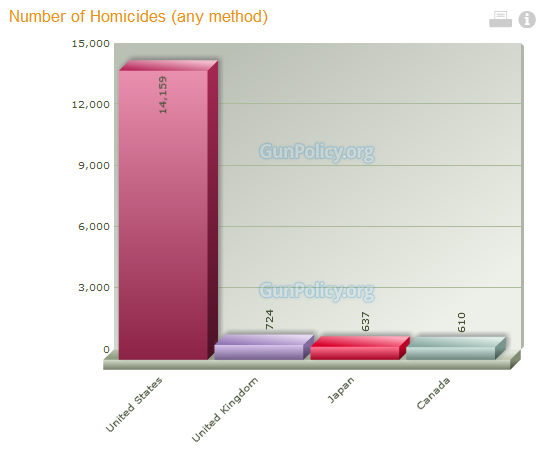
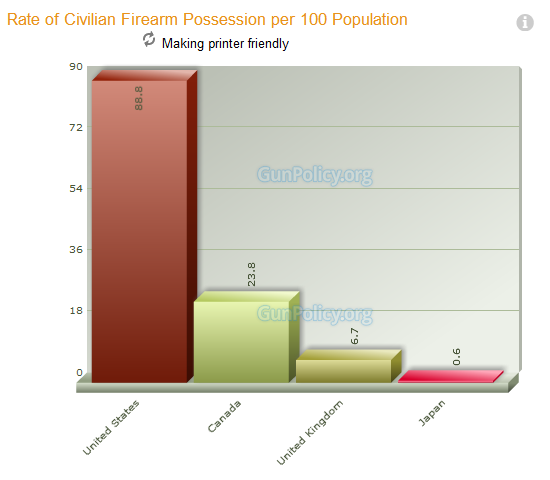
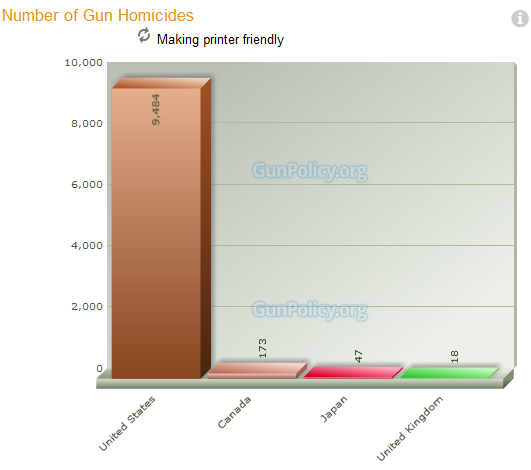
One theme that kept coming up about Japan is how safe it is. I had one executive relate how he would ride the subway in the morning and find it so odd to see a 4 year old by themselves on the way to school, Hello Kitty backpack and all. Another explained how when she landed back in North America she would sit her kids down and say “Now remember, we are not in Japan anymore. Stay close, don’t talk to strangers and don’t leave anything on a chair because you won’t get it back or someone will snatch it”, whereas in Japan if you leave your laptop on the subway there is an almost 100% probability that you will get it back from lost and found. Good luck getting anything back on a Toronto subway.

Consider these stats, remember that the US has 330M people, Japan has 128M, UK has 60M and Canada has 32M people. Very eye opening.

imageimageimage

This is just one of the many element of culture that interested/surprised me as I read about our new home. In another conversation, I spoke with an executive who had lived in London and in Tokyo, as we had and in a laughing voice he stated “Japan will ruin you forever with regard to customer service. There is nothing like Japan. Remember how it was in the UK – take the exact opposite and that is Japan – the repairman doesn’t give you an 8 hour window to arrive and show up two days late, they give you a 30 minute window and arrive at that time, and the trains all run on time without fail”.

Thanks to the information age, expat/culture websites abound and the number of books on the topic are only limited to how much time you have. Personally, the thing that I loved the most about the UK is the nuances and differences. The time to experience the Japanese nuances approaches. Camera ready.

NUANCE


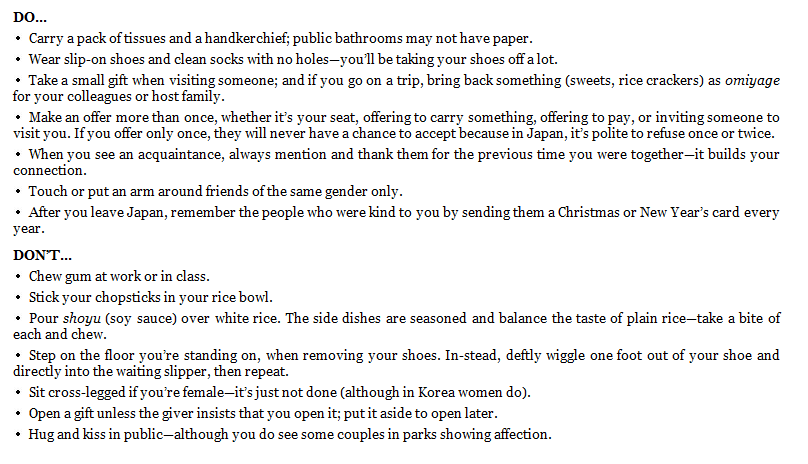
Part of moving is research. I have been reaching into my network to get insight from people who have lived in Japan before and reading … a lot. When we moved to the UK we were surprised by the nuances of the culture, but there was never a “Do-Don’t” list readily available. Not so with Japan, there are many …..

image

THERE ARE TWO TYPES OF EXPATS


As many of my friends know, our family is planning a move – to Tokyo. We have often talked about Asia and it has been a personal career goal. As with all goals, if you set your mind to it, it will happen.

This will be very different from our “ex-pat lite” experience of living in London primarily due to language. I do not say due to culture because moving to London was a huge culture shock. I personally didn’t think it would be – but I was very, very wrong.

In retrospect, it was those cultural differences that made it such an amazing experience and one that I continue to reflect on fondly; I love the UK. But that requires a certain mindset. What I came to realize as I lived there and mingled in the expat community, is that there are three types of expats:

1. The ‘check-the-box’ expat:  This expat knows that they will only be here for a short while and are looking forward to promptly returning home and therefore decide that they are going to do it all. This generally means an insanely packed schedule with day trips and holidays that are so jam packed with sightseeing that they really don’t experience it. These are people who go to The Louvre and only schedule 1 hour.

2. The ‘I do not want to be here’ expat:  This is the executive who has to do this role for career reasons and is dragging along a spouse who does not want to be there. They are usually counting the days until they can move back into the house that they kept in North America and resume ‘normal’ life. This family shops at the butcher shop in Virginia Water who stocks all kinds of US foods like crappy Skippy peanut butter and constantly complains about everything that is different than at home. Surprisingly, there are quite a few of these people.

3. The ‘make it memorable’ expat: This family may or may not know when they are going home but are there to love every minute. The nuances of the culture, the little differences that are frustrating for family No. 2 become charming. They mix with locals and take trips that are not jam packed sightseeing trips, but also filled with casual brunches at a cafe on a side street. They love the differences and every experience, big and small.

In the UK, we were number 3 and it is best illustrated with cream:

  • Family number 2 looks at cream as an irritant. It is called pouring cream, comes in tiny little containers and expires in roughly 4 days versus the 3-4 month expiry on your 1 litre container in North America.
  • Our family laughed about cream. First thing, it took us 3 weeks to figure out that pouring cream is cream that can be used in a coffee as many shops don’t carry it. The fact that it only lasts a few days is one that we still wish we had in North America, as one has to wonder how our cream lasts for so long – what is in it?

It is all about mindset. In our case we will re-institute our weekend rule – “Do one thing different every weekend”. I cannot wait. Time to blow the dust off my camera …..